If You're Big On Texture, You're Going To Hate These 20 Slimy Foods From Around The World
If You're Big On Texture, You're Going To Hate These 20 Slimy Foods From Around The World
Not Chew-Friendly
Texture can make or break a meal long before flavor has a chance to speak. For some foods, slipperiness is part of the appeal. For others, it’s the exact reason they never make it past the first bite. Around the world, certain dishes lean fully into slick, gelatinous, or gluey mouthfeel. If you’re particular about how food feels, consider this your warning label and swipe carefully through the list.
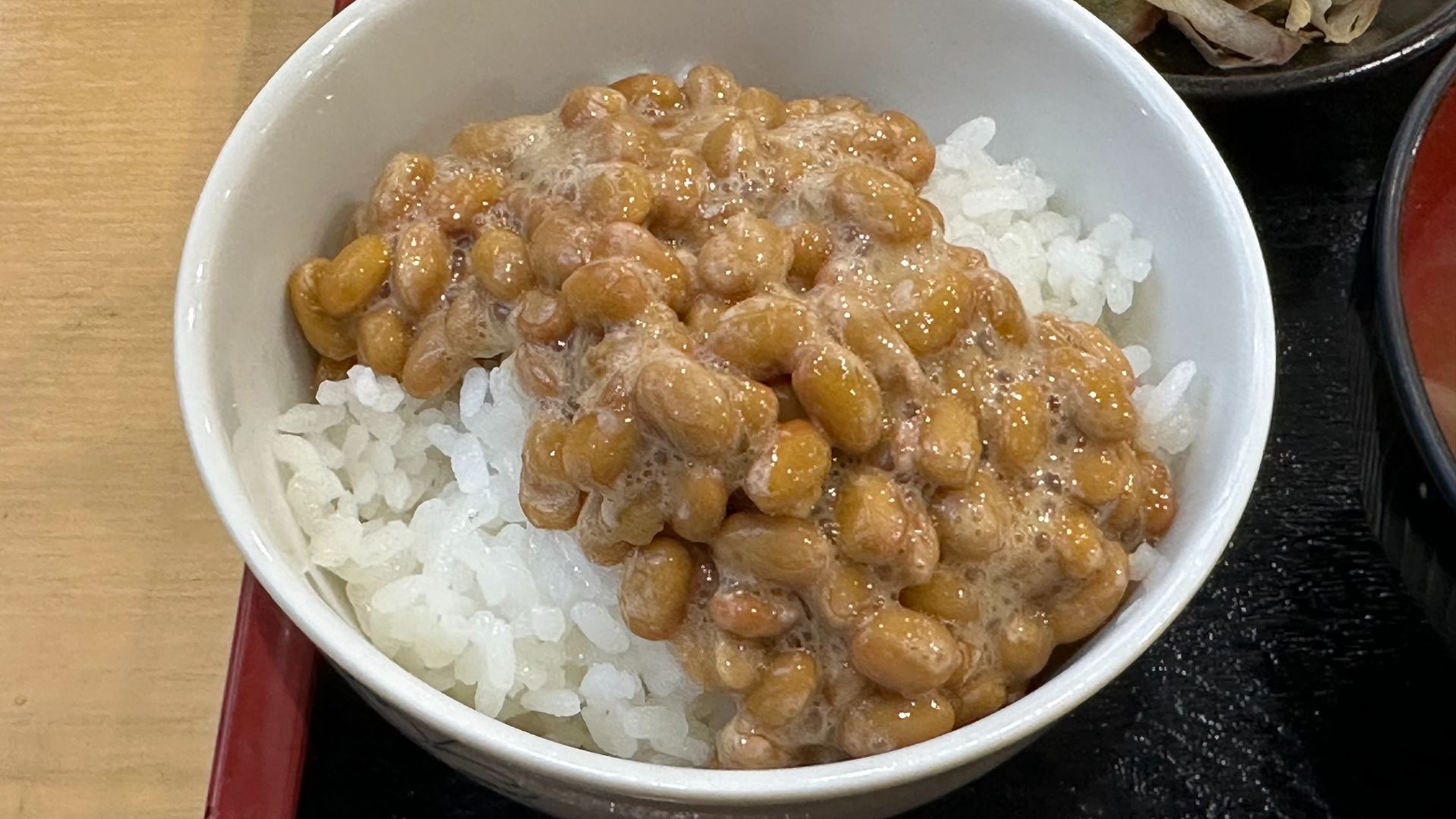
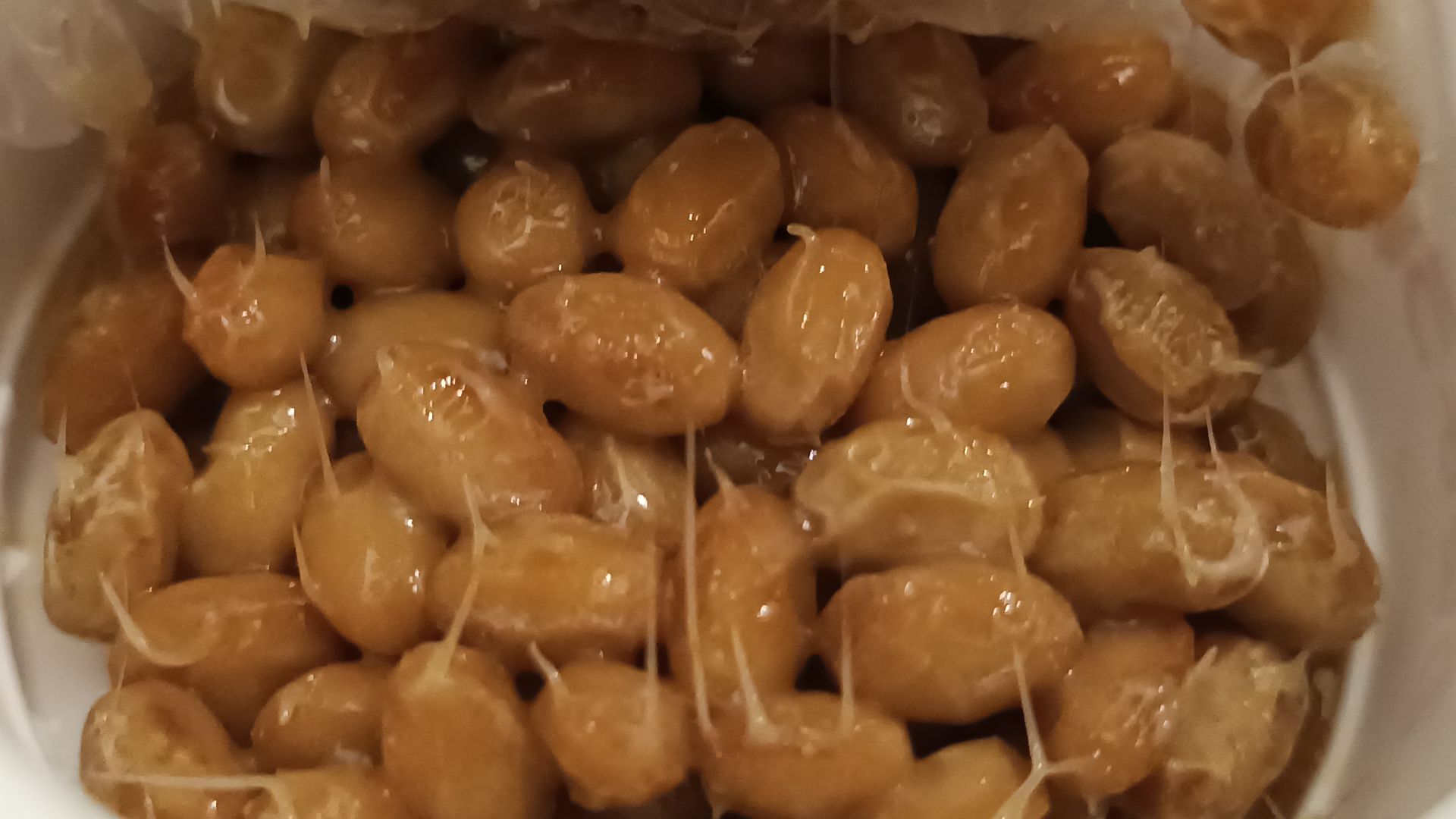
1. Natto
Fermentation turns something familiar into a textural obstacle course. Sticky strands stretch and cling instead of breaking cleanly, coating the mouth long after chewing stops. The sensation feels active and persistent, which explains why people sensitive to texture struggle before flavor even enters the picture.
 Naha Mama Pavilionz on Wikimedia
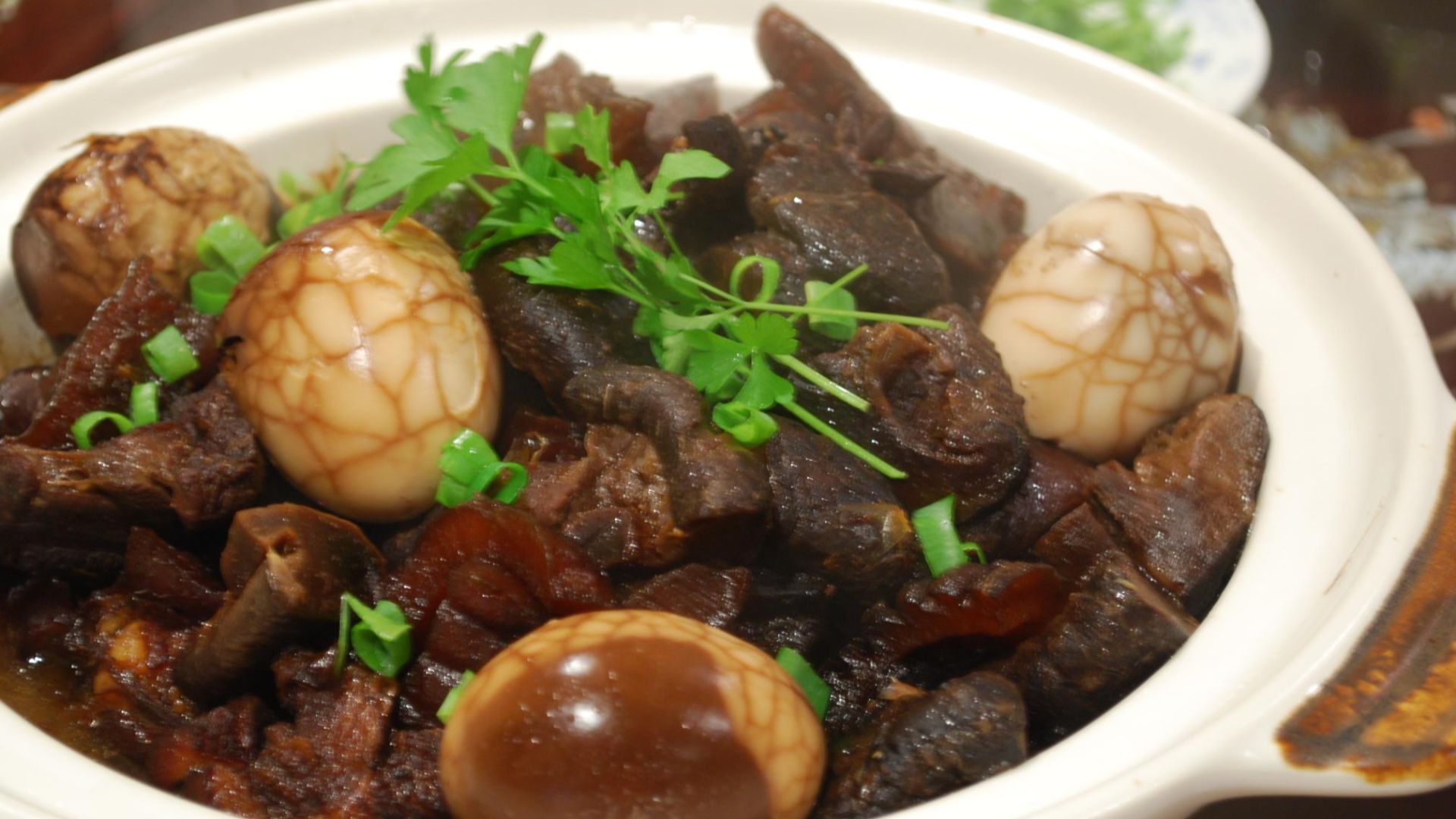
2. Sea Cucumber
Chewing behaves differently here. The surface feels slick, then gives way to an elastic interior that bends instead of tearing. Sea cucumber creates a gelatinous resistance that feels more tactile than satisfying, especially for diners expecting something closer to seafood or meat.
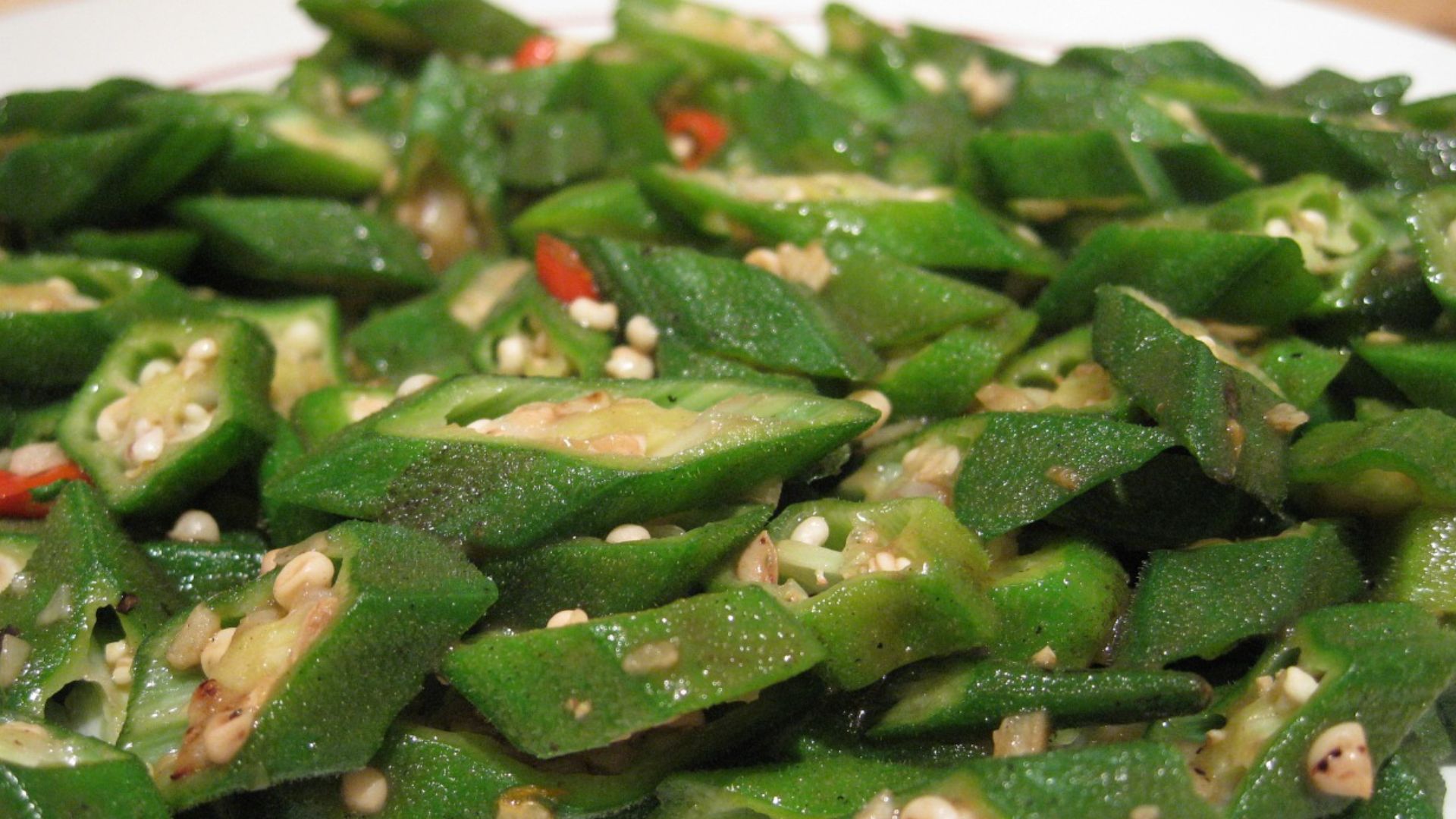
3. Okra
The issue begins the moment heat hits the pan. Natural mucilage seeps out and thickens nearby liquid into something slick and viscous. In stews and soups, that plant-based slime often spreads, changing the entire dish rather than staying contained.
 Kham Tran - www.khamtran.com on Wikimedia
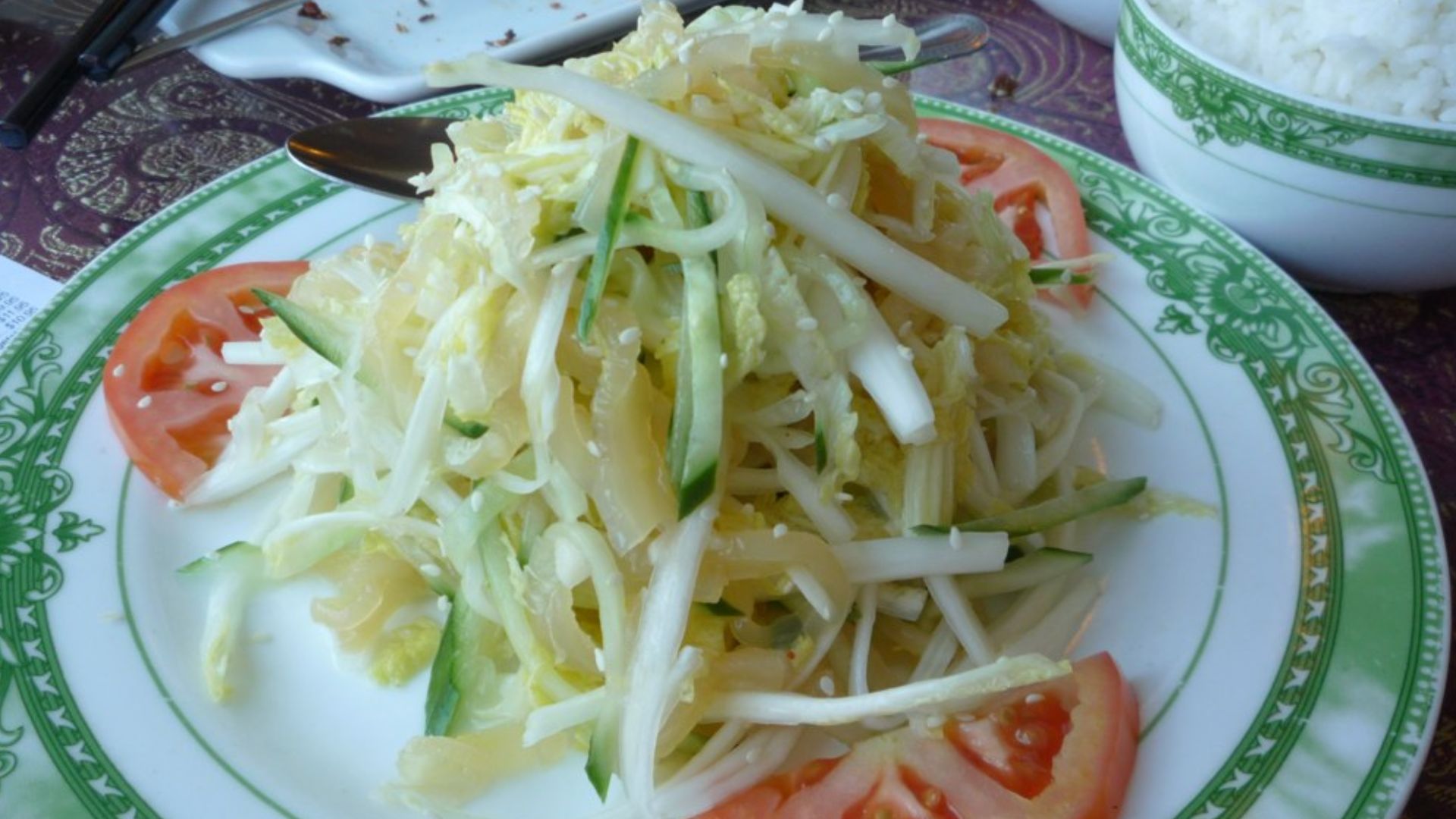
4. Jellyfish Salad
The mouth prepares for softness and gets surprised instead. A wet, slippery surface slides across the tongue, followed by an abrupt crunch at the center. When slickness collides with snap, the texture becomes unpredictable and slightly disorienting.
 John Thompson from Iqaluit on Wikimedia
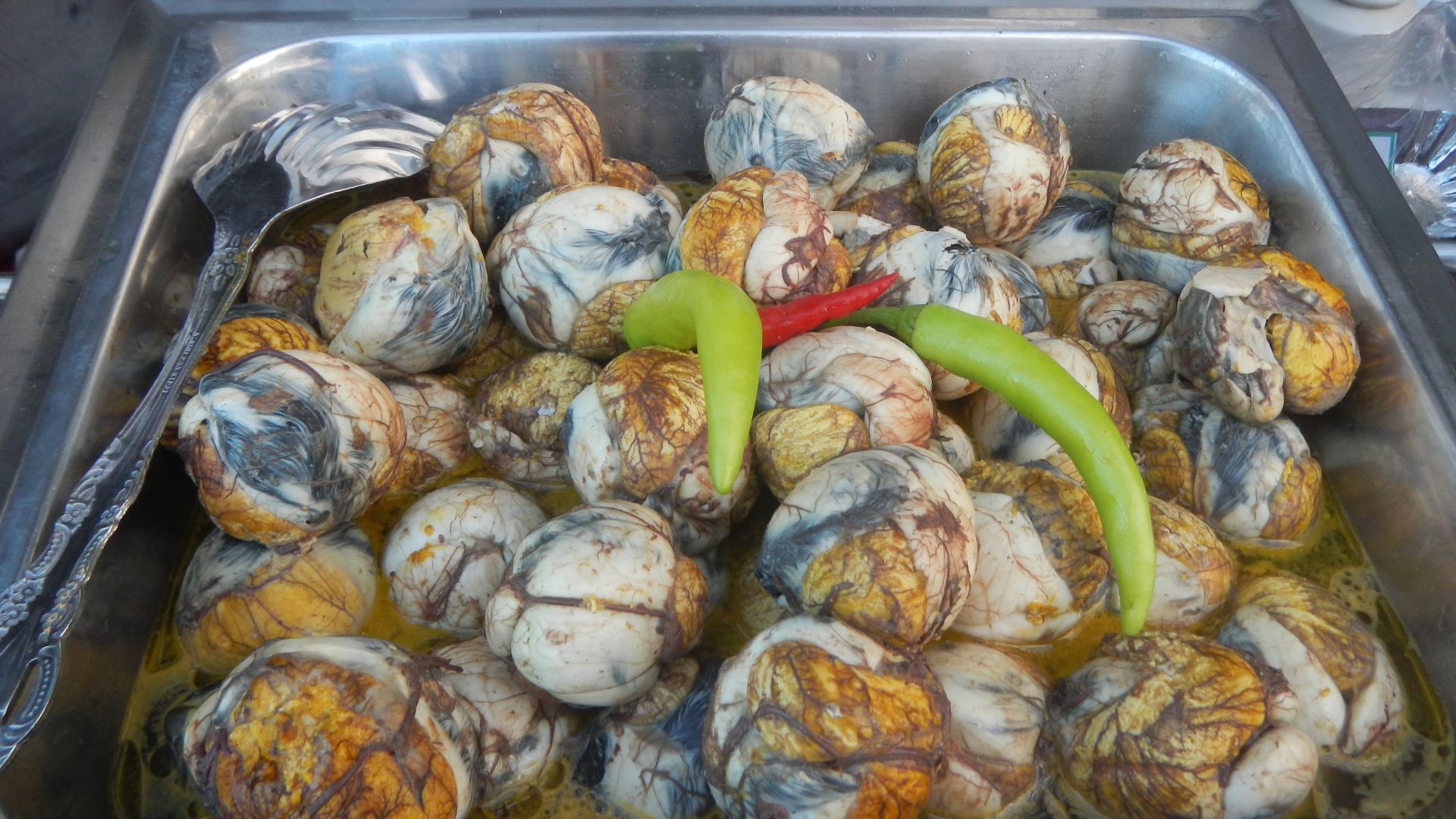
5. Balut
Each bite resets expectations. Slick membranes and gelatinous pockets appear without warning, shifting texture mid-chew. The experience feels uneven and difficult to anticipate, which tends to unsettle anyone who values consistency more than novelty.
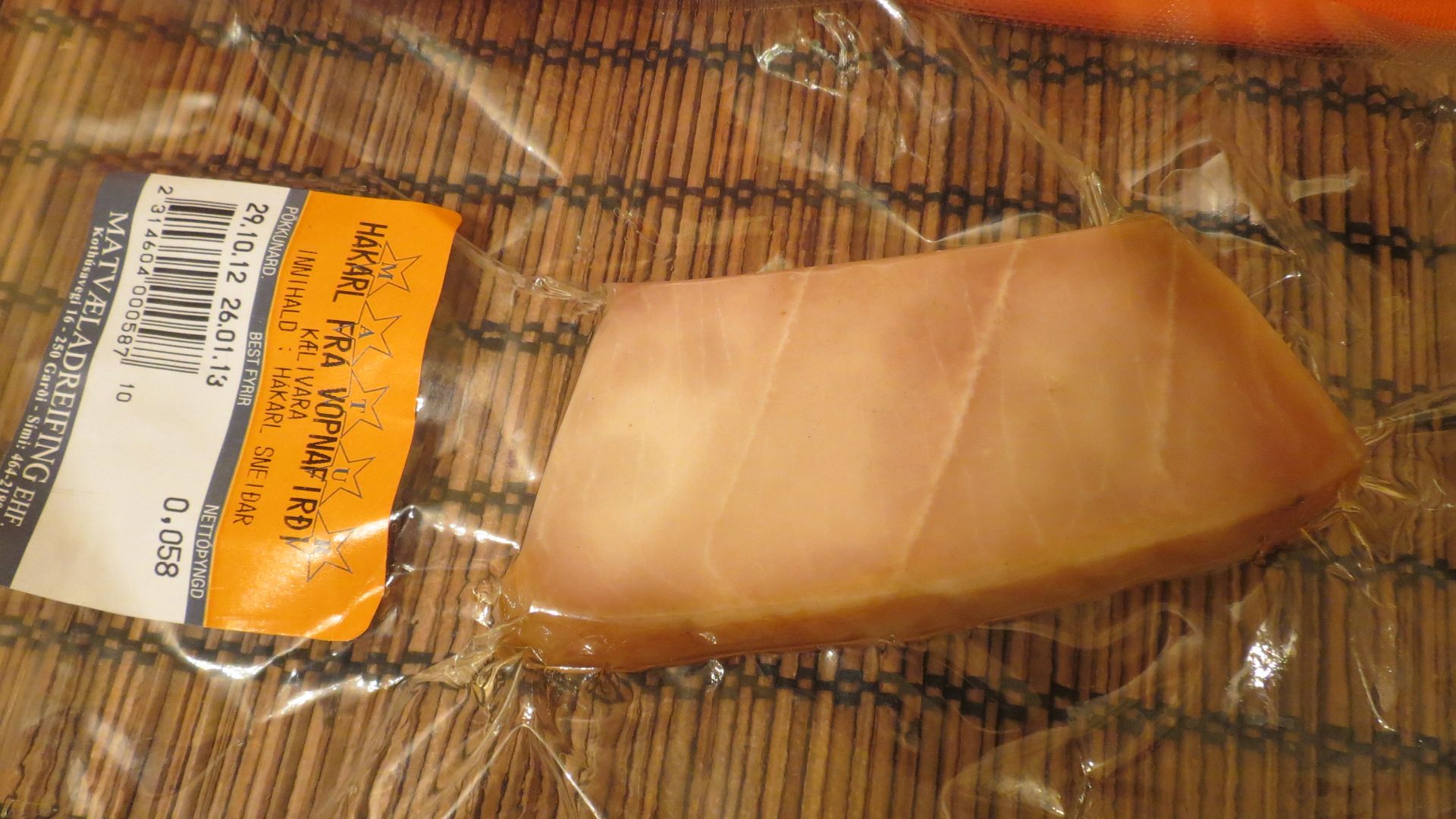
6. Hákarl
Fermentation reshapes structure beyond taste alone. Retained moisture produces a slick bite with little resistance. Lingering contact also stays noticeable throughout eating and shifts focus away from flavor toward physical response during repeated chewing cycles over time for many people worldwide.
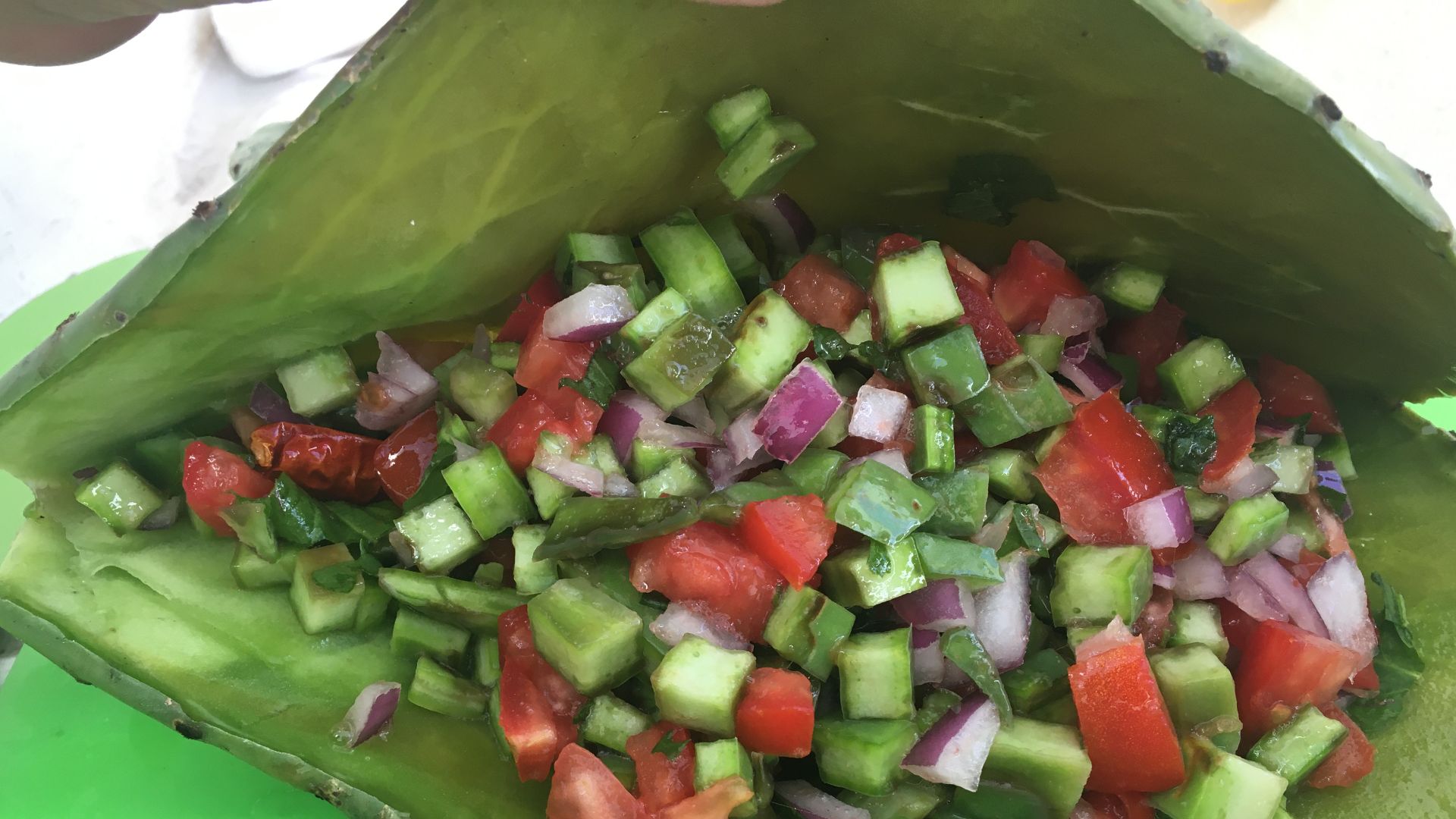
7. Nopal
Cut surfaces release a clear, slippery coating once heat is involved. Nopal carries that plant-based slickness into sautés and stews, where the texture spreads quickly. Even careful preparation leaves a faint viscosity that surprises people expecting something closer to green beans.
 Alejandra Mendoza Santillan on Wikimedia
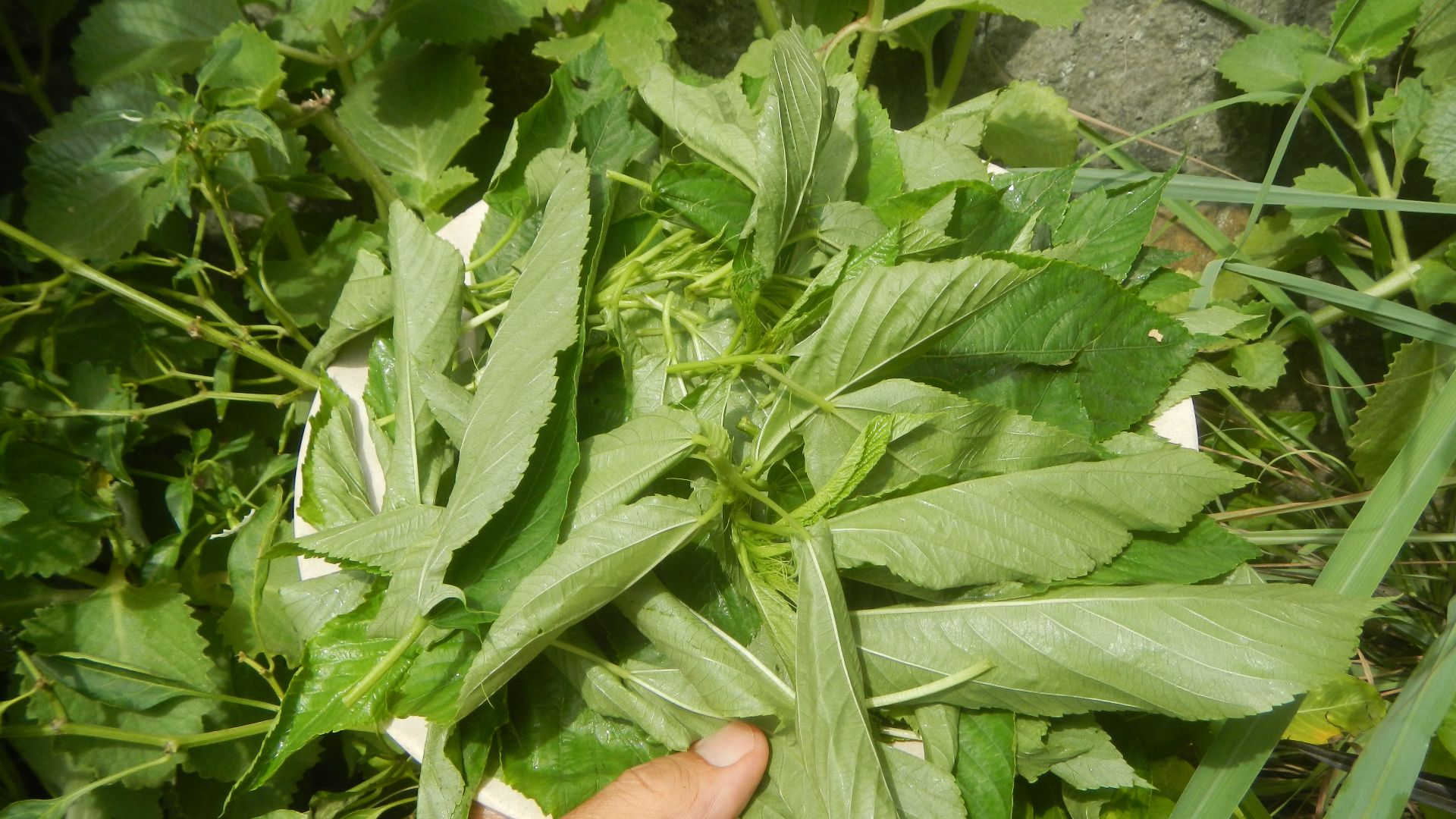
8. Saluyot Leaves
Cooking turns these greens into something noticeably slimy. A thick, glue-like texture forms as the leaves soften, coating everything around them. The result feels closer to soup than vegetables, which can be jarring for anyone sensitive to mouthfeel changes.
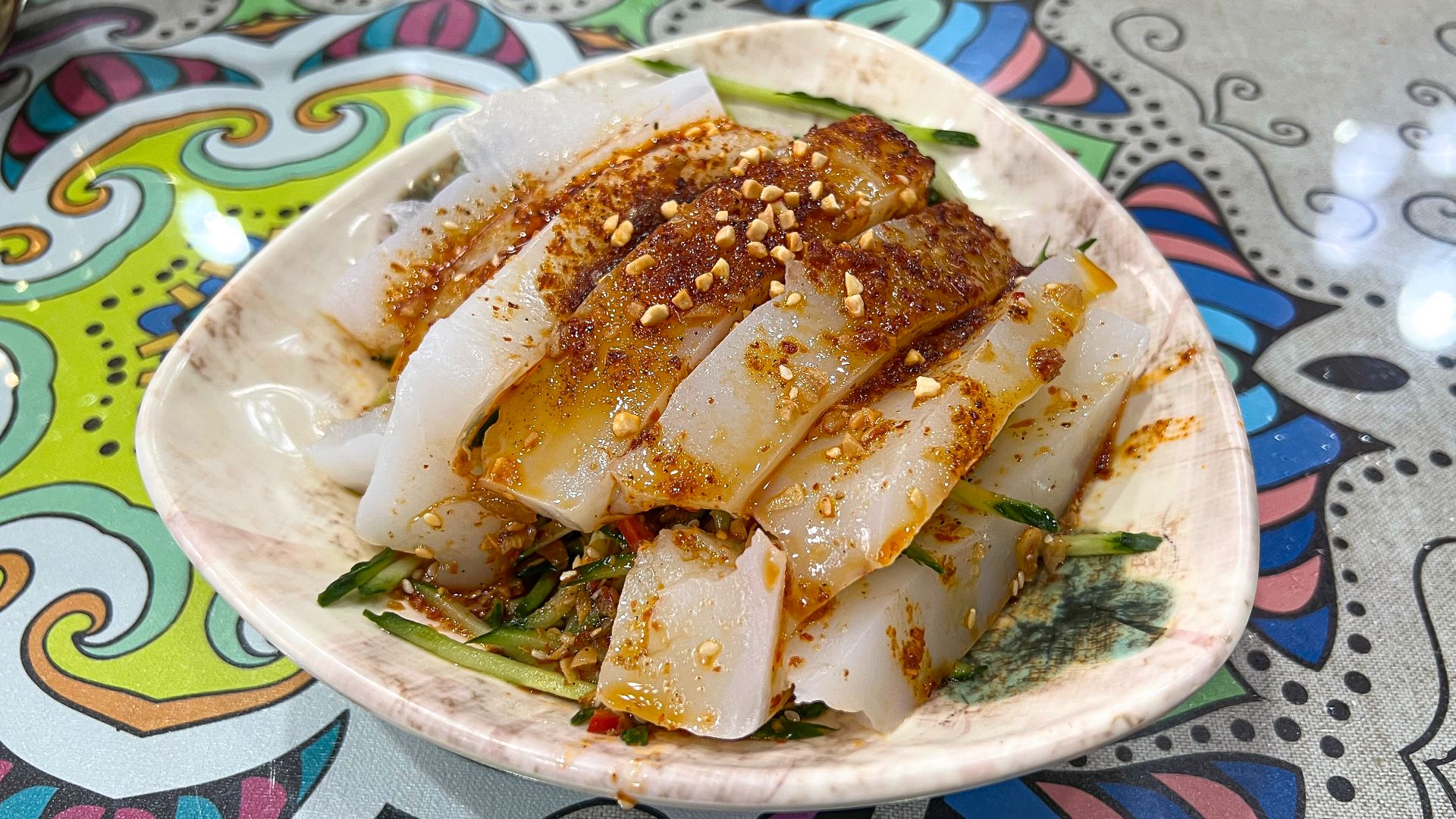
9. Mung Bean Jelly
Cold and translucent, this dish slides across the tongue before settling. This is because a slick surface replaces firmness with minimal resistance. That smooth, wobbling texture dominates the experience, even when bold sauces or seasonings are added.
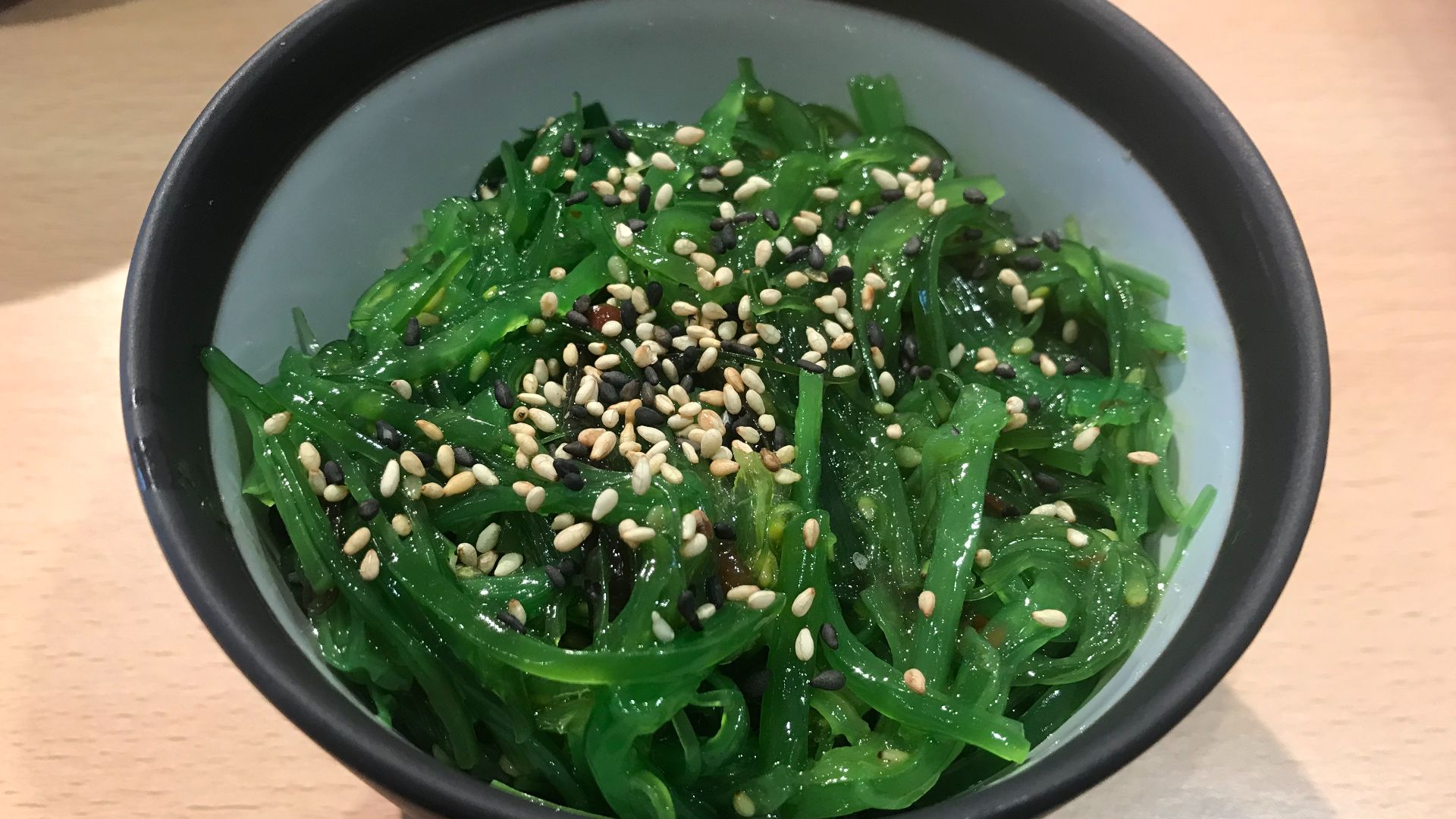
10. Seaweed (Wakame Or Kombu)
Once hydrated, seaweed develops a naturally slick surface that clings to the mouth. The texture stays slippery even after cooking, creating long, smooth bites that feel more gelatinous than leafy, especially in soups or chilled dishes.
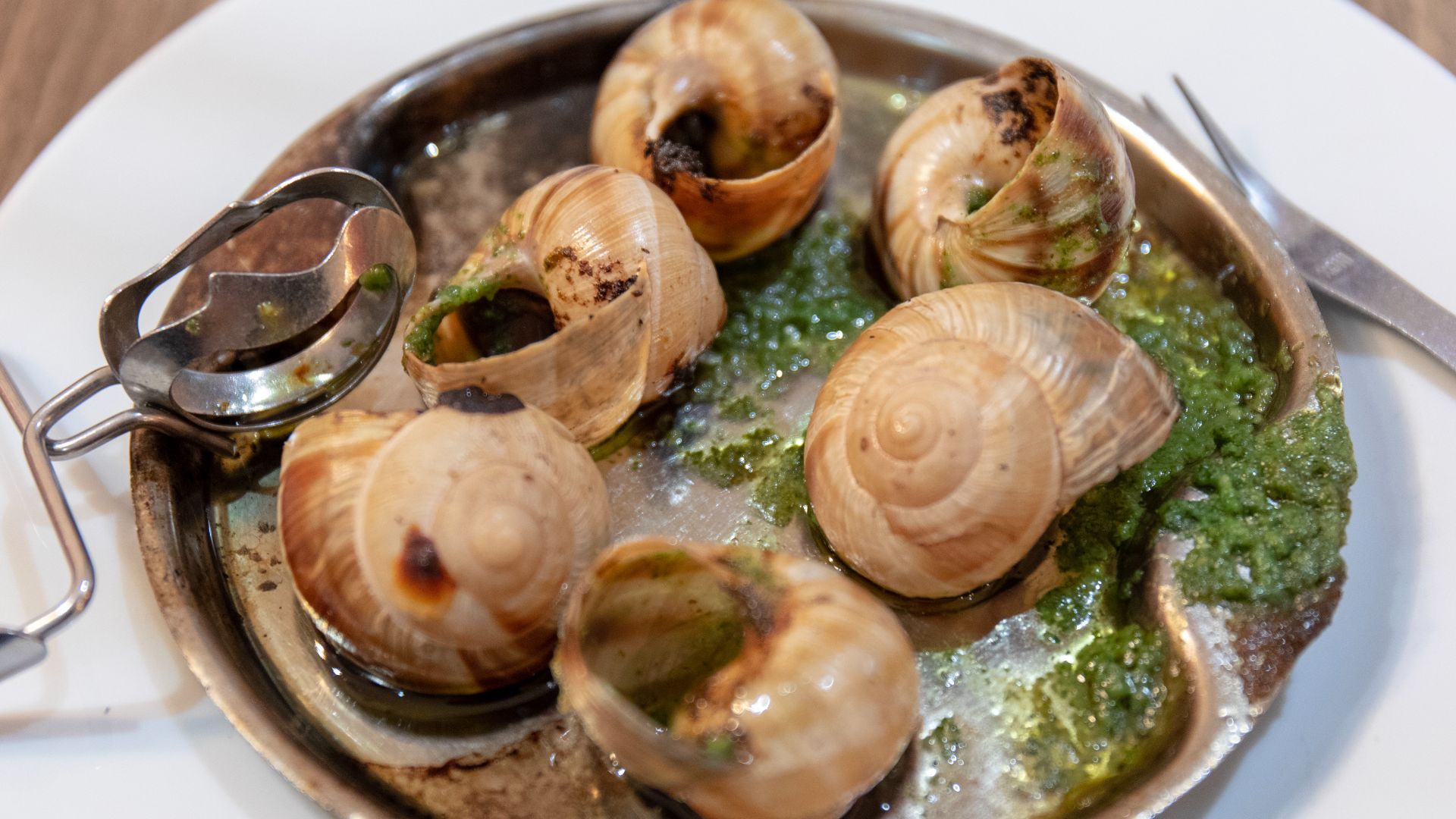
11. Escargot
Butter and garlic distract at first, but texture takes over quickly. The bite is soft, moist, and faintly slick, offering very little resistance. That slippery tenderness lingers longer than expected, which often catches people off guard despite the familiar flavors.
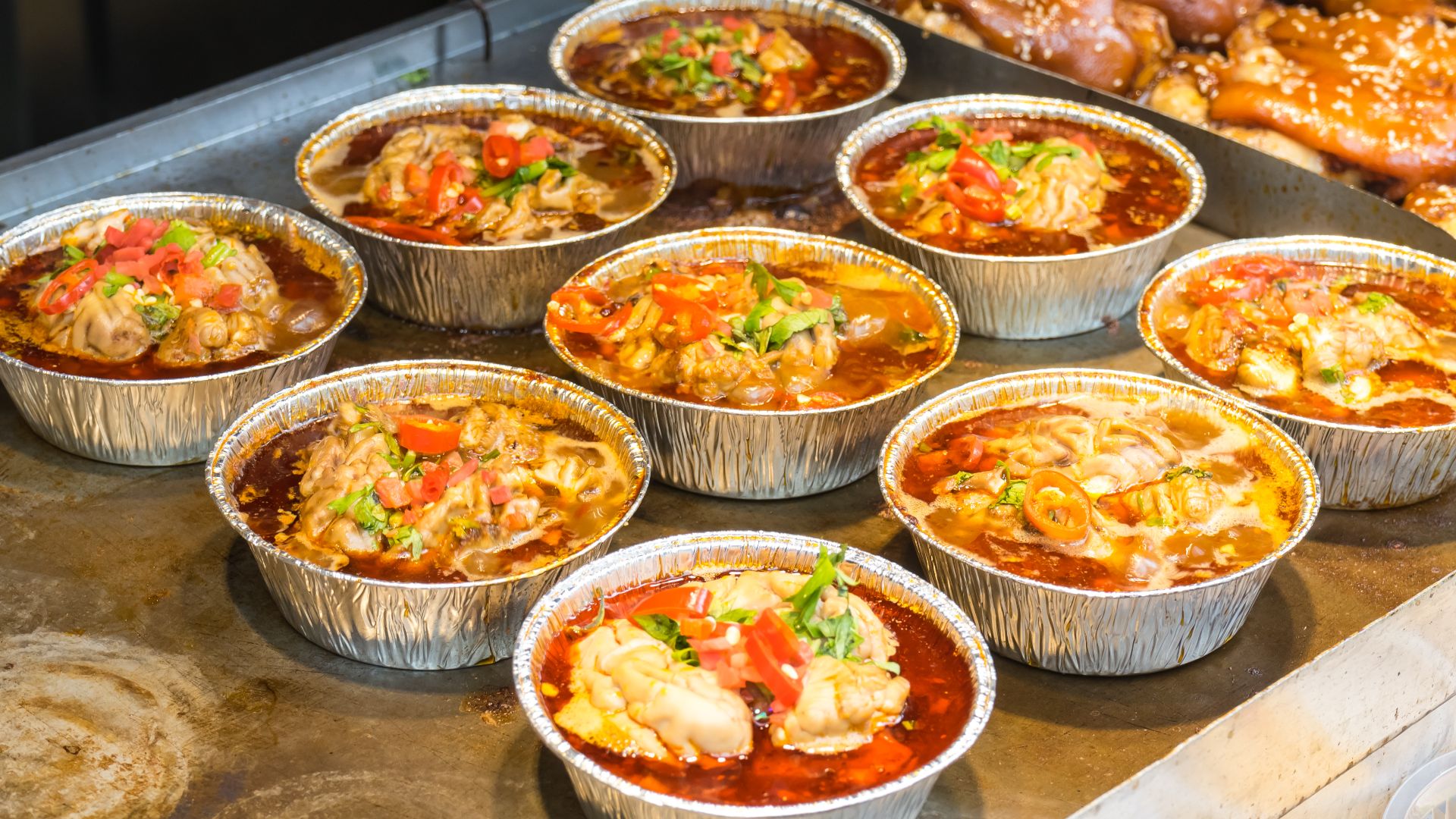
12. Pig Brain
Structure barely exists here right after the mouth meets something wet and creamy that collapses instantly under pressure. Without chew or tension, its texture feels closer to custard than meat, a quality that unsettles diners who rely on firmness for reassurance.
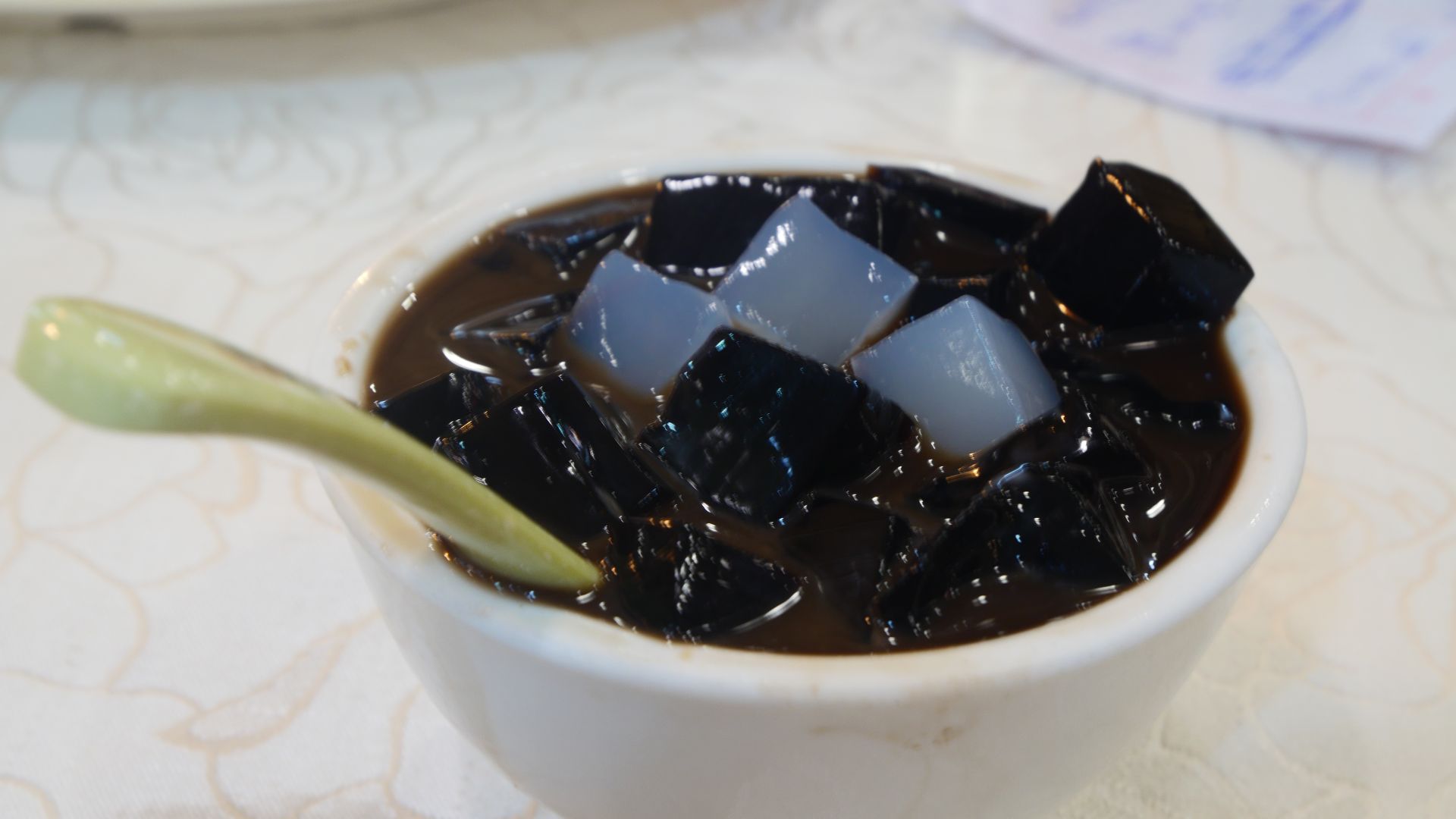
13. Grass Jelly
Cold cubes slide instead of a bite. The surface is also slick and wobbly, breaking apart with minimal effort. Even in sweet drinks or desserts, that slippery softness dominates attention, making the experience more about sensation than flavor.
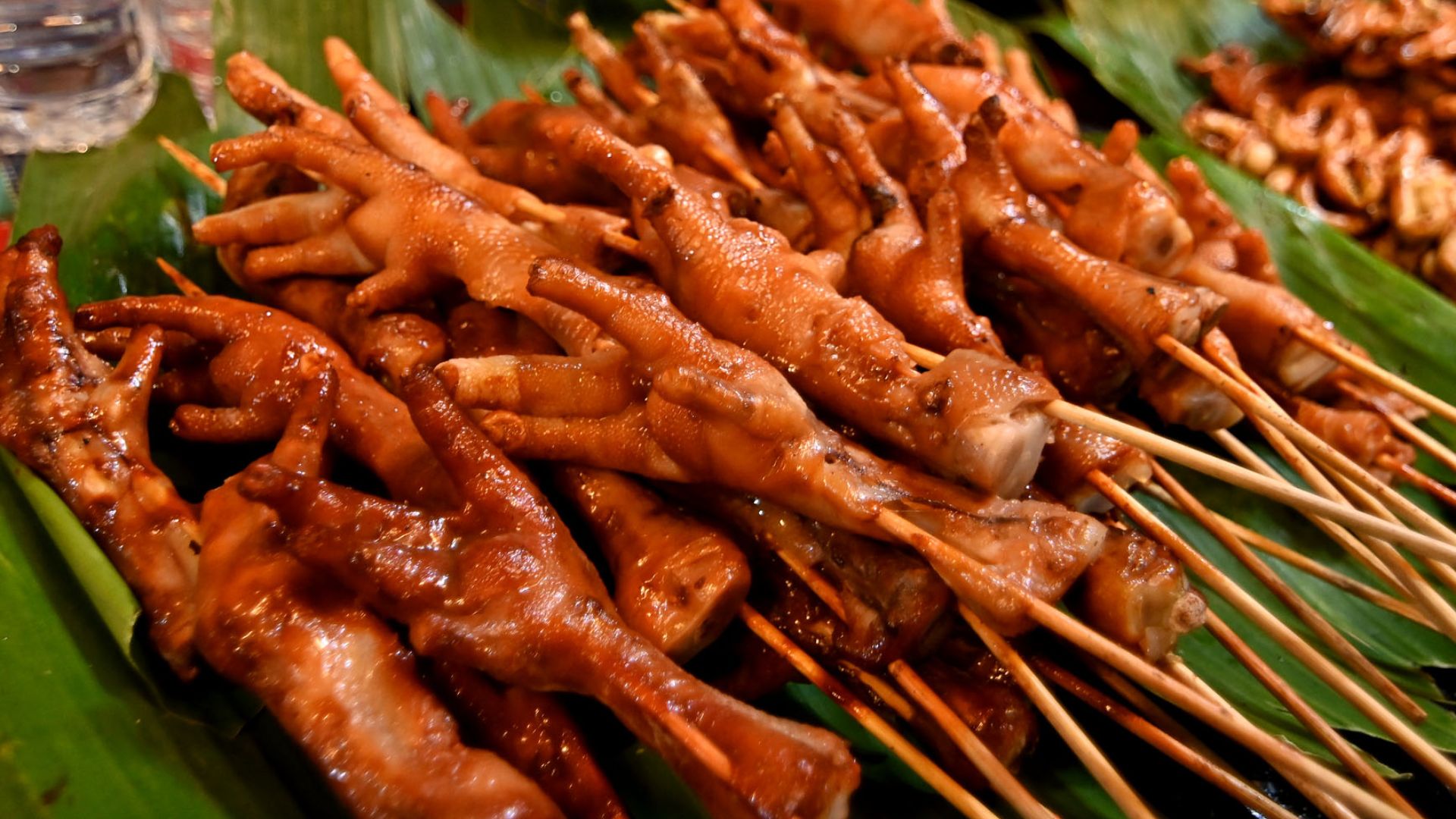
14. Chicken Feet
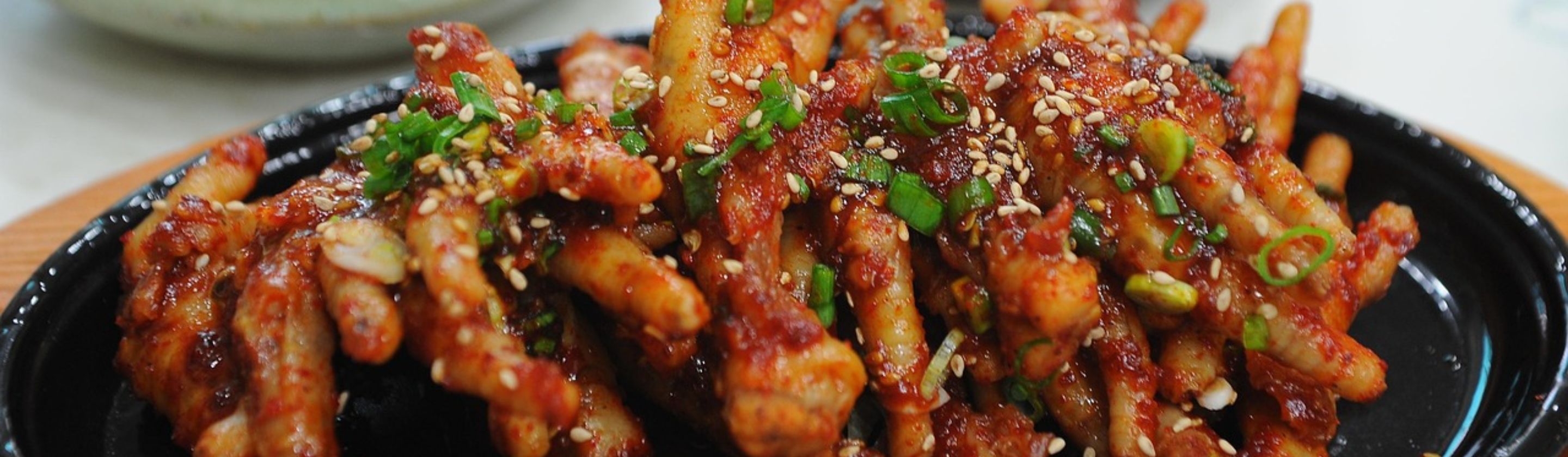
Chewing chicken feet is like an exercise in patience. Skin and connective tissue release gelatin as heat breaks them down, which further creates a sticky, slippery coating. Plus, it relies almost entirely on mouthfeel. This explains why fans love them, and critics hesitate.
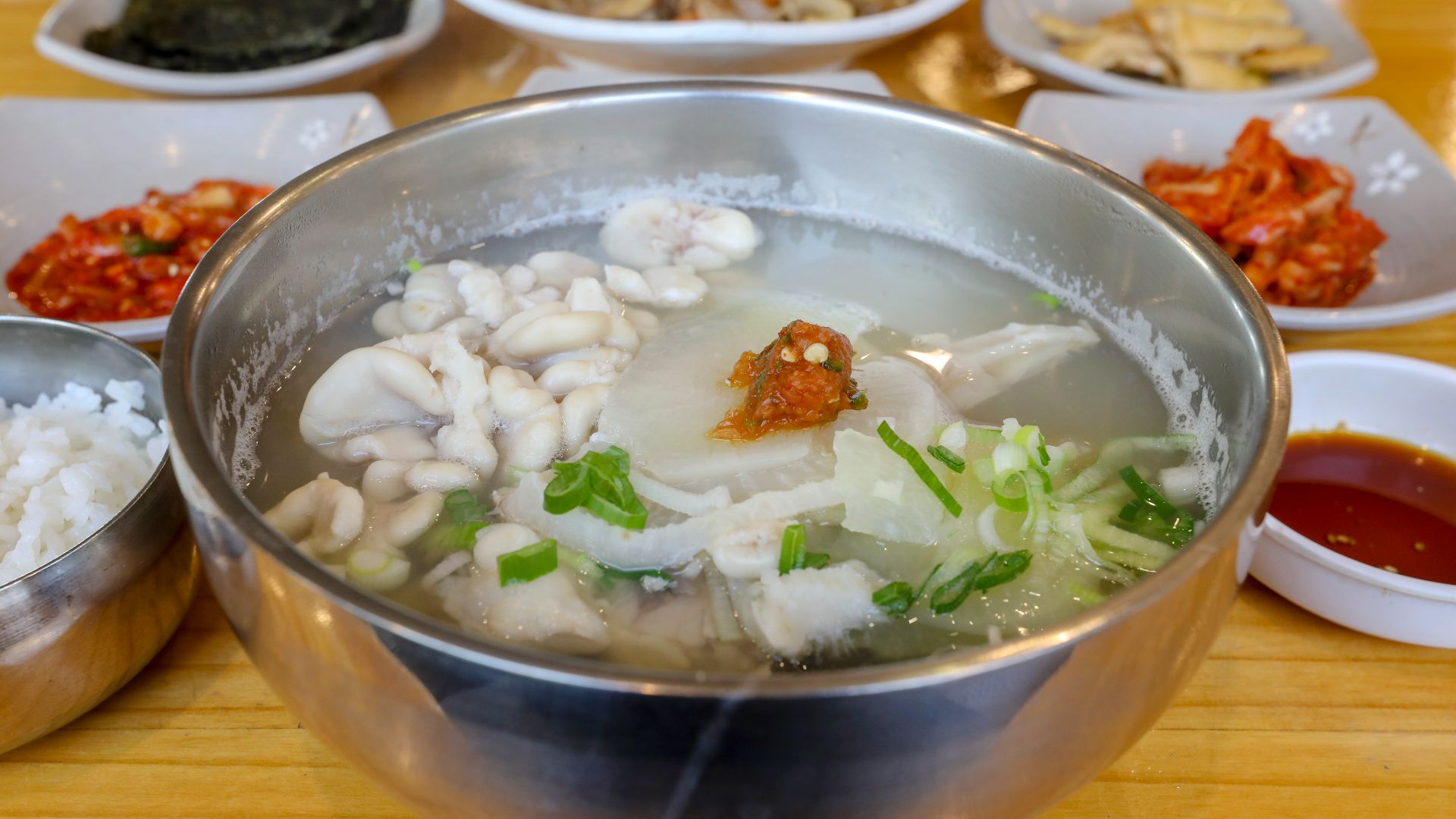
15. Cod Milt
The first contact feels deceptively gentle. A soft outer layer gives way to a creamy interior that spreads rather than chews. Cod milt delivers a smooth, custard-like sensation that stays slick throughout, often surprising anyone expecting a typical seafood bite.
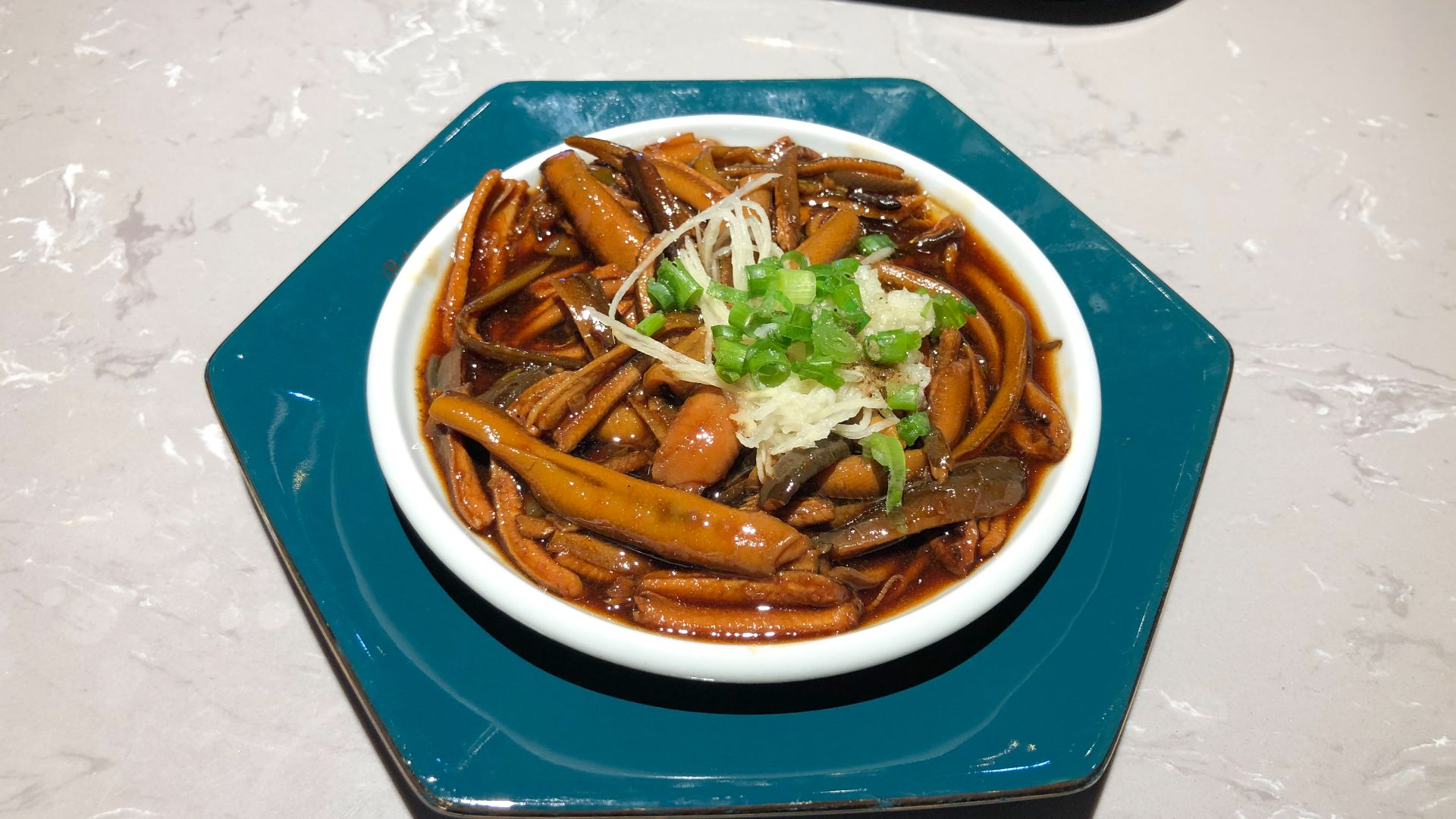
16. Fried Eel
At first, the exterior behaves as expected. Moments later, the fried eel collapses into an oily softness that coats the tongue. The contrast lingers longer than flavor, which often unsettles people who rely on texture to stay consistent through each bite.
17. Snail Eggs
Small pearls slide rather than pop. Each bite is cool, wet, and faintly gelatinous, offering almost no resistance. Soft jelly offers the closest reference point, creating a sense of unfamiliarity ahead of any clear flavor.
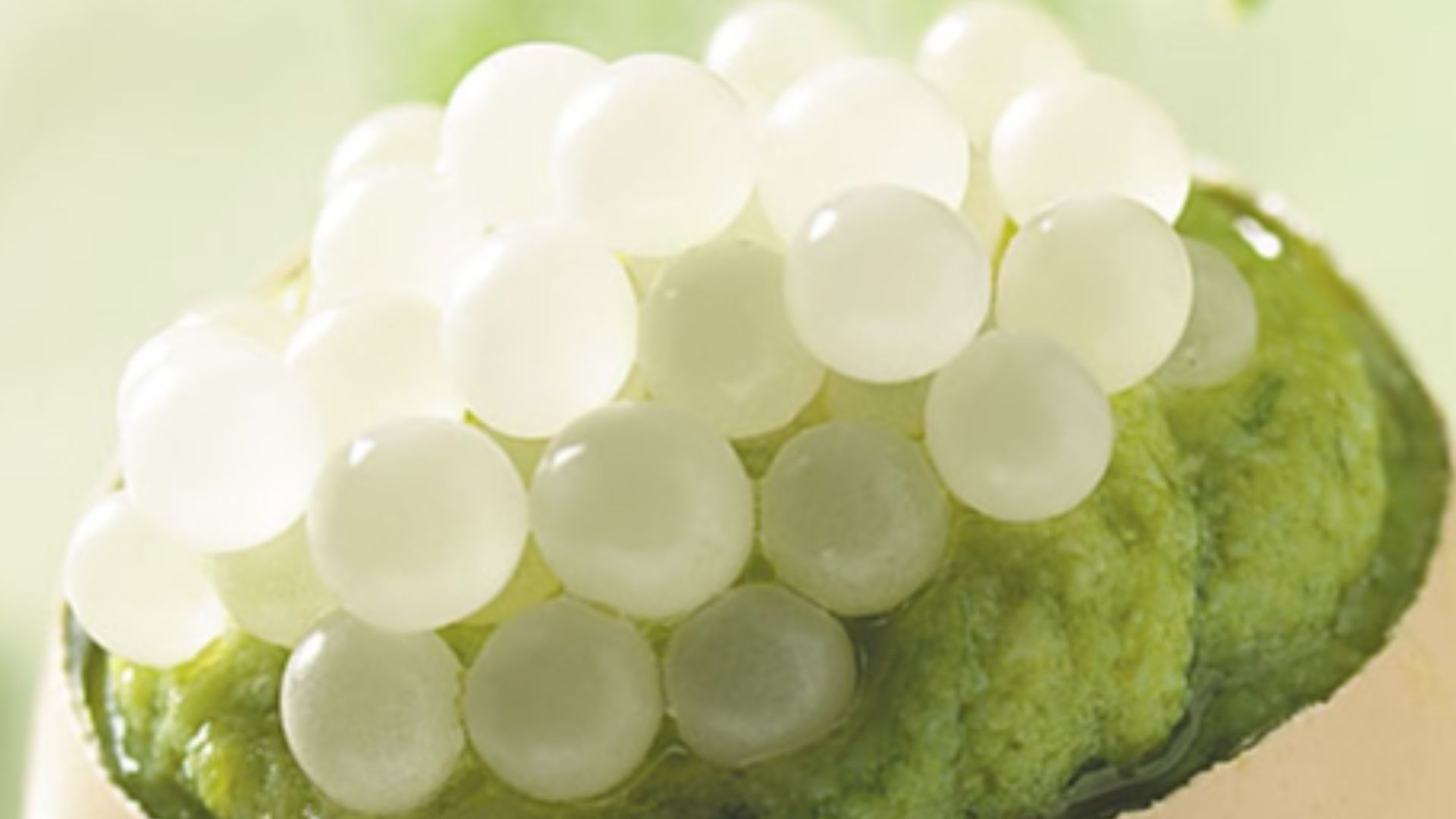 de jaeger Caviar d'escargot on Wikimedia
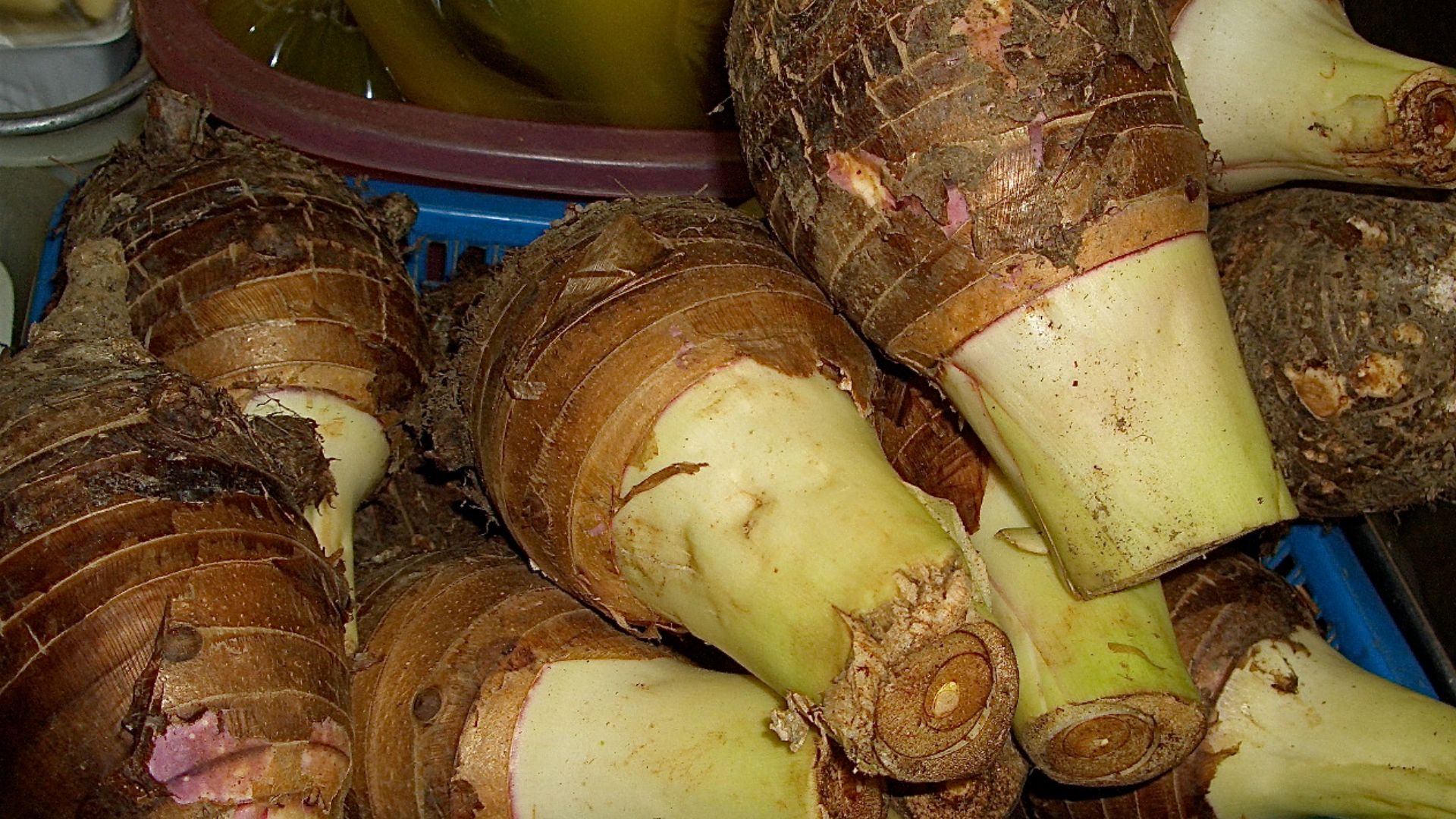
18. Taro Root
Preparation mistakes show immediately here. Heat draws out a slippery film that coats the mouth, especially in stews. The texture is also slick and chalky at the same time, a combination that catches people off guard if they expect a potato-like bite.
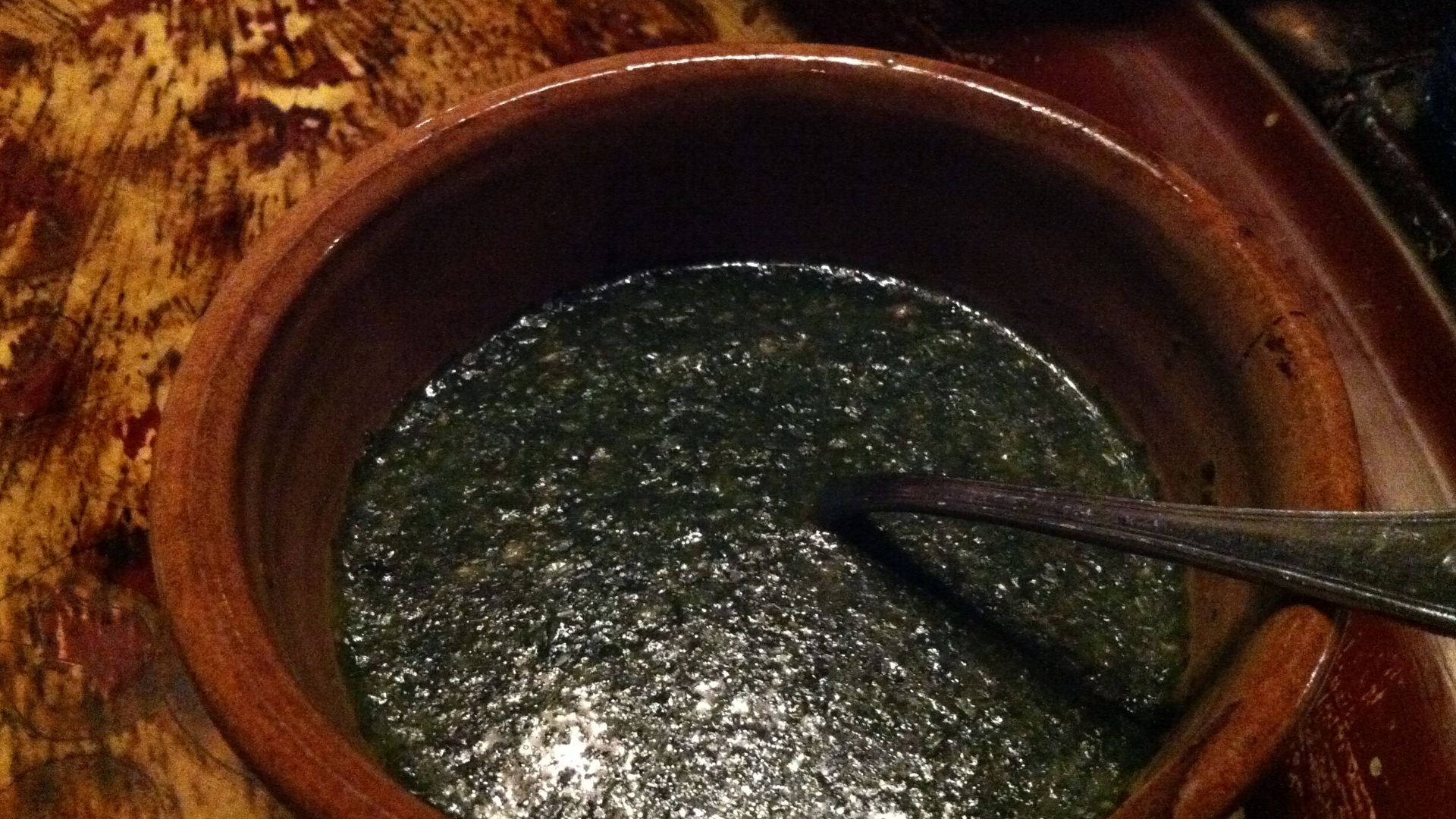
19. Molokhia
Simmered greens take on a glossy and viscous form. Molokhia clings to utensils and stretches with each scoop. Mouthfeel becomes central here and directs focus toward movement and resistance while taste waits quietly through the entire eating experience.
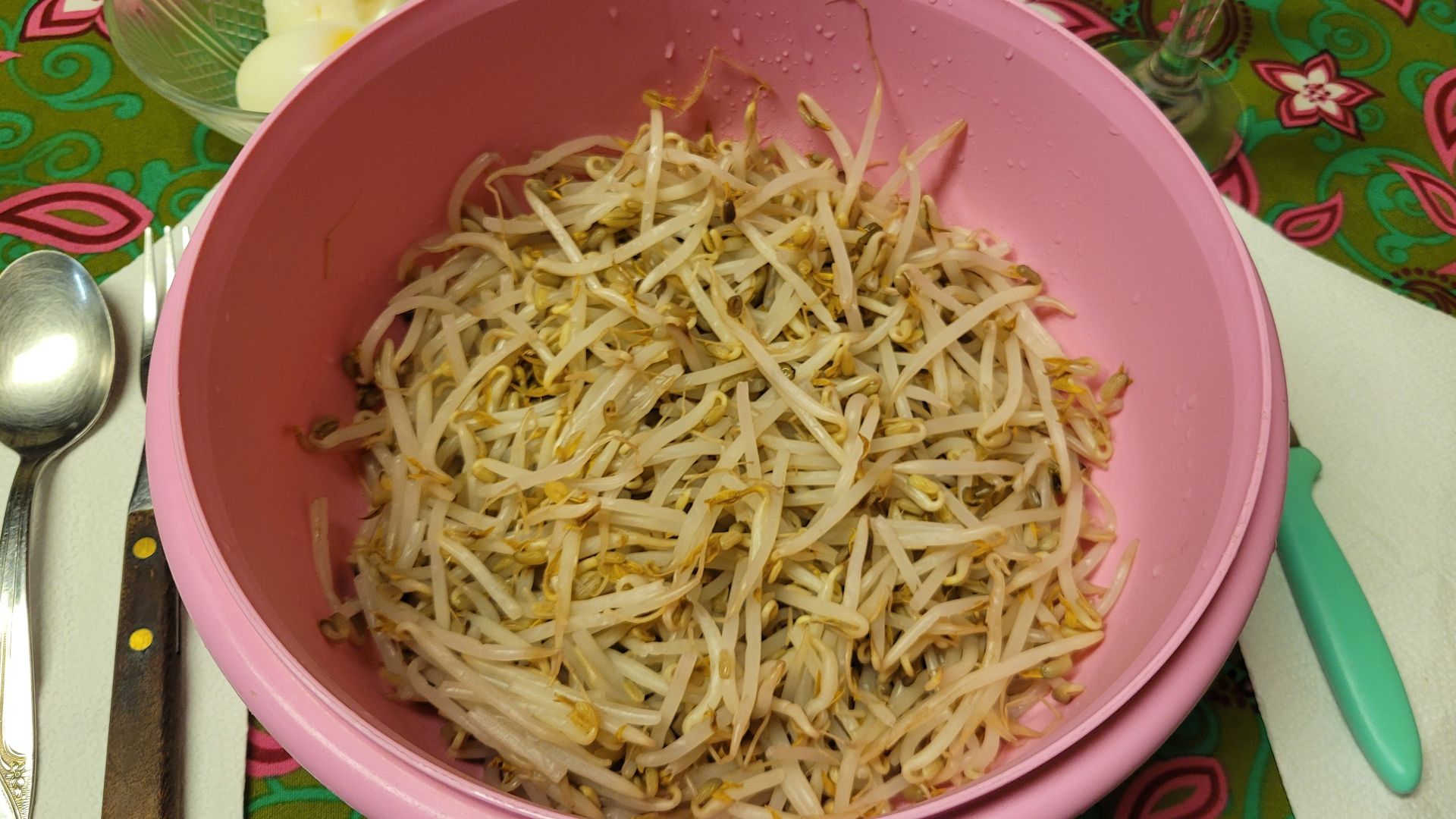
20. Mukimame Skin
Boiled soybeans leave behind a surface film that turns slick as it cools. The thin outer layer also slides across the tongue with very little structure, creating a smooth, slippery sensation that is more coating than chewable.
KEEP ON READING
20 Dishes That Built Modern American Cuisine