New York vs. Montreal-Style Bagels: Which Is Superior?

Bagels are one of those foods that look simple until you meet people who care about them, and then suddenly you’re embroiled in a passionate debate. If you’ve ever watched someone squeeze a bagel like it’s a stress ball just to prove a point, you already understand the stakes. This isn’t merely breakfast, it’s identity.
New York and Montreal both claim bagel greatness, but they’re aiming for different kinds of perfection. One is all about chewy heft and deli-ready versatility, while the other leans into sweetness, shine, and wood-fired charm. The real question isn’t just “Which is better?” but “What kind of bagel experience are you actually craving?”
The Dough, the Boil, and the Bite

New York-style bagels tend to be bigger, denser, and more suited to sandwiches. They’re typically boiled in water that helps set the crust before baking, which contributes to that classic combination of a firm exterior and a springy interior. When you tear one open, you’ll usually see a tight crumb that’s ready to hold up to just about anything you pile on.
Montreal-style bagels come in smaller and slimmer, and their texture is often a little lighter with a more pronounced exterior crispness. They’re commonly boiled in honey water, which gives them a subtle sweetness and a glossy finish that looks like it belongs under good lighting. The hole is usually larger, too, which sounds like a minor detail until you realize it changes the ratio of crust to crumb in every bite.
That ratio might be the secret to why the two styles feel so distinct. A New York bagel offers a broad canvas where the soft interior plays a major role, especially once you add cream cheese or smoked fish. A Montreal bagel is more crust-forward, so you get more toastiness and snap even when it’s fresh. If you’re the kind of person who notices mouthfeel immediately, you’ll probably have a strong preference after one side-by-side comparison.
Flavor Profiles and Toppings: A Philosophical Difference
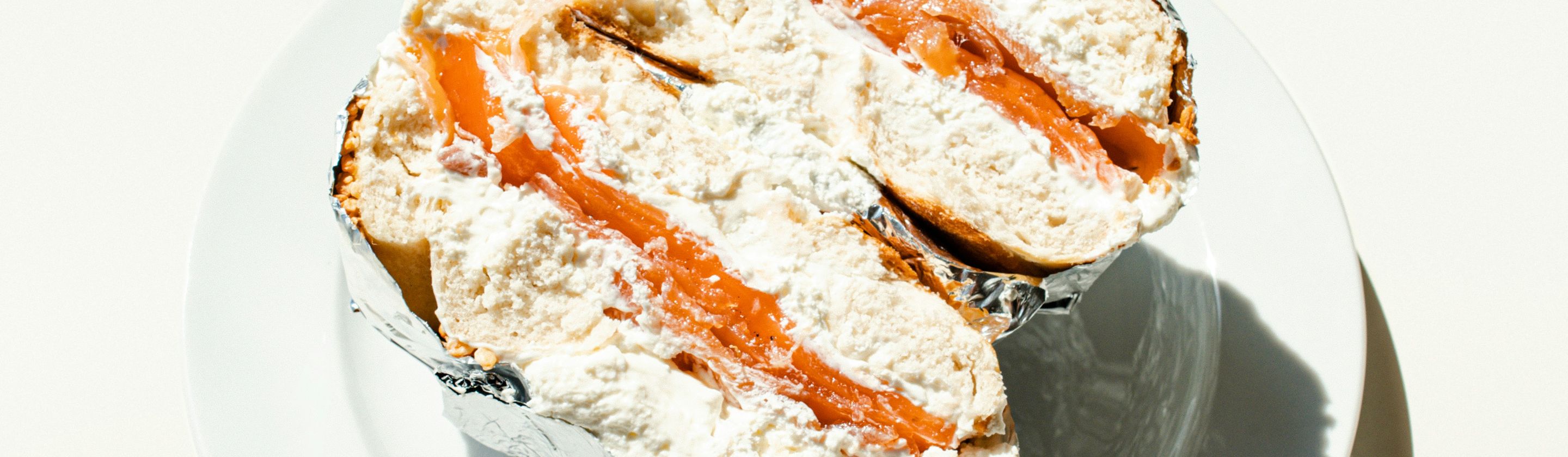
New York bagels are often described as malty and savory, and even plain ones tend to taste like they’re meant to be paired with something rich. They excel with classic toppings like scallion cream cheese, lox, tomato, and capers because the bagel doesn’t compete; it supports. When you’re hungry but too busy for a sit-down meal, the New York bagel allows you to pile a whole plate into a handheld format.
Montreal bagels, with their gentle sweetness and caramelized crust, can feel more like a standalone snack than a vehicle for maximal toppings. They’re fantastic with cream cheese, butter, jam, or even eaten piping hot, straight from the bag with no ceremony. Sesame is especially iconic in Montreal, and the nutty coating plus the honeyed boil creates a flavor that’s addictive.
The topping conversation also exposes a cultural difference in how the bagels are meant to be used. New York bagels are social, in a bustling deli kind of way, where the sandwich is part of the ritual, and nobody’s counting napkins. Montreal bagels can be more casual and portable, something you grab warm and keep nibbling while you wander. If you want a bagel to be the main character, Montreal makes a persuasive case, but if you want a bagel to anchor a whole meal, New York has the advantage.
Tradition, Atmosphere, and the “Superior” Question

New York bagels are tied to a deli culture that’s equal parts food and theater, with glass cases, quick banter, and the sense that breakfast is a serious deal. The city’s bagel identity is also shaped by scale, since you can find them everywhere, from iconic shops to corner places that still do a solid job. That abundance creates a kind of everyday standard where a decent bagel is expected, and a great one feels like a personal discovery.
Montreal’s bagel culture tends to feel more specific and more ritualized, partly because the style is strongly associated with a few landmark bakeries. There’s something charming about seeing bagels pulled from an oven and stacked high while the room smells like toasted sesame and warm dough. The wood-fired element adds romance, but it also adds flavor, which is convenient if you want your nostalgia to be delicious.
So which is superior, and can you say it without starting an argument at brunch? If you judge purely by versatility, New York wins because it can handle heavy toppings and still taste balanced, which is a rare talent. If you’re scoring on distinctive flavor and snackability, Montreal might take it because it delivers character even when you eat it plain. The most honest answer is that “superior” depends on whether you want a bagel that behaves like a sturdy foundation or one that shines like a baked treat.
If you’re feeling diplomatic, you can call it a tie, but your taste buds will eventually pick a side. A good move is to ask yourself what you want in the moment: a chewy, substantial bite that pairs well with a full deli spread, or a slightly sweet, crisp-edged bagel that feels special on its own. Either way, you’re not losing, because the real winner is you.
KEEP ON READING