The Foods That Start Arguments at the Table
Some foods don’t just have flavors; they have fan clubs and sworn enemies. What one person calls a delicacy, another person calls a dare. If you’ve ever watched a dinner conversation derail over a single bite, you already understand why these foods have a reputation. Here are the 20 most polarizing foods in the world.
1. Cilantro
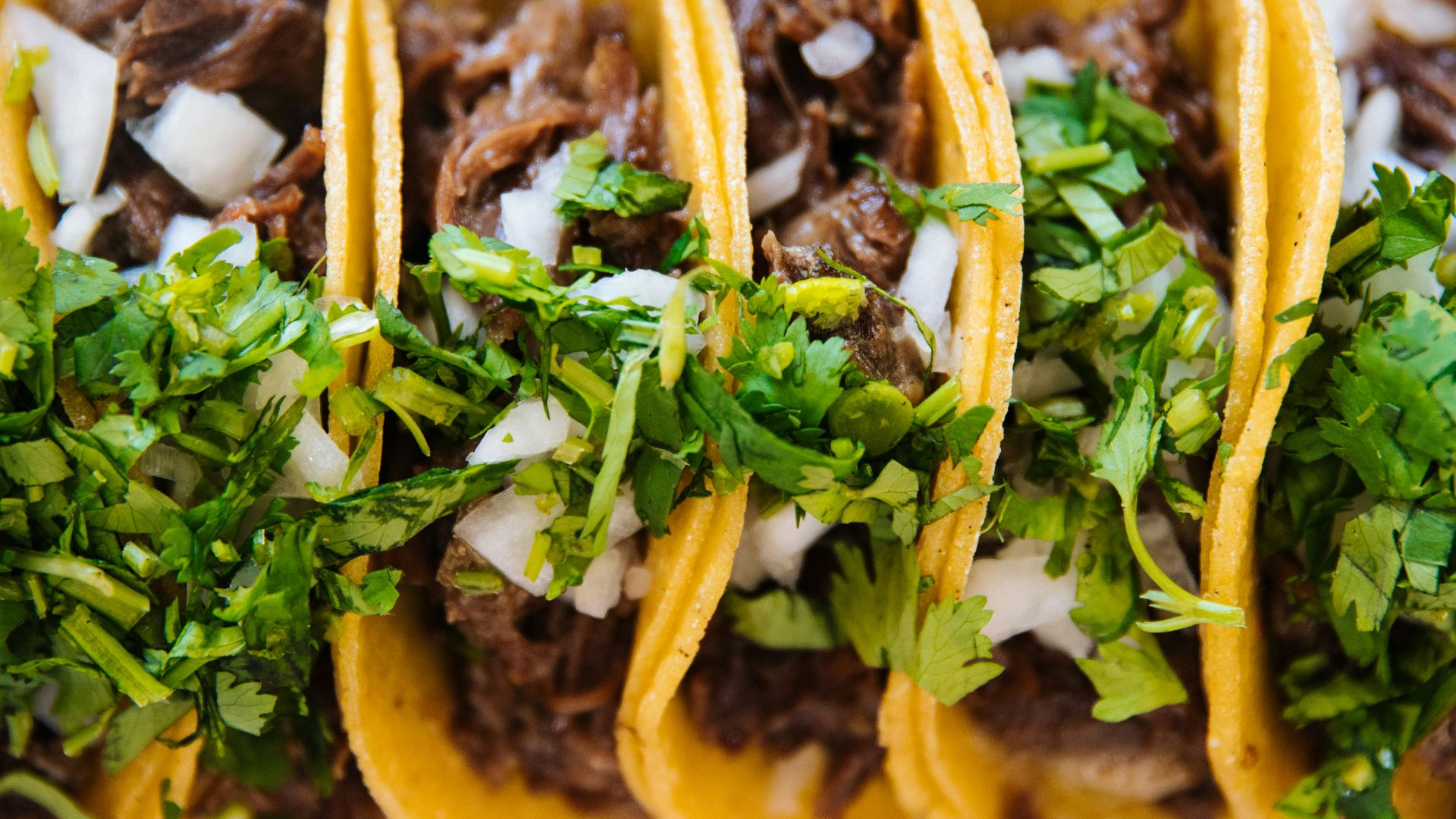
Many people enjoy its fresh, citrus-like flavor in salsas and curries; others think it tastes like soap. It's actually because of a genetic variation that some people perceive its flavor like this. It can be so strong that it determines whether someone likes a dish or pushes it away, even if the cilantro is only used as a light garnish.
2. Blue Cheese
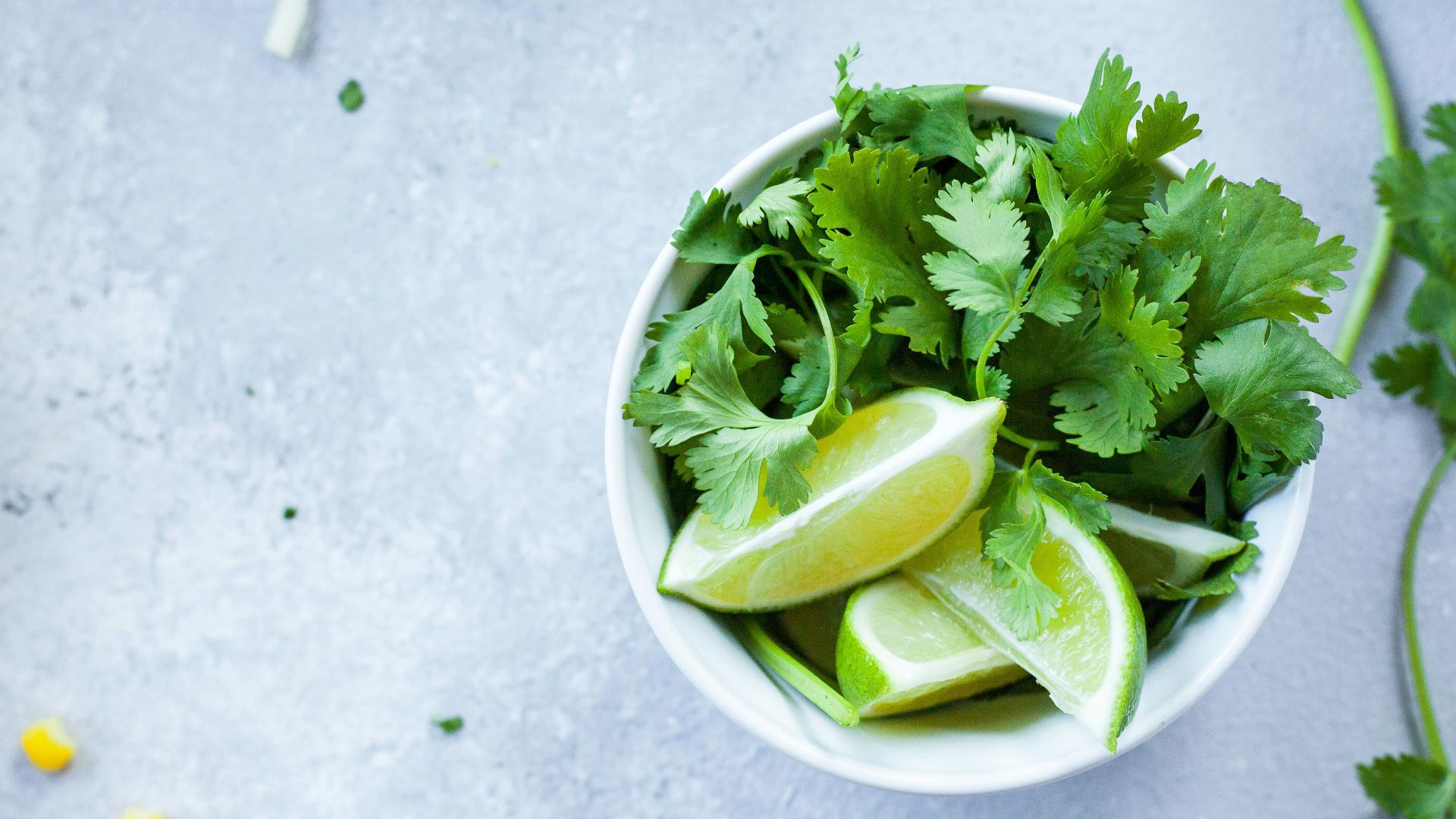
The fact that a lot of people don't like blue cheese is actually pretty understandable. After all, it literally looks like it's rotting (and smells like it, too). However, its fans love its sharp taste and strong aroma, especially in salads and sauces.
3. Anchovies
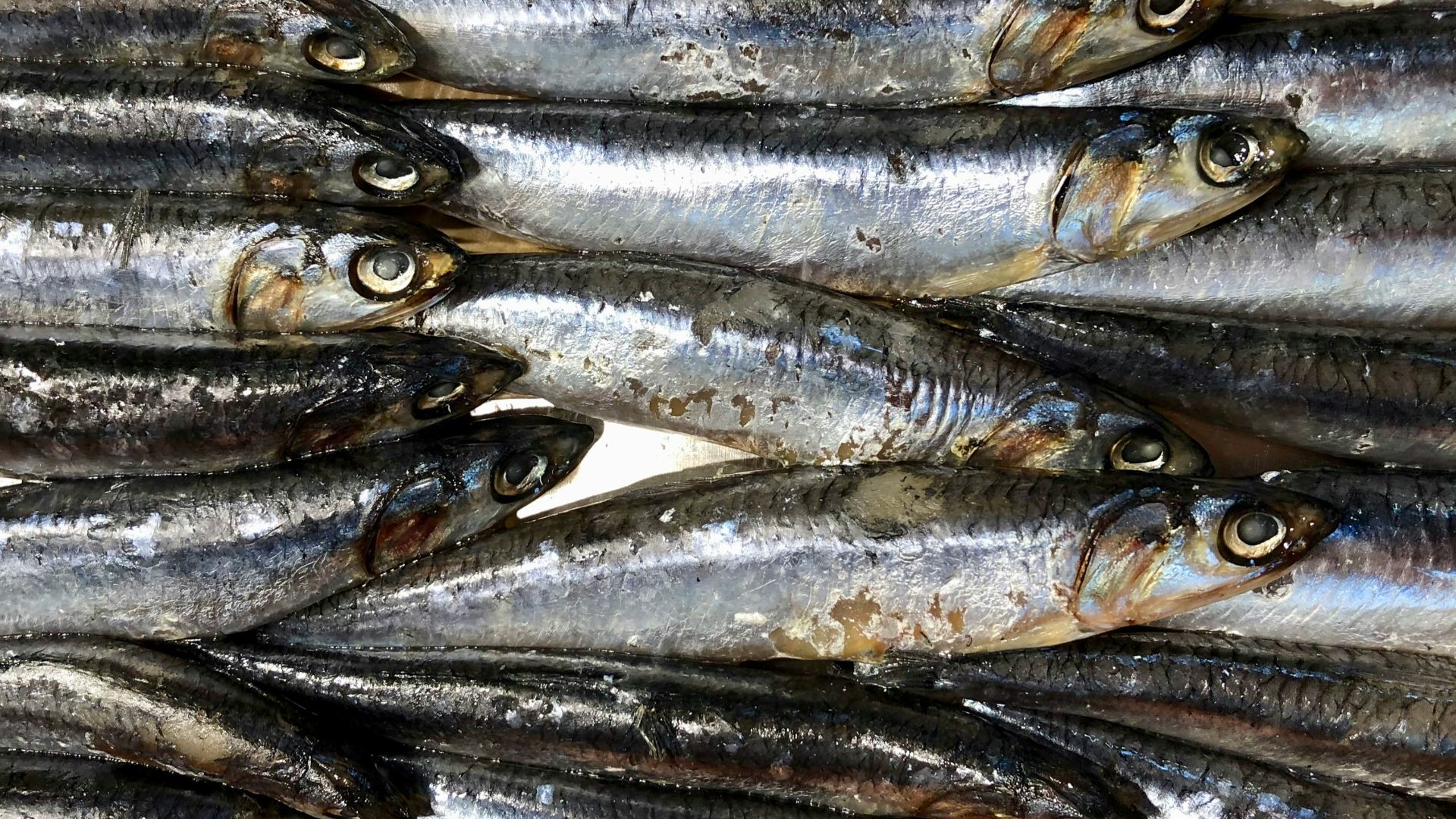
Some people appreciate anchovies for their salty, savory contribution to pizza, pasta sauces, and Caesar dressing. Others avoid them because the fish flavor can be strong and the idea of whole small fish with a face and everything can be off-putting.
4. Oysters
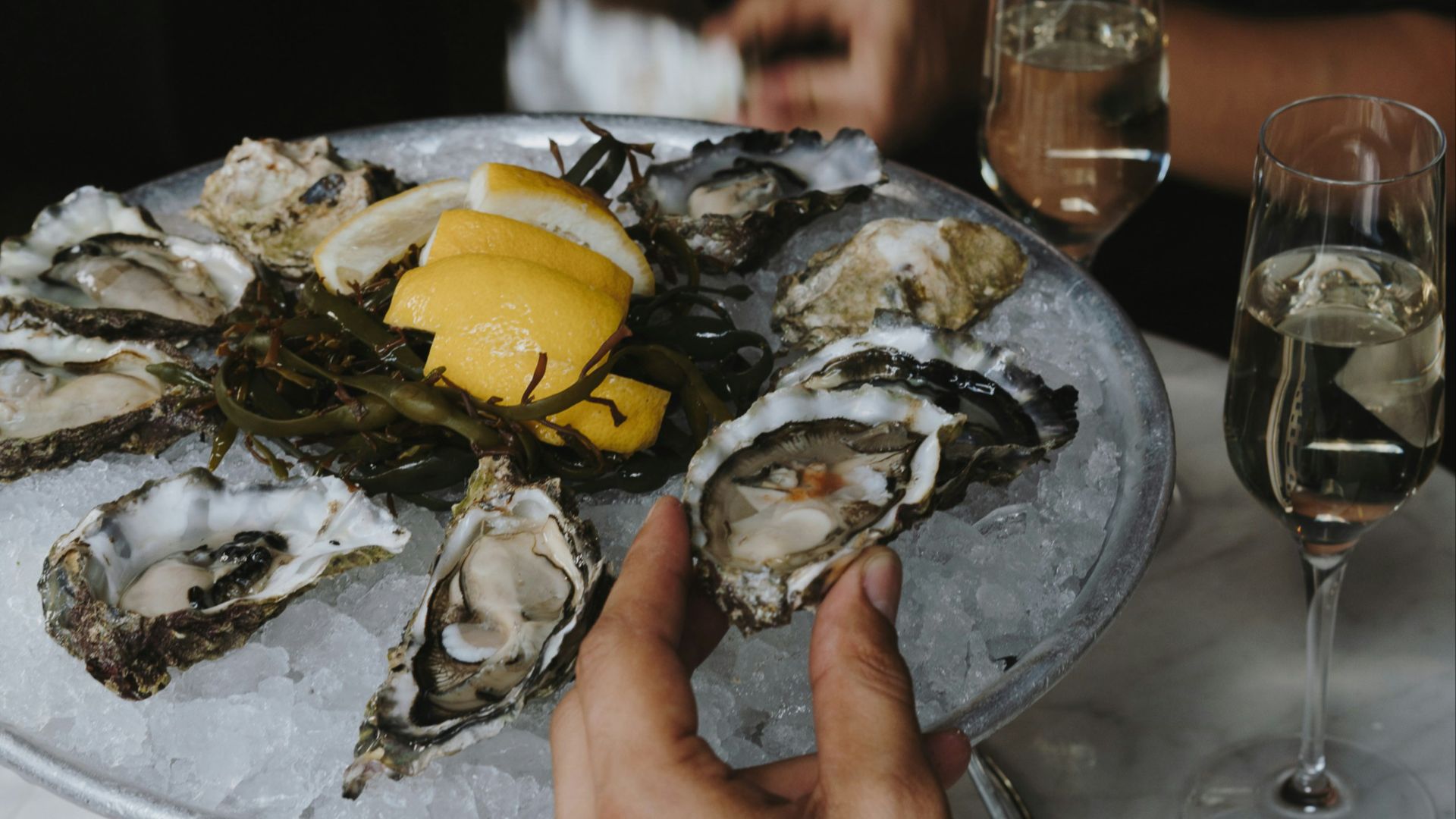
It's rare you have a whole table of people who are pro oysters. Some people enjoy their briny flavor and soft texture, and they often treat them as a special-occasion food. Others avoid them because of their super weird, slimy texture and the fact that oysters are frequently eaten raw.
5. Olives
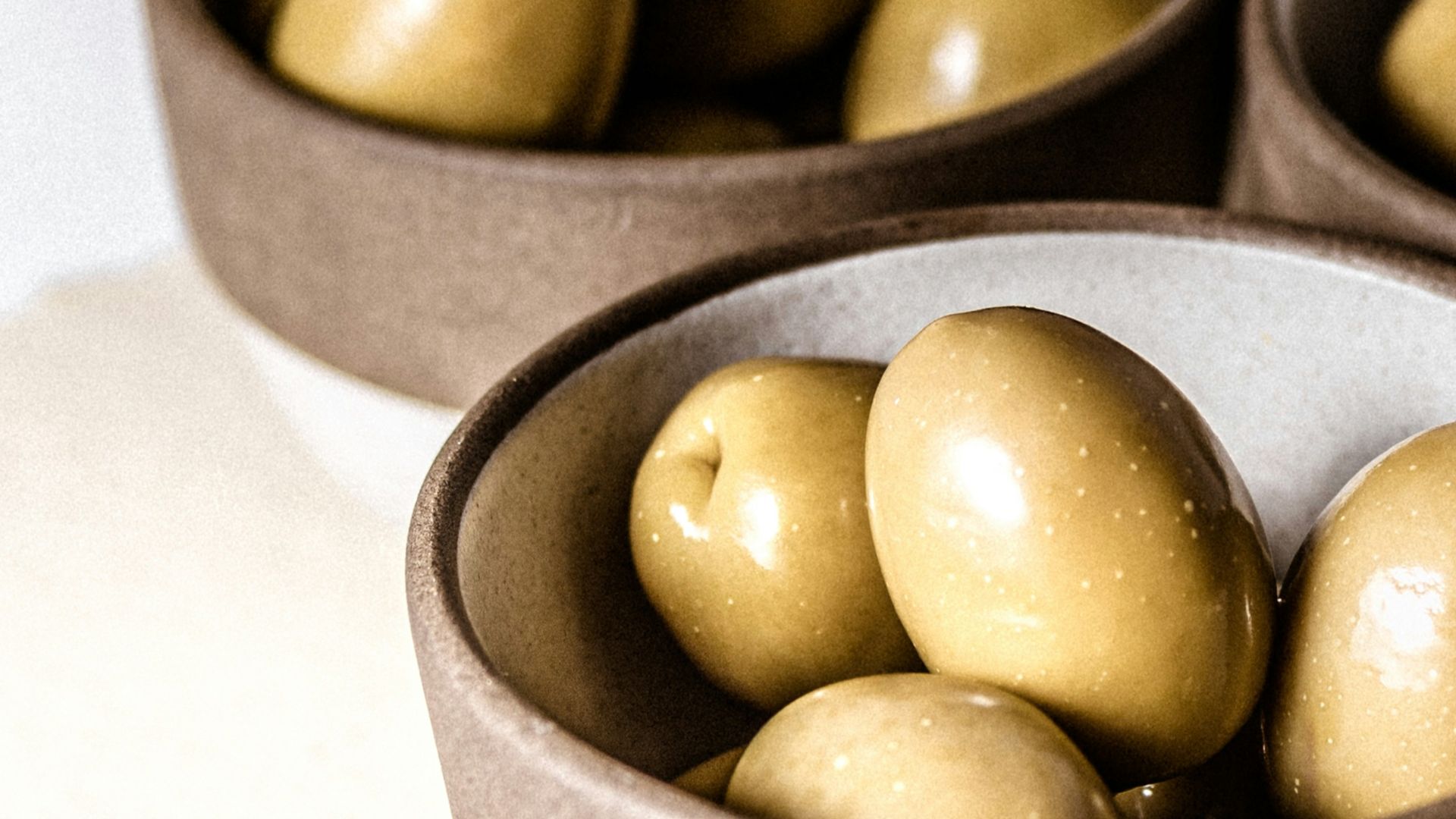
Olive enthusiasts enjoy their intense, salty bite in salads, tapenades, and as simple snacks. Those who dislike olives often describe the flavor as bitter, lingering, and overpowering. Because different varieties taste quite different, people sometimes assume they dislike all olives after trying only one kind.
 Kier in Sight Archives on Unsplash
6. Mushrooms
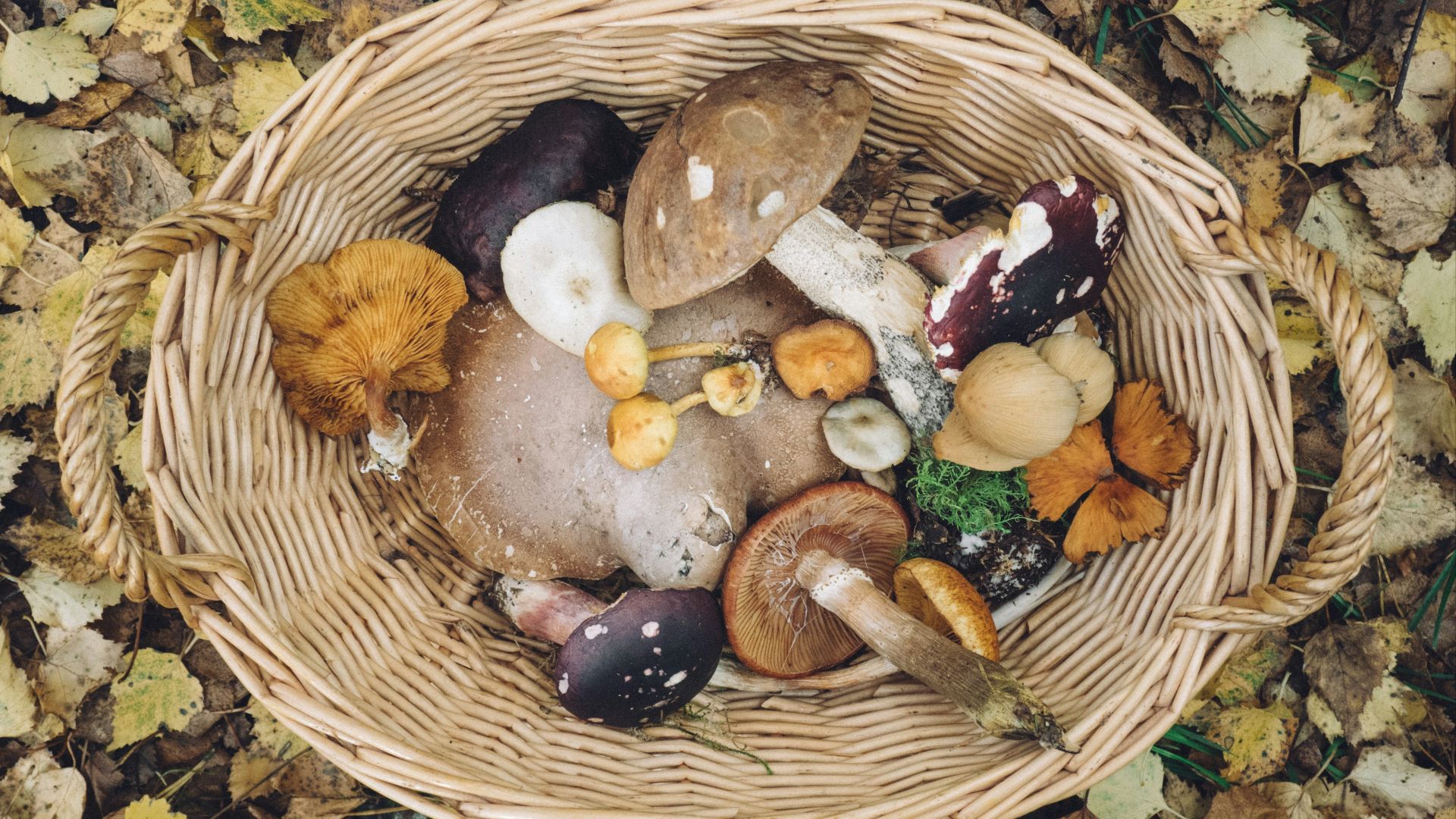
Many cooks love mushrooms for their savory flavor and their ability to add depth to sauces, soups, and stir-fries. Others object to the texture, especially when mushrooms are soft, slippery, or cut too large. The fact that they don't fit neatly into either the plant or animal kingdom and are literally a fungus adds to people's distate.
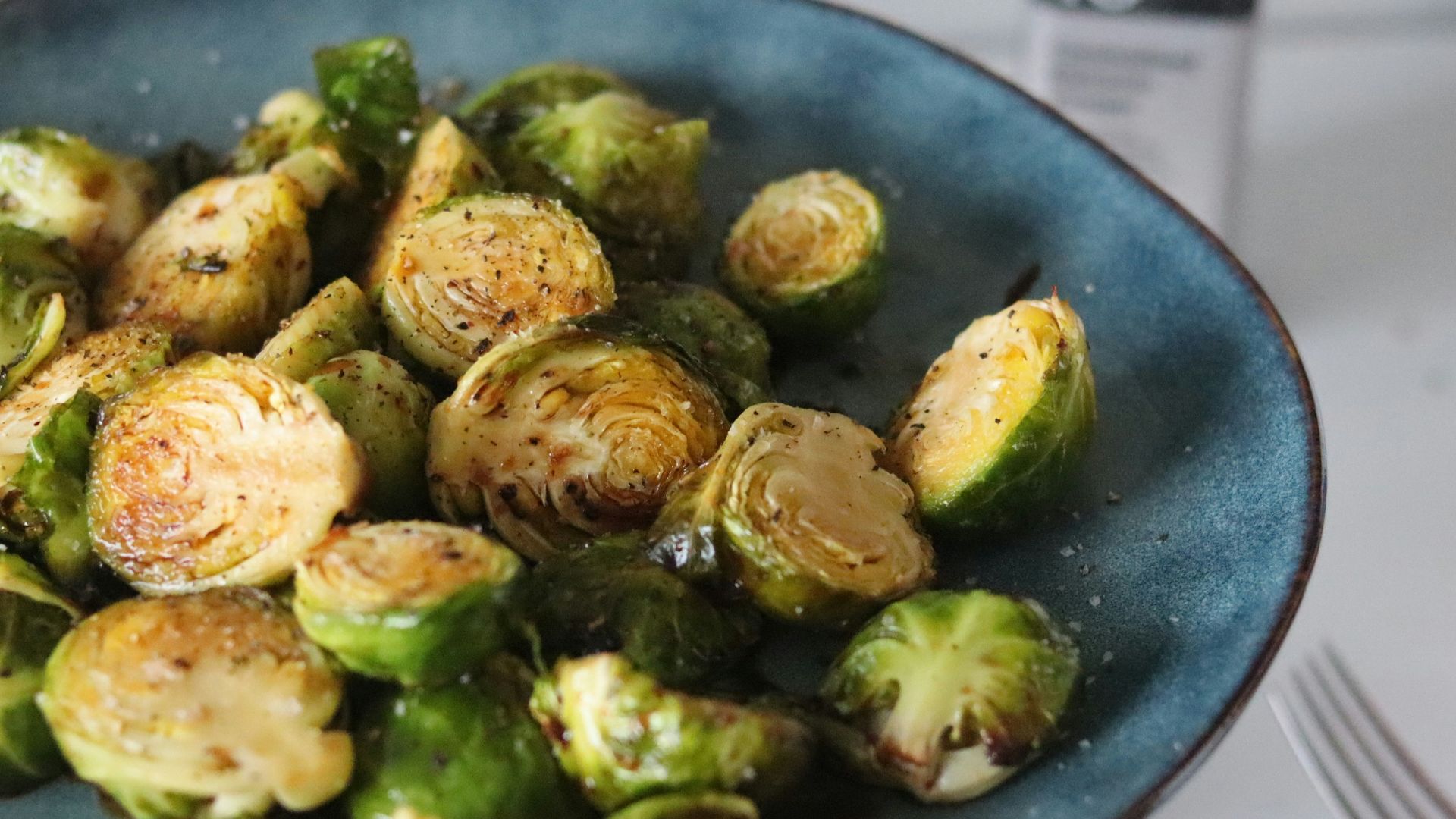
7. Brussels Sprouts
Brussels sprouts have gained popularity when roasted, charred, or dressed with bold flavors, and many people now consider them a favorite side. At the same time, plenty of people still associate them with bitter, overcooked, boiled versions from childhood. Even when they're prepared perfectly, they just can't get past that traumatic memory.
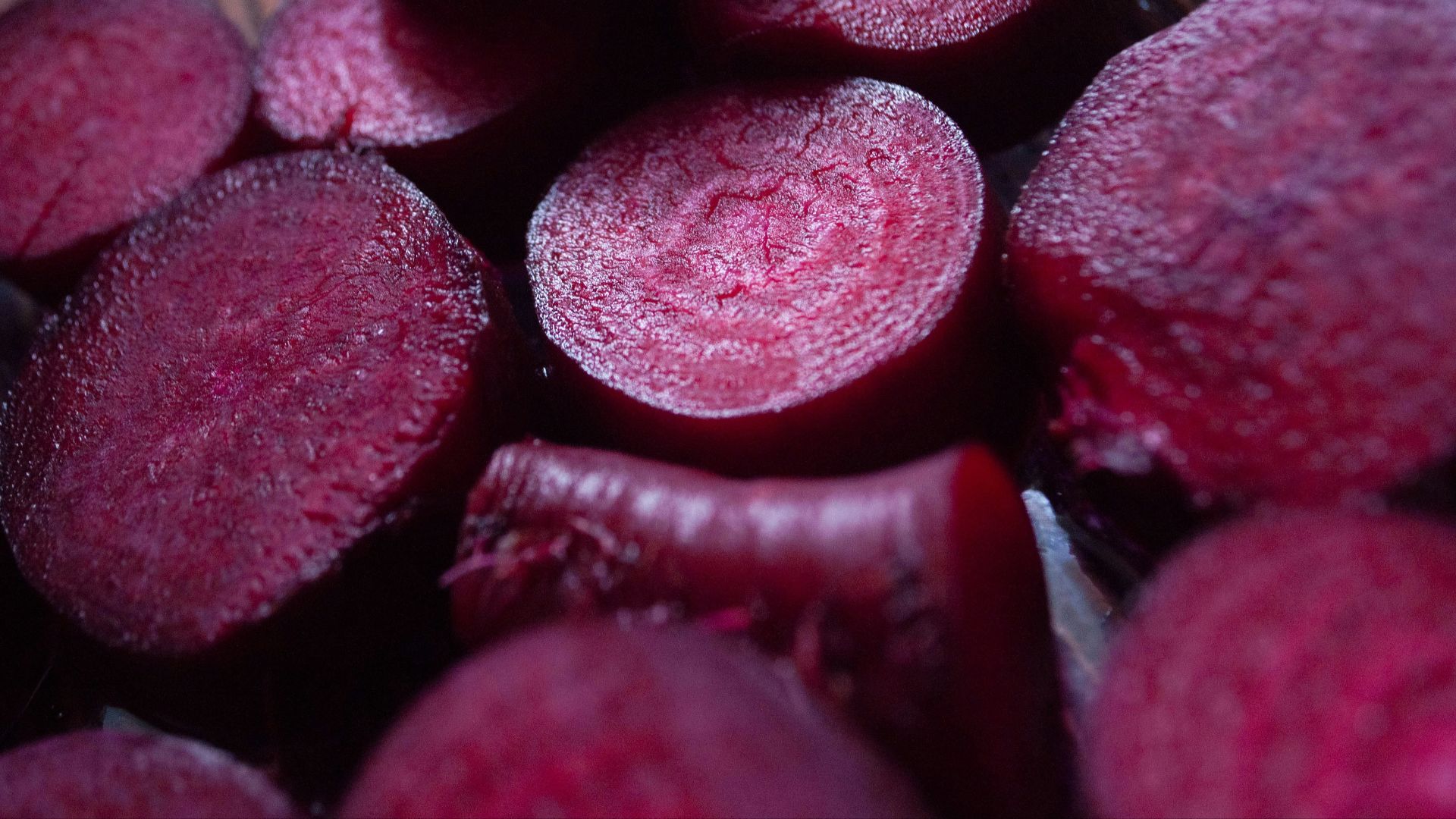
8. Beets
Beet fans enjoy their sweetness and distinct flavor in salads, roasted plates, and pickled preparations. Beet haters find the flavor too earthy and too noticeable, even when mixed with other ingredients. Their vibrant color and strong taste make them difficult to ignore, which tends to intensify opinions.
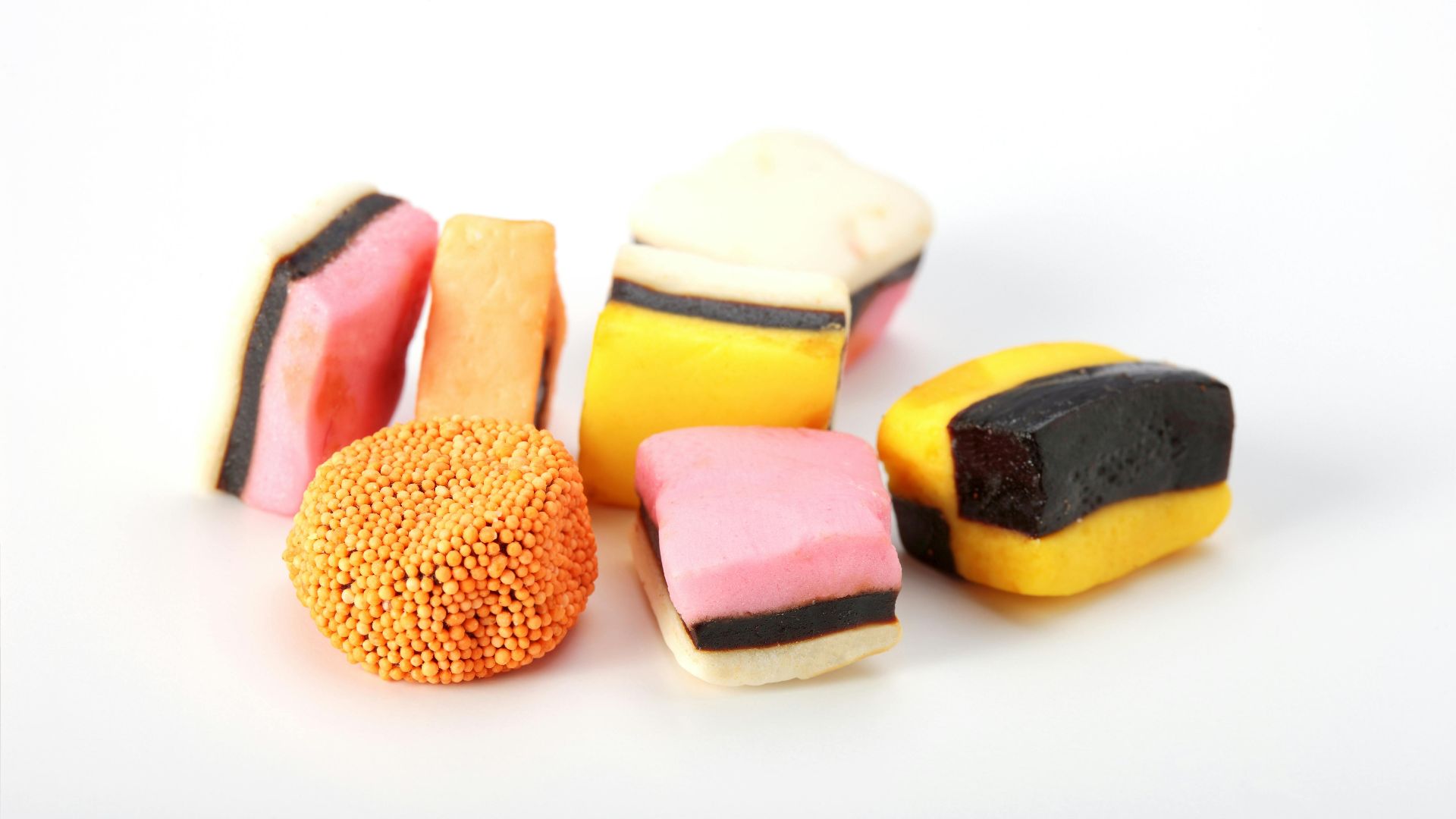
9. Black Licorice
Some people enjoy the anise flavor and chewy texture of black licorice candies. Many others strongly dislike the taste and avoid it entirely. Because it’s such a specific flavor, it rarely receives a neutral reaction.
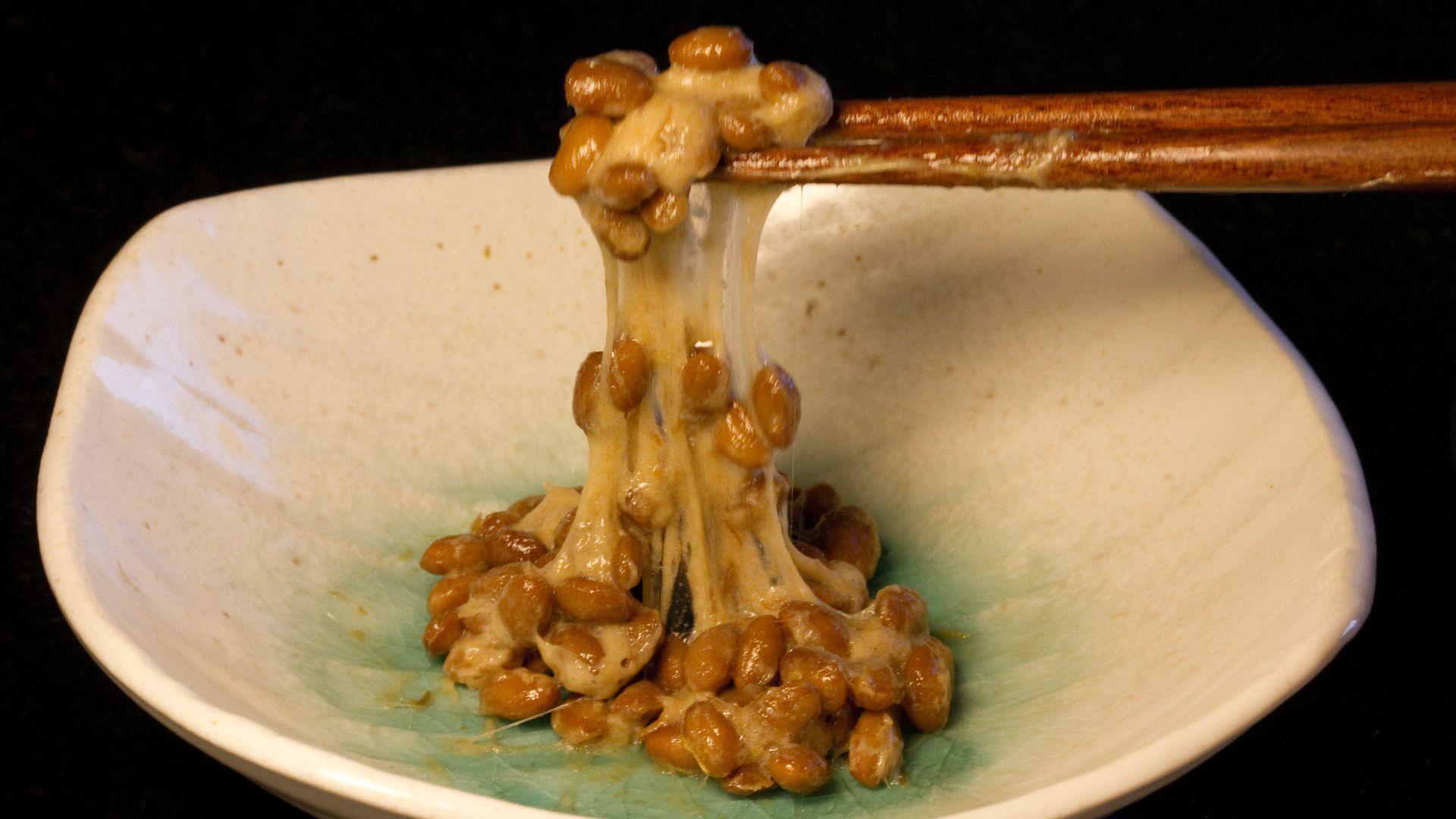
10. Natto
Natto, a traditional Japanese superfood made from fermented soybeans, is appreciated by many for its nutty, umami taste and nutritional value. Others find the smell and sticky, slimy texture too difficult to tolerate. It’s often described as an acquired taste.
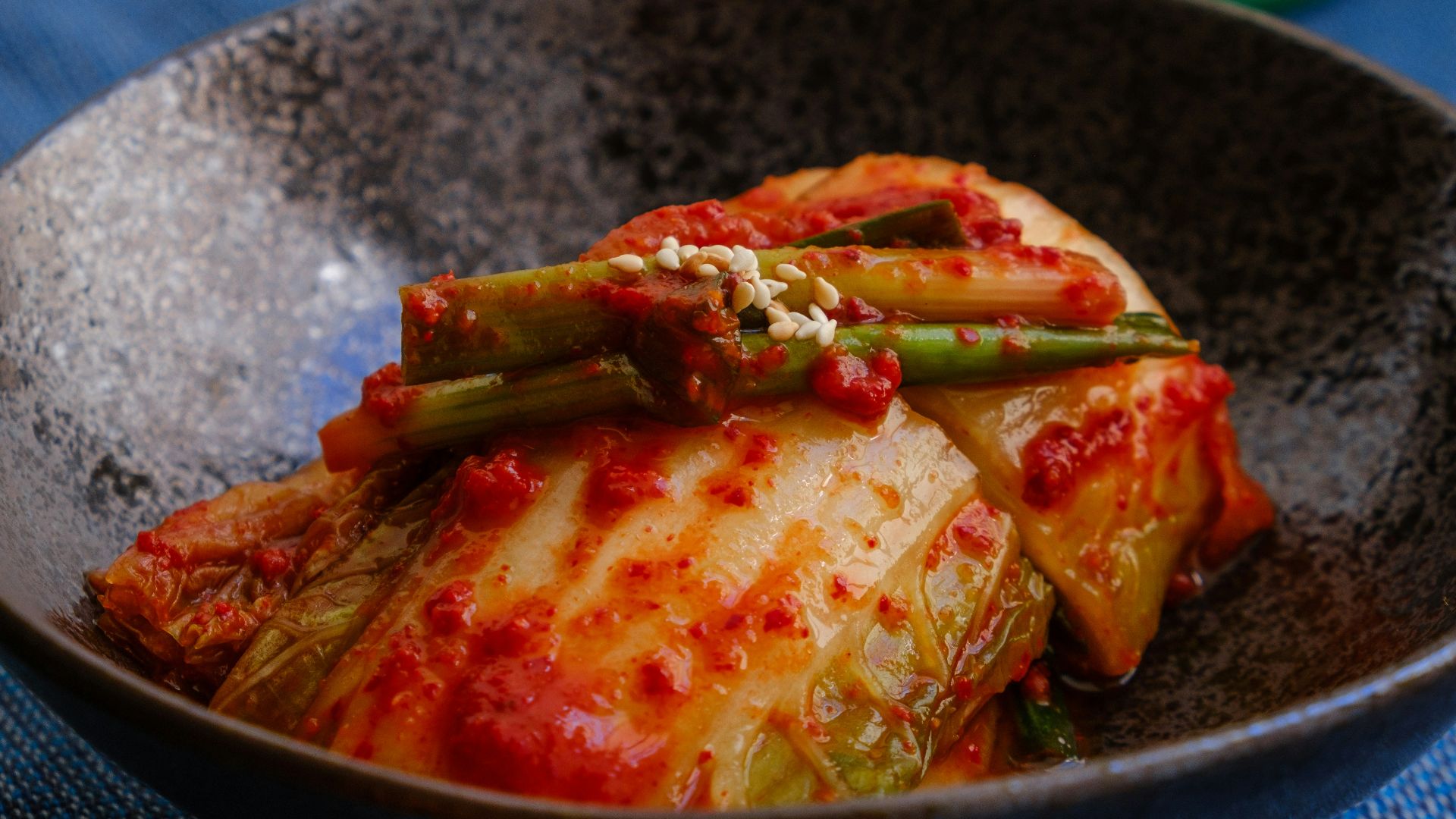
11. Kimchi
Kimchi fans like its spicy, sour flavor and crunchy texture, and they use it as a side dish or ingredient in many meals. People who dislike kimchi often find fermented flavors too strong or the spice level uncomfortable. Because it has a noticeable aroma, it can also divide opinions before anyone even takes a bite.
 Portuguese Gravity on Unsplash
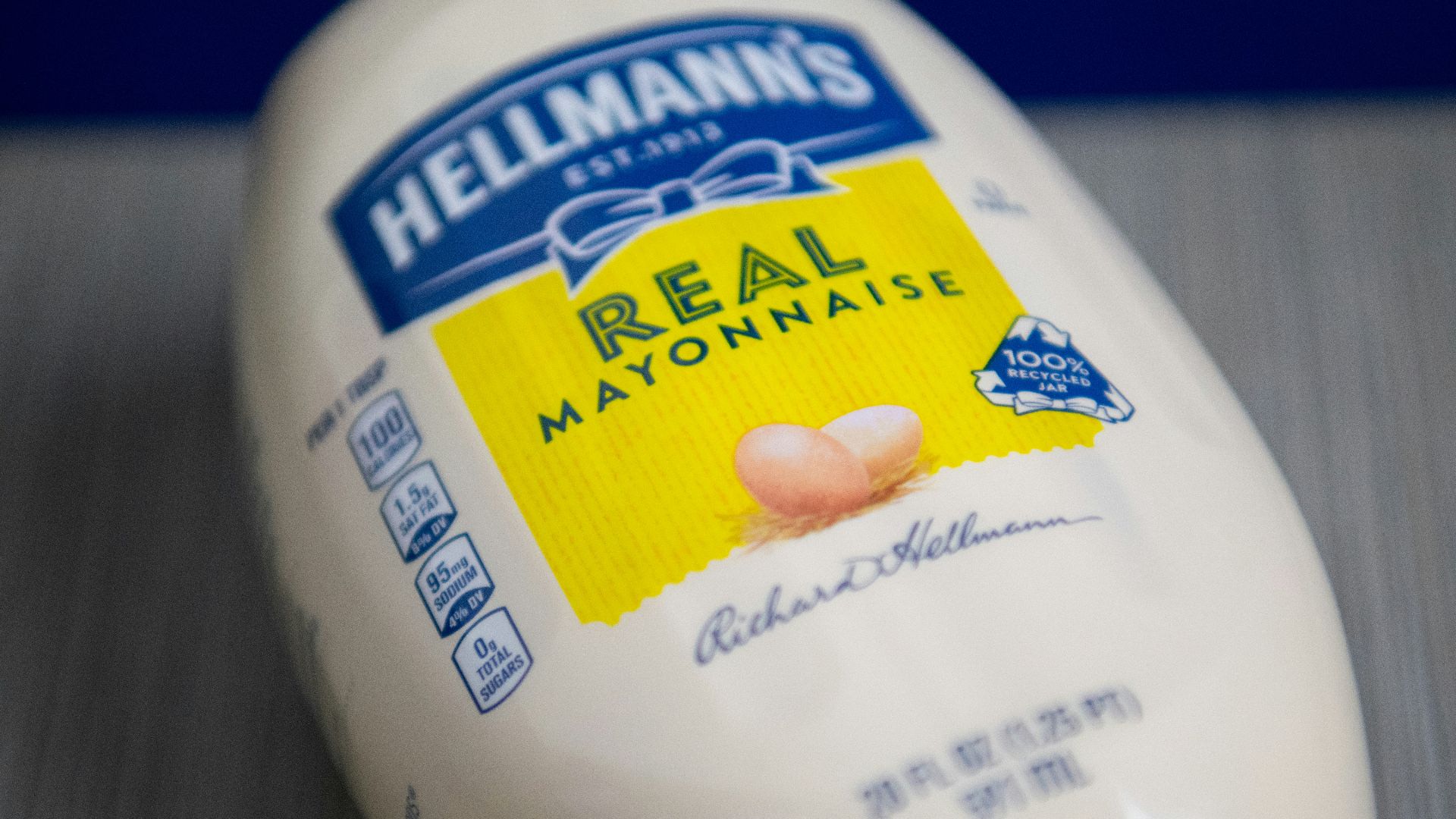
12. Mayonnaise
Many people consider mayonnaise a useful staple that moistens sandwiches and adds creaminess to salads and sauces. Others dislike its texture and richness and can detect it quickly even in small amounts. The fact that it's essentially just fat—raw eggs blended with oil—doesn't help.
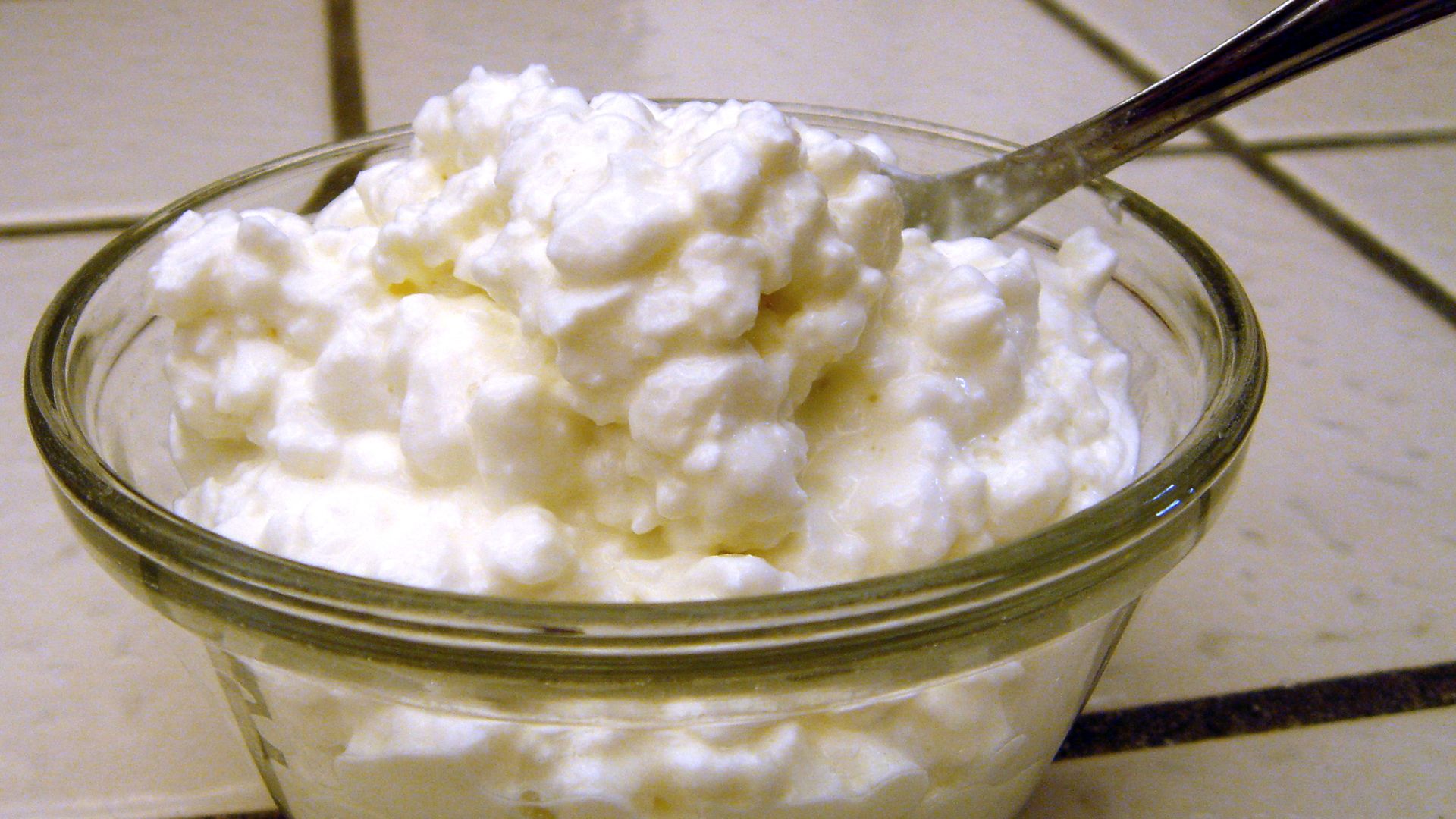
13. Cottage Cheese
Cottage cheese is popular with many people as a mild, high-protein food that works in both sweet and savory contexts. Others dislike the curd texture and prefer smooth dairy products instead. Even though the flavor is inoffensive, the texture is so central to the experience that it tends to determine the opinion immediately.
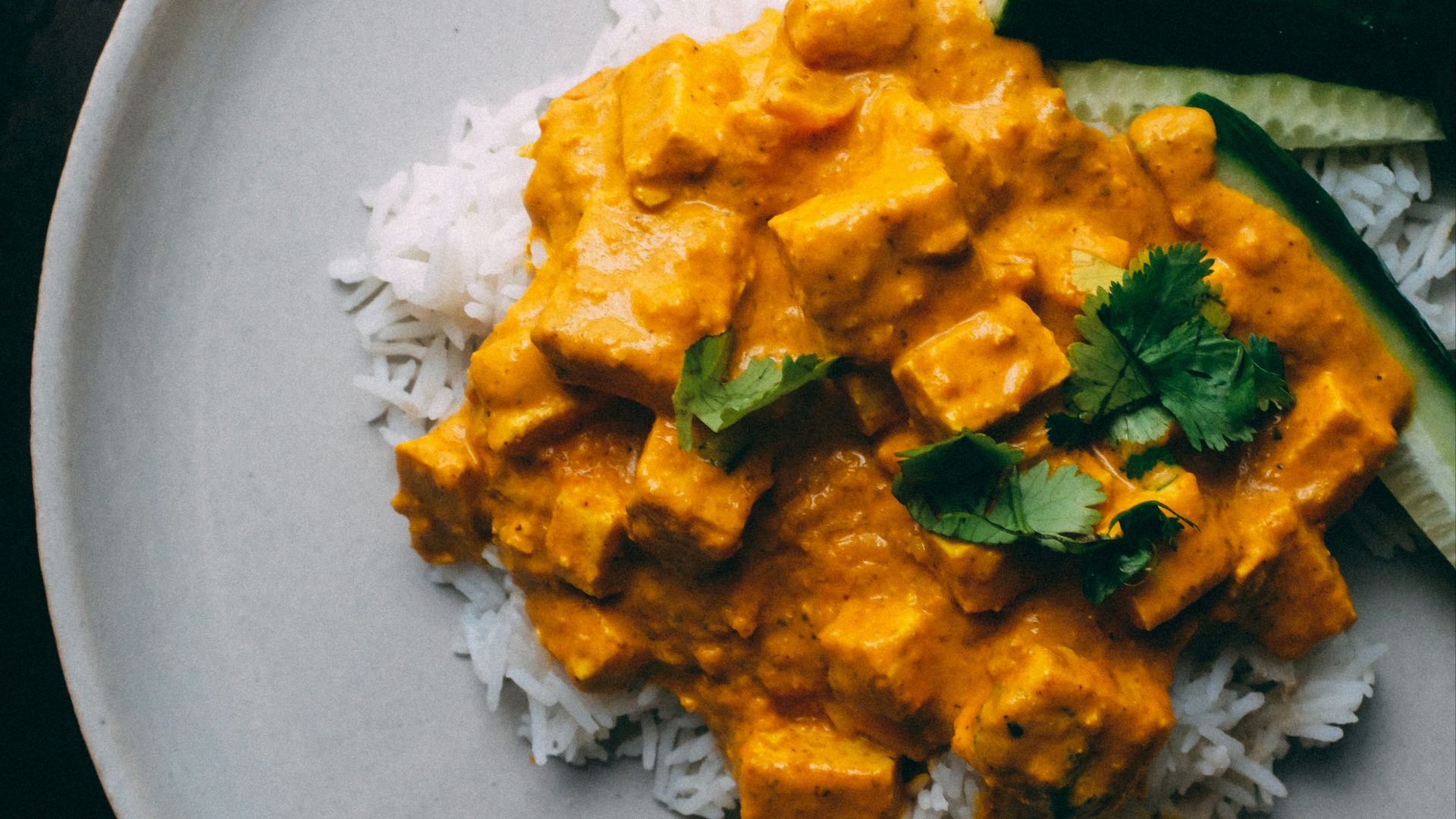
14. Tofu
Tofu lovers value its versatility and its ability to absorb seasonings and sauces. Critics often describe it as bland or dislike the texture, whether it’s soft, firm, or somewhere in between. Since tofu can be prepared in many ways, debates often turn into arguments about whether someone has “had it done right.”
15. Onions
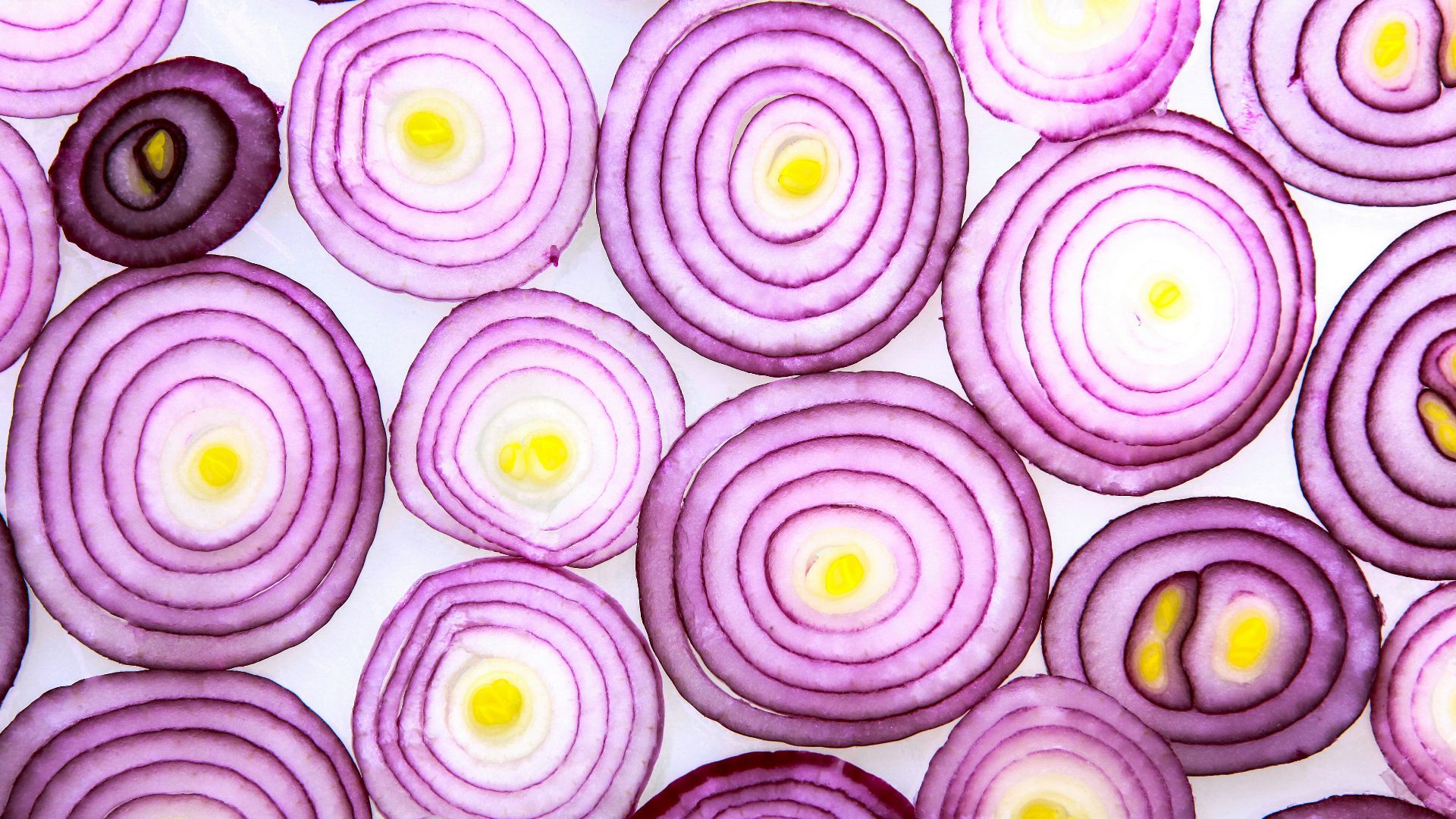
Onions are foundational in many cuisines, and many people enjoy the flavor they add when cooked. Others avoid them because of sharpness, crunch, or aftertaste, particularly when raw. Since onions appear in so many dishes, they can become a surprisingly frequent point of contention.
16. Sea Urchin (Uni)
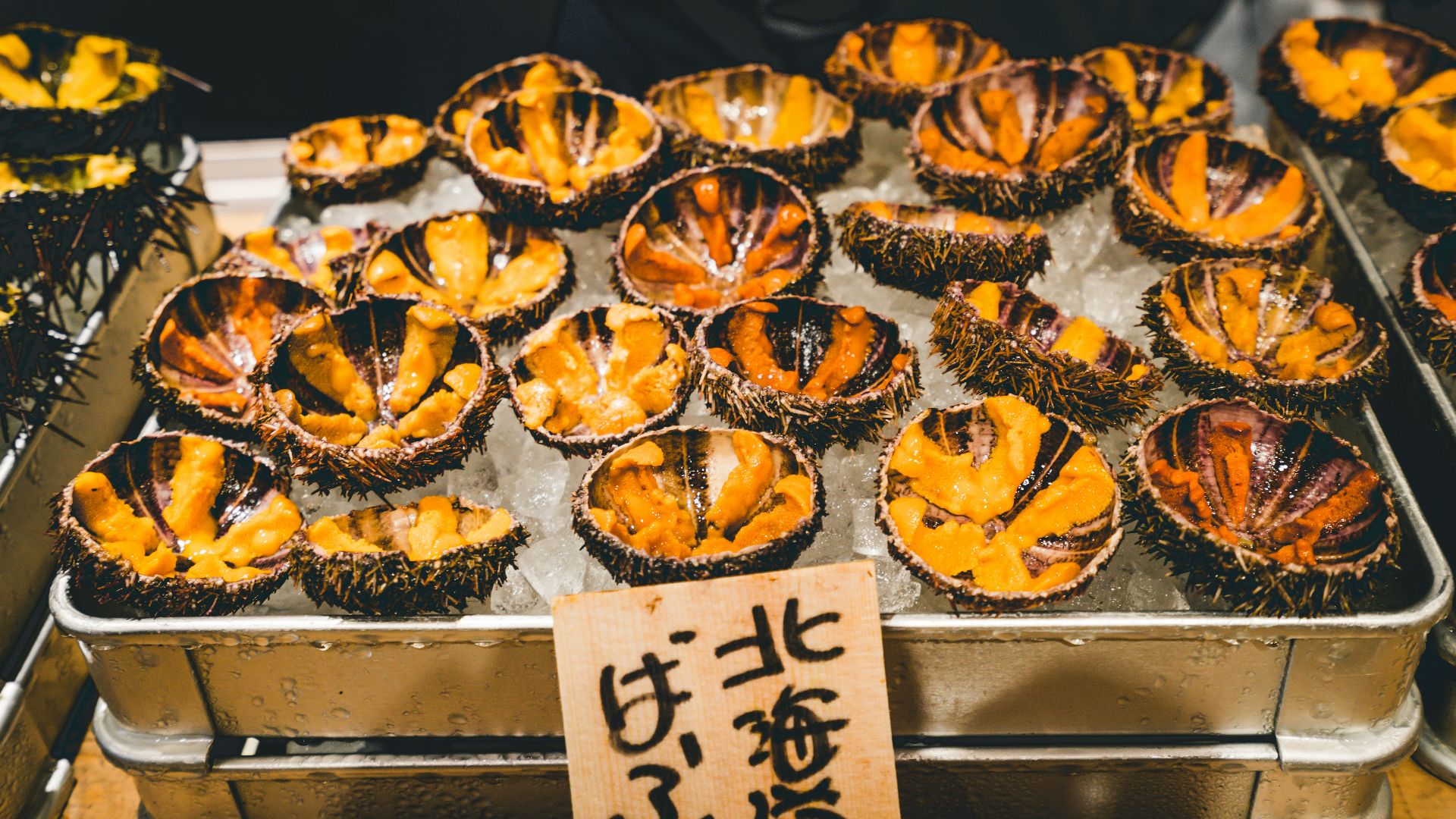
Uni is considered a delicacy in Japan and parts of Europe, celebrated for its rich flavor and creamy texture, and often served on sushi or eaten raw with simple accompaniments. However, many people find the taste too strong or the texture too weird and unfamiliar.
17. Liver & Pâté
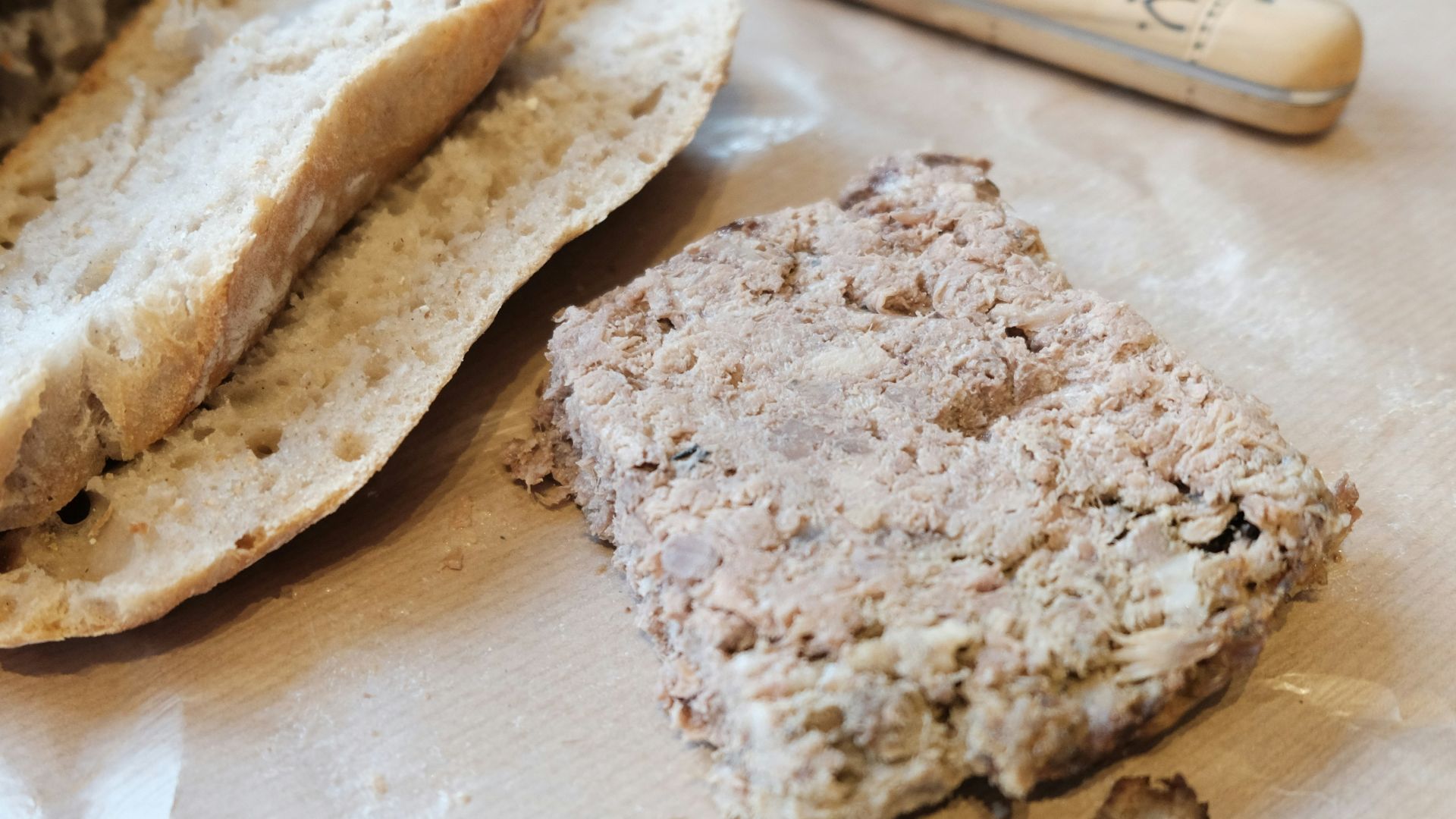
Some people enjoy liver as a rich, savory, nutritious food, especially in pâté, mousse, or carefully cooked slices. Others find the flavor too strong and prefer to avoid organ meats altogether. For some people, simply knowing that it's an organ, which is sometimes culturally associated with being "dirty", is enough to turn them off, even if it's delicious.
18. Bone Marrow
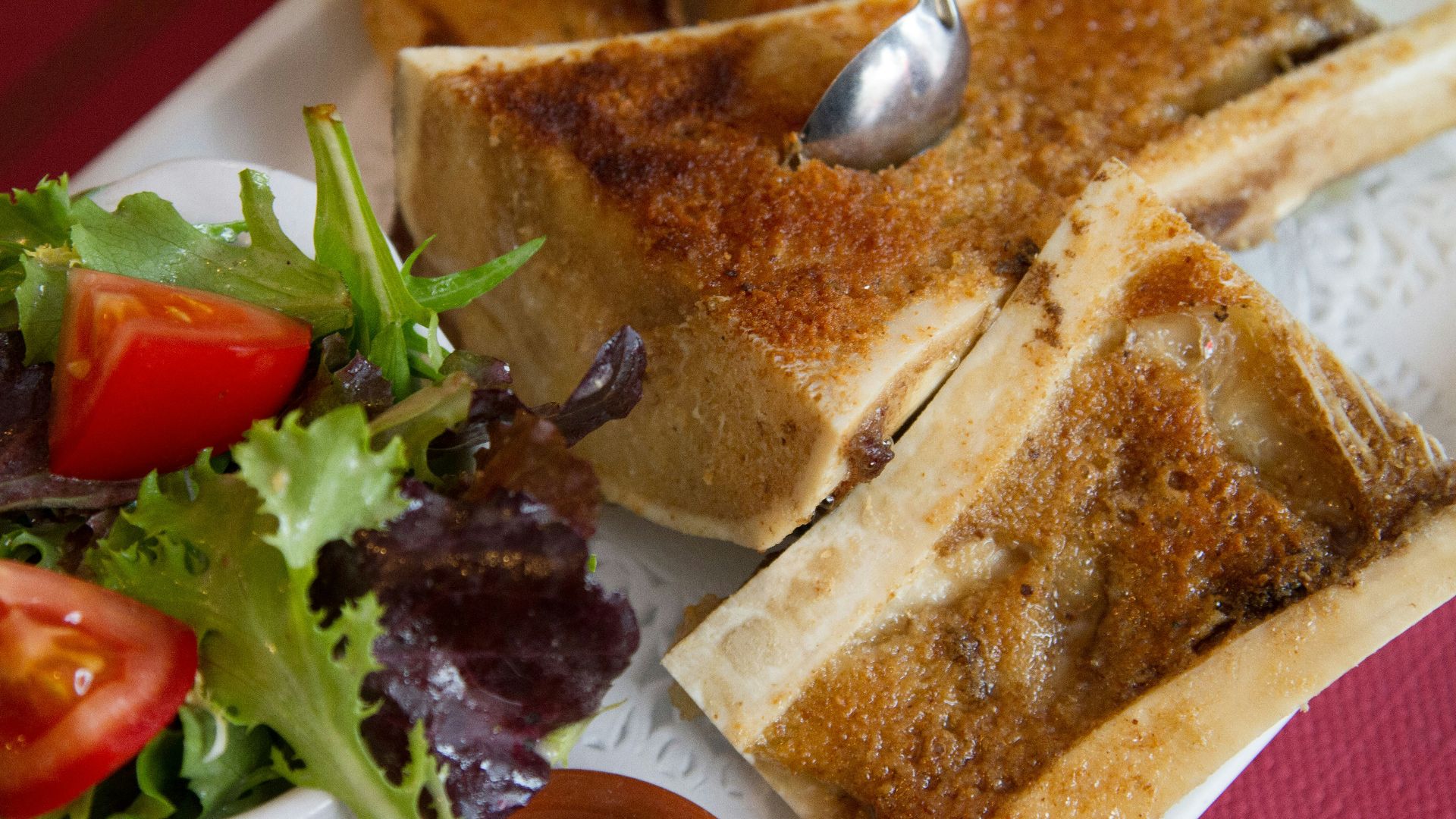
Supporters enjoy bone marrow for its richness when roasted and spread on bread or used to enrich broths. Critics dislike the fatty texture or feel uncomfortable with what it is anatomically. It’s often associated with “adventurous eating,” which can make reactions even more polarized.
19. Spicy Foods
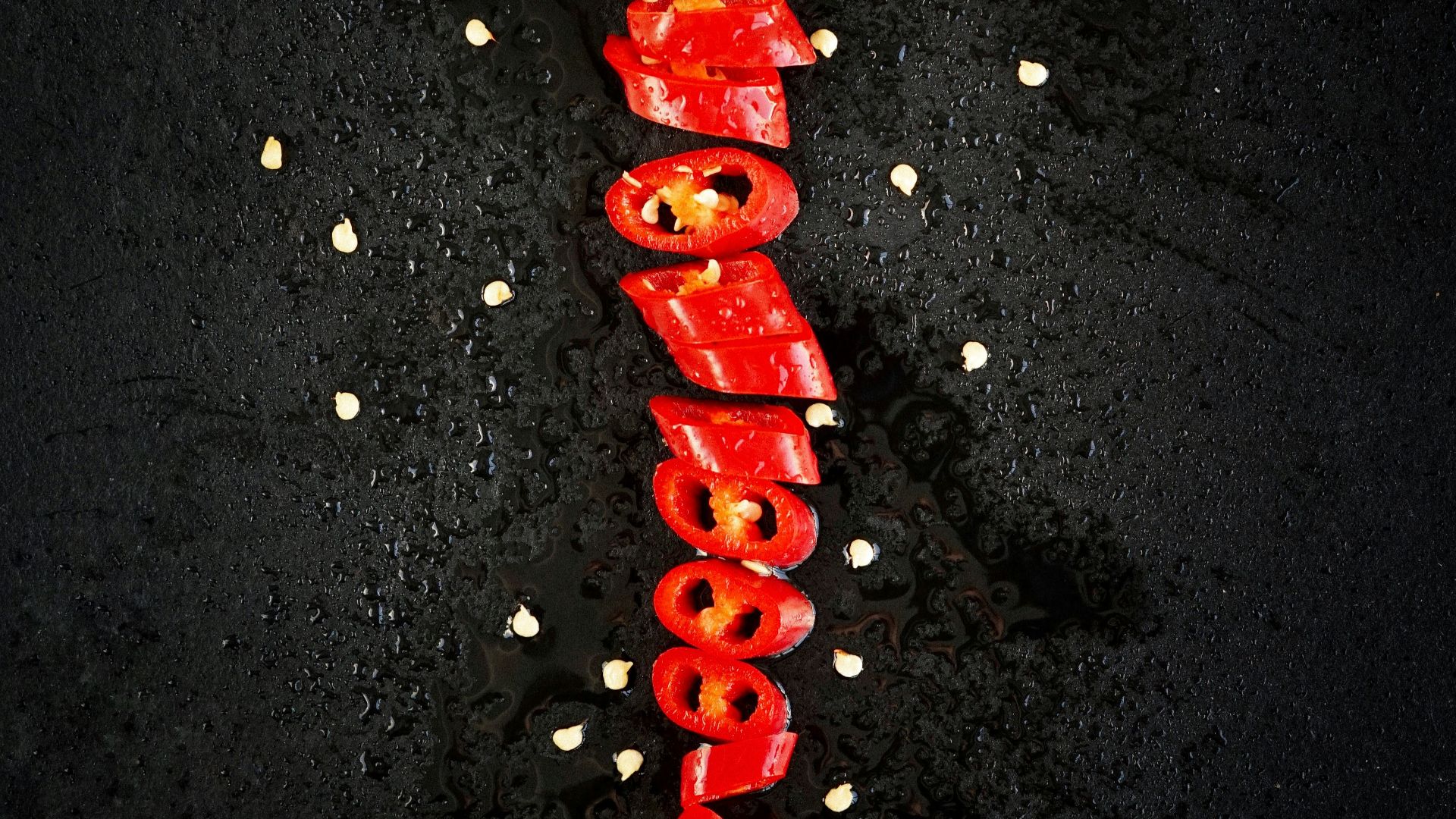
Some people actively seek out heat and enjoy the sensations that come with very spicy dishes. Others find spicy food uncomfortable and prefer milder flavors that don’t dominate the meal. Because tolerance varies so widely, this category can spark debate even among people who generally like the same cuisine.
20. Pineapple on Pizza
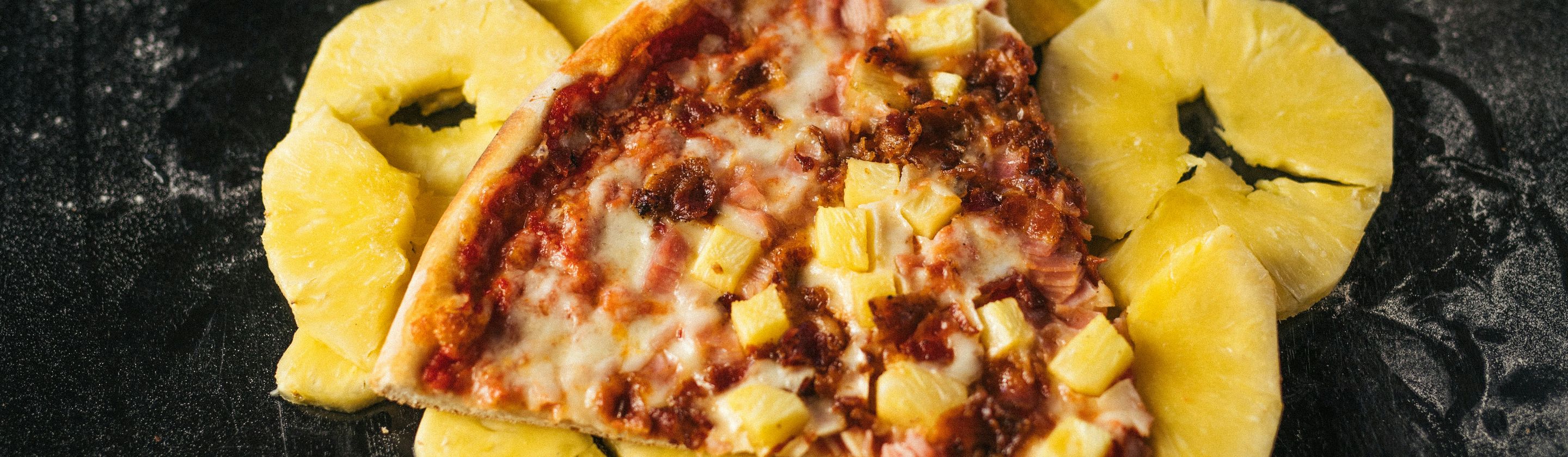
Of all the controversial foods out there, this one takes the cake. Some people like the sweet flavor paired with salty toppings like ham or bacon. Others find it nothing short of offensive to mess with pizza by putting fruit on it, so much so that they would literally fight you on it.

KEEP ON READING