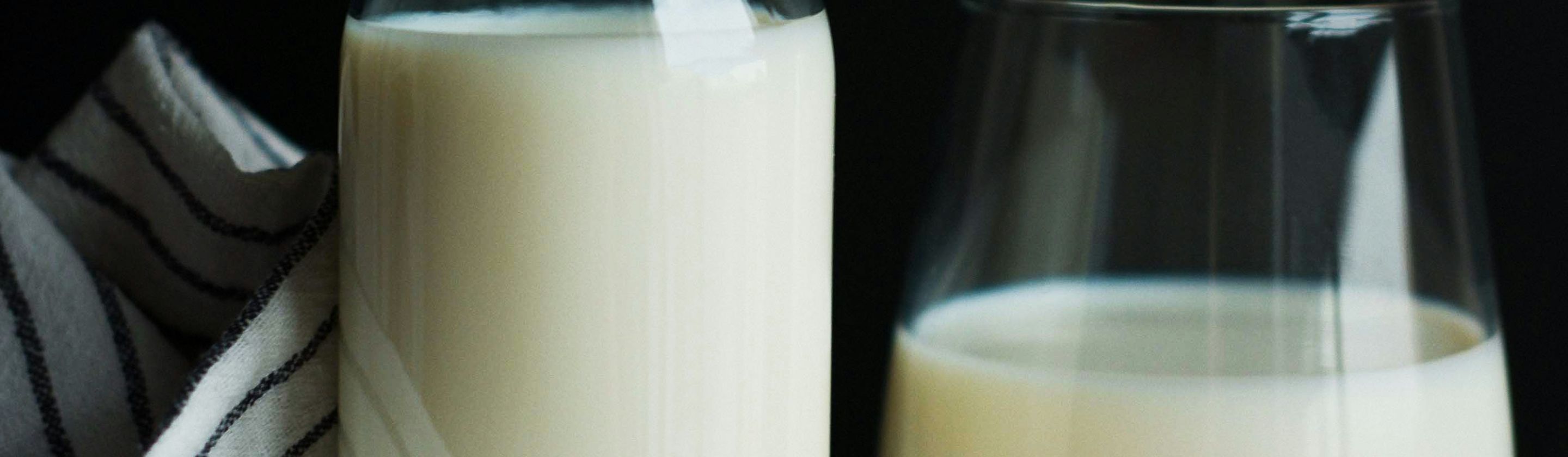
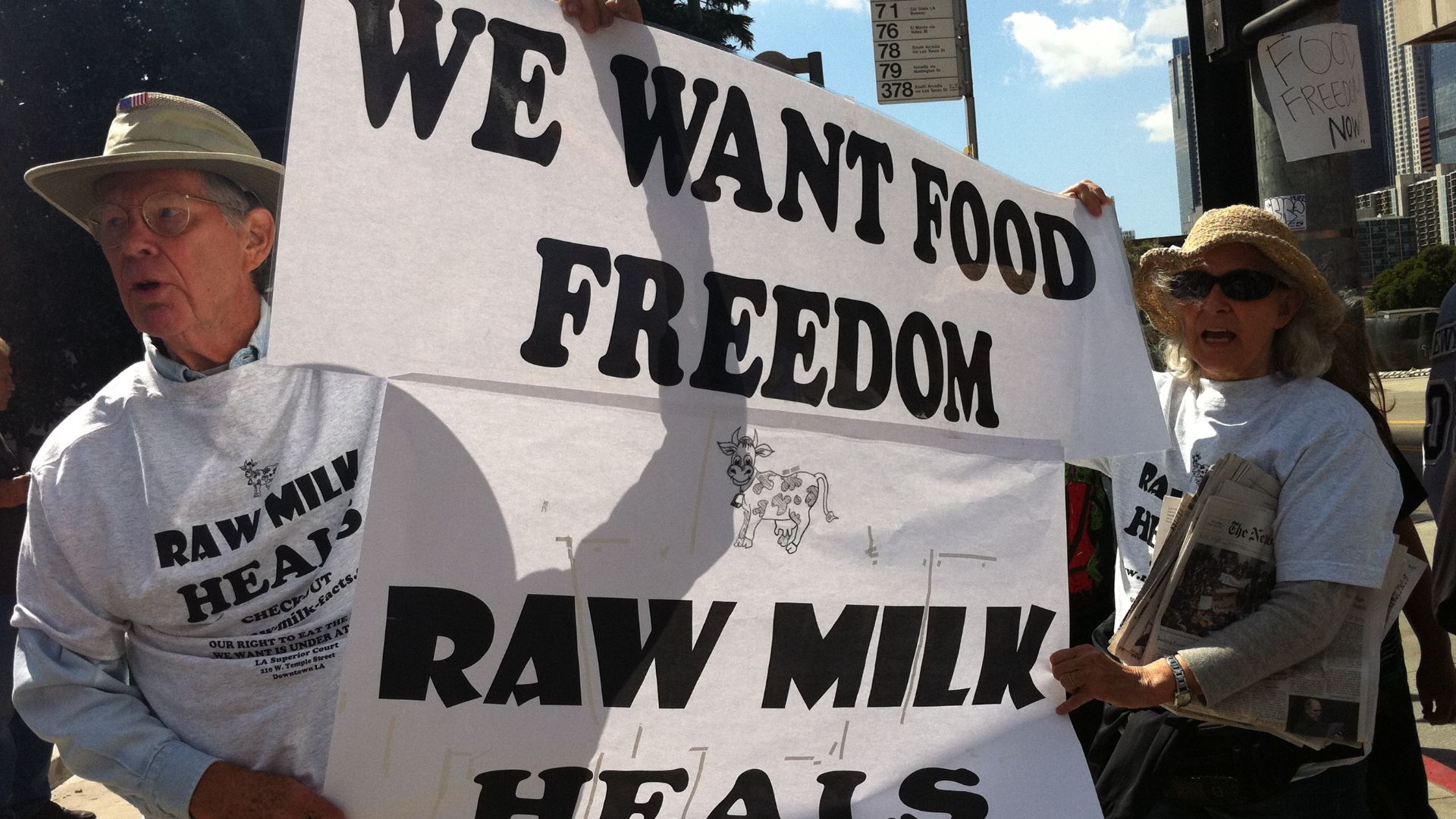
Raw milk has become one of those foods that can turn a simple grocery conversation into a miniature culture war. To fans, it represents tradition, natural living, small farms, and a return to food before industrial processing. To public health officials, it represents something much less charming: a drink that can carry dangerous germs. Few foods manage to sound both rustic and legally complicated at the same time.
The controversy comes down to a basic conflict between personal choice and population-level safety. Raw milk is milk that hasn’t been pasteurized, meaning it hasn’t been heated to kill harmful bacteria and other pathogens. The CDC and FDA both warn that raw milk can cause serious illness and that pasteurized milk is the safer way to get milk’s nutritional benefits. That message hasn’t stopped raw milk from gaining attention online, where nostalgia, distrust of institutions, and wellness claims often travel faster than a food safety lecture.
Why Raw Milk Has Such Devoted Supporters
Raw milk supporters often start with taste. They say it tastes richer, fresher, and more connected to the farm than standard grocery-store milk. For people who buy directly from local dairies, the appeal can feel personal rather than political. You know the farmer, you see the cows, and suddenly the carton in the supermarket looks a little more anonymous.
There’s also a strong belief among some fans that raw milk is more “natural.” They argue that pasteurization damages enzymes, beneficial bacteria, and nutrients, and that modern food systems have become too sterile and industrial. That argument fits neatly into a larger wellness trend that values traditional foods and distrusts heavily processed products.
The small-farm angle matters too. Many raw milk advocates see legal restrictions as unfair barriers that protect large dairy companies while limiting consumer freedom. In the U.S., the FDA banned interstate sales of raw milk for direct human consumption in 1987, though state laws still vary widely on local sales. For supporters, this can feel like government overreach into what adults choose to drink, but for regulators, it’s a public health rule born from outbreak data.
Why Health Officials Keep Warning Against It
Pasteurization wasn't invented because people hated charming farms. It became a major public health measure because milk can carry dangerous germs, and heating it properly kills many of them without removing its basic nutritional value. Pasteurization is crucial for milk safety, and choosing pasteurized milk and dairy products is the best way to safely enjoy milk’s nutrition.
Raw milk can carry pathogens such as Salmonella, E. coli, Listeria, and Campylobacter. The FDA says raw milk can harbor dangerous microorganisms that pose serious health risks, and it cites CDC data showing 202 outbreaks linked to raw milk from 1998 through 2018, causing 2,645 illnesses and 228 hospitalizations, and those are just the ones that were reported.
Certain groups face higher risk from these infections. Children, older adults, pregnant women, and people with weakened immune systems are more likely to have severe complications from foodborne illness. That’s where the controversy gets less abstract, because the person choosing raw milk may not always be the person most vulnerable to its risks.
The Modern Debate Is Bigger Than Milk
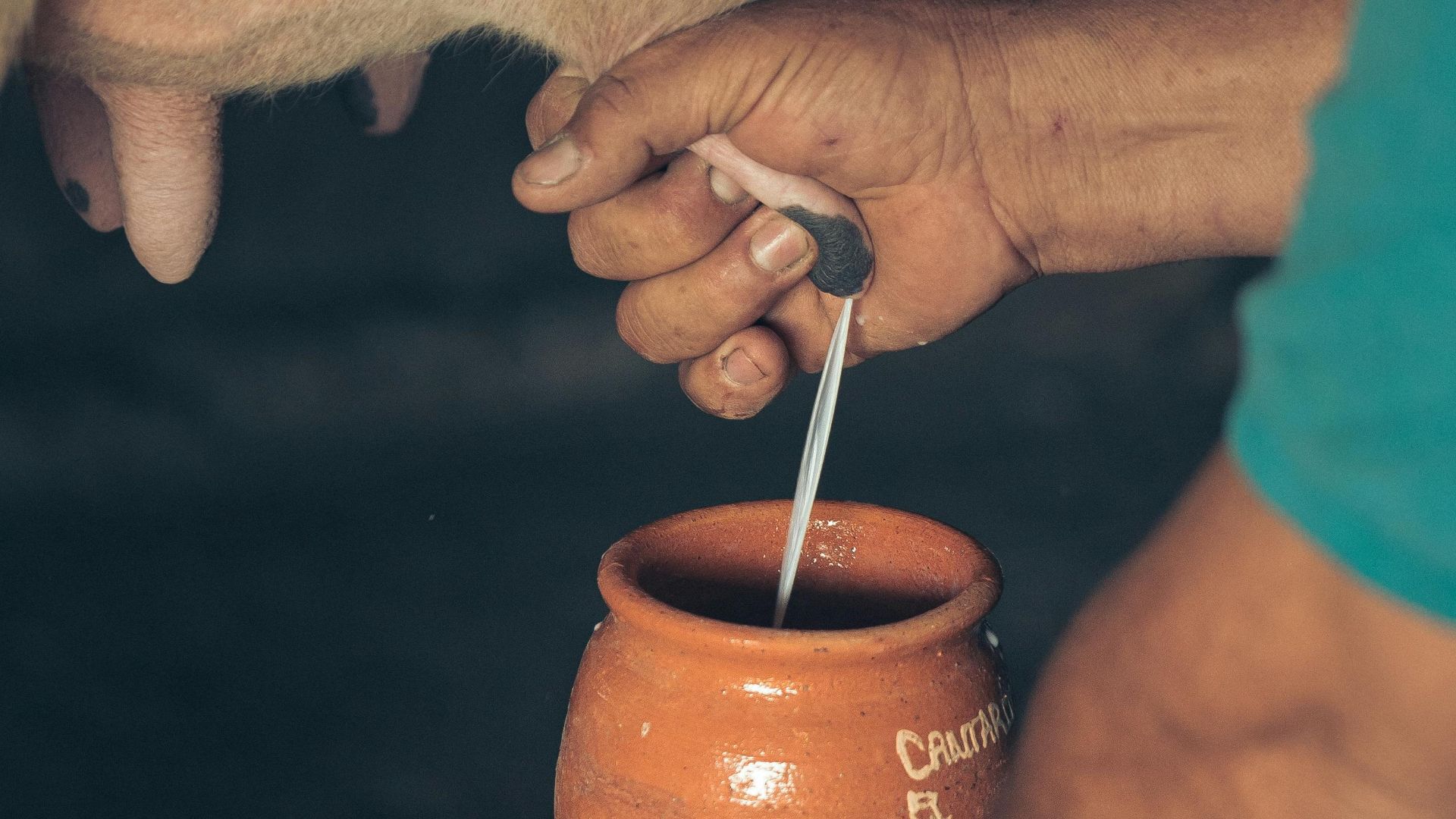
Raw milk has become a symbol in a much larger debate about trust. Some people see official warnings and hear sensible public health guidance. Others hear institutions they already distrust telling them what not to do, which can make the forbidden product seem even more appealing. In that environment, raw milk becomes more than a beverage. It becomes a statement.
Social media has poured fuel into the argument. Influencers can make raw milk look wholesome, rebellious, and health-giving in a 30-second video, while the risks require a less glamorous explanation involving bacteria, outbreaks, and hospitalization. That imbalance matters because people often respond more strongly to personal testimonials than statistical warnings.
There’s also a common misunderstanding about cleanliness. A careful farmer, healthy-looking cows, and a spotless dairy operation can reduce risk, but they can’t make raw milk risk-free. Contamination can happen from the animal, the environment, equipment, handling, or storage, and you can’t reliably see, smell, or taste whether milk contains harmful germs.
What the Controversy Really Comes Down To
The raw milk debate isn’t just “natural versus processed.” Pasteurization is a form of processing, but it’s also one of the reasons milk became much safer for mass consumption. Public health officials generally argue that pasteurized milk offers the nutritional benefits of milk without the unnecessary microbial gamble. Raw milk supporters argue that adults should be able to choose that gamble for themselves.
The hardest part is that food choices don’t always stay private. If raw milk causes an outbreak, it can affect children, guests, customers, or people who never fully understood the risk. Raw-milk cheeses and other dairy products can also become part of the safety conversation, as recent outbreak investigations have shown. Once a food enters wider distribution, personal choice starts bumping into public responsibility.
So the controversy behind raw milk is really about values as much as science. It touches trust, freedom, tradition, farming, wellness culture, regulation, and the very understandable assumption that the more natural something is, the better. But the safety consensus from major health agencies is clear: raw milk can carry dangerous pathogens, and pasteurization sharply reduces that risk.