The Real Reason Grocery Prices Stay High After Supply Chains Recover
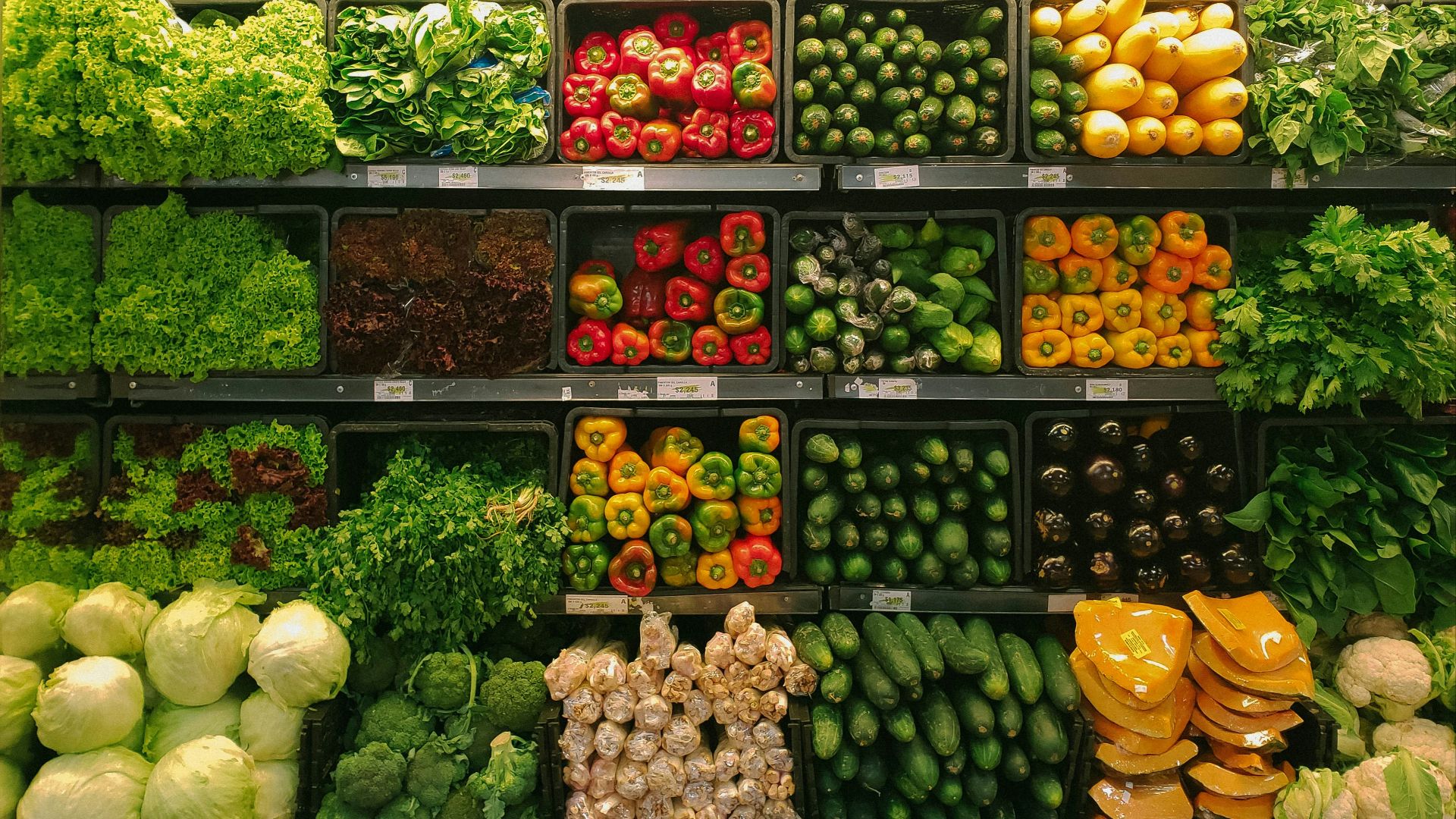
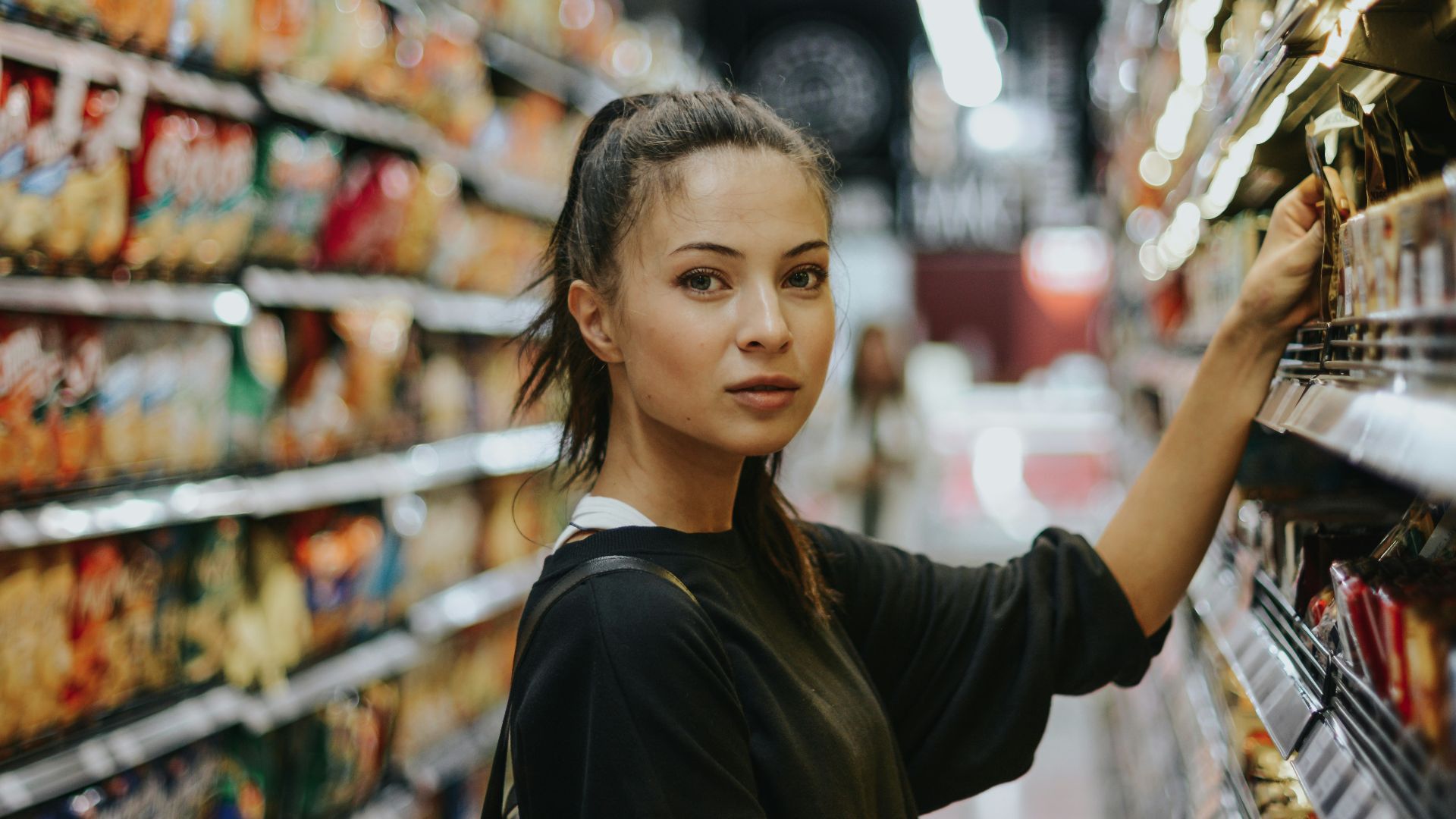 Joshua Rawson-Harris on Unsplash
It's tempting to believe grocery prices should slide neatly back down once ports clear, trucks move, and shelves look normal again. That idea sounds reasonable because “supply chain problems” became the catchall explanation for so much of the price shock people felt in 2021 and 2022. The problem is that supply chains were never the whole story, and even when that pressure eases, the rest of the system does not suddenly become cheap again.
If you're standing in a supermarket now, you're not imagining it when things still feel expensive. USDA’s latest outlook says food-at-home prices are expected to rise 3.1 percent in 2026, which is faster than the 20-year historical average of 2.6 percent. So yes, the emergency phase has cooled, but the grocery bill is still carrying the effects of a much broader reset.
The Supply Chain Was Only One Piece of the Price Tag
One of the biggest misunderstandings is the idea that grocery prices mostly reflect what happens on farms or on cargo ships. In reality, USDA says retail food prices are shaped much more by processing, transportation, wholesaling, retailing, and other marketing costs. That means even when raw commodity markets settle down, the parts of the chain that turn ingredients into store-ready food can keep prices elevated.
Many of those nonfarm costs didn't simply pop up during the pandemic and vanish once container traffic improved. Wages, rent, energy, packaging, refrigeration, warehousing, insurance, software, compliance, and transportation all became more expensive across the broader economy. Grocery pricing tends to absorb those increases slowly, and once they're embedded into the cost structure, they're much less likely to reverse dramatically.
This is also why shoppers often feel confused when they hear that supply chains have “recovered,” but prices still look stubborn. Recovery in this context usually means products are moving more normally, not that every input cost has returned to pre-2020 levels. The system can be functioning better and still be more expensive to operate than it used to be.
The USDA’s Food Dollar data helps make that clearer. Only a small share of each consumer food dollar reflects farm production itself, while much of the value is added in the chain afterward. So if you're waiting for grocery prices to collapse because shipping bottlenecks eased, you're basically expecting one part of the machine to cancel out a much larger and stickier set of costs.
Higher Costs Tend to Stick Better Than They Fall
Another reason grocery prices stay high is that price increases are much easier to pass through than price cuts are to reverse. Once retailers and food companies establish a higher price point that consumers reluctantly absorb, there's no built-in reason to hurry back downward unless competition or weak demand forces it.
Some categories do fall month to month, and BLS data shows that clearly. In March 2026, the food-at-home index actually declined 0.2 percent over the month, with several major grocery categories easing, but that kind of short-term relief isn't the same thing as a broad reset back to the older price baseline people remember.
There's also the simple reality that firms plan around current costs. If labor, utilities, rent, packaging, and financing all cost more than they used to, a grocer doesn't view today’s price as “still inflated.” It starts to look like the normal price required to preserve margins in a more expensive operating environment. In other words, prices can rise quickly when shocks hit, but they don't snap back just because one source of strain is gone. Once enough parts of the business become more costly at the same time, the new shelf price starts acting less like a temporary spike and more like the accepted level.
Competition, Scale, & Strategy Matter Too
The last piece is that grocery pricing isn't set in a perfectly competitive fairy tale. The FTC’s 2024 report on grocery supply disruptions said larger firms often used the crisis to protect market share and power while smaller firms were hit harder. That doesn't mean every high price is proof of misconduct, but it does mean market structure can affect how quickly savings get passed along to shoppers.
The FTC has also been blunt about consolidation risk in grocery retail. In challenging the proposed Kroger-Albertsons merger, the agency argued that eliminating direct competition between major supermarket chains could lead to higher grocery prices. When fewer large players dominate more shelf space, the pressure to cut prices aggressively can weaken.
That's part of the real answer that people don't always love hearing. Grocery prices stay high after supply chains recover because the total bill reflects much more than container ships and warehouse delays. It reflects a whole food system in which labor, processing, logistics, retail operations, and competitive dynamics all matter at once.
So if you are waiting for the old grocery bill to reappear just because shelves are full again, you're waiting for a version of the market that probably isn't coming back in full. Some items will cool off, some will fluctuate, and some may even surprise you in a good direction. Still, the broader reason prices stay high is much less dramatic than a broken supply chain and much more durable: the system itself now costs more to run, and the people inside it have learned they can charge accordingly.
KEEP ON READING
20 Fast Food Items With Surprisingly Weird Origins

20 Foods Only Rich Kids Ate Growing Up