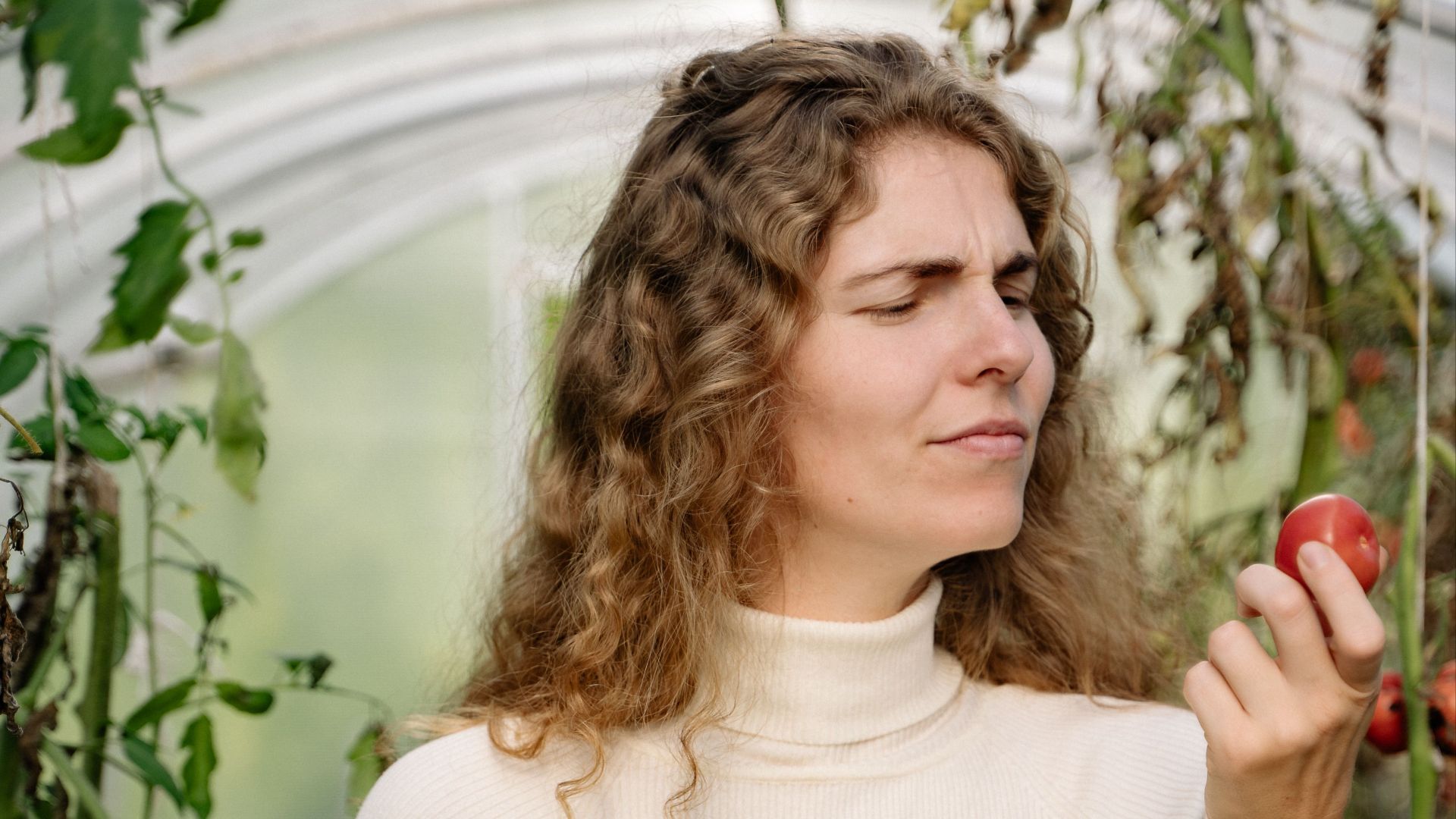
Nothing is more frustrating than buying a fresh carton of strawberries or a crisp bag of spinach only to discover they’ve turned soft, slimy, or fuzzy a few days later. Produce can feel surprisingly unpredictable, especially when one vegetable lasts for weeks while another starts looking questionable seemingly within minutes.
The problem isn’t always that your fruits and vegetables were already old when you bought them. How produce is stored, what it’s stored beside, and even whether you wash it right away can dramatically affect how quickly it deteriorates. If your produce drawer regularly becomes a place where good intentions go to die, a few common storage mistakes may be to blame.
Moisture Is Your Produce’s Worst Enemy
Fresh fruits and vegetables naturally contain a lot of water, which helps give them their crisp texture and appealing appearance. Trouble starts when extra moisture gets trapped around their surfaces. Damp conditions can encourage mold and bacterial growth, causing otherwise fresh produce to degrade much faster.
This is one reason washing berries as soon as you get home isn’t always the best idea. Strawberries, raspberries, and blueberries can hold onto moisture after rinsing, especially in all their tiny crevices. Unless you dry them extremely well, it’s usually better to wash berries right before eating them.
Leafy greens have a slightly different problem because they need some moisture to avoid wilting, but they shouldn’t stay soaking wet. After washing lettuce or spinach, removing as much excess water as possible before refrigeration can make a noticeable difference. Storing greens with a clean paper towel can also help absorb moisture that collects inside the container.
Plastic bags can make things worse when condensation starts building up inside them. Some vegetables keep better when they have at least a little airflow instead of being sealed in a damp environment. That doesn’t mean everything should sit uncovered, but managing humidity matters more than simply tossing produce into whichever drawer has space.
Your refrigerator’s crisper drawers are designed partly to help with this balancing act. Many models let you adjust the humidity level depending on what you’re storing. Leafy vegetables generally benefit from higher humidity, while produce that’s more prone to rotting often does better with lower humidity and better airflow.
Some Fruits Are Secretly Speeding Up the Process
Another major reason produce spoils quickly has nothing to do with moisture. Certain fruits naturally release ethylene, a plant hormone that helps control ripening. Apples, bananas, pears, peaches, avocados, and tomatoes are among the common foods that can produce noticeable amounts of it as they mature.
Ethylene isn’t necessarily a bad thing because it’s a normal part of the ripening process. You can even use it to your advantage by placing an underripe avocado near a banana to help it ripen faster. The trouble begins when ethylene-producing foods are stored beside produce that’s especially sensitive to the gas.
Broccoli, leafy greens, cucumbers, and several other vegetables can deteriorate more quickly when exposed to ethylene. If you’ve been piling every fruit and vegetable into the same refrigerator drawer, some items may be speeding up the decline of their neighbors. Separating major ethylene producers from sensitive produce can help everything stay usable for longer.
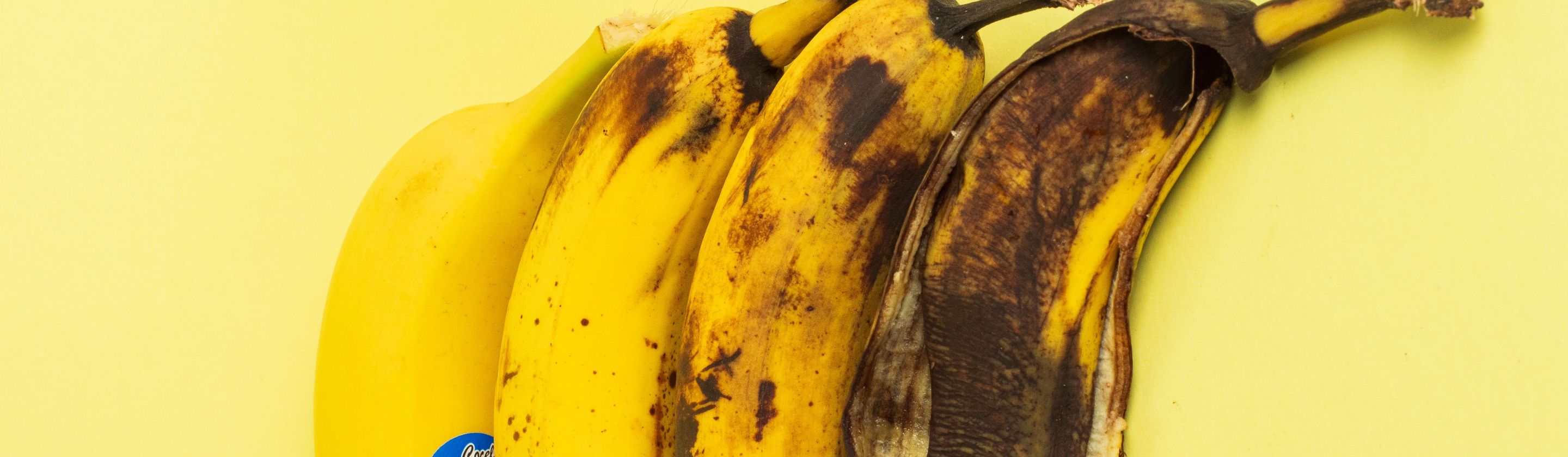
Bananas are especially noticeable because they continue ripening quickly on the counter. A bunch can go from slightly green to heavily spotted in what feels like no time, all while releasing ethylene around nearby fruit. Giving bananas a little space can stop them from encouraging everything else in the fruit bowl to ripen along with them.
Temperature complicates things further because not every fruit belongs in the refrigerator right away. Peaches, pears, avocados, and similar produce usually need some time at room temperature to ripen properly before being chilled. Once they’ve reached the right stage, refrigeration can slow further ripening without affecting their texture and flavor quite as much.
Where You Store Produce Matters More Than You Think
It’s easy to assume the refrigerator is automatically the safest place for anything fresh. In reality, some fruits and vegetables prefer very different conditions. Putting every piece of produce straight into the fridge can sometimes shorten its useful life or leave it tasting worse.
Potatoes are a good example because they generally fare better in a cool, dark, well-ventilated area rather than the refrigerator. Onions also prefer plenty of airflow and dry surroundings. Leaving either one trapped in damp plastic packaging can encourage soft spots, mold, and sprouting.
There’s another catch with potatoes and onions: they shouldn’t automatically be stored together just because both belong outside the fridge. Onions release gases and moisture that can contribute to potatoes deteriorating faster. Keeping the two separate can help you avoid finding a bag of soft, sprouting potatoes earlier than expected.
Tomatoes also challenge the instinct to refrigerate everything. Whole tomatoes that still need to ripen usually do well at room temperature, where they can continue developing their flavor and texture. Once they’re fully ripe, moving them to the refrigerator can slow deterioration if you’re not planning to eat them right away.
Even inside the frige, placement can make a difference. Produce pushed against especially cold areas can occasionally suffer chilling or freezing damage, while vegetables crammed into an overcrowded drawer may not get enough airflow. Knowing which parts of your fridge run coldest can save more delicate foods from an unpleasant surprise.
Keeping produce fresh isn’t about following one perfect storage rule. Different fruits and vegetables have different needs, and treating them all the same is often where problems begin. Manage moisture, separate foods that don’t store well together, and pay attention to temperature, and you’ll have a much better chance of eating your groceries before they turn into an accidental science project.
KEEP ON READING
The Most Popular Chocolate Bars in the USA
The Most Popular Candies in the USA