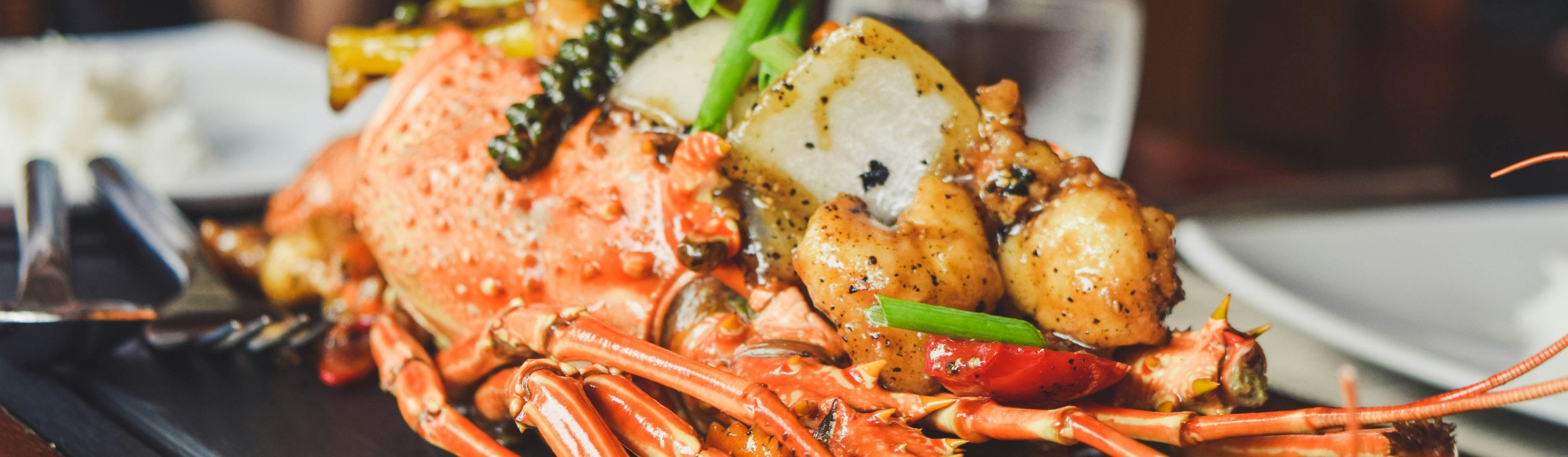
The Story Of Lobster: Its Rise From Prison Food To Luxury Staple
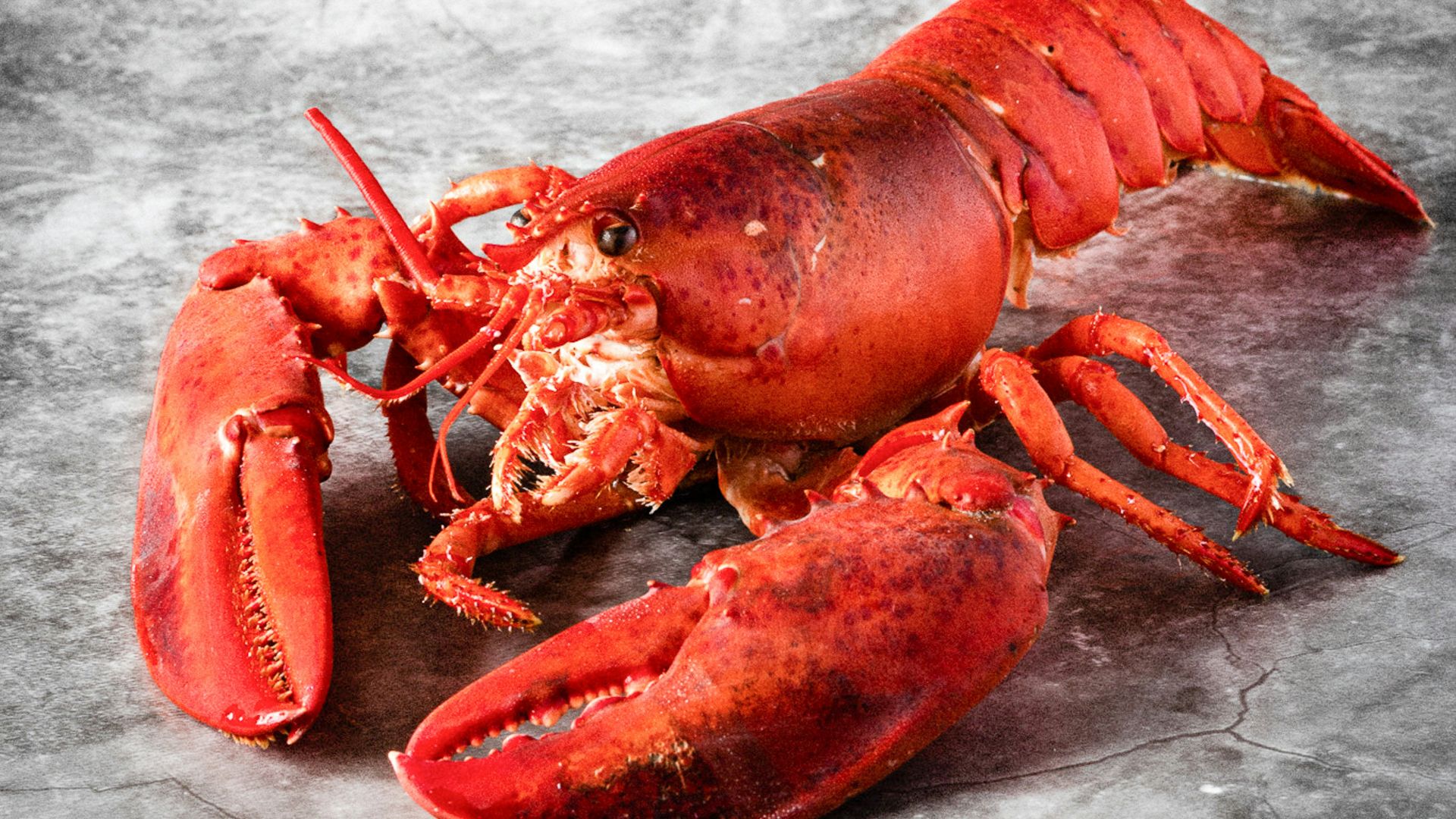
Lobster today is something you splurge on when you're celebrating or vacationing on the coast. It shows up on white tablecloths, seafood towers, and steakhouse menus with the quiet confidence of something that knows it can charge extra. You don’t usually look at a lobster tail and think, “Ah, yes, old-fashioned punishment food,” even though that's what it was for so long.
For early European settlers in New England, lobster wasn't a luxury at all. It was abundant, cheap, and sometimes regarded as food for prisoners, servants, and the poor. As it became more scarce, however, it became more expensive and more coveted. Its journey from coastal nuisance to luxury staple is one of the strangest glow-ups in American food history.
When Lobster Was Anything But Fancy
In colonial New England, lobsters were so plentiful along the coast that they didn’t inspire much awe. Accounts often describe them as easy to gather, especially compared with foods that required farming, hunting, or expensive trade. When something is everywhere, people rarely treat it like a treasure. Lobster’s abundance made it ordinary, and ordinary food rarely gets a velvet rope.
The creature itself didn’t help its early reputation. To many colonists, lobsters looked strange, crawled around the seafloor, and spoiled quickly without modern refrigeration. Indigenous communities had long used lobster in practical ways, including as food, bait, and fertilizer, but European settlers often viewed it through class-conscious eyes. If wealthy people wanted status on a plate, they usually looked toward beef, game, or imported goods instead.
That’s where the “prison food” reputation comes in. Lobster was associated with people who had limited choice, including prisoners, servants, and apprentices, because it was cheap protein in coastal areas. Some versions of the story get exaggerated, but there’s enough historical smoke to explain why the idea stuck. Today’s market-priced entrée once had the social charm of leftovers no one wanted to claim.
Canning, Railroads, And A Reputation Makeover
Lobster’s big transformation didn’t happen because everyone suddenly woke up and developed better taste. Technology did a lot of the work, especially canning. Before reliable preservation, lobster was mostly a regional food because it spoiled quickly and didn’t travel well. Once it could be canned, it could move inland and reach people who didn’t already associate it with coastal poverty.
That change mattered because reputation depends heavily on who’s doing the eating. Inland diners didn’t have the same cultural baggage attached to lobster, so they could experience it as something interesting, unusual, and even special. Railroads also helped by bringing travelers to New England and moving seafood to bigger markets. Suddenly, lobster wasn’t just something piled near the shore; it was a regional delicacy people wanted to try.
Restaurants and hotels then gave lobster the presentation upgrade it badly needed. Instead of being boiled in bulk or packed into cans, it could be served fresh, hot, and dressed with butter, herbs, sauces, or elaborate side dishes. Once lobster became part of travel, leisure, and restaurant culture, its old reputation started to crack.
How Scarcity Turned Lobster Into A Status Symbol
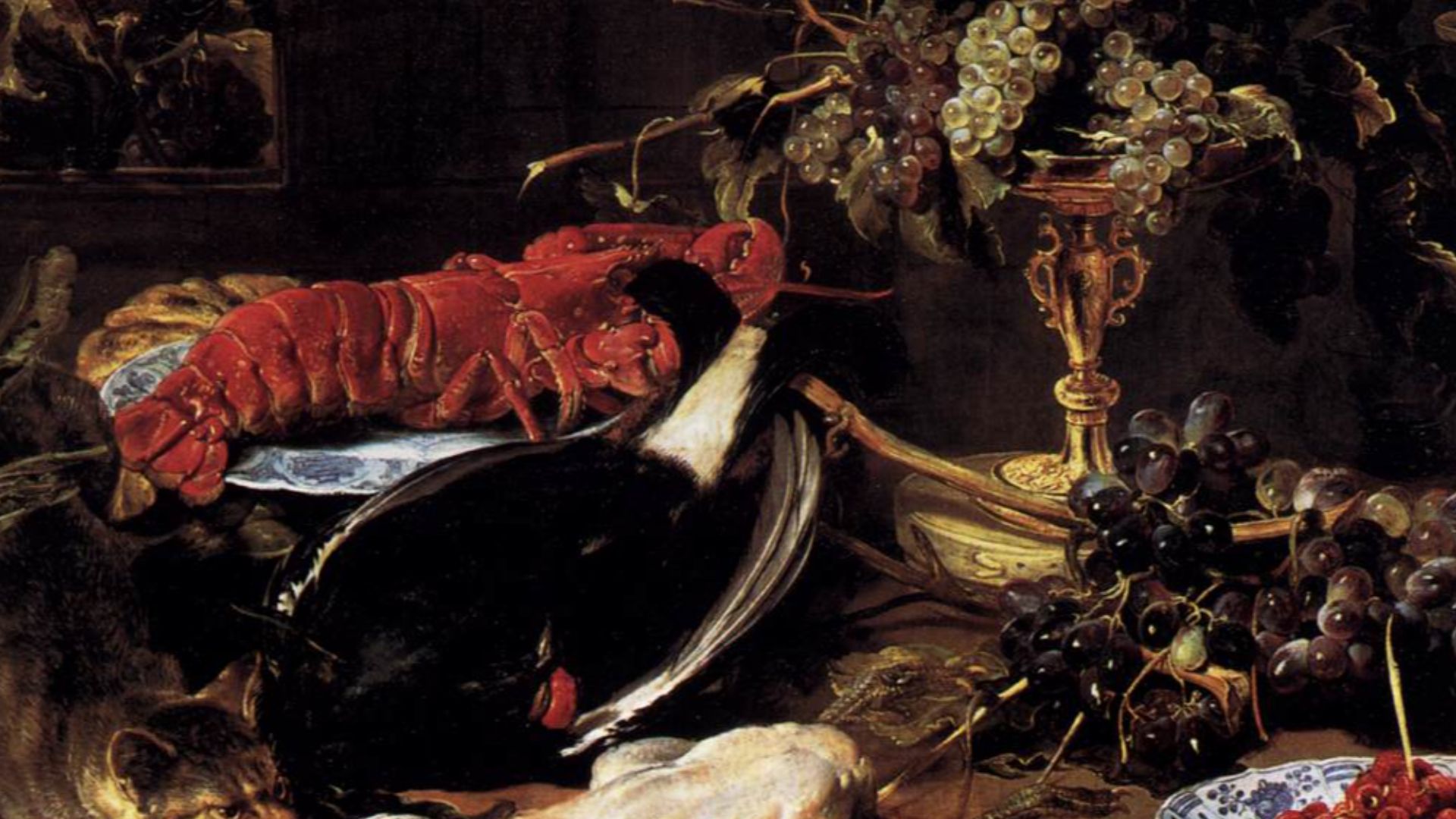
As demand grew, lobster became less of an everyday coastal food and more of a prized catch. Improved traps, live storage tanks, refrigerated transport, and broader distribution helped the industry expand, but they also made lobster part of a more organized commercial system. The more people wanted it, the more valuable it became. A food that once seemed embarrassingly common began gaining the one thing luxury always loves: scarcity.
By the late 19th and early 20th centuries, lobster had found a comfortable place in restaurants, resorts, and city dining rooms. It became associated with seaside vacations, special dinners, and menus where the price might politely refuse to appear until you asked. That shift changed how people talked about it, too.
Today, lobster’s luxury image is helped along by seasonality, labor, transport costs, and the simple fact that people still think of it as special. It’s also dramatic to eat, which never hurts a food’s reputation. Cracking claws, dipping meat in butter, and wearing a bib in public somehow became acceptable because the meal feels festive. That may be lobster’s greatest trick: it turned messy eating into an event with a premium price.
The story of lobster is really a story about value, perception, and timing. The animal didn’t change much, but everything around it did: transportation, preservation, restaurant culture, tourism, and social taste. What once seemed too common to admire eventually became rare enough, distant enough, and well-marketed enough to desire.
KEEP ON READING

The 5 Most Consumed Foods in the Entire World