The Three Foods You Should Always Buy Frozen, Not Fresh
Fresh food has a great reputation, and sometimes it absolutely earns it. There’s something satisfying about bringing home produce and seafood that looks vibrant, expensive, and full of good intentions. Then real life shows up, your plans change, and half of what you bought starts racing against the clock. That’s usually when “fresh” stops feeling virtuous and starts feeling stressful.
Frozen food, on the other hand, tends to be much less dramatic. In the right categories, it’s not the backup plan at all, because it’s the more practical option from the start. Some foods hold up beautifully in the freezer, keep their quality well, and spare you the familiar little guilt spiral of throwing money into the garbage. If you’re trying to shop smarter, here are the three items that almost always deserve freezer space.
Blueberries
Blueberries are amazing to buy fresh when they're in peak season, but that's really only 10 percent of the year in most places. Even if you buy the most amazing fresh blueberries, they only last a few days before losing their quality and getting sad in the back of your fridge.
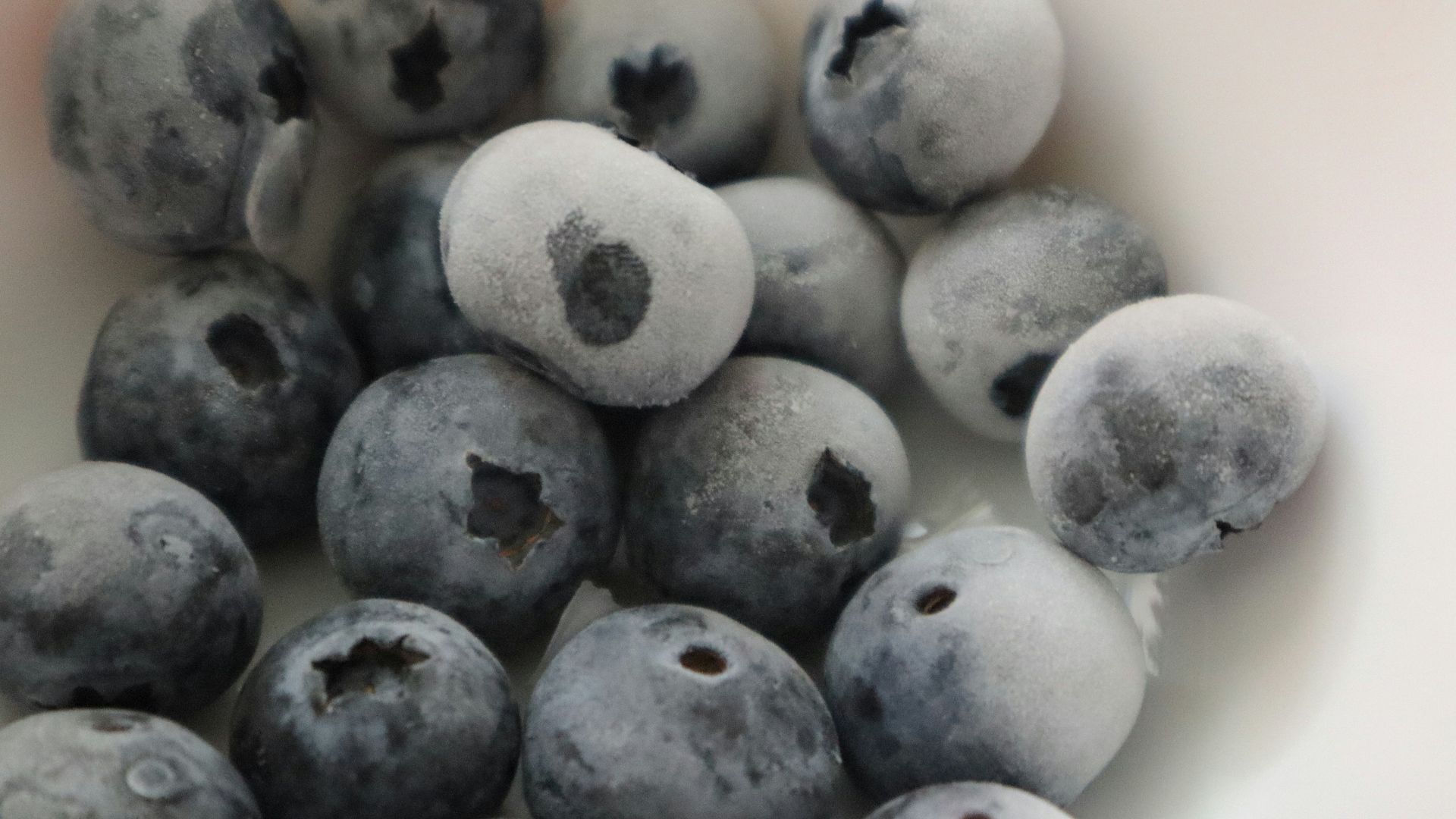
Frozen blueberries solve that problem in a very straightforward way. Because they’re frozen quickly and at their peak, they keep well and stay available for much longer than the fresh carton sitting in your refrigerator drawer. That makes them far easier to use gradually.
They’re also one of the easiest frozen fruits to use without feeling like you’re compromising. If you’re blending smoothies, stirring them into oatmeal, baking muffins, or spooning them over yogurt, frozen blueberries work beautifully. Fresh blueberries may be lovely for snacking on straight, but frozen ones win most weekday battles.
Another reason frozen blueberries are such a smart buy is that they hold onto their nutritional value extremely well. You've probably heard about how much of a nutritional powerhouse blueberries are. Well, when they're frozen soon after picking, they don't lose their antioxidant content in the same way fresh berries might with time. Frozen berries also retain similar or even greater amounts of nutrients like thiamine, riboflavin, vitamin B6, folate, and fiber.
Yet another reason they’re a smart frozen buy is consistency. Fresh blueberries can vary a lot depending on season, transport time, and how long they’ve been sitting before you pick them up. Frozen blueberries are usually much steadier, which means you’re less likely to pay for a pretty carton that turns disappointing two days later. If your actual goal is to eat more blueberries instead of just admiring them briefly, frozen is often the better call.
Peas
Peas are one of the clearest examples of a food that makes more sense frozen than fresh. Fresh peas sound charming and wholesome, especially if you imagine yourself shelling them with calm domestic confidence. In reality, they can be a lot of effort for a fairly small amount of food, and they lose sweetness fairly quickly after they're harvested. That’s a lot of pressure to put on something so tiny and green.
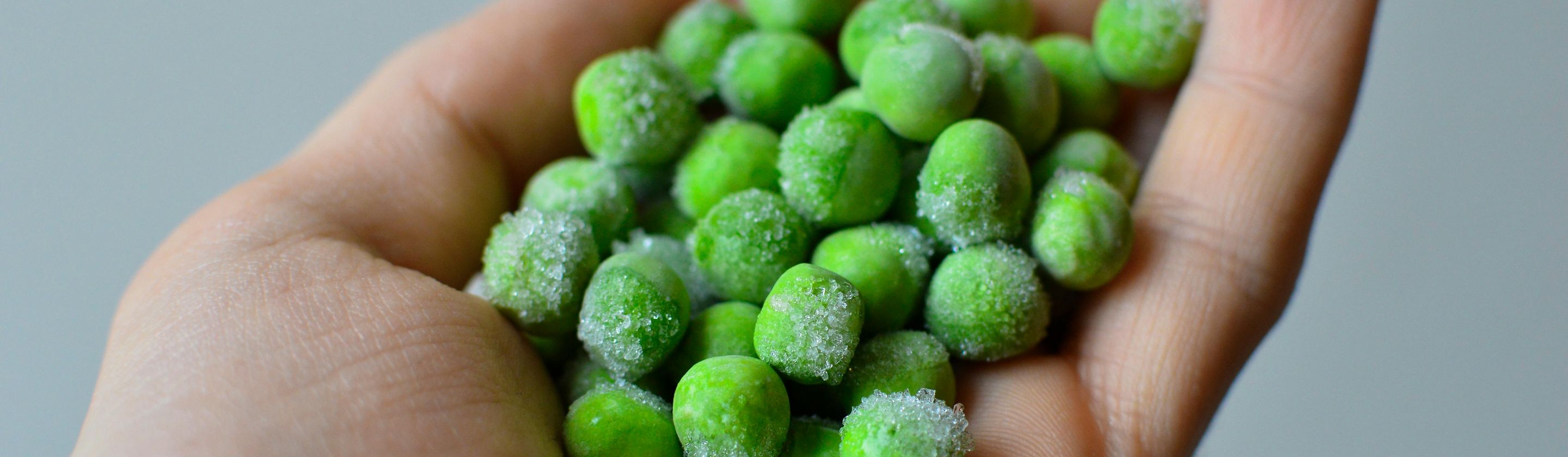
Frozen peas make the whole experience much easier. They cook quickly, keep their color well, and slide into soups, pasta, fried rice, pot pies, and quick dinners without much fuss. Because they’re typically frozen soon after harvest, they often hold onto the sweet flavor people actually want from peas in the first place. That means the freezer version can be not just easier, but genuinely better tasting in most applications.
They’re also ideal because you almost never need all of them at once. Peas tend to be the kind of ingredient you add by the handful or scoop, not something you build an entire meal around every time. Being able to pour out exactly what you need and return the bag to the freezer is incredibly useful. That kind of portion control is one of the least glamorous but most valuable parts of shopping smarter.
What makes frozen peas especially appealing is that they don’t demand much from you. There’s no shelling, barely any prep, and very little risk that they’ll go bad before you get around to them.
Salmon
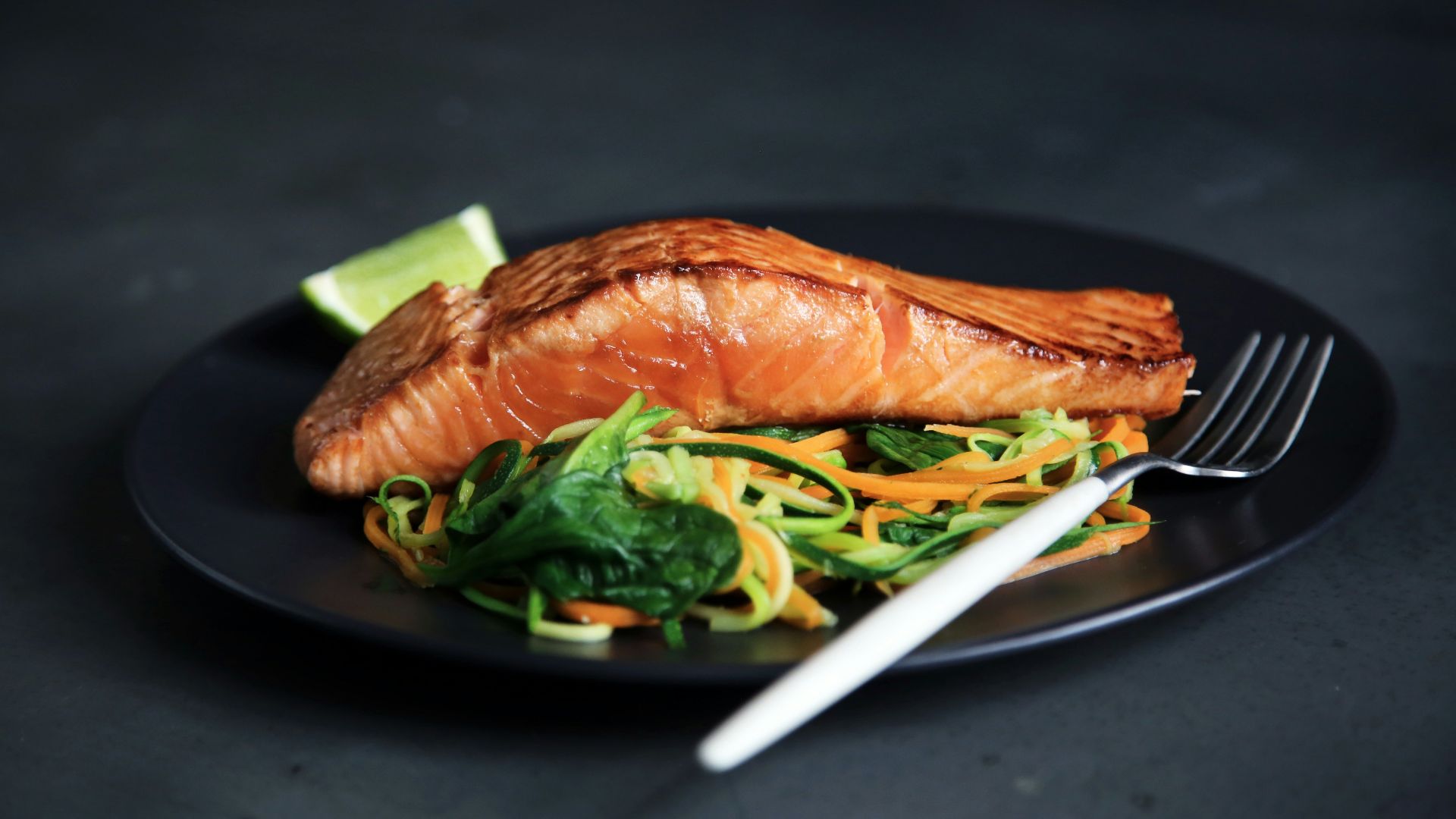
Salmon has a very strong fresh-food image, which is understandable. It sounds like the kind of thing you should buy from a gleaming seafood counter. The problem is that the “fresh” salmon in front of you may not be truly fresh in the way you imagine. FDA guidance notes that fresh fish and fish fillets sold as “fresh” may also be sold as “previously frozen,” which changes the whole calculation a bit. This means some grocery stores may receive salmon frozen, thaw it, and sell it for a more premium price than the exact same fish in the freezer section.
That’s one reason frozen salmon is often the smarter buy. When you buy it frozen, you know exactly what you’re getting, and you’re the one controlling when it gets thawed. Instead of hoping the fish counter’s timeline matches your own dinner plans, you can keep it stable until you actually want to cook it. That gives you a lot more flexibility, especially for a protein that isn’t cheap.
Frozen salmon is also easier to manage in real life. You can thaw a portion for a weeknight meal without turning the purchase into a race against spoilage. That works especially well for people who want to eat more fish but don’t always know which night they’ll have the energy to cook it. A box or bag in the freezer is simply more forgiving than a fillet in the fridge, asking pointed questions by tomorrow afternoon.
The other advantage is waste reduction. Frozen salmon lets you keep quality protein on hand without making unrealistic promises to yourself at the store. What's more, frozen salmon tends to be a lot cheaper than the "fresh" kind, and is often just as good quality. When you cook it from frozen, it also tends to stay juicier in the center while getting golden and crispy on the outside, which is exactly what you want from a salmon filet.
Fresh isn’t always better just because it sounds nicer. Blueberries, peas, and salmon all happen to benefit from what freezing does best, which is preserving food until you’re actually ready to use it. That means less waste, more flexibility, and a much better chance that what you buy will still be useful when you need it.
KEEP ON READING

The Most Popular Signature Dishes Around the World