This Is What Cacao Percentages On Chocolate Bars Actually Mean
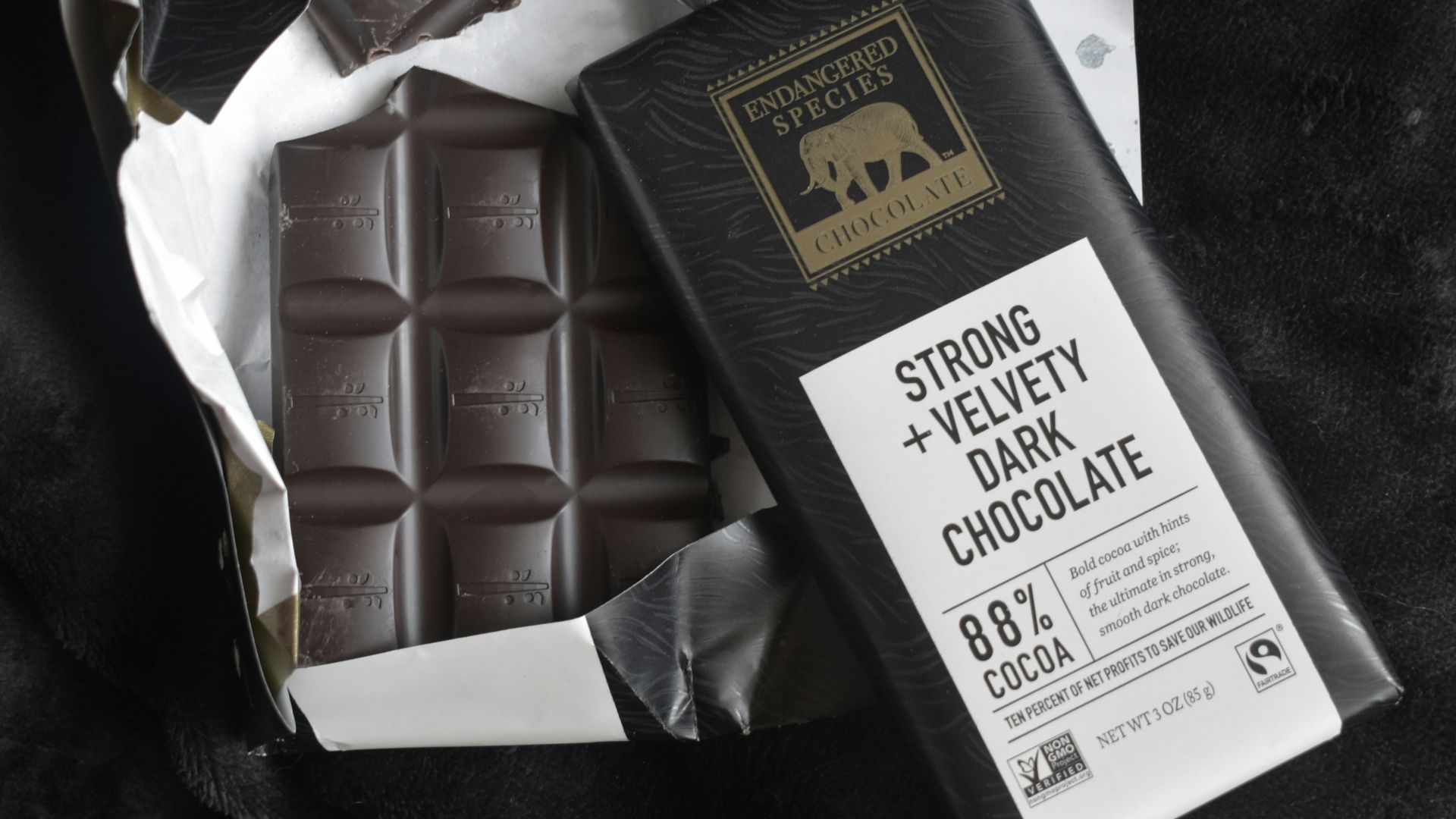
Many chocolate lovers pause at labels that read “70% cacao” or “85% cacao,” unsure whether those numbers signal bitterness or bragging rights. The percentage looks scientific, yet it often feels mysterious. Marketing plays a role, but the figure carries real meaning. Cacao percentage explains how a chocolate bar is built, how sweet it tastes, and how it behaves on the palate.
Understanding that number helps shoppers choose chocolate with confidence rather than guesswork. The sections ahead unpack what cacao percentages represent and why those details matter more than the label design.
Breaking Down Cacao Percentages
Cacao percentage refers to how much of a chocolate bar comes directly from the cacao bean. That portion includes cacao solids and cocoa butter, sometimes listed together as chocolate liquor. A bar marked 70% cacao means 70% of its weight comes from cacao components. The remaining thirty percent usually includes sugar, and in some cases milk powder or flavoring.
Higher percentages shift the balance toward cacao rather than sweetness. An 85% bar contains far less sugar than a 70% bar, which explains its sharper taste. However, higher numbers do not automatically signal superior quality. Skillful roasting, sourcing, and processing matter just as much. The percentage simply describes composition. Knowing that distinction helps buyers avoid assuming that bigger numbers always equal better chocolate.
Flavor, Texture, And Nutrition
Cacao percentage directly influences flavor intensity. Bars with higher cacao levels deliver deeper notes that can be earthy, bitter, or fruity, depending on the origin. Lower percentages lean toward sweeter, milder flavors, which appeal to many dessert lovers. Texture changes as well. Cocoa butter contributes smoothness, so bars with balanced fat content melt more evenly on the tongue.
Nutrition also shifts with cacao levels. Higher cacao chocolate generally contains more flavanols, functioning as antioxidants. Sugar content also drops as cacao rises. Caffeine and theobromine appear more prominently in darker bars and create a mild stimulant effect. Milk chocolate usually sits around thirty to forty percent cacao because milk solids and sugar take up more space. That structure explains its softer flavor and creamier mouthfeel.
Choosing The Right Chocolate
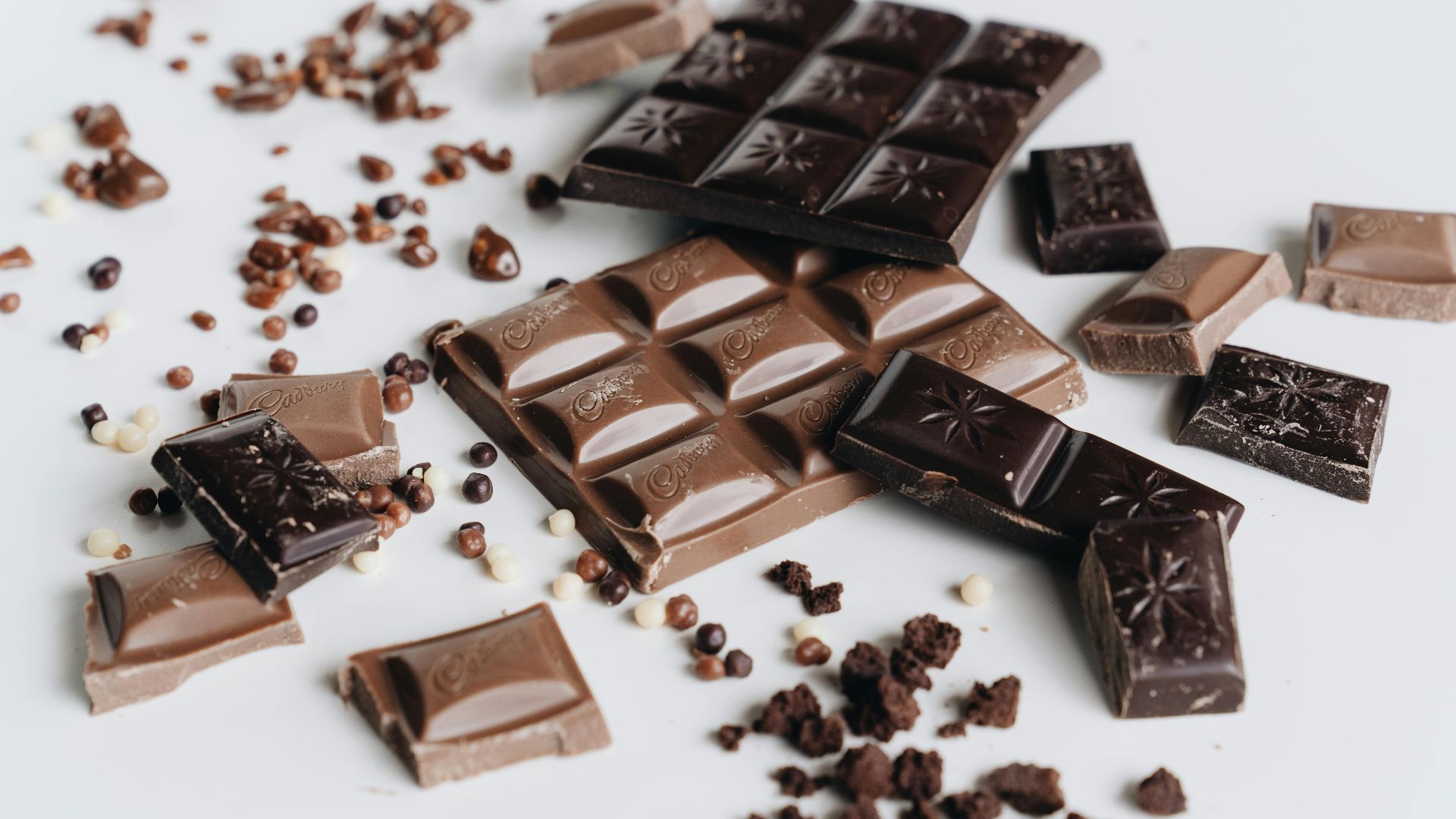 alleksana on PexelsChoosing chocolate works best as a personal experiment rather than a rulebook exercise. Dessert-focused eaters often enjoy bars in the fifty to sixty percent range, where sweetness still plays a starring role. Dark chocolate fans tend to prefer seventy percent or higher, which delivers intensity without overwhelming bitterness.
Health-focused shoppers may gravitate toward higher cacao for lower sugar content, though taste tolerance matters. Sampling different percentages reveals how small changes alter experience. One person’s perfect bar may feel harsh to someone else. Cacao percentages act as a guide, not a scorecard. Learning how those numbers translate to flavor helps chocolate lovers pick bars that actually satisfy rather than impress only on paper.
KEEP ON READING
You’re Storing Tomatoes Wrong in This Heat
You’re Storing Potatoes Wrong in This Heat
You’re Storing Peppers Wrong in This Heat
You’re Storing Carrots Wrong in This Heat