Why Your Pasta Never Tastes Like a Restaurant’s & How To Up Your Game

You can follow a recipe, buy decent noodles, and still end up with pasta that tastes flat. Meanwhile, a restaurant version of what seems like the same dish somehow feels silkier, punchier, and more complete, even if the ingredient list is the same. That gap is real, and it usually comes down to technique, timing, and a few small details that home cooks skip because nobody told them they matter.
The good news is you don’t need a professional range or a secret family lineage to close the distance. Restaurants rely on repeatable systems like how they salt, how they build sauce, and how they finish everything together so it tastes like one unified thing. Once you start doing those simple steps, you'll never pay $25 for a plate of pasta again.
The Flavor Foundations Most Home Cooks Undershoot
Salt is the first reason your pasta can taste underwhelming. Pasta water should be properly salted so the noodles have seasoning built in rather than relying on the sauce to do all the work. If your water tastes like nothing, your pasta will taste like nothing too, and no amount of Parmesan will fully rescue it. You don’t have to measure like a scientist, but you do have to be bold. Remember that, unlike rice, not all the salt will go into the pasta because it doesn't soak up all the water.
Another common issue is rushing the aromatics, which is basically leaving flavor on the cutting board. Onions, garlic, shallots, and spices need enough time in fat to soften and bloom, not just warm up and get tossed aside. That gentle cooking builds depth, which is why restaurant sauces taste rounded instead of sharp. If you’re turning the heat up because you’re hungry, it will show in the final product.
Then there’s the quality of your base ingredients, which matters more when a dish has only a few components. Restaurants often use better canned tomatoes, good olive oil, and cheese that hasn’t been pre-shredded into sadness. You don’t need to buy the fanciest version of everything, but you should pick one or two upgrades you’ll notice. Great pasta is usually less about complicated technique than it is about not cutting corners.
Sauce Technique
Restaurants don’t treat sauce like something you dump on top at the end. They build it to cling, and that starts with fat, heat control, and the right texture before the pasta even shows up. When your sauce is watery or thin, it slides off the noodles and pools at the bottom, so you have something that resembles noodle soup. A proper simmer, a little reduction, and patience can fix more than you’d expect.
You also want to stop thinking of pasta water as trash and start treating it like your best supporting actor. That cloudy water contains starch, which helps emulsify fat and liquid into a cohesive sauce. Instead of adding more oil when things look dry, splash in a bit of pasta water and stir like you mean it. The result is a glossy sauce that looks and tastes more integrated.
Heat is another restaurant advantage, but it’s not about scorching everything. Many kitchens finish pasta in a pan with the sauce so the noodles absorb flavor and the sauce tightens up. If you toss drained pasta onto a plate and spoon sauce on top, you’re skipping the part where everything becomes one dish. Two minutes of finishing together can do more than ten minutes of extra simmering.
The Finishing Moves
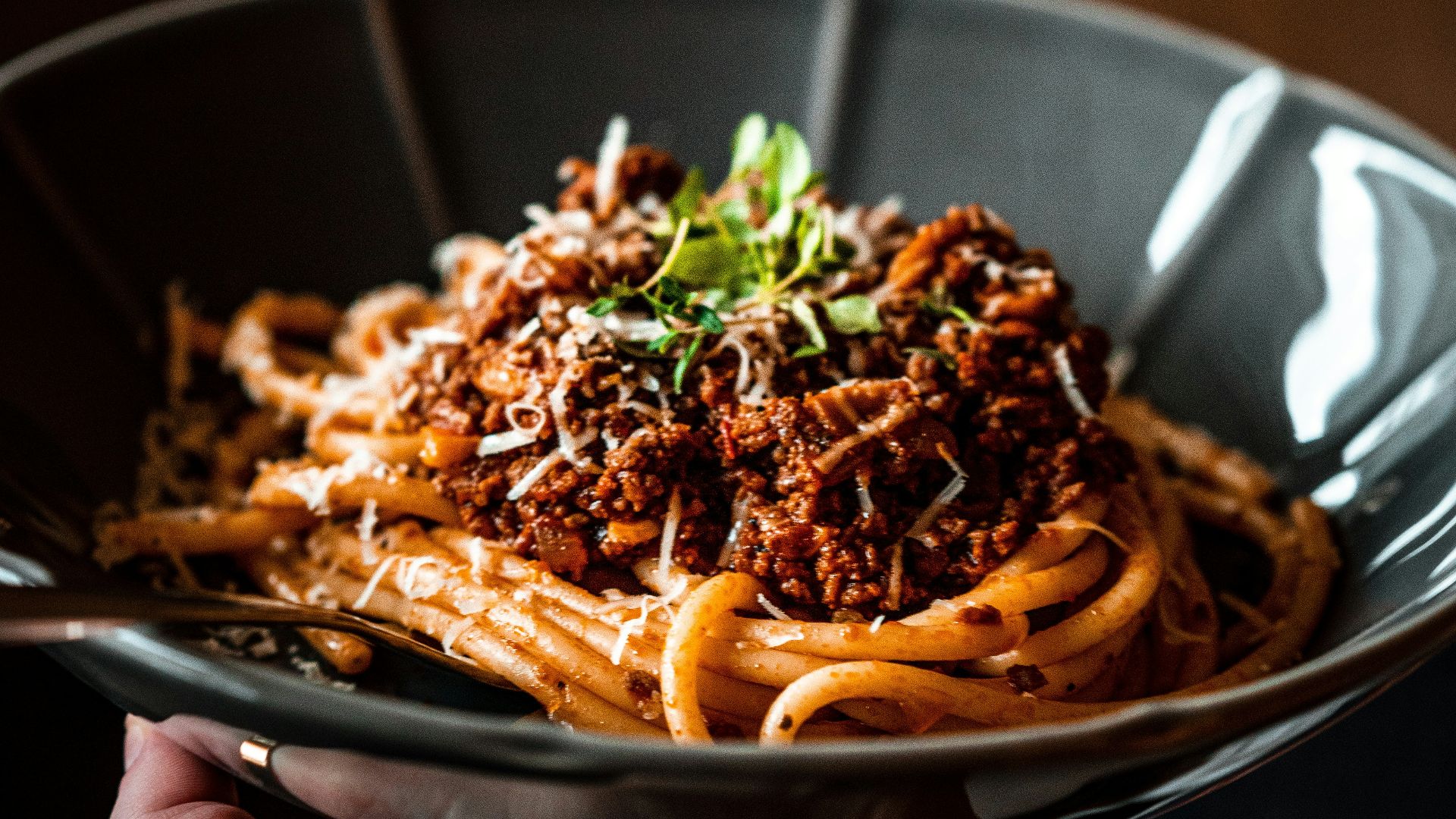
Timing is a big deal, and restaurants are obsessive about it because pasta waits for nobody. You should aim to have your sauce ready when the pasta is almost done, not twenty minutes earlier. Overcooked pasta gets soft and sad, and reheated sauce can lose its brightness and texture. When everything meets at the right moment, the whole dish tastes fresher.
Don’t cook your pasta to “fully done” in the pot if you plan to finish it in the sauce. Pull it a minute early so it can finish cooking while it’s absorbing flavor, and you’ll get a better texture. That final minute also gives you a chance to adjust the thickness with pasta water and build that silky coating. It’s a small timing change that feels like a major upgrade.
Finally, restaurants season in layers and finish with intention. A squeeze of lemon, a knob of butter, a drizzle of good olive oil, or a shower of fresh herbs can bring everything into focus. Cheese matters too, but it should be added at the right time so it melts smoothly rather than clumping. The best approach is to taste and adjust rather than just serve and pray.
If there’s one secret, it’s that great pasta is usually the result of a few small habits done consistently, not a single magical ingredient.
KEEP ON READING

The Most Popular Chocolate Bars in the USA

The Most Popular Candies in the USA