Carb Counts That Surprise
If you're trying to cut carbs, you're probably avoiding bread and pasta, but what about foods that hide surprising amounts? And here's the good news—some delicious options you think are off-limits actually work perfectly for your goals. Check out the insights in the next slides to feel more confident about your choices. Let’s start with the low-carb options first.
 Daniele La Rosa Messina on Unsplash
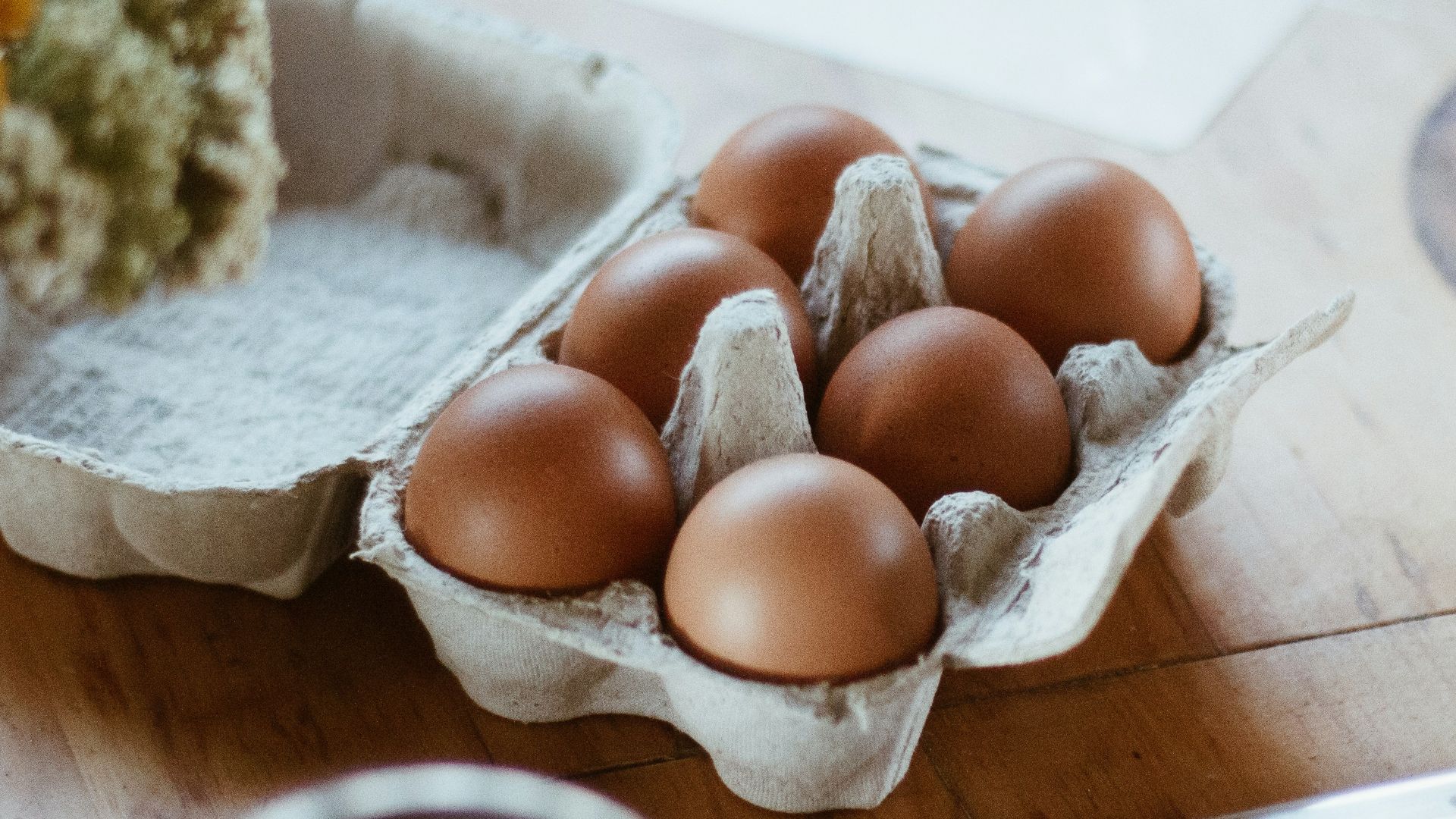
1. Eggs
Starting the day with eggs keeps carb intake extremely low, since each contains less than one gram of carbs. They offer 6 grams of protein that promotes fullness. Vitamins like B12 and healthy fats further support steady energy throughout the day.
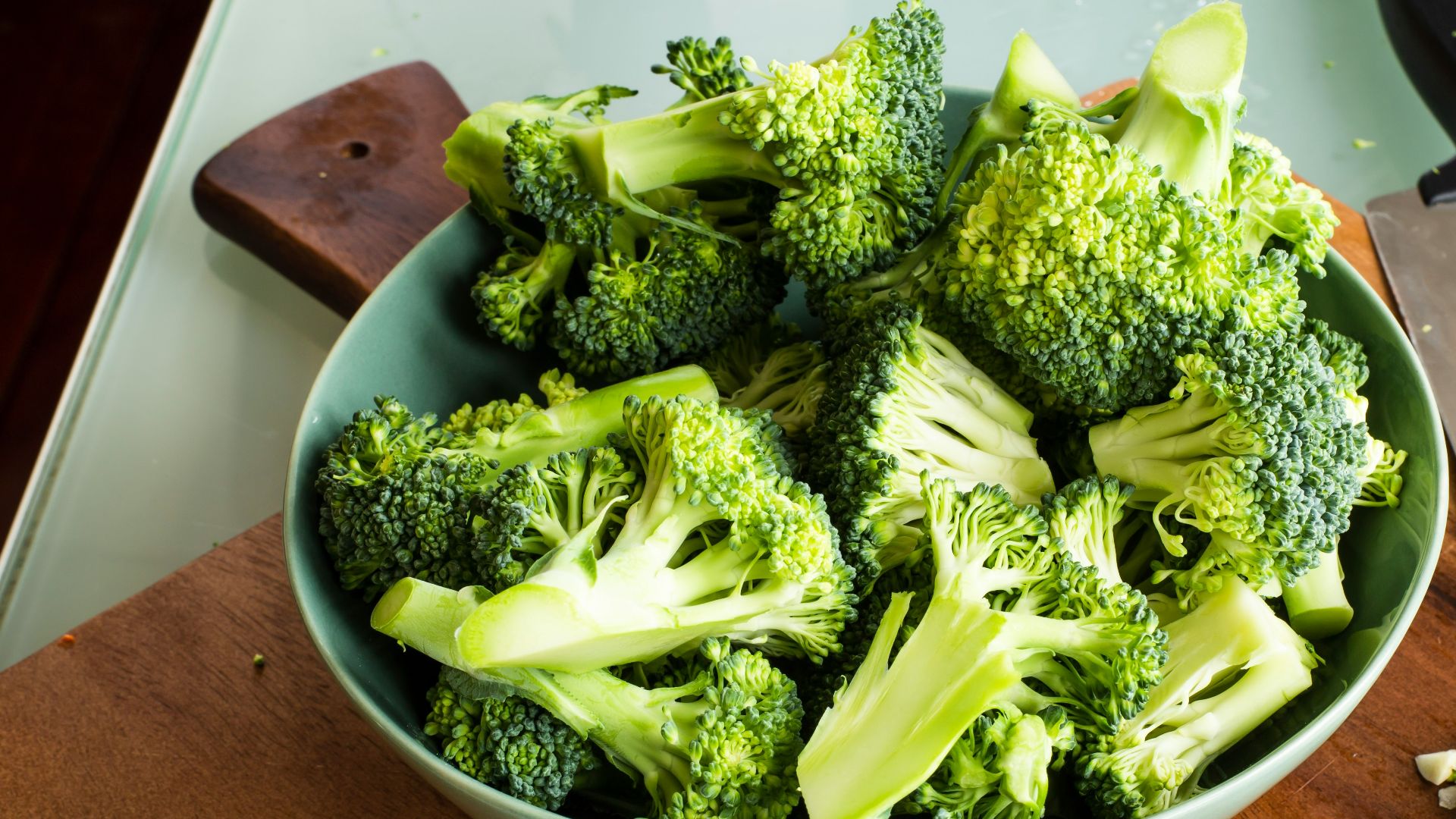
2. Broccoli
Broccoli fits easily into low-carb meals with only 3 to 4 net carbs per cup. Its fiber supports digestion and helps regulate glucose levels. The vegetable also delivers more than a full day’s supply of vitamin C for added antioxidant protection.
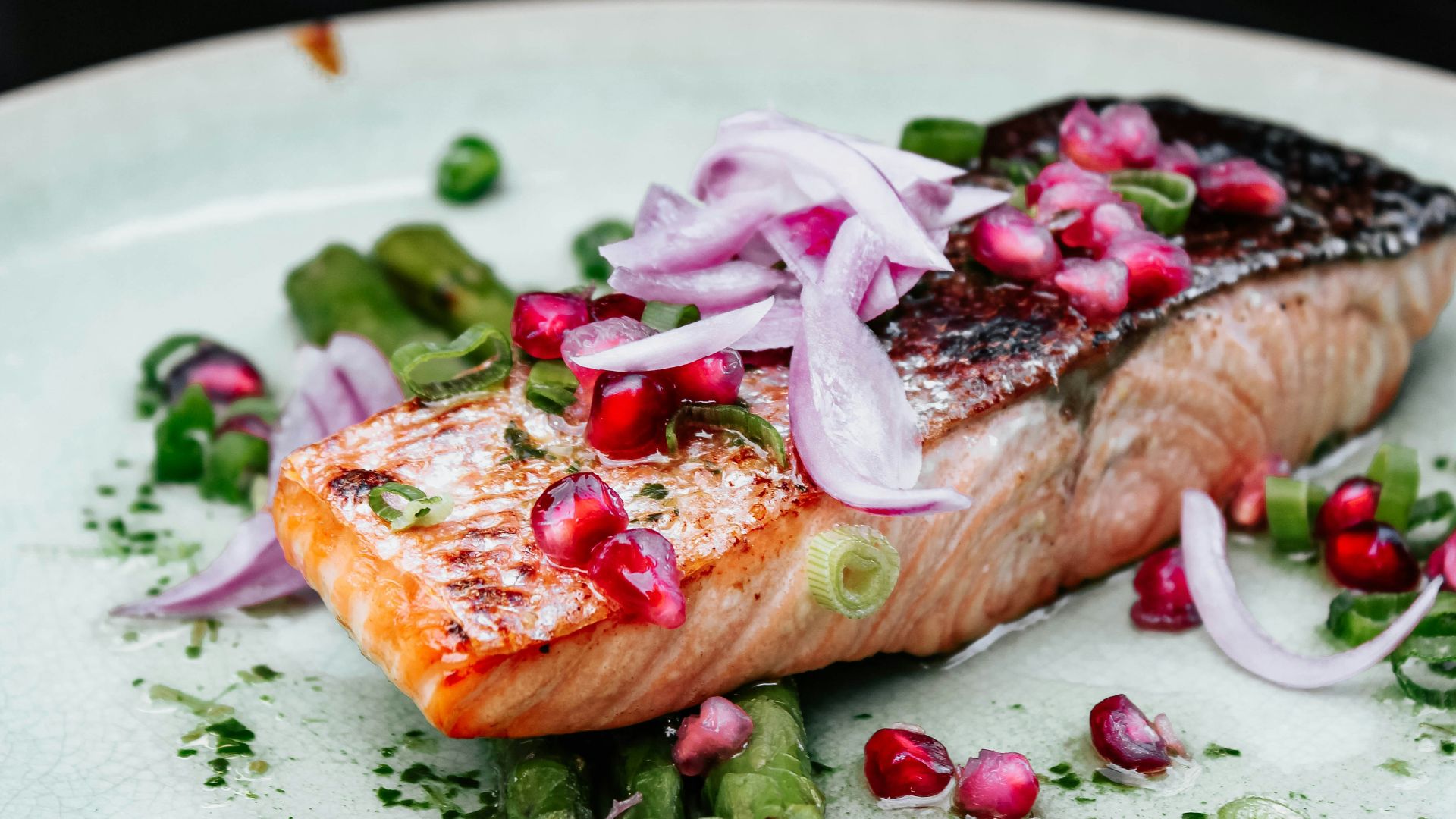
3. Salmon
This one naturally contains zero carbs, making it ideal for low-carb diets. A small serving provides around 22 grams of protein to support muscles. The omega-3 fatty acids in salmon benefit heart health, and vitamin B12 contributes to metabolism.
 micheile henderson on Unsplash
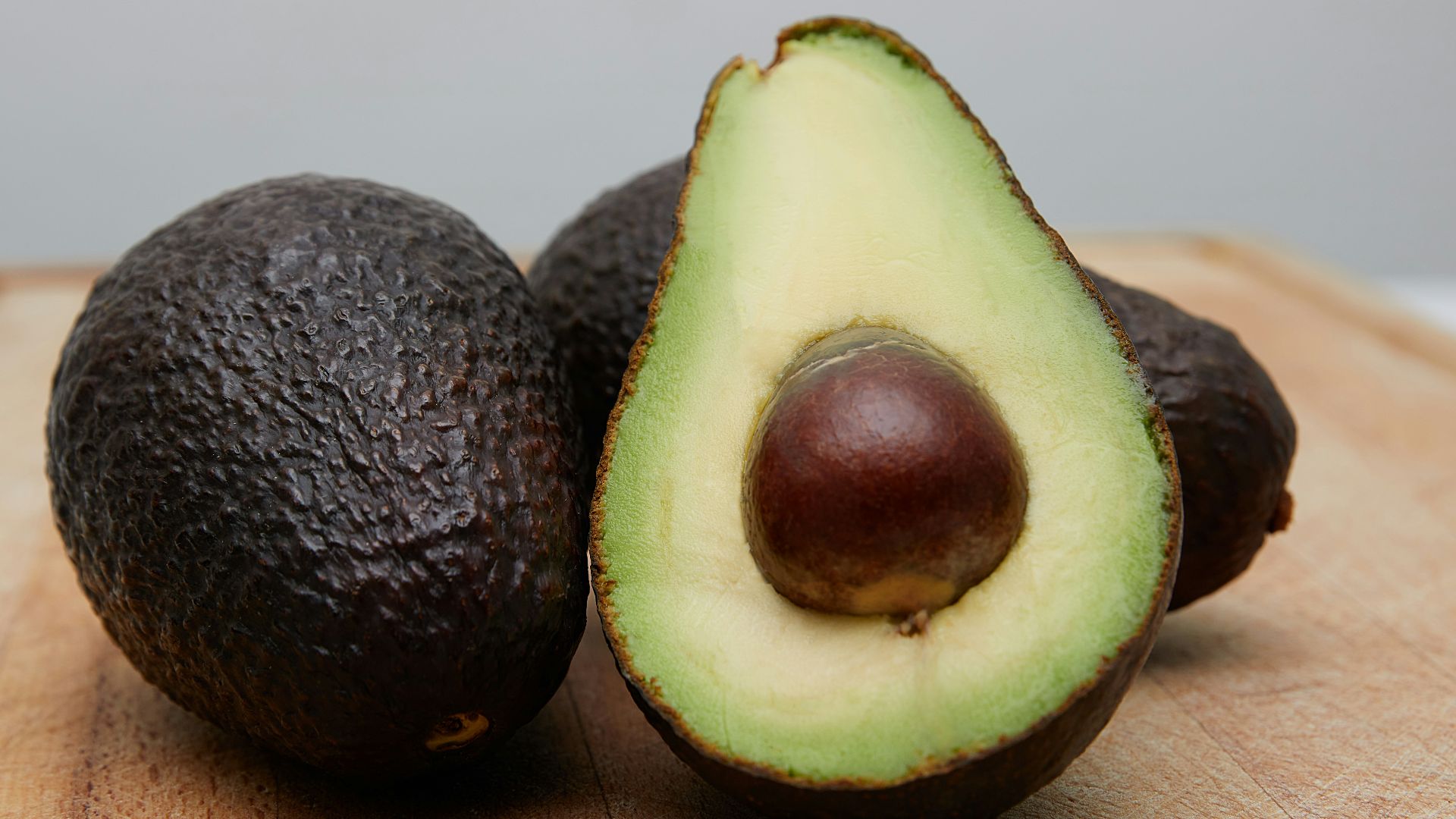
4. Avocado
Creamy avocados fit perfectly into low-carb lifestyles, which have only 2 to 3 net carbs per 100 grams. Their high monounsaturated fat content promotes heart health. A generous dose of potassium also helps maintain electrolyte balance throughout the day.
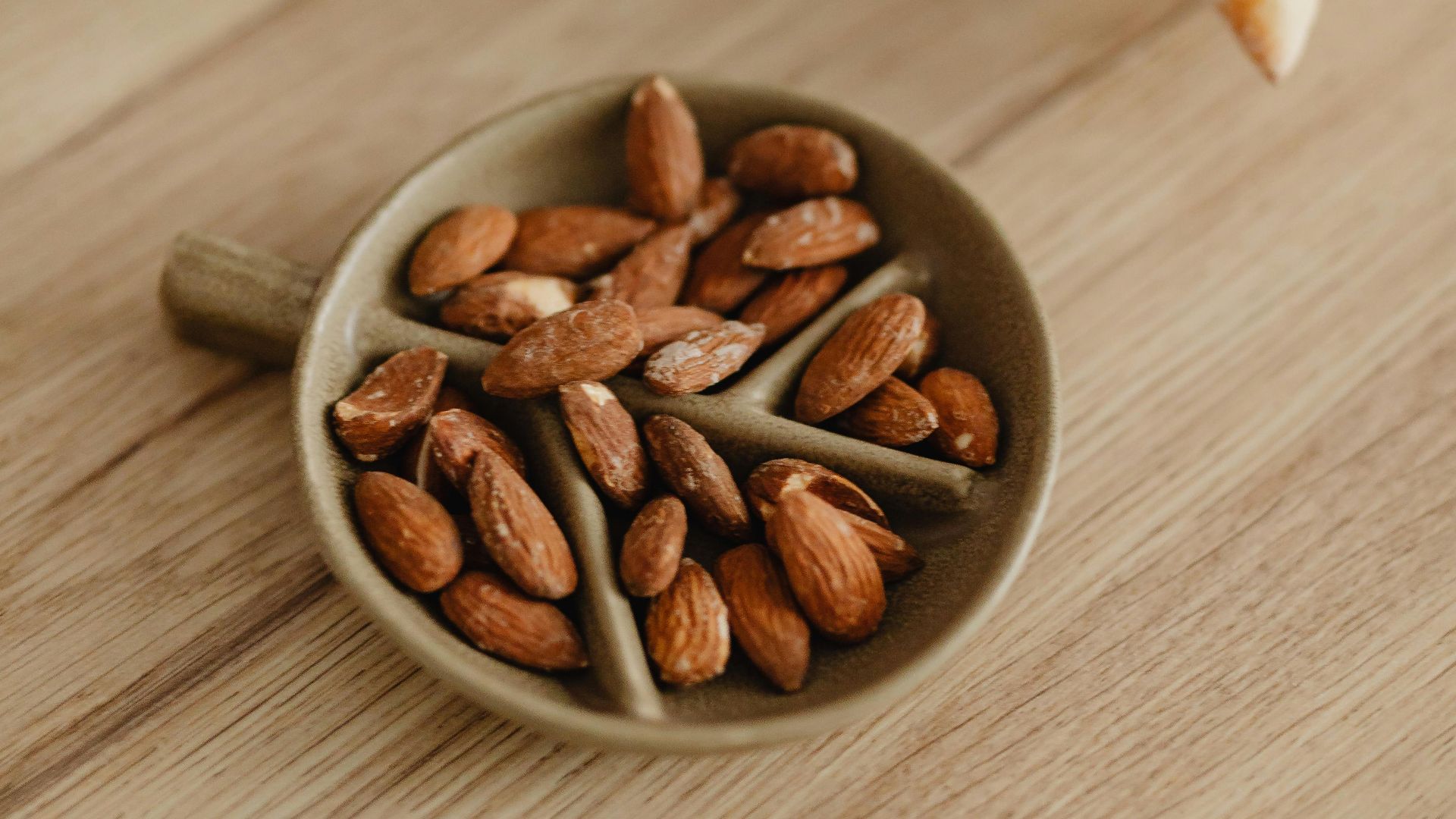
5. Almonds
Rich in vitamin E, almonds support skin health while fitting smoothly into low-carb eating. The natural protein and healthy fats help manage hunger between meals. One serving contains just about 5 to 6 net carbs.
 Karolina Grabowska www.kaboompics.com on Pexels
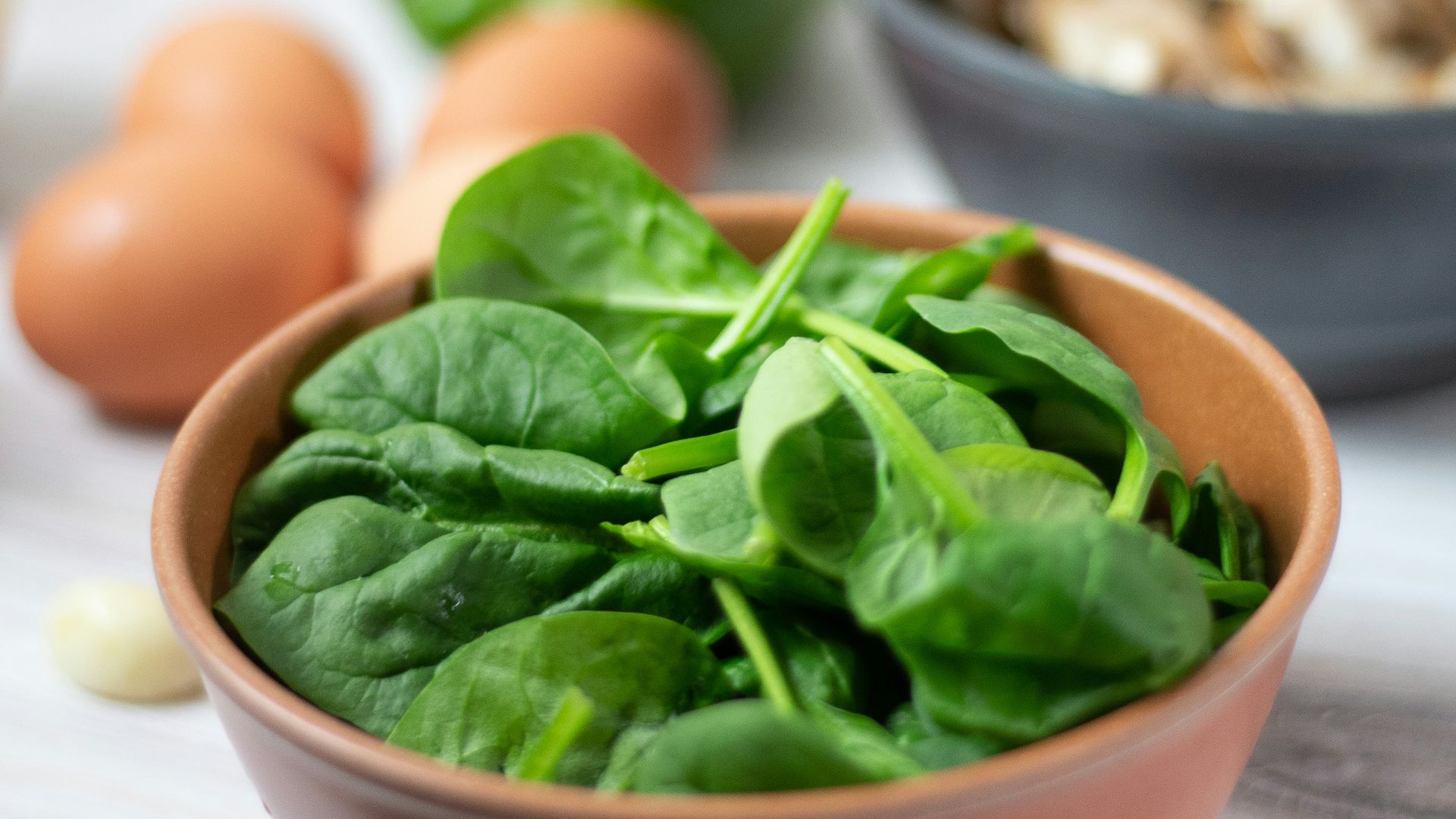
6. Spinach
Spinach is packed with iron and folate. It helps cover key nutrients in low-carb eating plans. Even generous portions stay diet-friendly, with only about one net carb per cup. Plus, the leafy greens support digestion through natural fiber content without impacting blood sugar.
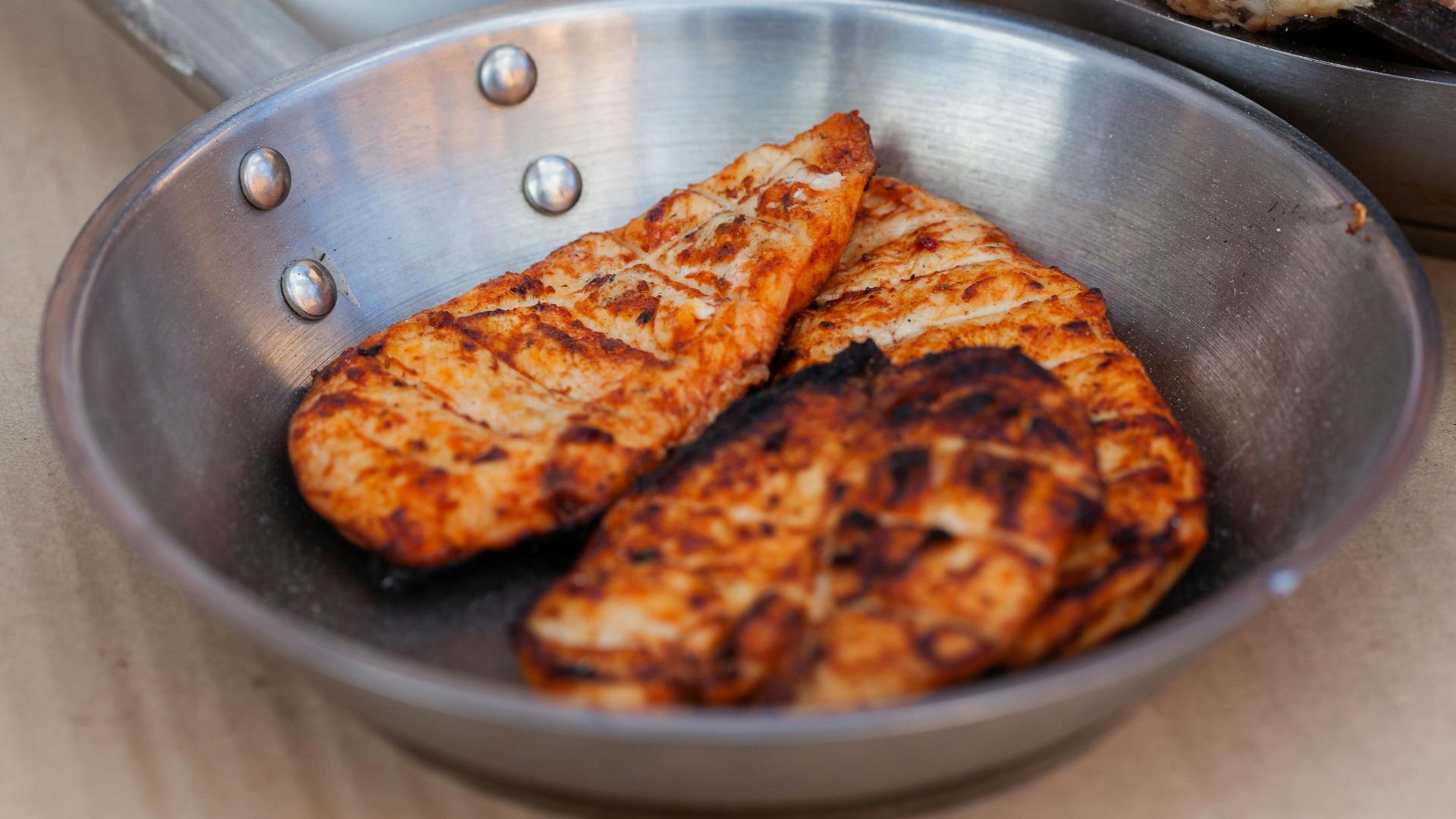
7. Chicken Breast
Chicken breast delivers around 26 grams of protein in a small serving, which makes it excellent for muscle support. It also supplies B vitamins for energy metabolism. Best of all, it naturally contains zero carbs for strict low-carb diets.
8. Olive Oil
Heart-healthy monounsaturated fats make olive oil a favorite for low-carb cooking and dressings. Each tablespoon gives about 10 grams of healthy fat with enhanced flavor. Since it carries no carbs, it won’t affect blood sugar levels at all.
 Dimitri Karastelev on Unsplash
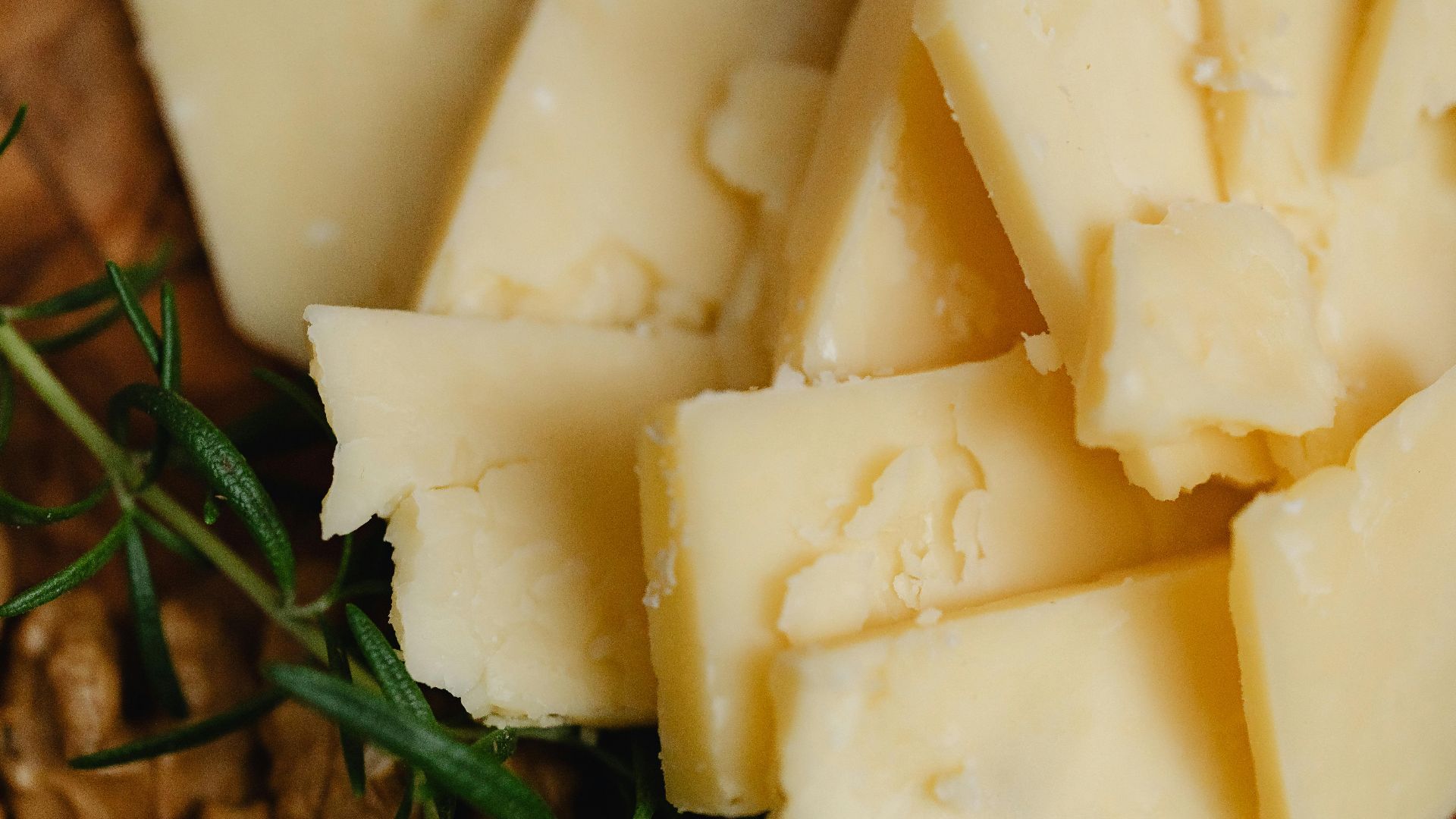
9. Cheddar Cheese
Known for its bold taste, cheddar cheese supports fullness with roughly 7 grams of protein per ounce. It also provides calcium with very little lactose. Every serving contains only about one gram of carbs.
 Karolina Grabowska www.kaboompics.com on Pexels
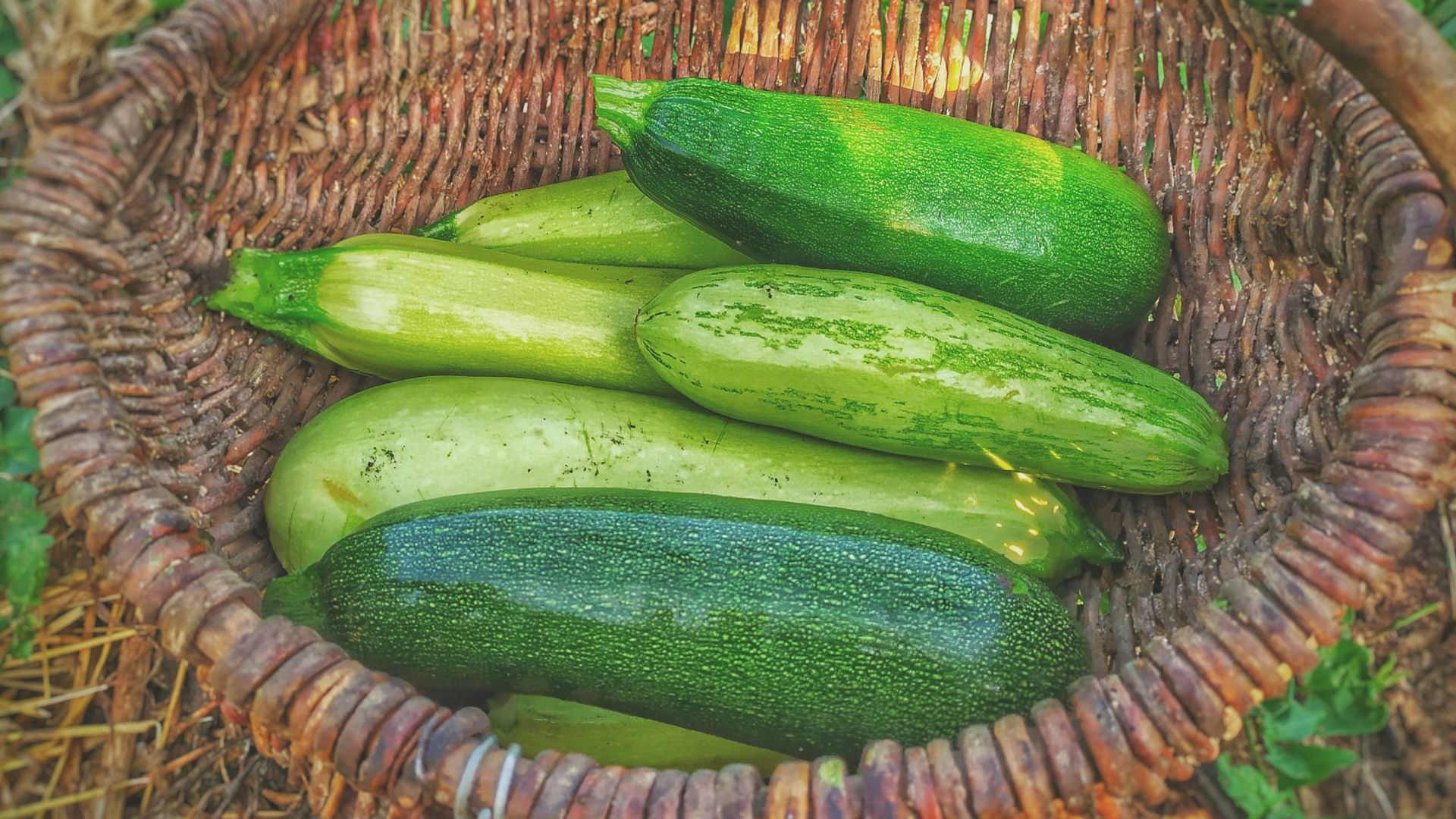
10. Zucchini
It's over ninety percent water, which makes it incredibly hydrating and easy to cook with in countless recipes. Natural fiber supports digestion while keeping things moving smoothly. Vitamin A benefits eye health, and a cup holds around 3 net carbs, despite generous portions you can enjoy guilt-free.
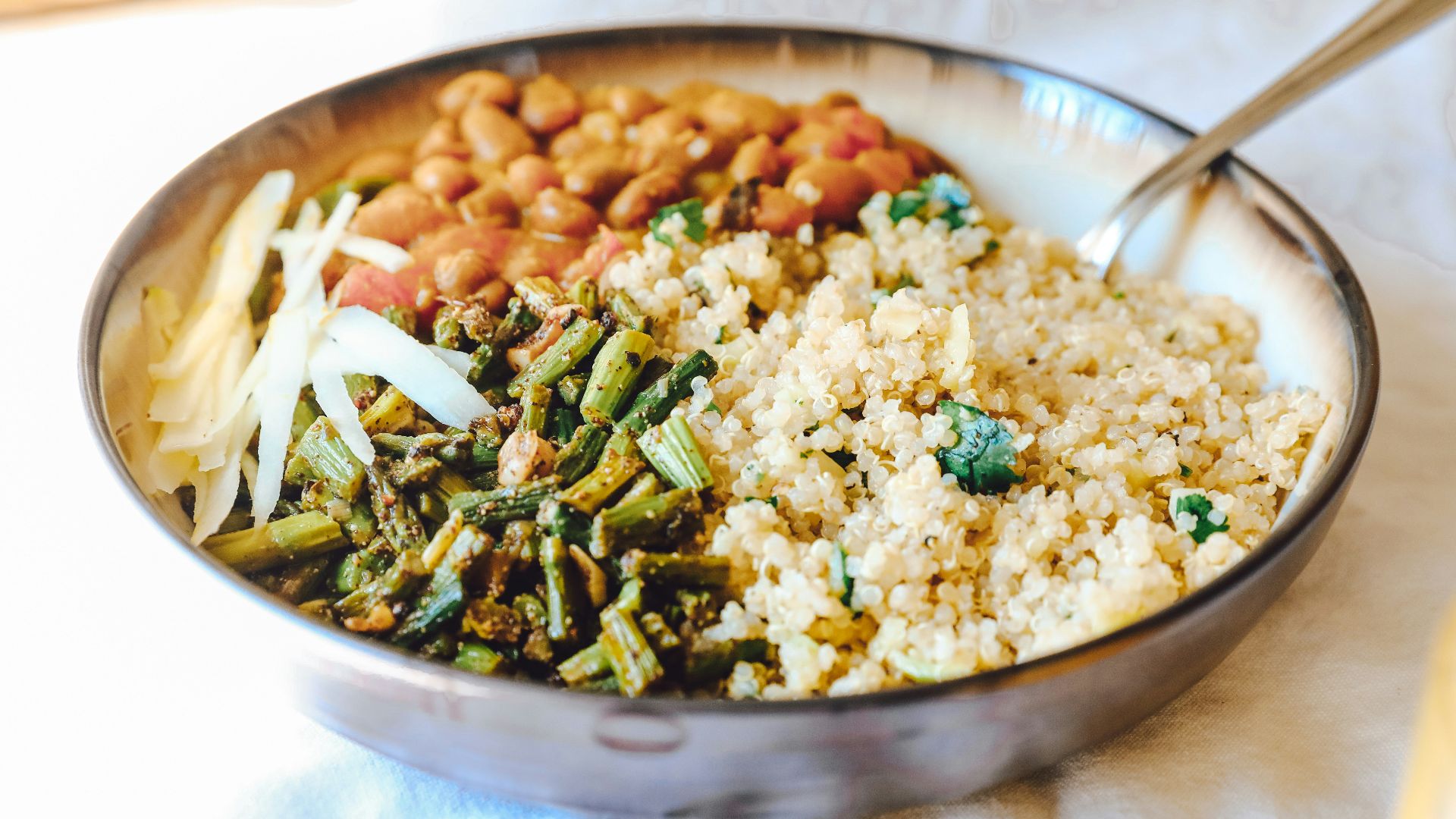
1. Quinoa
Quinoa surprises many with how carb-heavy it really is. A cooked cup provides around 34 to 39 net carbs, mostly from starches. Even with eight grams of protein, it can quickly raise blood sugar levels.
 Shashi Chaturvedula on Unsplash
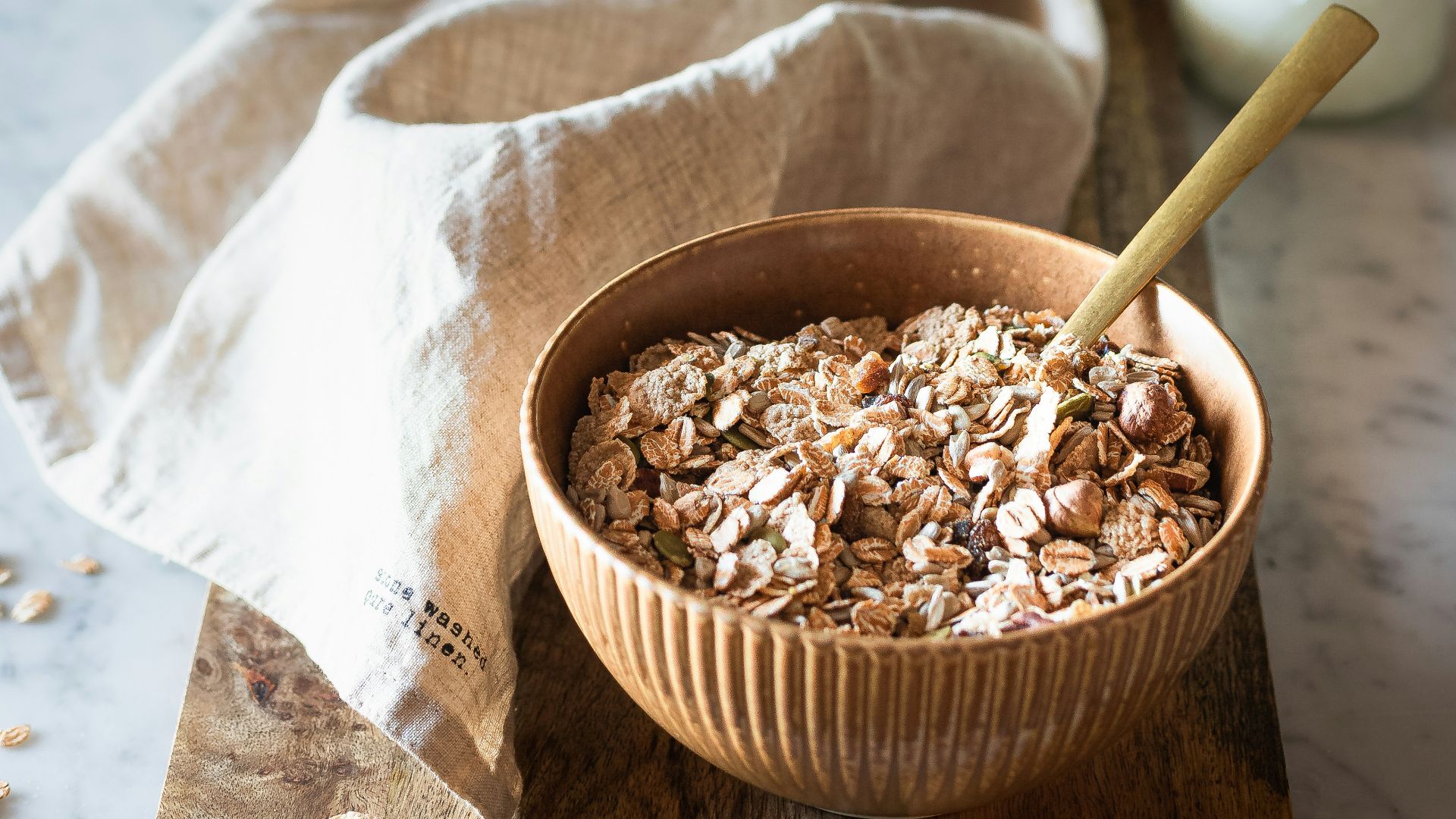
2. Oats
This one may seem like a light breakfast choice, but its carb density tells another story. Nearly two-thirds of its dry weight comes from carbs. Half a cup serving delivers about 23 to 27 net carbs.
 micheile henderson on Unsplash
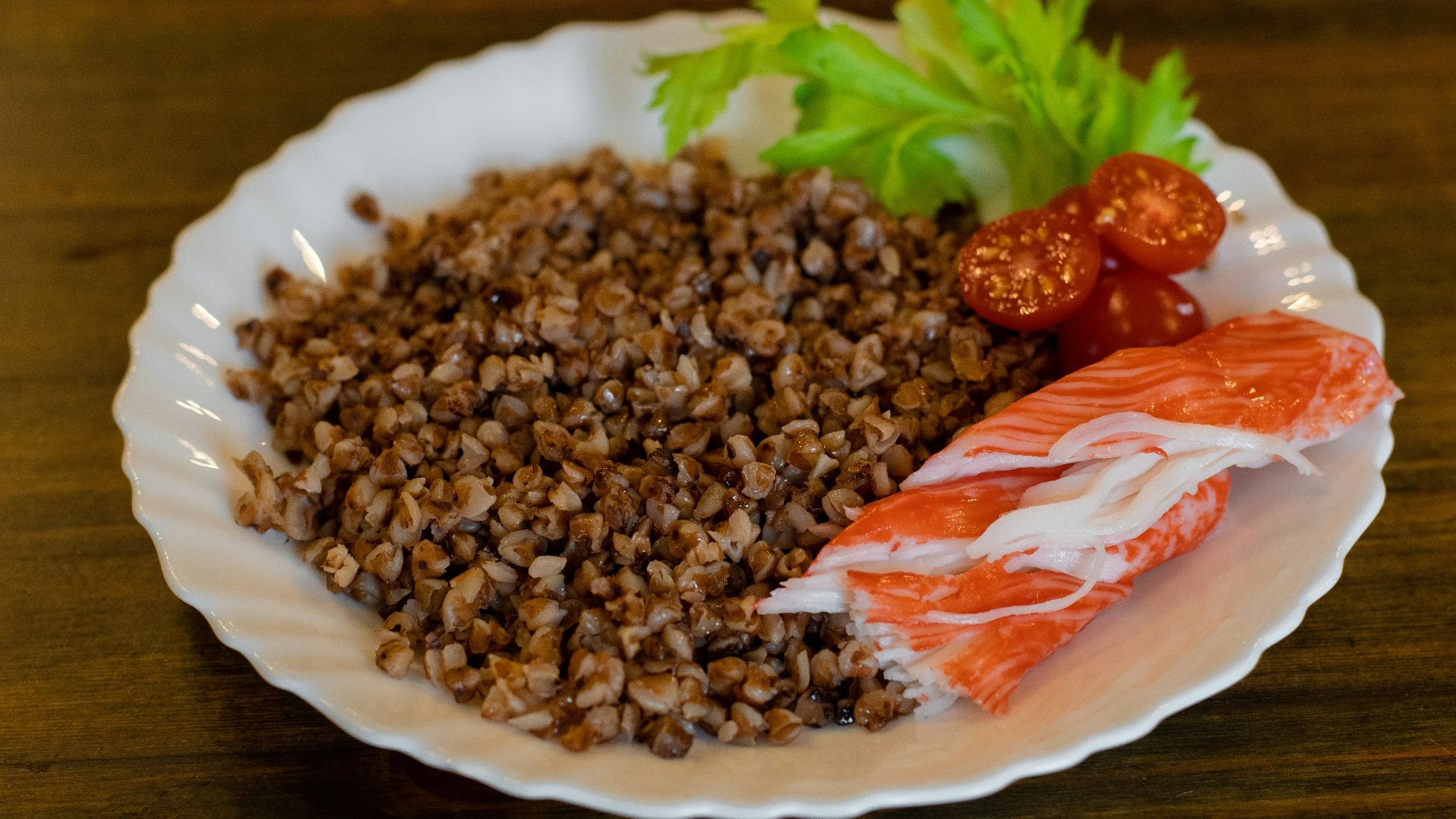
3. Buckwheat
With its gluten-free image, it often feels like a smart low-carb swap. In reality, carbs make up about seventy percent of its content. One cooked cup ends up providing roughly 30 to 33 net carbs overall.
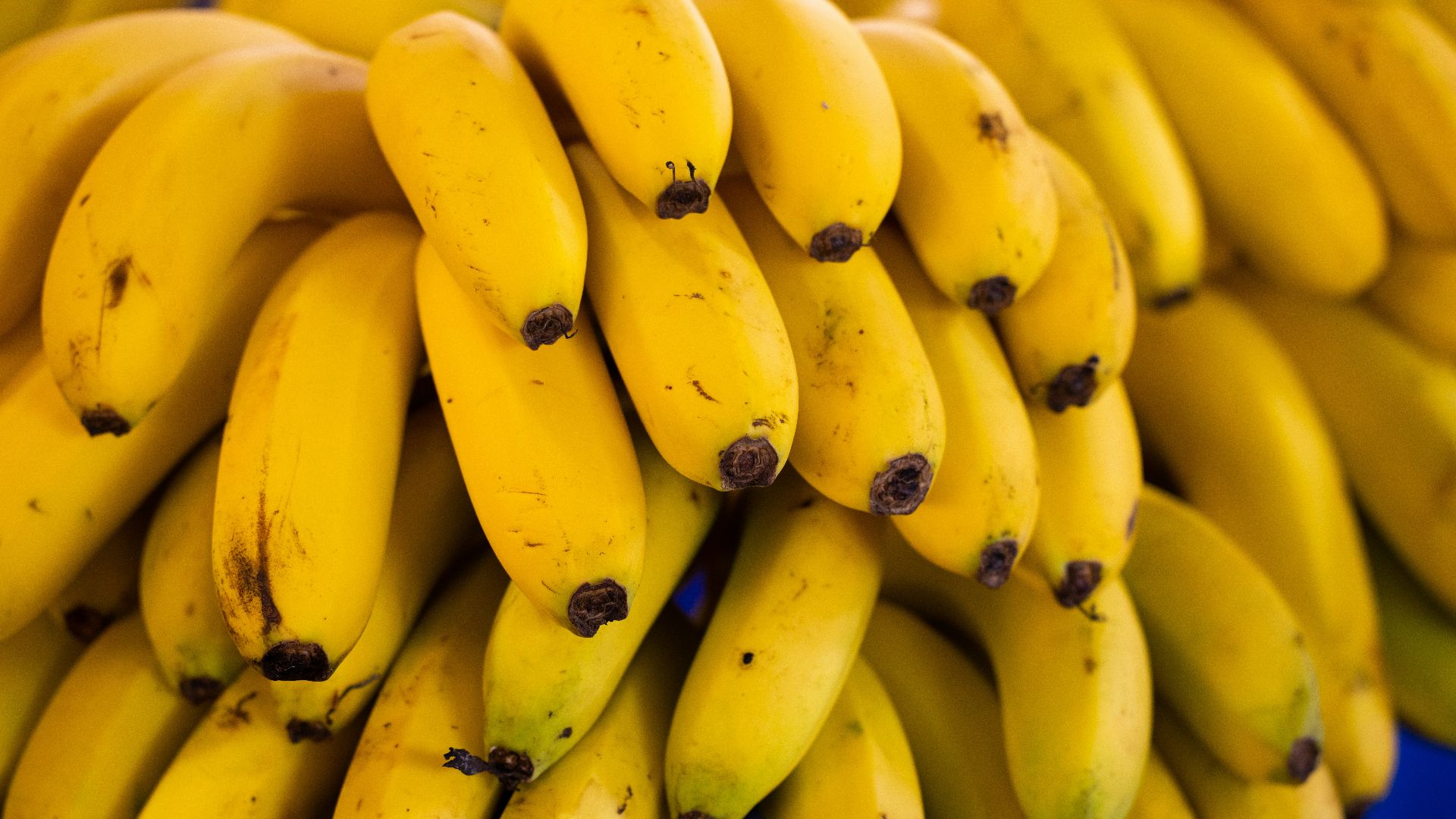
4. Bananas
A medium banana gives 24 to 27 net carbs, which surprises many who see it as a light snack. As bananas ripen, starches convert into sugars. This raises carb levels further and makes them tougher to fit into low-carb plans.
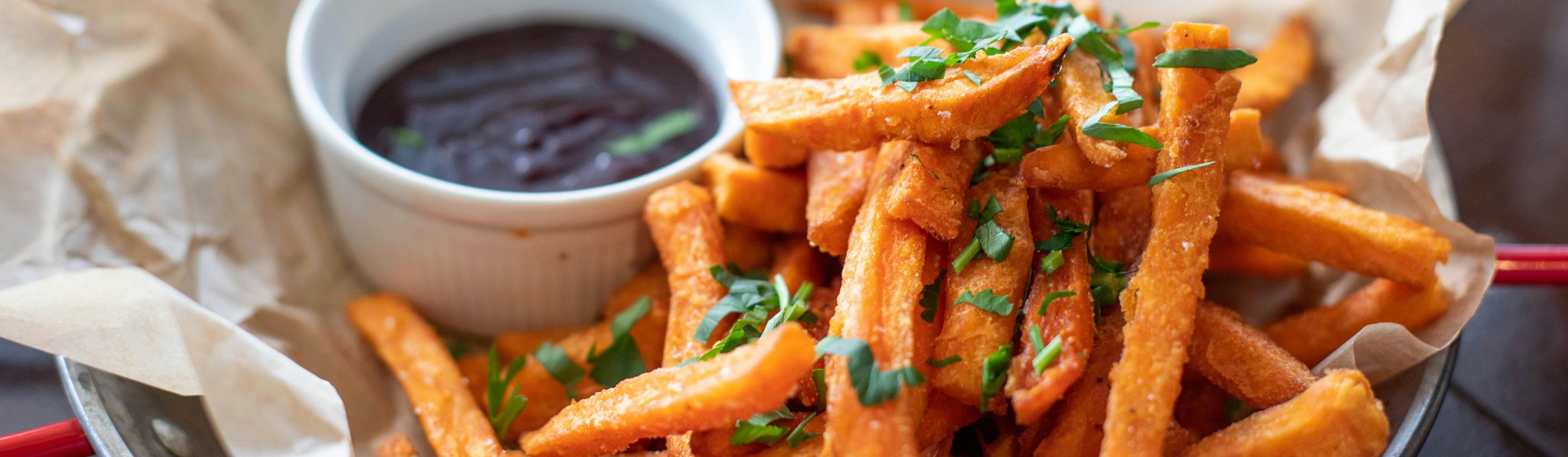
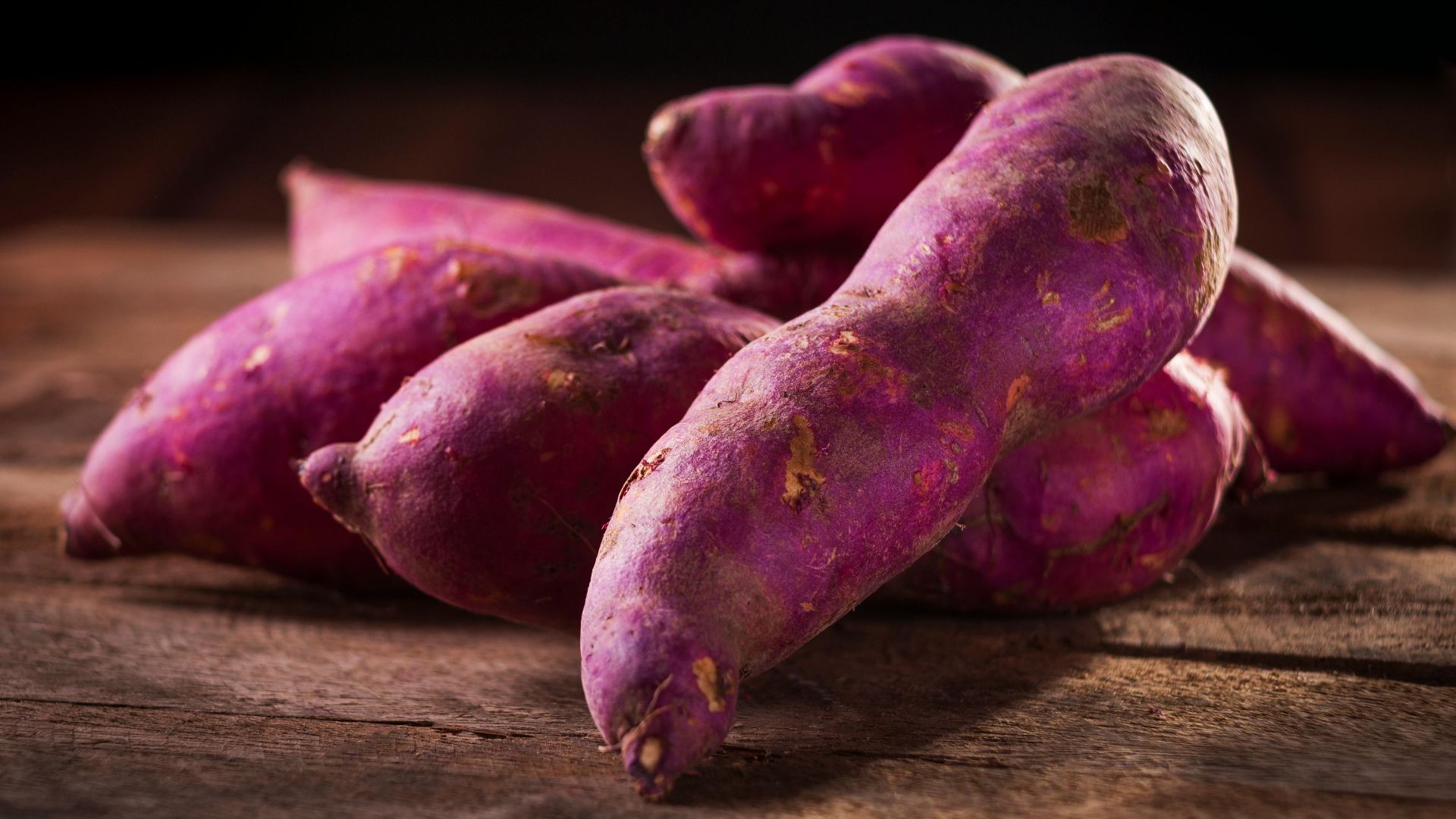
5. Sweet Potatoes
One medium sweet potato contains roughly 21 to 24 net carbs, making it far starchier than its healthy reputation suggests. More than half of those carbs come from starches. It explains why blood sugar levels can rise quickly.
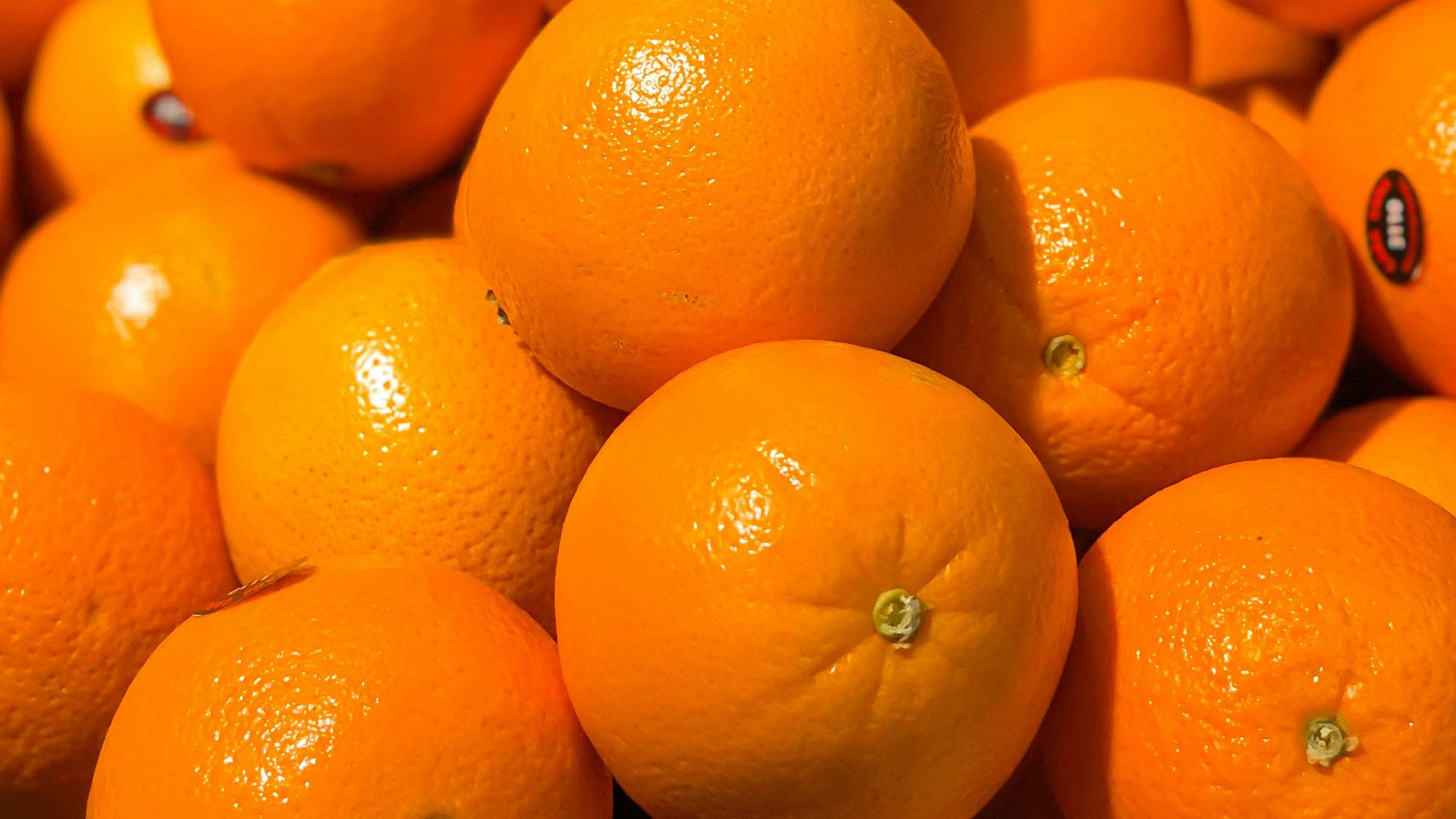
6. Oranges
Natural sugars make up much of an orange’s carbohydrate content, even though it feels refreshing and light. Hidden beneath its juicy texture are about 15 to 21 net carbs in a large fruit.
7. Raisins
Just a quarter-cup of raisins packs between 28 and 31 net carbs. The process of removing moisture concentrates natural sugars, causing carbohydrates to make up nearly all of their calories despite a healthy image.
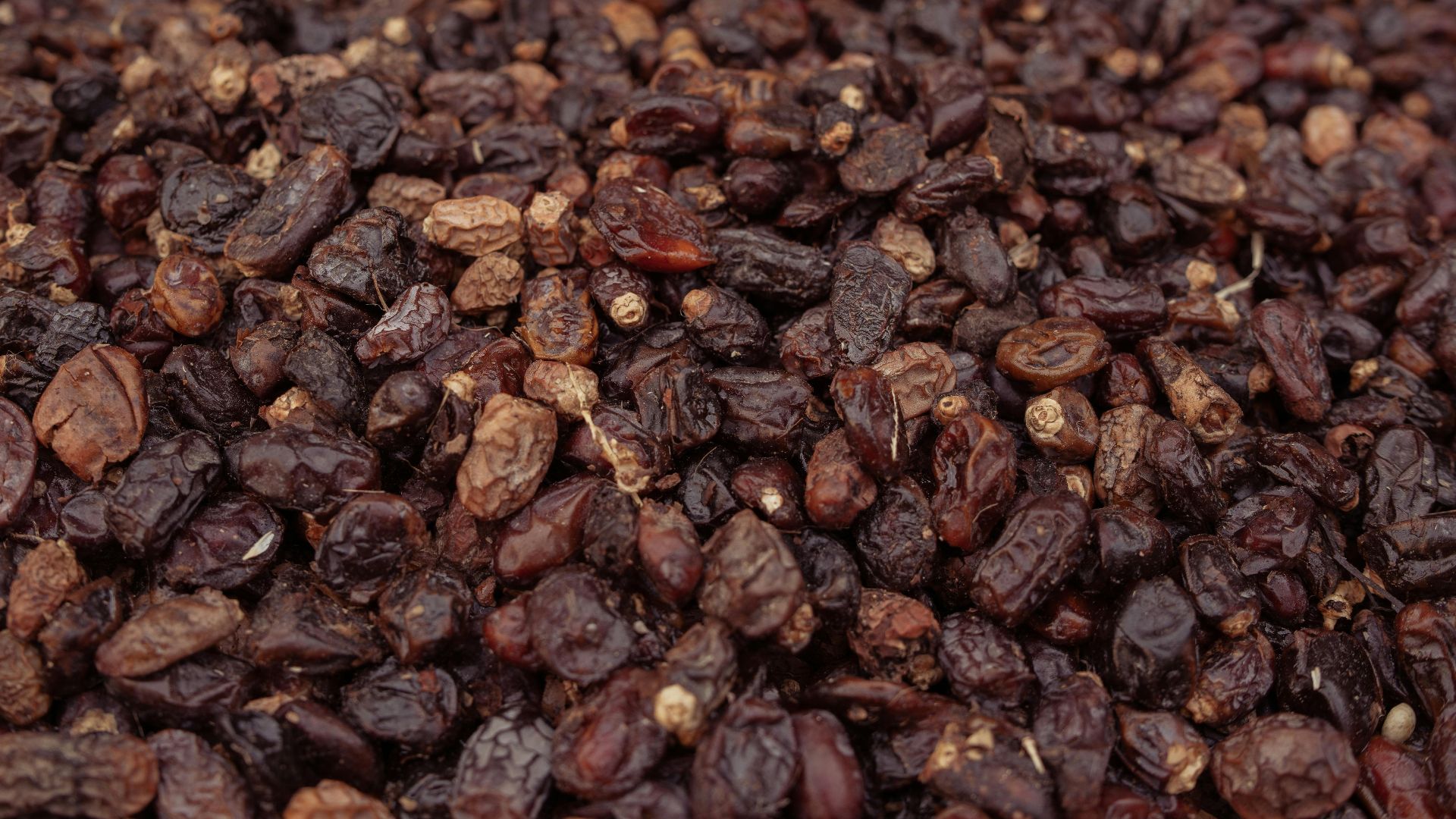
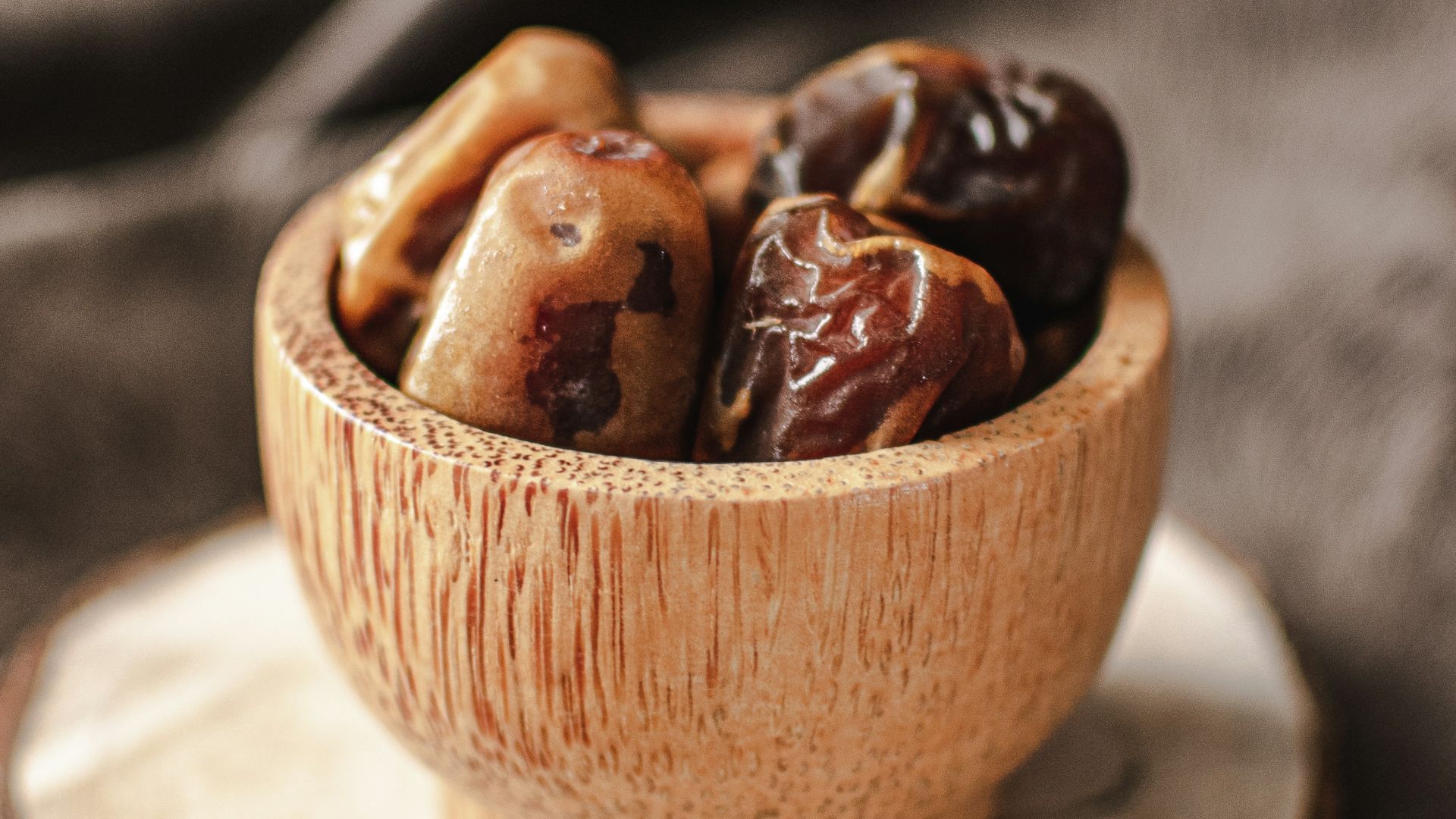
8. Dates
Sugar dominates the nutritional makeup of dates to make up most of their calories and pushes carbs far higher than expected. Two large dates can contain 32 to 36 net carbs, and it challenges their reputation as a natural sweetener.
 Masjid Pogung Dalangan on Unsplash
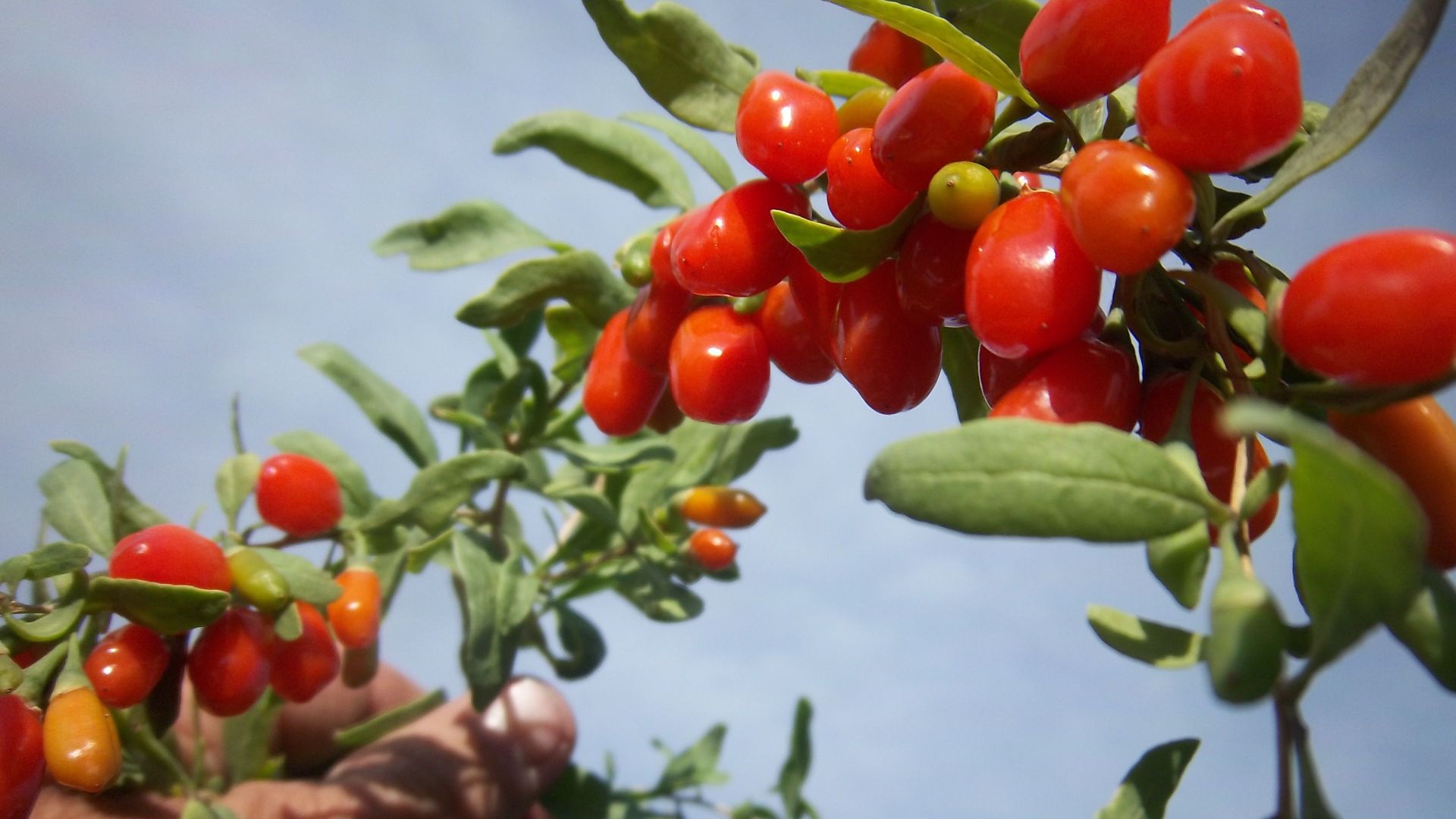
9. Goji Berries
Drying transforms goji berries into a highly concentrated carbohydrate source. What looks like a light snack is actually mostly carbs by weight. In fact, one ounce alone can contain approximately 20 to 24 net carbs.
 daveeza from okanagan, canada on Wikimedia
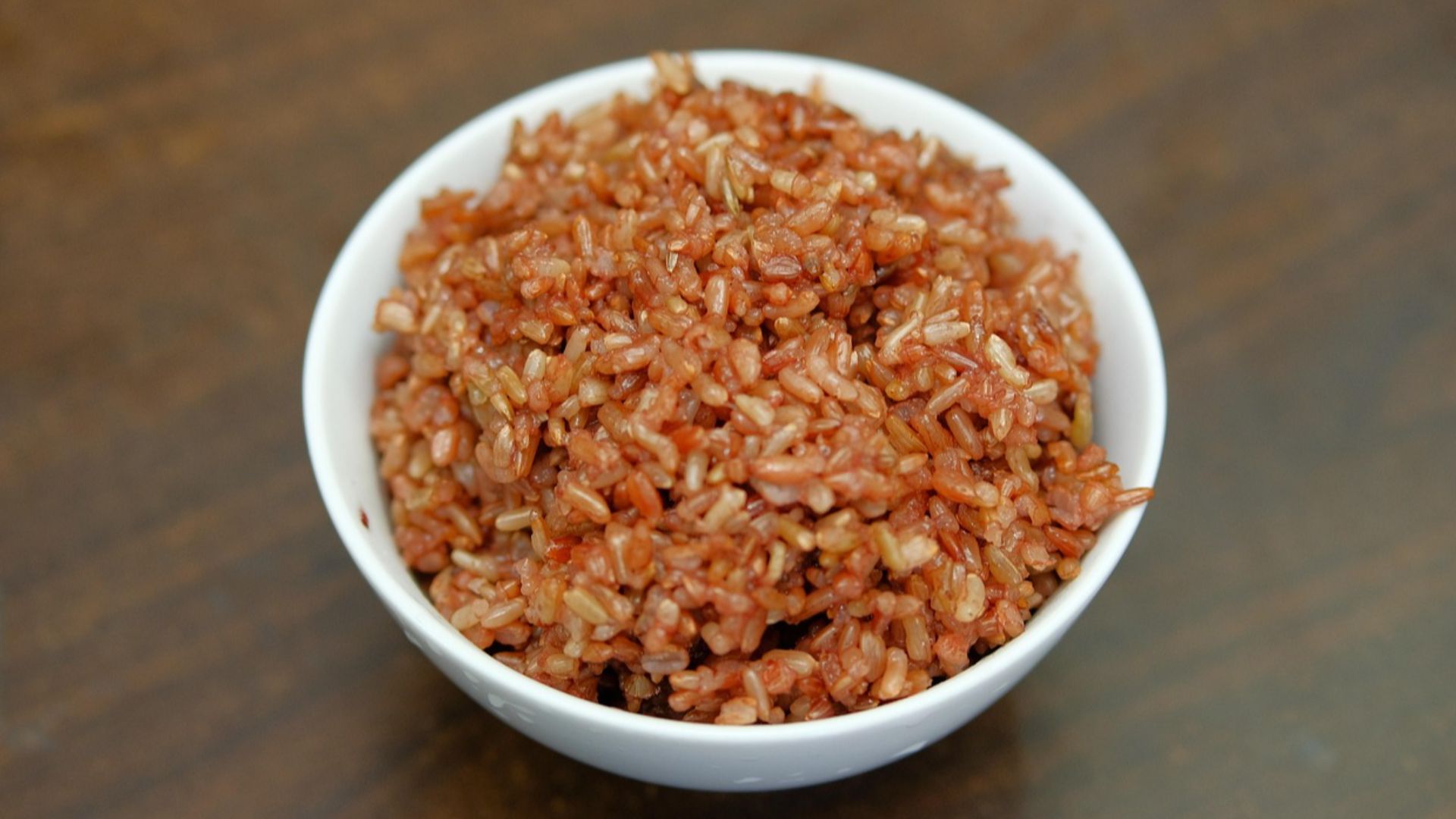
10. Brown Rice
Roughly 42 to 45 net carbs appear in just one cooked cup of brown rice, which is news to many health-focused eaters. Its whole-grain image masks how carb-dense it really is, even with the bran layer still intact.
KEEP ON READING


20 Food-Related Art Projects