10 Healthier Sweetener Alternatives To Use Instead Of Refined Sugar & 10 Tips For Keeping Sugar Cravings Low
10 Healthier Sweetener Alternatives To Use Instead Of Refined Sugar & 10 Tips For Keeping Sugar Cravings Low
Breaking Free From Sugar's Grip
Refined sugar dominates modern diets despite its empty calories and blood sugar chaos. Healthier sweeteners may offer nutrients, lower glycemic impacts, and metabolic benefits that white sugar simply cannot match. Each of these alternatives brings unique advantages for overall wellness. The magic happens when you pair smart sweetener swaps with craving-control strategies for lasting dietary transformation. Here are 10 healthier sweetener alternatives, and 10 ways to help you keep those cravings down.

1. Stevia
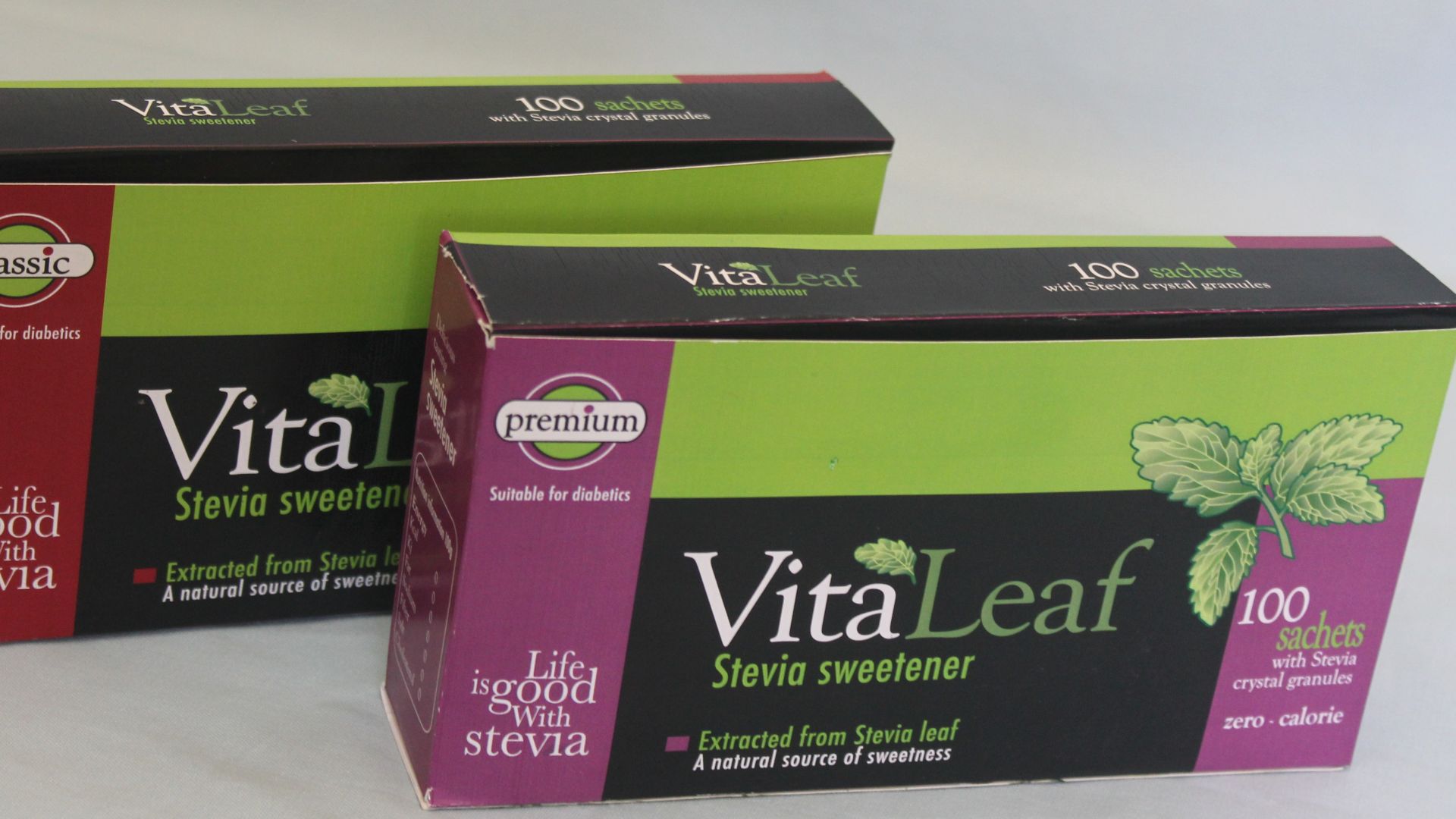
Zero glycemic index distinguishes stevia from refined sugar's typical blood sugar spikes, potentially making glucose control easier for diabetics and dieters. This plant-based sweetener contains no calories yet delivers intense sweetness, meaning tiny amounts could replace larger quantities in recipes while possibly offering antidiabetic and antioxidant benefits.
2. Monk Fruit Extract
Ancient Chinese medicine relied on monk fruit for centuries before modern science discovered its zero-calorie sweetening potential. Post-meal glucose and insulin responses may decrease significantly when using this extract instead of regular sugar, thanks to antioxidant-rich mogrosides that could support metabolic health.
3. Erythritol
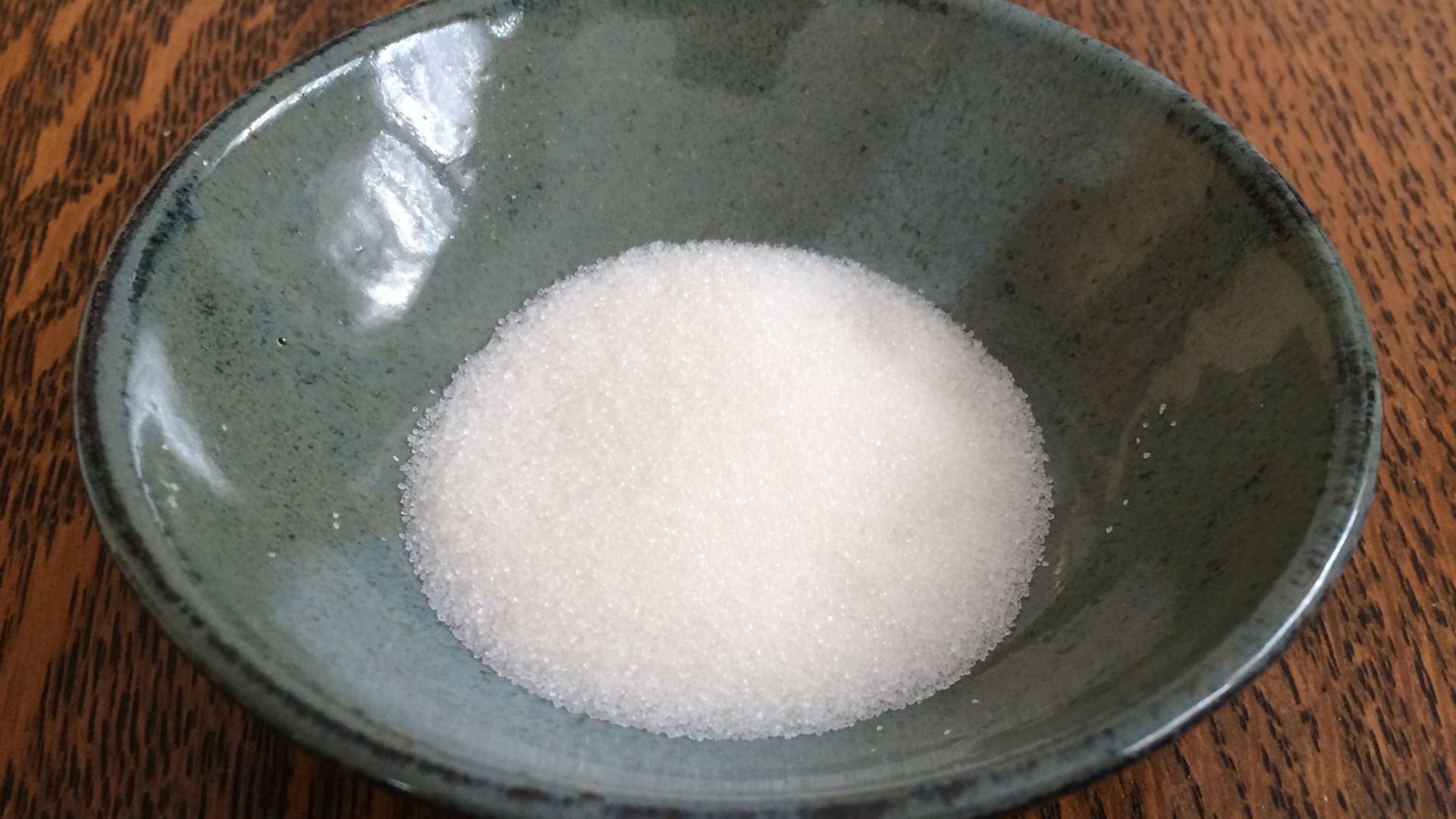
Significantly fewer calories per gram set erythritol apart from refined sugar. It may help maintain minimal glycemic impact, potentially reducing blood sugar effects. Dental health could actually improve rather than decline with this sugar alcohol, since it may prevent cavities instead of causing decay.
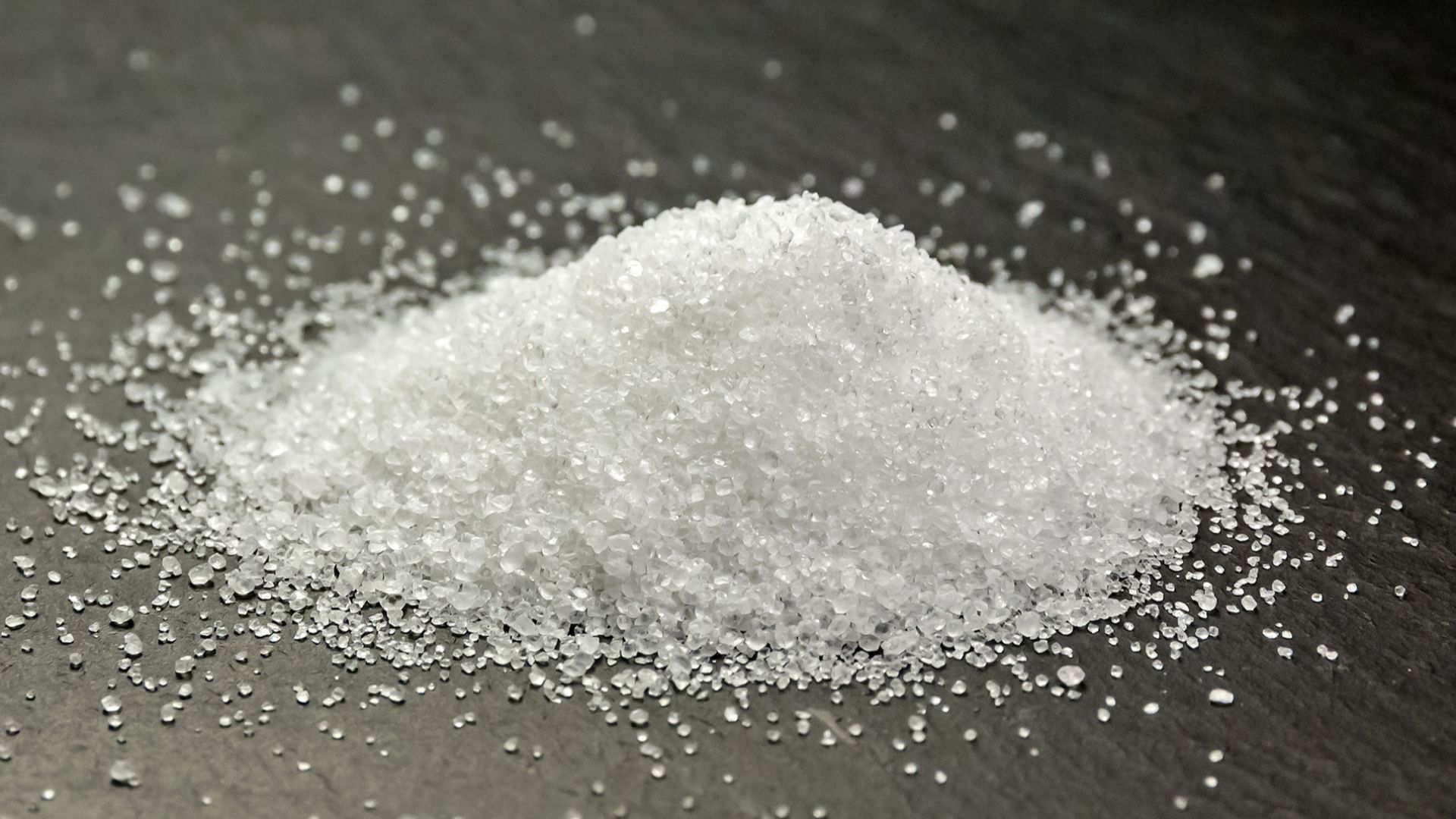
4. Xylitol
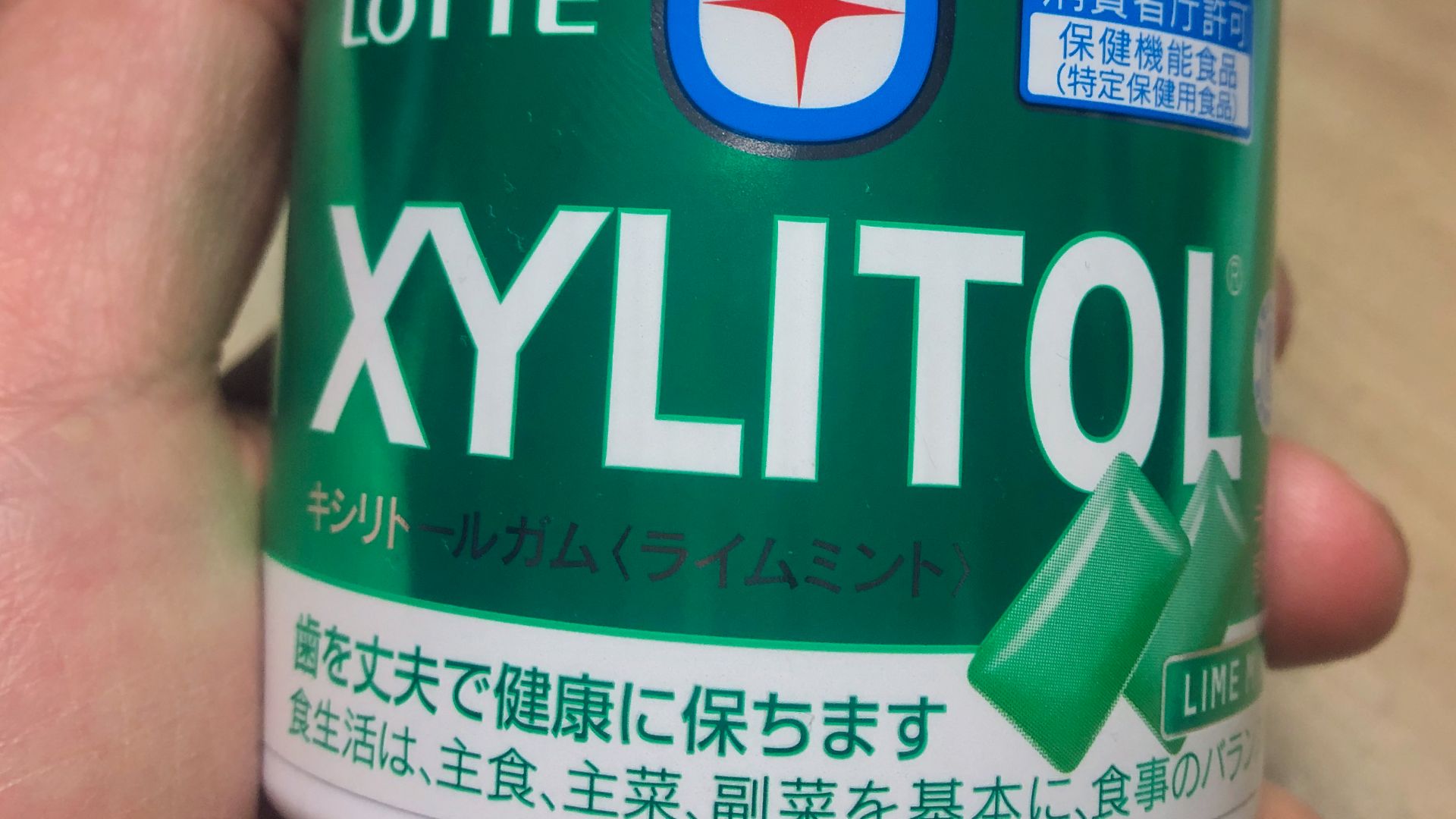
Birch trees provide a source of xylitol, which has a lower glycemic index and reduced calorie content that could help stabilize blood sugar. Cavity-causing bacteria may decrease substantially with regular use. Chewing gum manufacturers favor xylitol for breath-freshening properties.
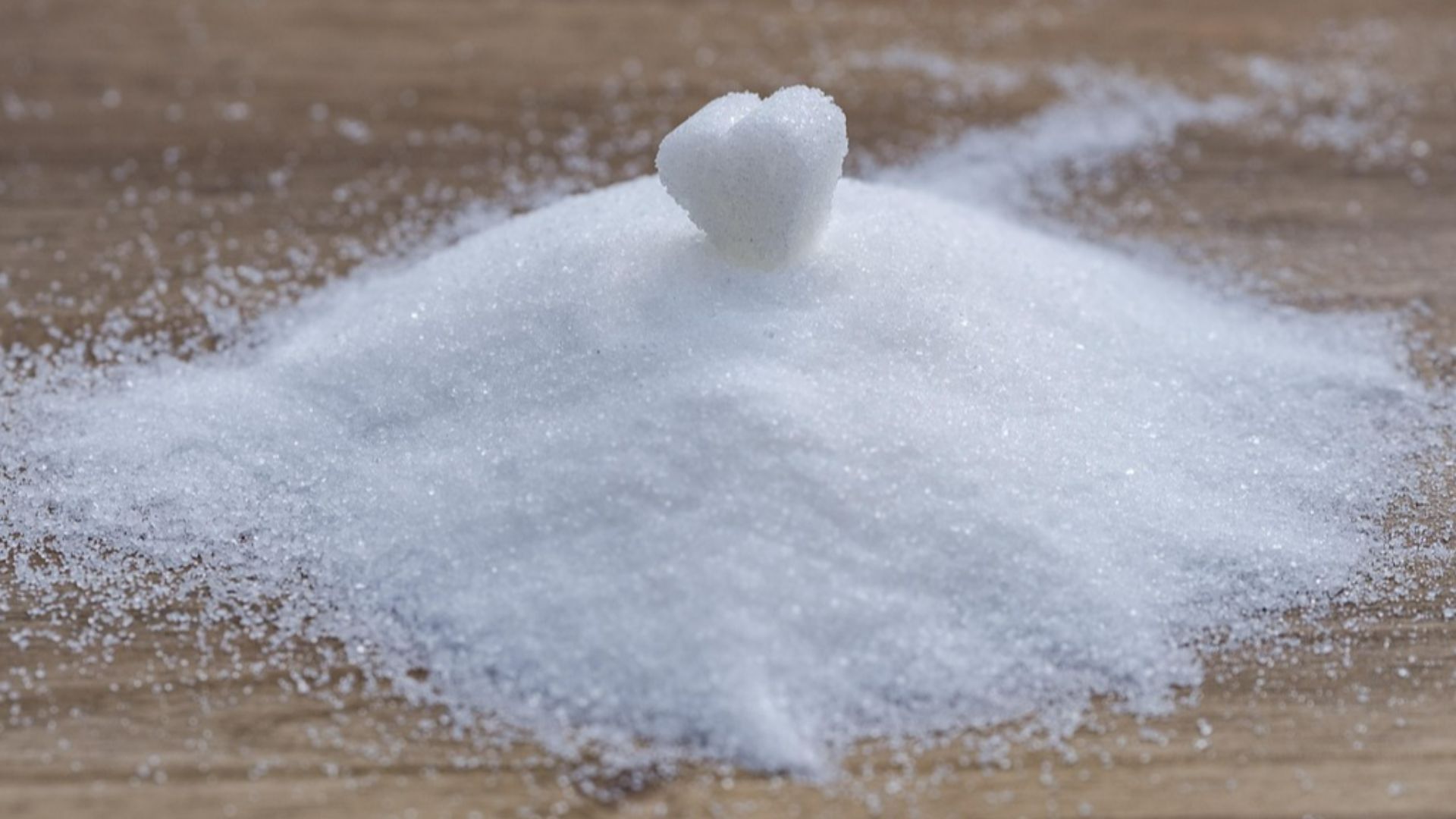
5. Allulose
Minimal glycemic impact combined with very few calories per gram makes allulose an intriguing option for those seeking to mitigate blood sugar spikes naturally. Type 2 diabetics might experience reduced post-meal glucose levels by adding this to their diet.
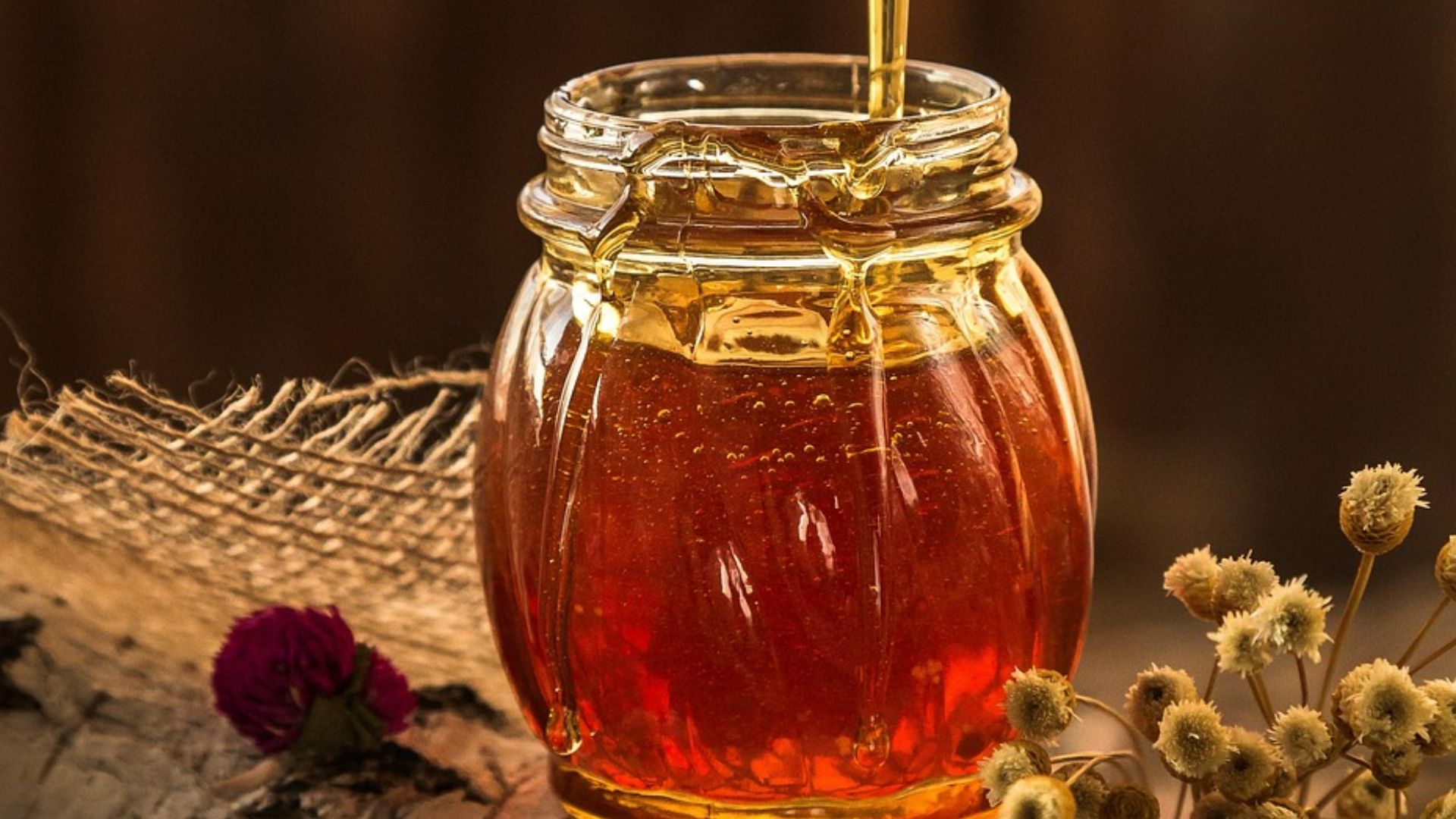
6. Honey (Raw)
The complex natural composition of raw honey gives it a lower glycemic index than refined sugar, providing steadier energy release throughout your day. It also offers the body antioxidants, enzymes, and minerals completely absent in white sugar.
7. Maple Syrup (Pure)
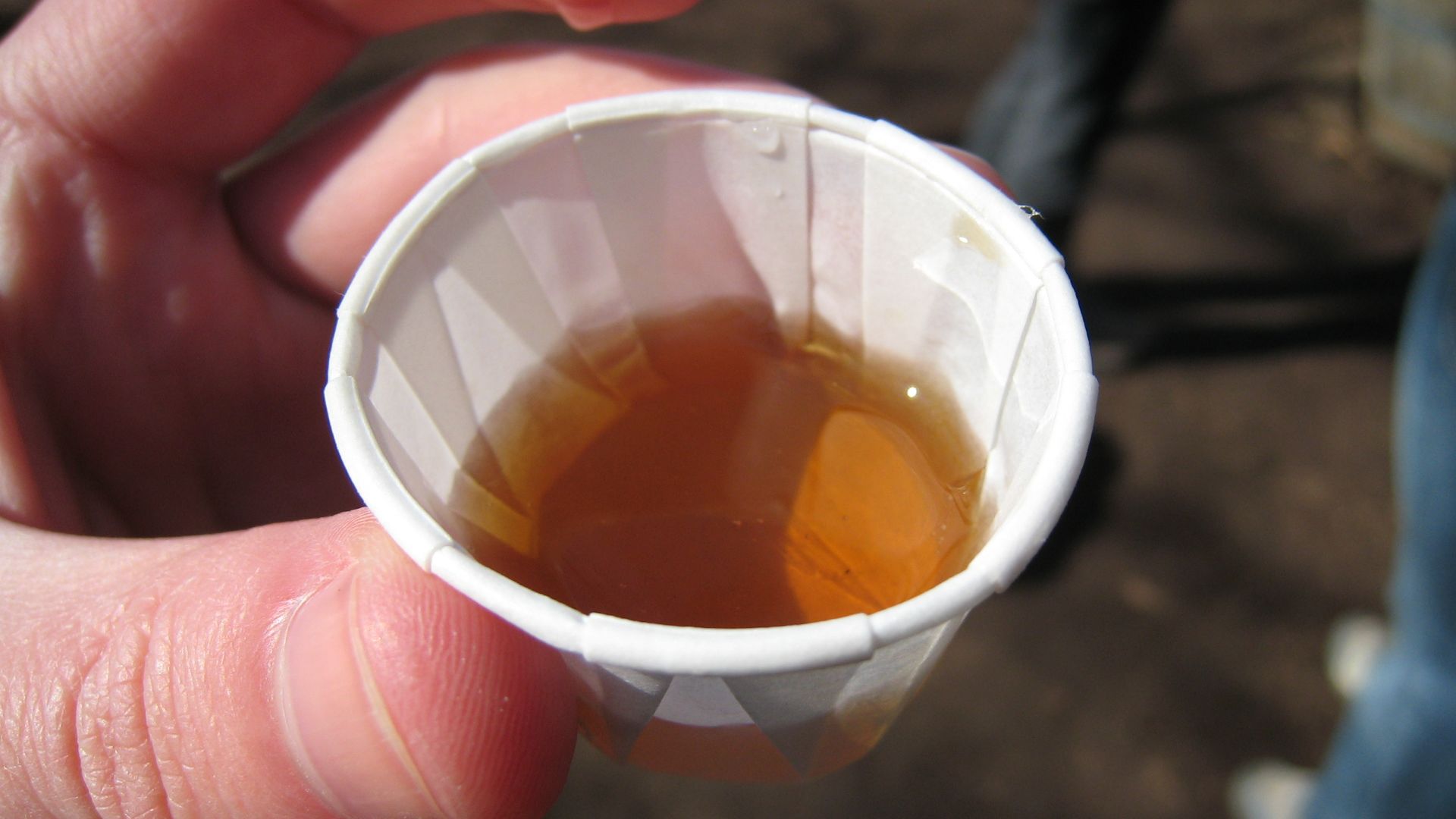
Pure maple syrup has a lower glycemic index than refined sugar and also delivers antioxidants that may aid in better blood sugar control. Minerals like manganese and zinc, plus polyphenols for potential anti-inflammatory effects, distinguish this natural option from nutritionally empty white sugar.
8. Coconut Sugar
Slower blood sugar rises, and sustained energy might result from coconut sugar's lower glycemic index compared to refined sugar's rapid spikes. Minerals like potassium and iron remain intact along with antioxidants, making this palm-derived sweetener more nutritious than processed alternatives.

9. Blackstrap Molasses
High concentrations of iron, calcium, and magnesium set blackstrap molasses apart from refined sugar's complete nutritional void. These beneficial minerals have a moderate glycemic impact that makes this sugar production byproduct useful for those seeking nutrient-dense sweetening options.

10. Date Syrup
Natural fiber, with a moderate glycemic impact, is present in date syrup and may help slow sugar absorption to prevent rapid spikes. Potassium and antioxidants might provide heart-supporting nutrients, while fiber content could offer satiety that reduces overeating tendencies.
 w:en:User:Hakeem.gadi on Wikimedia
Choosing better sweeteners tackles half the battle. The other half is managing your body's natural sugar cravings, and this requires strategic lifestyle adjustments you’ll read about next.
1. Prioritize Protein-Rich Meals
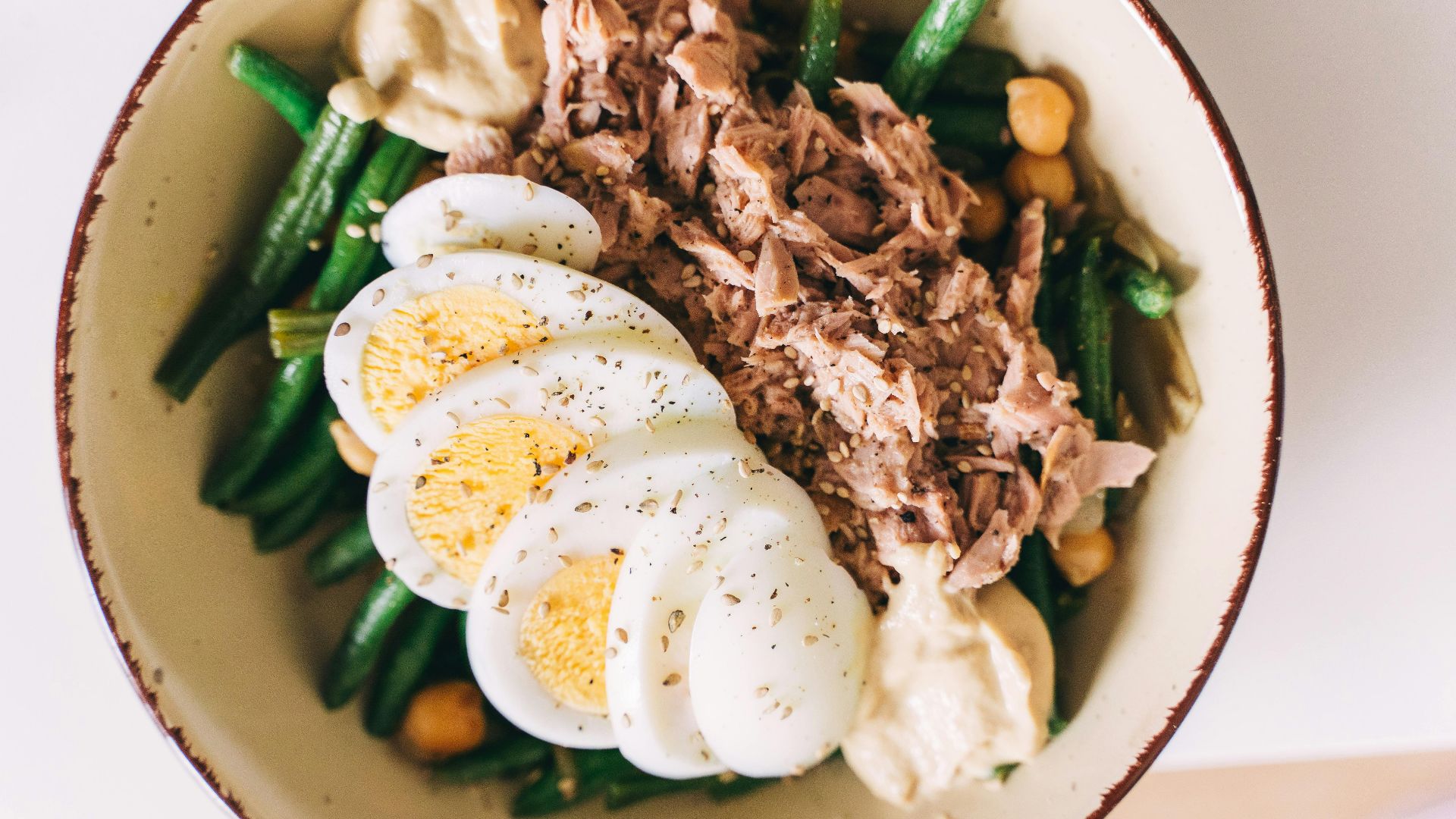
Blood sugar stability may improve significantly when you incorporate adequate protein throughout your day. Hormone regulation through protein intake could enhance satiety, helping curb sugar urges better than carbohydrate-heavy meals typically allow.
2. Stay Hydrated Throughout The Day
Thirst signals can masquerade as hunger, which may lead your brain to misinterpret dehydration as sugar cravings that adequate water intake might eliminate. Blood sugar fluctuations that trigger sweet cravings may decrease when you maintain consistent hydration.

3. Ensure Adequate Sleep
Ghrelin elevation often accompanies sleep deprivation, sometimes amplifying sugar cravings through a hormonal imbalance that adequate nightly rest might naturally correct. Appetite control brain regions can show decreased activity when you're exhausted, and this may lead to high-calorie choices your well-rested self would easily resist.

4. Practice Stress-Reduction Techniques
Cortisol surges during stressful periods might prompt sugar-seeking behavior. Brief daily meditation could lower this hormone and reduce associated cravings. Relief that mimics sugar's temporary comfort might come from deep-breathing techniques that suppress the stress response, all without the calories or blood sugar chaos.

5. Engage In Regular Physical Activity
Endorphin release during moderate exercise may help regulate appetite hormones. And this may extend to curbing emotional sugar cravings that intensify during stressful periods. Temptation resistance could improve when you're physically active, especially during exposure to treats that might otherwise prove irresistible.

6. Opt For Whole Fruits Over Juices
Fiber content in whole fruits may substantially slow sugar absorption, preventing the rapid rebound cravings that concentrated juice often triggers. Genuine satiety, combined with blood sugar stabilization, could reduce overall intake compared to juice's concentrated sugars, which frequently leave you hungry.

7. Brush Teeth After Meals
Meal completion signals combined with altered taste perception might make sweets taste less appealing immediately after brushing. Mouth cleansing could distract from urges while preventing bacterial activity that might trigger additional sugar desires.

8. Avoid Artificial Sweeteners
Gut bacteria disruption may occur with artificial sweeteners, potentially intensifying sugar cravings rather than eliminating them as natural options might. Brain reward pathways may also fail to activate properly, leading to overcompensation and increased intake as your brain continues to seek satisfaction.

9. Read And Scrutinize Food Labels
Hidden sugars lurking in processed foods significantly increase daily intake without your awareness, and this makes label scrutiny essential for craving prevention. Watch out for high-fructose corn syrup and similar aliases since they trigger blood sugar spikes and undermine the stability that keeps cravings manageable.

10. Clear Out Tempting Foods
Visual cues from sugary items in your home might almost always trigger cravings frequently, but removing these temptations relies on the powerful "out of sight, out of mind" principle. Long-term control could improve substantially through environmental changes that reduce impulsive eating when willpower naturally wanes after difficult days.
KEEP ON READING

10 Healthy School Snacks to Pack for Your Kid

Why Some Foods Become Comfort Foods

10 Foods Gen Z Is Bringing Back From the Dead

Why Leftover Rice Deserves Extra Caution

20 Grandpa Flavors You Get Judged For Liking