10 Ingredients That Sound Scary But Are Fine & 10 Foods That Are Actually Scary
10 Ingredients That Sound Scary But Are Fine & 10 Foods That Are Actually Scary
Just Because It's Hard To Pronounce Doesn't Mean It's Bad
If you’ve ever read a label and thought, “Why does my snack sound like it came from a chemistry lab?” you’re not alone. A lot of ingredients sound intimidating because they use scientific names, even when they’re common compounds or vitamins. At the same time, a few totally natural foods can be genuinely risky if they’re raw, mislabeled, or prepared the wrong way. Here are 10 ingredients that sound scary but are generally fine (in typical food-use amounts) and 10 that are actually scary because they can cause real harm.
 Joshua Rawson-Harris on Unsplash
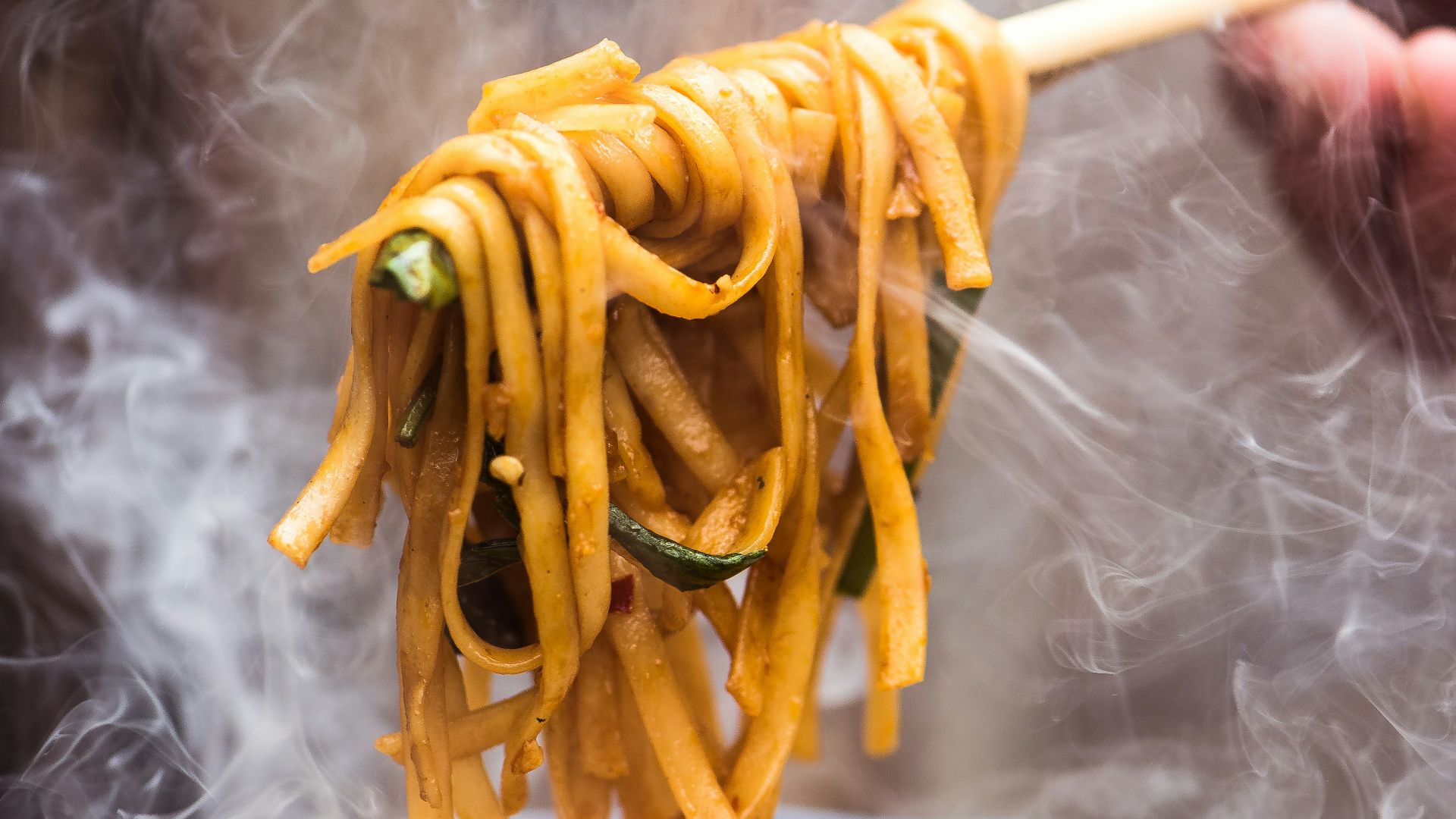
1. Monosodium Glutamate (MSG)
MSG gets a dramatic reputation, but regulators consider it safe for its intended use. The FDA requires it to be listed when added, and it’s also naturally present in foods like tomatoes and cheese. Some people report sensitivity at high doses, but for most people, it’s just a flavor booster.
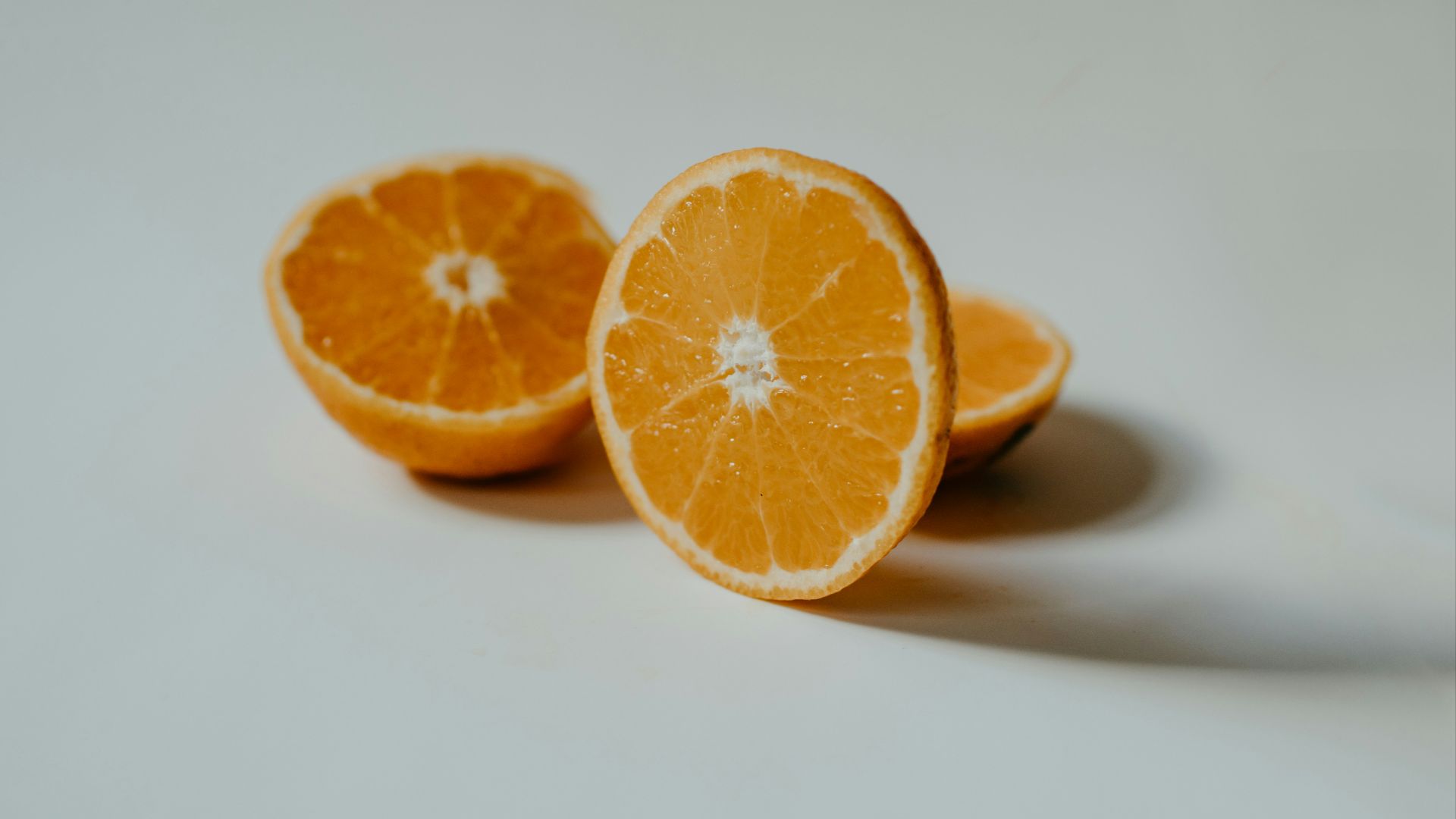
2. Ascorbic Acid
This is simply vitamin C, and it shows up in foods as an antioxidant to help with freshness and stability. The scary name is doing the most, but the ingredient itself is familiar. It’s listed in U.S. regulations as a substance generally recognized as safe for use in foods.
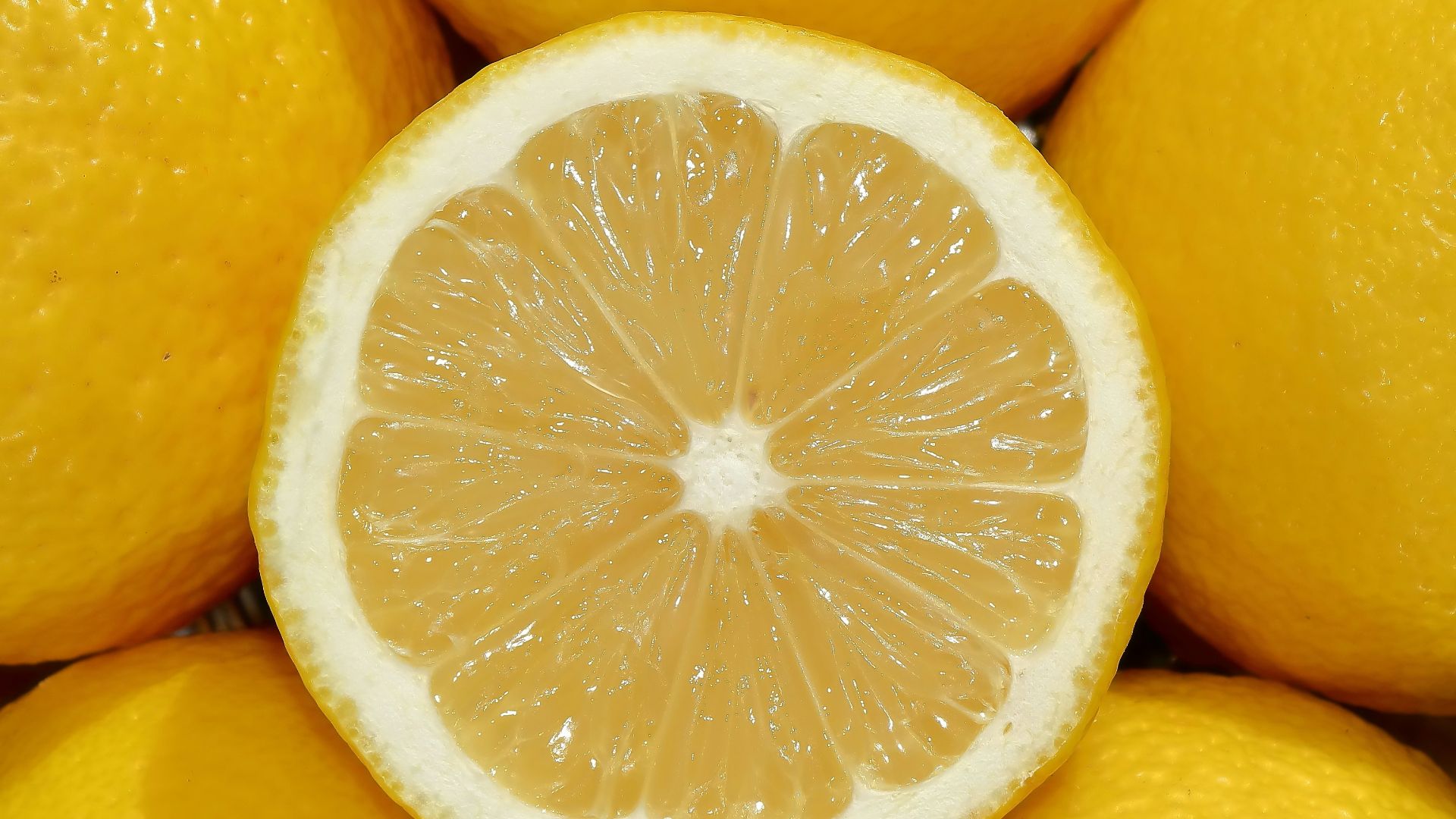
3. Citric Acid
Citric acid sounds like it could dissolve your spoon, but it’s basically the tart flavor in citrus and a common acidity regulator. It’s also used to help with preservation and flavor balance in everything from drinks to candies.
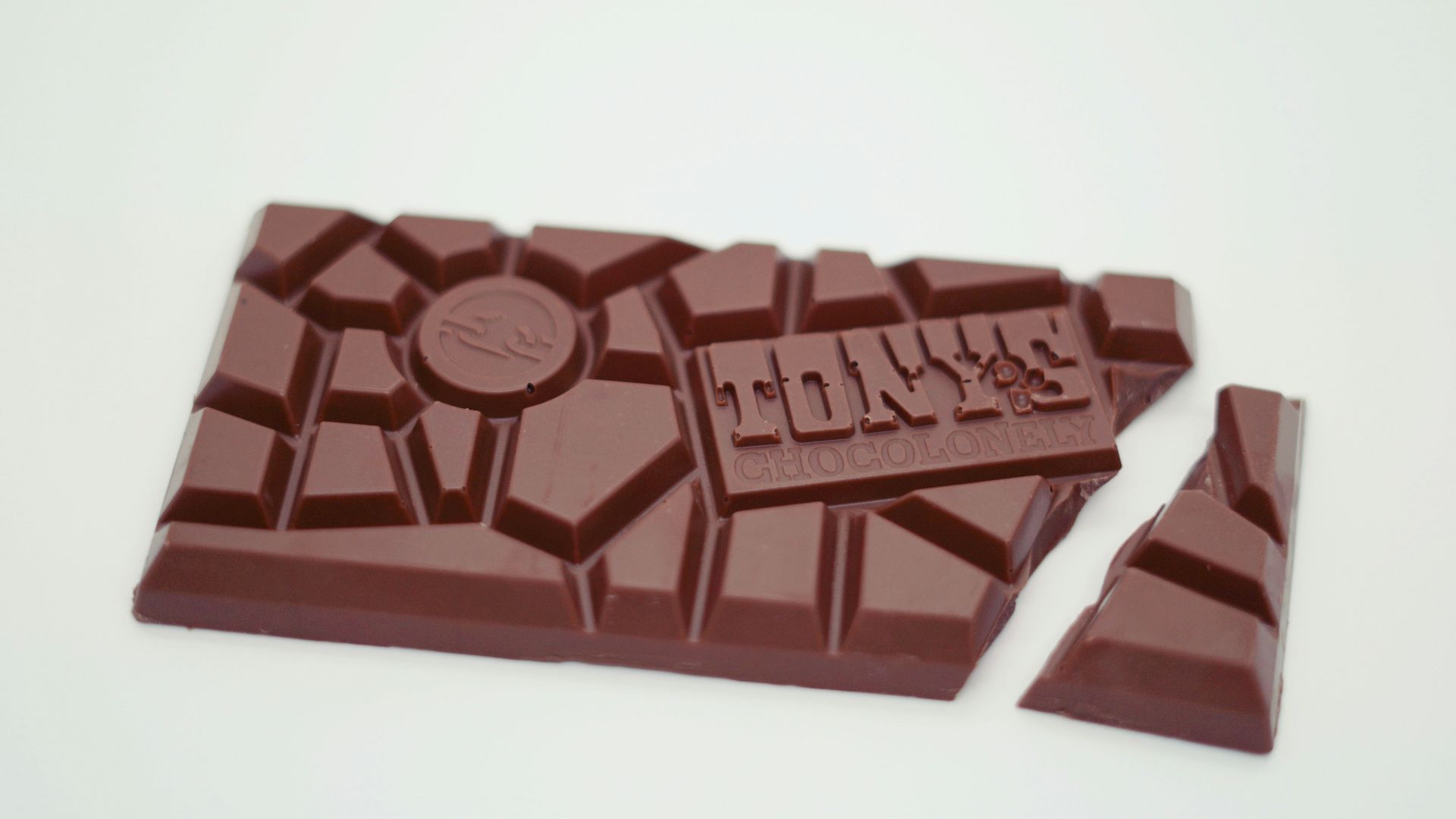
4. Lecithin
Lecithin is an emulsifier, meaning it helps oil and water play nicely together (hello, smooth chocolate and creamy salad dressing). It’s often derived from soy or sunflower, which is why you’ll see it called out for allergen awareness.
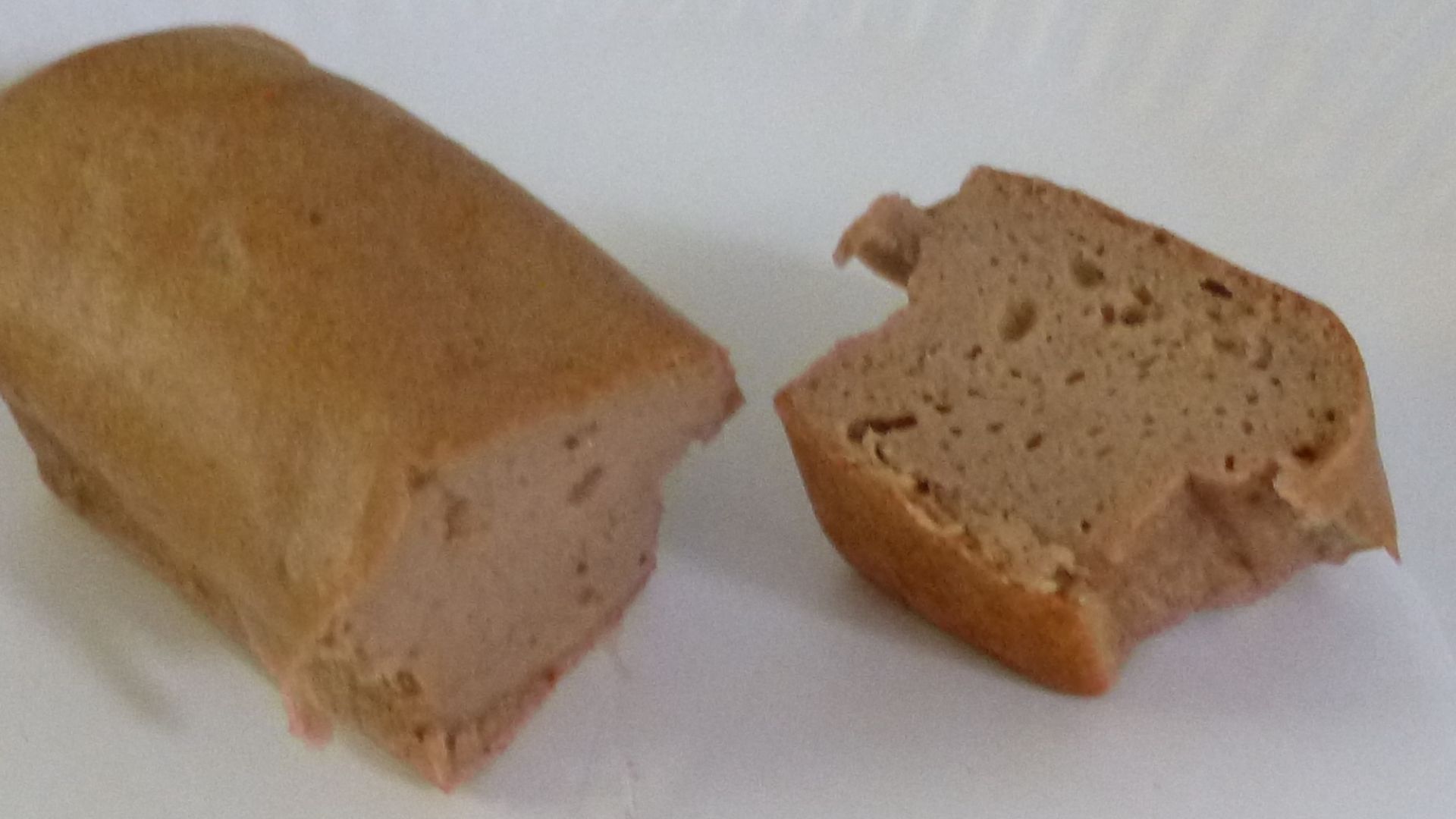
5. Xanthan Gum
Xanthan gum is a thickener made through fermentation, and it’s common in sauces and gluten-free baking. The name sounds intense, but it just gives foods better texture and stability. U.S. regulations explicitly allow it for safe use in foods under set conditions.
6. Potassium Sorbate
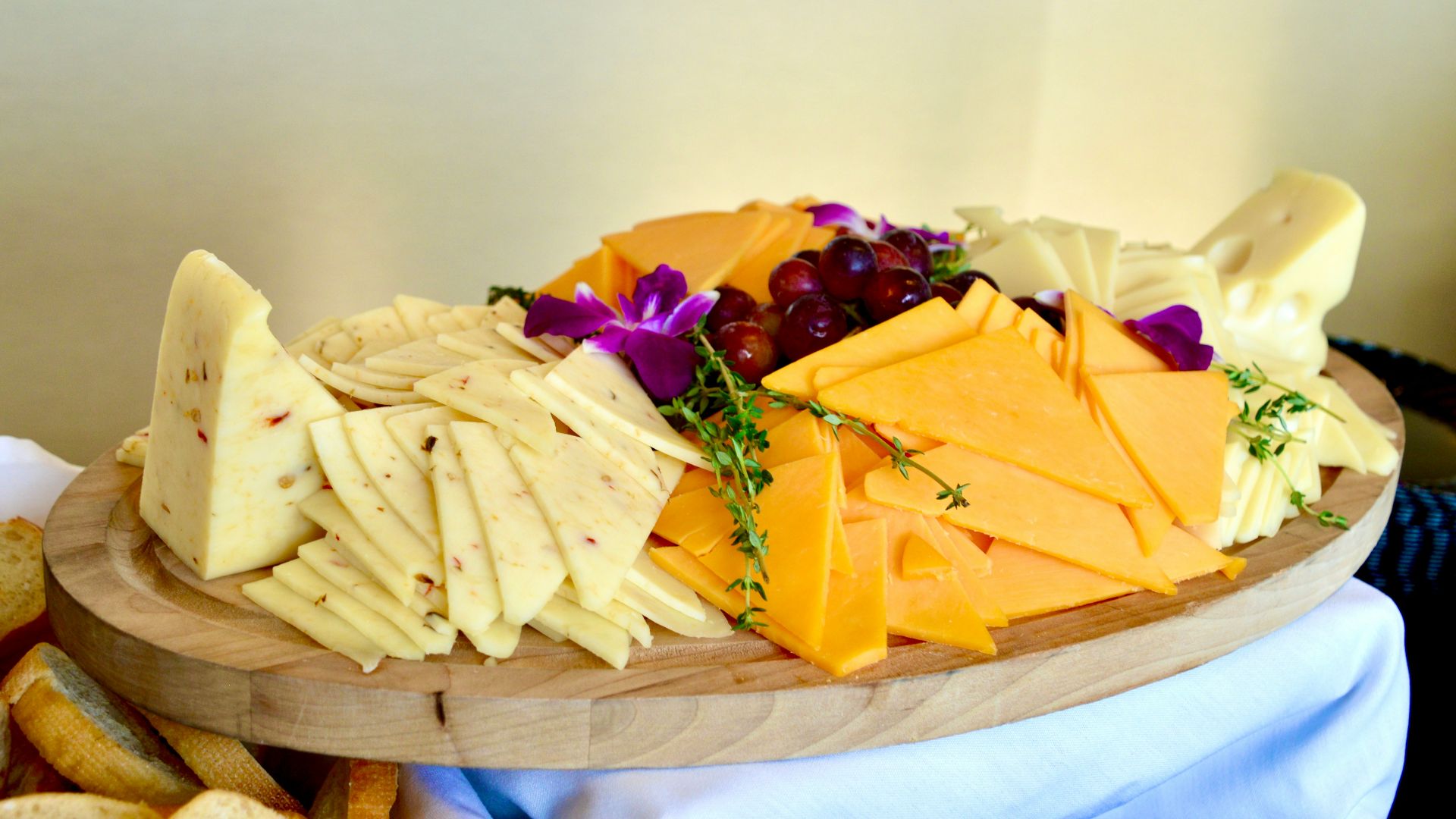
This preservative helps prevent mold and yeast growth, which is why it shows up in things like cheese, yogurt, and baked goods. It’s one of those ingredients that’s easy to side-eye until you remember it's replacing food spoilage. It’s listed among substances generally recognized as safe in U.S. regulations.
7. Sodium Benzoate
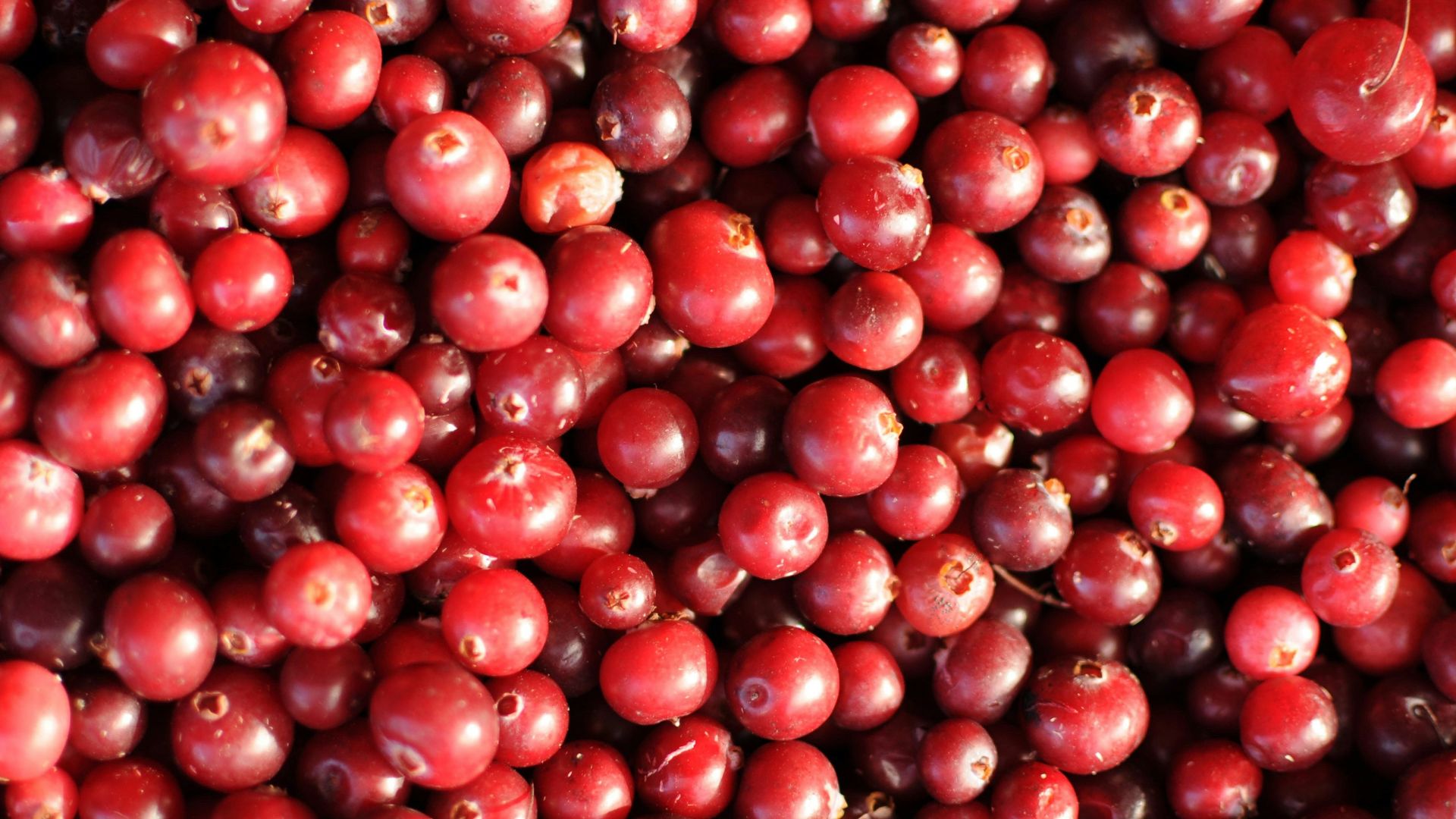
Sodium benzoate is another preservative that helps stop certain microbes from taking over your beverages and condiments. It can be synthetically produced, but it also occurs naturally in certain fruits and spices. People sometimes worry because it sounds synthetic, but it’s a regulated ingredient with defined specifications.
8. Maltodextrin
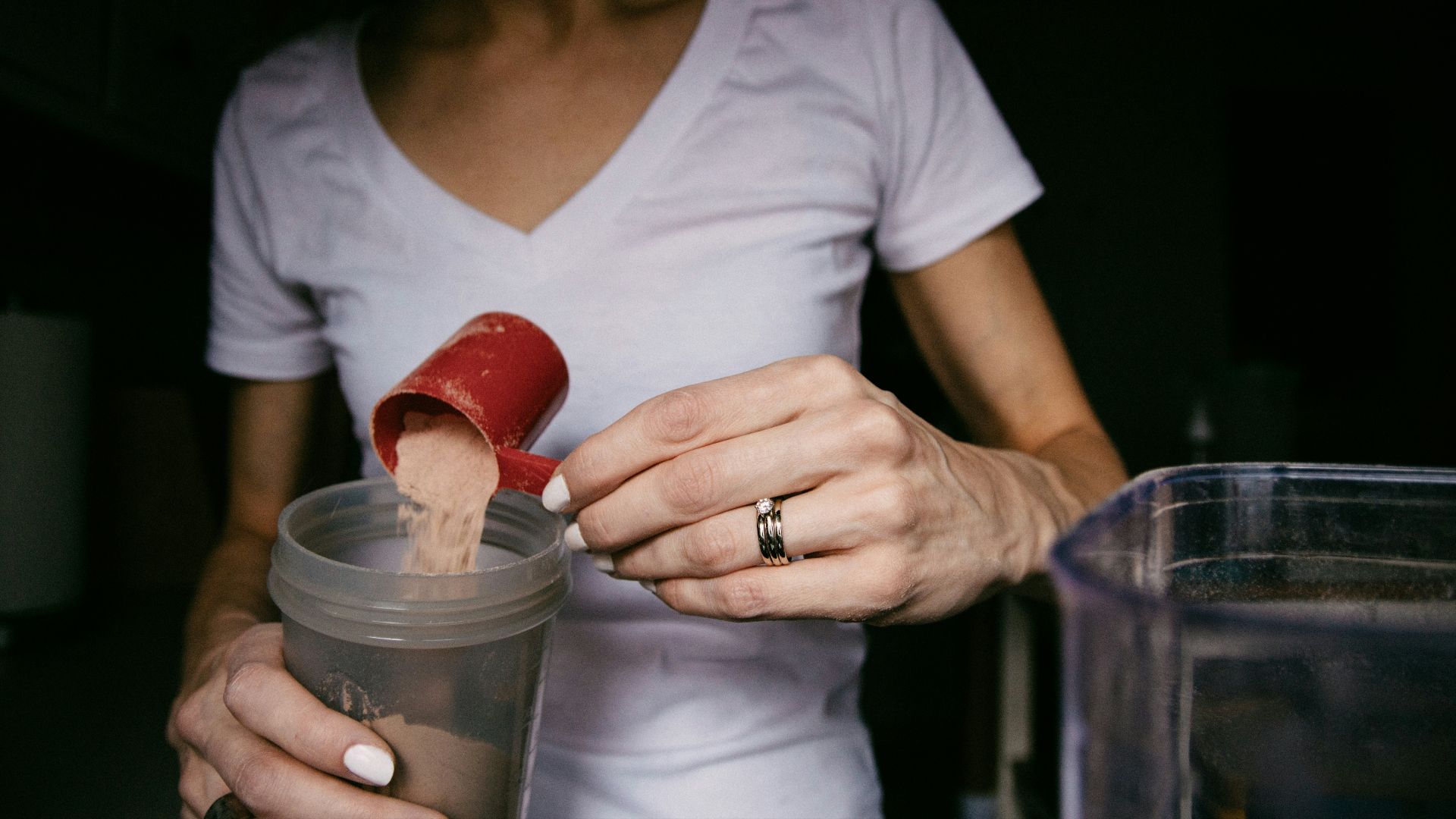
Maltodextrin is a starch-derived ingredient used for texture, thickness, and shelf stability used in many protein powders, sweets, and frozen meals. It’s generally considered safe for its intended uses. That said, it can spike blood sugar quickly for some people.
9. Carrageenan
Carrageenan comes from seaweed and is used to thicken and stabilize foods like dairy and dairy alternatives. It’s permitted for direct addition to food in U.S. regulations. Some people with sensitive digestion prefer to avoid it, but its presence on a label isn’t an automatic danger sign.
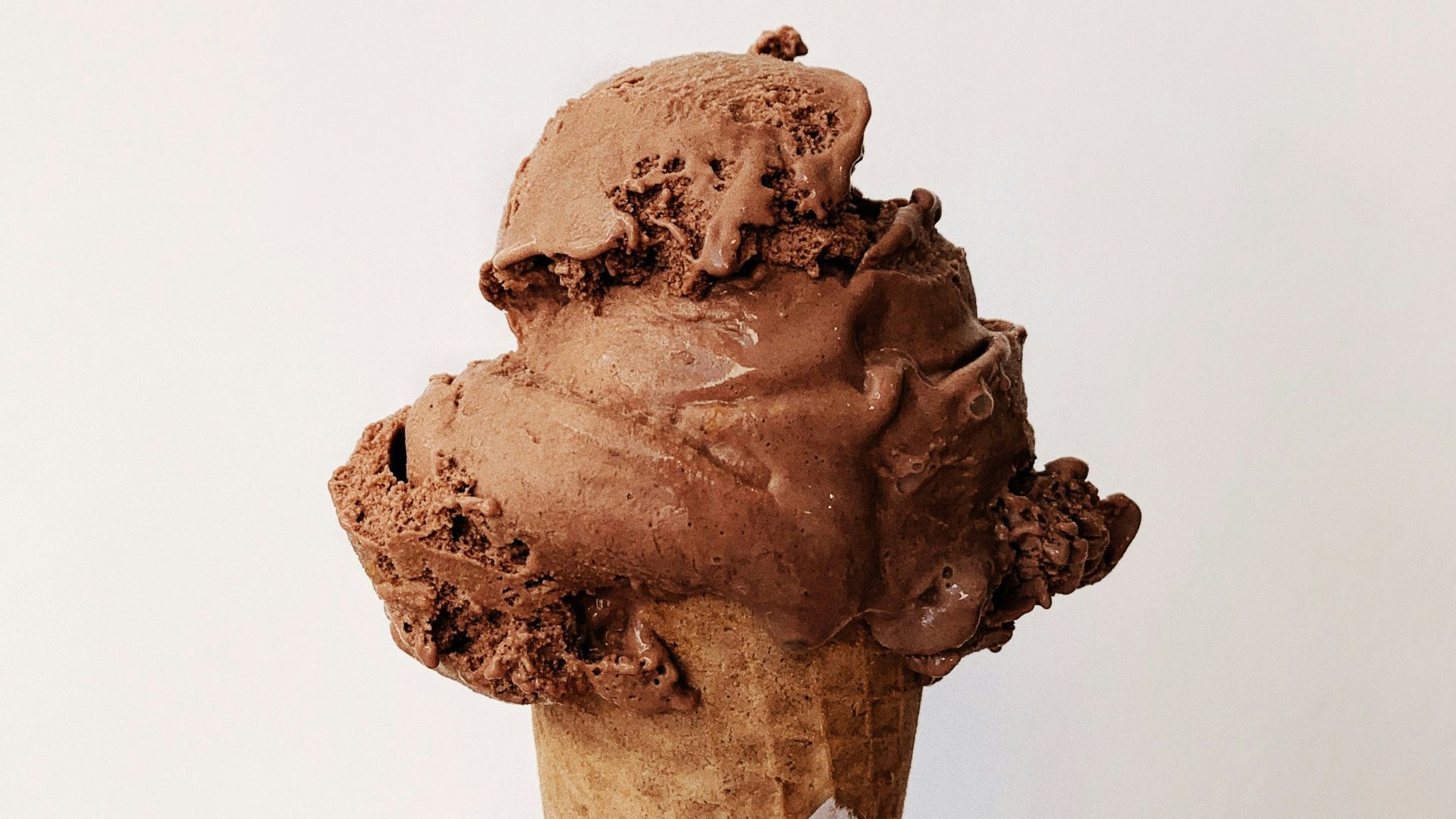
10. Tocopherols
“Tocopherols” is a fancy way of saying vitamin E compounds, often added as antioxidants to help oils and packaged foods stay fresh. The name makes it sound like a mystery chemical, but it’s a nutrient category you’ve definitely heard of. U.S. regulations list tocopherols as generally recognized as safe when used appropriately.
Now that we've talked about food ingredients that sound scary but are actually safe, let's cover the ones that ae actually kind of dangerous, even if they don't sound like it.
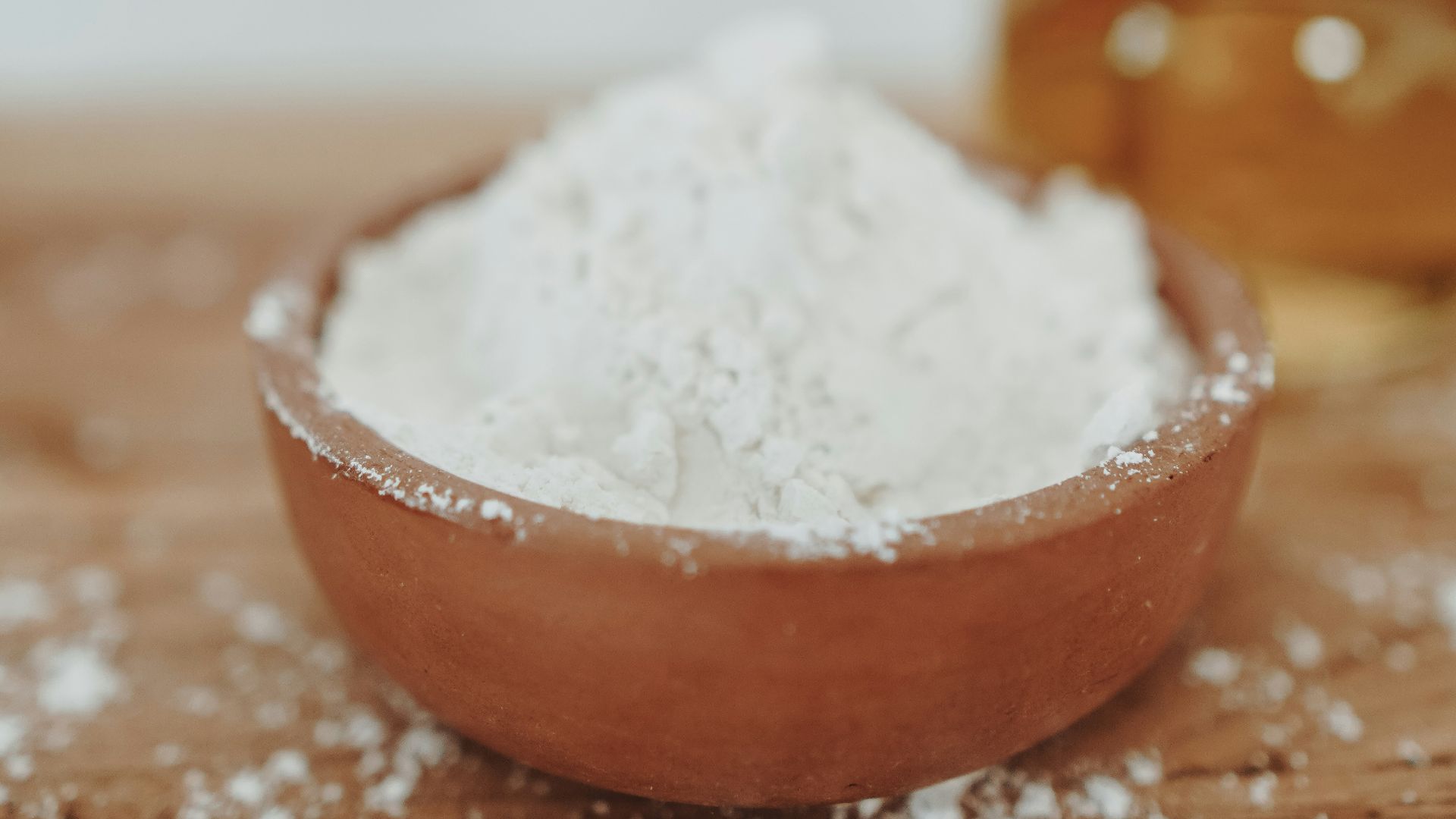
1. Raw Flour (and Raw Dough/Batter)
Flour looks harmless, but it’s a raw agricultural product and can carry germs like pathogenic E. coli. That’s why just a little taste of raw cookie dough can be riskier than it feels. Public health guidance is blunt: don’t eat raw dough or batter, and wash up after handling flour.
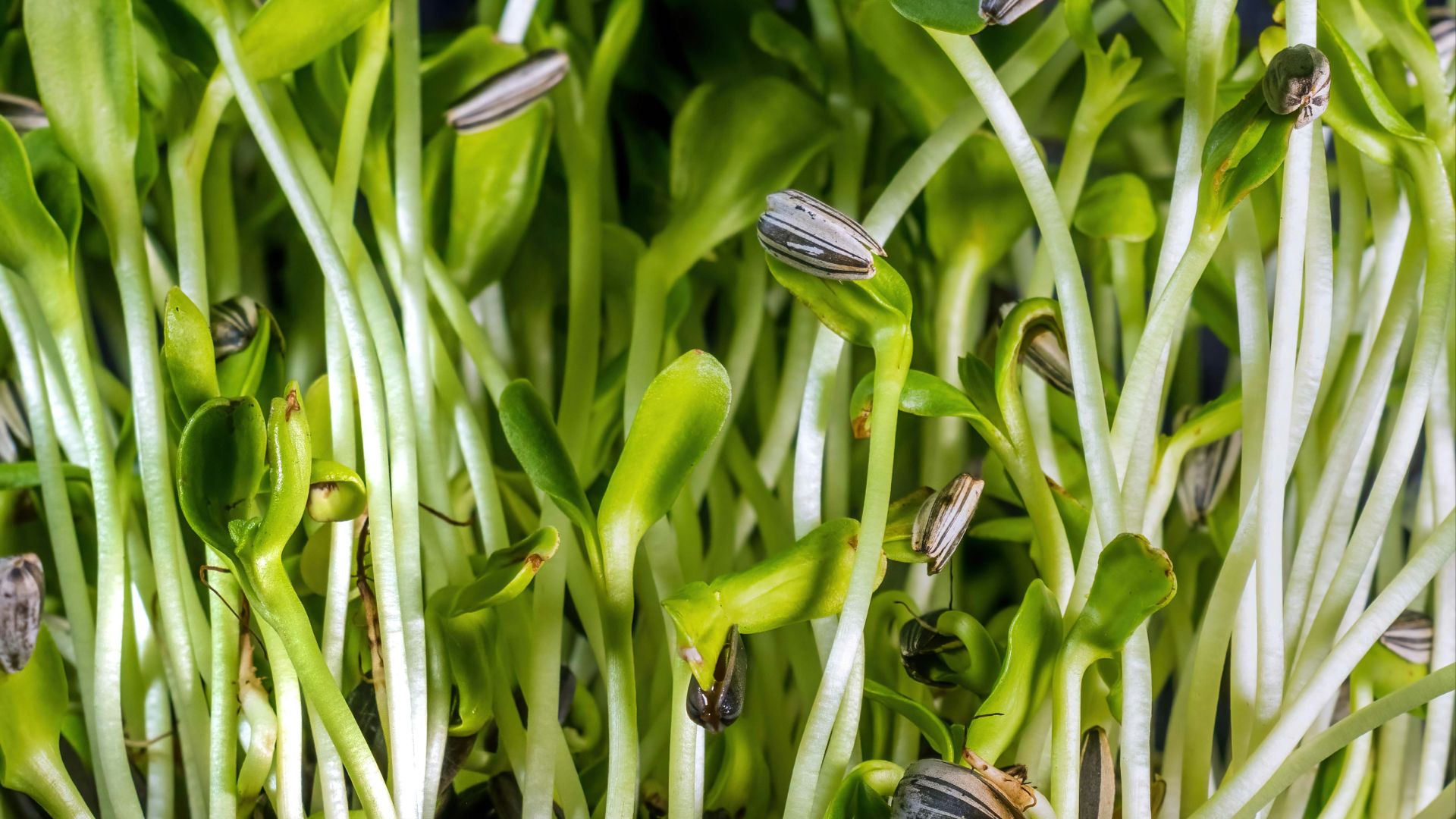
2. Raw Sprouts
Sprouts are grown in warm, moist conditions that are basically a spa day for bacteria. Outbreaks have repeatedly been linked to raw sprouts, including E. coli and Salmonella. Cooking helps, but eating them raw can be a real gamble, especially for higher-risk people.
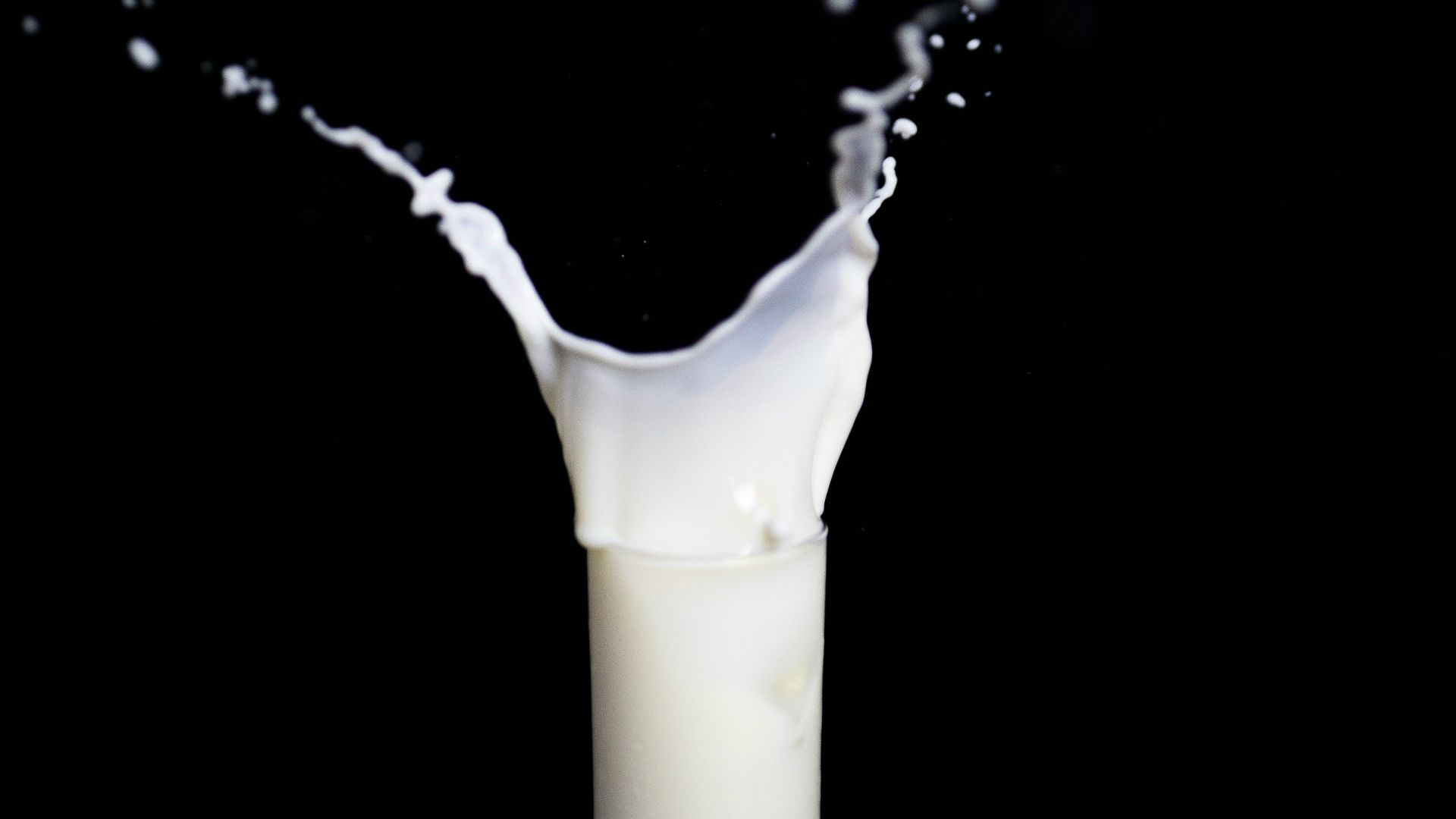
3. Raw (Unpasteurized) Milk
Raw milk can carry harmful germs, and pasteurization is what makes regular milk reliably safe. Health agencies consistently warn that raw milk raises the risk of serious illness, particularly for kids, older adults, pregnant women, and immunocompromised people.
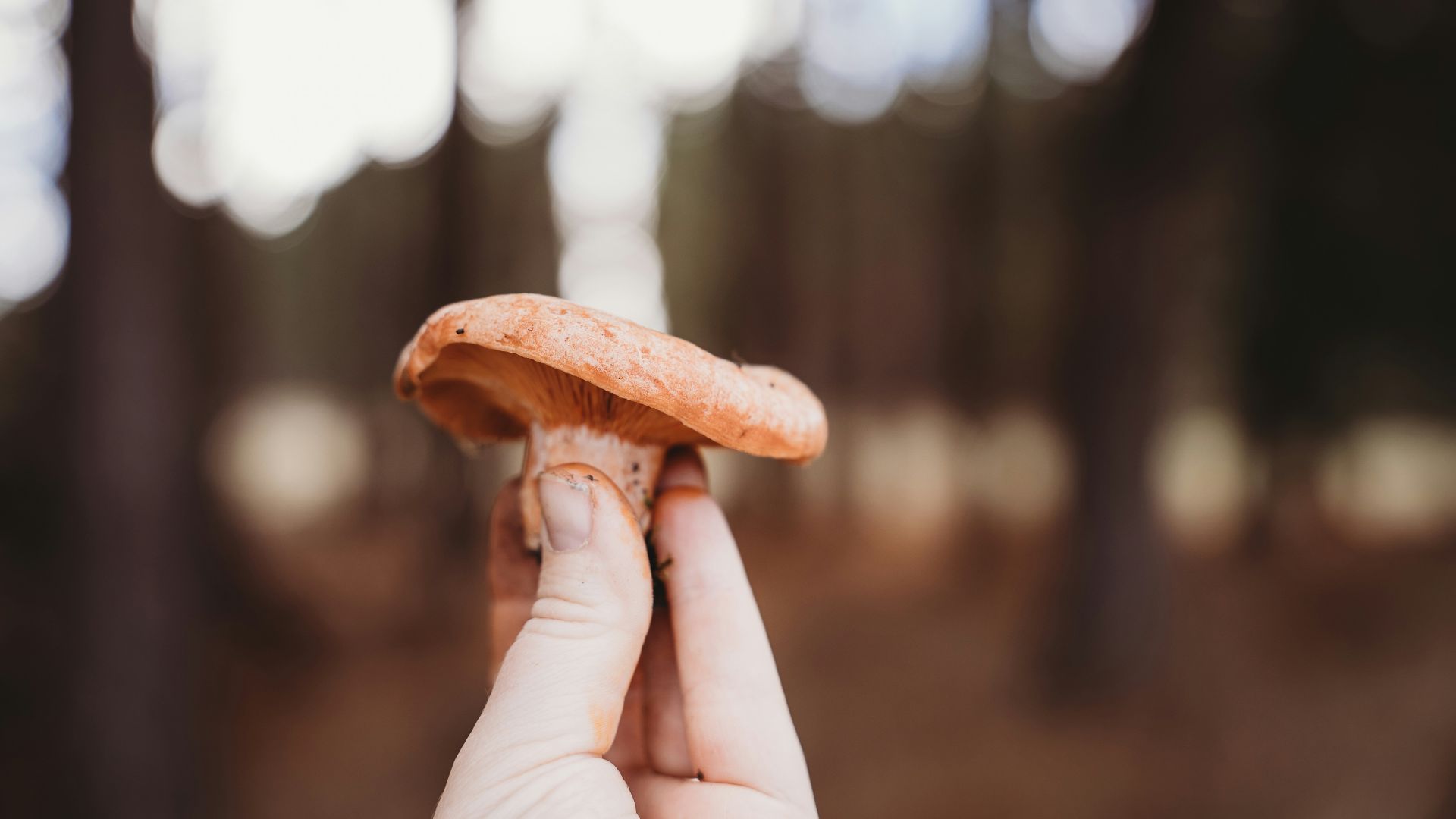
4. Wild Foraged Mushrooms
Foraging is trendy right now but maybe it shouldn't be. Some poisonous mushrooms look extremely similar to edible ones. Officials have issued warnings after serious poisonings, including cases linked to death cap mushrooms and severe liver damage. What's more, many toxins can survive heat, so cooking them doesn't necessarily help.
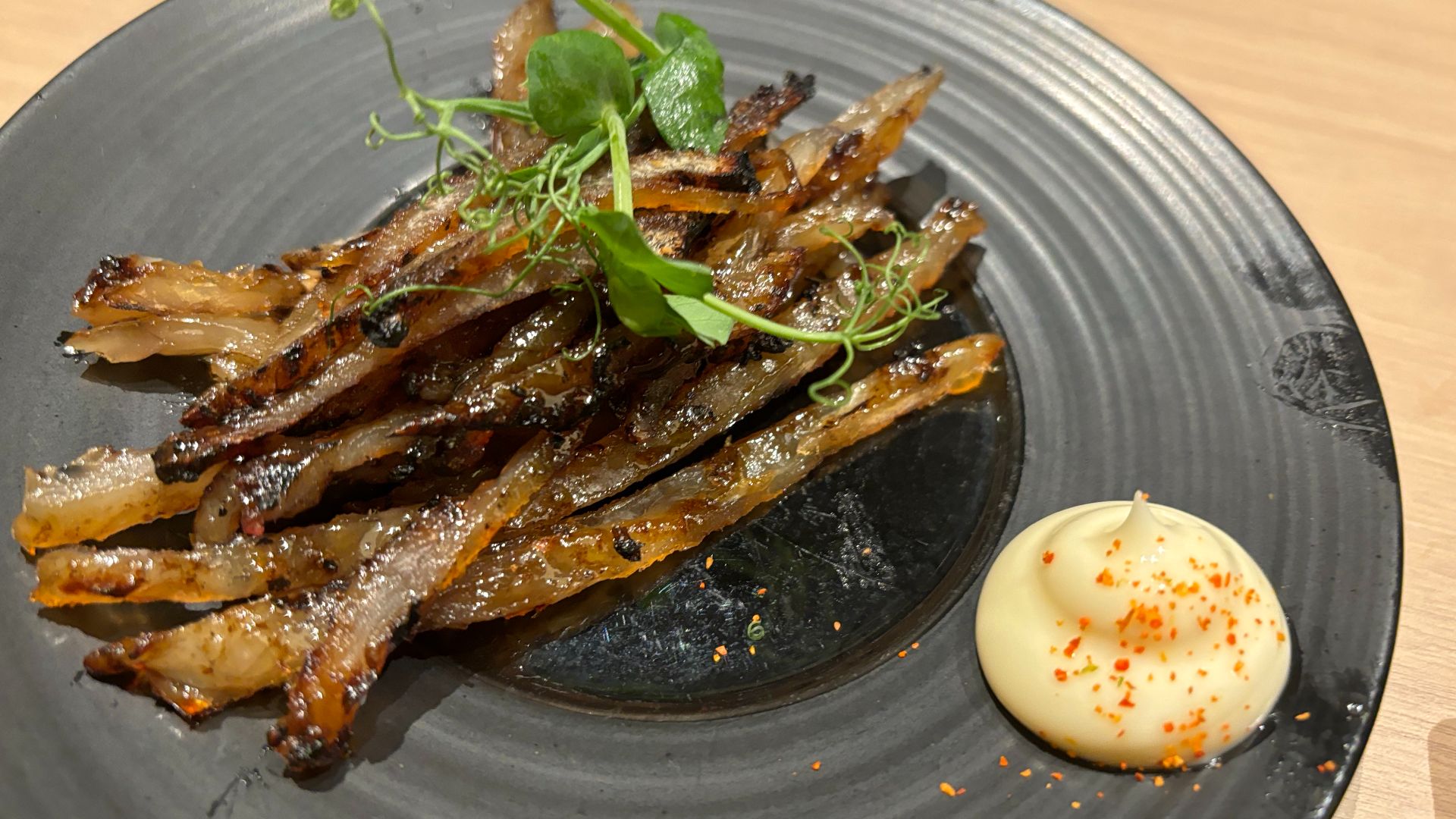
5. Pufferfish (Fugu)
Fugu can contain tetrodotoxin, and even small amounts can cause severe poisoning. The CDC has documented poisoning cases connected to eating pufferfish products. This isn’t a “maybe” risk; it’s why preparation is tightly controlled in places where it’s served.
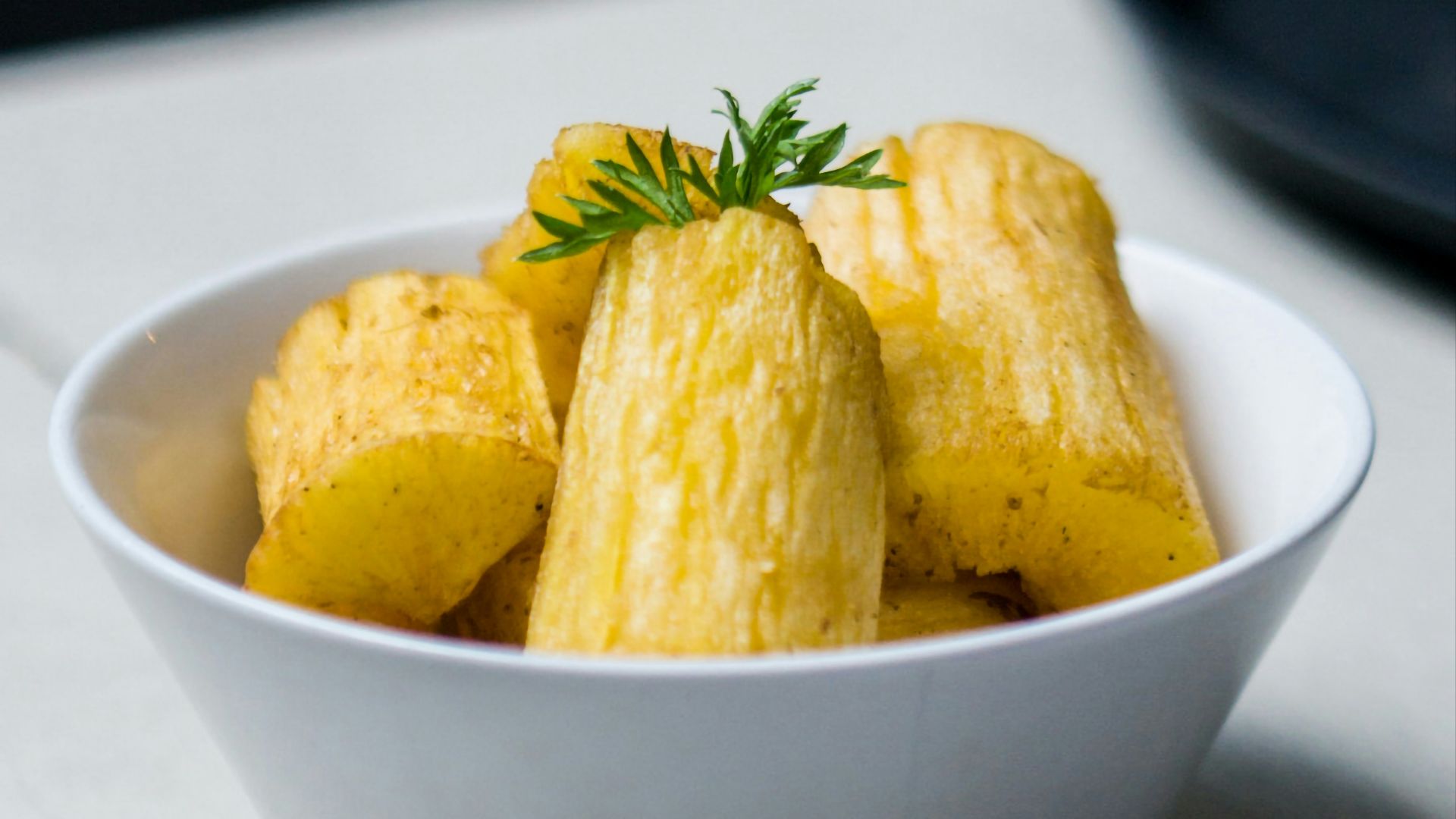
6. Improperly Processed Cassava
Cassava is a staple food for millions, but certain varieties contain cyanogenic compounds that must be removed through proper processing. When it’s not processed correctly, cyanide exposure can cause acute poisoning and has been linked to serious neurological disease in affected communities.
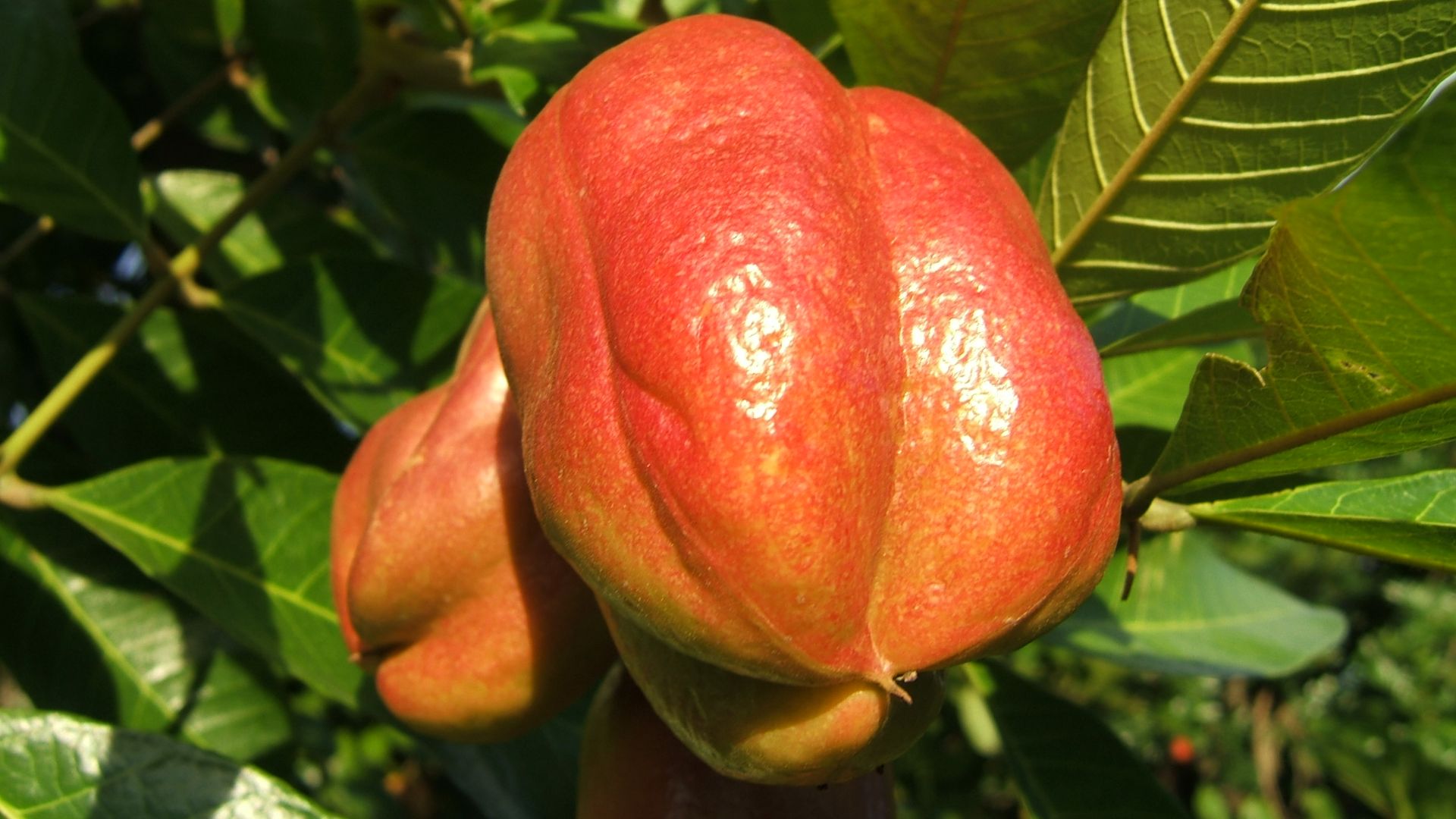
7. Unripe Ackee
Ackee can cause “Jamaican vomiting sickness” when eaten unripe or prepared improperly, due to toxins like hypoglycin. The CDC has documented outbreaks and the connection between ackee poisoning and serious illness.
8. Green or Sprouting Potatoes
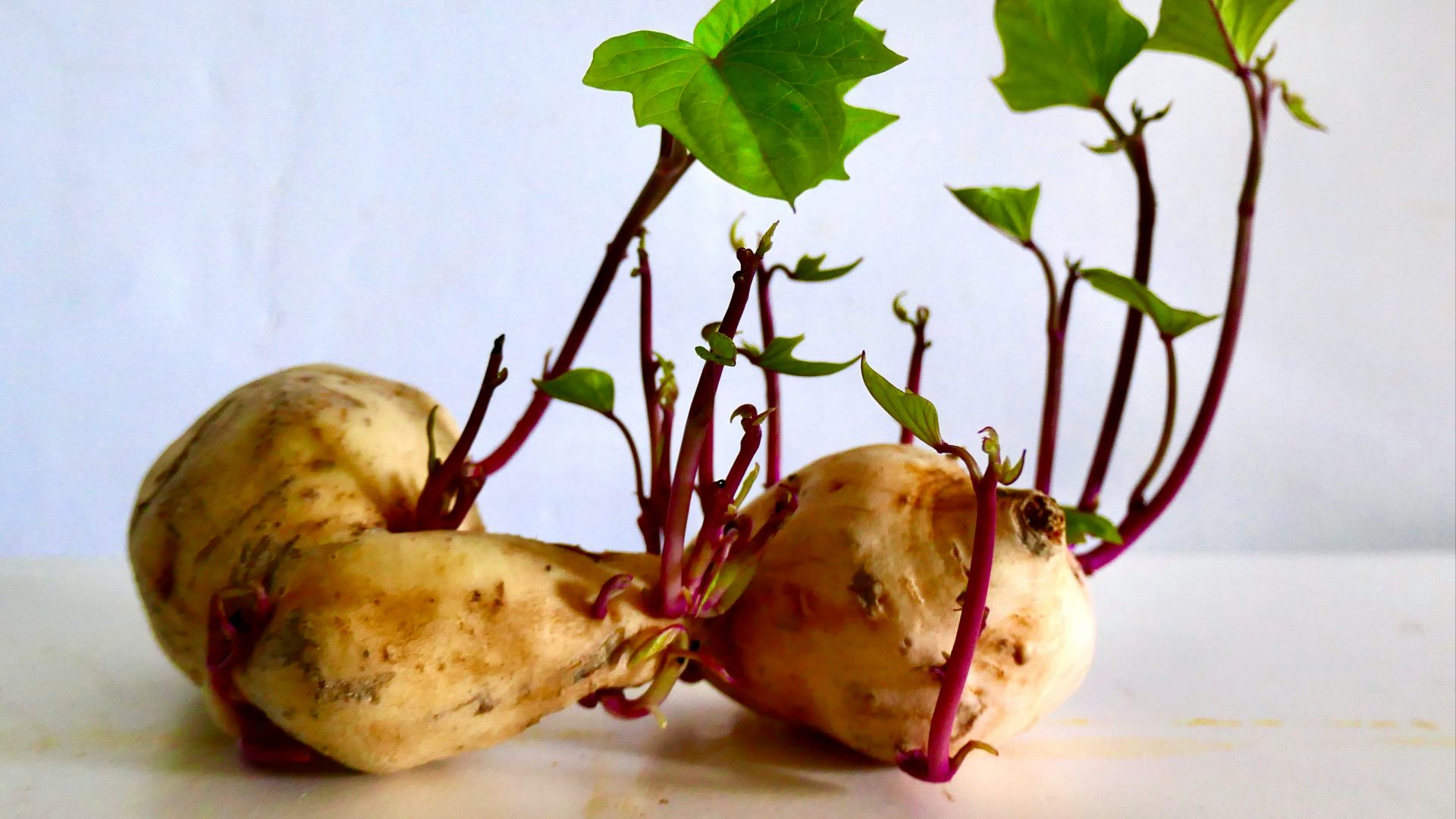
When potatoes turn green or sprout, levels of natural toxins like solanine can rise. Eating green tubers or sprouts can cause symptoms like nausea, vomiting, diarrhea, stomach cramps, and even neurological issues. If a potato is very green, sprouting heavily, or tastes bitter, you shouldn't take a chance.
9. Rhubarb Leaves
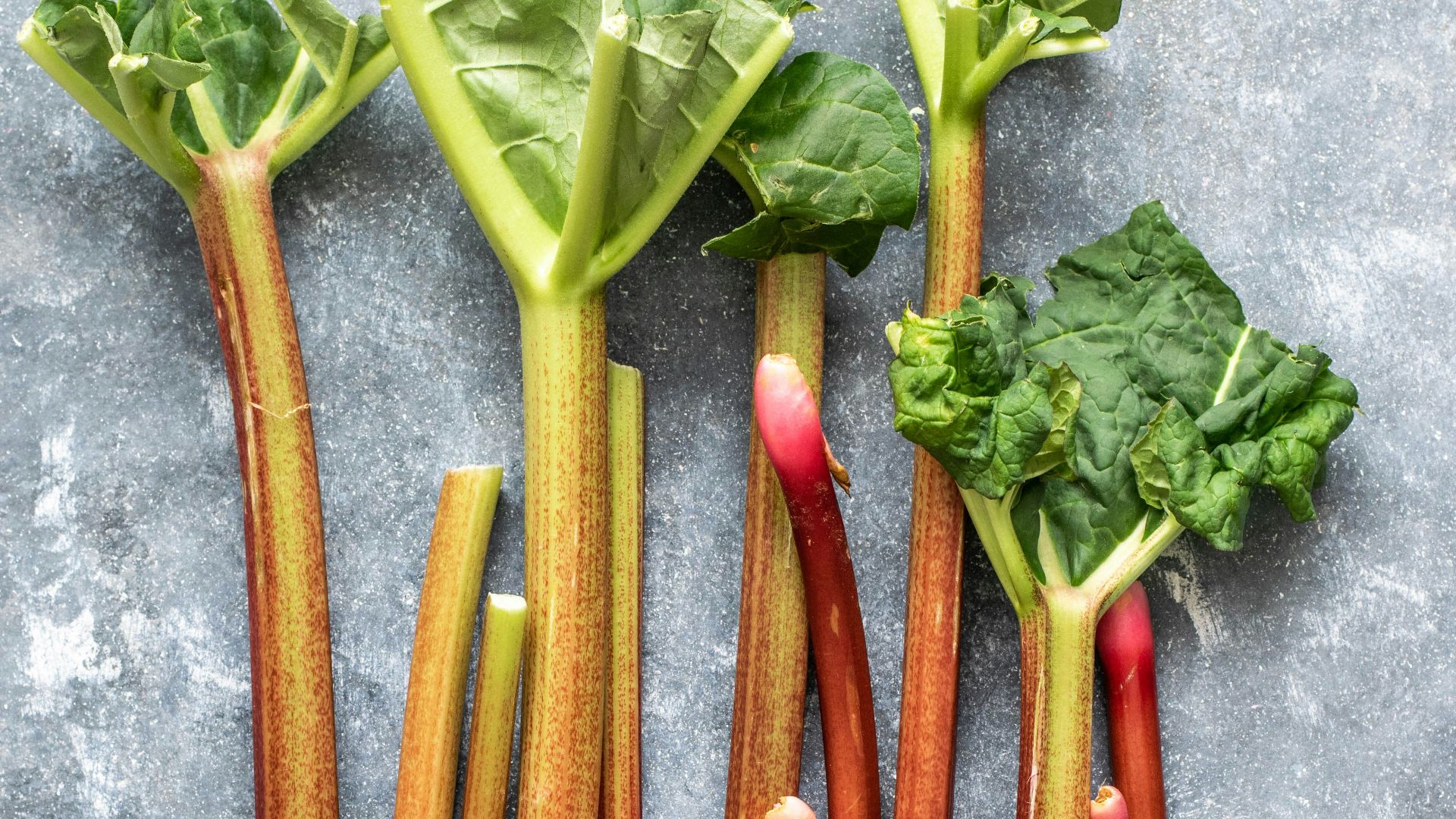
Rhubarb stalks are great in pie, but the leaves are a different story. They contain toxic compounds including oxalic acid, and ingesting them can lead to poisoning. If you grow rhubarb at home, enjoy the stalks but definitely keep the leaves off the plate.
10. Amygdalin-Rich “Kernels” (Like Some Apricot Seeds)
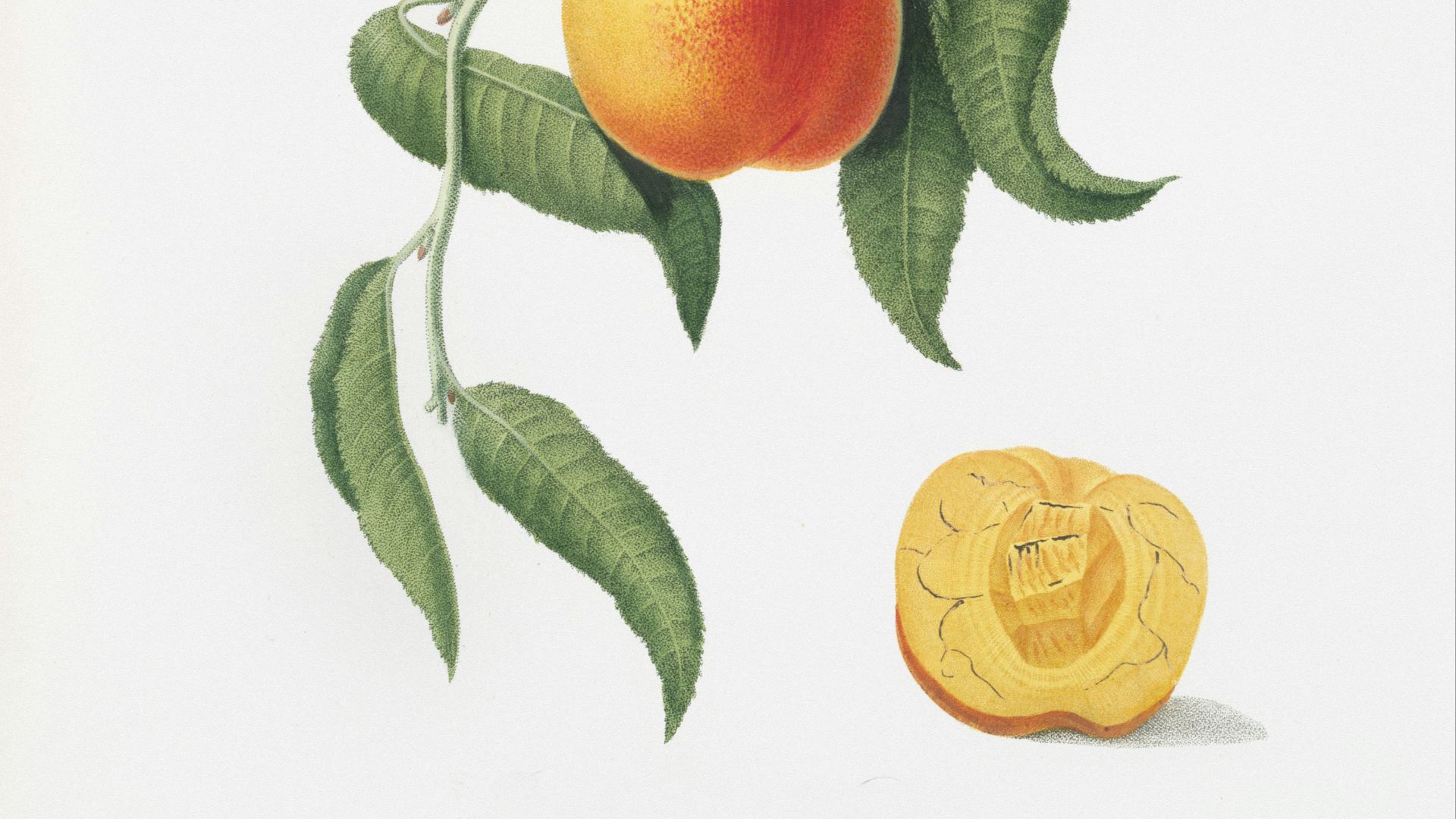
Some kernels contain high levels of amygdalin, which can release cyanide in the body. The FDA has specifically warned about products with high amygdalin levels due to the risk of potentially fatal cyanide toxicity, which can cause symptoms like headaches, rapid breathing, dizziness, seizures, and rapid tissue death.
KEEP ON READING

10 Most Hated Foods in the Entire World