10 Incredible Fruits To Eat During Pregnancy & 10 To Keep Away From
Smart Fruit Choices For Pregnancy
Pregnancy changes everything about what you eat, including fruits. Some fruits pack nutrients that support your baby's development and ease uncomfortable symptoms like nausea or constipation, while others contain compounds that could trigger contractions, affect blood sugar dangerously, or carry contamination risks that aren't worth taking. Understanding the difference helps you make confident, healthy choices without added stress. Here are ten fruits that support a healthy pregnancy and ten you should avoid or eat cautiously.
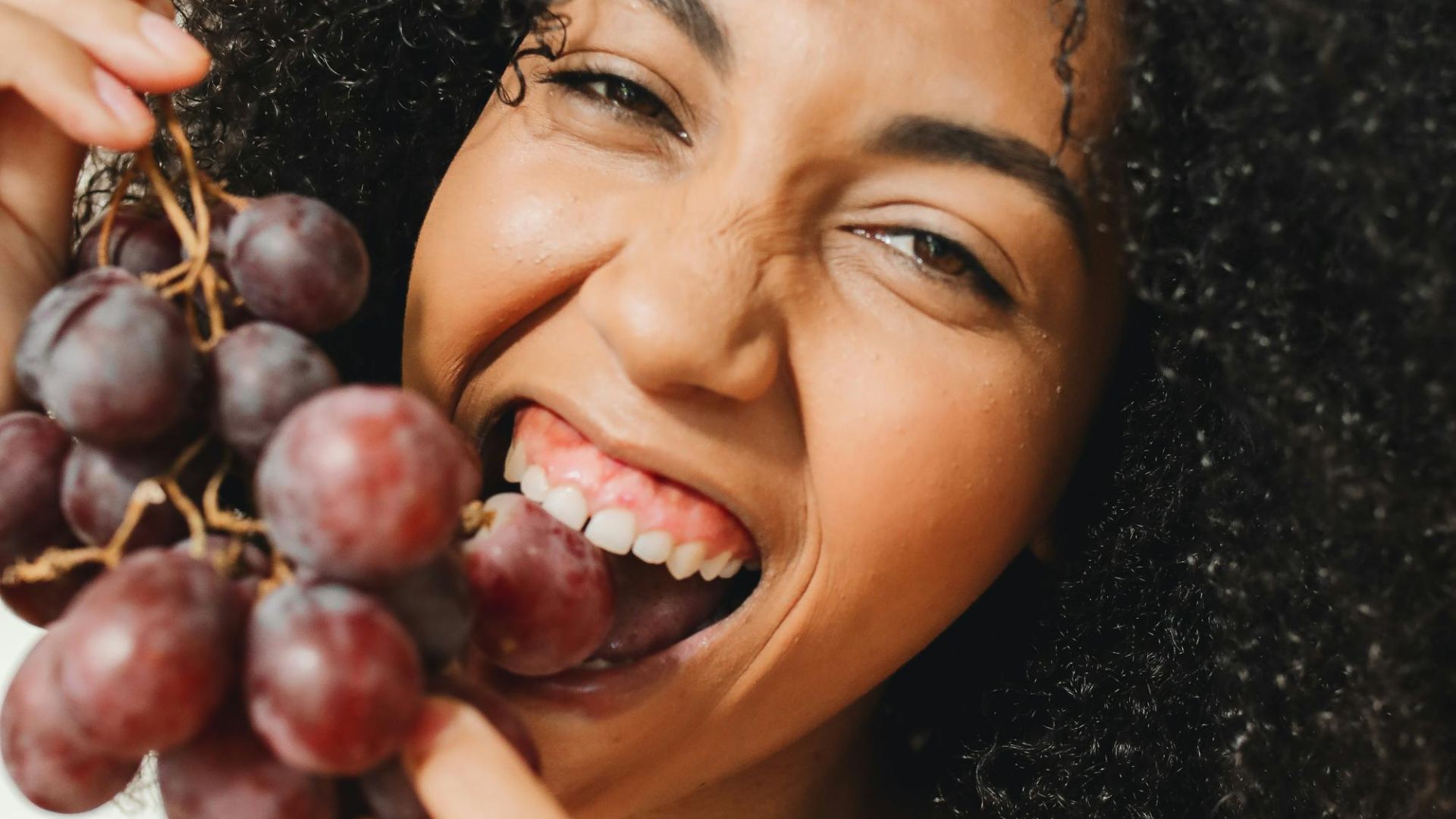
1. Oranges
A single orange provides over 100% of your daily vitamin C, boosting immunity while helping your body absorb iron better. Folate supports your baby's brain development, and all that water content keeps you hydrated.
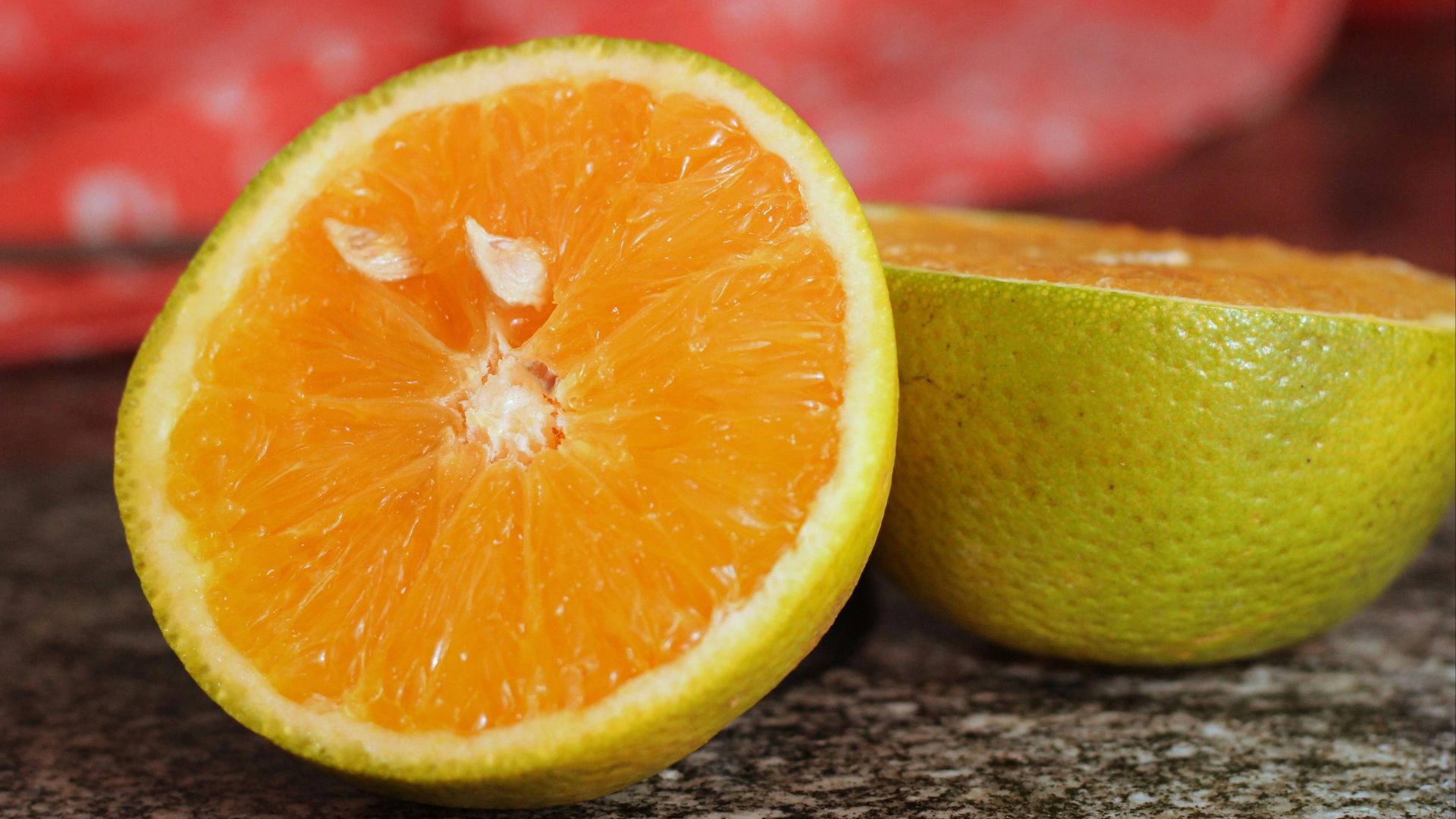
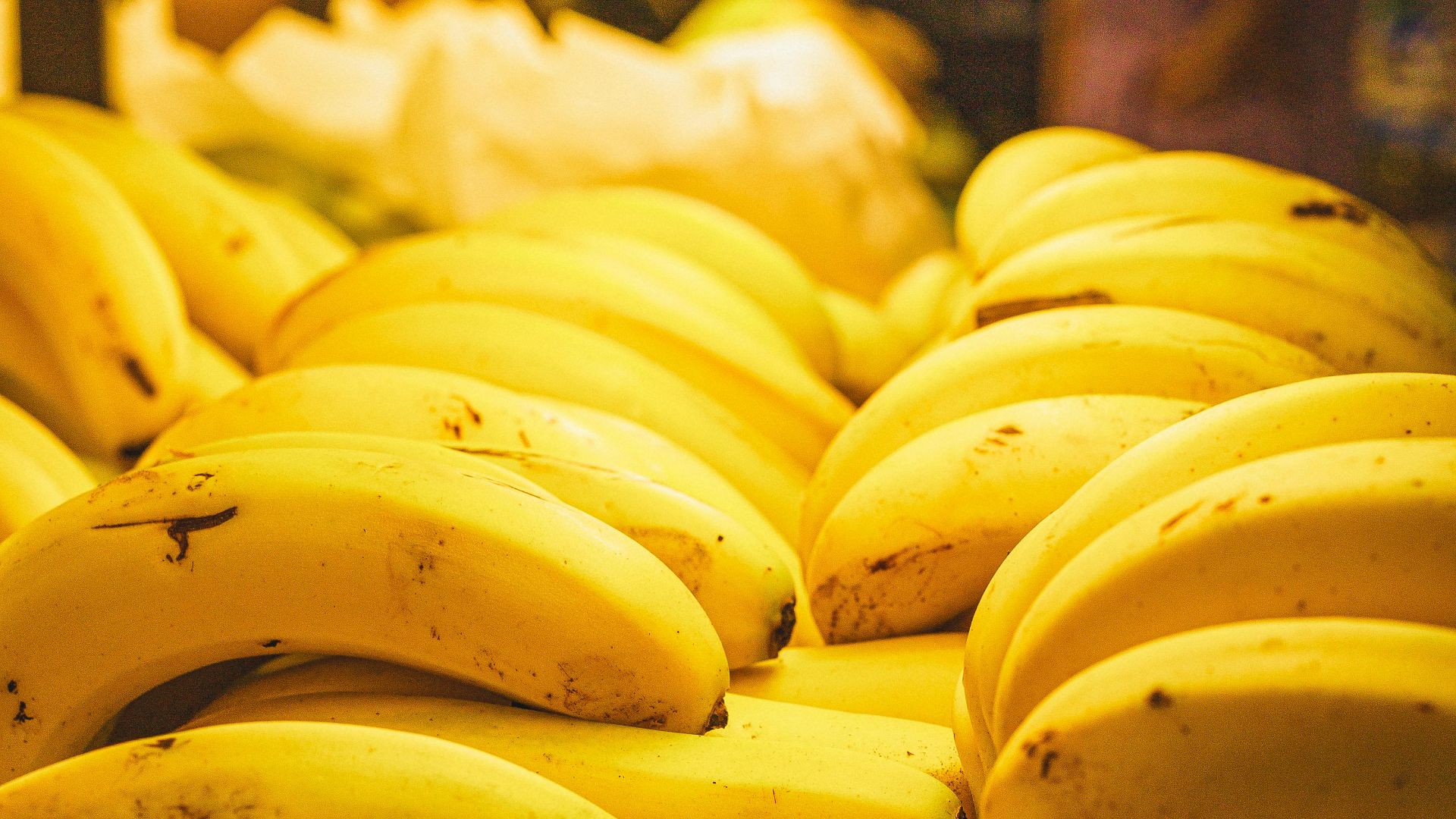
2. Bananas
Bananas help prevent the sudden leg cramps that jolt you awake in the middle of the night with potassium, which also regulates blood pressure. Plus, they supply Vitamin B6, easing morning sickness, and the fiber that keeps digestion moving.
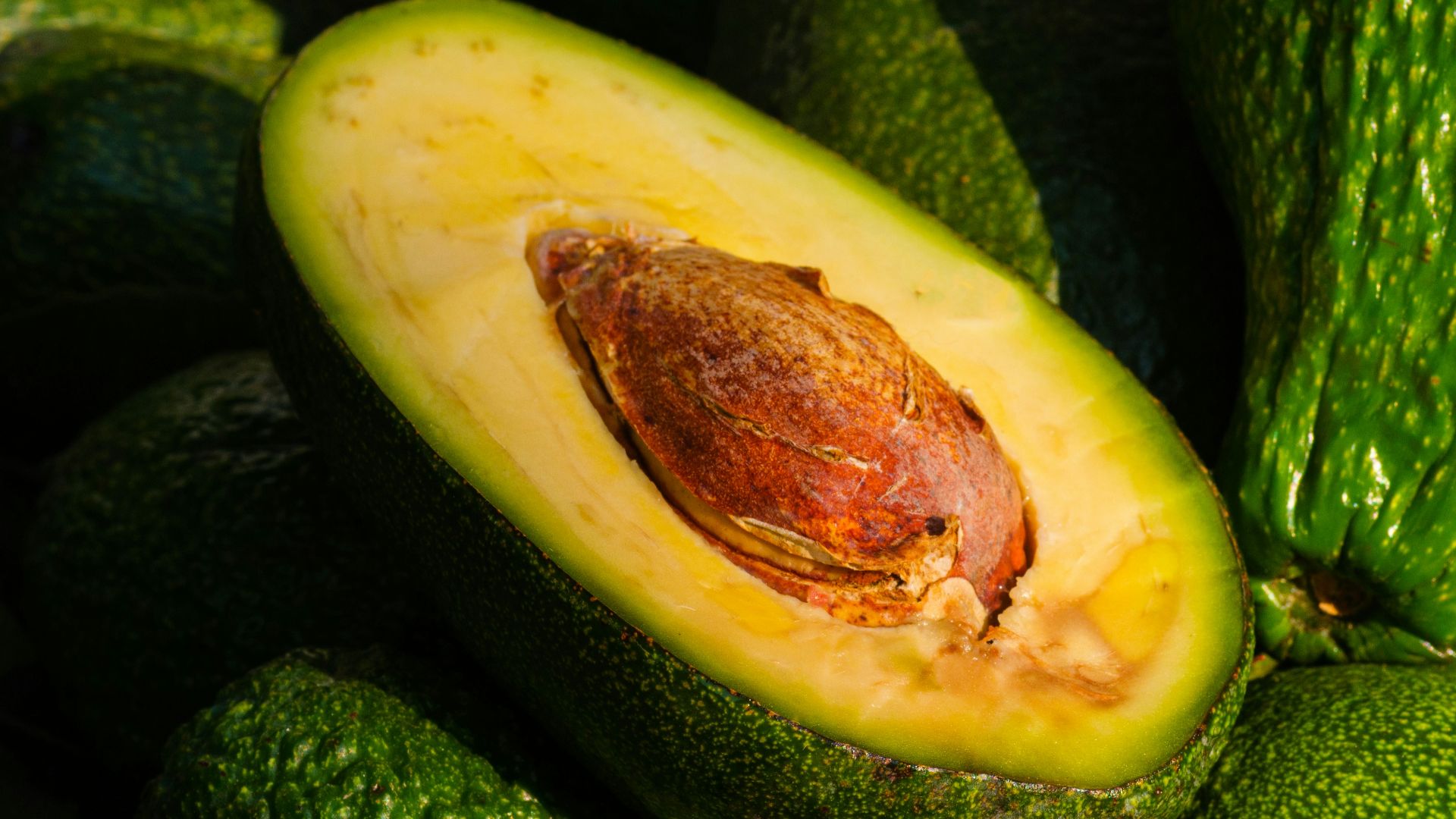
3. Avocados
Folate levels in avocados beat most other fruits. Furthermore, the healthy fats and choline boost fetal brain development during those rapid growth phases. They've got more potassium than bananas and enough fiber to keep things moving.
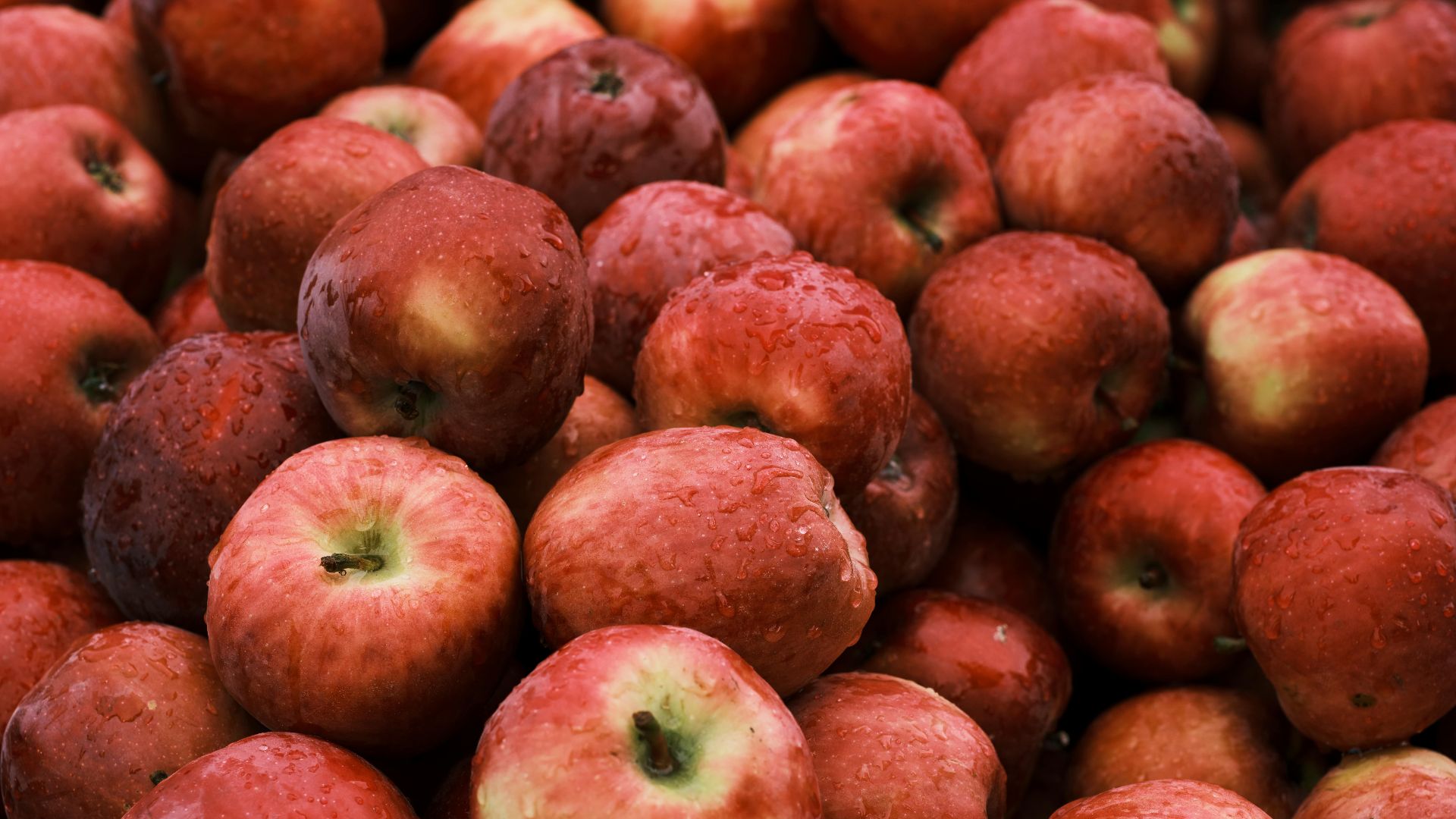
4. Apples
Fiber-packed apples prevent constipation when you eat the peel instead of tossing it away. Not to mention, your immune system gets valuable support from vitamin C and antioxidants. Pregnancy naturally lowers your defenses, so these nutrients become important for staying healthy throughout all three trimesters.
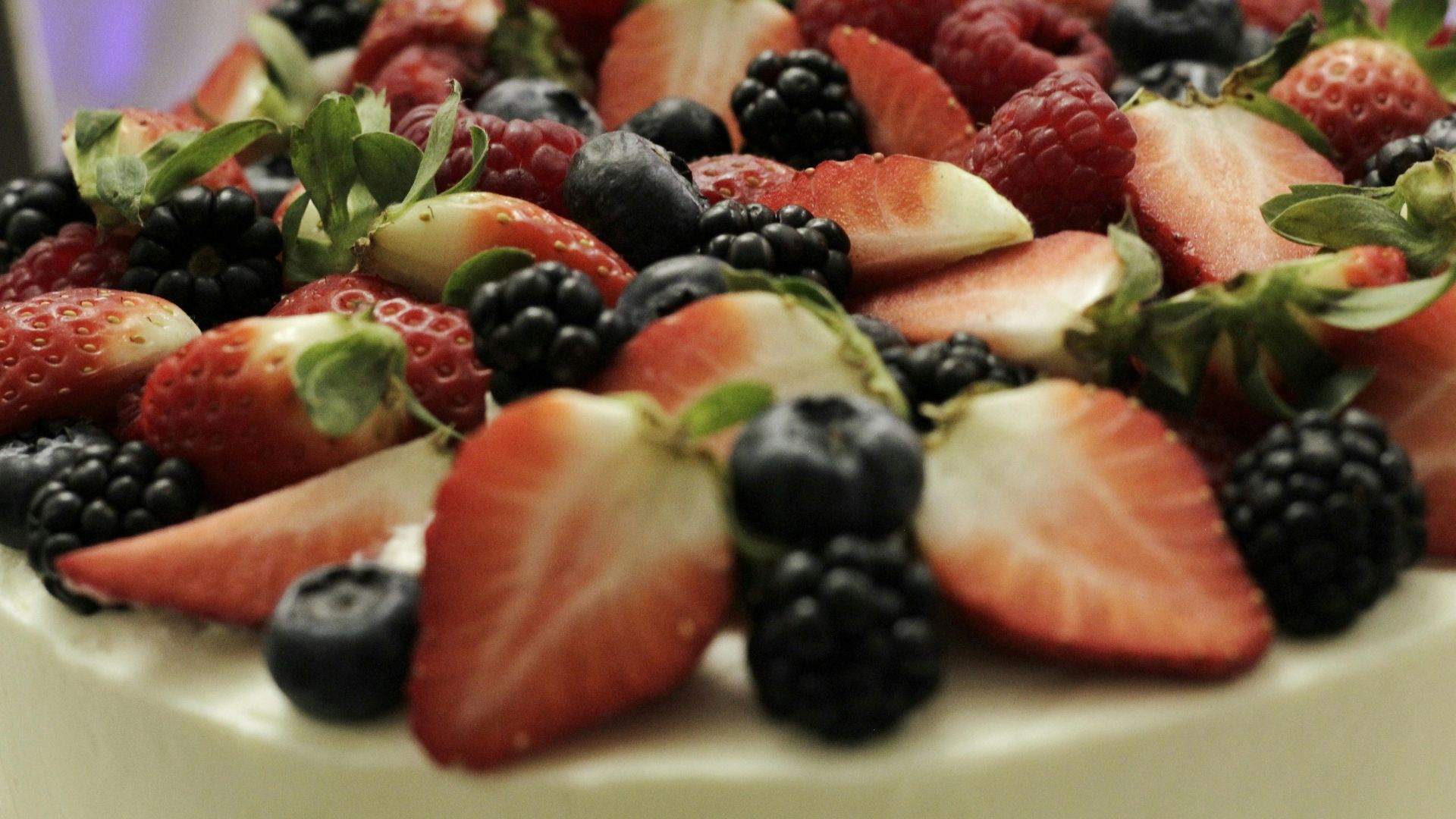
5. Berries (Blueberries, Strawberries, Raspberries)
Antioxidants and vitamin C fight inflammation and support immunity without piling on excessive calories you don't need. Blueberries especially earn the nickname "brain berries" for cognitive benefits that help both you and your developing baby's brain.
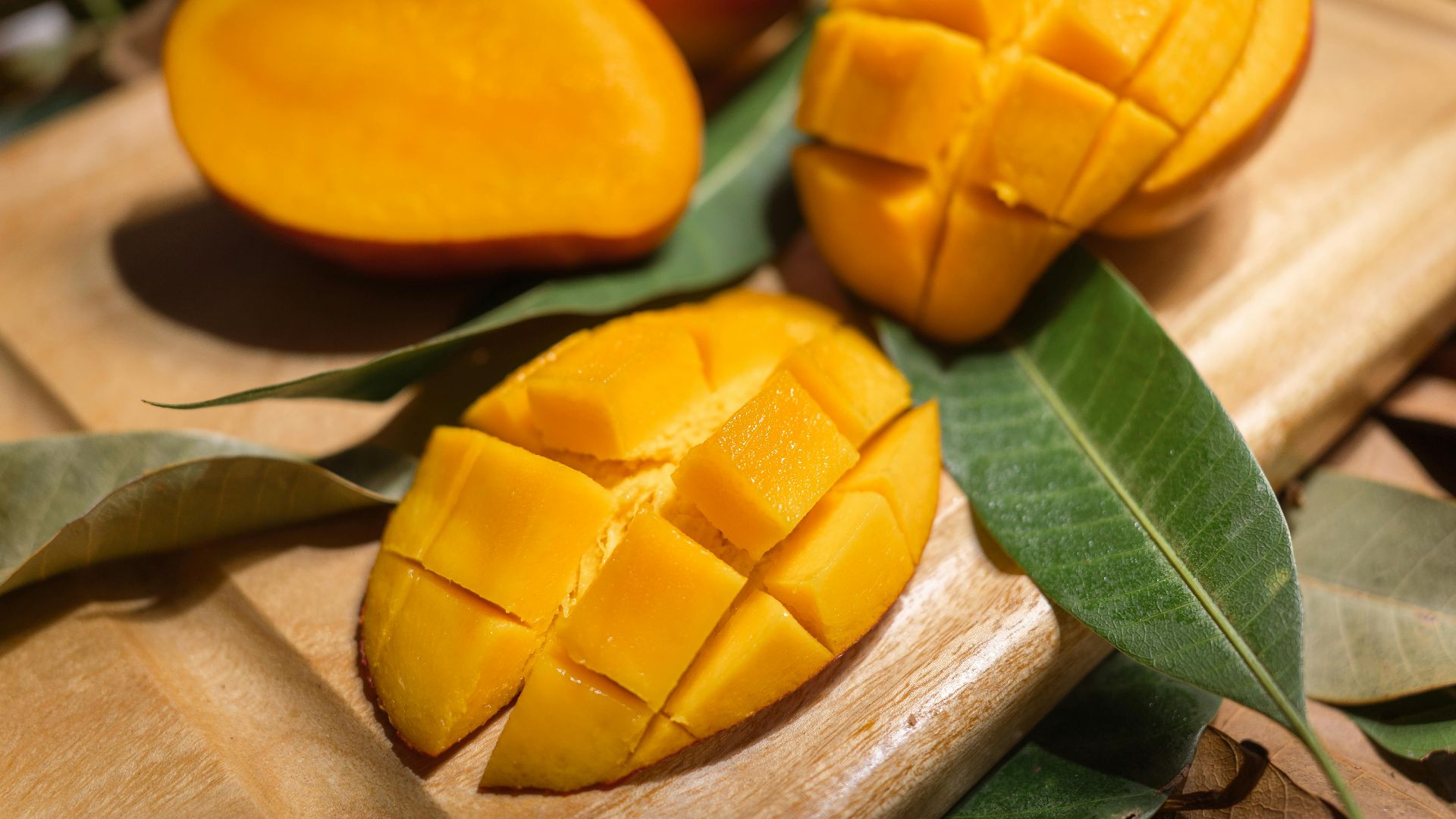
6. Mangoes
A single cup delivers nearly all your daily vitamin C while preventing anemia through better iron absorption. Your baby's growth and eye development benefit from high vitamin A levels during critical stages. The fiber helps digestion, and surprisingly, mangoes share botanical family ties with cashews and pistachios.
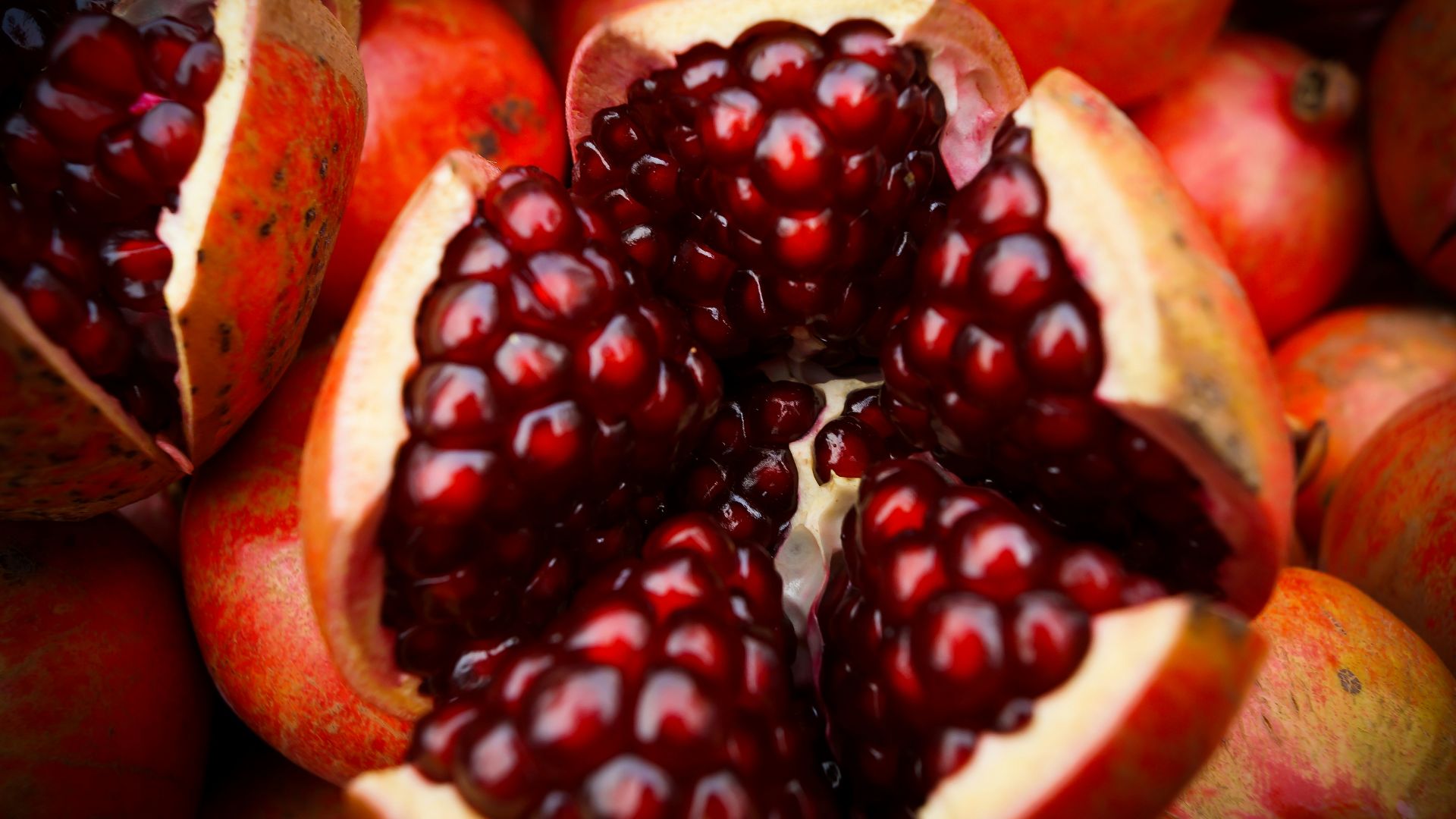
7. Pomegranates
Iron and folate found in pomegranates team up to prevent anemia while supporting the increased blood production your body desperately needs. The antioxidants may help your placenta stay healthy, which directly affects nutrient transfer to your baby.
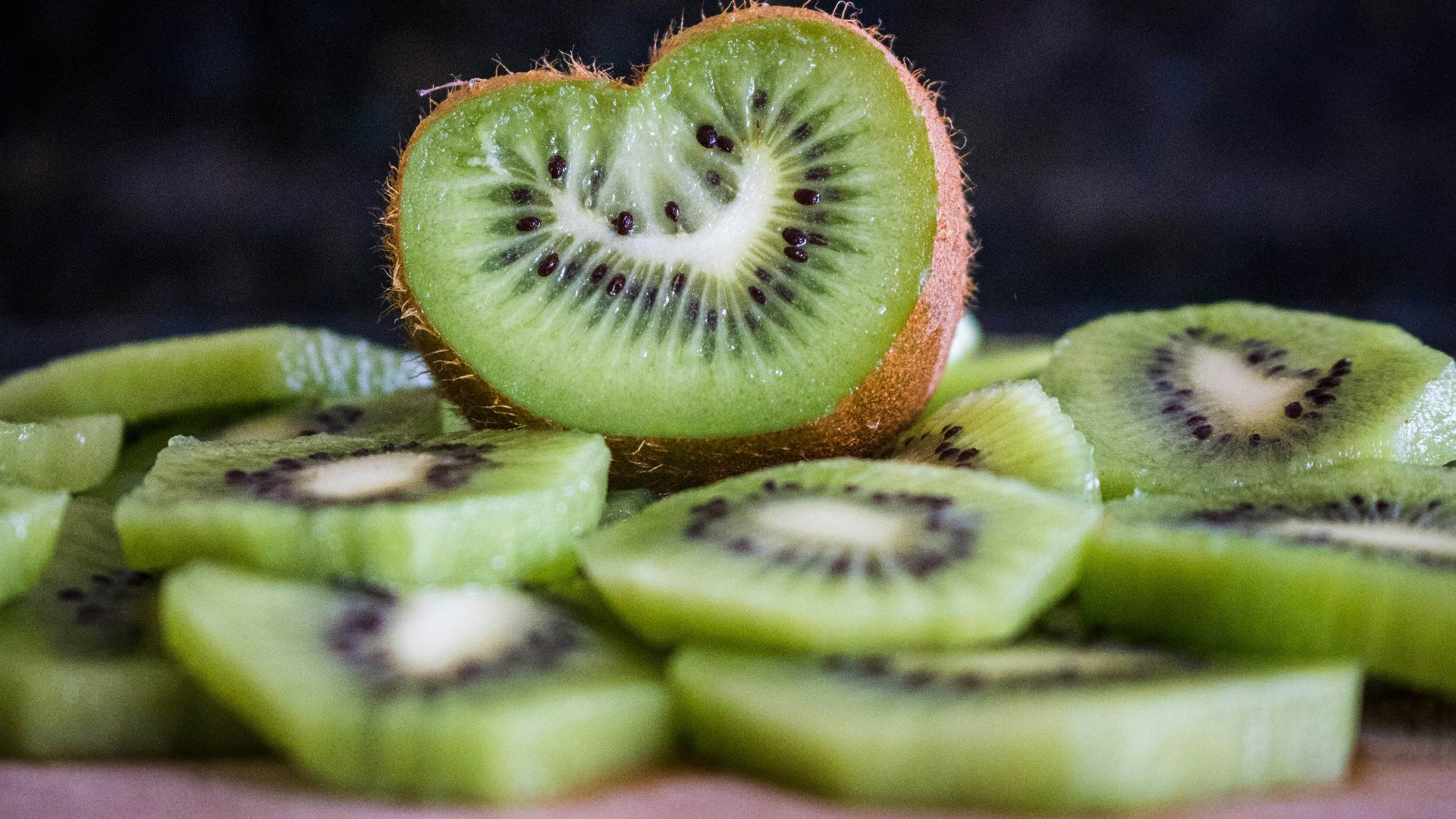
8. Kiwi
Vitamin C levels in kiwis actually surpass those of oranges per serving. Your body uses this to boost immunity and form collagen properly during pregnancy. Folate and fiber work together to support fetal development and keep digestion regular. The vitamin E and potassium provide extra nutritional insurance you'll appreciate.
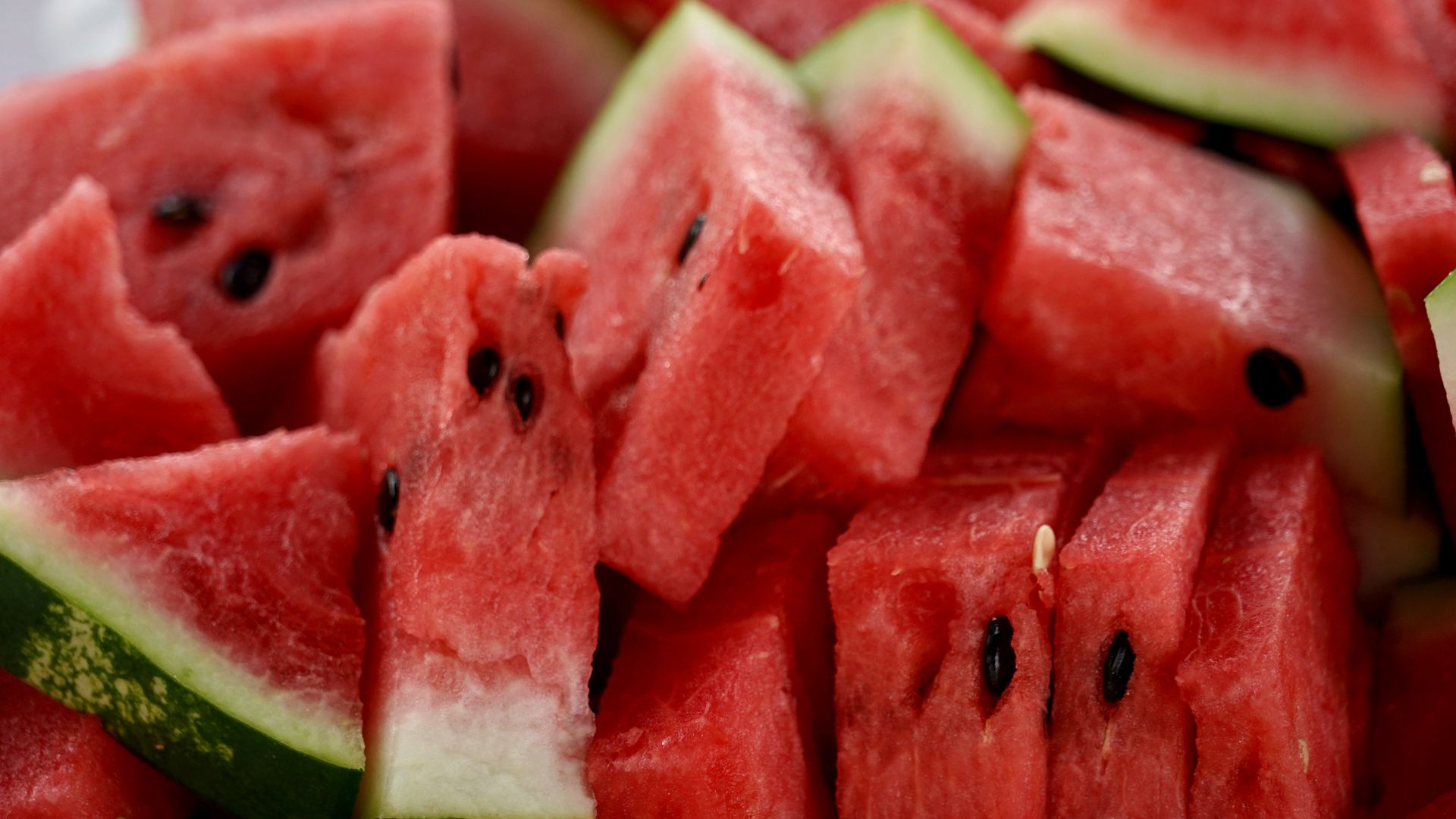
9. Watermelon
Being 92% water makes watermelon incredibly hydrating while reducing the swelling that plagues ankles and feet. Plus, vitamins A, C, and B6, along with potassium, combat those annoying leg cramps that hit randomly. And honestly, watermelon during a hot summer pregnancy feels like absolute heaven.
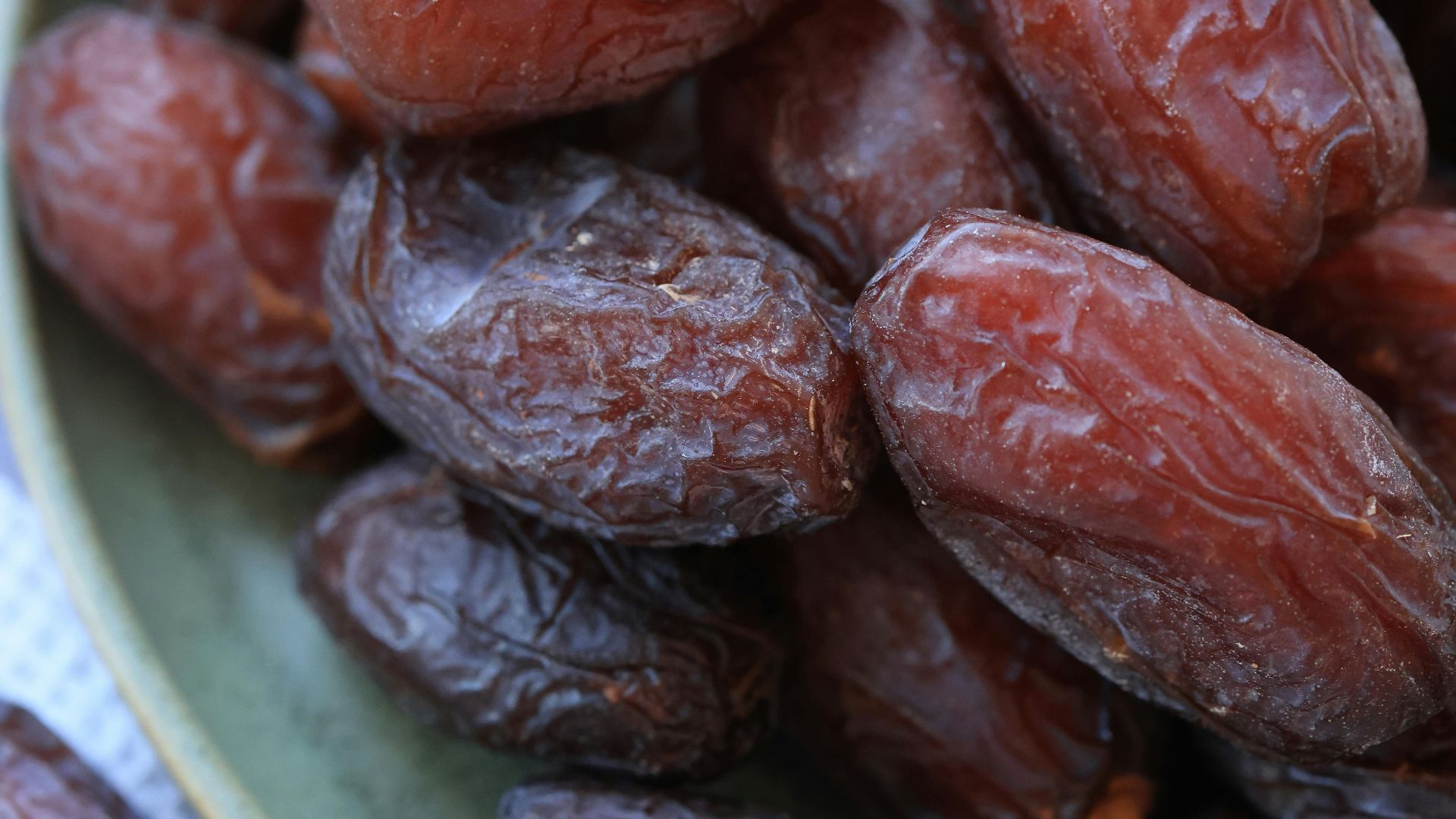
10. Dates
Natural sugars and iron provide quick energy when pregnancy fatigue hits you hard midday. The high fiber content prevents uncomfortable constipation that seems to affect everyone at some point. It might also help with natural labor, though definitely ask your doctor before trying this traditional approach.
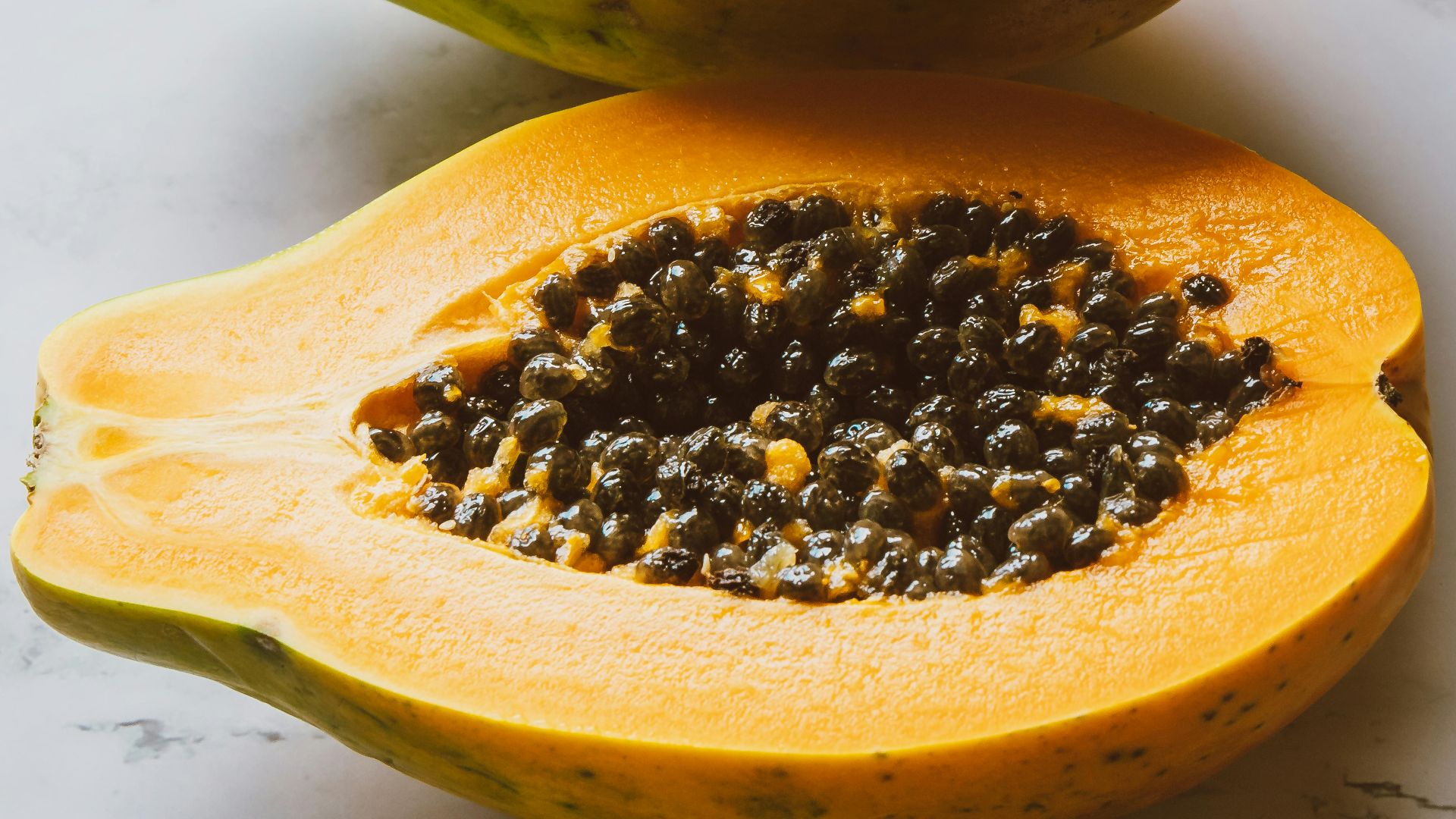
1. Papaya (Unripe/Semi-Ripe)
Unripe papaya contains latex and papain that can trigger uterine contractions and potentially cause miscarriage. Some Asian traditions actually used it historically as a folk remedy for inducing labor, which tells you exactly why pregnant women should avoid it.
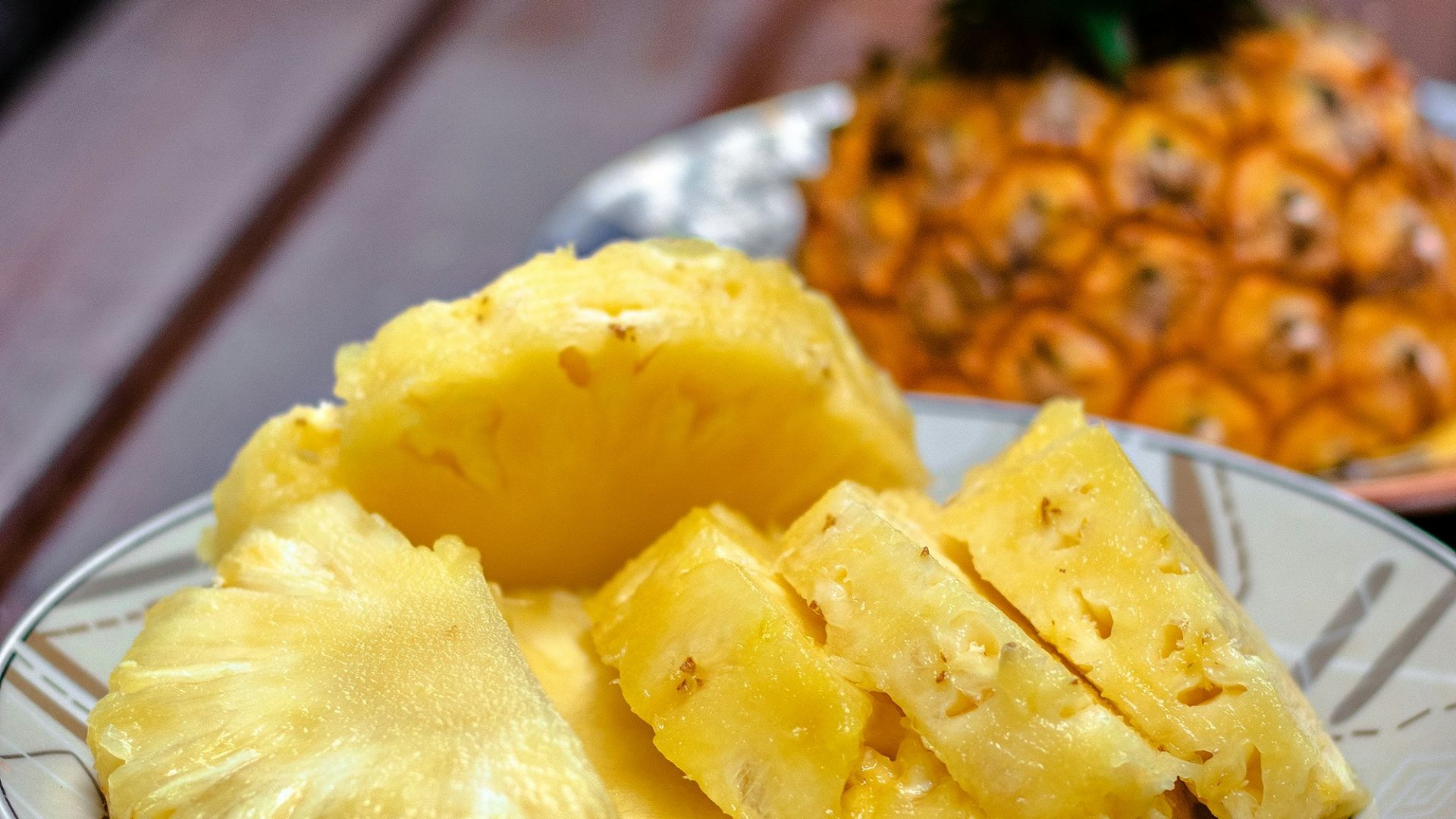
2. Pineapple (Excessive Amounts)
Bromelain enzyme can soften your cervix and induce contractions if you eat way more than normal serving sizes. Small amounts are generally safe, but excessive intake has been linked to early labor risks. Moreover, Bromelain breaks down proteins so aggressively that it tenderizes meat and makes your mouth tingle after too much pineapple.
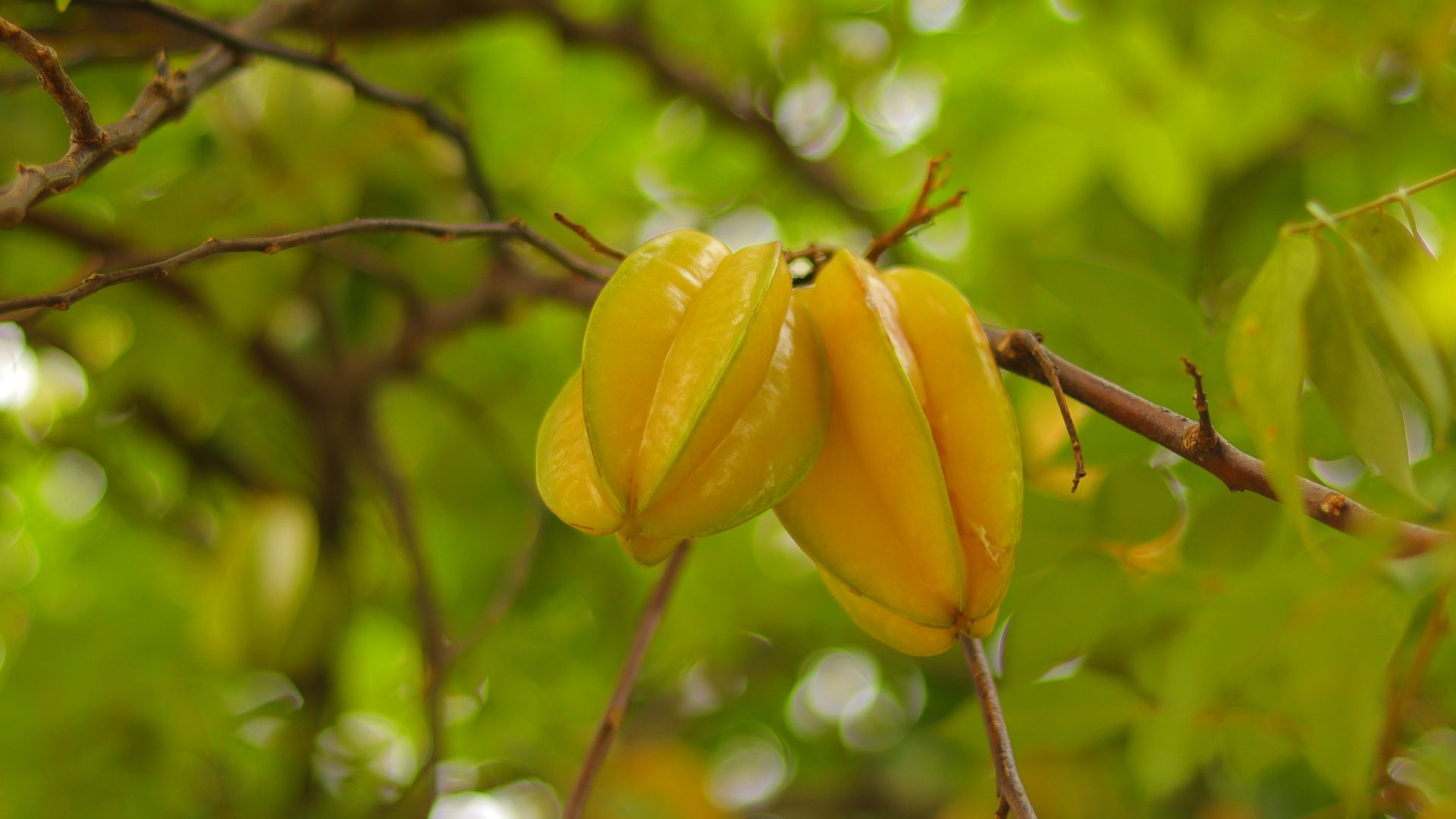
3. Starfruit/Carambola (Excessive Amounts)
Oxalic acid and neurotoxins accumulate in your system and cause kidney or neurological issues, especially if you already have kidney concerns. Eating too much can trigger scary symptoms like hiccups, vomiting, or confusion during pregnancy.
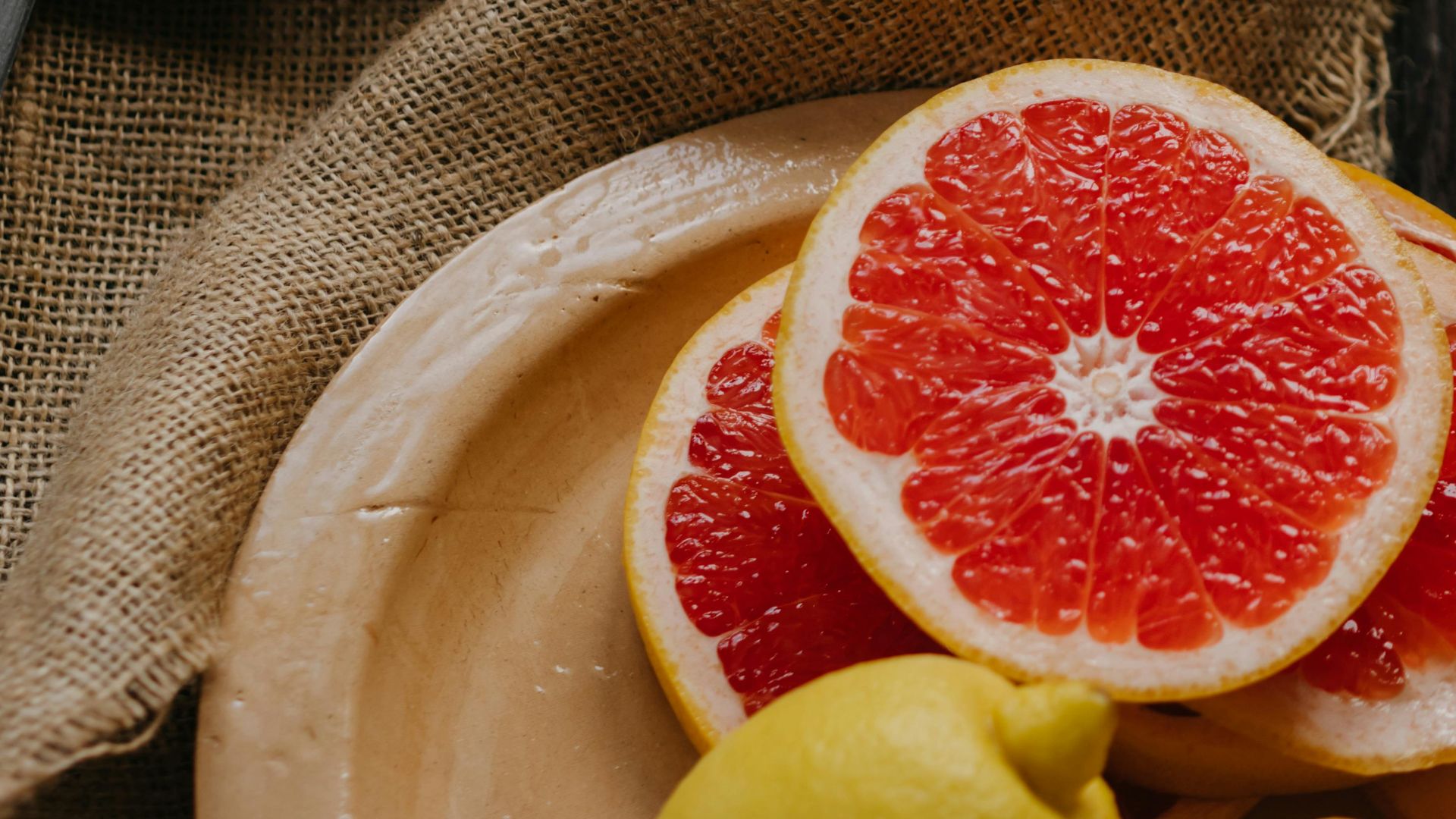
4. Grapefruit (Excessive Consumption)
Compounds in grapefruit can interfere with certain medications often prescribed during pregnancy and alter how they’re absorbed and processed in the body. Its acidity may also worsen heartburn, a common pregnancy symptom, making moderation important.
5. Tamarind (Excessive Consumption)
High acidity might suppress progesterone or cause digestive problems when you overeat this intensely tangy fruit. Blood sugar fluctuations and low blood pressure issues can further complicate pregnancy in ways you don't need.

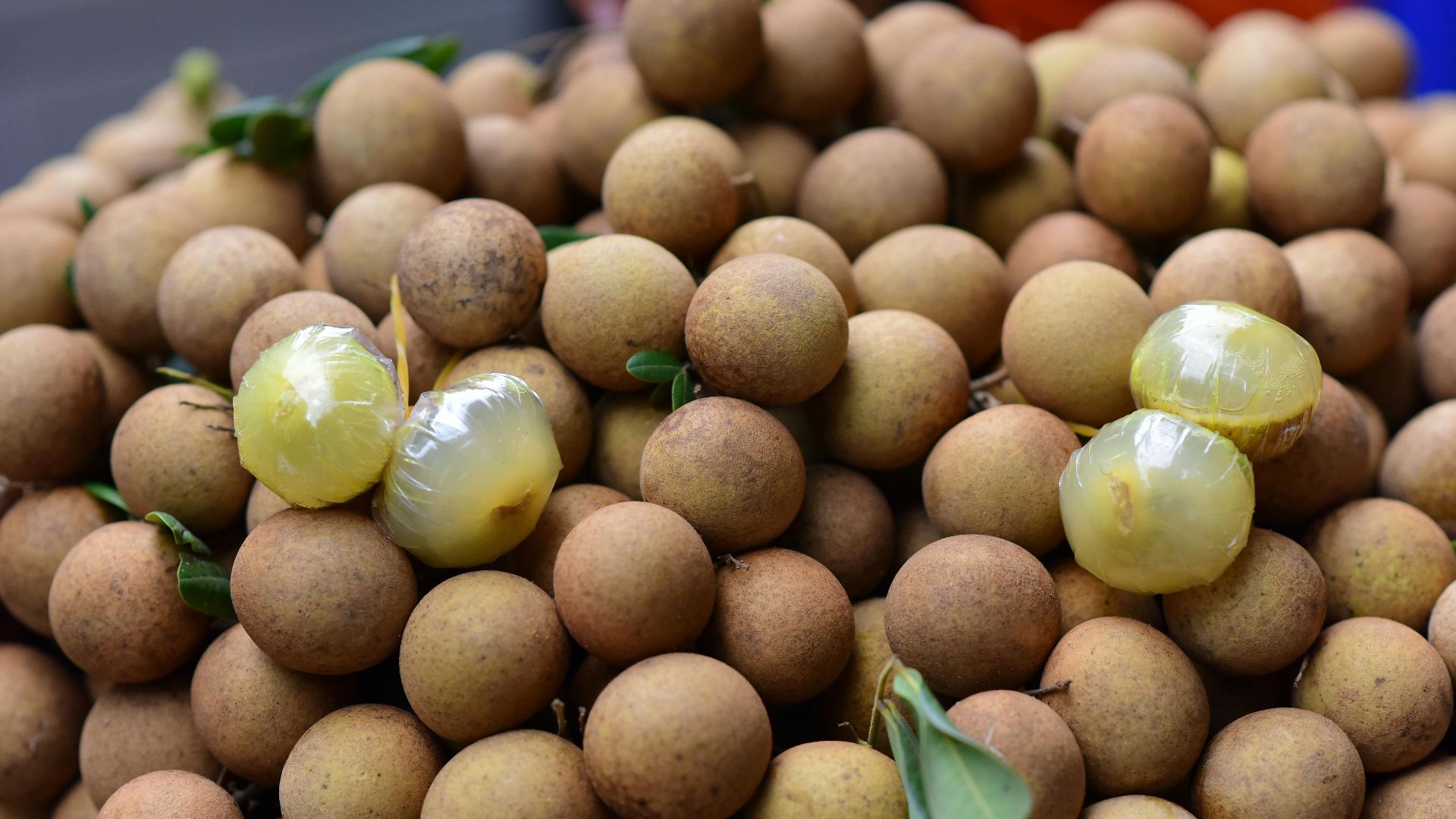
6. Longan
Traditional medicine considers longan a "heaty" fruit that worsens pregnancy symptoms like constipation and dry mouth. When eaten in excessive amounts, it can cause abdominal discomfort in sensitive individuals already dealing with pregnancy's digestive challenges.
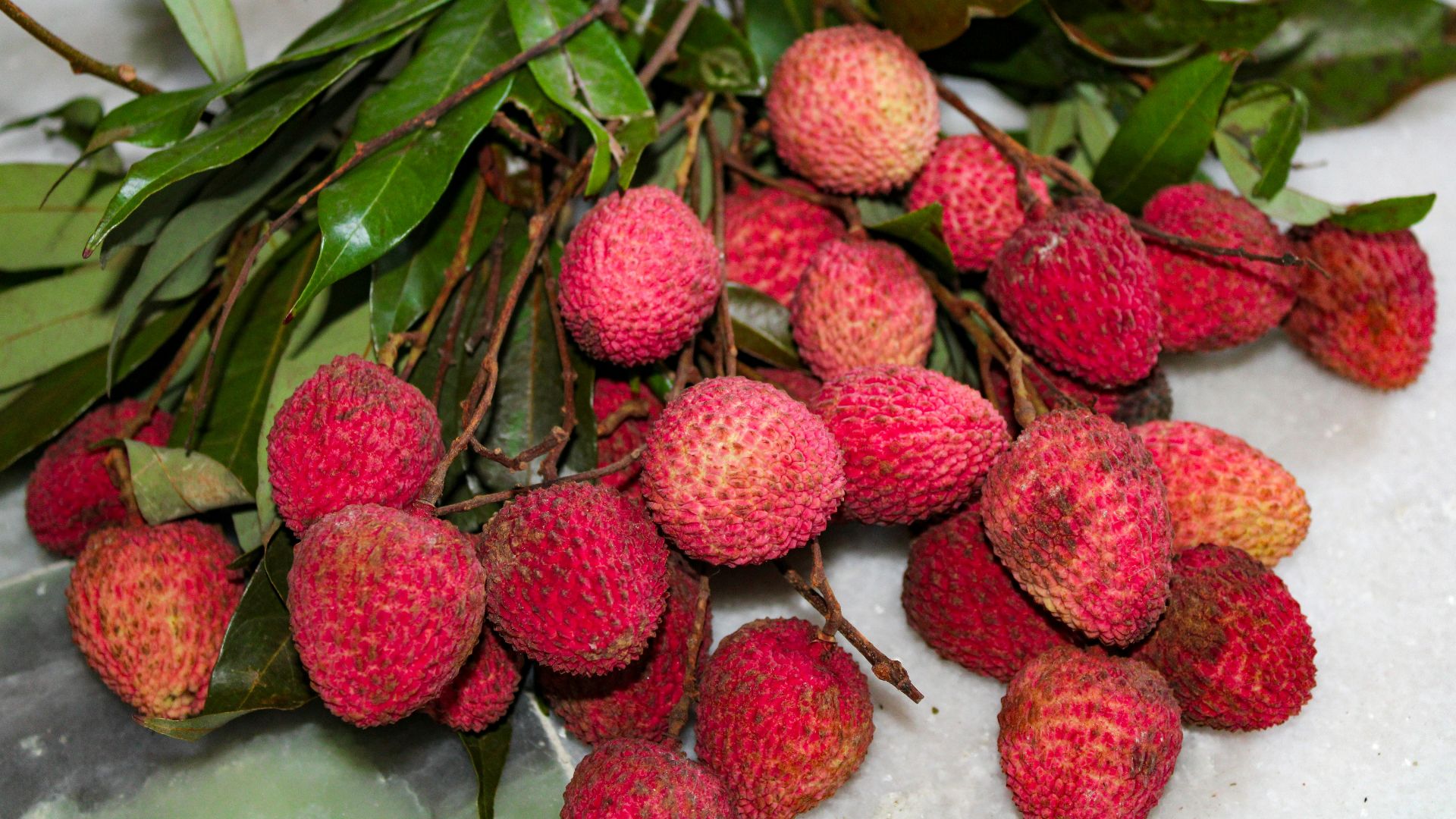
7. Lychee (Excessive Amounts)
A high glycemic index means rapid blood sugar spikes that increase the risk of gestational diabetes if you overindulge. It can also contribute to digestive issues or "heaty" effects and cause discomfort in traditional beliefs.
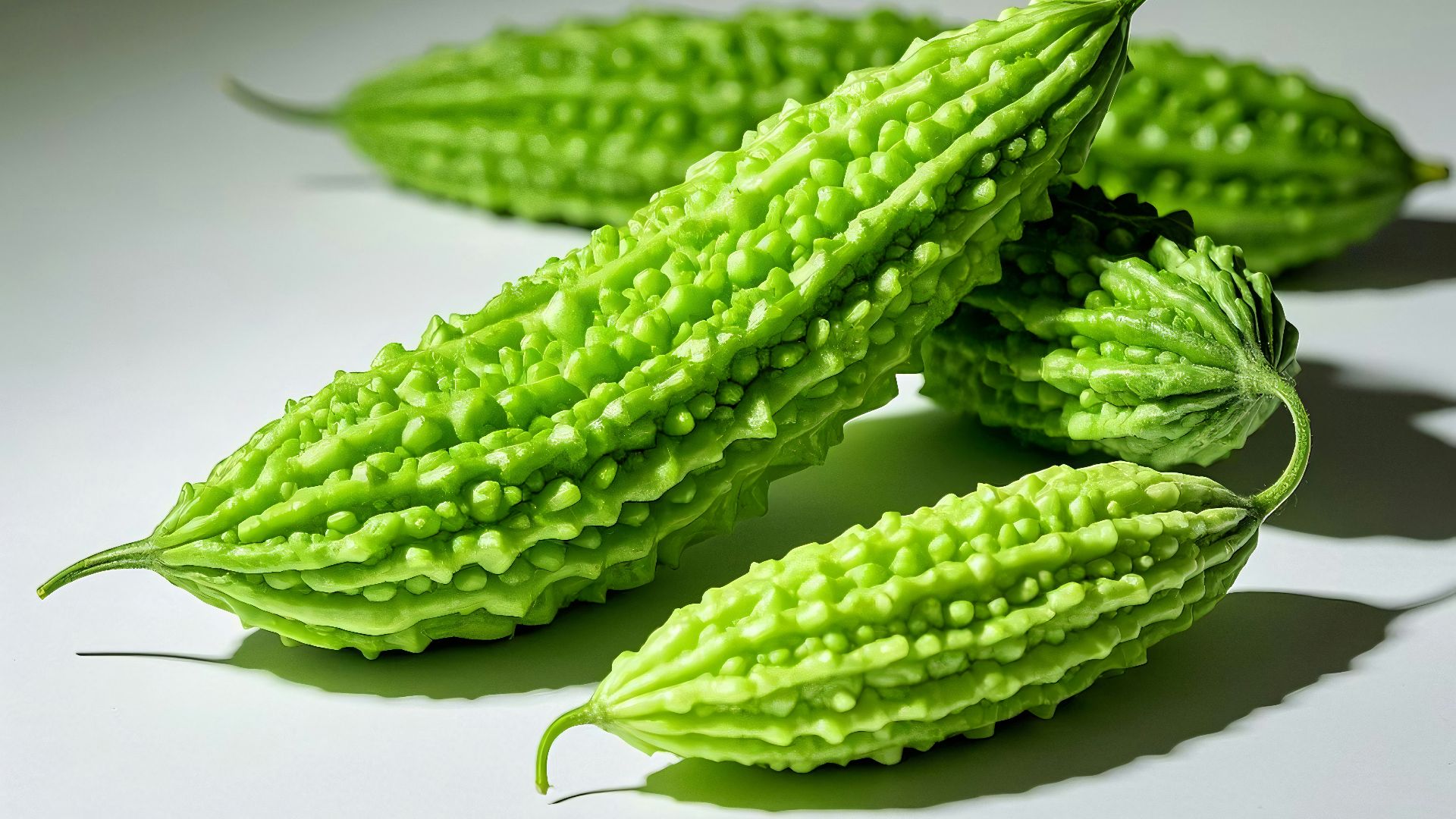
8. Bitter Melon Fruit
Blood sugar can drop dramatically and dangerously fast if you eat bitter melon fruit, risking hypoglycemia when pregnancy already messes with glucose regulation. Some cultures traditionally used it to induce contractions or as an abortifacient because of its strong uterine effects.
 Novariandy Chandra on Unsplash
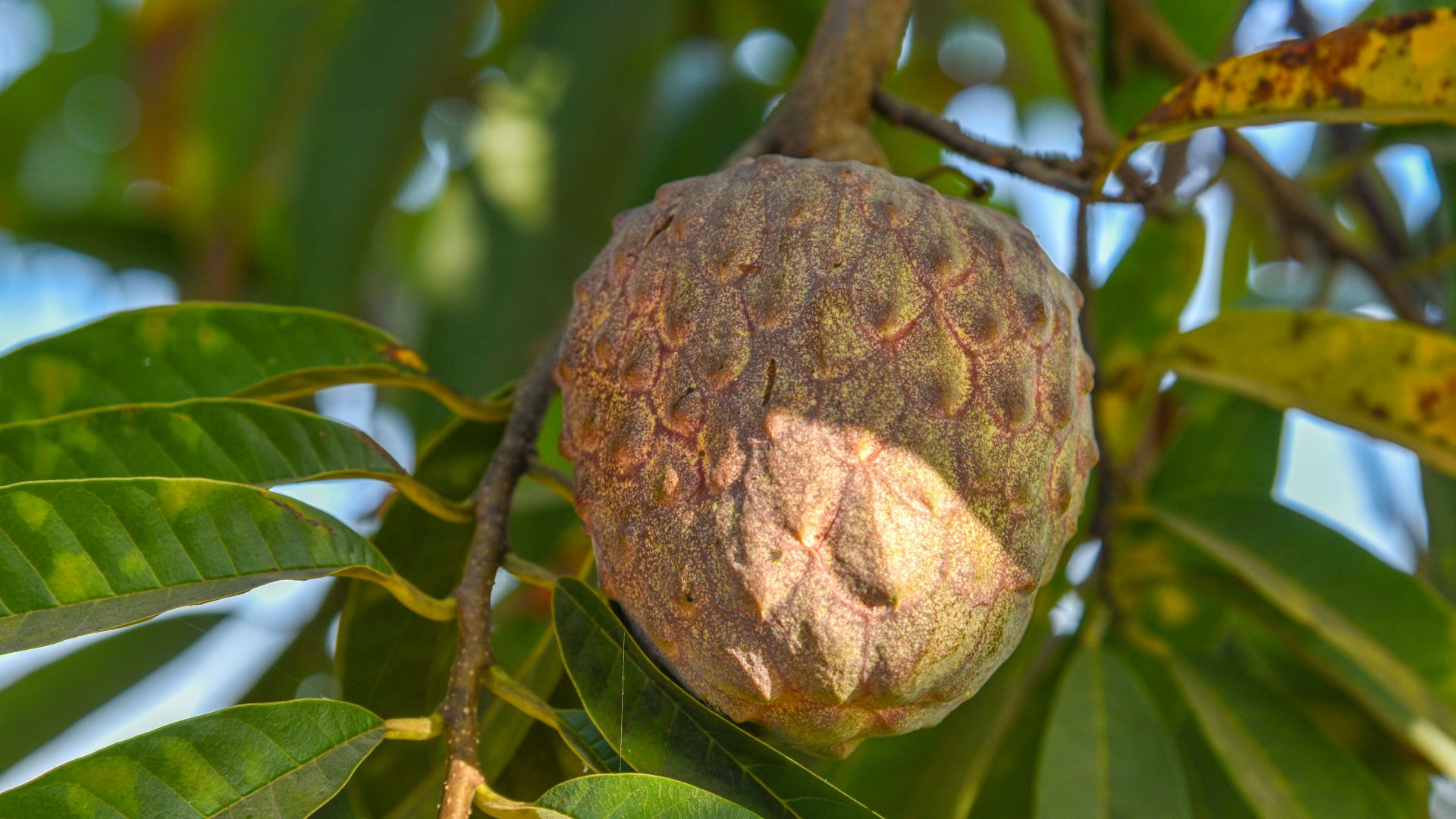
9. Custard Apple (Excessive Amounts)
The high sugar content leads to excessive weight gain and blood sugar complications when you exceed moderate portions. Overconsumption also reduces nutrient balance, since custard apples lack fiber density compared to other fruits.
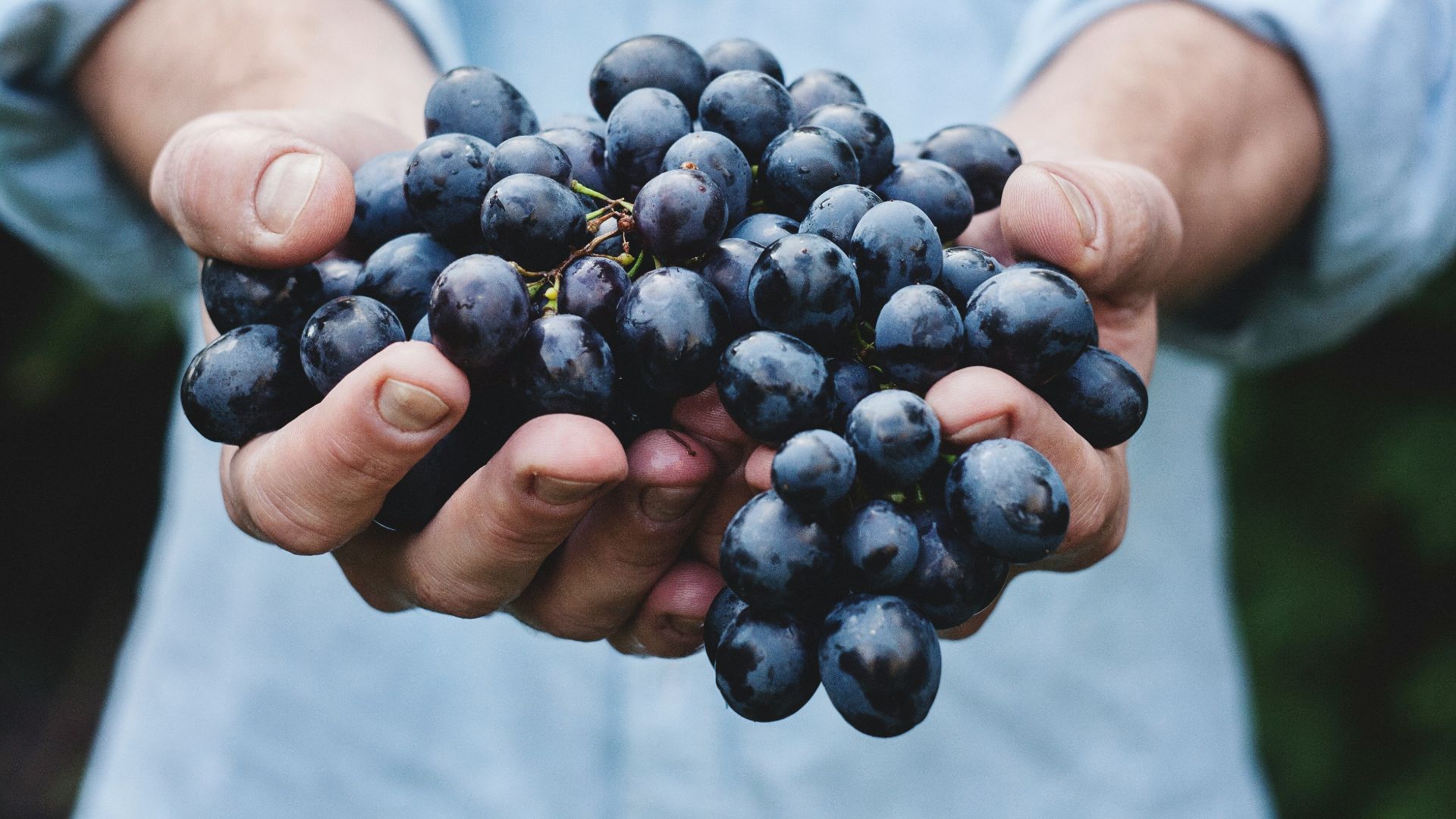
10. Grapes (Excessive Amounts)
Resveratrol in grapes, while healthy in moderation, can disrupt hormone balance and raise complications if consumed excessively during pregnancy. Their high sugar content may also worsen gestational diabetes risks. In late pregnancy, tannins and compounds in grape skins have been linked to digestive discomfort and potential uterine stimulation.
KEEP ON READING

Battle Of The Body: Foods That Fight Parasites

How To Turn Grocery Store Steak Into A Gourmet Meal