10 Signs You’re Not Drinking Enough Water & 10 Foods That Help Hydrate You
Hydration Isn’t Just About Chugging Water
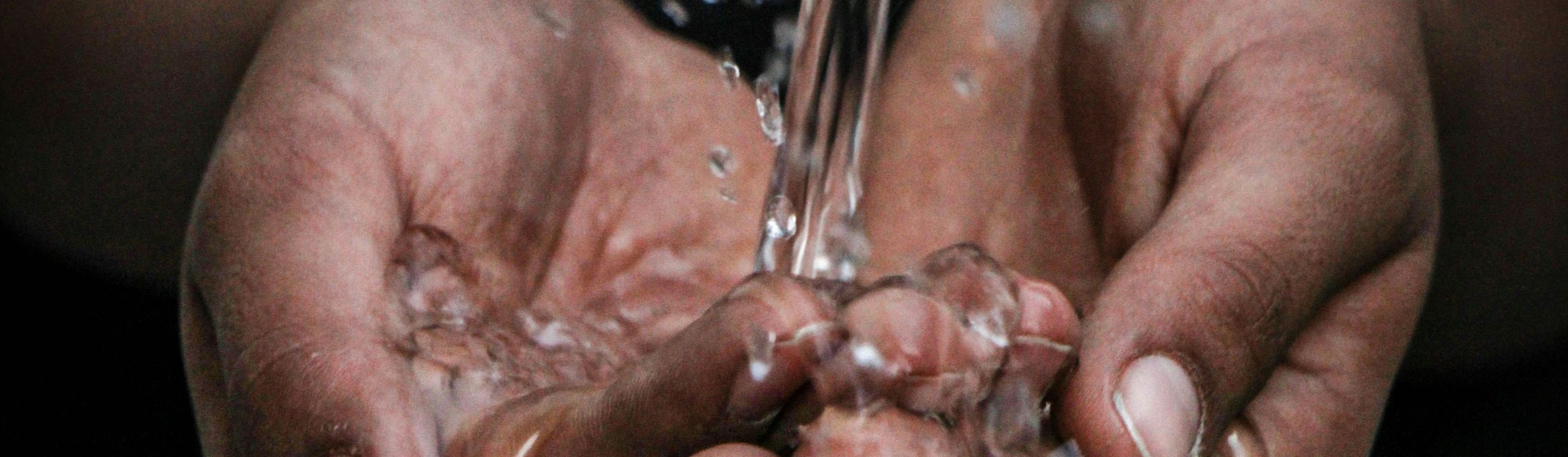
Water keeps your body running in ways you don’t always notice until you’re running low. It supports digestion, body temperature, circulation, joint comfort, energy, and even how clearly you think. Most of your fluid intake should still come from drinks, especially plain water, but water-rich foods, like celery, melons, and tomatoes, can help too. Here are 10 signs you're not drinking enough water and 10 hydrating foods that can help.

1. Your Urine Is Dark Yellow
One of the easiest hydration clues is the color of your urine. Pale yellow usually suggests you’re doing pretty well, while dark yellow or amber can mean your body is conserving water. Certain vitamins, medications, and foods can also change urine color, so don’t panic over one bathroom trip, but if it’s consistently dark, your water bottle deserves more attention.

2. You Feel Thirsty Often
Thirst is your body’s obvious way of asking for fluids, but many people ignore it until it gets annoying. If you’re constantly reaching for drinks or feeling dry-mouthed, you may already be behind. Hot weather, exercise, salty meals, and alcohol can all increase fluid needs.
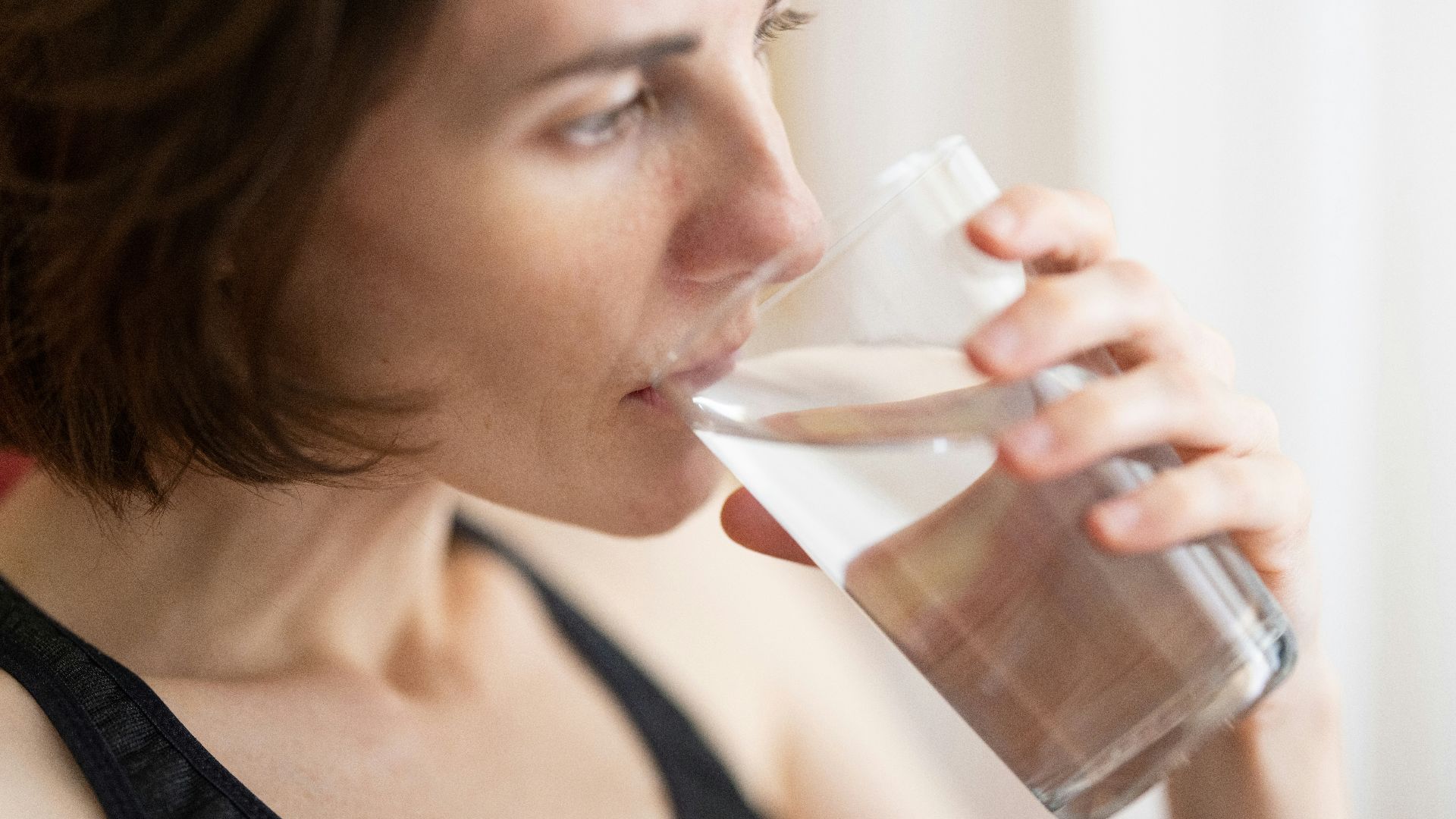
3. Your Mouth Feels Dry
A dry mouth can show up when you haven’t had enough fluids. You may notice sticky saliva, dry lips, or that unpleasant feeling where talking suddenly seems like extra work.
This can also happen from medications, mouth breathing, or certain health conditions, so context matters.

4. You’re Getting More Headaches
Dehydration can contribute to headaches, especially if you’ve also been sweating, drinking caffeine, or skipping meals. When fluid levels drop, your body may not feel as steady or comfortable as usual. A glass of water won’t fix every headache, but it’s a low-effort first step if you suspect dehydration.

5. You Feel Dizzy or Lightheaded
Feeling dizzy when you stand up or move around can be a warning sign that your body needs fluids. Dehydration can reduce blood volume, which may make you feel shaky, faint, or unsteady. Water and rest may help you feel more grounded.

6. You’re More Tired Than Usual
Low hydration can make ordinary tasks feel strangely difficult. You may feel sluggish, less focused, or ready for a nap even when you slept enough. Of course, tiredness can come from many things, including stress, poor sleep, illness, or low iron, but if you’ve barely touched water all day, hydration should be on the suspect list.

7. Your Skin Feels Dry
Skin dryness isn't always about hydration, since weather, skincare, age, and soap can all play a role. Still, not getting enough fluids can make your skin feel less comfortable and tighter. You may also notice chapped lips or a duller look when you’re running low.
8. You’re Constipated
Water helps keep digestion moving, so low fluid intake can make constipation more likely.
Fiber is important, too, but fiber works best when there’s enough fluid to help it do its job. If you’ve added more fiber but not more water, your digestive system may be quietly annoyed with your strategy.

9. You’re Urinating Less Often
If you’re going to the bathroom much less than usual, your body may be trying to conserve fluid. This can happen after sweating, being sick, drinking too little, or spending hours too busy to notice you haven’t had water. It’s especially worth paying attention to during hot weather or after exercise.

10. You’re Craving Salty Foods
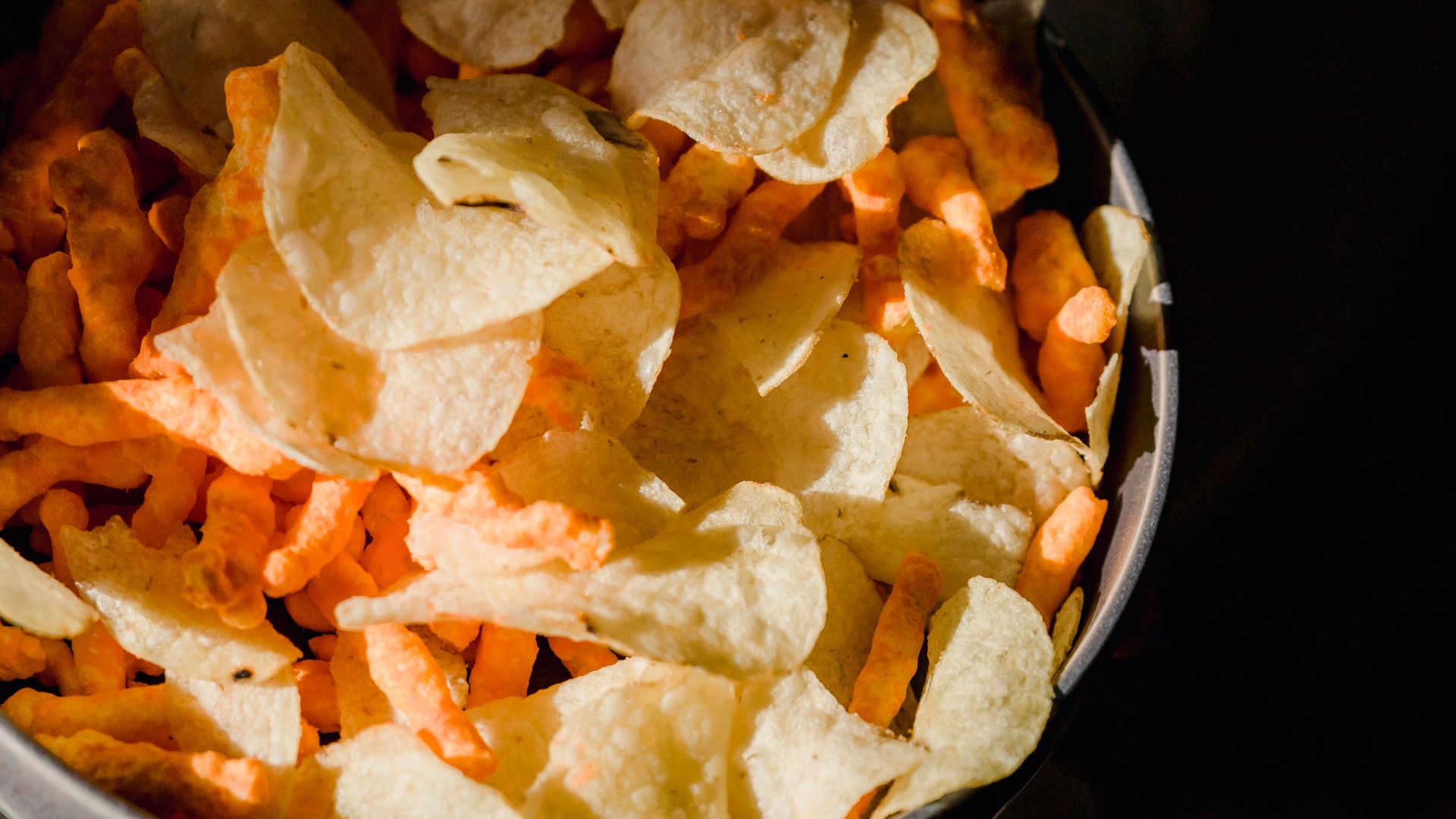
Craving salt doesn’t automatically mean dehydration, but it can show up when your body is trying to rebalance fluids and electrolytes. This may be more noticeable after sweating heavily or being out in the heat. If you’re reaching for chips while also feeling thirsty, tired, or headachy, it may be time for water first.
Now that we've gone over some of the signs that you're dehydrated, let's talk about the water-rich foods that can help.
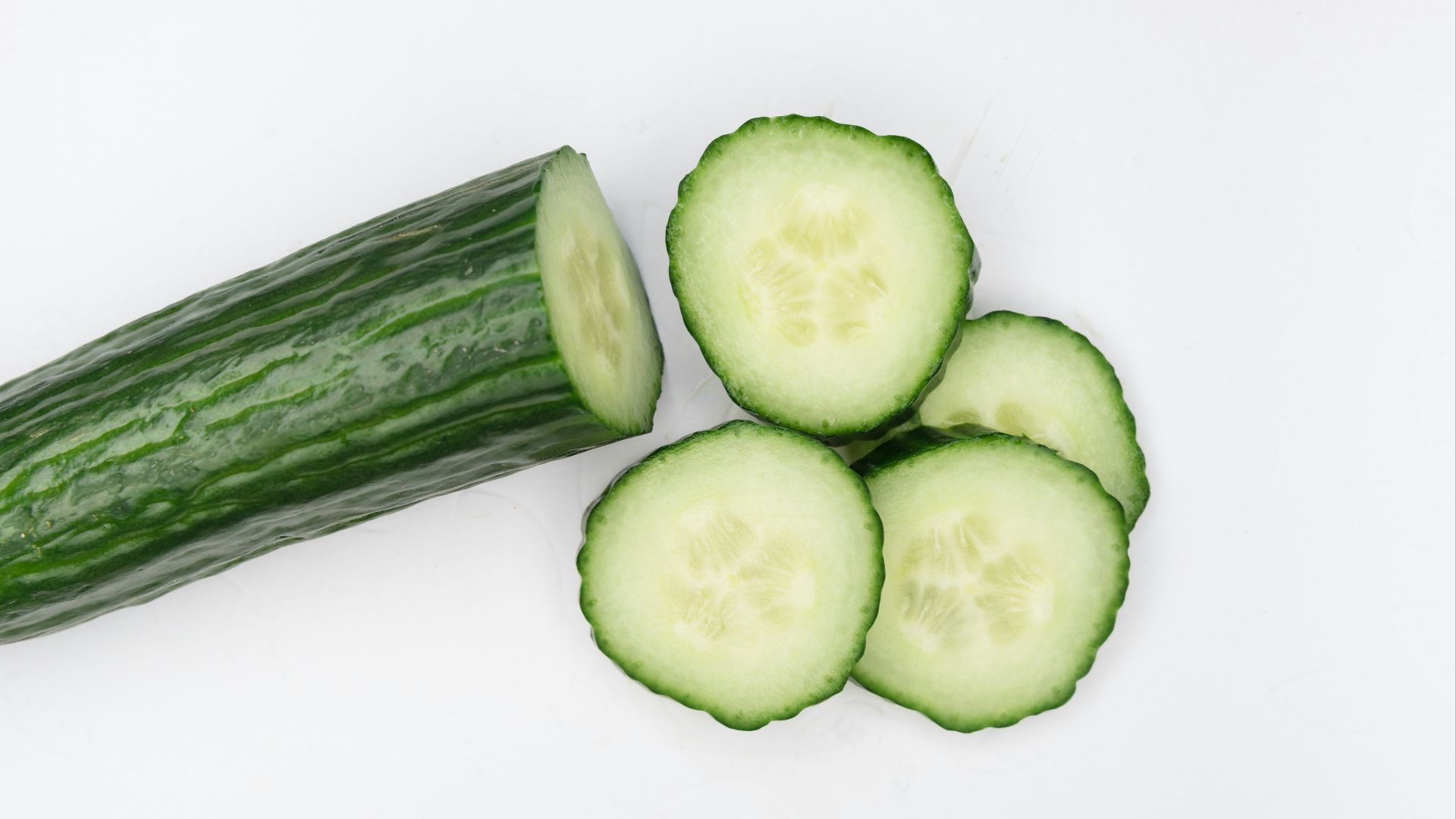
1. Cucumber
Cucumber is one of the most water-rich foods you can eat, which makes it a crisp little hydration helper. It works in salads, sandwiches, wraps, or sliced with a dip when you want something refreshing.
Because it’s mild, it also pairs easily with stronger flavors like lemon, herbs, yogurt, or vinegar.
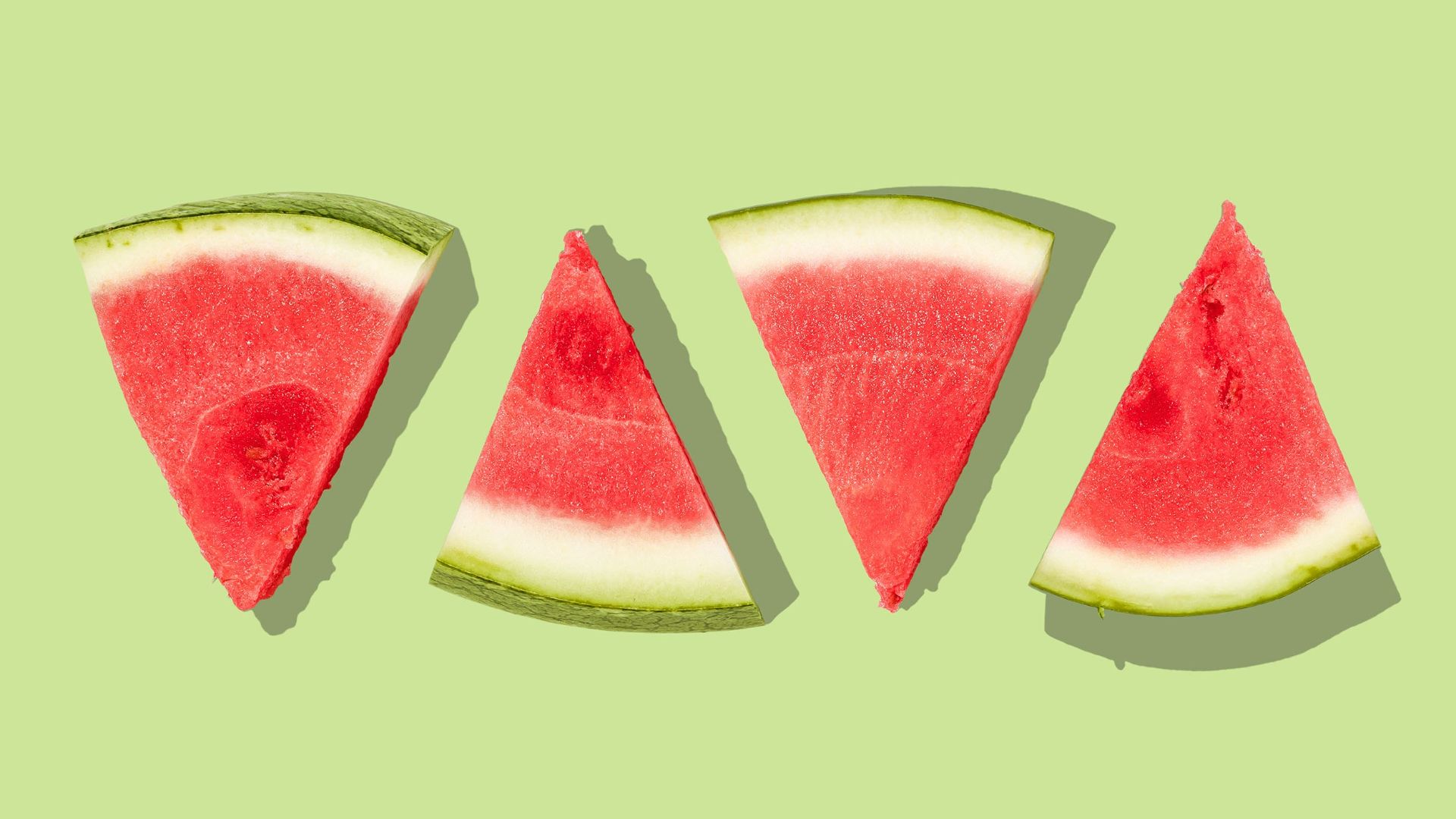
2. Watermelon
Watermelon has hydration right in the name, and for once, the name isn't overselling itself. It’s juicy, sweet, and easy to eat when hot weather makes heavier foods sound exhausting. It also brings some vitamins and natural carbohydrates along with its fluid content.
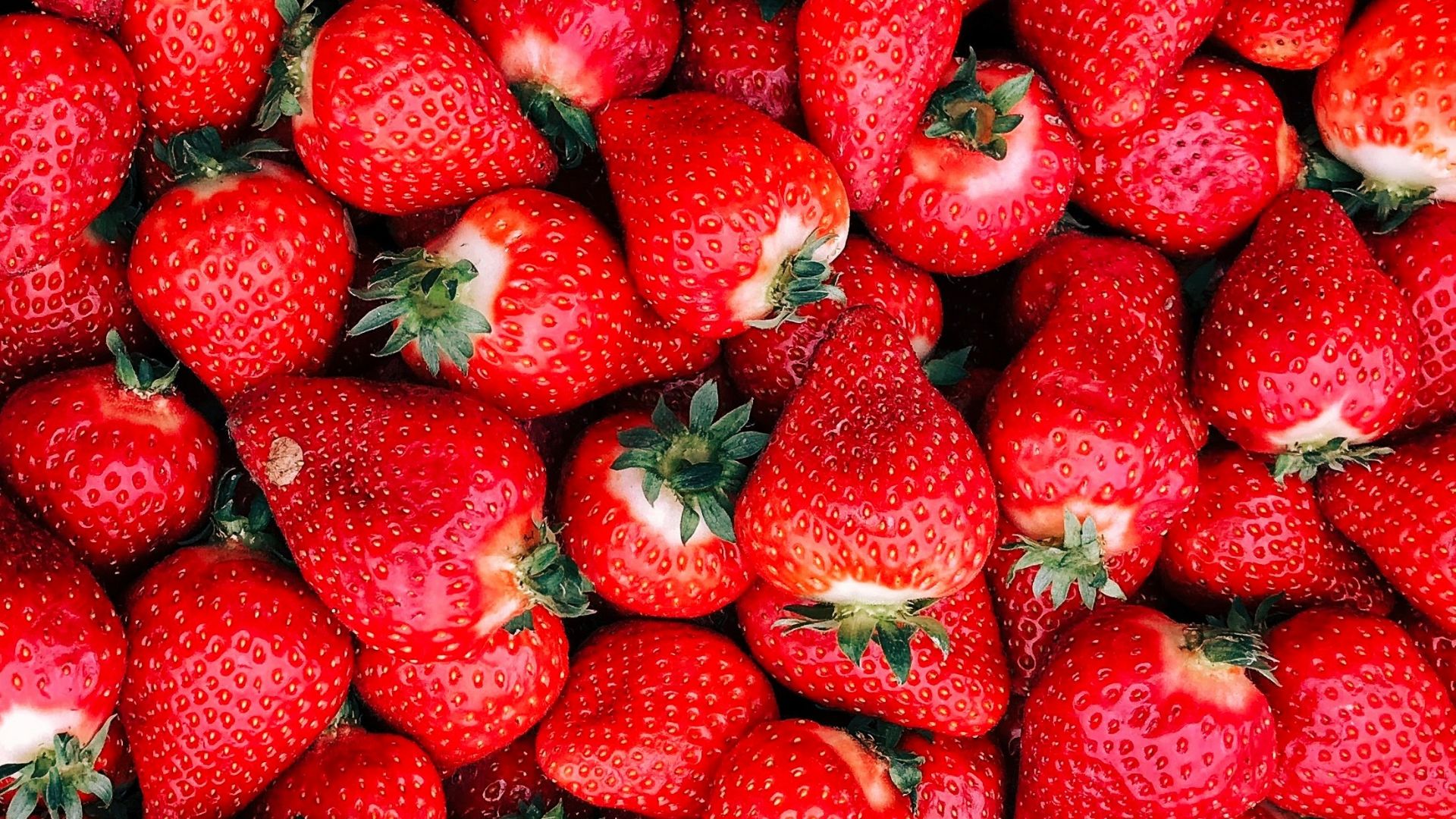
3. Strawberries
Strawberries are sweet, bright, and full of water, making them an easy hydrating snack. They’re also simple to add to yogurt, oatmeal, salads, smoothies, or just eat straight from the container. Their natural sweetness can satisfy a craving without needing something heavy.
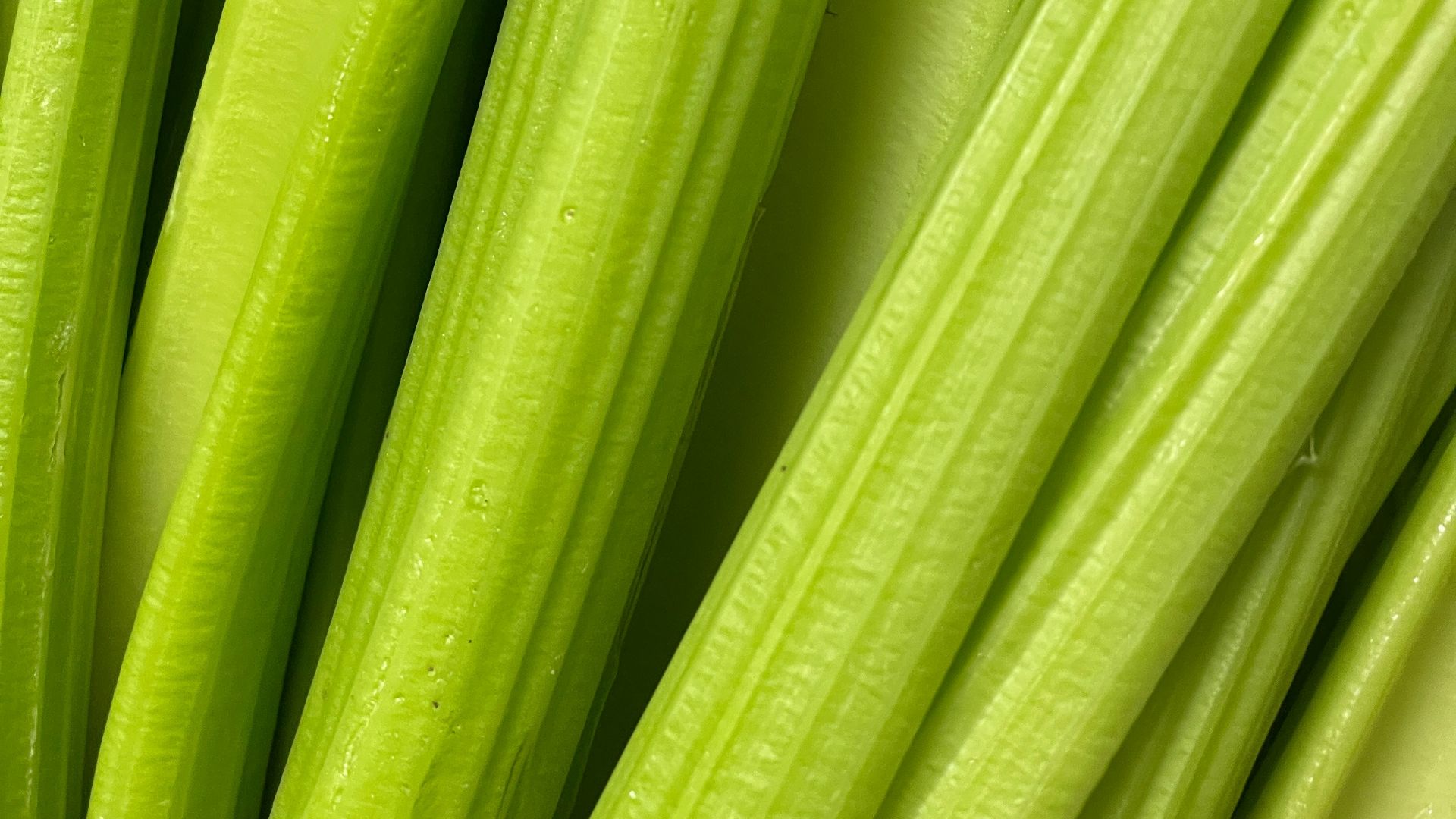
4. Celery
Celery is famously watery, crunchy, and slightly more interesting when paired with something tasty. It works with hummus, peanut butter, tuna salad, cottage cheese, or chopped into soups and salads. The crunch gives it snack value, while the water content gives it hydration value.
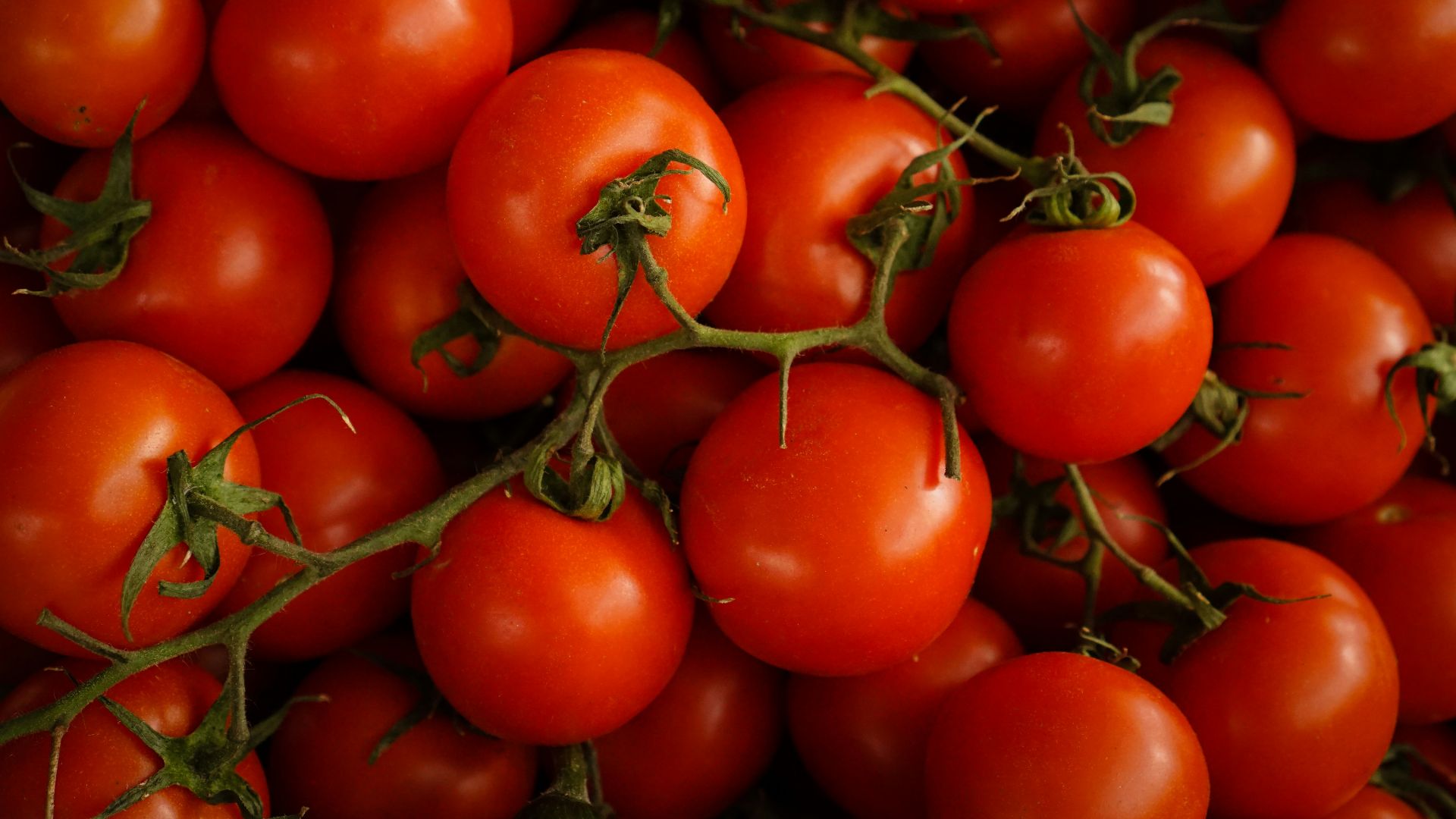
5. Tomatoes
Tomatoes are juicy enough to support hydration while also adding flavor to everyday meals. You can use them in salads, sandwiches, salsa, soups, pasta dishes, or simply with a little salt and pepper. They’re especially useful because they make food feel fresher without much effort.
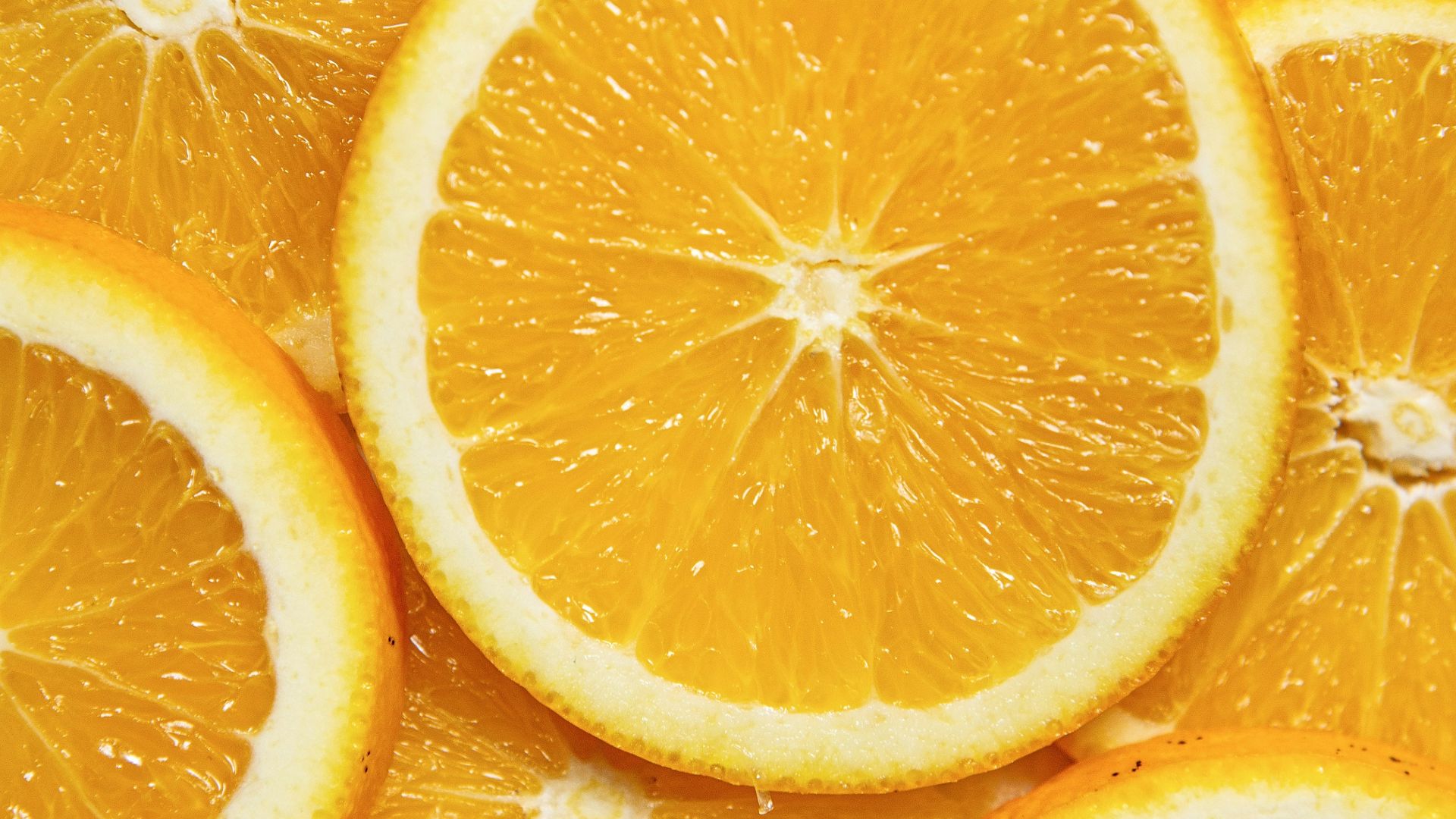
6. Oranges
Oranges bring fluid, natural sweetness, and vitamin C in one easy package.
They’re also portable and come in their own natural wrapping. The juicy segments make them feel refreshing, especially after a salty meal or a long walk.
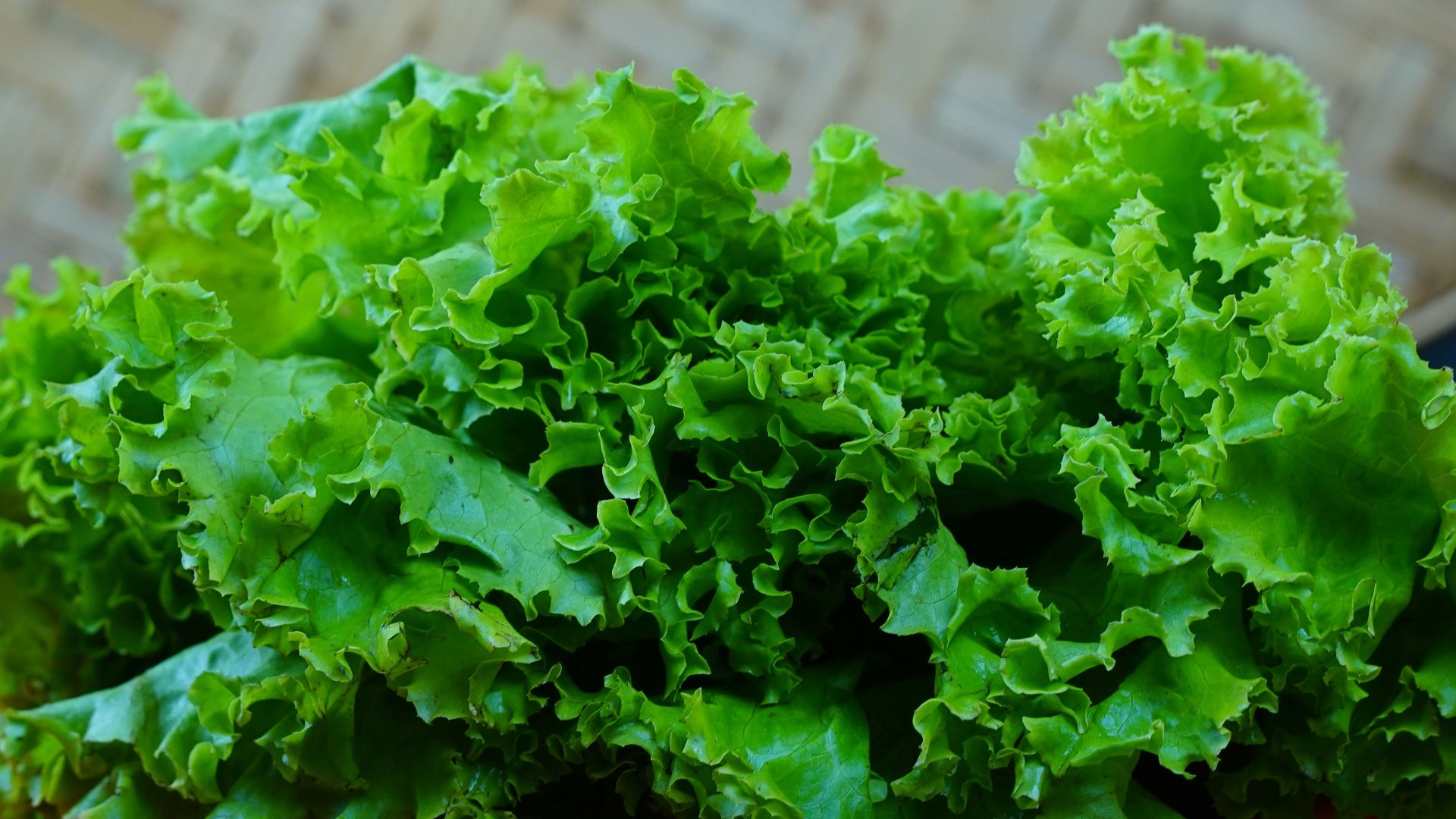
7. Lettuce
Lettuce may not be the most exciting food in the kitchen, but it has plenty of water to offer. Crisp varieties like iceberg and romaine can add volume, crunch, and freshness to meals. Use lettuce in salads, wraps, tacos, sandwiches, or burger bowls when you want something lighter.
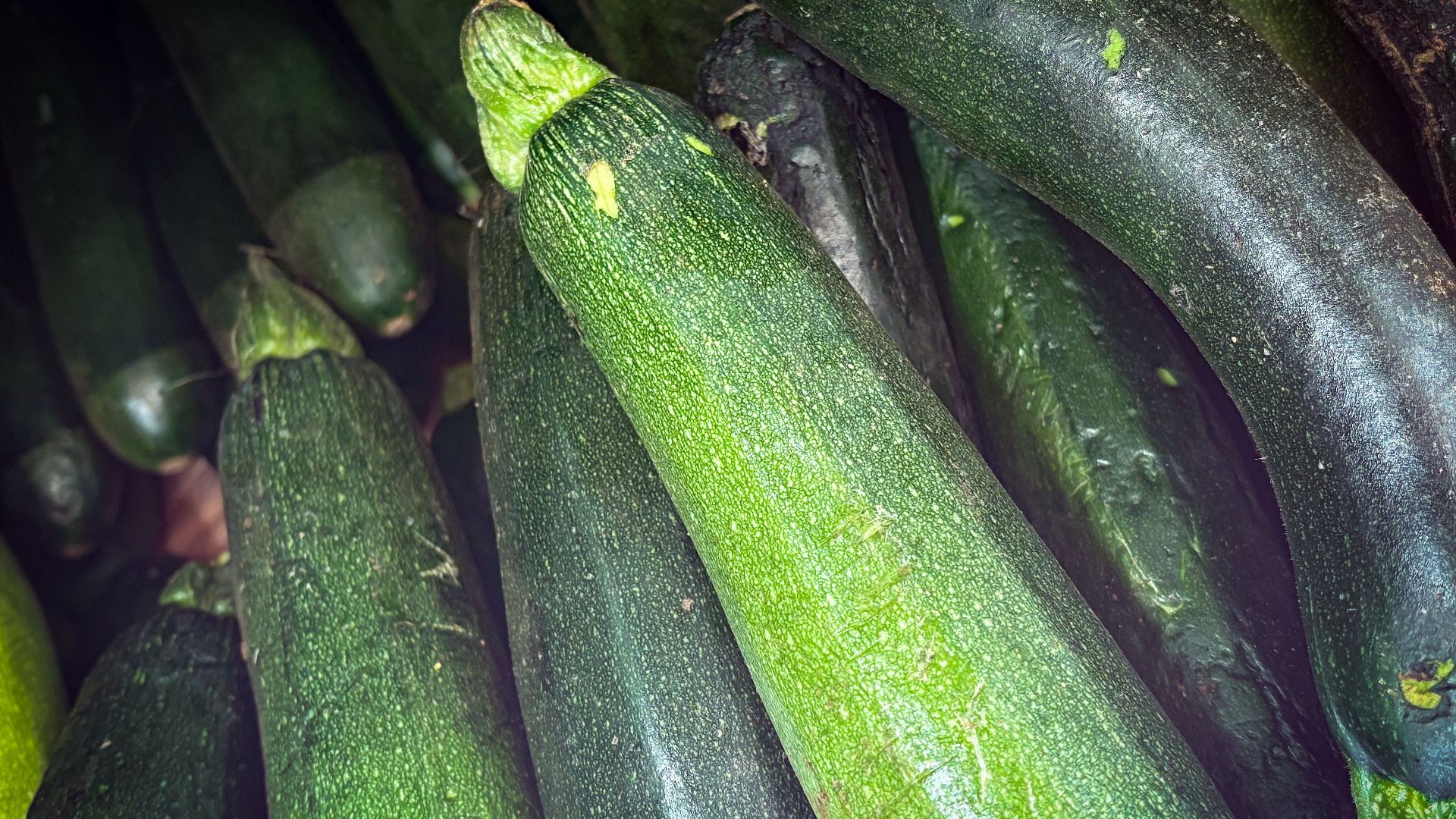
8. Zucchini
Zucchini has a high water content and a mild flavor that makes it easy to slip into meals. It can be grilled, sautéed, roasted, spiralized, or added to soups and egg dishes. Because it absorbs flavors well, it doesn’t demand much attention while still helping meals feel fresh.
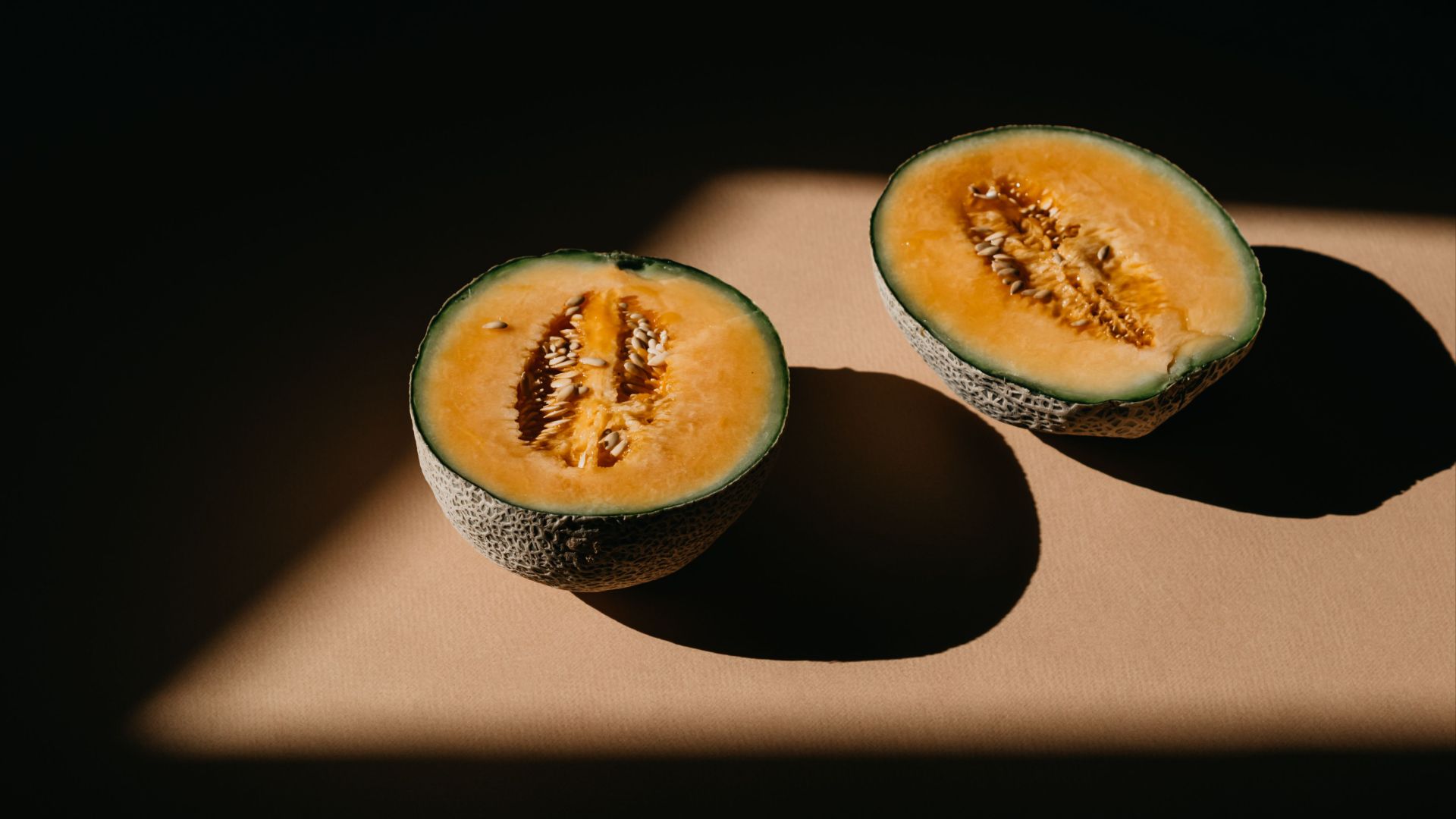
9. Cantaloupe
Cantaloupe is another juicy fruit that can help support hydration, especially when served chilled. It’s sweet without feeling too heavy, and it works well at breakfast, in fruit salads, or alongside cottage cheese. The soft texture also makes it easy to eat for people who prefer gentler foods.
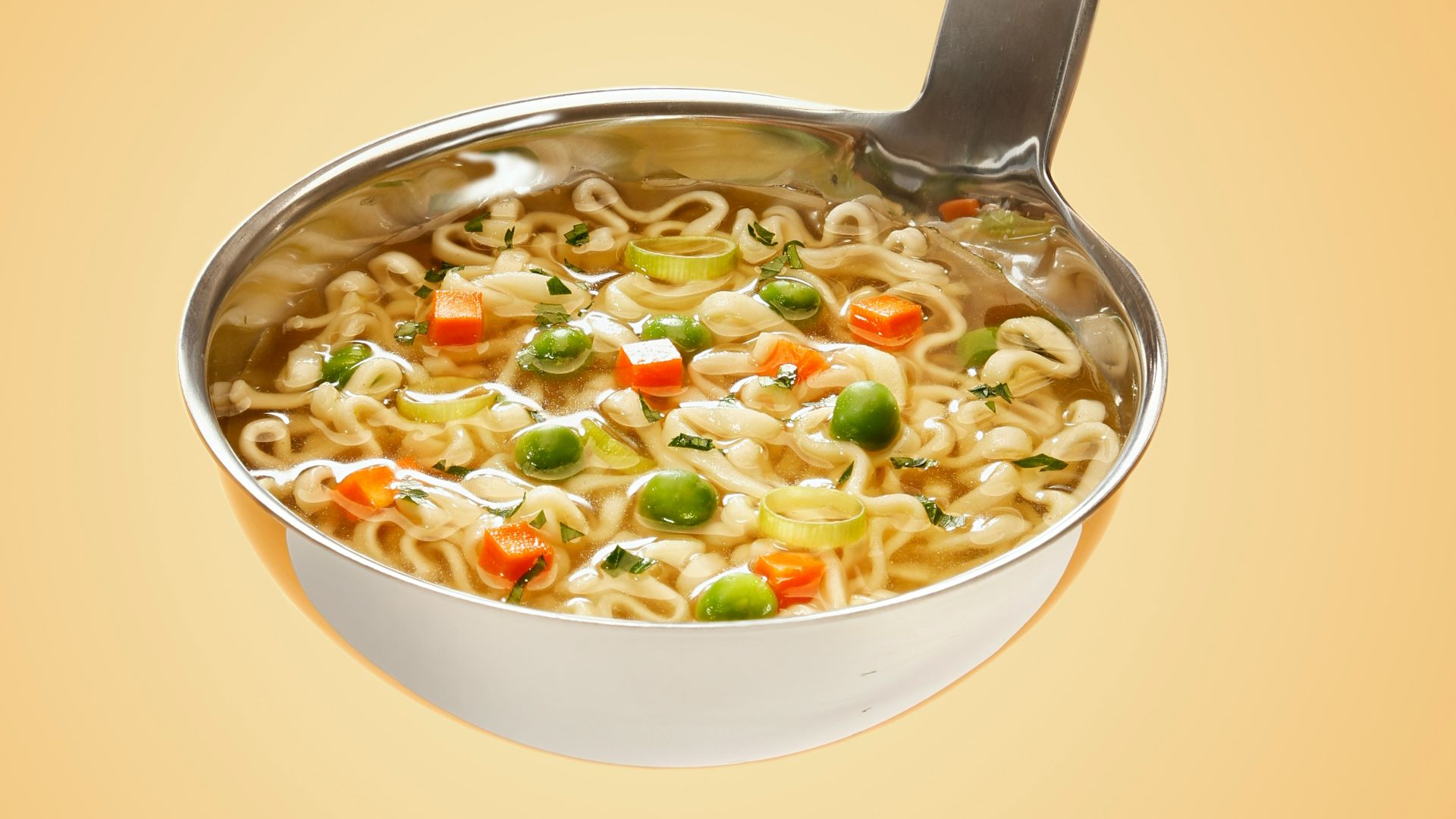
10. Broth-Based Soups
Broth-based soups can be surprisingly helpful for hydration because they combine fluid with sodium and other nutrients. Chicken noodle, vegetable soup, miso soup, and light lentil soups can all be comforting ways to get more liquid.
They’re especially useful when cold water doesn’t sound appealing, such as on chilly days or when you’re feeling run-down.
KEEP ON READING

The 5 Most Consumed Foods in the Entire World