Why “Healthy” Can Still Stall Progress
We all know by now that weight loss usually comes down to maintaining a calorie deficit over time. Sadly, some foods make that harder simply because they’re easy to overeat or they don’t actually keep you full for long. A lot of the usual suspects are marketed as “clean,” “natural,” or “better for you,” but those words do not guarantee a calorie-friendly portion. Here are just a few foods to keep an eye on during your health journey.
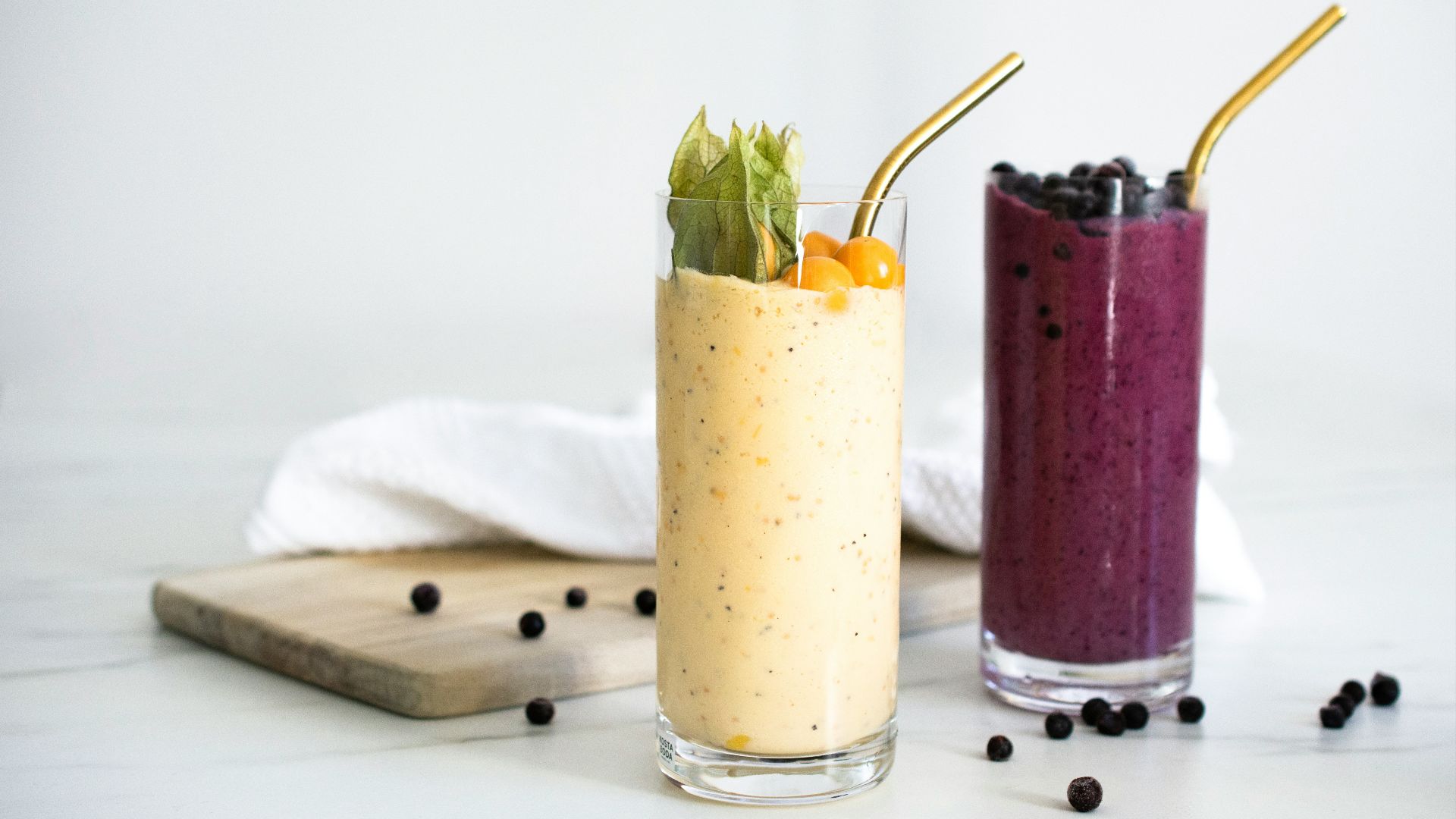
1. Smoothies
Store-bought smoothies can pack several servings of fruit plus juice, sweetened yogurt, or nut butter into one glass, and it goes down fast. You may end up consuming more calories than you’d eat if the same ingredients were on a plate. If you love smoothies, keeping them protein-forward and using whole fruit instead of juice usually makes them more filling.
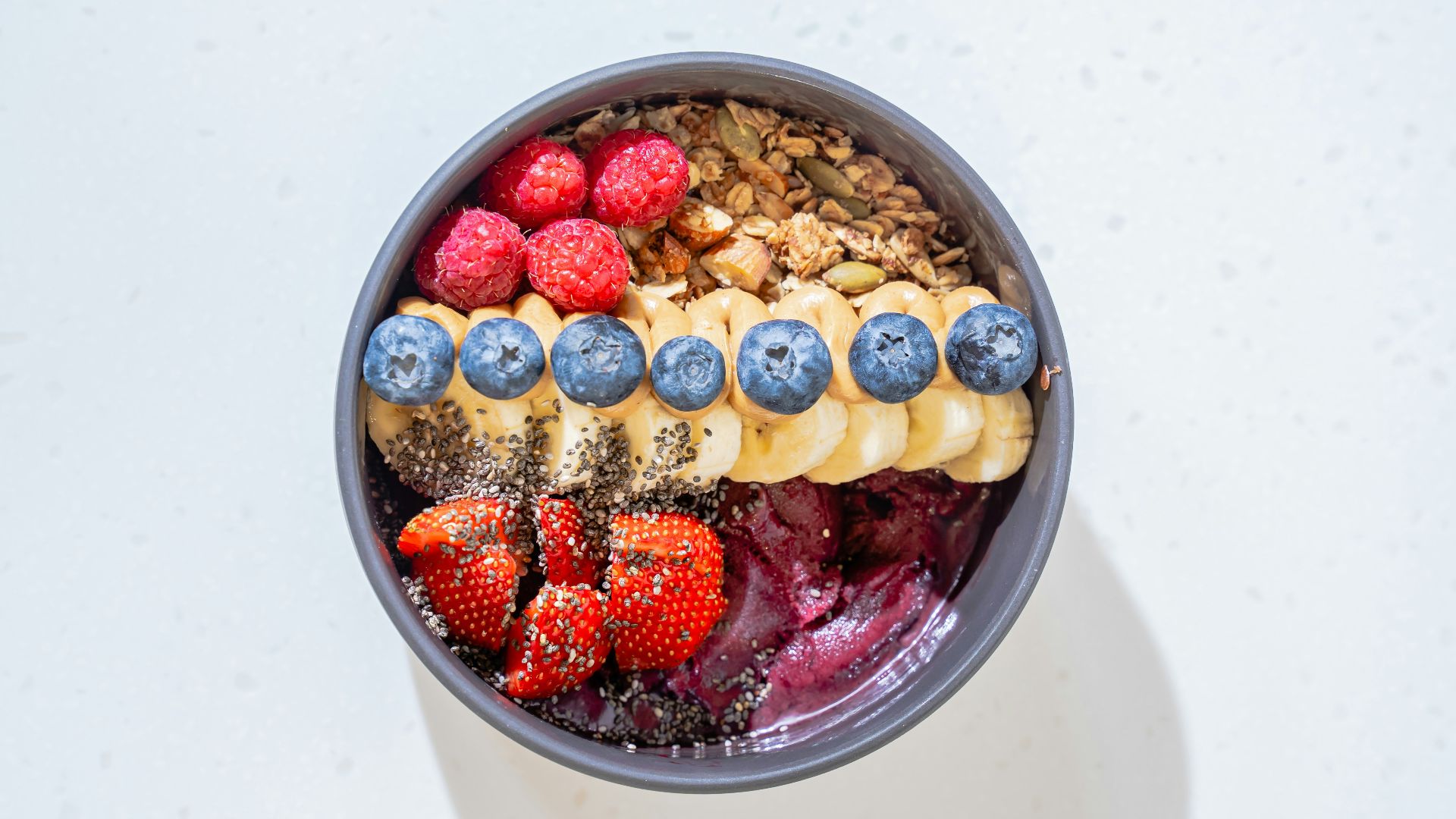
2. Acai Bowls
Acai bowls often start with fruit, but they can quickly become high-calorie once granola, honey, nut butter, and extra toppings pile on. The portion can be large, while protein is sometimes low, which can leave you hungry again sooner than expected.
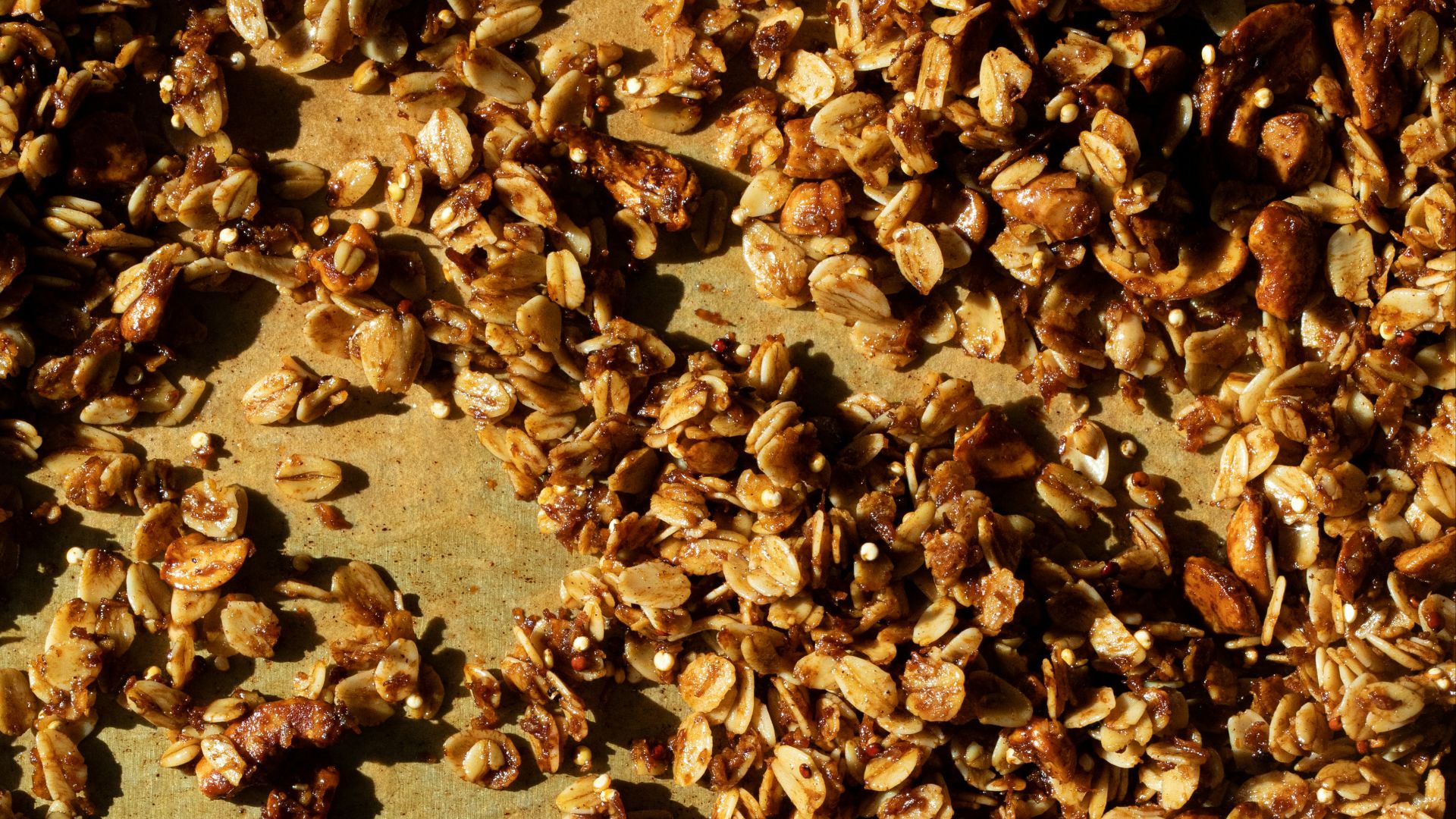
3. Granola
Granola is calorie-dense because it typically includes oats plus added oils and sweeteners. The serving size is often smaller than people think, so the “healthy breakfast” can quietly double in calories. If you enjoy it, measure once or use it as a topping instead of the base.
4. Trail Mix
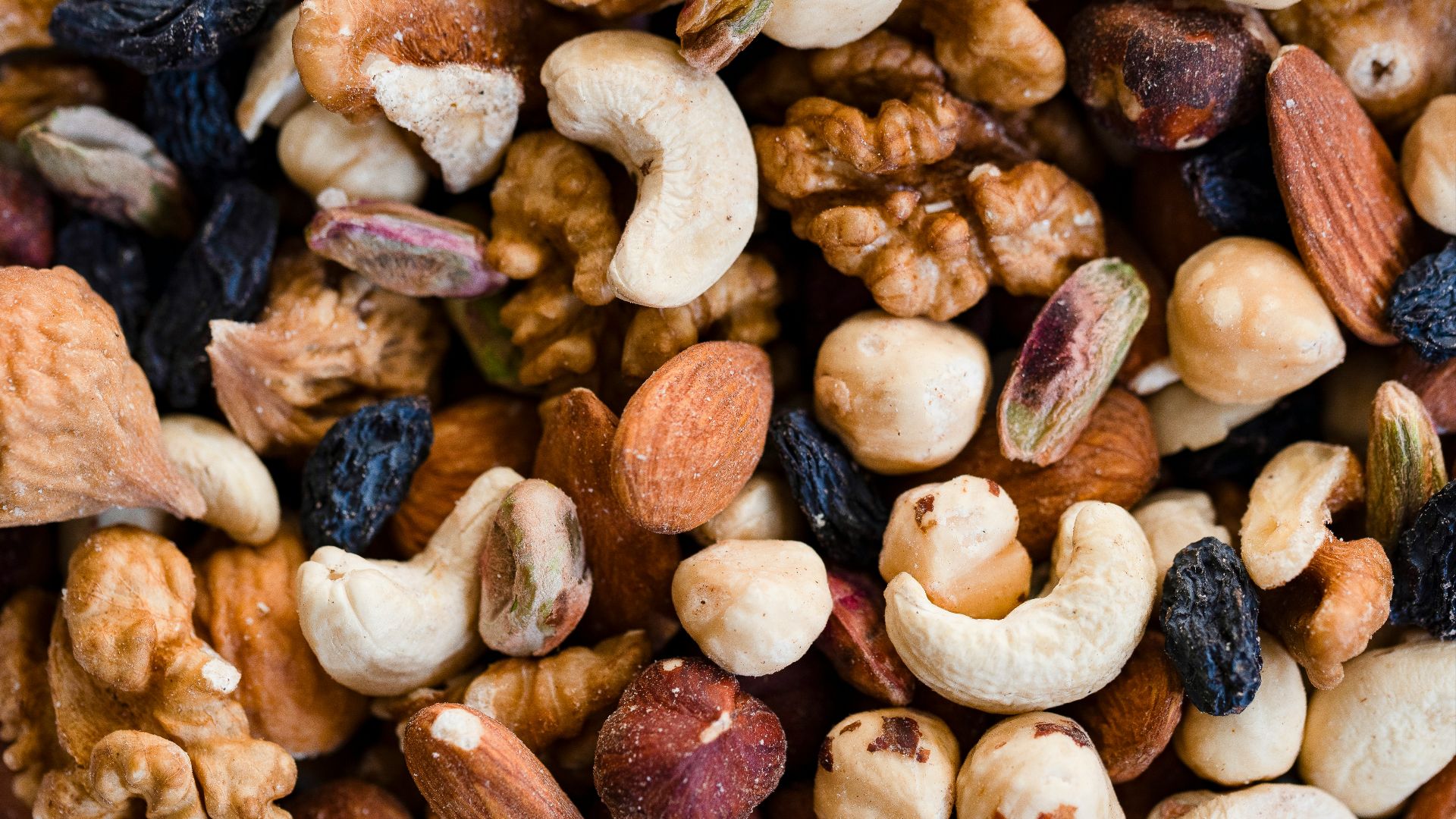
Trail mix combines nuts, dried fruit, and sometimes chocolate, which means it is compact and easy to overeat. It is convenient, but convenience does not automatically support a calorie deficit. Pre-portioning it into small containers can keep it from turning into a mindless refill situation.
5. Dried Fruit
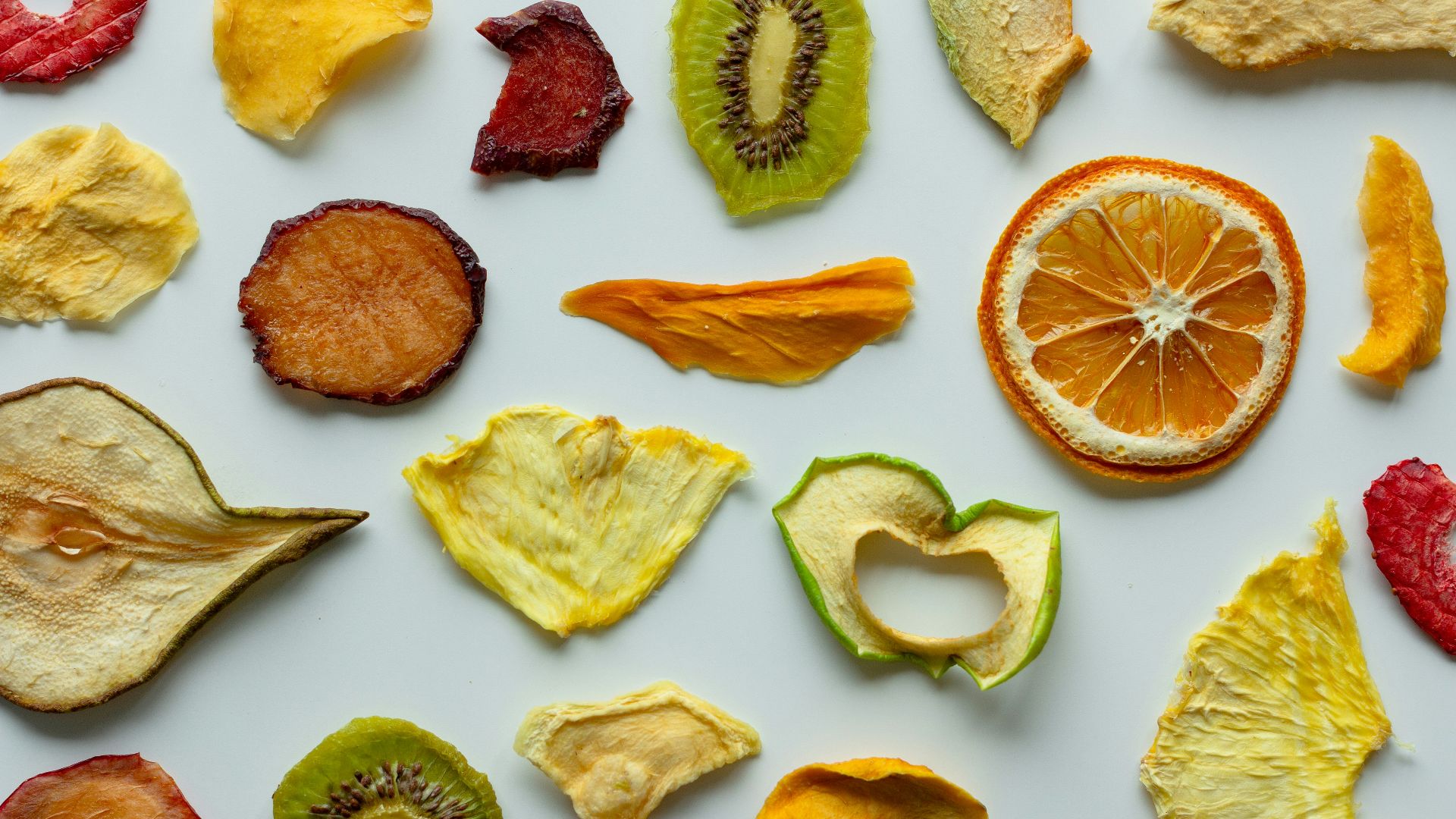
Dried fruit concentrates calories and sugar into a small amount of food, and it is very easy to keep snacking. You also lose some of the water content that helps fresh fruit feel filling. If you want the flavor, pairing a small portion with protein, like yogurt or nuts, can help with satiety.
6. Fruit Juice
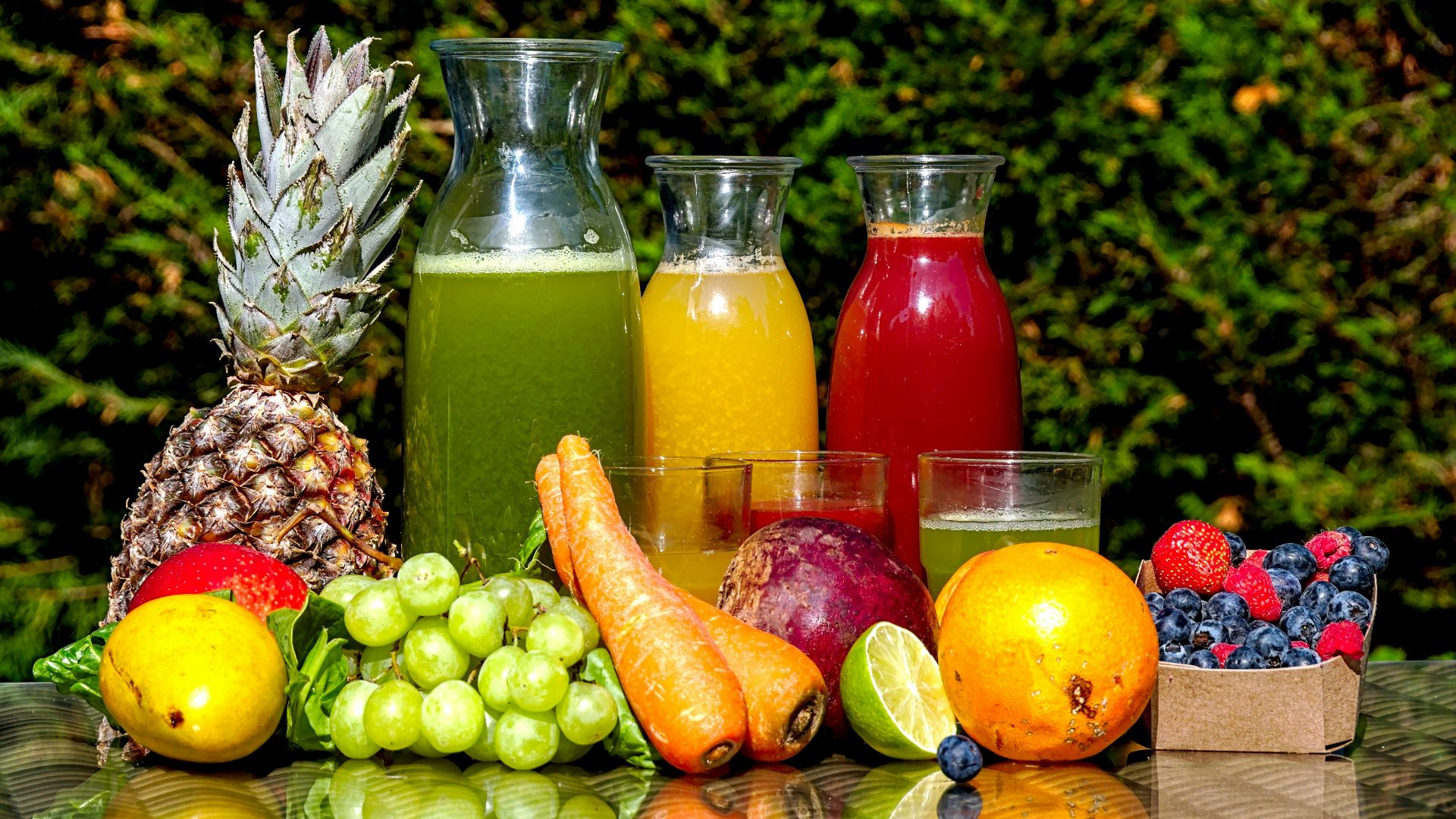
Even 100% fruit juice can make weight loss harder because it delivers sugar without the fiber you get from whole fruit. Research has linked higher intake of fruit juice with weight gain, and public health experts often recommend prioritizing whole fruit instead. When you are craving juice, a smaller glass with a meal tends to be easier to fit than sipping it casually.
7. Flavored Yogurt
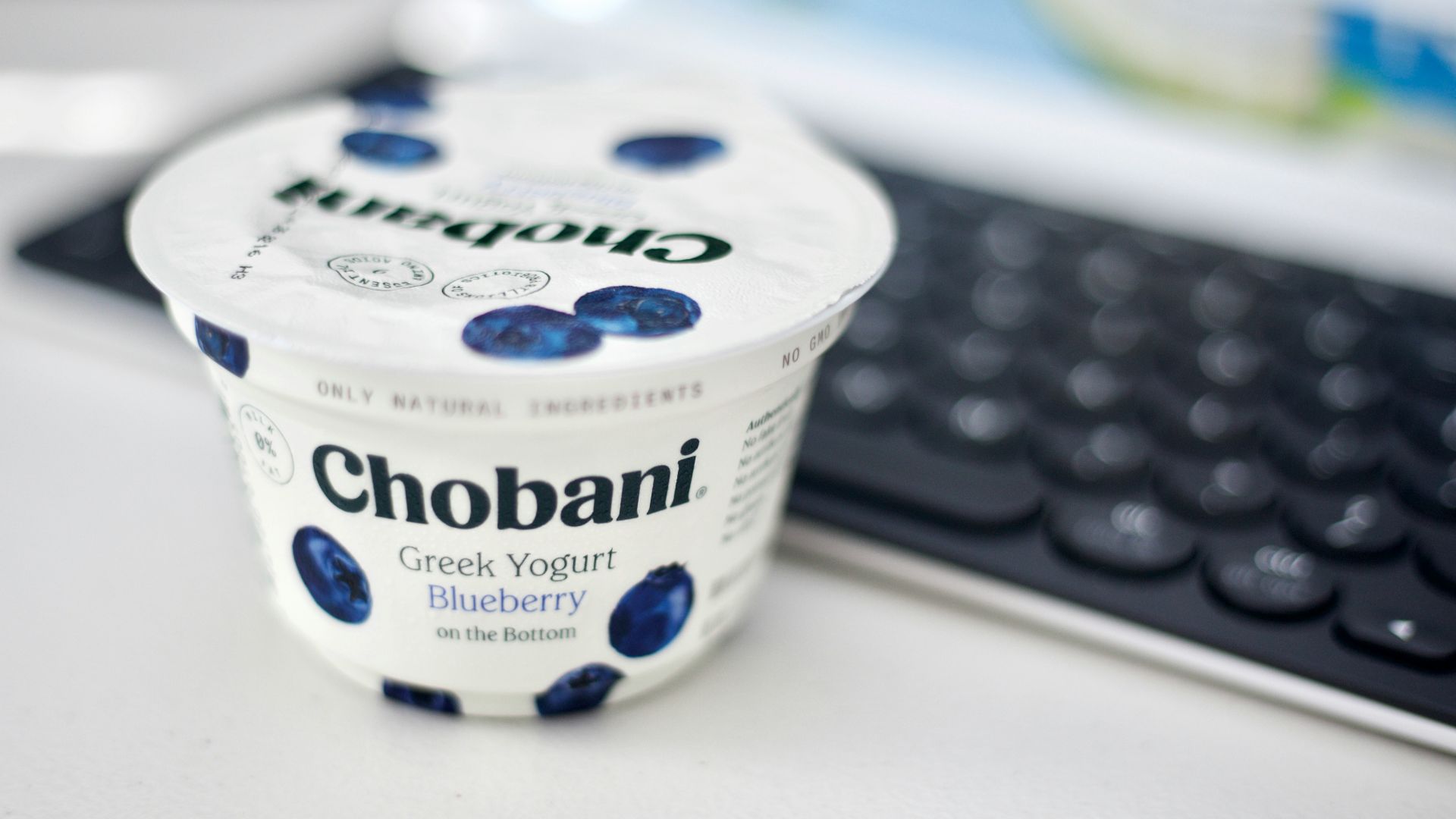
Flavored yogurts often contain a lot of added sugar, which adds calories without keeping you as full as you might expect. The CDC notes that added sugars should be limited, and many people underestimate how quickly they accumulate across the day. Choosing plain yogurt and adding fruit gives you more control over the sweetness levels.
8. Protein Bars
A protein bar can be useful in a pinch, but many are closer to candy bars in terms of calories and sugars. The packaging can also make it feel like an automatic “good choice,” even when the label suggests otherwise. Checking the Nutrition Facts for calories, fiber, and added sugars helps you pick a bar that actually matches your goal.
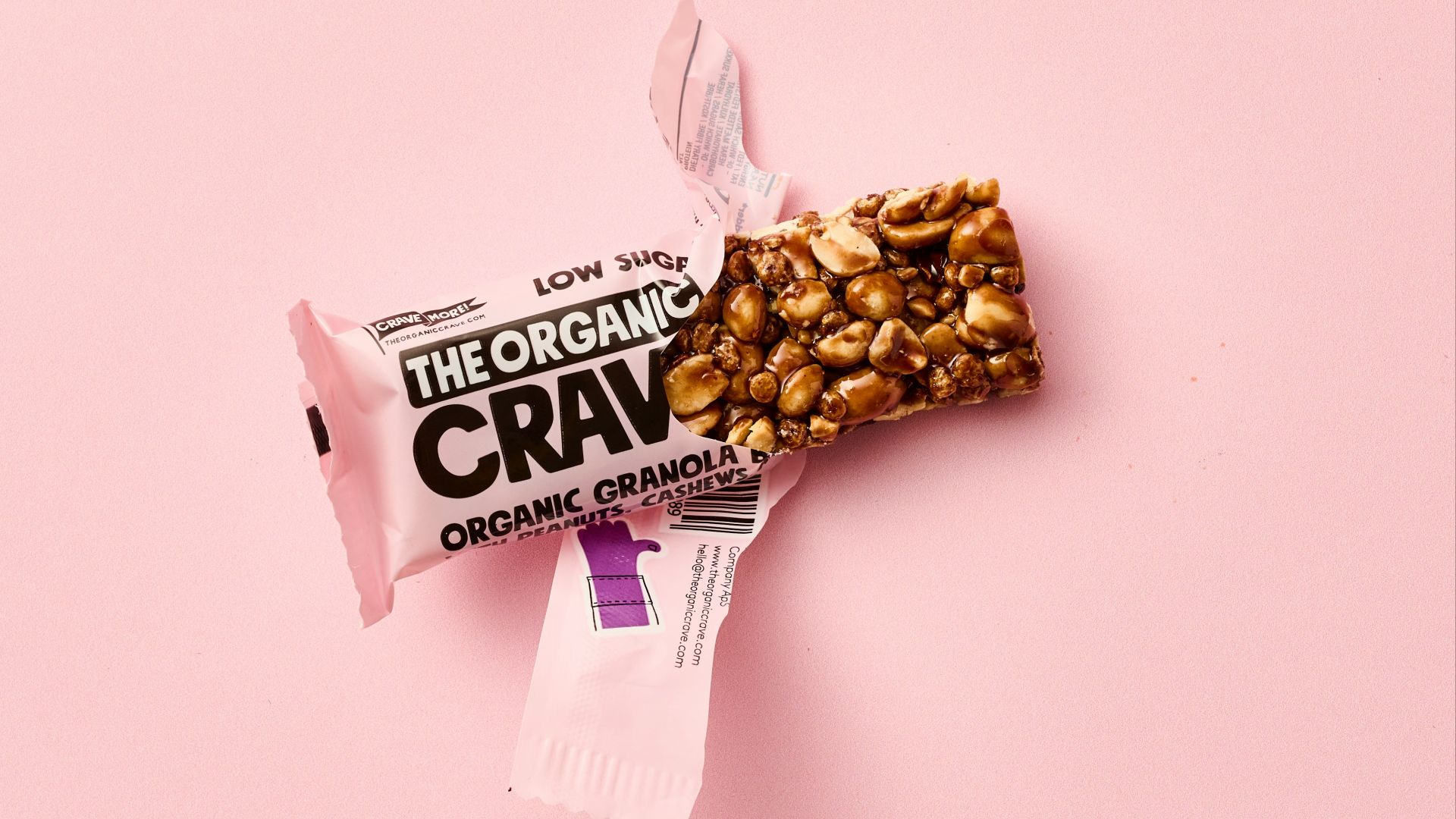 THE ORGANIC CRAVE Ⓡ on Unsplash
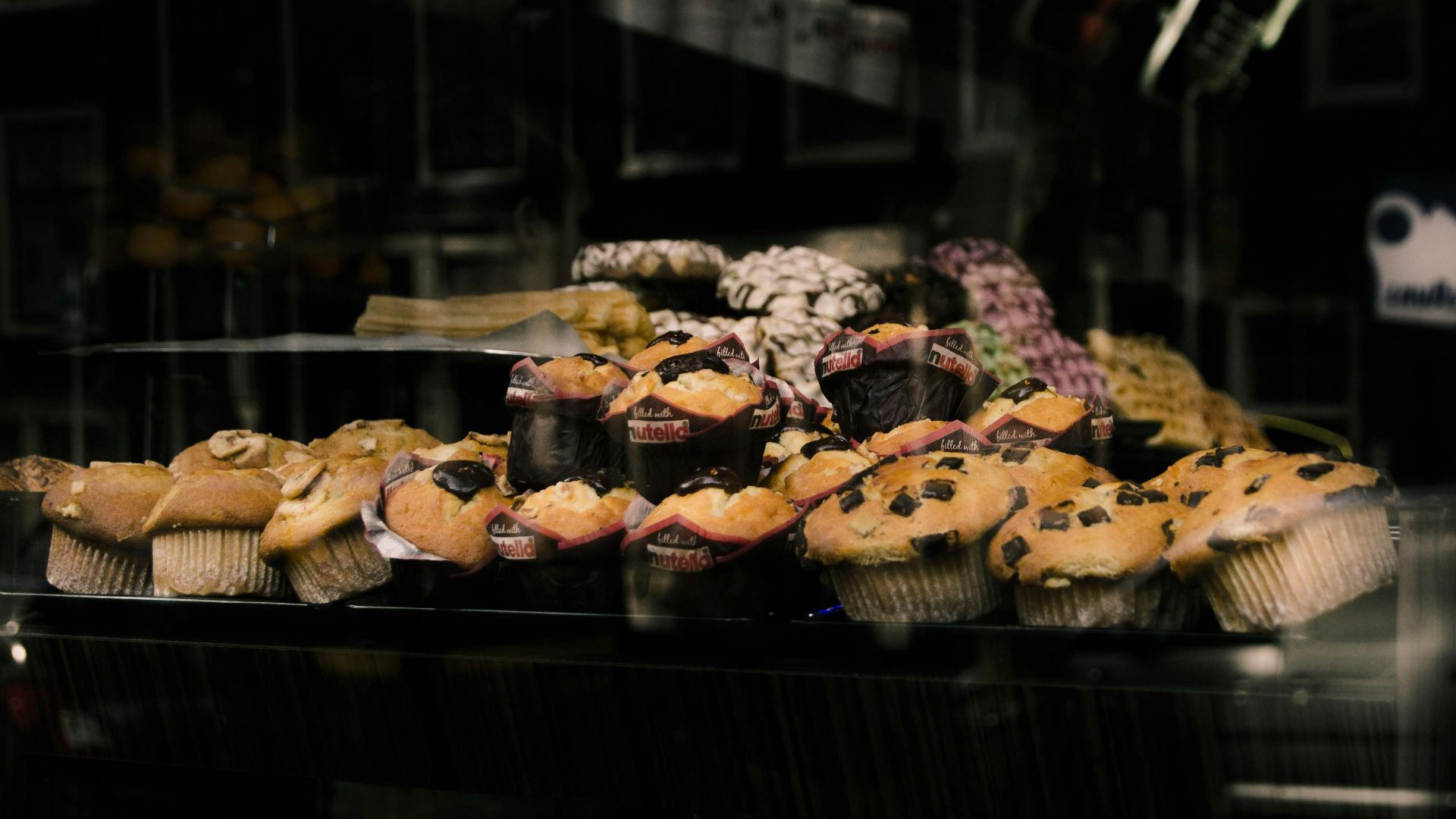
9. Store-Bought Muffins
Bakery-style muffins often look like a simple breakfast, yet they can be high in refined carbs, added sugar, and fat. They are also easy to eat quickly, which does not help with fullness. If you want one, splitting it or pairing it with eggs can make the overall meal more satisfying.
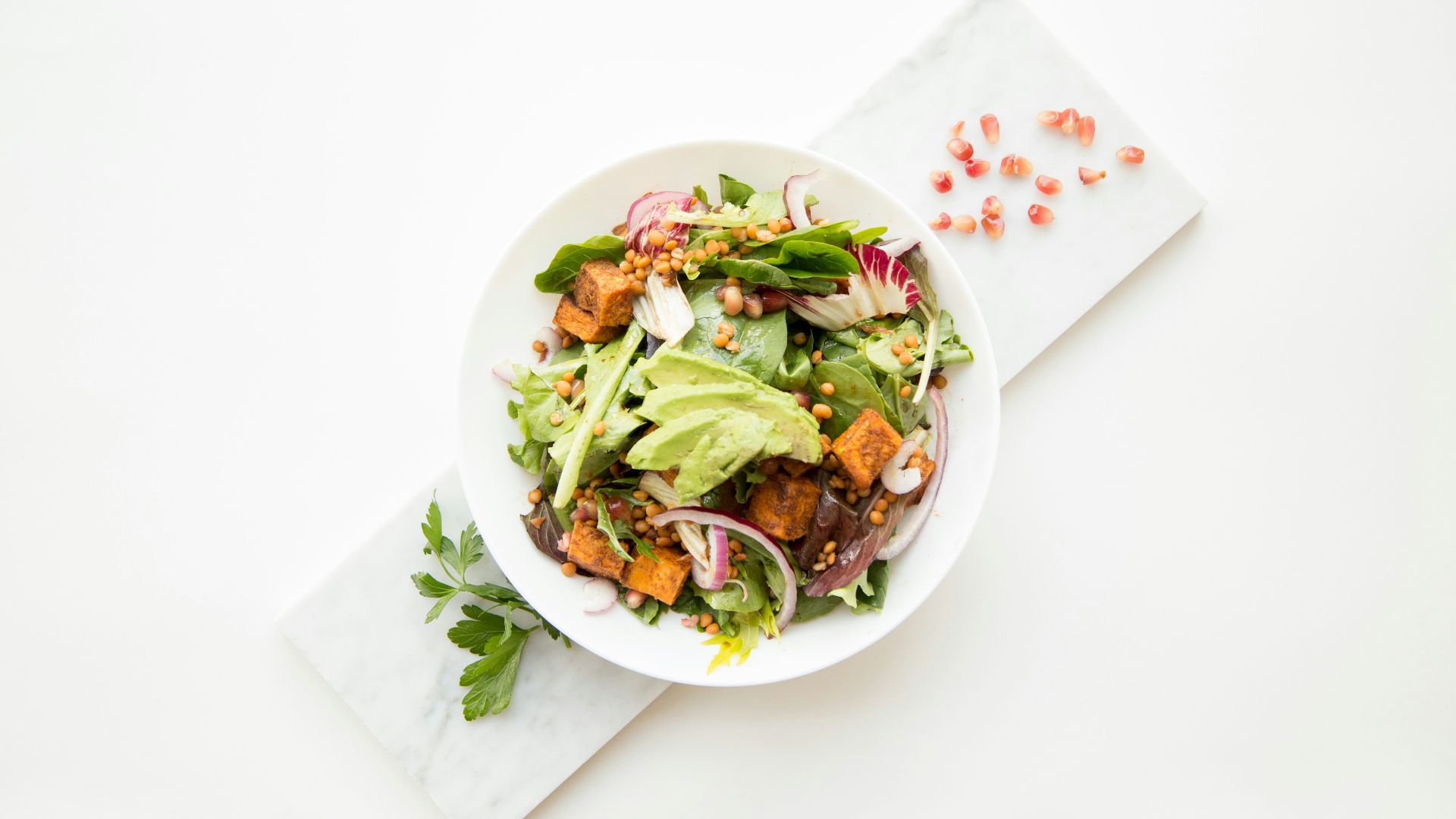
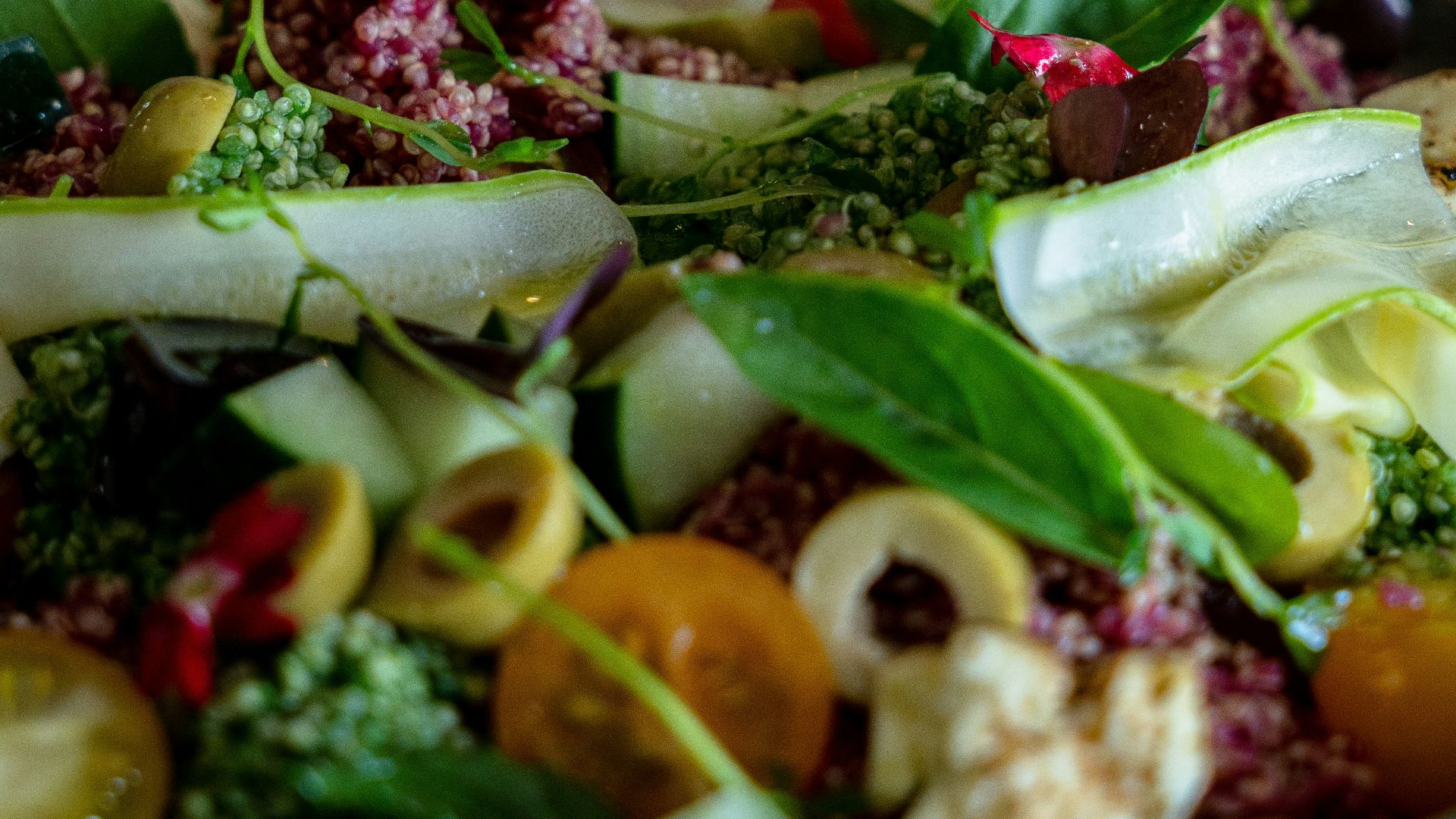
10. Restaurant Salads
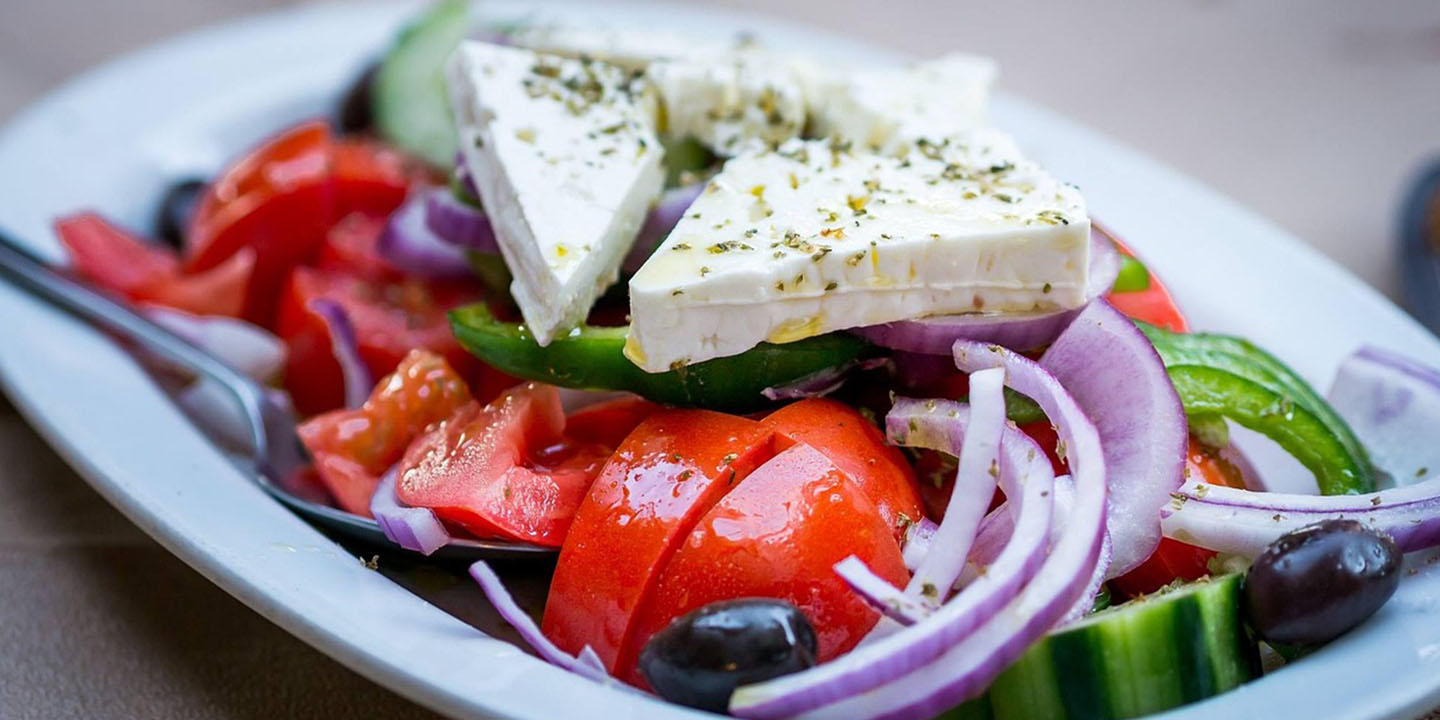
Salads are not automatically light, especially when they include fried toppings, cheese, croutons, and creamy dressing. The calories can climb fast while the meal still “feels” like diet food. Asking for dressing on the side and choosing grilled protein usually makes the salad easier to work into a deficit.
 Victor Dueñas Teixeira on Unsplash
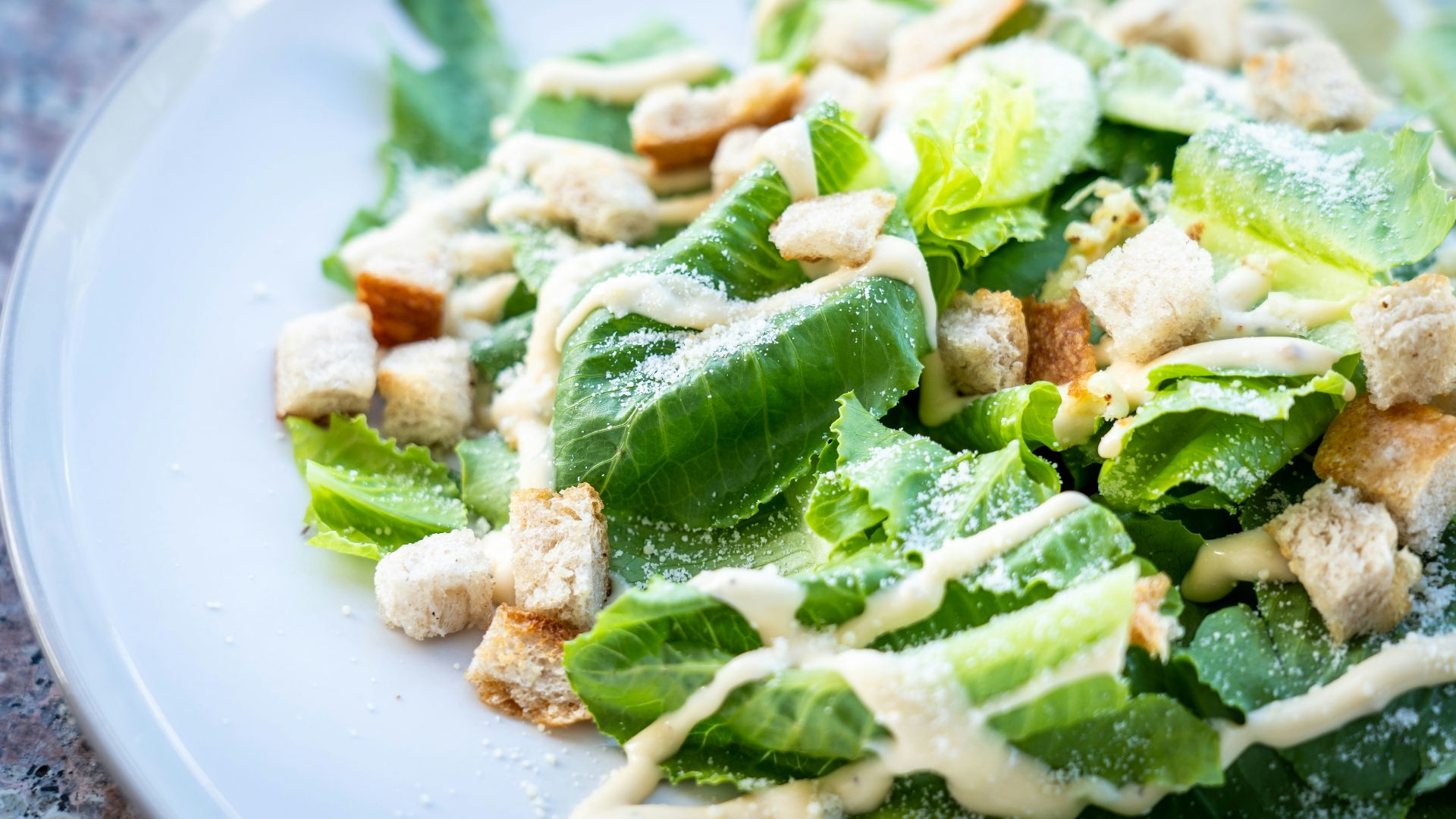
11. Creamy Dressings
Creamy dressings are often high in fat, and fat provides more calories per gram than protein or carbs. A couple of extra tablespoons can shift a meal from moderate to high-calorie without changing the portion of food you see.
12. Veggie Chips
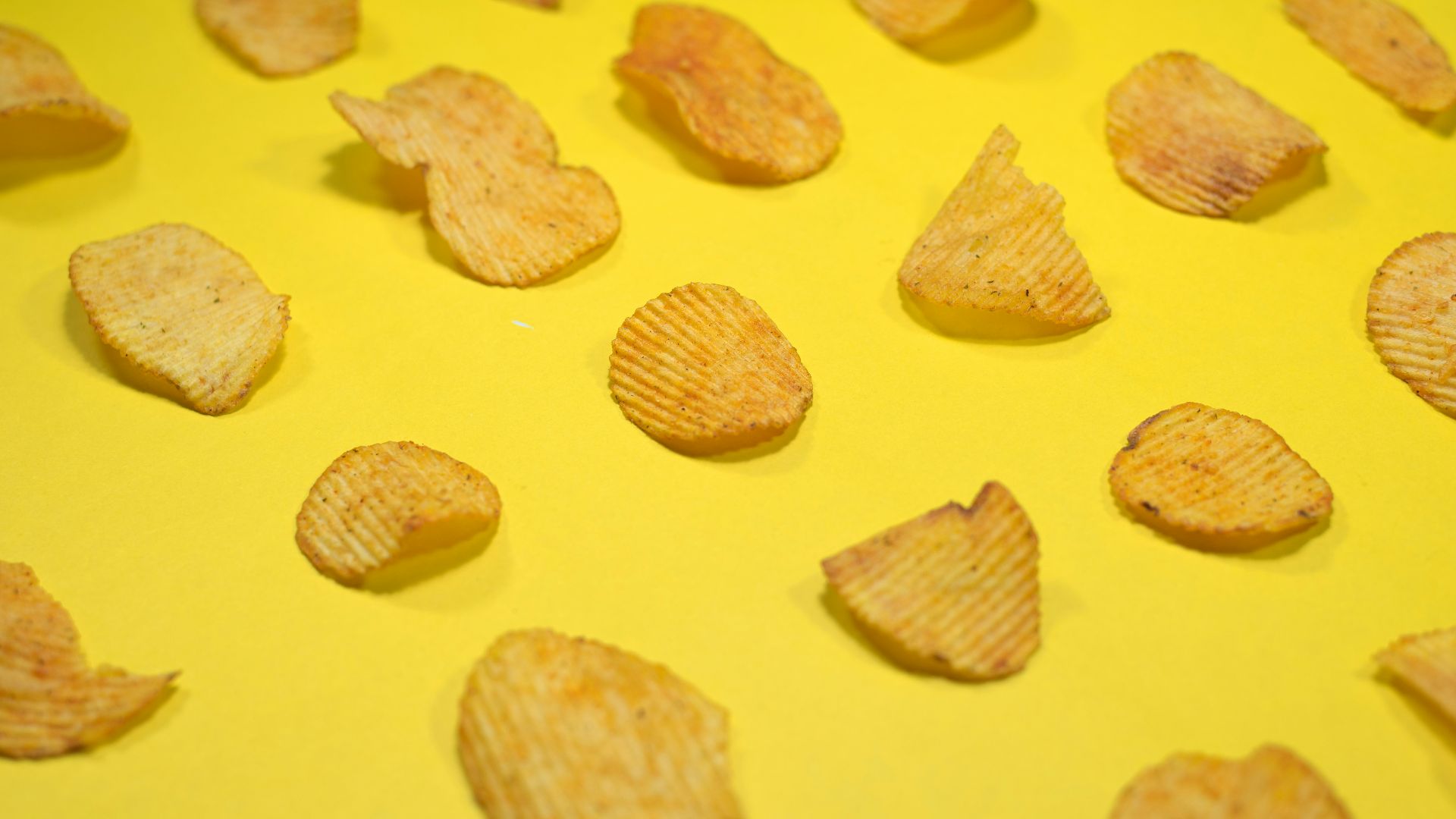
Veggie chips are usually still chips, meaning they are often fried or heavily processed and easy to overeat.
The “vegetable” branding can distract you from the fact that the serving size may be small. Reading the label and treating them like a snack food, not a vegetable serving, keeps expectations accurate.
13. Flavored Oatmeal Packets
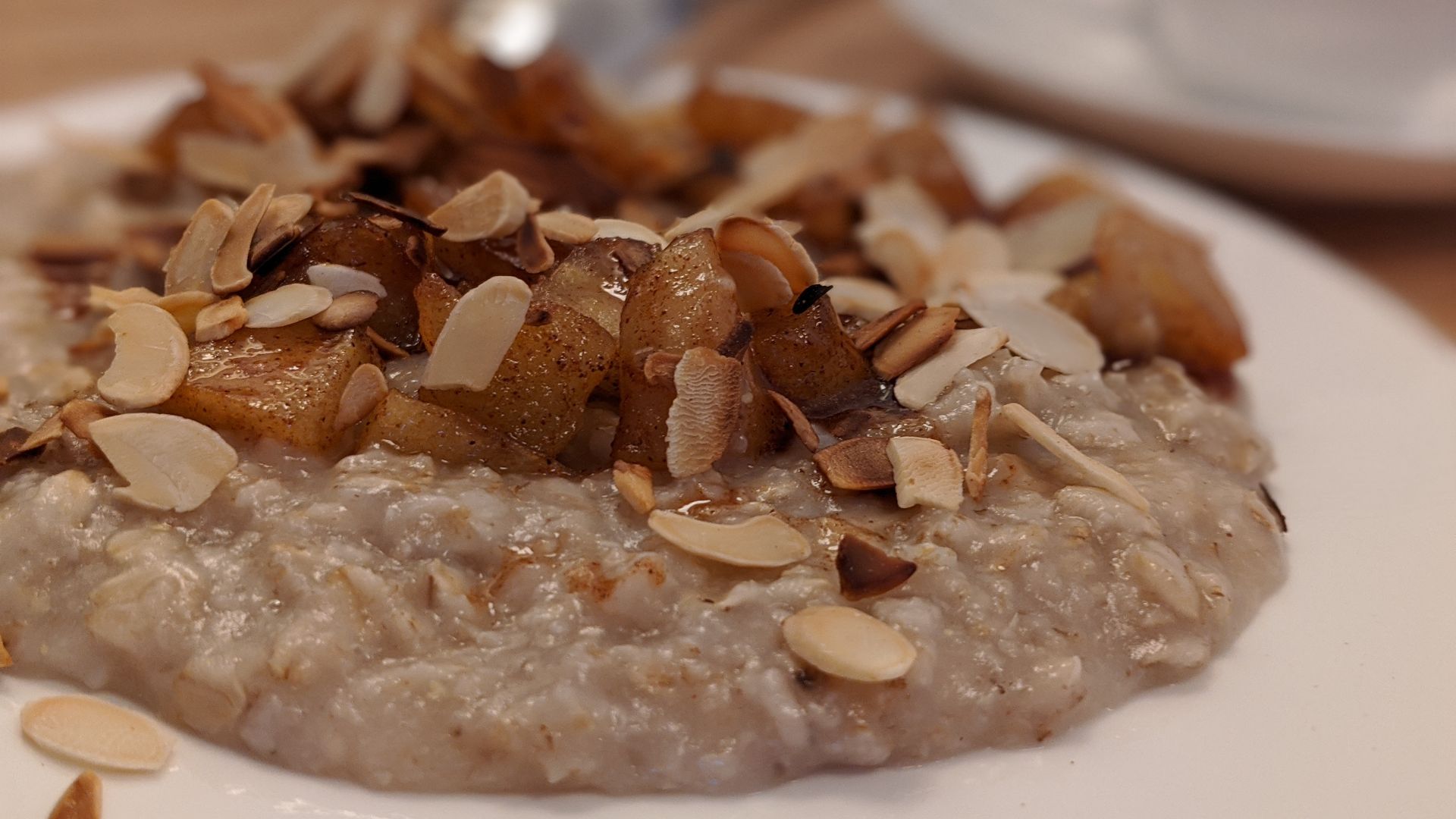
Instant oatmeal packets are convenient, but many include added sugars that can push calories up quickly. Using plain oats and adding cinnamon, fruit, or nuts gives you more staying power for similar effort.
14. Coconut Oil
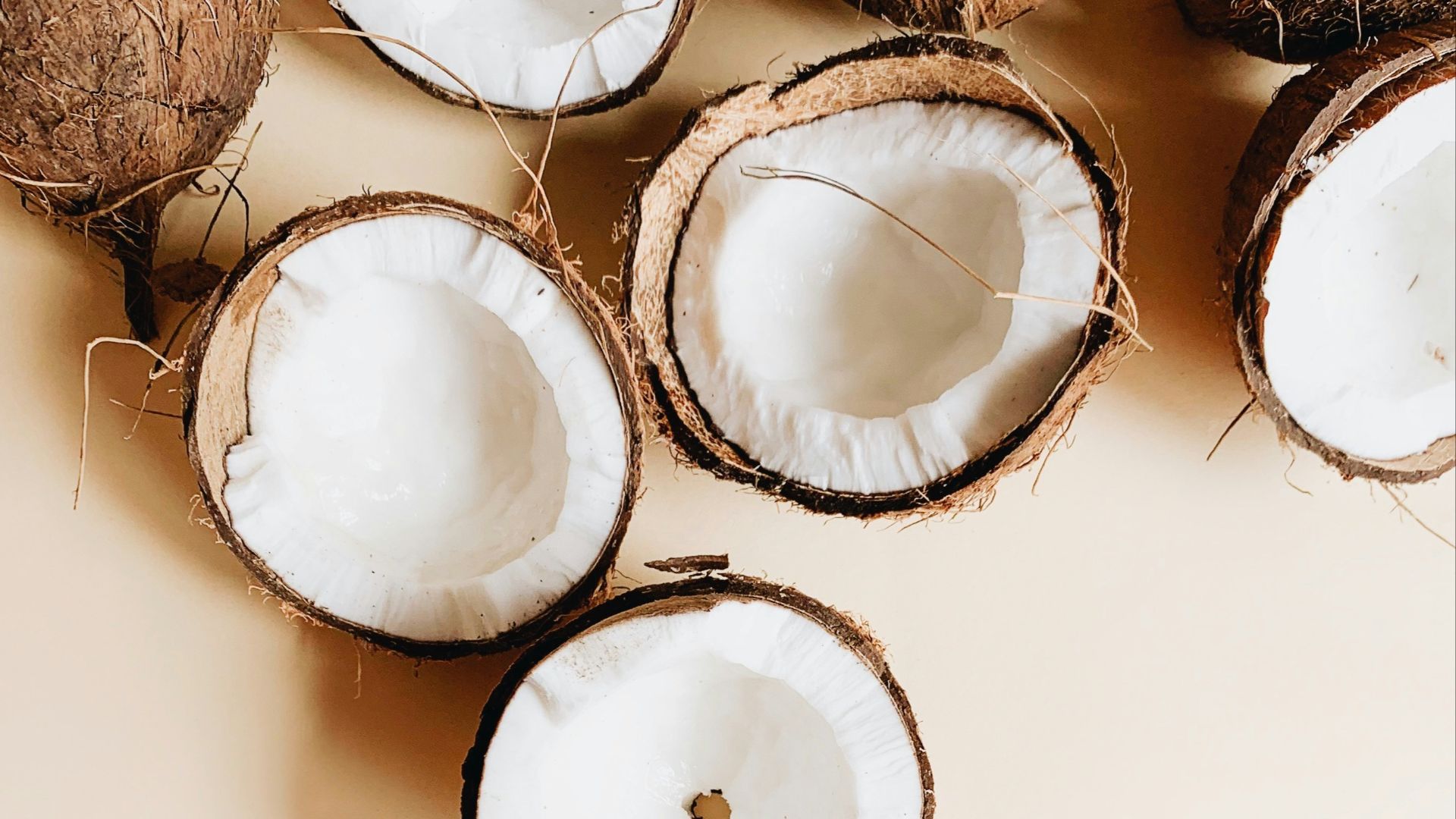
Coconut oil is often marketed as a wellness staple, but it’s high in saturated fat. For everyday cooking, unsaturated oils like olive oil are often easier to justify for both health and calorie control.
15. Cheese Boards
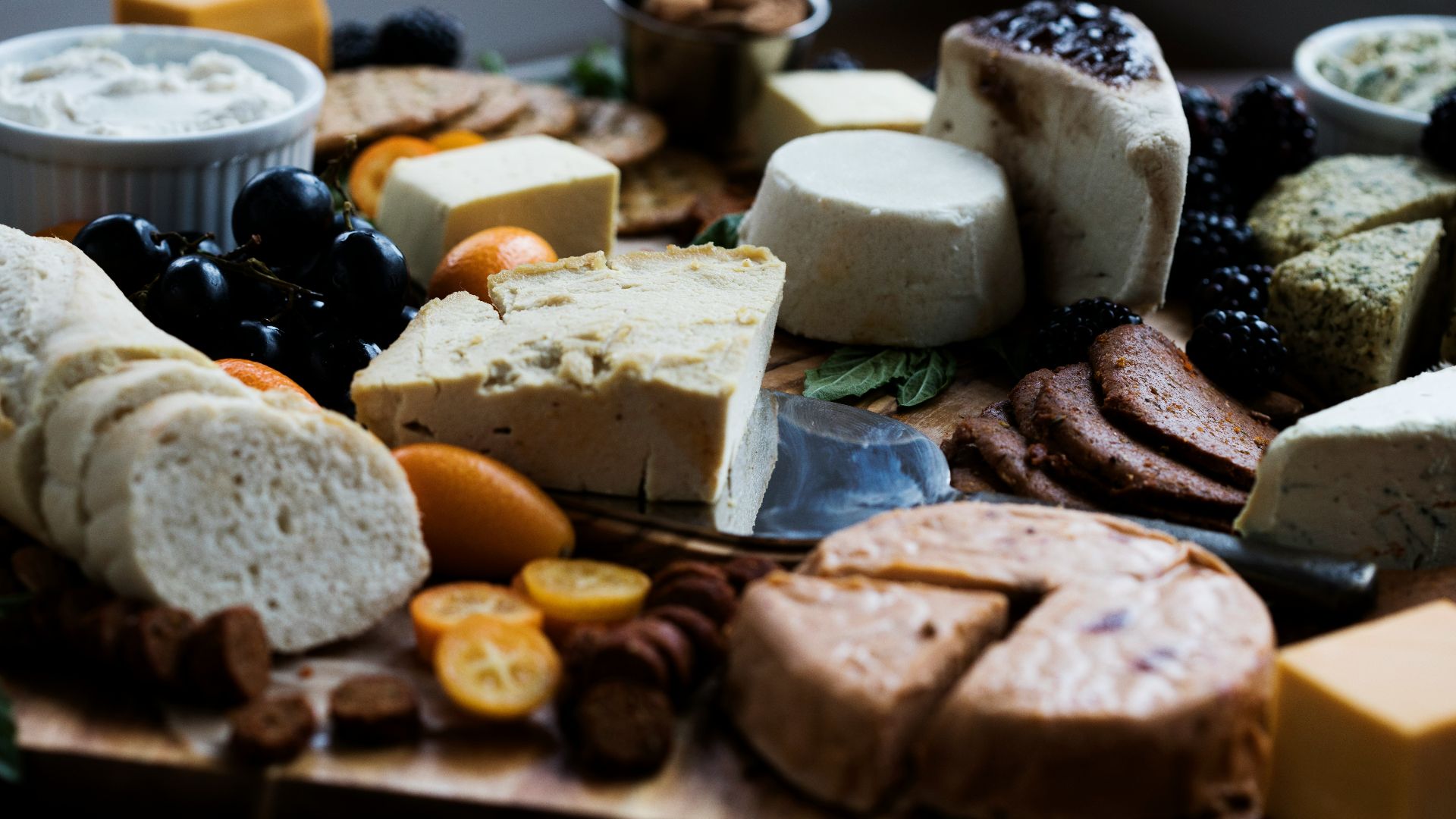
Cheese is satisfying, but it is also calorie-dense, and portions can grow when you are snacking. Saturated fat adds up quickly with many cheeses, which is one reason heart-health guidance suggests keeping it in check. If you love cheese, building a plate with fruit, vegetables, and lean protein can help you avoid making it the main calorie source.
16. Nuts and Nut Butter
Nuts and nut butters offer helpful nutrients, yet they are energy-dense, so the calorie cost of “just a little” can surprise you. Using a measured tablespoon of peanut butter or a small handful of nuts keeps the benefits without derailing the day. If you prefer to snack freely, choosing a higher-volume option like fruit might be better.
17. Gluten-Free Treats
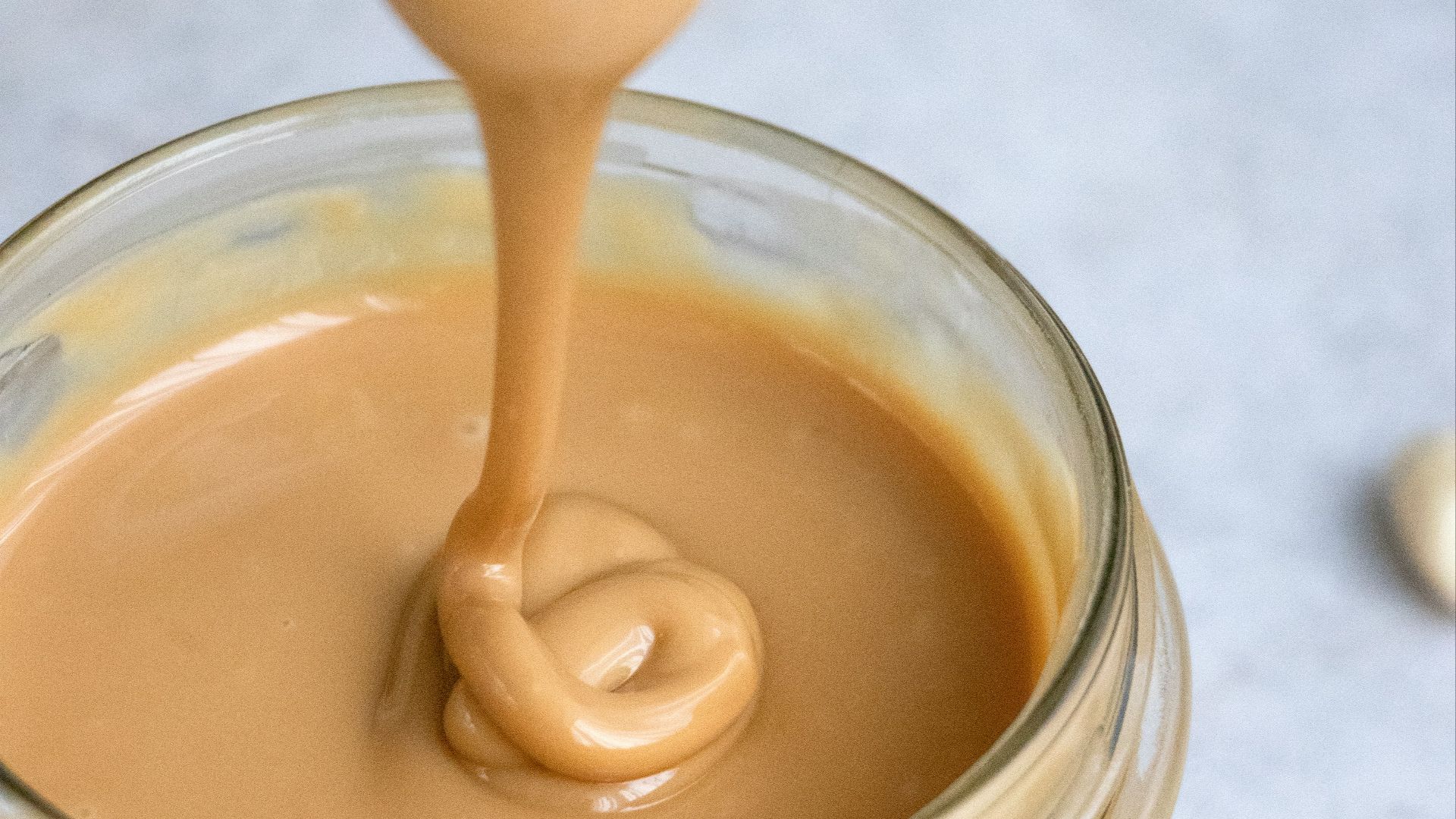
Gluten-free cookies, crackers, and baked goods are not automatically lower in calories, sugar, or fat. In many cases, they are simply different ingredients, not a different calorie profile. The most reliable move is to check serving size and calories rather than assuming the label implies weight-loss friendly.
18. Frozen “Diet” Meals
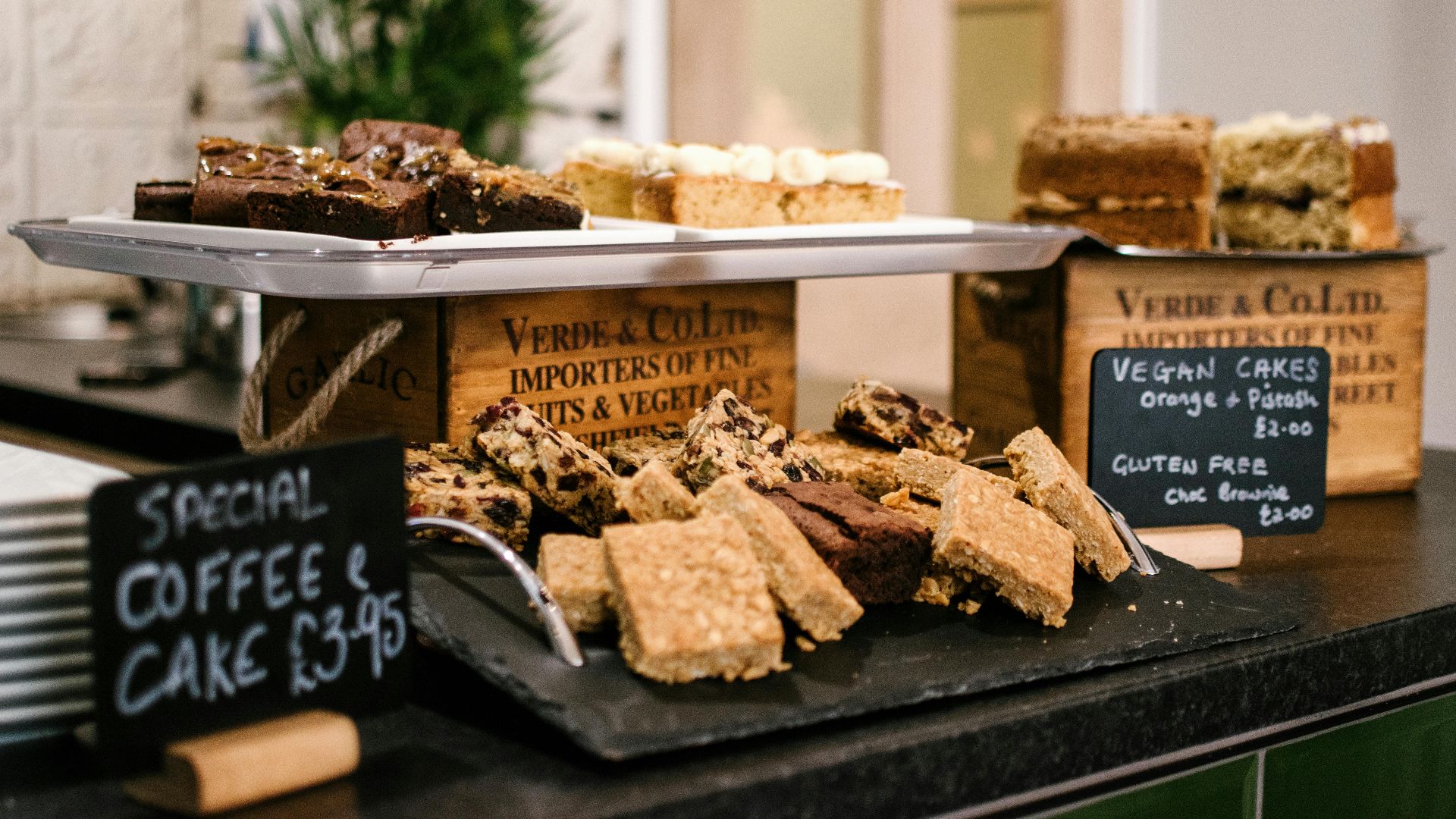
Some frozen meals are helpful for portion control, but others are low in protein and fiber, which can leave you hungry later. When that happens, it is easy to add snacks and end up above your target without meaning to. Looking for options with solid protein and a decent amount of fiber makes them more effective as an actual meal.
19. Sugary Drinks
Sugary drinks add calories without fullness, and frequent intake is associated with weight gain. Even when you “eat well,” liquid calories can make the deficit hard to maintain. Switching to water, unsweetened tea, or sparkling water is one of the simplest changes that often pays off.
20. Sports Drinks
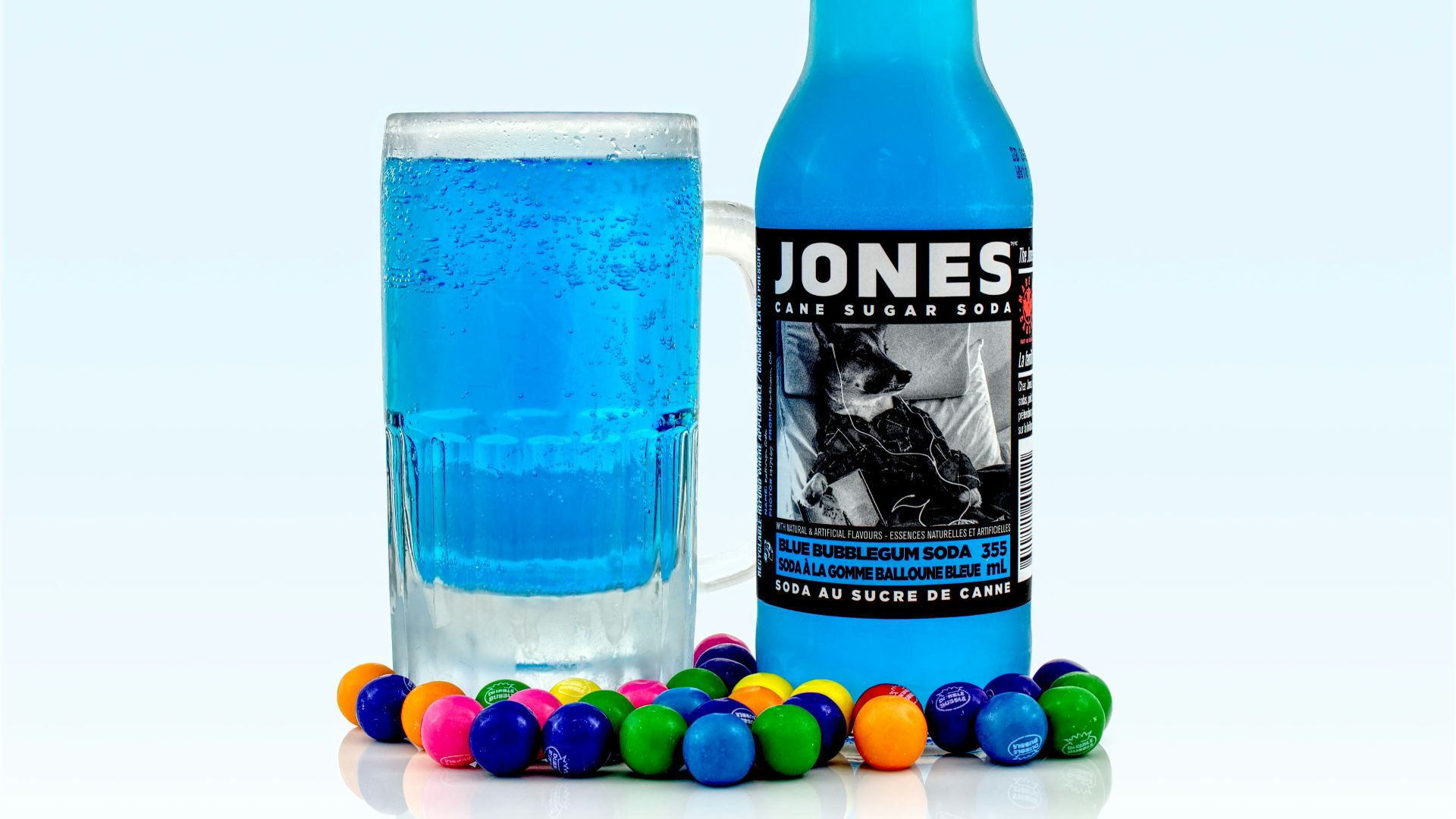
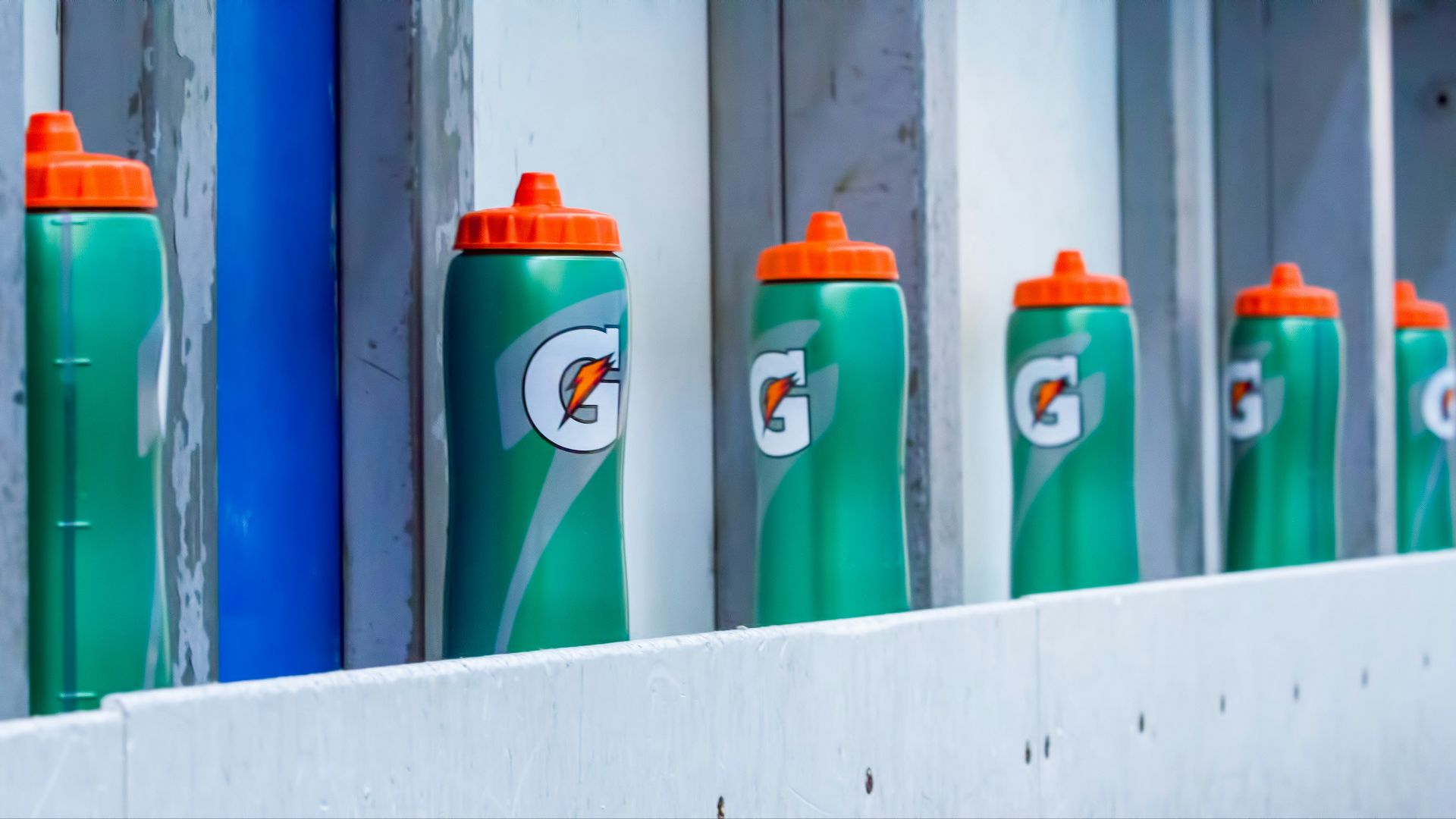
Sports drinks can look like a smart “fitness” choice, but many are sugar-sweetened beverages that add calories without making you feel as full as food does. Research shows that frequently drinking sugary drinks is associated with weight gain, and sports drinks fall under that umbrella when they contain added sugars.
Choose water for typical activity and save sports drinks for long, intense sessions where carbs and electrolytes are genuinely useful.
KEEP ON READING
The 5 Most Consumed Foods in the Entire World