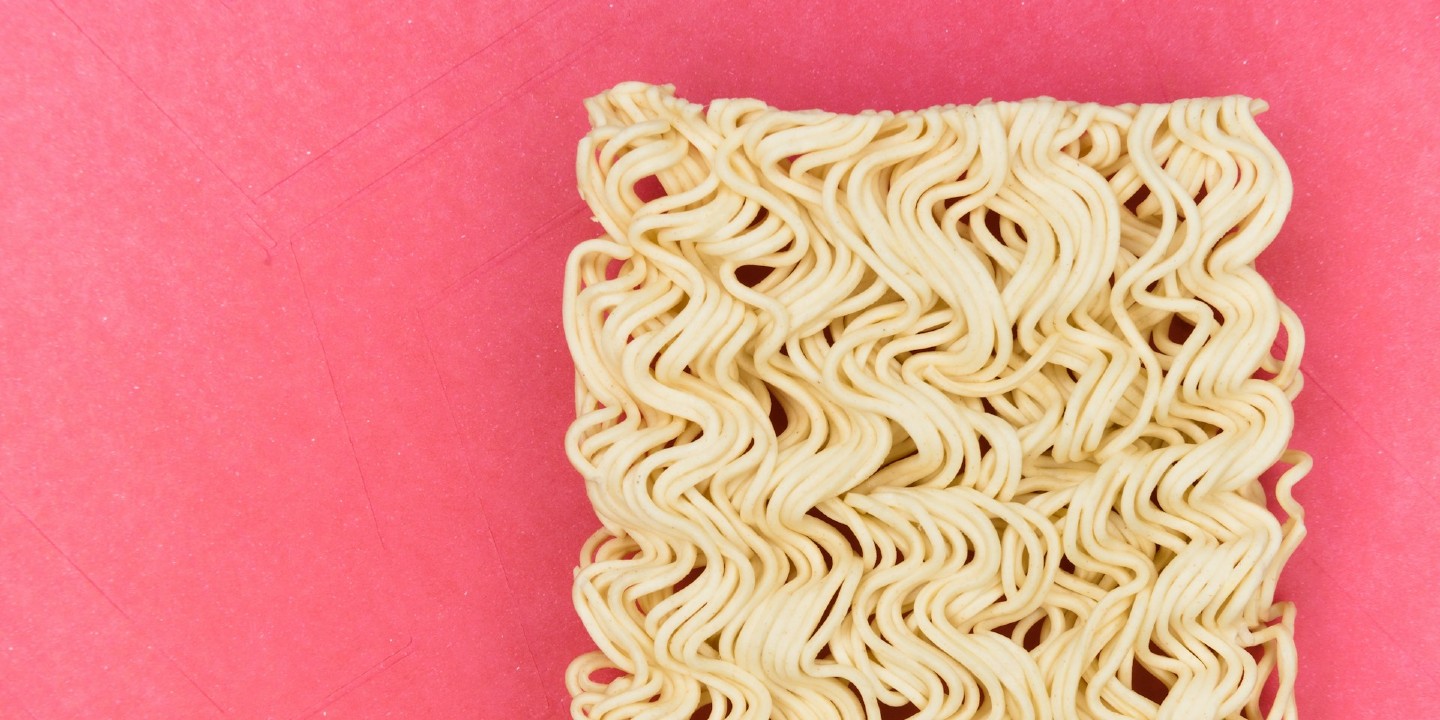

No, this isn't a trick, and no, we're not talking about zucchini "noodles" or pasta that's actually made from beans. Good old-fashioned pasta gets blamed for a lot. It gets treated like the problem when, in reality, what usually tips a meal into less healthy territory is the giant portion, the heavy sauce, or the fact that your "pasta" dish is mainly just cheese. On its own, pasta is simply a carbohydrate-rich food, and carbs are still one of the body’s main sources of energy.
That does not mean every bowl of pasta is automatically a nutritional masterpiece, but it does mean pasta can absolutely fit into a healthy diet, especially when you pay attention to the kind you choose and what you serve it with. Whole-grain versions bring more fiber and nutrients, and even regular pasta can work well when the overall meal is balanced.
Pasta Is Not the Villain People Make It Out to Be
One reason pasta gets such a bad reputation is that people tend to lump all carbohydrate foods together. Nutrition experts keep pointing out that carbohydrate quality matters more than the dramatic label of “carbs” all by itself. Whole grains, beans, fruits, and vegetables are all carbohydrate-containing foods, yet they are also linked with good nutrition because they deliver fiber, vitamins, minerals, and other useful compounds.
Pasta also has something else working in its favor, which is that it doesn't have to behave like the blood sugar chaos people imagine. Harvard’s nutrition guidance notes that the glycemic index can help show how quickly carbohydrate-rich foods affect blood sugar, and not all starchy foods act the same way. In other words, pasta is not automatically in the same category as every ultra-refined snack people are side-eyeing from across the kitchen.
It also helps to remember that starchy foods aren't supposed to be treated like nutritional criminals. The NHS says foods like bread, rice, potatoes, and pasta are an important part of a healthy diet and a key source of carbohydrates. That's a much calmer message than the usual panic informing many gluten-free diets and spiralizer purchases, and honestly, it sounds a lot more livable too.
The Healthier Part Depends on What You Pair With It
A bowl of pasta can be a very different meal depending on what joins the party. If you load it with vegetables, beans, olive oil, tomato sauce, fish, or lean protein, you are building something far more balanced than a plain mountain of noodles under a blanket of cream or ground beef. That's one reason pasta shows up comfortably in broader healthy eating patterns that emphasize whole grains, vegetables, and sensible portions.
Whole-grain pasta is especially worth mentioning because it gives you more fiber and nutrients than refined versions. Mayo Clinic notes that whole grains can help with cholesterol, weight, and blood pressure, and both Mayo and Harvard emphasize the nutritional advantages of choosing whole grains over refined grains. If you want an easy upgrade without changing your dinner personality too much, this is a pretty friendly one.
Fiber matters more than people sometimes realize, because it helps keep weight and blood sugar steady and aids digestion. Harvard’s nutrition guidance explains that fiber helps regulate the body’s use of sugars and can help with hunger control, which is exactly the kind of support you want from a satisfying meal. Pasta becomes a lot more impressive when it is part of a meal that keeps you full instead of leaving you rummaging for snacks an hour later.
Portion Size and Balance Are What Really Change the Story
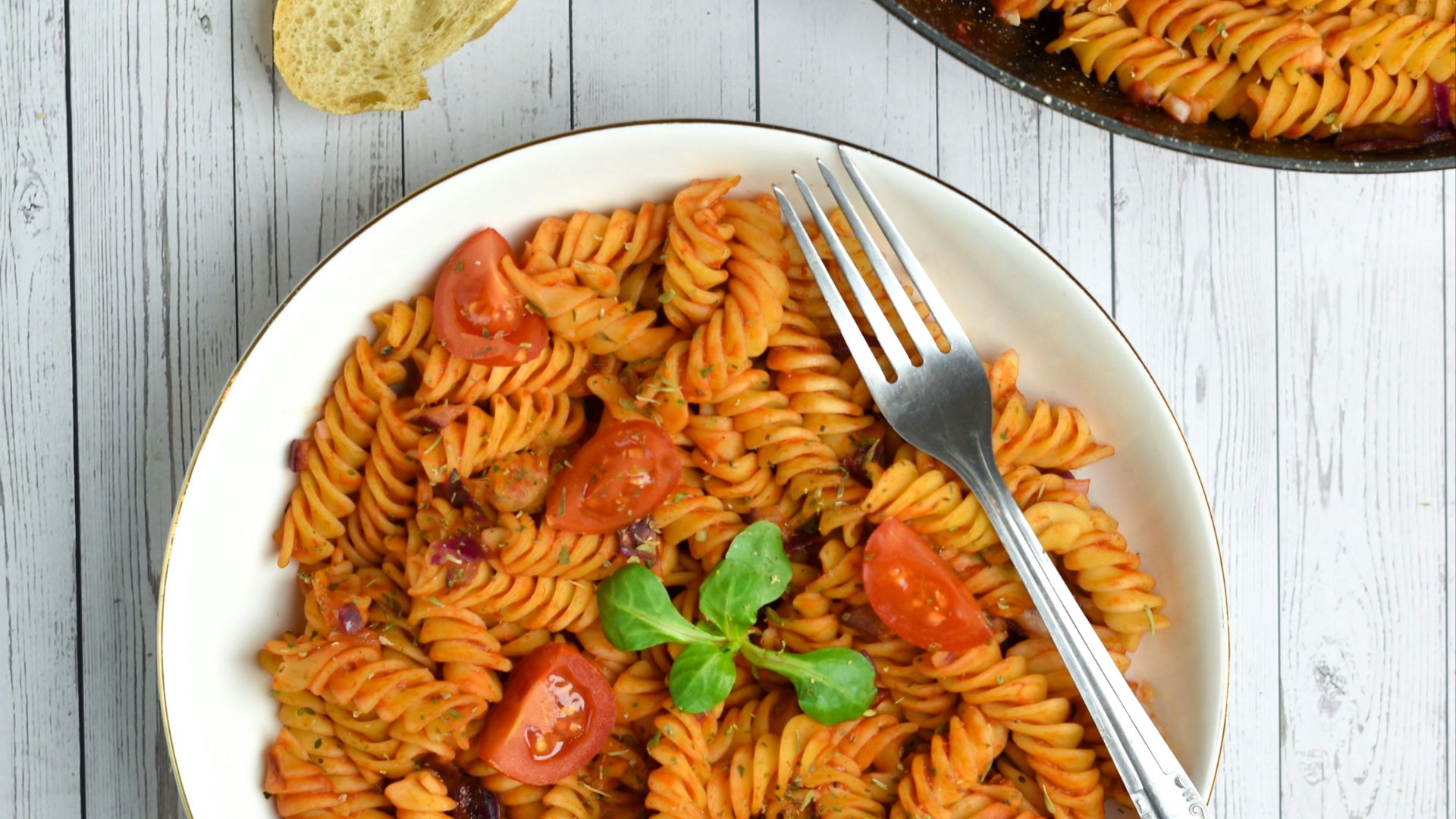 Aleksandra Tanasiienko on Unsplash
A lot of the “pasta is unhealthy” reputation comes from restaurant servings that could feed a small village. When portion sizes get oversized, it becomes easy to blame the pasta instead of the sheer volume on the plate. Healthy eating guidance from the NHS still places pasta among the starchy foods that can form part of a balanced meal, with the broader plate including vegetables and other food groups too.
That is why a moderate bowl of pasta at home can feel very different from a heavy restaurant dish. A sensible portion, especially with vegetables and protein mixed in, is just not the same thing as eating three servings without noticing. Mayo Clinic’s serving guidance also treats cooked pasta as a normal grain serving rather than some forbidden object that shouldn't be touched with a ten-foot pole.
So yes, good news really is good news here. Pasta can absolutely belong in a healthy diet, and for many people, it's an enjoyable, practical base for meals that are nourishing and realistic to cook. If you choose better versions when you can, keep an eye on portion size, and choose the right sauces and accompaniments, pasta starts looking a lot less like a guilty pleasure and a lot more like dinner.
KEEP ON READING