Is Bottled Water Really Better For You Than Tap? Experts Weigh In

For a lot of people, grabbing bottled water just feels like the healthier choice. But why? Well, there's this assumption that it's purer, safer, and maybe even better for you than what comes straight from the faucet.
Meanwhile, tap water doesn't get nearly the same credit, even though it's always available and does the job just fine. We've built up ideas about which one's better without really questioning where those beliefs come from. So what's the real difference? Let's break down what actually separates bottled water from tap and see if one really deserves all the hype.
How Clean Is Tap Water, Really?
Across most regions, tap water goes through strict treatment systems designed to remove contaminants and meet safety standards set by local authorities. It is monitored frequently and adjusted when aging pipes or seasonal shifts affect quality.
Of course, concerns still arise. Aging municipal pipes can introduce sediment or unwanted tastes. Some neighborhoods have older infrastructure, which creates uneven experiences. That is why many people use home filters, not because the water is unsafe in a broad sense, but because it offers peace of mind and sometimes improves flavor.
Why Bottled Water Feels More Trustworthy
Bottled water’s reputation often comes from the way it is presented. Labels show mountains or gentle blue waves that signal purity before the bottle is even opened. The experience feels controlled, which is comforting for anyone who is unsure about what comes from their tap.
The truth is more nuanced. Many bottled water products actually start as municipal tap water that undergoes extra processing or is simply packaged as is. While this does not make it unsafe, it challenges the idea that bottled water is always cleaner. Consumers rarely see detailed reports, which makes it harder to understand what they are really buying.
The Environmental And Practical Side Of The Story
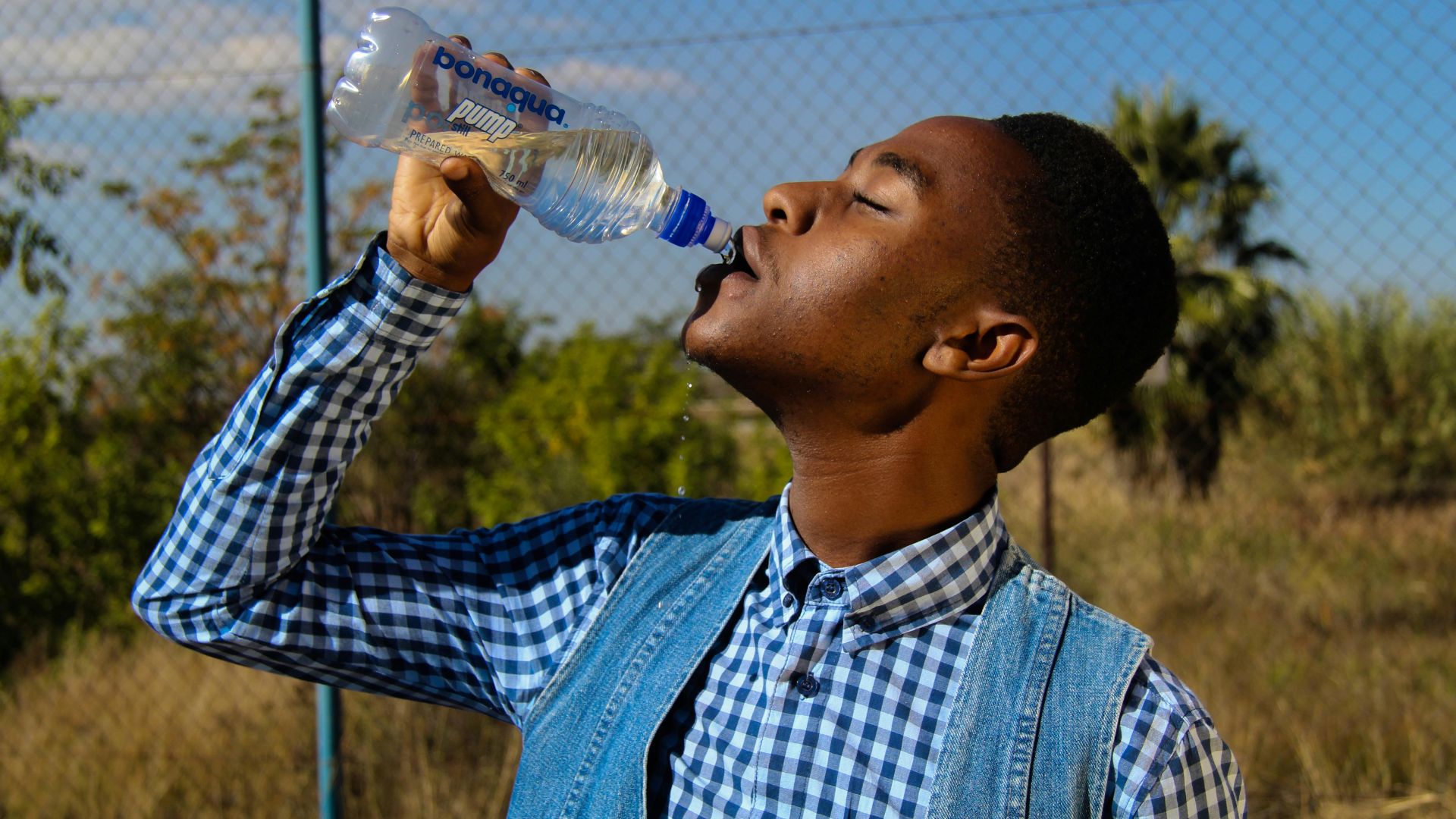
When people choose bottled water for daily hydration, convenience often plays a major role. It is portable and fits easily into busy routines. Yet the environmental cost is significant. Plastic production uses energy and resources, and discarded bottles often end up in landfills or waterways. Even recycling systems struggle to keep up with the volume.
Tap water, paired with a reusable bottle, avoids these issues and becomes a more sustainable choice almost immediately. This simple switch also reduces long-term costs, which can add up quickly for anyone who relies heavily on bottled water. With proper filtration when needed, it becomes both practical and environmentally considerate.
So, Which One Wins?
Both options can be safe, but the idea that bottled water is inherently superior does not always hold up under closer inspection. The real answer often comes down to local water quality and environmental awareness. For many households, tap water remains a reliable and affordable choice, especially when supported by basic filtration.
In the end, the best option is the one that keeps you hydrated without relying on assumptions shaped by labels or habits. Understanding what goes into each sip helps you choose with clarity rather than worry.