
Processed Food Does, In Fact, Make You Overeat—And There’s A Science Behind It
Processed Food Does, In Fact, Make You Overeat—And There’s A Science Behind It
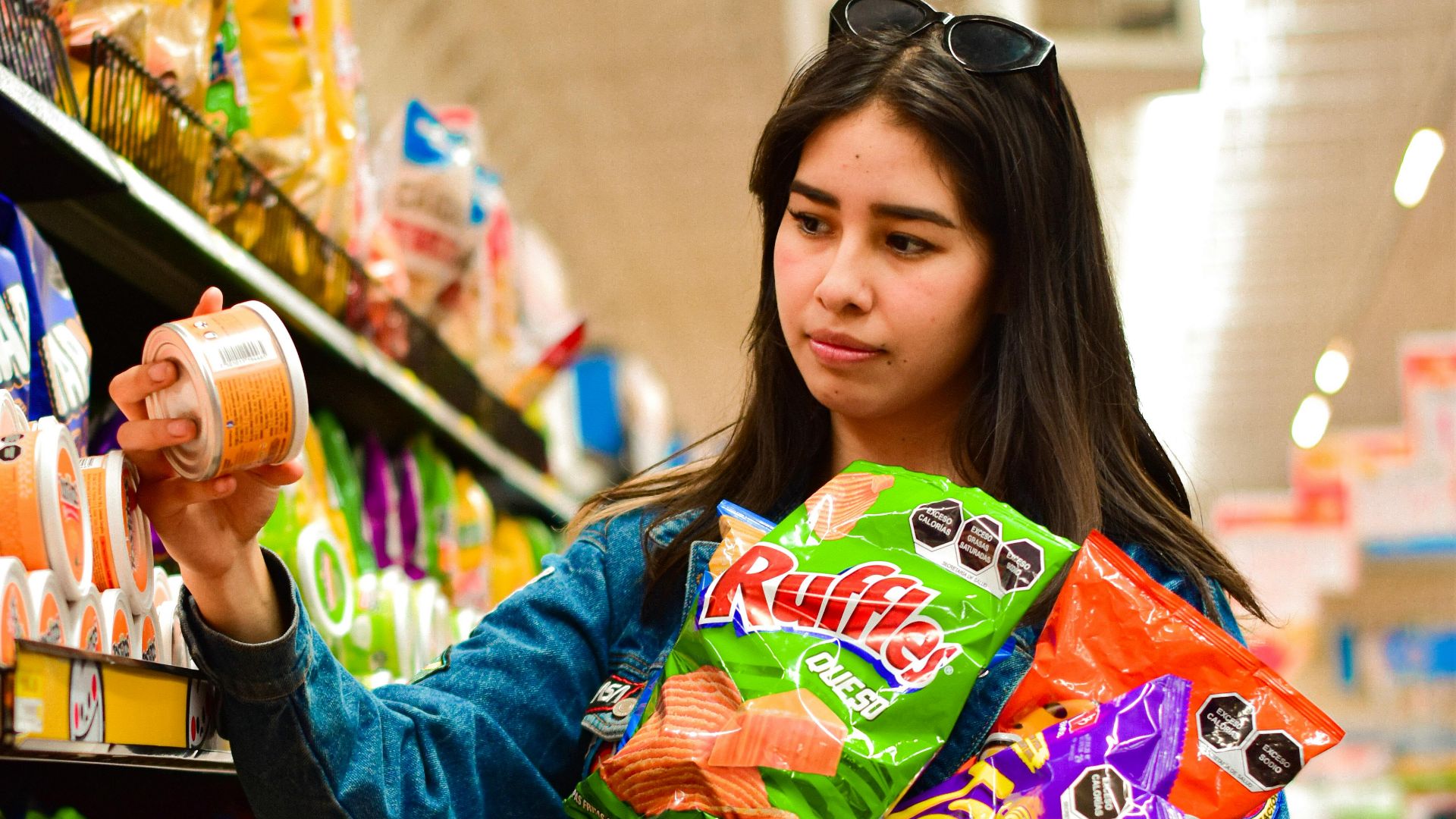
Processed foods sit everywhere, lining shelves and filling routines with quick comfort. Then the bright packaging promises ease and flavor, yet something quieter happens after the first bite. In fact, many people keep eating long past hunger without fully noticing. Convenience wins, taste delivers, and the body responds in ways that feel automatic. Science helps explain that pull.
The purpose here is to examine how processed foods influence appetite and what research reveals about the mechanisms at work behind that extra handful or second serving.
The Science Of Processed Foods
Food manufacturers design processed foods to hit precise combinations of the worst ingredients from sugar to fat that the brain finds highly rewarding. Those blends create what researchers call hyperpalatability, a state where taste signals overwhelm internal cues. Texture matters as well. Crunchy coatings, creamy fillings, and rapid melt-in-the-mouth sensations increase sensory stimulation.
Additives also enhance shelf life and flavor intensity, which further heightens appeal. Research comparing ultra-processed diets with whole food diets shows a clear pattern. Participants given access to processed meals consume more calories even when meals are matched for nutrients. Satiety even signals a struggle to keep up because fiber content stays low, and eating speed increases. Therefore, the result feels subtle, yet the outcome repeats consistently across studies.
Why We Overeat Them?
Ease plays a major role. Processed foods require little effort, so eating becomes frequent rather than intentional. Packaging also influences behavior. Large bags and multi-serving containers quietly reset expectations about what feels normal.
Psychology adds another layer. Colors, logos, and familiar flavors trigger anticipation before hunger enters the picture. Even the flavors deliver immediate satisfaction, encouraging repetition. Biology reinforces that loop. Plus, dopamine release rewards the experience, which makes the brain associate these foods with pleasure and relief. Over time, that pattern nudges people toward eating based on cues rather than need.
Implications For Health And Habits

Regular overeating of processed foods is strongly connected to many long-term health diseases, including weight gain and cardiovascular disease. Awareness changes that dynamic. After all, understanding food design allows people to pause and recognize why stopping feels difficult.
You don’t need to go turkey because small shifts help, too. Choosing meals with intact ingredients slows eating and supports fullness. Mindful portions also restore a sense of control without restriction. Balance matters more than elimination. Processed foods lose some power once their mechanics become visible. Knowledge turns impulse into choice, and that shift makes resisting easier over time.
KEEP ON READING

20 Food Requests Only Spoiled People Ask For


20 Hardest Foods on Earth To Eat

Do Vitamin Supplements Actually Make You Healthier?