So, you want to lose weight? It might sound easy at first—all you have to do is cut down your calories, eat healthier, and exercise daily, right? But why is it so hard to see any changes on the scale or in the mirror?
Before you alter your diet even further, there are smarter ways to lose weight and keep it off. In fact, nutritionists have plenty of hacks that ensure you get the energy you need from food while still maintaining a healthy weight. The most important tips they have? We'll cover them here, so read on.
Smaller Plates, Smaller Portions
If you're used to serving your meals in large bowls and plates, that habit may be making you eat more. Why? You might not know it, but this is the Delboeuf illusion at play, which tricks your brain into thinking that portions on bigger plates look smaller, and portions on smaller plates look bigger. Interestingly, it's not just the size of the dish that changes our perception, either—the rim width and color on dinnerware also influence how much or how little food we think is being served.
To control your portion sizes, use the Delboeuf illusion to your advantage by swapping bigger plates for smaller ones. Your brain will think you're eating more when you're actually eating the same amount or less, and you may feel satiated more quickly than if you were dining on larger dinnerware. Over time, this may help you lose weight.
Water Before Meals
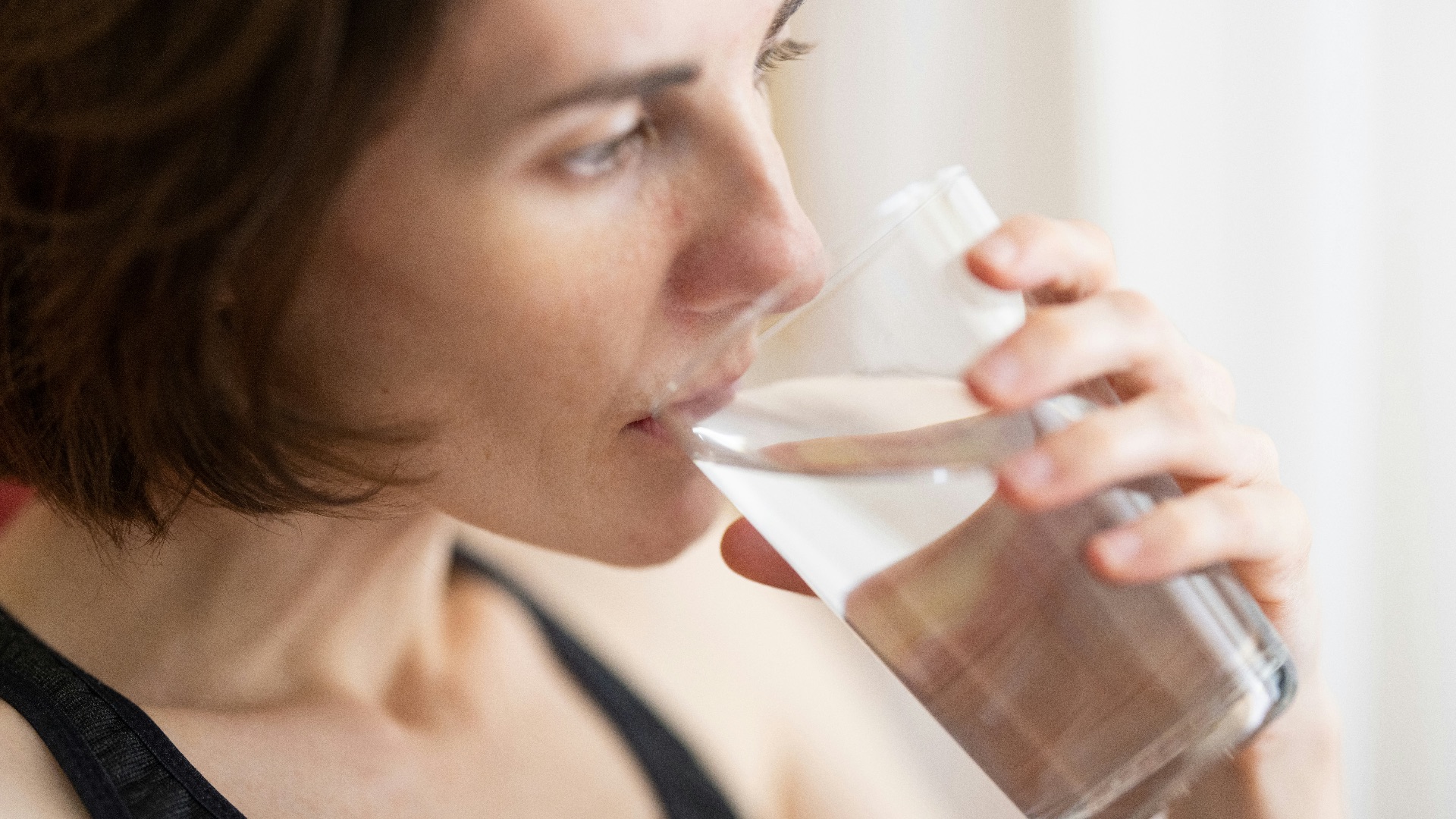
Another easy trick nutritionists suggest is to drink a large glass of water before each meal. Because your stomach will temporarily expand to accommodate the extra liquid, you're less likely to overeat since you already feel full. If you can, try drinking two glasses of water before you dig in.
The great thing about this tip isn't just that it helps you control your portion sizes, but that keeping well-hydrated allows for smoother digestion. This means you're less likely to experience an upset stomach or constipation, and, if you're eating enough fiber every day, you'll have more regular bowel movements.
Stopping Right When You Feel Full
This might sound fairly obvious, but you should put down your utensils right when you feel full. Yet, as obvious as the advice may be, people still tend to overeat. It may be because they're distracted and can't recognize their stomach's fullness cues, or because they feel it's a waste to not finish their plate.
But there are great benefits that can come from listening to your body. In fact, this hack is one that Japanese people regularly follow: hara hachi bu—eat until 80% full. The moment you start to feel full, stop eating. If you don't want to waste food, you can pack up any leftovers and enjoy them the next day. Over time, this approach can help you control your eating habits and thus allow you to keep weight off.
At the end of the day, it's important to follow the techniques that fit your lifestyle. You don't have to try all these hacks at once, and you shouldn't force your body to immediately accommodate these changes. Start slow, start small, and remember that nourishing your body should always come first. The number on the scale is just that: a number.