What Does It Really Mean To Ferment Food & What Are The Health Benefits?
 The Matter of Food on Unsplash
Fermentation sounds like a modern wellness trend, but it's actually one of humanity's oldest food preservation methods. Long before refrigerators existed, people relied on them to prevent spoilage and make food last through harsh seasons. Today, it's making a comeback—not just for flavor, but for what it does inside your body.
If you've ever wondered about what it actually means to ferment food and why this ancient process provides a number of health benefits, then join us as we take a closer look.
What Fermentation Really Means
At its core, fermentation is a natural process where microbes break down sugars in food without oxygen. The type of microbe determines what happens next. Bacteria produce lactic acid, which gives foods their tangy flavor. Yeast generates ethanol and carbon dioxide, causing dough to rise and creating alcohol in beverages. Fungi drive their own set of chemical reactions.
These byproducts don't just preserve food—they transform its taste and boost how much nutrition your body can absorb. Yogurt, kimchi, sauerkraut, kombucha, sourdough bread, and cheese all result from this process. Each one depends on specific microbes working under particular conditions to create distinct flavors and textures.
Not all fermentation follows the same path. Natural fermentation relies on wild microbes already present in the environment or on the food itself. Industrial fermentation works differently. It uses controlled bacterial strains, regulated temperatures, and added ingredients to speed things up and keep results consistent batch after batch.
Health Benefits Of Fermented Foods
Fermented foods do more than taste good—they support your gut health in meaningful ways. Probiotics, the live beneficial bacteria found in many fermented products, help balance your microbiome and improve digestion. A healthier gut often means better nutrient absorption and smoother digestive processes.
Fermentation also boosts the bioavailability of certain nutrients. Foods become easier to digest, and vitamins like B12 and K2, along with minerals like iron and zinc, become more accessible to your body. This means you get more nutritional value from what you eat. Fermented foods support immune function, too. A strong gut lining reduces inflammation and helps your body respond better to infections.
On a practical level, fermentation extends shelf life naturally and makes food safer by lowering pH levels, which discourages harmful bacteria.
Everyday Ways To Enjoy Fermented Foods

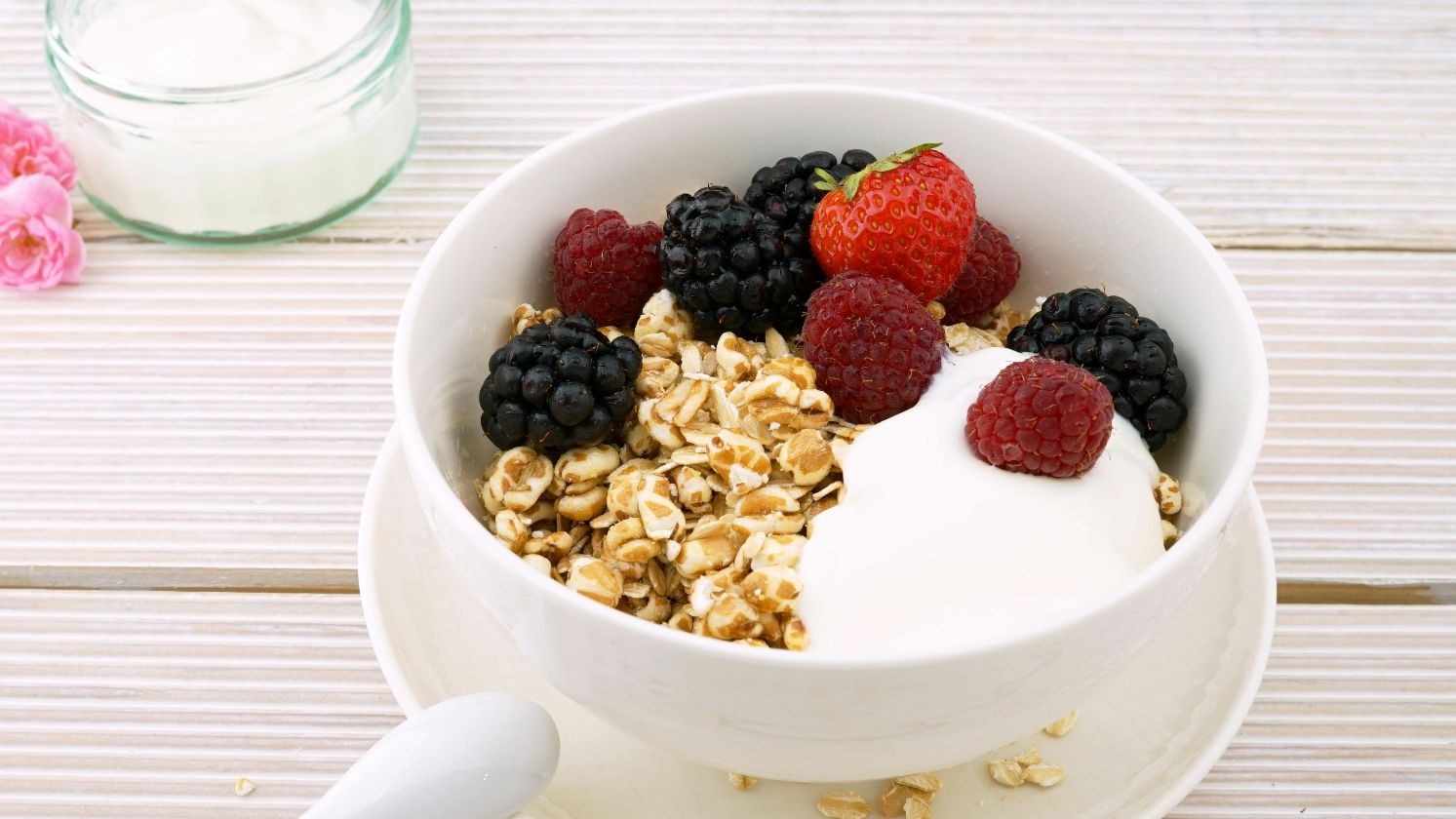
You don't need to overhaul your diet to benefit from fermentation. Start with simple swaps throughout your day. But moderation matters—some fermented foods, like soy sauce & miso, pack high amounts of salt or sugar. With that in mind, begin your morning with kefir in a smoothie or choose yogurt over sugary desserts. If you prefer savory breakfasts, spread miso paste on toast.
When lunchtime comes around, add kimchi as a side dish or pile sauerkraut onto sandwiches and grain bowls. Pickled vegetables work well as quick snacks between meals. Sourdough bread is another effortless addition that pairs with almost anything. For drinks, swap soda for kombucha. The key is mixing dairy-based options with vegetable ferments and beverages to keep things interesting. Many cultures already include fermented staples in daily meals, so you're probably more familiar with them than you realize.
KEEP ON READING

The Most Popular Signature Dishes Around the World