

Why Eating the Same Healthy Foods Every Day Isn't Always a Good Idea
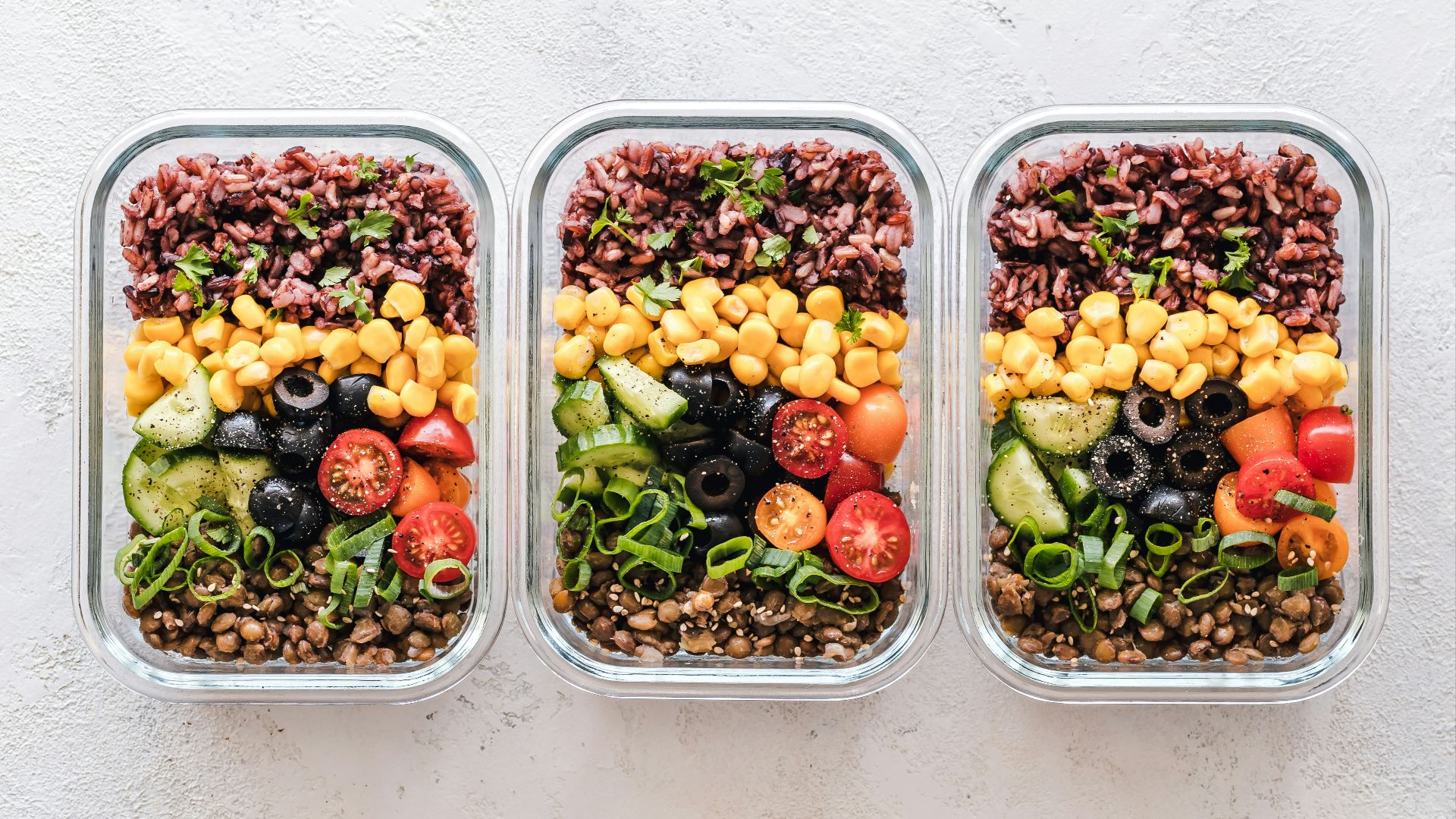
Eating healthy often feels easier once you've settled into a routine. You find a handful of nutritious meals you like, fill your fridge with familiar ingredients, and no longer spend so much time figuring out what to eat. Eventually, you're having the same oatmeal for breakfast, grain salad for lunch, and grilled chicken for dinner nearly every day.
However, while consistency can make healthy eating more manageable, sticking to the same foods isn't always the best approach. Your body needs a wide range of nutrients, and even the healthiest ingredients can't provide everything you need. Here's why mixing things up a little might be more beneficial than following the same carefully planned menu every day.
Your Body Needs More Than a Few Healthy Favorites
One of the biggest downsides of eating identical meals every day is that you might be missing important nutrients without realizing it. Spinach, for example, provides vitamin K, folate, and several minerals, but it doesn't contain everything your body needs. If you're constantly reaching for spinach instead of other vegetables, you're missing out on nutrients found elsewhere. Adding different greens and vegetables to your meals can help fill those gaps.
Different protein sources also come with their own nutritional benefits. Chicken breast provides plenty of protein, while salmon contains omega-3 fatty acids that support heart and brain health. Beans offer fiber and plant-based nutrients that most meats don't provide in comparable amounts. Switching between these options helps you get the most out of what each has to offer.
Even foods in the same category can have surprisingly different nutritional profiles. Oranges are famous for their vitamin C content, while bananas offer potassium and vitamin B6. Berries also contain various plant compounds that contribute to their unique health benefits. Changing your fruit choices throughout the week is an easy way to get more of these nutrients without overhauling your diet.
It's also worth remembering that certain nutrients work together to help your body function properly. Vitamin C, for instance, improves iron absorption from plant-based foods, making combinations such as lentils and bell peppers especially useful. Dietary fat also helps your body absorb vitamins A, D, E, and K. Having a wider selection of ingredients in your meals makes it easier to benefit from these combinations.
Your Gut Bacteria Appreciate a Little Variety
Your digestive system is home to a massize community of microorganisms that help break down food and play a role in your overall health. Different bacteria feed on different dietary components, especially the fibers found in plant foods. When you rarely change what you're eating, you may be giving these microorganisms a more limited selection of nutrients. Research has linked greater plant diversity in diets to differences in gut microbiome composition.
Oats, for example, contain beta-glucan, a soluble fiber associated with several health benefits. Lentils, on the other hand, provide resistant starch and other fermentable carbohydrates that gut bacteria can use. Vegetables such as onions and asparagus contain additional types of prebiotic fibers. Eating a mix of these foods gives your digestive system access to more beneficial compounds.
Scientists are still working to understand exactly how gut microbiome diversity affects long-term health. However, studies suggest that eating a variety of plant foods can help encourage beneficial microbial activity. You don't need to buy unusual ingredients or expensive supplements to make a difference, either. Simply switching up your vegetables, grains, beans, nuts, and seeds is a great place to start.
Having the same meals on repeat can also become an issue if certain ingredients regularly upset your stomach. Someone who eats large amounts of high-fiber foods might experience bloating or gas, particularly if they've increased their fiber intake too quickly. Instead of cutting nutritious foods out completely, adjusting your portions and trying different options may help. Making gradual changes also gives your digestive system time to get used to them.
Repetitive Meals Can Affect Your Relationship With Food
Good nutrition isn't just about getting enough vitamins and minerals, since enjoying your food matters, too. Eating the same meals for weeks can eventually make even your favorite dishes feel boring. You might find yourself feeling unsatisfied despite having eaten enough calories. Trying new flavors and textures can make sticking to healthy habits much more enjoyable.
Following an overly strict eating routine can sometimes create unnecessary stress around food choices. If you've convinced yourself that your usual lunch is the healthiest option, ordering something different might feel uncomfortable. The good news is that balanced eating leaves plenty of room for flexibility, and every meal doesn't have to be nutritionally perfect. Your overall eating habits matter much more than any single meal.
There's also the less obvious concern that eating certain foods frequently can increase your exposure to naturally occurring compounds or contaminants. Rice, for instance, can contain inorganic arsenic, which makes rotating your grains a sensible choice. That doesn't mean rice is unhealthy or that you should stop eating it altogether. Mixing in oats, quinoa, barley, and other grains simply helps you avoid relying too heavily on one food.
Thankfully, adding variety doesn't mean giving up the routines that make healthy eating convenient. You can still enjoy your favorite breakfast while changing the fruit, nuts, or seeds you add each morning. For dinner, try using the same cooking method but experimenting with different vegetables, proteins, or whole grains. Ultimately, you don't need to avoid repeating meals entirely, as long as you're eating enough different foods to keep your diet nutritious, enjoyable, and sustainable.
KEEP ON READING