10 Classic Airplane Dishes & 10 Reasons Food Tastes Different Up There
Tray-Table Classics & the Science of “Why Does This Taste Like That?”
Airplane food has a weird kind of fame: you might not crave it on the ground, but you definitely recognize it at 35,000 feet. Some in-flight dishes have become classics because they’re sturdy, reheatable, and hard to mess up in a tiny galley. Then there’s the other half of the story, which explains why those dishes work in a pressurized, noisy, super-dry cabin. Here are 10 classic airplane dishes and 10 reasons food tastes different up there.
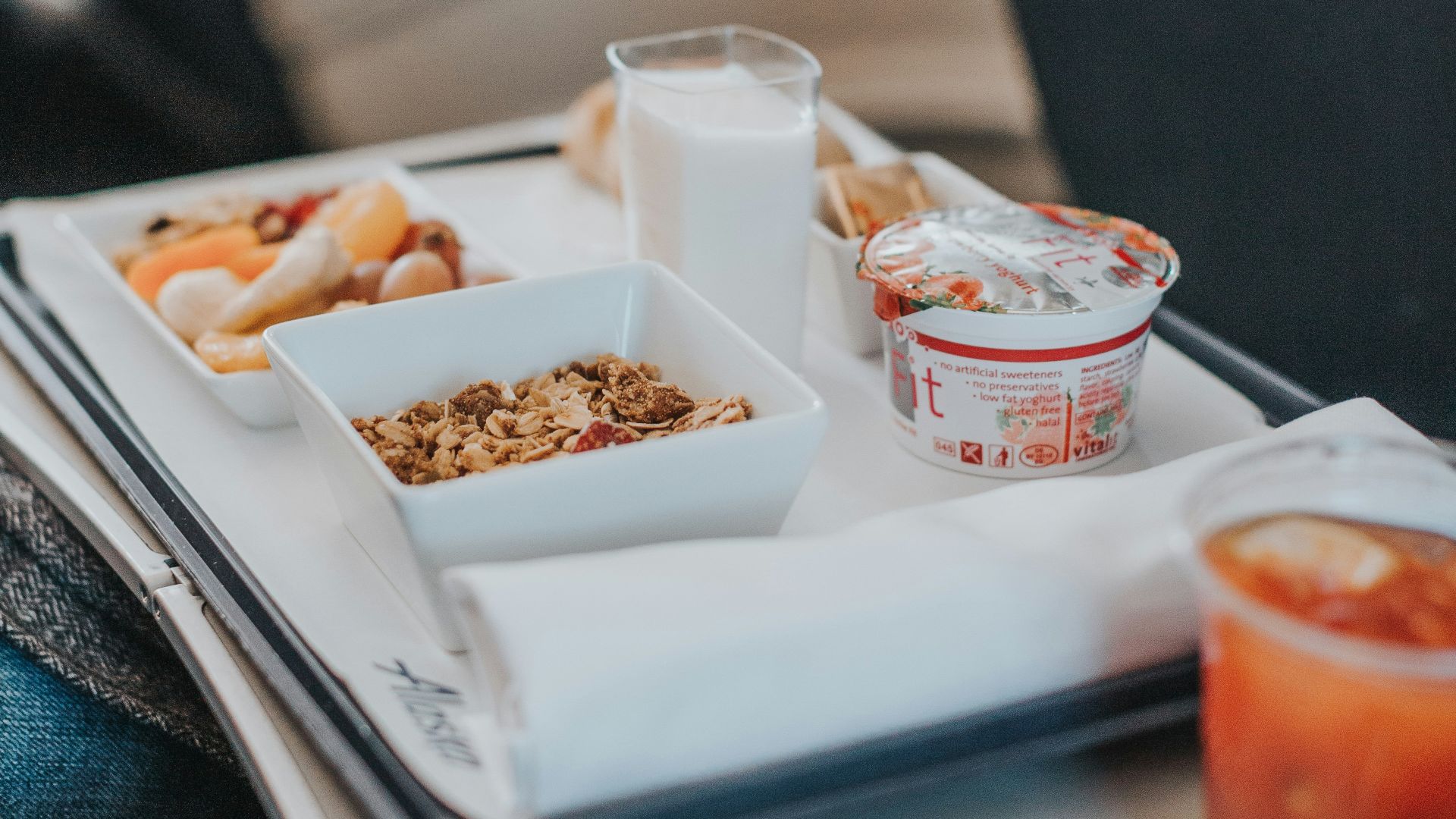
1. Chicken Teriyaki With Rice
Chicken teriyaki is an airplane classic because the sauce stays flavorful even after reheating. The sweet-salty glaze holds up in dry cabin air, and rice is a reliable side that doesn’t fall apart. You’ll often get a few somewhat mushy vegetables mixed in.
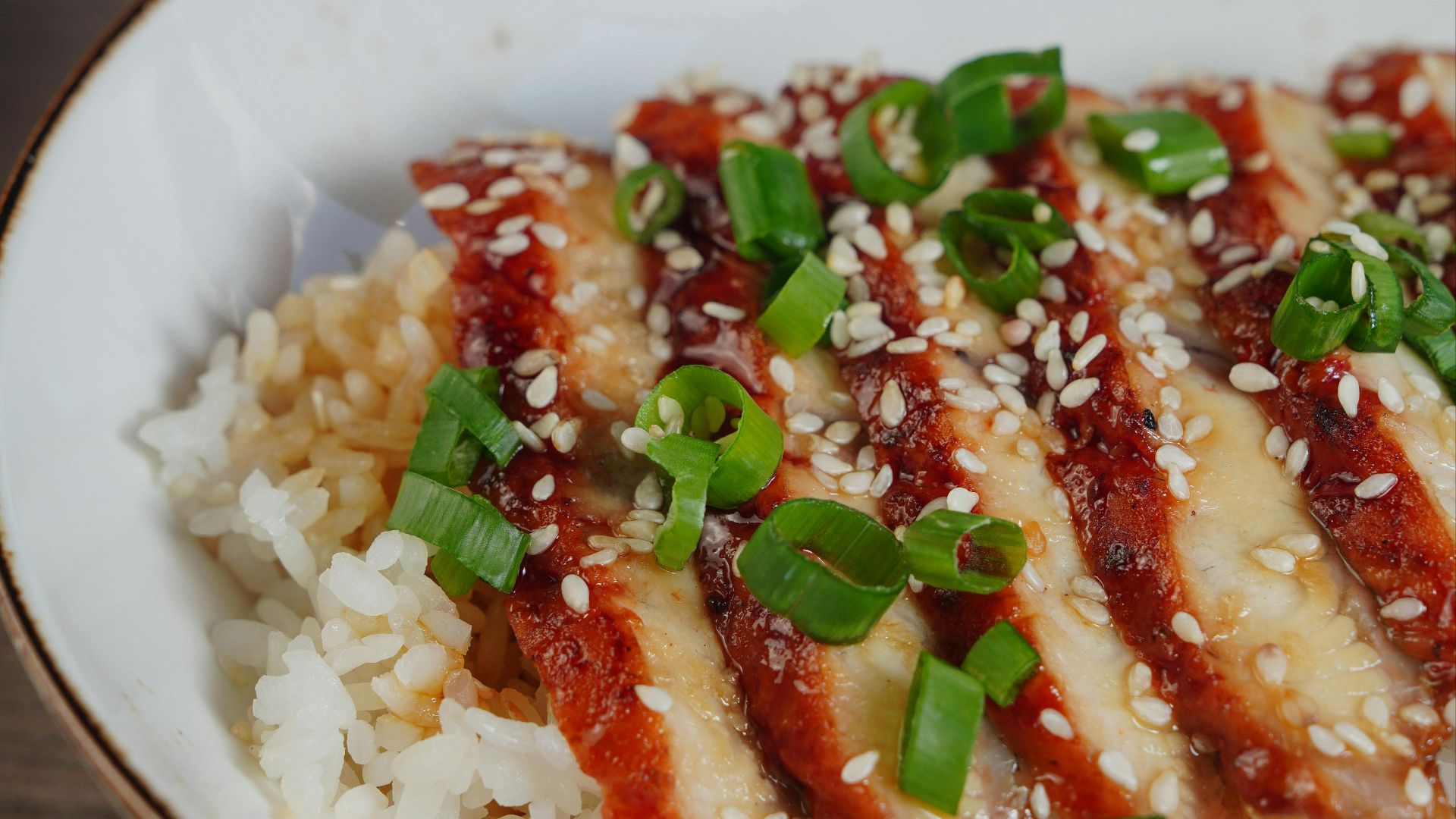
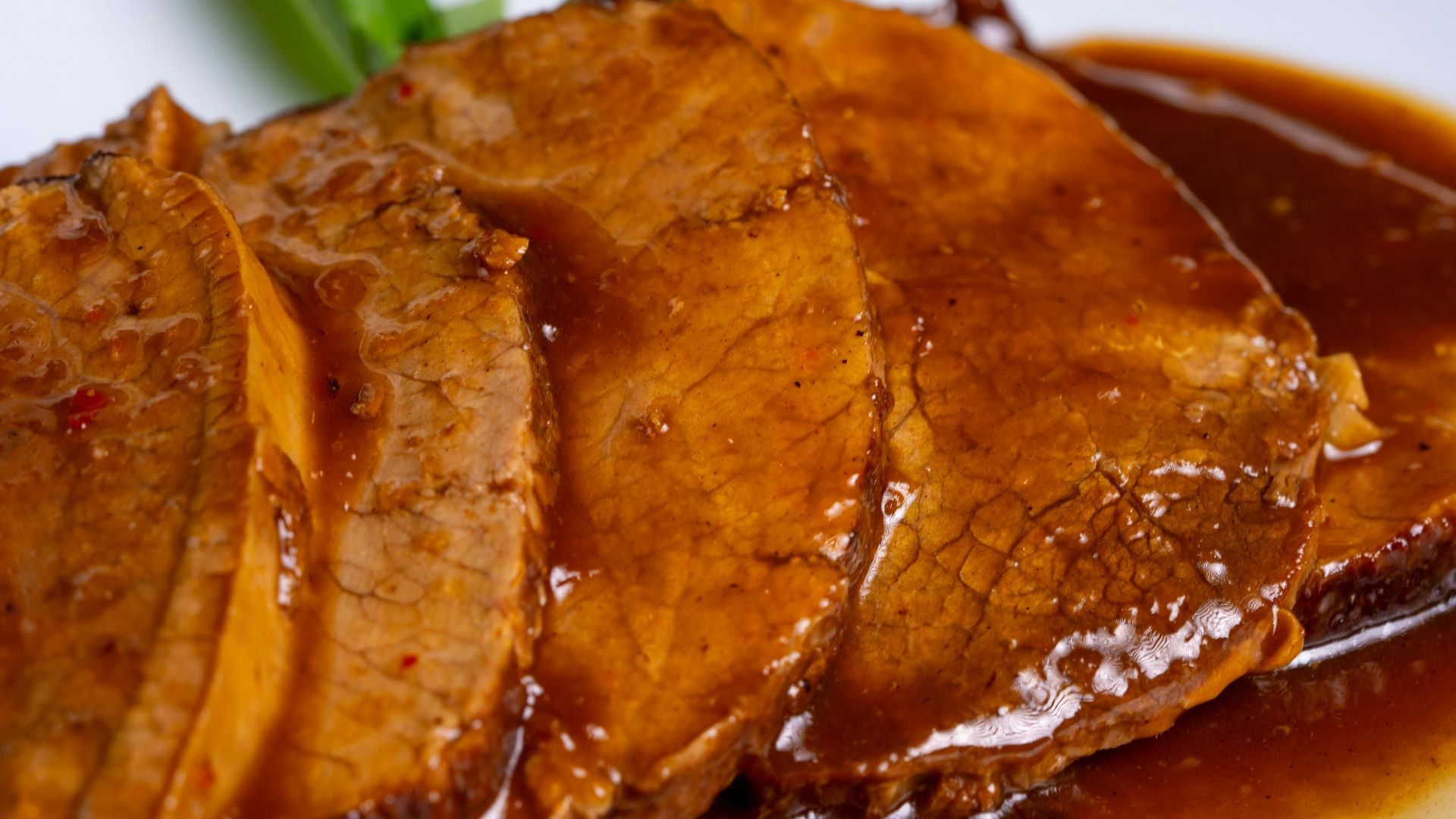
2. Beef in Gravy With Mashed Potatoes
Beef dishes that lean on gravy show up a lot because sauce forgives a lot of sins. Mashed potatoes are also a safe bet since they don’t dry out as quickly as other sides. When it’s good, it’s comfort food with a seatbelt sign.
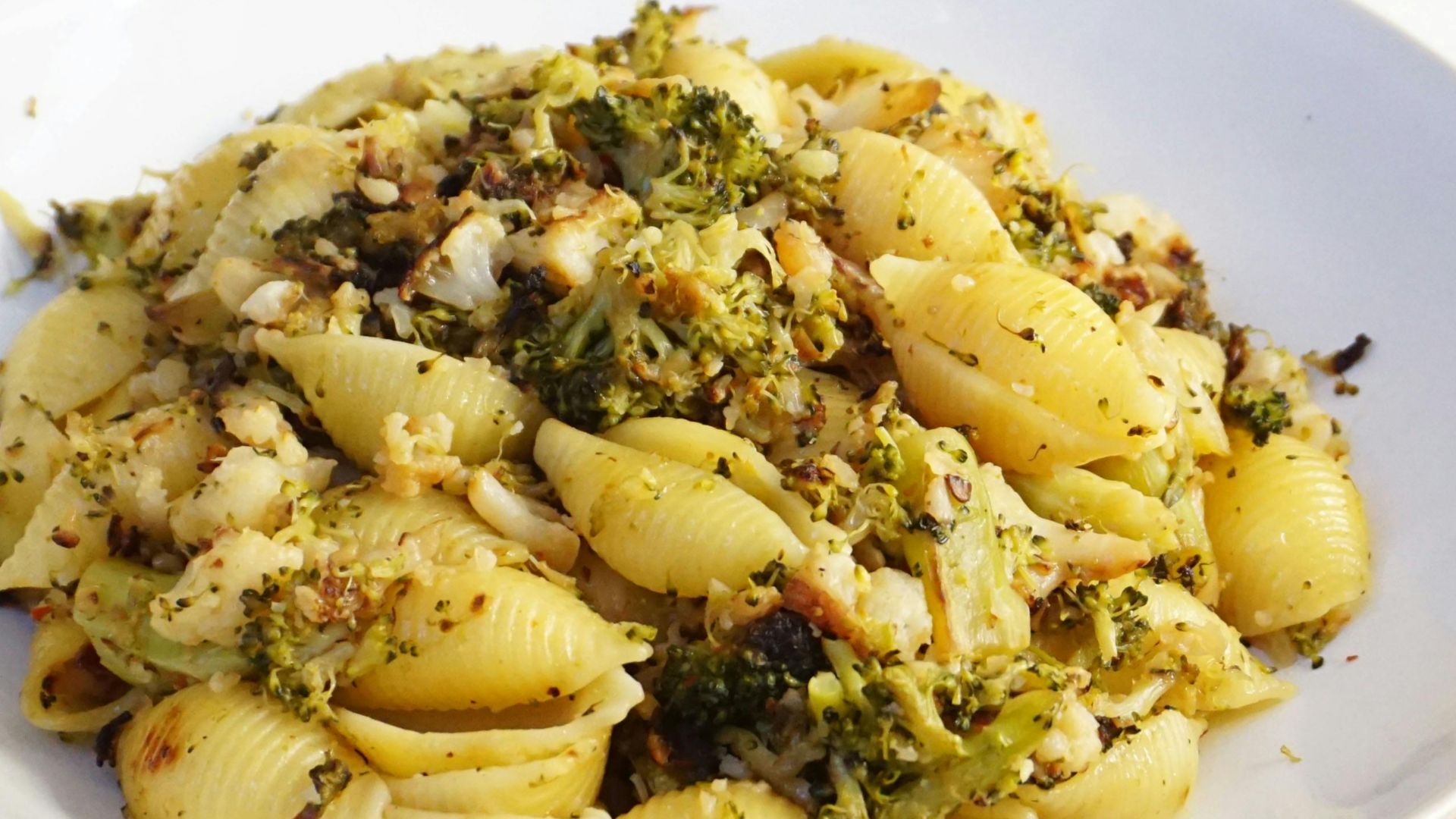
3. Veggie Pasta
If you’ve ever clicked the vegetarian meal option, you’ve likely met veggie pasta. It’s common because it’s simple, flexible, and doesn’t require precise timing like delicate proteins do. The vegetables might be a little soft, but the dish usually holds together.
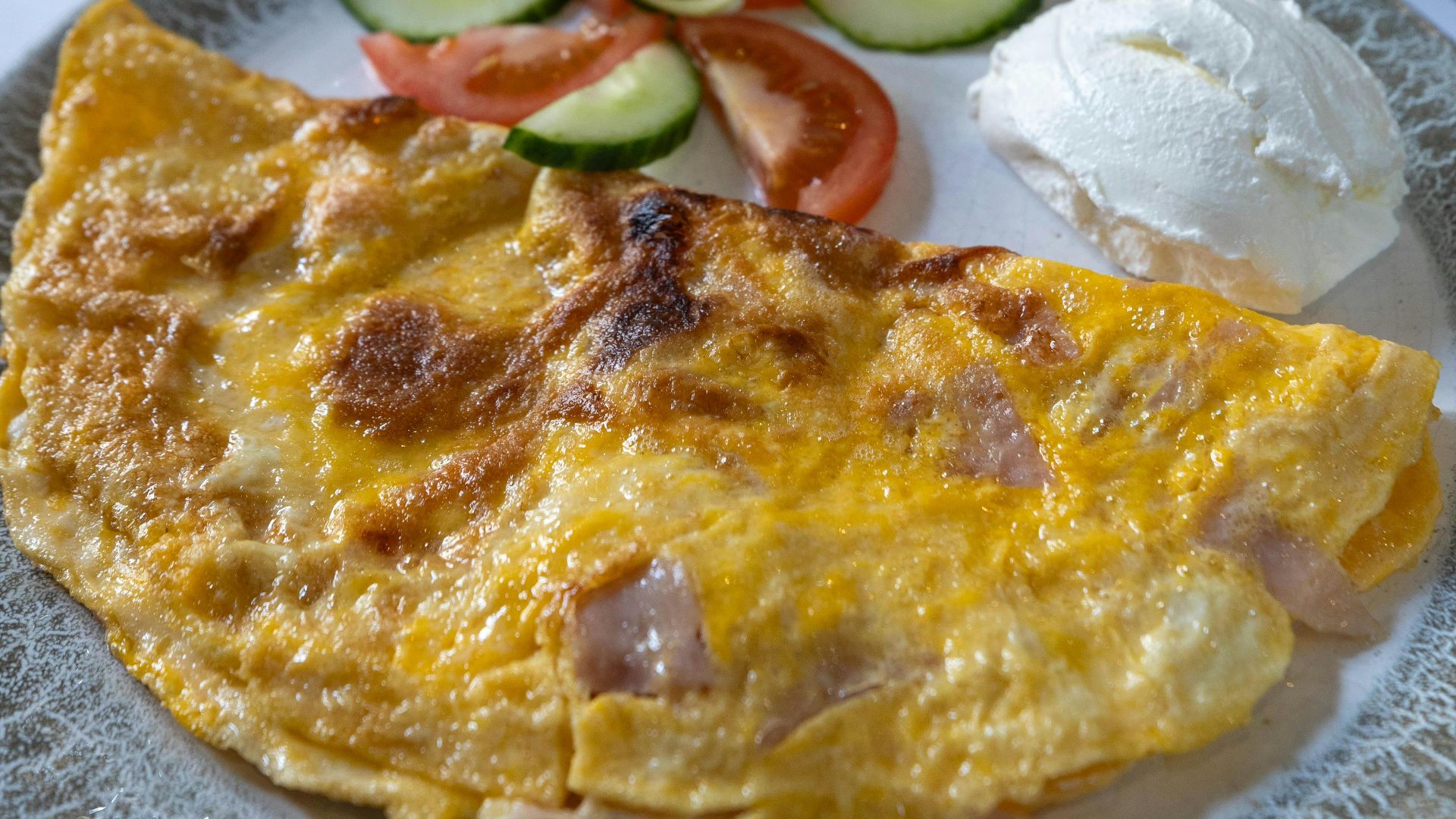
4. Omelet
Morning flights love eggs because they’re filling and easy to portion. You’ll typically see eggs paired with sausage, potatoes, a little fruit, and something bread-adjacent. It’s the kind of breakfast that says, “We’re feeding you, not impressing you.”
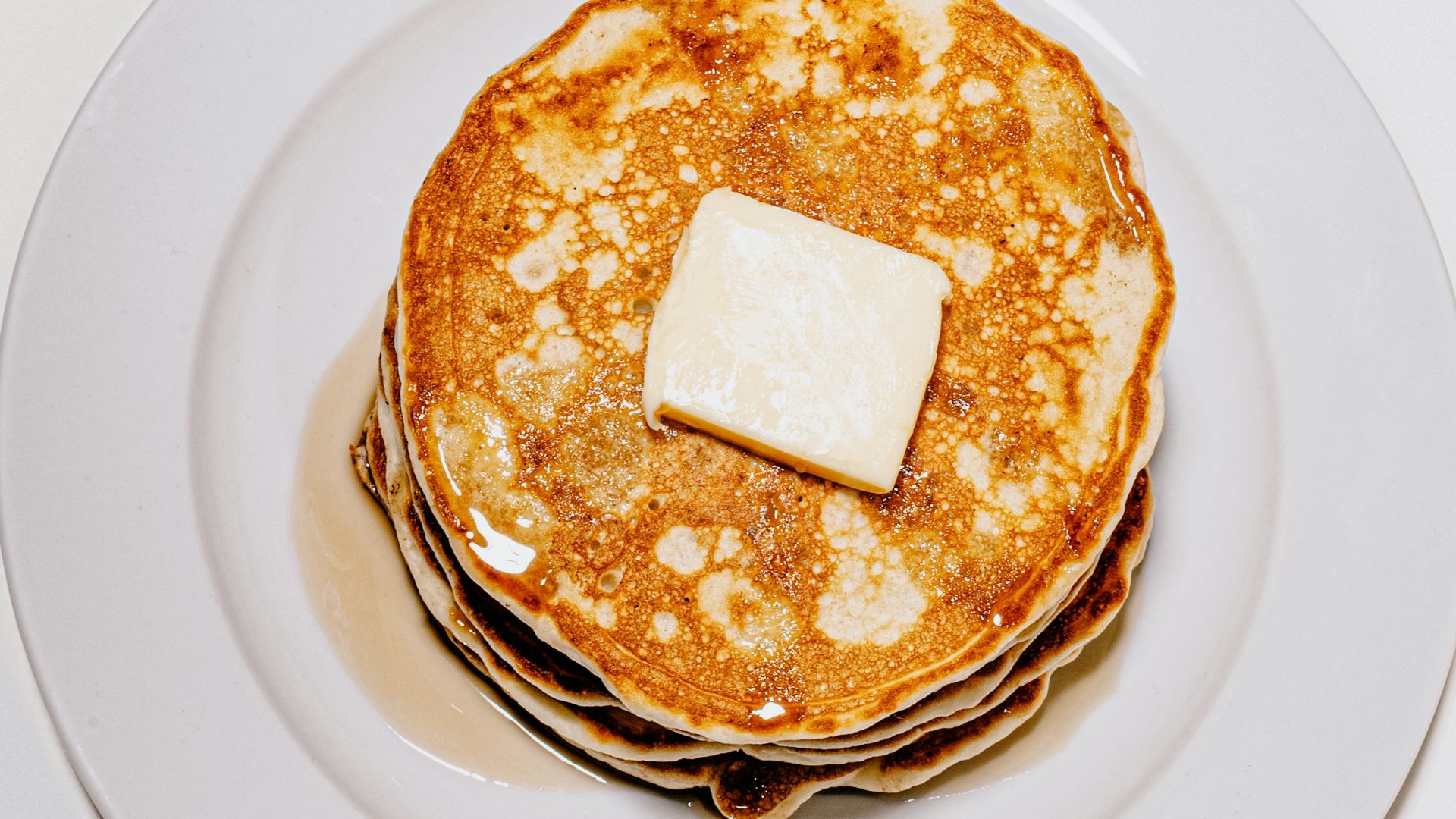
5. Pancakes or French Toast With Syrup
Sweet breakfast trays are popular because they’re easy to reheat and still taste like themselves. Syrup covers dryness, and powdered sugar can make anything look more cheerful. Even if the texture isn’t perfect, it’s recognizable comfort. It also pairs nicely with the airline coffee you’re pretending is stronger than it is.
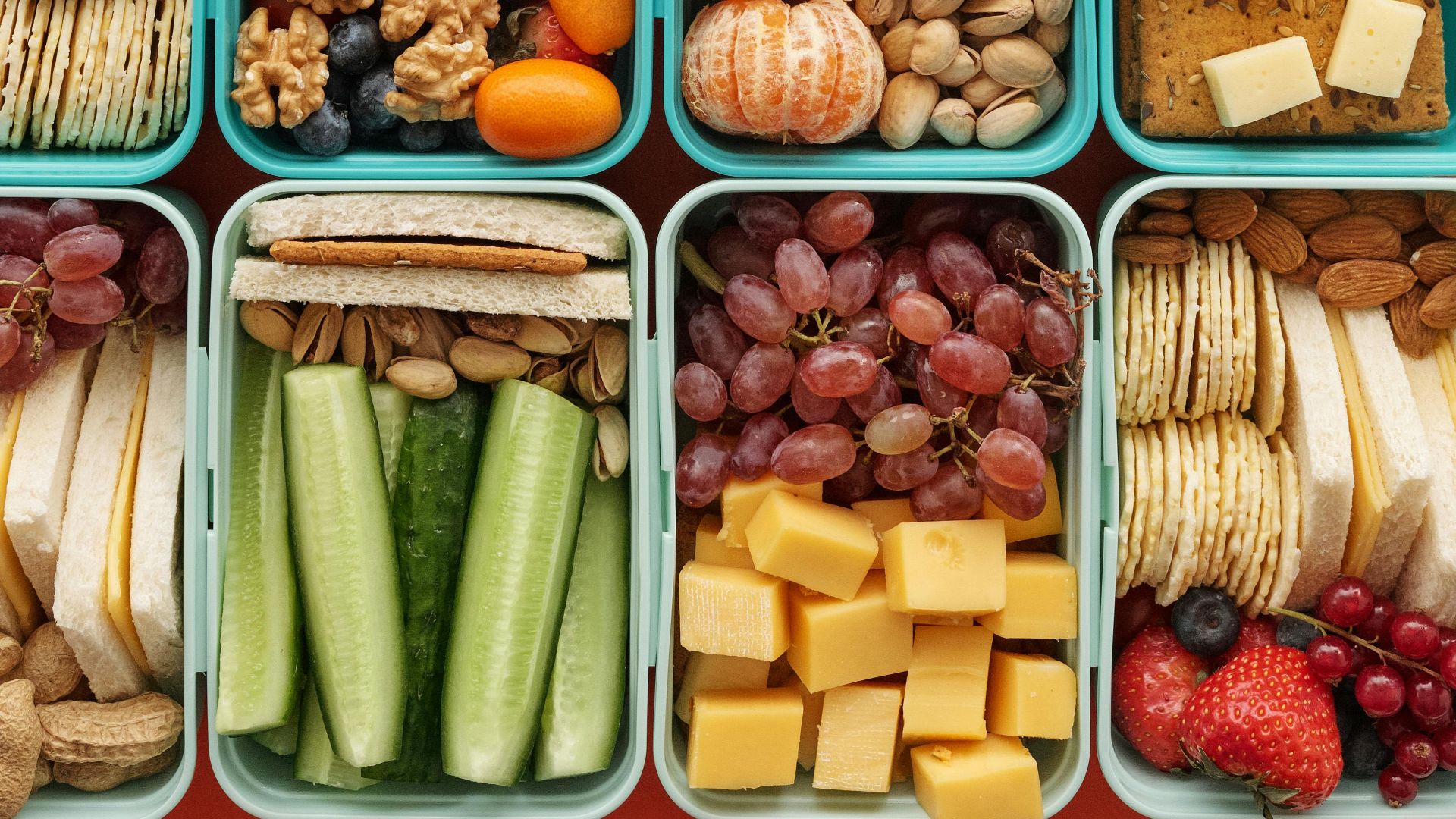
6. The “Cold Plate” Snack Box
Snack boxes are a modern classic consisting of cheese, crackers, nuts, maybe a little chocolate, and something salty. They’re consistent, low-mess, and don’t depend on reheating anything. They may be overpriced, but they're pleasant to nibble on at altitude.
7. Yogurt With Granola & Fruit
This shows up on shorter flights and breakfasts because it’s easy, light, and fairly crowd-pleasing. Granola brings crunch, yogurt adds protein, and fruit makes it look like you’re making responsible choices. If you’ve got a tight connection, it’s a quick eat without drama.

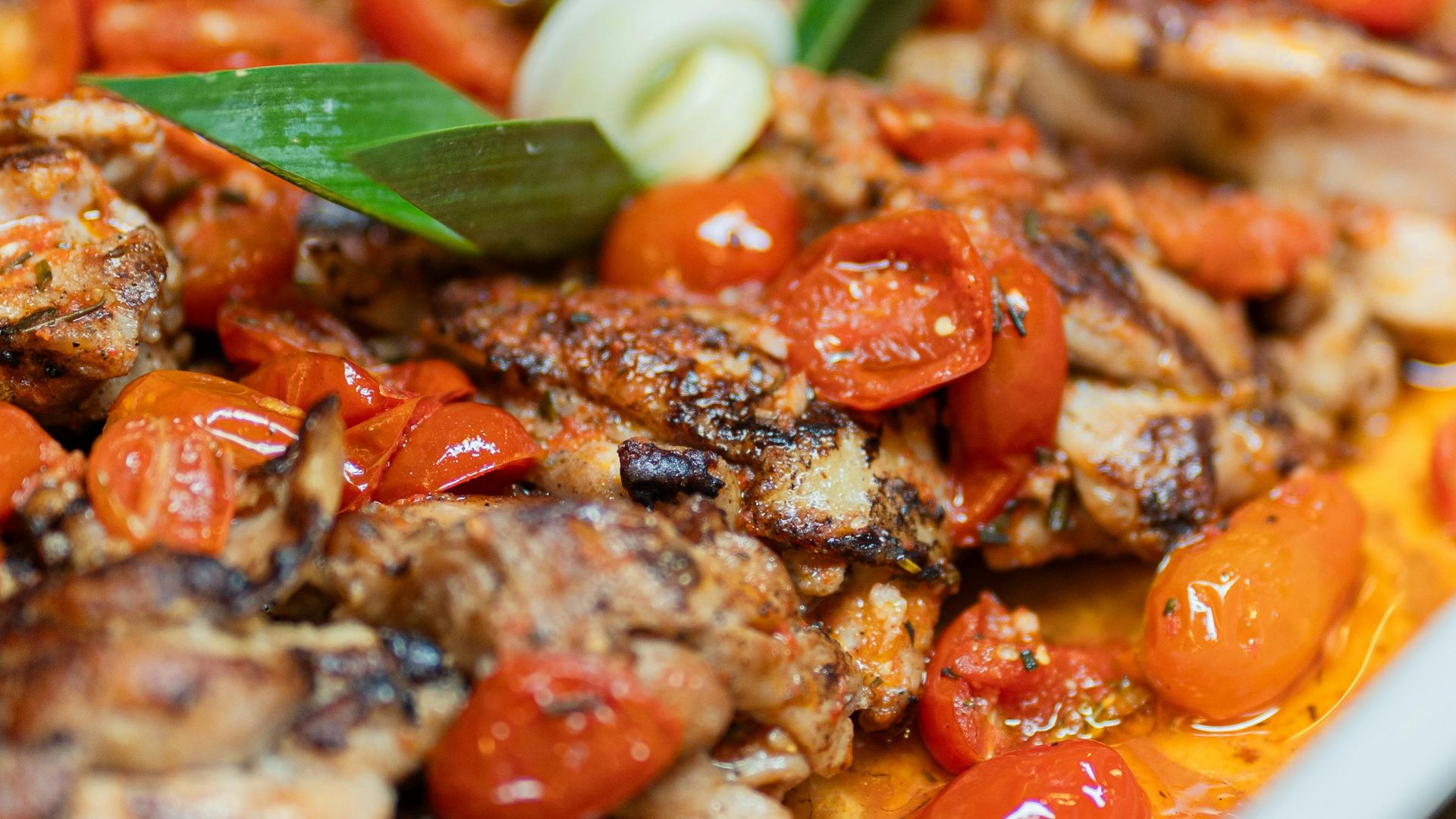
8. Chicken in Tomato Sauce
Chicken in tomato sauce shows up a lot because tomato-based sauces keep their punch at altitude. The acidity helps the dish taste brighter than cream sauces that can feel heavier in the air. Paired with pasta or rice, it’s simple, sturdy, and hard to mess up in a galley.
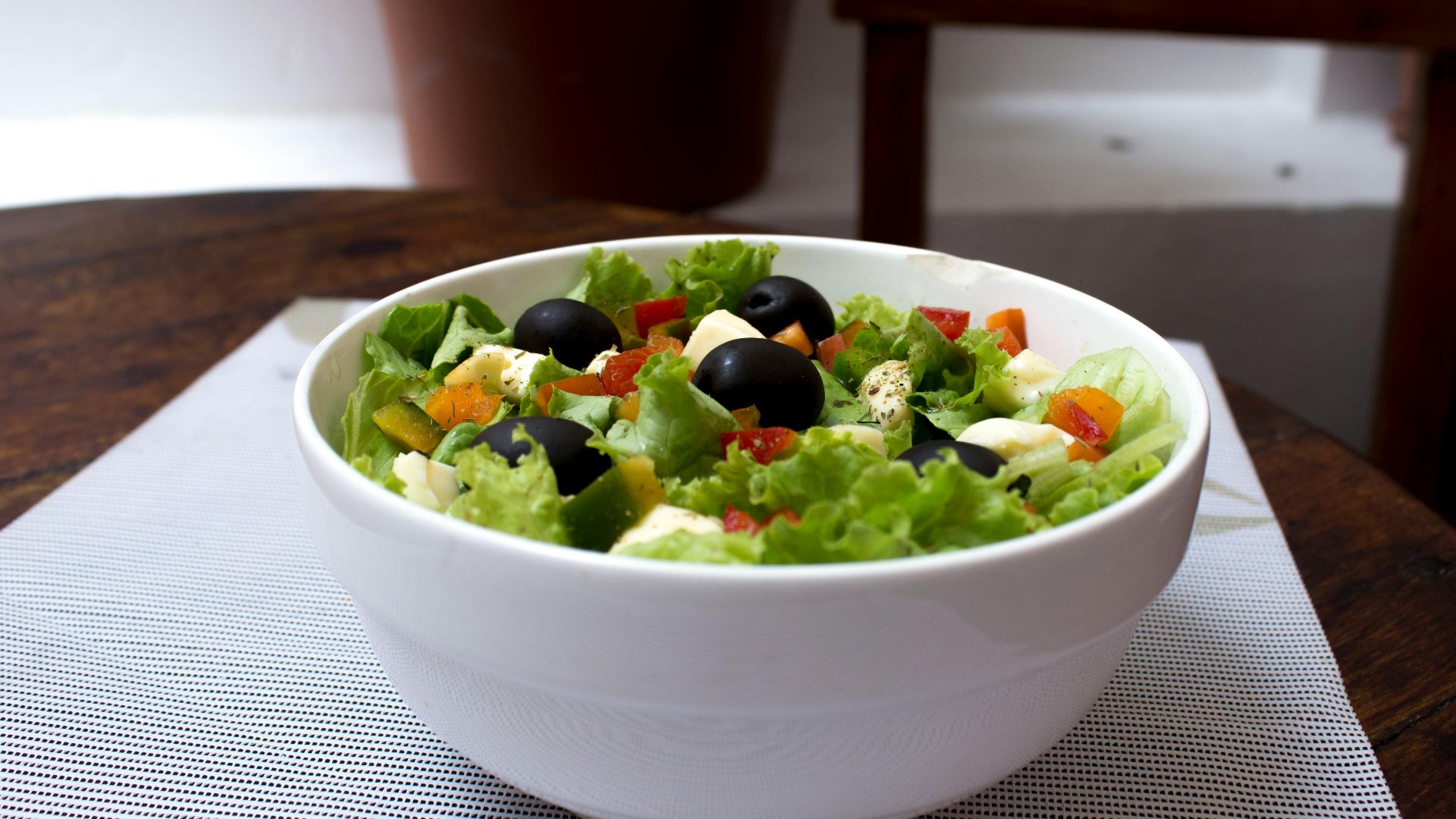
9. Salad With a Tiny Dressing Packet
Airline salads are usually just a handful of leaves, but they’re a classic because people want something fresh. The dressing bottle is always comically small, making you feel like a giant. It’s a nice break from carbs and reheated entrées.
 TUBARONES PHOTOGRAPHY on Pexels
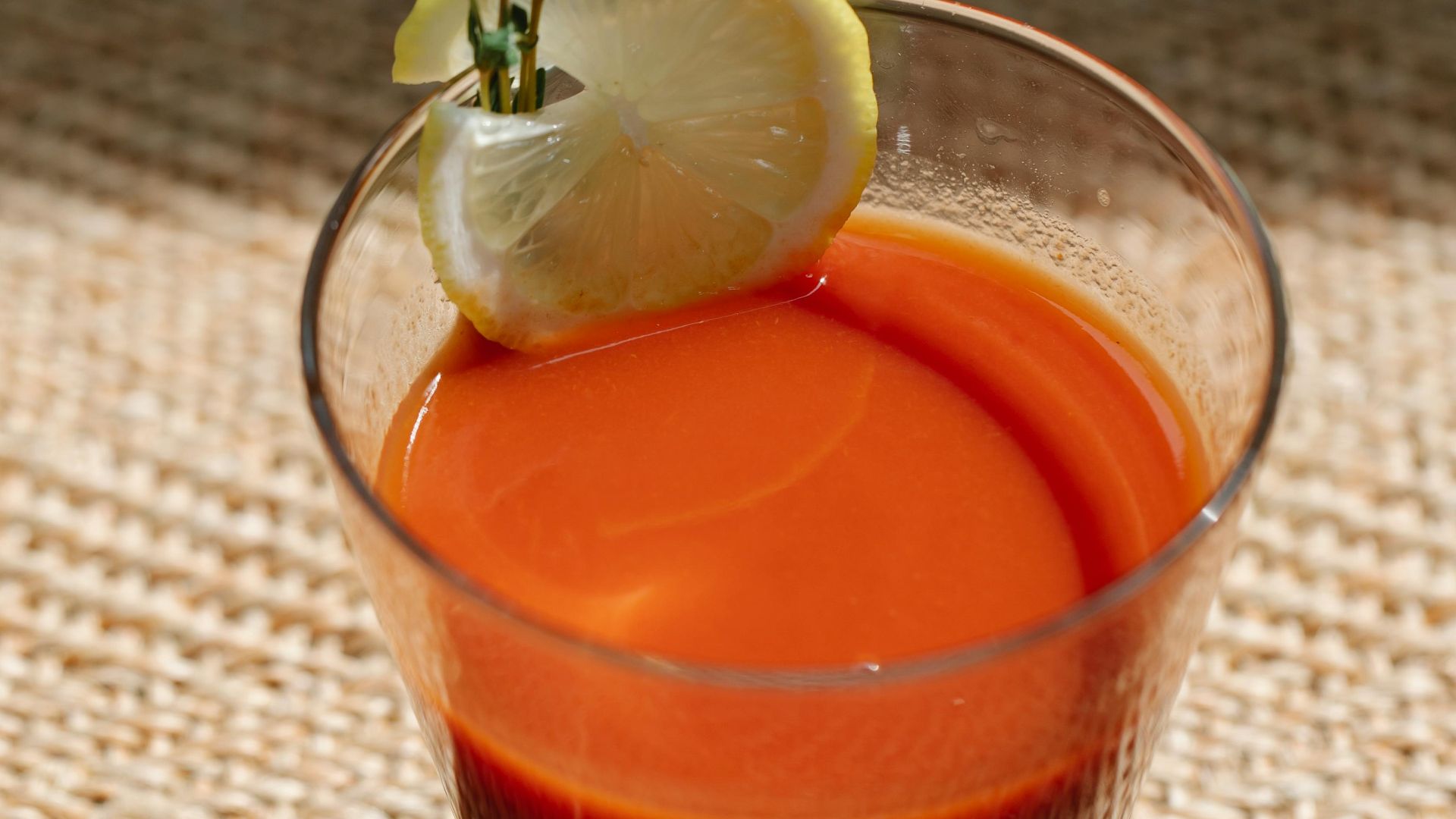
10. Tomato Juice or a Bloody Mary
For reasons that feel mysterious until you learn the science, tomato juice becomes oddly appealing in the air. It’s bold, savory, and doesn’t rely on delicate aromas the way some drinks do. Many frequent flyers swear it tastes better up there than it does at home.
Now that we've talked about 10 dishes you're likely to be served on a plane, let's talk about why food tastes so different up there and why those dishes work.
1. Cabin Air Is Extremely Dry
Airplane cabins have less humidity than the Sahara Desert. That dryness can dull your sense of smell. Since so much of “taste” is actually aroma, food can seem flatter than it would on the ground. That’s why airlines often lean into sauces and bolder flavors to compensate.
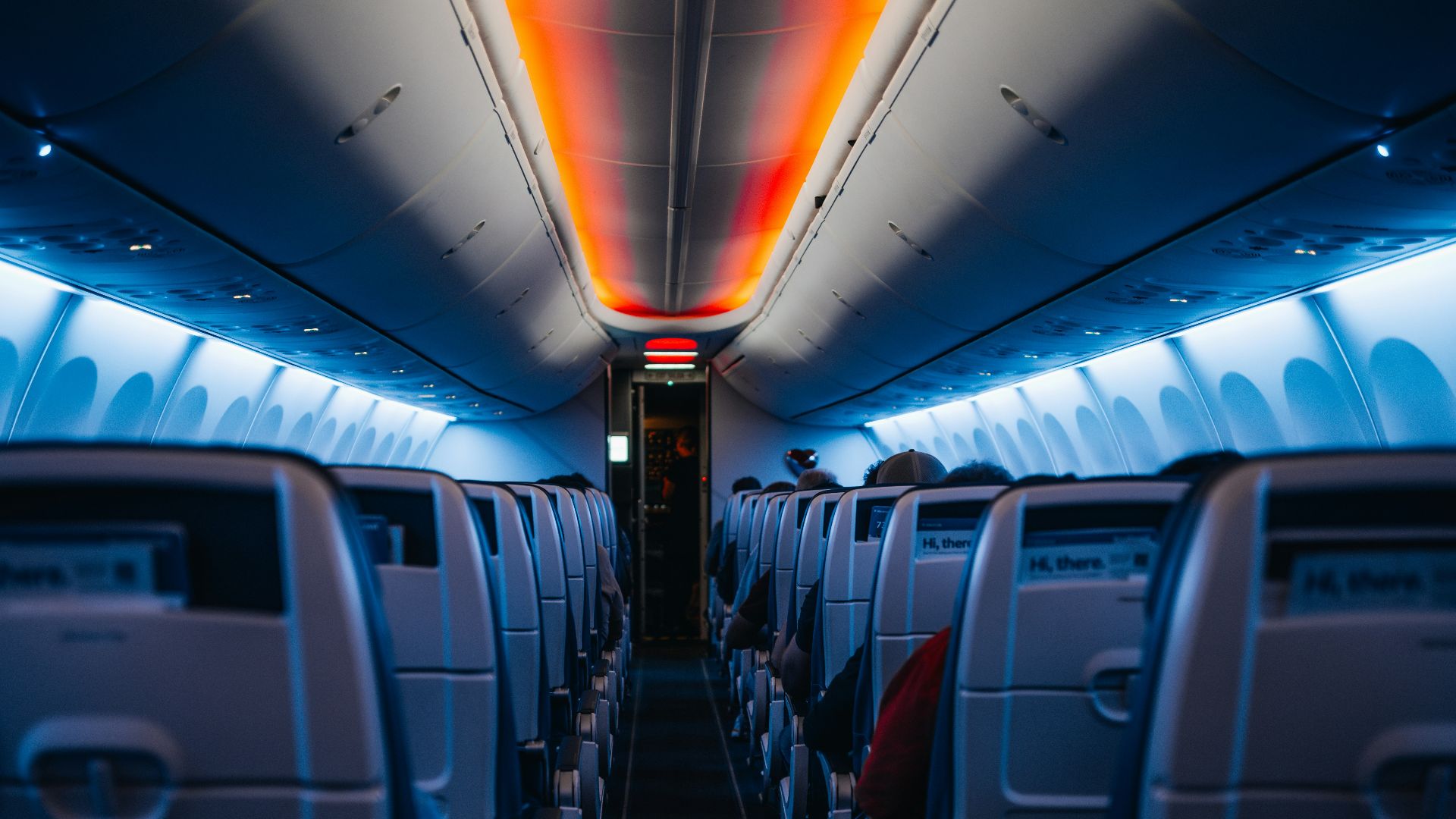
2. Pressurization Blunts Sweet & Salty Notes
Cabins are pressurized to an altitude equivalent that’s higher than sea level, and that change can affect how strongly you perceive certain flavors. Sweetness and saltiness are often the first to feel muted, which makes food seem underseasoned even when it isn’t.
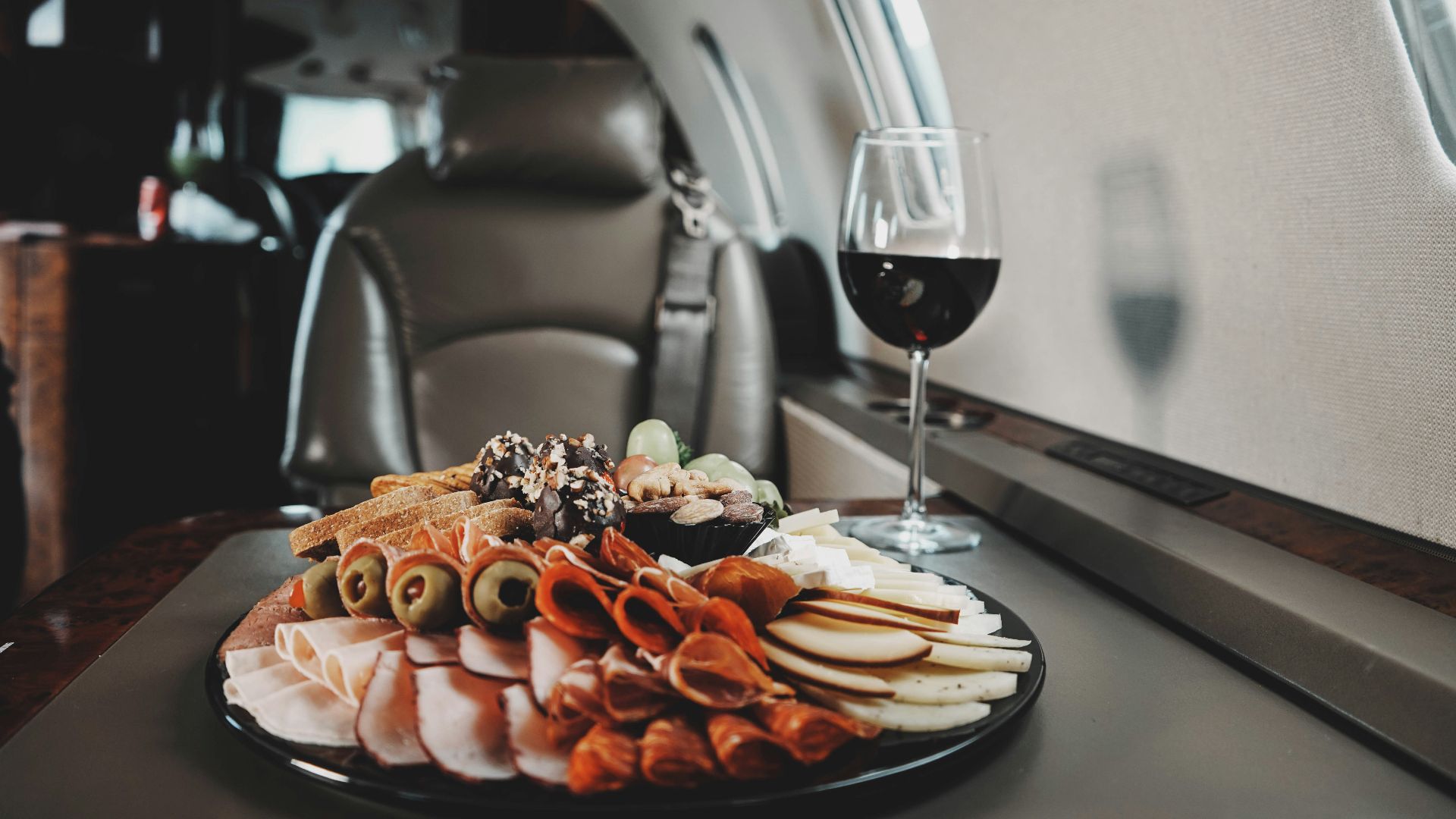
3. Your Nose Gets Slightly Stuffy
Dry air plus long periods of sitting can make your nasal passages feel less clear. When your nose isn’t fully cooperating, your ability to pick up aromas drops, and flavor feels simpler.

4. Cabin Noise Changes Perception
Airplanes are loud, and that background noise doesn’t only affect comfort. Research on sensory perception shows that noise can shift how people experience food and drink, including appetite and enjoyment. That hum can make subtle flavors feel less noticeable.
5. Food Is Cooked, Chilled, Then Reheated
Airline meals are prepared ahead and industrial kitchens, cooled for safety, and reheated on the plane. That process can soften textures and dull fresh flavors, especially in foods that rely on crispness. Sauces survive better than delicate components, which is why “wet” dishes often taste more satisfying.
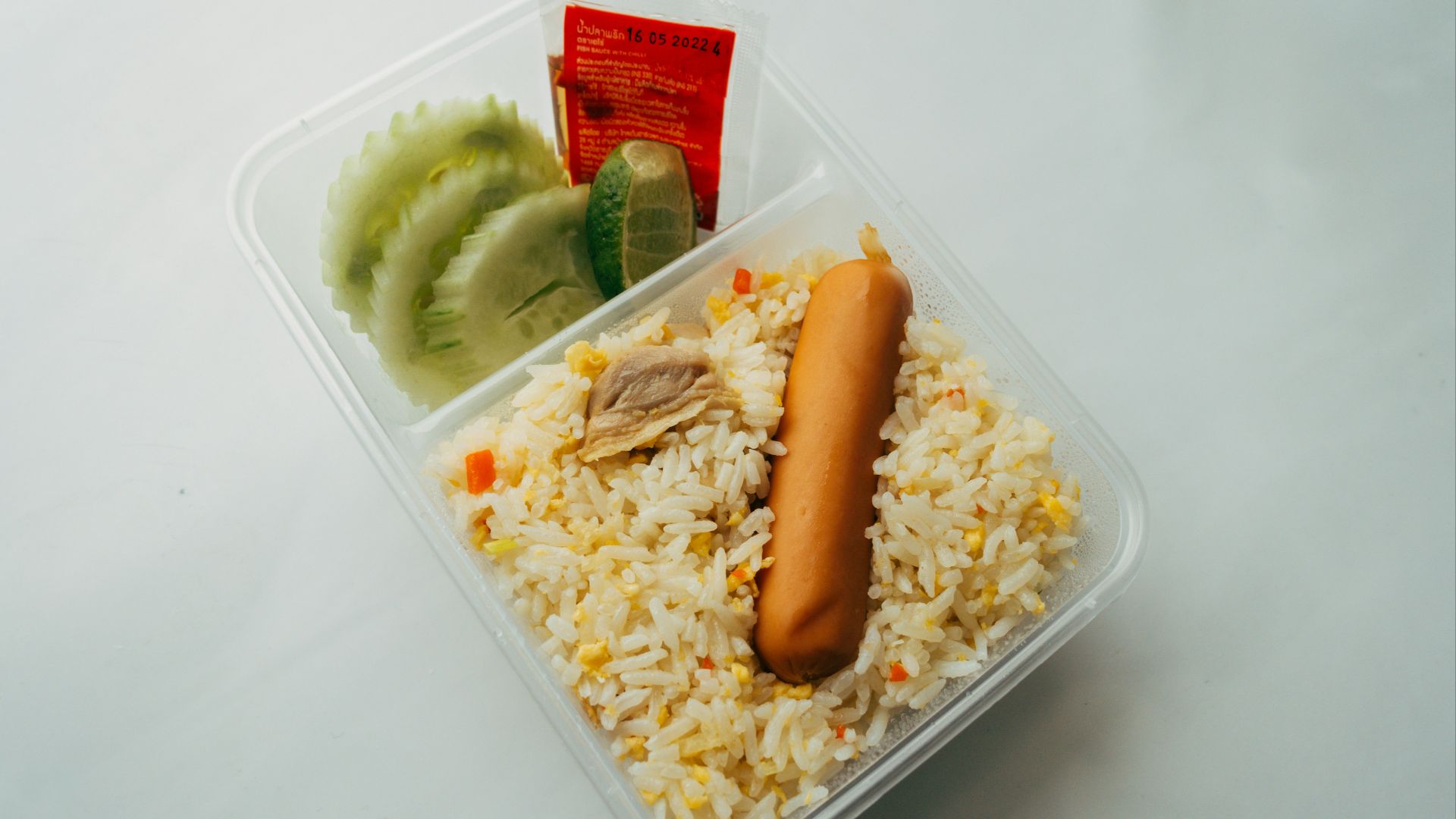
6. Lower Moisture Makes Spices & Aromas Harder to Notice
Many seasonings are carried by aroma, and aroma needs moisture in the air and your nose to really show up. In a dry cabin, spice blends can lose some of their impact even if the recipe is solid. That’s why foods with naturally savory compounds can come across better.
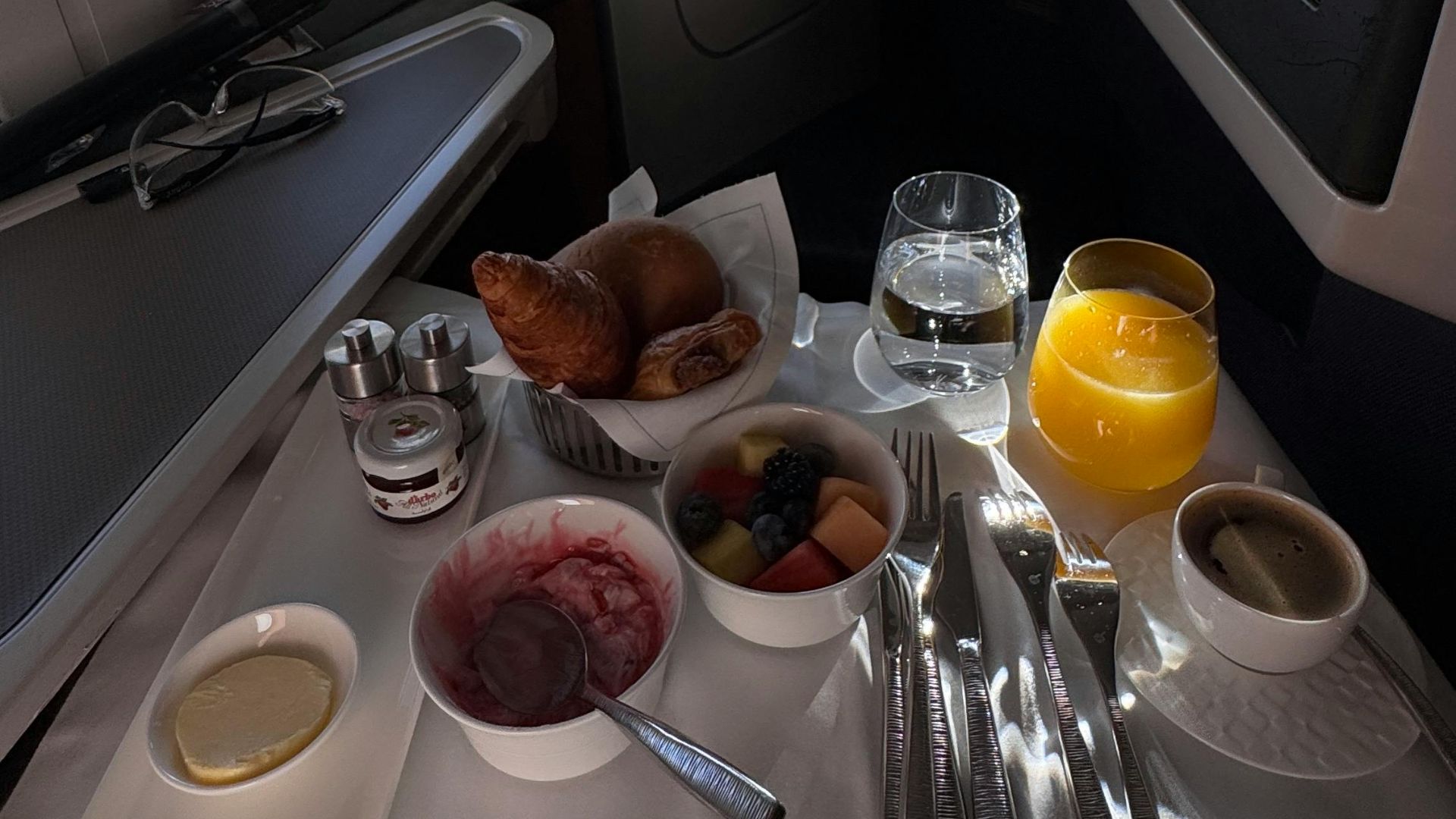
7. Your Body’s Focus Is Split
Travel brings stress, excitement, and constant little interruptions, and your brain notices those things. When you’re distracted, your attention to flavor drops, even if the food is decent. If you eat while answering emails and guarding your armrest, you’re not exactly in tasting mode.
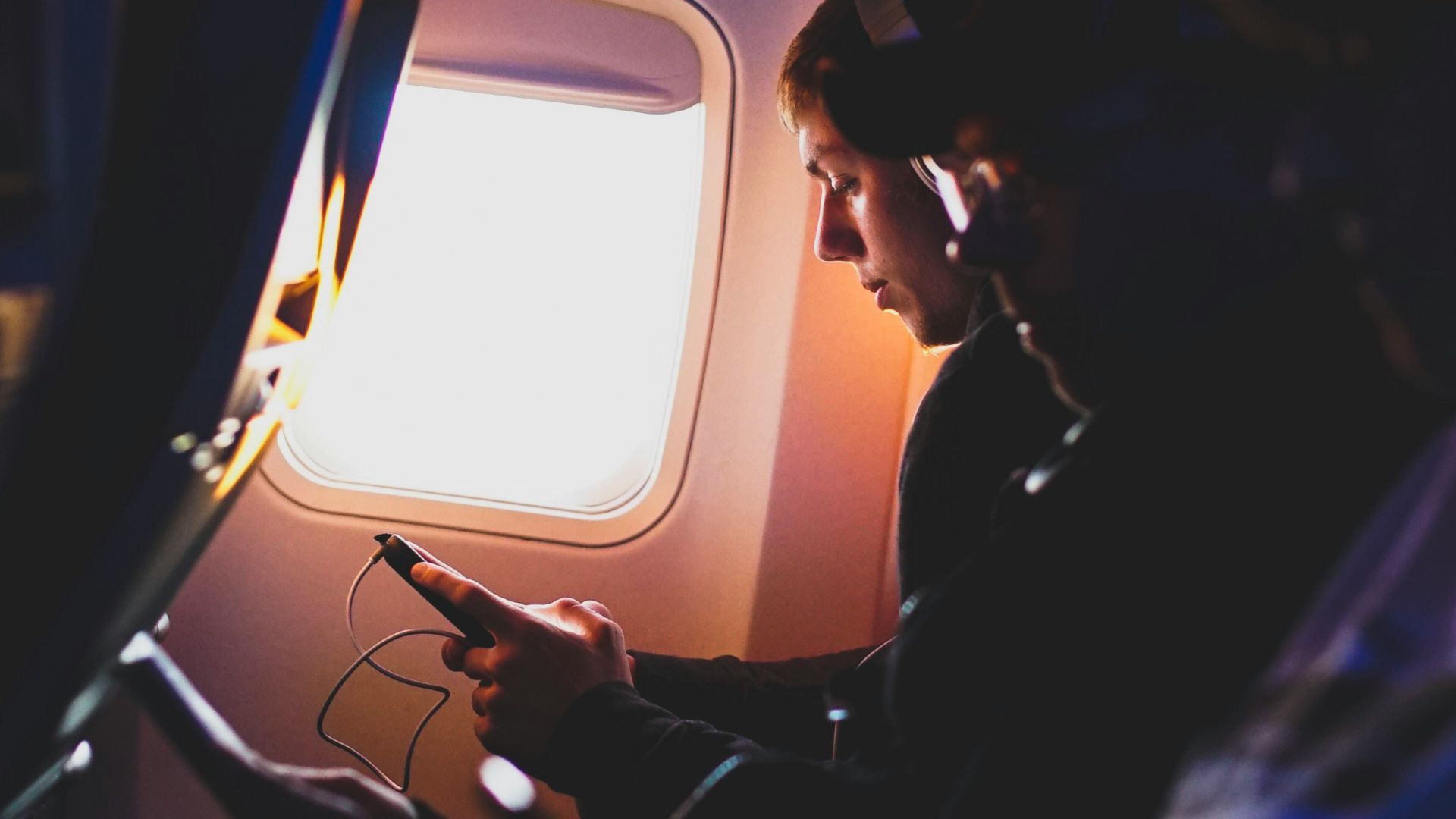
8. Temperature Gets Weird Fast
Food served too hot can burn off aroma, and food served too cool can taste muted. On planes, meals cool quickly once they hit your tray, especially if the cabin is chilly. That’s one reason breads and desserts sometimes feel more consistent than hot entrées.
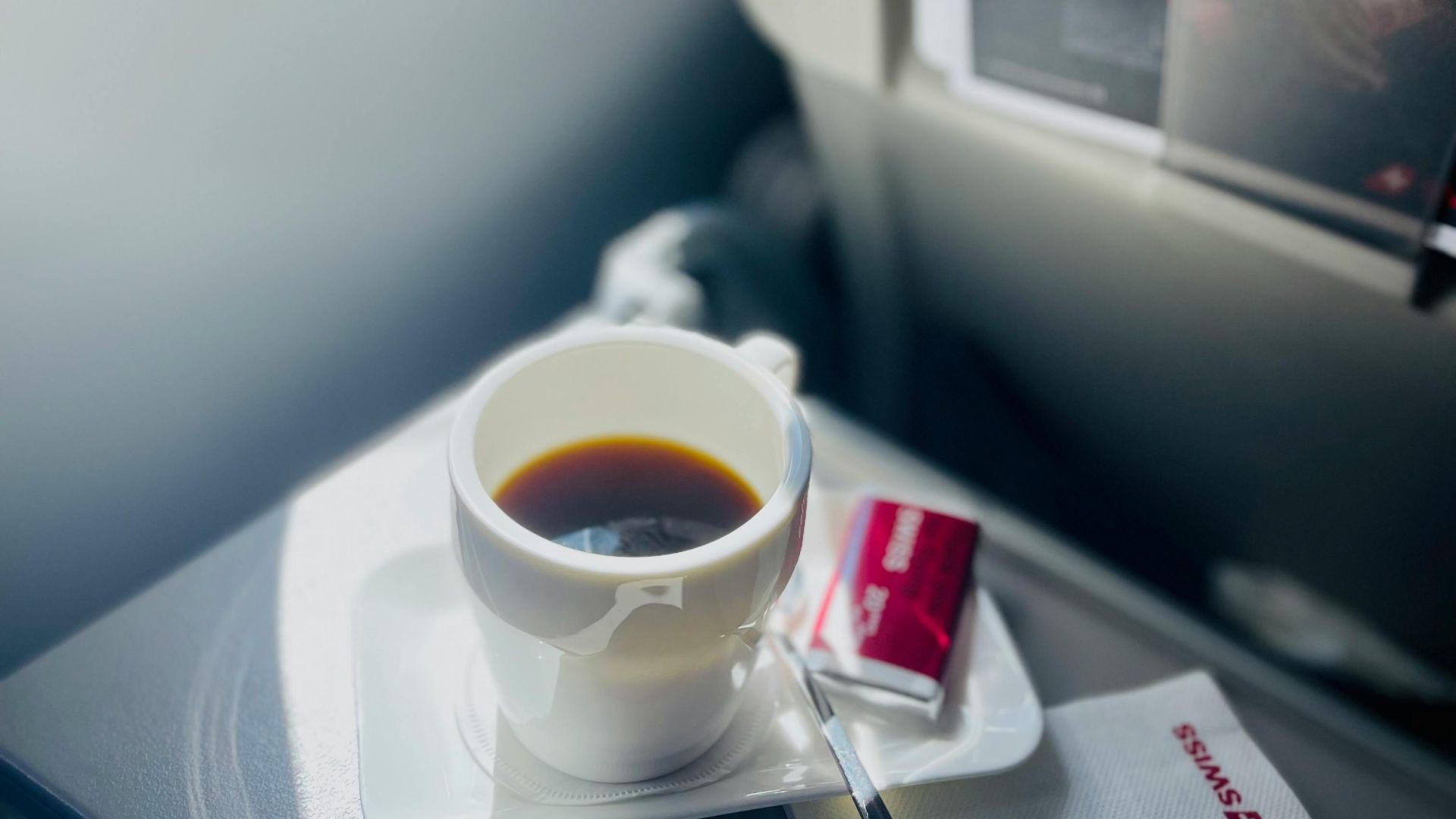
9. Salt & Sugar Are Used Differently in Airline Recipes
Because taste perception can drop at altitude, airlines may design recipes with bolder seasoning to land closer to “normal” in the cabin. That can mean more emphasis on salt, umami, and stronger sauces than you’d choose at home. It’s a practical adjustment to a not-so-normal eating environment.

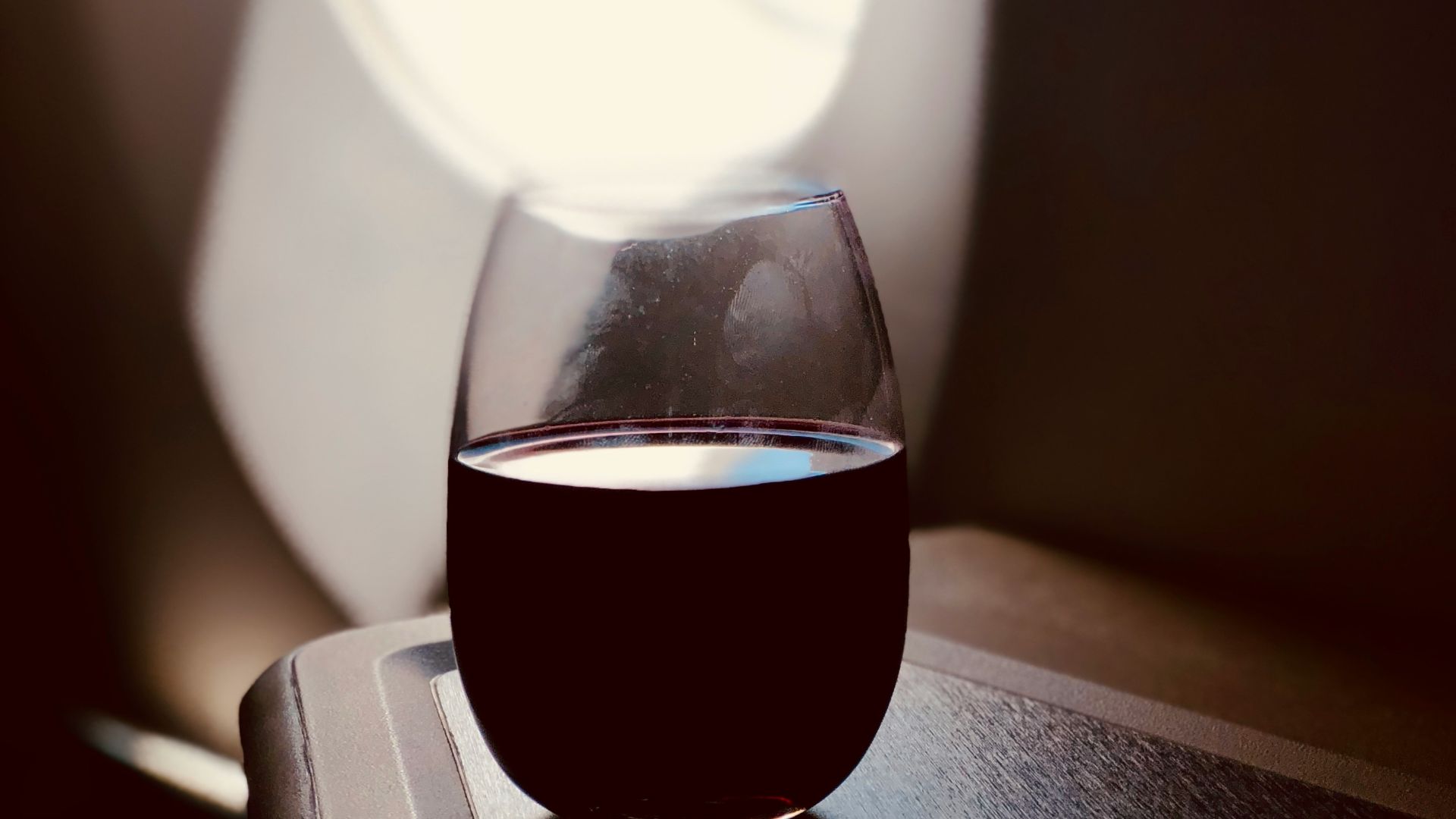
10. Your Drink Choices Affect the Whole Meal
Alcohol, coffee, and dehydration can change how you experience food, sometimes making flavors feel sharper or flatter. If you’re dry and tired, a meal can taste more bland than it otherwise would. Water doesn’t sound exciting, but it’s quietly one of the best “seasonings” for your senses at cruising altitude.
KEEP ON READING
The Most Popular Chocolate Bars in the USA
The Most Popular Candies in the USA