Baking Made Easy
Baking can seem straightforward and easy when you're just scanning recipes, but that assumption usually falls apart once you get into the kitchen. From eyeballing measurements to repeatedly opening the oven door, there are plenty of bad habits amateur bakers have. The good news is that most beginner problems can be easily corrected, meaning as long as you follow instructions diligently, you'll be on your way to becoming a pro in no time. To get you there, here are 10 common mistakes you need to stop making, along with 10 smarter tips to start following.
1. Eyeballing Measurements
Don't try to prove you're a pro before you've even successfully baked your first treat! Eyeballing flour and sugar can throw off an entire recipe because baking depends on precise ratios; even small differences in volume can change texture, spread, and rise. If you want reliable results, follow the instructions exactly and measure accurately.
2. Not Reading the Recipe All the Way Through
Jumping straight into baking before scanning the full recipe often leads to missed steps, wrong timing, or forgotten chilling and resting periods. You might discover too late that something needed to be room temperature or preheated properly. Always do a quick read-through to prevent last-minute surprises (and headaches).
 Connor Scott McManus on Pexels
3. Using the Wrong Flour Type
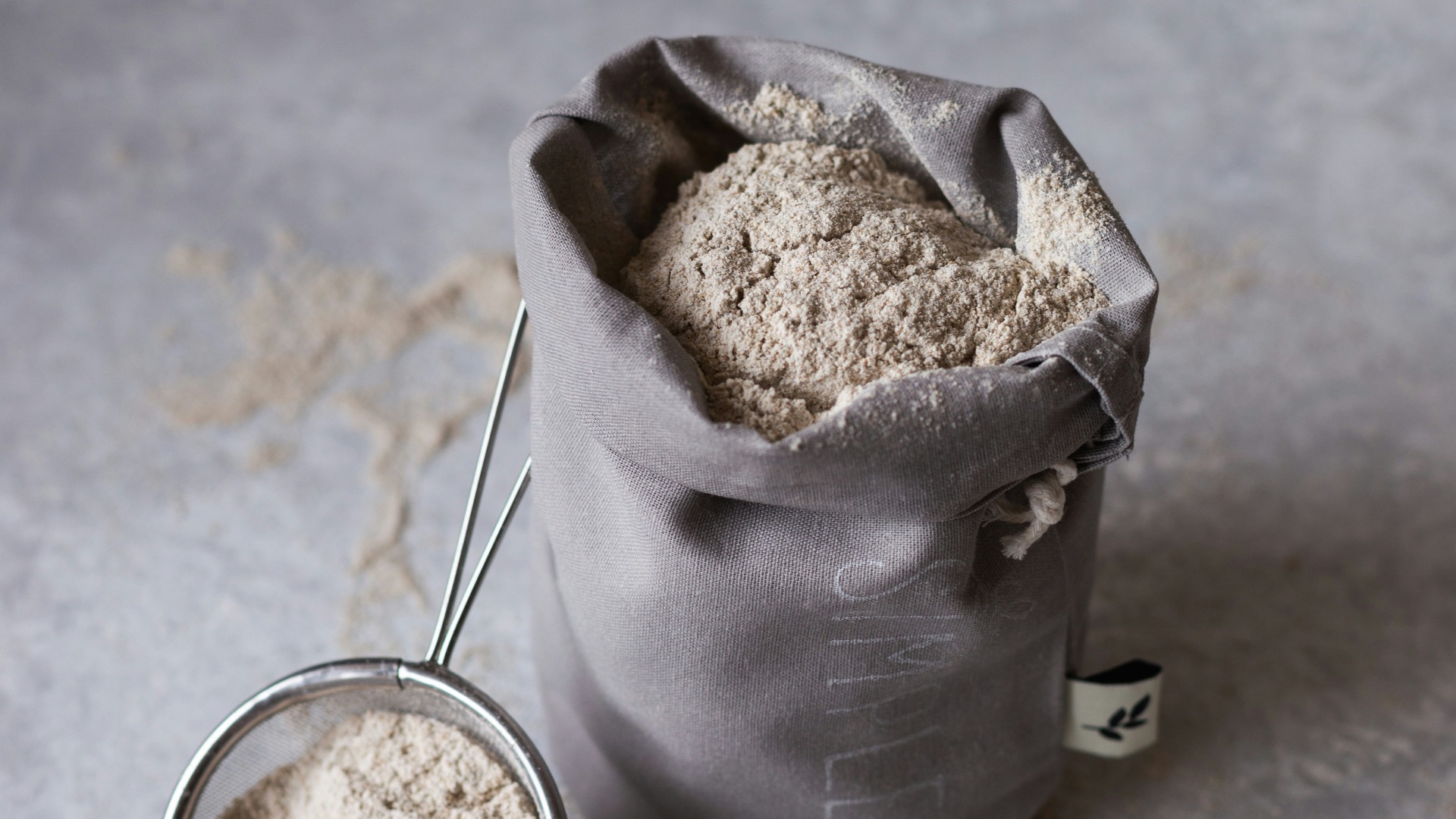
Yup, not all flour is the same; all-purpose, bread, cake, and pastry flours behave differently due to protein content and milling. That means if you swap one for another, that can make cakes tough, cookies dry, or breads dense. It’s worth using the flour specified, especially while you’re still learning.
4. Packing Flour Into the Measuring Cup
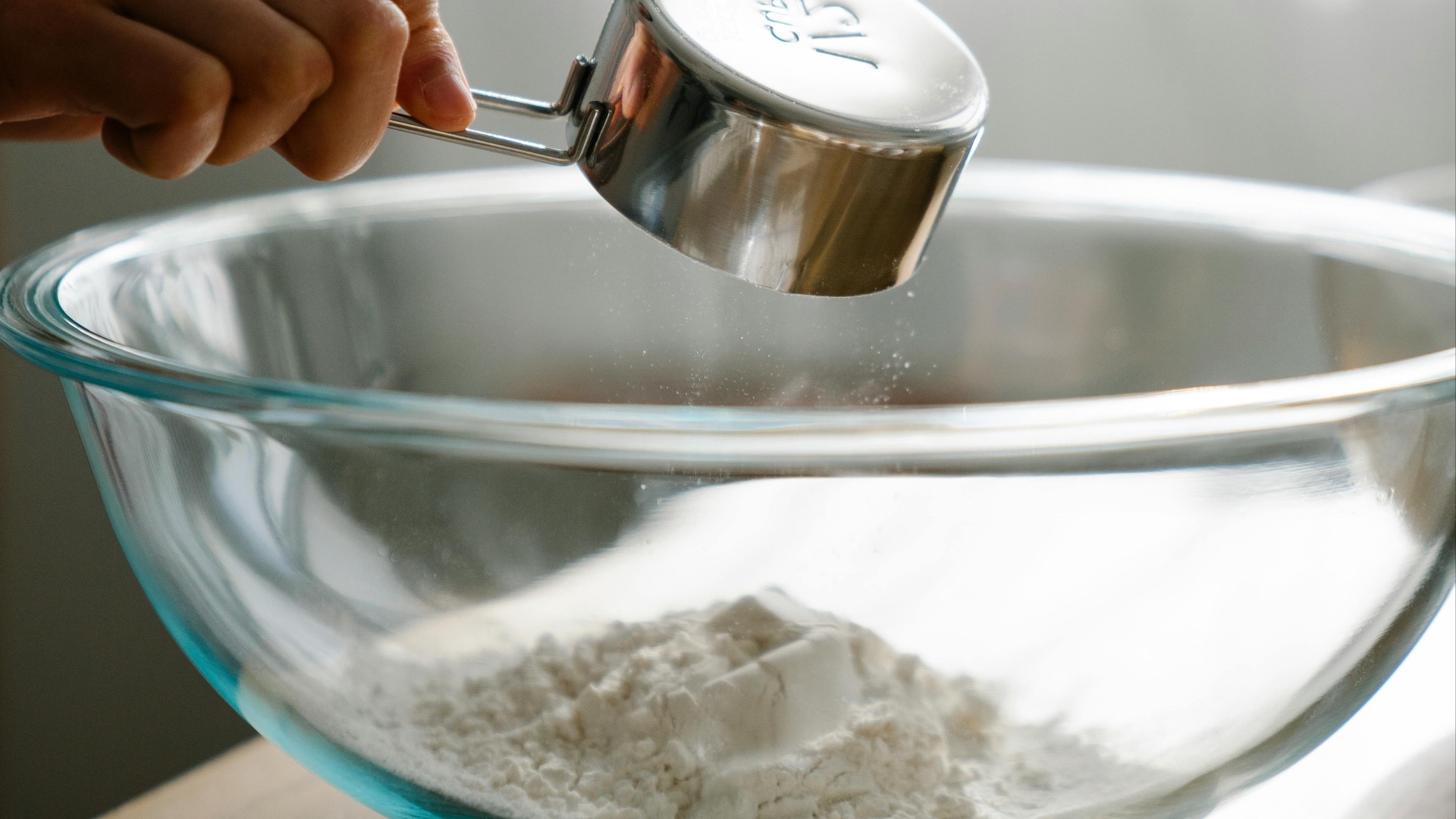
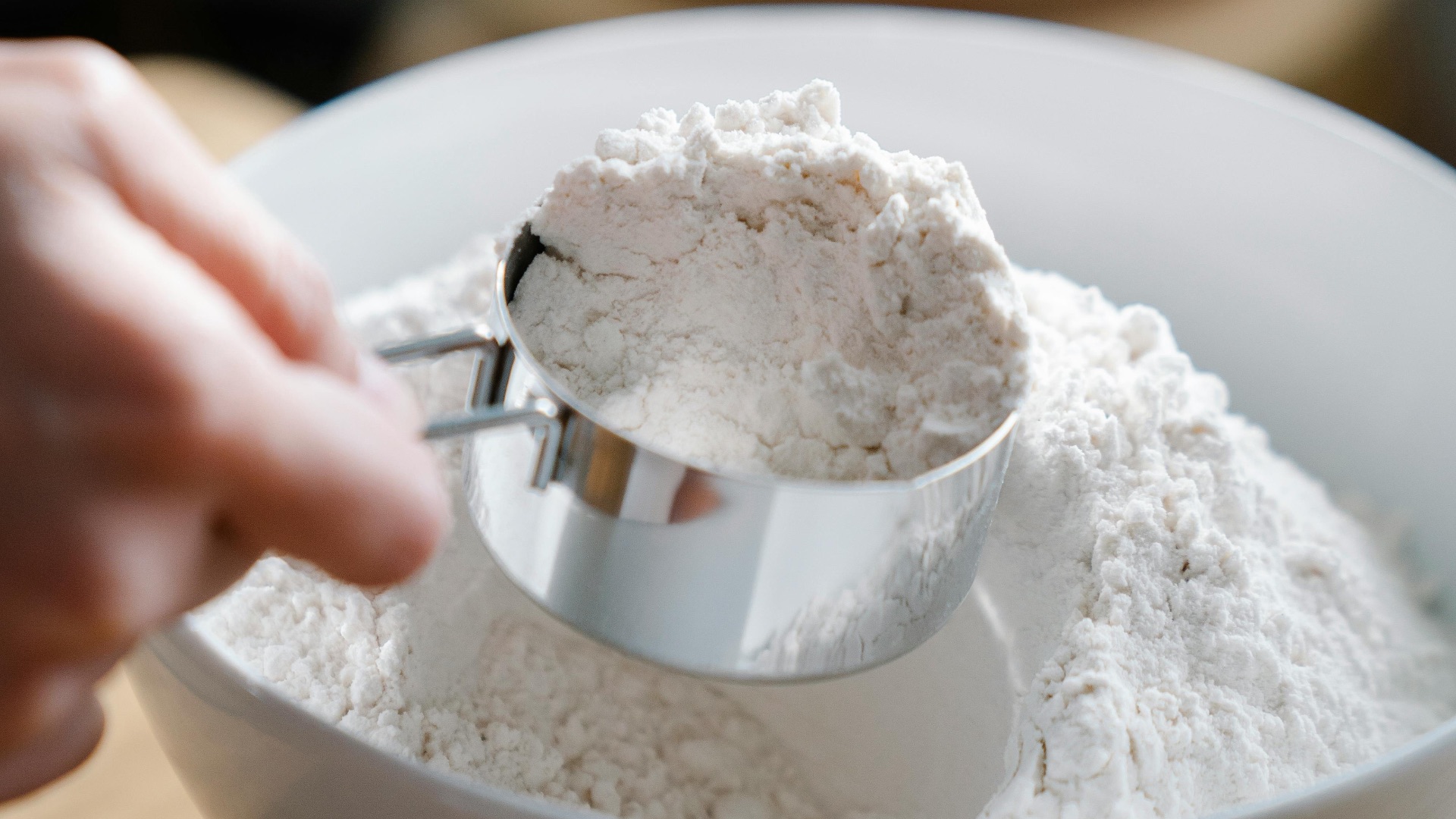
Scooping flour directly from the bag often compresses it, giving you more flour than intended. That extra flour can ruin recipes, leading to crumbly cookies, stiff batters, and dry cakes. Until you've baked 100 successful treats without breaking a sweat, measure your ingredients properly and exactly.
5. Ignoring Ingredient Temperatures
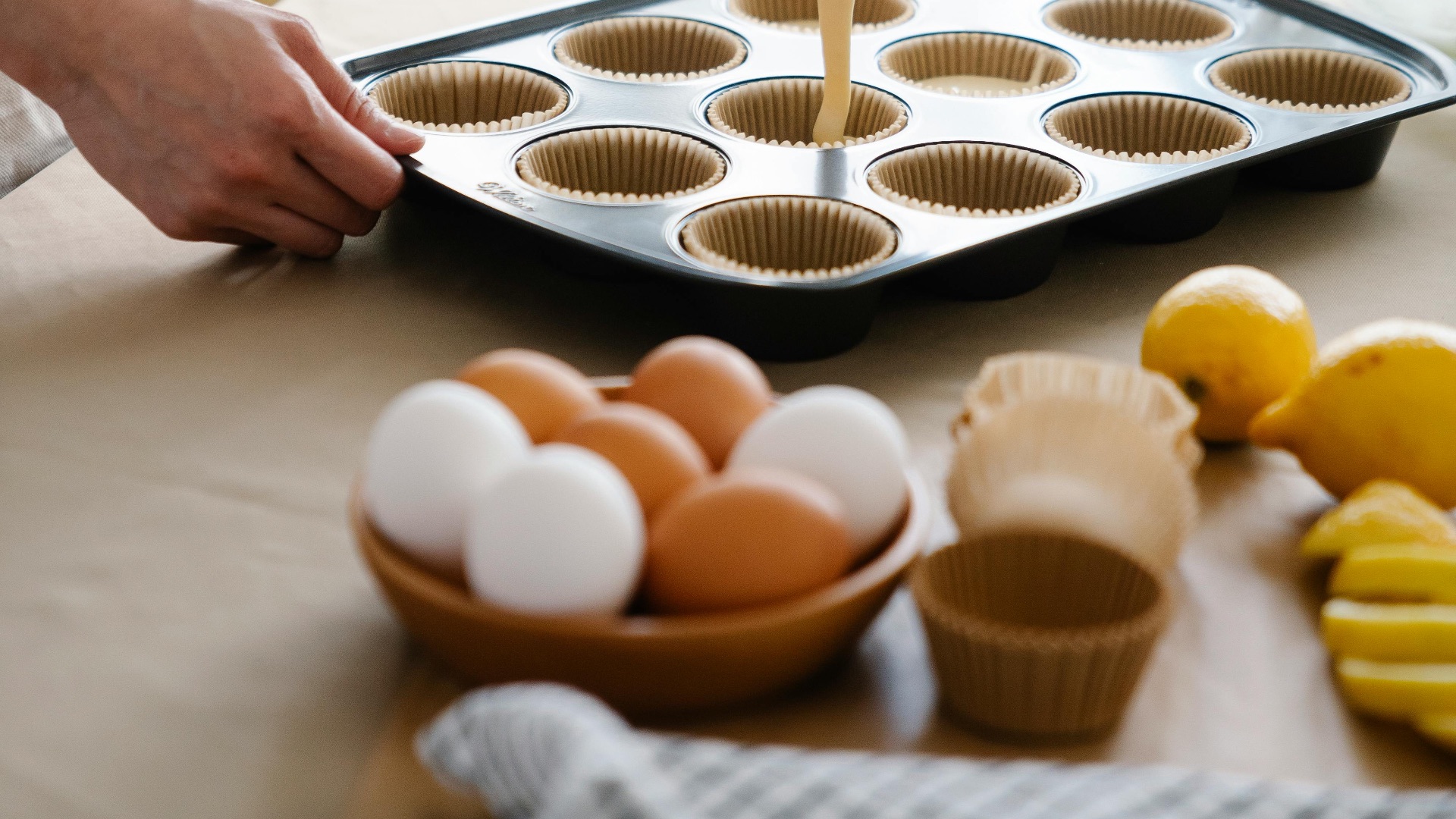
Cold butter won’t cream the same way as softened butter, and cold eggs can sometimes cause batters to split. Temperature affects how ingredients combine and how air gets incorporated, after all. So when a recipe calls for room-temperature items, it’s doing that for a reason, and you should follow it exactly.
6. Overmixing Batter or Dough
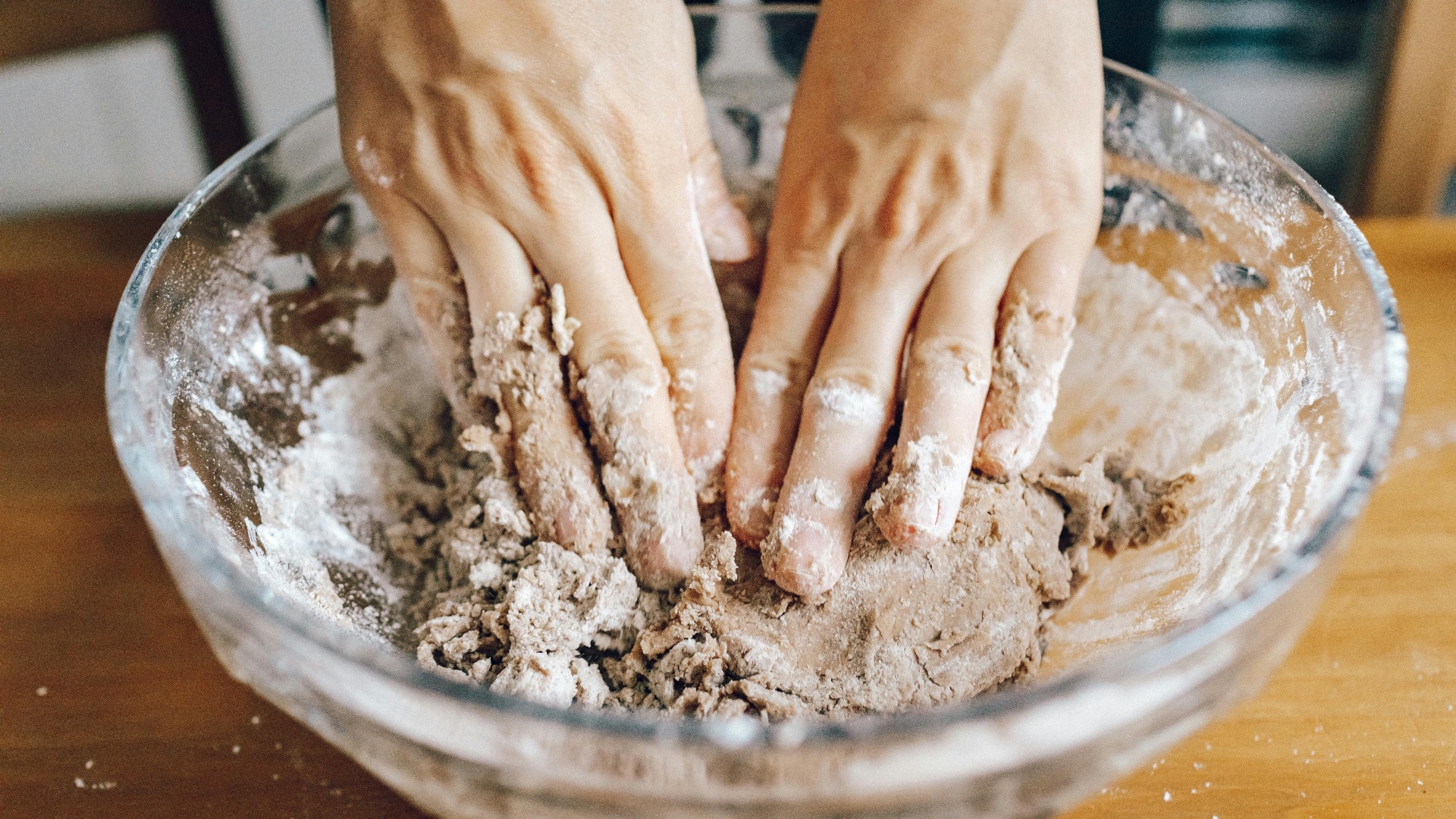
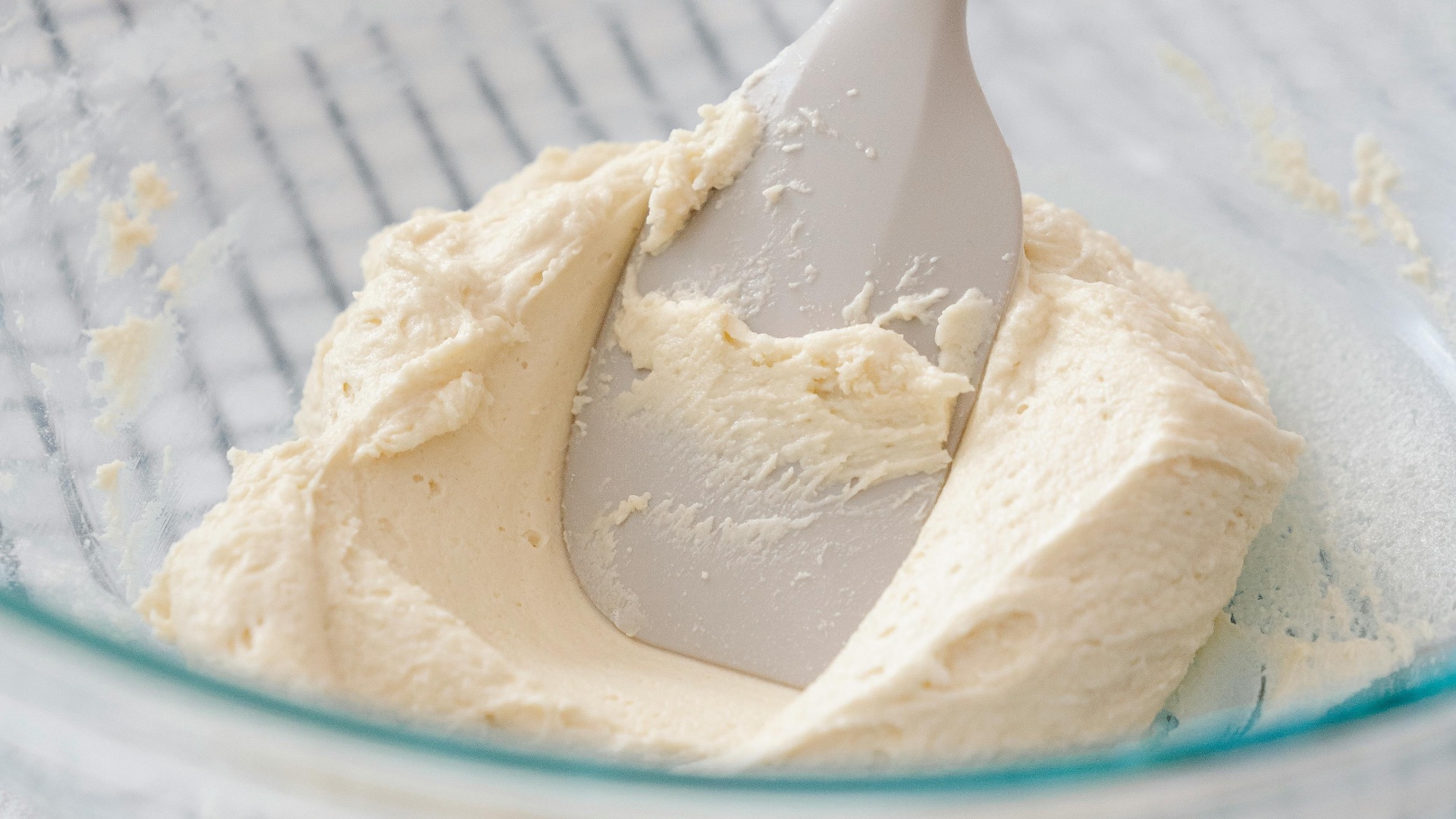
Mixing too long can develop gluten, making cakes and muffins chewy instead of tender. With cookies, it can also lead to excessive spreading or a tougher bite. Stopping at just combined is often the difference between okay and excellent, though it's often easier said than done, especially when you're still a beginner.
7. Underpreheating the Oven
Putting batter into an oven that hasn’t fully heated throws off the rise and bake time. Early minutes matter more than you think because that’s when structure sets. If you rush preheating, you’re starting at a disadvantage, and you'll likely be disappointed with the results.
8. Guessing Doneness by Time Alone
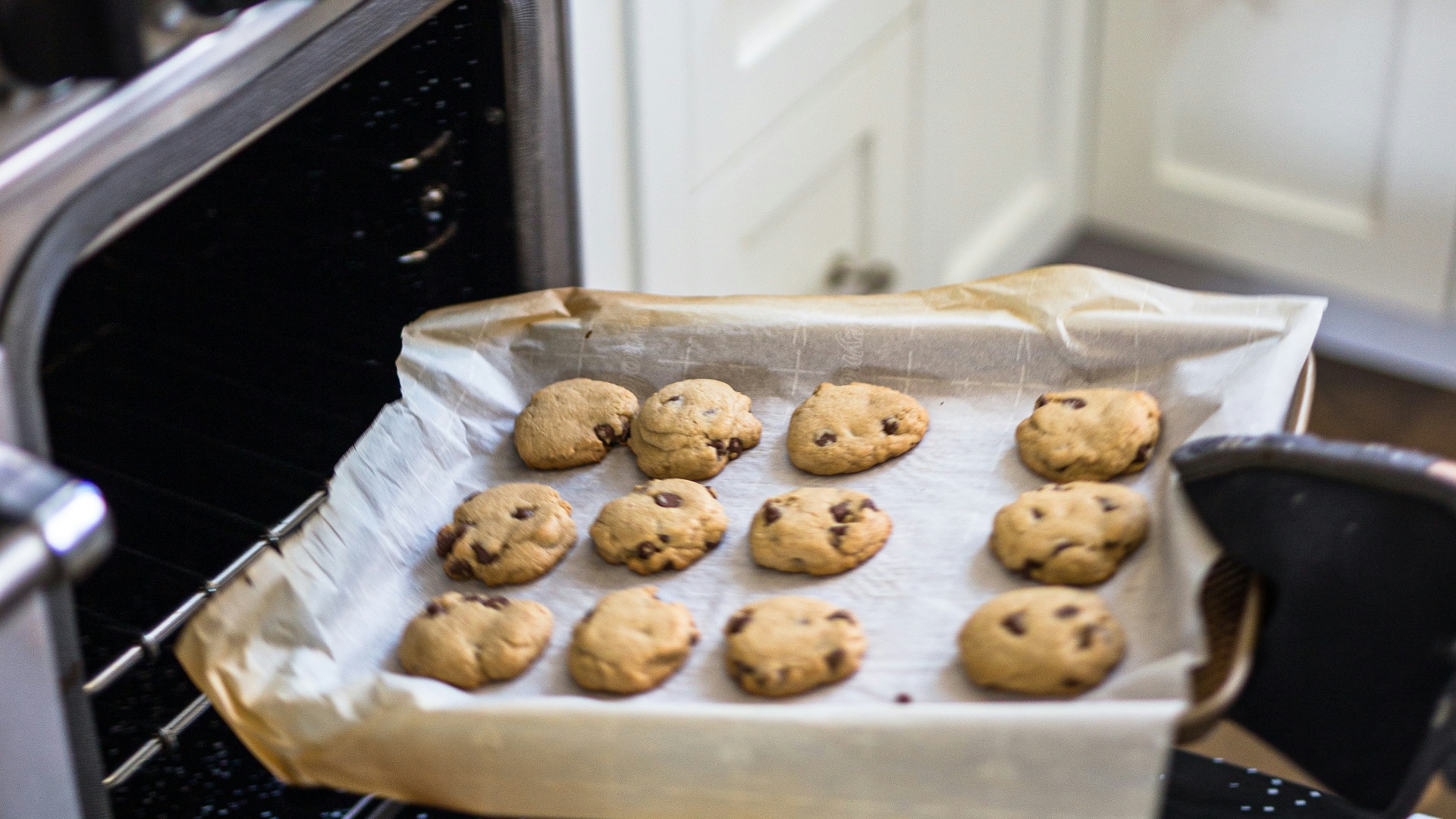
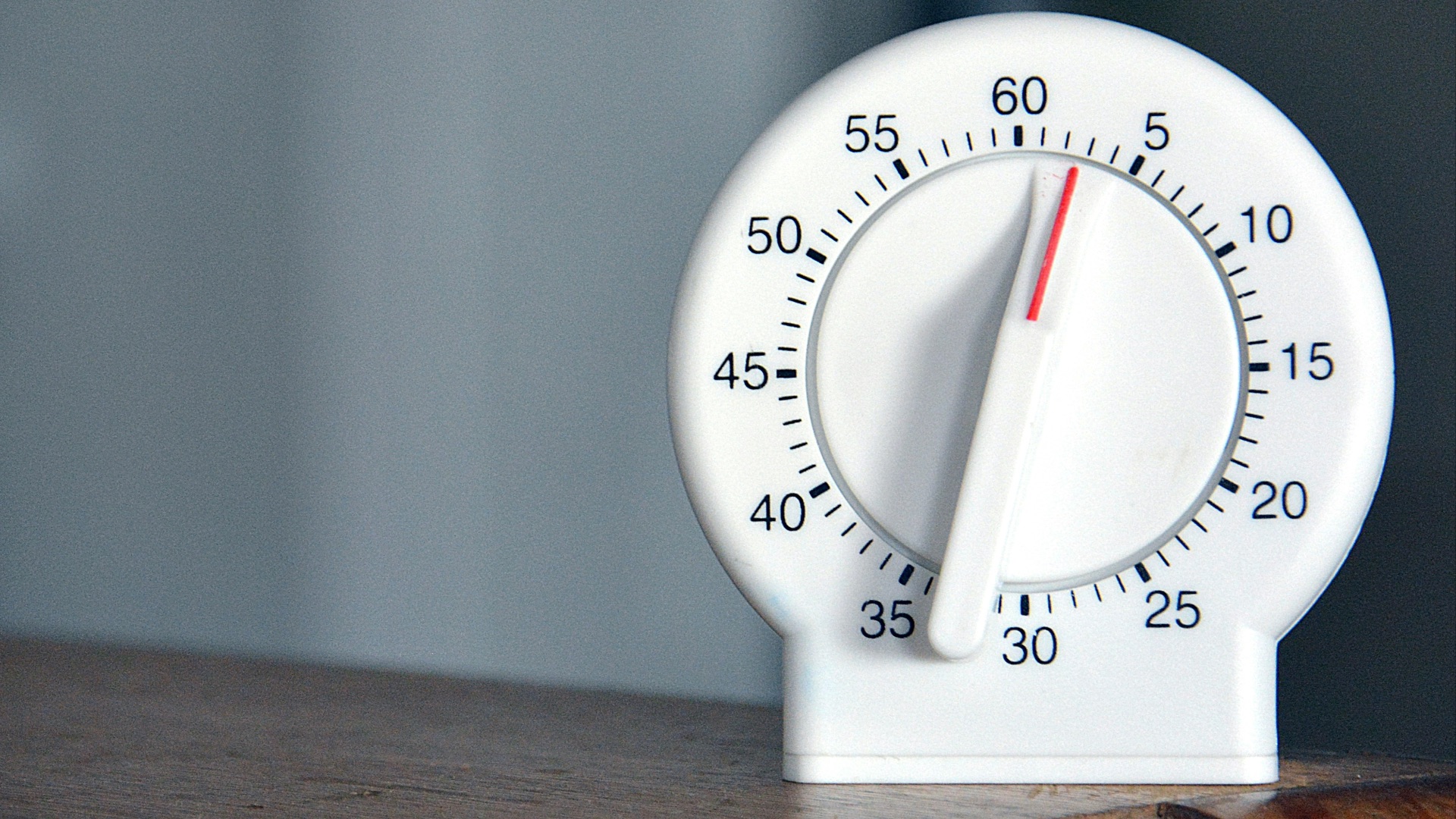
Recipes provide time ranges because ovens and pans vary. If you rely only on the clock, you might end up underbaking some items and drying out others. A quick doneness check with a toothpick can save you from a disappointing texture (and bite!).
9. Using the Wrong Pan Size or Material
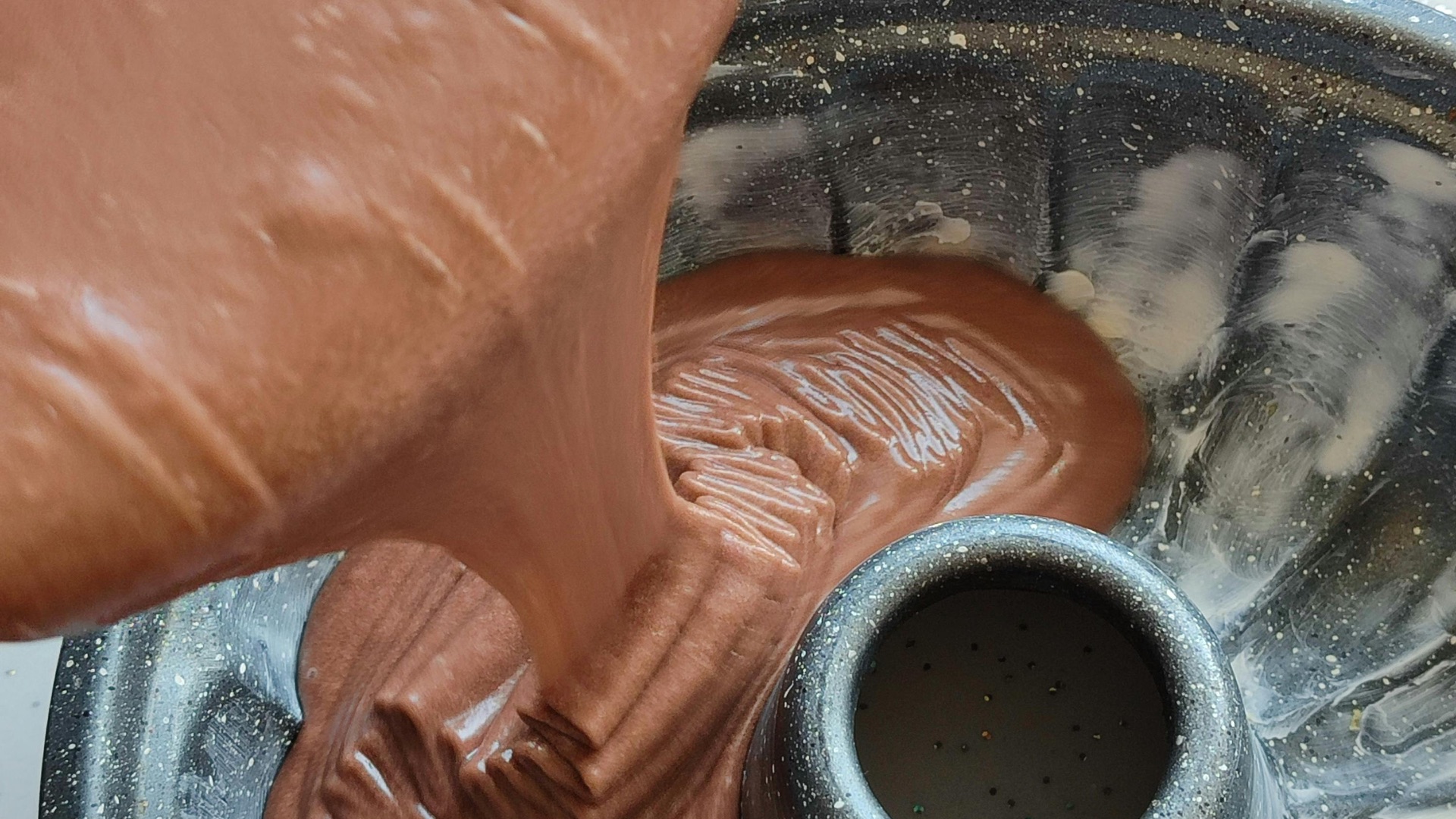
If you're swapping out pans, just know that different sizes (and materials) can change thickness, bake time, and moisture loss, meaning it can ruin the intended result. Dark metal pans brown faster, glass retains heat differently, and thin pans can create hot spots. If you switch pans, you should expect to adjust the bake.
10. Opening the Oven Door Too Often
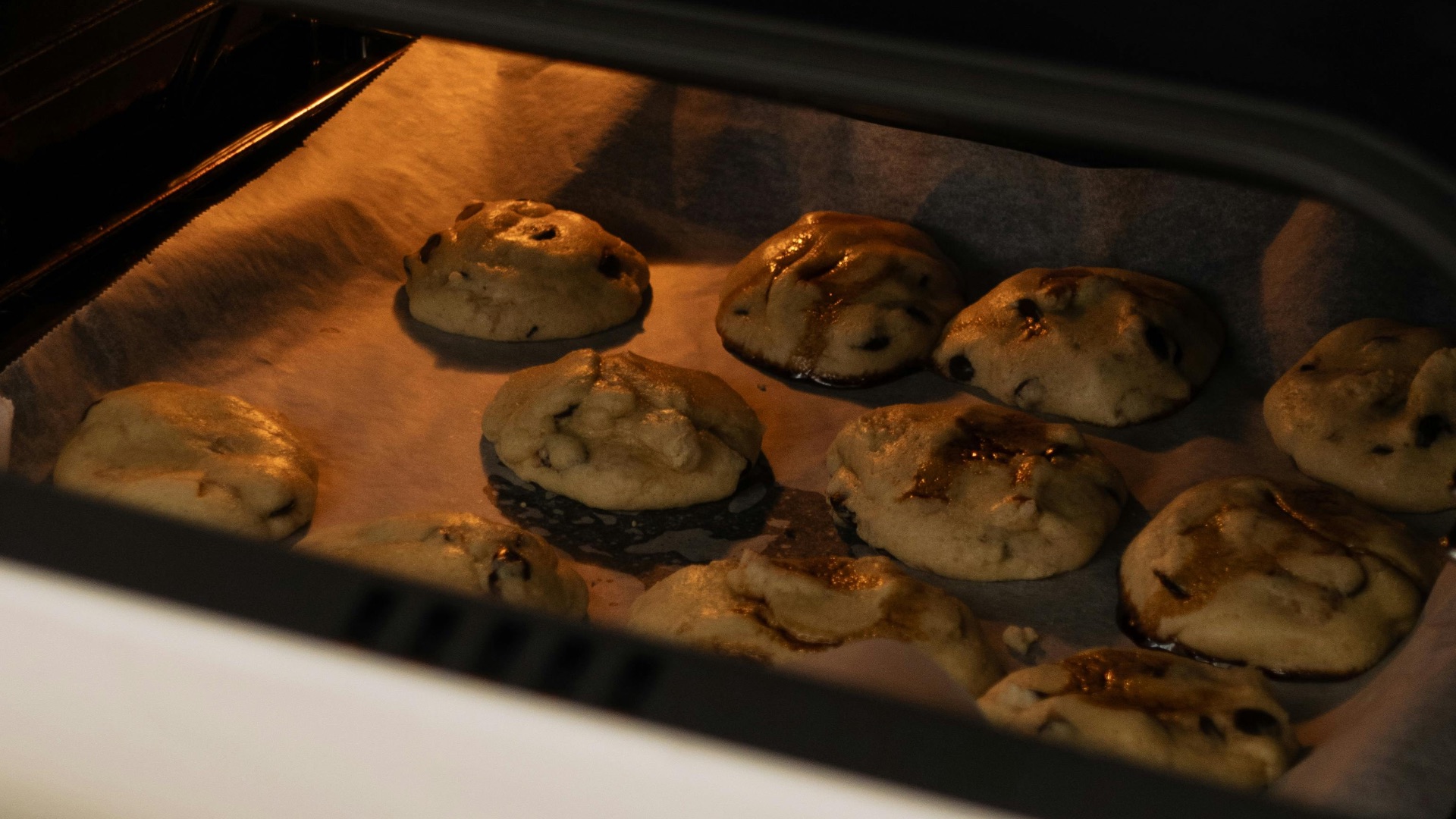
We get it: you're excited for your treat to come out so you can dig in. But every time you open the oven door, you're creating drops in the temperature and disrupting airflow, which can collapse delicate bakes. Cakes, soufflés, and anything relying on steady heat are especially vulnerable. No matter how hard it is to be patient, you’ll get better results by checking once near the end instead of peeking repeatedly.
Ready to be a pro baker? Well, you'll need to bake more than just one recipe. But we've got some smart tips that might just help you be more successful, so read on!
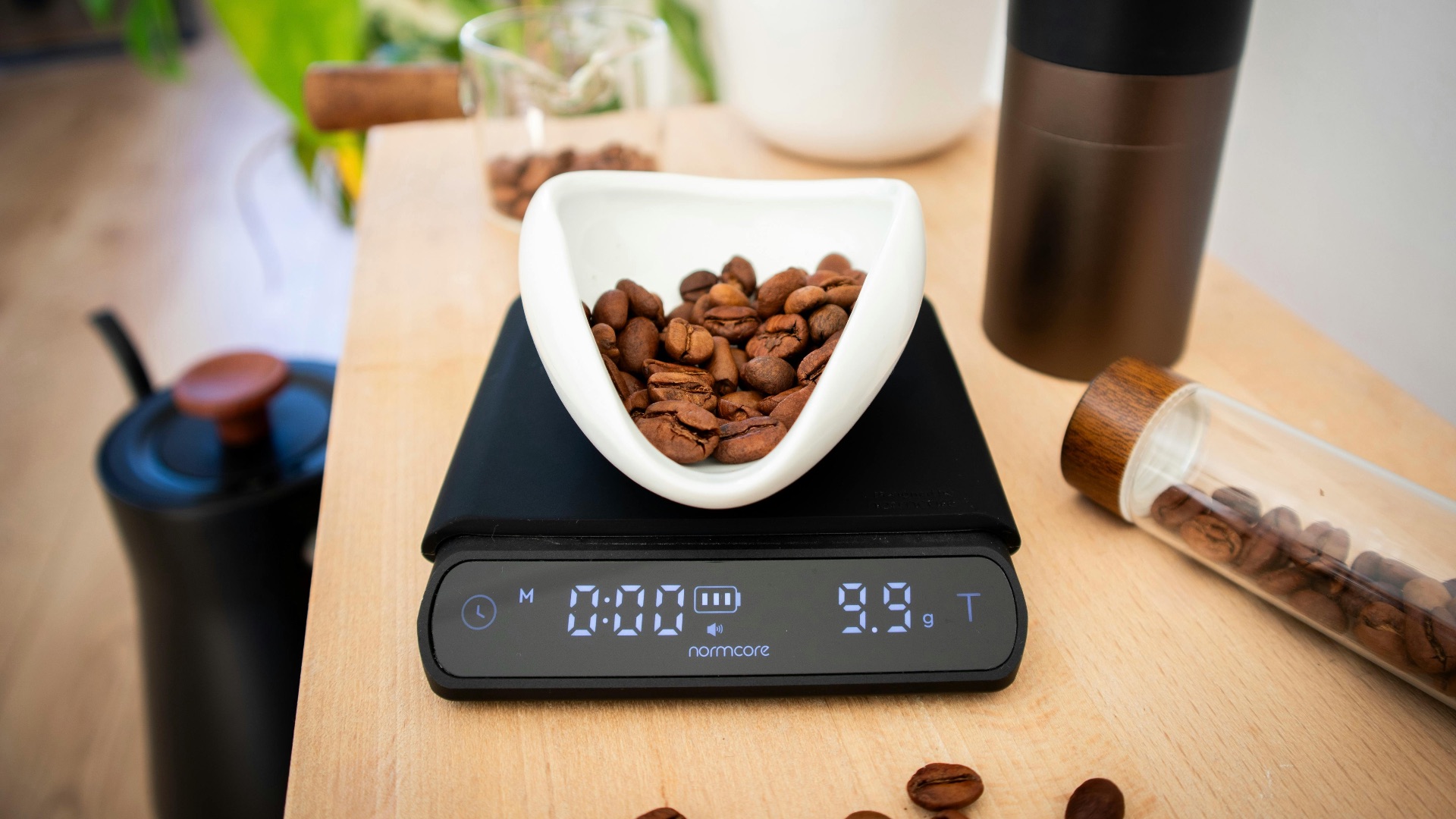
1. Use a Kitchen Scale When You Can
Weighing ingredients removes the uncertainty of packed or loosely filled cups and eyeballed measurements. You’ll get consistent results from batch to batch, which makes learning much faster. A scale also simplifies cleanup since you can measure into one bowl.
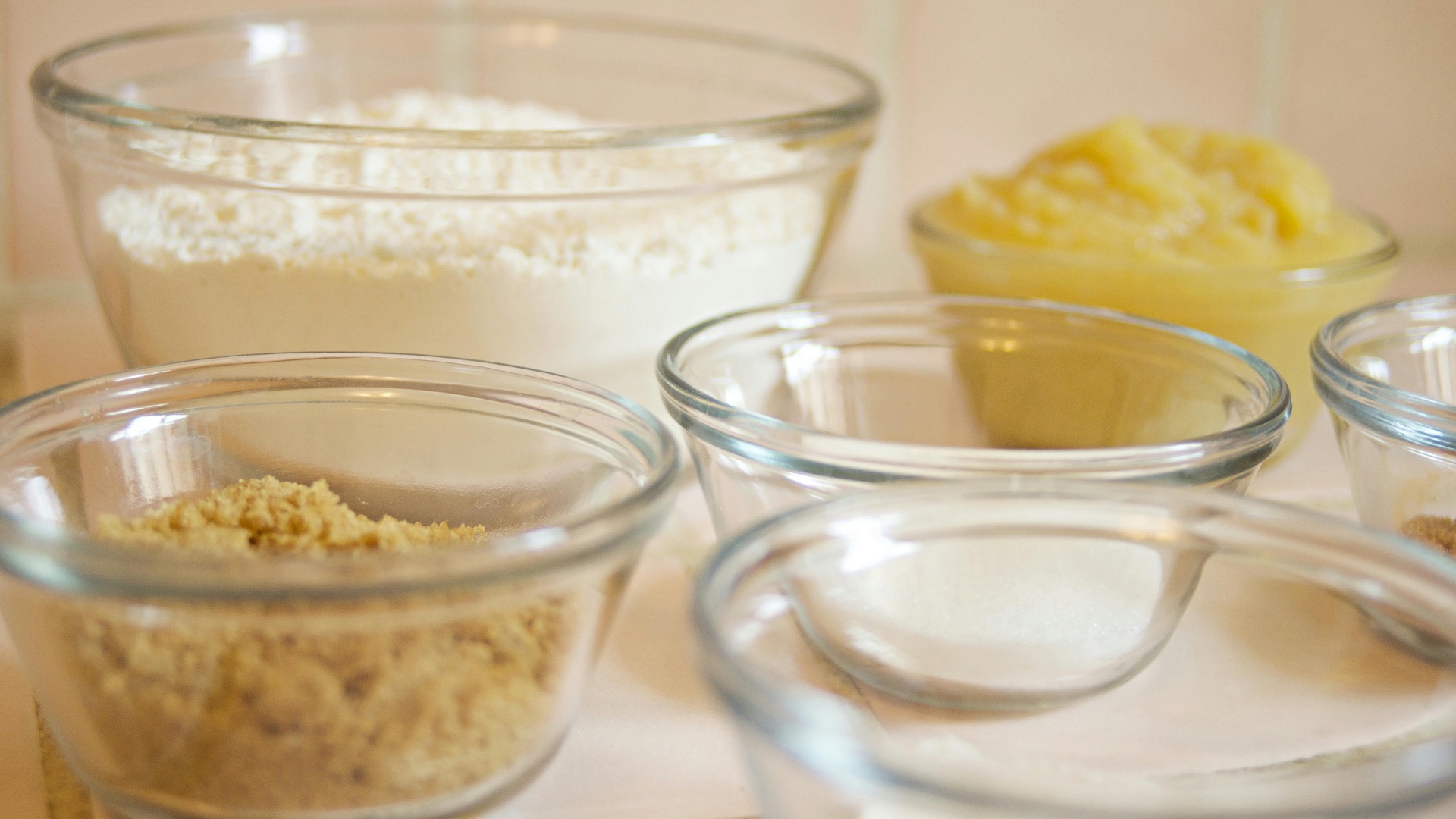
2. Prep Before Starting
Want to save yourself time and trouble? Measure ingredients, prep pans, and gather tools before you jump into the recipe or mix anything. This keeps you from scrambling partway and accidentally skipping important steps. It also helps you catch missing ingredients while you still have time to adjust.
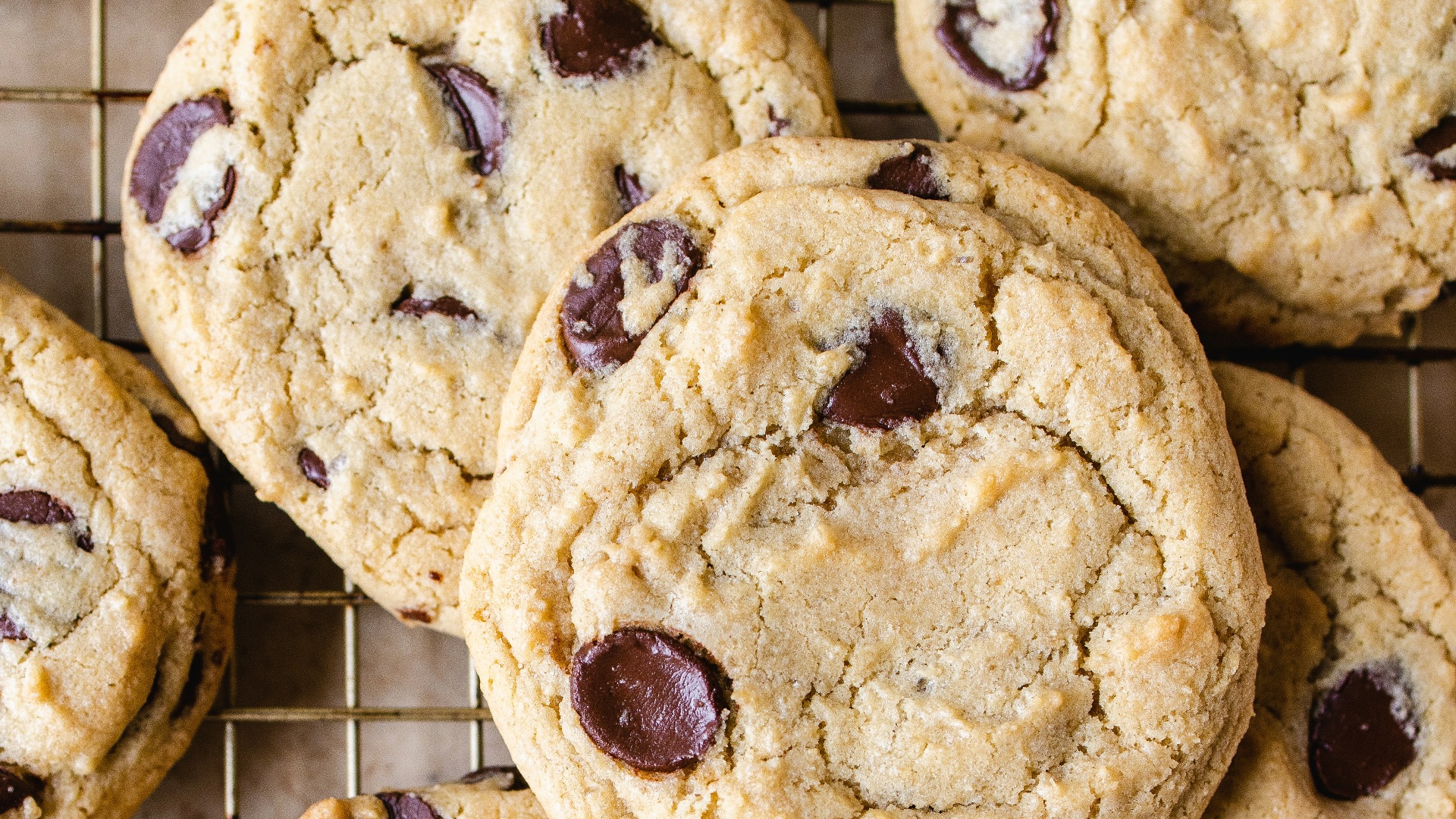
3. Learn a Few Doneness Cues for Common Bakes
For cakes, you want to look for a springy center and edges that pull slightly from the pan. For cookies, watch the color at the edges and the set of the center rather than waiting for deep browning. With quick breads and muffins, a clean or lightly crumbed tester is your best signal. Remember, a toothpick is your best friend!
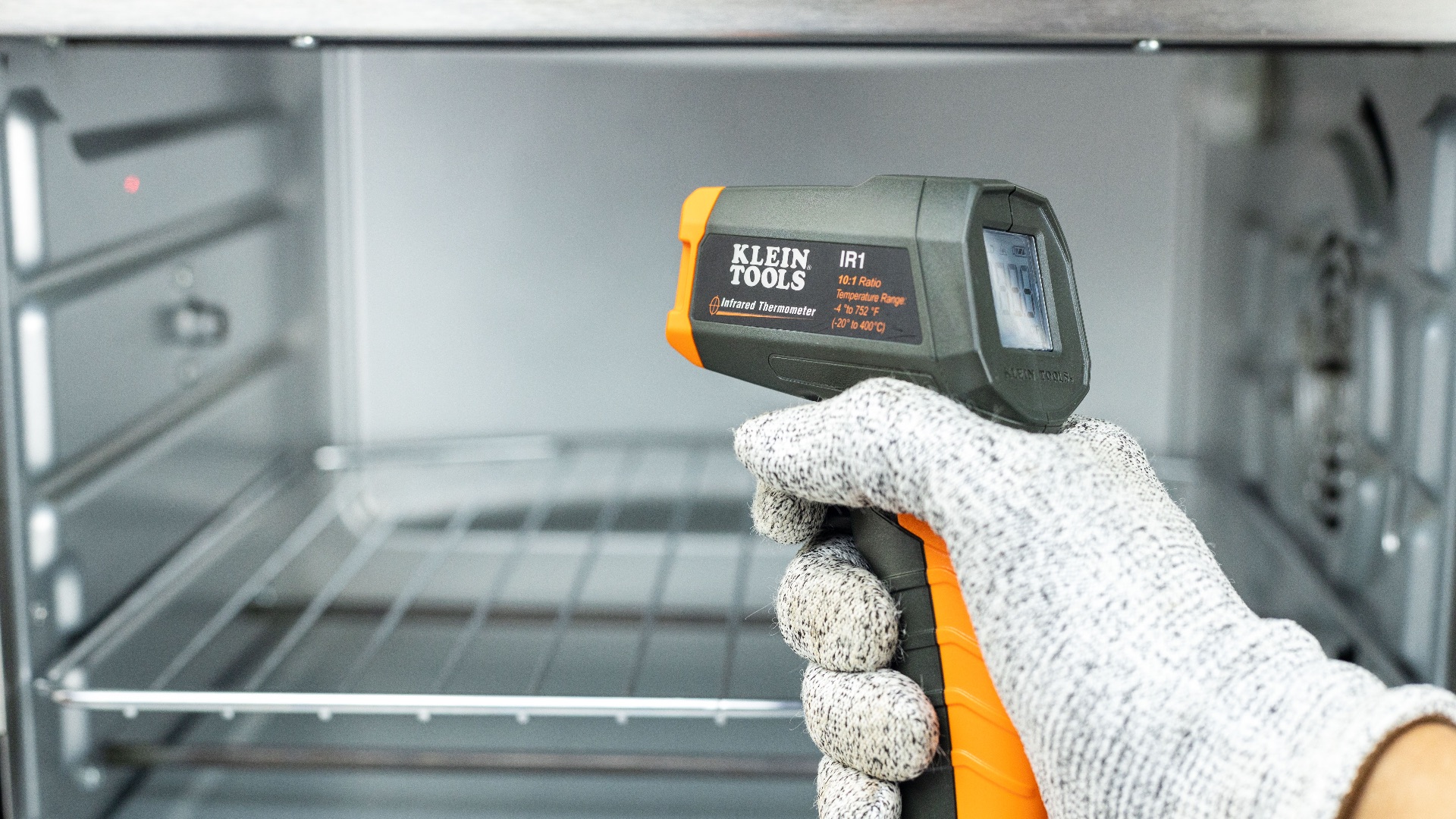
4. Calibrate Your Oven with an Oven Thermometer
Many ovens run hot or cool compared to the dial, even when they seem fine. An inexpensive oven thermometer shows you the real temperature so you can adjust accordingly and prevent failed bakes. Once you know your oven’s habits, your timing gets far more predictable.
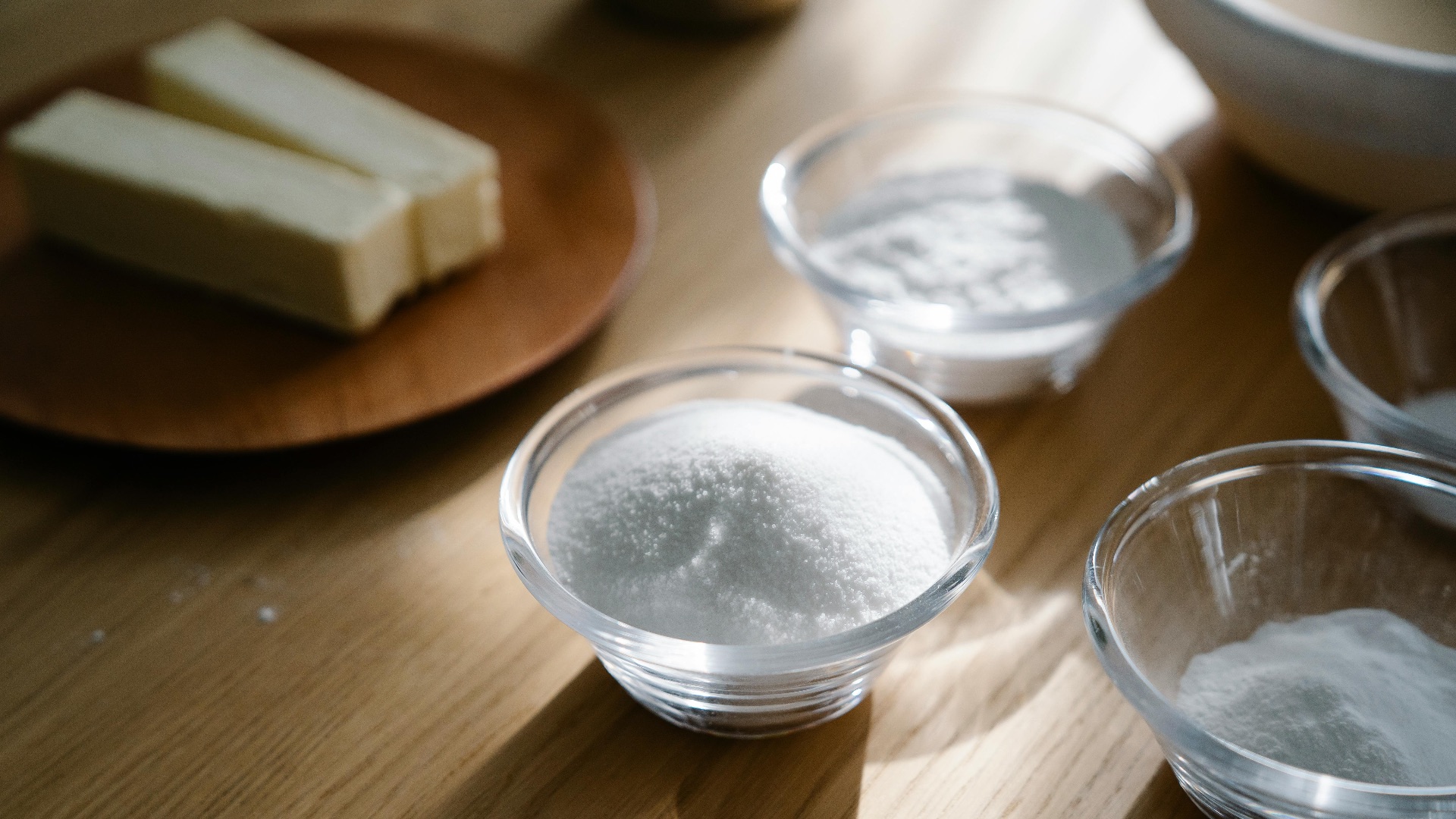
5. Cream Butter and Sugar Properly
When a recipe calls for creaming, you’re building structure by incorporating air, not just simply combining ingredients. That means you'll need to beat until the mixture lightens in color and looks fluffy, but not push it so long that it gets greasy. Knowing the right way to do this step alone can improve cakes and cookies dramatically.
6. Respect Resting, Chilling, and Cooling Steps
Chilling cookie dough can prevent overspreading and sharpen flavor, while resting batter can improve hydration in some recipes. We know you're impatient to take a bite, but cooling baked goods fully helps texture set and keeps frostings from melting. If the recipe includes waiting time, follow it; it’s usually supporting the final structure.
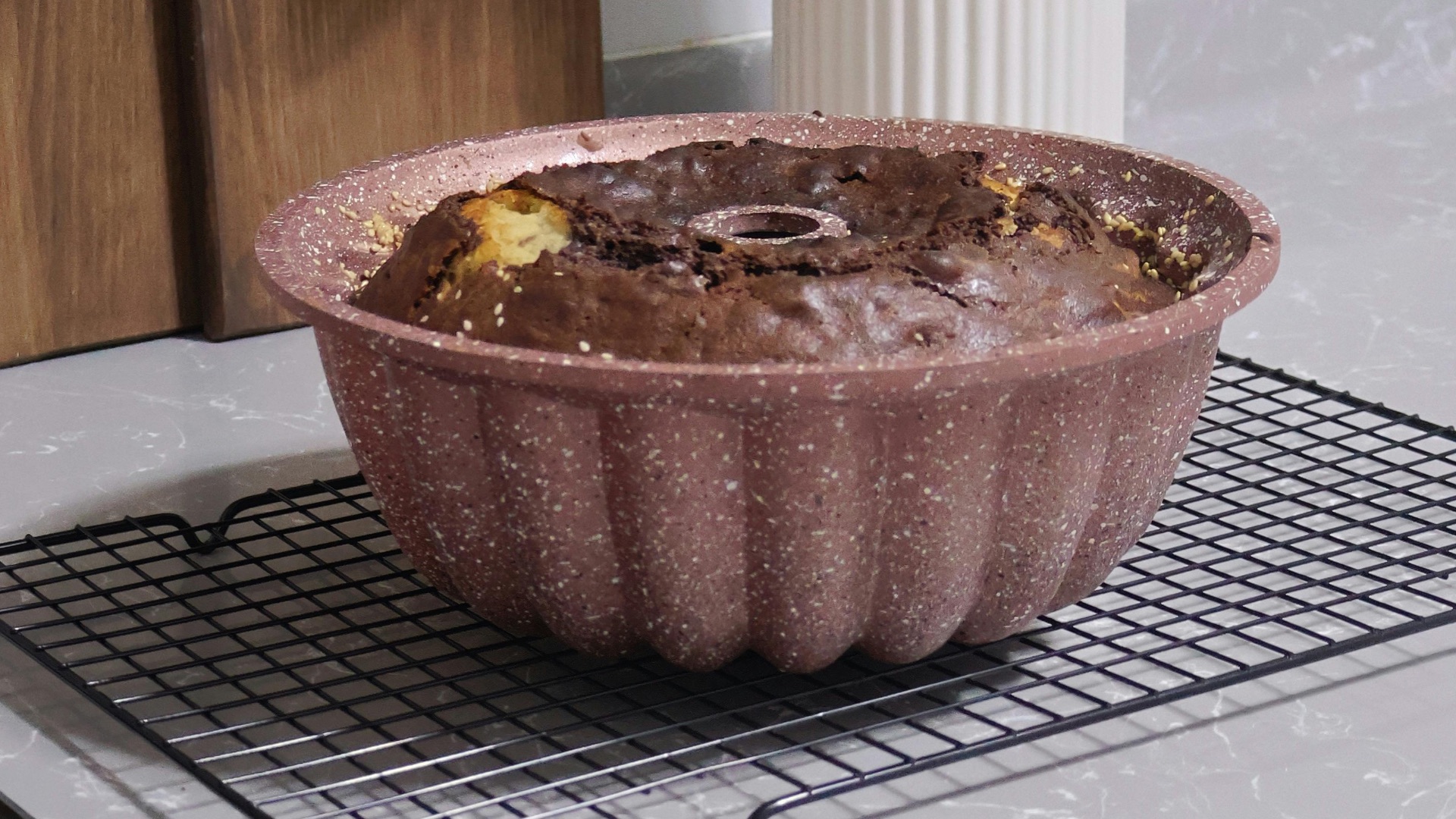
7. Rotate Pans Strategically for Even Baking
Many ovens have hot spots, so rotating once halfway through can improve browning and rise. Keep the rotation gentle and quick, though, to avoid losing too much heat; after all, you don't want to keep the oven door open for too long. For delicate cakes, wait until the structure has started to set before you rotate.
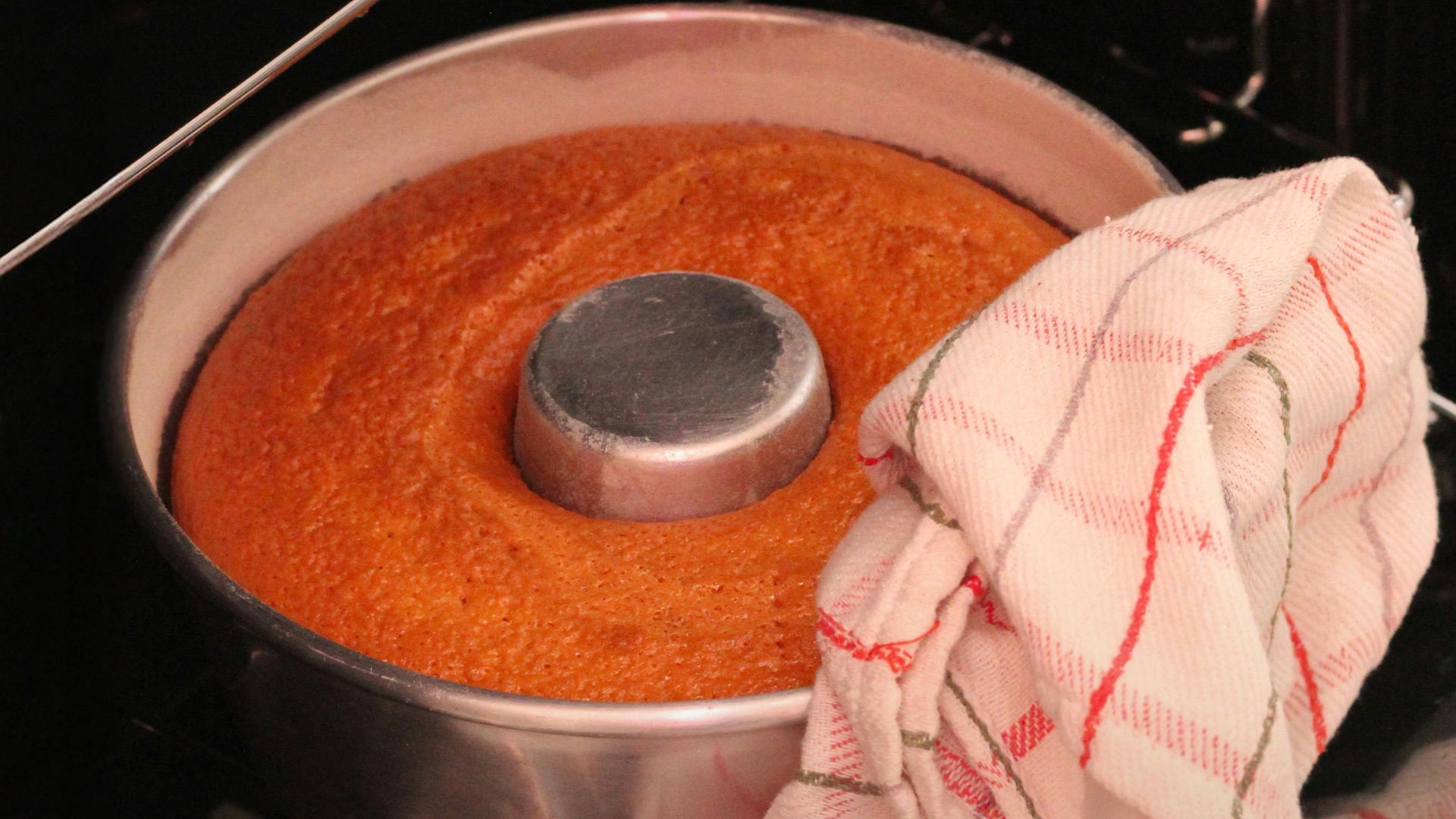
8. Use Parchment Paper and Proper Pan Prep
Parchment reduces sticking and makes removal cleaner, especially for cookies and sheet cakes. No one wants their perfectly baked goods to stick to the pan and come out ruined! Greasing and lining the right way prevents torn edges and broken layers, so don't skip this step. You’ll also spend less time scrubbing pans afterward.
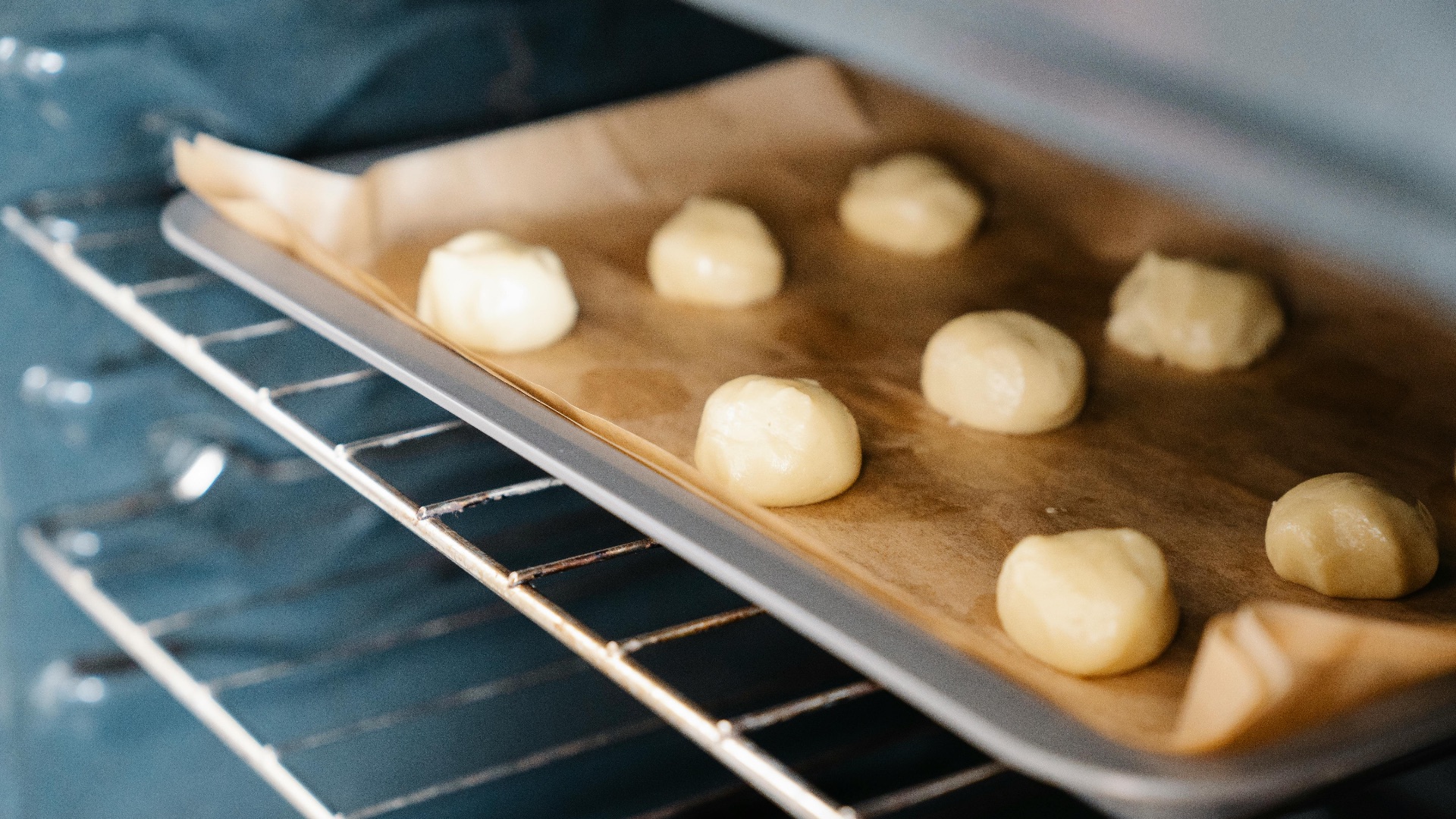
9. Keep Notes on What You Changed and What Worked
If you deviate from the recipe (which you shouldn't as a beginner, but it can sometimes be necessary), write down your bake time, pan type, ingredient swaps, and any other adjustments you made. This makes it easy to repeat successes and avoid repeating mistakes. Over time, your notes can become a personal guide tailored to your kitchen.

10. Start with Reliable, Well-Tested Recipes
You might be overly ambitious when you're just starting out, but it's best to choose recipes from sources that provide clear instructions, realistic timing, and detailed ingredient guidance. Well-tested recipes reduce guesswork, which means you can focus on learning technique. Once you’re consistently getting good results, then you’ll feel more confident experimenting.

KEEP ON READING

10 Most Hated Foods in the Entire World