Digestive Drama Decoded
Gas happens. That's just biology doing its thing, but not all foods create equal levels of offense when they exit your system. Some ingredients practically guarantee embarrassment, while others process so cleanly you'd never know they passed through. Your gut bacteria play favorites, fermenting certain compounds into genuinely memorable smells. Knowing the difference between troublemakers and gentle options might just change how you plan meals. Here are 10 to look out for and 10 to keep on your grocery list.

1. Cruciferous Vegetables
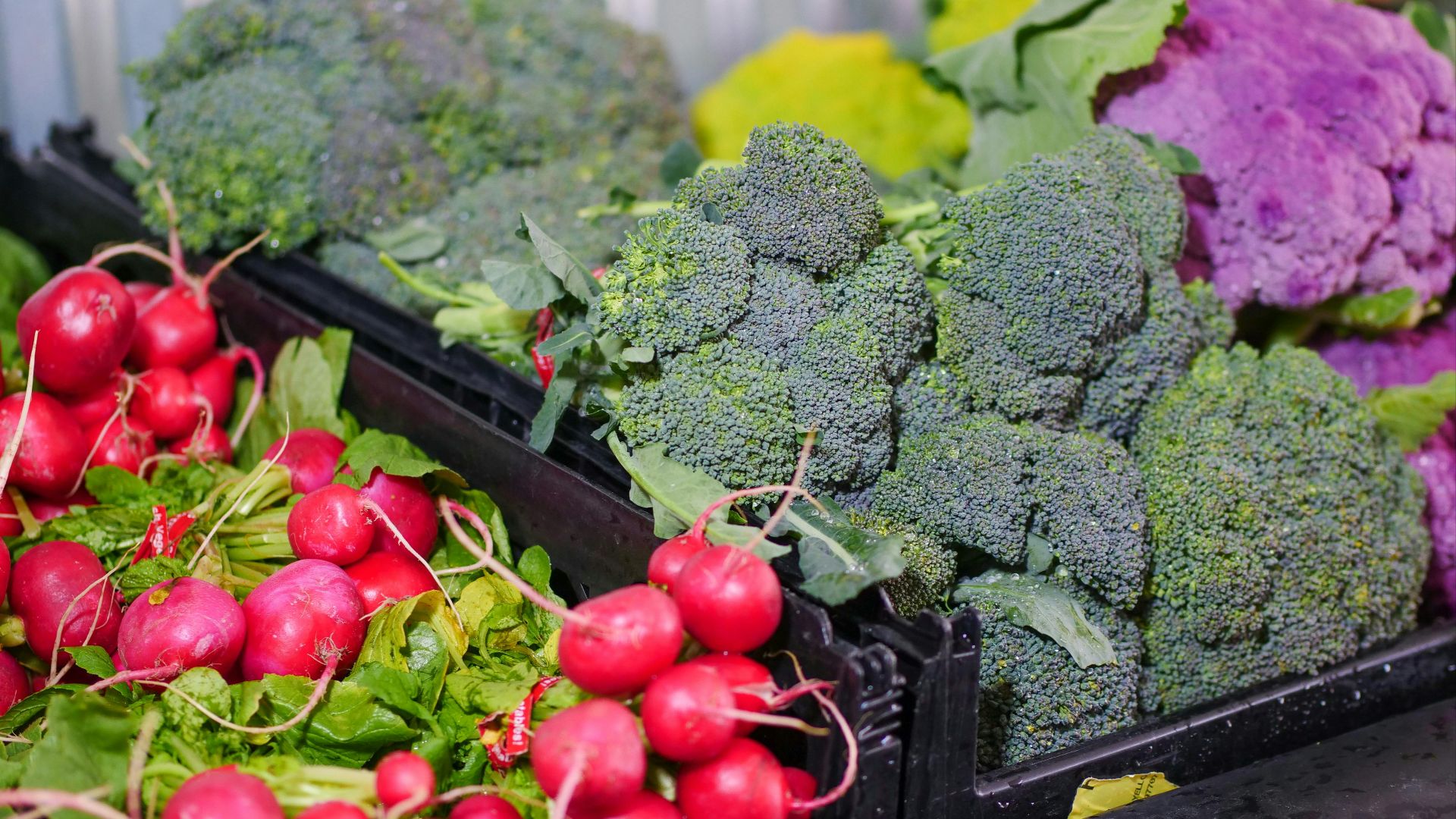
The distinctive aroma that follows a broccoli-heavy meal is pure chemistry at work. When your gut bacteria get their hands on the raffinose sugars packed into Brussels sprouts, cabbage, and their cruciferous cousins, they throw a fermentation party that releases hydrogen sulfide.
2. Dairy Products
Picture lactose as a troublemaker that your gut sometimes can't handle properly, especially if you're among the millions with lactose intolerance. The fermentation of dairy sugars creates a distinctive cocktail of methane and sulfur gases that announces itself unmistakably.

3. Legumes
Beans have earned their musical reputation honestly. They contain oligosaccharides, complex sugars that your small intestine simply cannot digest on its own. Your gut bacteria step in to ferment these stubborn sugars, producing substantial amounts of gas in the process.

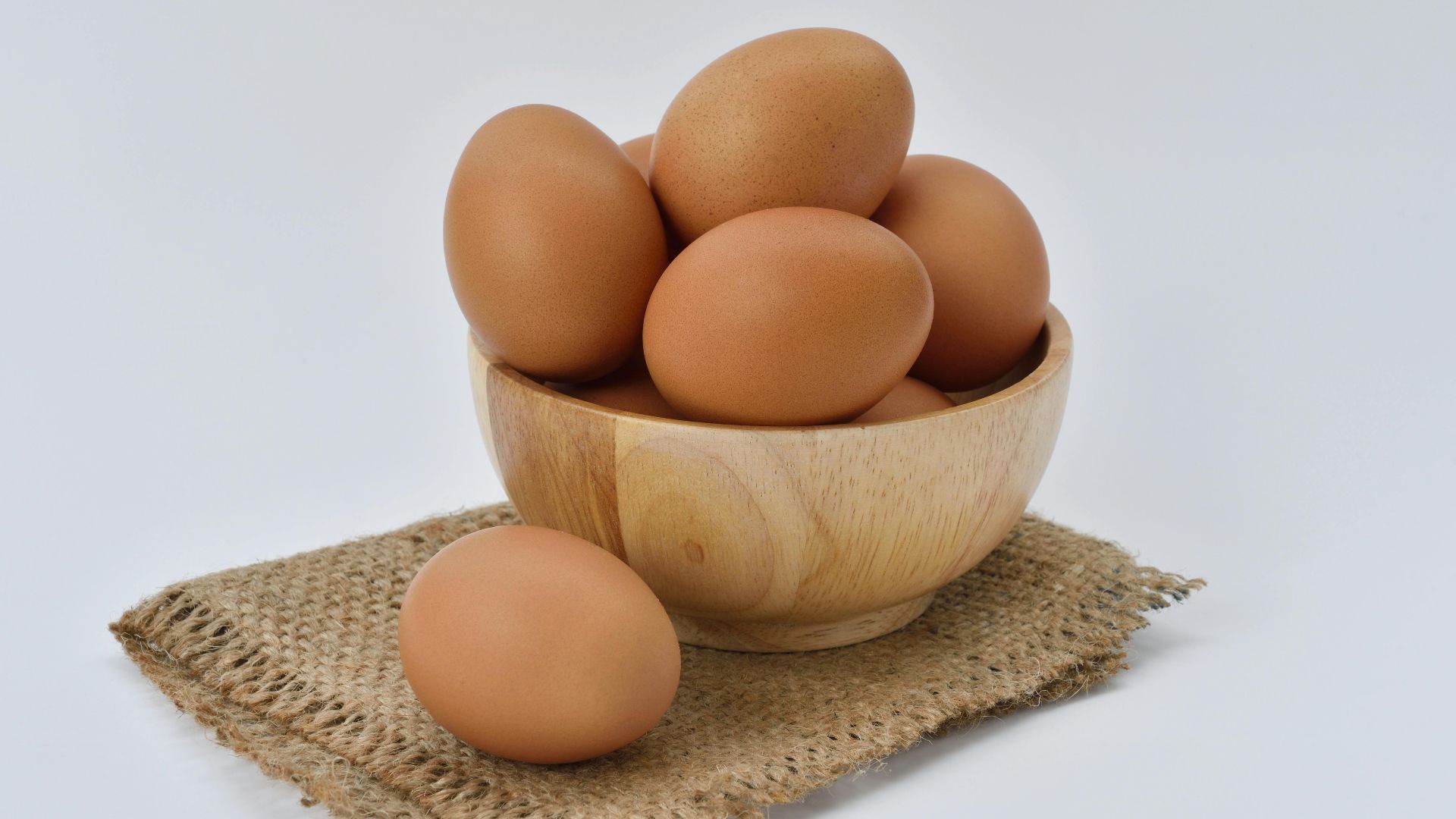
4. Eggs
Overcooked eggs intensify the sulfur smell dramatically, converting a mild effect into something genuinely offensive.
The sulfur-rich proteins in eggs break down during digestion into hydrogen sulfide gas, which carries that characteristic rotten-egg odor. Every egg you eat contains these sulfur-containing compounds.
5. Red Meat
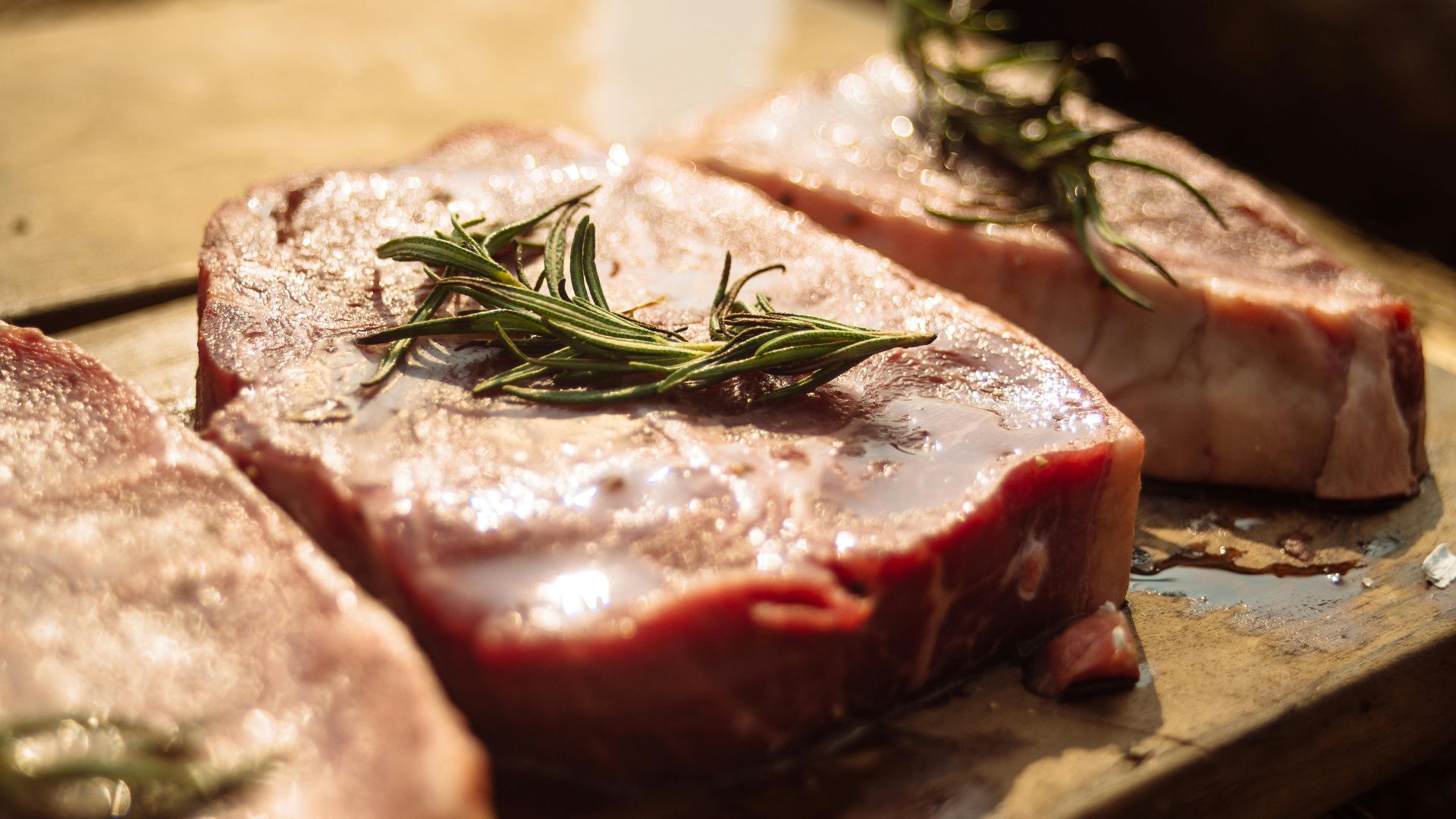
Slow digestion is red meat's gas-producing secret weapon. It gives gut bacteria extended time to break down proteins into increasingly smelly compounds. The sulfur-containing amino acids abundant in beef, lamb, and pork provide raw materials for some truly memorable digestive byproducts.
6. Onions
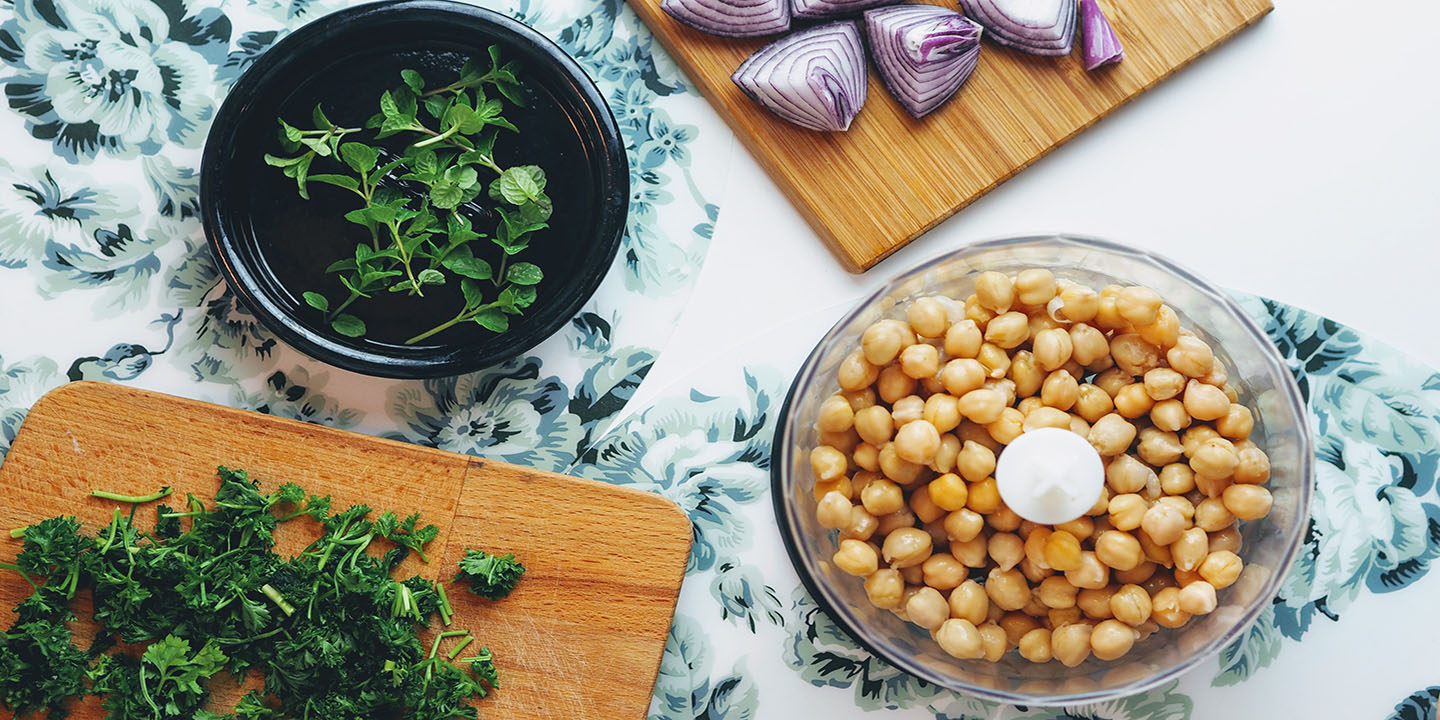
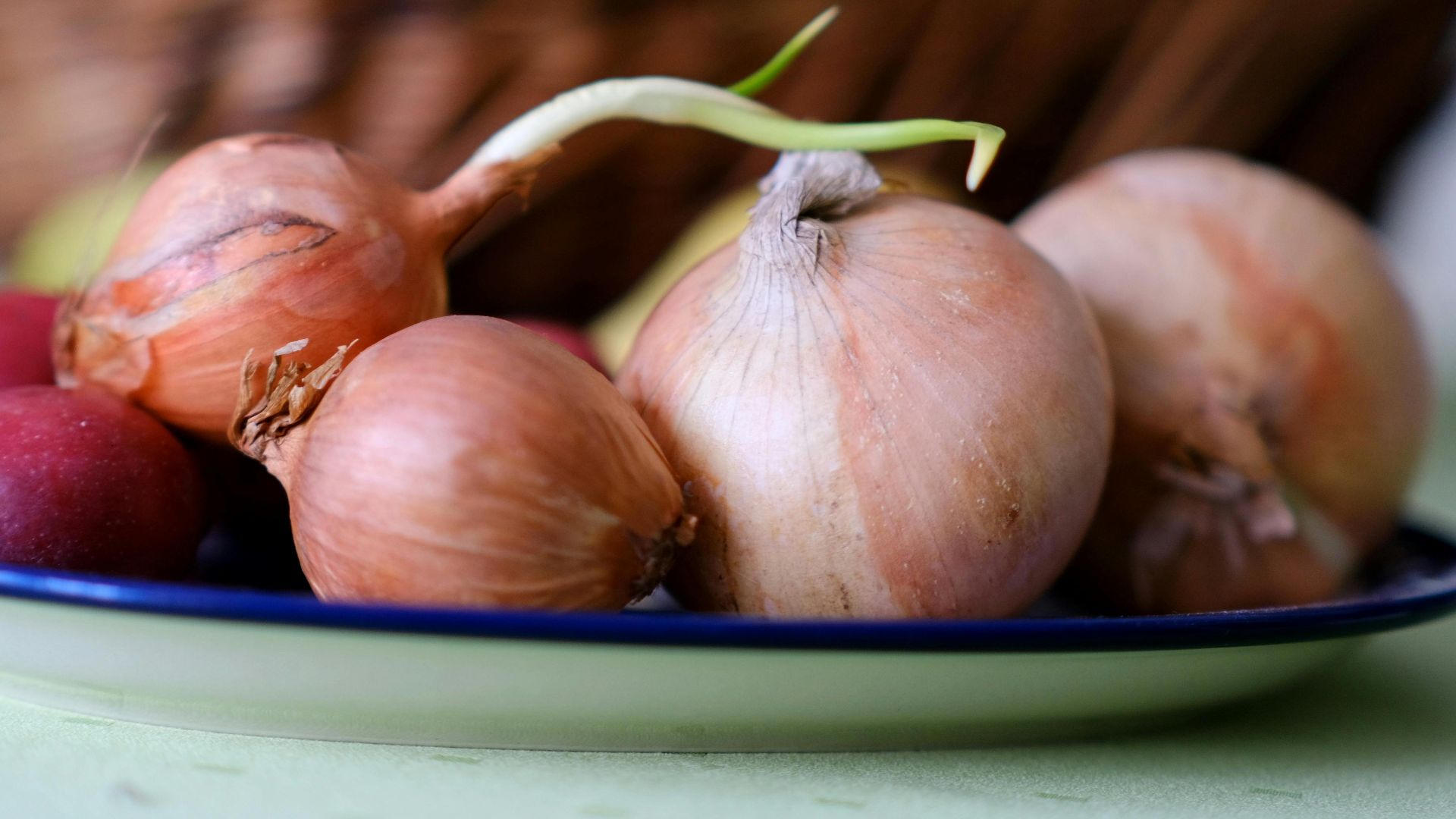
Cooking onions reduces their gas-producing potential somewhat, but it never completely eliminates the odor-causing compounds lurking within. These aromatic vegetables pack a double punch: sulfur compounds that release characteristically strong smells, plus others that ferment enthusiastically in your gut.
7. Asparagus
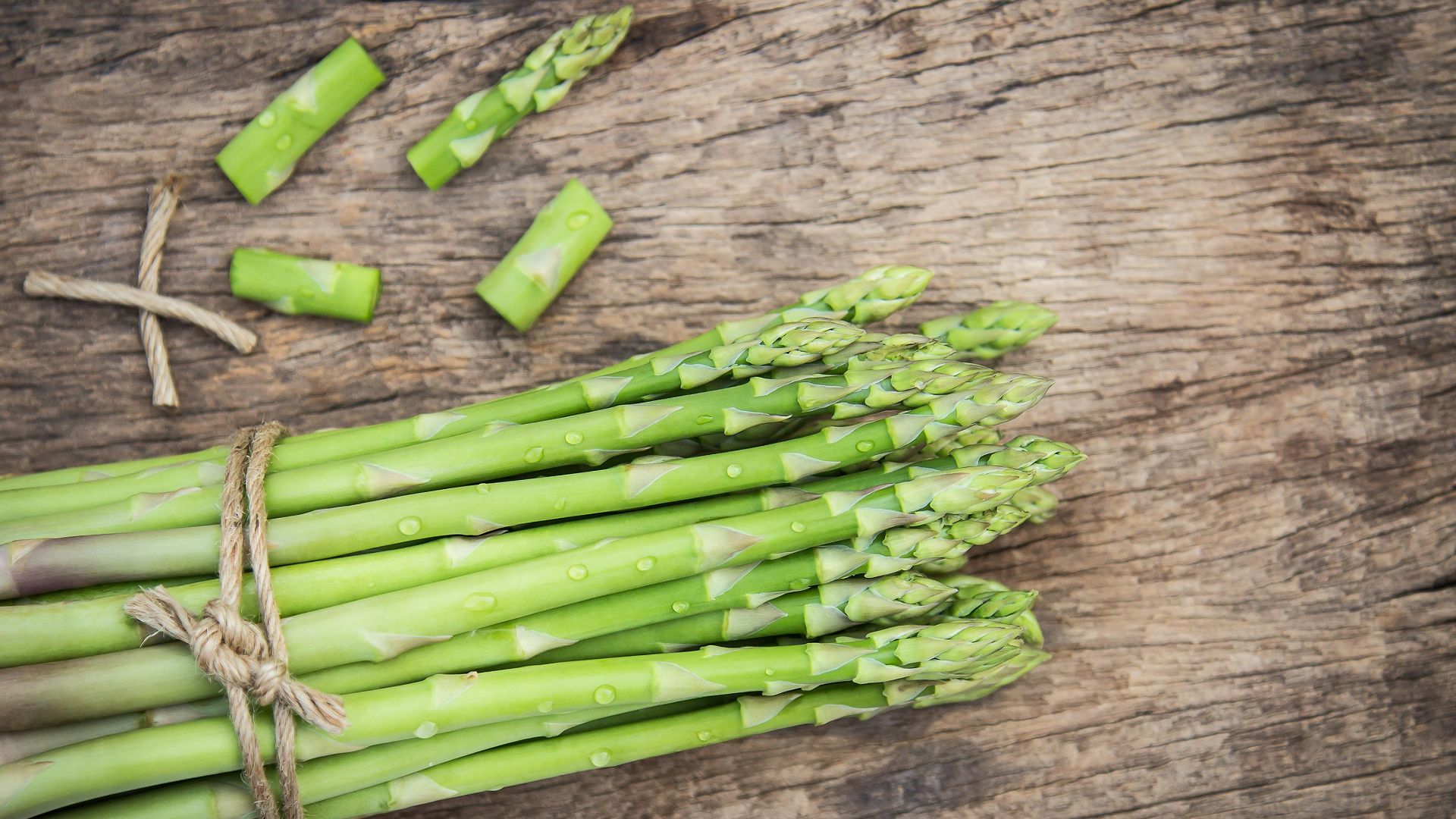
Beyond its famous effect on urine odor, asparagus works similar magic on your digestive gases through its sulfur compound content. The fermentation of asparagus fibers adds another layer to the smell equation. Such sulfur-containing compounds affect your entire digestive process.
8. Beer And Wine
Alcohol itself increases fermentation activity throughout your digestive system, essentially supercharging your gut's gas production capabilities. Beer brings additional troublemakers to the party: yeast and carbohydrates that bacteria love to ferment into aromatic gases, while wine can irritate your digestive lining.

9. Sugar-Free Gum And Candies
Sugar alcohols like sorbitol and xylitol sound innocent enough, but your intestines struggle to absorb these sweeteners effectively.
Excess consumption dramatically intensifies the odor problem, as more unabsorbed sugar alcohols mean more fermentation and more gas production. They ferment enthusiastically in your intestines.

10. Stone Fruits
Peaches and their stone fruit relatives carry sorbitol, a sugar alcohol that your gut finds challenging to process completely. High fructose content provides additional fuel for fermentation. It provides bacteria with plenty of material to convert into gases.

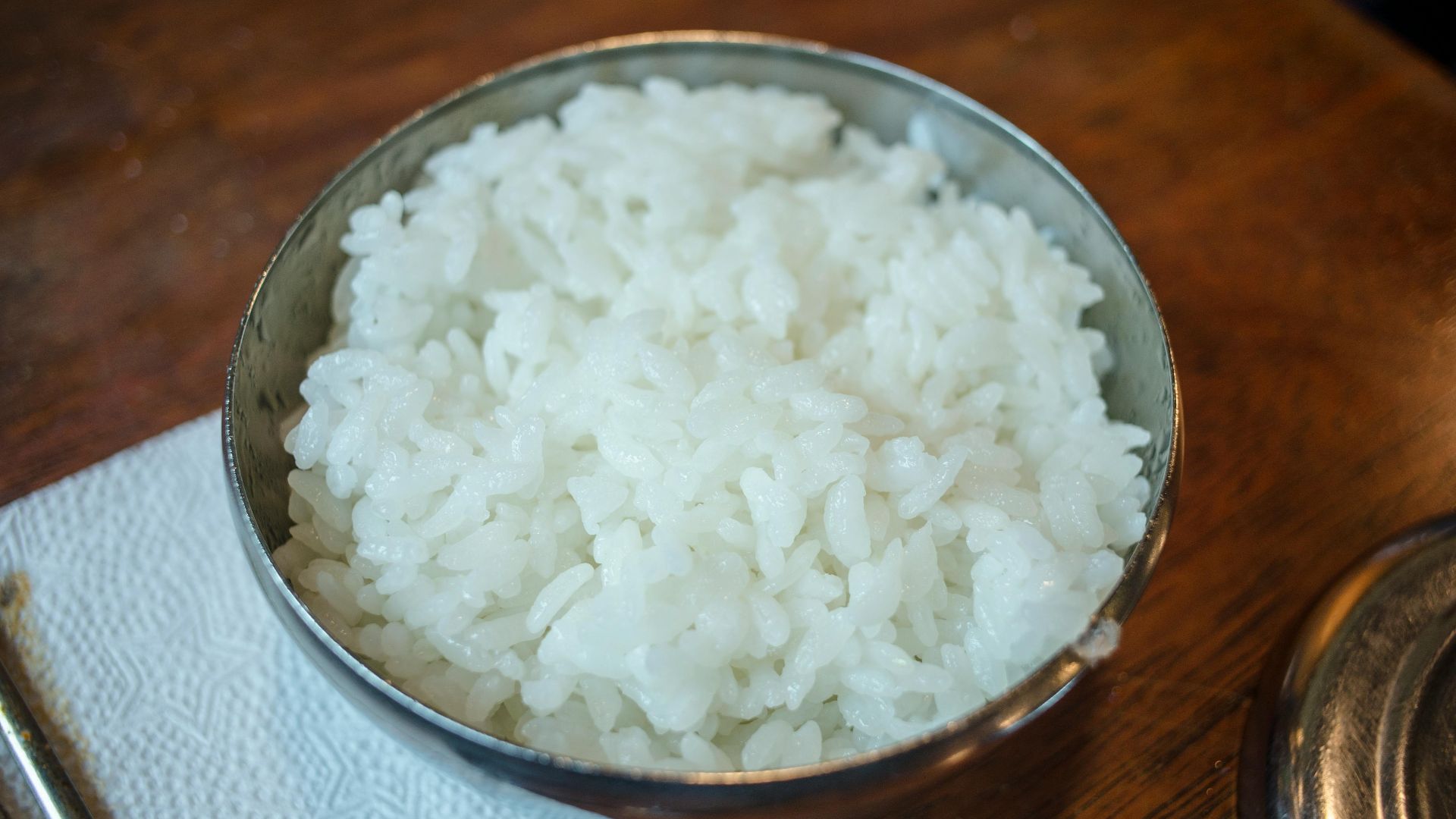
1. White Rice
In cultures worldwide, white rice earns its place as the first solid food introduced to infants precisely because of its gentle nature on developing digestive systems. The low fiber content means your gut doesn't have to work overtime processing it.
2. Chicken Tenders
Removing the skin from chicken tenders slashes saturated fat content, making this lean protein even gentler on your digestive system. Athletes favor it as their go-to protein source because it delivers exactly what muscles need for repair and growth without weighing down digestion.

3. Papaya
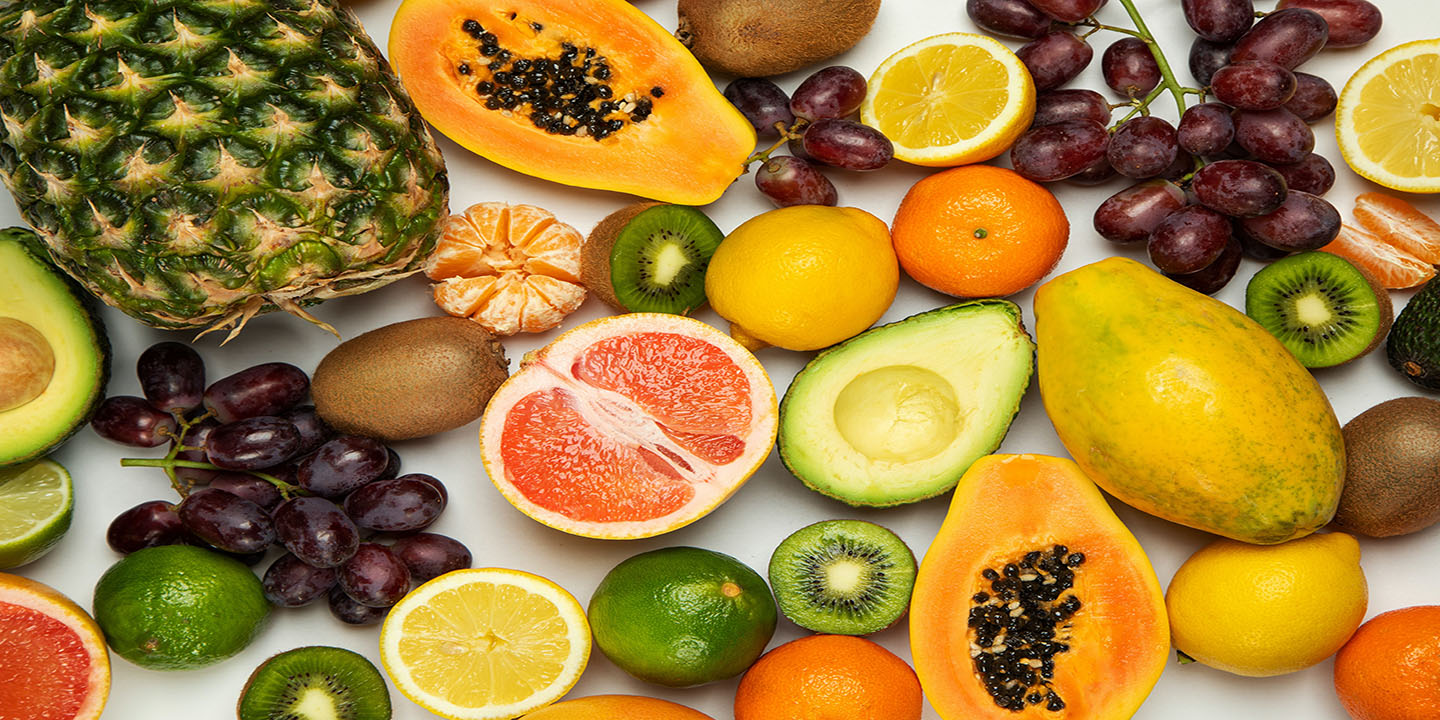
The soft, almost buttery texture of ripe papaya practically melts in your digestive tract, requiring minimal effort from your system to process. Papain, papaya's signature digestive enzyme, actively helps break down proteins in your stomach, essentially doing some of your digestion's heavy lifting.

4. Peeled Cucumber
Ancient Egyptians understood the value of cucumbers thousands of years ago, using them for both skincare and hydration in the desert climate.
Peeling removes the insoluble fiber that can challenge sensitive digestive systems, leaving primarily water and easily digestible flesh.

5. Lettuce
In ancient times, Romans considered lettuce a natural sleep aid, consuming it at evening meals to promote restful slumber. Small amounts of vitamins A and K contribute nutritional value without adding digestive complexity or fermentation-prone compounds.

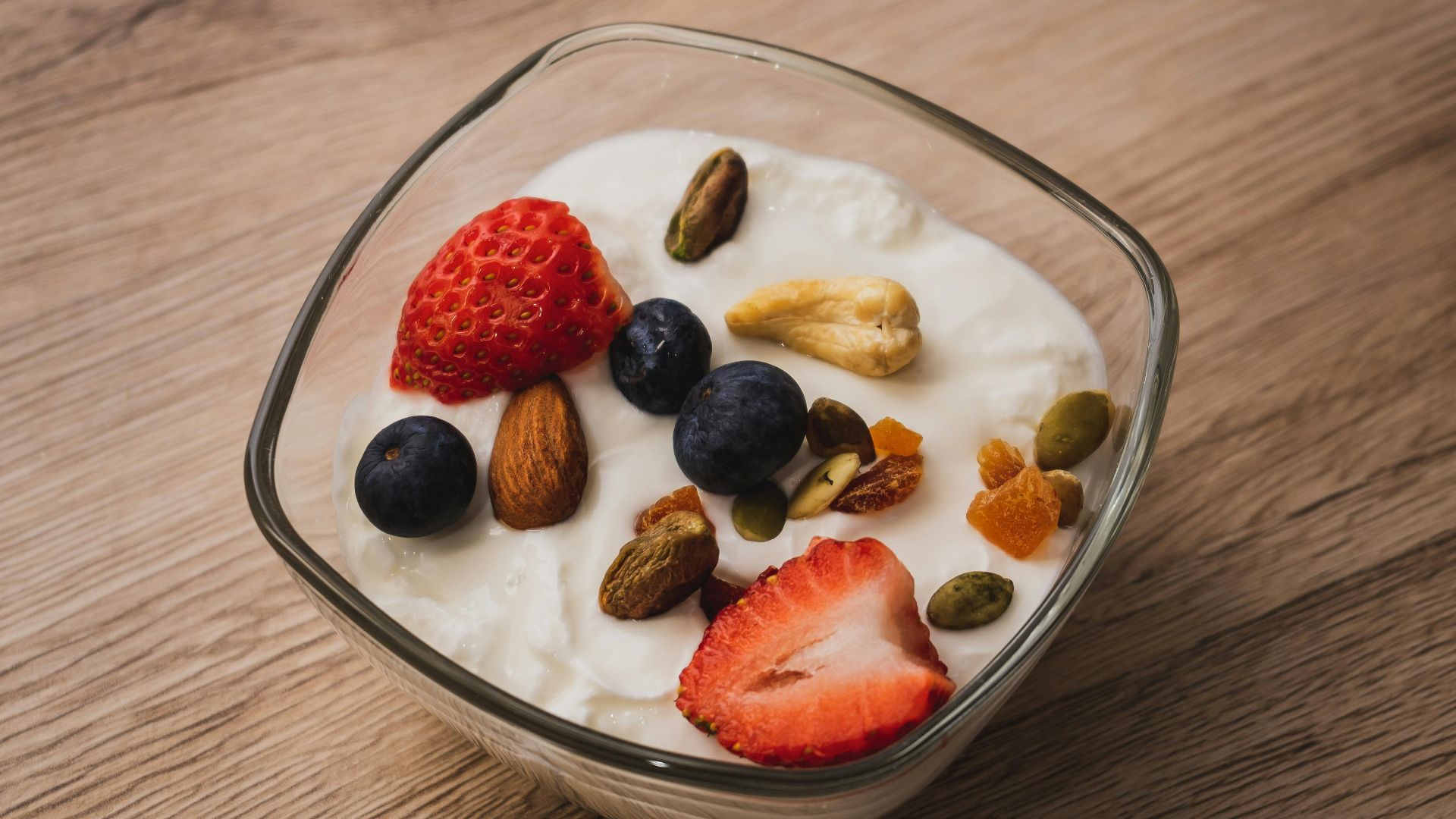
6. Plain Low-Fat Yogurt With Live Cultures
Multiple older civilizations independently discovered yogurt's benefits, consuming fermented dairy products for thousands of years across vastly different cultures. Live probiotic cultures actively support your gut health by populating your intestines with beneficial bacteria that crowd out gas-producing troublemakers.
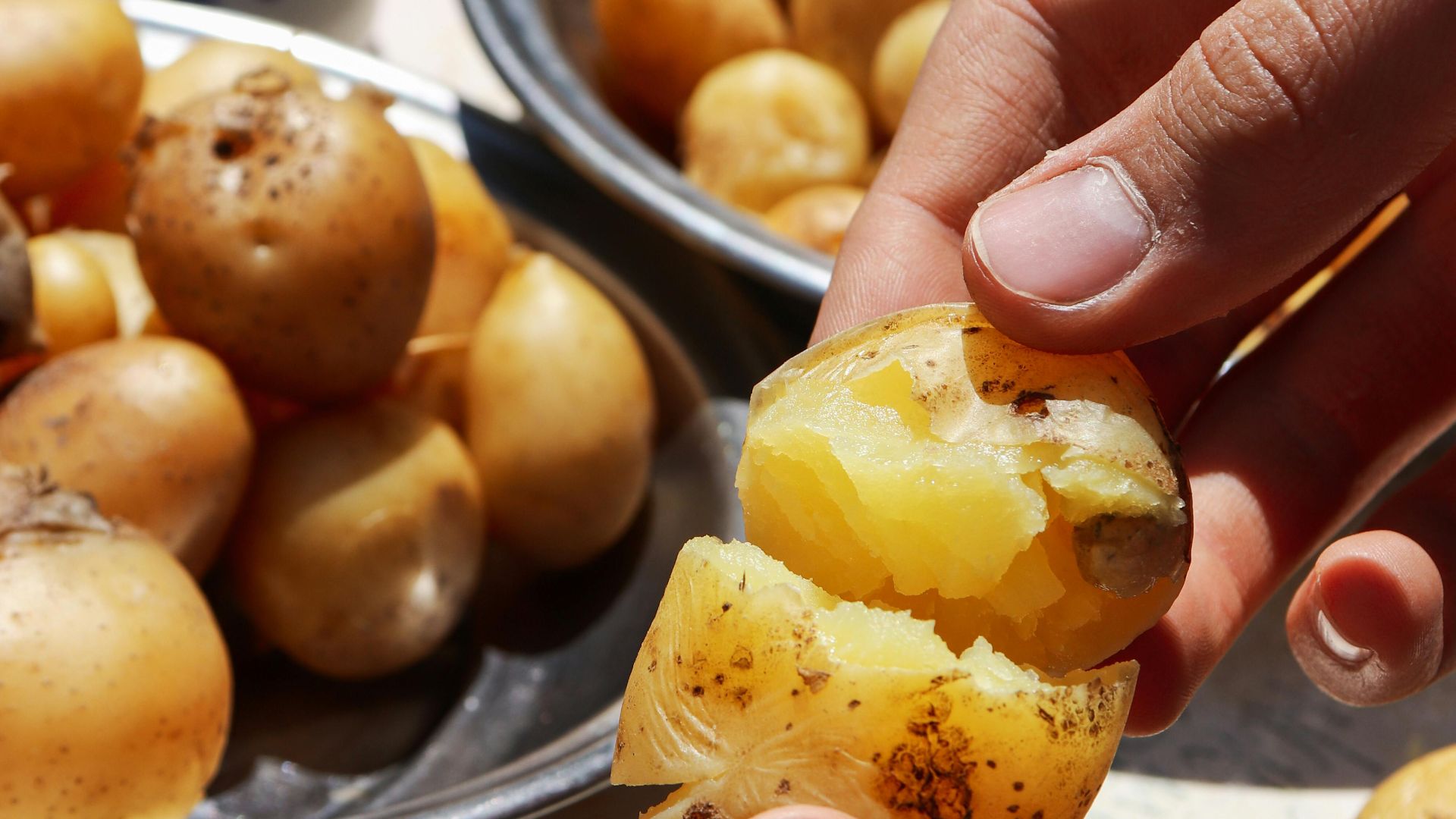
7. Boiled Peeled Potatoes
NASA chose potatoes as the first vegetable to grow in space, recognizing their nutritional efficiency and versatility for astronauts. Peeling removes the fiber-rich skin, leaving starch that your body converts easily into energy without extensive fermentation. Boiling preserves nutrients.
8. Fresh Ginger
Traditional medicine across Asia has long utilized ginger's digestive properties, dating back over two millennia, long before modern science confirmed its benefits. Compounds within fresh ginger carry genuine anti-inflammatory properties that calm irritated digestive tissues and reduce discomfort.

9. Avocado
The nickname "alligator pear" stuck with avocados for years due to their distinctive bumpy green skin and pear-like shape. Healthy monounsaturated fats provide rich nutrition without the digestive challenges posed by saturated fats in animal products.
Small portions digest remarkably smoothly.

10. Plain Refined Pasta
Italian cuisine has centered on pasta for centuries, building an entire culinary tradition around this versatile staple food. The refinement process removes most of the fiber that would otherwise fuel bacterial fermentation in your intestines. Quick carbohydrate energy flows readily from plain pasta.

KEEP ON READING

The Most Popular Signature Dishes Around the World