Handwash or Dishwash?
When it comes to getting your dishes clean, both handwashing and using a dishwasher have their merits, and most of the time it just comes down to convenience. But knowing the strengths of each method might help you make smarter decisions in your own kitchen, whether you're trying to cut costs, save water, or just get through a pile of plates as quickly as possible. Debating which is best? Here are 10 reasons you should handwash your plates, and 10 reasons it's better to use the machine.

1. It's Easier on Delicate Items
Handwashing is the safest option for fragile pieces like fine china, crystal glassware, and antique serving dishes. After all, the high heat and powerful jets inside a dishwasher can cause cracking, etching, or fading on items that aren't built to withstand that kind of treatment. Taking a few extra minutes to wash these by hand can extend their lifespan considerably.

2. You'll Save on Energy Costs
Running a dishwasher uses electricity, and if you're only washing a small load, that energy expenditure isn't always justified. Handwashing a few items, on the other hand, costs next to nothing in terms of power, making it a more economical choice for when you have a lighter load. If you're mindful of your utility bills, handwashing is probably the better choice.

3. It Gives You Full Control
When you wash dishes by hand, you can feel whether something is truly clean and target areas that need extra attention. A stuck-on bit of food or a greasy film is much easier to address when you're scrubbing it directly rather than relying on a machine to handle it for you. That hands-on approach often means a more thorough clean for problem pieces.
4. It's a Good Option When You're Low on Space
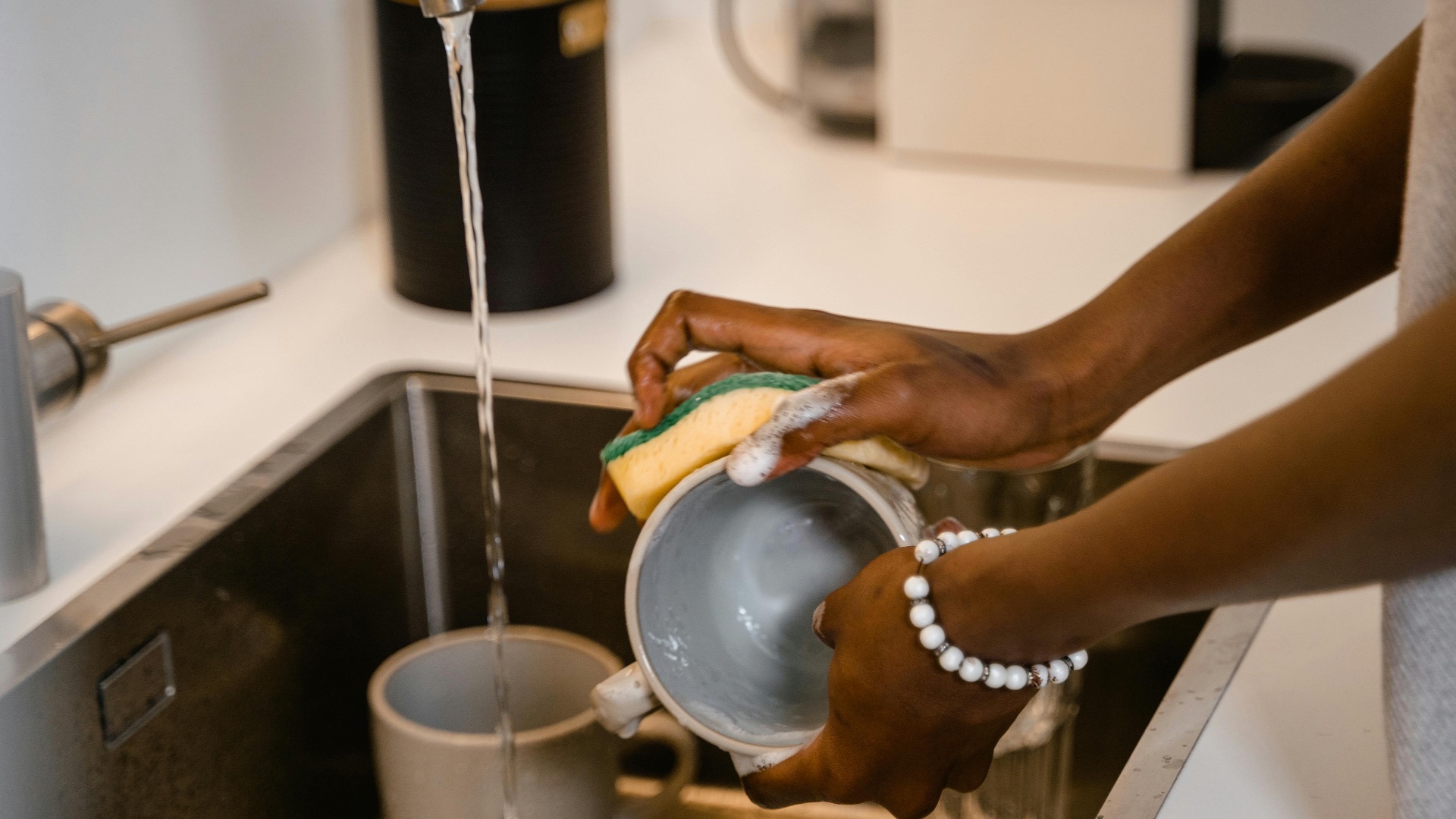
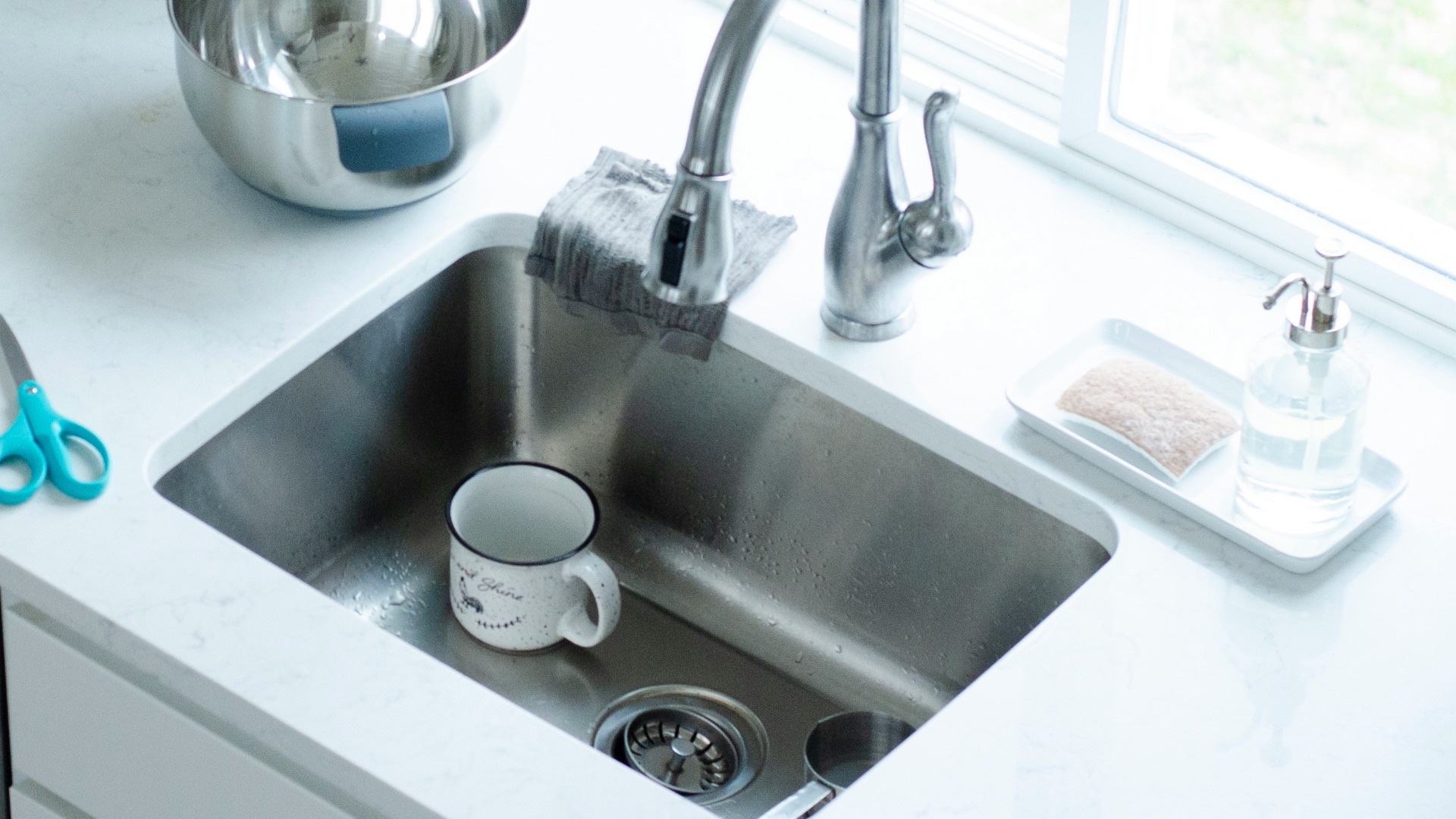
Not every kitchen has room for a full-size dishwasher, and apartment dwellers or those in smaller homes often don't have the option to install one. A sink, some dish soap, and a sponge are sometimes all you need, making handwashing a universally accessible method regardless of your kitchen setup.
5. Certain Items Simply Can't Go in the Machine
Cast iron cookware, wooden utensils, and sharp knives are all better off kept far away from the dishwasher; the harsh detergents and heat can strip seasoning from cast iron, warp wood, and dull knife edges faster than regular use would. Handwashing these items preserves their condition and keeps them performing at their best for longer.

6. It Can Be Therapeutic for Some People
For many people, washing dishes by hand is a calming, almost meditative task that offers a moment of peace in an otherwise busy day. The repetitive, tactile nature of the work can feel grounding, and some find it a helpful way to decompress after a long shift or a hectic evening. It's a simple routine that, for the right person, doubles as a small mental reset.

7. You Don't Have to Wait for a Full Load
One of the most practical advantages of handwashing is that you can clean a single mug, plate, or pot the moment you're done using it. With a dishwasher, there's a temptation to let things pile up until the machine is full, which can leave your kitchen cluttered and your dishes sitting dirty for hours. Washing as you go keeps things tidy and means you're never hunting for a clean bowl or spoon.

8. It Uses Less Water in Smaller Quantities
While dishwashers are generally efficient for large loads, washing just a handful of items by hand uses far less water than running a full cycle. If you're conscious about water conservation and typically don't have many dishes, handwashing is often the more responsible choice. Being selective about when you use each method can help you reduce your overall water consumption.

9. There's No Drying Cycle Required
When you wash dishes by hand, you can dry them immediately with a dish towel and put them straight back in the cupboard. Dishwashers often leave residual moisture, and some cycles require additional drying time before everything is fully ready to be put away. Handwashing lets you move through the entire process from wash to storage in one continuous step.

10. Handwashing Works Even During a Power Outage
A dishwasher is entirely dependent on electricity, which means it's useless if the power goes out. Handwashing requires nothing more than running water and soap, so it remains a reliable option no matter what's happening with your utilities. For households that experience frequent outages or simply want a dependable backup method, the sink will always come through.
Even with all the perks that come with handwashing your dishes, there are reasons why people still choose to throw their plates into the machine. Let's take a look at what a dishwasher does best.

1. Dishwashers Reach Much Higher Temperatures
Most dishwashers heat water to between 120°F and 150°F, which is significantly hotter than what's comfortable or safe for handwashing. Those higher temperatures are far more effective at killing bacteria and breaking down grease, giving you a level of sanitization that's difficult to match at the sink. If hygiene is your top priority, the machine has a clear advantage here.
 Wolfgang Hasselmann on Unsplash
2. They Save a Significant Amount of Time
Loading a dishwasher takes a fraction of the time it would take to wash, rinse, and dry the same number of dishes by hand. For busy households or after a large dinner party, being able to stack everything in the machine and press a button is a genuine time-saver. That time can be spent on just about anything else, which is reason enough for many people to rely on the appliance.

3. Modern Machines Are Surprisingly Water-Efficient
Contrary to what many people assume (though still dependent on the model you have installed), a fully loaded dishwasher typically uses less water than handwashing the same number of items. Energy Star-certified models can clean a full load using as little as three gallons of water, while handwashing can easily consume two to five times that amount. If water efficiency matters to you and you're running full loads, the dishwasher is likely the greener option.

4. They Produce Consistently Clean Results
A dishwasher applies the same water pressure, temperature, and detergent to every item in the load, which means results are highly consistent from one cycle to the next. Handwashing quality can vary depending on how tired you are, how much time you're willing to spend, or whether you notice a spot you've missed. The machine doesn't get distracted or cut corners.

5. The Enclosed Environment Reduces Cross-Contamination
When you wash dishes by hand, sponges and dishcloths can harbor bacteria and transfer germs between items if they're not replaced or sanitized regularly. A dishwasher eliminates that variable entirely, since each item is cleaned by water jets rather than a shared cloth. This makes it a more hygienic system overall, particularly when you're washing cutting boards or items that have been in contact with raw protein.
6. They're Better for Large Households
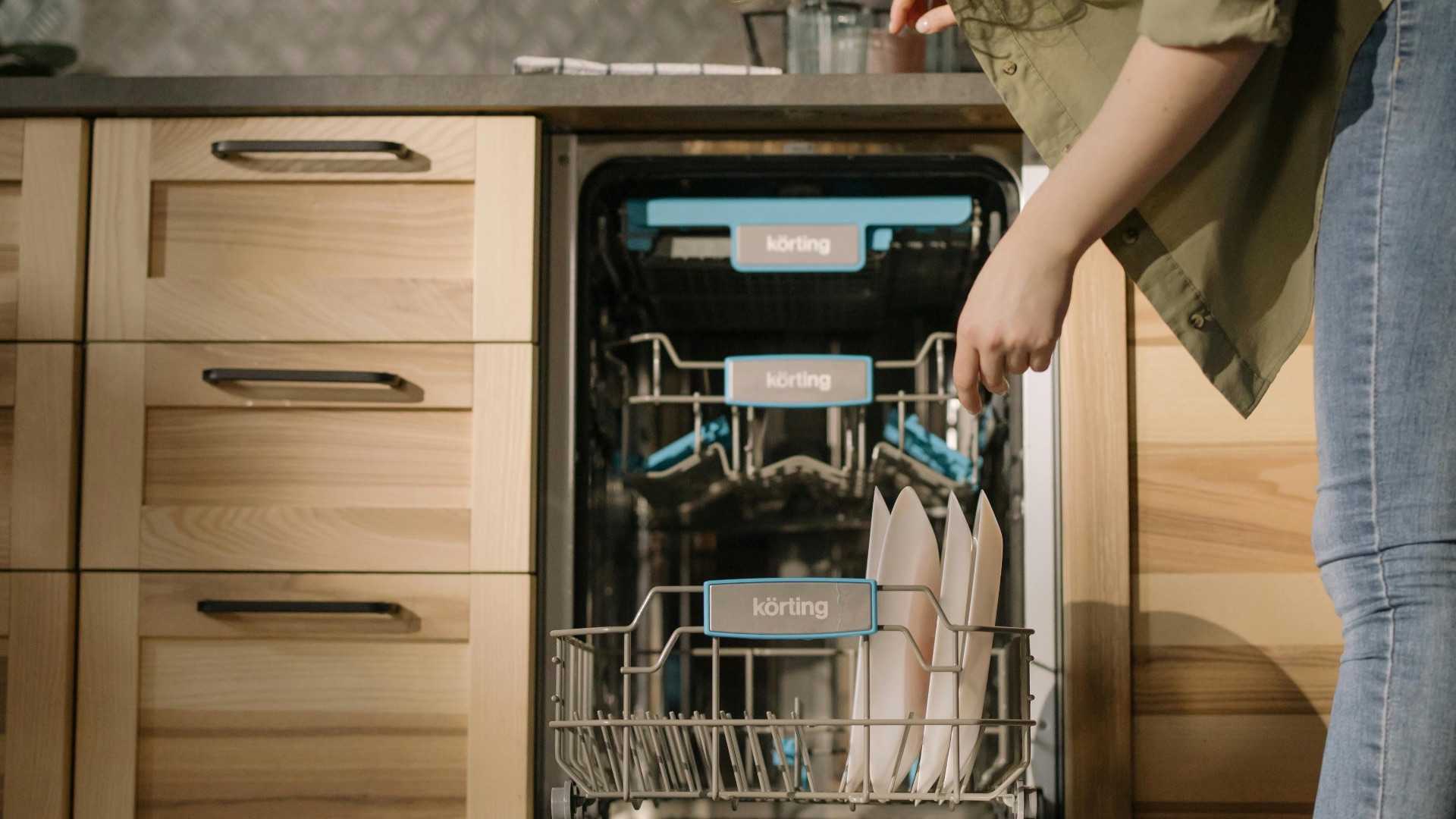
When you're feeding a family of five or regularly cooking meals that produce a mountain of dishes, handwashing can be a headache. A dishwasher, though, handles large volumes efficiently and without requiring anyone to stand at the sink for half an hour. It's an appliance that genuinely earns its place in a busy household kitchen.

7. They Can Handle the Drying Step Automatically
Many dishwashers include a heated drying cycle or use residual heat to dry items after the wash is complete, so you don't have to towel-dry everything yourself. This is particularly convenient for households with limited counter space, since you don't need a drying rack taking up room beside the sink. Everything comes out clean and dry, ready to go straight into the cupboard.
8. Running Them at Night Can Lower Your Energy Bill
Many utility providers charge less for electricity during off-peak hours, which typically fall in the late evening or overnight. Running your dishwasher after everyone's gone to bed lets you take advantage of those lower rates, which can add up to real savings over the course of a year.

9. They Remove Odors More Effectively
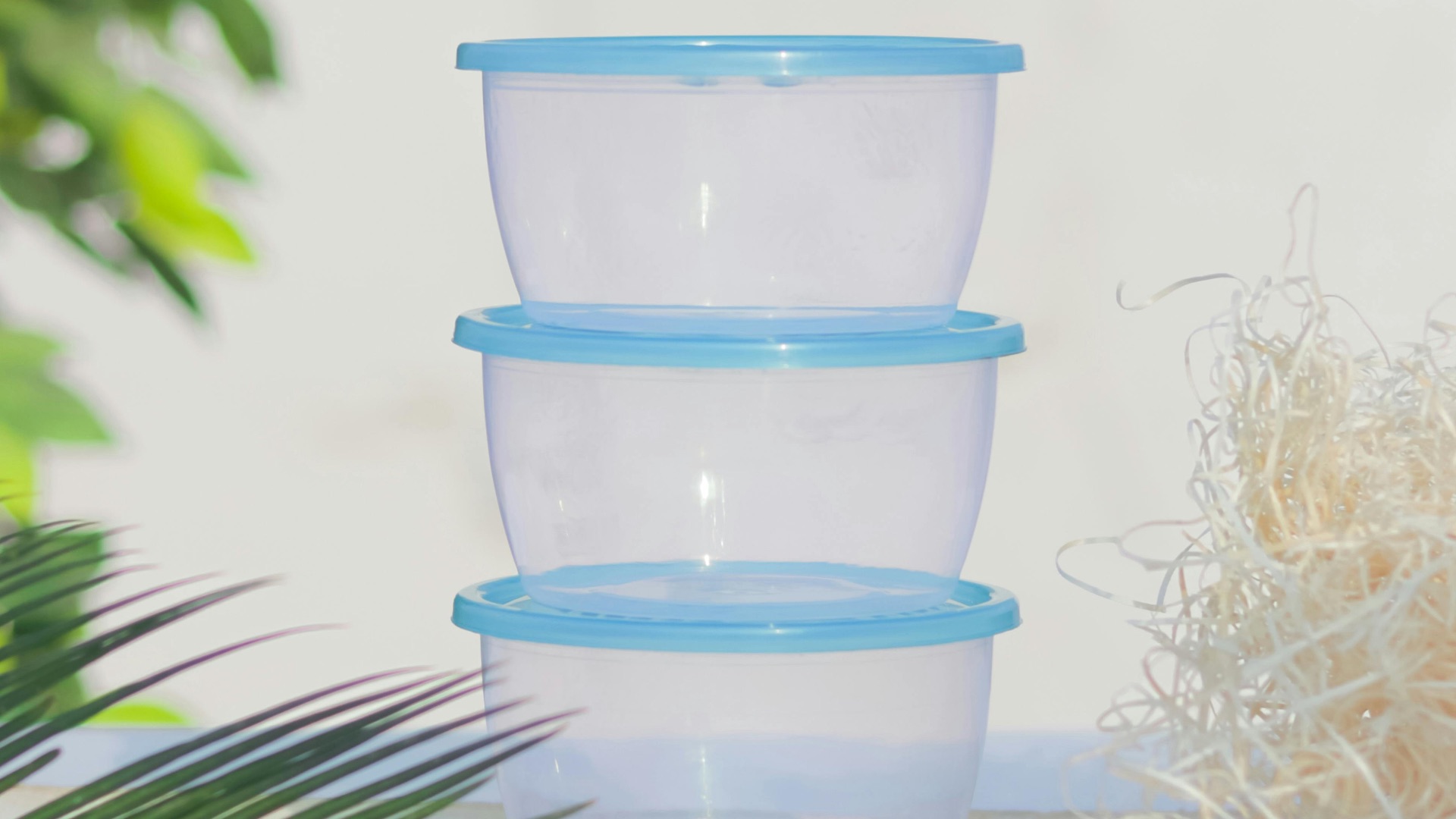
The combination of hot water and dishwasher detergent is particularly good at neutralizing strong food odors that can linger on plastic containers, cutting boards, and deep dishes. Handwashing with standard dish soap doesn't always fully eliminate those smells, especially from porous materials. A dishwasher cycle tends to leave items smelling genuinely clean rather than just soap-scented.
 Ibrahim Plastic Industry ( IPI ) on Pexels
10. They're Easier on Your Hands
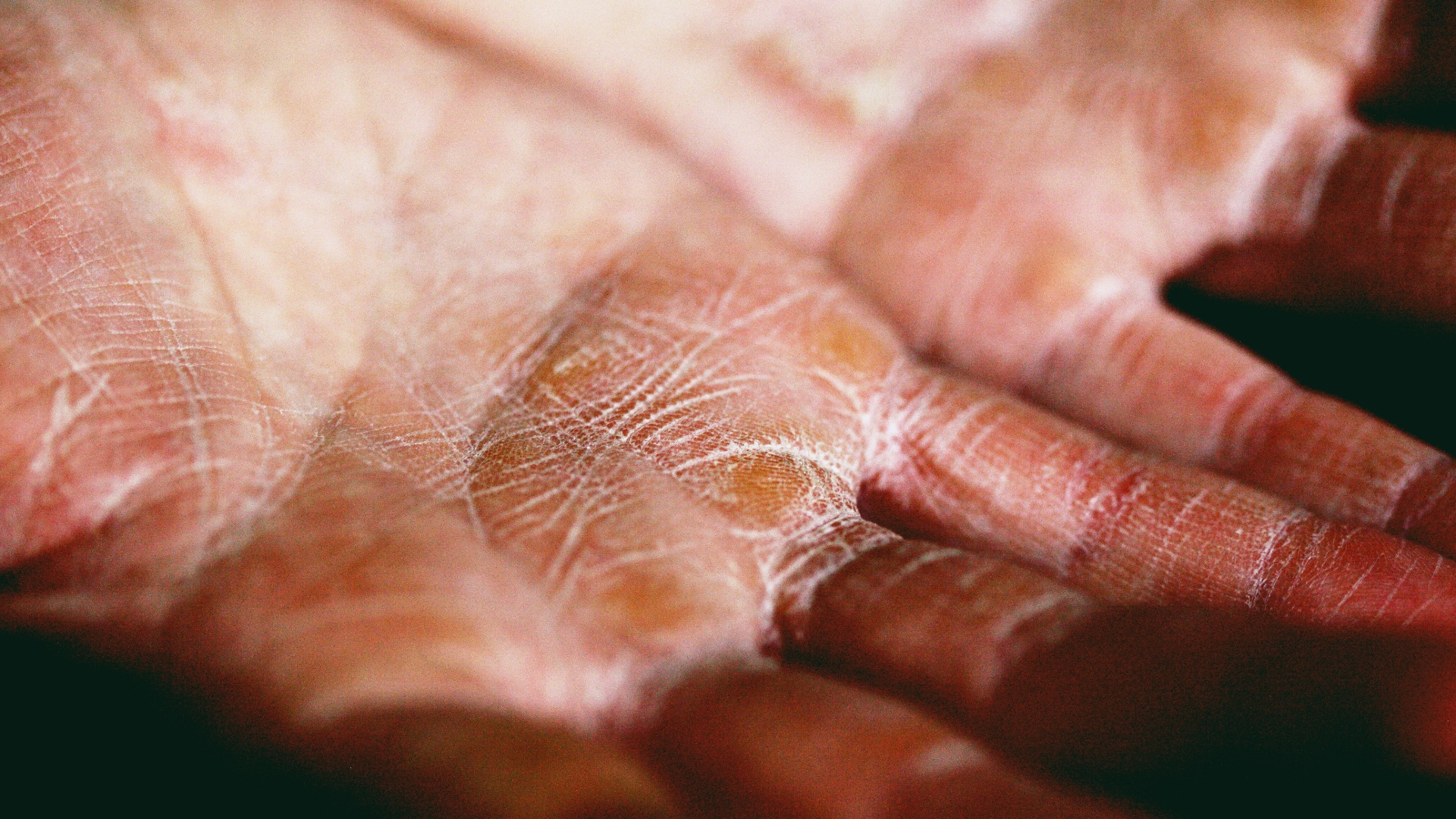
Prolonged exposure to hot water, dish soap, and scrubbing can take a real toll on your skin, leading to dryness, irritation, and chapping over time. Using a dishwasher means your hands stay out of the water entirely, which is a welcome relief for anyone with sensitive skin or conditions like eczema.