Grocery Store Habits That Cost You
Grocery shopping seems like a simple task until you notice how easily one trip can turn into overspending, wasted food, forgotten essentials, or an unnecessarily stressful hour (or two) in the aisles. Most of us have picked up a few bad habits without realizing it, especially when we’re hungry or rushed, or shopping without a plan. Thankfully, if you want to become a better shopper, it's not rocket science, and we've got tips that might help. Just make sure you don't become any of these 10 types of shoppers first, though.
1. The Impulse Buyer
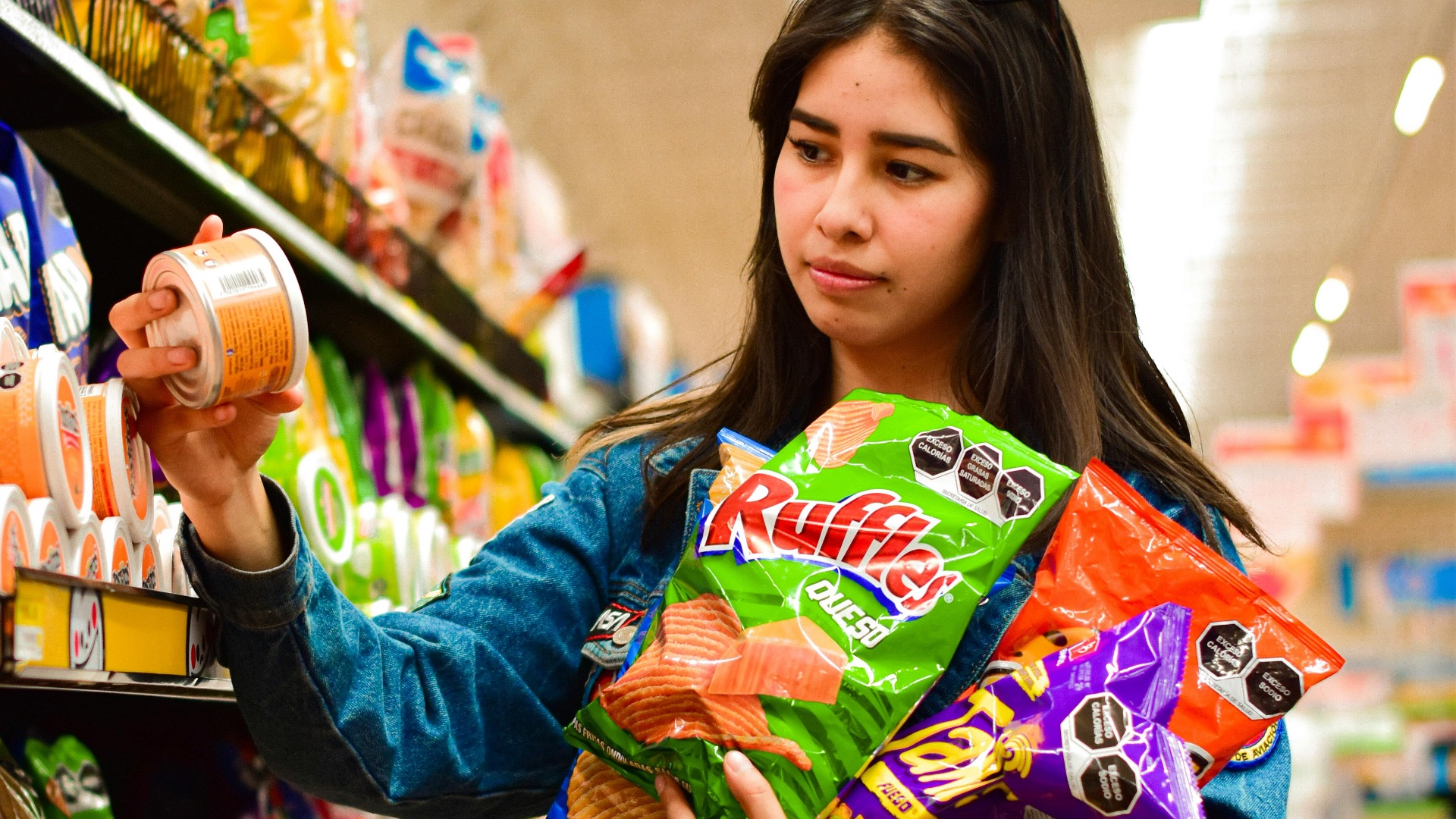
The impulse buyer walks into the store for milk and somehow leaves with snacks, seasonal displays, and three things that weren’t on the list. Grocery stores are designed to tempt you, so relying on willpower alone usually doesn’t work very well. When you buy whatever catches your eye, your cart fills up quickly and your bill climbs before you’ve even reached the aisles you actually need. A few spontaneous purchases are normal, but making them the whole shopping strategy gets expensive quickly.
2. The Aisle Wanderer
The aisle wanderer doesn’t really shop so much as drift, circling the same sections and hoping to remember what they came for. This kind of trip can easily stretch past an hour, especially when you’re deciding every meal idea on the spot. The longer you roam, the more likely you are to buy things you don’t need or forget the items you actually came to get.
3. The Sale Shelf Hoarder
The sale shelf hoarder sees a good deal and clears out as much as possible, even when they don’t need that much. You might feel triumphant in the moment, but taking every discounted item leaves other shoppers with nothing and often just leaves you with wasted food at home. Don't be that kind of shopper; buy with a little more consideration and leave some for everyone else.
4. The Expiration-Date Skipper
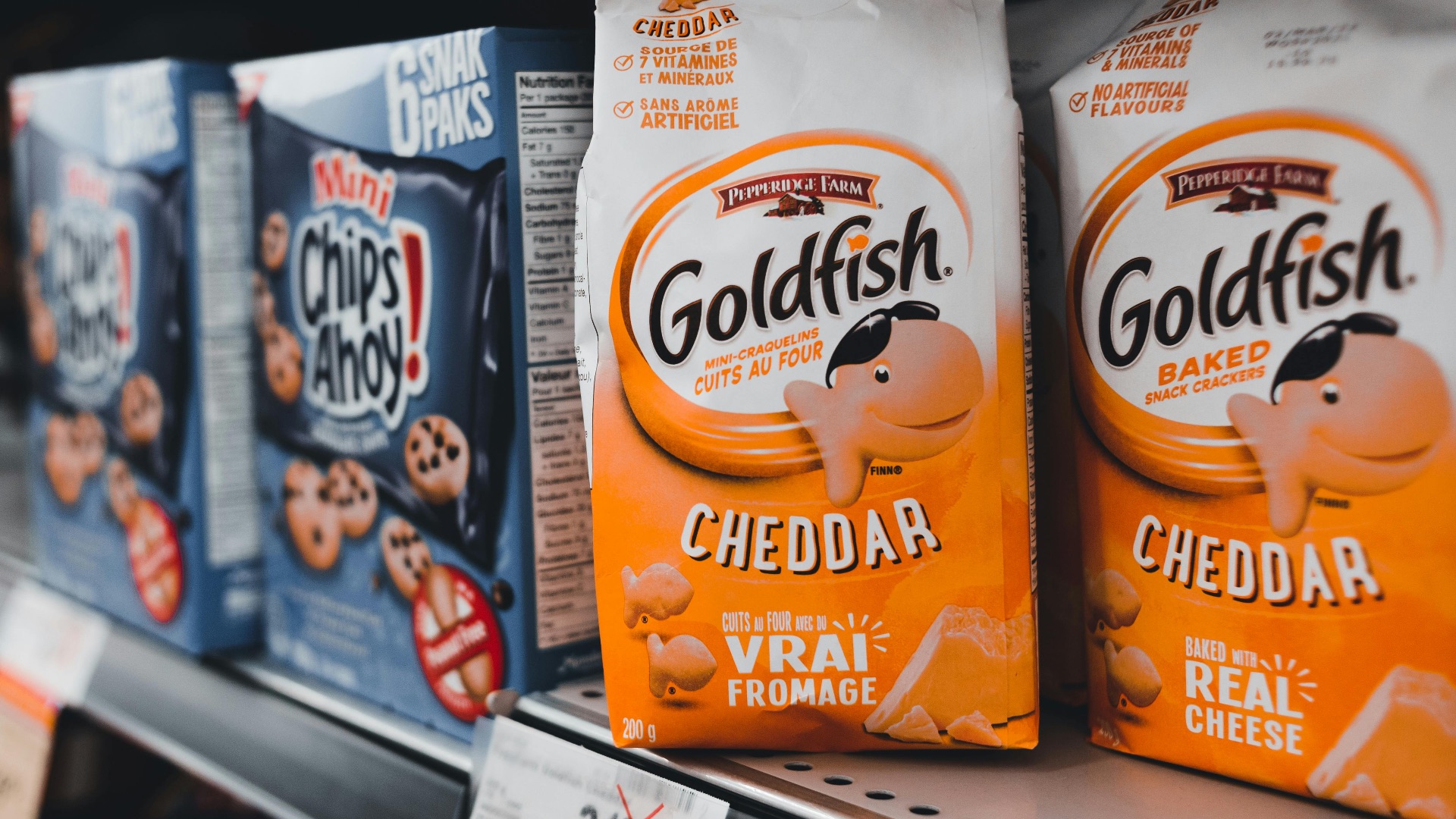
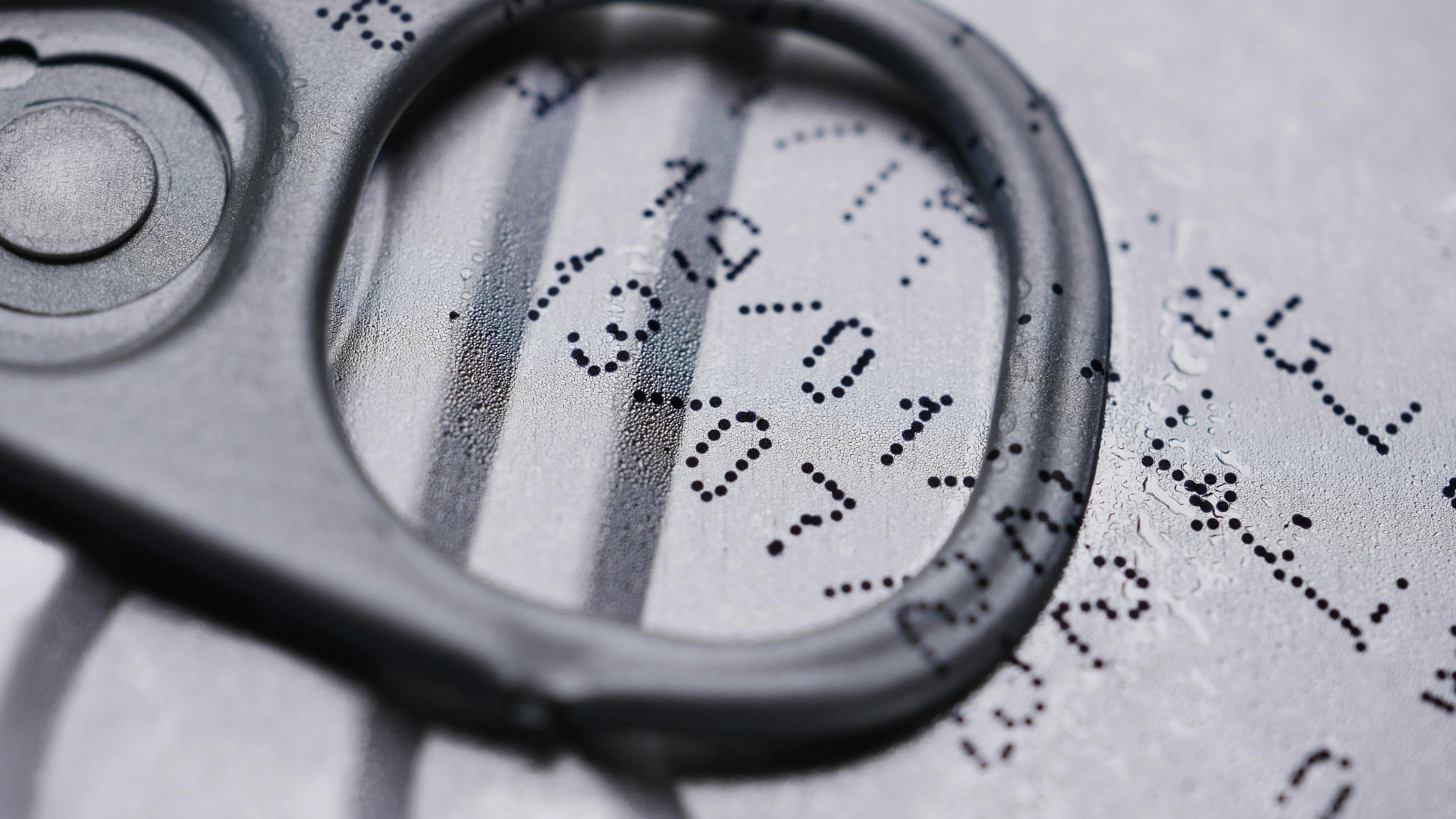
The expiration-date skipper grabs dairy, meat, bread, or packaged goods without checking the dates first. That habit can lead to spoiled food, rushed meal planning, or the annoying discovery that something you opened yesterday already needs to be used completely by today. Checking dates only takes a few seconds, but it can save money and prevent unnecessary waste. This is especially important when buying items from the front of the shelf, where older products are often placed.
5. The Bulk-Buy Optimist
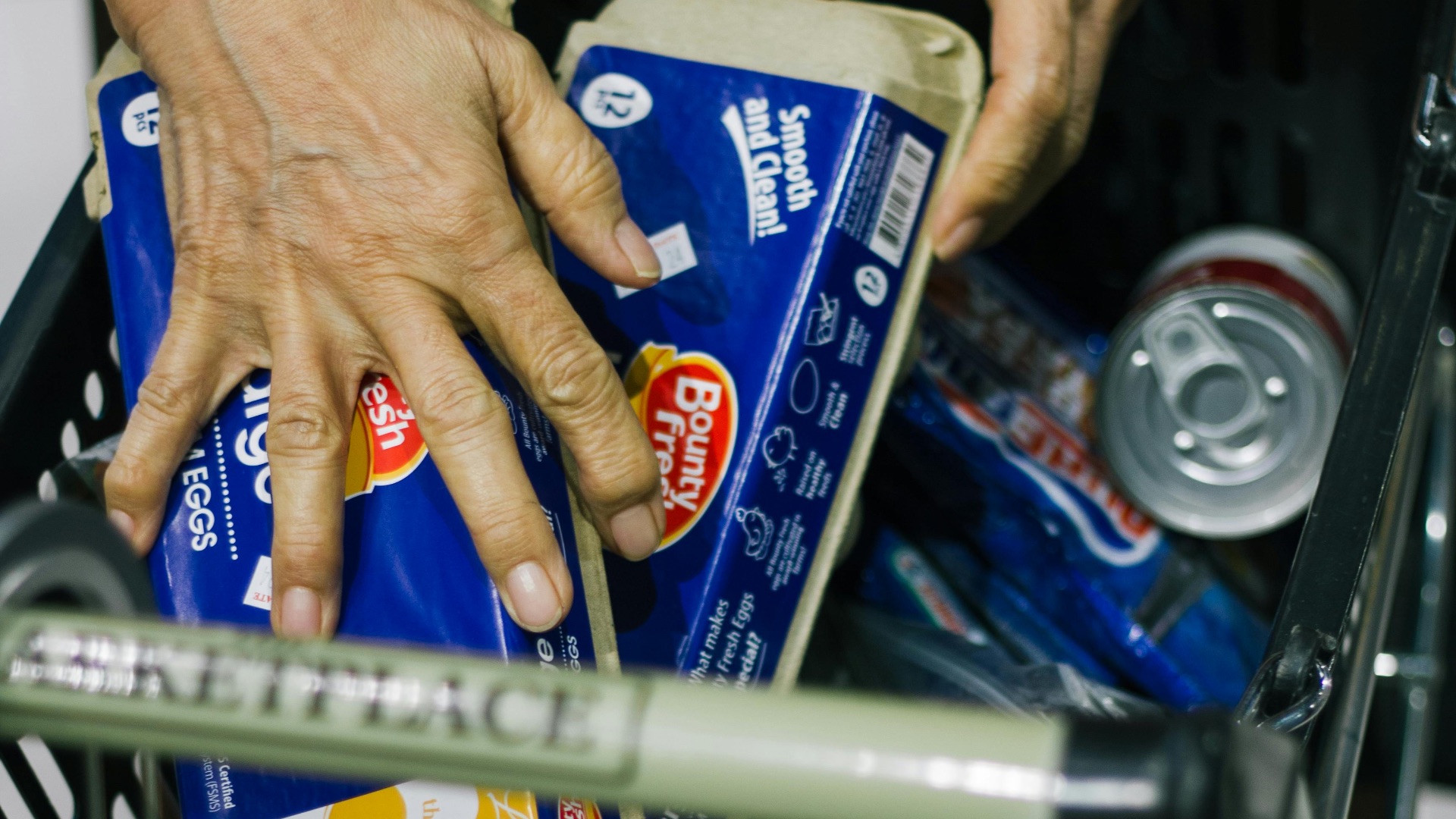
The bulk-buy optimist loves the idea of saving money by buying larger packages, even when they know they probably won’t finish them. Bulk buying can be smart for household staples, but it becomes a problem when perishable food goes bad before anyone eats it; a giant bag of produce or a family-size pack of meat, for example, isn’t a bargain if half of it ends up in the trash. Before buying in bulk, it helps to be honest about your household’s actual habits.
6. The Hungry Shopper
The hungry shopper walks in with good intentions and leaves with a cart full of cravings. Shopping on an empty stomach makes snack foods, convenience meals, and bakery items look far more appealing than they would after lunch. It also makes it harder to stick to a plan because hunger pushes you toward quick comfort instead of practical choices. Eating something small before you shop can make a surprisingly big difference.
7. The Brand-Loyal Spender
The brand-loyal spender buys the same familiar labels every time without comparing prices or checking store-brand options. Brand loyalty isn’t always bad, especially when there’s a quality difference you care about, but it can creep your grocery bill up. Many store-brand items are similar enough for everyday cooking, especially for basics like flour, canned goods, frozen vegetables, and pasta, so don't dismiss them so outrightly.
8. The Cart Blocker
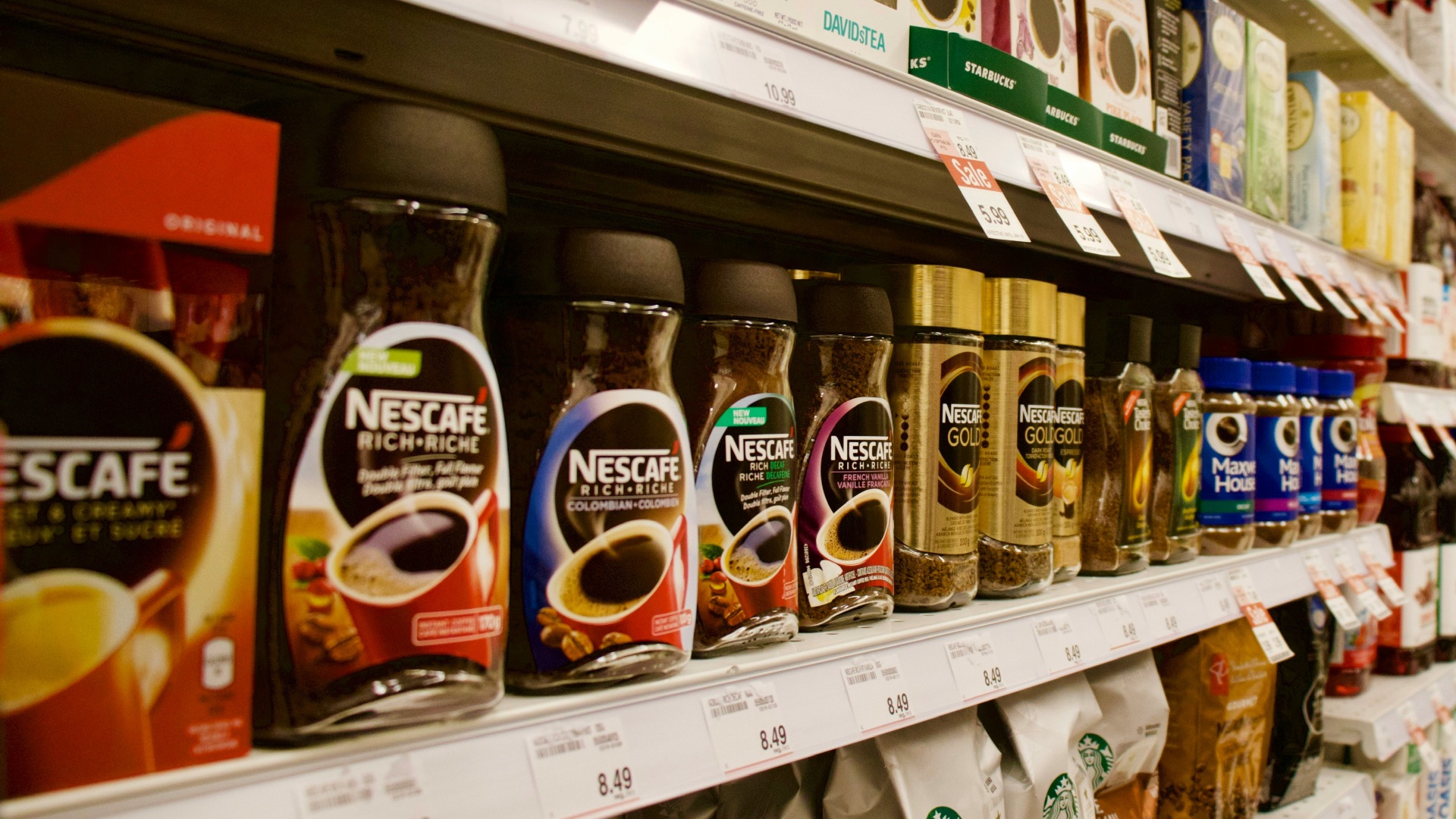
The cart blocker parks in the middle of the aisle, studies labels for several minutes, and doesn’t notice that other shoppers are trying to get through. Everyone needs time to compare products, but basic awareness matters in a shared space. Grocery stores are already crowded enough without carts blocking produce bins, freezer doors, or narrow aisles, so shift your stuff to the side whenever possible.
9. The Checkout Line Surpriser
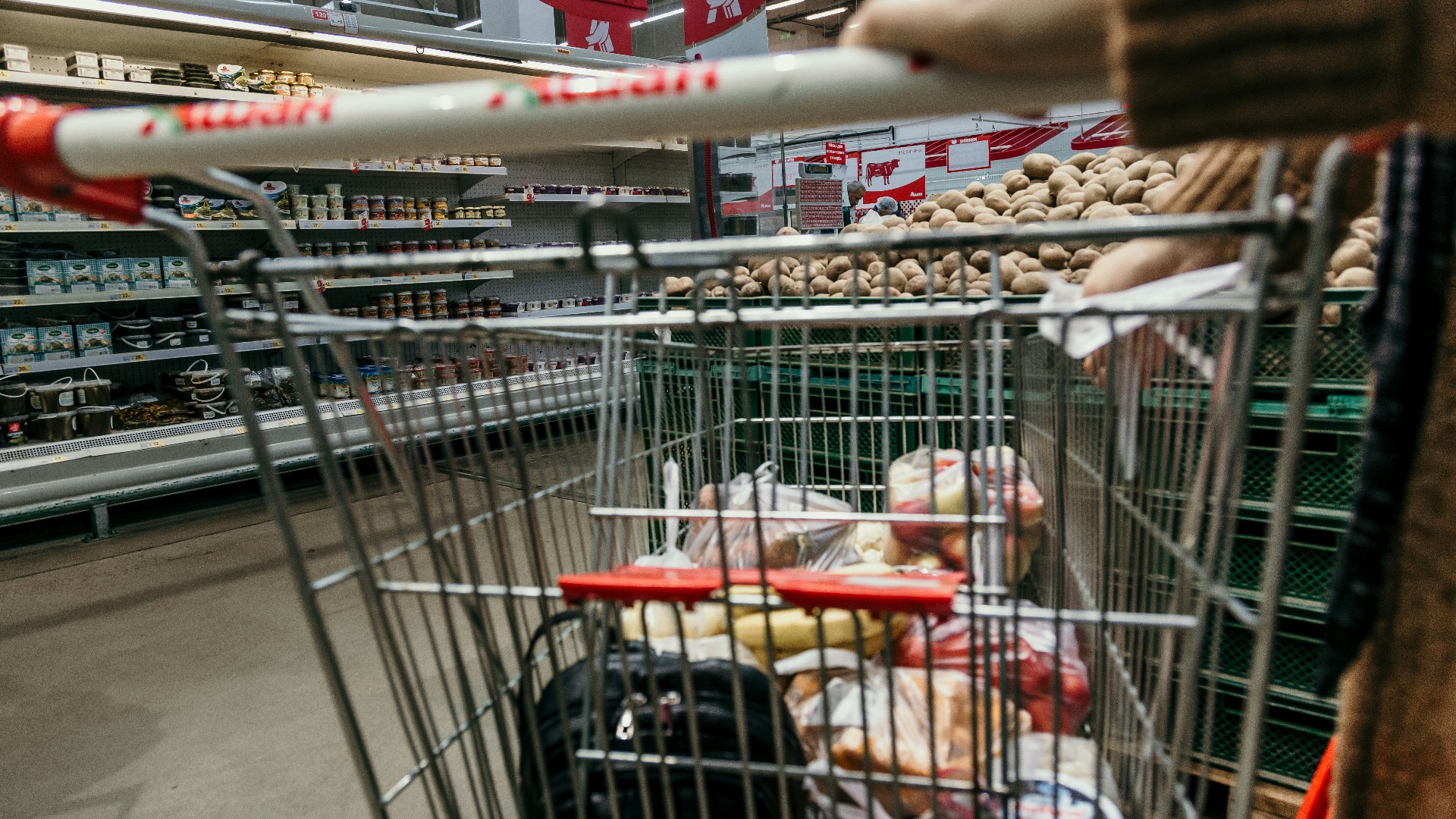
The checkout line surpriser reaches the register—and then realizes they just needed one more item that's all the way across the store. It’s not wrong to add more things to your cart, but you still want to think about the line behind you and the people you're holding up. If you decide you're not actually ready yet, let others go first.
 Enkhjin photography on Unsplash
10. The Junk Food Enthusiast
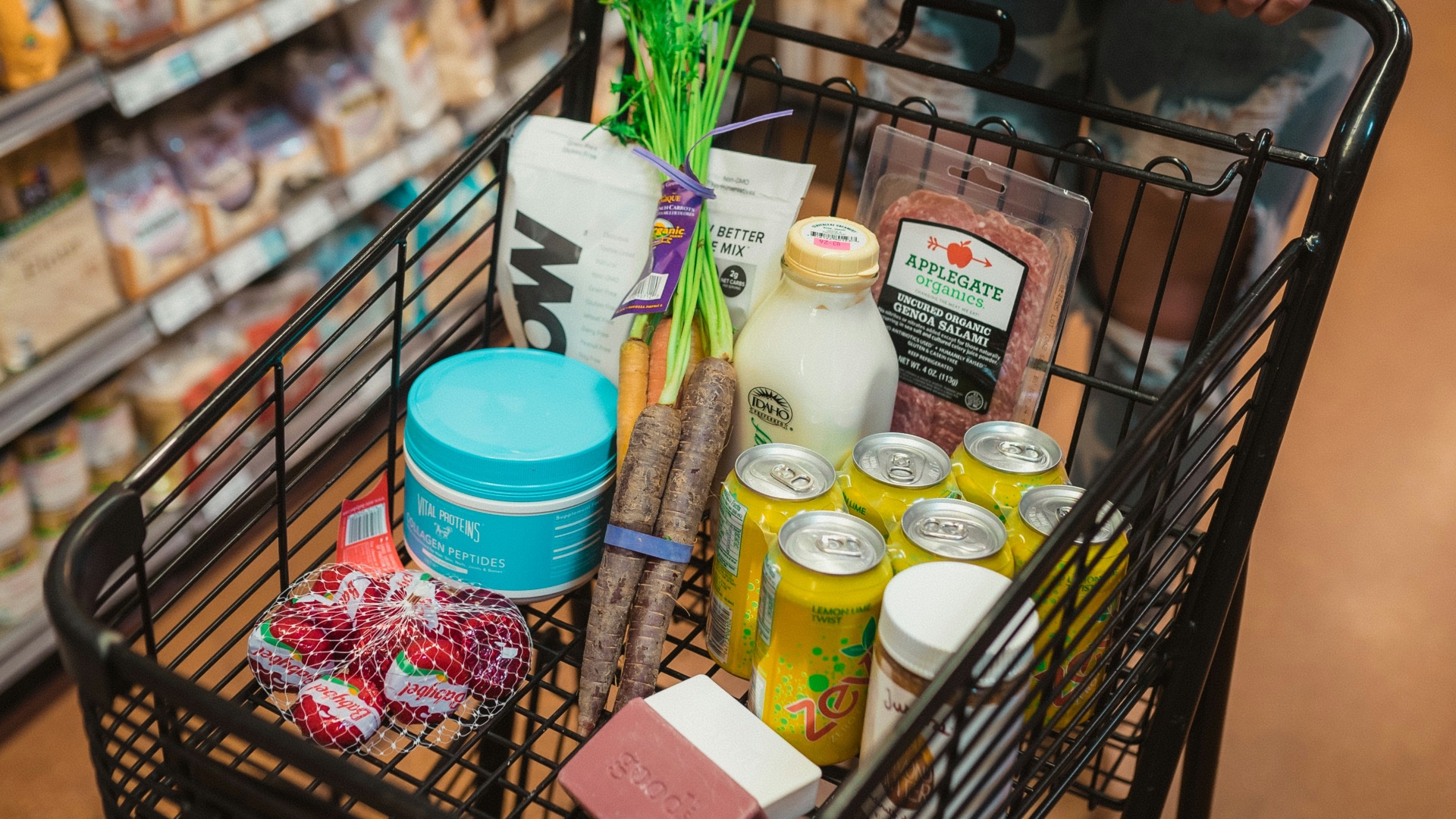
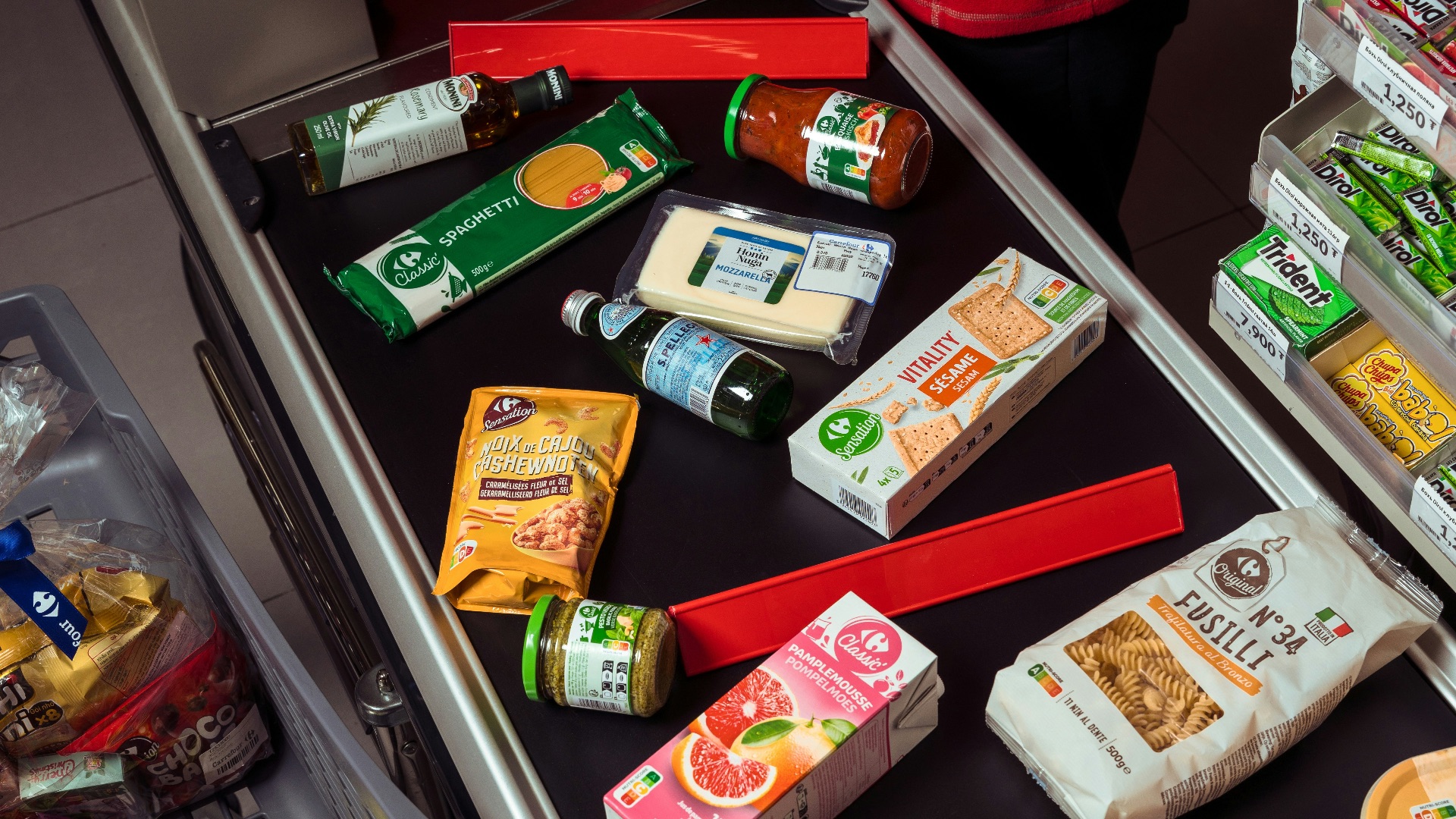
The snack-only shopper fills the cart with chips, cookies, frozen appetizers, sugary drinks, instant meals, and other highly processed foods, then wonders why they only have junk food stocked in the house. There’s nothing wrong with buying treats, but a cart made almost entirely of snack foods can leave you short on actual meals. It can also make the next few days harder because you still need protein, produce, and simple staples to pull together something balanced. A few fun extras are fine, but they shouldn’t crowd out the foods that help you feel fed.
Now that the bad habits are out in the open, let's jump into how you can be a smarter shopper.

1. Start with the Meals You Actually Repeat
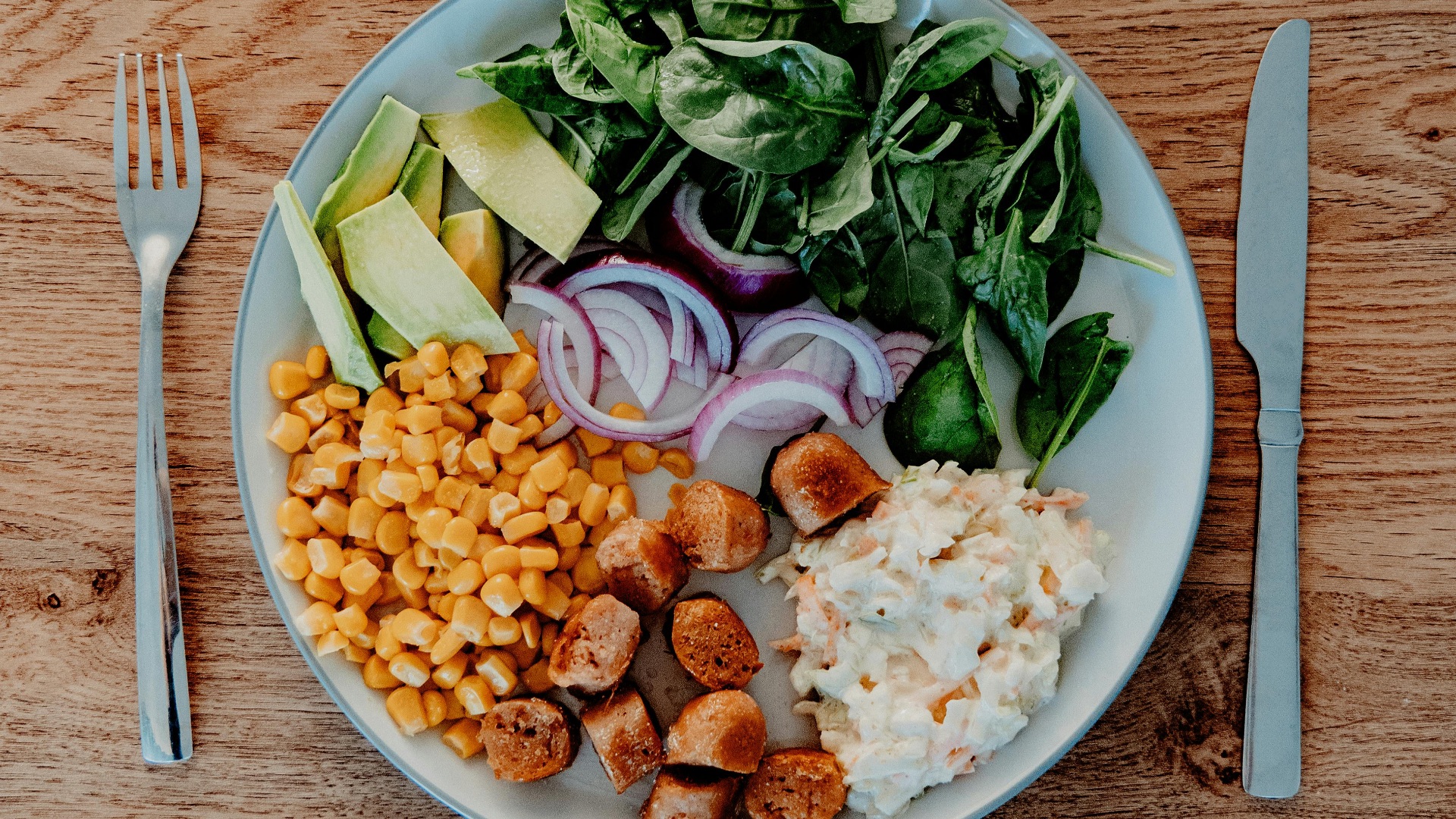
A smarter grocery trip begins with the meals you already know you’ll eat, not the meals you wish you cooked more often. Think about the breakfasts, lunches, dinners, and snacks that reliably work in your household. Once those are covered, you can add one or two new ingredients or recipes without turning the whole trip into a gamble, which helps keep your cart grounded in real life instead of good intentions.
2. Give Yourself a Spending Range
A strict grocery budget can feel stressful, but a spending range gives you useful structure without making every choice feel rigid. So before you shop, decide roughly what you want the trip to cost and what number would be too high. That makes it easier to pause before adding extras, especially when prices have crept up on items you buy often, and you’ll make better decisions when the total isn’t a complete surprise at checkout.

3. Check What You Already Have
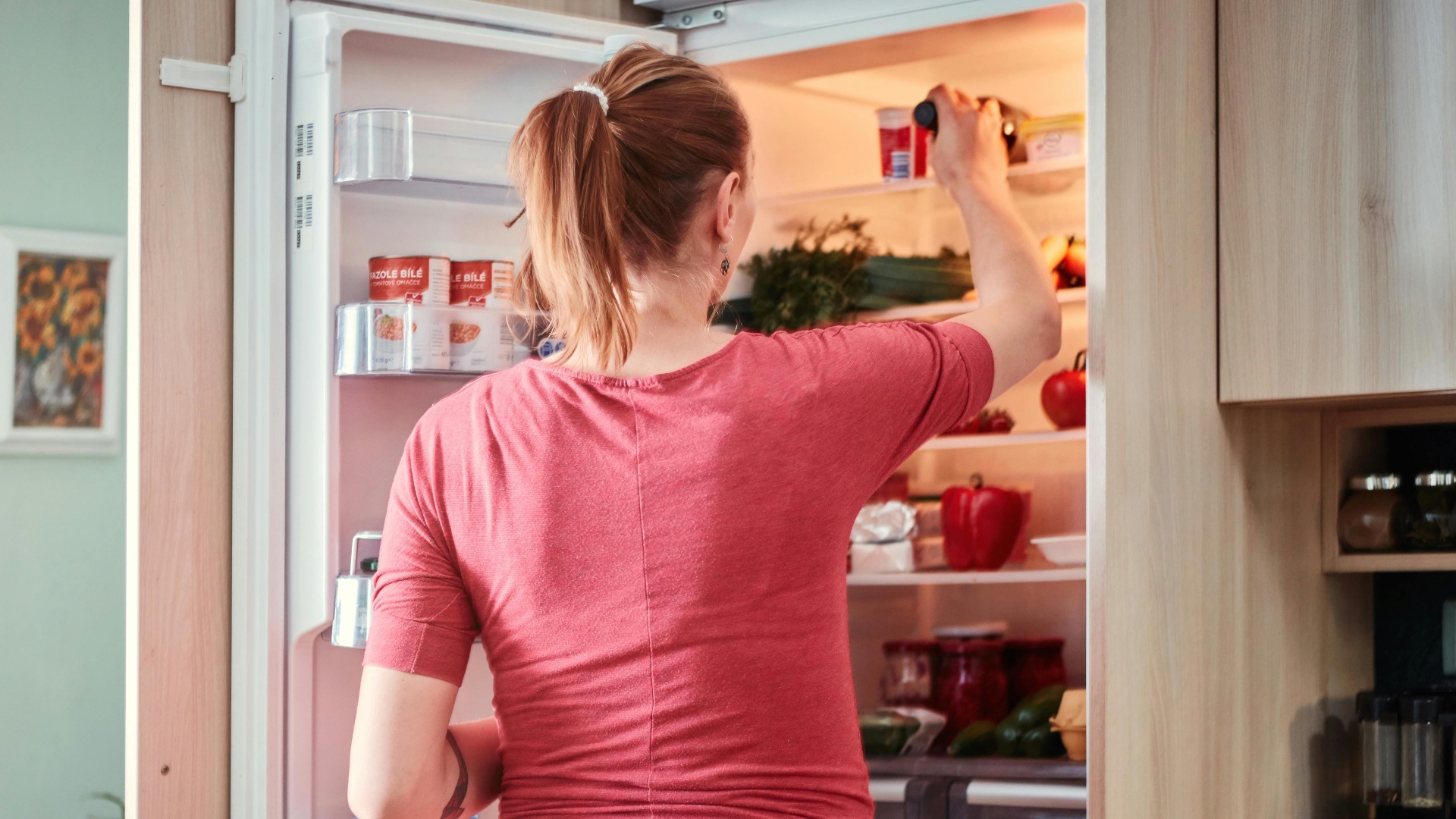
Before you leave for the store, take a few minutes to look through your fridge, freezer, and pantry; this helps you avoid buying duplicates of things you already own and reminds you of ingredients that need to be used soon. This tip is especially useful for items that tend to get buried, like condiments, frozen meats, canned goods, and half-used bags of vegetables. Shopping from your kitchen first is one of the easiest ways to cut waste.
4. Build a Flexible Pantry
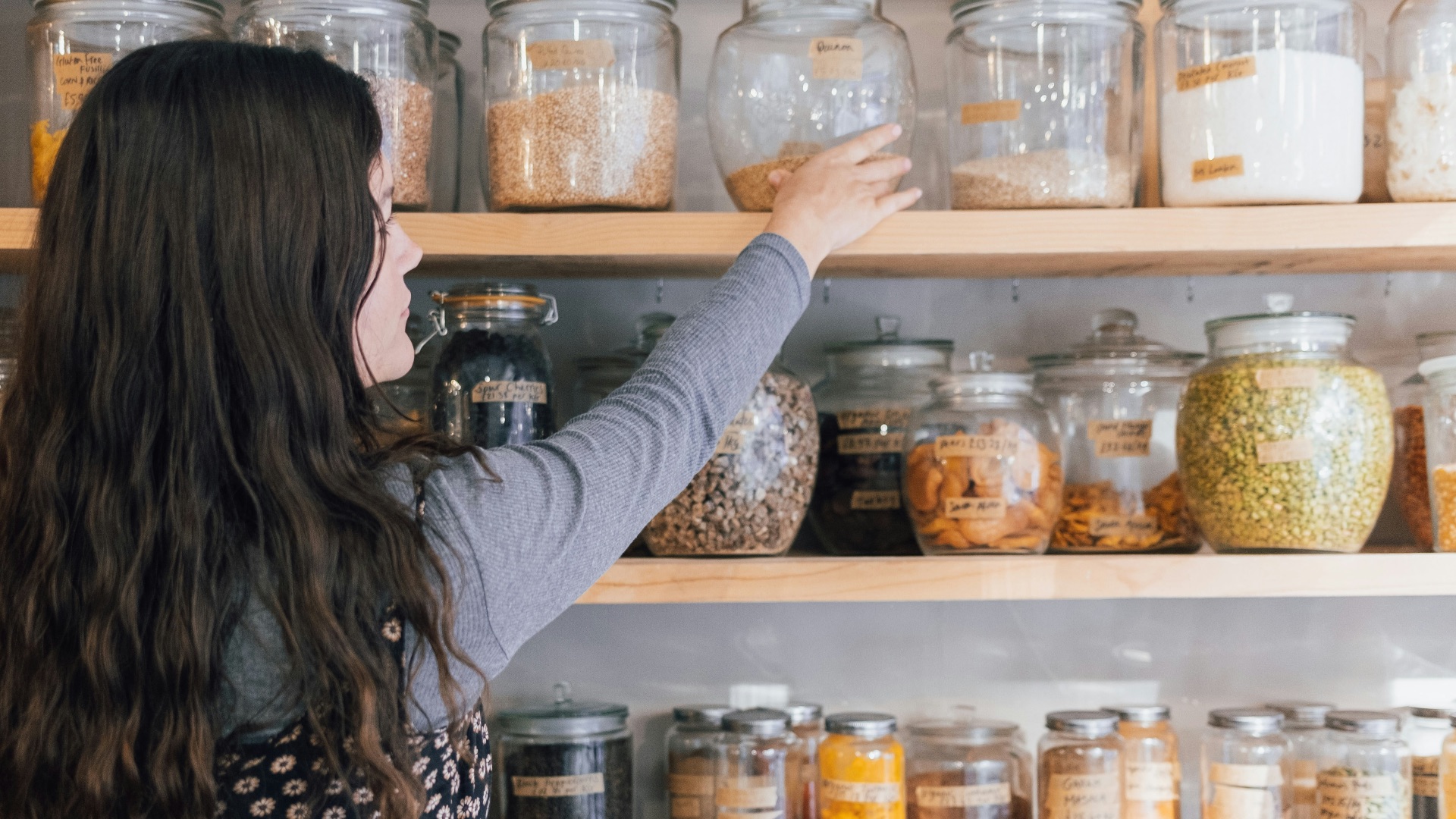
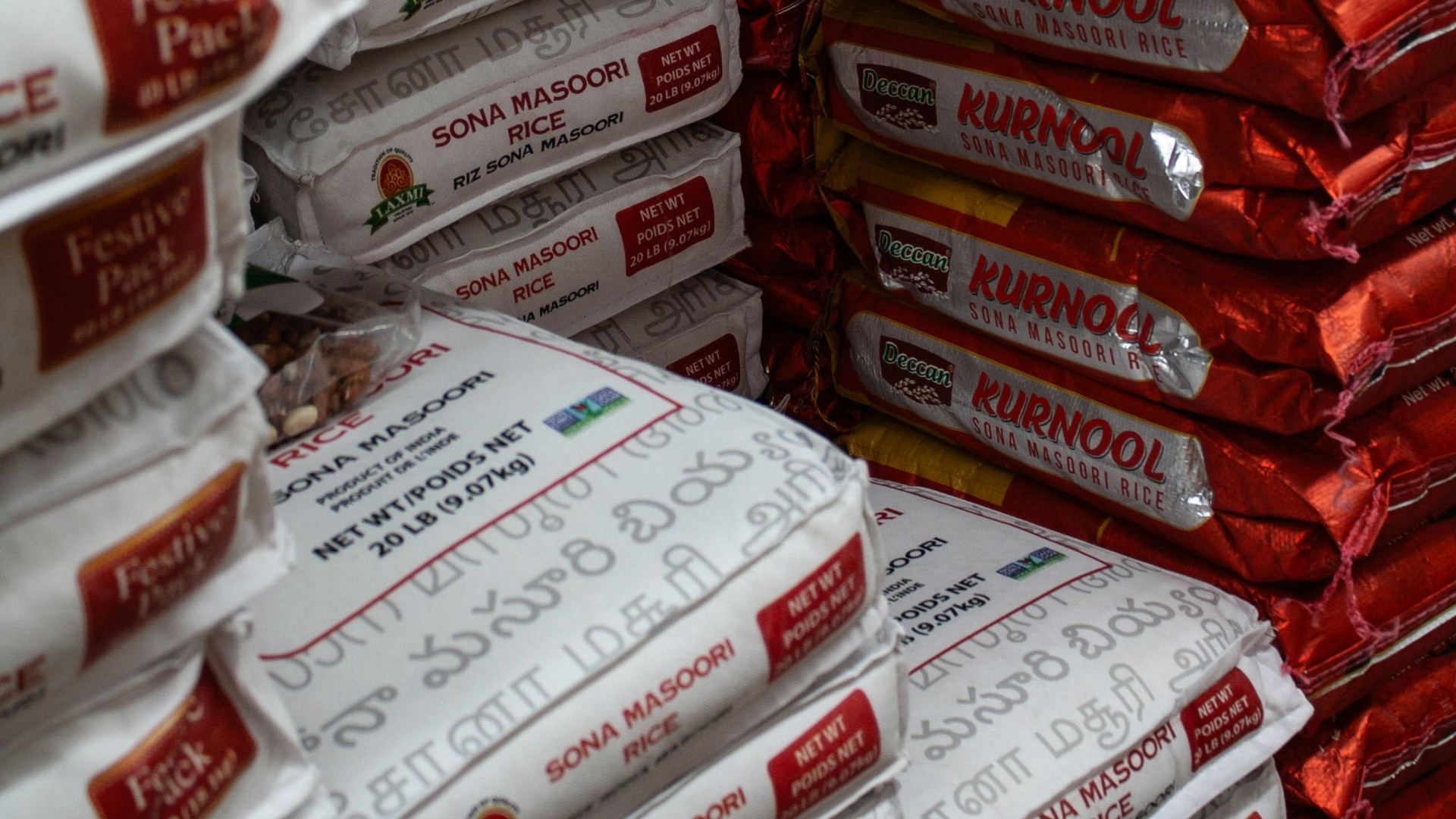
A flexible pantry makes it easier to pull together meals without running back to the store every other day. Items like rice, pasta, beans, canned tomatoes, broth, oats, spices, and frozen vegetables can support many different meals without forcing you into a single exact recipe. You don't want to overstock, of course, but you should still keep enough practical basics on hand that dinner doesn’t fall apart when one ingredient is missing.
5. Compare Unit Prices
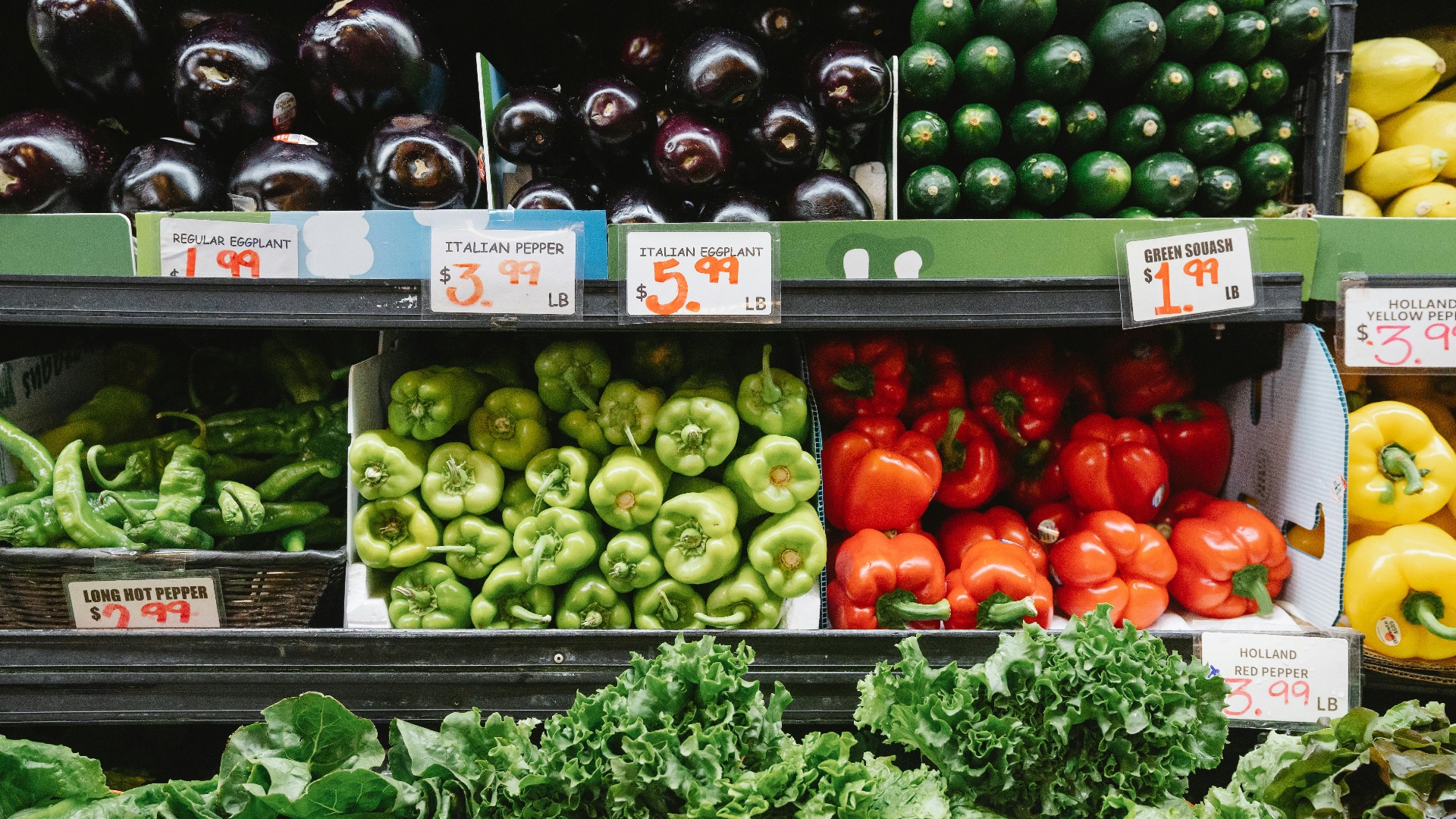
The unit price tells you how much something costs per ounce, pound, or item, which makes comparisons much easier. A bigger package may look cheaper, sure, but the unit price can show whether it’s truly the better deal. Once you get used to checking it, you’ll start spotting better values faster.
6. Use Your Phone
Your phone can do more than hold a basic checklist if you use it while shopping. You can check recipes, compare prices between stores, pull up digital coupons, scan loyalty offers, or look at a photo of your fridge before buying another bottle of something you already have. This is especially helpful for ingredients you don’t purchase often and can’t remember at home. A little information in the aisle can prevent a lot of unnecessary spending.

7. Shop the Most Perishable Items Last
Produce, meat, seafood, frozen foods, and dairy shouldn’t sit in your cart longer than necessary, especially during a long trip or when shopping in warm weather. Picking up shelf-stable items first also gives you time to compare prices without rushing your cold foods around the store. This small habit is especially useful if you tend to shop at a slower pace.
8. Choose Bulk Items Carefully
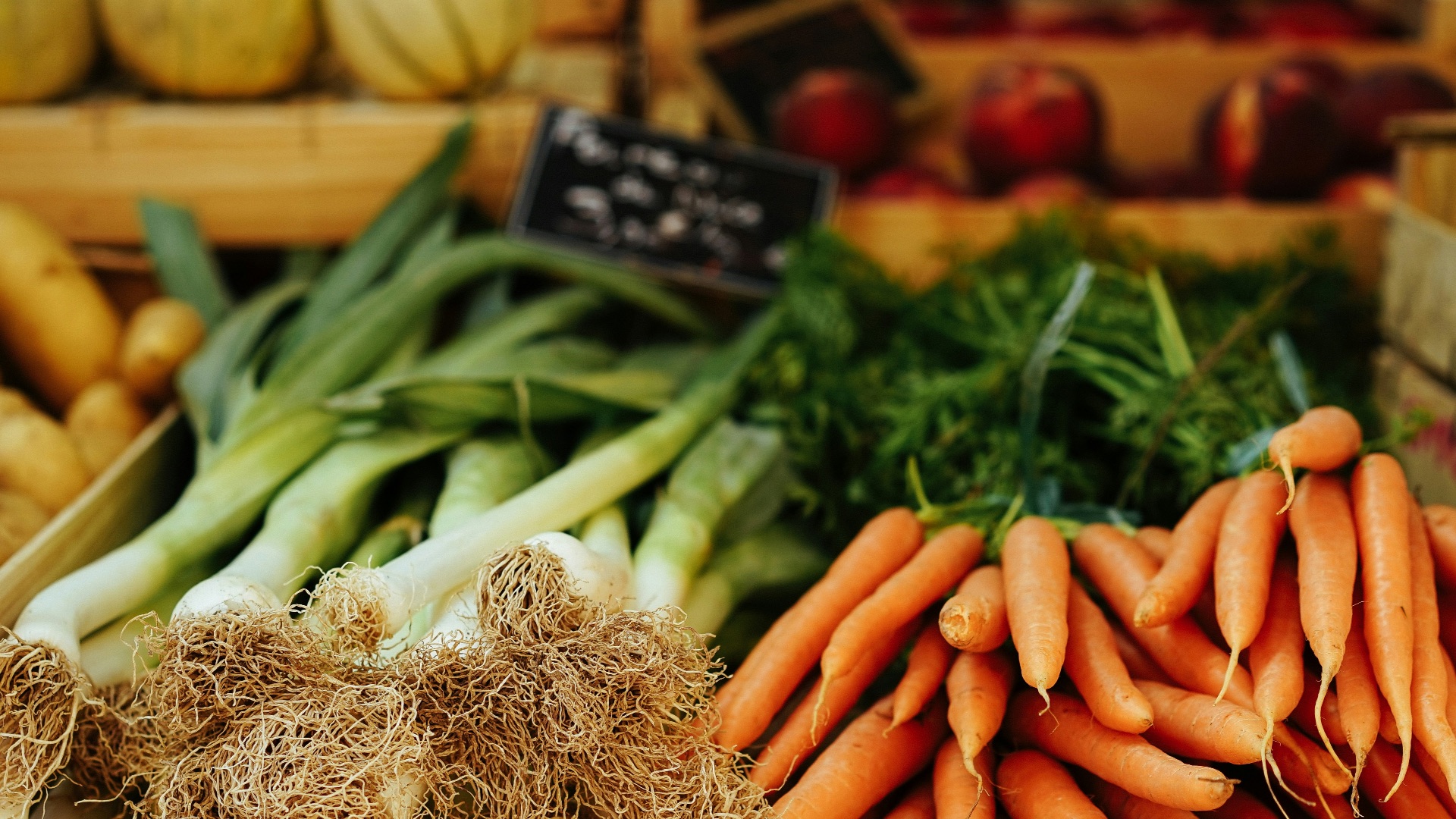
Bulk buying works best for foods and products you use consistently, have space to store, and can finish before they lose quality. Rice, oats, toilet paper, canned goods, and frozen vegetables may be good candidates, but this depends on your household. Fresh produce, baked goods, and oversized condiments, on the other hand, are often riskier unless you have a clear plan for them.
9. Make Storage Part of the Plan
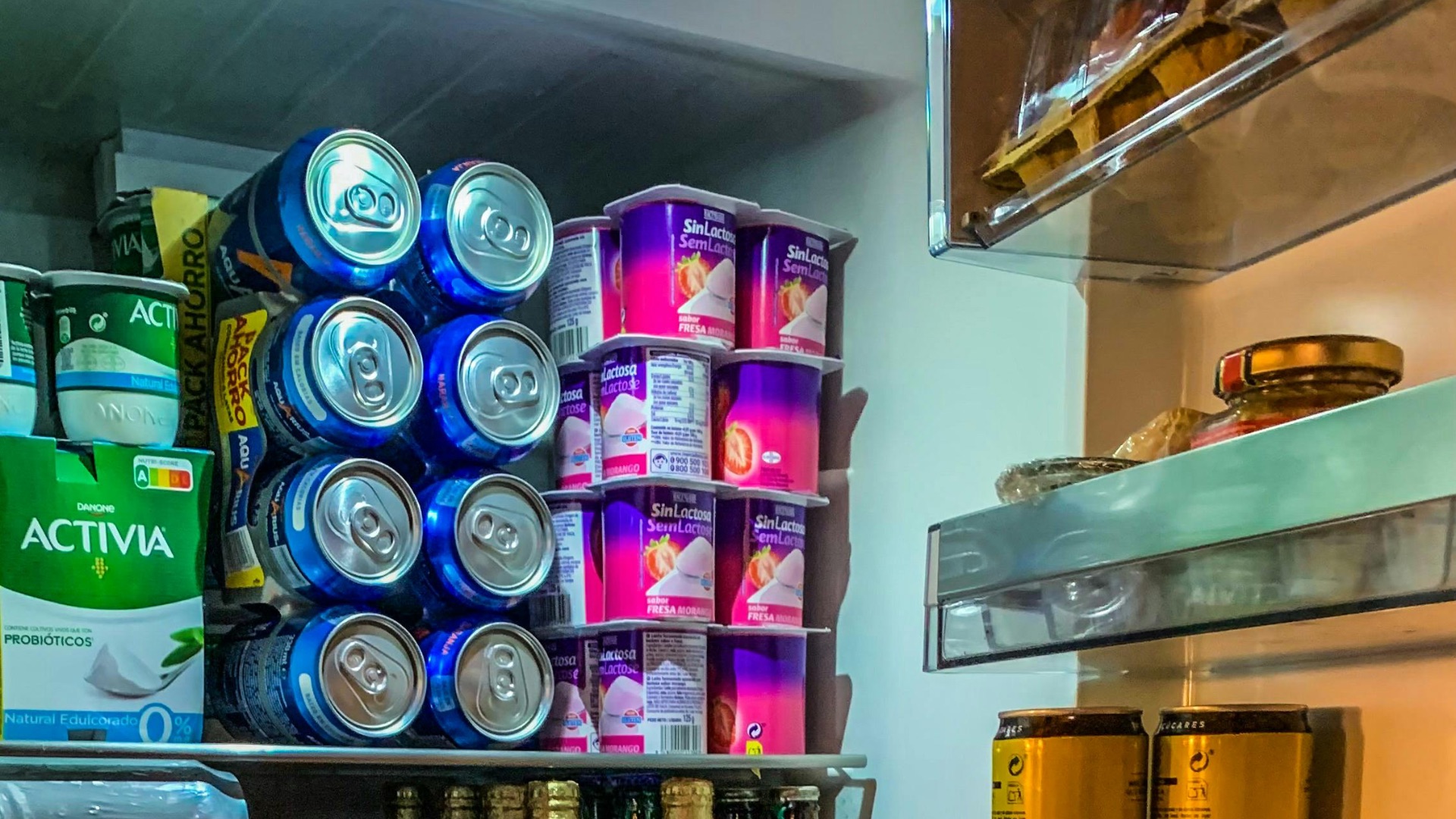
Food lasts longer when you think about storage before you buy it. If your freezer is packed, your produce drawers are full, or your pantry shelves are already crowded, bringing home more food only creates more clutter. Groceries work better when you have somewhere sensible to put them.
 José Antonio Otegui Auzmendi on Pexels
10. Let the Final Cart Get One Last Edit
Before you head to checkout, take a minute to look over your cart and notice what doesn’t belong. This might help you catch impulse snacks, bulk buys, or ingredients that don't seem so appealing once the full cart is in front of you. Removing even two or three unnecessary things can lower the bill and reduce waste, so always make sure to do a thorough once-over before you pay.

KEEP ON READING
20 Food Requests Only Spoiled People Ask For


20 Hardest Foods on Earth To Eat

Do Vitamin Supplements Actually Make You Healthier?