Dinner Guests With More Going On Upstairs
Most of us think about intelligence in a pretty narrow way. We picture dolphins doing tricks or crows solving puzzles on nature documentaries, and we quietly assume the animals on our dinner plates don't belong in that conversation. But the research on animal cognition has gotten a lot weirder and a lot more interesting over the last couple decades, and plenty of it points straight at the barnyard, the tide pool, and the seafood counter. None of this means you need to overhaul your grocery list tonight, but it does make for a genuinely fun rabbit hole, and it might change how you look at a few familiar meals. Here's 20 animals that are smarter than their reputation, and a few of them might surprise you.
1. Pigs
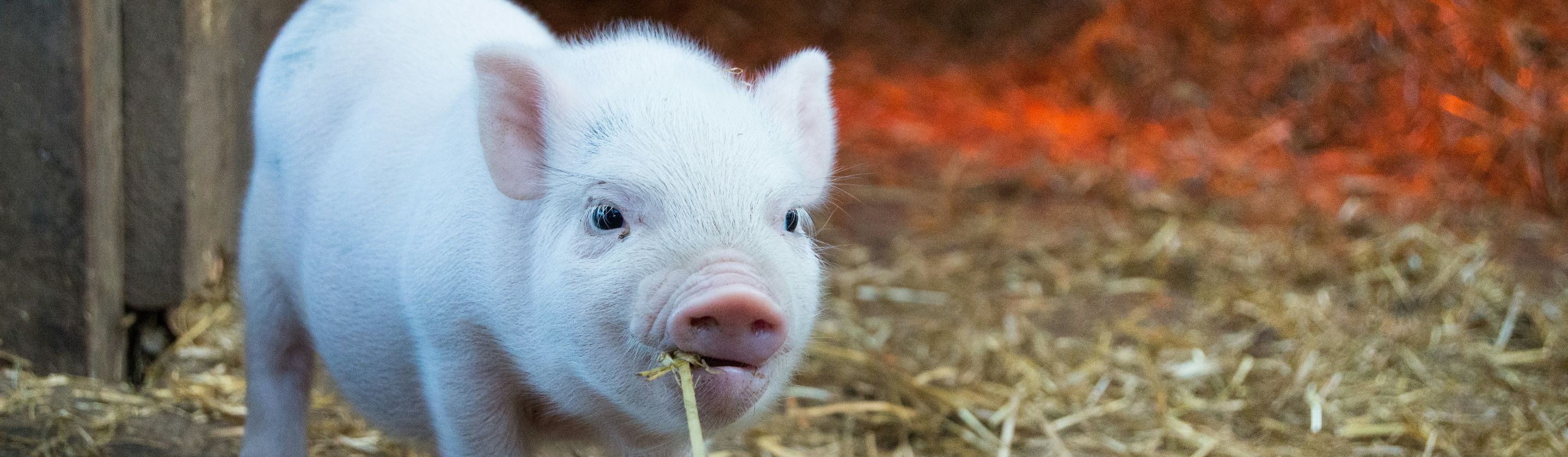
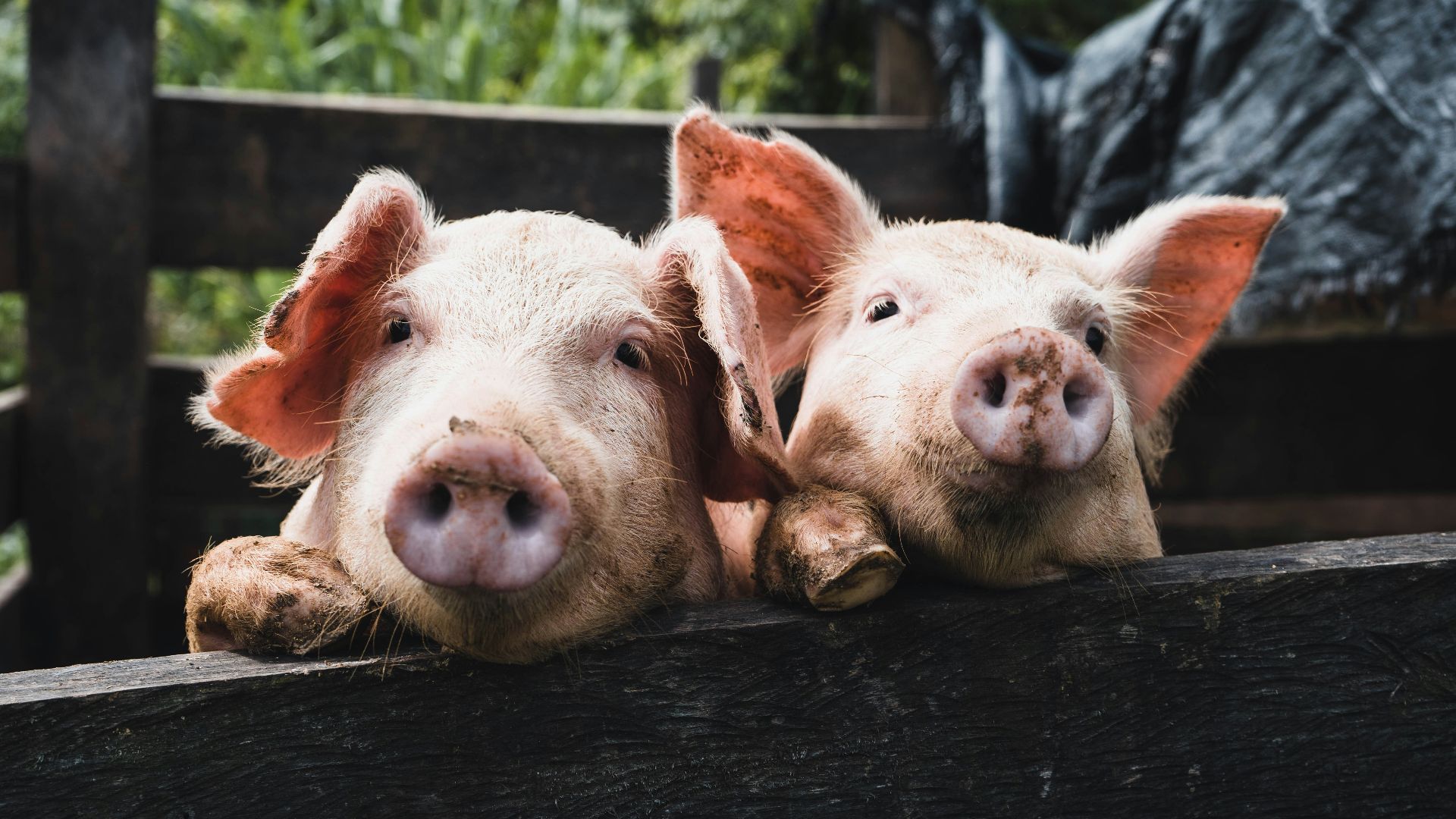
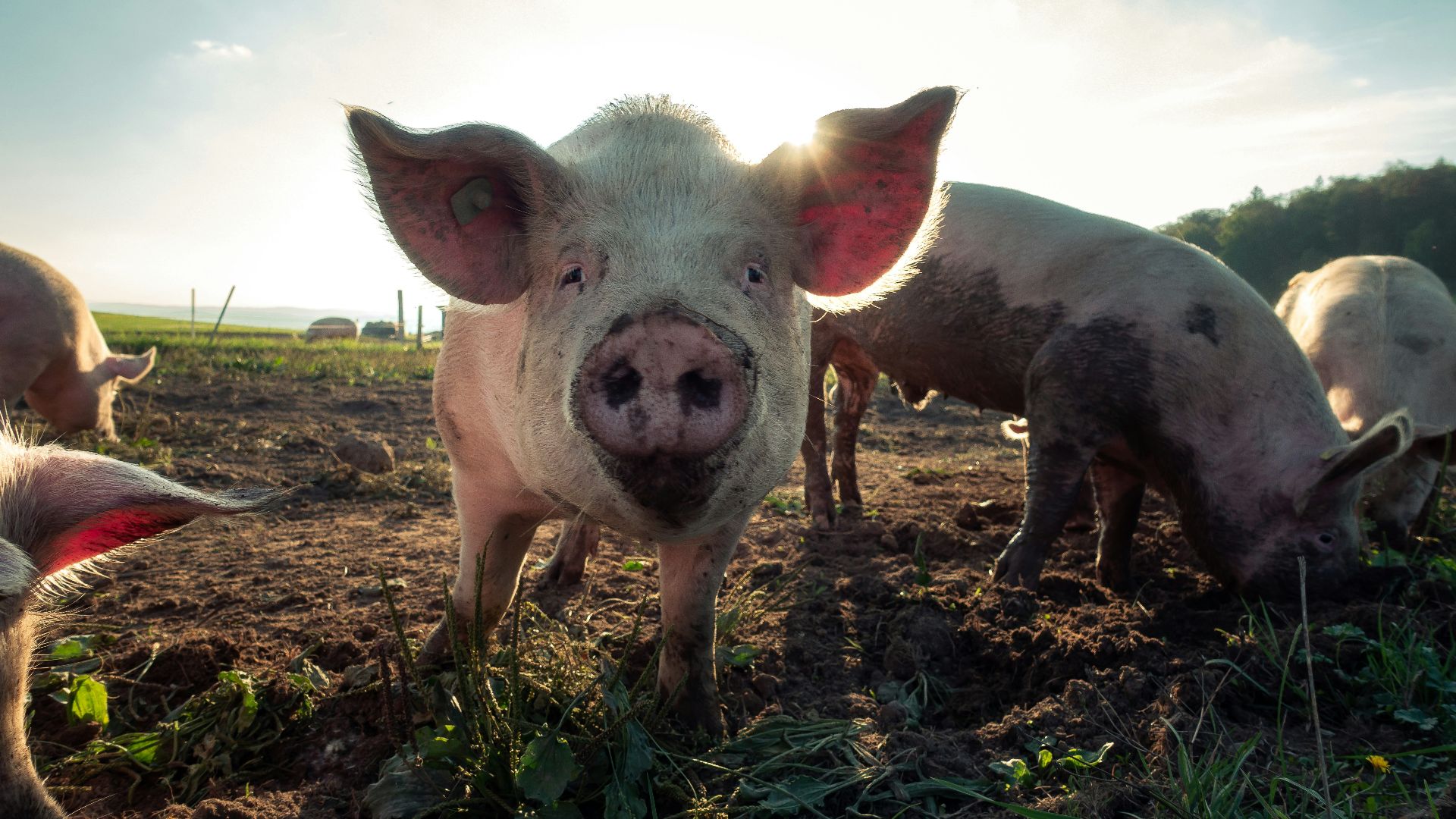
Pigs learn to play video games using a joystick, which is not a sentence you expect to type but is completely true. They also pick up on emotional cues from humans faster than most dogs do, and they'll remember a person who's been kind to them for months. Researchers have compared their problem-solving to that of a three-year-old child, which is a strange thing to sit with.
2. Octopus
Octopuses can open childproof jars from the inside, which tells you something about how their brains work.
They solve mazes, use tools, and have even been caught squirting water at lights they've decided are annoying. Most of their neurons live in their arms rather than their head, so each limb is basically doing its own thinking.
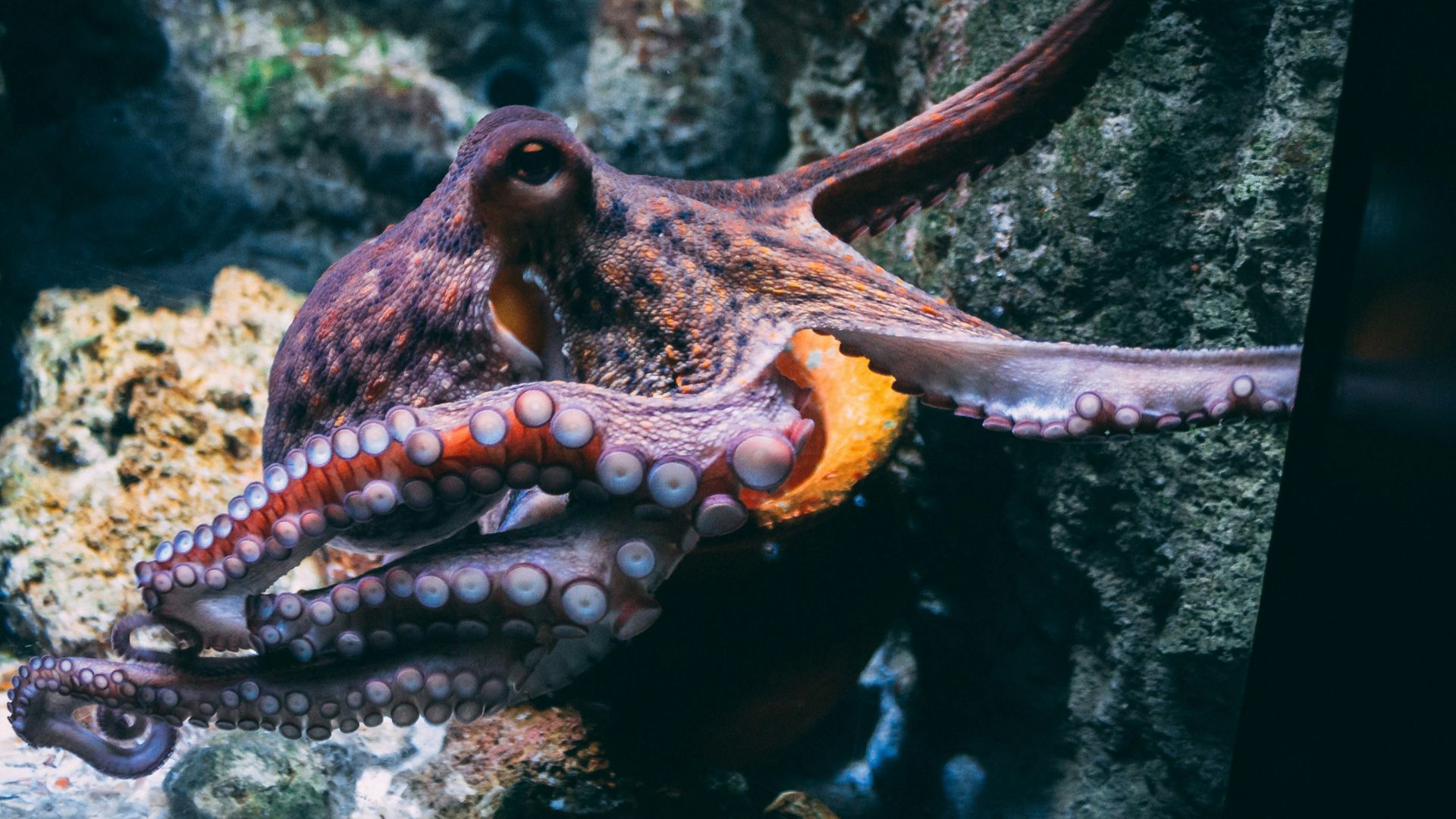 Diane Picchiottino on Unsplash
3. Cows
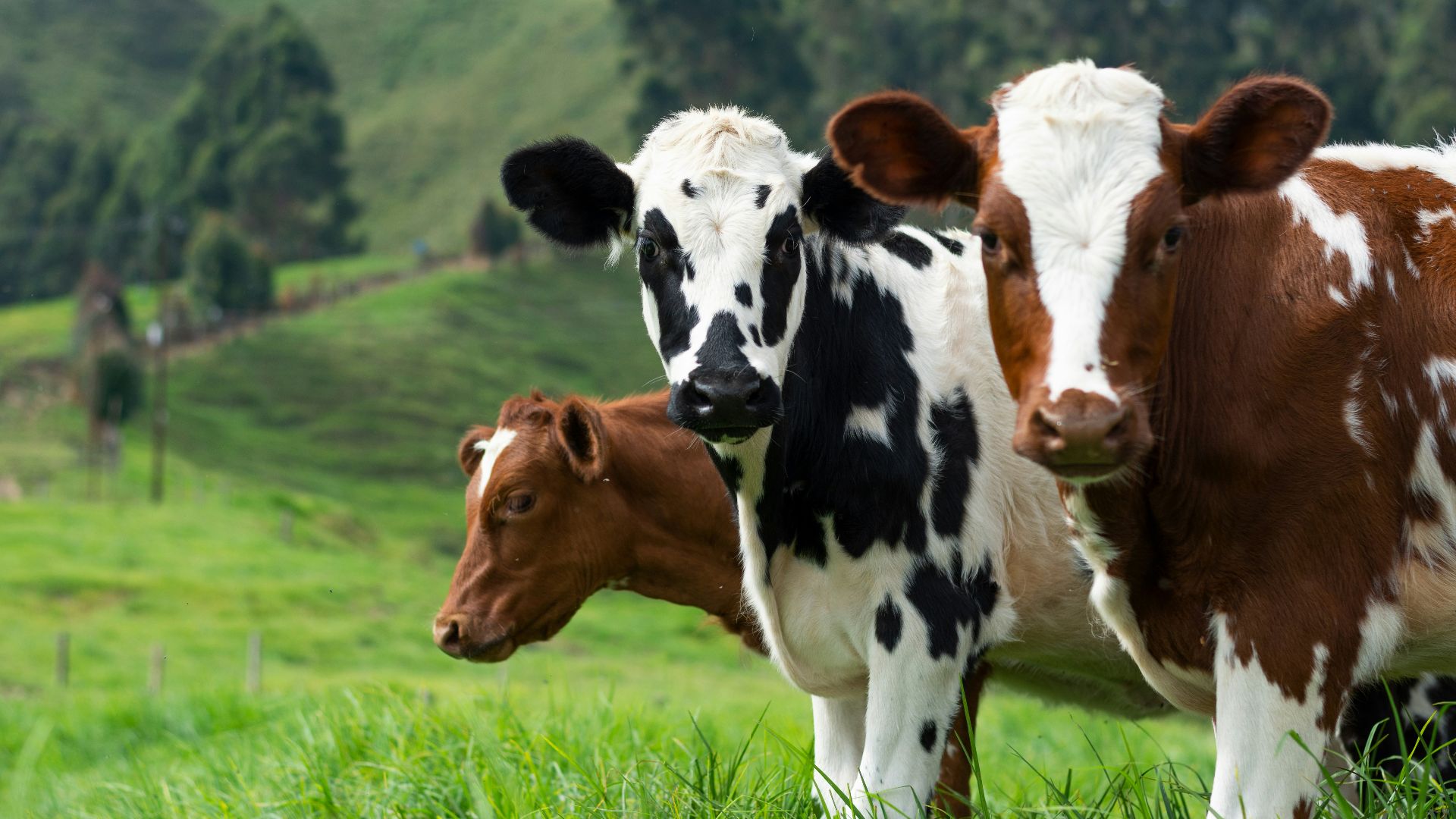
Cows form real friendships and get visibly stressed when separated from a preferred herdmate. They also hold onto memories of people who've mistreated them, sometimes for years, and will avoid those individuals afterward. Farmers who work closely with cattle will tell you each animal has its own personality, and it's not just sentimentality talking.
4. Chickens
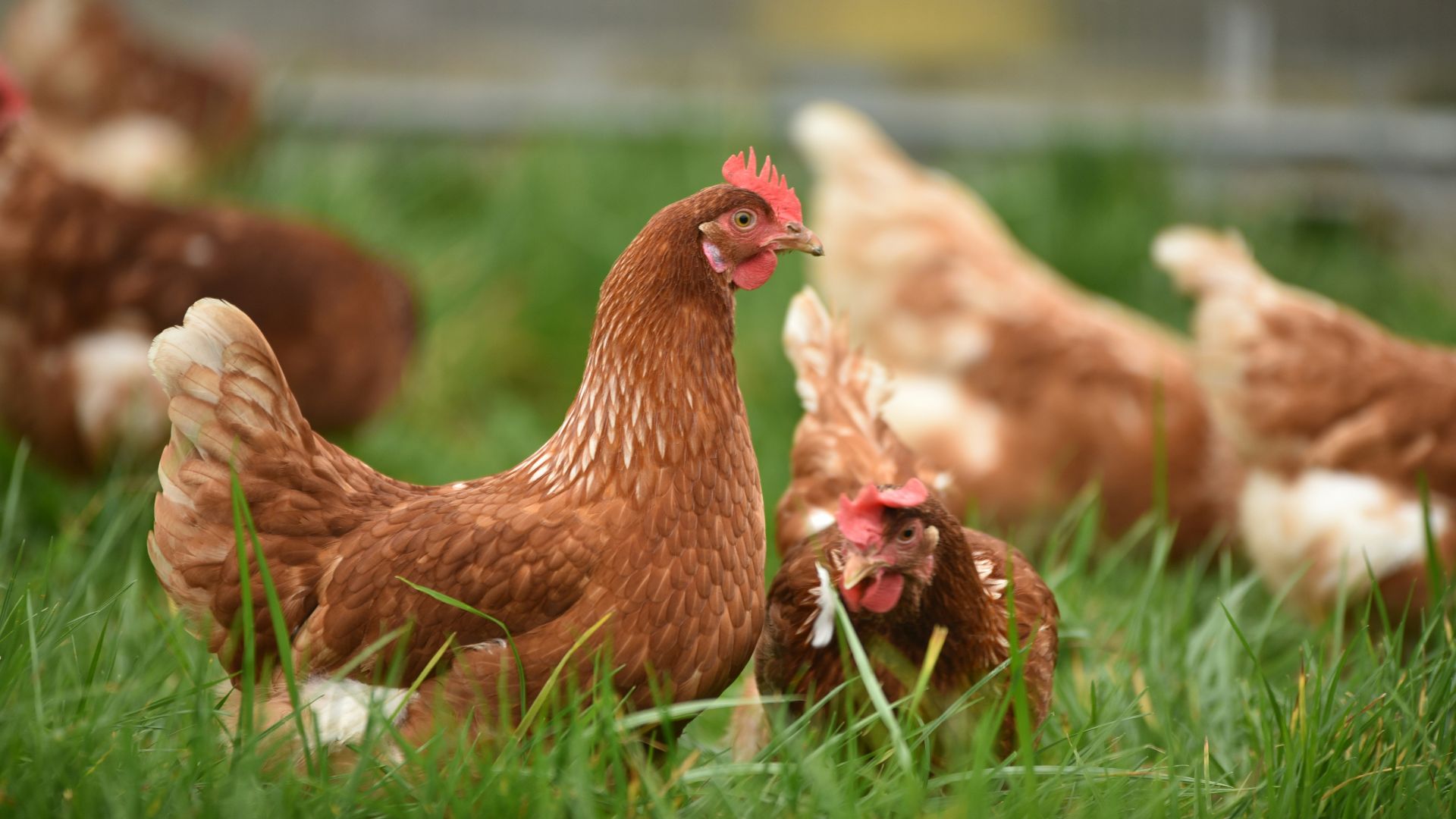
Chickens understand object permanence, meaning they know something still exists even after it's hidden from view, which most toddlers don't fully grasp until later. They also have a surprisingly complex social structure, the actual pecking order, and they can recognize more than a hundred individual faces. Mother hens have even been shown to change their heart rate in response to their chicks being distressed.
5. Turkeys
Turkeys are curious and surprisingly affectionate toward people who raise them, often following their favorite humans around like a dog would. They communicate through a wide range of distinct calls, each tied to a specific situation like danger or food. Wild turkeys in particular show sharp memory for terrain, which helps them navigate the same routes across seasons.
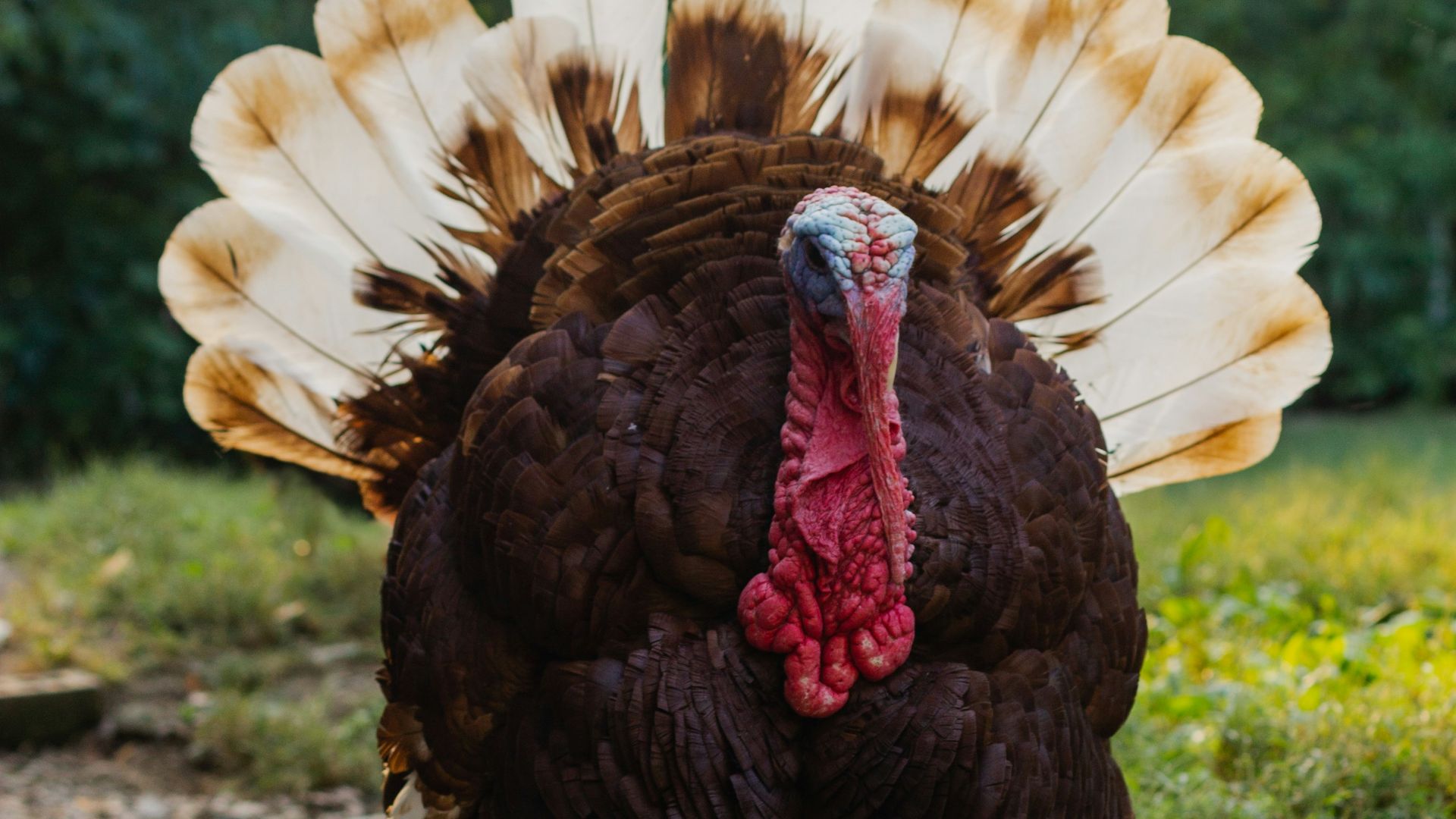 Meelika Marzzarella on Unsplash
6. Goats
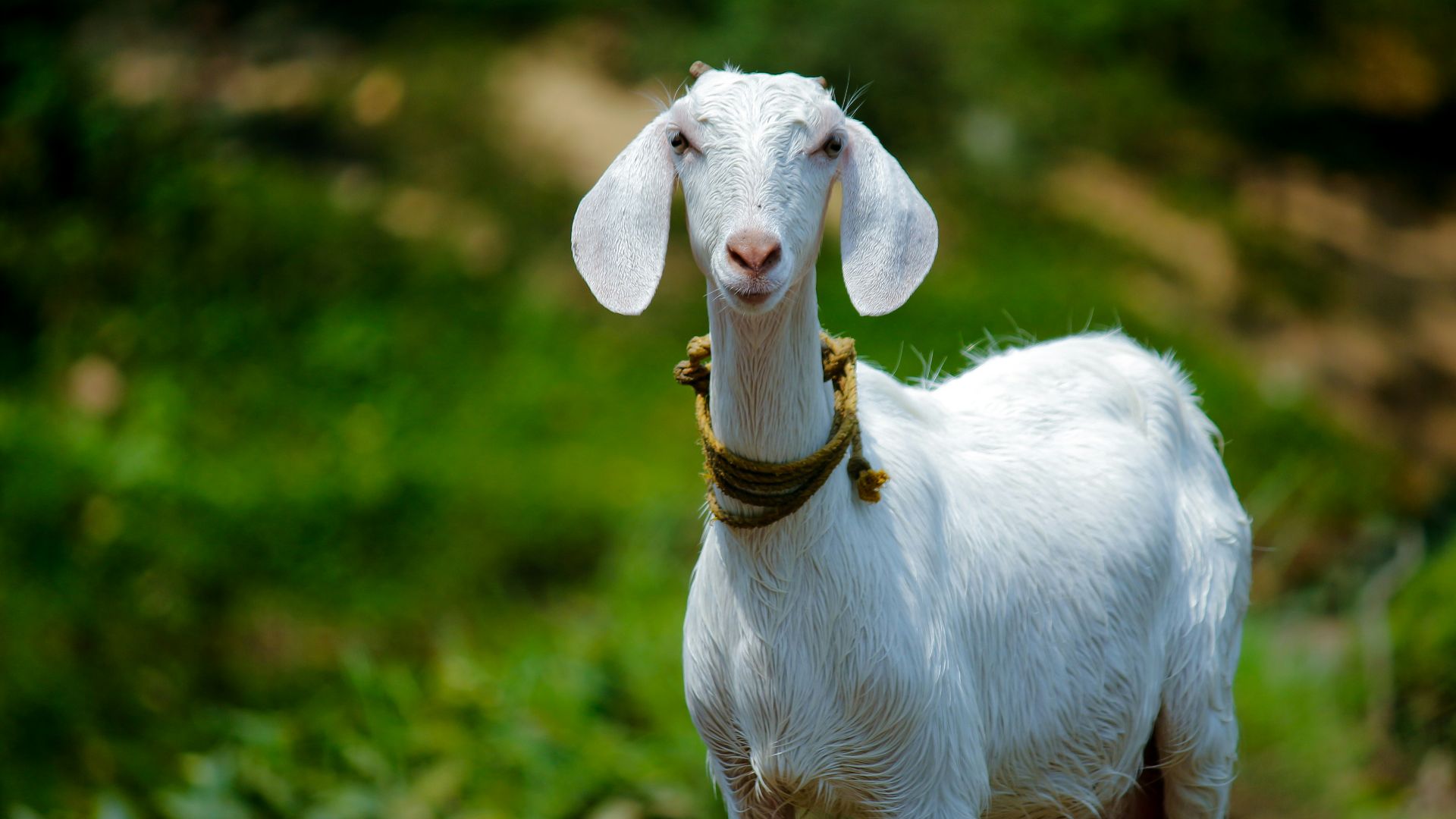
Goats read human facial expressions and gravitate toward people who look happy over people who look angry. They also solve multi-step puzzles to get food and remember the solution up to a year later. Goats that grow up together develop close bonds and get audibly distressed when separated.
7. Ducks
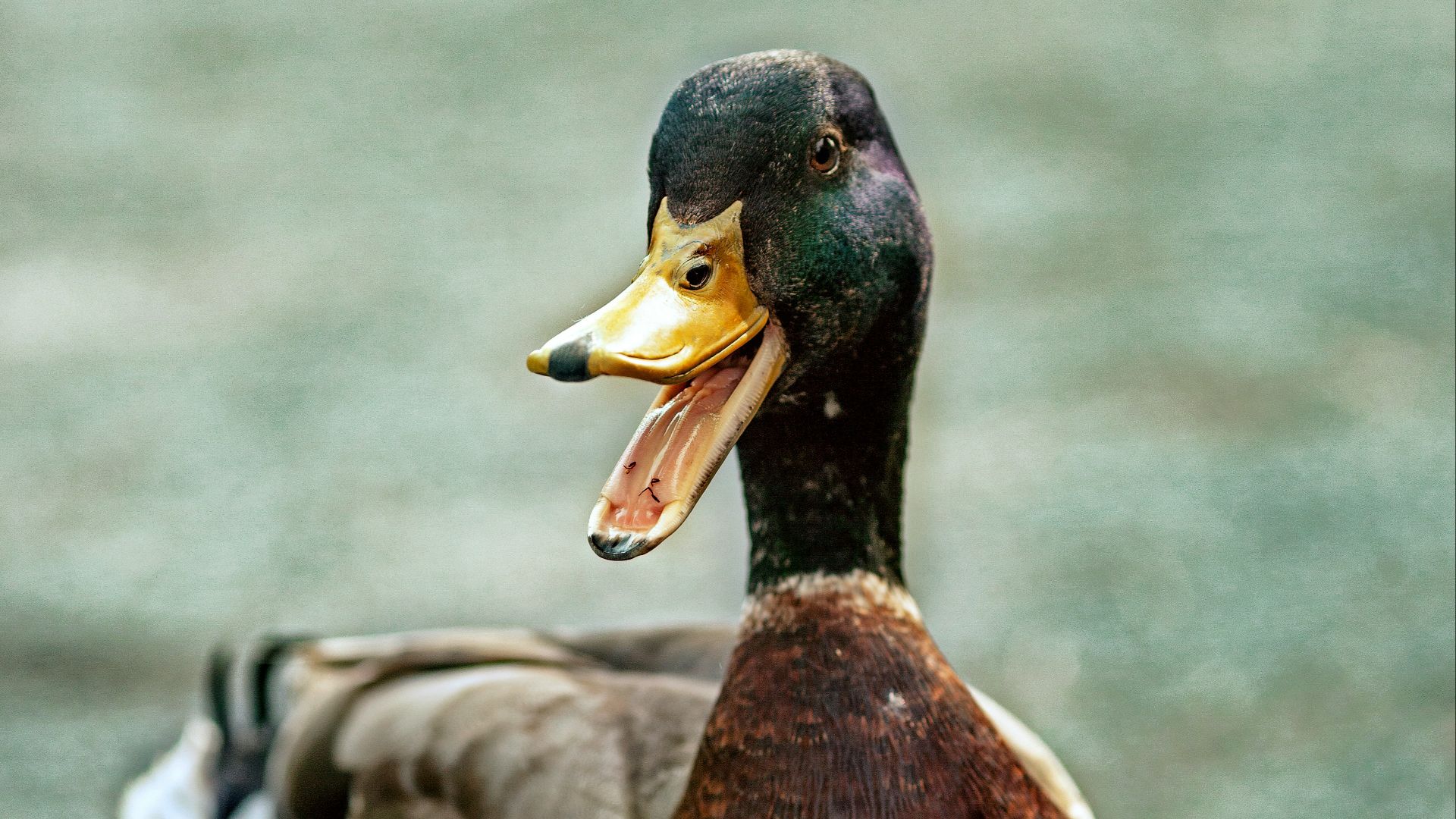
Ducks are more socially perceptive than they get credit for, forming pecking orders and lasting attachments within a flock. Ducklings imprint almost instantly on whoever raises them and can recognize that individual specifically, not just any human figure. They also show a strong aversion to unfairness, noticeably reacting when one bird gets treated better than another.
8. Sheep
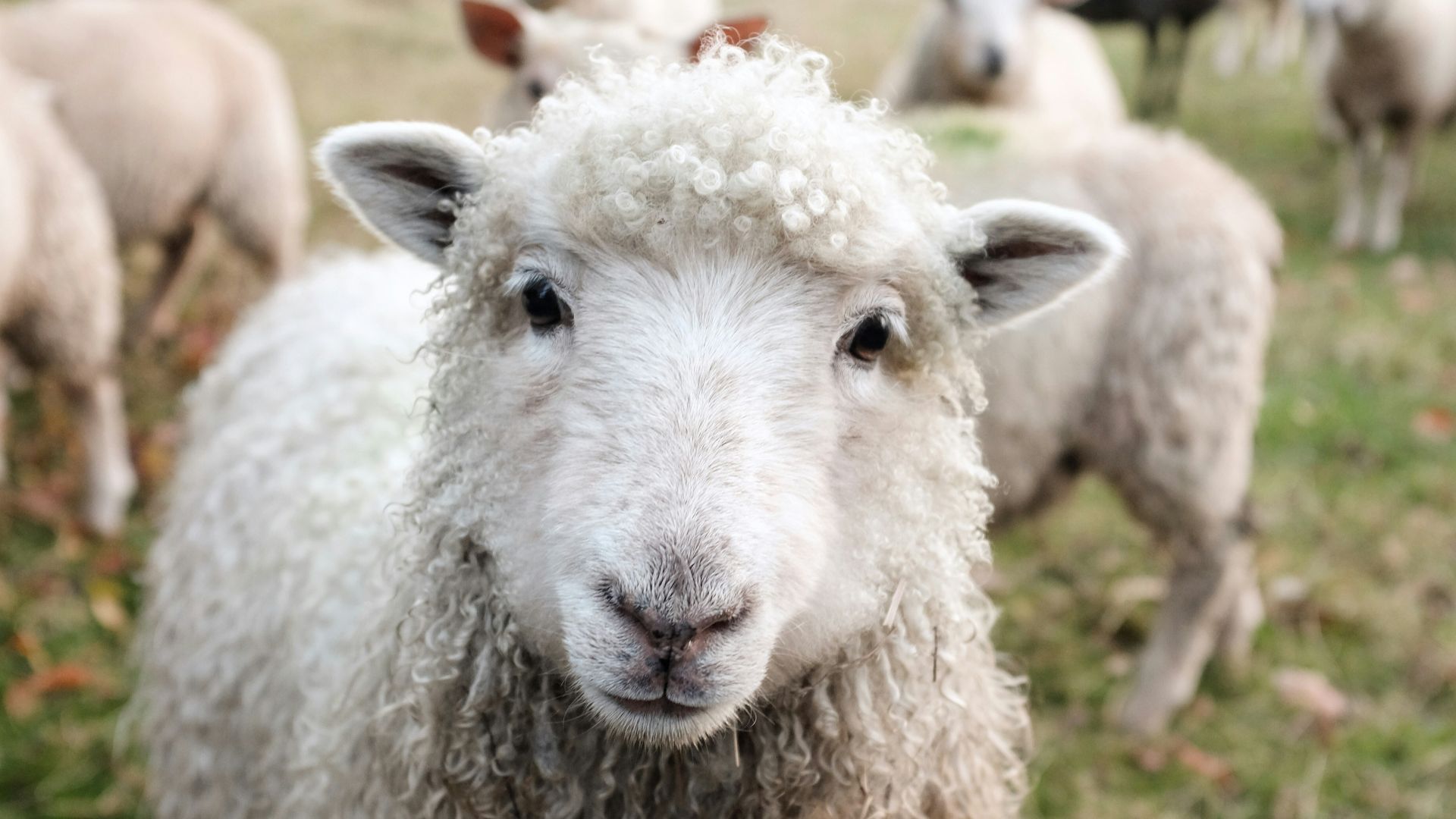
Sheep can recognize and remember the faces of at least fifty other sheep, along with a handful of human faces, for years at a time. In lab settings, they've learned to navigate mazes for a food reward almost as quickly as some primates. Their reputation for being mindless followers doesn't really hold up once you look at how selectively they choose who to follow.
9. Tuna
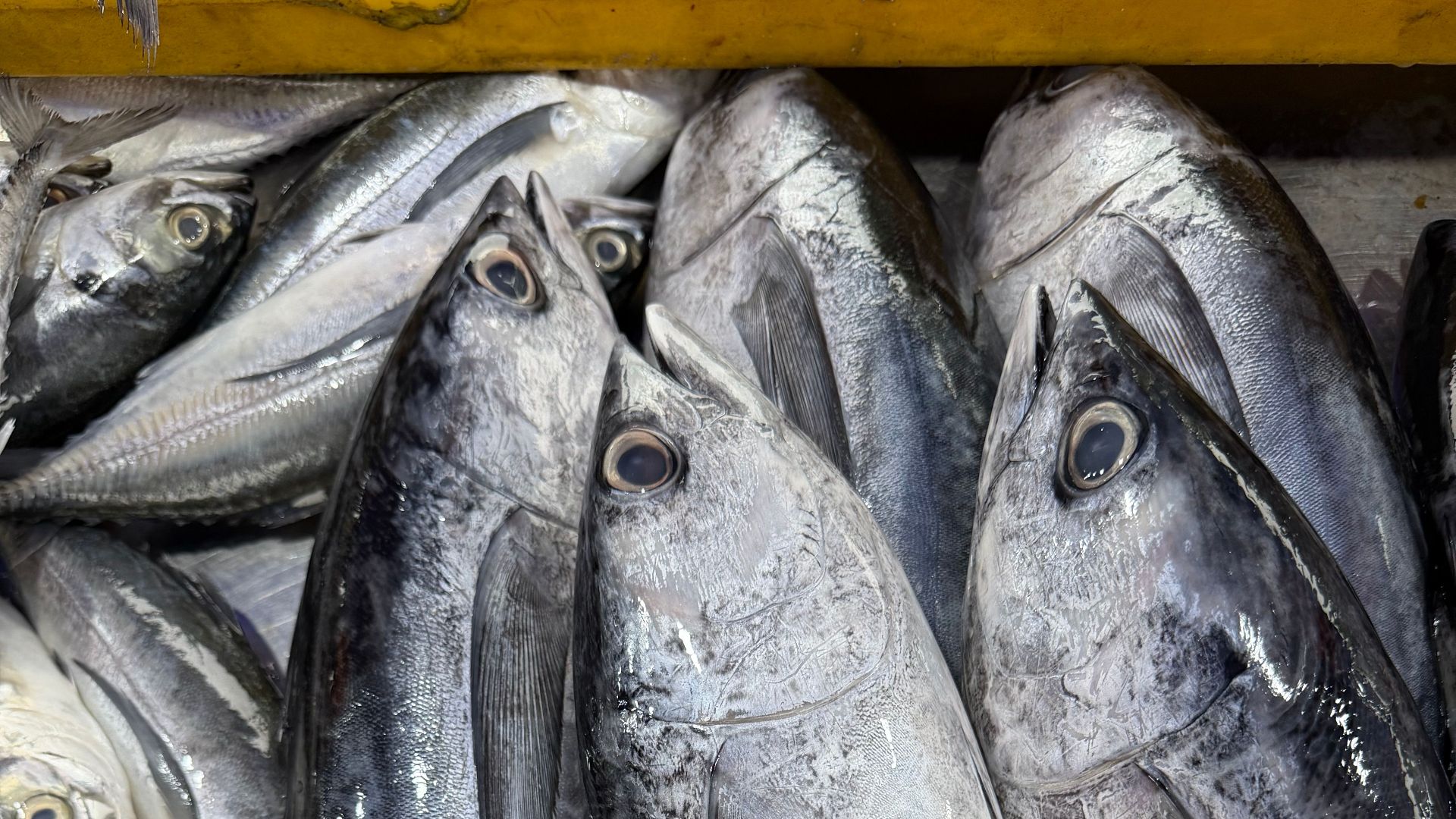
Tuna are fast, strategic hunters that coordinate with each other while chasing schools of baitfish. Bluefin tuna in particular can track prey and navigate across entire ocean basins using an internal sense that scientists still don't fully understand.
Their brains run warmer than the surrounding water, which likely sharpens both their vision and their reaction speed.
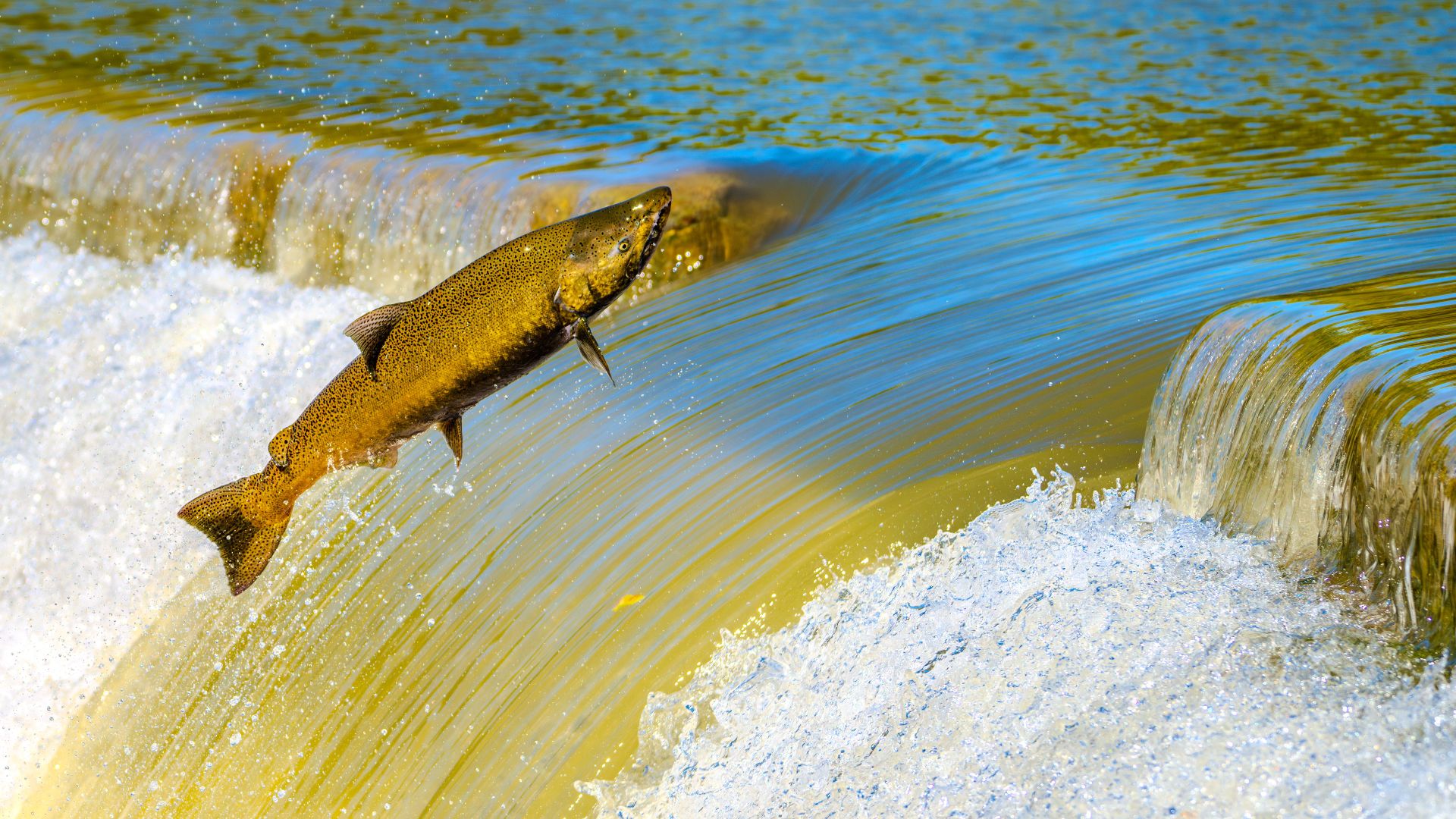
10. Salmon
Salmon famously return to the exact stream where they hatched, sometimes years and thousands of miles later, using a mix of magnetic sensing and memorized scent. That kind of long-range internal mapping is not a simple reflex. It suggests a level of environmental memory that puts a lot of "smarter" animals to shame.
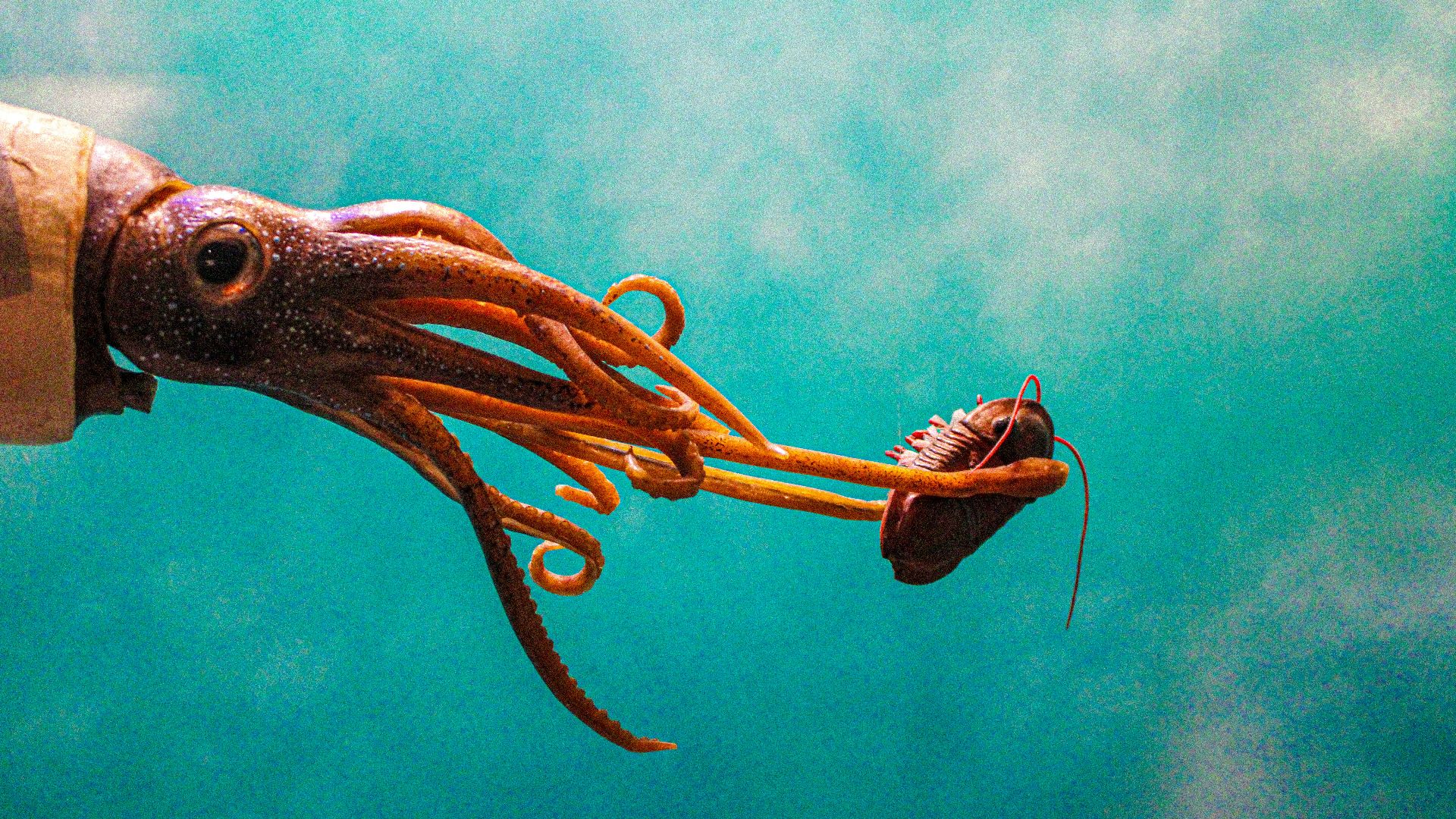
11. Squid
Squid change color and skin texture in ways that seem to function almost like a visual language between individuals. They're fast learners in lab tests and show clear signs of short-term memory, adjusting behavior based on very recent experience. Some species also appear to plan ahead, delaying an immediate reward if a better one is coming.
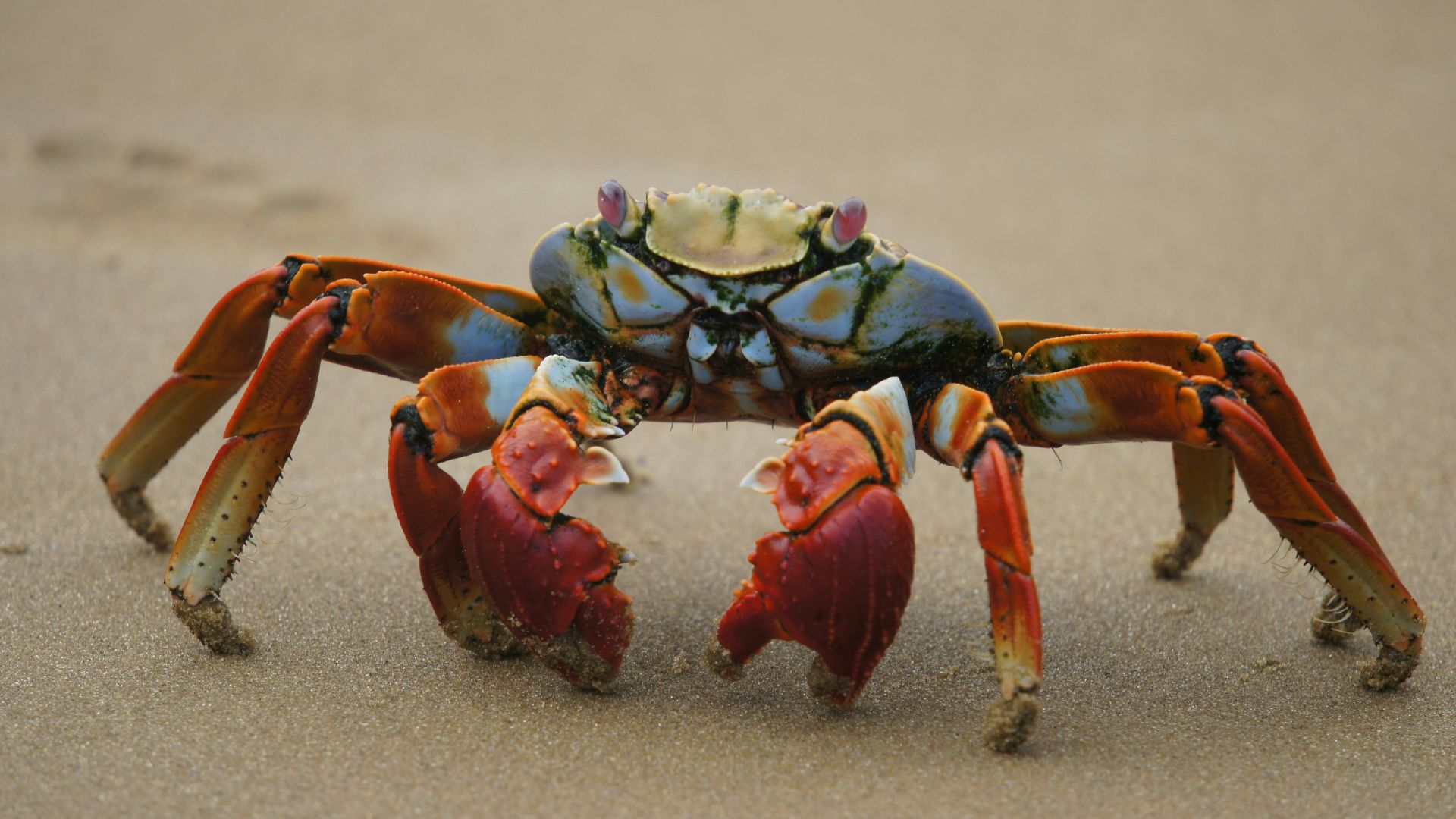
12. Crabs
Crabs remember which side of a tank delivered an electric shock and avoid it long after the experience, which researchers use as evidence they process pain rather than just react to it. Hermit crabs weigh the pros and cons of a new shell before committing, checking size and weight like they're actually deciding. That kind of evaluation looks less like instinct and more like judgment.
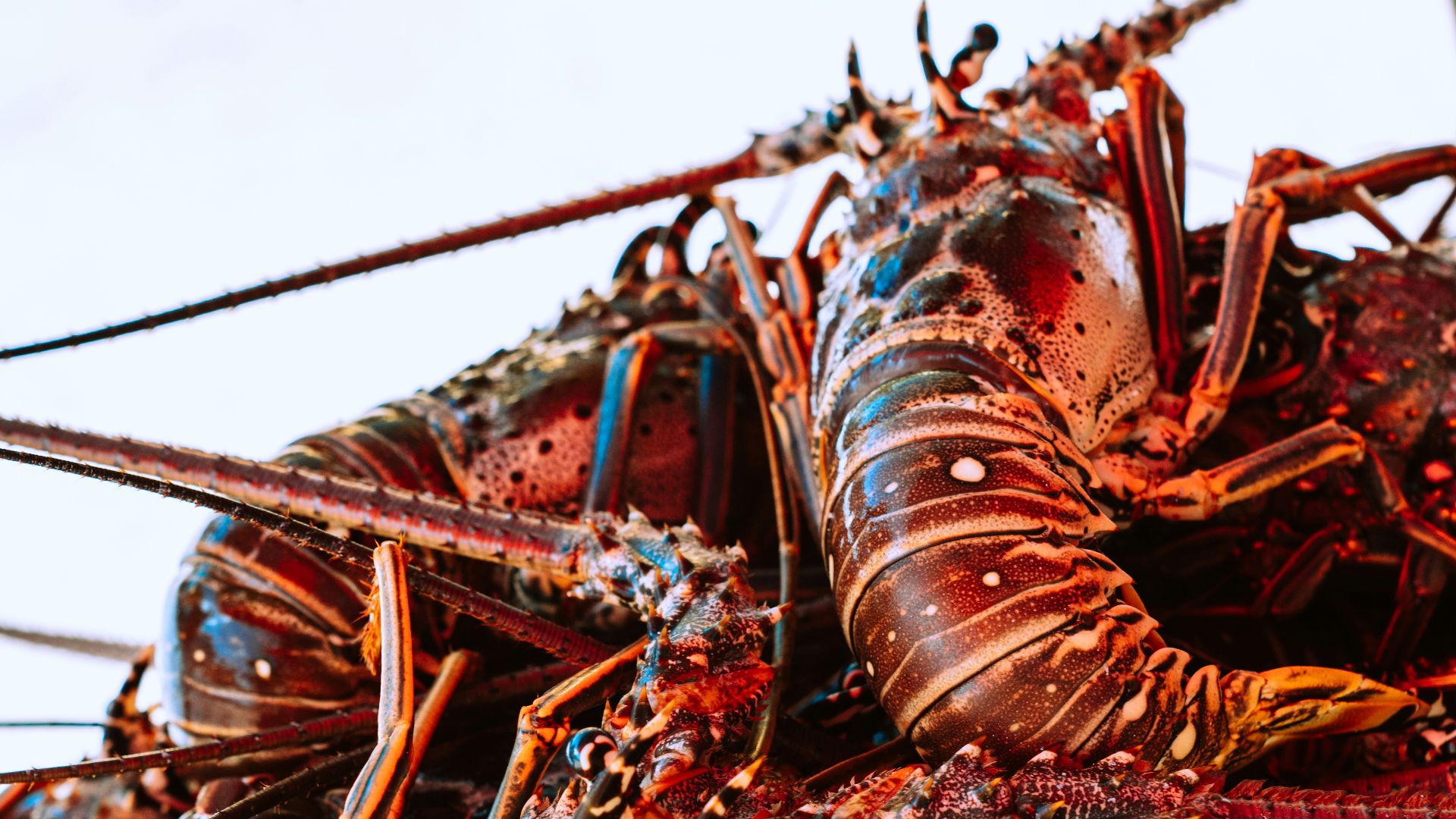
13. Lobsters
Lobsters can live for decades and seem to keep learning throughout that whole span, which is unusual among invertebrates.
They recognize other lobsters they've interacted with before and adjust their behavior depending on who they're facing. Dominant lobsters remember losers of past fights and vice versa, which shapes how future encounters play out.
14. Trout
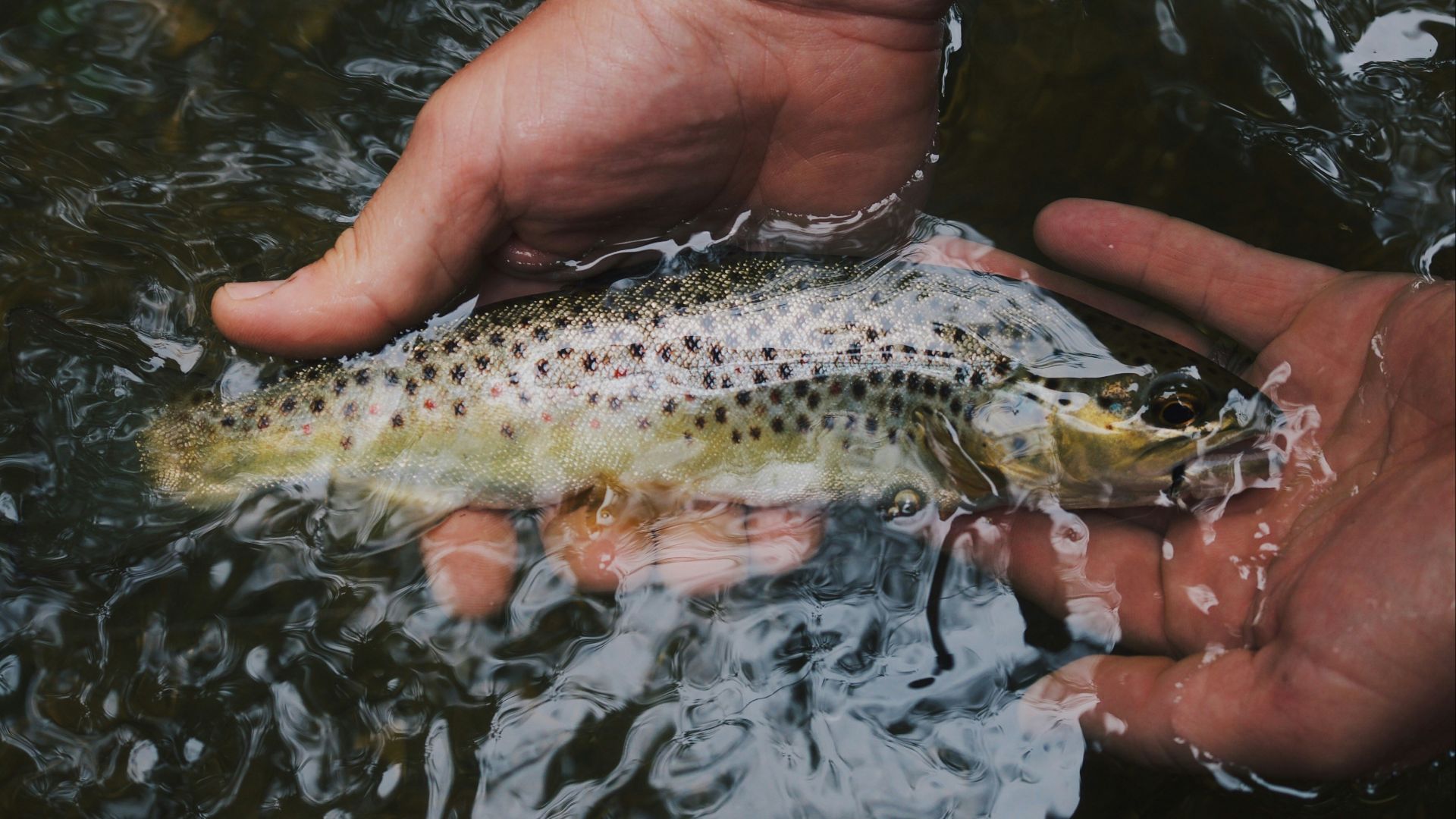
Trout learn to associate certain sounds or shadows with feeding time and adjust their positioning in the water accordingly. They're also capable of spatial learning, remembering the layout of a stream well enough to find shelter fast when a predator shows up. Anglers who fish the same spot repeatedly often notice trout get harder to catch over a season, which tracks with actual learned avoidance.
15. Catfish
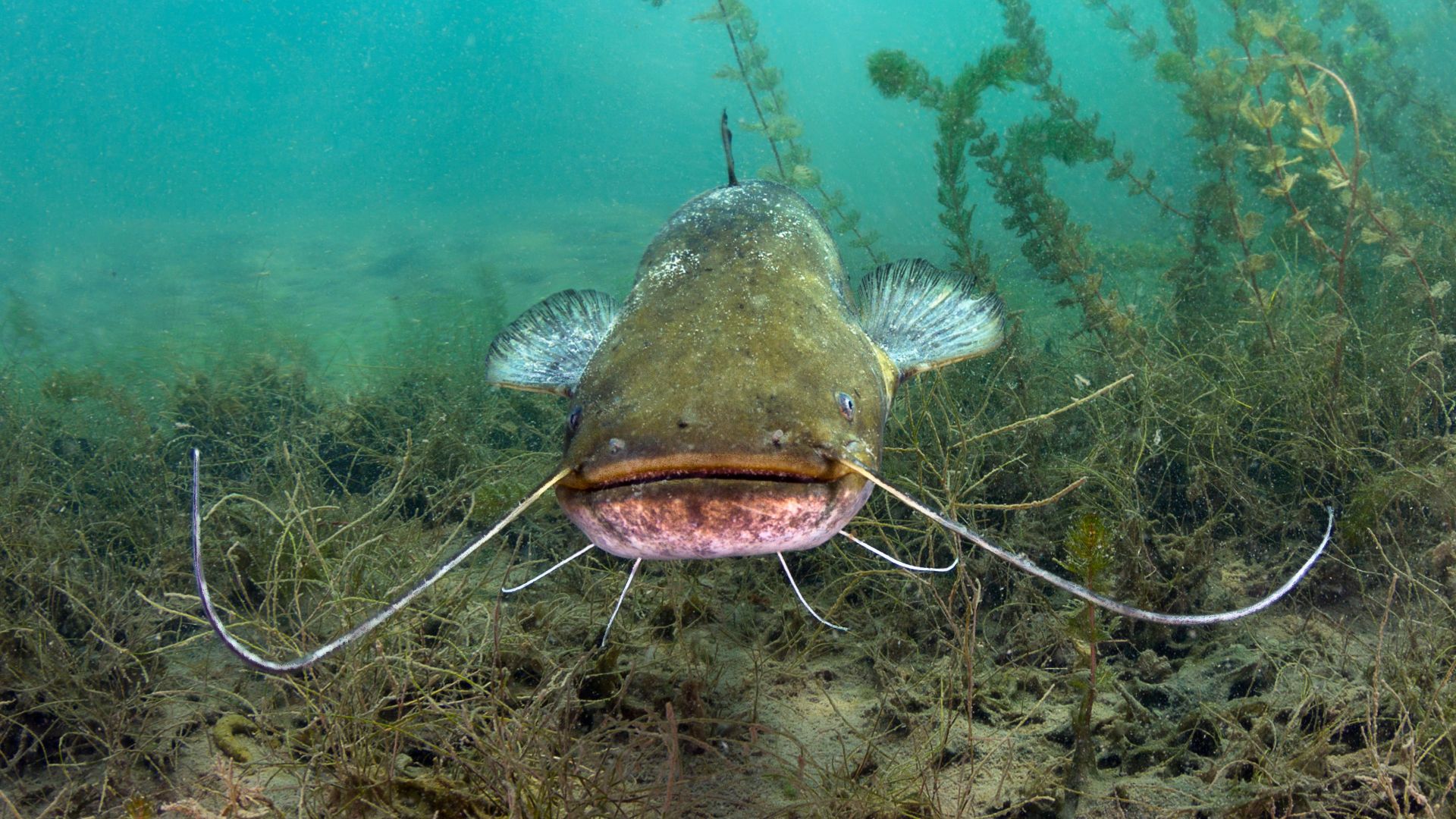
Catfish rely on an extraordinary sense of taste spread across their entire body, which lets them map out a murky environment in a way that's almost impossible for us to picture. They learn to associate certain feeding spots or times with safety and will return to them consistently. Some species also show surprisingly coordinated group hunting behavior, herding smaller fish into shallow water together.
16. Quail
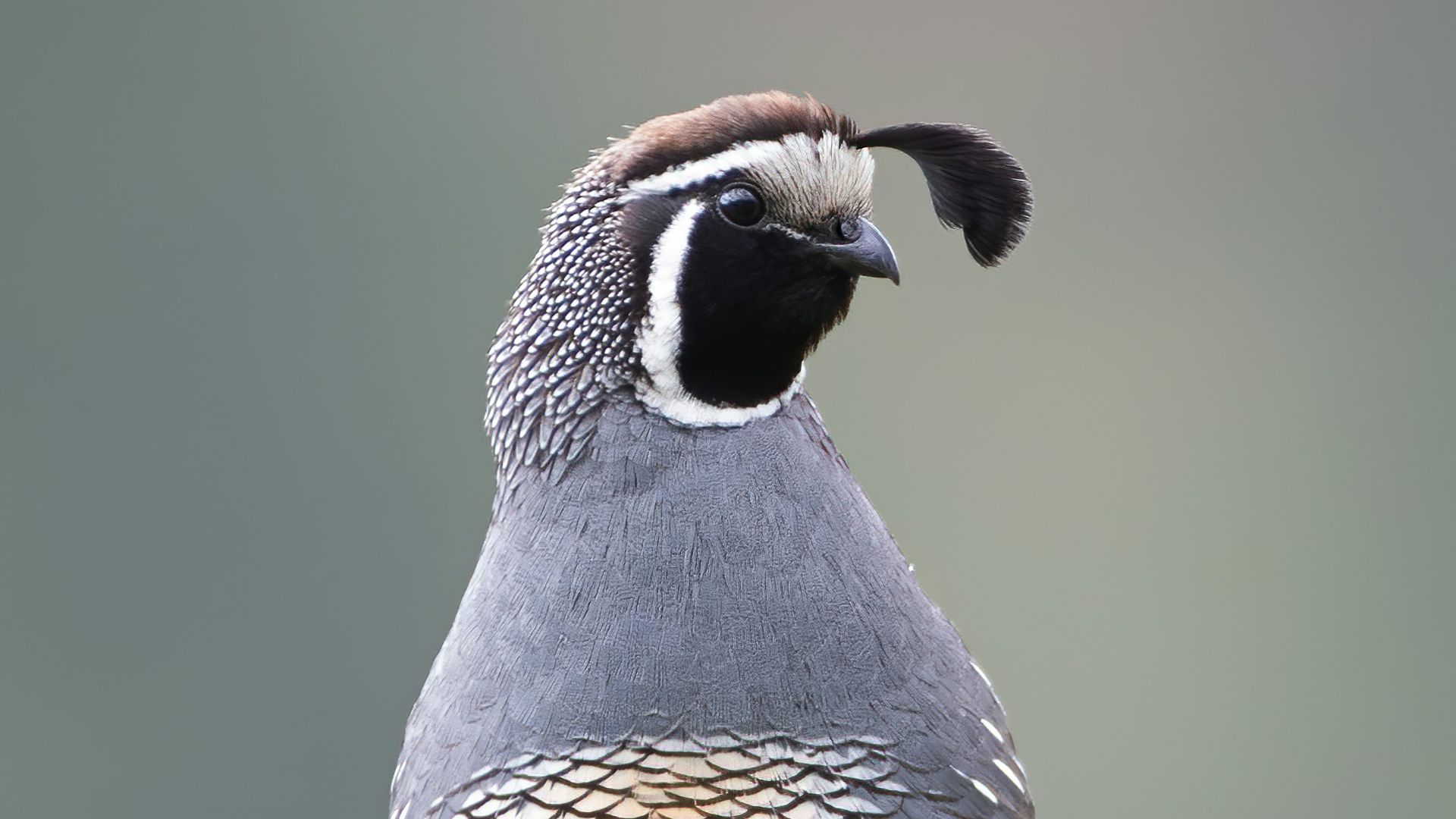
Quail can be trained to distinguish between different shapes, colors, and patterns almost as reliably as pigeons, which are already considered sharp learners. Chicks start showing preferences and problem-solving behavior within days of hatching. Their skittishness gets read as simple nervousness, but it's really a fast threat-assessment system doing its job.
17. Rabbits
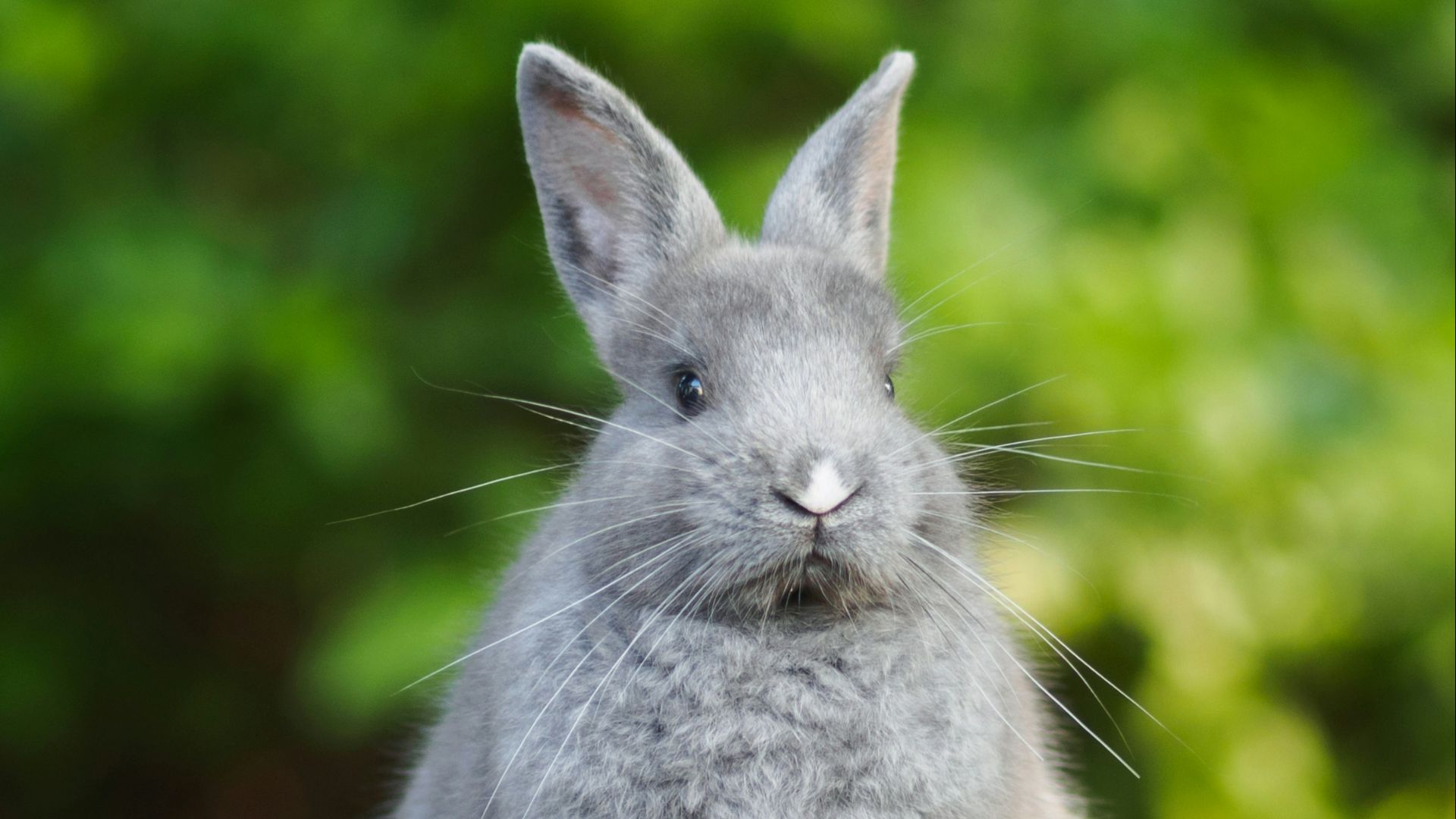
Rabbits build detailed mental maps of their territory, memorizing escape routes well before they ever need to use them. They pick up on the routines of the people who care for them and will anticipate feeding times almost to the minute. Their body language is also a lot more expressive than it looks, and people who spend real time around rabbits learn to read subtle shifts in ear position and posture.
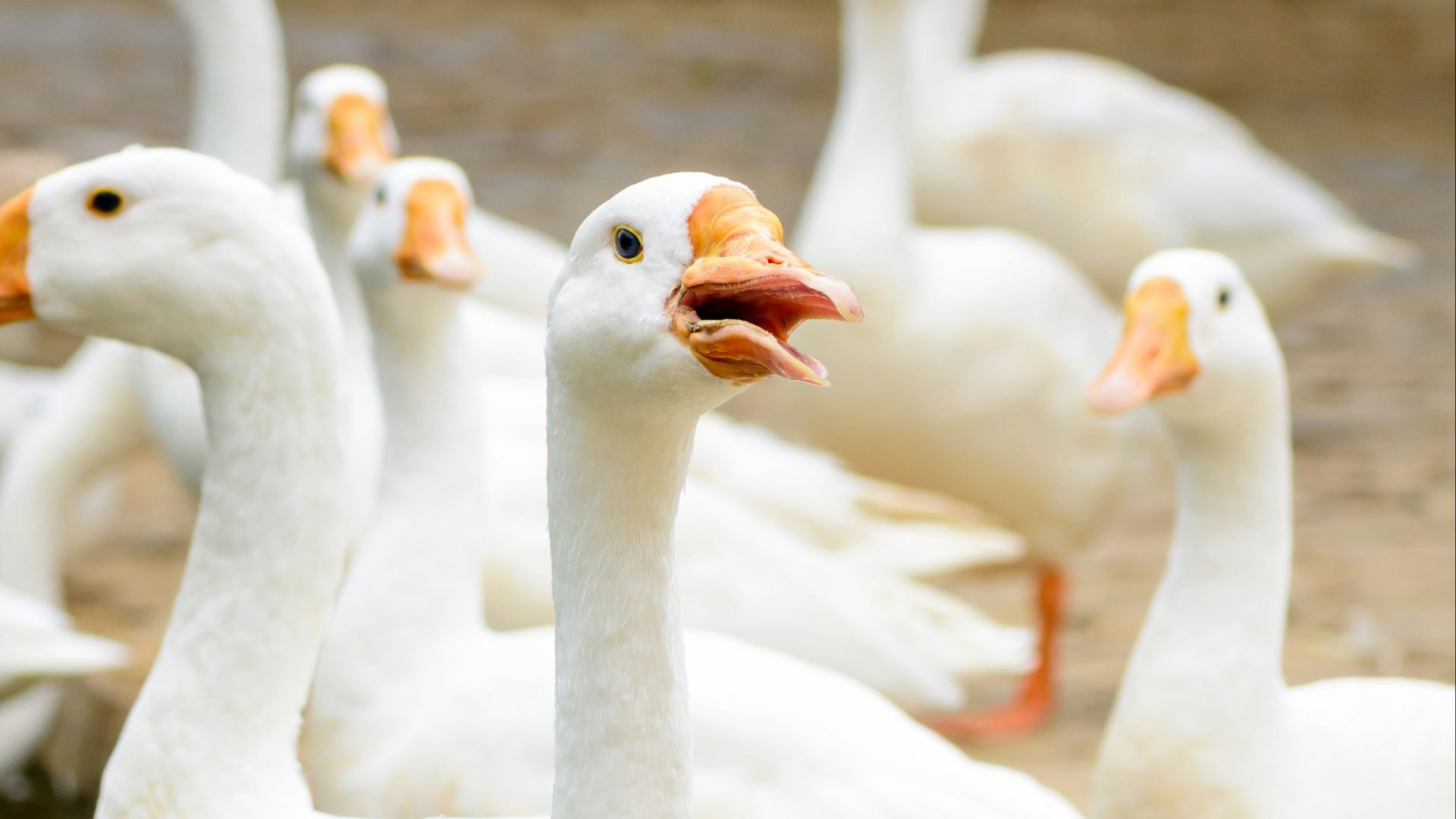
18. Geese
Geese form long-term pair bonds and can grieve visibly when a mate is lost, sometimes for weeks. They're also fiercely protective of their young and appear to recognize specific threats based on past encounters rather than reacting to every disturbance the same way. Farmers have long used geese as informal guard animals for exactly this reason.
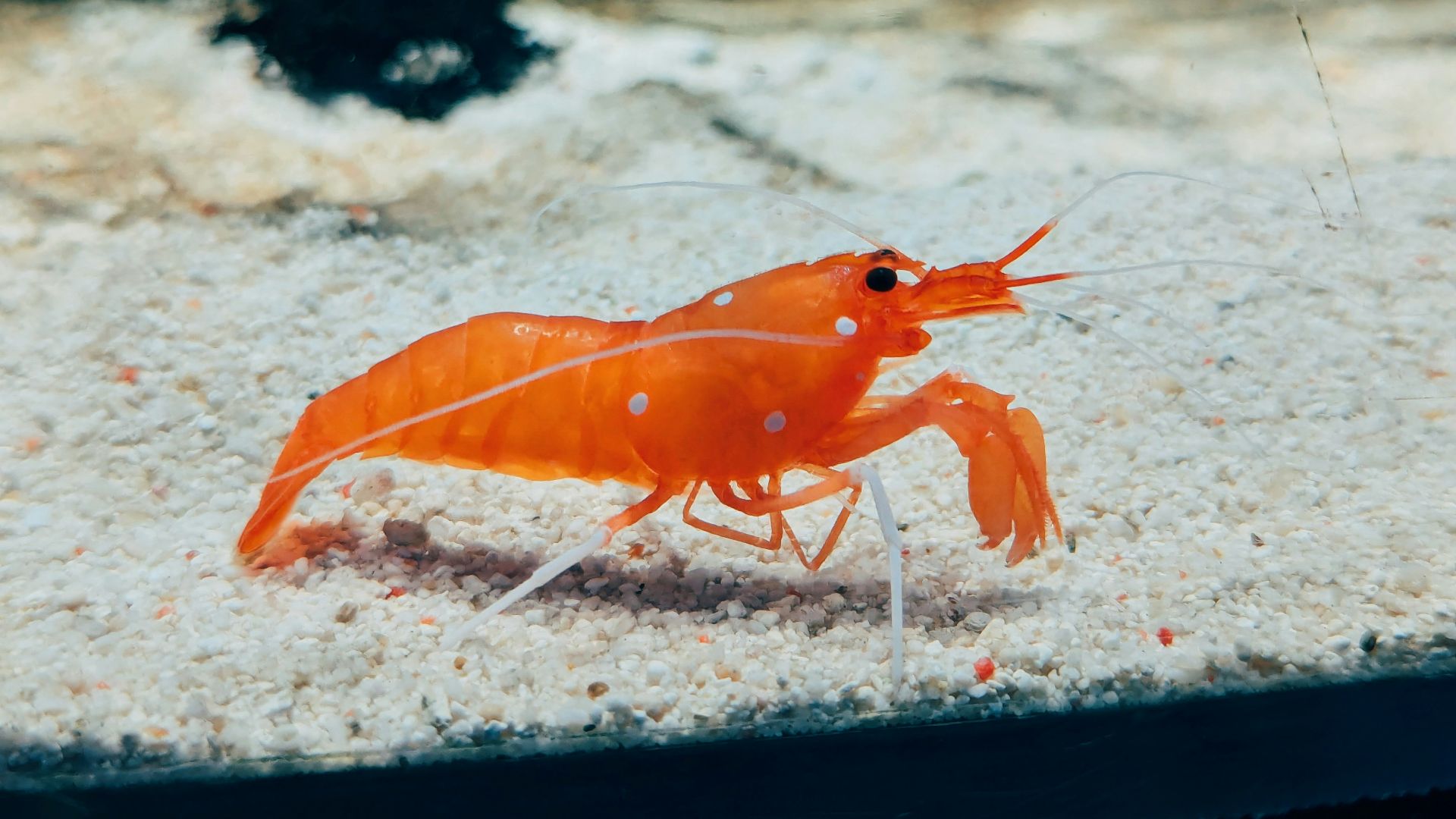
19. Shrimp
Mantis shrimp see the world through one of the most complex visual systems in the animal kingdom, with far more color receptors than the human eye. Even common shrimp show measurable stress responses to injury and adjust their behavior afterward to avoid a repeat. That reaction alone has pushed some researchers to argue shrimp deserve more consideration than they currently get.
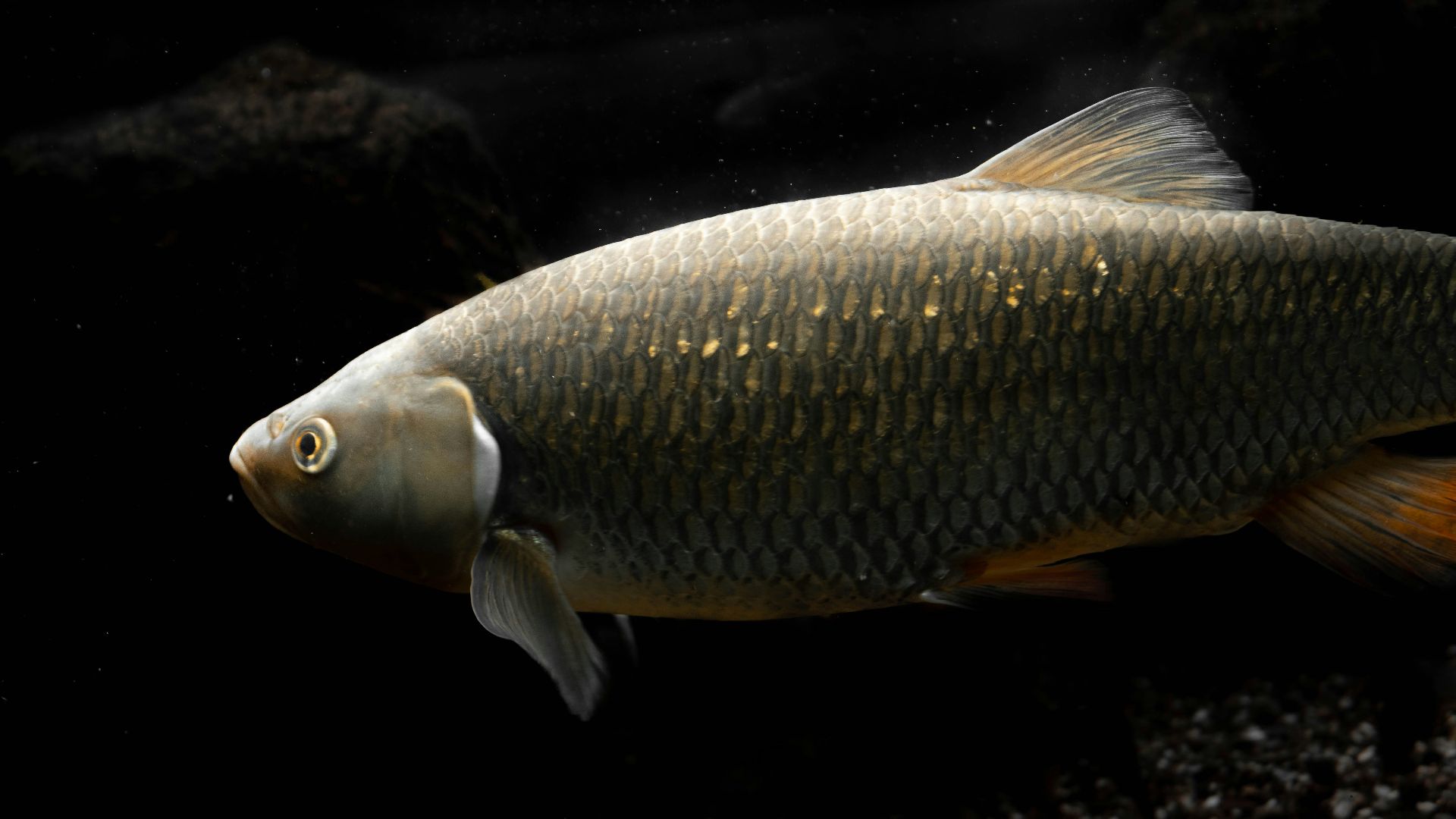
20. Carp
Carp can be trained to respond to specific sounds associated with feeding, and they hold onto that association for a long time.
They also learn to avoid hooks and nets after a single bad encounter, which is part of why older carp in heavily fished ponds get a reputation for being nearly uncatchable. Anglers sometimes call this "hook shy" behavior, but it's really just memory doing exactly what it's supposed to do.
KEEP ON READING

20 Dishes That Built Modern American Cuisine