Like Our Ancestors Ate
Life on the trail wasn't exactly a culinary paradise, but those hardy trail drivers certainly knew how to stretch a basic pantry to its absolute limits. When spending up to fifteen hours a day in a dusty saddle herding stubborn cattle across hundreds of miles of open country, gourmet presentation or subtle seasoning didn't matter much. Instead, the camp cook focused entirely on delivering pure, rib-sticking calories that could withstand the blistering summer heat and freezing desert nights without spoiling.
1. Chuckwagon Beans
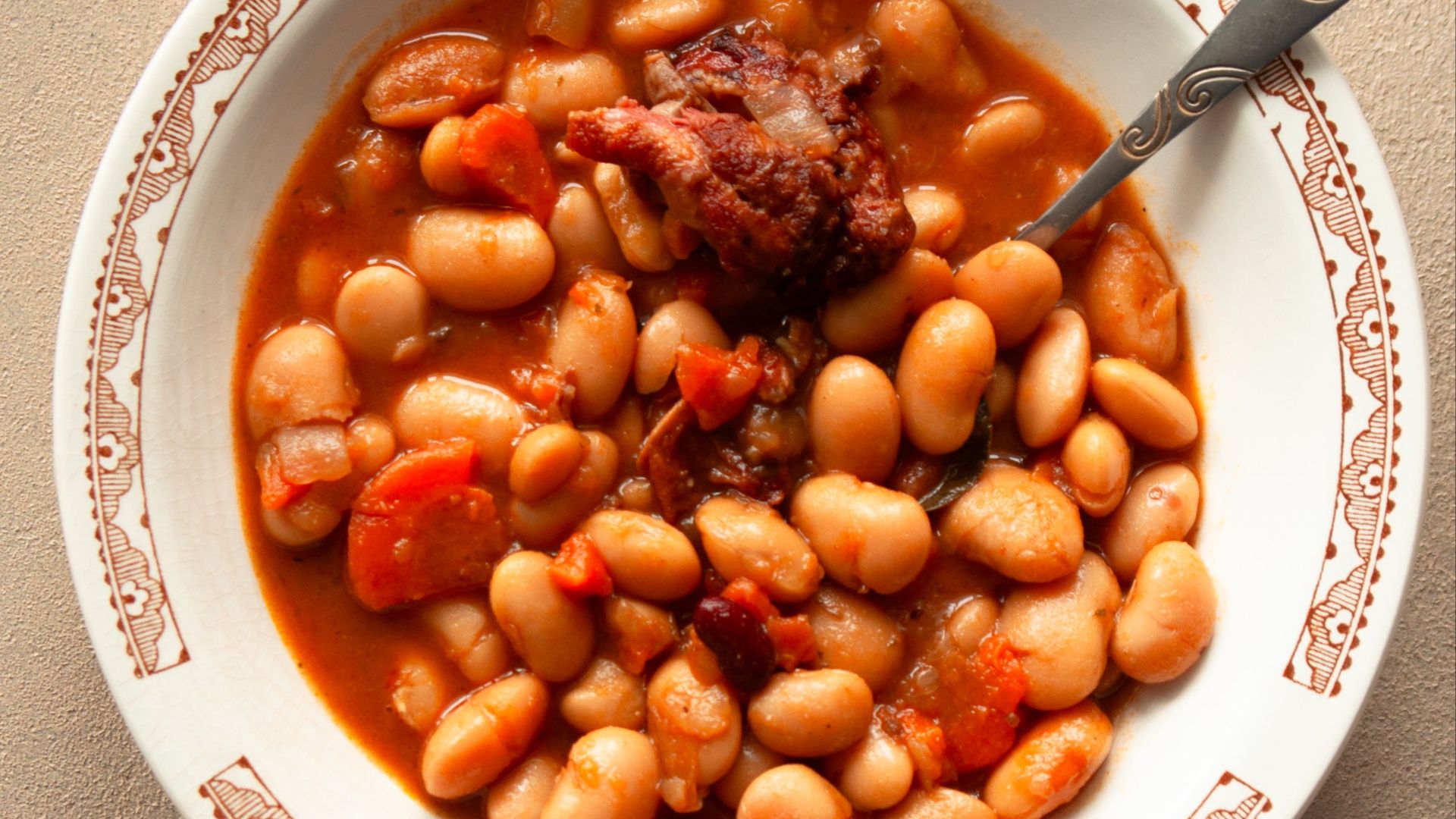
You can't talk about frontier trail food without mentioning the absolute staple that filled tin plates every single evening. Pinto beans were incredibly cheap, weighed very little in dry sacks, and provided the massive protein punch required for exhausting daily labor. The cook usually simmered them for hours in a heavy iron pot with plenty of salt.
2. Hardtack Biscuits
Once fresh flour became scarce, these famously hard crackers kept entire trail crews from starving. Simply made with flour, water, and just a touch of salt. They baked into bricks so tough that riders were forced to dunk them in coffee just to chew them without cracking a tooth.

3. Salt Pork
Preservation techniques weren’t what they are today, so meat was packed into barrels of brine to keep from spoiling. This horribly salty slab of fat was the basis for nearly every hot meal cooked on the trail. Tossed into a simmering pot, it added fat and calories.
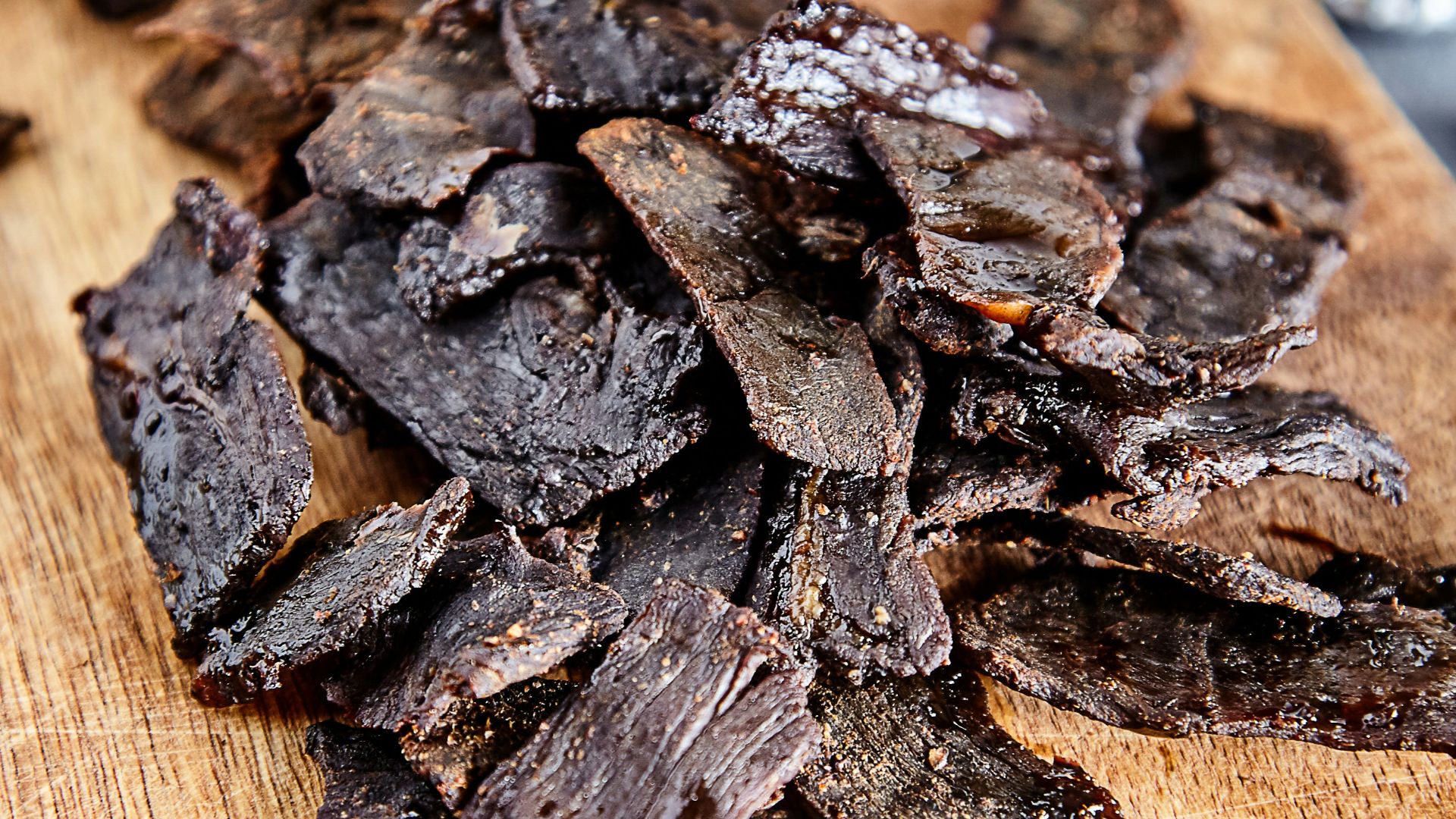
4. Dried Beef Jerky
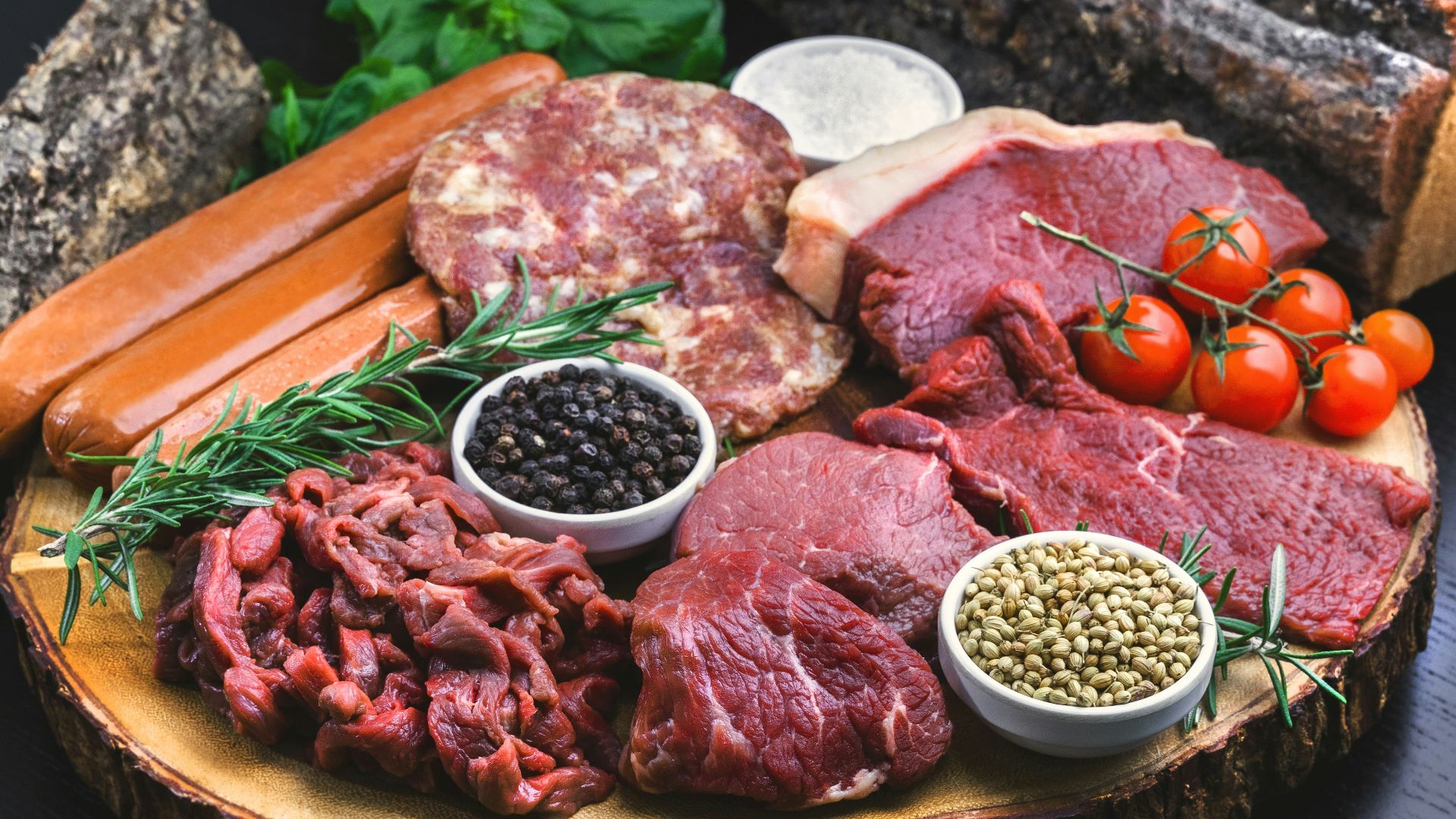
Every saddlebag had a few strips of jerky for those times when a rider couldn’t return to camp in time for dinner. Cowboys chewed on the salty strips as they rode along to give them energy without building a fire. It took a lot of chewing.
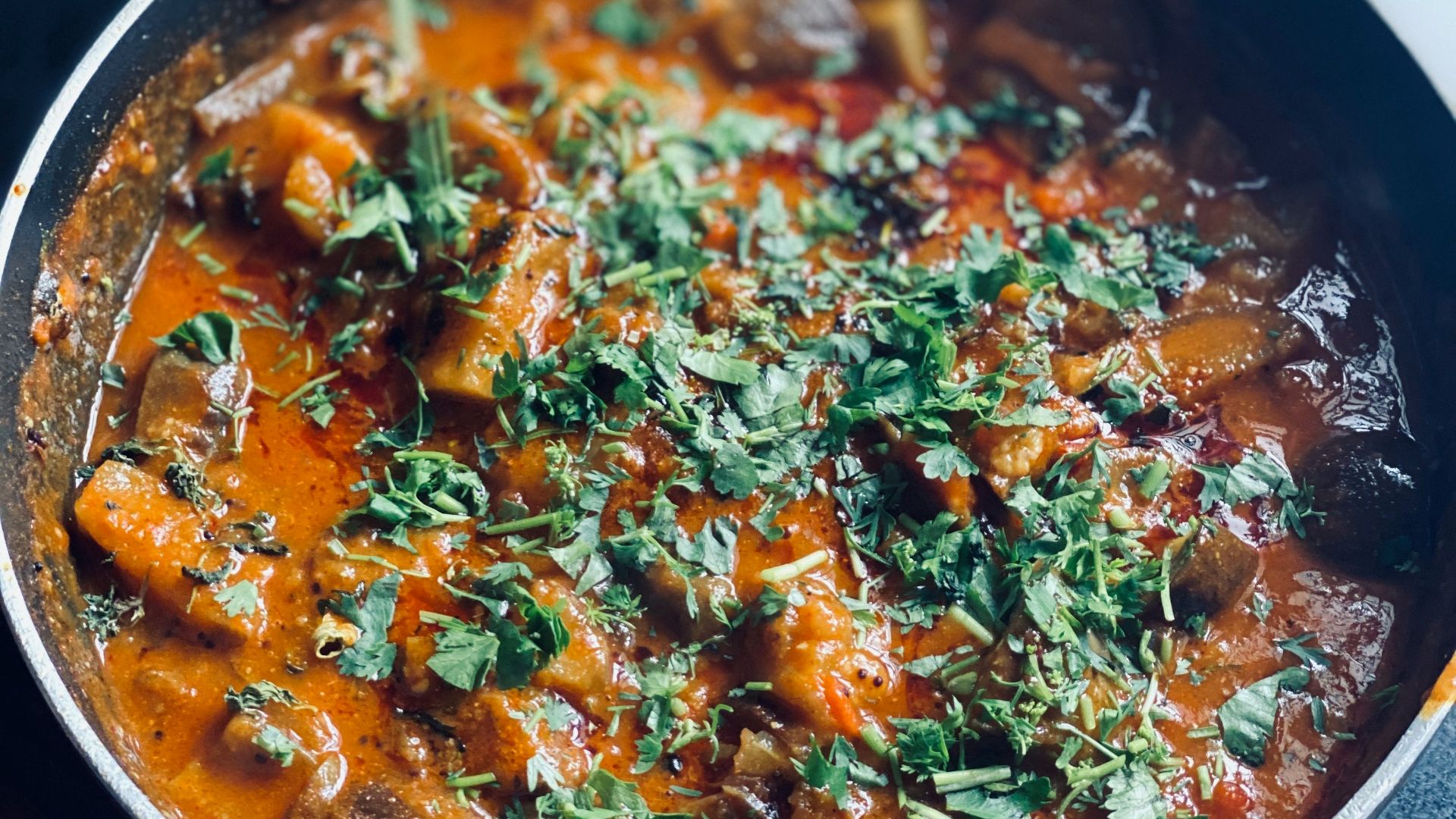
5. Stew
Whenever a calf had to be served on the trail, absolutely nothing went to waste because fresh meat was a rare luxury. The cook threw the heart, liver, kidneys, tongue, and brains in. Men eagerly devoured this unappealingly named dish because the organ meats provided essential vitamins.
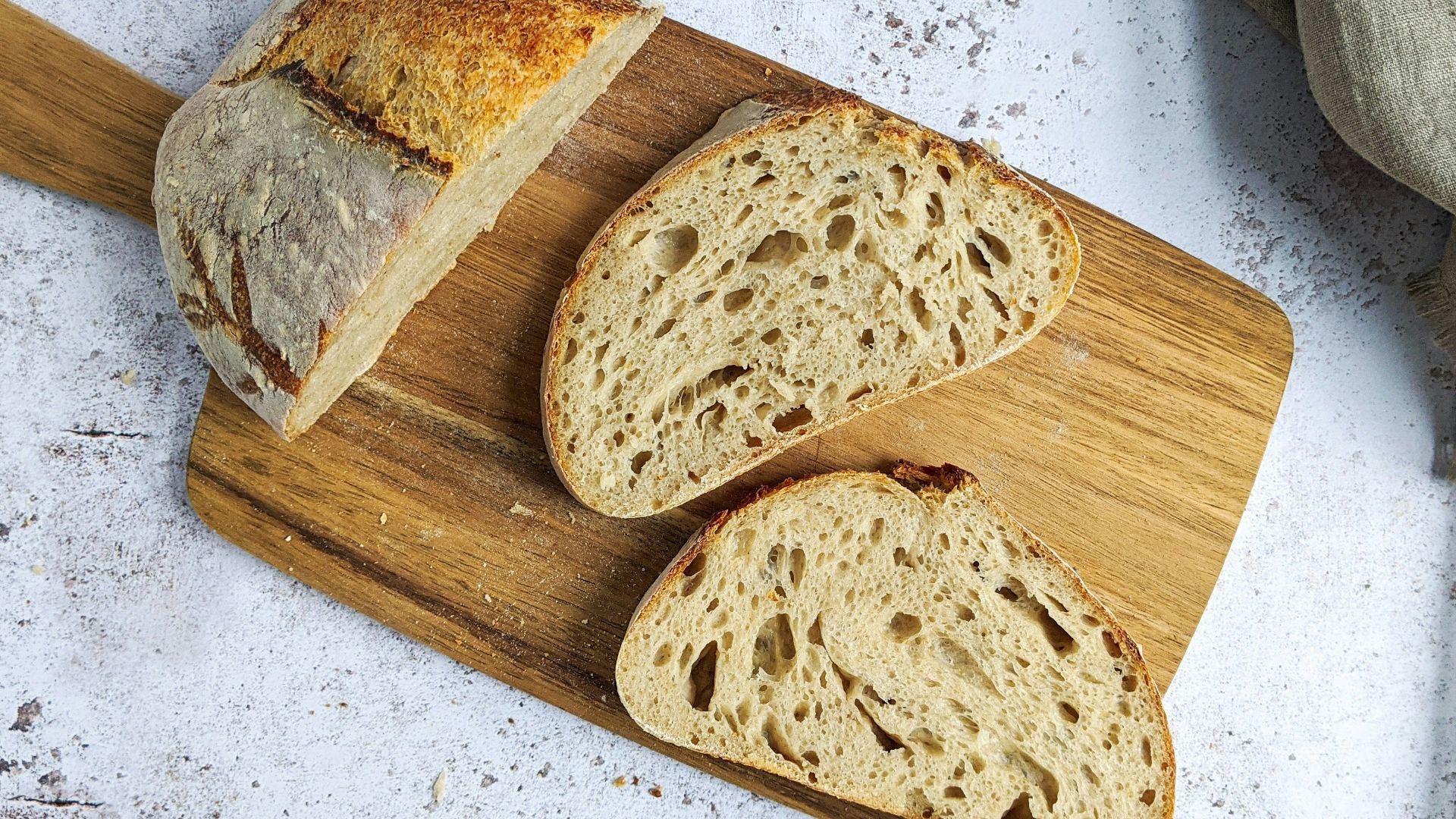
6. Sourdough Biscuits
A truly skilled camp cook guarded his bubbling crock of wild yeast starter with his absolute life, even wrapping it in blankets on freezing nights. He used that fermenting dough to bake fluffy, tangy biscuits every morning. Slathering these warm treats with plenty of molasses gave the crew a wonderful morning boost.
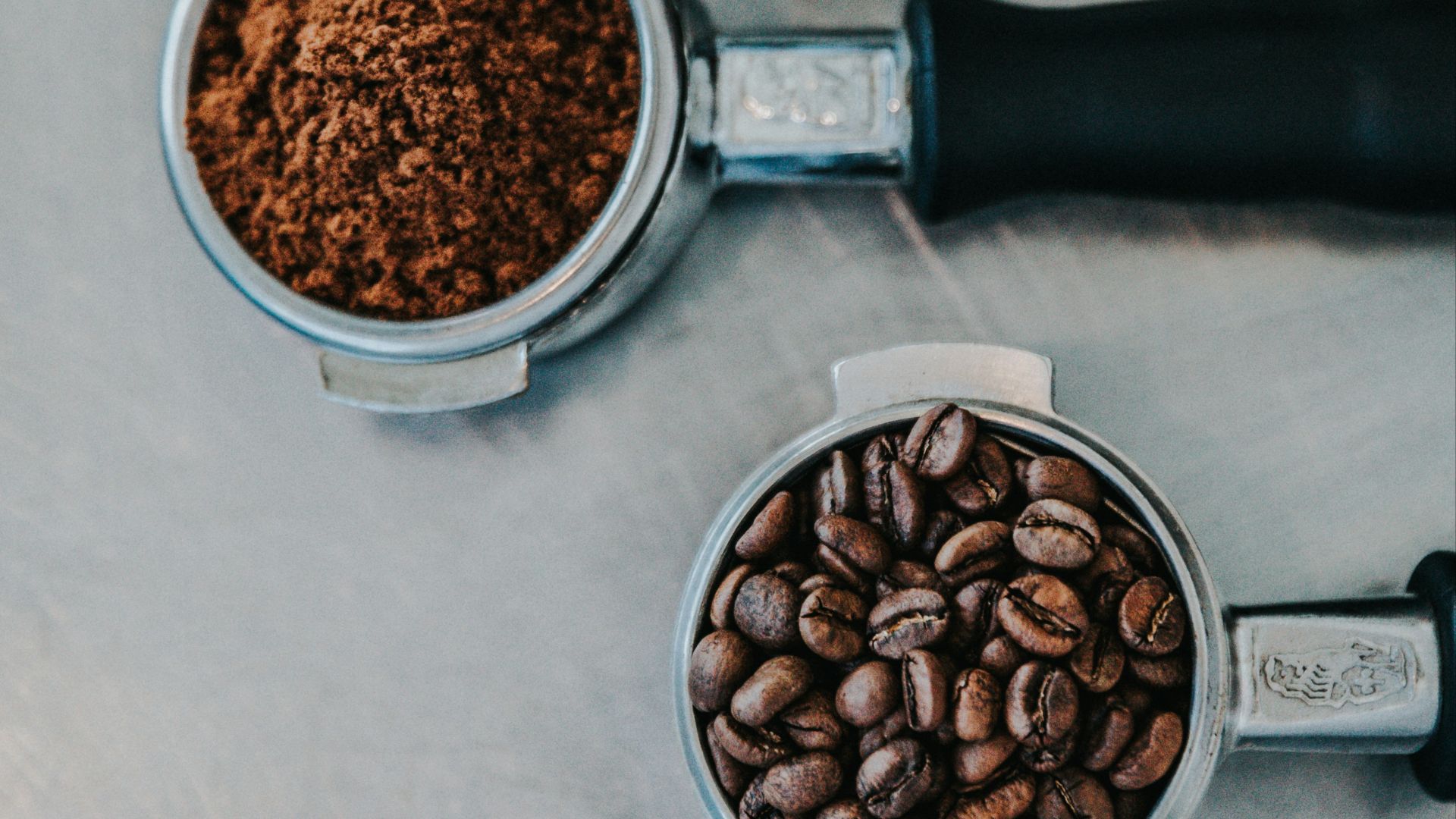
7. Black Coffee
Cowboys drank coffee like there was no tomorrow. They liked it brewed incredibly strong, often joking that a spoon should be able to stand up straight in the middle of the tin cup. It provided the vital caffeine jolt needed for exhausting night guard shifts.
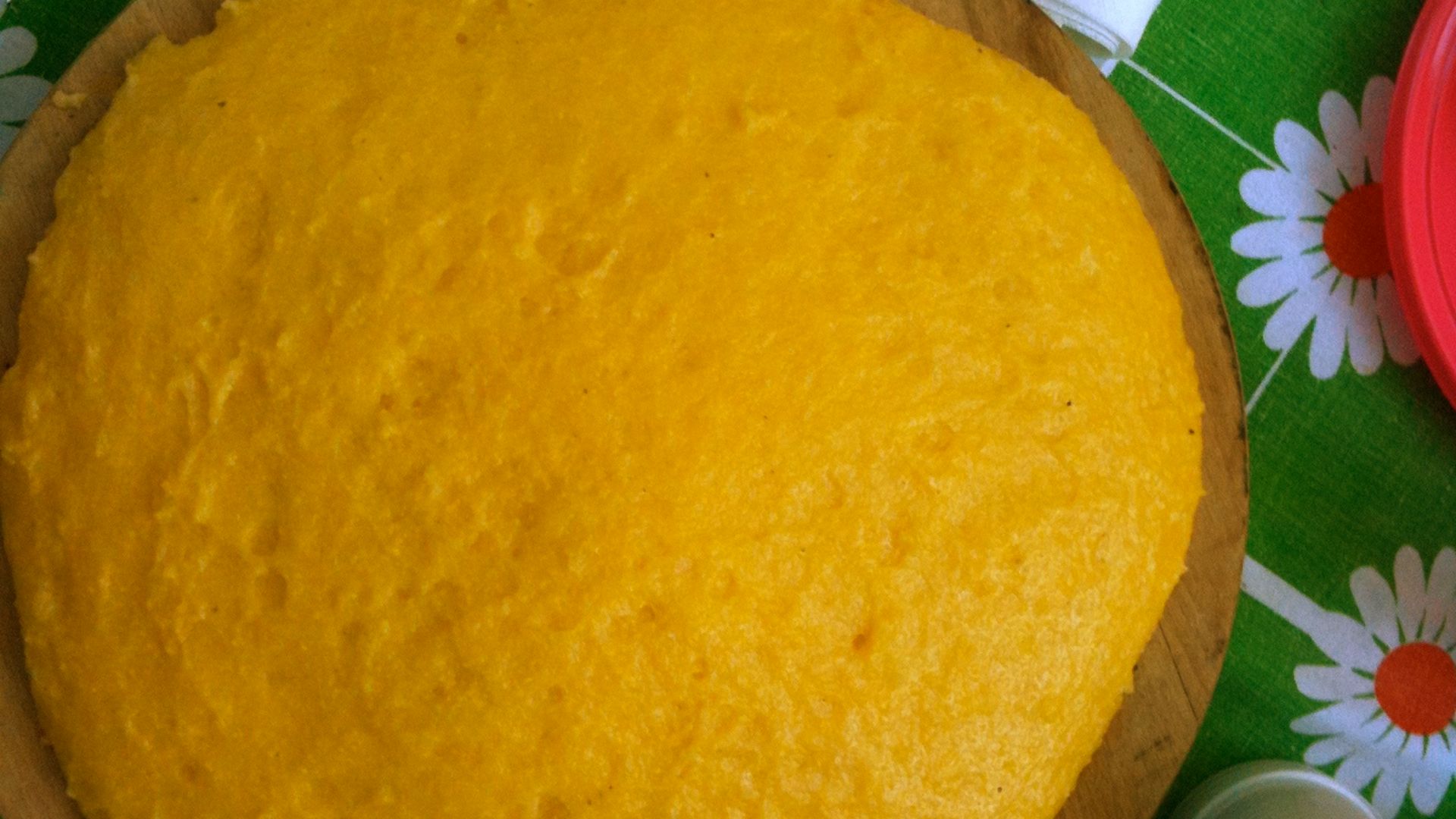
8. Cornmeal Mush
When flour ran low, a bag of ground corn served as an excellent backup for feeding a dozen hungry men on a budget. The cook stirred the coarse yellow meal into boiling salted water until it thickened into a heavy, filling porridge. If any happened to be left over, he let it cool, sliced it up, and fried the cakes in pork grease for breakfast.
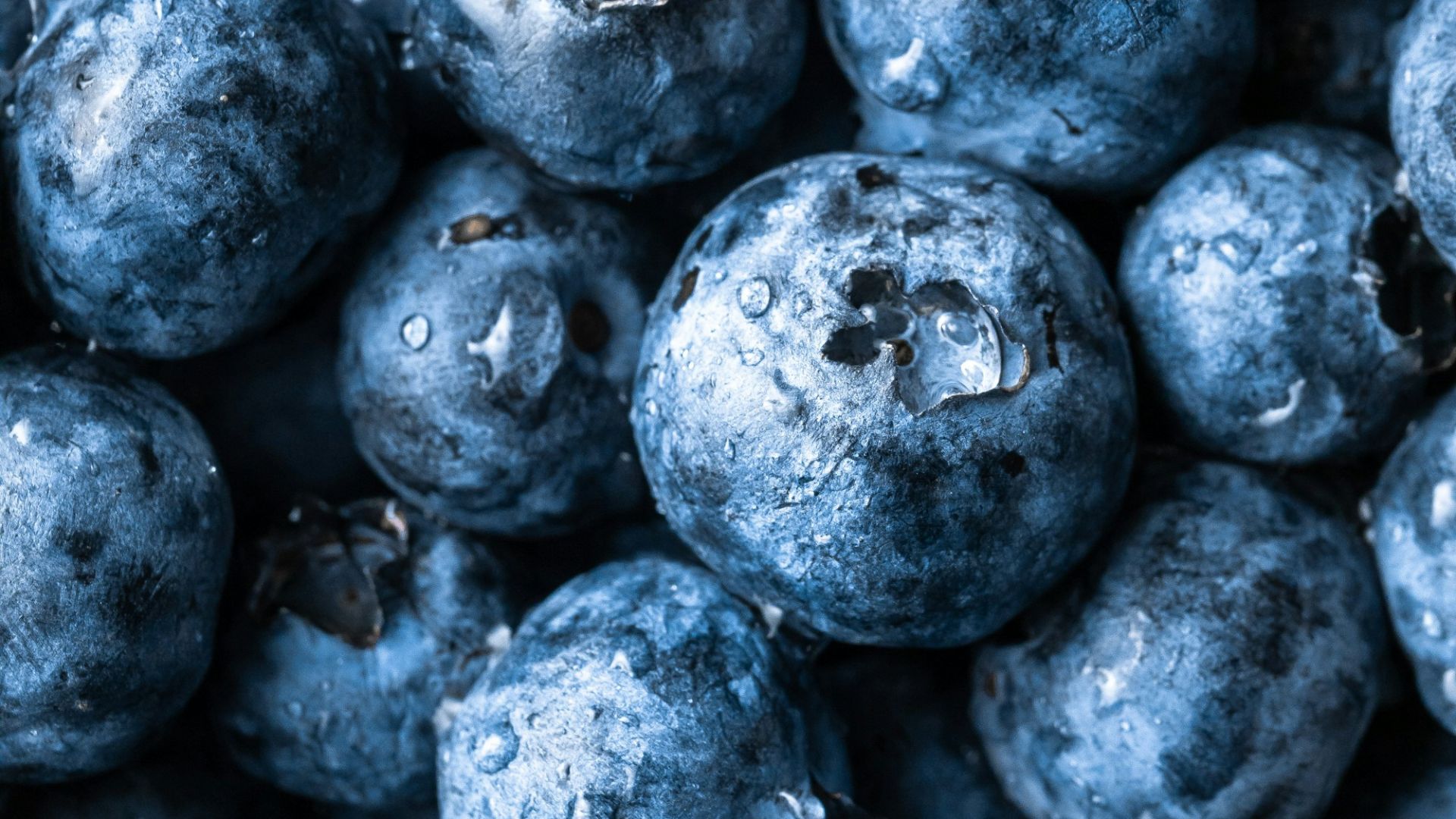
9. Wild Berries
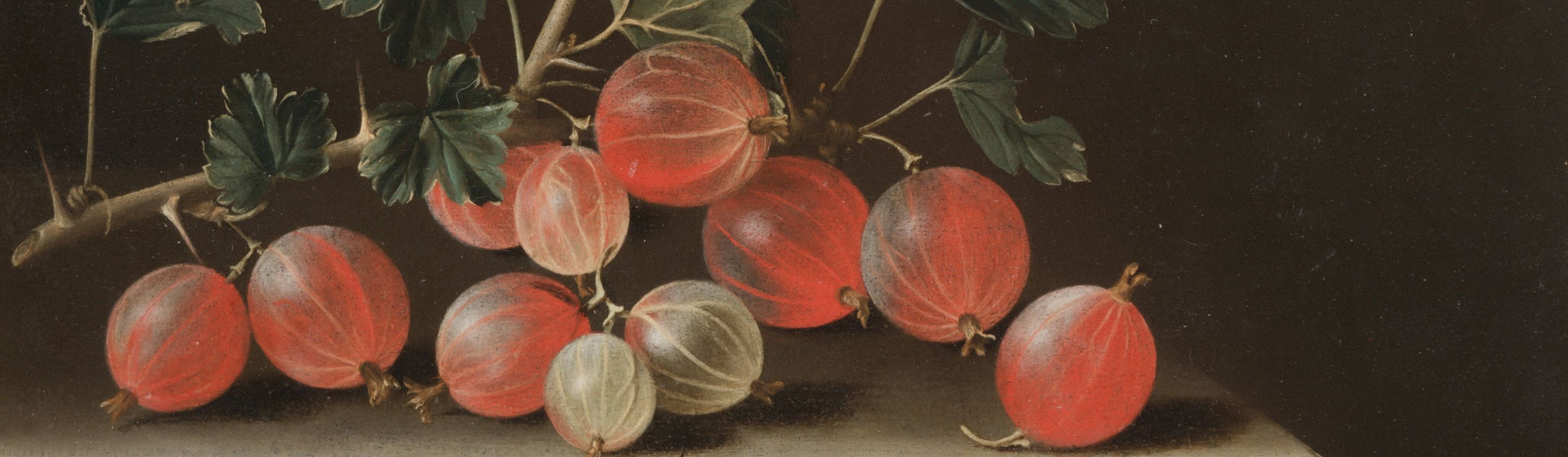
Knowledgeable cowboys always scanned the ground for stretches of green along water sources where wild berries might grow. Pulling up handfuls of ripe berries gave the crew a nice break from eating bland salt biscuits from the chuckwagon. If enough were found, the cook might even sneak in a homemade cobbler.
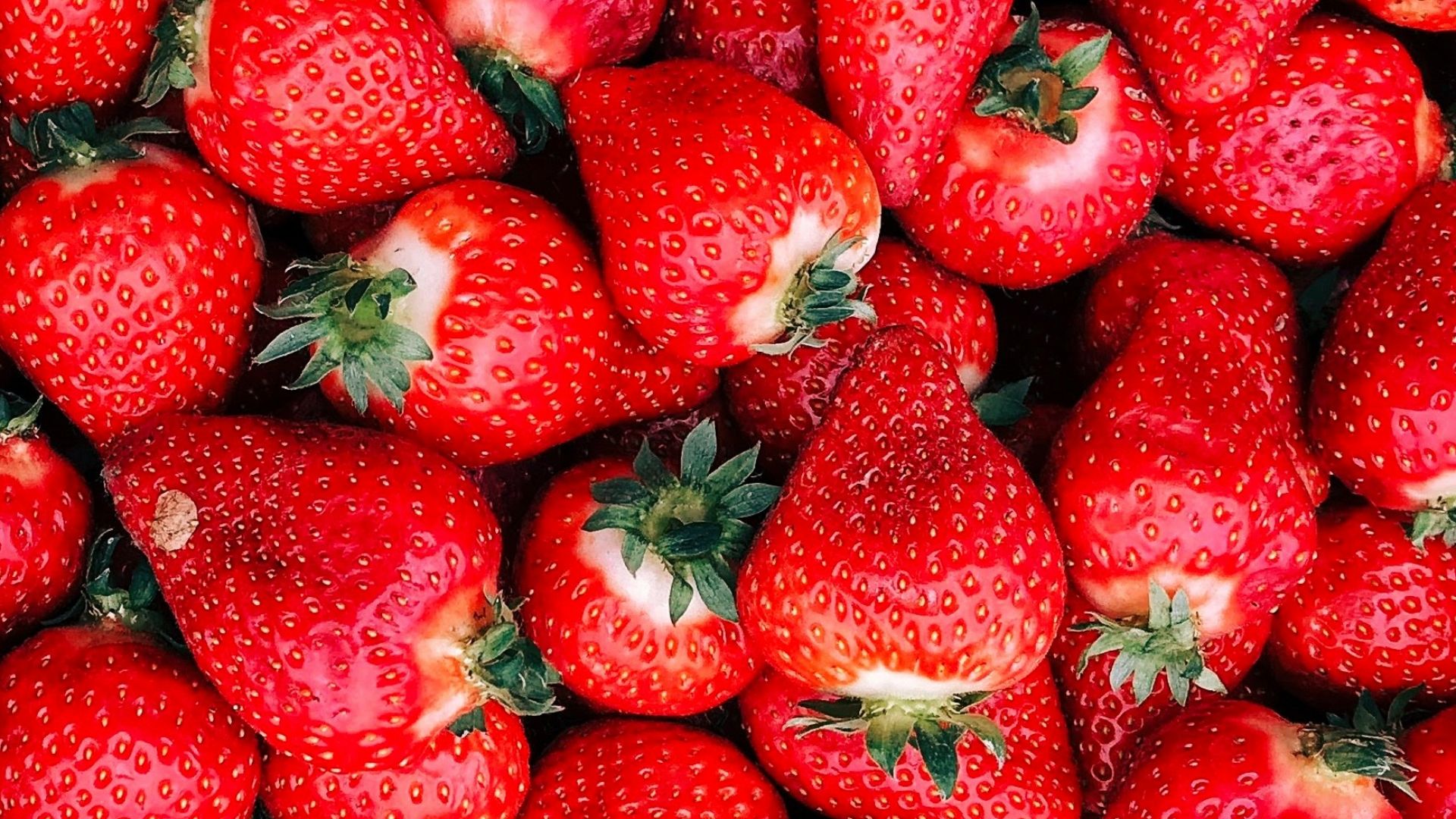
10. Prairie Strawberries
This didn’t sound like something you'd want to eat, but prairie strawberries were actually slang for canned tomatoes. They arrived on the trail in large wooden crates. And were loved because of the moisture and vitamin C they provided on dry terrain.
11. Sorghum Molasses
Sugar was expensive and would spoil easily on the bumpy ride through the wilderness. So molasses was used to sweeten things up. Sorghum molasses was drizzled over nearly anything hot that came out of the chuckwagon.

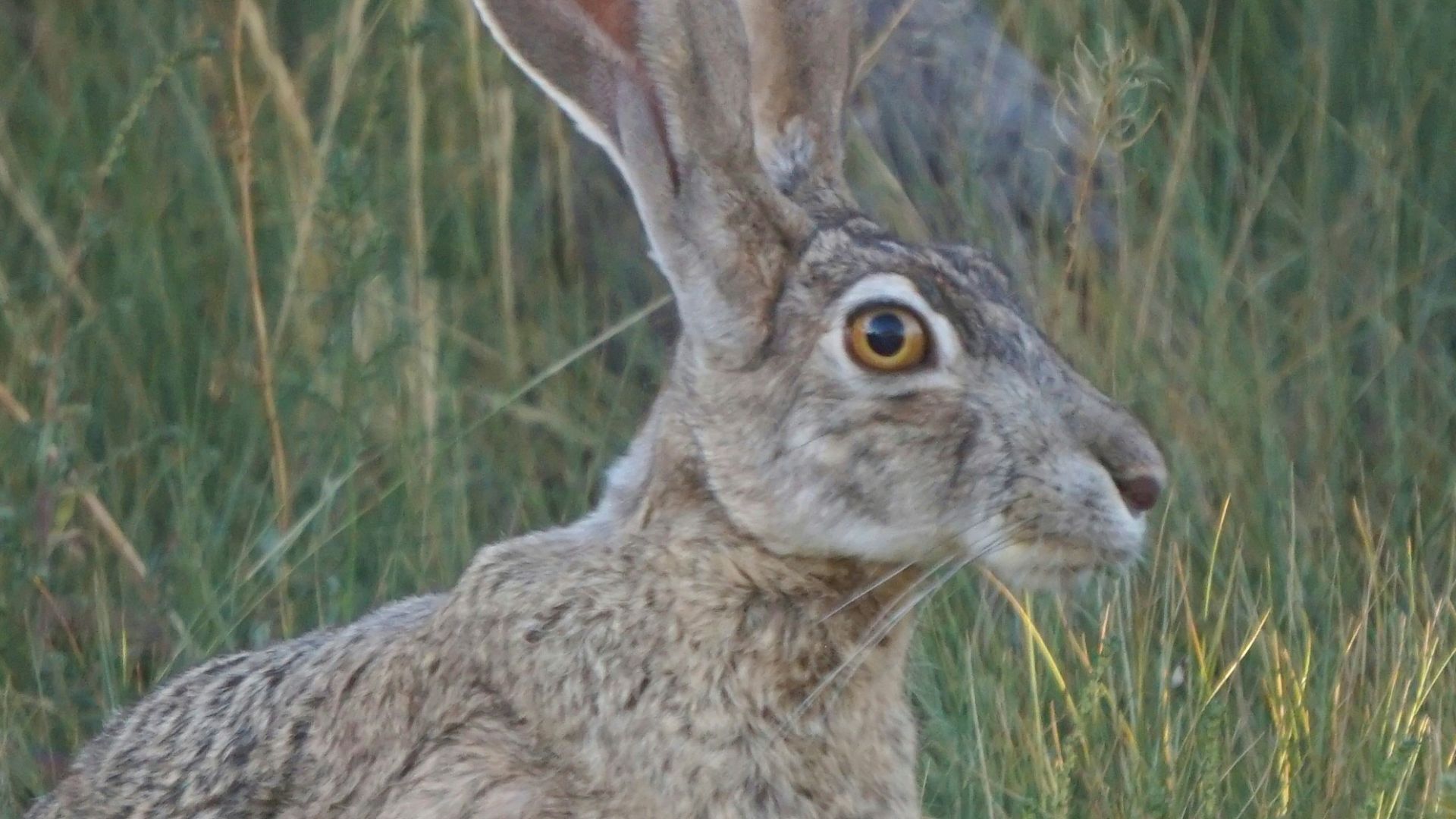
12. Roasted Jackrabbit
Hunting for local wild game helped preserve the main cattle herd, so men gladly attacked these abundant desert critters whenever they crossed the trail. The meat tended to be incredibly lean and stringy. Requiring a long, slow roast over the open flames to make it chewable.
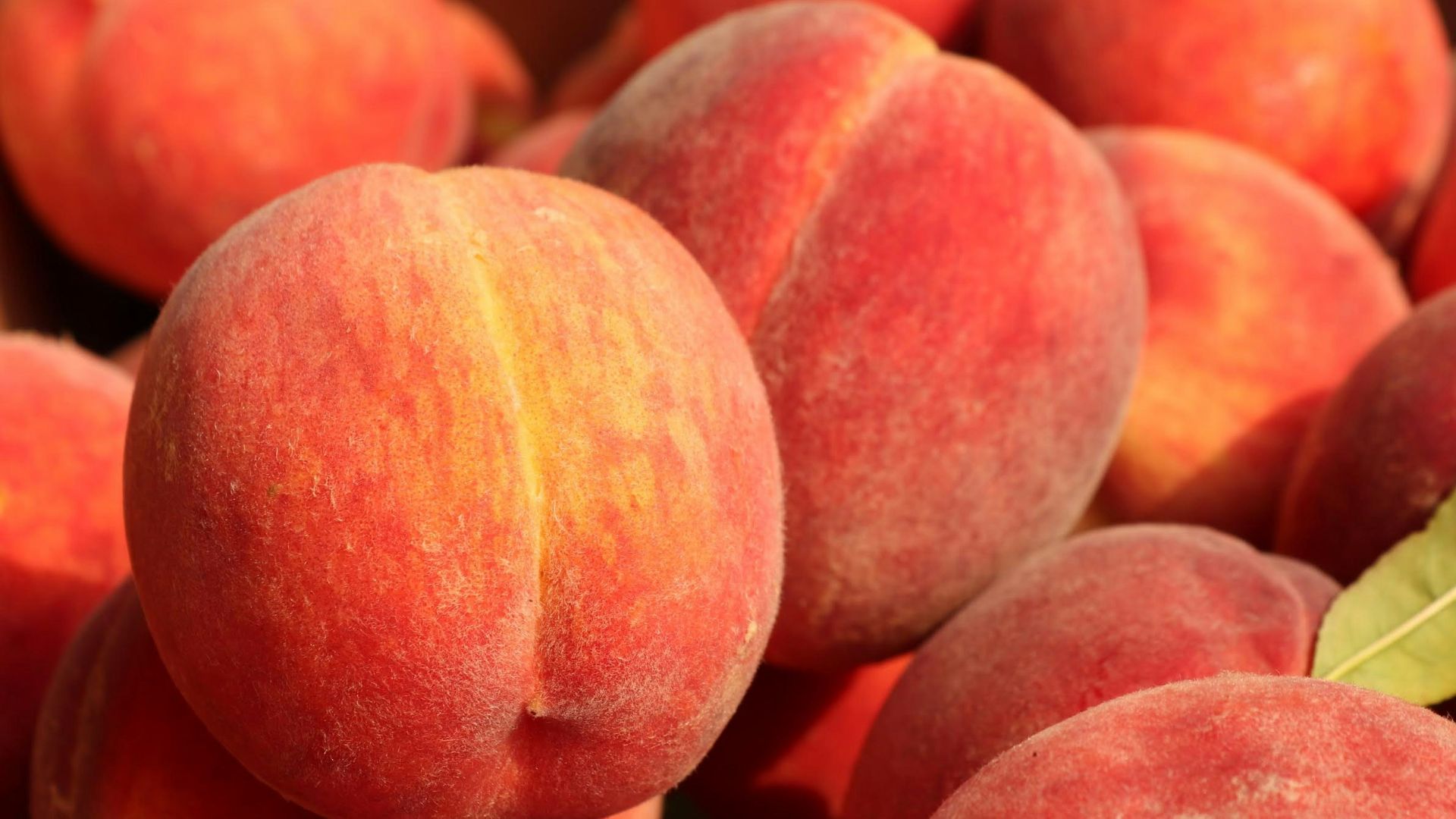
13. Canned Peaches
Treating the crew to a crate of preserved fruit was the ultimate way for a trail boss to boost morale after a brutal river crossing. The sugary syrup tasted like pure heaven to men who hadn't eaten anything sweet for weeks on end. Everyone eagerly saved the empty tin cans afterward.
 NisonCo PR and SEO on Unsplash
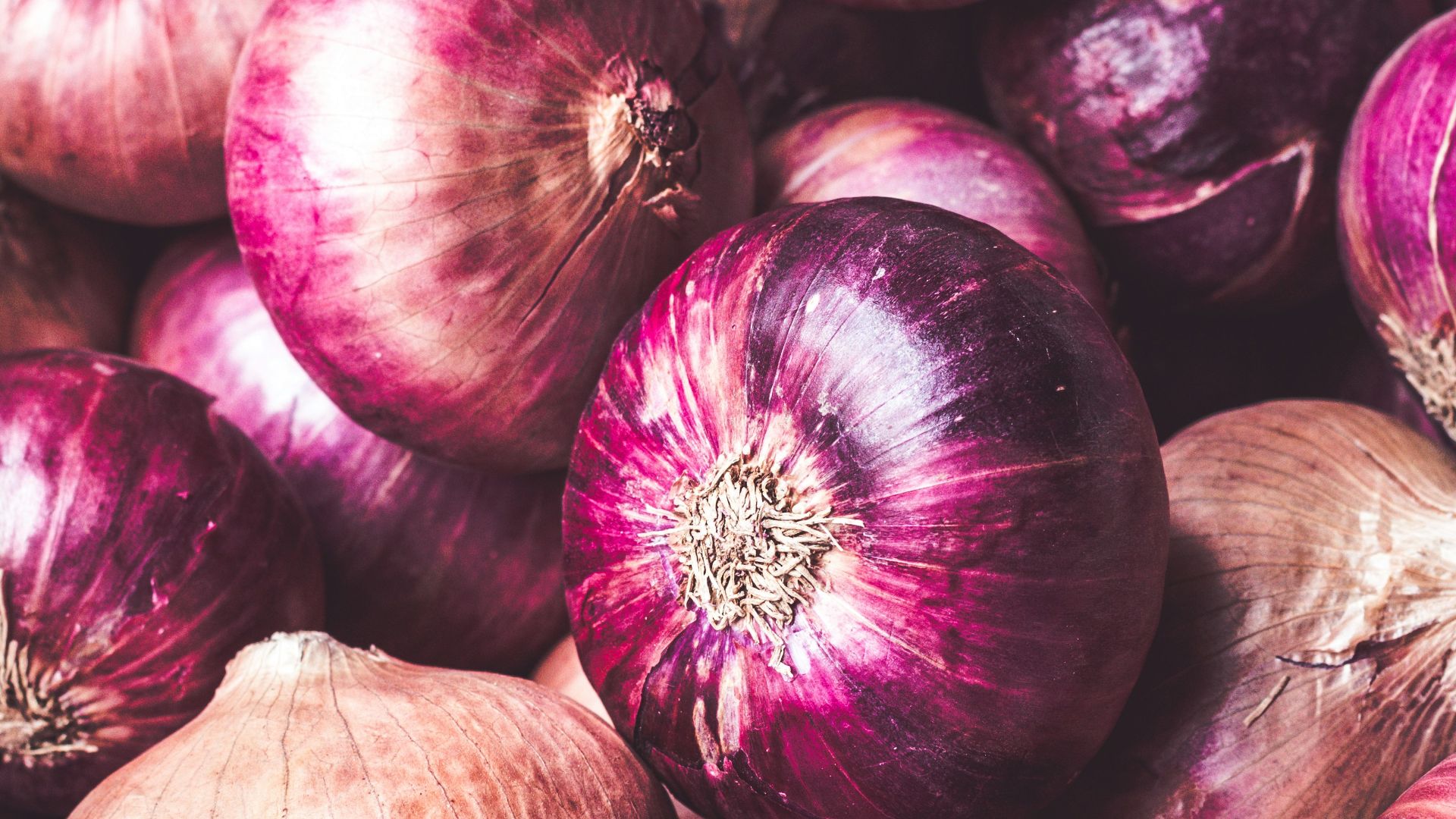
14. Wild Onions
Spicing up trail food required plenty of resourcefulness, so pulling up these pungent bulbs from the plains was a regular habit. The cook chopped them up to add a burst of sharp flavor. They also helped ward off scurvy.
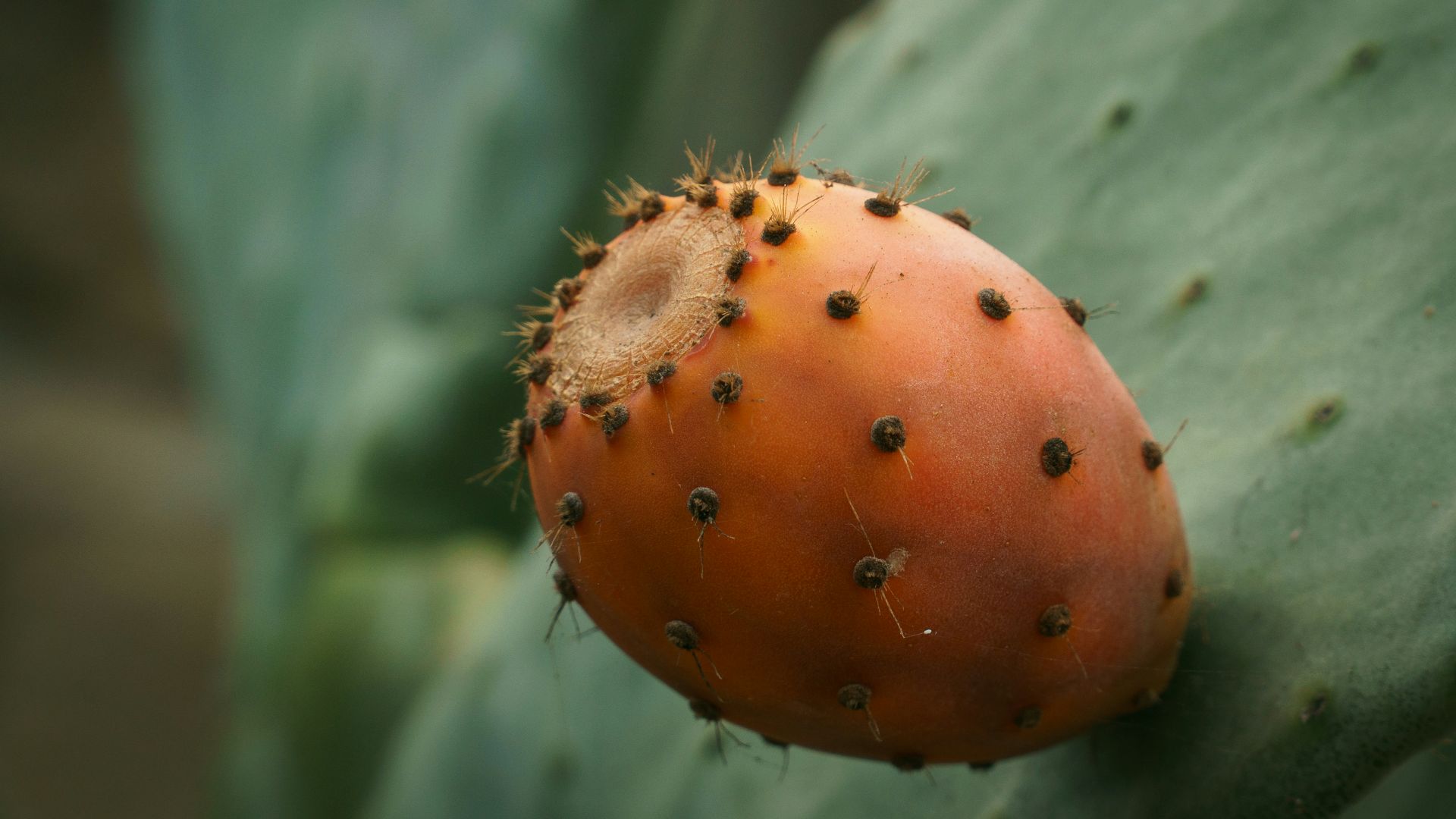
15. Prickly Pear Cactus
Traversing the driest parts of the Southwest forced drovers to learn survival tricks from local indigenous tribes. By carefully scraping off the sharp needles, riders could roast the flat green pads directly over campfire coals. The food tasted a bit like green beans.
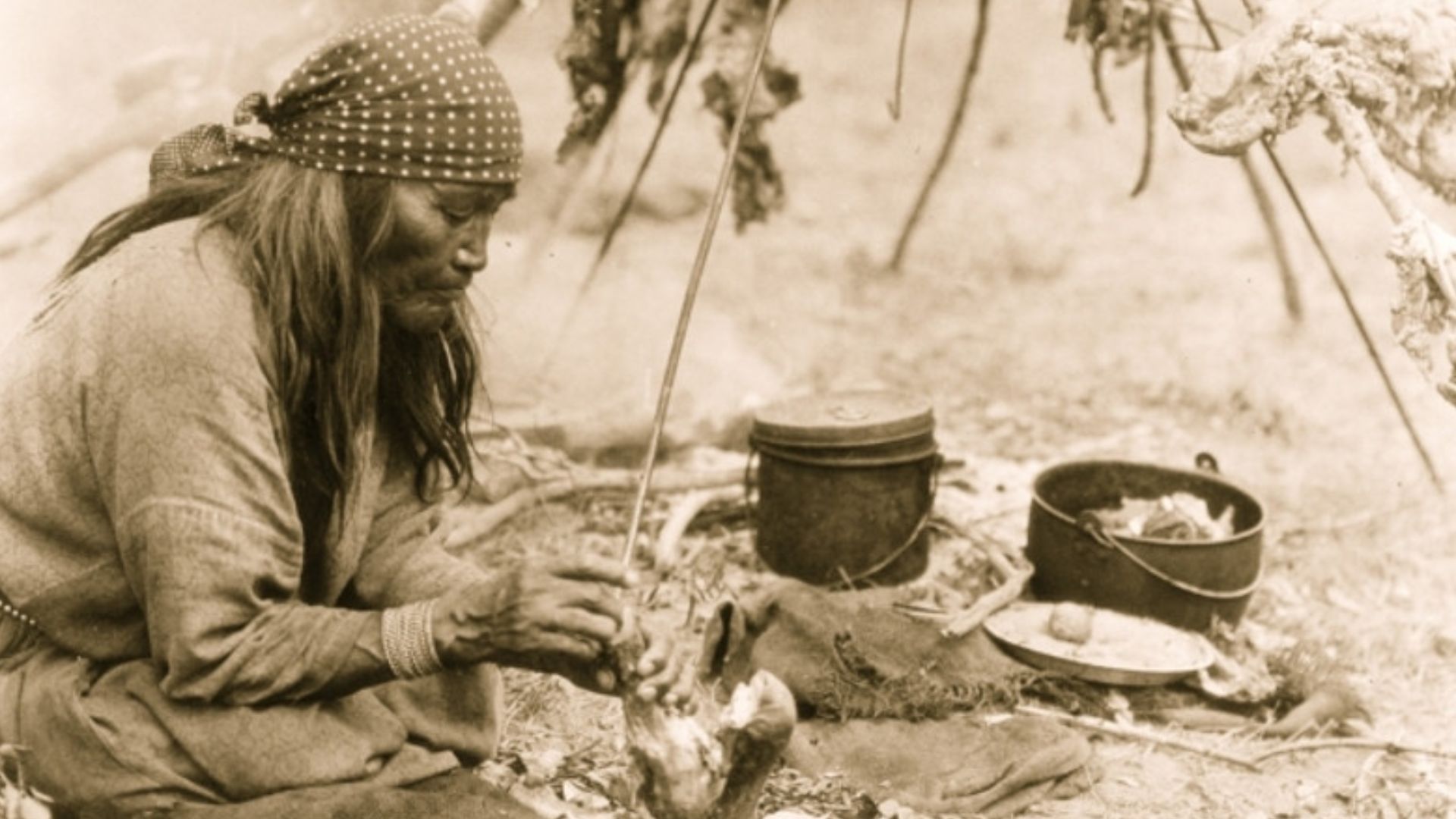
16. Pemmican Blends
This ancient survival food combined pounded lean meat, melted fat, and dried berries into a dense, highly concentrated energy bar. It wouldn't spoil no matter how hot the weather got. Making it the perfect emergency ration for long scouting trips away from the main wagon.
 Unknown authorUnknown author on Wikimedia
17. Pickled Vegetables
Jars of preserved cucumbers, cabbage, and peppers occupied a prized spot in the deeper recesses of the cook's storage chest. The sharp vinegar brine cut through the heavy grease. Snacking on these tangy treats prevented the men's bodies from giving out during long, monotonous stretches across barren country.
18. Corned Beef
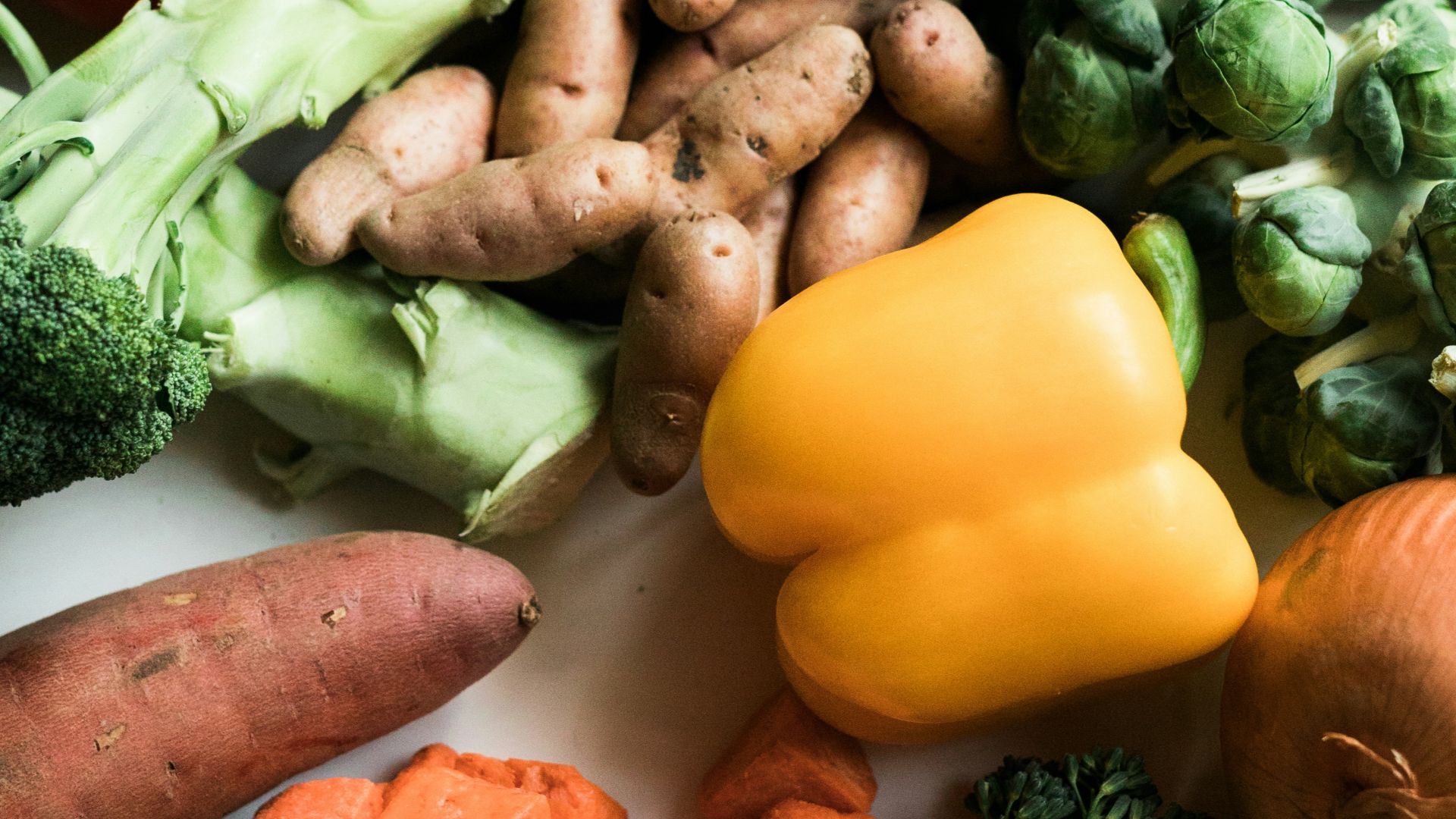
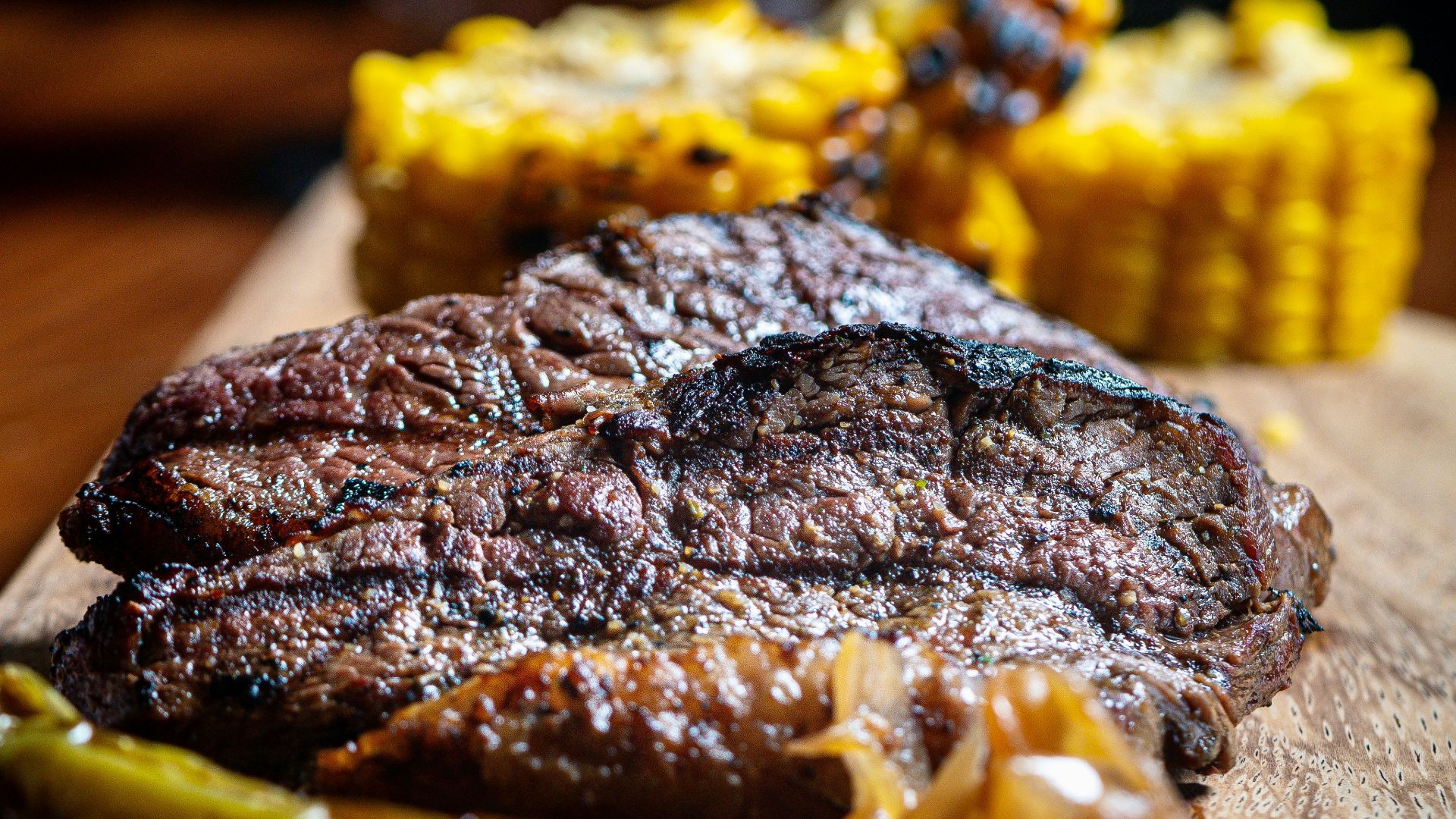
When salt pork wasn't available, chunks of cured beef kept in heavy wooden casks filled the protein void nicely. It required a good, long boiling. The resulting shredded meat mixed wonderfully with whatever potatoes or onions were available.
 Juan Carlos Frias Brito 🇲🇽 on Unsplash
19. Game Birds
Knocking down a few fat quail or prairie chickens offered an easy way to improve the evening menu. Their tender meat cooked up quickly over a bed of hot coals, making them a favorite choice for impatient, hungry riders. The cook usually saved the savory fat from the birds to grease his baking pans for the next morning.

20. Rice and Raisins
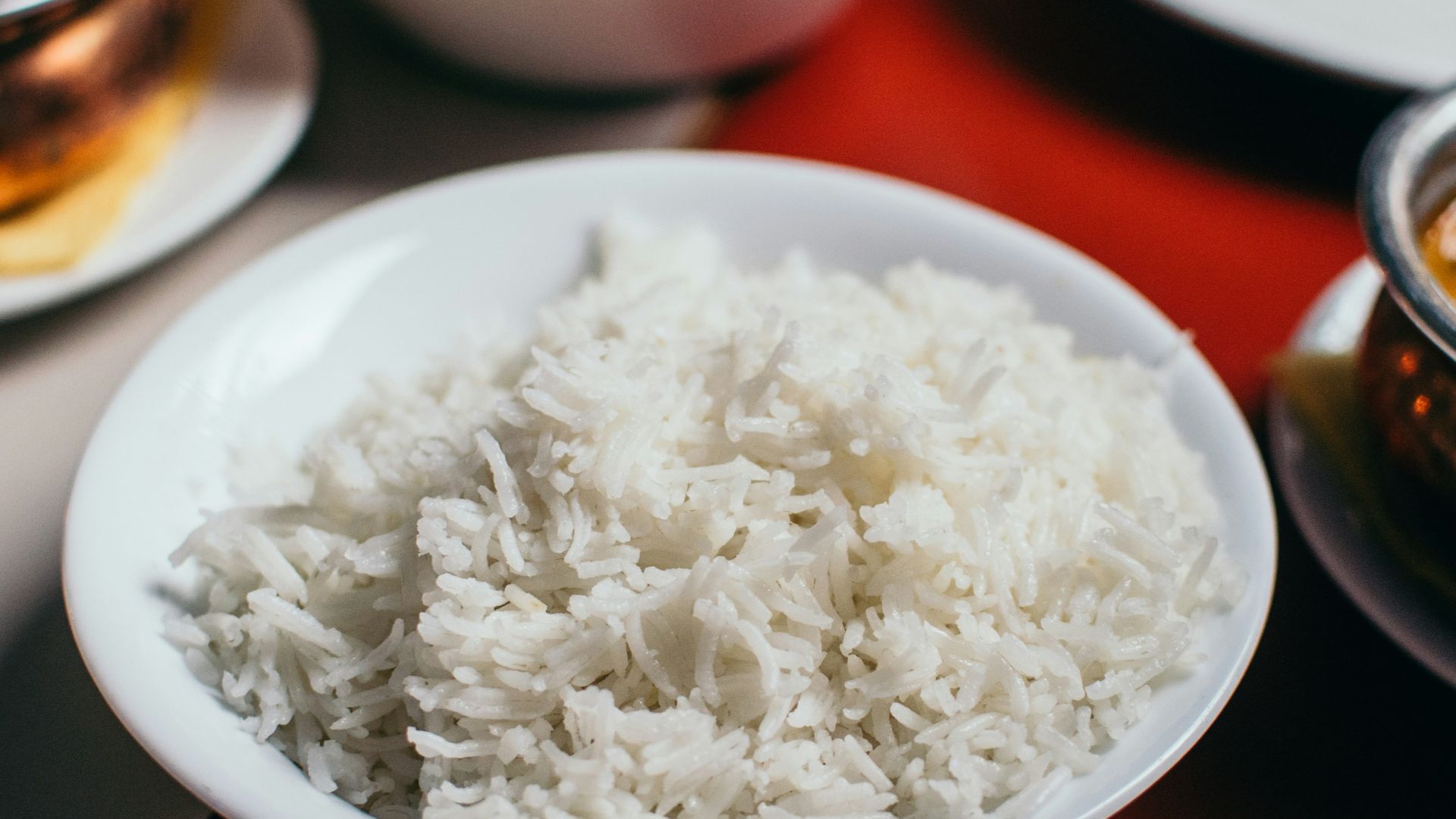
This simple combination created a beloved frontier pudding that brought a sweet ending to a tough week on the trail. Grains of rice traveled well in dry sacks. And throwing in a handful of shriveled dried grapes added a fantastic burst of natural sugar.
KEEP ON READING