A Different Kind Of Warrior
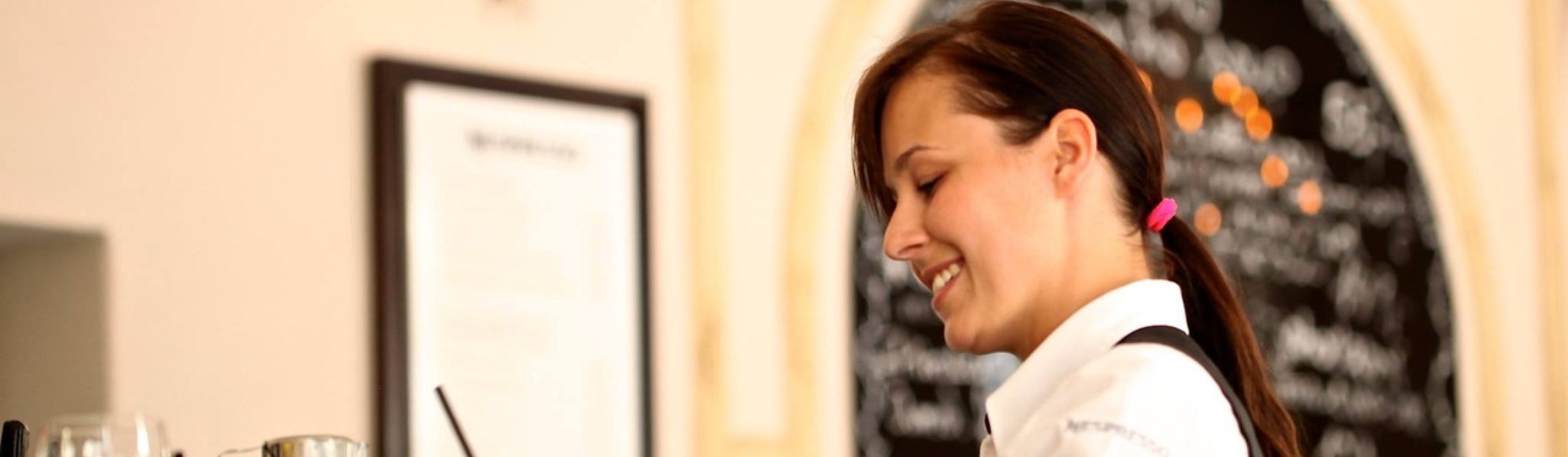
Waiting tables looks simple from the dining room—smile, take orders, bring food, collect tips, right? Well, the reality involves simultaneously managing a dozen competing demands while your feet scream and your face stays enthusiastic about the same joke you've heard six times today. If you've ever carried four plates up your arm, these moments will hit differently than they do for civilians who've never worked the floor.

1. The Silent Language Of Eye Contact
During peak hours, waiters rely on subtle eye contact to request backup from colleagues without verbal interruptions. Specific warnings get conveyed through glances—alerting others to a complainer or a spill before minor issues escalate. Non-verbal coordination develops through instinctive understanding that outsiders never fully grasp.
2. The Art Of Fake Enthusiasm
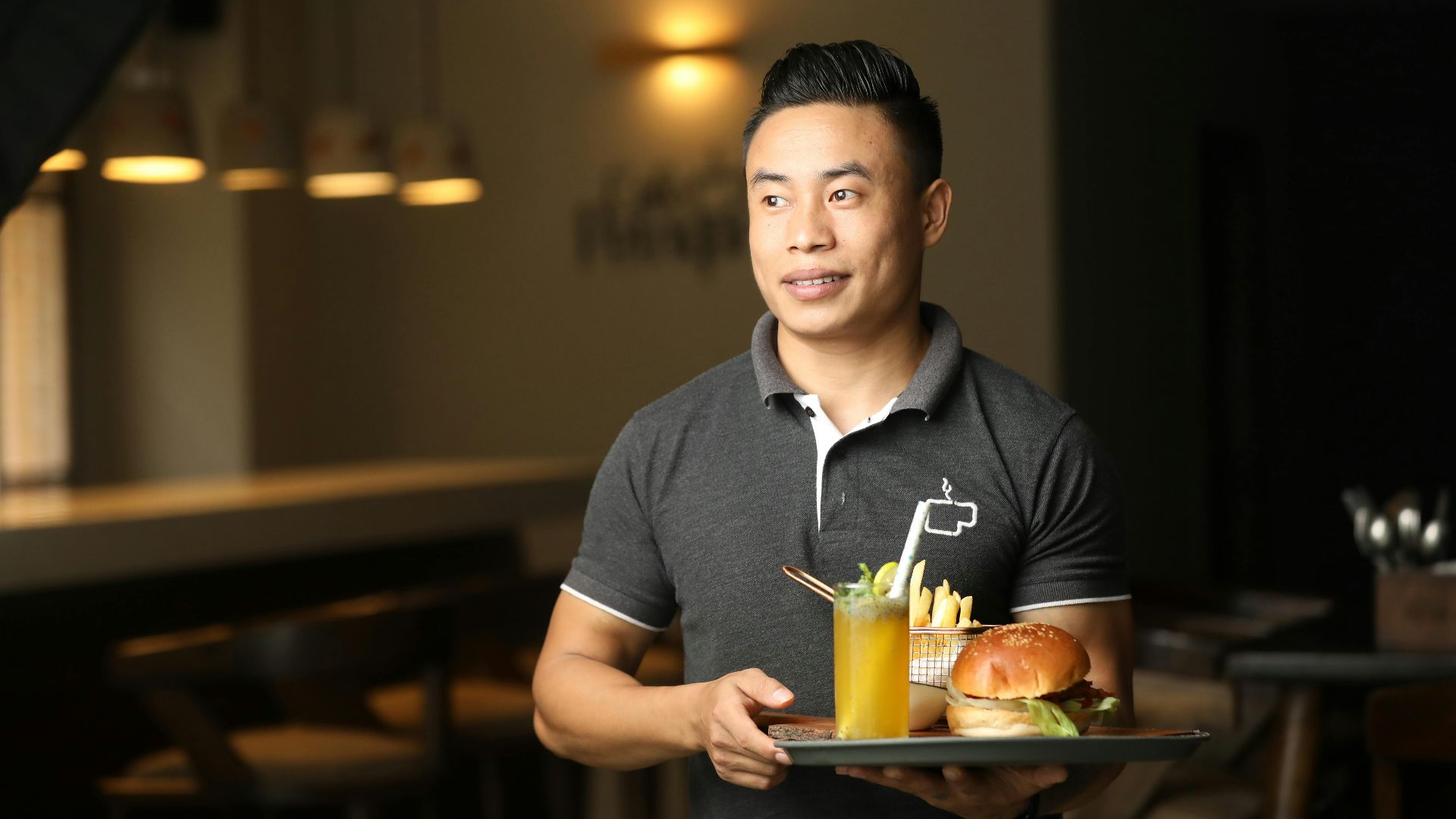
Waiters maintain polite smiles and nods during repeated customer anecdotes to build rapport and secure better tips, even when exhausted. Feigned interest helps manage time efficiently, allowing servers to multitask mentally while appearing attentive in fast-paced environments. Some keep mental logs that turn repetition into light-hearted games.
3. Memorizing Menu Hacks And Substitutions
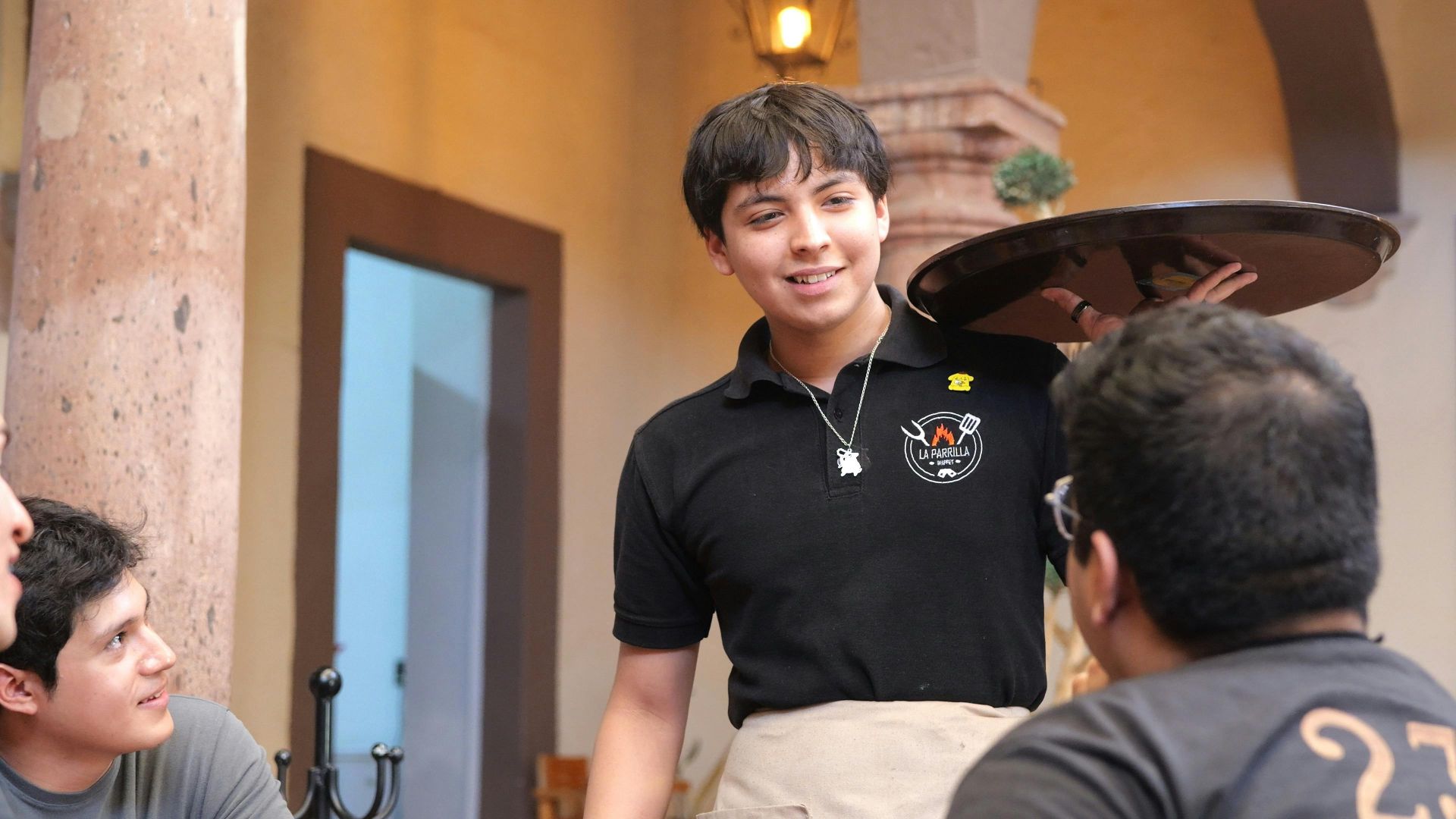
Experienced waiters memorize off-menu modifications to expedite service and reduce kitchen queries during rushes. Knowledge of kitchen capabilities prevents order errors while boosting customer satisfaction in allergy-prone scenarios. Secret substitutions sometimes get invented on the fly.
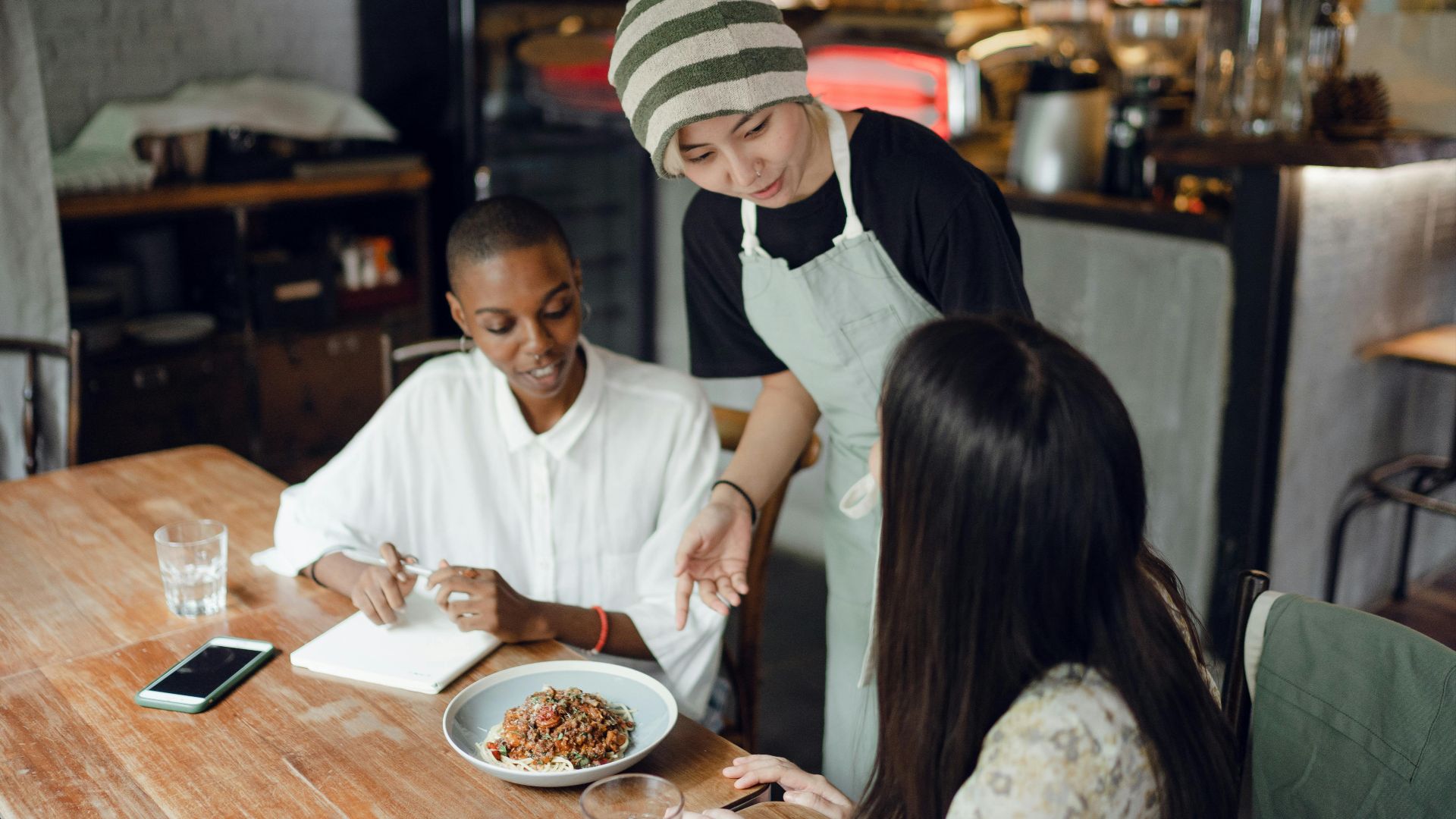
4. The Dread Of Separate Checks
Post-order requests for separate checks complicate billing, forcing waiters to manually divide items and payments under time pressure. Organizational skills are tested when servers must recall exact orders for each person without notes in group settings. Quick math turns into impromptu performance art to keep tables amused.
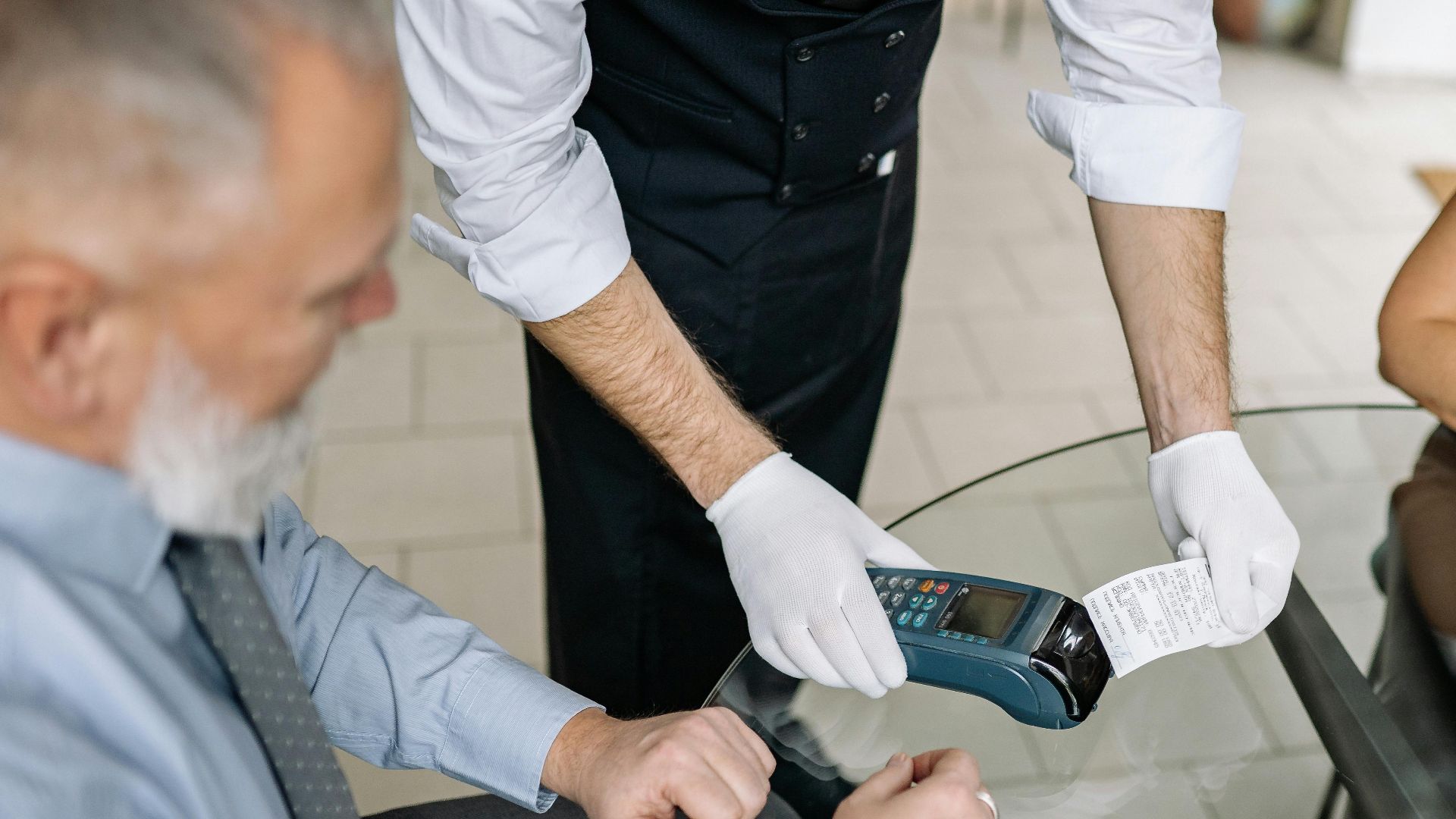
5. Spotting Campers From Miles Away
Waiters identify campers—diners who linger excessively—as those ordering minimal refills while occupying valuable tables for hours. Patterns like slow sipping or extended conversations post-meal help servers strategize polite nudges without seeming rude or pushy. Staff sometimes place light-hearted bets on longevity predictions.
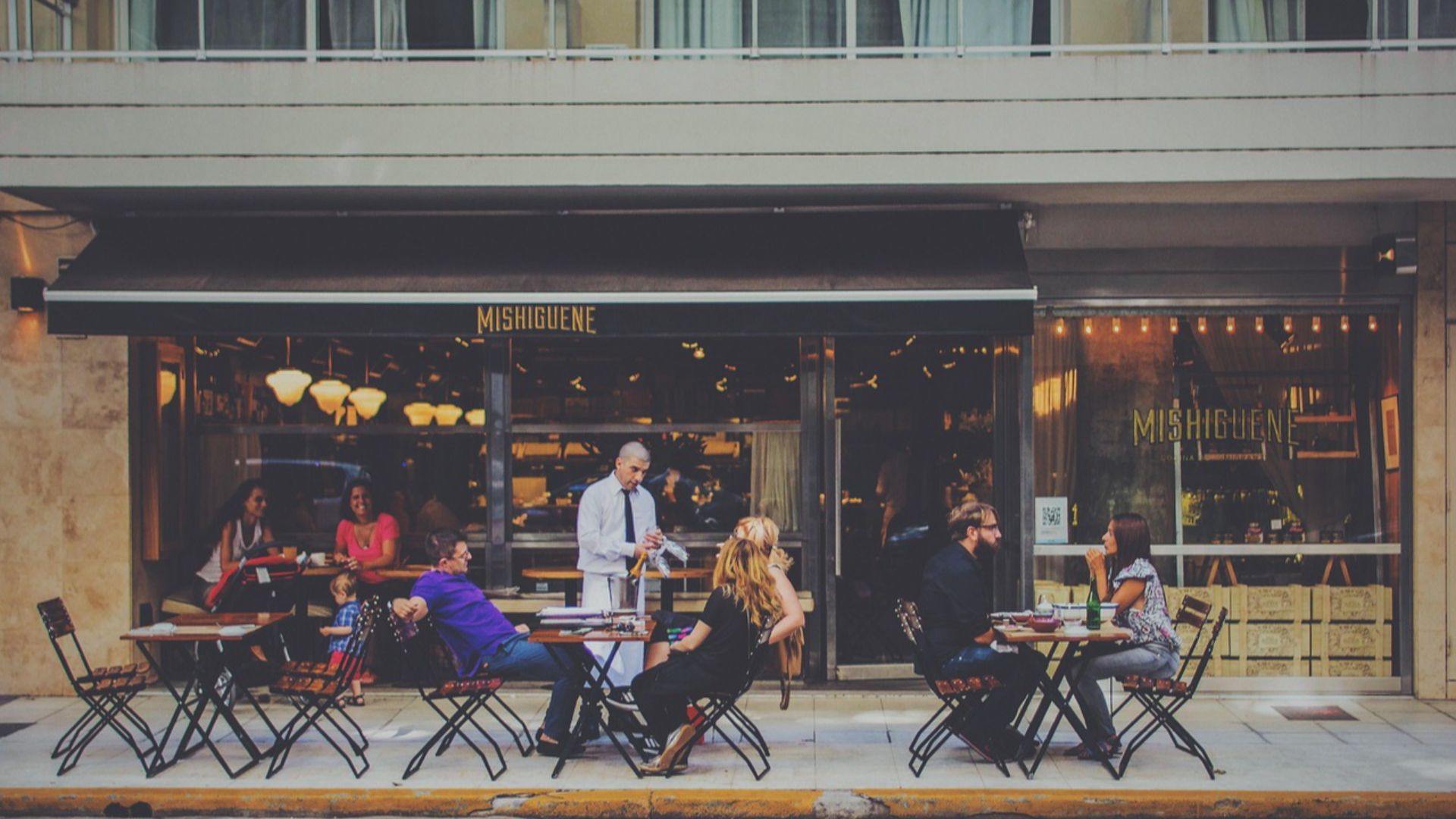
6. The Rush-Hour Adrenaline High
During peak rushes, waiters experience an adrenaline surge that sharpens focus for handling multiple tables efficiently. Coordinating orders, deliveries, and customer needs like a conductor prevents breakdowns in service flow amid chaos. Perfect timing creates euphoric flow states that veterans find surprisingly addictive.
 Marcus Queiroga Silva on Pexels
7. Decoding Customer Moods Instantly
Waiters assess body language, such as crossed arms or averted eyes, to gauge if customers prefer minimal interaction. Preemptive reading prevents service missteps, like over-engaging a hurried diner who just wants food quickly. Mood detection becomes a sharpening game over time for experienced servers.
8. The Pain Of Side Work
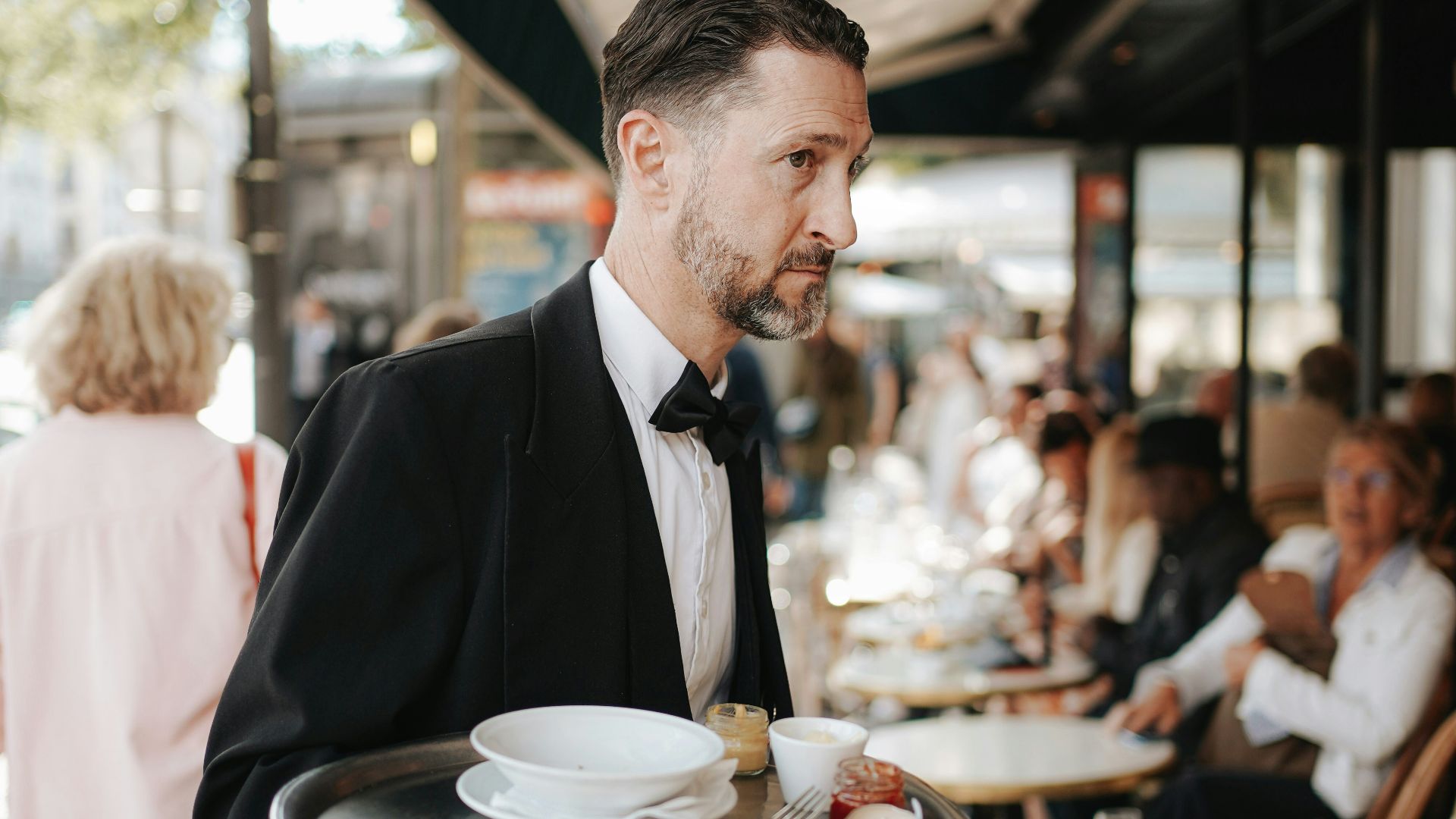
Side work, such as restocking condiments or cleaning stations, is often unpaid and performed after long shifts that drain every ounce of energy. Routines ensure readiness for the next day, but highlight unseen labor extending beyond customer-facing duties that everyone notices.
9. Tipping Etiquette Intuition
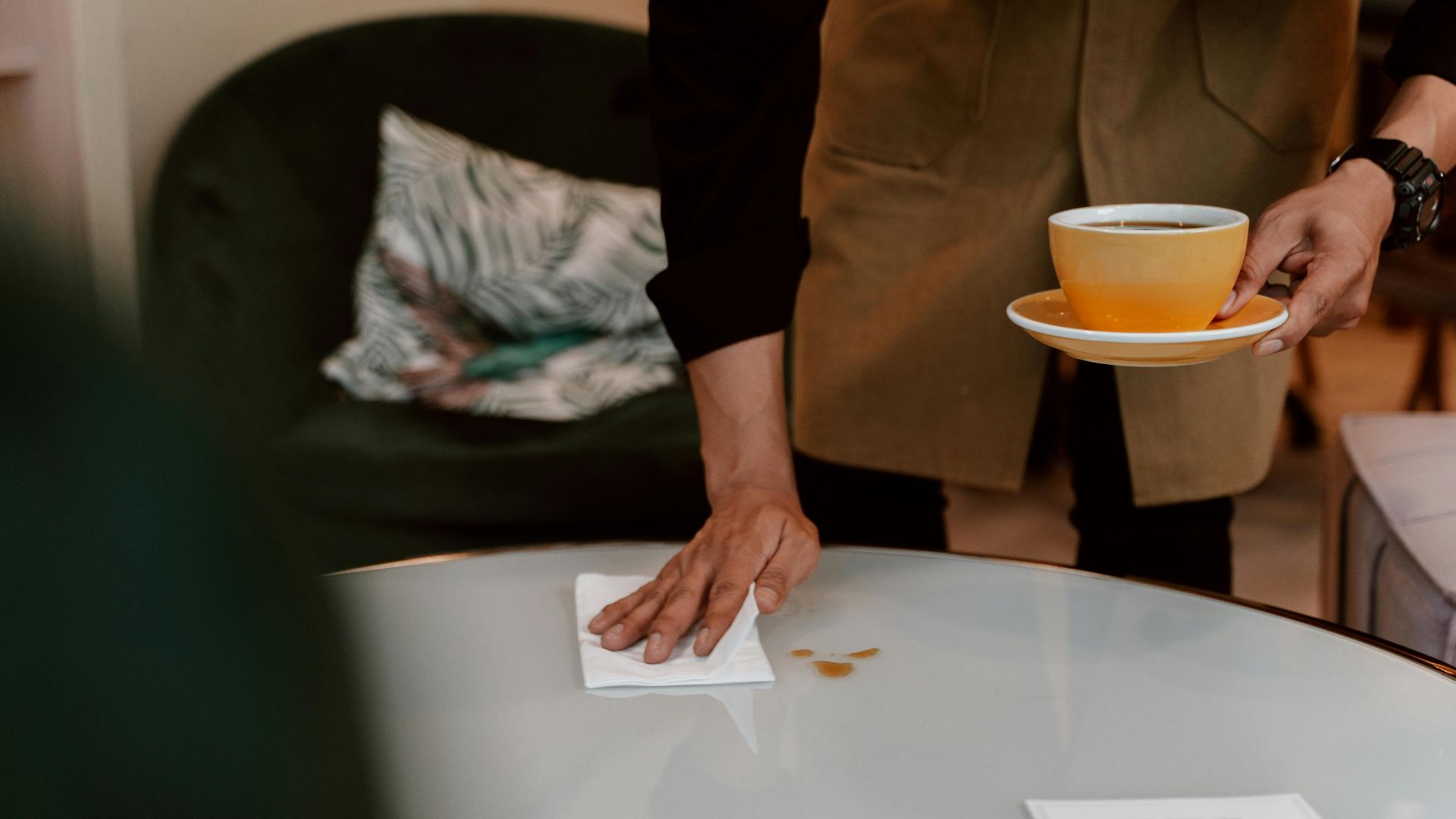
Servers intuitively evaluate tips based on bill size and service quality, recognizing patterns like fifteen to twenty percent as standard expectations. Cultural variations, like lower tipping abroad, affect how servers adapt their expectations in diverse settings completely.
10. Handling Kitchen Nightmares Gracefully
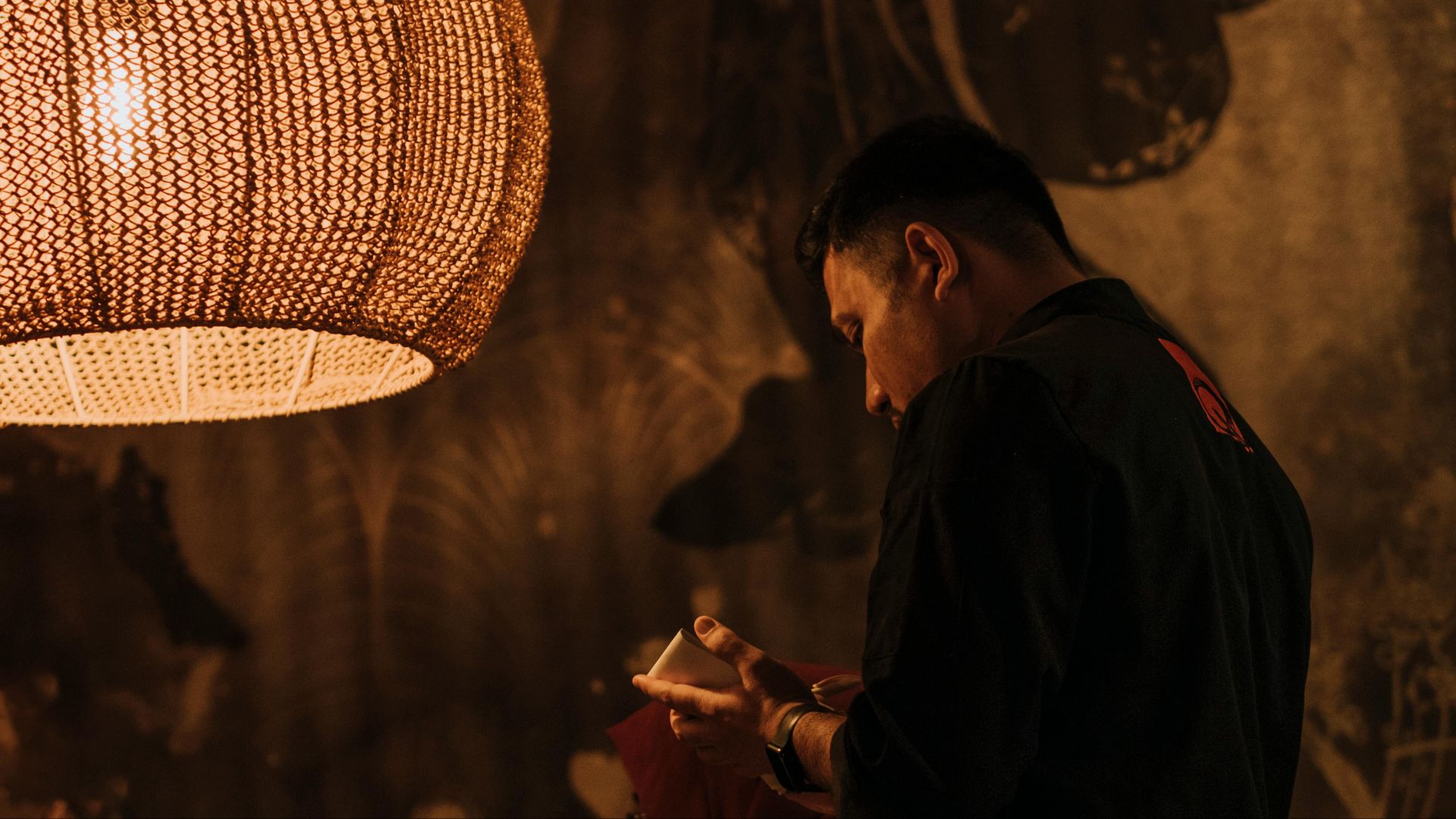
When kitchen errors occur, waiters apologize and offer solutions like comps while maintaining composure to preserve experiences for customers. Internal frustration management becomes essential as servers act as buffers between kitchen chaos and customers expecting perfection.
11. The Bond Over War Stories
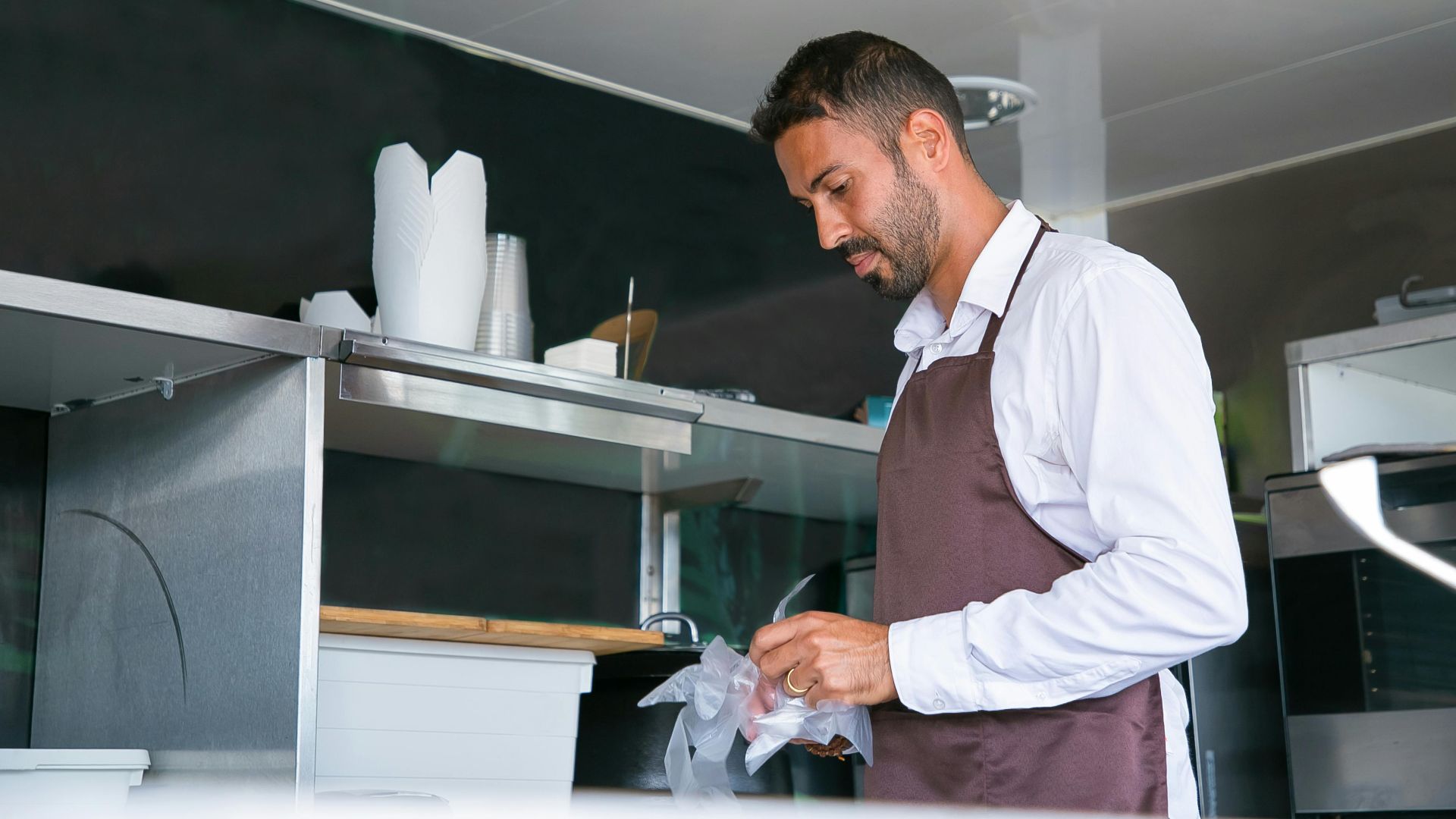
Waiters exchange anecdotes about odd requests in breaks to foster team solidarity amid shared adversities that outsiders rarely understand or appreciate. Bizarre demands reinforce group resilience through humor and mutual support that nobody else gets truly. Some compile mishaps into humorous lore.
12. Traversing The Allergy Minefield
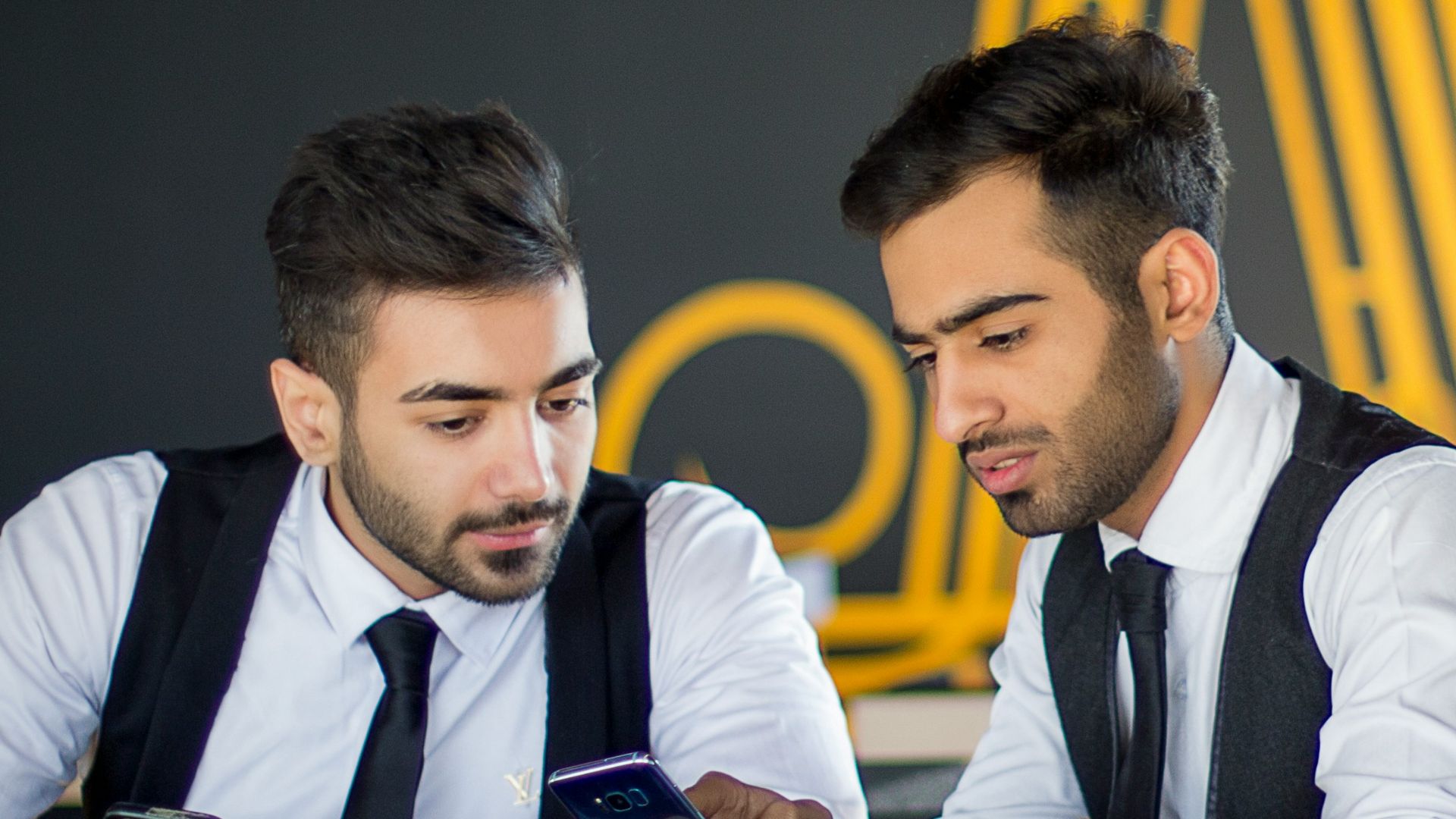
Those who serve in eateries meticulously verify allergies to avoid emergencies. They turn simple questions into detailed checks with the kitchen about every ingredient used. Knowledge of cross-contamination is vital to preventing health risks that could lead to lawsuits or worse consequences.
13. The Joy Of Perfect Upsells
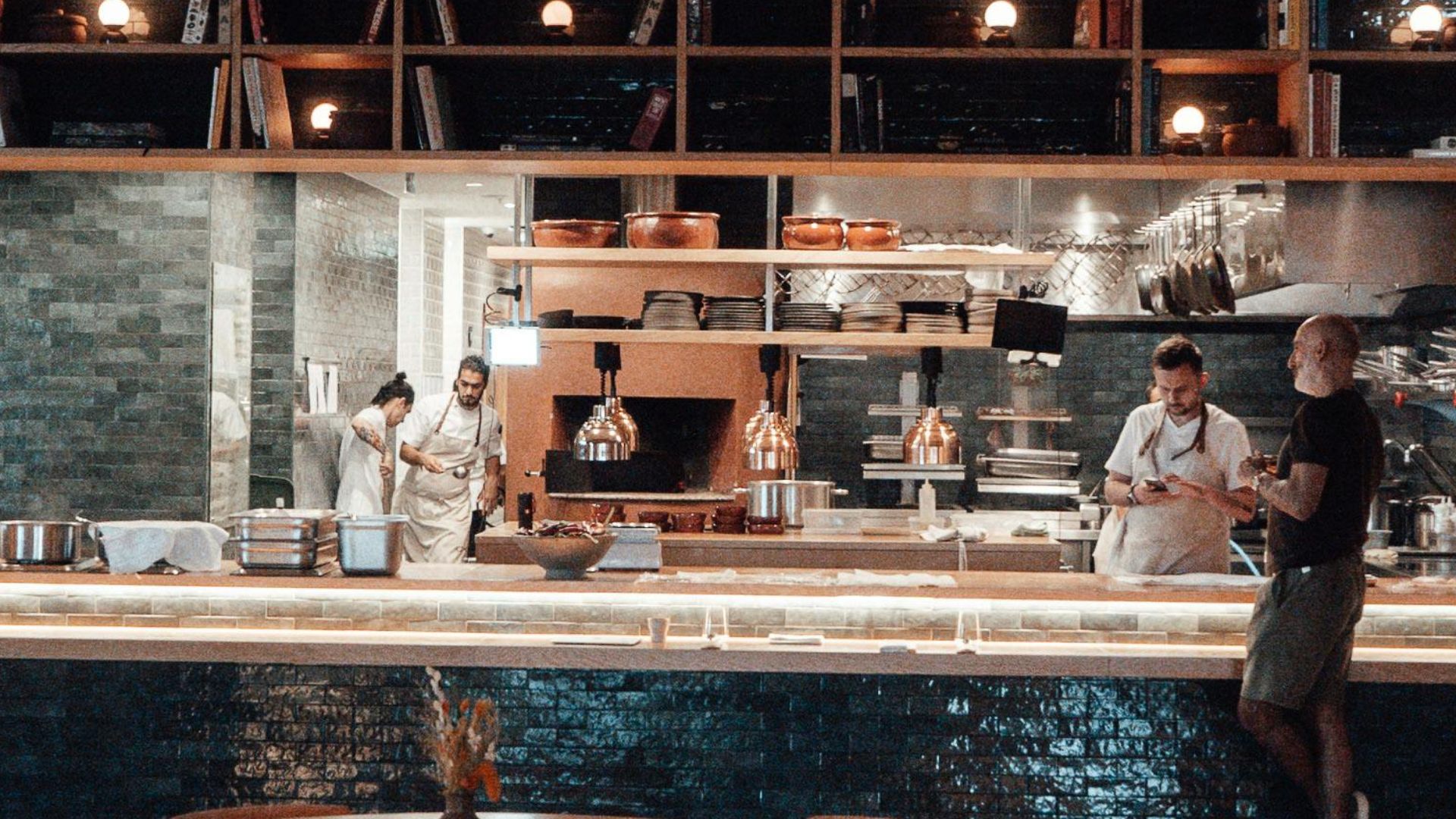
Upsells, which may include suggesting add-ons, increase bills subtly while directly boosting tips when executed naturally without pressure or desperation. Customer openness makes timing a key element, especially when diners appear undecided about their orders or desserts entirely at the moment.
14. Enduring Foot Pain Constantly
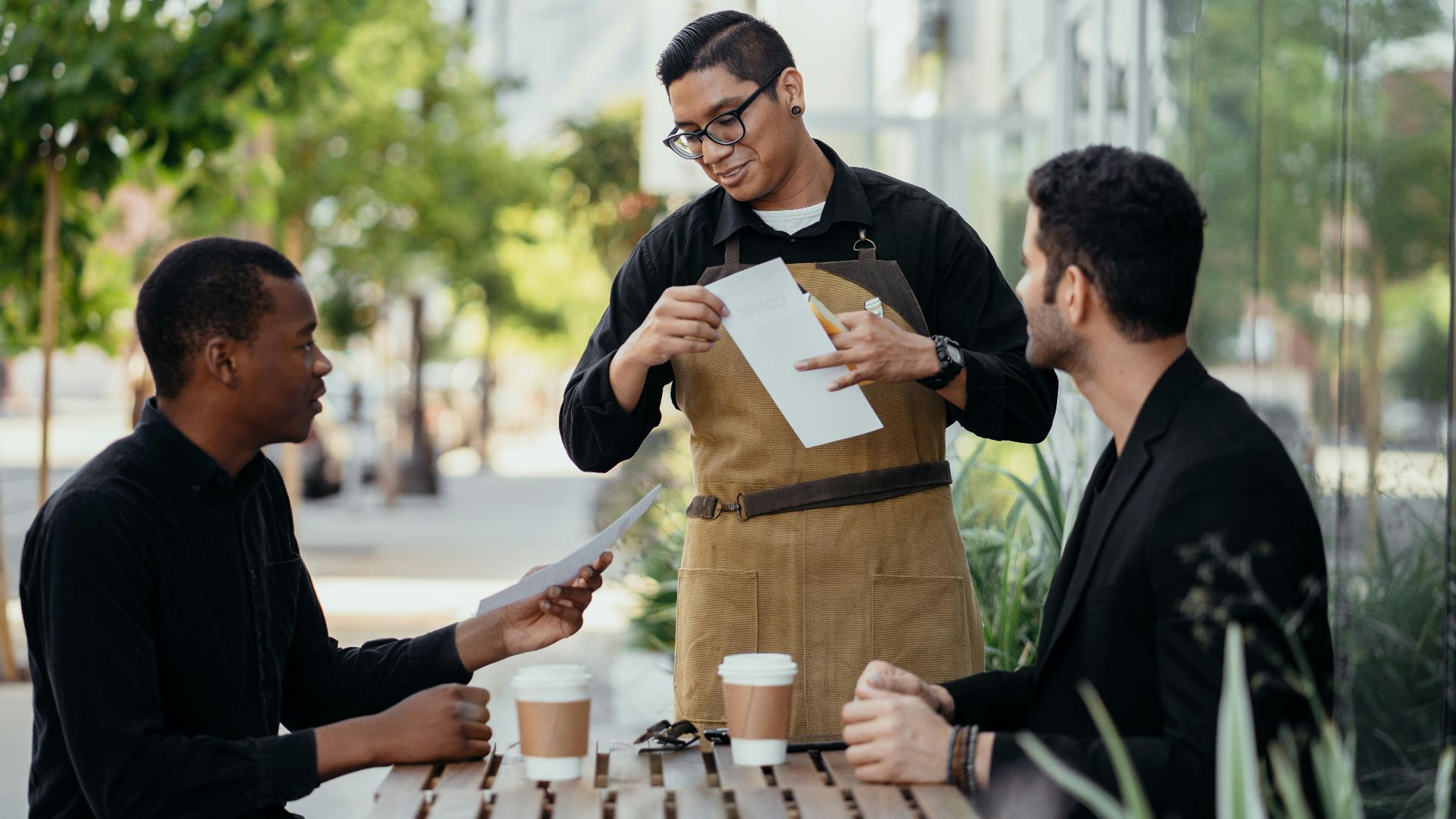
Prolonged standing in non-supportive shoes can cause chronic foot pain, a common physical toll that does not fully resolve over time. Endurance builds tolerance, but it also contributes to overall fatigue when working irregular schedules with 10-plus-hour shifts without breaks.
 ANTONI SHKRABA production on Pexels
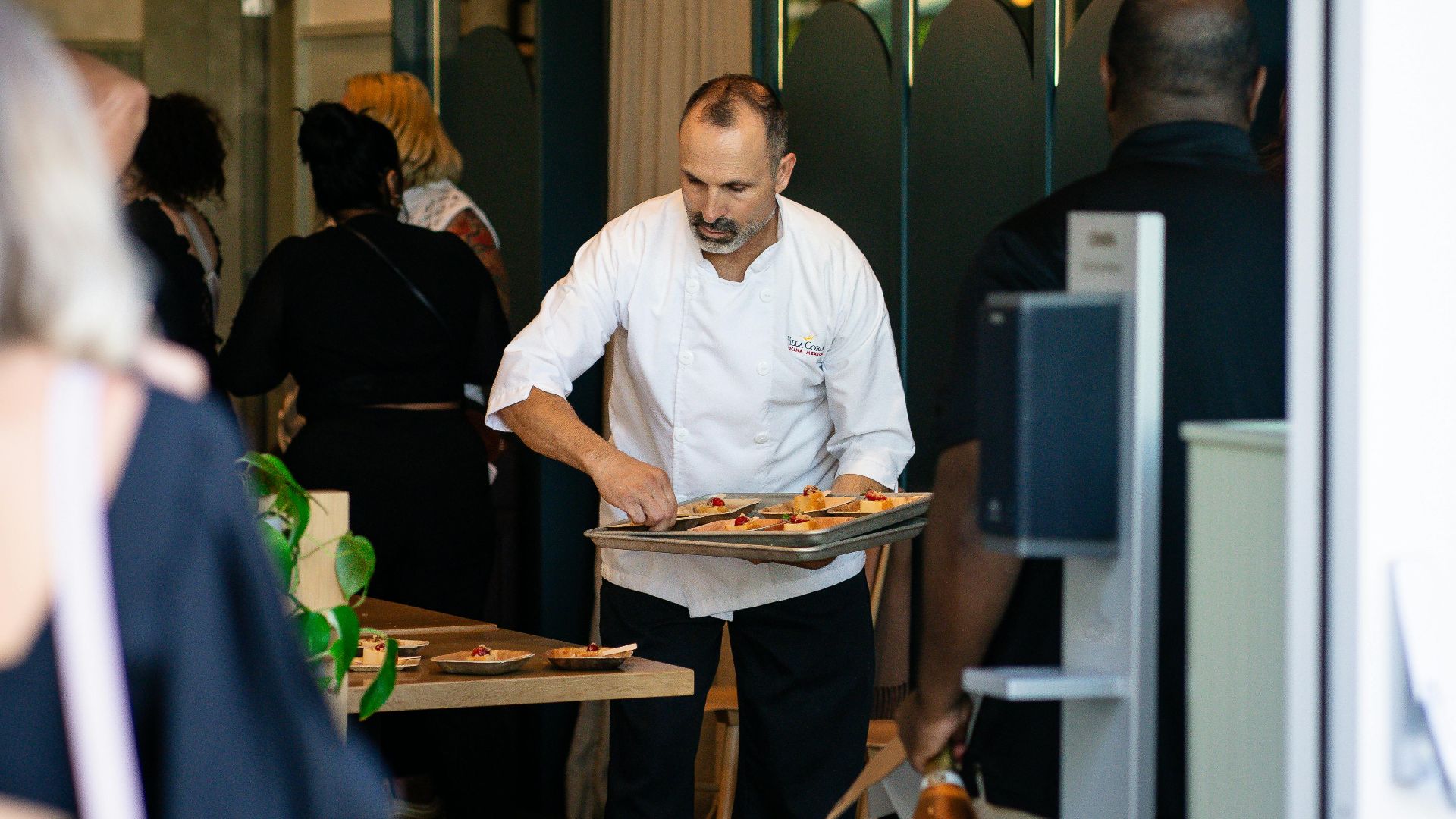
15. The Art Of Plate Balancing
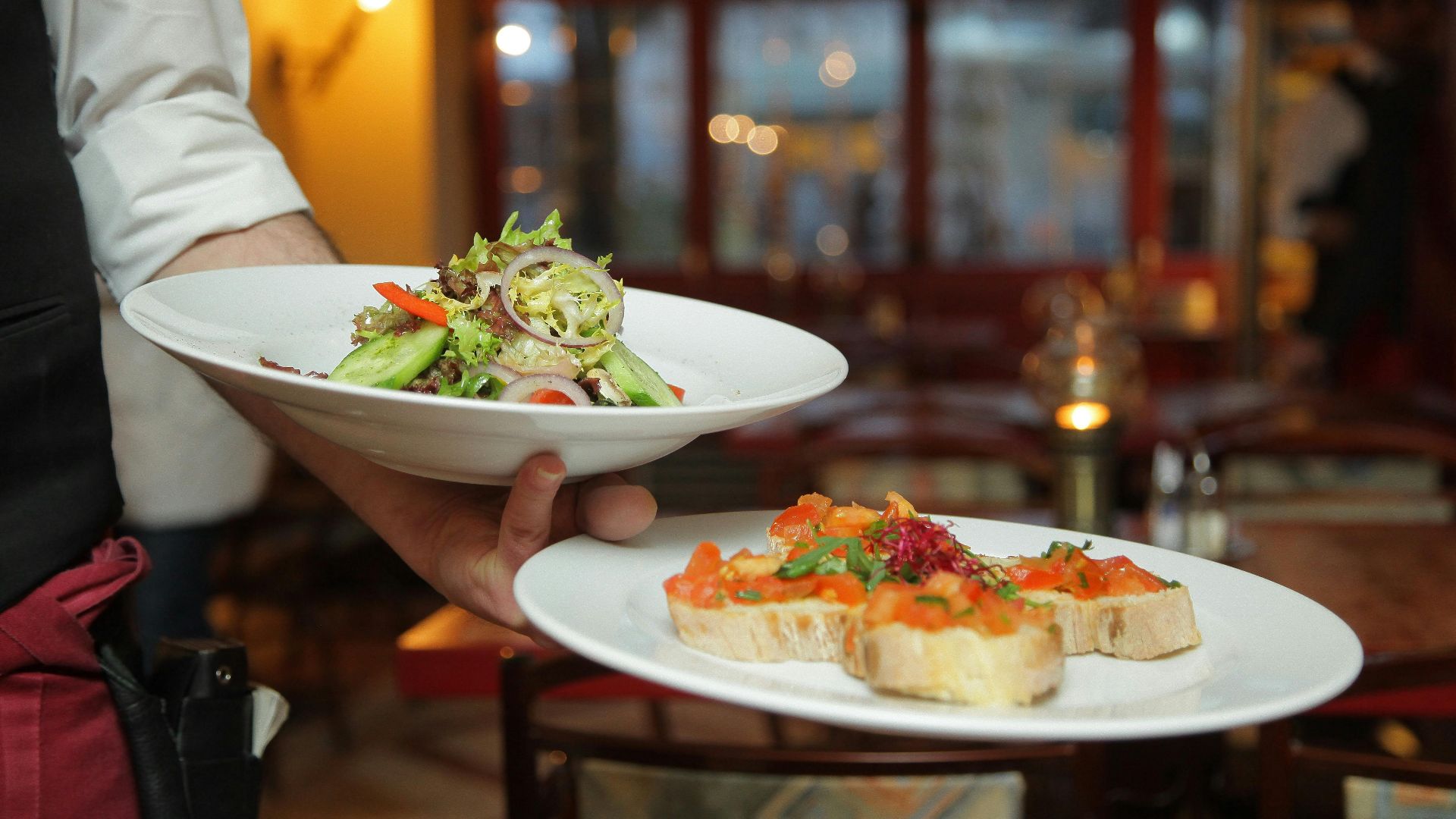
Balancing multiple plates requires muscle memory from repetition to reduce spills in busy services, where timing determines success. Hot food quality depends on timely deliveries, and this directly affects customer satisfaction and subsequent tips earned throughout shifts.
16. Dealing With Invisible Refill Requests
Whenever a guest has an empty glass or plate, a server appears from nowhere and picks it up. This happens because they proactively scan for empty items to anticipate needs and prevent interruptions that disrupt conversational flow at tables. Customers appreciate this.
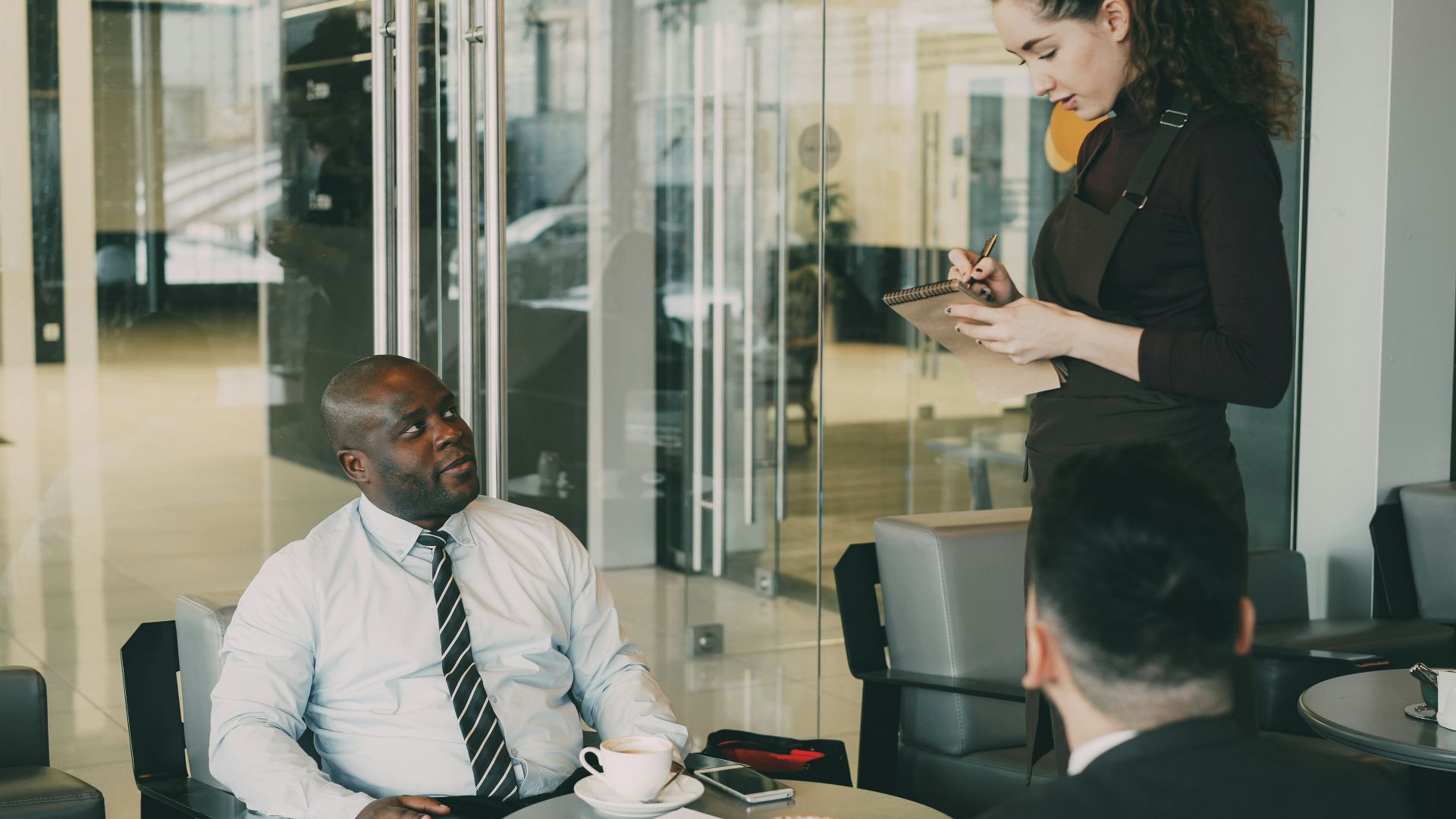
17. The Emotional Scheduling Rollercoaster
Schedules vary unpredictably, affecting income and work-life balance in ways that make planning personal lives nearly impossible to manage. Income instability is especially evident during slow seasons, when shifts are drastically reduced without warning or consideration for bills.

18. Recognizing Phony Compliments
Servers discern insincere praise as a prelude to complaints. Recognition helps prevent issues, allowing waiters to address concerns before they escalate into management complaints. Prediction accuracy improves with experience surprisingly quickly.

19. The Ritual Of Counting Tips
Counting tips provides immediate feedback on income and offers relief after grueling shifts that test every learned skill. These rituals underscore dependence on tipping and highlight income unpredictability, which often rests on factors beyond performance.
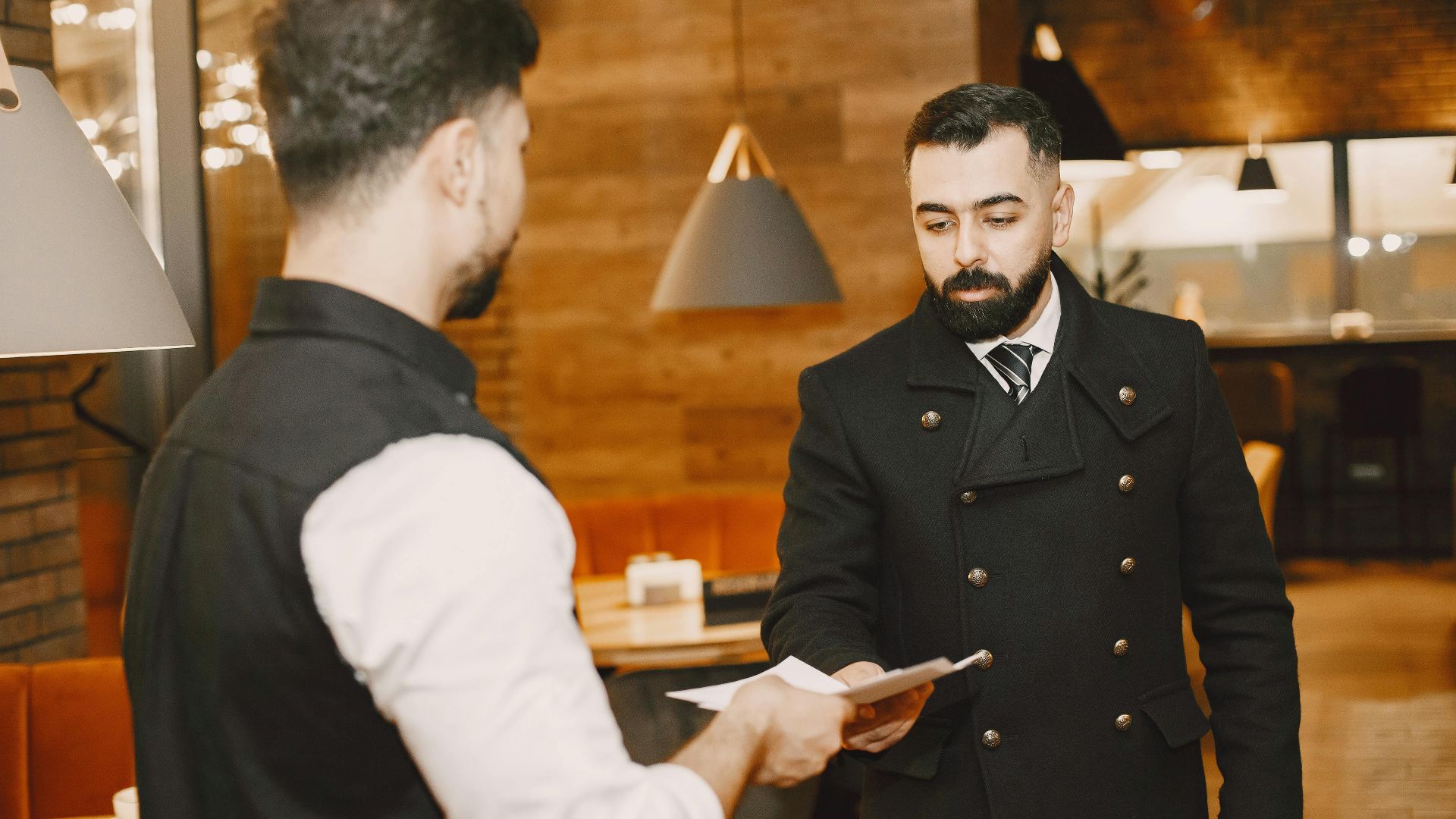
20. Managing Table Hoggers Diplomatically
Polite phrases nudge lingerers to leave because it balances courtesy with turnover needs during busy periods. Diplomacy prevents rudeness by maintaining revenue flow. Prolonged stays significantly reduce the number of possible seatings each hour.
KEEP ON READING

The Most Popular Signature Dishes Around the World