Kitchen Grievances, Unfiltered
A restaurant kitchen runs on rhythm, and that rhythm is fragile. One small interruption can shift how an entire service unfolds, even though the dining room never notices. The moments that cause the most friction usually seem harmless at first. This list looks at those quiet pressure points and why they matter more than people expect. Read with a curious eye, then see how different the experience feels the next time you place an order.
1. Customers Who Request Well Done Steaks
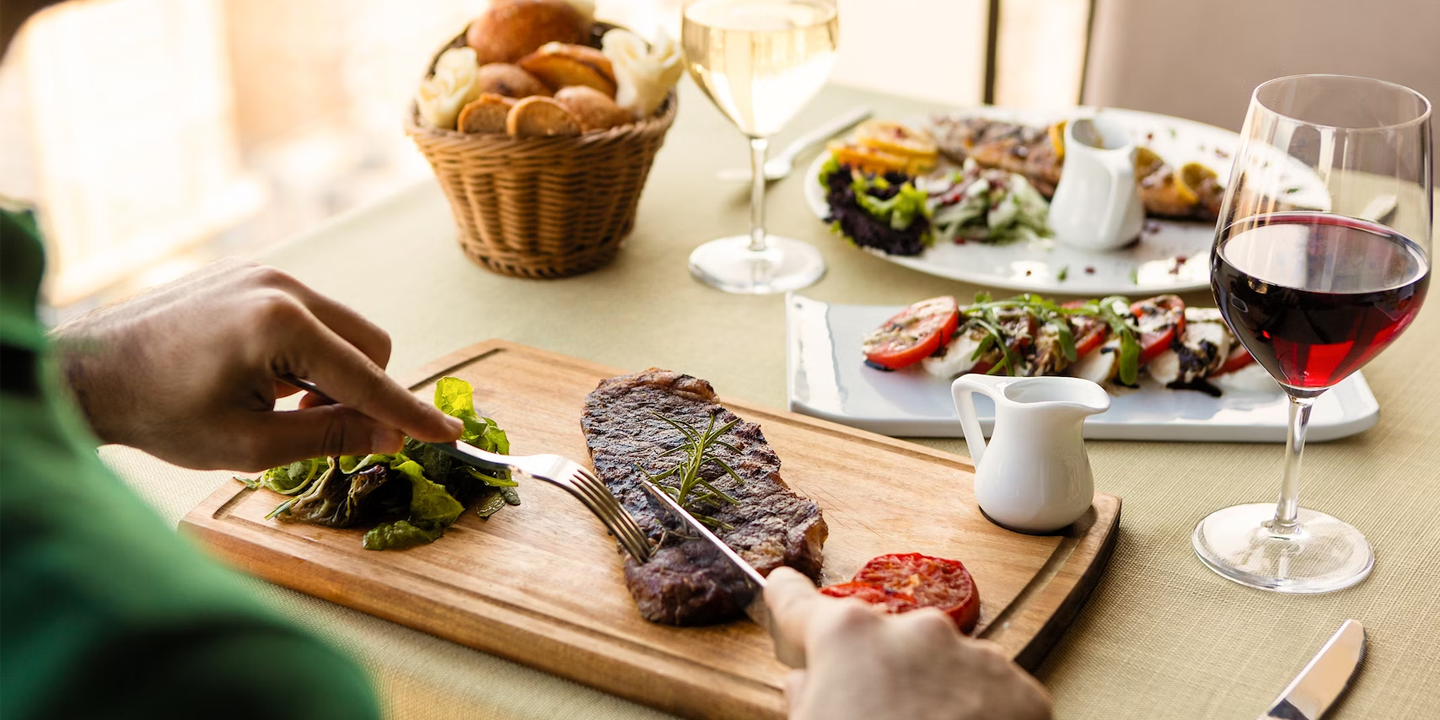
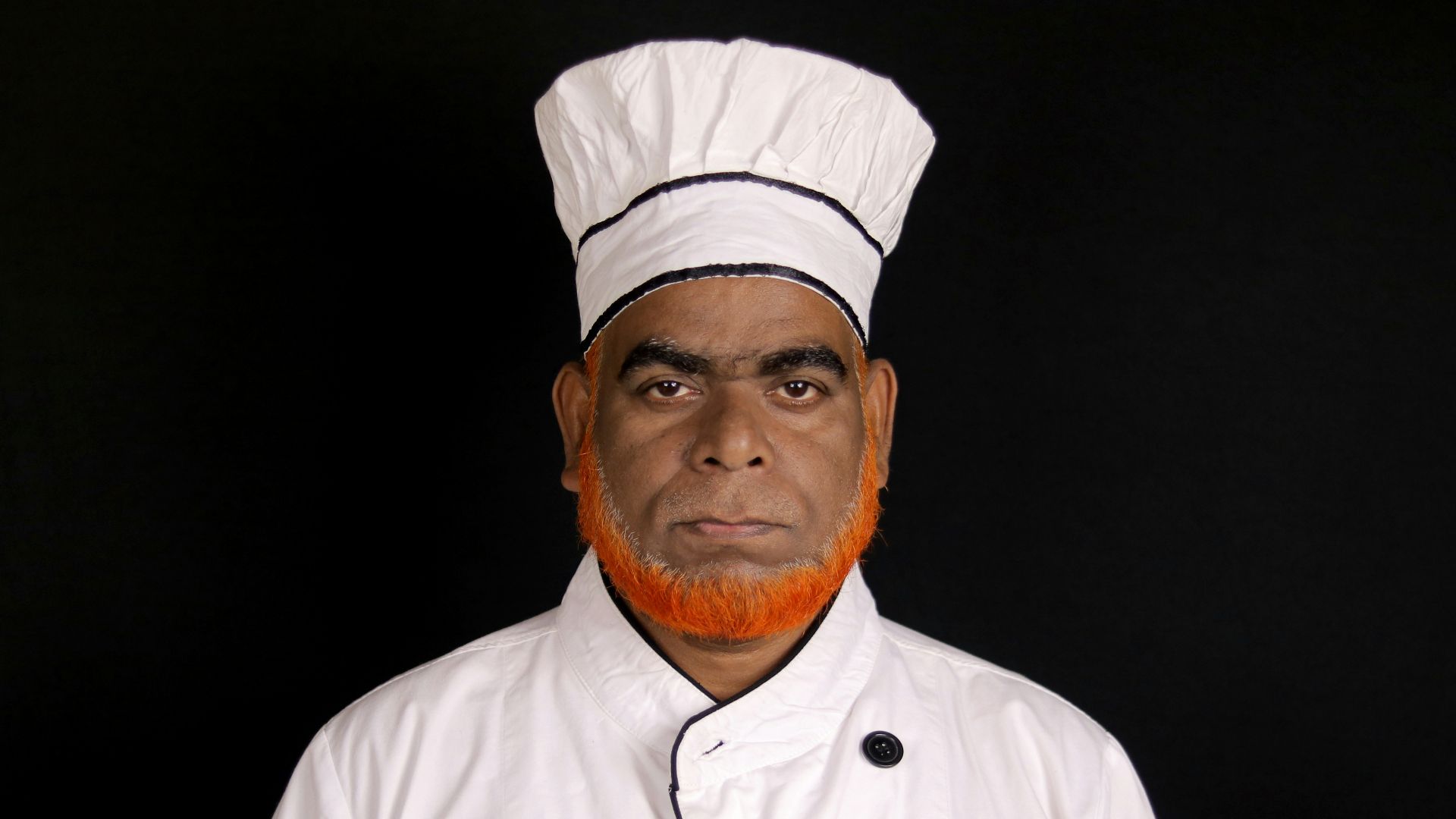
Well done steaks linger on the grill longer than most orders, and that delay changes how a kitchen moves. Flavor fades under sustained heat, while surrounding tickets slow. What seems like a simple preference at the table quietly reshapes service behind the line.
 Hybrid Storytellers on Unsplash
2. Dull Kitchen Knives
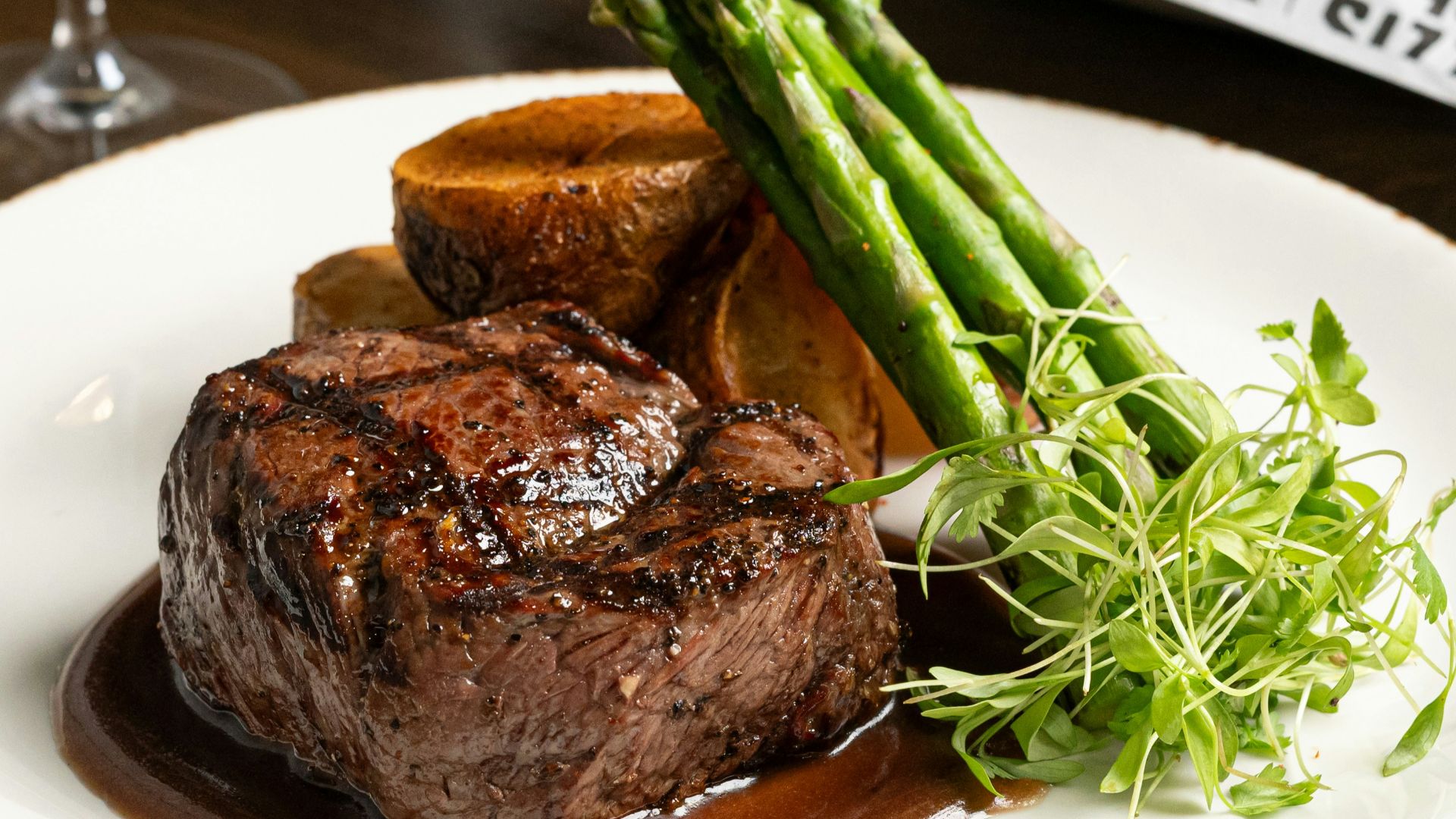
Prep begins to suffer before anyone mentions safety. Cuts lose precision, ingredients bruise, and hands work harder to compensate. And as the pace drops, pressure rises across stations. Sharp knives protect more than fingers. They preserve control and momentum during demanding prep windows.
3. Servers Who Do Not Communicate Dietary Restrictions
Late allergy information interrupts service already in motion. Prepped components get discarded, new precautions take over, and attention shifts abruptly. Kitchens, therefore, depend on early clarity because once cooking starts, changes travel fast and rarely stay contained to one plate.
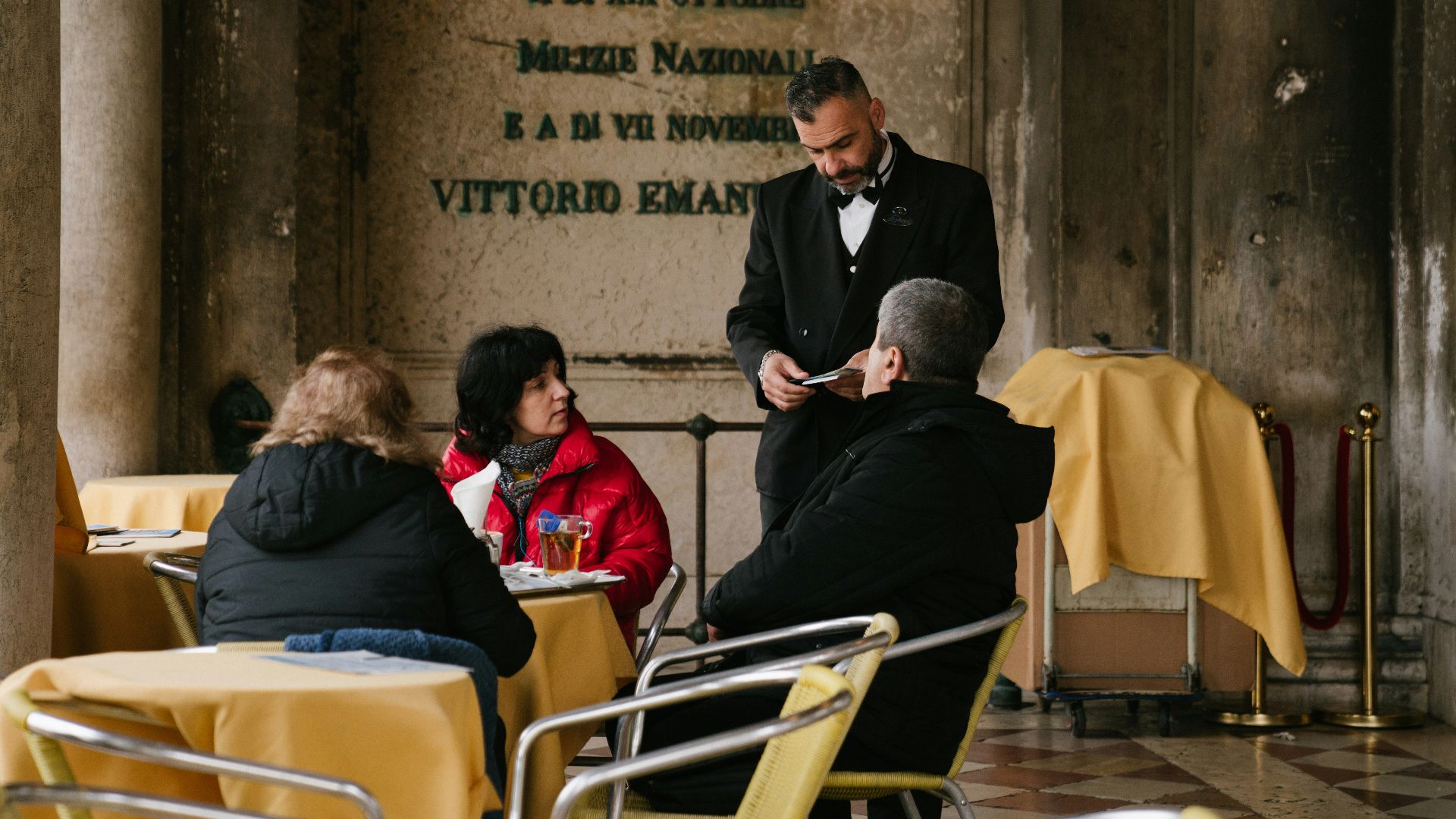
4. Home Cooks Who Claim Restaurant Dishes Are Easy
Restaurant food often looks effortless because repetition hides labor. Decisions also happen automatically after years of refinement. So, hearing a dish called easy lands poorly after long shifts, especially when consistency still demands constant awareness from the line.
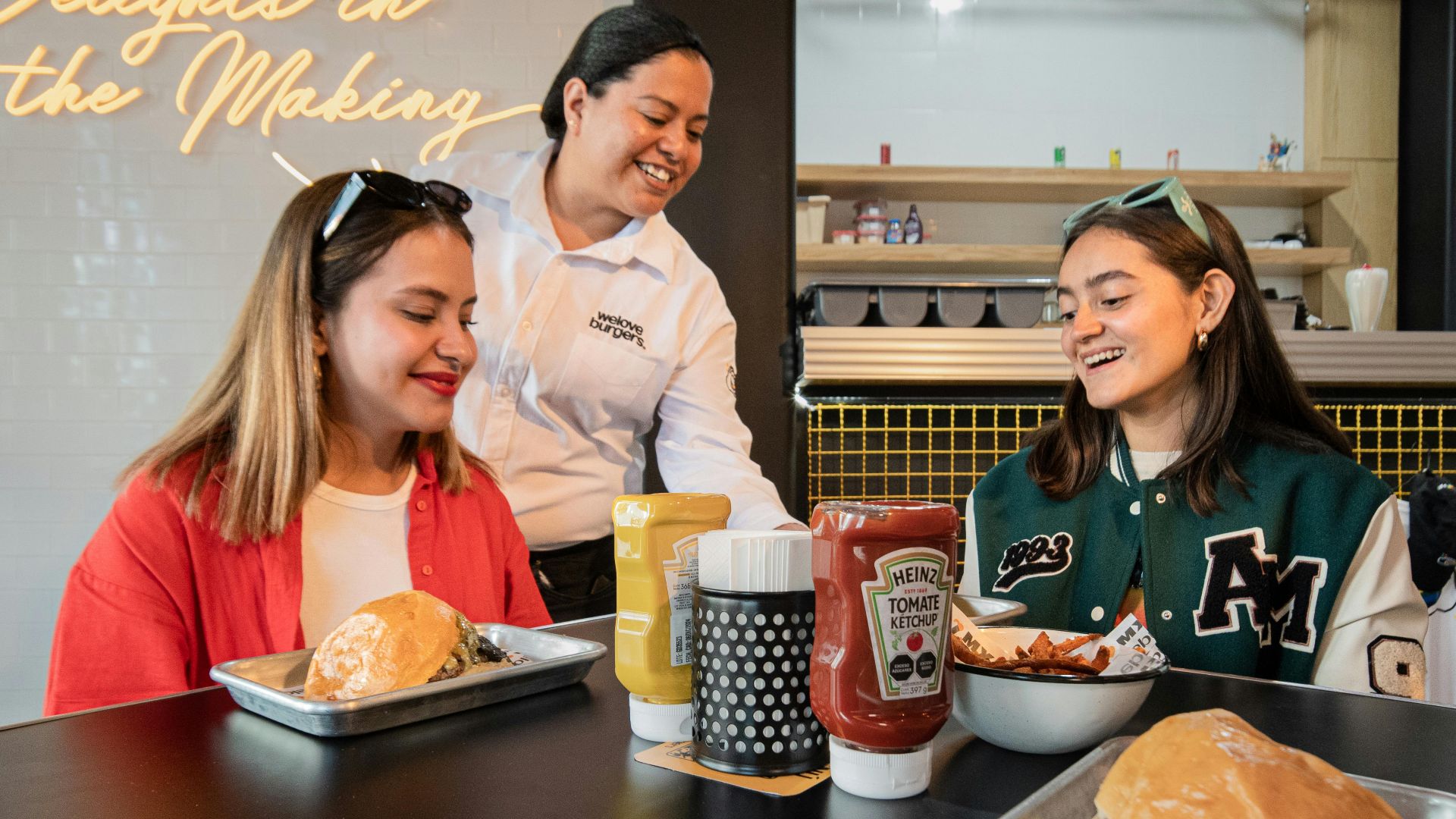
5. Kitchen Staff Who Do Not Clean As They Go
Mess rarely feels urgent at first. During service, though, clutter limits movement and breaks concentration. The cost shows up later as fatigue and longer cleanup. Thus, maintaining order in real time keeps the kitchen stable when energy starts running thin.
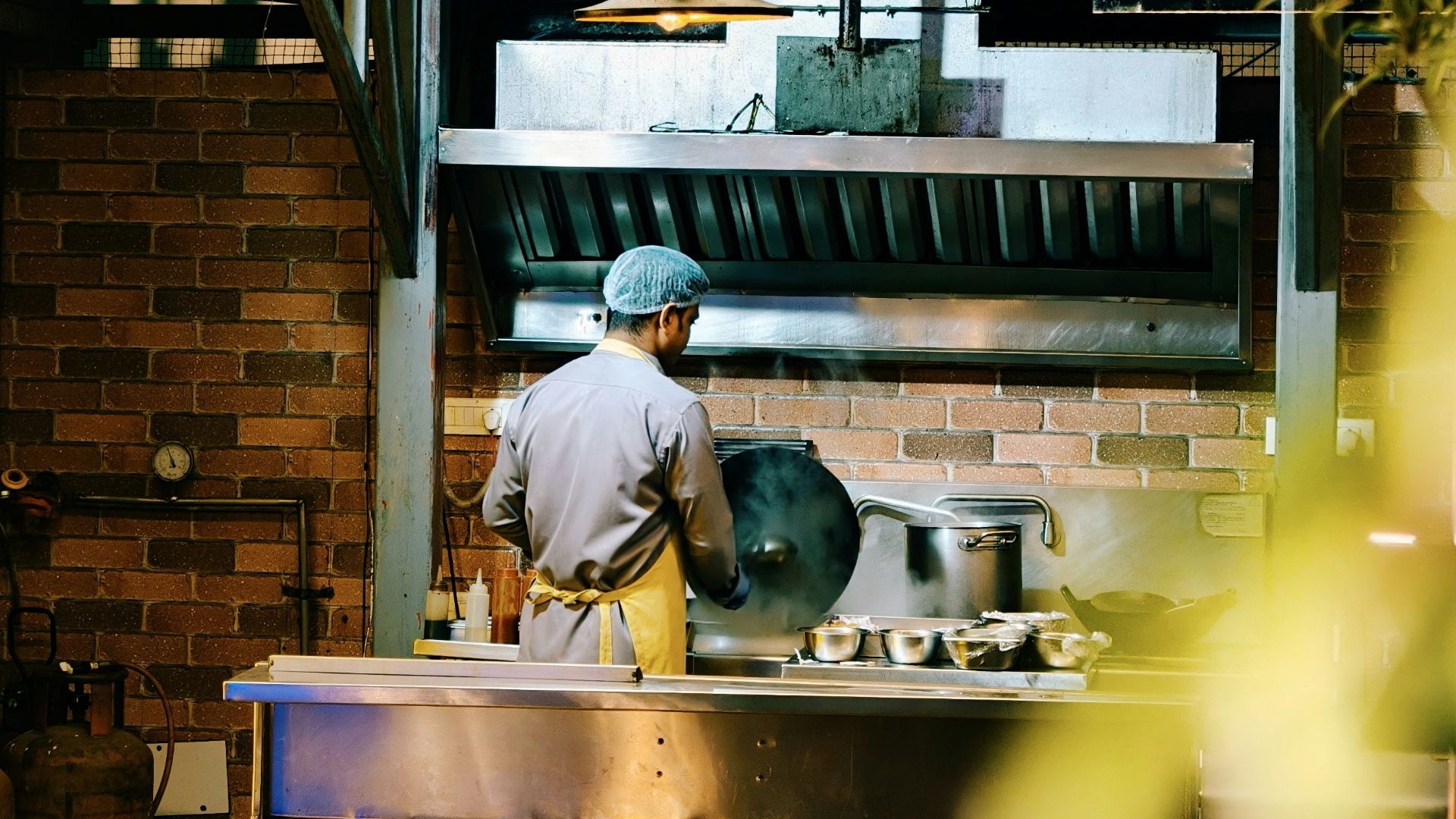
6. Customers Who Ask For Substitutions On Tasting Menus
Tasting menus are planned long before service begins, with pacing and portions tightly aligned. By the time guests sit down, ingredients are already committed. A substitution might sound minor, yet it interrupts sequencing and wastes prep built around a specific progression.

7. Food Waste From Over-Prepping
Over-prepping rarely feels like a mistake until later. Extra portions often sit untouched, then quietly pass their peak. By the end of the night, bins tell the story. In busy kitchens, waste also reflects forecasting gaps rather than carelessness or excess ambition.
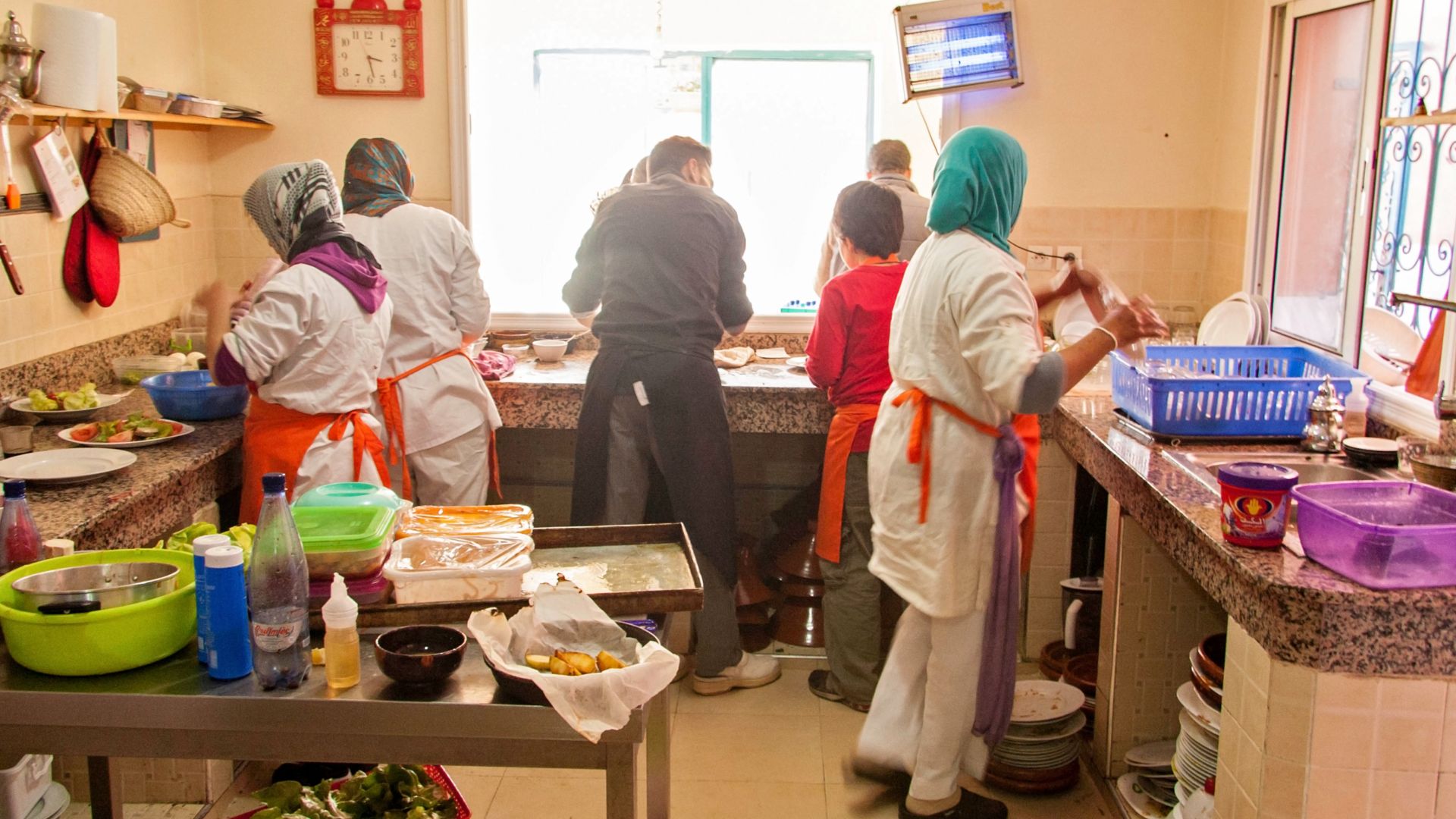
8. Diners Who Send Back Properly Cooked Food
When a plate returns despite being cooked correctly, the disruption spreads beyond that table. Attention shifts, timing slips, and ingredients get used again. The frustration comes from knowing execution was solid, while preference quietly rewrites the flow mid-service.
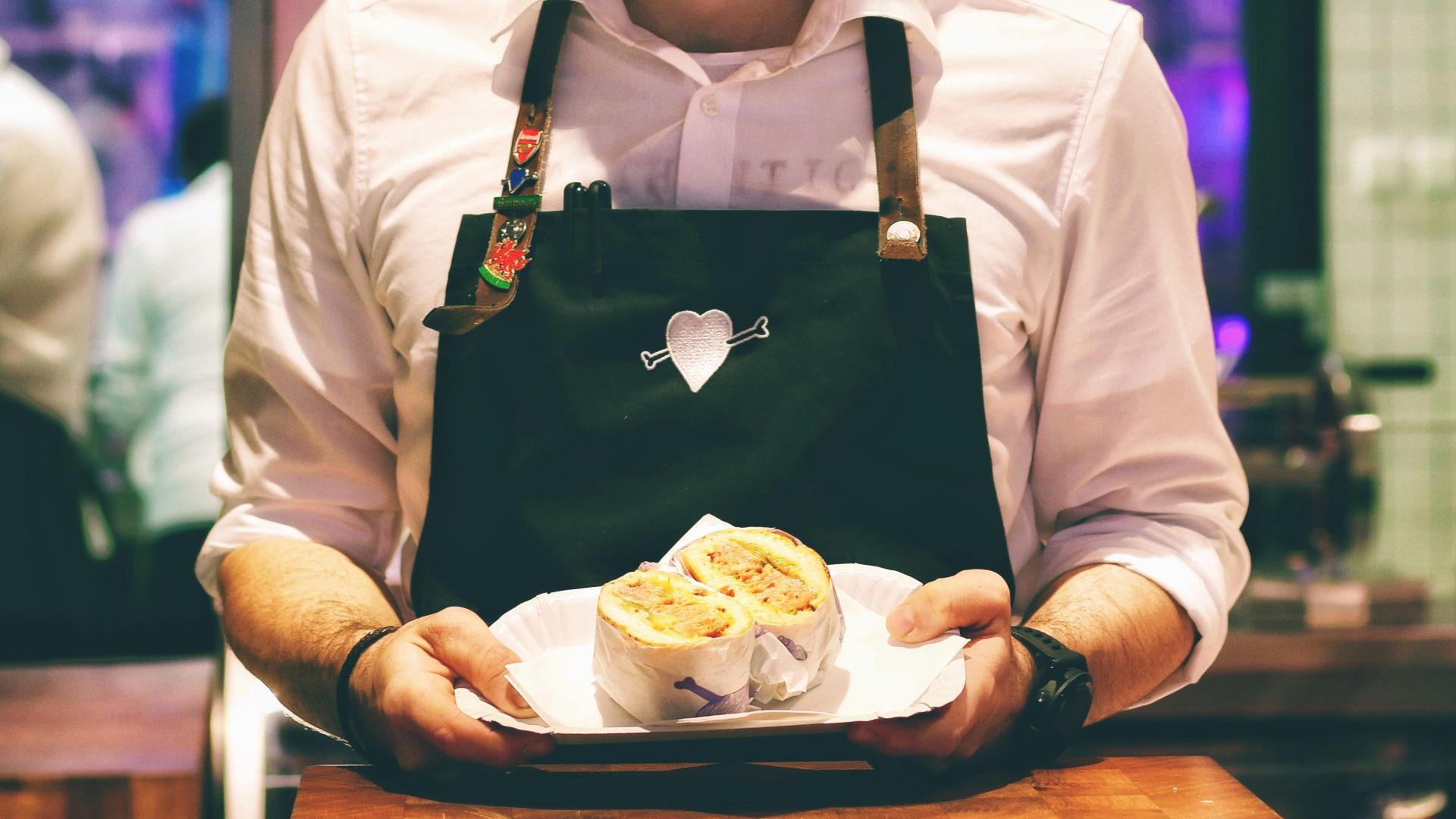
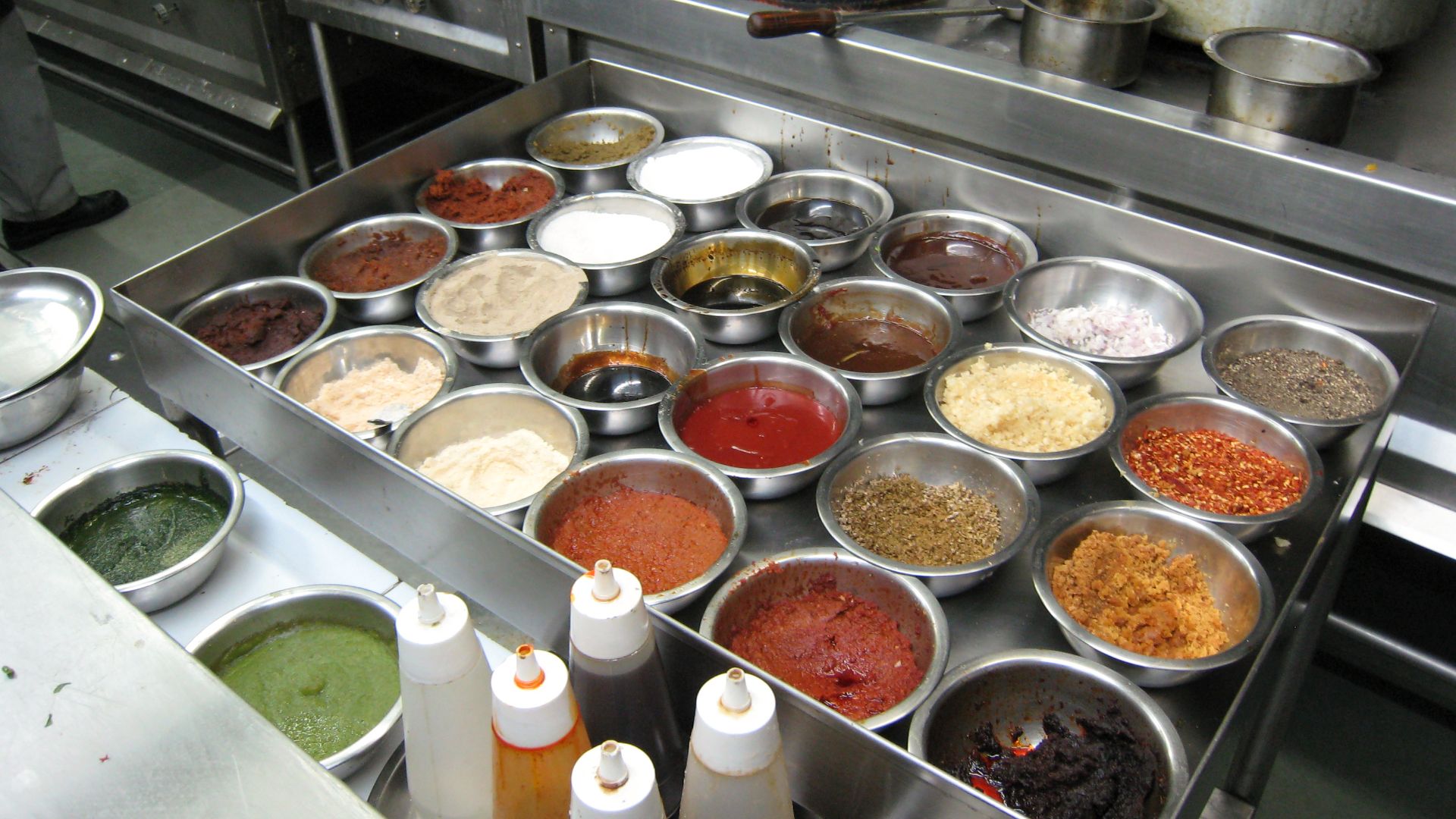
9. Line Cooks Who Ignore Mise En Place
A station without preparation exposes itself quickly once tickets start rolling. Small delays turn into searching, which pulls focus away from cooking. Pressure also builds fast. Contrastingly, mise en place (having everything prepped in place) creates calm before chaos, allowing cooks to respond instead of constantly recovering.
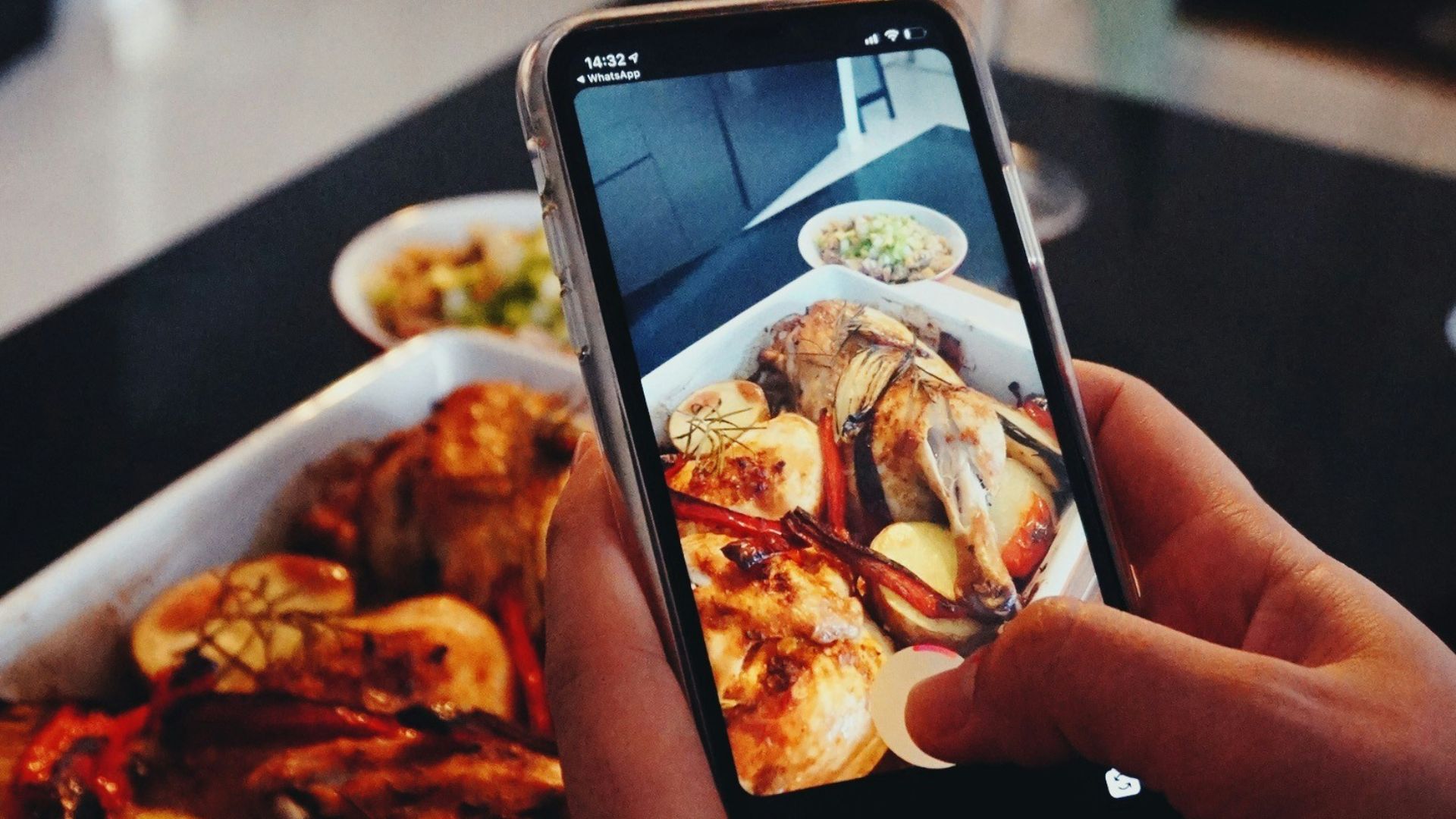
10. Customers Who Use Flash Photography
Flash photography breaks concentration more than ambiance. The sudden light hits cooks working close to the heat, then repeats across the room. Service slows as moments get staged. Turns out, what feels brief to diners lingers longer in a kitchen already balancing speed and safety.
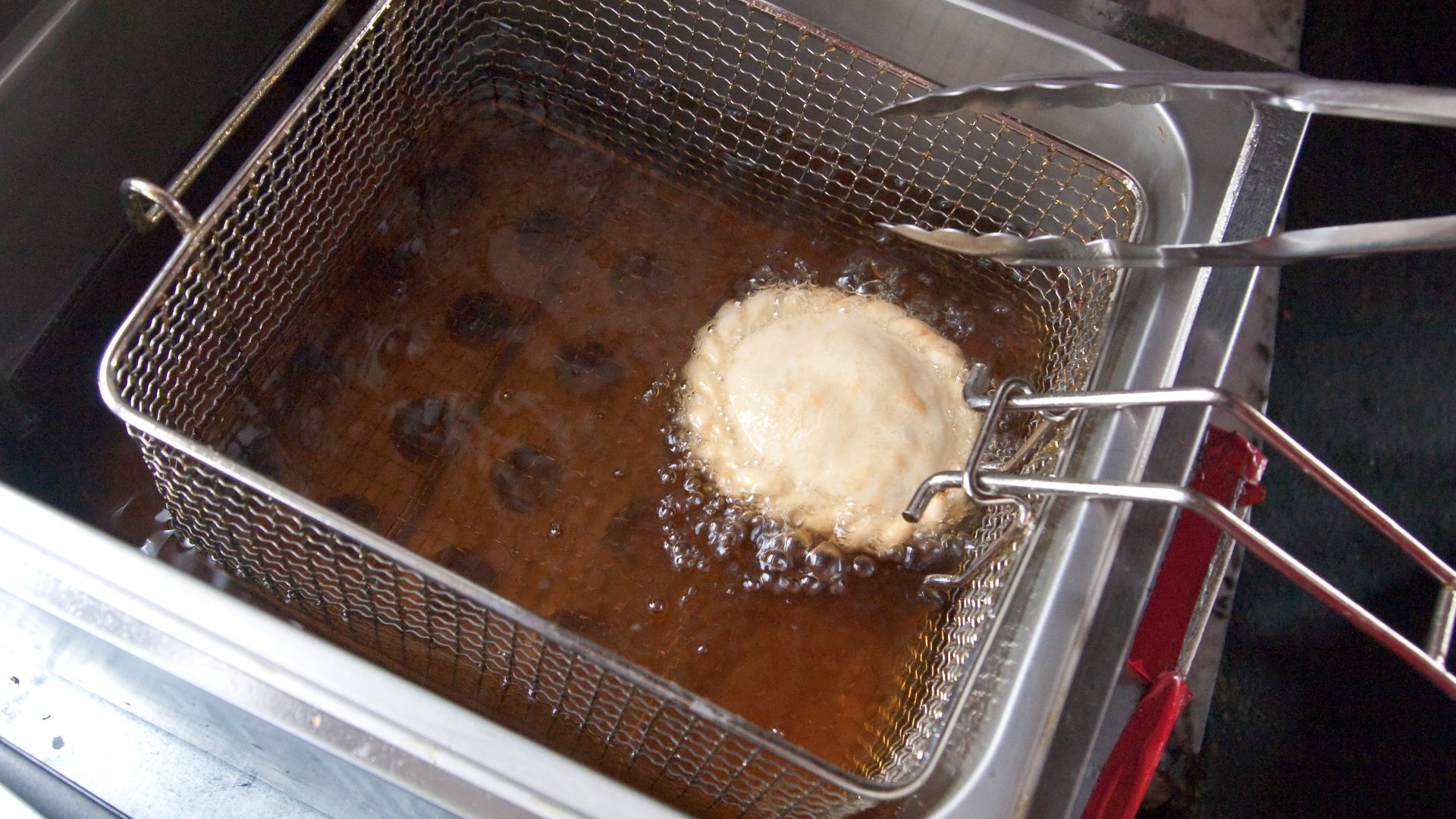
11. Unreliable Equipment During Dinner Rush
Everything feels fine until it suddenly isn’t. A fryer drops temperature, an oven stalls, and plans collapse mid-service. Workarounds follow fast, usually improvised. The stress comes from knowing consistency slips while guests still expect the same plate every time.
 Vyacheslav Argenberg on Wikimedia
12. Food Critics With No Culinary Training
Some critiques focus on taste alone, missing technique entirely. Effort also disappears behind opinion. For chefs, that disconnects stings because execution matters even when flavors stay subtle. Feedback hits harder in moments where judgment ignores the effort behind the plate.

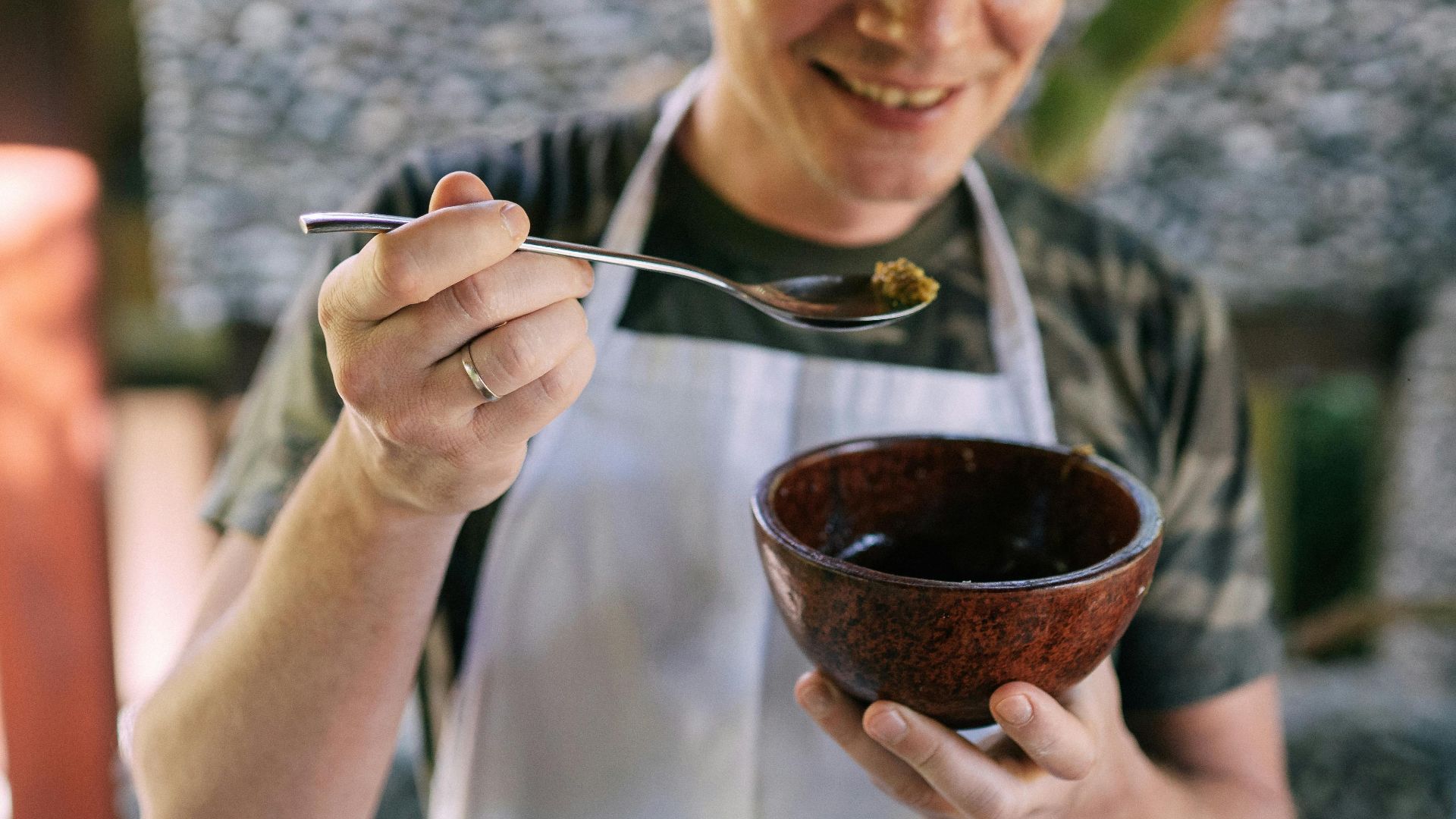
13. Staff Who Taste Food With the Same Spoon Repeatedly
Tasting should sharpen dishes, not create risk. Reused spoons spread bacteria and allergens without warning. In shared kitchens, trust breaks fast when hygiene slips. Proper tasting habits protect everyone, especially during long shifts when shortcuts feel tempting.
14. Customers Who Claim Food Allergies But Mean Preferences
Every allergy call triggers a shift in focus. Tools change, surfaces reset, and time stretches. When the claim turns out casual, frustration follows quietly. Real allergies need that seriousness, and false ones make kitchens tense instead of prepared.
 ANTONI SHKRABA production on Pexels
15. Vendors Who Deliver Subpar Ingredients
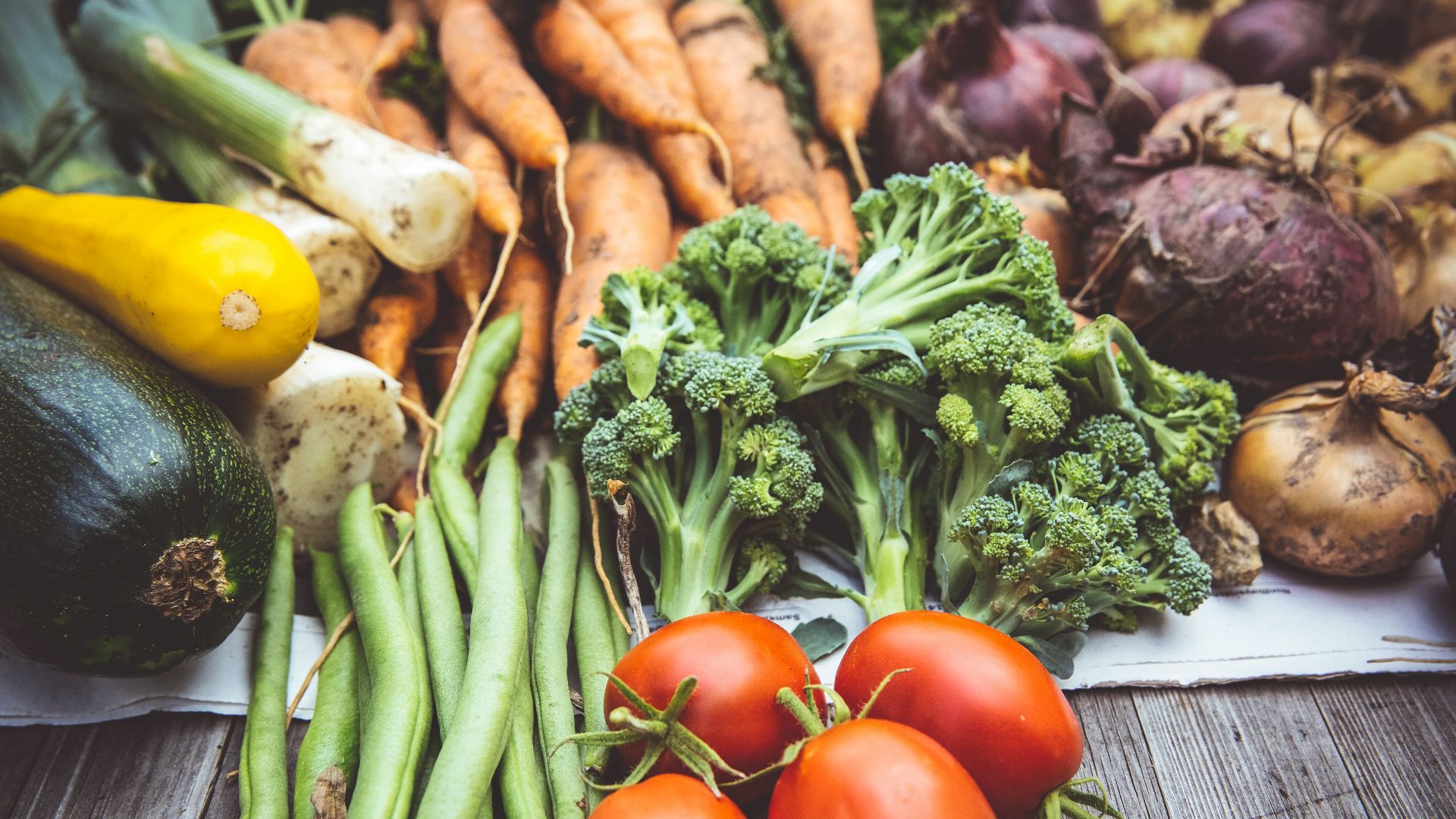
The delivery arrives early, and optimism holds for a moment. Then the boxes open to limp greens and dull colors. Plans shift without ceremony. What stays behind is irritation, rooted in trust that was given and now has to be repaired mid-service.
16. Social Media Influencers Demanding Free Meals
The request often arrives before the greeting. Promotion gets promised, value stays vague, and pressure builds quietly. For restaurants running on thin margins, the frustration comes from being asked to gamble time and labor on exposure that may never translate.

17. Kitchen Staff Who Do Not Call Out Behind Or Hot
Silence becomes dangerous fast in tight spaces. A missed call turns routine movement into risk, especially near open flames or sharp tools. Trust erodes when verbal cues disappear, because everyone relies on sound as much as sight to stay safe.
18. Diners Who Order Off-Menu Items
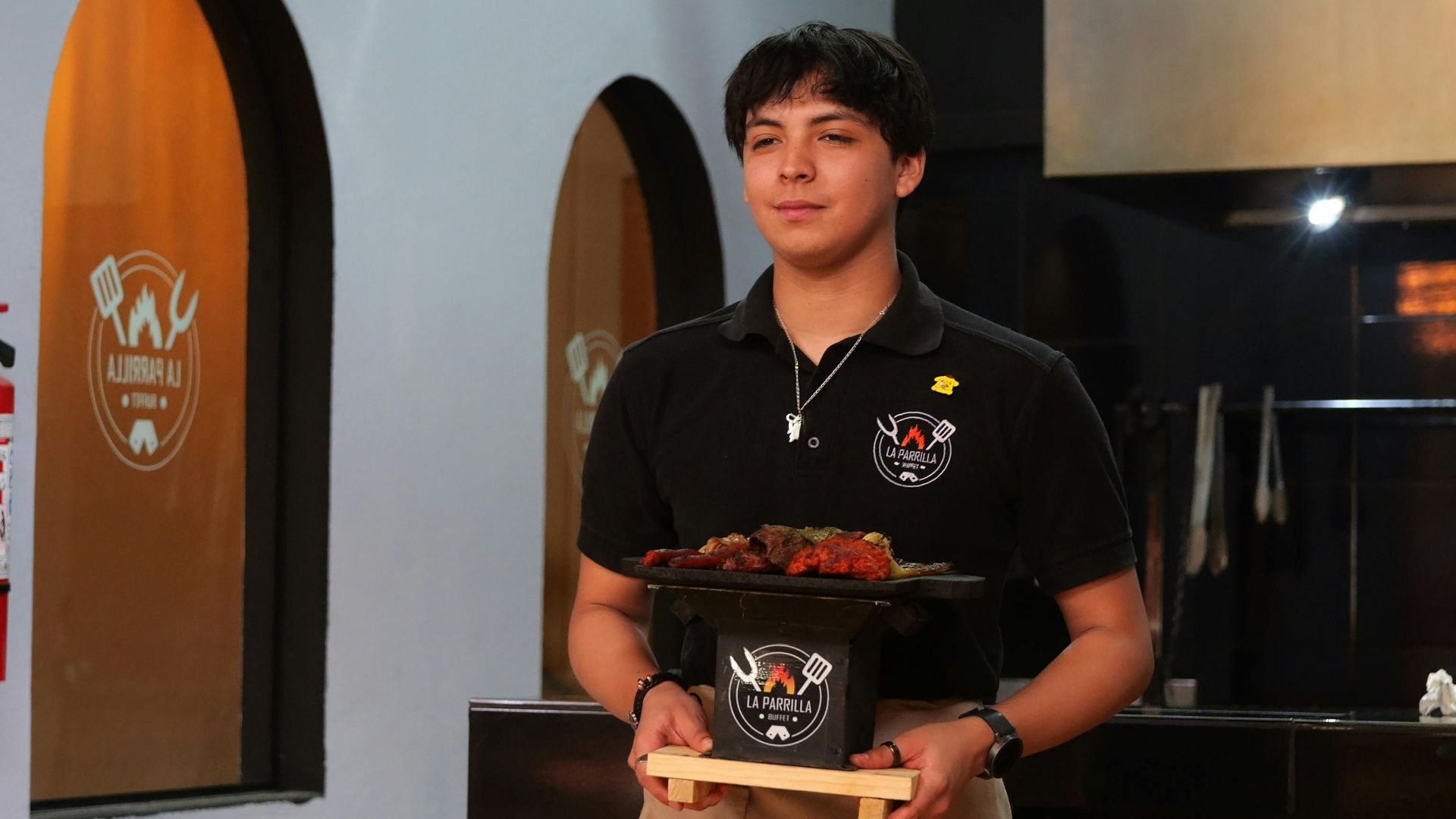
Menus reflect what a kitchen has prepared to execute well that day. Off-menu requests pull focus toward ingredients or techniques not in motion. The irritation grows because the ask ignores planning already underway behind the scenes.

19. Health Inspectors Who Do Not Understand Kitchen Flow
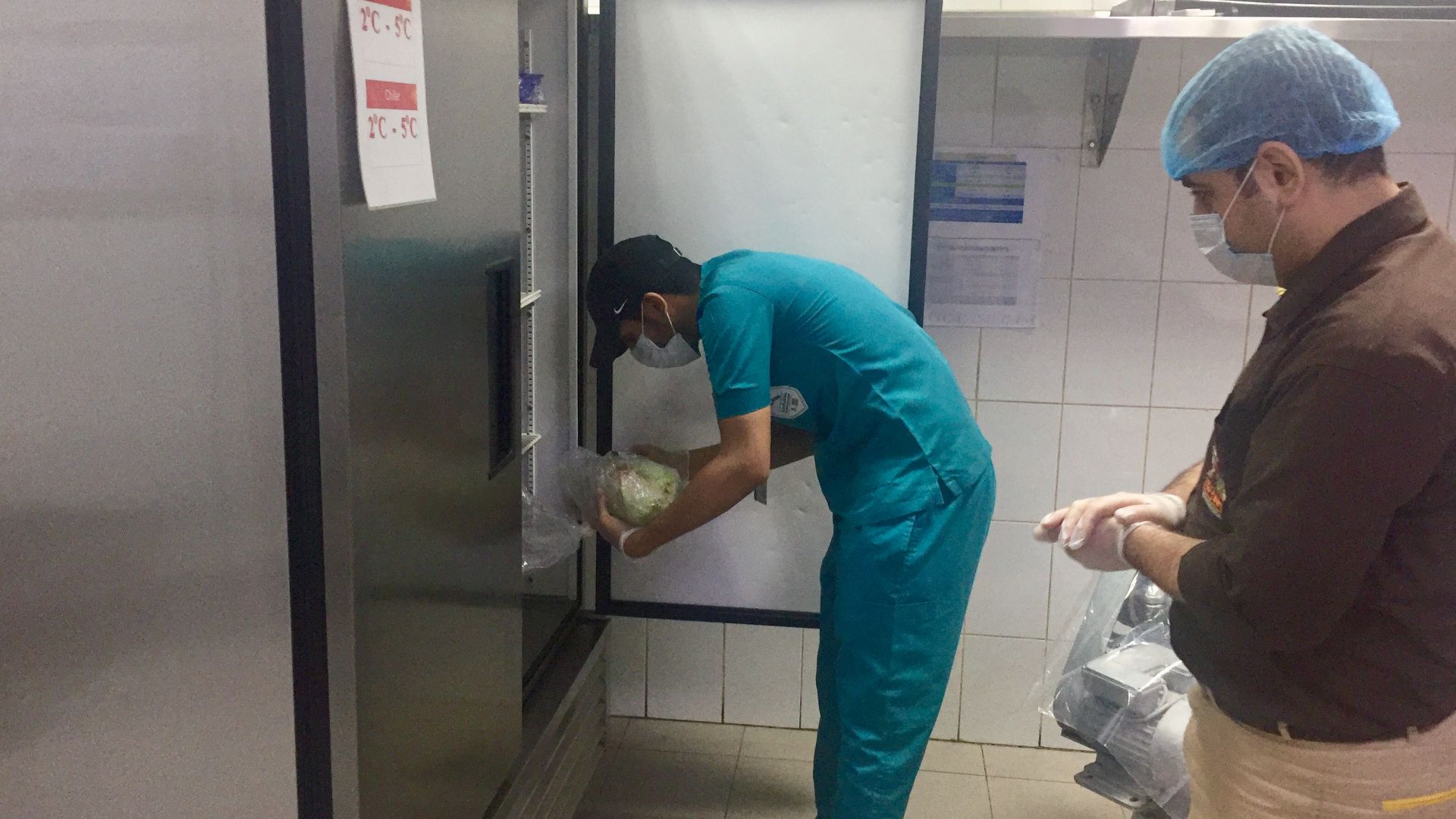
Inspections carry weight, yet context matters. High-volume kitchens move differently from empty ones. When nuance gets missed, stress spikes mid-service. The frustration comes from addressing minor issues while core workflow pressures remain unacknowledged.
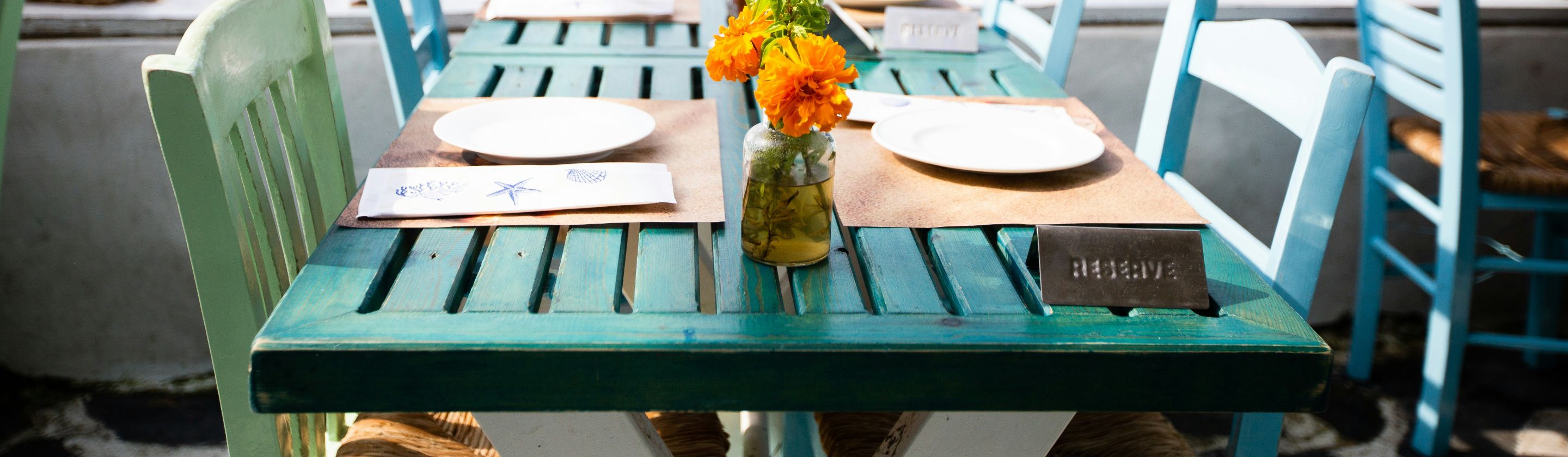
20. Reservation No Shows During Peak Hours
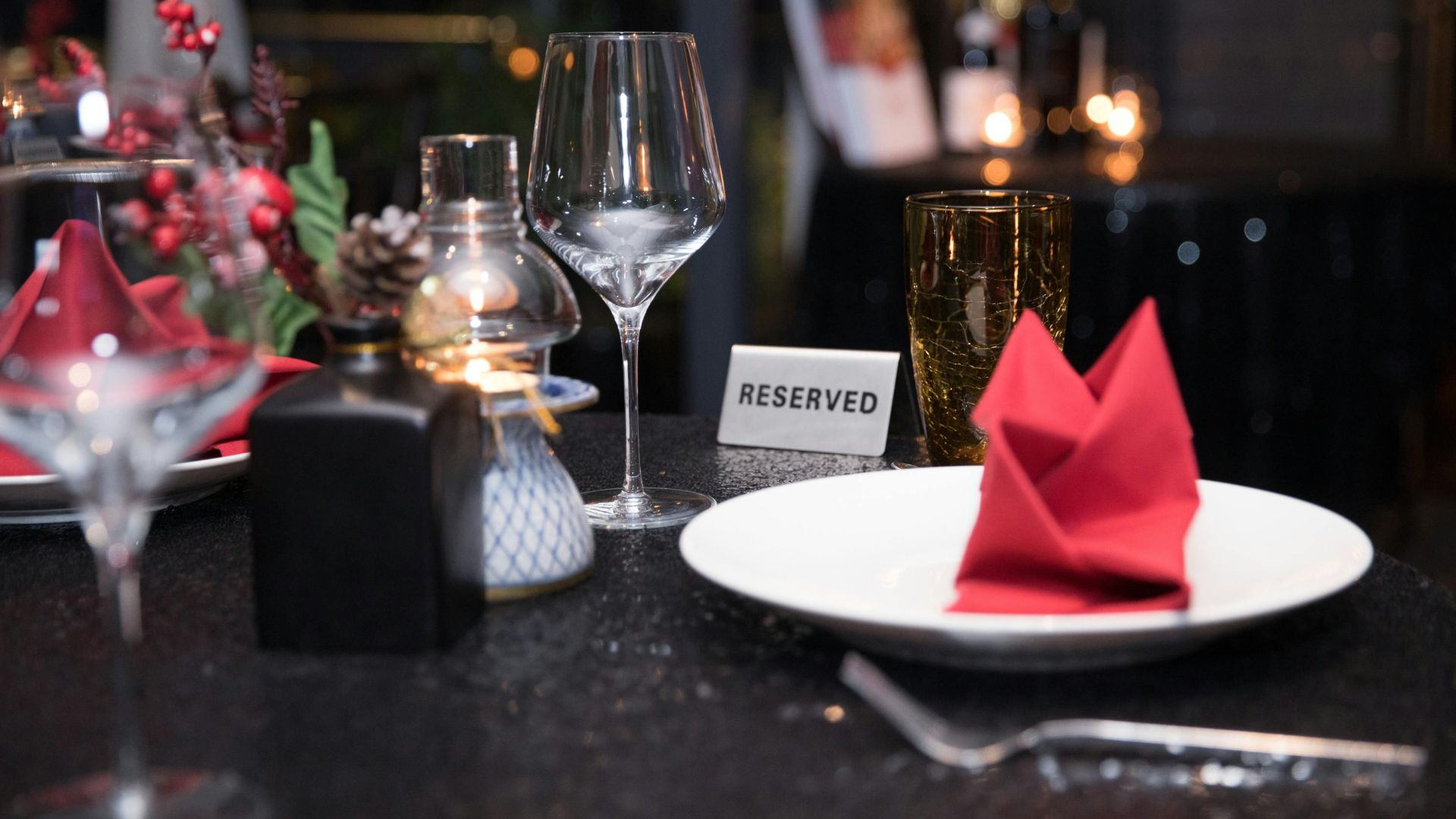
An empty table still carries a cost. Staff gets scheduled, food gets prepped, and demand waits outside. No shows break that balance. The impact lingers because the loss cannot be recovered once the night moves past its busiest window.
KEEP ON READING

The 5 Most Consumed Foods in the Entire World