Beyond Taking Orders
Most servers think bigger tips require superhuman effort or a sparkling personality. Wrong. The real secret is understanding what makes people reach for their wallets and feel good about it. You're already doing the hard work of running food and managing tables. Why not learn the small adjustments that turn decent tips into exceptional ones? The following 20 techniques work because they tap into basic human nature.
1. Introduce Yourself
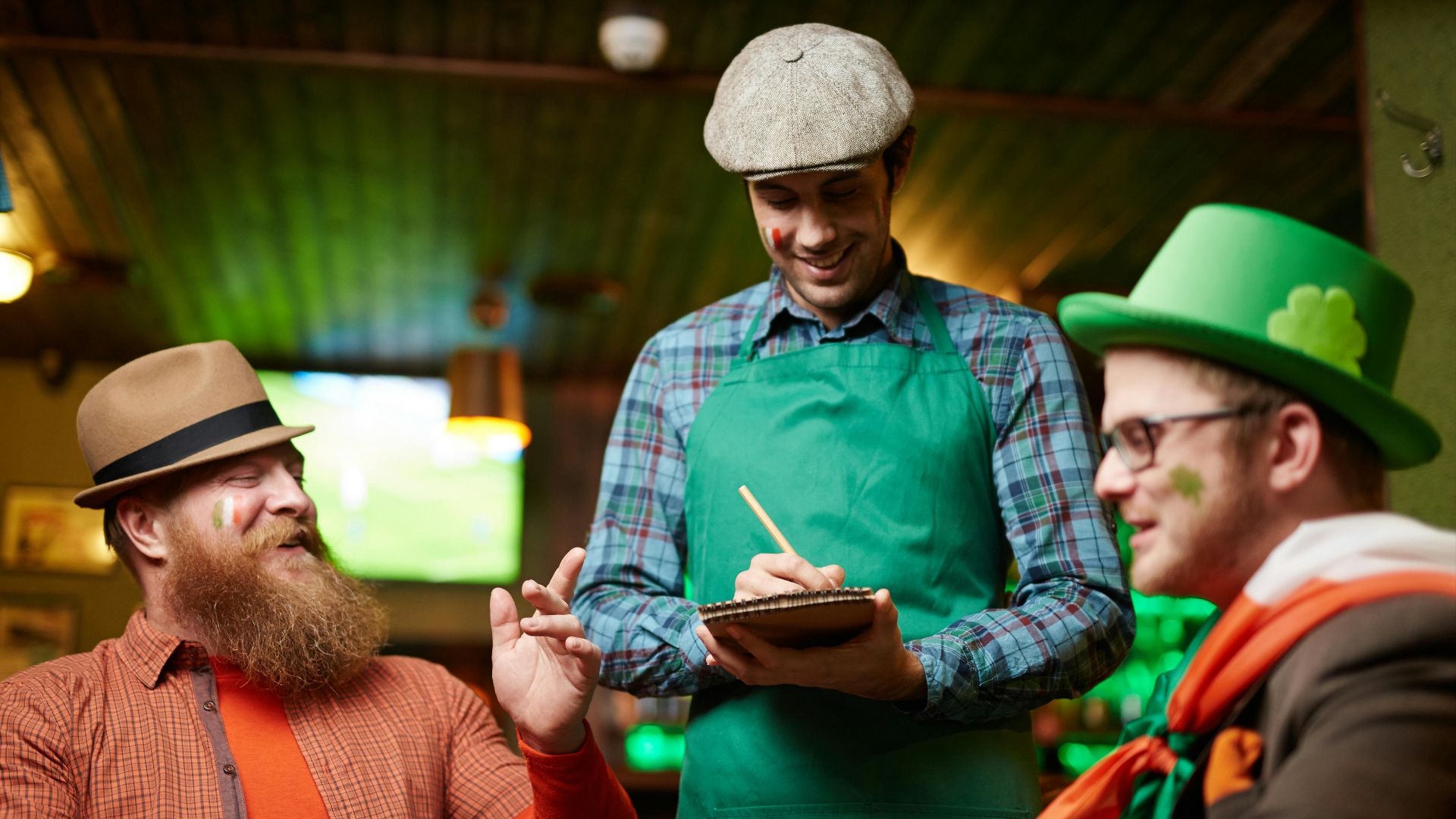
The moment you approach a table and say your name creates an instant shift in the dining dynamic. Customers stop seeing you as just another faceless server and start viewing you as an actual person they're interacting with.
2. Smile Genuinely
Think about the last time someone gave you a forced, robotic smile—it probably made you uncomfortable rather than welcomed. Your facial expression sets the entire tone for how guests perceive their dining experience before you even take their first drink order.

3. Repeat Orders
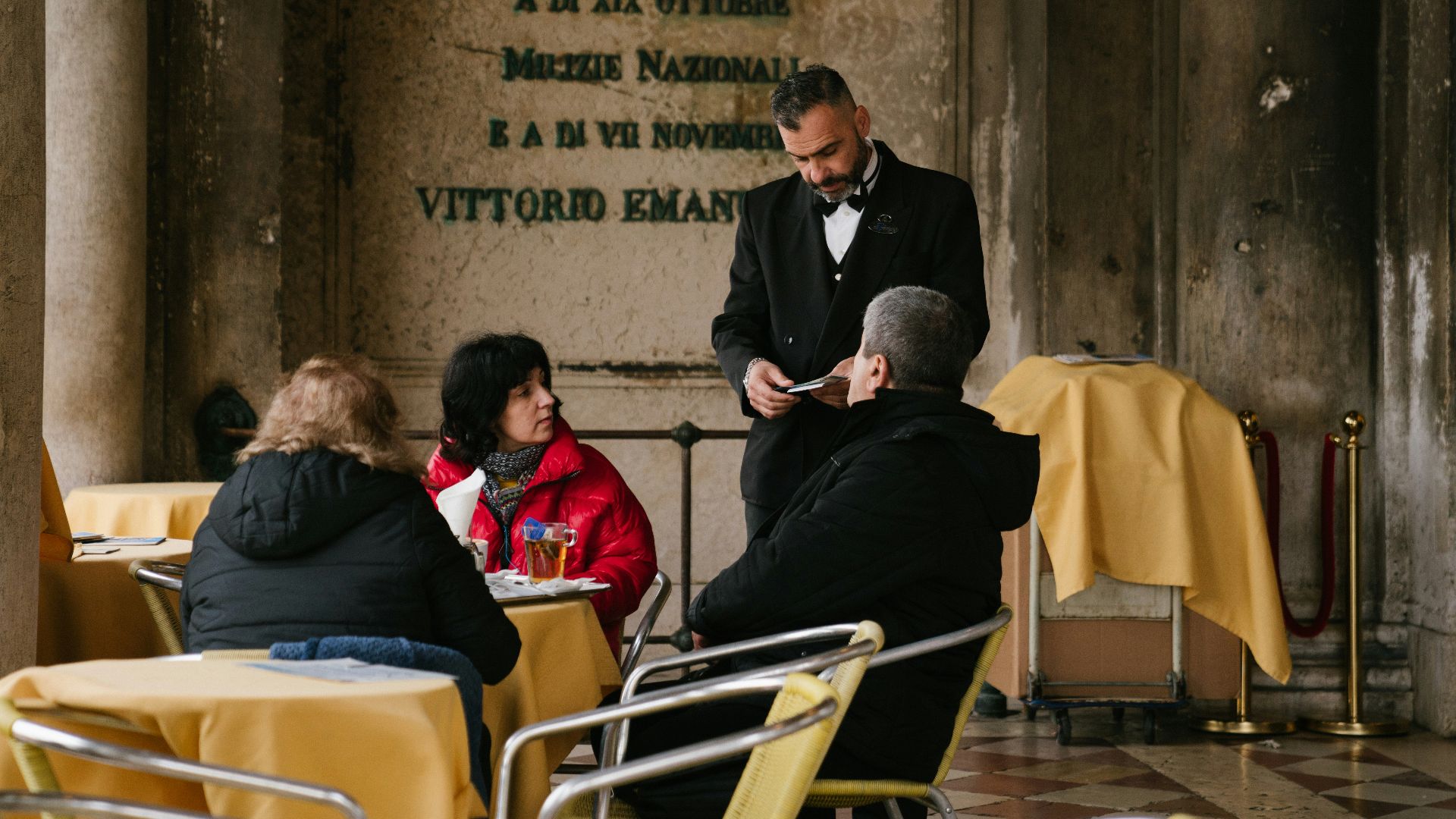
When customers hear their order repeated back to them, something powerful happens in their minds. They feel heard and confident that their meal will arrive exactly as requested. This simple act eliminates the anxiety people naturally feel about whether their server caught all the details.
 Floris Christiaans on Unsplash
4. Know The Menu
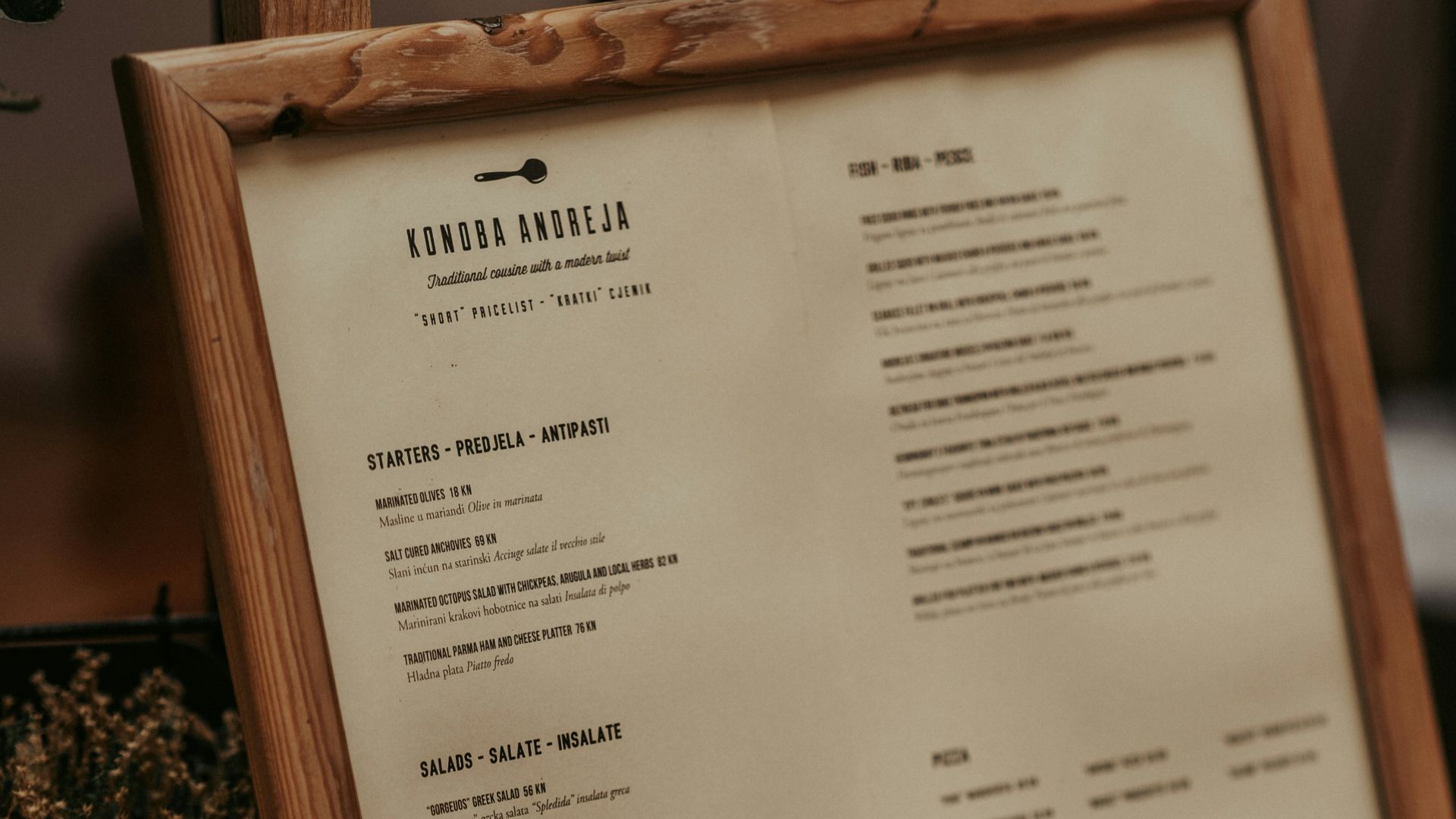
Nothing kills confidence faster than a server who can't answer basic questions about dishes or who fumbles through descriptions as if they're reading a foreign language. When you can describe flavors, suggest wine pairings, and tackle dietary restrictions with authority, customers trust your recommendations completely.
5. Strategic Upselling
The secret to upselling without feeling sleazy is focusing on enhancing the experience. By reading the table's vibe and tailoring suggestions to what genuinely fits their occasion, you increase the check size while making guests feel like you're looking out for their enjoyment.

6. Give Compliments
Something as simple as telling a customer "you made a great choice" after they order crafts a feeling of validation that people genuinely appreciate. Everyone wants to feel smart about their decisions, even when it's just picking an entrée from a menu.
7. Write "Thank You"
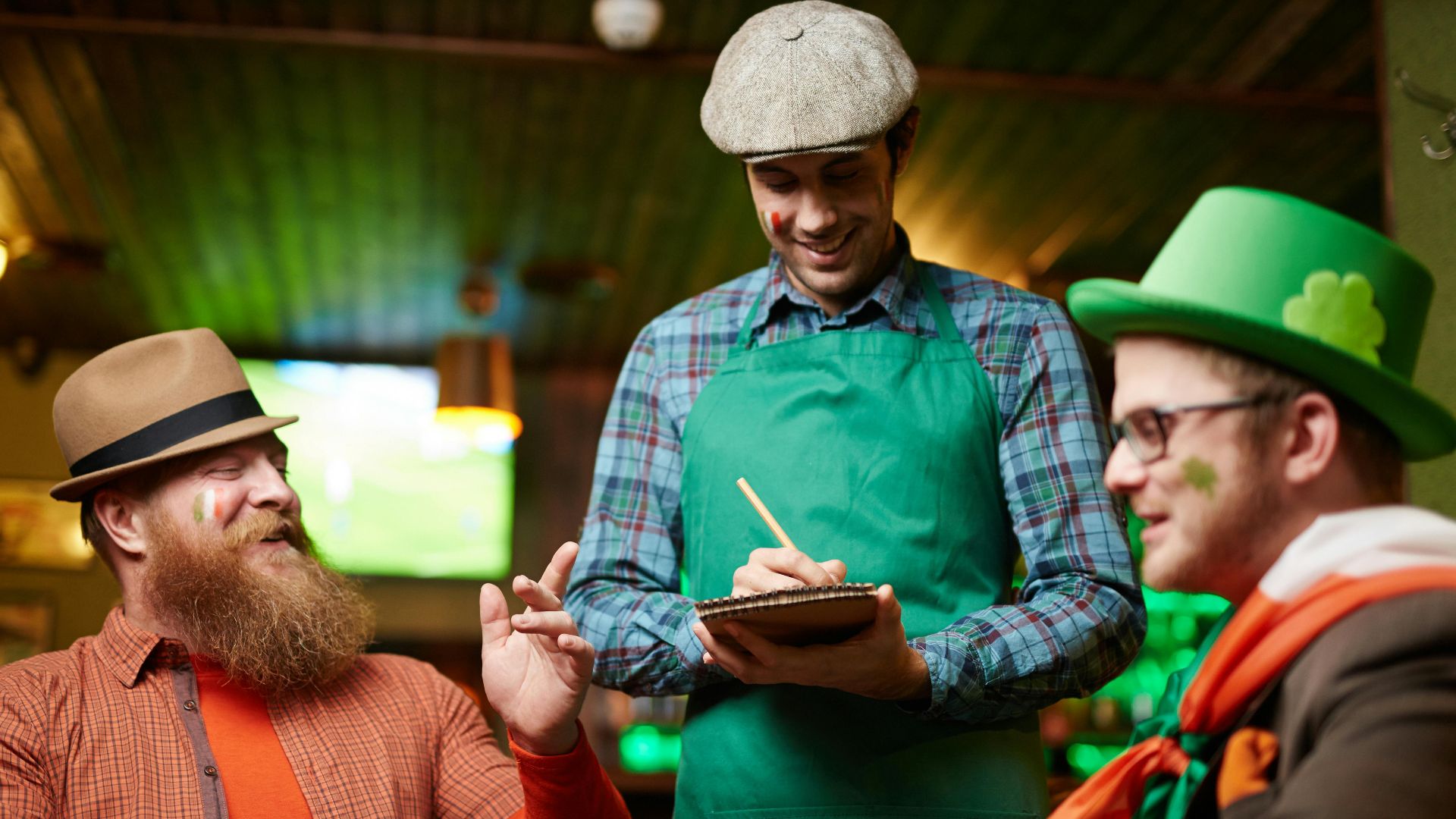
Adding a handwritten note to the check adds a personal touch that stands out in an era when everything feels automated and impersonal. Guests notice when you take that extra second to acknowledge them individually rather than just dropping a generic bill at the table.

8. Maintain Eye Contact
Looking customers in the eye when they're speaking shows them you're genuinely listening and care about what they're saying, not just going through the motions. Just don't overdo it and make things weird—natural breaks in eye contact keep things comfortable.

9. Small Gift
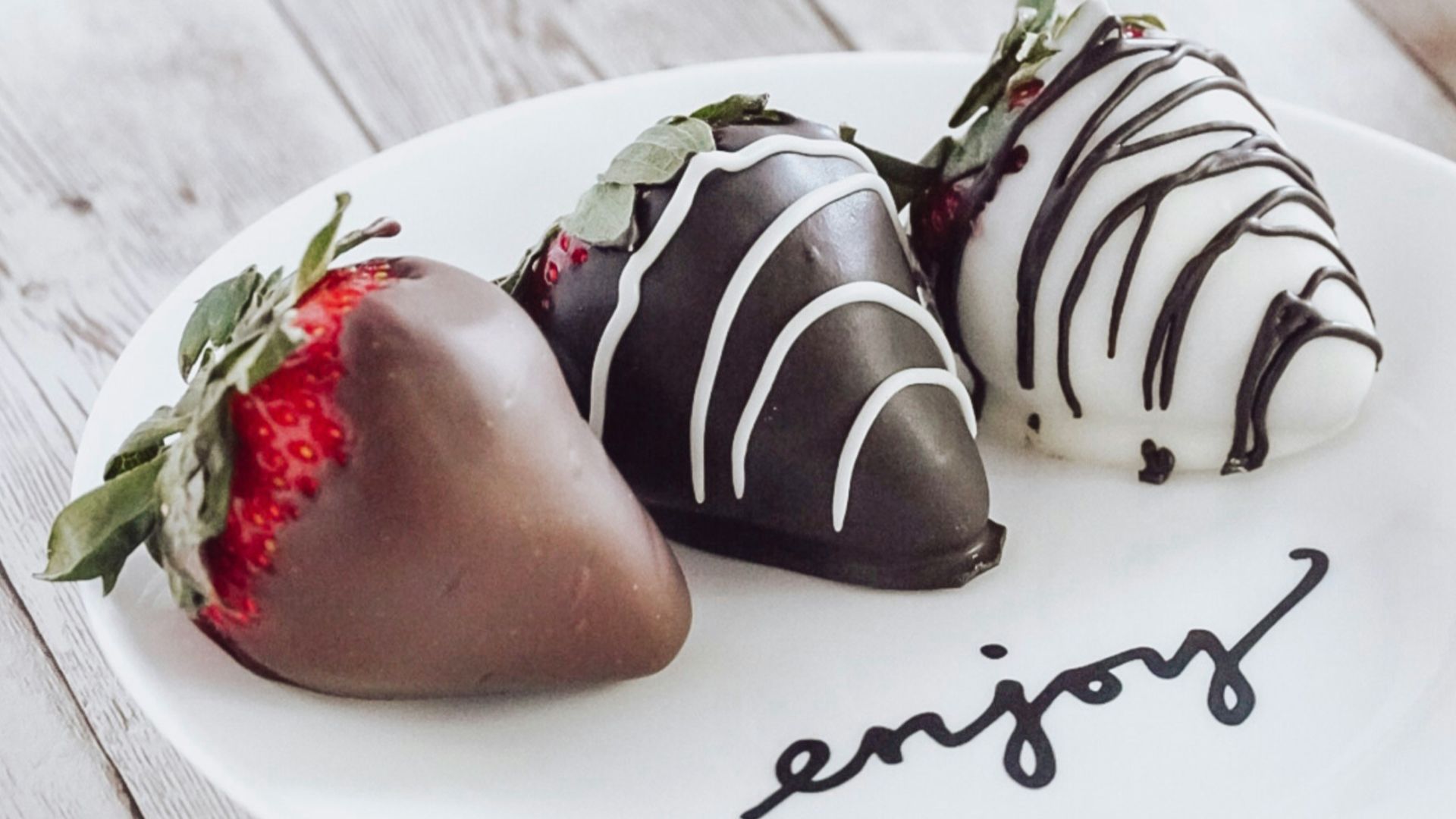
The principle of reciprocity is hardwired into human psychology. When someone gives you something, you instinctively want to give something back. Bringing mints, chocolate, or even an extra piece of candy with the check activates this powerful social norm without customers consciously realizing it's happening.
10. No Rushing
Allow guests to enjoy their meal at their own pace. Don’t hover or pressure them to finish quickly. A relaxed, unhurried atmosphere makes diners feel welcome and valued. Checking in politely is fine, but let them linger comfortably.
11. Remember Names
Picture yourself walking into a restaurant you visited weeks ago, and the server greets you with "Welcome back!" and recalls your favorite dish. That instant recognition crafts loyalty and connection that goes far beyond a single meal.
12. Stay Positive
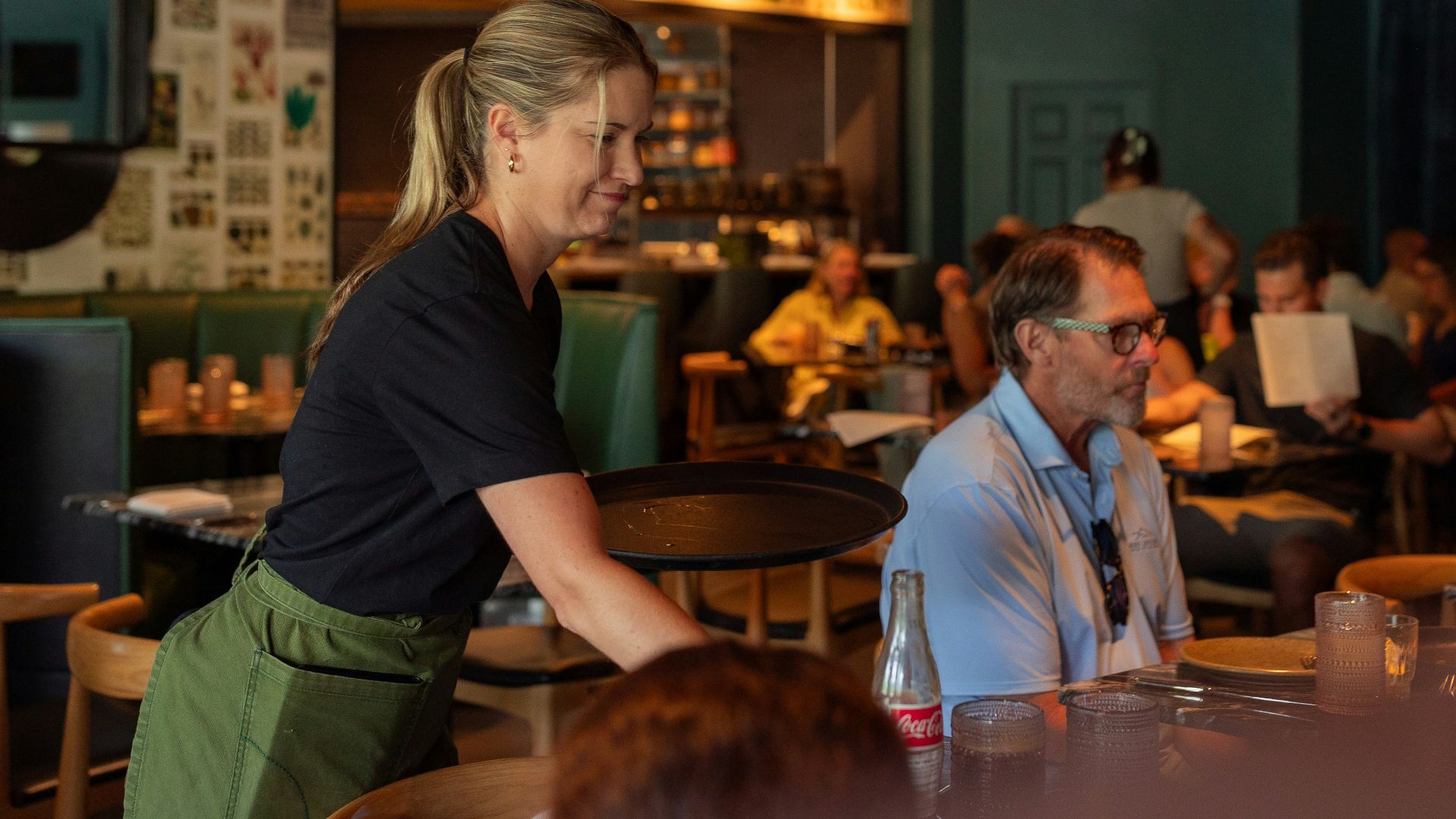
Even during the chaos of a slammed Friday night rush with tickets piling up and difficult customers testing your patience, your attitude remains your most powerful tool. Guests come to restaurants to escape their own stress and enjoy themselves, not to absorb yours.
 vastateparksstaff on Wikimedia
13. Open Body Language
Your posture, hand positions, and physical presence communicate volumes before you ever speak a word to customers. Crossed arms signal defensiveness and disinterest, while open palms and relaxed shoulders convey approachability and warmth. Standing upright with confidence makes you appear competent.
14. Neat Appearance
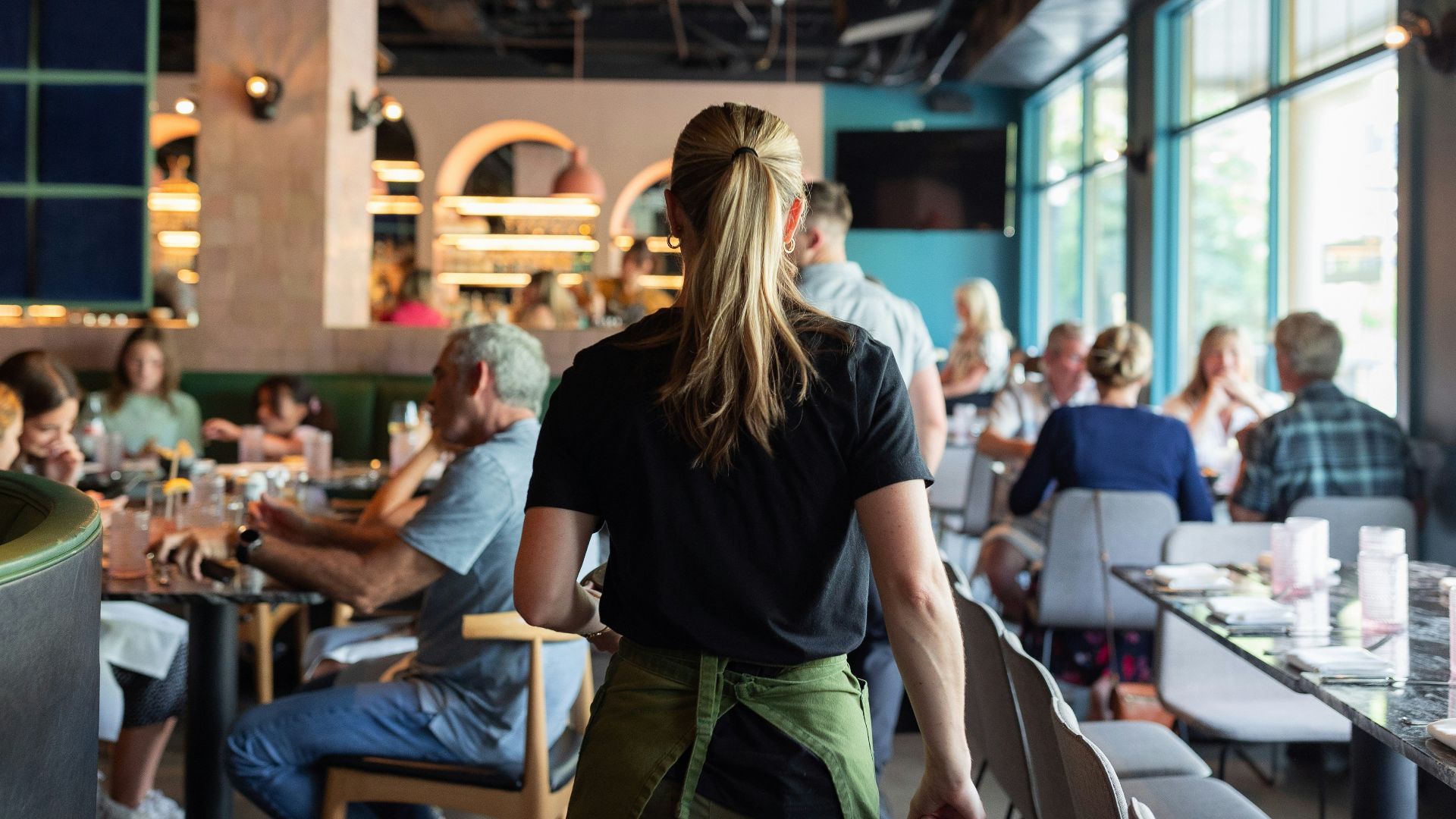
Customers make split-second judgments about cleanliness and professionalism based entirely on how you look when you approach their table. Clean hands, pressed uniform, pulled-back hair, and polished shoes send a message that if the front-of-house looks this good, the kitchen must be equally pristine.

15. Anticipate Needs
The best servers don't wait to be asked. They notice the water glass getting low, see someone eyeing the bread basket, or sense when a table needs extra napkins before anyone speaks up. This proactive approach makes service feel magical and effortless.
16. Build Rapport
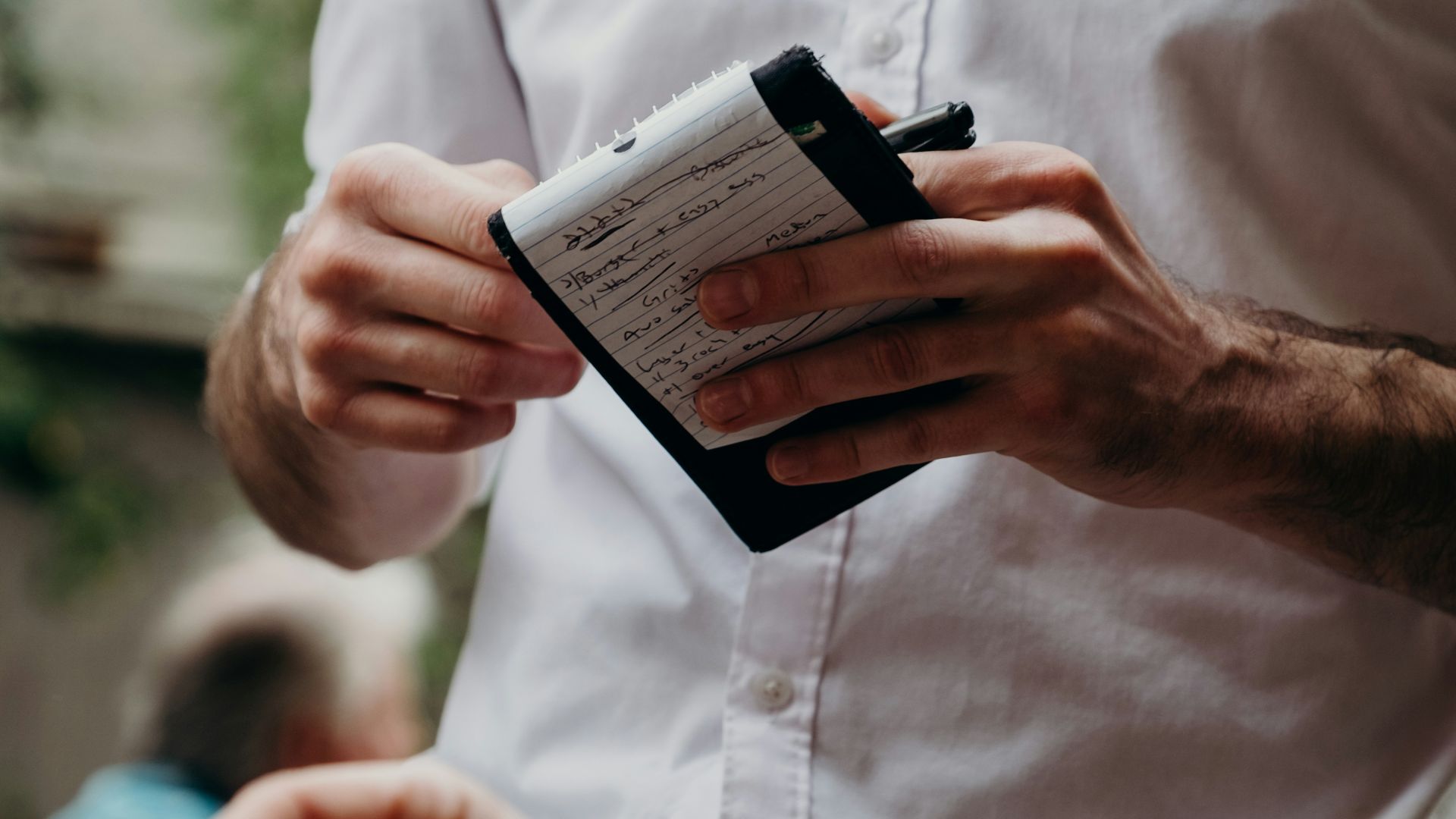
Finding genuine connection points with customers—whether it's commenting on their travel plans, asking about their visit, or bonding over a shared interest—turns a generic dining transaction into a memorable human experience. People don't just tip for food delivery; they tip for feeling cared about.
17. Use Names On The Check
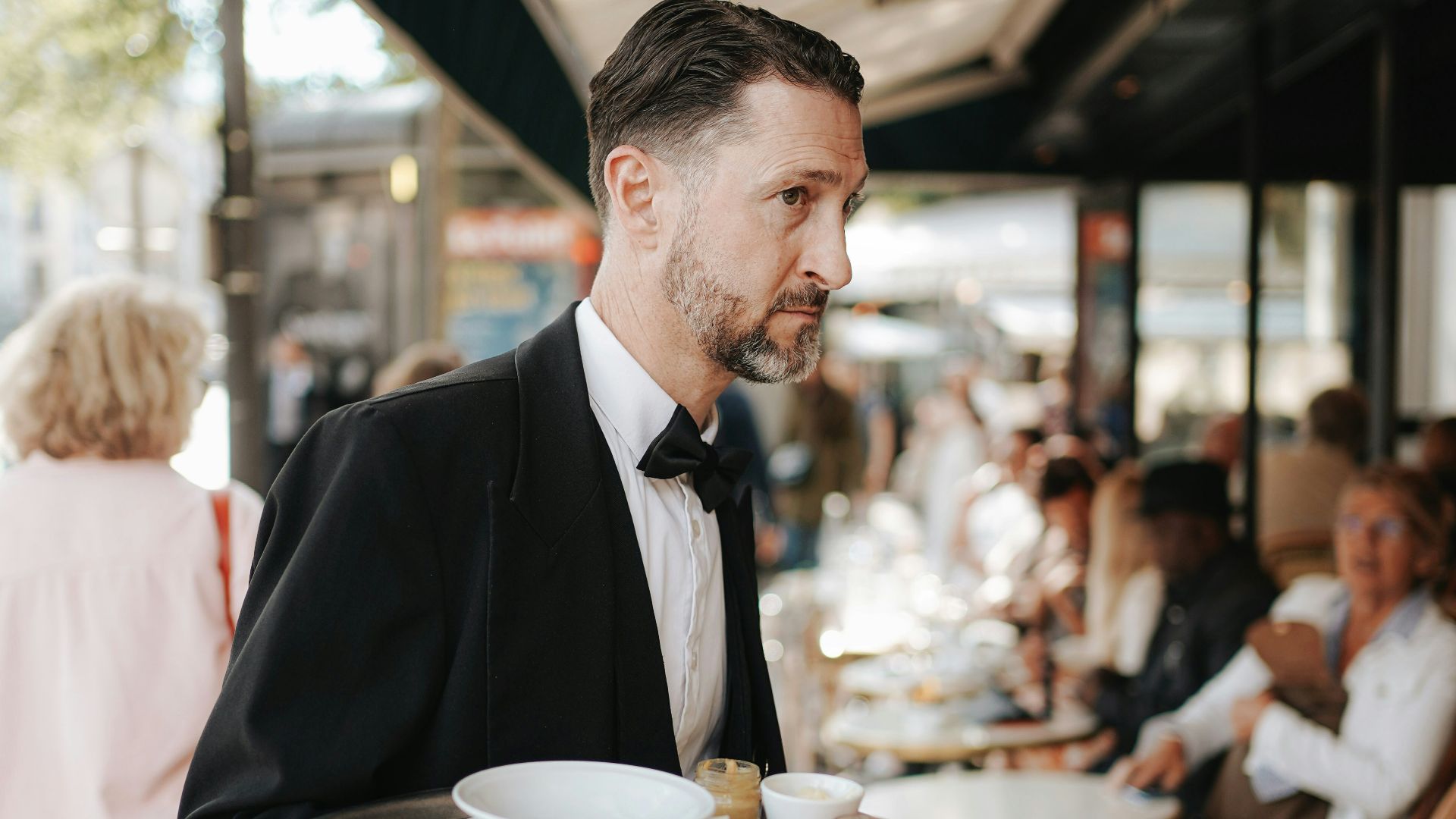
As soon as you put your name on the check, the entire dining experience becomes a human face. It fosters trust. When guests can associate attentive service with a name, they are more likely to remember it, and this recognition frequently results in a larger tip.

18. Handle Complaints
Genuinely working toward a solution shows character and professionalism that customers deeply appreciate. A sincere "I understand how frustrating that must be" followed by swift action to fix the problem can actually turn a negative situation into an opportunity for an even bigger tip.

19. Suggest Pairings
Recommend a specific wine that complements their steak or suggest an appetizer that perfectly balances their entrée choices. This move elevates their entire culinary experience. Such expertise also positions you as a knowledgeable guide rather than just someone taking orders and delivering plates.
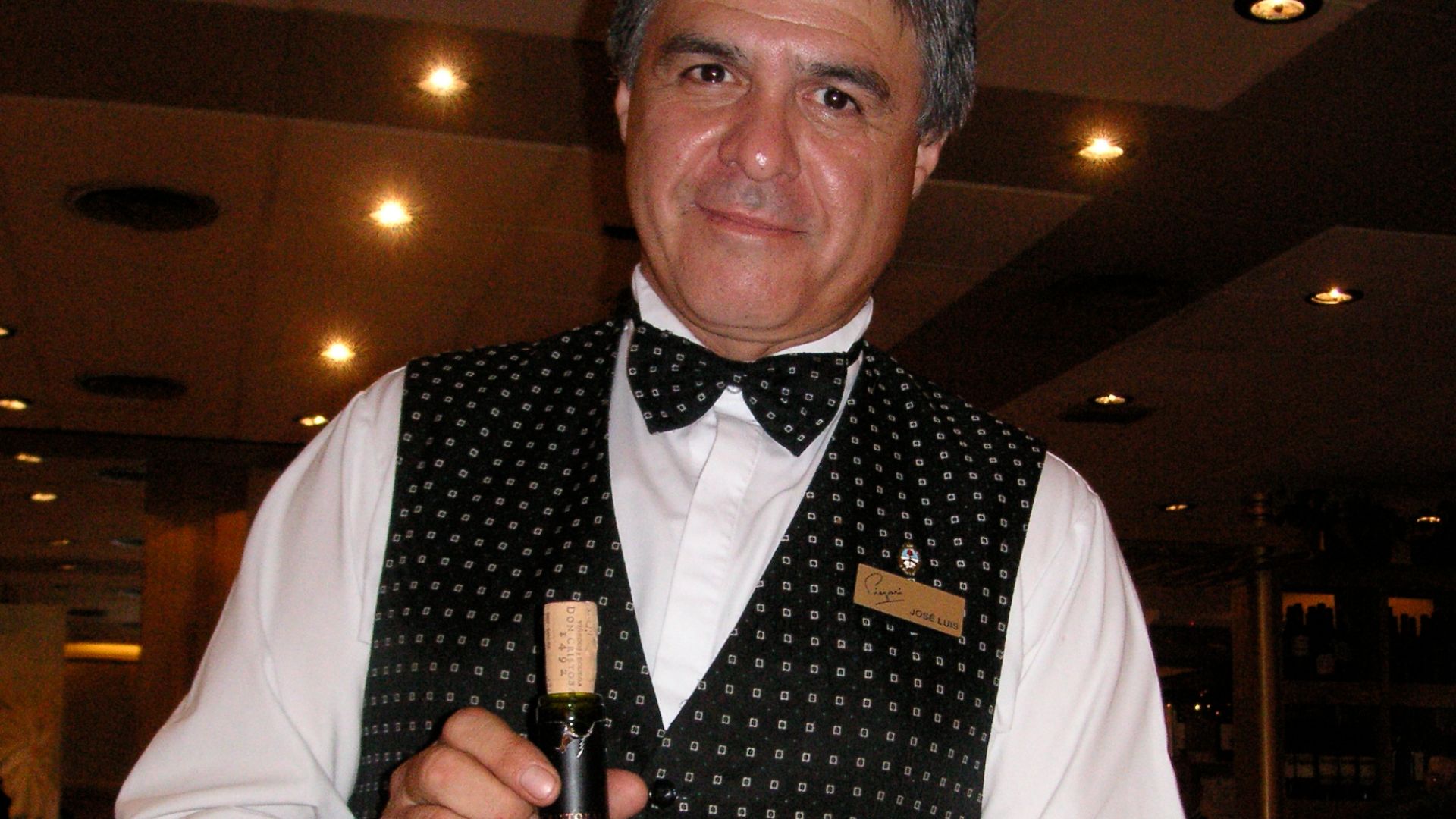 Beatrice Murch from Buenos Aires, Argentina on Wikimedia
20. End With Confidence
How a meal ends often determines how it’s remembered. A confident, unrushed farewell reassures guests that they were genuinely cared for from start to finish. A simple, sincere closing leaves a lasting impression and reinforces good service.
KEEP ON READING
10 Healthy School Snacks to Pack for Your Kid
10 Foods Gen Z Is Bringing Back From the Dead
Why Some Foods Become Comfort Foods
Why Leftover Rice Deserves Extra Caution