
Most “Salmon” Sold At Stores Is Actually A Lab-Made Species Called AquAdvantage
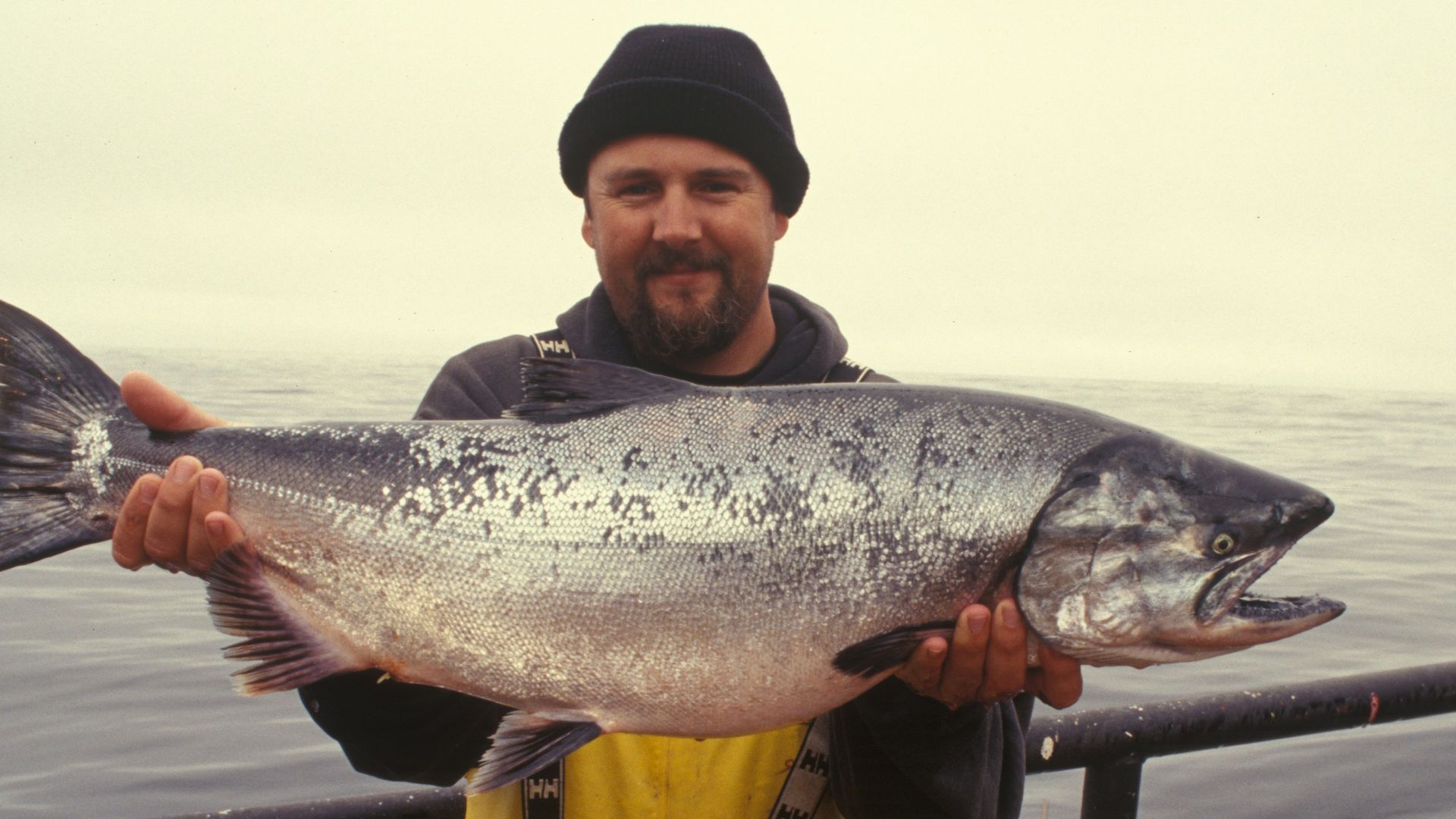
When you head to the grocery store to pick up a fresh fillet for dinner, you probably imagine a fish that spent its life leaping through cold, rushing rivers or swimming in the vast depths of the ocean. Most consumers assume that the pinkish meat sitting on the ice at the deli counter is the same wild-caught Atlantic or Pacific variety that humans have enjoyed for centuries. However, the reality of the modern global food supply is often much more complex and scientifically advanced than what the rustic packaging might suggest to the average shopper. There is a specific type of fish that has been making waves in the industry for its incredible growth rate and laboratory origins, known as the AquAdvantage salmon.
While you might not see a giant "Lab-Made" sticker on your favorite pack of seafood, biotechnology has quietly entered the realm of aquaculture to meet the massive global demand for high-protein meals. This is not just about traditional fish farming in open-sea pens, but rather a sophisticated genetic feat that combines the DNA of multiple different species to create a more efficient product. Understanding exactly what is landing on your dinner plate requires a little bit of a deep dive into the world of genomic engineering and how it is changing the face of your local supermarket. It is quite a journey from the laboratory petri dish to the steaming plate of lemon-herb salmon you are planning to serve tonight.
The Science Behind the Super-Fish
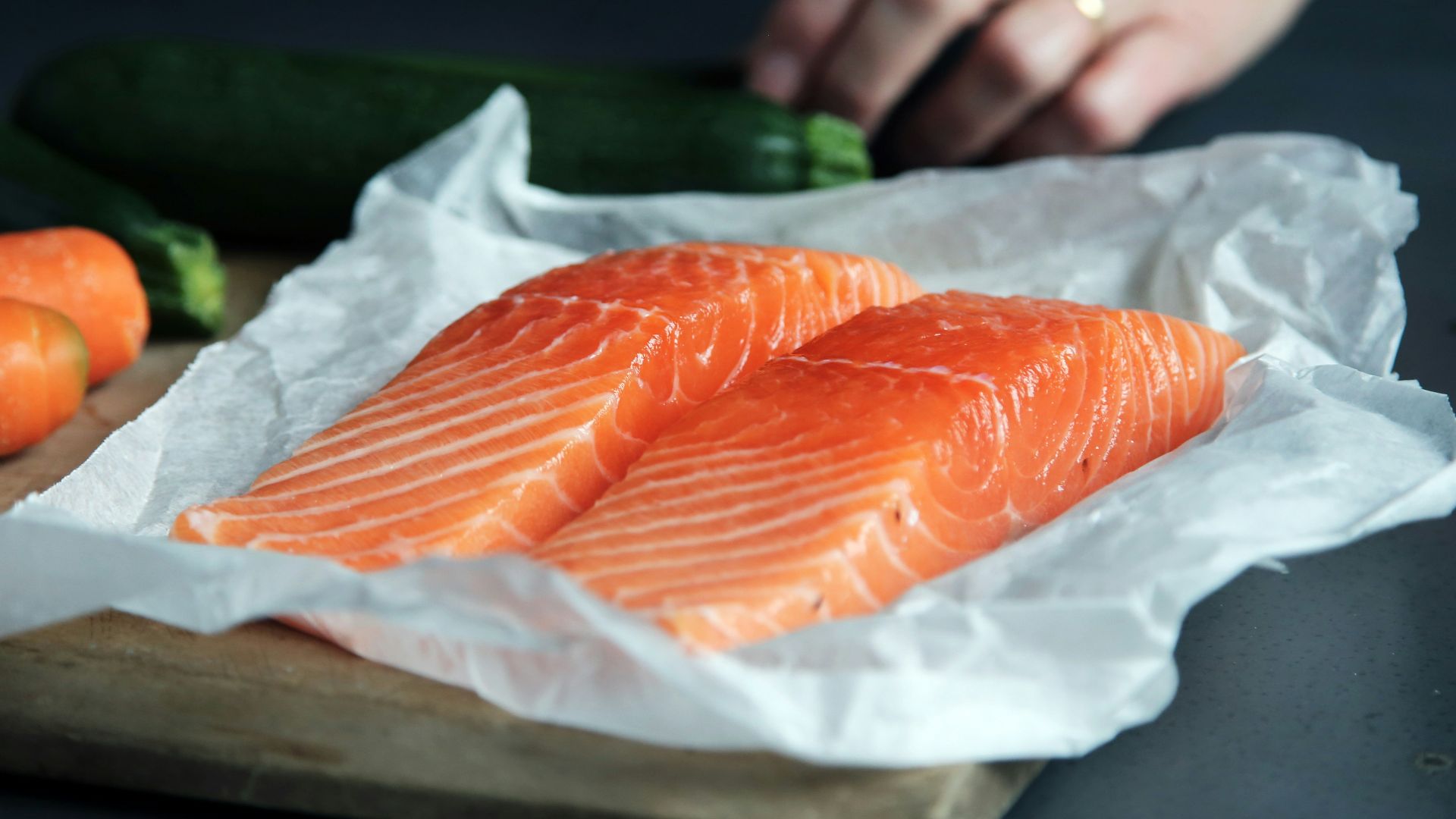
Okay, so why was this fish made in the first place? Well, let’s first look at how it came to be before getting into that. The AquAdvantage salmon contains a growth hormone gene from a Chinook salmon, which was combined with a “promoter” from an ocean pout, which is an eel-like organism. Because of this, the fish produces growth hormone constantly instead of just during certain seasons like a normal Atlantic salmon. This means that salmon can be ready for market in half the time it takes to grow a regular farmed salmon.
As you may have guessed by now, these were specially engineered to be farmed in massive quantities in tanks on land. Not only does this allow more salmon to be produced, but it also allows production to be done much quicker and cheaper than traditional methods. The salmon grow at such an accelerated rate that they actually eat less food over their lifetimes than a normal farmed salmon due to reaching market size so quickly. This was all done so fish could be farmed more efficiently on land to help with the decreasing population of wild fish and to cut costs on food bills.
Despite the "lab-made" label often thrown around by critics, these fish are biologically identical to their Atlantic counterparts in almost every way that matters to the consumer. The FDA conducted rigorous testing over many years to ensure that the nutritional profile and taste of the meat were effectively the same as what would be expected from a traditional salmon. You will not find any strange chemicals or synthetic additives in the meat itself, as the primary difference lies strictly within that tiny bit of relocated genetic code. It is important to remember that while the origins are technological, the end result is still a living, breathing fish that provides the same omega-3 fatty acids you are looking for.
Labels and the Consumer Experience
One of the biggest questions you might have is why a specific brand name for this genetically modified fish has not been widely noticed while browsing the aisles. In the United States, new labeling laws require food producers to disclose if a product contains "bioengineered" ingredients, but these labels can often be quite subtle or presented as a QR code. This means this specific variety might be purchased without ever seeing the word "AquAdvantage" on the actual price tag or plastic wrapping. It is a move that has sparked plenty of debate among consumer advocacy groups who believe that people deserve to know the exact origin of their seafood at a glance.
Many large retailers have actually pledged not to sell genetically modified salmon, which creates a bit of a divide in where these products eventually end up. You are more likely to encounter these fish in food service settings, such as cafeteria lines or wholesale distributors, where the specific brand names are not usually visible to the final diner. This creates a situation where the technology is widely available in the supply chain, yet it remains somewhat invisible to the person actually holding the fork. You will have to be a bit of a detective if you want to know for sure if a meal came from a traditional farm or a high-tech facility.
However, it is factually incorrect to suggest that every piece of salmon in the store belongs to this bioengineered category, as wild-caught and traditional farmed fish still make up a huge portion of the market. You can usually tell the difference by looking at the price point and the specific region of origin listed on the back of the package. While the AquAdvantage variety is certainly growing in presence, the industry is still very much a mix of old-school fishing and new-school science. It is all about giving more options to choose from, even if the labeling is not always as clear as it might be during a quick shopping trip.
KEEP ON READING

The 5 Most Consumed Foods in the Entire World