
If you can believe it, the holidays are right around the corner! With the snow and endless “White Christmas” renditions also comes holiday mail, packages stuffed with all sorts of goodies that loved ones can enjoy halfway across the country. However, before you pack those homemade gingerbread cookies, you might want to read up on how to keep those snacks safe.
Are You Even Allowed to Send Food in the Mail?
Okay, the odd chocolate bar isn’t that bad, but what about stuff like canned goods or fresh produce? Well, whether you’re allowed to send something really depends on what you’re sending. Typically, this stuff is off limits as it spoils during transport (and no one wants that):
fresh fruit and vegetables
fresh fish or meat
dairy products
alcohol
Some carriers let you pack that stuff, but you need to meet specific requirements before doing so. The everyday person likely wouldn’t get away with slapping a fresh salmon steak on butcher paper.
When it comes to non-perishables, like canned goods, confectionery, and baked goods, you’re in the clear so long as everything is packed tightly and correctly.
How Should You Send Baked Goods?
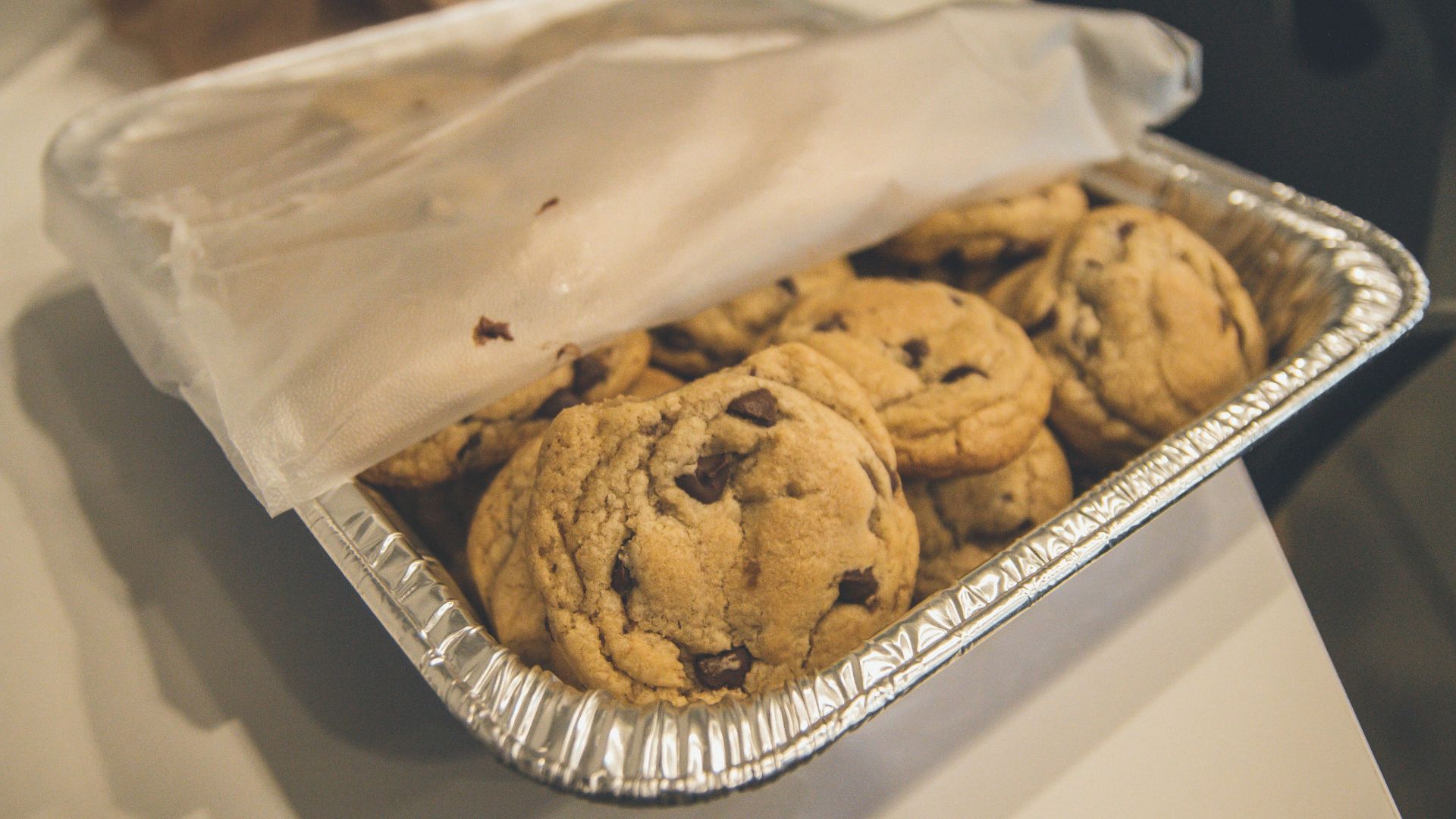
If you’re shipping something cookies, you actually have a few options to get the job done. The first would be to stick your cooled cookies in a Ziploc bag, squeeze out all the air, and wrap them in a layer of bubble wrap. Even if you’re mailing them in a padded mailer, the extra protection ensures they won’t be crumbs upon arrival.
Of course, you also have the option to vacuum seal your goodies! This method works well with more delicate items, like bread, as well (so long as you stop the sealer before the bread gets squished). Though some people opt for mailers, we recommend a sturdy box lined with packing peanuts, balled-up newspaper, or even tissue paper.
What About Chocolate and Confectionery Candy?
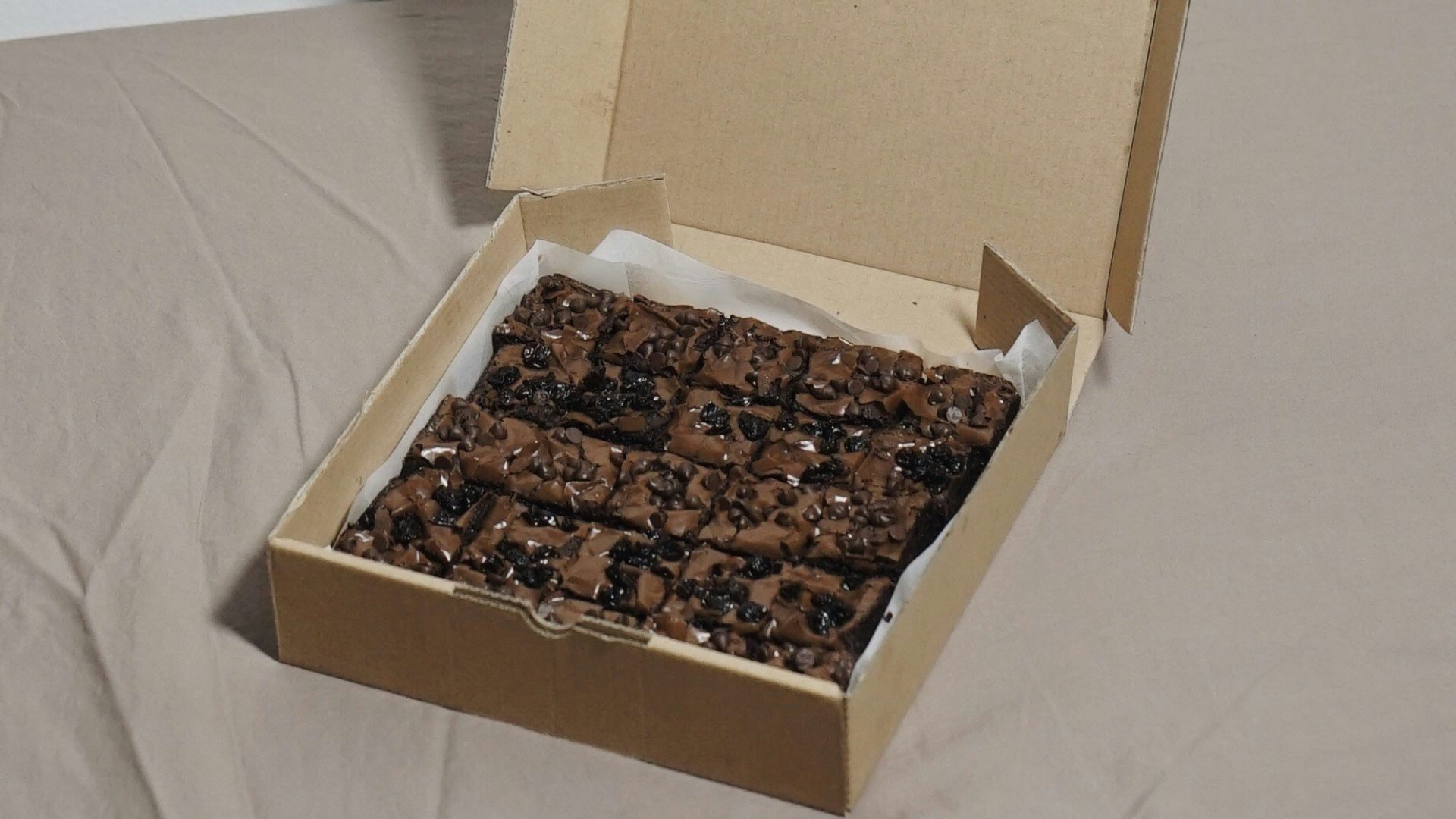
How you send the good stuff really depends on whether you made it or bought it from the store. Store-bought boxes of chocolate can just go inside a well-padded box and remain in their original packaging.
If you’re sending homemade fudge, on the other hand, you’ll want to pay attention to moisture protection and probably categorize your goodies accordingly. For example, caramels and hard gummies absorb moisture, so you’ll want to pack them in airtight containers and wrap them in wax paper to prevent any moisture retention.
On the other hand, treats like marshmallows and fudge can lose moisture, so you’ll need to take precautions before shipping them out. Marshmallows can usually do with a generous sprinkle of cornstarch to prevent sticking, whereas individual fudge pieces should be wrapped in plastic wrap the prevent the same mishap.
If You Send It Right, You’re in the Clear
There’s no harm in sending accepted perishables or baked goods in the mail, so long as you take the proper measures to do it right. The last thing you want is to have your cookies look like peanut brittle—or for that mailperson to mishandle your package.
When in doubt, consult with your postal service’s guides and make sure you pack everything with more than enough padding. Sure, your recipient might have to dig a little, but that’s all part of the experience!
KEEP ON READING