Should You Ask Out The Waitress? 10 Signs You Should Go For It & 10 Signs You Shouldn't
Should You Ask Out The Waitress? 10 Signs You Should Go For It & 10 Signs You Shouldn't
Consider This a Reality Check Before You Make a Move
Asking out a waitress can be perfectly fine, but only if you do it with good timing, clear respect, and zero pressure. She’s at work, which means her friendliness might be professional, not personal, and it’s on you to keep things comfortable either way. The goal is simple: if she seems genuinely interested, you can offer an easy, low-stakes invitation that she can consider without any awkward fallout. If not, then the onus is on you to walk away. Let’s explore a few signals on both sides of the fence!

1. She Initiates Conversation Beyond the Basics
When she starts chatting without you prompting, that can be pretty meaningful. It’s one thing to ask, “How’s everything tasting”? and another to bring up a topic that isn’t actually tied to the order. If she asks you questions that don’t help her do her job, she may be interested in you outside of work. Pay attention to whether she keeps the conversation going even when it would be easy to walk away. That said, don’t treat this as a guarantee; some people are naturally outgoing. Consider it a green light to be friendly back, not a green light to corner her.

2. She Remembers You in a Specific, Personal Way
If you’ve been there before and she recalls details about you, that’s a stronger indicator than general politeness. Remembering your usual drink is nice, but remembering something you mentioned about your work or a hobby is much more personal. That kind of recall suggests you stood out from the routine of the shift! It can be hard to detect, but you’ll usually notice it in how naturally she brings it up. Even so, keep your expectations reasonable—good hospitality can simply include a strong memory. Treat it as a sign to proceed carefully, not to assume you’re already invited into her life.

3. Her Body Language Looks Relaxed, Not “On Duty”
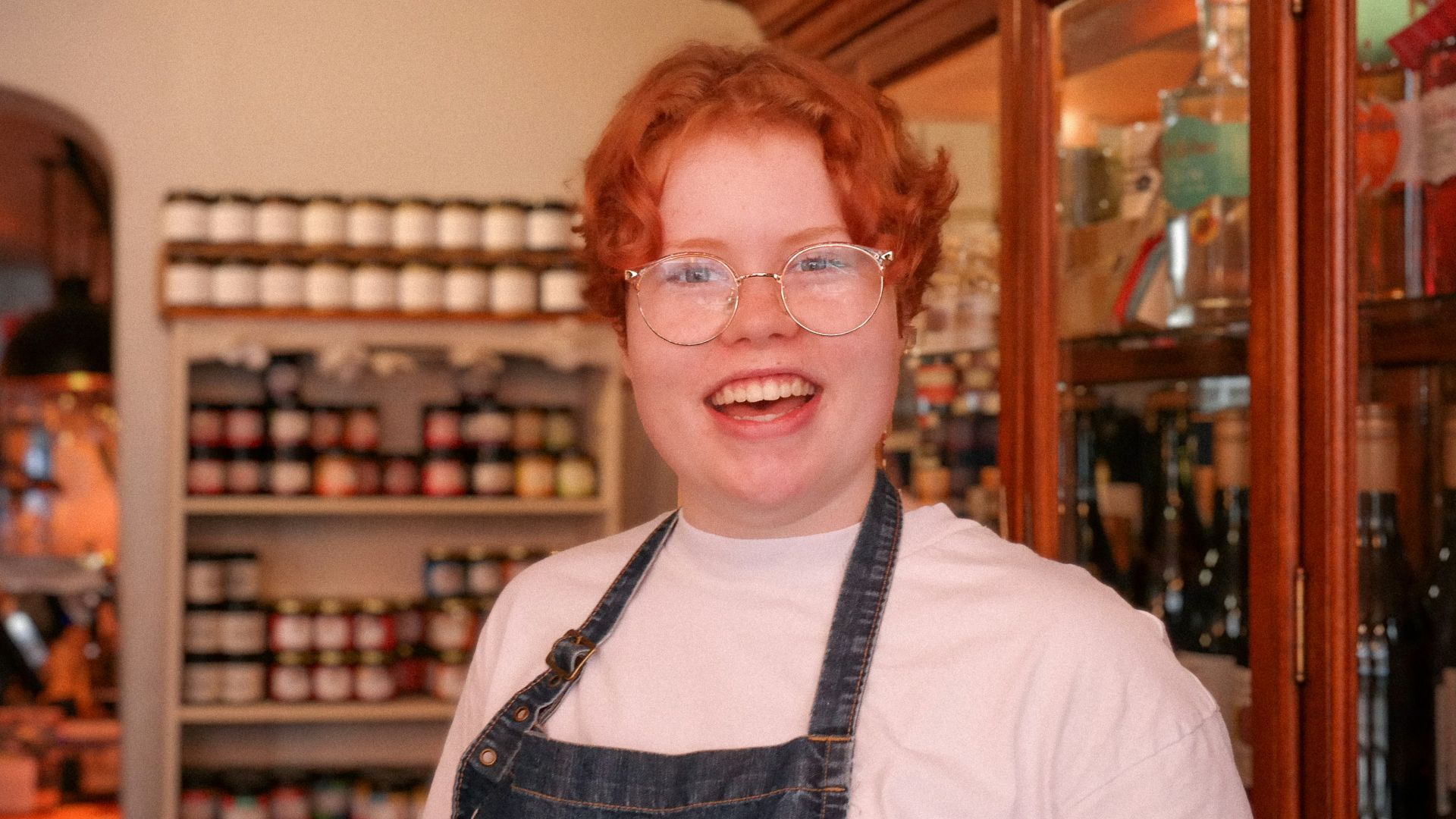
Professional friendliness has a certain rhythm to it, and genuine comfort often feels different. If she lingers briefly at the table when she doesn’t need to, that may indicate she actually enjoys talking to you. You might even notice she faces you fully instead of angling away, or she makes eye contact that doesn’t exactly feel rushed. A relaxed posture and an unforced smile can be telling, too, especially during busy moments when she has a hundred reasons to move along. Don’t overanalyze every gesture, though. Dining rooms are chaotic, and people move quickly. The main question is whether she seems at ease, not whether she’s performing.
4. She Checks In More Than the Situation Requires
Extra check-ins can be a hint of flirtation, especially when they’re truly unnecessary. If your order is straightforward and everything’s going smoothly, multiple friendly stops at your table can stand out. She may even ask if you need anything, regardless of whether your plates are full or your drinks are topped off. The key is whether the attention seems directed at you rather than at the table as a task. Of course, some servers are simply thorough, so you shouldn’t punish competence by reading it as romance. If it’s paired with other signs, though, it might signal that she’s interested.
5. She Teases Lightly Without Crossing Lines
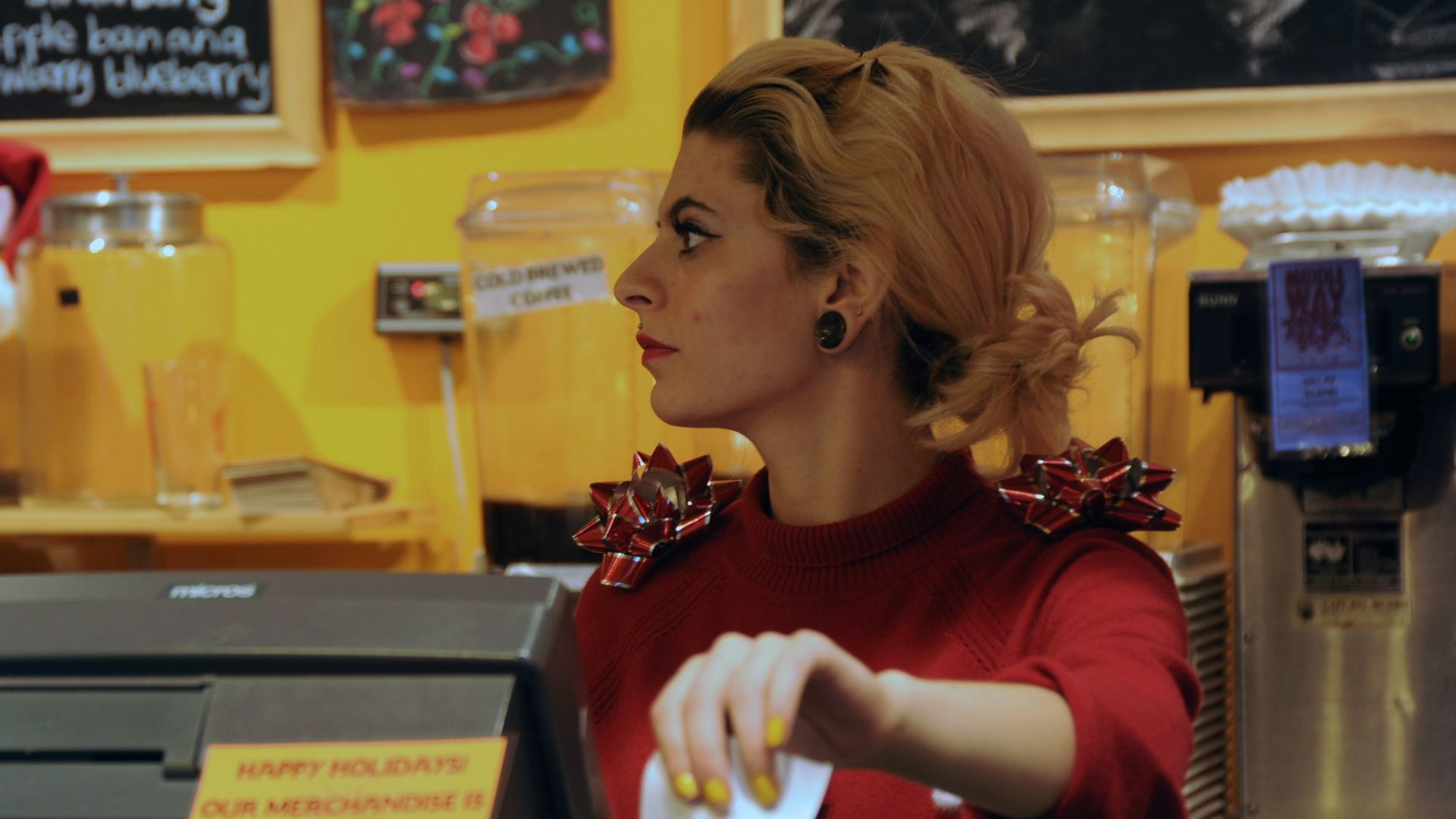
There’s nothing better than a little back-and-forth with someone! Playful banter can be a sign of comfort when it stays respectful and balanced. Maybe she jokes about your choice of dessert. Maybe she gives you a gentle hard time about how fast you finished your fries. The point is, it shouldn’t feel sharp, and it shouldn’t put you on the defensive. If you respond and she matches your tone, that back-and-forth can show real rapport. Just avoid confusing teasing with flirting if she’s doing it with every table in earshot. If the banter feels unique to your interaction, you may have something worth exploring.

6. She Makes an Effort to Be the One Serving You
Sometimes you can tell when she’s choosing your table, not just being assigned to it. If you’re seated in a way that could easily be handled by someone else, but she keeps appearing as your point person, take note. You might see her step in to refill your drink when another server is closer, or she times her visits when you’re not distracted. This can indicate she wants more contact than the job demands. Still, don’t let this become a fantasy about “fate” in the dining room. Keep it grounded: it’s only meaningful if it’s consistent and paired with genuine warmth.

7. She Talks About Her Schedule or Free Time Unprompted
When someone mentions days off, upcoming plans, or what they do outside work, they’re giving you context you can use—within reason! If she volunteers that she’s off this weekend, or she mentions an event she’s going to, it may be an opening. The important detail is that it comes up naturally, not because you interrogated her about her life. If she seems comfortable sharing small personal details, she may be signaling interest or at least openness. Just don’t push for specifics like where she lives or when she gets off shift, since that can feel pretty intrusive.

8. The Interaction Feels Easy Even When You Don’t Force It
A good sign is when silence isn’t awkward, and the conversation doesn’t feel like work. If you’re not constantly scrambling for topics and she isn’t looking for an obvious escape route, that’s meaningful. You might notice that she laughs naturally, too, and not just as a customer-service reflex. She may even seem far more present rather than hurried. It’s the kind of ease that’s hard to fake for long, especially during a busy shift. That said, comfort is definitely not consent, and you still need to keep the stakes low.

9. She Responds Positively When You Offer a Small, Respectful Compliment
A thoughtful compliment reveals a lot, depending on how she receives it. Keep it simple and appropriate, like praising her professionalism, her sense of humor, or how well she handled a rush. Keep away from anything weird, like her appearance—especially since she’s at work, and therefore can’t disengage as easily.

10. You Can Ask Without Creating Pressure or Consequences
If you’re prepared to accept “no” with a smile, tip appropriately, and never punish her for declining, you’re in a better position to ask. The cleanest approach is to offer your number rather than requesting hers, so she controls what happens next. You should also wait until the end of the meal, preferably as she’s wrapping up service, so she doesn’t have to keep returning to the table afterward.

Asking out a waitress isn’t automatically a bad idea, but it’s a situation that can go sideways fast if you misread the room. Here are ten signals that you should leave it at good manners and a good tip.
1. She’s Busy
If the restaurant is slammed, time already isn’t your friend. When she’s juggling ten tables, rushing trays of drinks, or checking tickets, adding personal pressure isn’t fair. Even a friendly conversation can become another demand on her attention, and she can’t simply step away from you. If you ask her out mid-rush, she may feel forced to respond quickly just to keep the line moving, and that’s not the kind of moment where anyone gives an authentic answer. If she looks stressed out or she’s constantly on the move, let her do her job and don’t trouble her with your requests.
2. Her Friendliness is Standard Customer Service
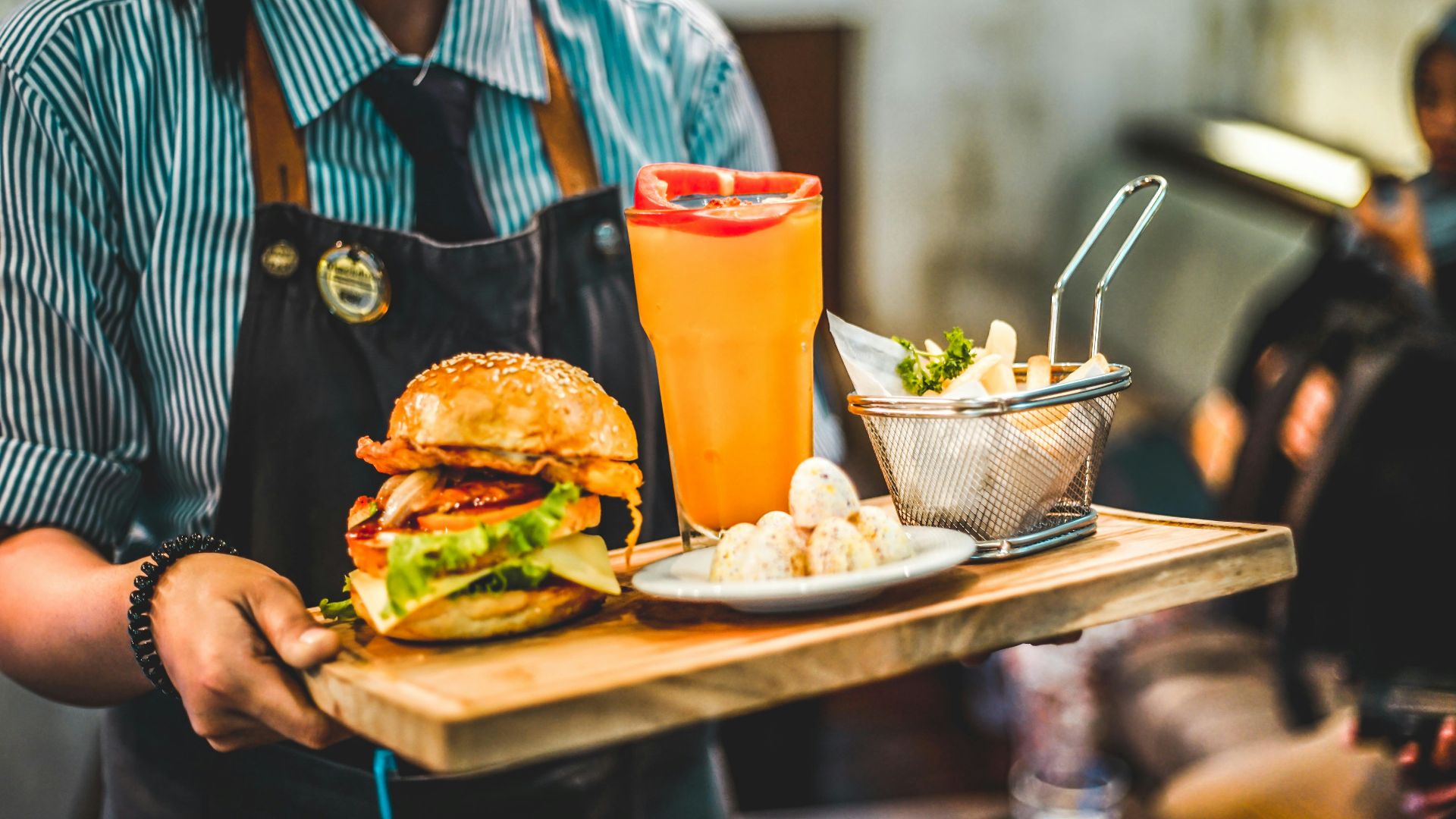
A warm smile and a few friendly comments are merely part of the job description. If she’s using the same upbeat script with every table, it’s not a personal gesture meant to flag you down. You can often tell, too, because the interaction stays surface-level and centers on service, not curiosity about your personal life. Polite but generic words signal that there’s nothing to build a respectful invitation on. It’s easy to confuse professional warmth with attraction when you’re the one enjoying the attention—if you can’t point to anything specific that separates you from the rest, don’t take a swing.

3. She Cuts Conversations Short
When someone wants to talk, they usually create a little space for it, even if they’re slammed. If, however, she consistently keeps the interaction brief, steps back quickly, or turns away as soon as she can, that’s information you should take seriously. It can look like anything from quick check-ins, minimal eye contact, or a tone that stays strictly businesslike. She might also give you short responses that don’t invite follow-up. None of this makes her unfriendly, but it does suggest she’s not interested in extra attention. If she’s clearly trying to minimize contact, asking her out is obviously a bad move.
 Anastasiia Kovalova on Unsplash
4. You’re Only Interested Because She Can’t Easily Say No
This is the uncomfortable one, but it’s important to address. Never forget that, regardless of your intentions, there’s always going to be a power imbalance. If part of the appeal is that she has to be nice and can’t walk away, that’s a clear sign you shouldn’t ask. Even if you’d never admit it out loud, the dynamic is real, and it’s on you to handle it responsibly. The workplace limits her options, especially if you’re at her table for an extended time. So, if you’re thinking, “Now she has to keep talking to me,” you’re already in the wrong.
5. You’re Planning to Use the Tip as Leverage
Tips are standard for good service; they’re not used to incentivize romance. If you’re even considering tying your tip to her answer, stop right there. It doesn’t even boil down to tip either: when you hint at money, hold the receipt hostage, or linger with your wallet out, it creates pressure whether you mean to or not. That pressure can make her feel trapped, and it can sour her night even if she stays polite. The moment you treat tipping like a bargaining chip, the invitation becomes coercive, and if you can’t separate generosity from outcome, you shouldn’t ask her out.
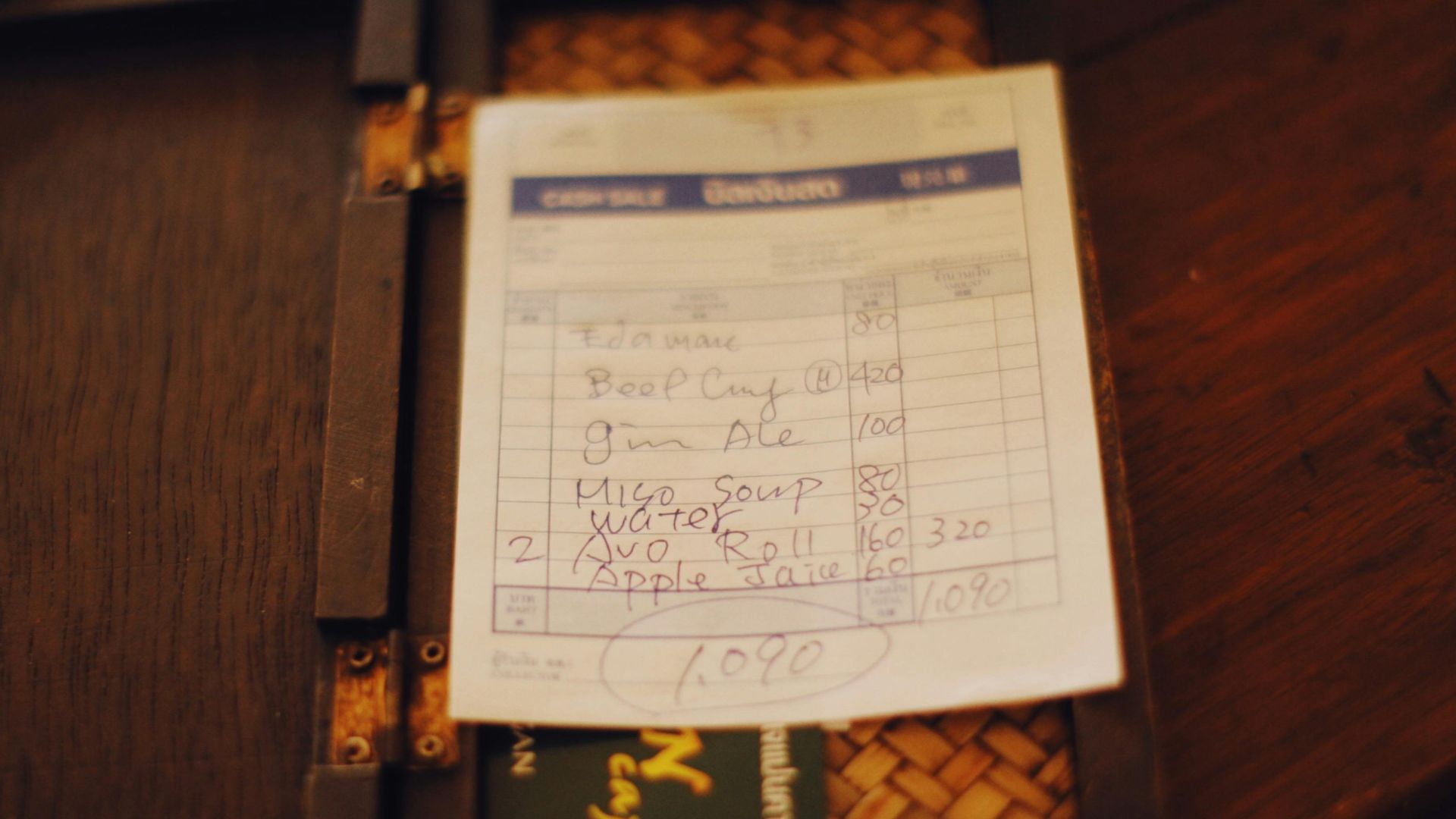
6. She Mentions a Partner
Sometimes the message is direct, and you should respect it without making it into some weird kind of competition. If she references a partner or even says she’s not dating, take it as a clear boundary. People also deflect in subtle ways, like changing the subject when you ask personal questions or steering the conversation back to the menu. If she answers lightly but doesn’t reciprocate curiosity, that’s usually intentional—and it’s not your job to “test” whether she really means it. The second she starts signaling that her personal life is off-limits, it’s on you to keep it that way.

7. You’ve Had a Few Drinks
Alcohol makes confidence feel like clarity, but it obviously isn’t the same thing. If you’ve been drinking, you’re more likely to misread friendliness as flirtation and more likely to come on too strong. Even if you think you’re being smooth, you might be louder, more persistent, or less aware of her discomfort—and they all make you look terrible. On her side, she’s stuck managing the interaction while staying professional, so all you’ve done is back her into a corner. If you wouldn’t ask the same question sober, you shouldn’t ask it at all. And if there’s any doubt, it’s a good sign to walk away.

8. You’re a Regular, and She Has to See You Again
Being a familiar face can feel like an advantage, but most of the time, it just means that you’re a common regular. If you come in often, she may worry that rejecting you could create ongoing awkwardness or even affect her income if you stop tipping well. That’s not a fair position to put someone in. Regulars also sometimes develop a false sense of closeness just because the staff recognizes them. If you’re part of her routine, she might be friendly to keep the atmosphere pleasant, not because she’s interested, so don’t just assume your presence is an automatic yes.

9. You’re Ignoring Clear Signals Because You Want It to Be True
Sometimes the biggest warning sign is your own internal narration. Interpreting neutral behavior as a secret invitation is a huge no-no, and you’re likely filling in gaps with wishful thinking. Pay attention to your own internal monologue more than her behavior. Watch for thoughts like “She’s playing hard to get” or “She’s just shy,” especially when her actions don’t support any of that. When you have to explain away disinterest, you’re no longer reading the situation; you’re rewriting it to fit your wish. That mindset can push you into persistence, which is exactly the kind of thing that makes people uncomfortable.

10. You Can’t Handle Rejection With Normalcy
Before you ask, be honest about how you’ll behave if she says no. If you’ll feel embarrassed, sulk, argue, or keep trying, then you shouldn’t ask to begin with. If you might complain to a manager, leave a nasty note, or tell friends to come in and “check her out,” that’s another hard stop. Even milder reactions matter, like making the next visit tense or repeatedly bringing it up. The correct response to a decline is calm respect and the same courtesy you’d show any stranger. If you can’t genuinely promise that, keep your interest to yourself and let her work in peace.