Eggs look like one of the easiest foods you can possibly cook. Crack a few into a pan, add some heat, add some seasoning, and breakfast is basically served. However, eggs are actually surprisingly sensitive, and a small temperature change can be the difference between soft and tender and dry and sad.
The biggest mistake many home cooks make is simply using too much heat. Turning the burner up high might seem like the quickest route to breakfast, but eggs cook so fast that intense heat often works against you. Learning to slow things down can improve almost every style of egg you make.
High Heat Changes Eggs Faster Than You Think
Eggs are mostly water and protein, and those proteins begin changing structure as they heat. As cooking continues, the proteins link together, and the egg goes from a liquid to a solid state. Push the temperature too far, though, and that structure tightens until moisture gets squeezed out.
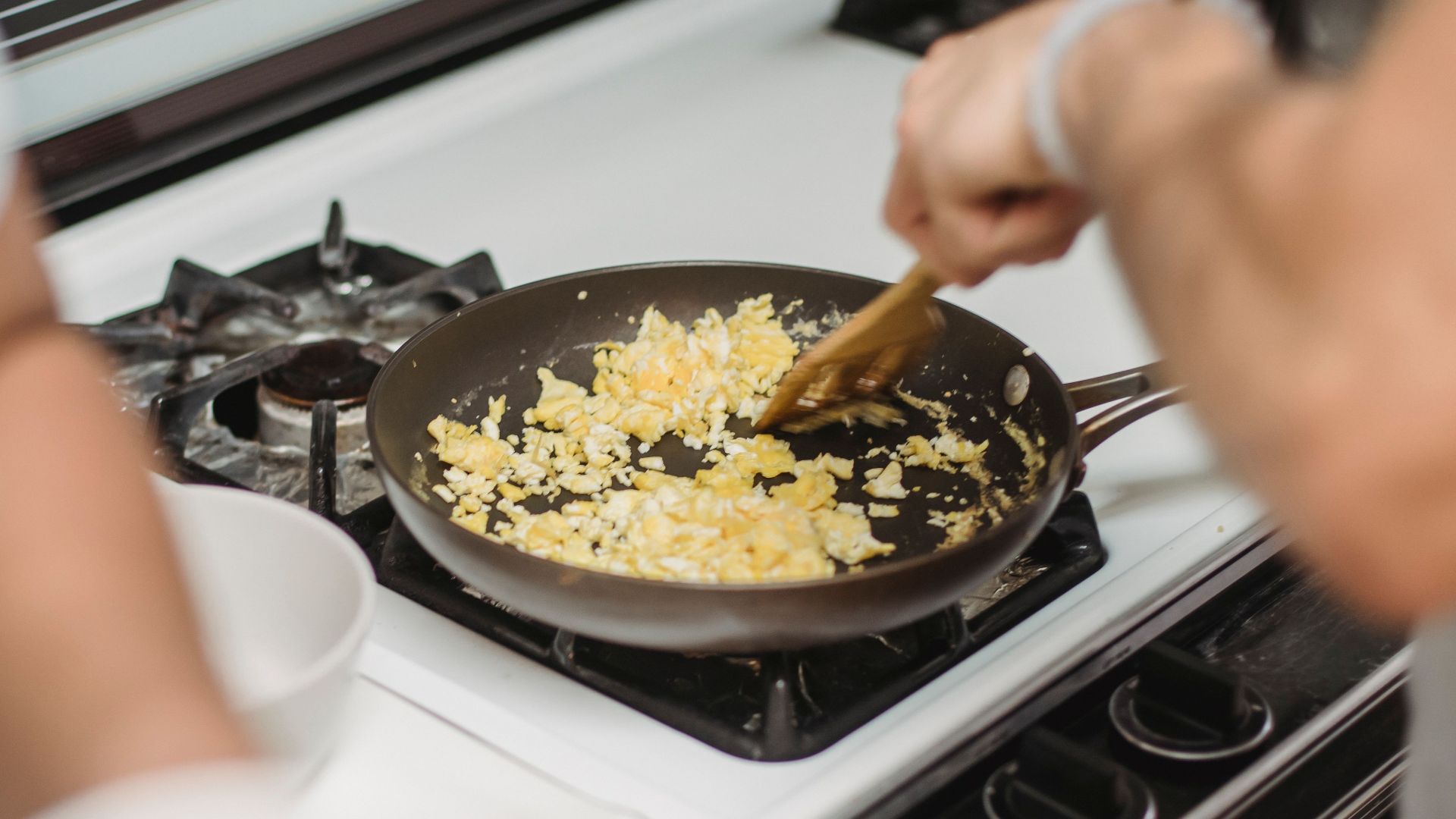
That’s why scrambled eggs can go from creamy to dry in what feels like a few seconds. A very hot skillet speeds up the process so much that controlling the final texture becomes very hard. By the time you notice they’re nearly done, the eggs may already be heading toward that firm, slightly rubbery stage.
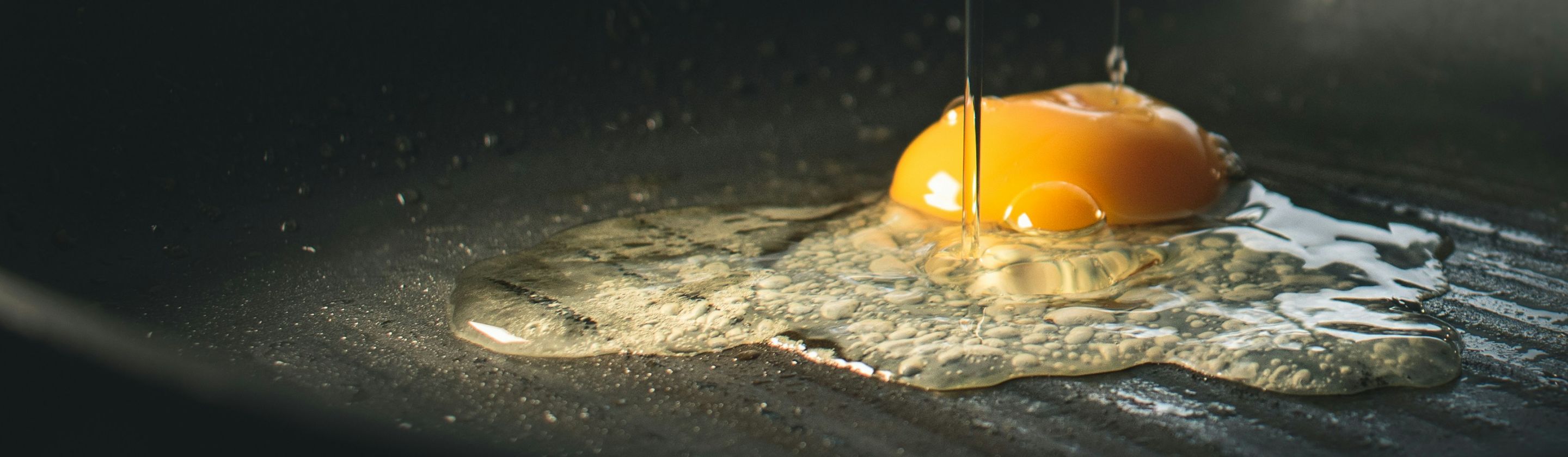
The same problem happens with fried eggs. Excessive heat can make the bottom brown and crisp long before the white near the yolk has finished setting. Some people enjoy crispy fried eggs, of course, but if you’re aiming for tender whites and a runny yolk, lower heat gives you a lot more control.
High temperatures can also create another familiar problem: eggs sticking stubbornly to the pan. Even with butter or oil, dropping eggs onto an aggressively hot surface can cause their proteins to set immediately against it. Using moderate heat instead and properly preparing the skillet usually makes cooking, flipping, and cleaning much easier.
Slower Cooking Gives You More Control
For scrambled eggs, medium-low heat is often a much more forgiving starting point. Instead of immediately forming large, firm pieces, the eggs gradually thicken as you stir them. This gives you time to move them around the pan and remove them when they’ve reached the consistency you actually want.
You also don’t have to keep the pan on the burner every second. If your scrambled eggs seem to be cooking too quickly, briefly moving the skillet away from the heat can slow everything down. Eggs retain heat well, so they’ll continue setting even when they aren’t sitting directly over the burner. That means taking them off the heat before they seem completely ready is a safer bet than waiting until they're right on the cusp of dry.
The type of pan you use can make a difference as well. Heavy skillets hold heat longer, meaning they can continue cooking your eggs after you turn down the burner. Getting familiar with your cookware is part of the process because the temperature dial on your stove doesn’t tell the whole story.
Butter can provide a useful clue before the eggs even hit the pan. If it melts gently and begins foaming, you’re generally working with manageable heat for many egg dishes. On the other hand, if it immediately browns or starts smoking, the skillet is probably hotter than you need it to be.
Eggs Keep Cooking After You Turn Off the Stove
One reason eggs are so easy to overcook is that they don’t stop cooking the moment you turn off the burner. The hot skillet and the eggs themselves continue carrying heat, a process commonly known as carryover cooking. Waiting until eggs look completely finished in the pan can therefore leave them noticeably firmer by the time they reach your plate.
With scrambled eggs, try removing them from the heat while they still look slightly softer and glossier than your ideal result. They’ll continue to set as you transfer them to a plate and get ready to eat. That small adjustment can help preserve moisture rather than cooking it away at the last second.
Fried eggs benefit from similar attention. Once the white has set enough for your preference, there’s usually little reason to keep blasting the pan with heat just to make sure everything is “done.” A gentler approach makes it easier to protect the yolk while avoiding an overly tough white.
None of this means you need restaurant-level technique to make good eggs. The main lesson is simply that eggs respond better to control than brute force. Prepare the pan properly, turn down the burner, pay attention to how quickly they’re setting, and take them off the heat slightly earlier than you normally would. You're bound to see the results at tomorrow's breakfast.
KEEP ON READING
The Most Popular Signature Dishes Around the World