You just ate not too long ago, but now you're rummaging through the fridge or cupboards in search of more food. You don't understand it—you're not hungry, but you still feel this strong urge to snack. Why?
As you'll see, there could be various reasons, from boredom to suppressing negative emotions. Eating when you’re not hungry is incredibly common, and it has way more to do with your emotions and habits than actual appetite. Here are some of the most common reasons you keep reaching for food even when your stomach isn’t asking for it.
You're Bored
A common reason you might eat when you're not hungry is simply because you're bored. If you've ever gotten up to check what was in your fridge for no reason, you've experienced this exact feeling. Why does this happen? Well, since your brain has nothing to focus on, it sometimes turns to eating as a way to find something to do. Research even shows that we snack when we're bored because we're either craving new sensations or we're looking to boost our mood. In other words, we're simply looking for that hit of dopamine.
You're Emotional

But it's not just boredom that can cause you to go on a sudden binge. In fact, emotional eating can occur no matter how you're feeling. You might eat when you're happy because you want to continue chasing that dopamine high; you might eat when you're sad because you're looking for something to numb the pain. And since all this does is cause you to overeat, we often feel much worse than we did before we started snacking.
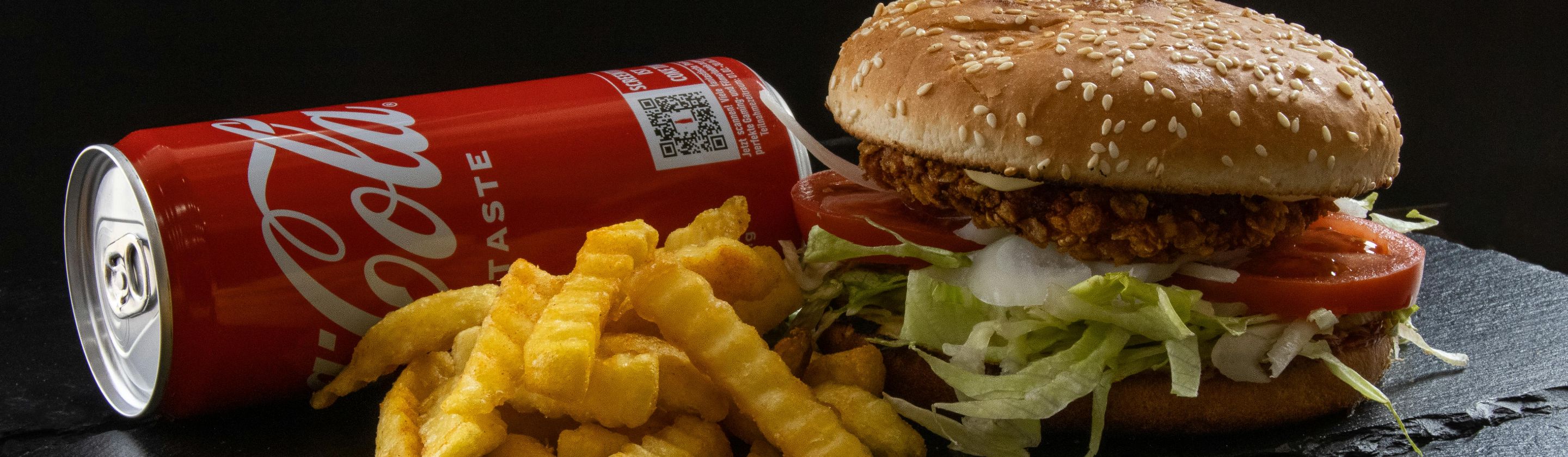
Another thing to note is that emotional eating often makes us choose unhealthy foods. After all, ice cream, French fries, macaroni and cheese, and other comfort dishes are much better at boosting our mood (and triggering those "feel-good" hormones) than more nutritious snacks, such as yogurt, nuts, and salad.
You Have Bad Habits
Sometimes, it might just be because you have bad habits.
You might have gotten used to late-night snacking or munching on chips nonstop while you're scrolling through TikTok. Over time, your body and brain continue to crave these pleasant feelings, which is usually why your cravings hit stronger when you try to break the pattern. You might not even realize you're reaching for your usual snacks until you're already halfway through the bag.
How to Break Free from the Pattern

But just because you've developed bad habits doesn't mean you can't unlearn them. Whether you're eating out of boredom, to chase a pleasant high, or to numb negative feelings, it's important to get to the root of why you're reaching for food. So, ask yourself questions. What are you actually hungry for? Are you hungry for affection? Are you simply craving for something to pass the time? Address where the urge is coming from, then see if you can find a better, healthier alternative that still satisfies you.
It may also help to talk to your food. You might feel silly for doing so, but if you know you're truly craving for something else, talking to your snack of choice may help you better understand where your urges are coming from. If the food on your plate can't fulfill your wishes, then it's best to push it aside.
Waiting it out may also help.
If you're still having trouble breaking your habit, though, reach out for support. A mental health specialist, a dietitian, or even a support group may be able to guide you out of your conditioned pattern in a way that's safe, sustainable, and tailored to your lifestyle. Having an outside perspective can also help you identify hidden triggers, build healthier coping strategies, and form a better relationship with food.