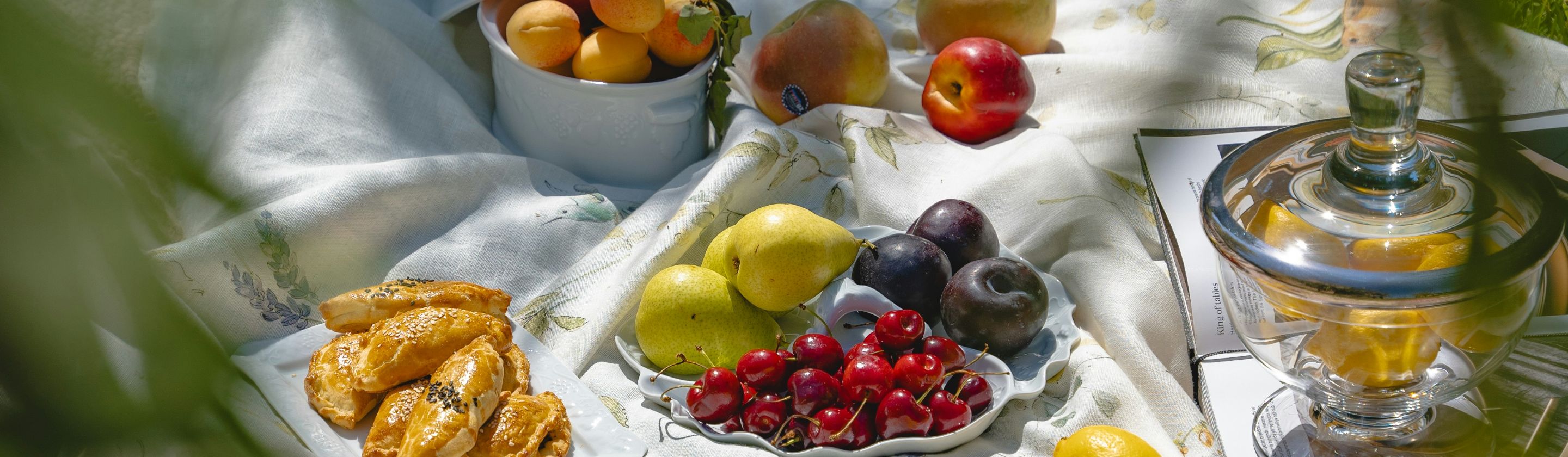
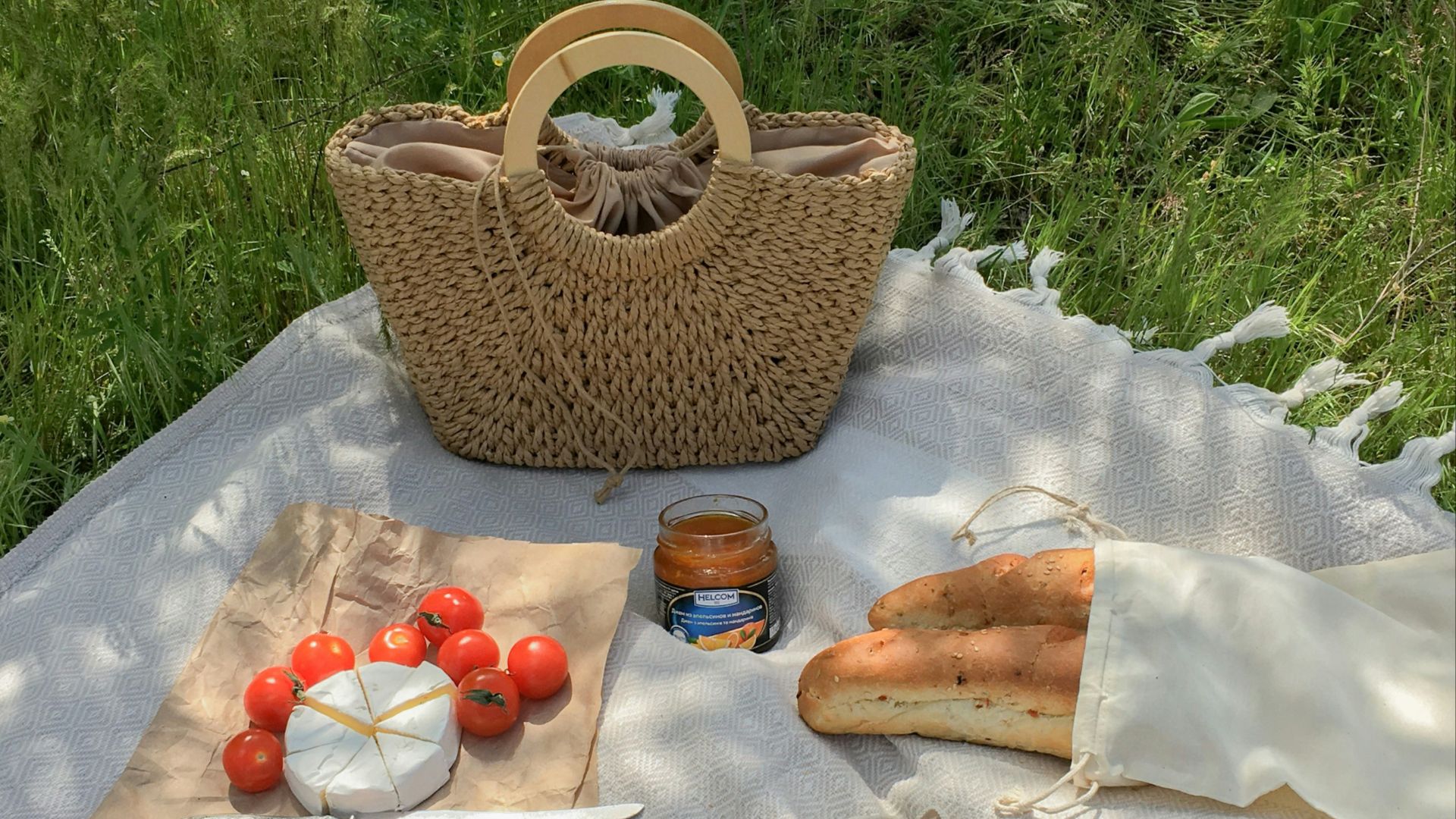
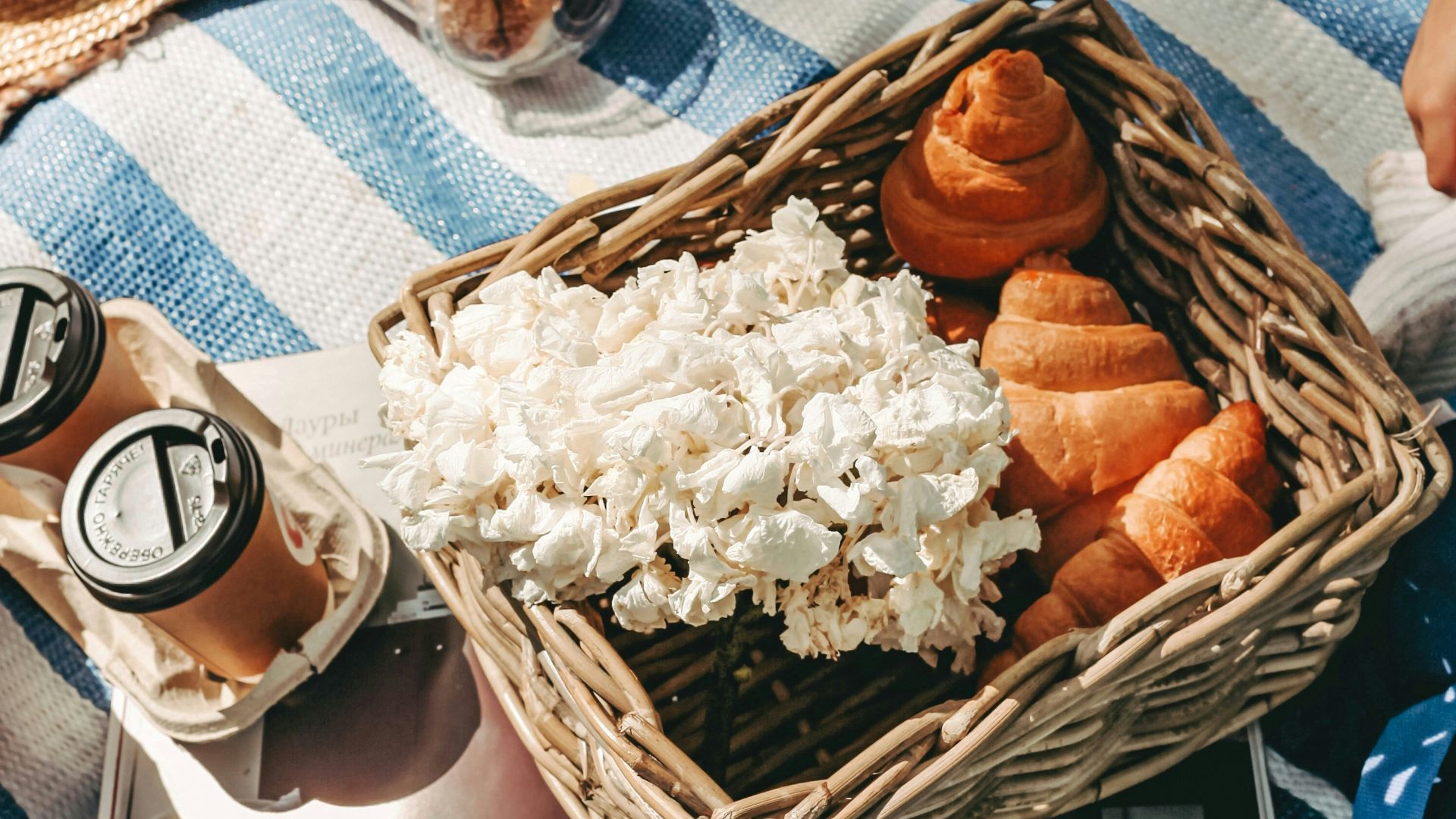
There was a time when the ultimate weekend plan involved loading a wicker basket with sandwiches, grabbing a plaid blanket, and heading to the nearest patch of green grass. Today, however, people are much more likely to be seen dining on a restaurant patio or ordering delivery straight to their couches than spreading a meal out in nature. Data from national recreation surveys and lifestyle tracking reveal that the traditional picnic is experiencing a slow, steady decline in modern society. While the idea of dining under the open sky still carries a certain romantic charm, the reality of pulling off a successful outdoor meal has lost its competitive edge.
This shift is not just a random twist in our cultural preferences, but rather a direct reflection of how our daily lives have transformed over the last few decades. The collective energy required to plan, pack, and execute a traditional outdoor gathering frequently clashes with our desire for effortless leisure. When you look closely at our shifting habits, it becomes clear that modern conveniences have quietly pushed the classic picnic to the margins of our social calendars. Between the evolution of food technology and changes in how we spend our precious free time, eating on the ground simply does not hold the appeal it once did.
The Modern Premium on Time and Effort
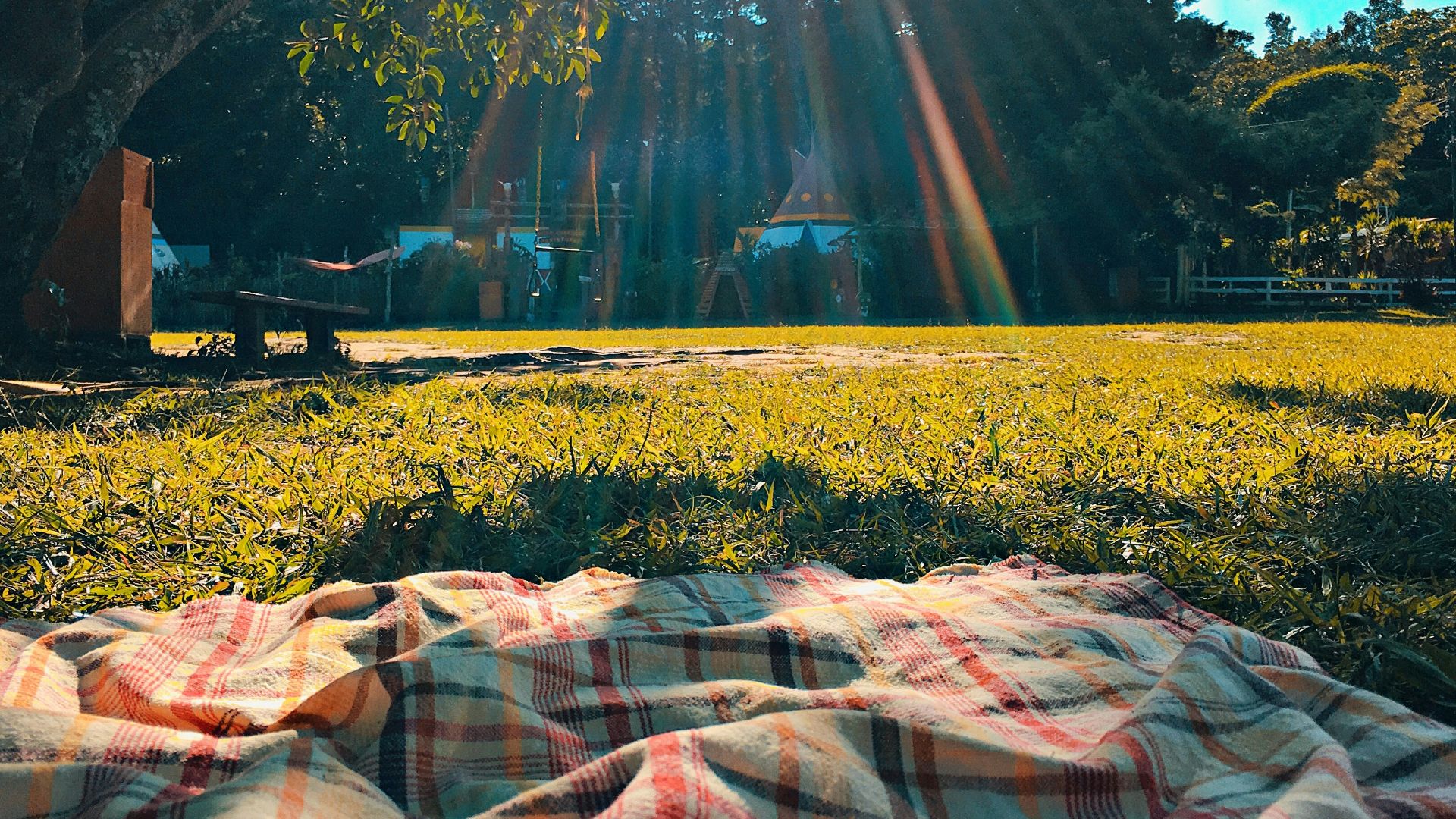
 Svetlana Kuznetsova on Unsplash
Pulling off a traditional picnic practically feels like taking on a temporary second job when you consider the sheer amount of preparation involved. In the past, spending a few hours baking pies, slicing deli meats, and packing individual containers was considered a standard weekend ritual. Today, schedules are packed tighter than ever, and the thought of spending an entire morning doing meal prep just to eat in a park feels exhausting. Most busy people would rather utilize their limited time off to actually relax instead of orchestrating a complex logistical operation.
The physical cleanup involved in these outdoor excursions adds another layer of deterrence that many folks simply want to avoid. After dealing with sticky, melting ice packs and wrapping up greasy leftovers, there is still the task of transporting all that dirty gear back to the kitchen. This tedious aftermath quickly eclipses the brief joy of sitting in the grass with friends or family. When it is possible to easily walk into a local café and have someone else handle the cooking and washing, the DIY nature of a picnic loses its sparkle.
Furthermore, the rising popularity of hyper-convenient food delivery services has completely changed the dining landscape. There is no longer a need to pack a heavy basket when a smartphone app allows gourmet hot meals to be summoned directly to an exact location with just a few taps. This effortless access to professionally prepared food makes the cold sandwich-and-potato-chip combination look incredibly unappealing by comparison. Technology has fundamentally spoiled expectations, leaving the humble, self-made outdoor feast looking a bit outdated.
The Competitive Pull of Indoor Entertainment and Comfort
The rapid advancement of indoor entertainment options has created a powerful domestic sanctuary that is incredibly difficult for a park bench to compete with. With streaming platforms, advanced gaming consoles, and temperature-controlled living spaces right at people's fingertips, leaving the house now requires a compelling reason. Many people find that staying inside offers a level of predictable relaxation that the unpredictable great outdoors simply cannot guarantee. The couch will almost always win the battle for an afternoon when daily energy reserves are already running dangerously low.
Climate control is another massive luxury that society has grown accustomed to expecting during leisure hours. Stepping outside means willingly subjecting yourself to intense summer humidity, unexpected rain showers, or sudden gusts of wind that blow paper plates away. Dealing with a sunburn or sweating through clothing while trying to enjoy a salad can quickly turn a fun outing into a miserable ordeal. Tolerance for physical discomfort has declined as modern indoor spaces have become increasingly optimized for personal ease.
The reality of sharing lunch with local wildlife also cannot be overlooked, as it is rarely as charming as it appears in old movies. Battling a relentless swarm of mosquitoes or watching ants march across a dessert tray introduces an element of stress that completely ruins the vibe. Many public parks also face issues with aggressive birds that are more than willing to steal food right out of someone's hand. Staying indoors keeps these uninvited guests at bay, ensuring a meal remains entirely peaceful and hygienic.
Shifting Social Trends and the Rise of Patio Culture
The explosive growth of restaurant patio dining has effectively captured the exact consumer desire that used to drive the picnicking tradition. Modern food establishments have invested heavily in creating beautiful, vibrant outdoor spaces where fresh air can be enjoyed without any of the associated hassle. People still get to experience the novelty of eating outside under string lights, but they also receive professional service and a cold drink. This seamless blend of nature and hospitality has successfully made the traditional blanket on the ground feel completely obsolete.
Collective social habits have also pivoted toward experiences that require significantly less group coordination and advanced planning. Organizing a potluck-style park gathering involves a constant stream of text messages regarding who is bringing the chairs, coolers, and utensils. Modern friend groups usually prefer to meet up spontaneously at a local brewery or food hall where everyone can buy exactly what they want. This individual flexibility eliminates the social pressure of catering to everyone's complicated dietary restrictions with a single basket.
Finally, the way public green spaces are viewed has evolved into a preference for active recreation rather than passive lounging. People visit parks to jog, walk dogs, or play organized sports rather than sit still for three hours with a massive spread of food. The modern lifestyle prioritizes movement and efficiency, which leaves very little room for the slow, drawn-out pastoral dining experiences of the past. While an occasional blanket might still appear on a beautiful spring afternoon, the classic, fully loaded picnic basket has firmly entered the realm of nostalgia.
KEEP ON READING
You’re Storing Tomatoes Wrong in This Heat
You’re Storing Potatoes Wrong in This Heat
You’re Storing Peppers Wrong in This Heat
You’re Storing Carrots Wrong in This Heat