
You buy decent beans, you follow the method precisely, and somehow the cup still comes out underwhelming. It’s not always bitter or sour, just oddly dull, like the flavor got turned down a few notches. If that sounds familiar, you’re not alone, and you’re not doomed to a lifetime of “fine” coffee.
Flat coffee usually comes from a few small issues stacking on top of each other. The good news is that most fixes are simple, and you don’t need a new machine to feel a big improvement. Once you understand what’s stealing the sparkle, you can adjust with confidence instead of guessing.
Your Beans & Grind Are Working Against You
A lot of “meh” coffee starts with beans that have lost their punch before you even brew. Coffee tastes brightest within a few weeks of roasting, and it fades steadily after that, especially once the bag is opened. If your beans have been sitting around for months, you can brew perfectly and still end up with a muted cup. Try buying smaller bags more often and storing them in an airtight container away from heat and light. You can even keep the beans in the freezer to preserve their freshness.
Grinding is the next place flavor goes to quietly disappear. Pre-ground coffee goes stale fast because more surface area is exposed to oxygen, which strips aromatics that make coffee taste vivid. If you can, grind right before brewing, even if it’s just once each morning. A basic burr grinder tends to improve clarity more than most people expect, because it gives a more consistent grind.
Even with fresh beans, the wrong grind size can flatten everything by causing uneven extraction. If the grind is too coarse, the water rushes through, and you get a weak, hollow flavor. When it’s too fine, the brew can overextract and taste heavy or dull, with brightness buried under harsh notes. Adjust in small steps and taste as you go, because tiny changes can make your coffee suddenly feel “awake.”
Water Quality, Temperature, & Ratios Matter More Than You Think
Coffee is mostly water, so if your water tastes off, your coffee will taste off too. Hard water can make flavors feel chalky or muted, while overly soft water can make the cup taste thin and vague. If your tap water has a strong smell or mineral bite, try filtered water and see what changes. You don’t need fancy bottled water, just something clean and pleasant to drink on its own.
Temperature is another common culprit, especially for home brewers who rely on guesswork. Water that’s too cool often underextracts, producing a cup that tastes flat and papery instead of rich and aromatic. If you’re using a kettle, aim for roughly 195–205°F, and if you don’t have a thermometer, bring the water to a boil and let it sit for about 30 seconds. That simple pause can keep your brew from being lifeless.
Then there’s the ratio, which controls almost everything you taste. If you’re using too little coffee, no technique in the world will create depth, because there just isn’t enough dissolved flavor. Precision is important here, so get yourself a digital scale. A reliable starting point is about 1 gram of coffee to 16 grams of water, then adjust based on your preference and brew method. When your measurements are steady, your tweaks become meaningful instead of random.
Your Brew Method & Cleanliness Can Mute Flavor
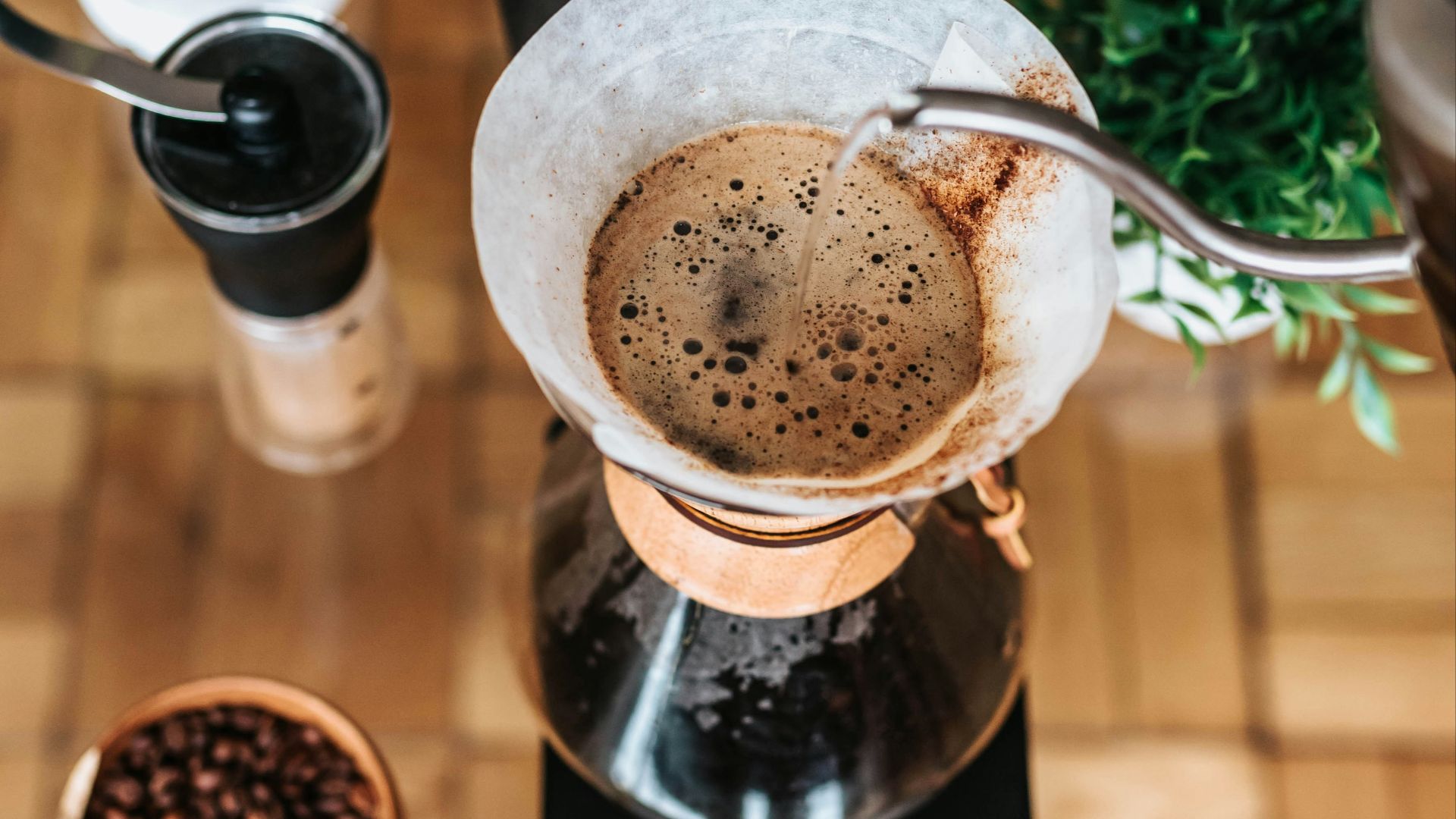
Flatness can show up when extraction is uneven, even if you're using good ingredients. Pour-over, drip, French press, and espresso all need a brew time that matches the grind and dose. If your pour-over finishes in two minutes when it should take closer to three, you’re likely not pulling enough from the grounds. If your French press sits too long with too fine a grind, the cup can lose sparkle and feel muddy.
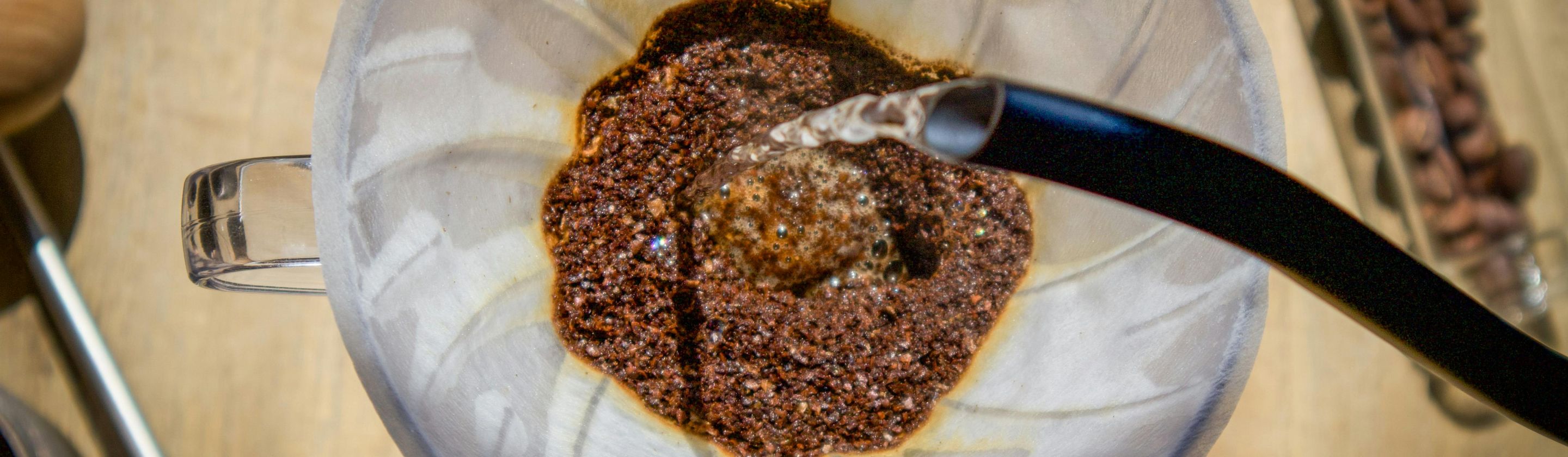
Technique matters, but you don’t have to turn brewing into a serious performance. For pour-over, a steady, controlled pour and a quick stir or swirl can help saturate grounds evenly, which boosts flavor clarity. For drip machines, using a good filter and making sure the bed of coffee is level can prevent channeling that leaves some grounds underused. With a French press, stirring after pouring water and letting grounds settle before plunging can reduce dull, silty notes.
Finally, your equipment might be sabotaging you in a very unglamorous way: old coffee oils. Coffee residue builds up in grinders, baskets, carafes, and even mugs, and it can make fresh brews taste stale or muted. Wash removable parts regularly, and descale coffee makers as recommended, because mineral buildup affects temperature and flow. A clean setup won’t magically fix everything, but it often restores brightness you didn’t realize you were missing.
If your coffee tastes flat, it’s usually not one big mistake; it’s a handful of small ones teaming up. Start with the highest-impact fixes, then focus on fine-tuning your brew method, and you'll notice improvements fast. Because you deserve wow coffee every day.
KEEP ON READING

The Most Popular Signature Dishes Around the World