
When it comes to grocery shopping, you might assume fresh is always better. Bright, colorful produce and recently caught seafood often look more appealing in the store than their frozen counterparts. Supermarket marketing also leans heavily on the idea that “fresh” equals higher quality, better taste, and better nutrition. It’s easy to see why many shoppers reach for the fresh section first.
However, there’s one food that defies this rule, and buying it frozen is almost always the smarter choice. Appearances don’t always tell the full story, especially when it comes to seafood that’s traveled long distances to reach your cart. What seems fresh may have had a longer journey and more handling than you realize. In many cases, frozen is actually the more honest and reliable option.
That food is fish, and while fresh fish sounds luxurious, it comes with risks and challenges that frozen fish doesn’t. By choosing frozen over fresh, you’re often getting higher quality, longer-lasting, and more convenient options without compromising flavor. Once you understand the benefits, you might never go back to “fresh” fish again.
Quality Preservation Through Freezing
Frozen fish is typically flash-frozen immediately after being caught. This process locks in freshness, flavor, and nutrients by bringing the temperature down very quickly. Because it happens so soon after harvest, the fish is preserved at peak quality. In contrast, fresh fish may spend days on boats, trucks, and display counters before you buy it.
In many cases, what’s labeled as fresh fish has actually been frozen and thawed during shipping. Some seafood is frozen on the boat, then thawed for display to extend its sellable life. By the time it reaches you, it may no longer be at its best. Choosing frozen cuts out this extra cycle and gives you more control over the final thaw.
The freezing process also prevents spoilage. Fish is highly perishable, and even minor delays in transportation or storage can reduce its quality. Temperature fluctuations, improper handling, or extended display times can all take a toll. By buying frozen, you’re ensuring that what reaches your kitchen is as close to its original state as possible.
Flash freezing also helps retain the fish’s texture. Properly frozen fish forms smaller ice crystals, which do less damage to the flesh. When thawed correctly, it cooks evenly and stays firm. Fresh fish that’s been sitting for a day or two can become soft or mushy, especially delicate varieties.
Another overlooked benefit is nutritional stability. Freezing helps preserve protein, healthy fats, and key vitamins. Since fish is often purchased for its health benefits, keeping those nutrients intact matters. Frozen fish delivers consistent nutrition without the guesswork of how long the “fresh” fish has been sitting.
Convenience and Shelf Life
Another advantage of frozen fish is the convenience factor. You can store it in your freezer for weeks or even months, which means you’re not racing against time to cook it before it goes bad. This makes it easier to keep seafood as a regular part of your diet. You can buy it once and use it when you’re ready.
Fresh fish often has a shelf life of only a day or two. That short window can make meal planning stressful, especially if your schedule changes. If dinner plans shift, you risk wasting an expensive ingredient. Frozen fish gives you flexibility and peace of mind.
Portion control is also easier with frozen fish. Many packages come individually wrapped or pre-portioned. You can thaw exactly what you need and keep the rest frozen. This reduces food waste and helps with budgeting.
Frozen fish also reduces the hassle of preparation. It’s usually already cleaned, deboned, and filleted. That saves time and lowers the barrier for cooking seafood at home. For people who feel intimidated by whole fish, frozen fillets are far more approachable.
There’s also convenience in consistency. With frozen fish, you know what you’re getting each time. The size, cut, and quality are predictable. That makes recipes easier to follow and results easier to repeat.
Cost and Sustainability Benefits
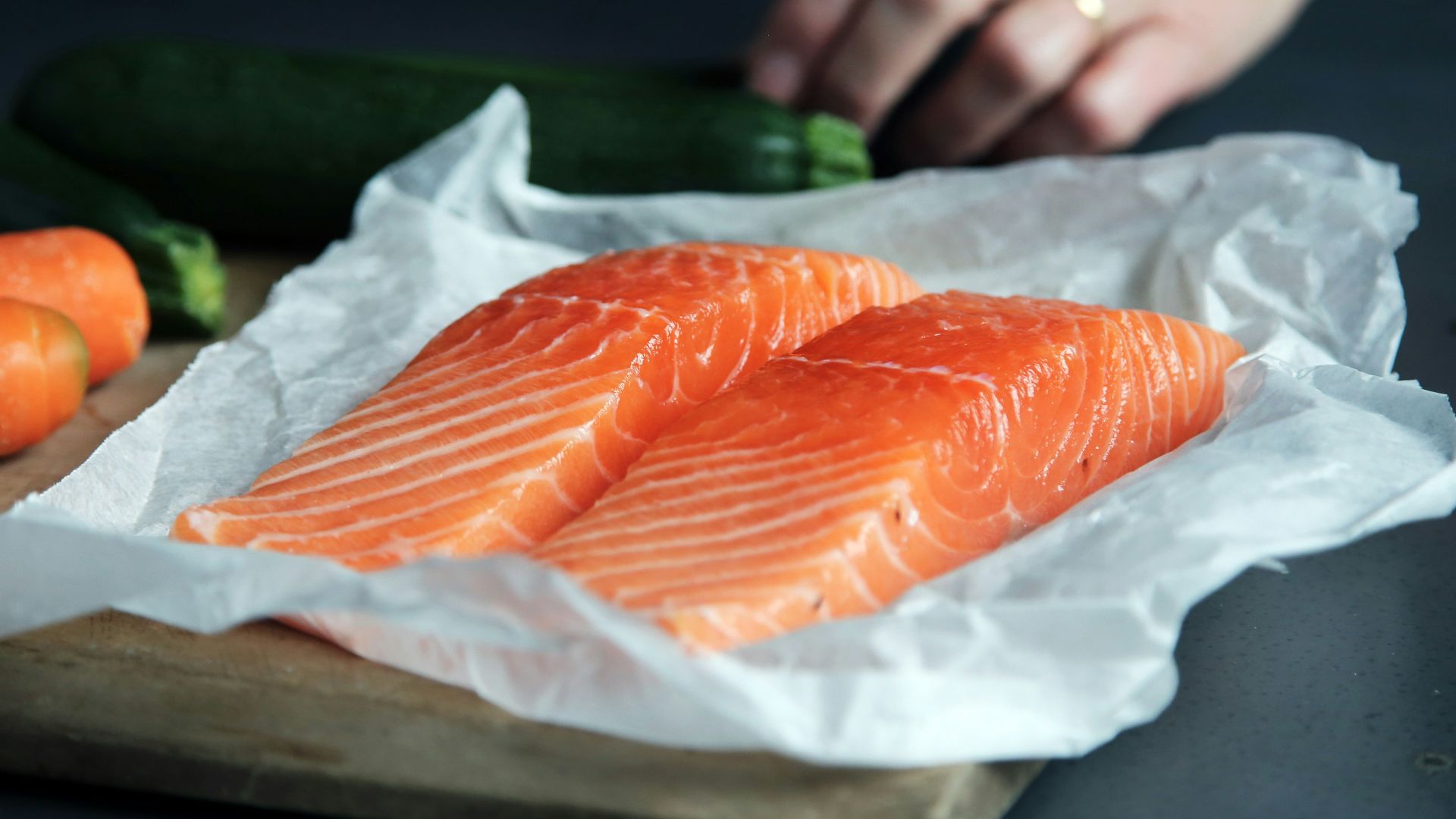
Frozen fish is often more affordable than fresh options. Because it lasts longer and travels better, suppliers can manage inventory more efficiently. That efficiency often translates to lower prices. You can enjoy seafood more often without feeling like it’s a luxury purchase.
Seasonality plays a role too. Frozen fish is often processed at peak season when supply is high and quality is best. Freezing allows that peak-quality fish to be enjoyed year-round. Fresh fish out of season may be pricier and not as good.
Sustainability is another strong reason to choose frozen. Processing and freezing fish near where it’s caught can reduce the need for rapid air freight. That can lower the overall environmental footprint. Some frozen brands also highlight responsible sourcing and certified fisheries.
Lastly, frozen fish minimizes waste. Fresh fish that isn’t used quickly often ends up in the trash. That’s bad for your wallet and the environment. Frozen fish lets you use what you need and save the rest.
KEEP ON READING