Smart Swaps Real Cooks Use
Great cooking rarely comes from strict rules. It comes from knowing why ingredients matter and how to replace them when plans change. Substitutes save time, reduce waste, and open the door to new flavors you might not expect. Many of these ideas grew out of necessity long before modern grocery stores existed. Here are 20 great baking substitutes you can make if you're ever in a pickle.
1. No Butter: Use Yogurt
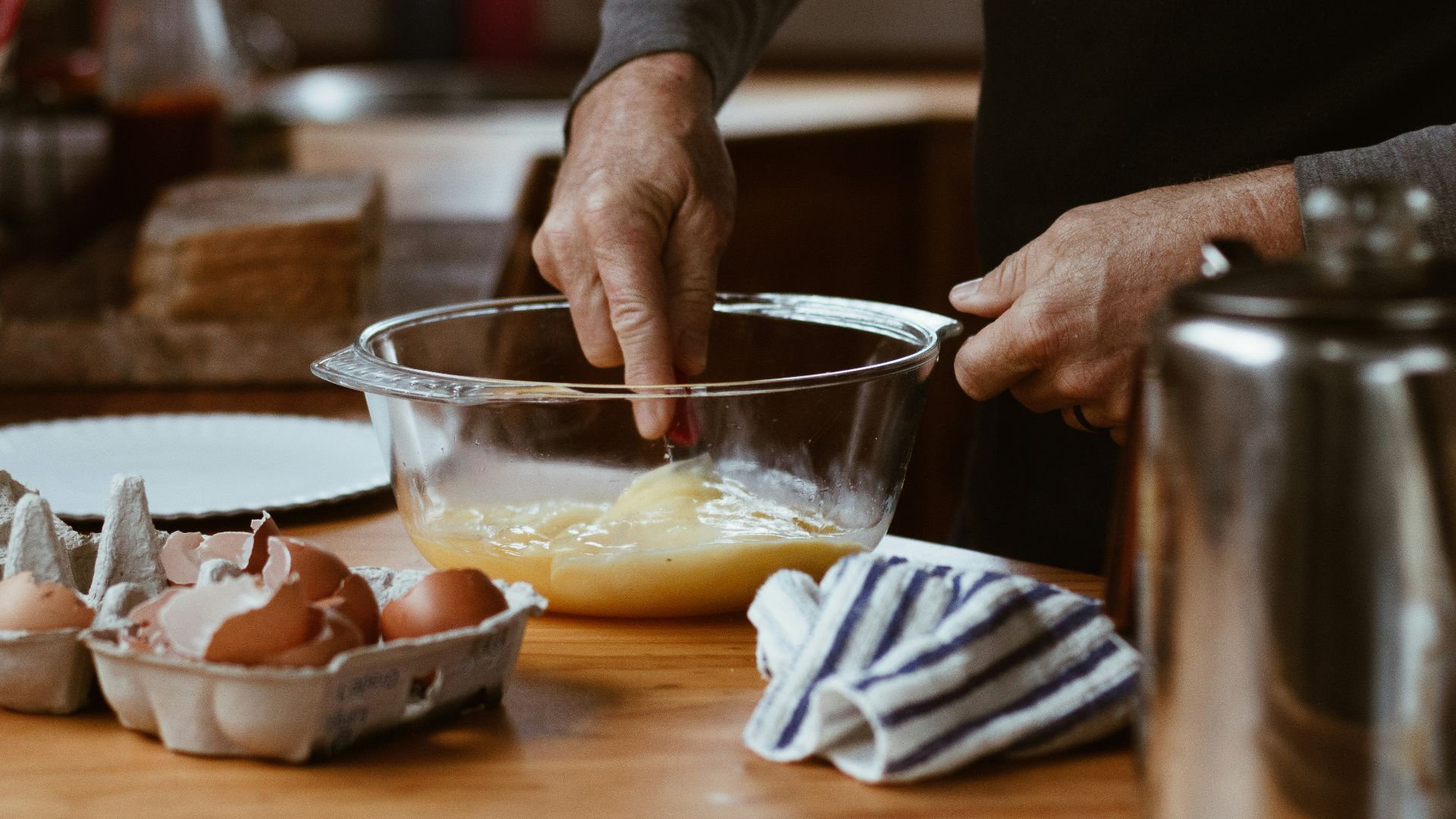
Run low on butter, and yogurt steps in confidently. Strained yogurt cuts fat by roughly 75 percent while keeping moisture through concentrated milk solids. Full-fat Greek yogurt swaps 1:1, adds tangy lactic acid for gluten relaxation, yet needs 10–20 percent extra volume.
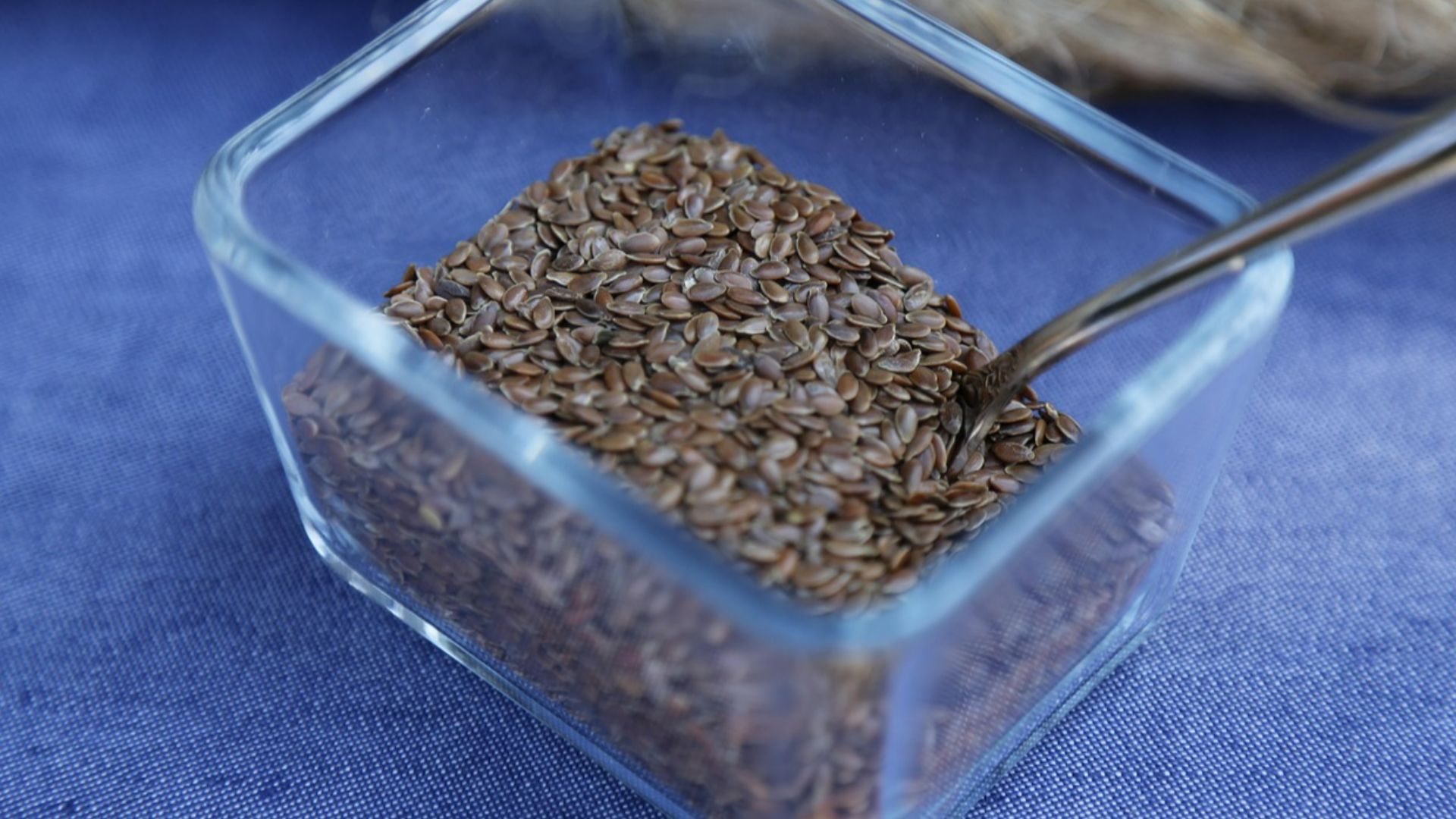
2. No Eggs: Use Flaxseed Gel
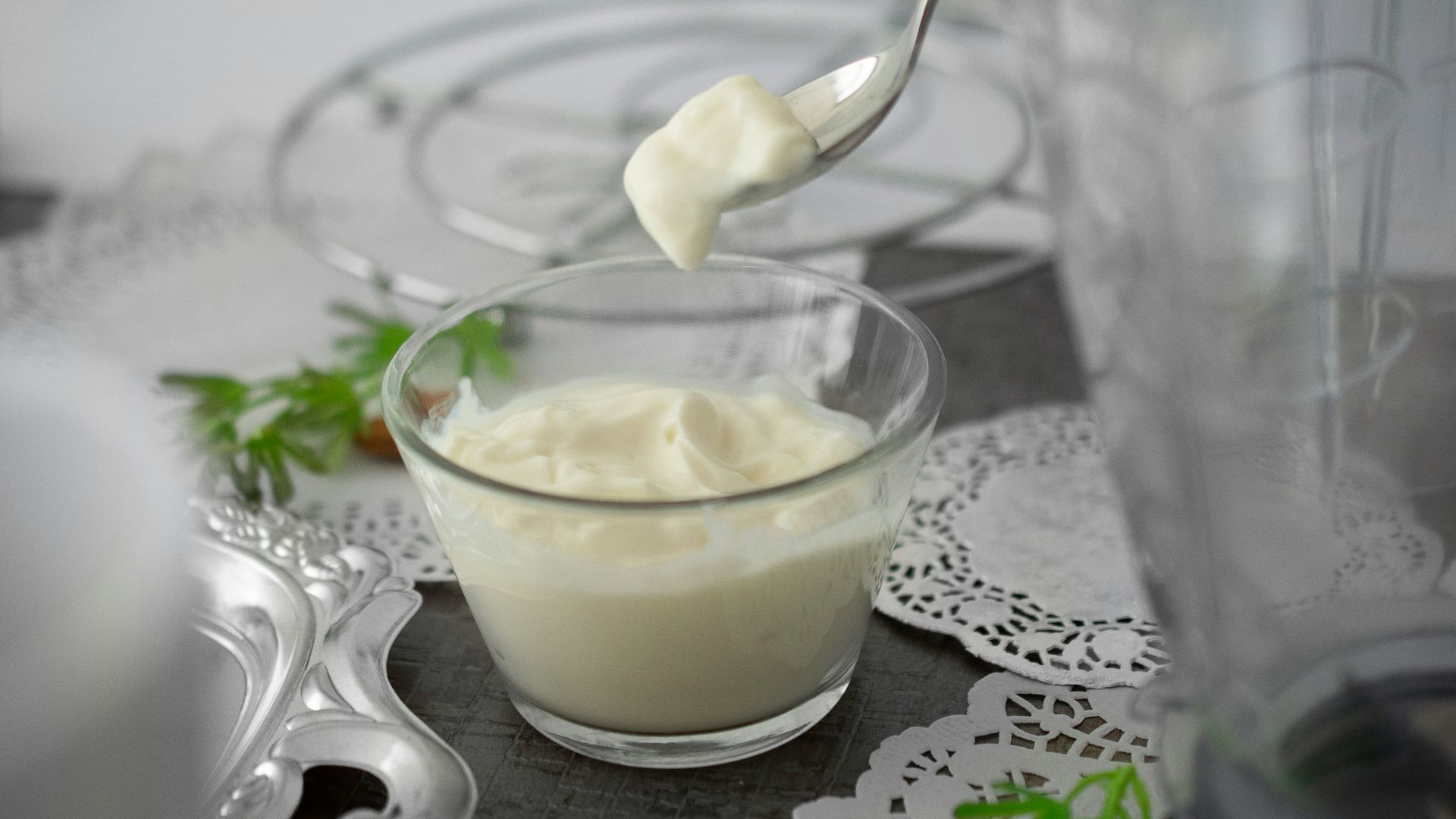
Flaxseed gel is a great egg substitute because it maintains structure well. One tablespoon of ground flax mixed with water replaces one egg using mucilage polysaccharides. And this batter gains moisture, omega-3s, and fiber. Dense recipes shine after five to ten minutes of resting for proper emulsion.
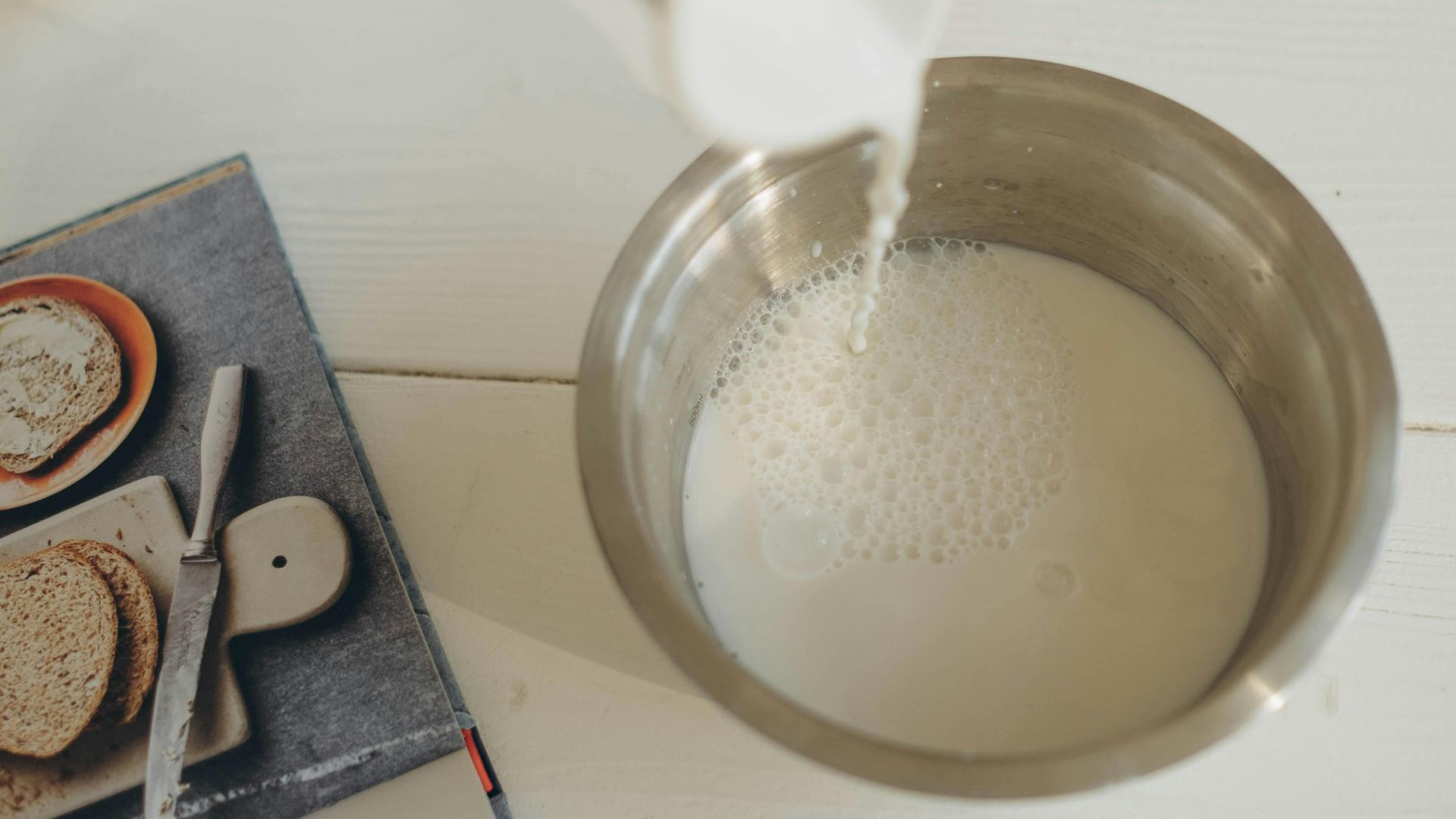
3. No Buttermilk: Use Vinegar Milk
Biscuits stay tender when milk and vinegar meet at 1 tablespoon per cup. Acid curdles proteins, relaxes gluten, and triggers baking soda reactions at a true 1:1 swap. Rest for five to ten minutes. Ultra-pasteurized milk curdles less yet still performs.
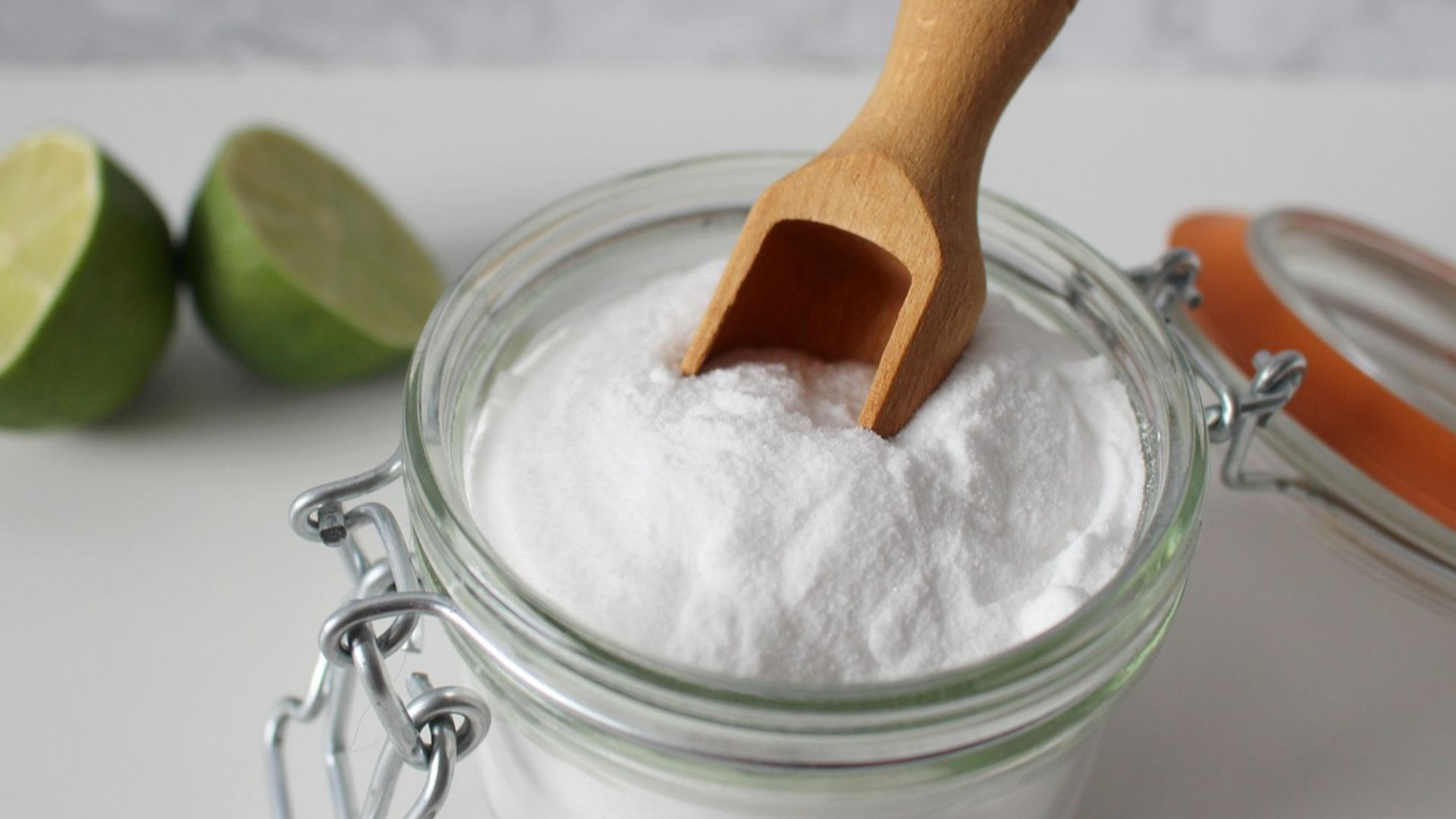
4. No Baking Powder: Mix Tartar And Baking Soda
Need a lift fast? Combine cream of tartar with baking soda in a two-to-one ratio. Carbon dioxide is released immediately, causing it to rise. This is a great tip for those days you find yourself without baking powder at home.
5. No Vanilla Extract: Infuse Vodka
Vodka infused with vanilla bean extracts vanillin over one to two weeks. After that time, use two beans per half cup of alcohol for aromatic depth. The ethanol base mirrors the store extract at a 1:1 ratio, though dilution helps control alcohol presence.

6. No Cornstarch: Use Flour Slurry
Sauces thicken through starch gelatinization when flour comes into contact with water. Here, use 2 tablespoons of flour for every quarter cup of liquid as a cornstarch stand-in. With this, expect more opacity and body. You also have to cook longer to remove the raw taste.
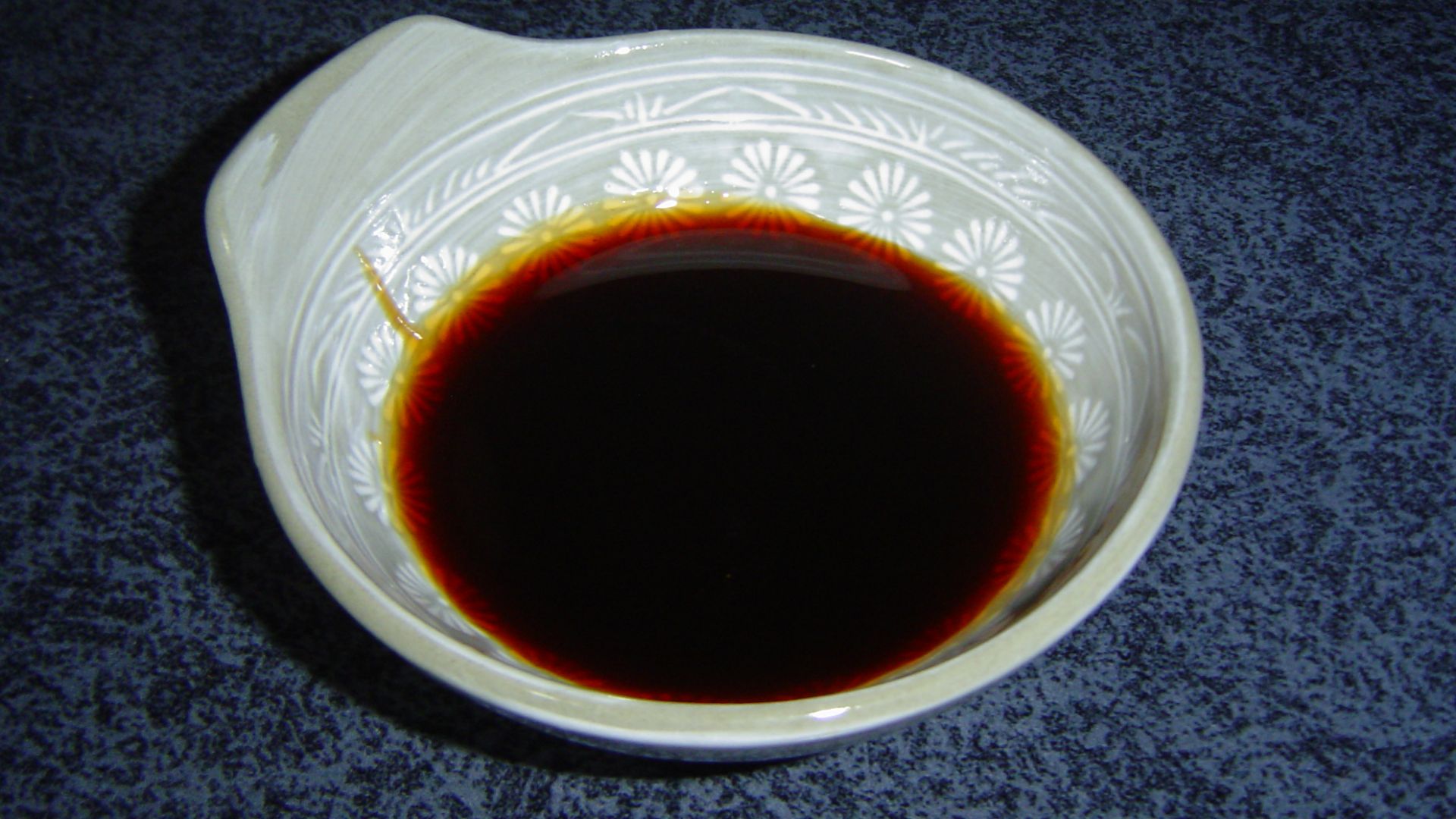
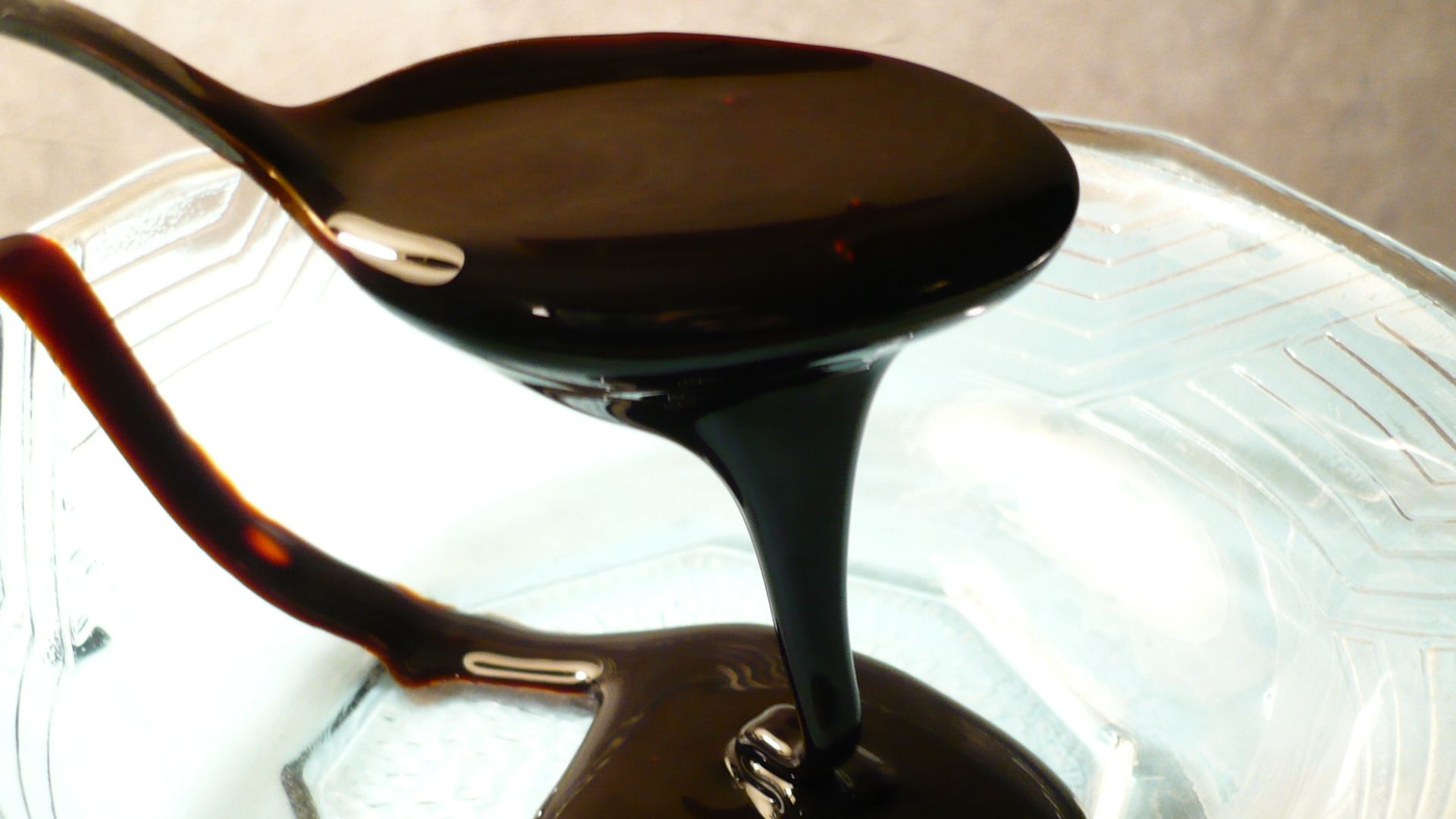
7. No Honey: Try Date Syrup
If honey runs out mid-recipe, date syrup keeps things moving. It replaces honey one-to-one, bringing viscosity and caramel notes from fructose. Fiber helps batters retain moisture, though liquids drop by 20 percent. Antioxidants and minerals boost nutrition, while the lovely fruit flavor shapes spiced batters.
 w:en:User:Hakeem.gadi on Wikimedia
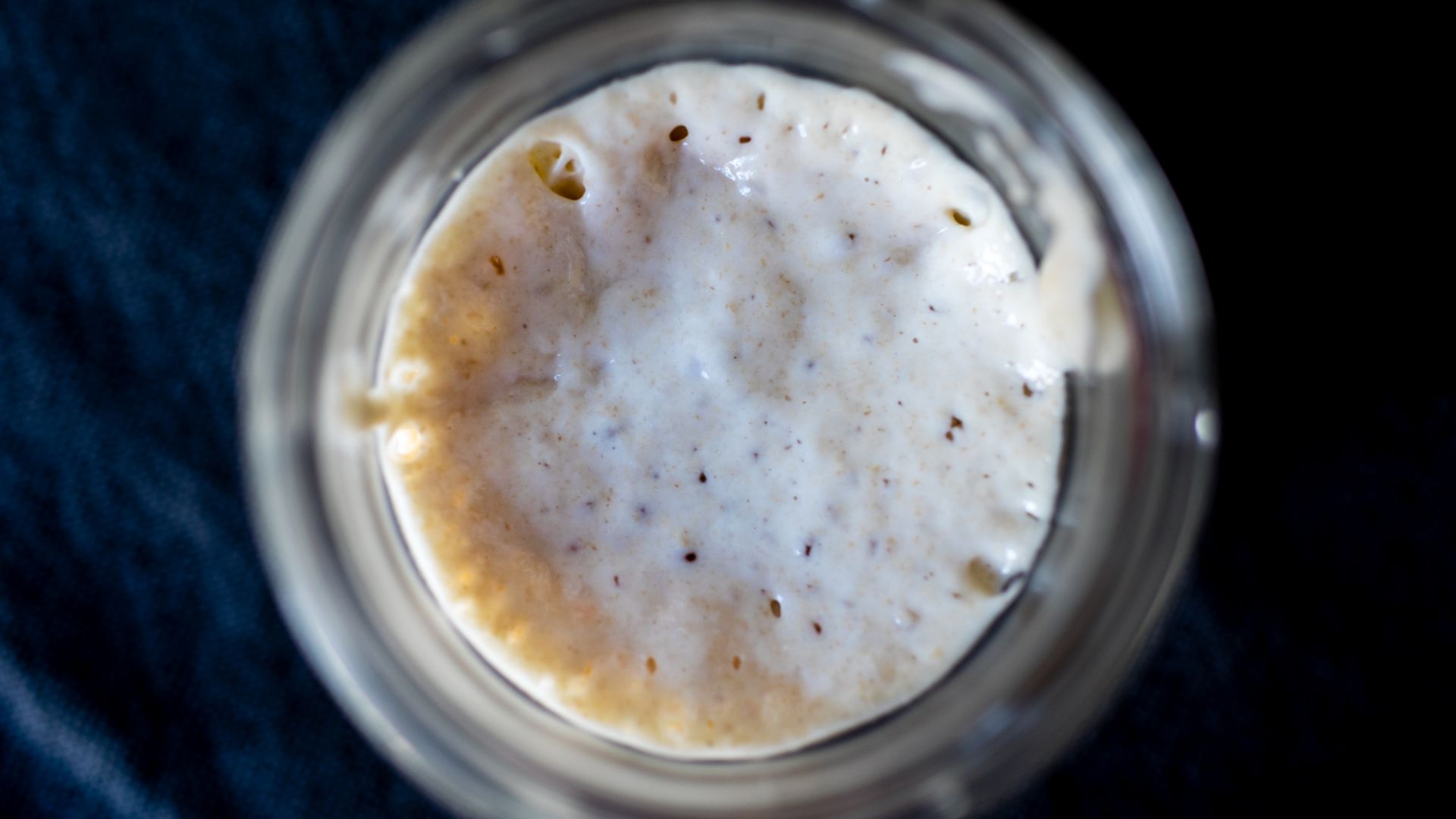
8. No Yeast: Use Sourdough Starter
Expect a slower rhythm here because sourdough starter develops wild yeasts over 5 to 7 days, but even so, it replaces one yeast packet with 100 grams. Carbon dioxide lifts dough, lactic acid adds tang, digestibility improves, shelf life extends, and prebiotics appear.
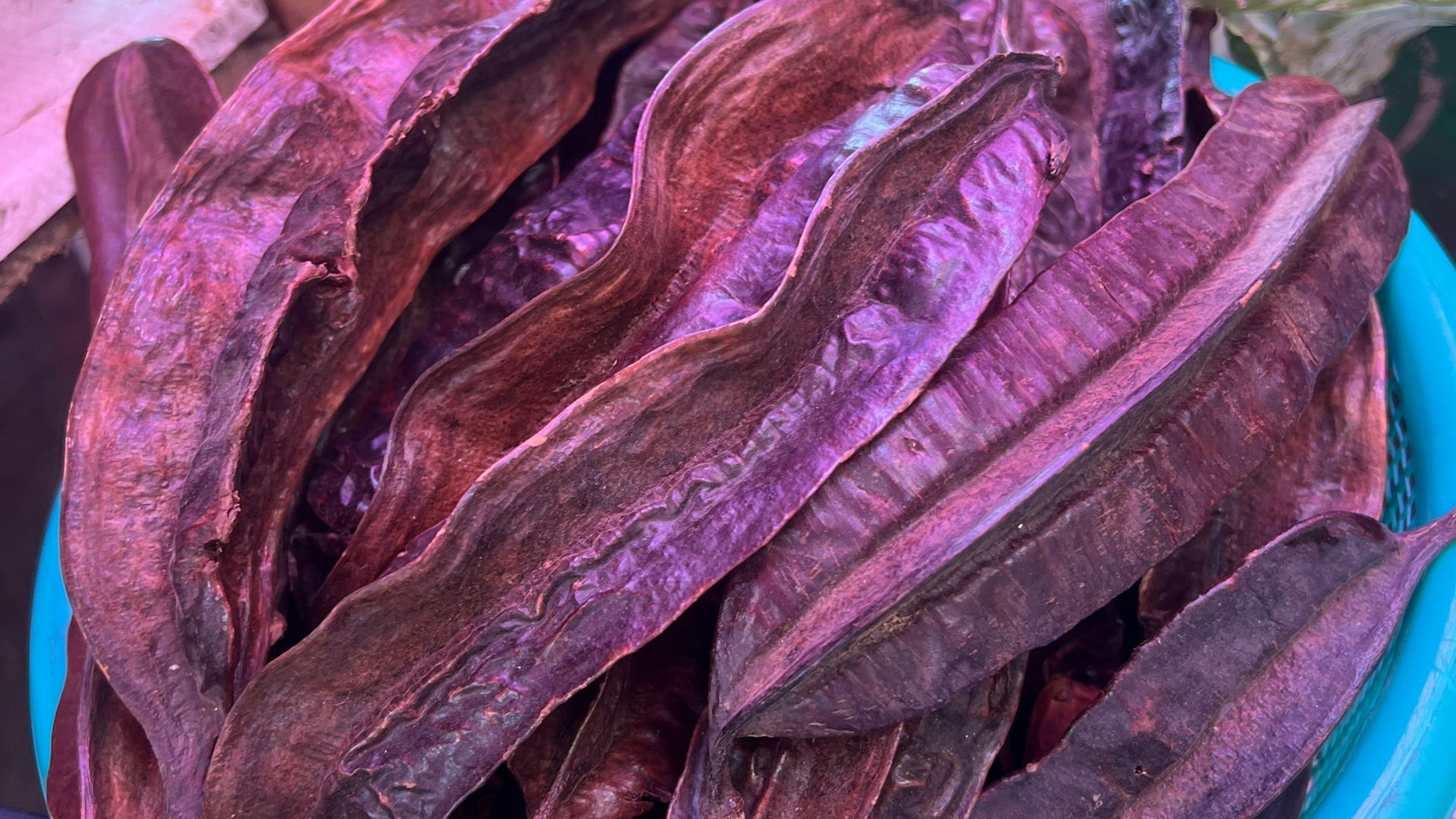
9. No Cocoa Powder: Use Carob Paste
Looking for a chocolate flavor without cocoa? Carob paste steps in at a one-to-one ratio with natural fiber and similar antioxidants. Bitterness softens, and gluten-free baking benefits. Additionally, the espresso deepens the flavor, and the salt sharpens the balance. The chocolate intensity also remains gentler overall.
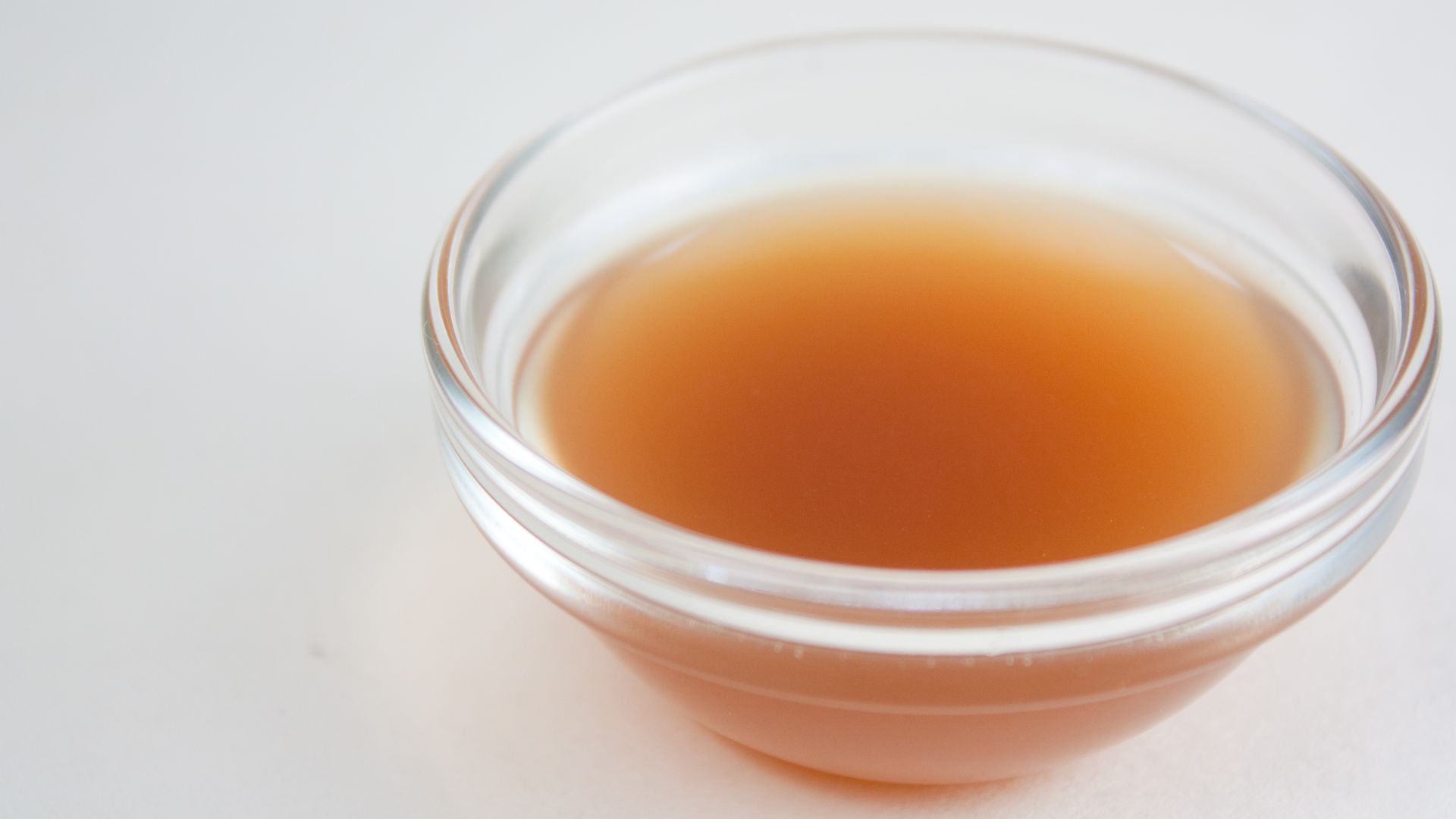
10. No Lemon Juice: Use Apple Cider
When lemons vanish, fermented apple cider keeps marinades working. A swap delivers malic acid, which lowers pH to tenderize and improve safety by inhibiting pathogens. Sweeter notes call for a balance of herbs. The probiotics quietly add umami during soaking and cooking.
 Veganbaking.net from USA on Wikimedia
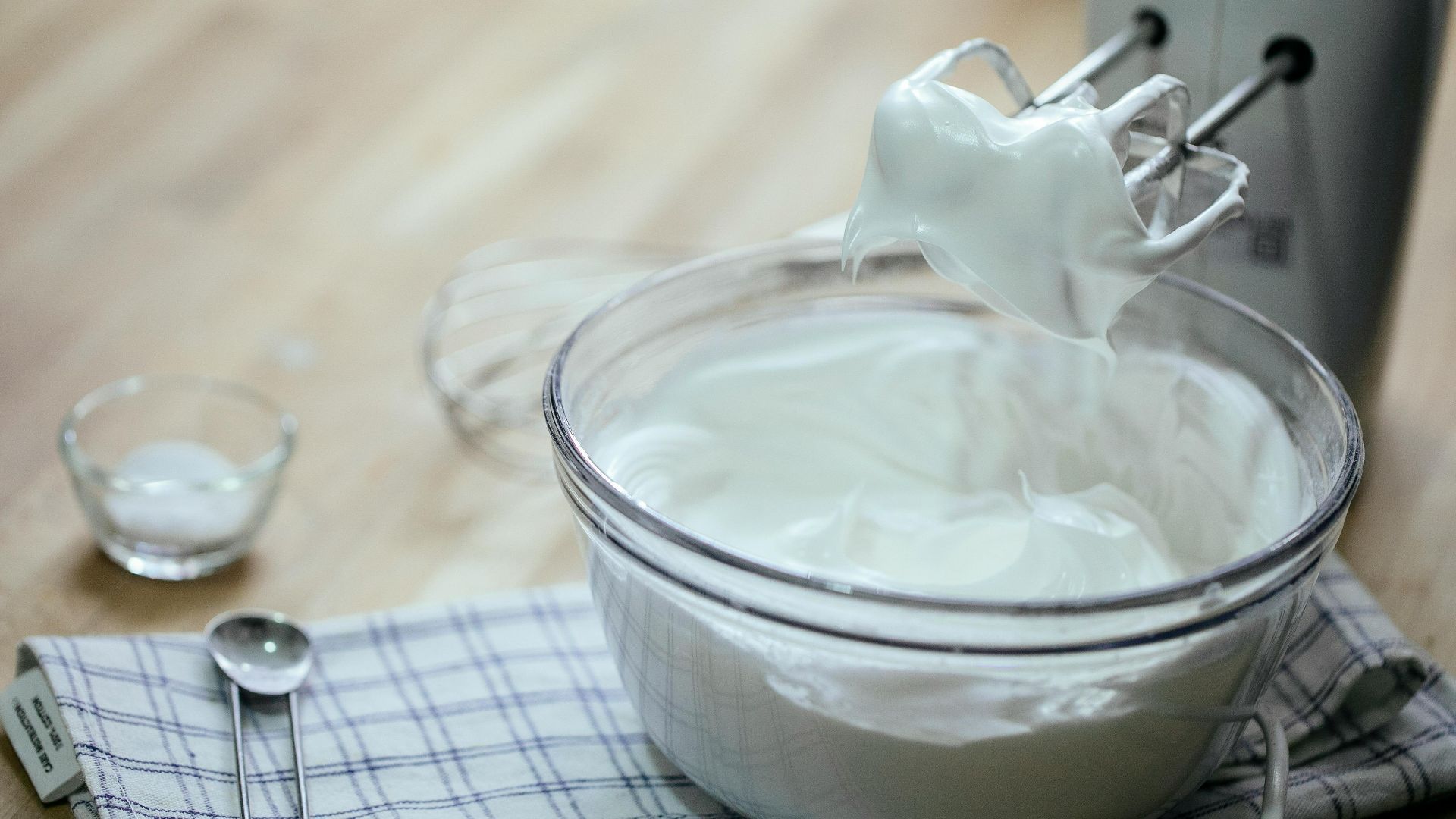
11. No Heavy Cream: Whip Coconut Milk
Dessert plans stay intact once chilled coconut milk enters the picture. Solidified fats whip into stable peaks through lauric fats, replacing heavy cream. Calories drop by half, texture holds steady. Then, the medium-chain triglycerides add energy. Vanilla helps soften coconut flavor when needed.
12. No Brown Sugar: Add Molasses
If you had no idea, just know that cookies depend on moisture more than color. And mixing one tablespoon of molasses into each cup of white sugar recreates brown sugar’s behavior. Chewiness improves, Maillard browning matches expectations, and flavor depth stays adjustable.
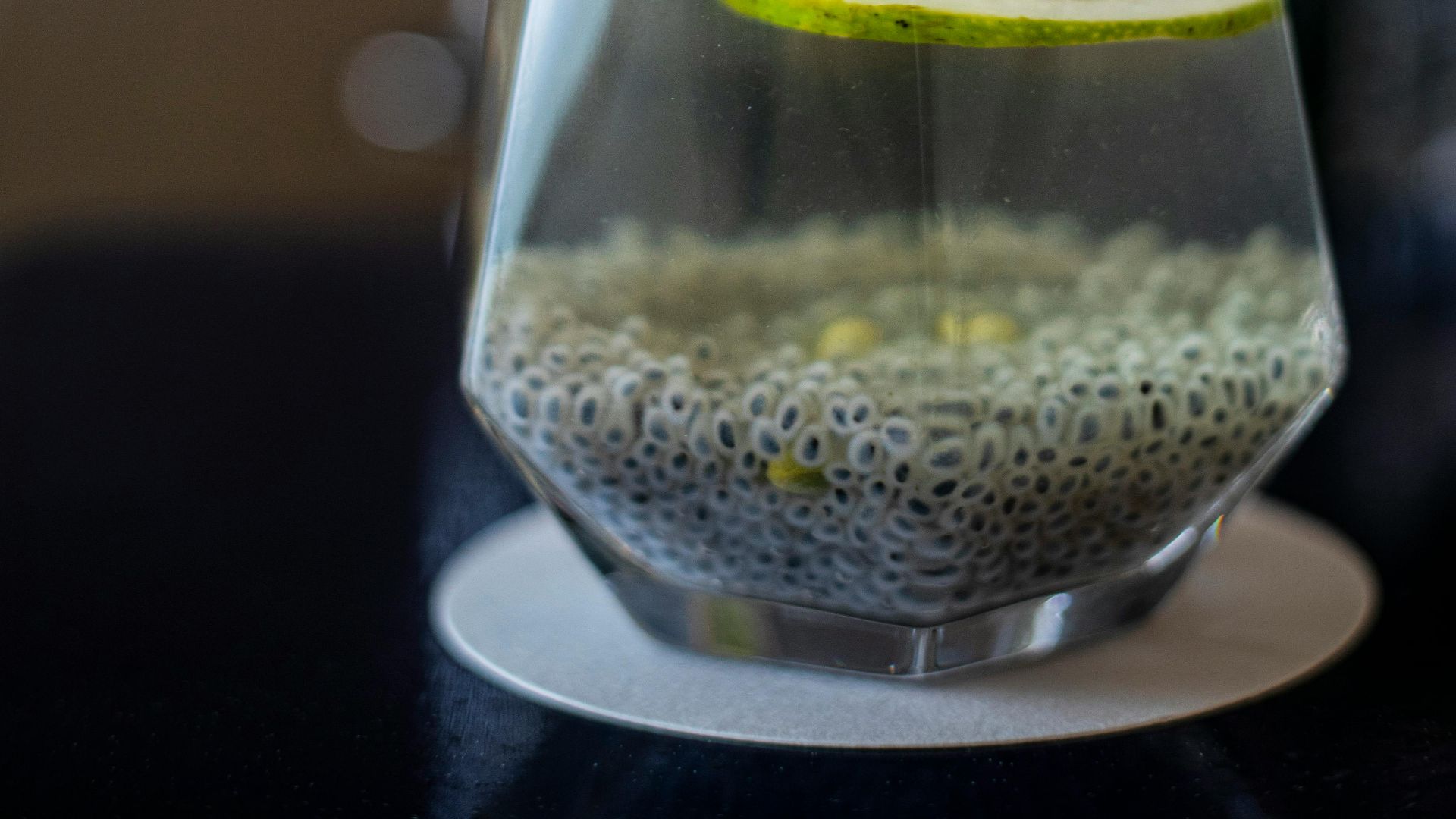
13. No Gelatin: Use Chia Gel
Give chia seeds a short soak, and they quietly turn into a gel, thanks to omega-3 mucilage, that replaces gelatin one-to-one in jams or puddings. You gain fiber and antioxidants along the way. Grind the seeds if texture and clarity matter.
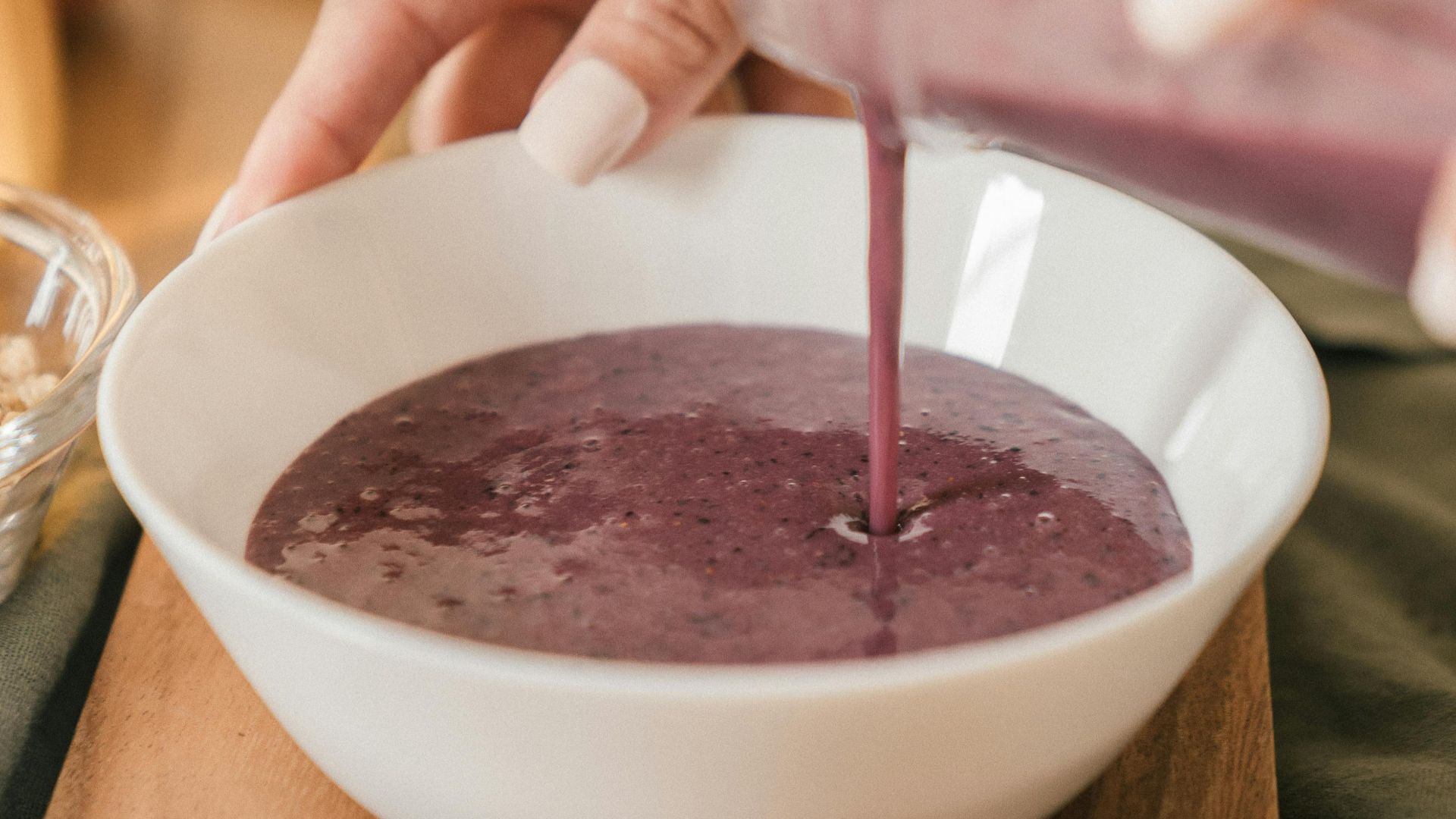
14. No Maple Syrup: Reduce Berry Juice
Let the berry juice simmer, and let patience take over. Reduction concentrates fructose, producing a maple syrup replacement. Antioxidants stay intact as calories drop. Tartness works best with complementary dishes, and added sweetener steps in when the glaze feels too sharp.
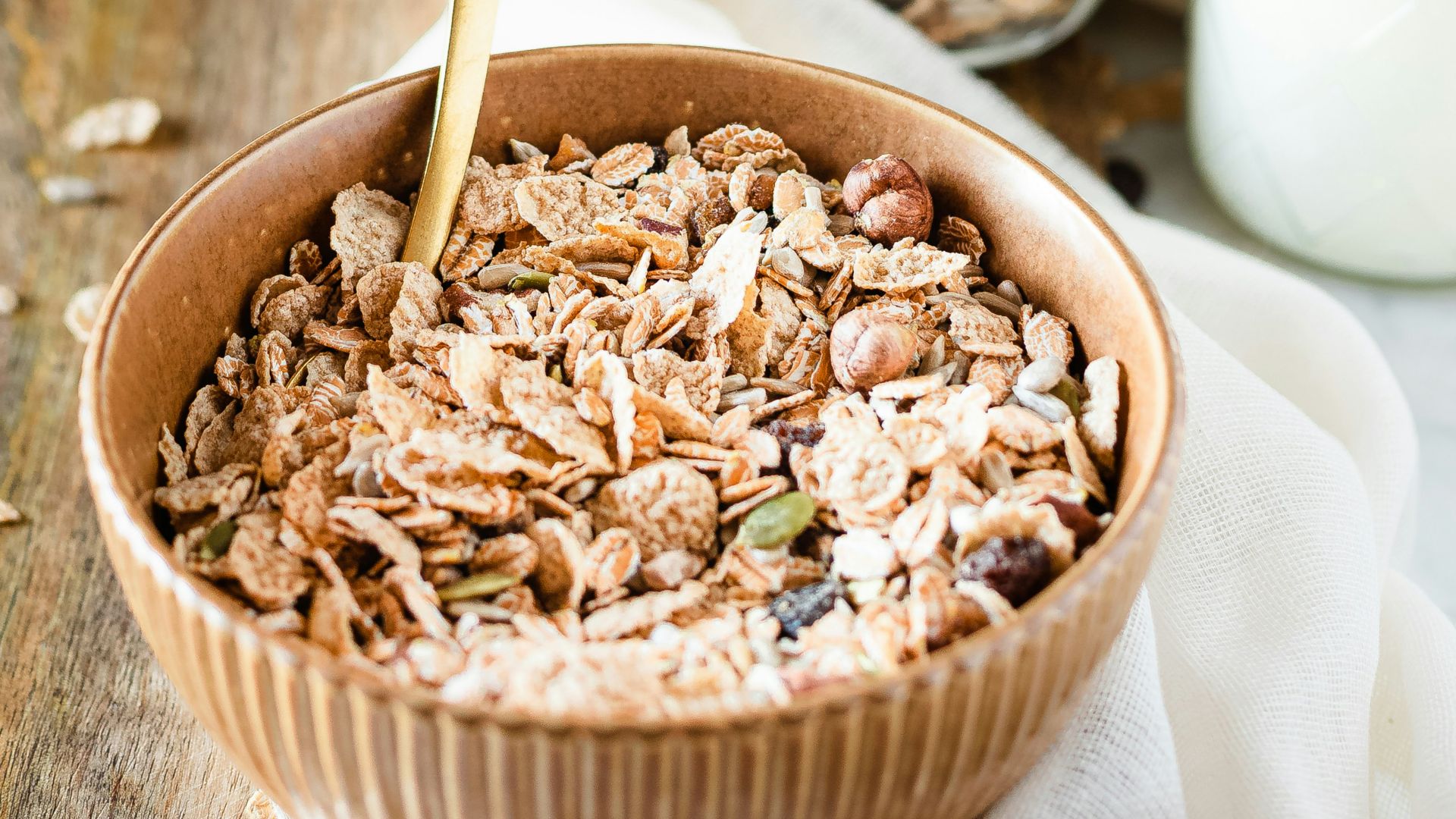
15. No Breadcrumbs: Use Oats
Crunch comes from unexpected places, even pulsed oats, which can coat foods that require bread crumbs. Toasting enhances the seasoning potential and adds fiber and beta-glucans. Oats absorb more oil than breadcrumbs, so herbs step in to reinforce savory flavor.
 micheile henderson on Unsplash
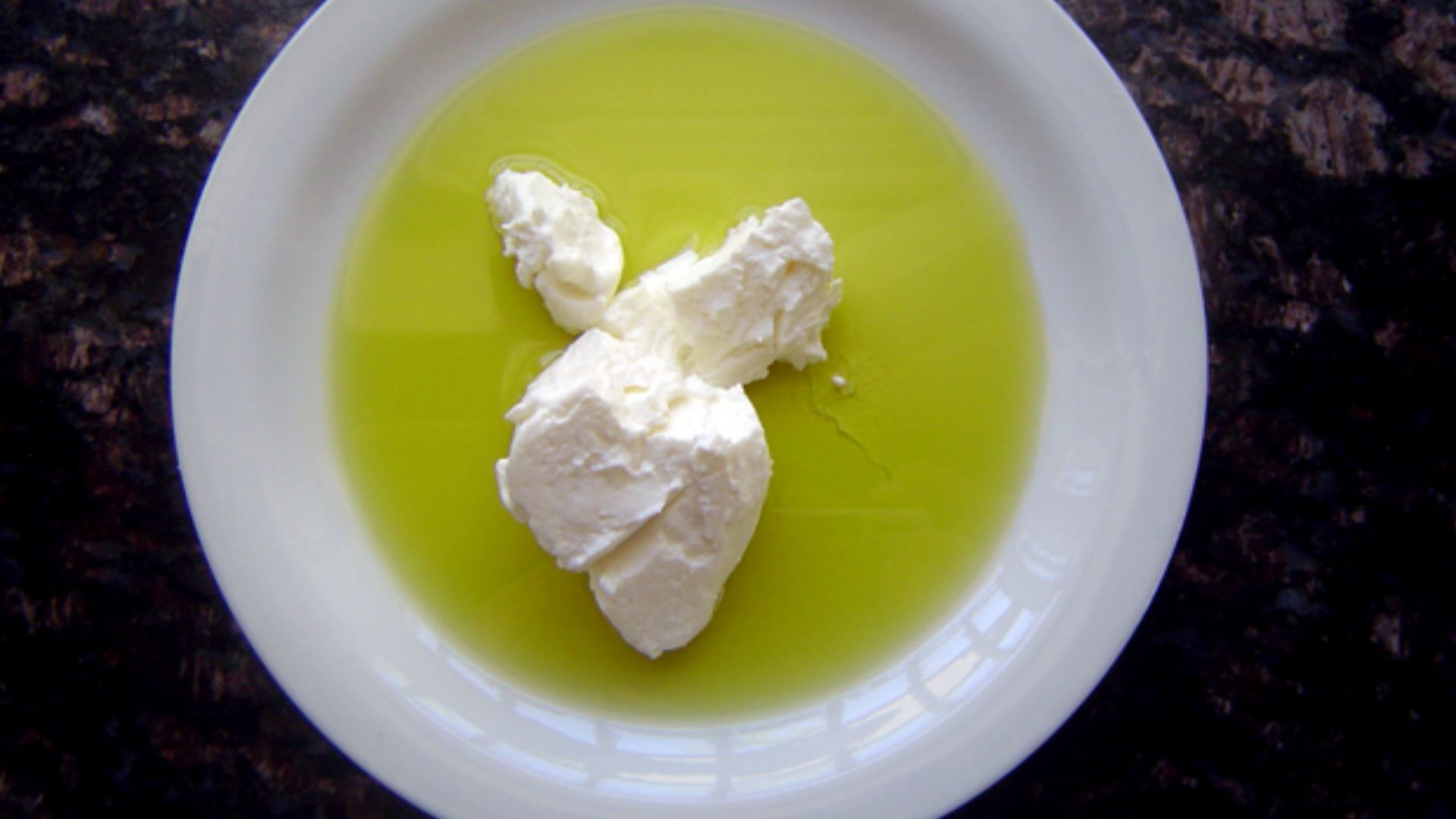
16. No Sour Cream: Strain Yogurt
Cold dips benefit most here. Yogurt thickens as casein concentrates to match sour cream on a one-to-one basis. Lemon juice sharpens the tang as it cuts calories by half. Probiotics remain active, though heat thins their structure, making chilled toppings and sauces the clear winner.
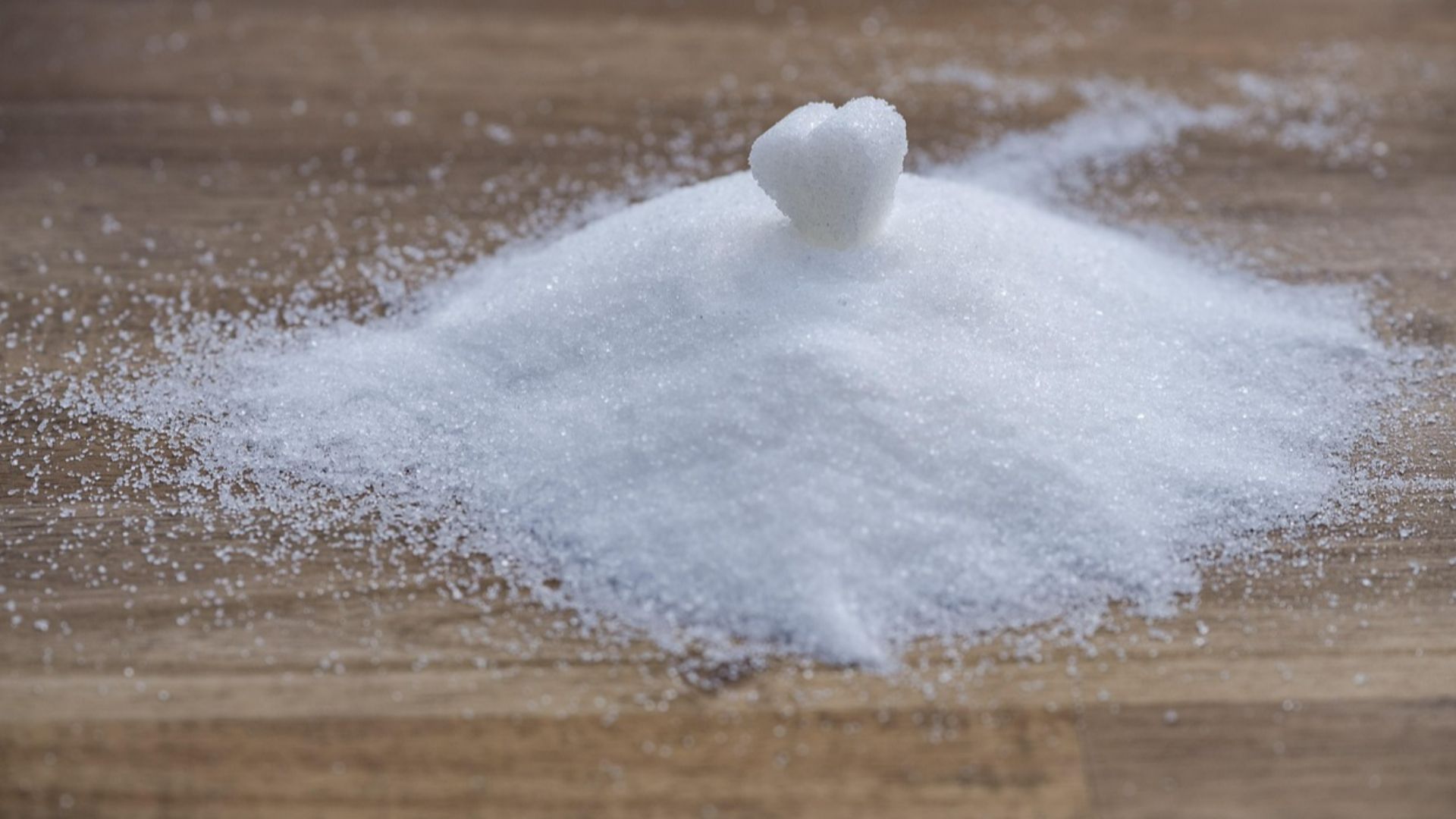
17. No Powdered Sugar: Blend Granulated Sugar
Blend granulated sugar with cornstarch to replace powdered sugar; use 1 tablespoon cornstarch per cup. Sifting improves fluffiness, anti-caking behavior matches commercial versions, and high-speed blending delivers finer texture when appearance really matters.
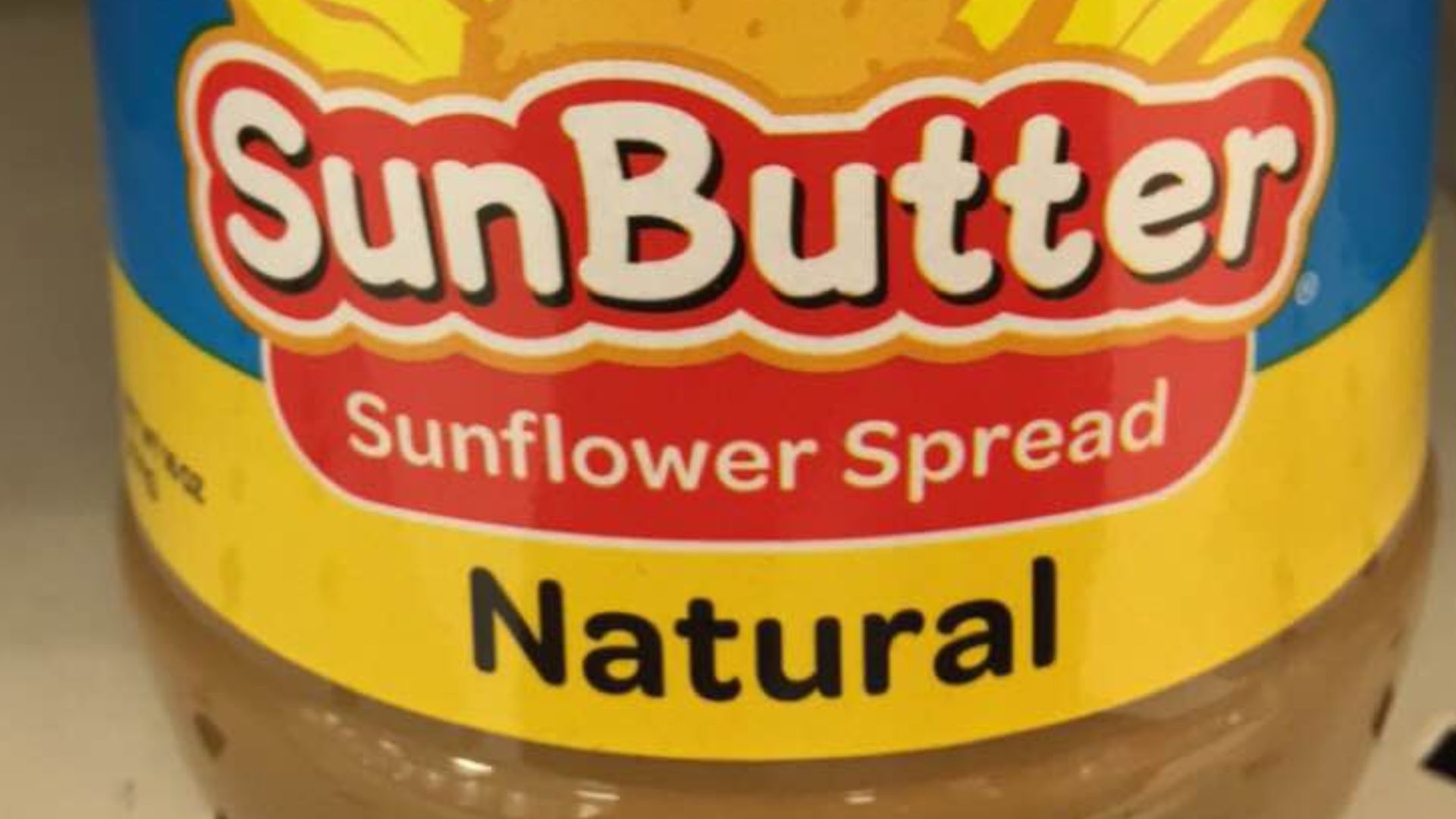
18. No Tahini: Use Sunflower Paste
Sunflower seed paste emulsifies through oleic fats to replace tahini with a milder flavor. To elevate it, toast it to boost nuttiness and protein content, as you keep it nut-free. If nuts are no problem, a small splash of sesame oil restores familiar character.
19. No Worcestershire: Use Miso
Savory depth doesn’t disappear without Worcestershire; miso mixed with vinegar steps in to dissolve enzymes that build umami. Fermented soy reduces sodium needs, and spices meld during simmering. Along the way, probiotics introduce complexity that the original sauce lacked.
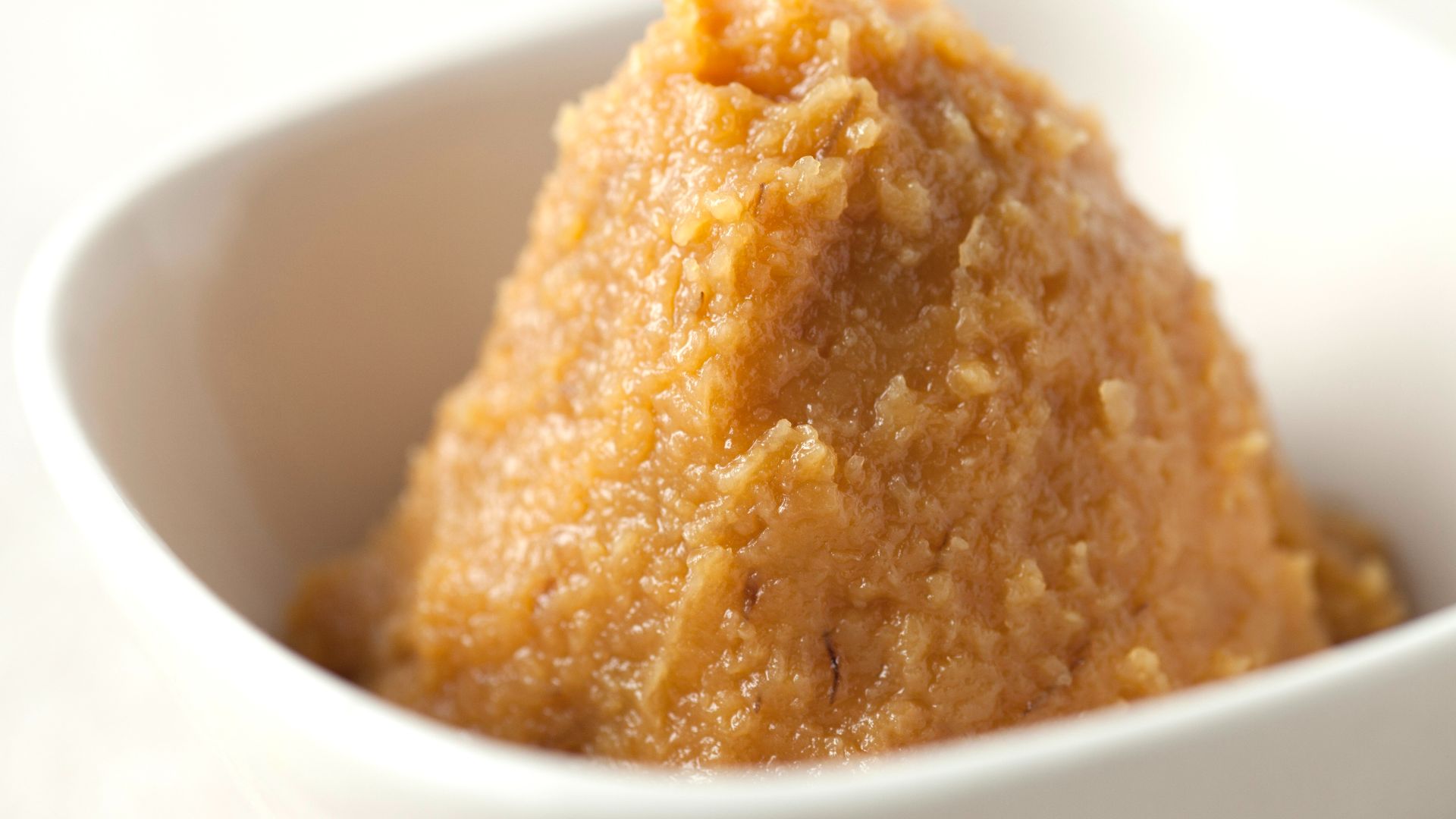 https://publicdomainq.net/miso-0018849/ on Wikimedia
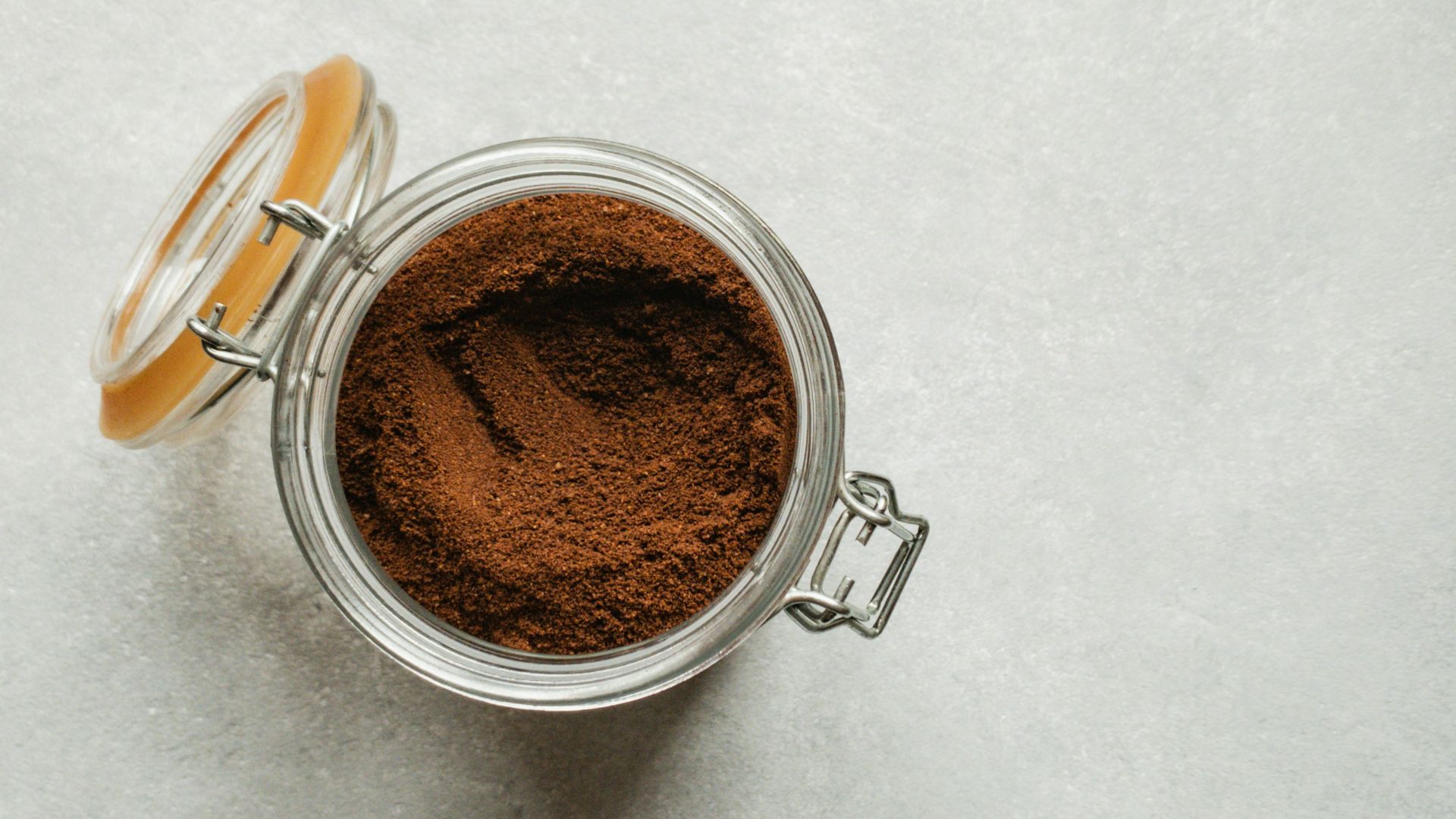
20. No Baking Chocolate: Mix Cocoa And Oil
Melting chocolate can be replaced by cocoa powder combined with oil. This sub recreates baking chocolate using three tablespoons of cocoa per ounce. The benefits include reduced costs and a bitterness that adjusts easily.
KEEP ON READING