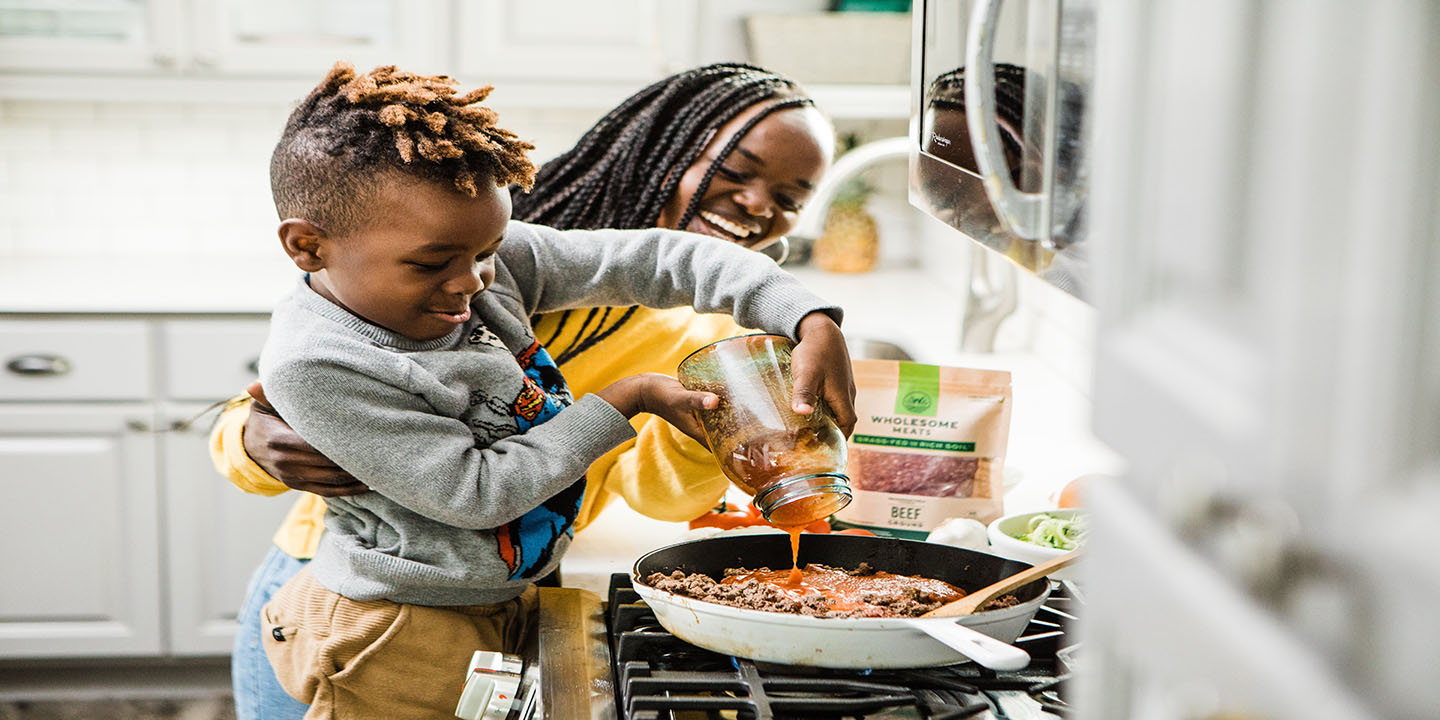

You've followed the recipe to the letter. You've measured, chopped, and stirred with precision. But when you take that first bite, something's off. The dish tastes flat, one-dimensional, like it's missing a secret ingredient.
Here's the truth that'll turn your cooking overnight: you're probably seasoning at the wrong time. Most home cooks treat salt and seasoning like a one-and-done deal—a sprinkle at the start or a desperate shake at the end. But professional chefs know something you don't. They season in layers throughout the cooking process, building flavor like an architect builds a house, one deliberate level at a time.
This isn't about using more salt. It's about using it smarter, at strategic moments that unlock flavors you didn't even know were hiding in your food.
Why Layered Seasoning Actually Changes The Chemistry
When you season food as it cooks, you're not just adding flavor on top but fundamentally changing what's happening inside. Salt doesn't just sit on the surface, making things taste salty. It penetrates ingredients through osmosis, breaking down cell walls and drawing out moisture that concentrates flavors. When you salt vegetables early in a sauté, the salt pulls out water, helping them caramelize instead of steaming. That golden-brown sweetness you love in restaurant vegetables? That's strategic early seasoning at work.
The same principle applies to meat. Seasoning a steak right before it hits the pan creates a flavorful crust, but seasoning it twenty minutes earlier allows the salt to dissolve and penetrate deeper, changing the protein structure so it holds onto more juice. Each cooking stage presents a new opportunity. When you add garlic to a pan, it needs salt right then to bloom its flavor. When you pour in broth, that's another seasoning moment—the liquid dilutes everything already there. Season now, and you're building a foundation. Wait until the end, and you're just putting a hat on a bland dish.
The Professional Technique That Makes Everything Taste Better
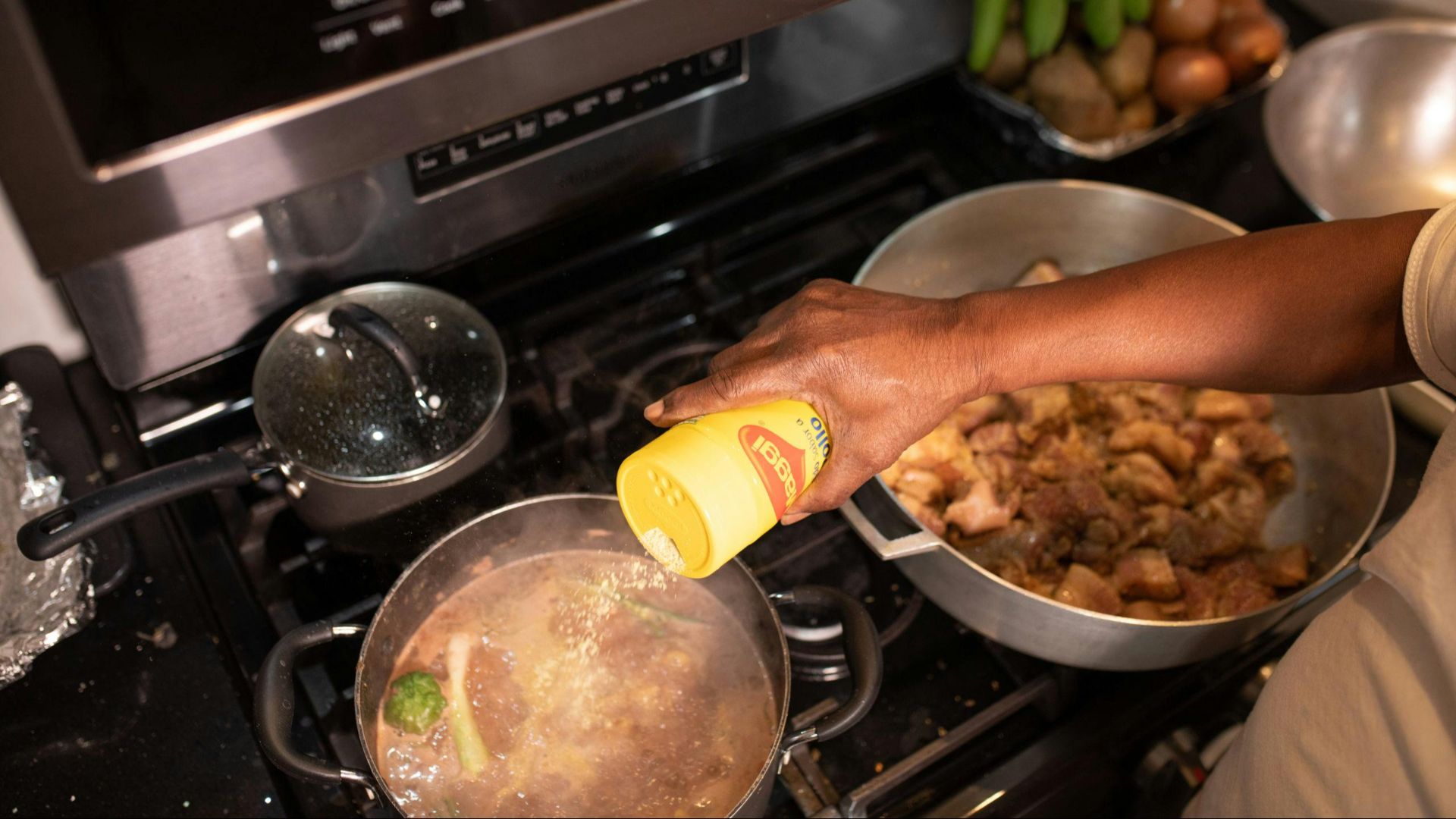
The secret isn't complicated. Taste as you go, and adjust constantly. When you start sweating onions, add a pinch of salt. It helps them soften and release their sweetness faster. As you add each new ingredient, season it. Building a pasta sauce? Salt the tomatoes when they go in. Adding cream? Season again, because fat coats your tongue and needs more salt to shine through. The final adjustment before serving is your polish, not your foundation.
This approach gives you control over the entire flavor arc of a dish. You're not guessing at the end how much salt will fix everything. You're tasting, adjusting, and understanding how each ingredient responds. Professional kitchens have a saying: season the ingredient, not the dish. That's because a perfectly seasoned carrot combined with perfectly seasoned chicken tenders creates harmony. Everything hitting your tongue at once, all balanced, all intentional. That's the difference between food that tastes good and food that tastes unforgettable.
KEEP ON READING

The Most Popular Signature Dishes Around the World