20 Delicious Recipes To Use That Gallon Of Milk
20 Delicious Recipes To Use That Gallon Of Milk
Turn Dairy Delicious
Buying milk in bulk saves money until you realize you can't possibly drink it all before the expiration date hits. Good news: cooking with milk is way more fun than just pouring it over cereal anyway. Think about rich soups that warm you from the inside out, French tarts that impress dinner guests, and classic comfort foods your grandmother would approve of. Here are 20 delicious recipes to use that gallon of milk on.

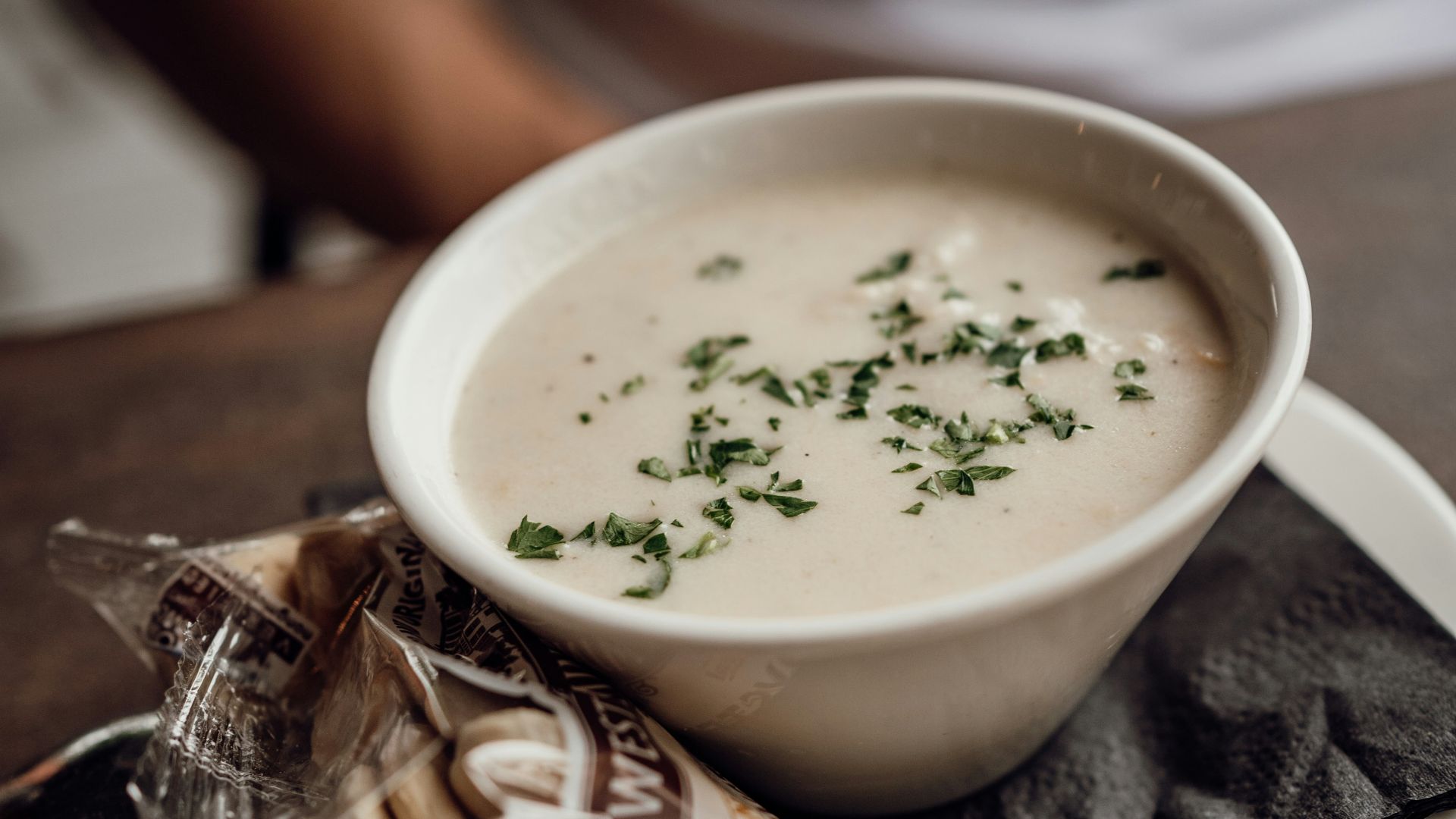
1. New England Clam Chowder
In northeastern America in the 1800s, fishermen turned abundant quahog clams into thick, warming stews. Between 1800 and 1840, home cooks started adding milk as dairy herds increased across New England. Traditional recipes call for 2 to 4 cups of whole milk or cream.
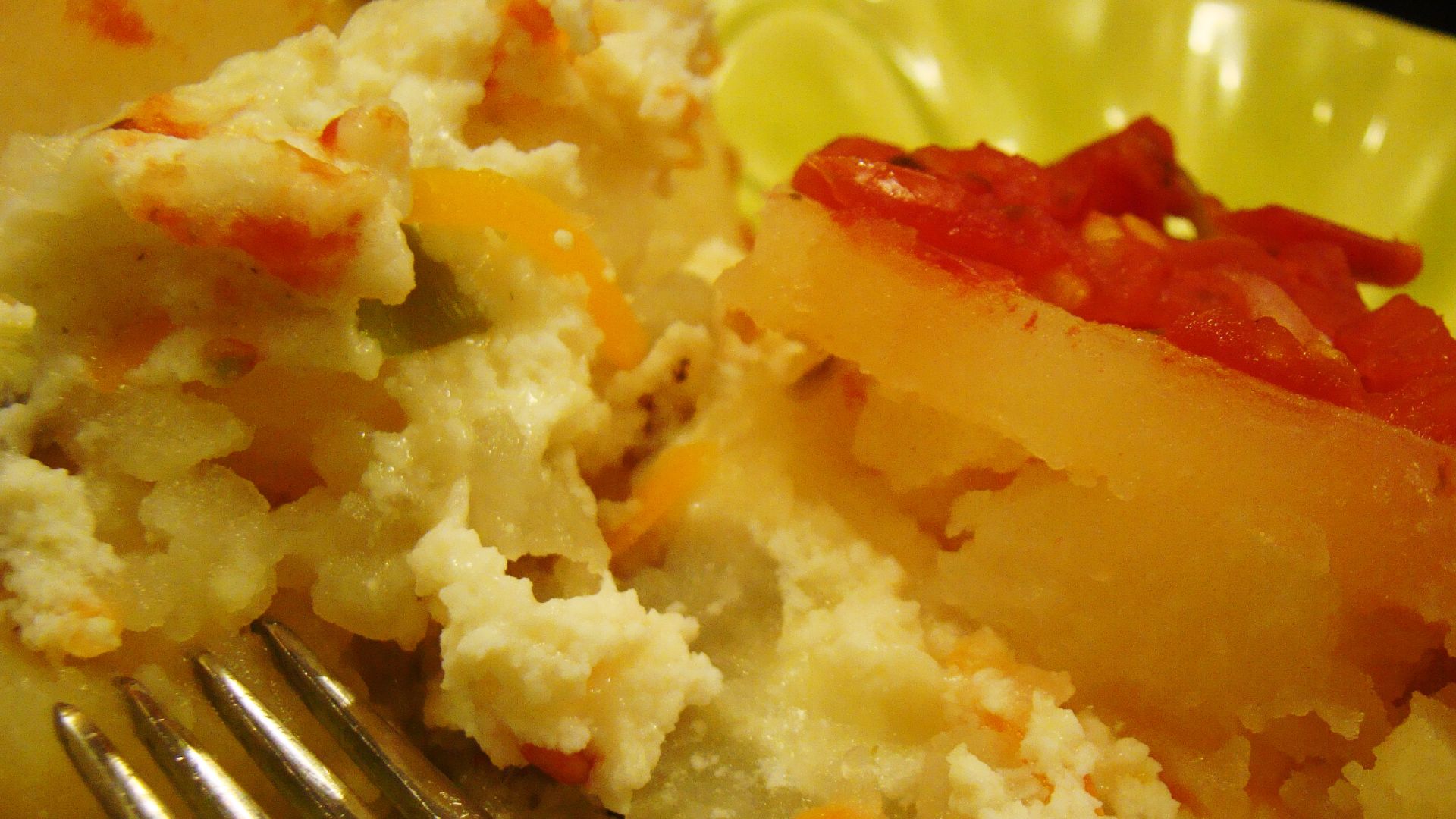
2. Scalloped Potatoes
The name "scalloped" comes from the shingled appearance of overlapping potato slices and the tradition of cooking ingredients in milk. Most authentic recipes call for 2 to 3 cups of milk to create a signature creamy sauce that combines with butter and flour.
 Vegan Feast Catering on Wikimedia
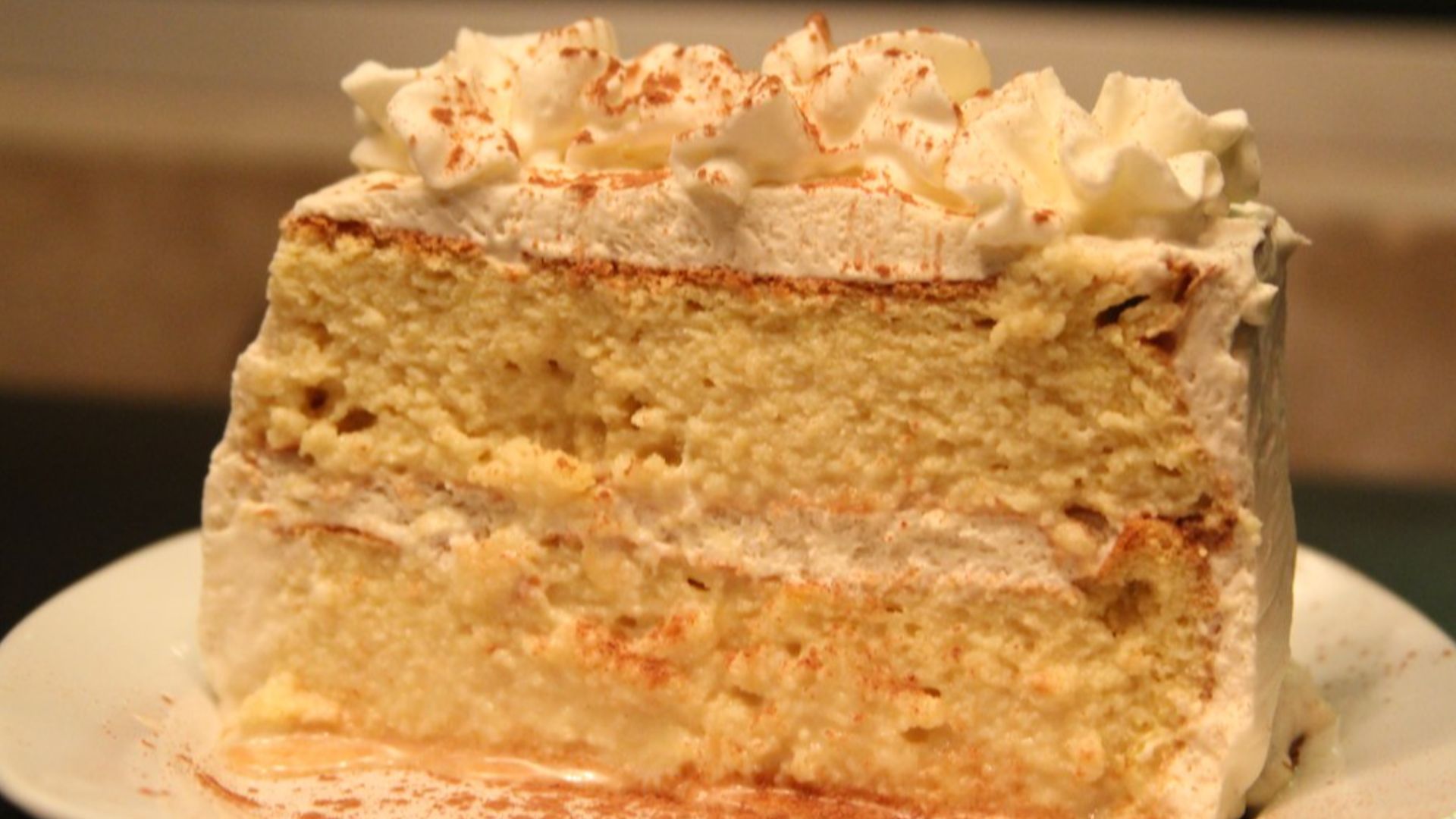
3. Tres Leches Cake
This cake's history ties directly to Nestlé's "La Lechera" condensed milk, which helped popularize the recipe by printing it on can labels starting in the early to mid-20th century. For a classic Tres Leches cake, you need about 3 cups (700–750 ml) of milk.
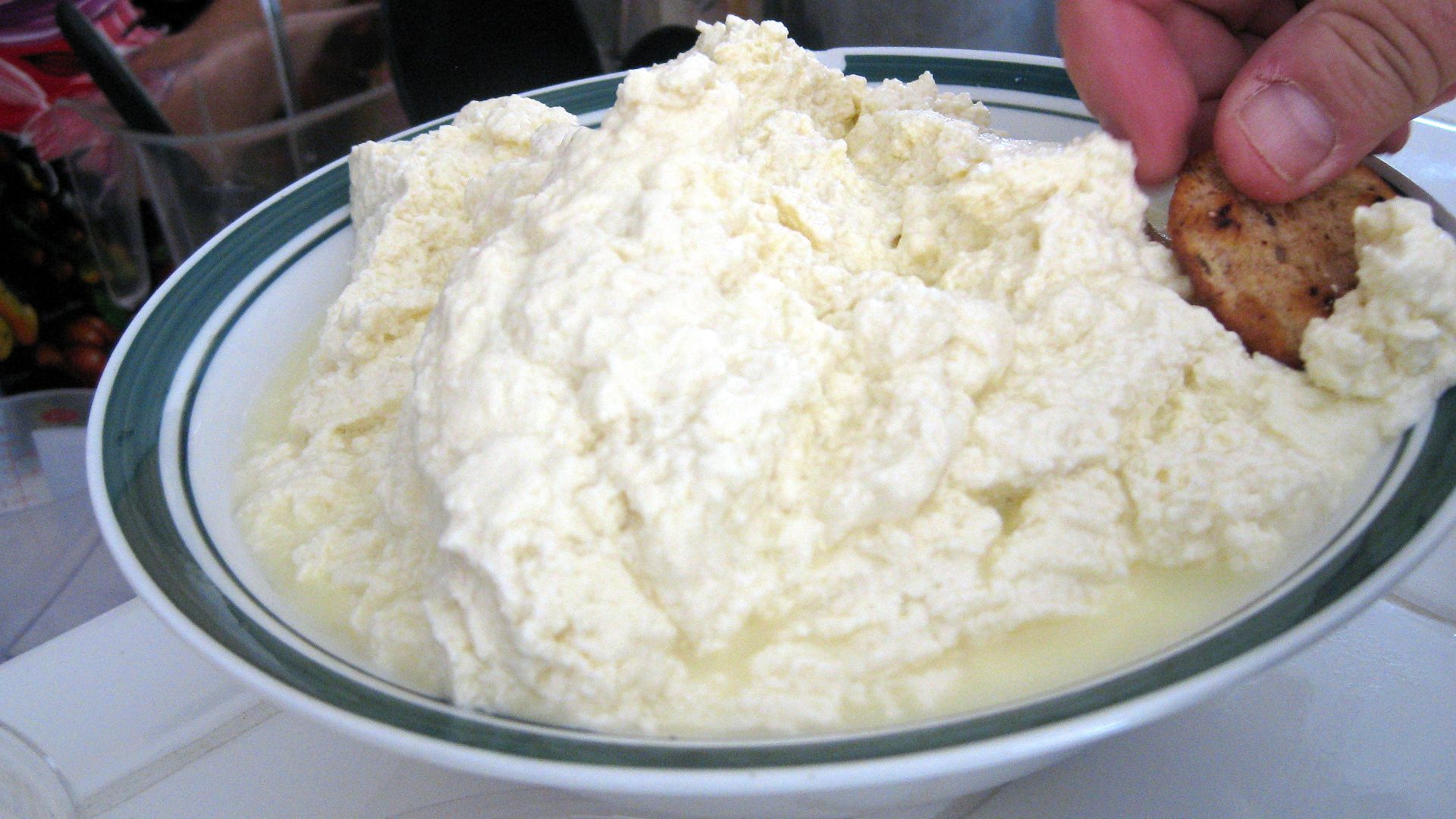
4. Homemade Ricotta Cheese
Making ricotta at home requires a whopping 7 cups of whole milk, making it one of the most milk-intensive recipes you can tackle. The process is surprisingly simple: heat milk to just below boiling, add acid like lemon juice, and watch curds form.
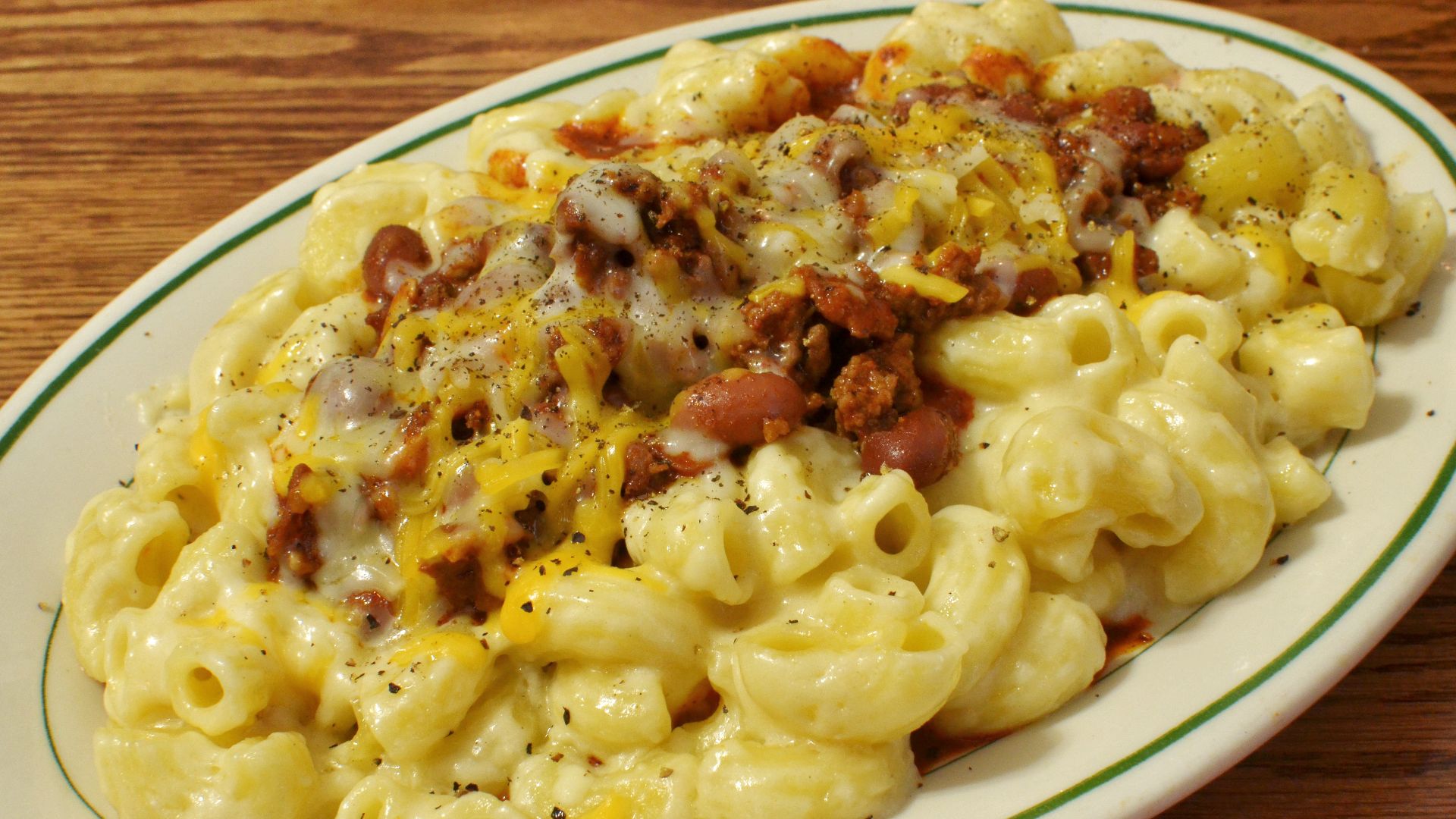
5. Mac And Cheese
The ultimate comfort food uses about 3 to 4 cups of milk to craft its signature creamy cheese sauce through a classic béchamel technique. President Thomas Jefferson popularized macaroni and cheese in America after encountering it in Paris.
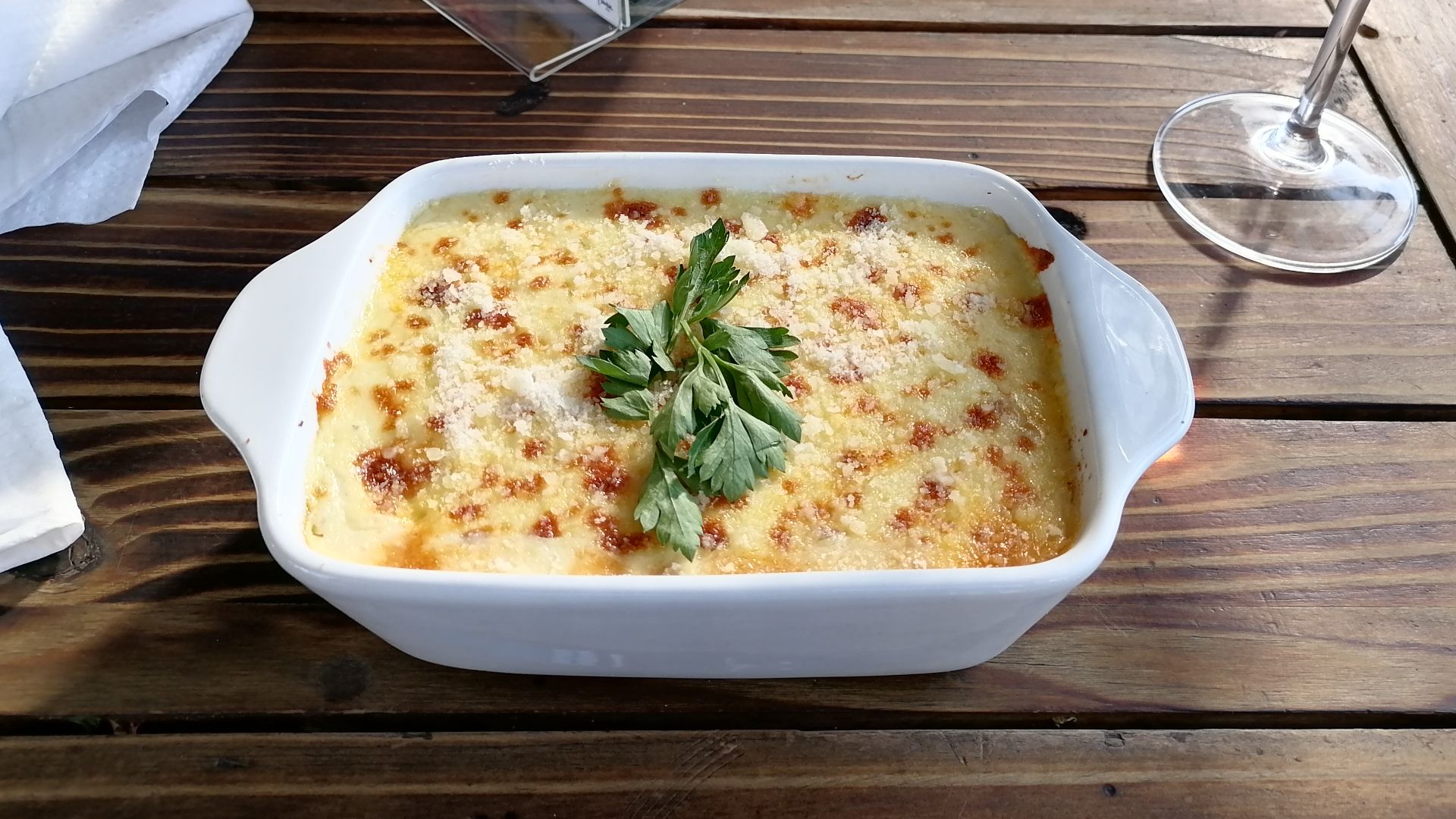
6. White Lasagna
Unlike its tomato-based cousin, white lasagna originated in Northern Italy's Emilia-Romagna region, where cream-based sauces dominate the cuisine. This elegant alternative to traditional red-sauce lasagna features a luxurious béchamel sauce requiring 4 cups of milk to bind layers of pasta, cheese, and vegetables.
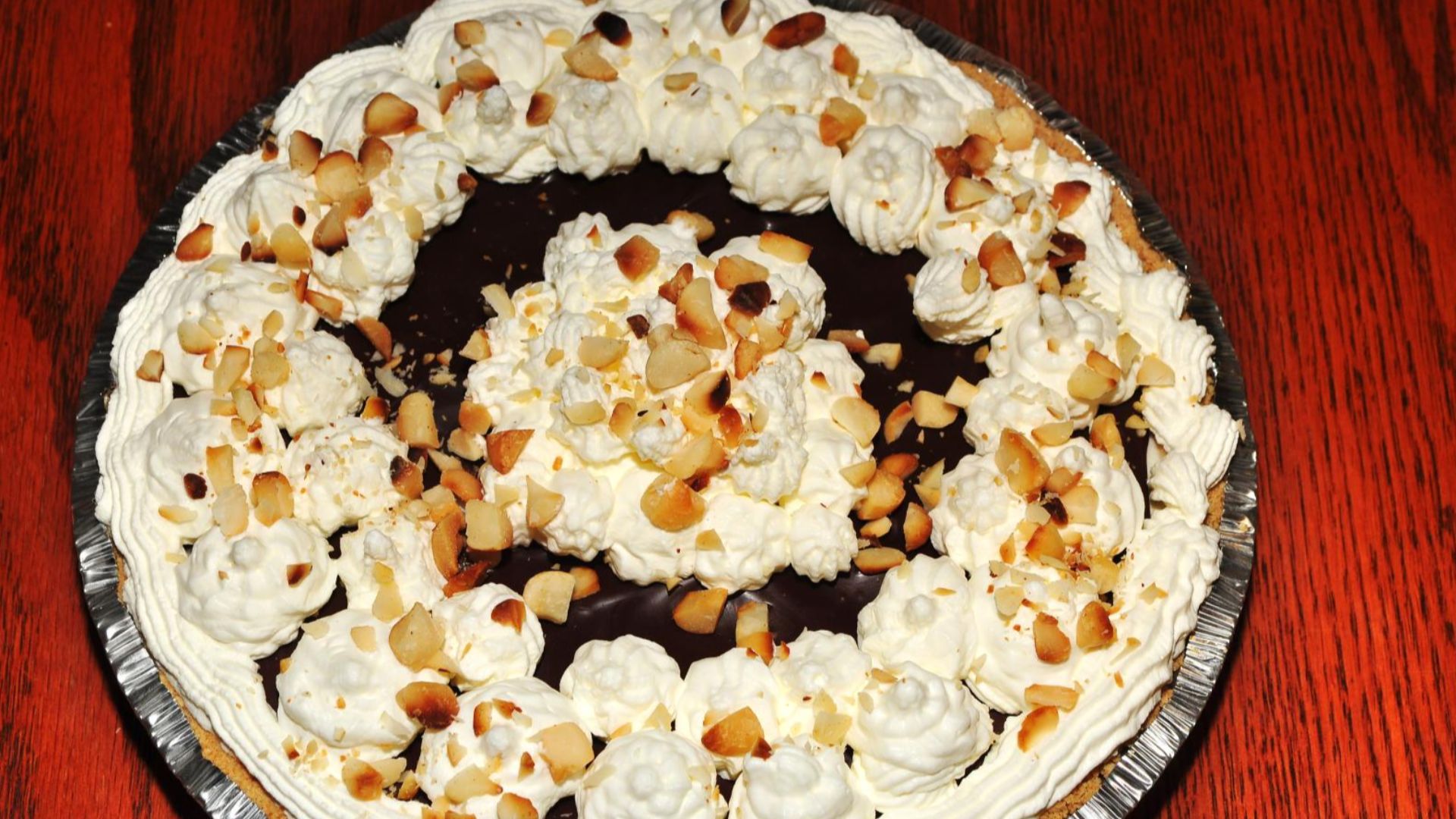
7. Chocolate Cream Pie
Another classic American dessert requires 3 cups of milk to make that rich, pudding-like chocolate filling that sets perfectly when chilled. Traditional recipes cook milk with cocoa powder, sugar, and cornstarch until thick enough to coat the back of a spoon.
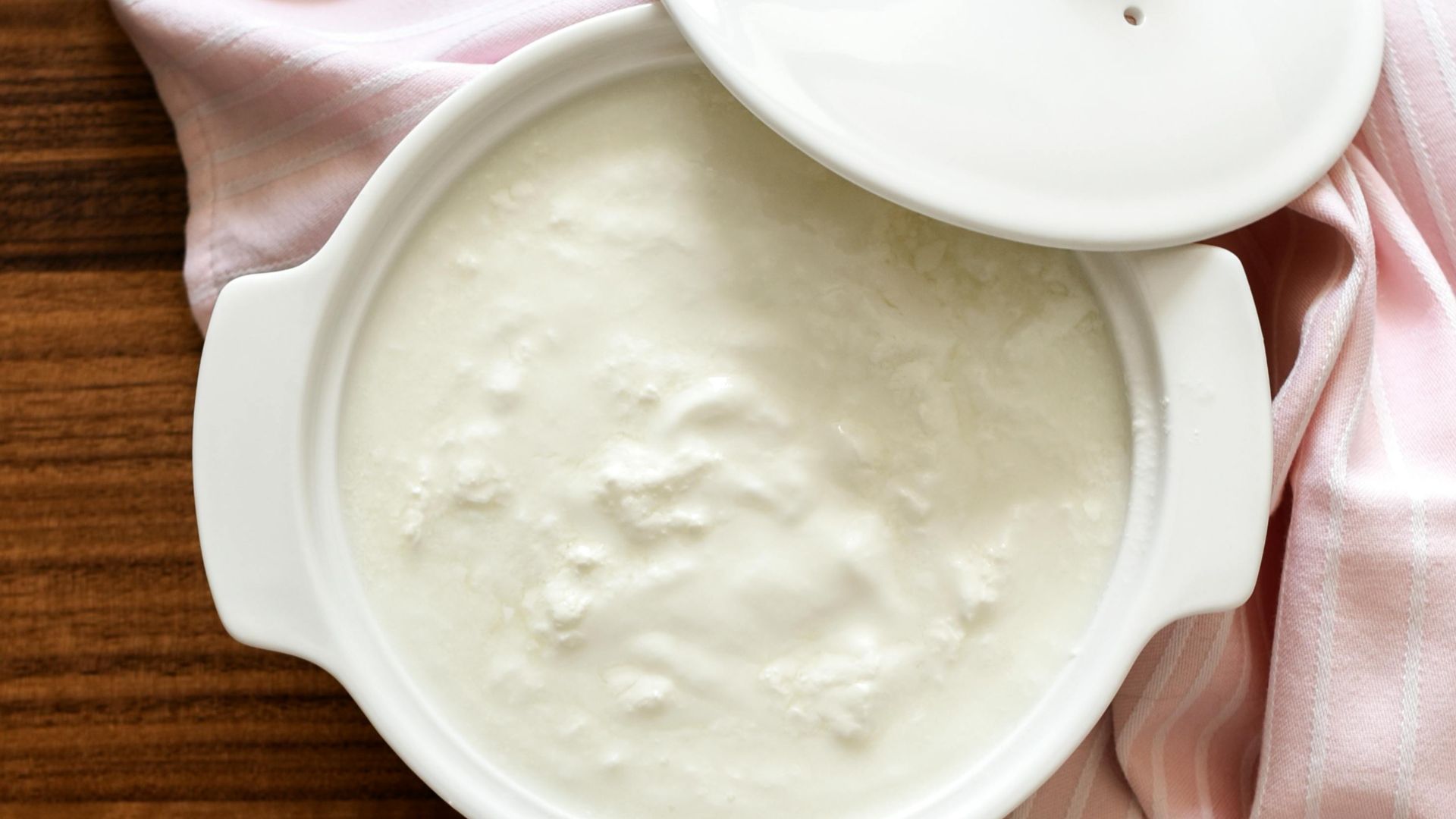
8. Homemade Yogurt
Turning a half-gallon of milk into tangy, probiotic-rich yogurt requires just time, patience, and a couple of tablespoons of existing yogurt as starter culture. Modern home methods involve heating milk to 180°F, cooling to 110°F, adding starter cultures, and then maintaining warmth for hours.
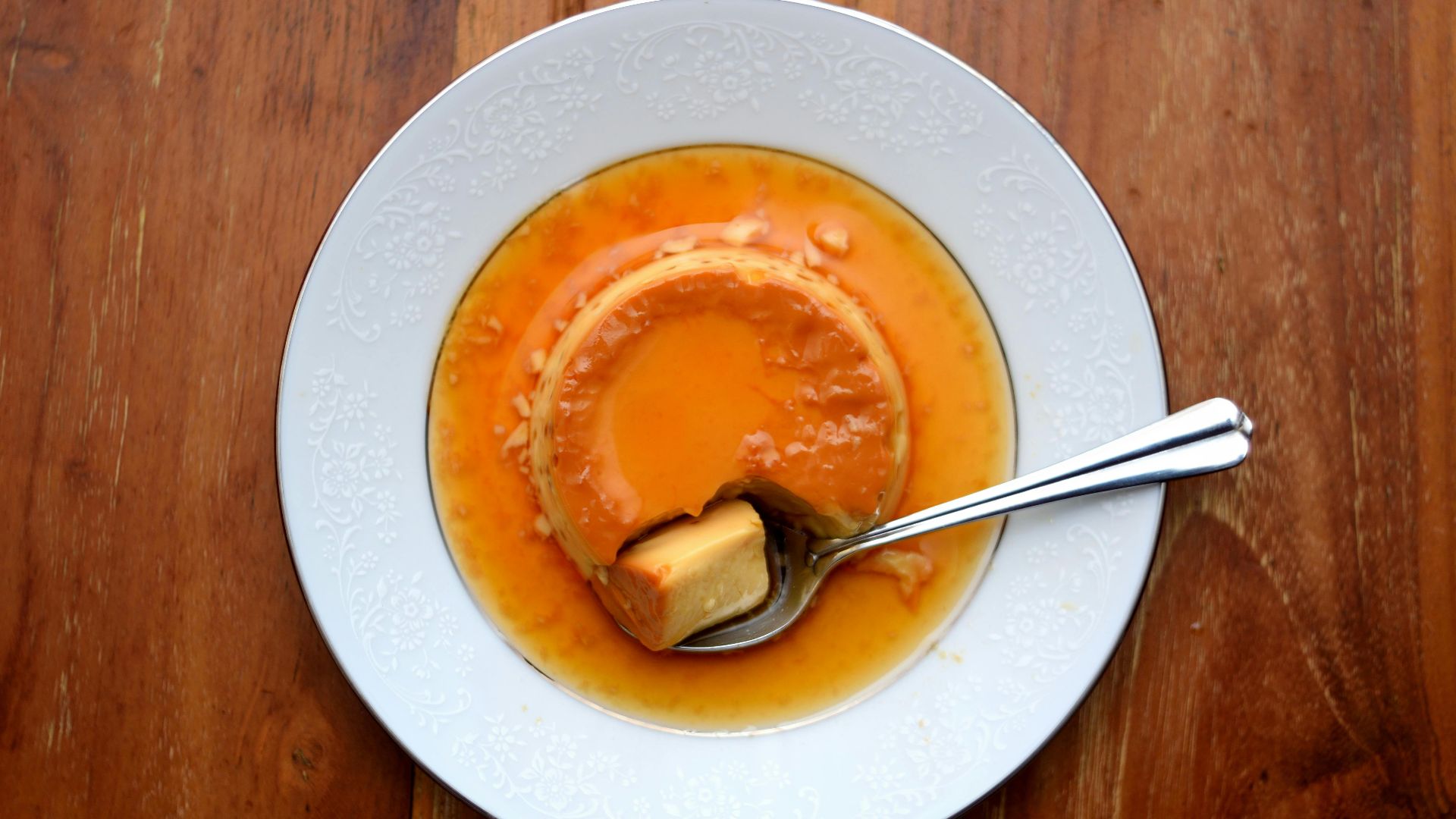
9. Flan (Crème Caramel)
Spanish conquistadors brought flan to Latin America in the 1500s, where it evolved into countless regional variations across Mexico, Cuba, Puerto Rico, and beyond. The Filipino version called "leche flan" uses only egg yolks plus condensed and evaporated milk for an ultra-rich, dense texture.
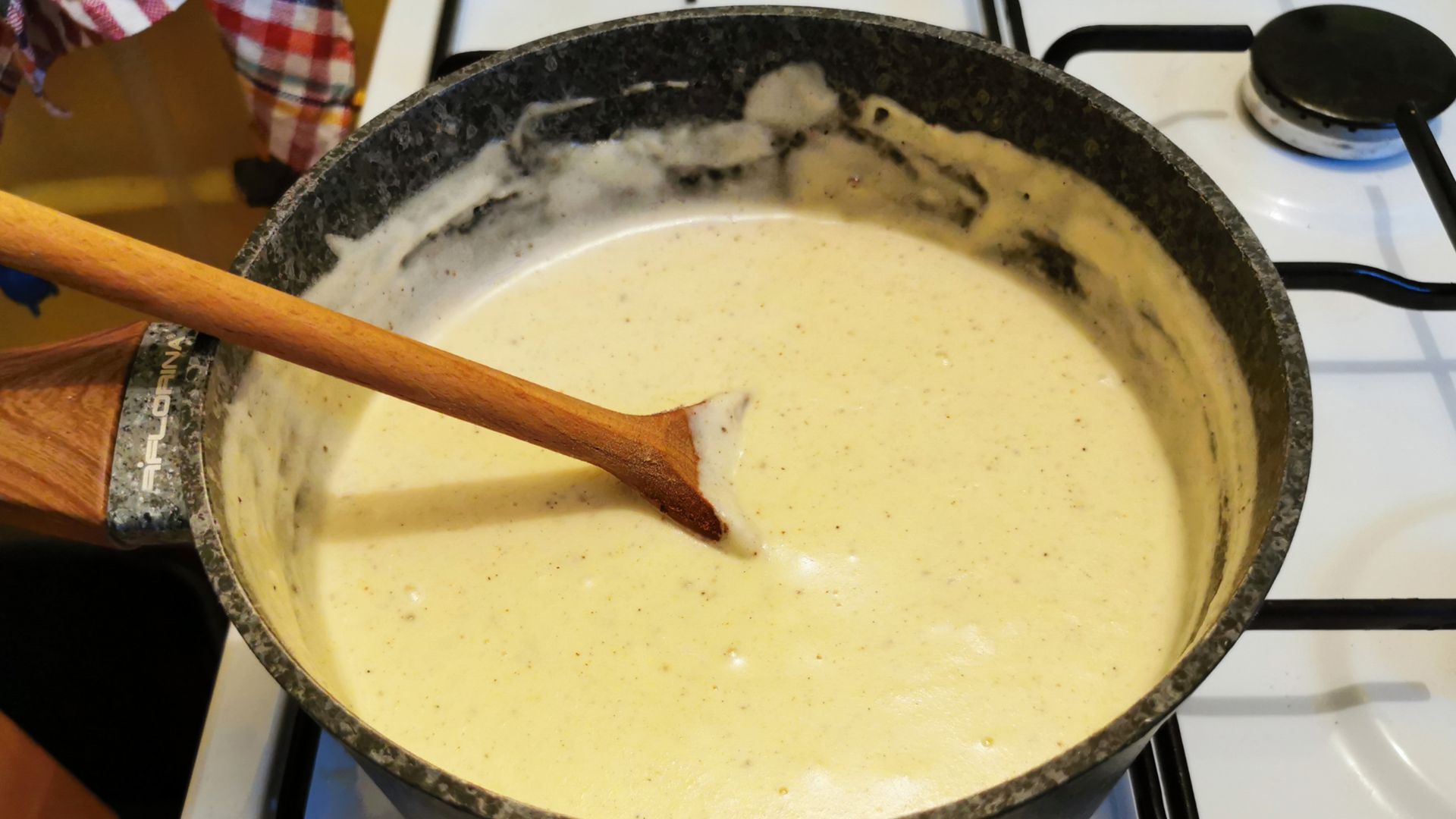
10. Béchamel Sauce
This foundational French "mother sauce" invented by Louis de Béchamel in the 1600s requires 4 cups of milk. The technique involves making a roux from equal parts butter and flour, then gradually whisking in warm milk until achieving the desired thickness.
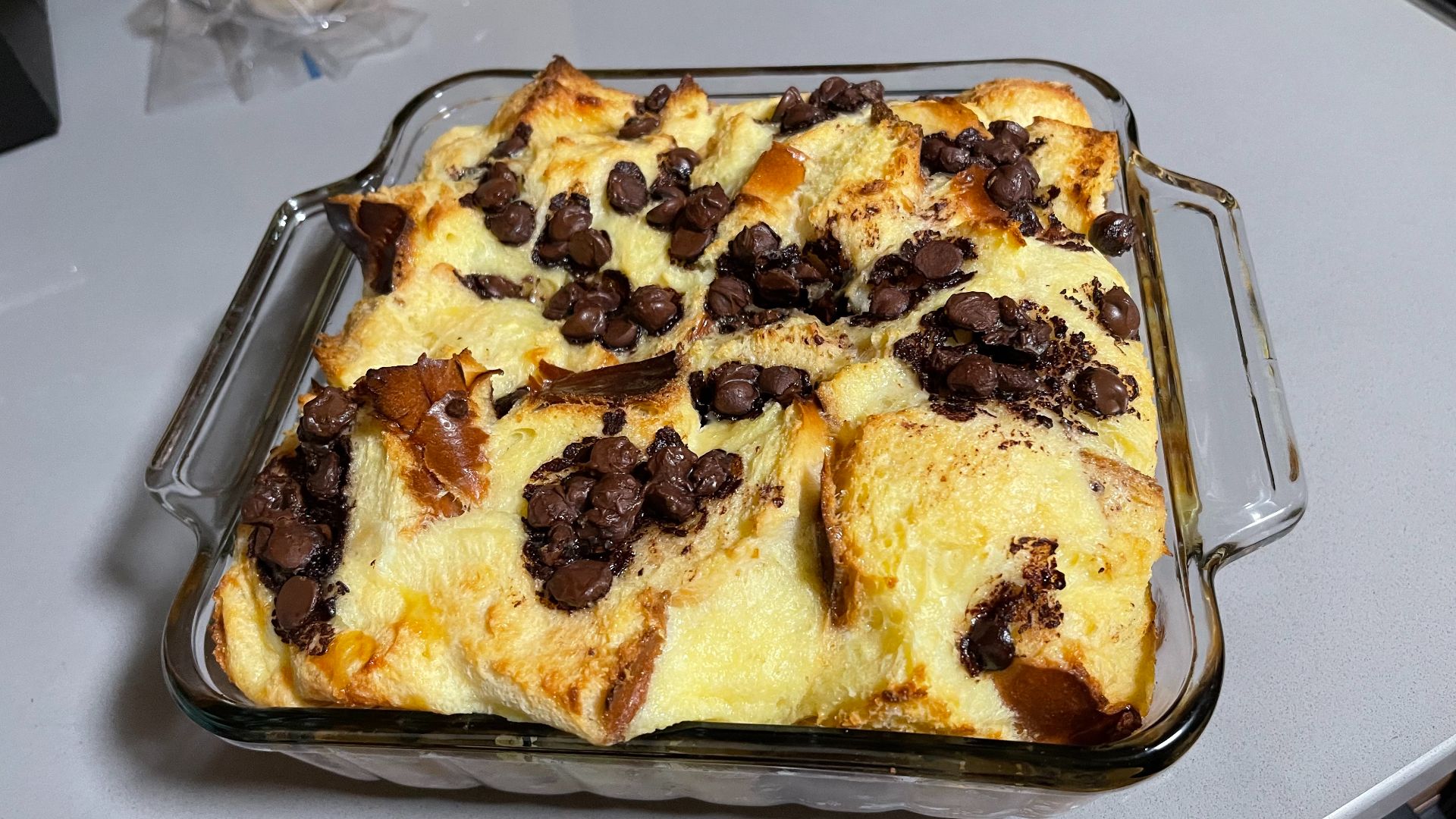
11. Bread Pudding
It is said that in 13th-century England, bread pudding was known as "poor man's pudding," made by soaking bread in hot water before adding whatever sugar and spices were available. Traditional recipes call for about 4 cups of whole milk combined with eggs.
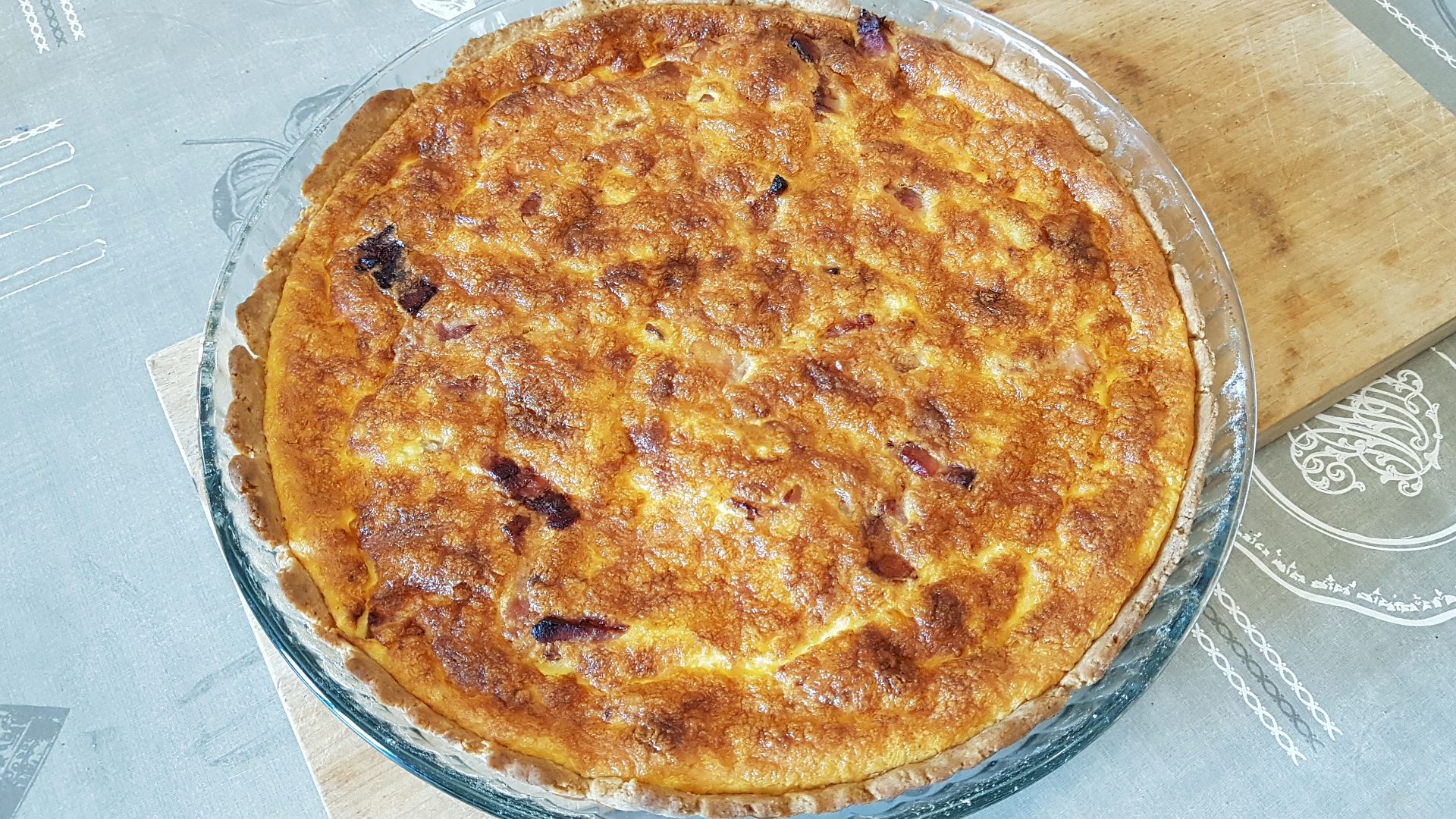
12. Quiche Lorraine
A classic Quiche Lorraine uses around 1 cup (180–240 ml) of milk or cream for one 9-inch quiche. Traditional versions lean toward heavy cream for richness, but many modern recipes mix milk and cream. The custard should be silky, not runny.
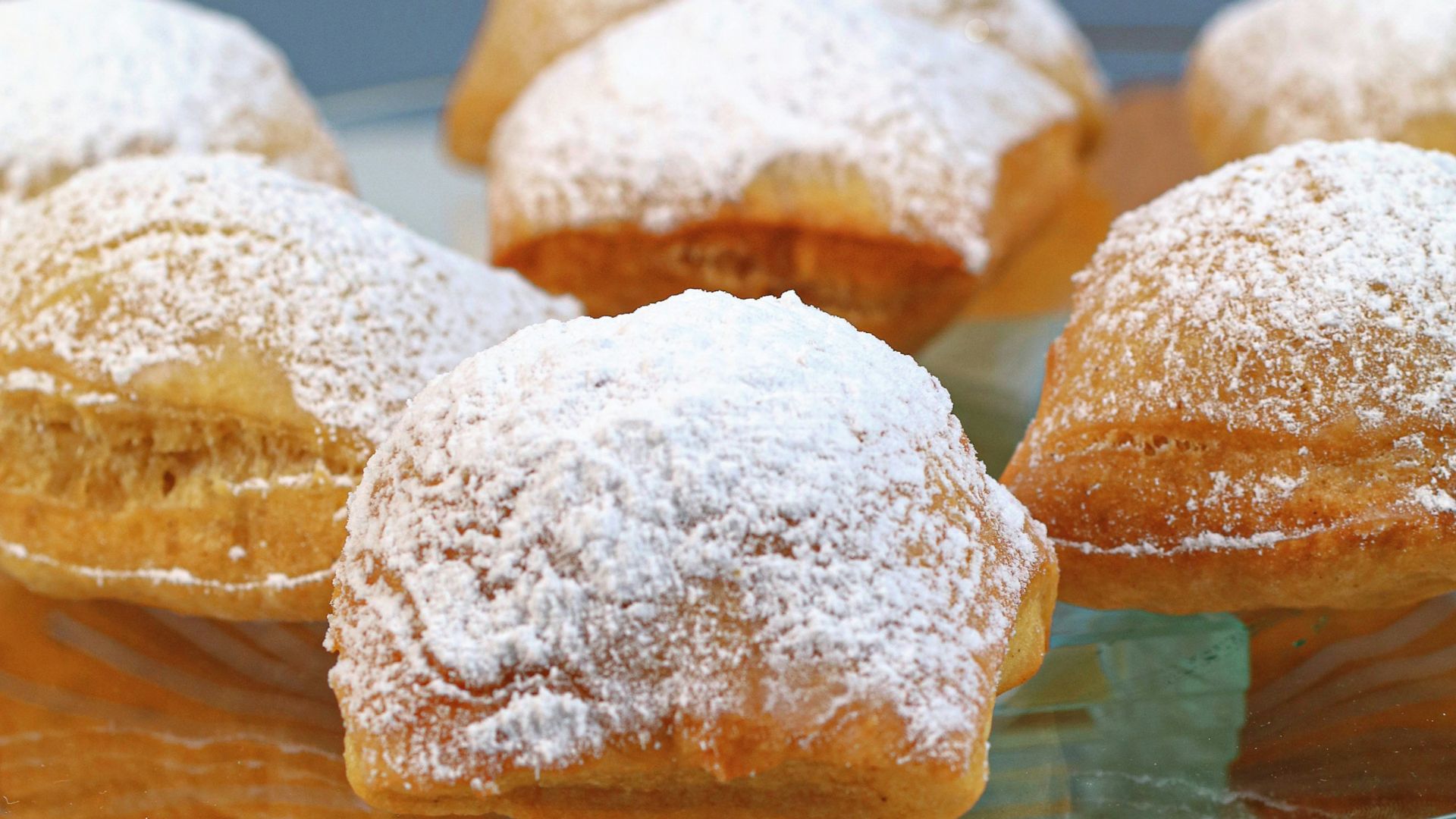
13. Beignets
The word "beignet" comes from the early Celtic word "bigne," meaning "to raise," and it's also French for "fritter." These square fried doughs require about 1 cup of evaporated or whole milk in the enriched yeast dough.
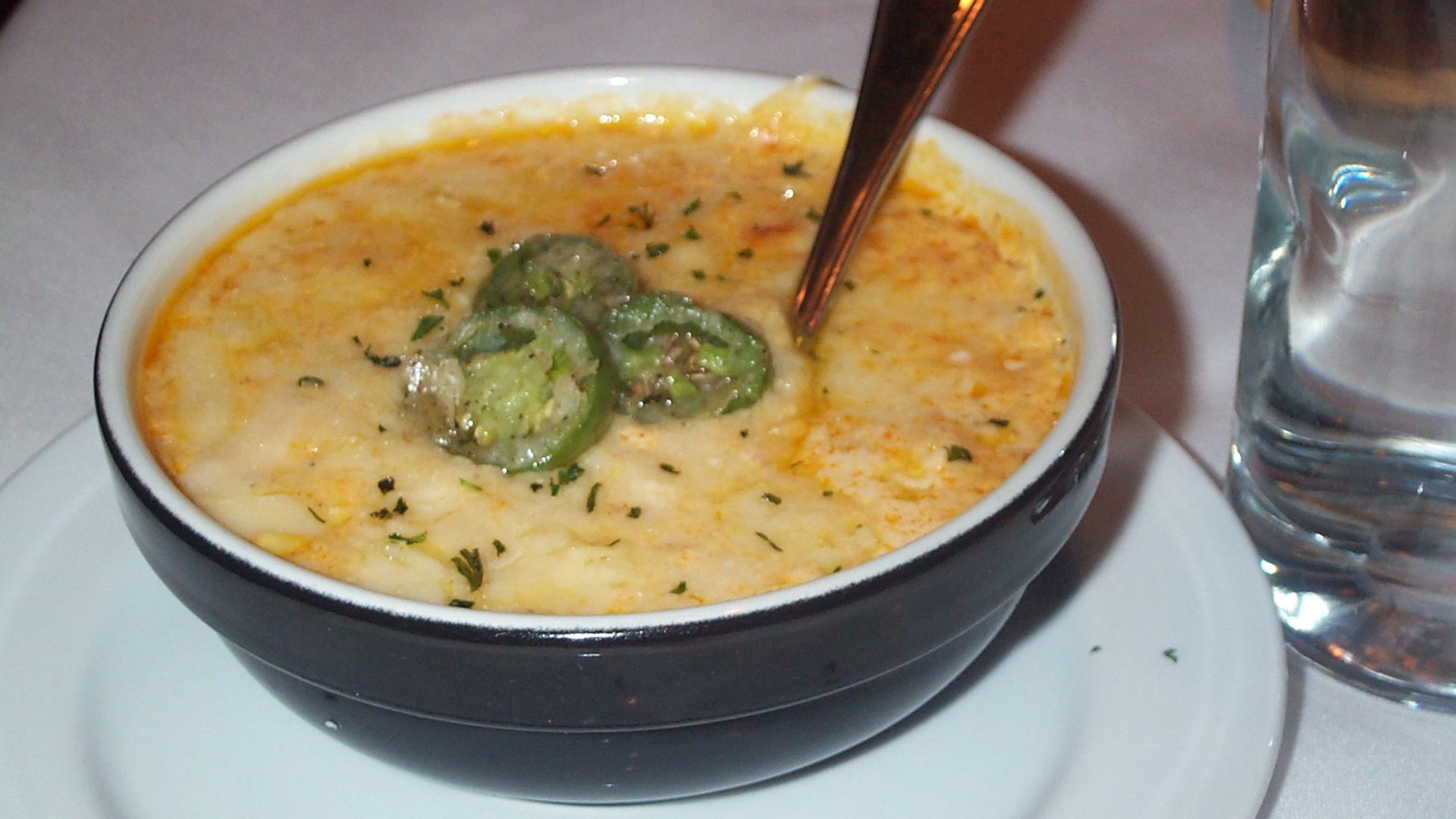
14. Creamed Corn
All that milk binds with the corn's natural starches to give a thick, luxurious sauce without needing flour or other thickeners. Perfect alongside barbecue, rotisserie chicken, or holiday ham, creamed corn has been a staple at American tables for generations.
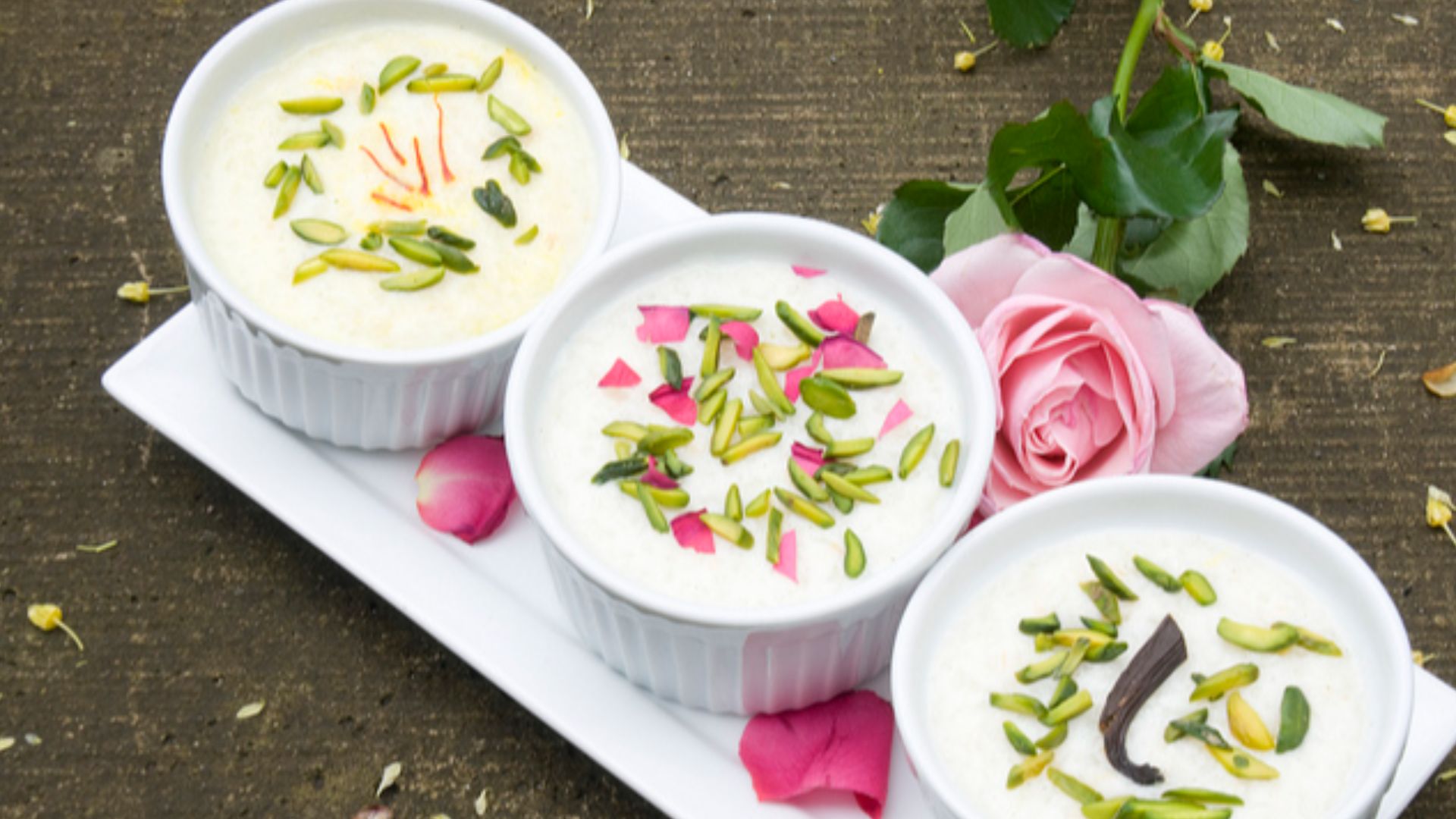
15. Kheer
Talk about a slow-simmered rice pudding. This one has been made across South Asia for centuries as a celebratory dessert. Kheer traditionally uses 4 to 6 cups of whole milk, which is reduced over time. You get a thick, fragrant base.
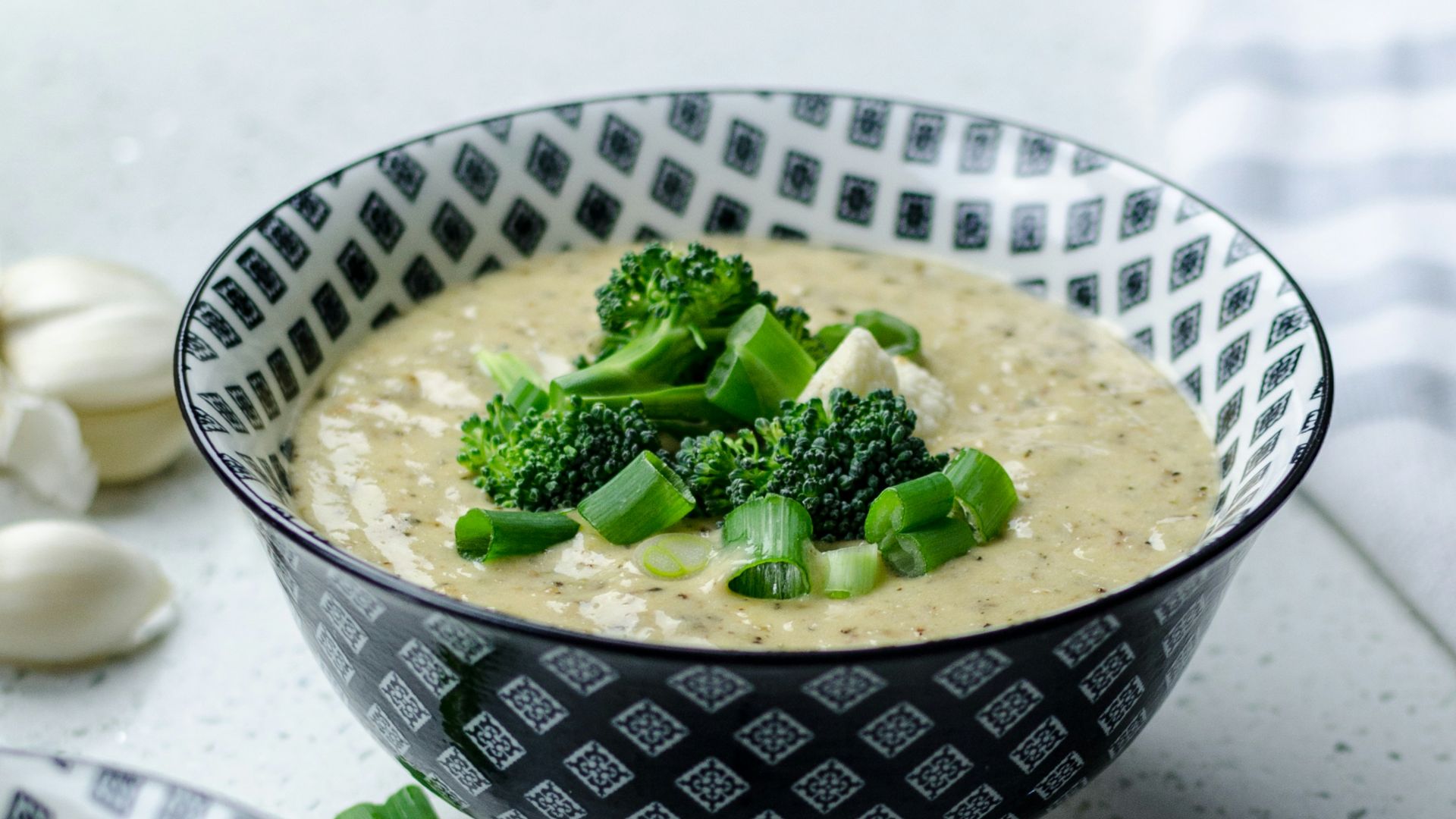
16. Cauliflower Soup
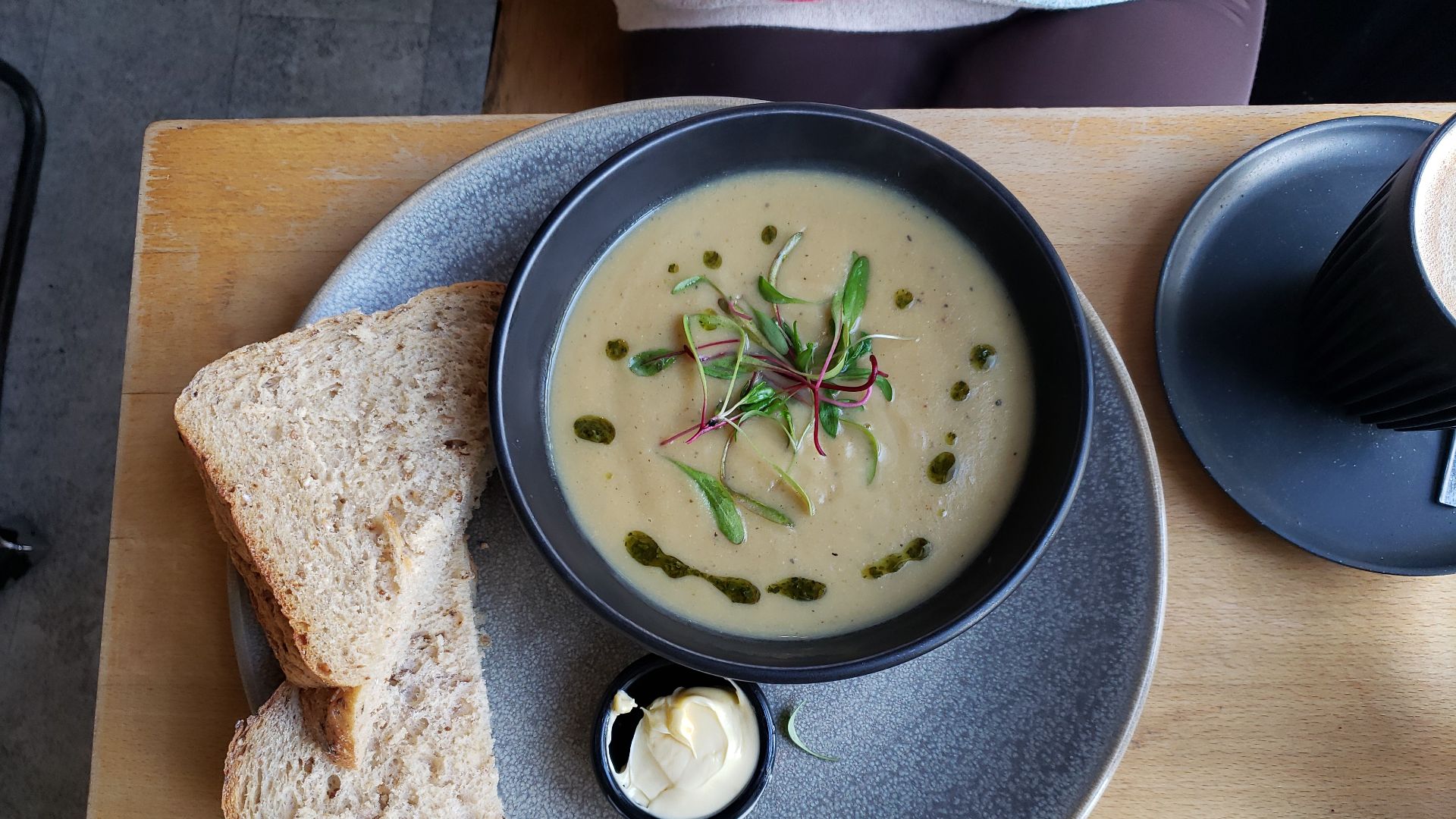
Many home cooks consider cauliflower soup the ultimate comfort food, with its smooth texture and mild, slightly nutty flavor. The milk pairs with sautéed onions and tender cauliflower florets to get a velvety soup without the need for heavy cream.
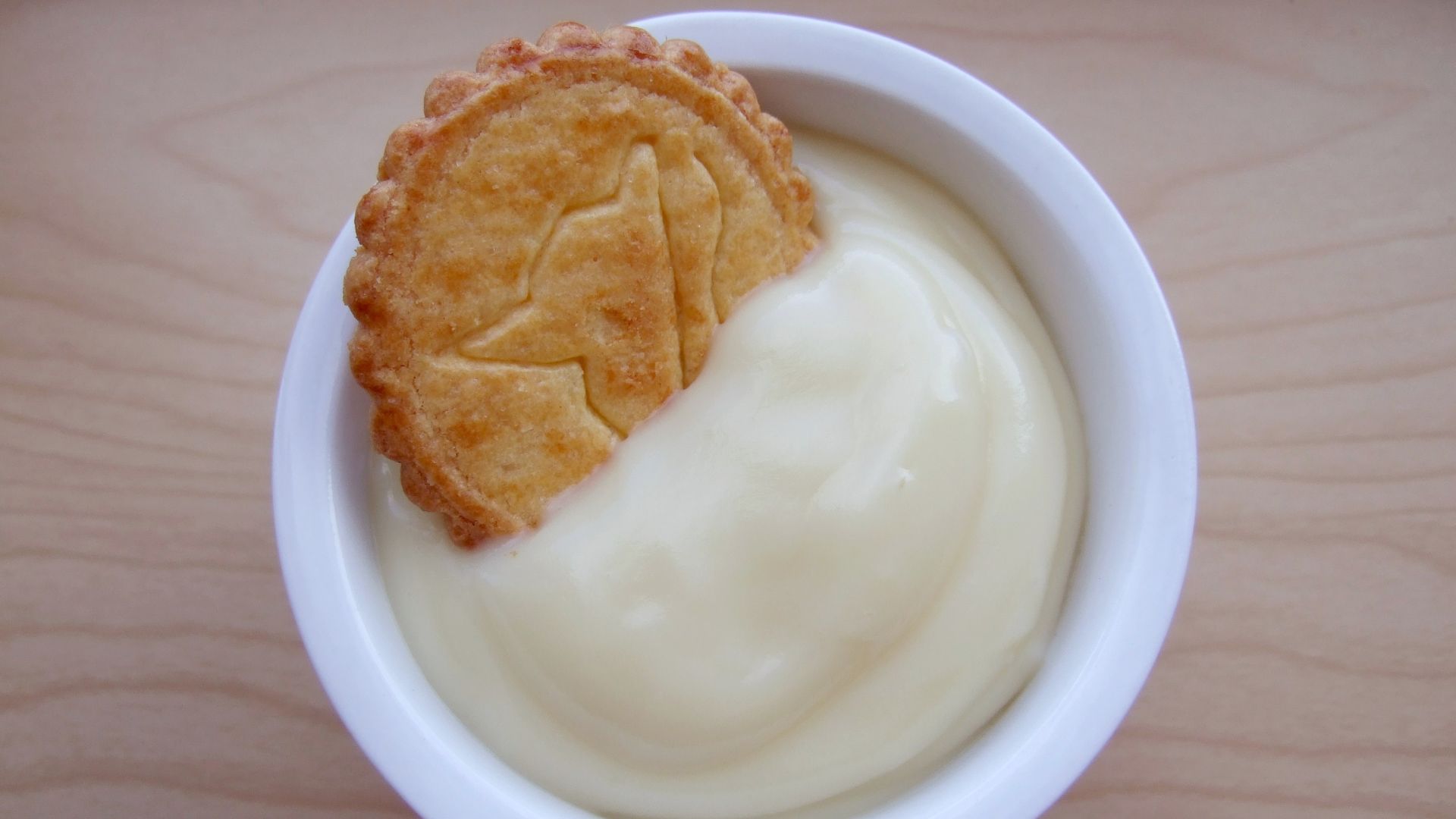
17. Vanilla Pudding
Homemade vanilla pudding uses 2 to 3 cups of milk cooked with sugar, cornstarch, and vanilla until thick enough to coat the back of a spoon. This classic dessert dates back centuries as a way to create sweet treats from basic pantry staples.
 Bryan Ochalla from Seattle, WA, USA on Wikimedia
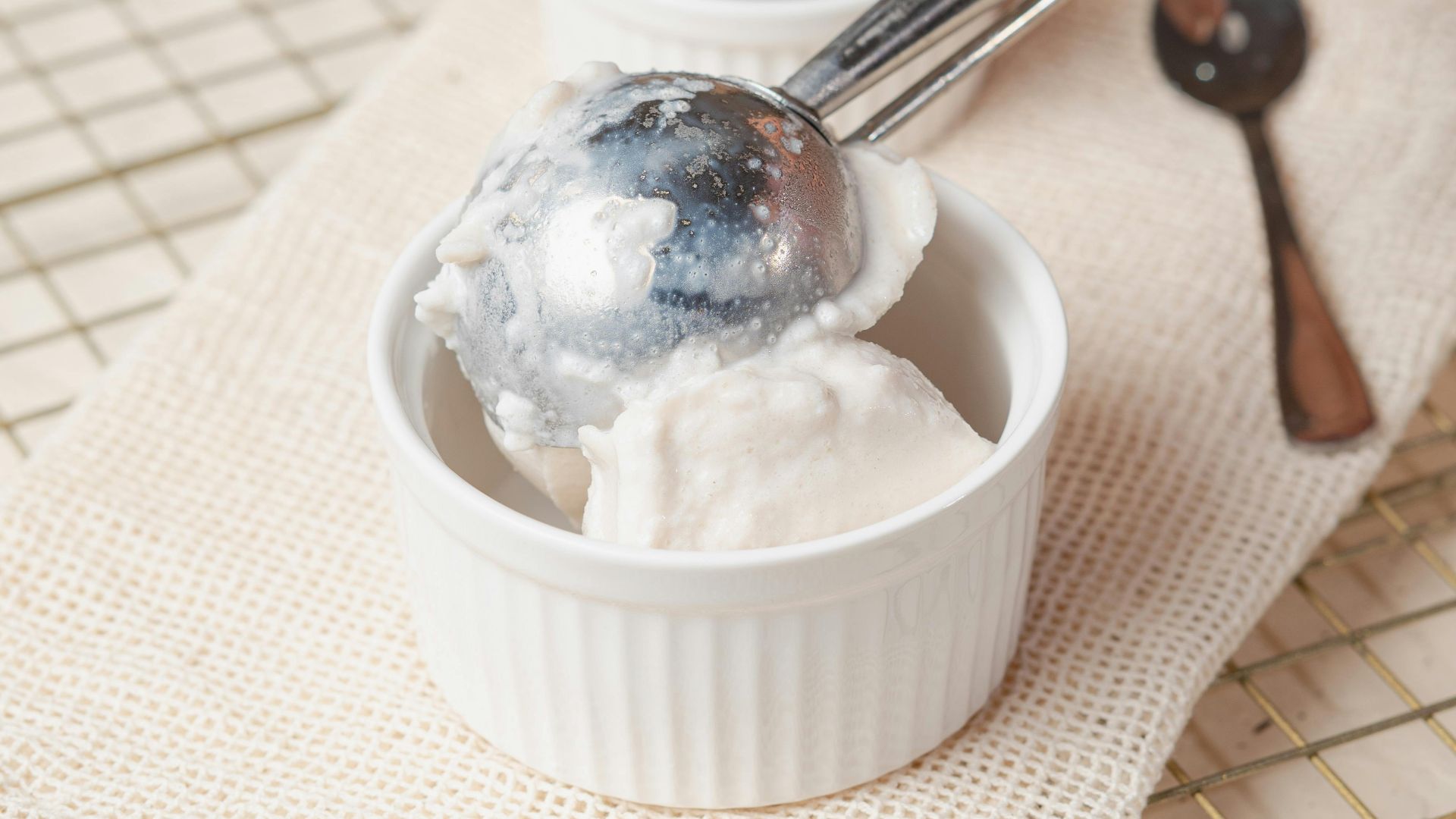
18. Custard-Based Ice Cream
Before modern no-churn methods, classic ice cream was made with a cooked custard of eggs and milk. You usually need 3 to 4 cups of milk per batch, heated gently with sugar and egg yolks before churning.
19. Butternut Squash Bisque
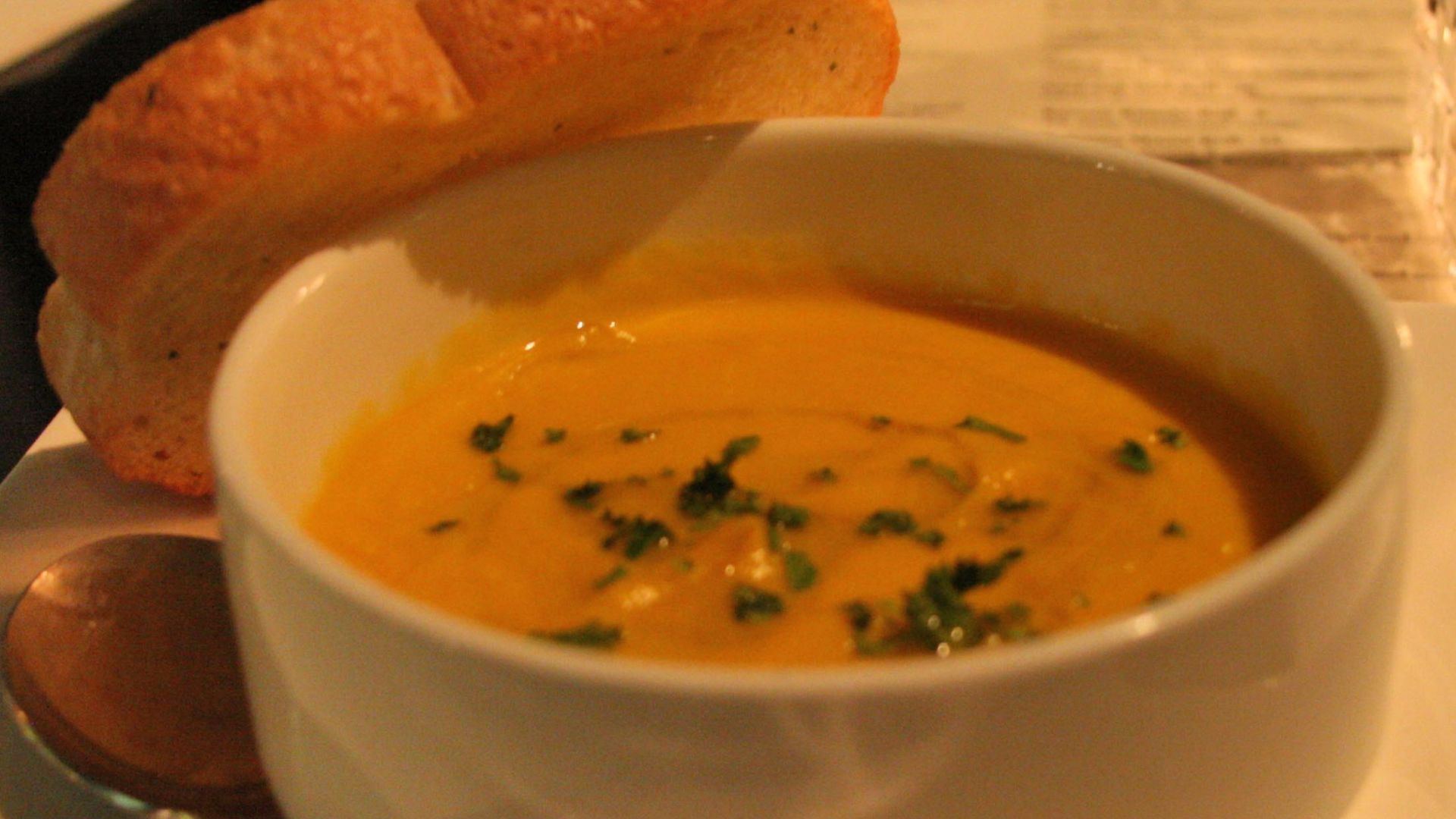
This autumn favorite converts sweet butternut squash into a velvety soup using 2 to 3 cups of milk or cream. The bisque technique originated in France, traditionally referring to smooth, creamy seafood soups before expanding to include vegetable versions.
 Robert Baldus from Knoxville, United States on Wikimedia
20. Potato Soup
Creamy potato soup uses 2 to 4 cups of milk. Many recipes include bacon, cheese, and green onions as toppings. This peasant dish originated in Europe, where potatoes and dairy were abundant and affordable ingredients. Modern versions often blend half the soup for creaminess.
KEEP ON READING
20 Food-Related Art Projects