The Right Way to Stockpile
Planning for an apocalypse? Well, we hope you're not, but that it doesn't hurt to still be prepared; you’d probably rather not rely on luck if things get chaotic. Thankfully, there are plenty of foods, from peanut butter to dry pasta (not just canned goods!), that can survive the worst of the worst. Here's how to properly prepare—and how not to.
1. White Rice
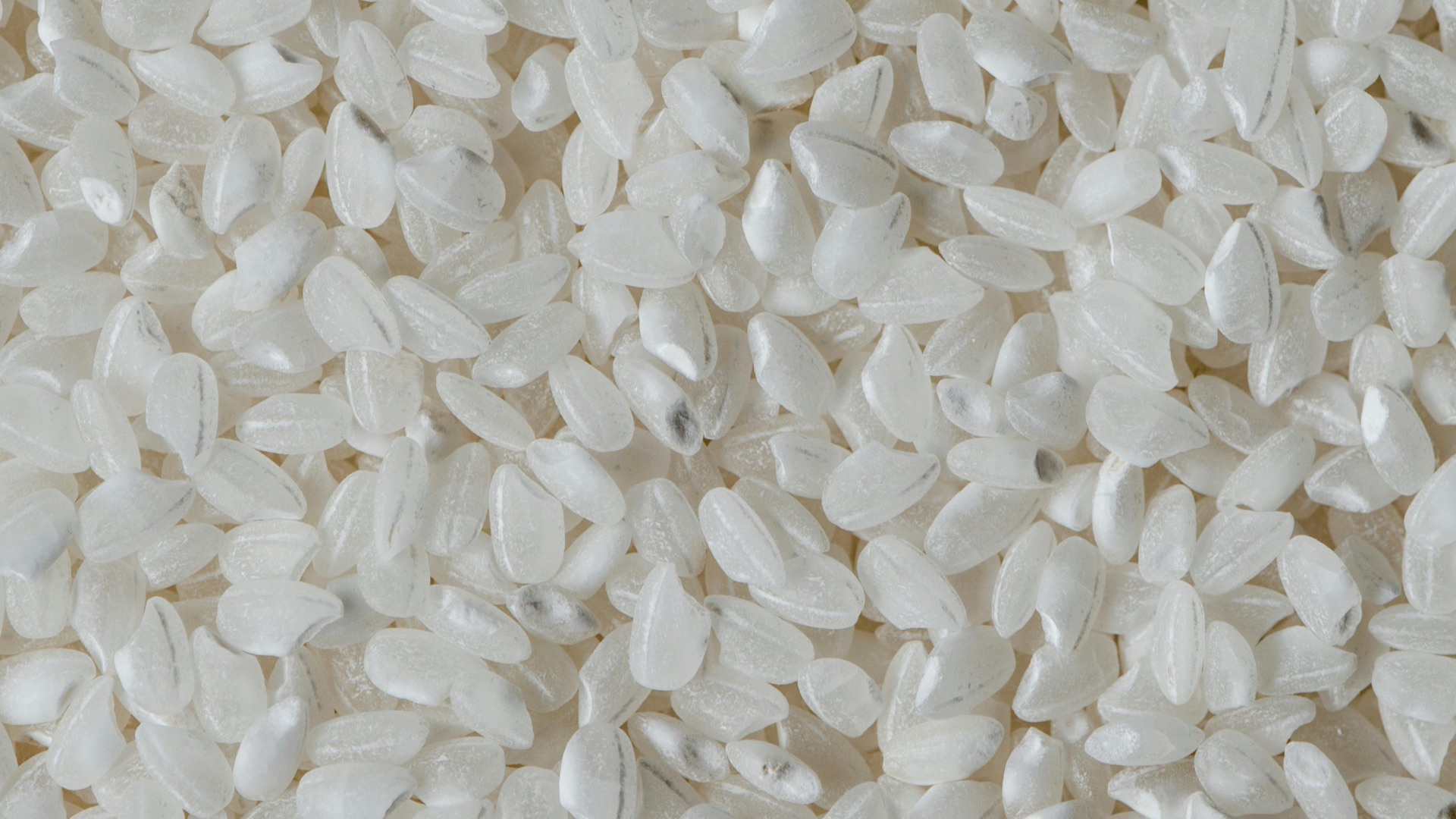
White rice lasts for years when it’s kept dry and sealed away from pests, which makes it a reliable backbone for long-term storage. It’s calorie-dense, easy to portion, and pairs well with almost anything you manage to cook. Just remember it needs water and heat, so it’s smartest to store it alongside fuel and a way to purify water.
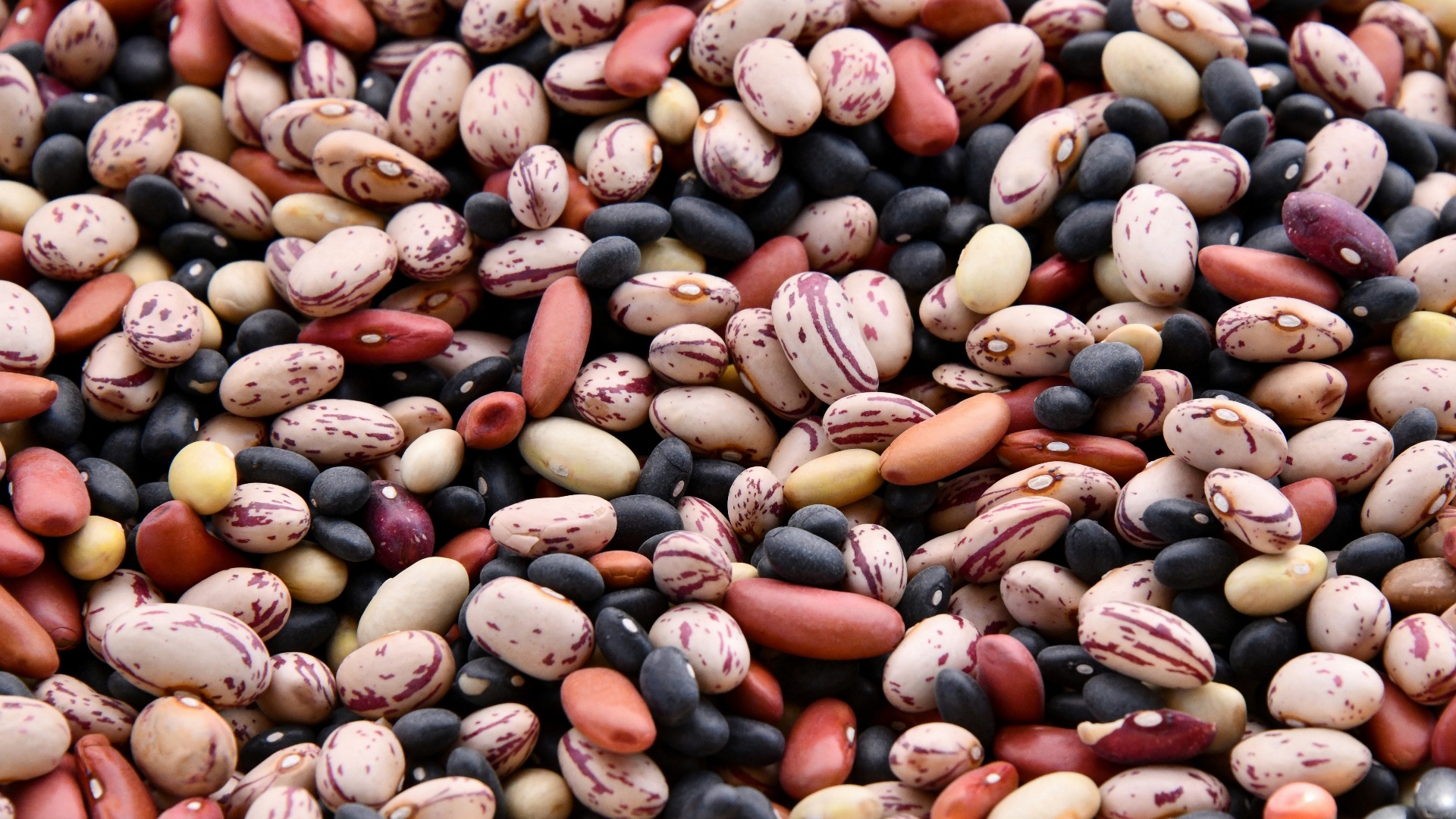
2. Dried Beans
Dried beans hold up for a long time and offer a solid mix of calories, fiber, and protein for their size. They’re cheap, compact, and they don’t fall apart if you store them properly in airtight containers. Cooking takes time, though, so you’ll want a plan for soaking and simmering without burning through all your fuel.
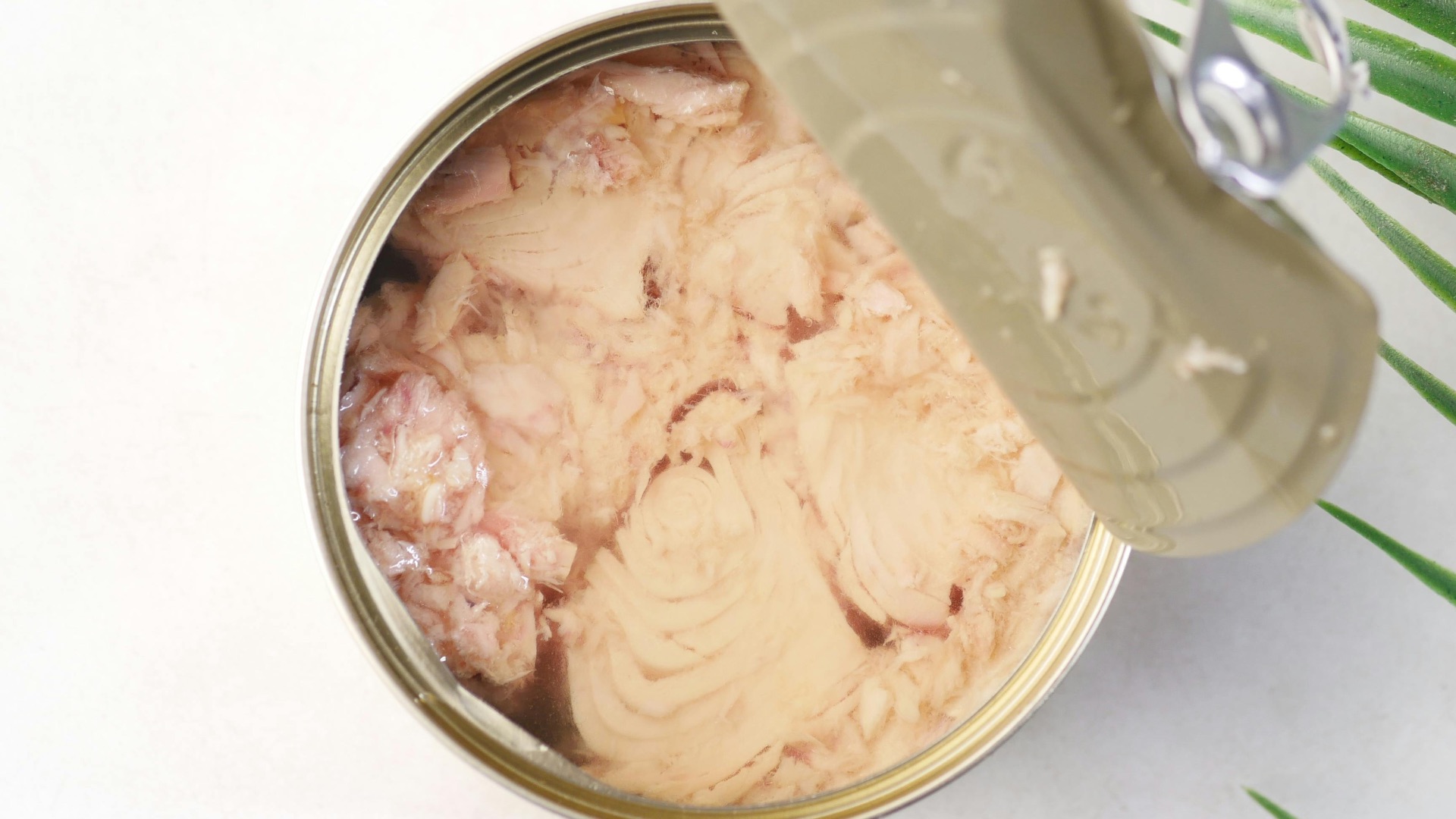
3. Canned Tuna
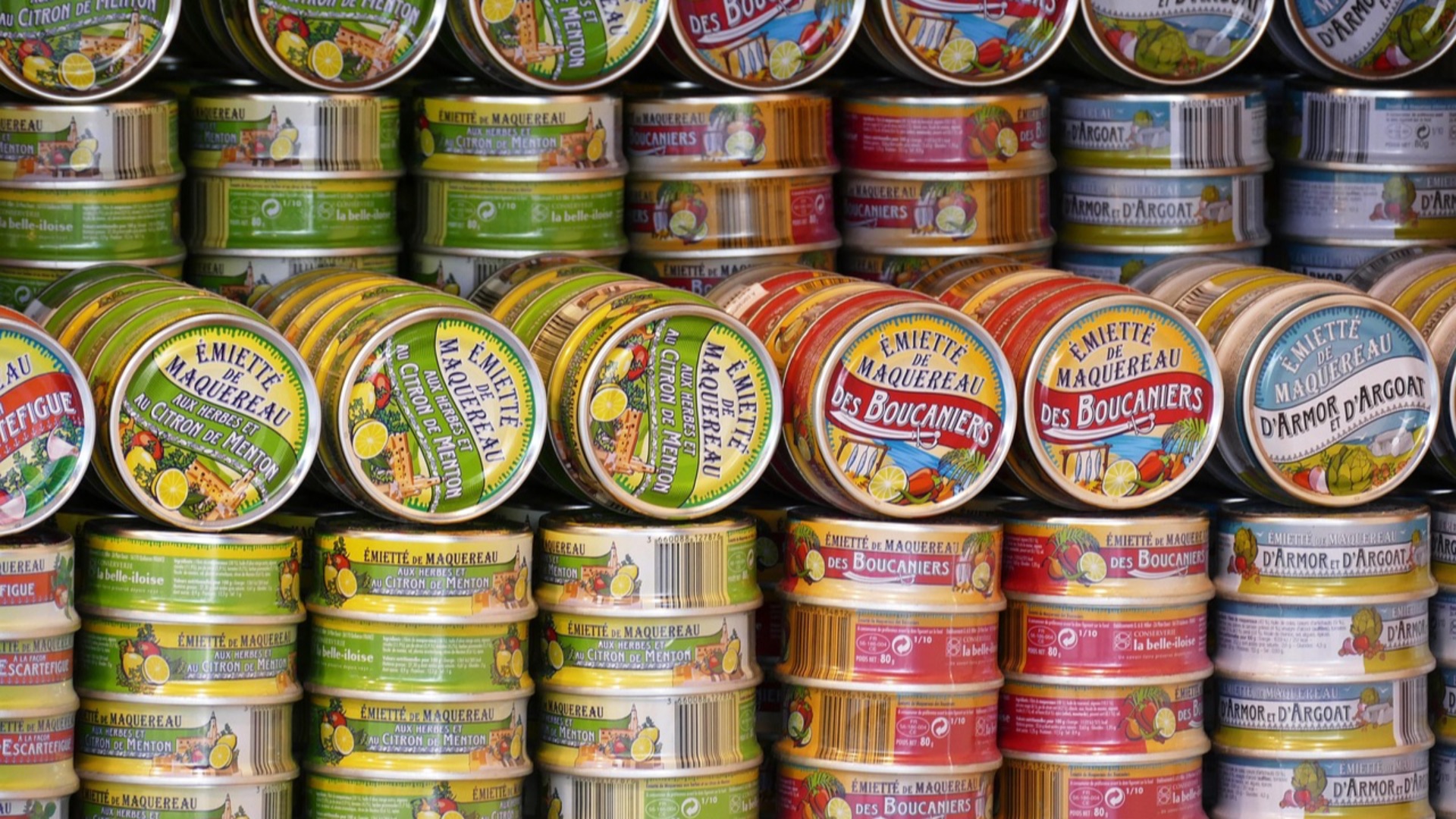
Canned tuna is ready the second you open it, and that convenience matters when resources are limited. It’s packed with protein and doesn’t require cooking, which helps if you’re conserving water and energy. Keep an eye on dents, bulges, or rust, though, because damaged cans aren’t worth the risk.
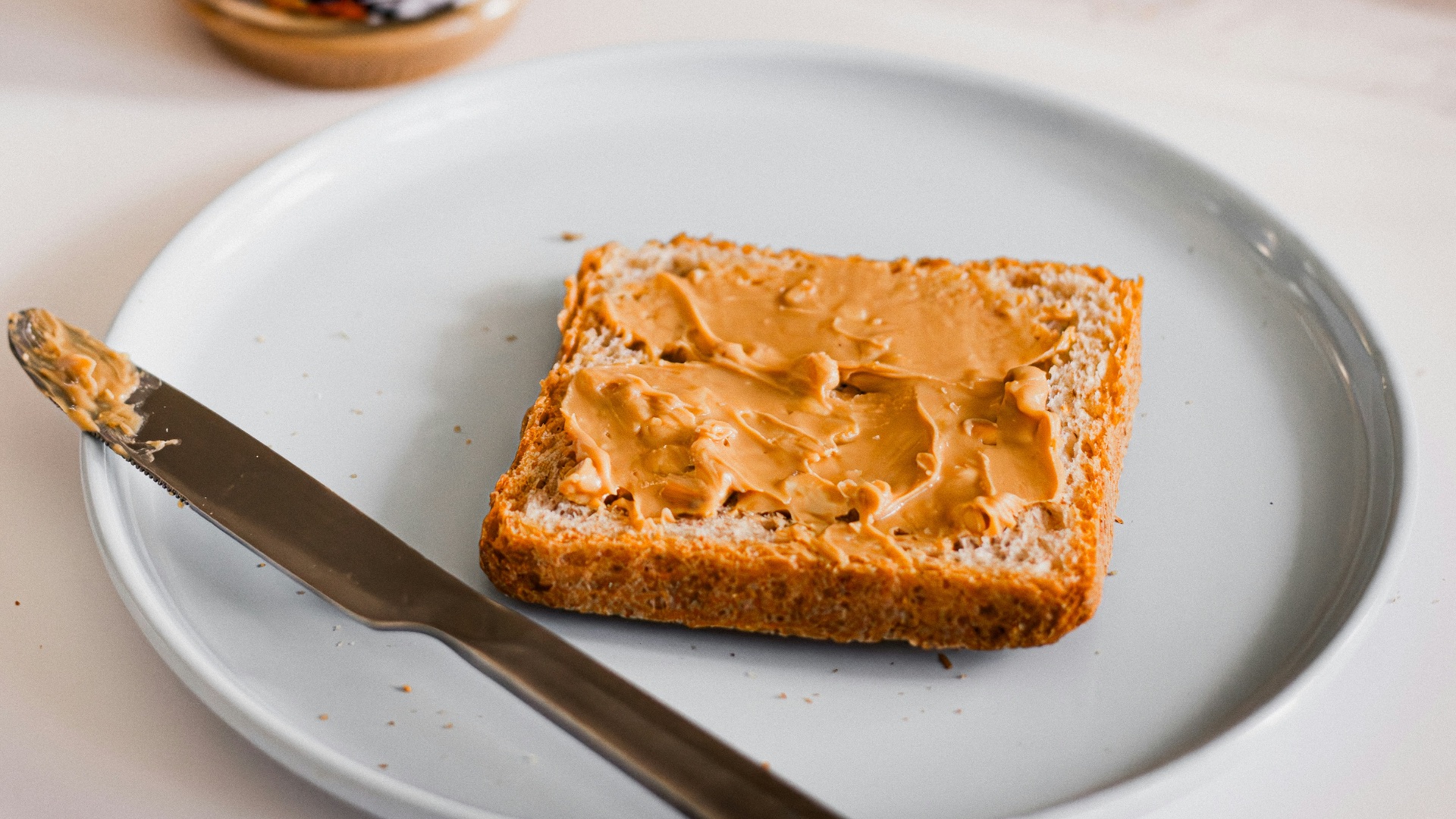
4. Peanut Butter
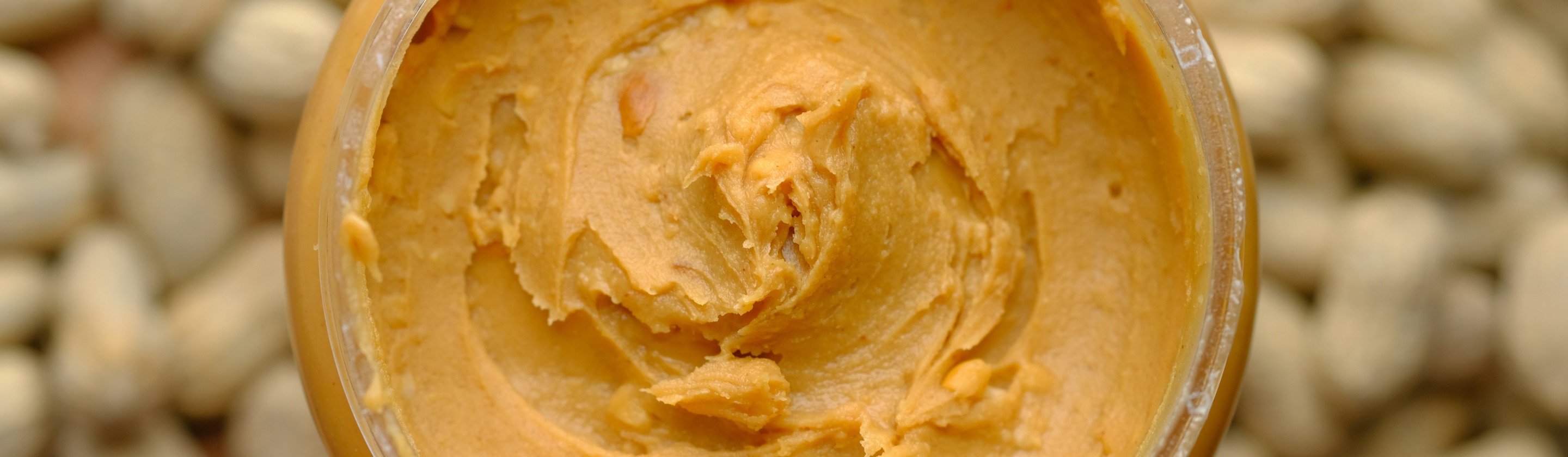
Peanut butter is high in calories and fat, which is exactly what you want when you need steady energy. It stores well unopened and turns into an easy meal when you spread it on anything or eat it by the spoonful. Choose shelf-stable jars and rotate them occasionally so you’re not stuck with old stock.
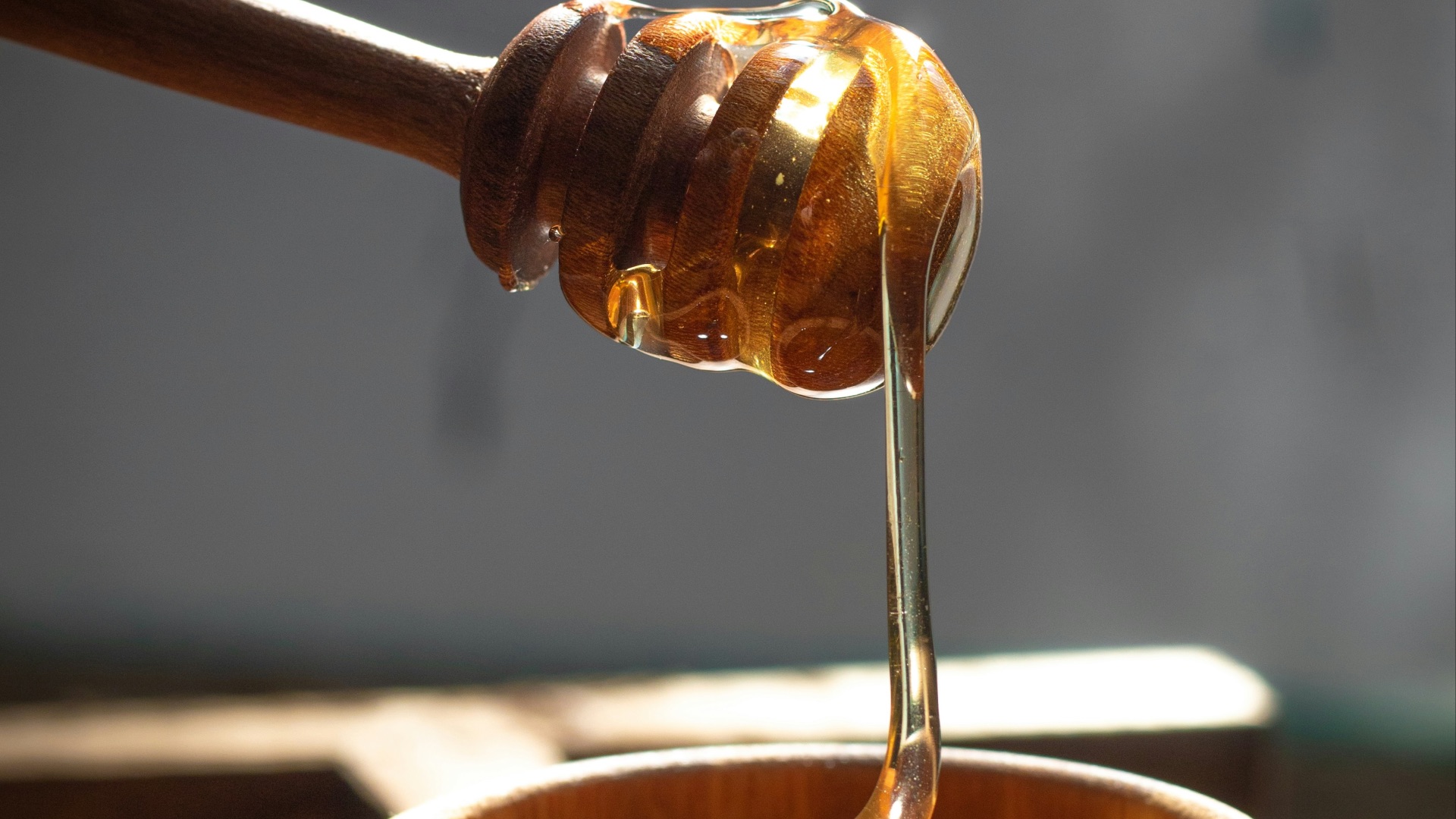
5. Honey
Honey lasts an impressively long time and doesn’t spoil in normal storage conditions. Even if it crystallizes, it’s still safe to eat once you warm it gently. Beyond sweetness, it can make bland staples more tolerable when your options are limited.
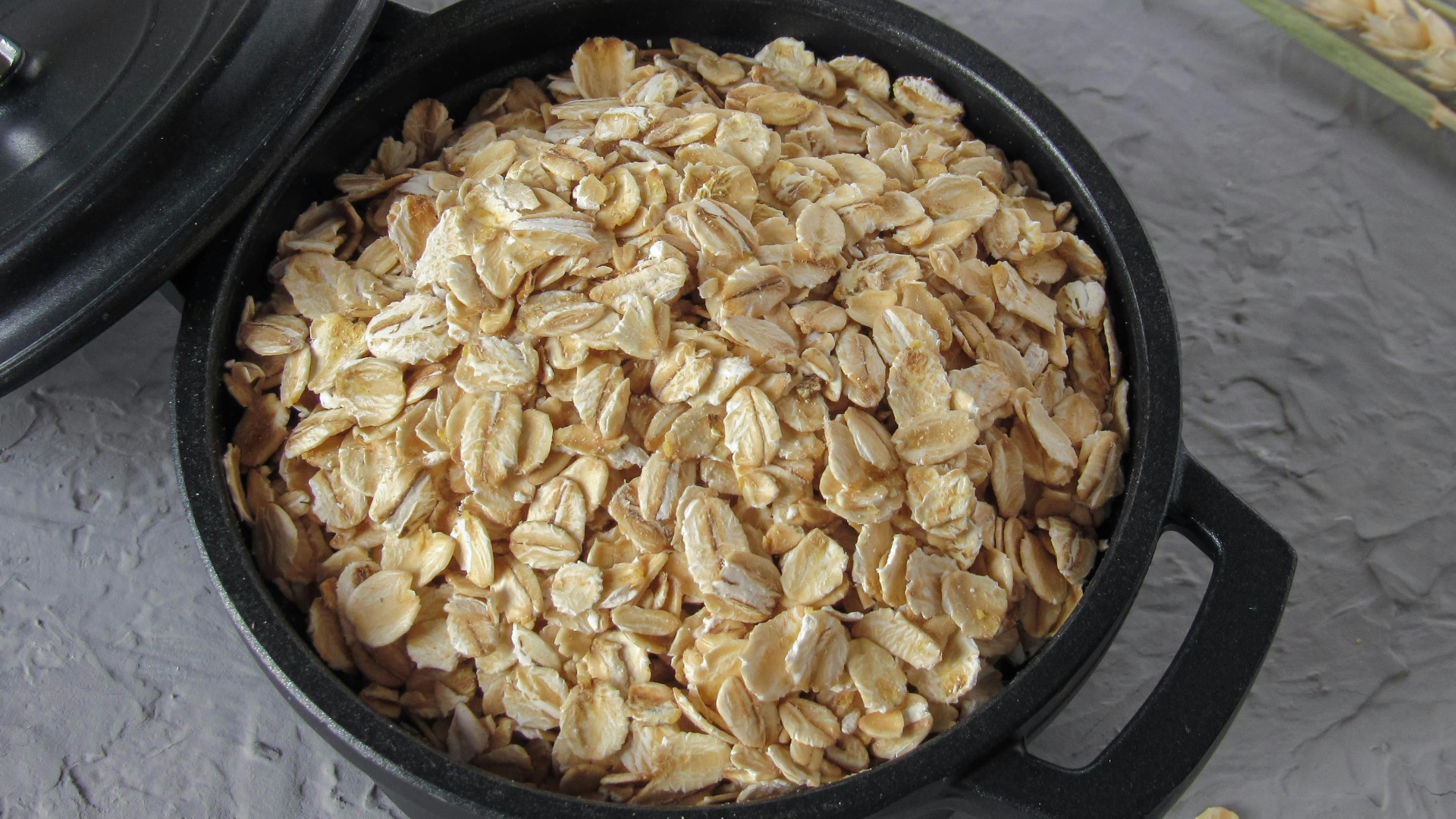
6. Rolled Oats
Rolled oats are a practical, long-lasting staple that can be cooked quickly with minimal ingredients. They’re filling, easy to digest, and flexible enough for sweet or savory meals. If you store them in sealed containers, you’ll also avoid moisture problems and pantry pests.
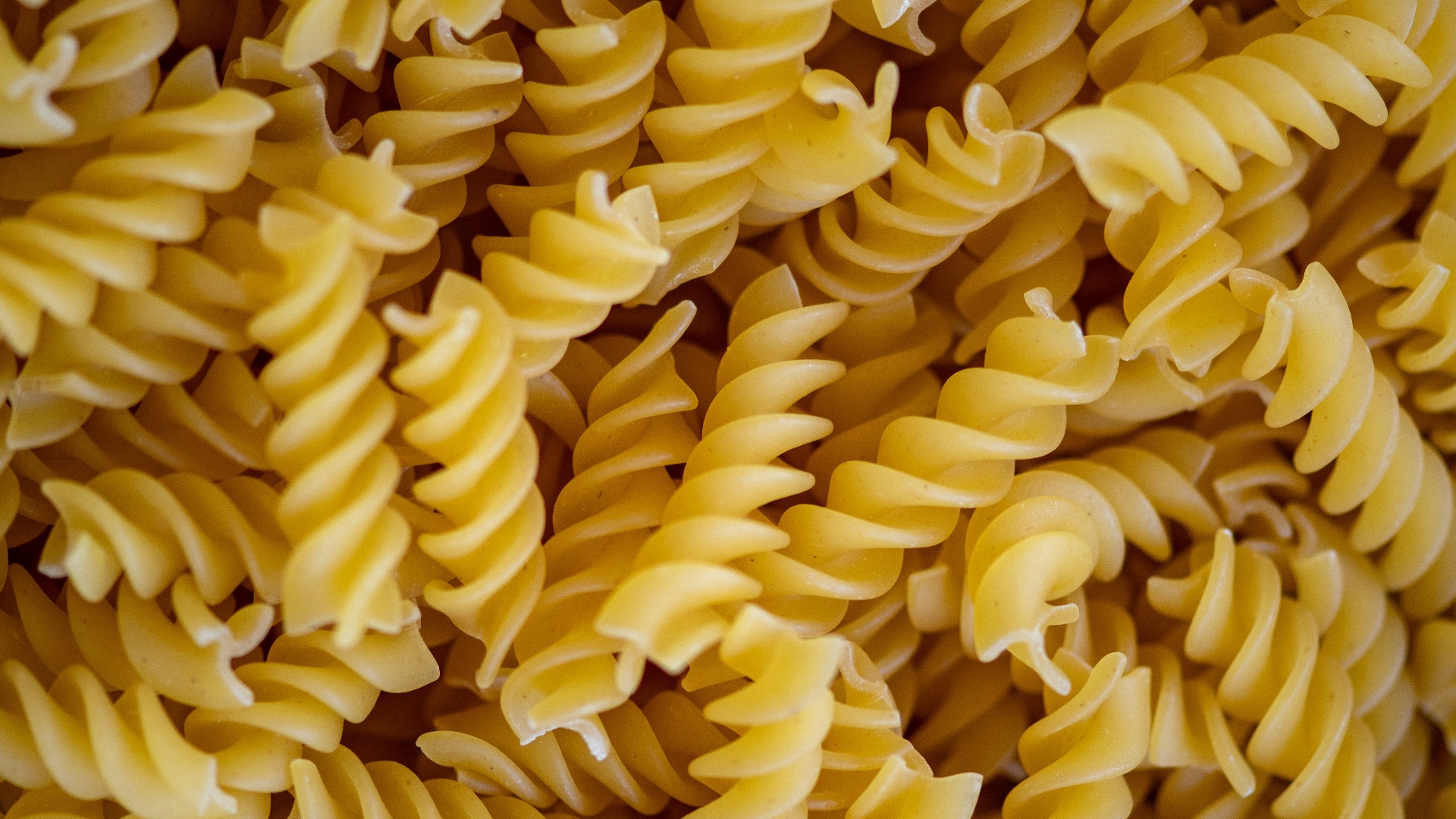
7. Dry Pasta
Dry pasta is simple to store and stays stable for a long time in a cool, dry place. It’s a dependable calorie source that feels like a real meal, which can help morale without getting dramatic about it. Since it needs boiling water, it works best when you’ve also stored fuel and a basic cooking setup.
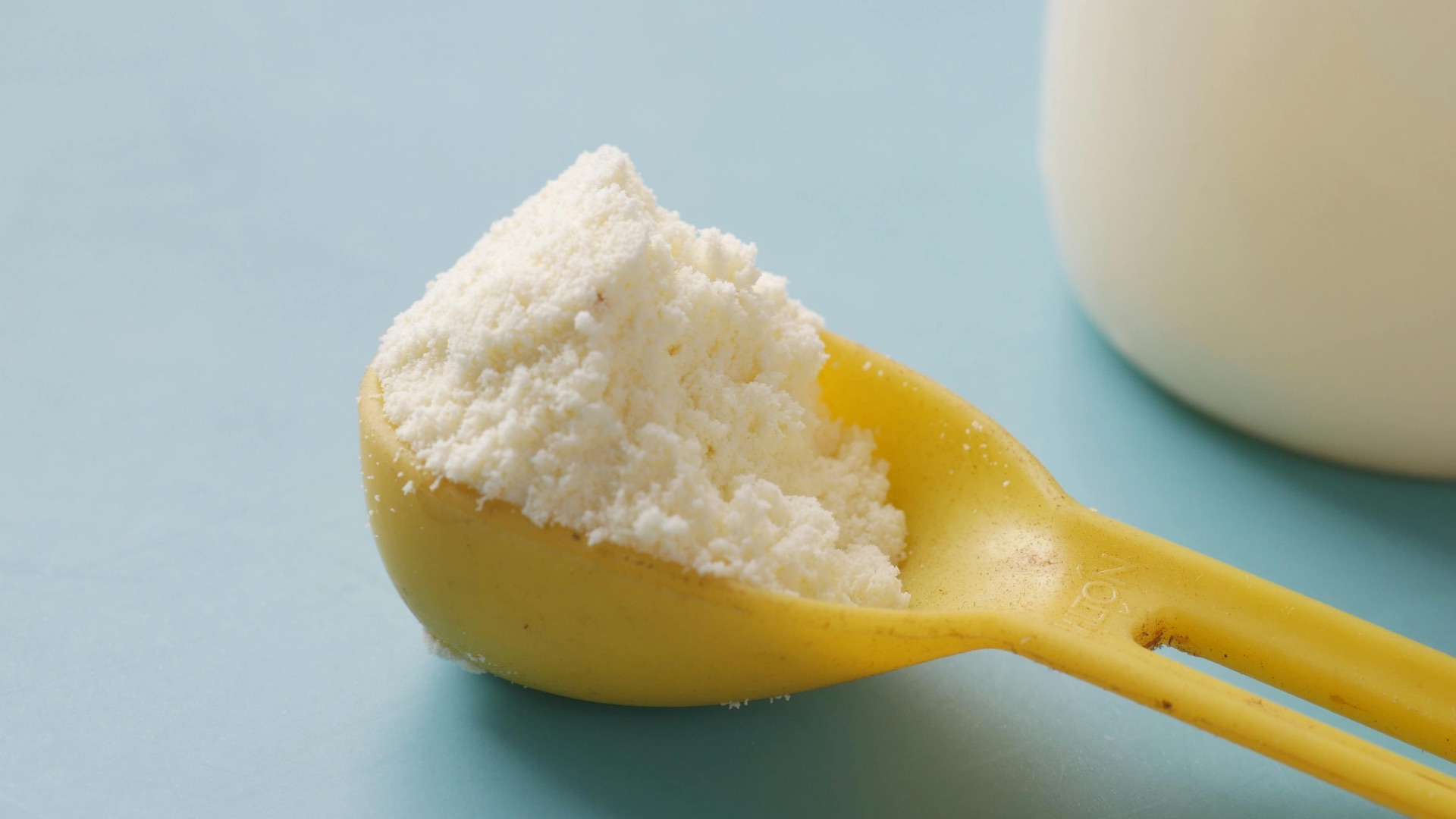
8. Powdered Milk
Powdered milk keeps much longer than fresh dairy and helps you add protein and calories to everyday staples. It’s useful for cooking, baking, and making oats or cereals more satisfying. Store it in airtight packaging and keep it away from heat so it doesn’t pick up off flavors.
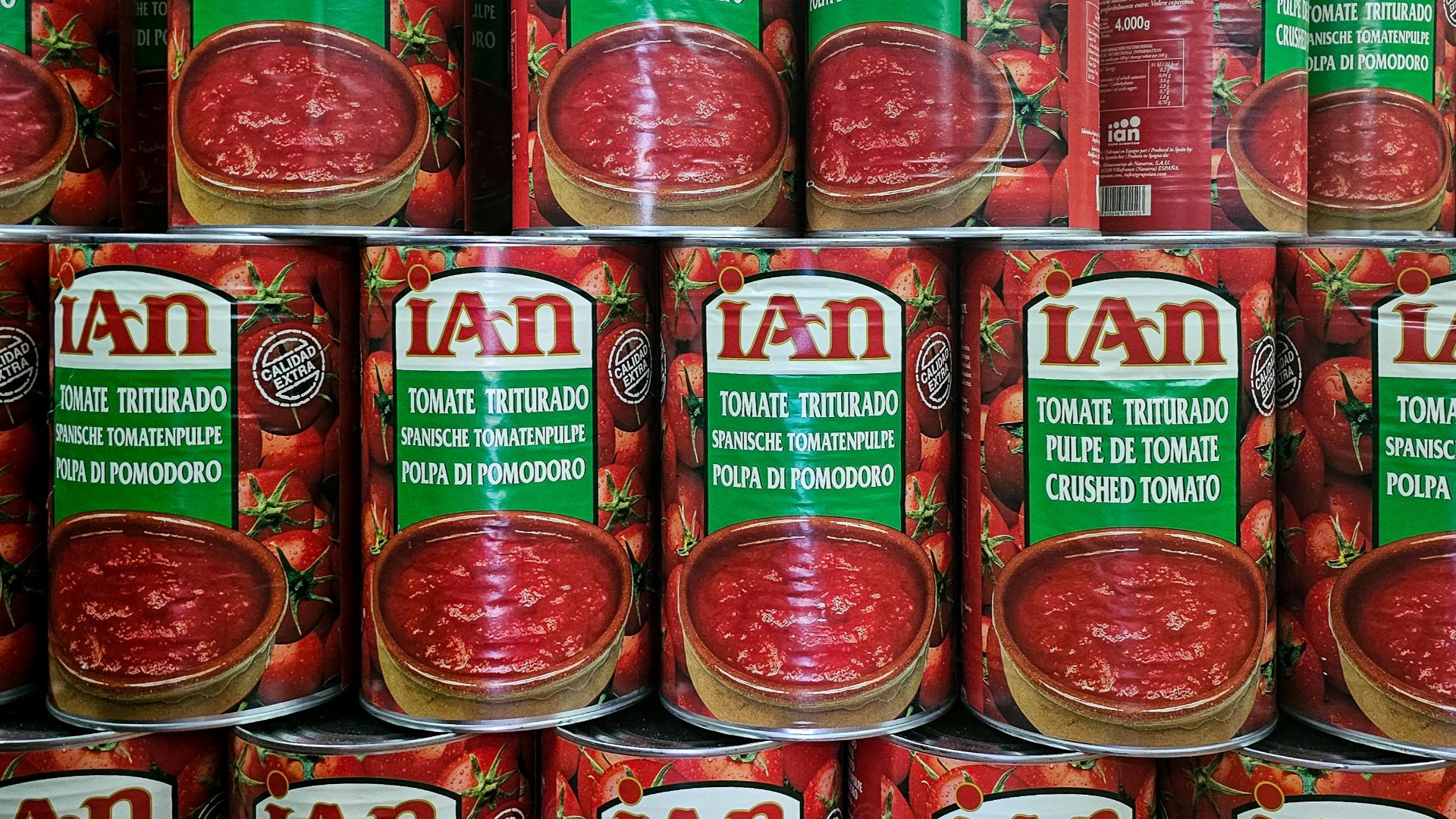
9. Canned Vegetables
Canned vegetables last a long time, and they’re ready to eat with no cooking required if you’re trying to conserve fuel. They add variety, fiber, and micronutrients to a storage diet that can otherwise feel heavy and repetitive. Go for low-sodium options when you can, and avoid cans that are bulging, leaking, or badly dented.
10. Freeze-Dried Meals
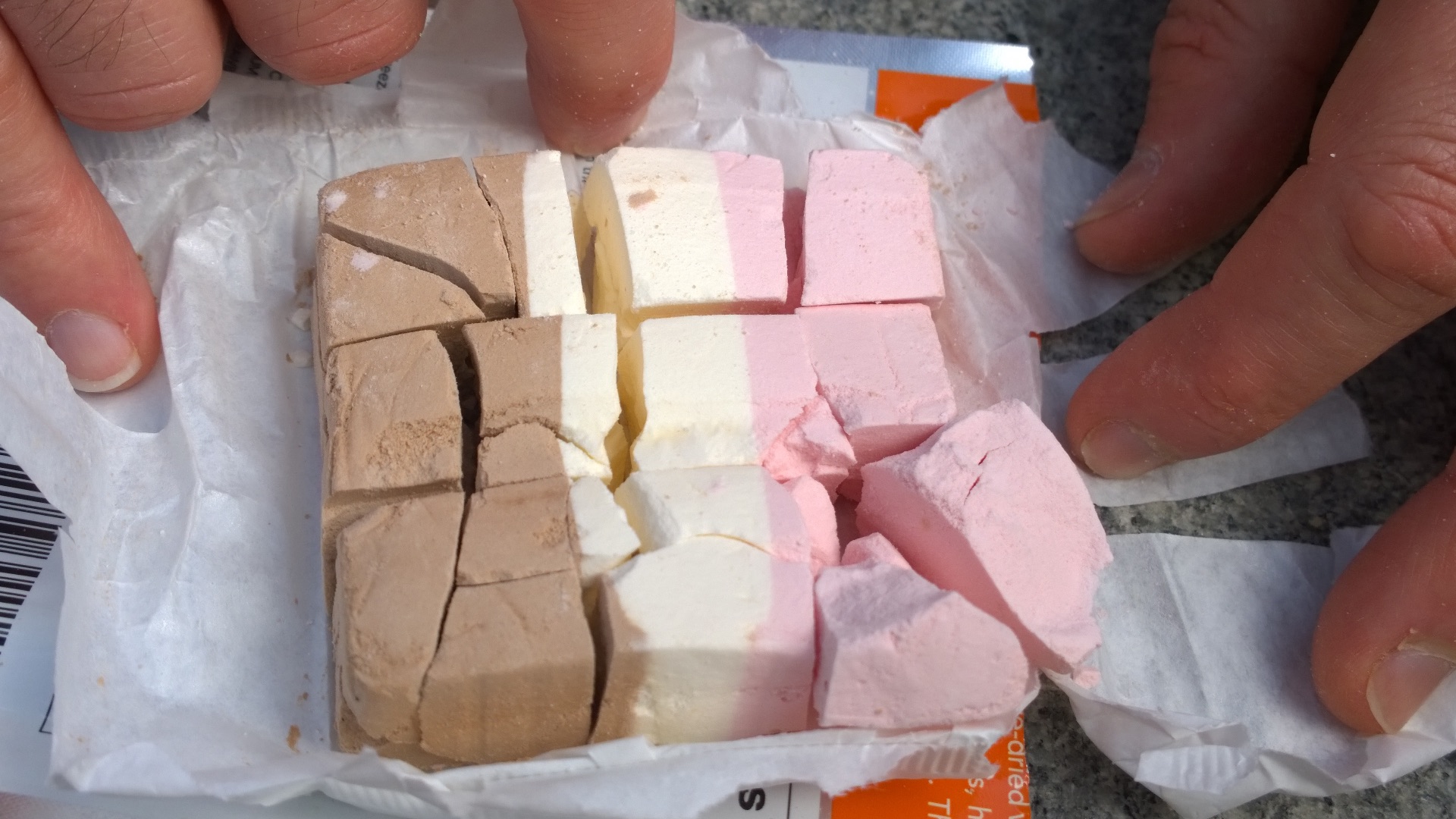
Freeze-dried meals are made for long storage and easy preparation, which is why they’re popular in emergency kits. They’re lightweight, portioned, and usually come in packaging designed to protect against oxygen and moisture. The tradeoff is cost and the need for clean water, so treat them as a convenience layer rather than your whole plan.
What about foods that won't survive the worst? Here's what not to stock in your pile.
 Ruth Hartnup from Vancouver, Canada on Wikimedia
1. Fresh Fruit
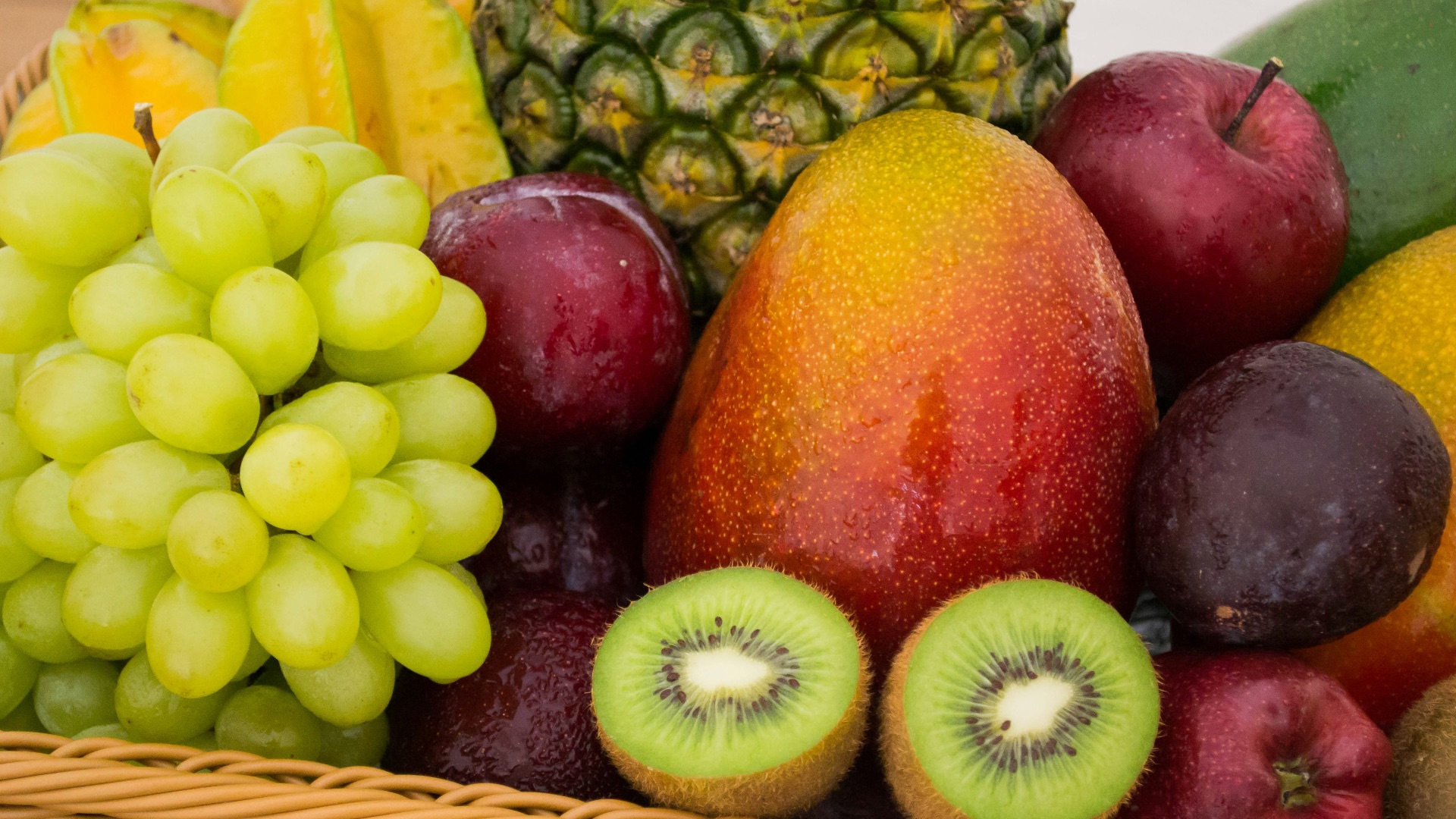
Fresh fruit spoils fast, bruises easily, and becomes unsafe long before you can finish it all. Without refrigeration, they can turn in a day or two, especially in warm weather. They’re delicious, but they’re a poor bet when you need predictable storage.
2. Leafy Greens
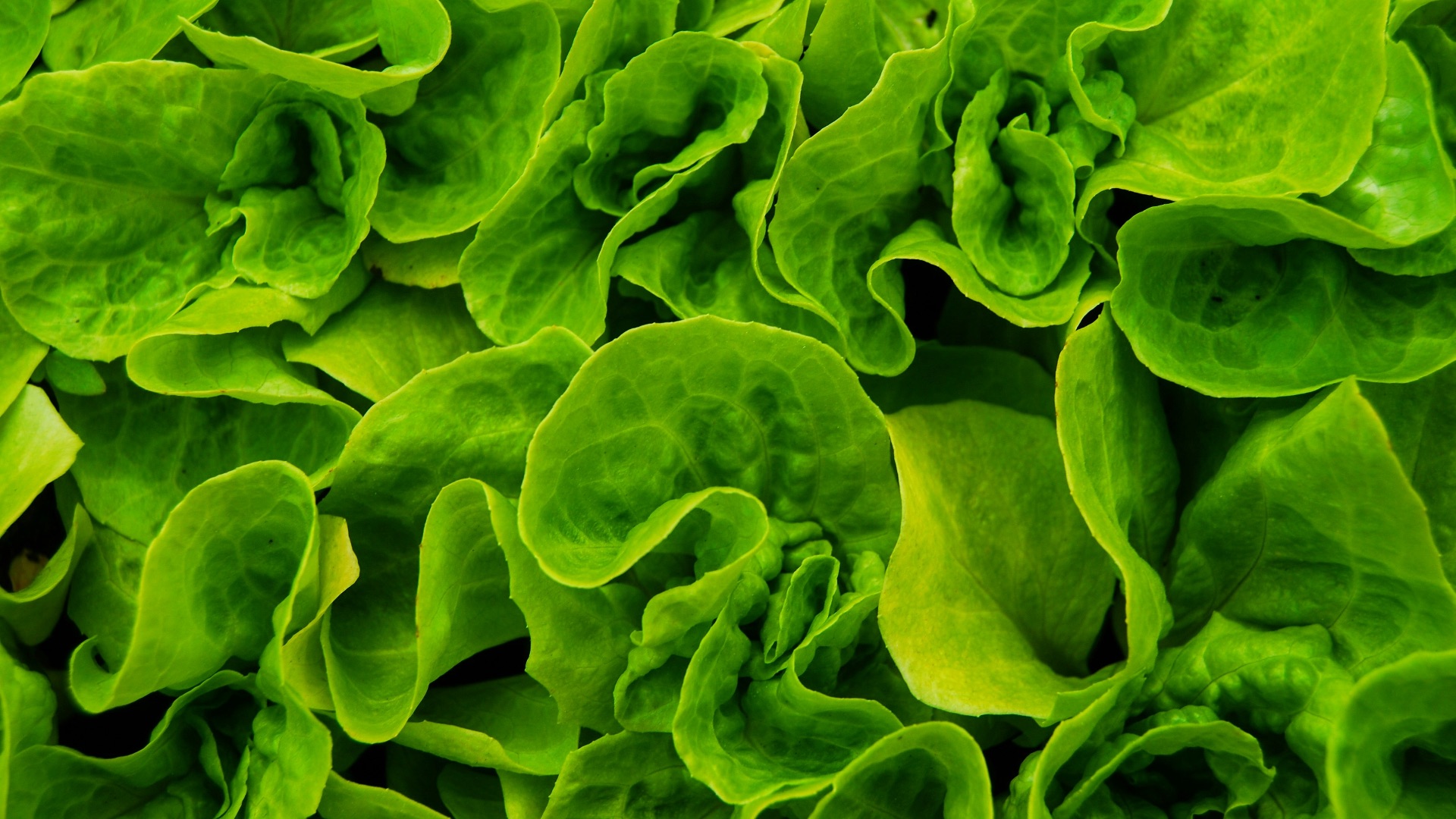
Leafy greens wilt quickly and don’t tolerate inconsistent temperatures or humidity. Even careful handling won’t buy you much time, and once they go slimy, they’re done. In a true storage plan, they take up space without giving you any lasting payoff.
3. Dairy
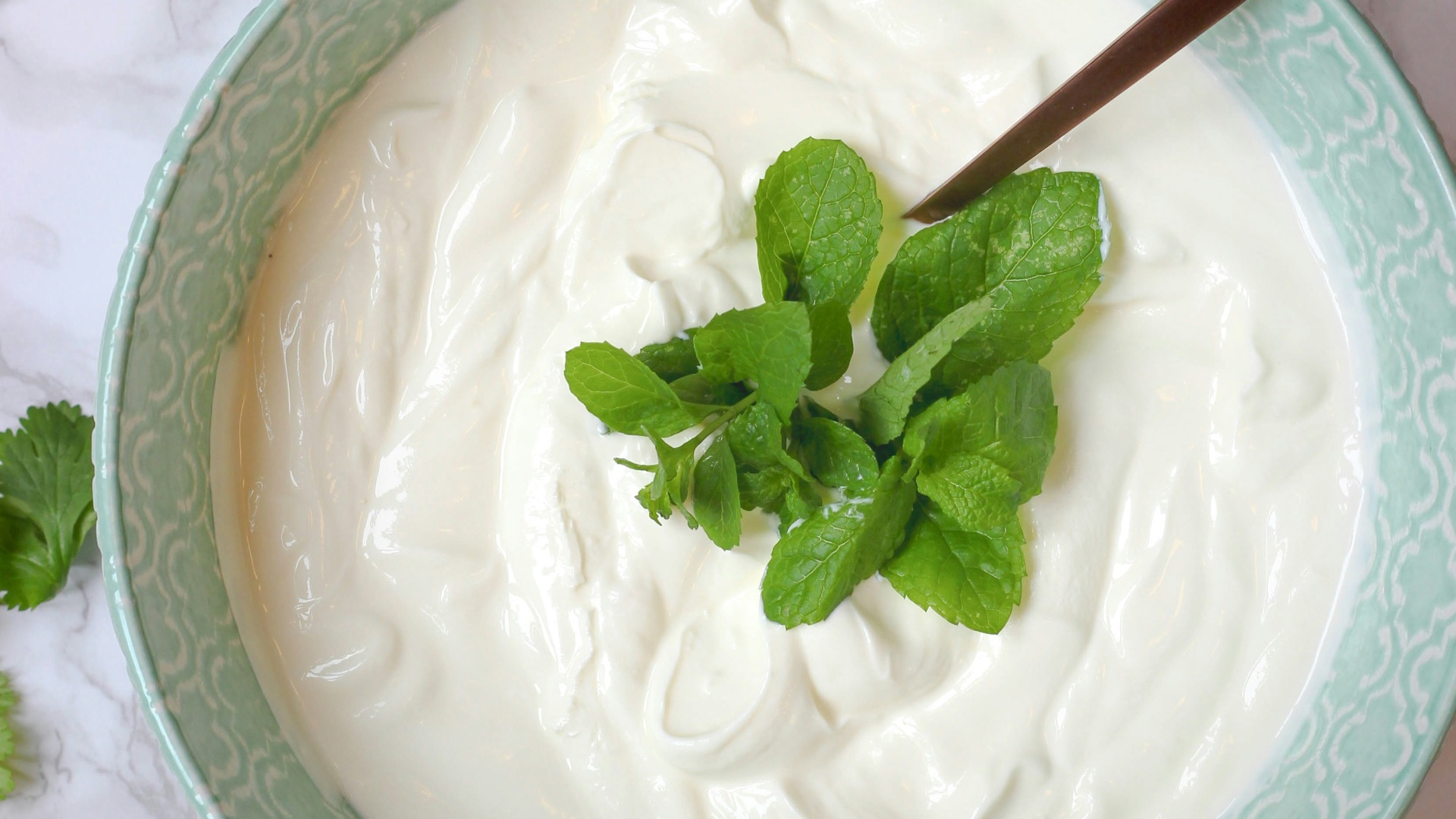
Fresh milk and yogurt are two of the first things to fail when the power goes out and refrigeration becomes unreliable. It can sour quickly, and drinking it after it’s turned is a gamble you don’t need. If dairy matters to you, shelf-stable or powdered options make far more sense.
 micheile henderson on Unsplash
4. Soft Cheese
Soft cheeses have high moisture content, which shortens their safe window and makes spoilage hard to ignore. They’re sensitive to temperature swings and can develop unsafe bacteria quickly. You’ll get more value from hard cheeses or shelf-stable alternatives if you want something longer-lasting.
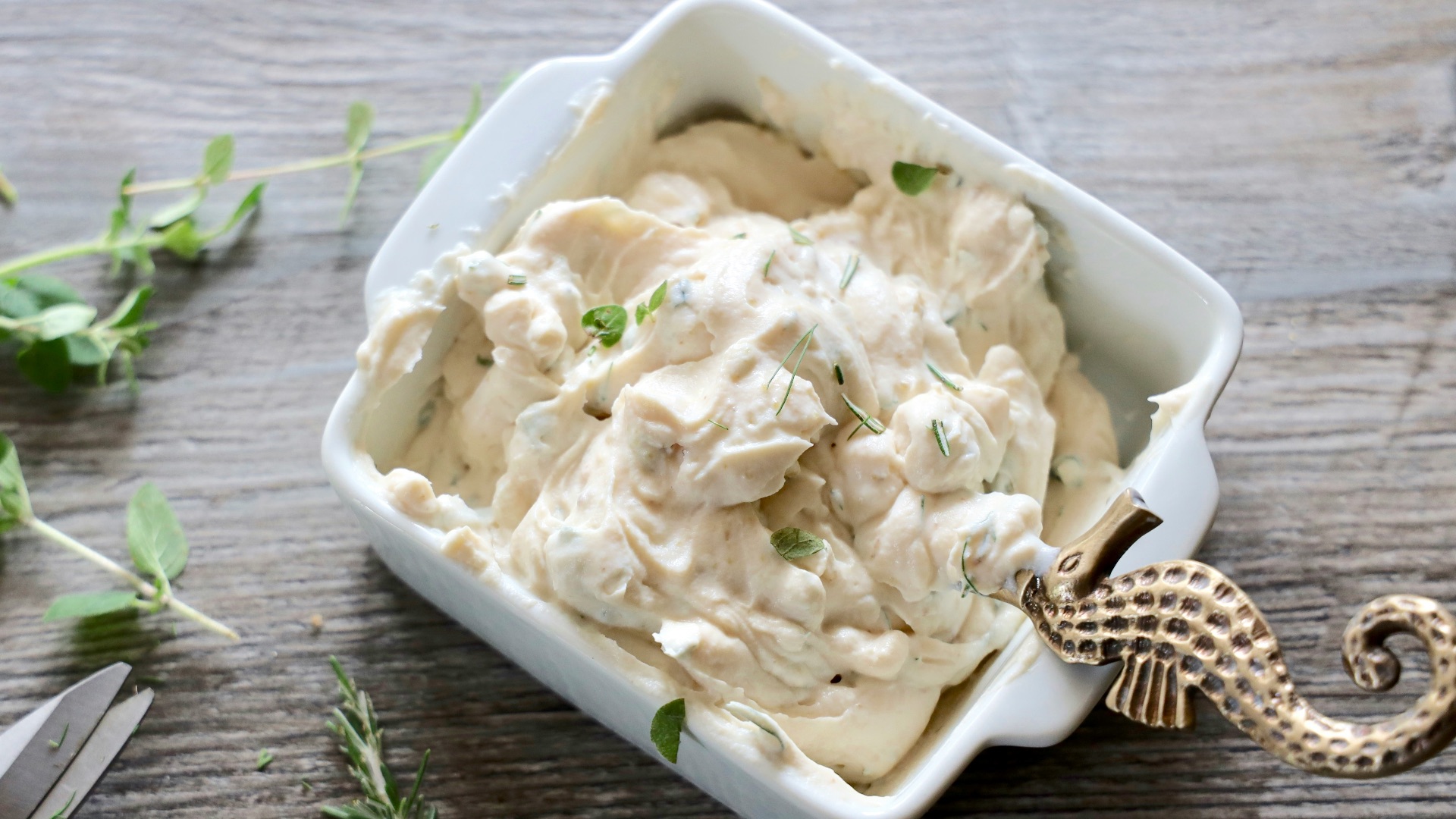
5. Raw Meat
Well, you know this was going to be on the list. Sorry, carnivores, but raw meat requires strict cold storage, careful handling, and reliable cooking conditions to stay safe. In unstable situations, the margin for error is too small, and the consequences are too big. Unless you can cook it immediately and thoroughly, it doesn’t belong in long-term reserves.
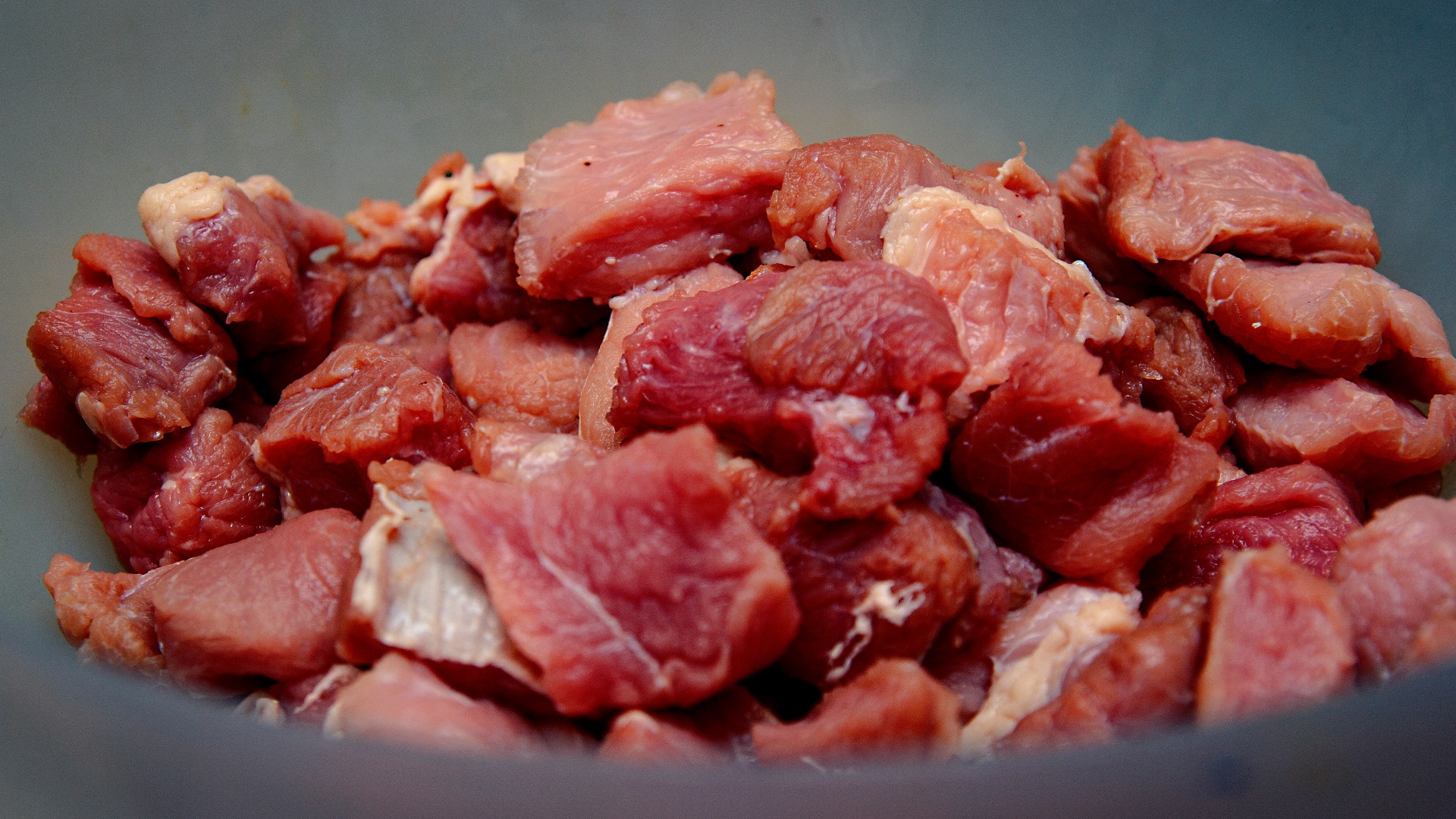
6. Fresh Fish
Fresh fish degrades quickly even under decent conditions, and it’s unforgiving when temperatures rise. The smell will tell you it’s gone, but that won’t make disposal any easier. If you want seafood in storage, canned or pouch options are the practical route.
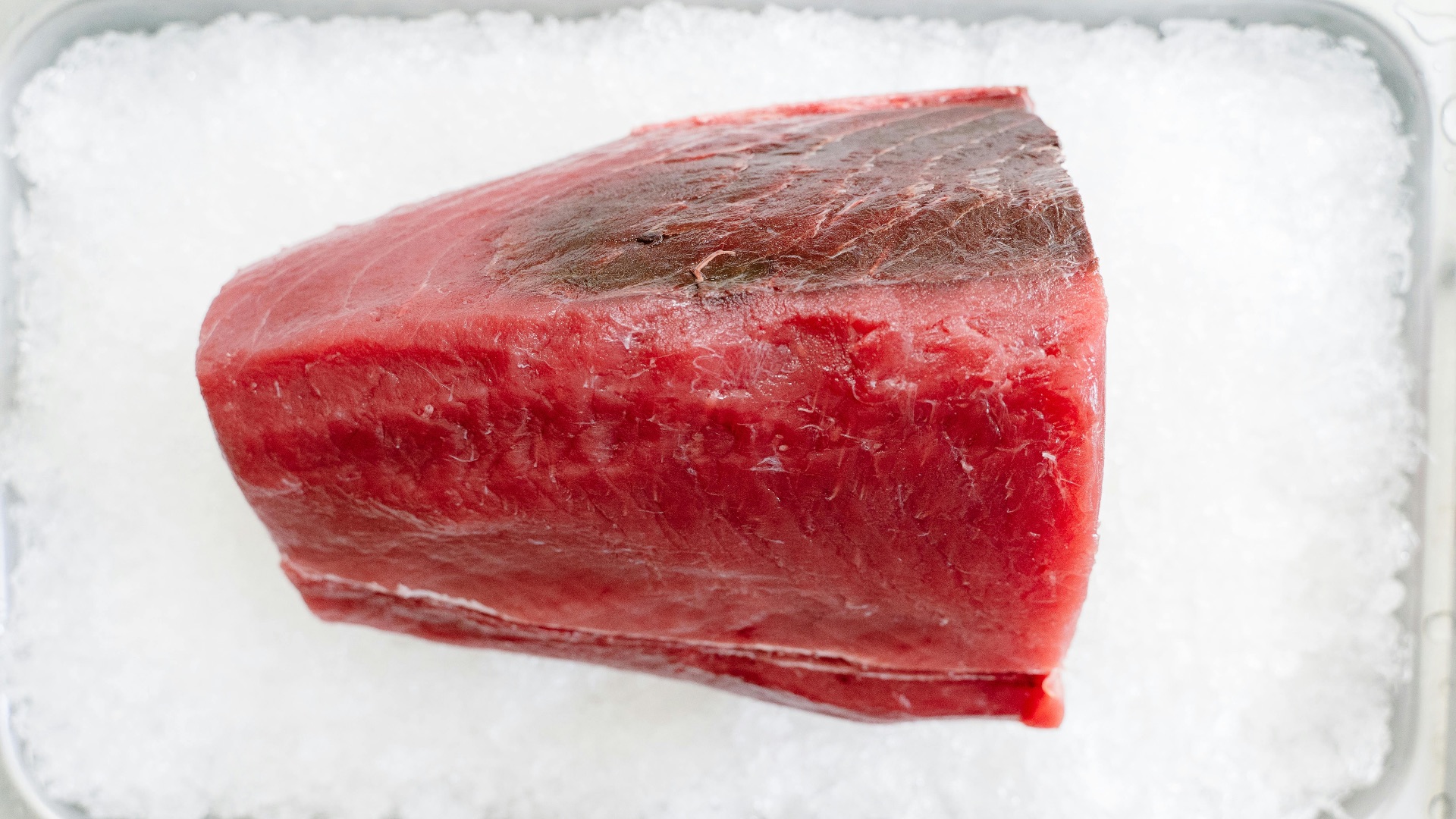
7. Unrefrigerated Leftovers
Leftovers are fine in everyday life, but they’re a bad idea when you can’t control temperature and time. Cooked food sitting out can become unsafe faster than you might expect, especially with meat, rice, or creamy sauces. In an emergency, it’s smarter to cook smaller portions you can finish in one sitting.
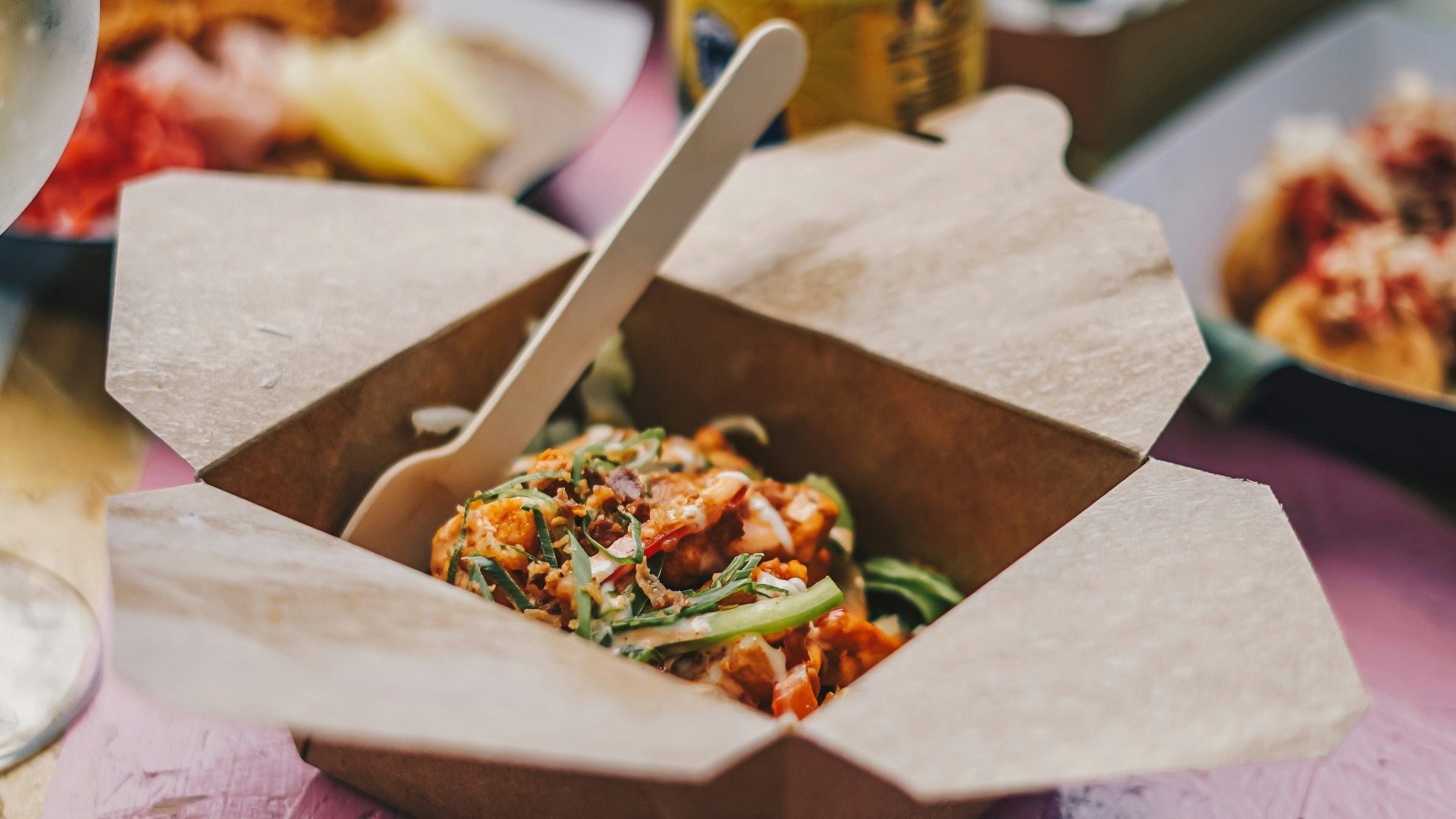 Ambitious Studio* | Rick Barrett on Unsplash
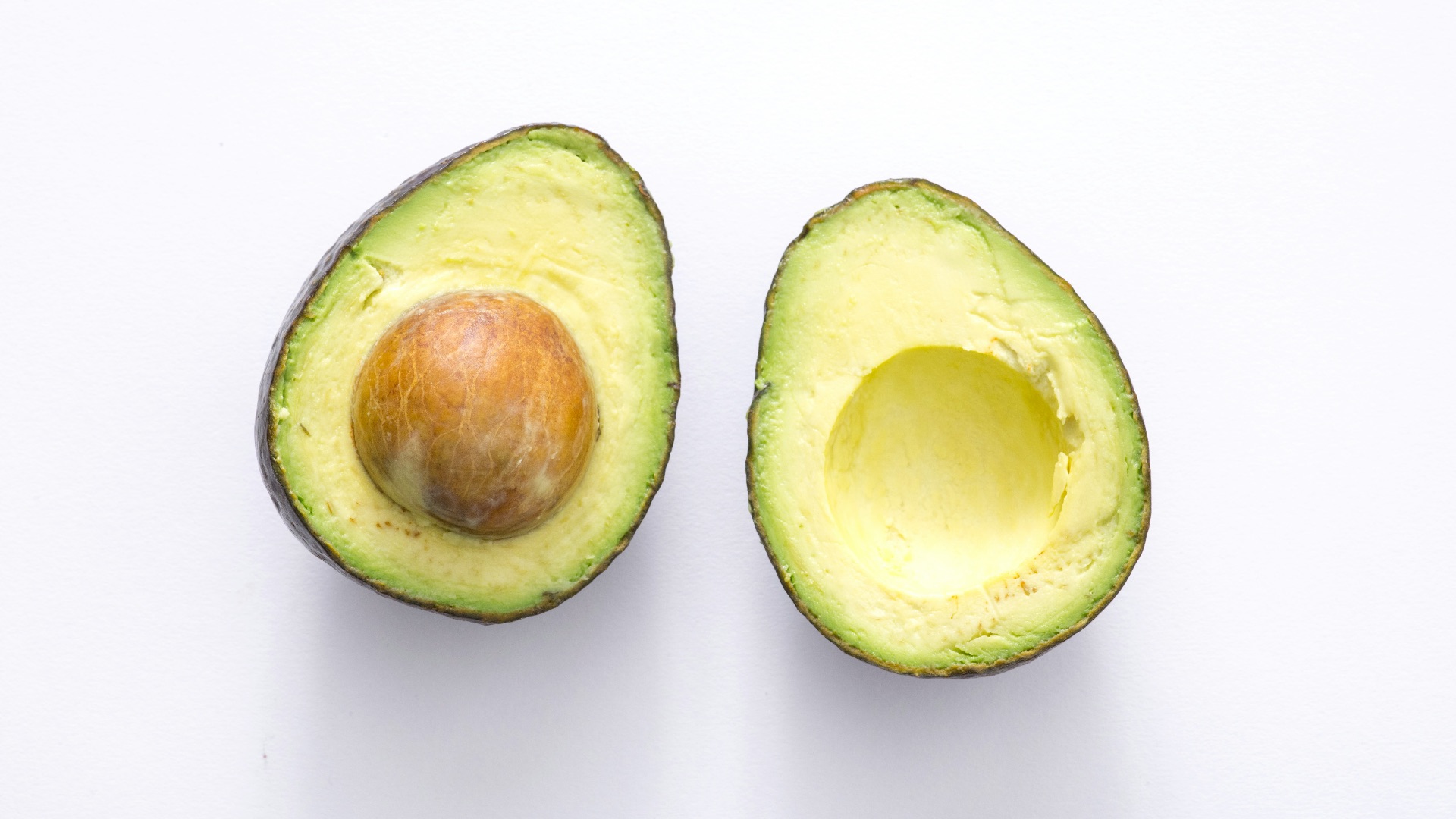
8. Avocados
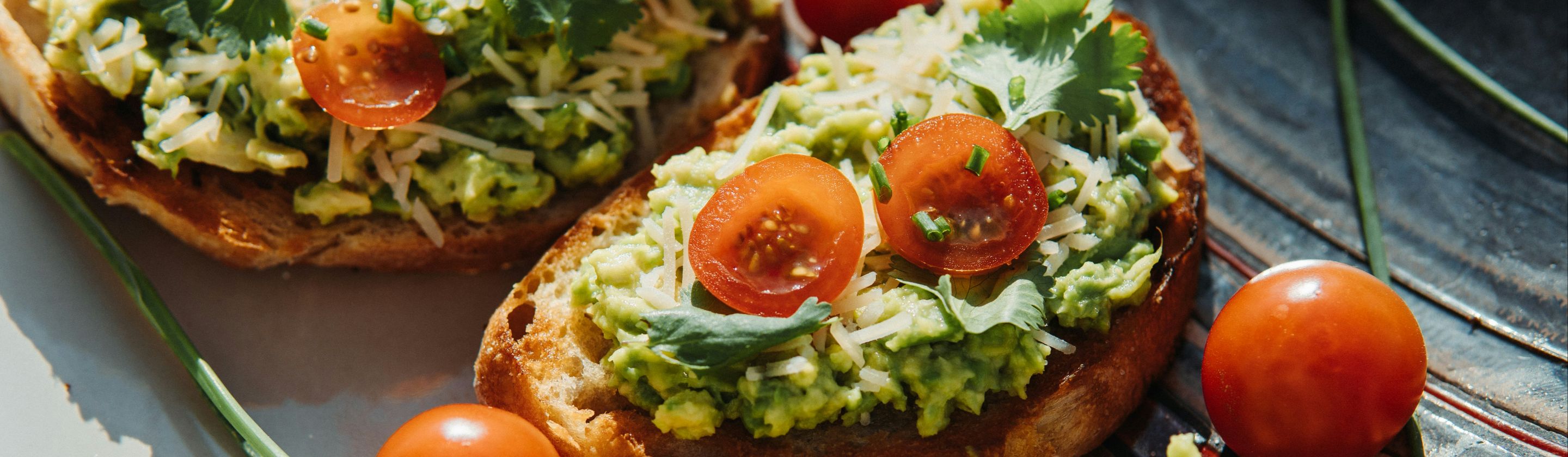
Avocados ripen quickly and don’t give you a long grace period before they turn mushy. Once they’re overripe, they’re unappealing and they can attract pests if you’re not careful. They’re great for a normal grocery run, but they don’t play well with long-term uncertainty.
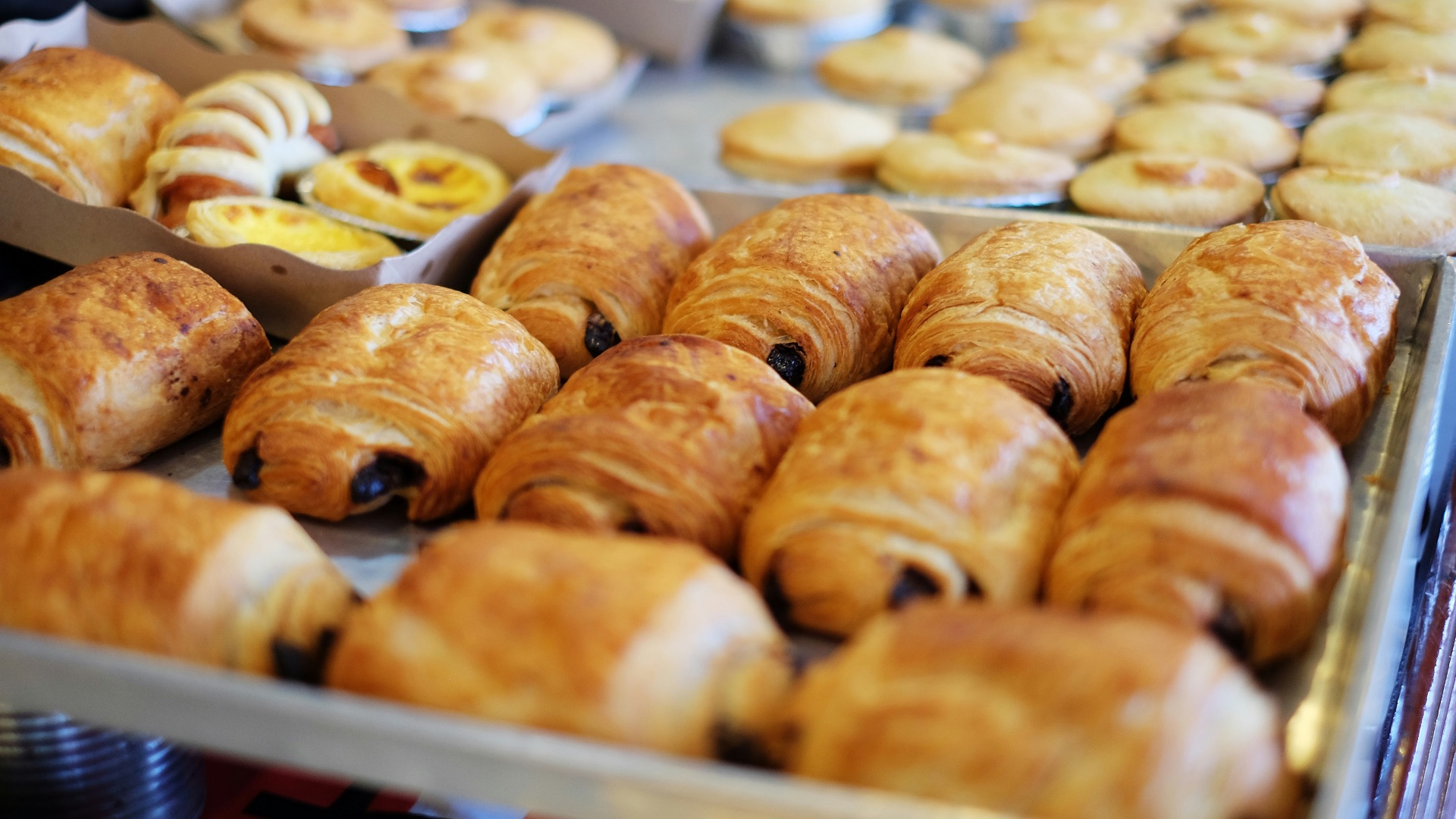
9. Cream-Filled Pastries
Cream-filled pastries are built for immediate enjoyment, not storage, and they spoil quickly without refrigeration. Their ingredients are a perfect setup for rapid bacterial growth, especially in warm environments. Even if they look fine at first, they can become risky before you’d expect.
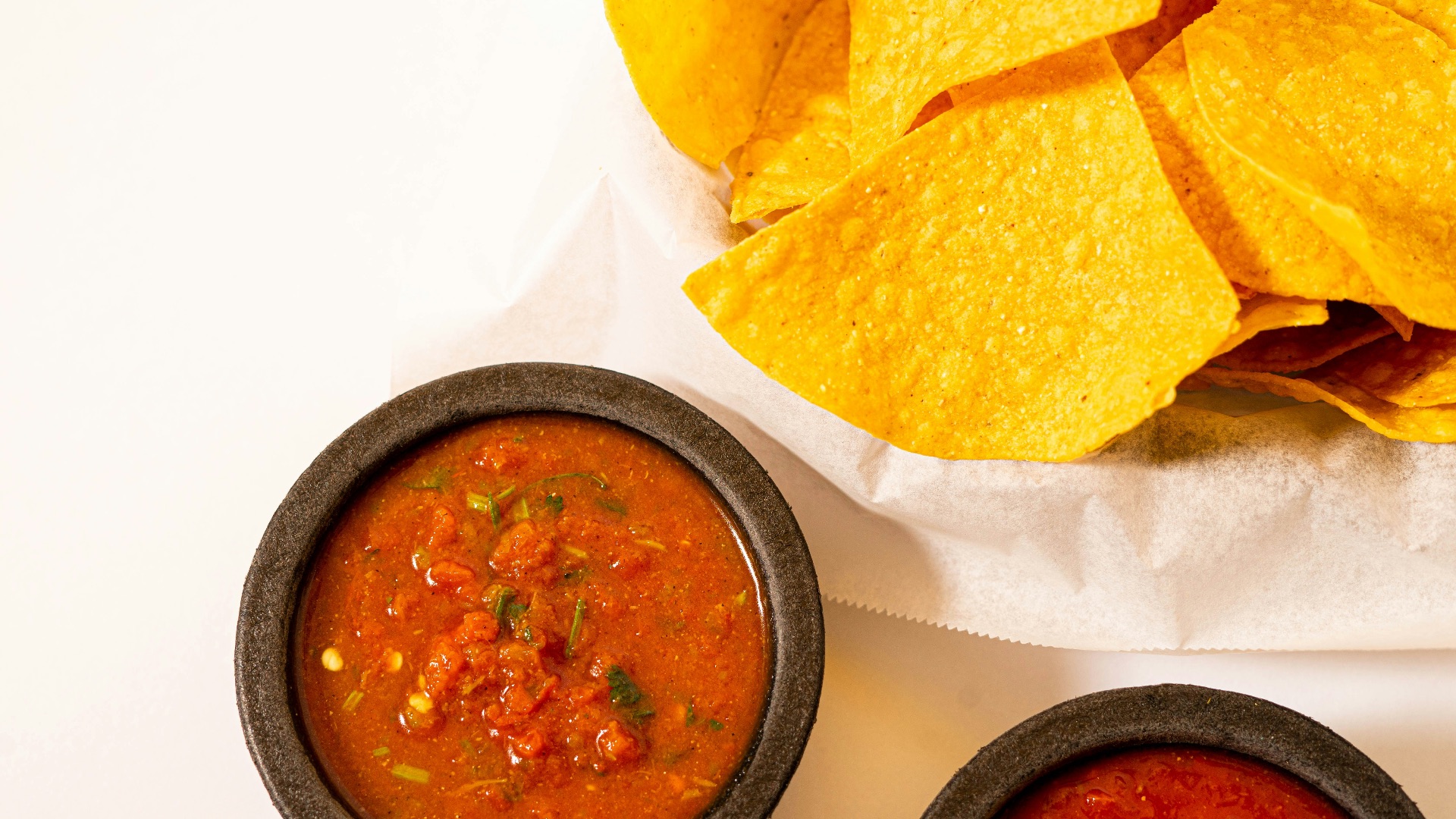
10. Salsa
Fresh salsa contains watery produce that breaks down fast, and it can turn questionable within a short time once it’s opened or warmed. The mix of chopped ingredients also means spoilage can spread through the whole container quickly. Shelf-stable jars can work, but the fresh kind won’t hold up when conditions get rough.