10 Ways European Eating Habits Are Healthier & 10 Ways They Aren’t
A Comparison That’s Not as Simple as People Think
Americans love to talk about European eating habits as if the whole continent has secretly figured out health, while in the U.S., we're doing everything wrong. There’s some truth in that idea, especially when you look at portion sizes, meal culture, and how food often fits into daily life. At the same time, Europe isn’t one big nutrition paradise, and plenty of eating habits there can be indulgent, inconsistent, or not especially healthy either. If you’re comparing the U.S. with Europe, the real picture is a lot more mixed than the stereotypes make it seem. Here are 10 ways European eating habits are healthier and 10 ways they aren't.

1. Portions Are Often More Reasonable
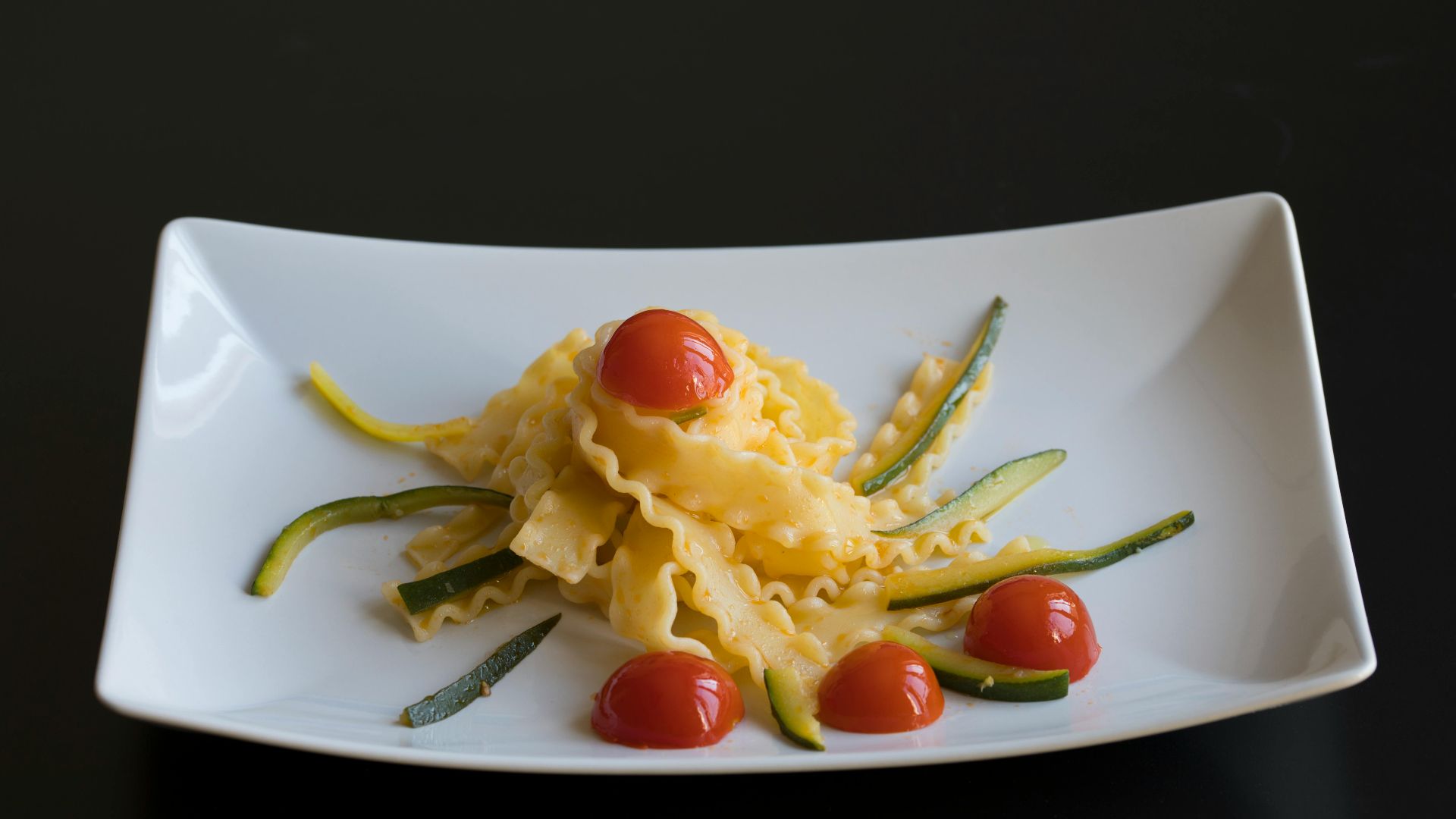
In many parts of Europe, meals tend to be smaller than what you’ll often get in the States. You’re less likely to be handed a plate that looks like it was meant for two or more people and called a normal lunch. That can make it easier to stop eating when you’re full instead of just cleaning your plate because there’s so much sitting in front of you.
2. Walking Is Often Built Into Daily Life
In plenty of European cities, people walk to shops, cafes, markets, and public transportation without thinking much about it. That doesn’t mean the food itself becomes magical, but it does change how eating fits into a day. You may eat a croissant for breakfast, but if you walked ten minutes to the bakery each way, at least you're getting your steps in.

3. Meals Feel Less Rushed
A lot of Americans eat like they’re trying to beat a timer, especially during the workday. In many European settings, meals are more likely to be treated as an actual break rather than something you inhale between emails. That slower pace can help you notice when you’re satisfied instead of blowing past it, and just makes for a better eating experience all around.

4. Fresh Ingredients Often Play a Bigger Role
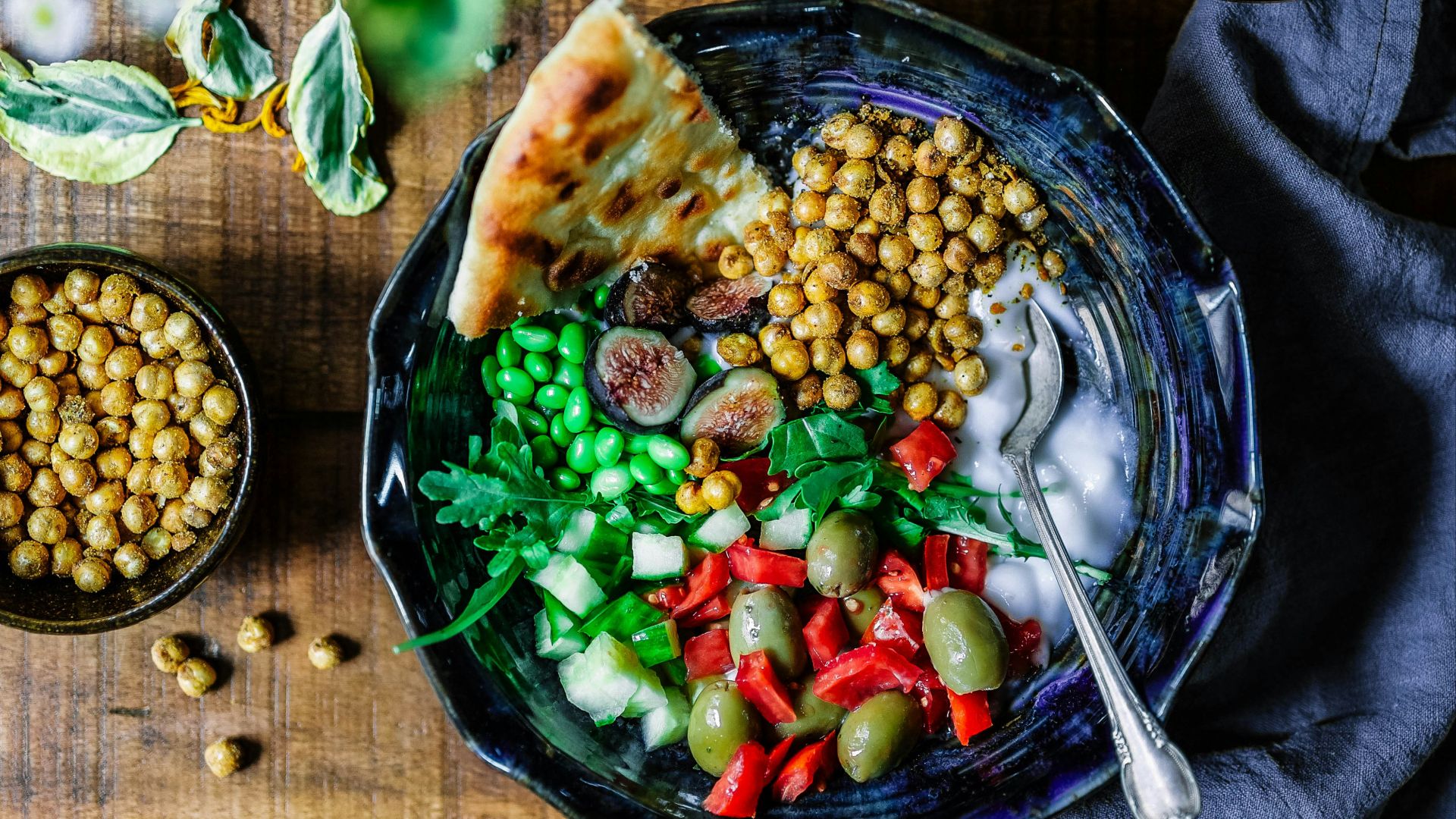
Many European eating habits lean more naturally toward fresh bread, produce, cheese, fish, and simple cooked meals. The U.S. has plenty of fresh food, too, of course, but ultra-processed foods (UPFs) often dominate in a bigger way because of their convenience.
5. Snacking Is Often Less Constant
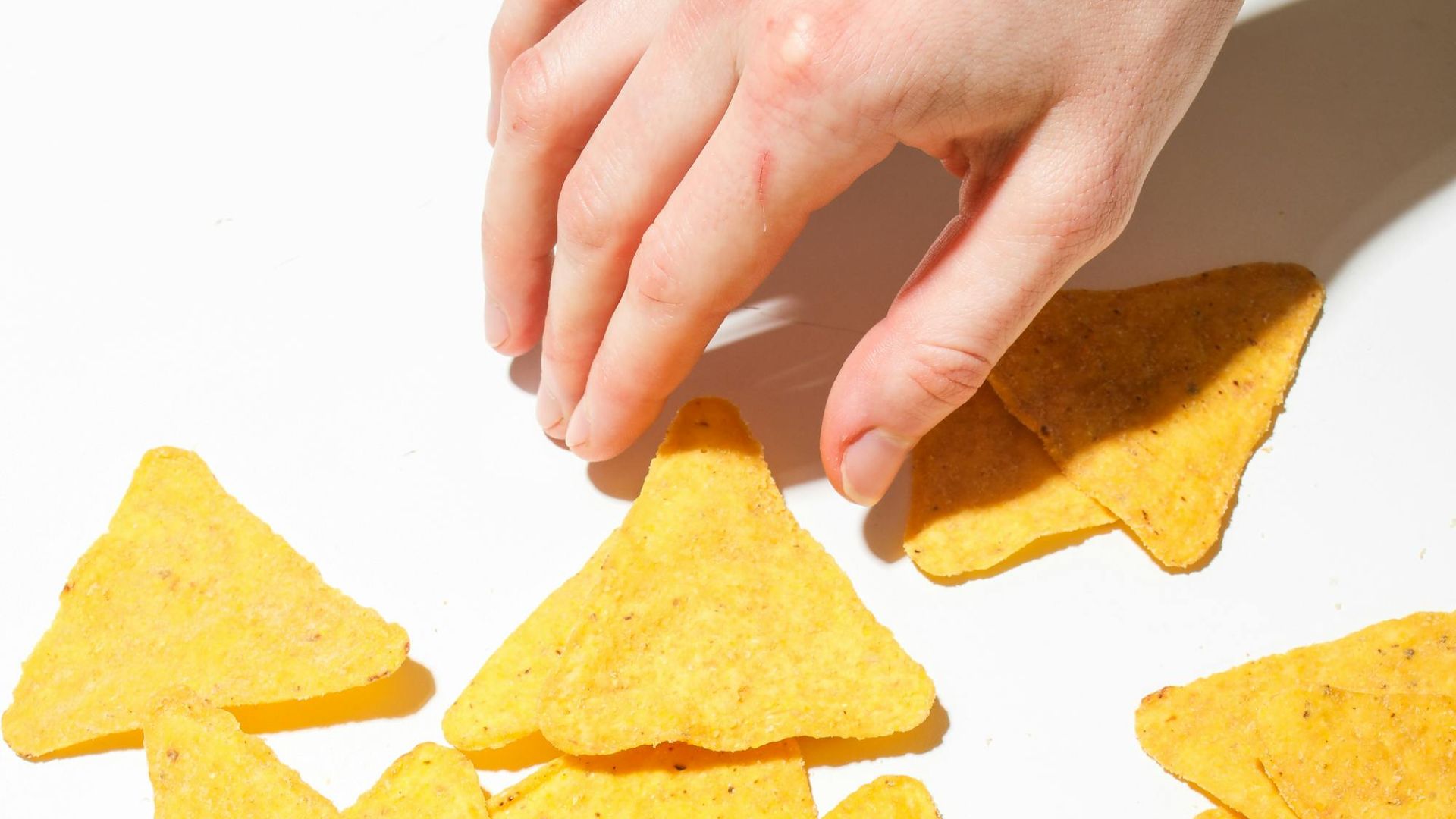
In the U.S., it’s easy to feel like every hour needs its own snack, drink, treat, or protein something. In many parts of Europe, people are more likely to eat proper meals and leave it at that instead of grazing all day. That can create a little more structure and a little less mindless eating.
6. Food Is Sometimes Treated More Like Food Than Entertainment
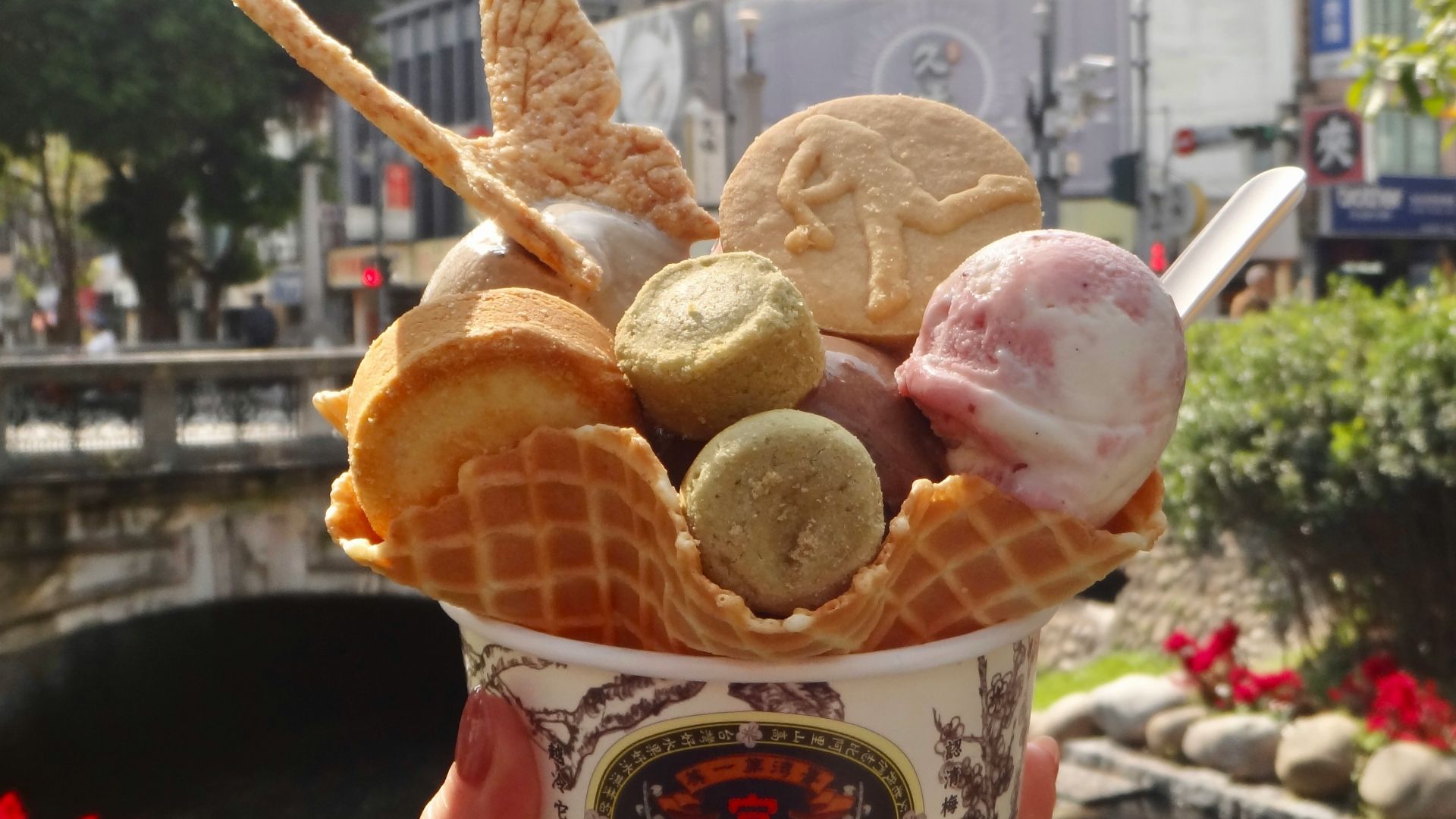
American food culture can get very loud, very fast, with giant limited-time menu items and desserts that seem designed for social media first. Europe has indulgent foods too, but meals are often presented in a less exaggerated way. You may still get something rich or delicious, but if you presented it in the same way as you would in the States, it would probably be met with disgust.
7. Market Culture Encourages Variety
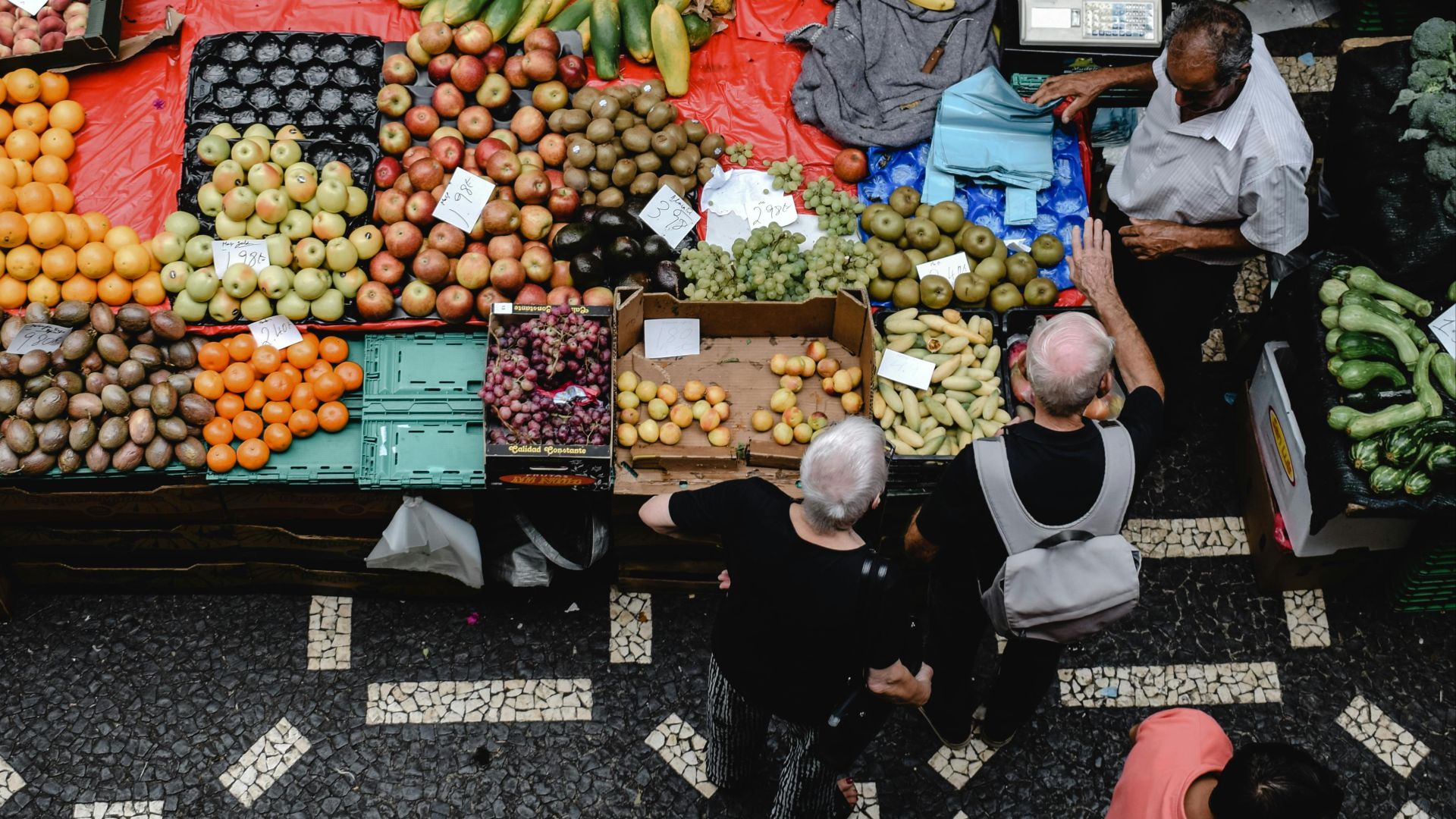
Open-air markets, neighborhood bakeries, and smaller specialty shops are still a regular part of life in many European places. That setup can make it easier to buy produce, fresh fish, bread, and other basics in smaller amounts and with more variety. In contrast, on the other side of the pond, grocery shopping often means one giant trip and a cart full of packaged foods that last forever.
8. Sweet Foods Don’t Always Dominate the Same Way
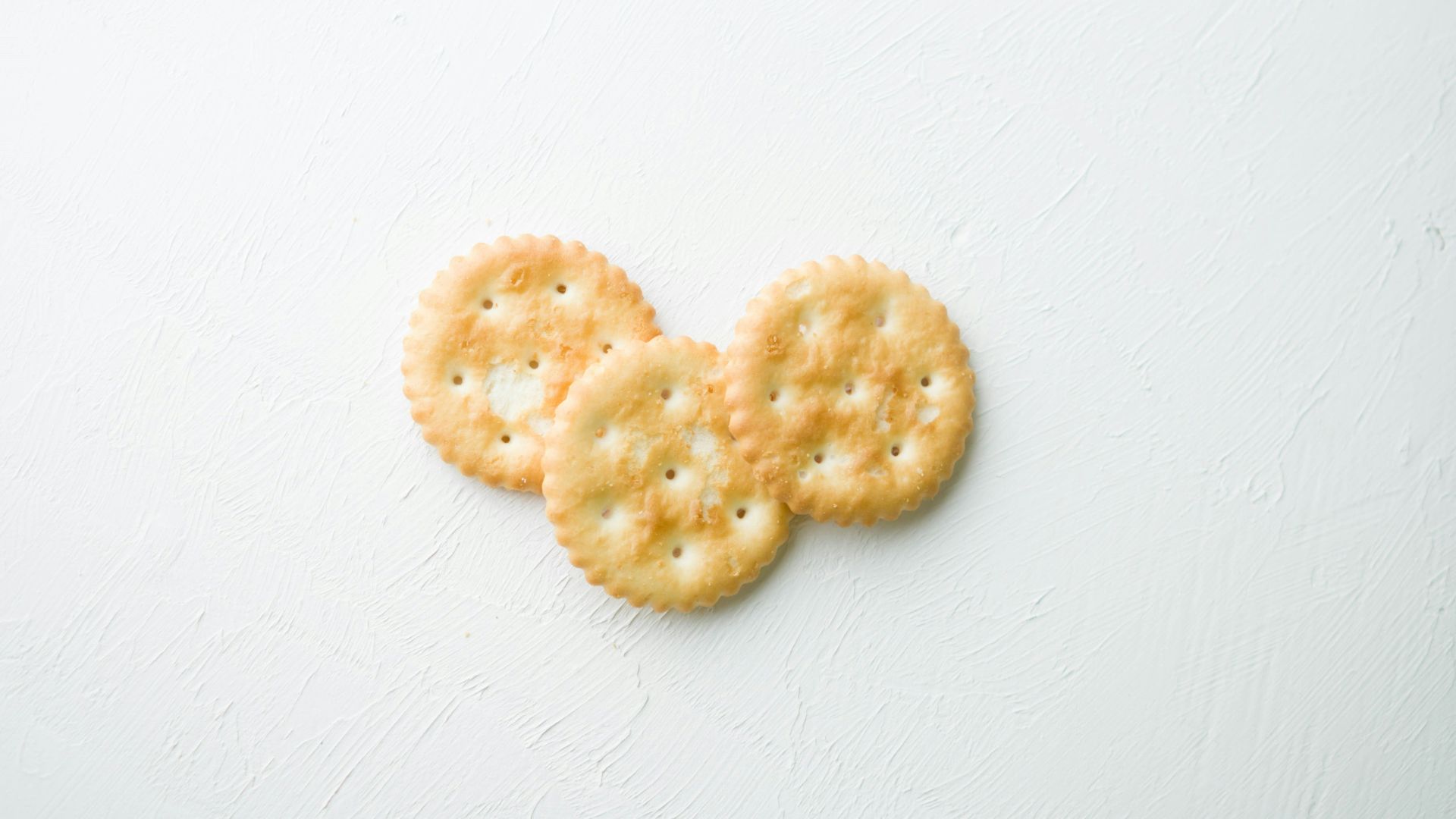
American packaged foods can be surprisingly sweet, even when they're technically savory. In Europe, you’ll still find pastries, chocolate, and treats everywhere, but things like crackers are less likely to contain it. That changes your expectations over time, especially if you’re used to sweetness sneaking into bread, yogurt, sauces, and cereals.
9. Fewer Meals Feel Built Around Constant Customization
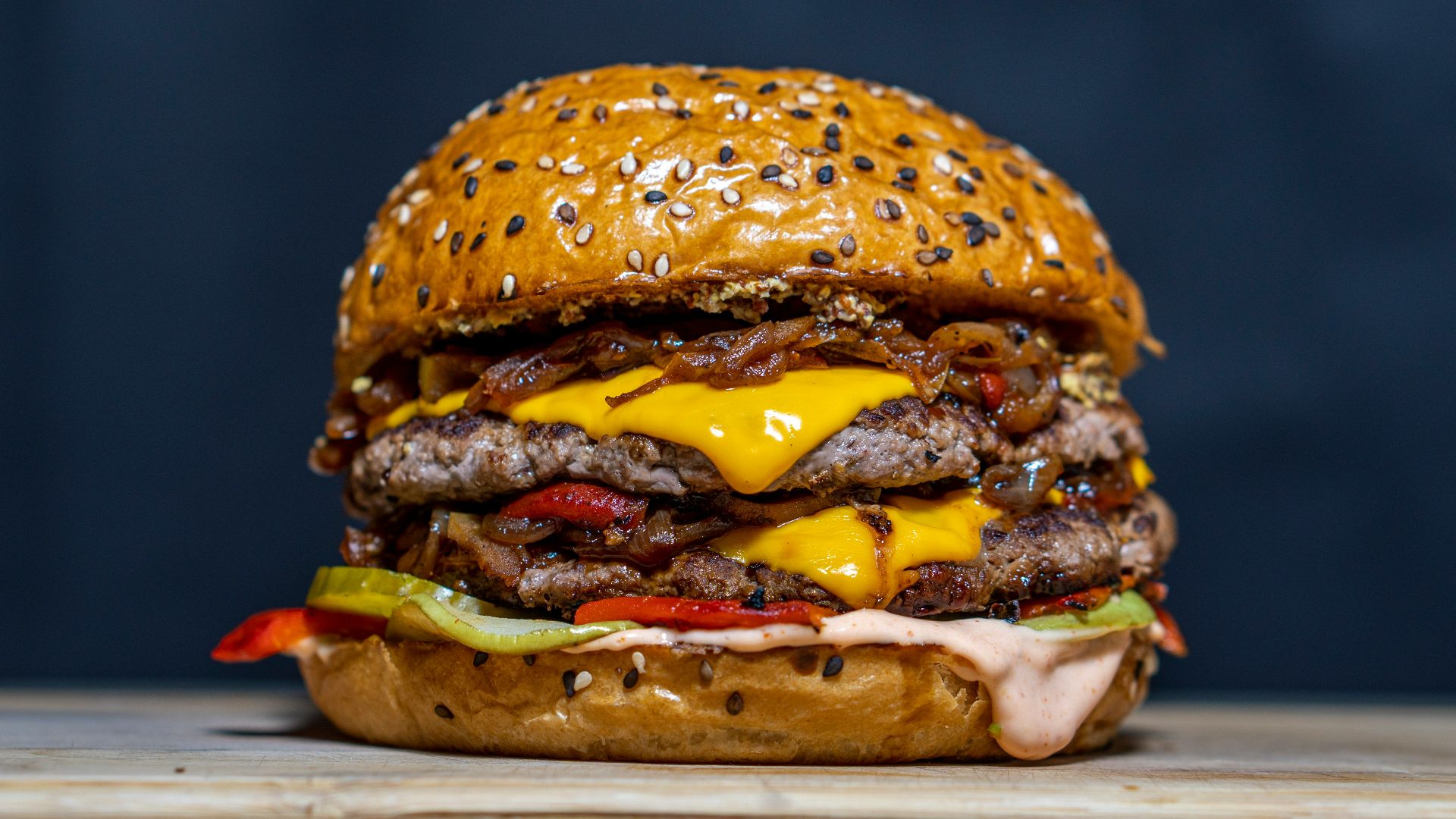
In the U.S., it’s common for meals to come with endless add-ons, sugary sauces, extra cheese, bigger drinks, and all kinds of upgrades that quietly make everything heavier. In many parts of Europe, food is more likely to be served as it is, without turning every order into a construction project. When there are fewer built-in temptations to pile things on, it’s often easier to keep the meal more balanced.
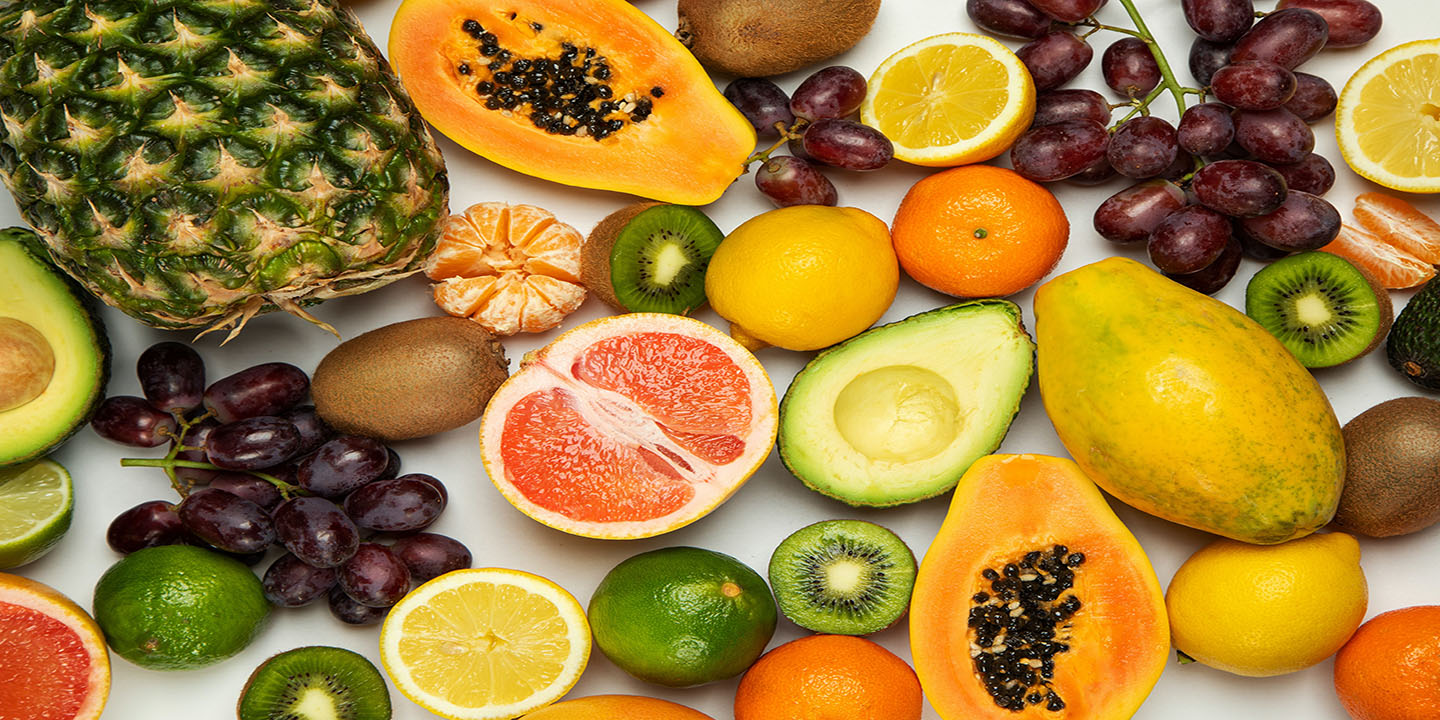
 amirali mirhashemian on Unsplash
10. There’s Often More Respect for Mealtime
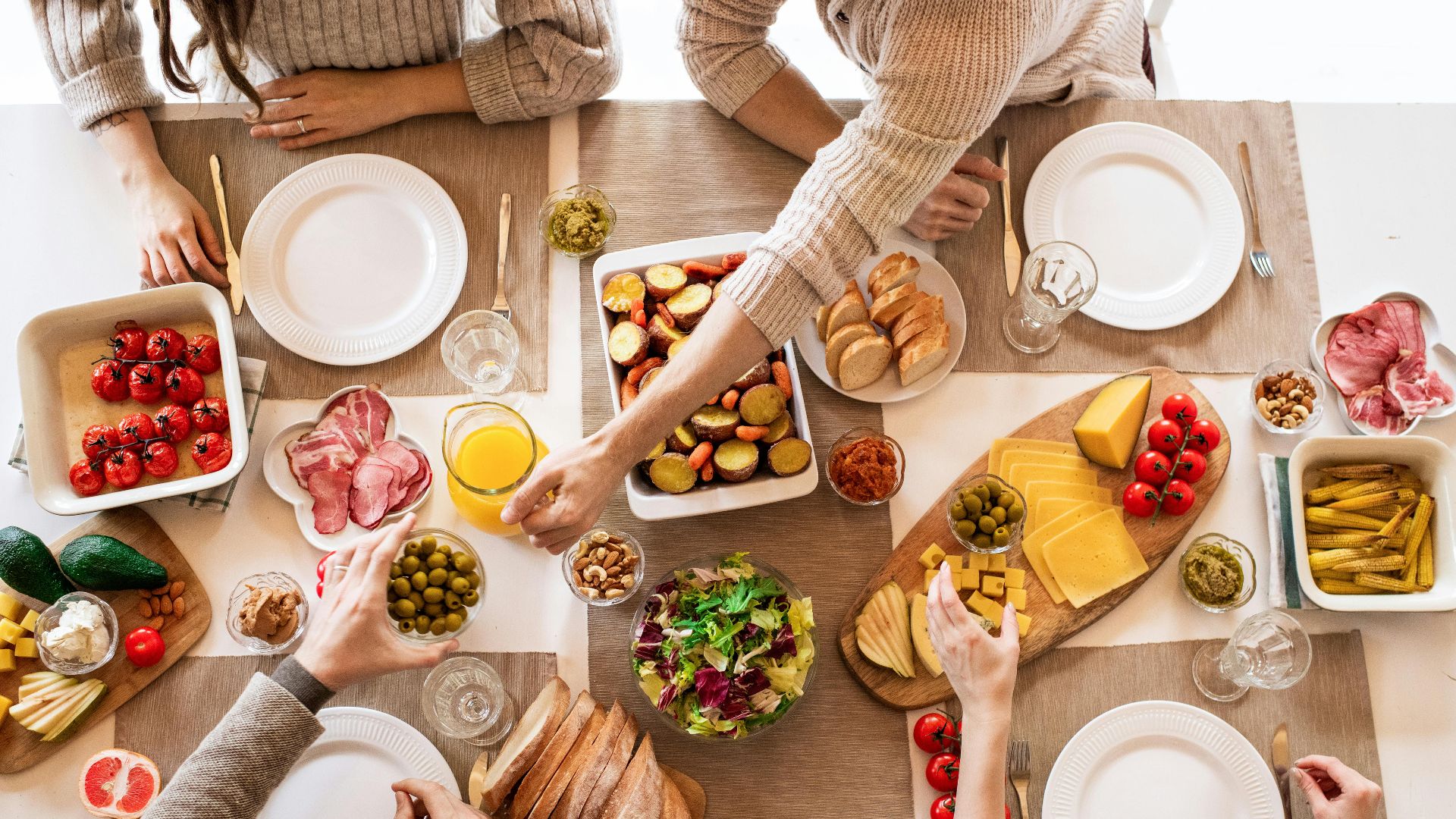
A meal in Europe can still be casual, but it’s often treated like a moment worth sitting down for. In the States, people are more likely to eat in the car, over the sink, or while staring at three screens at once. That difference may sound small, yet it changes how food feels and how much attention you give it.
Now that we've discussed the ways European eating habits are healthier, let's cover the ways they may not be.
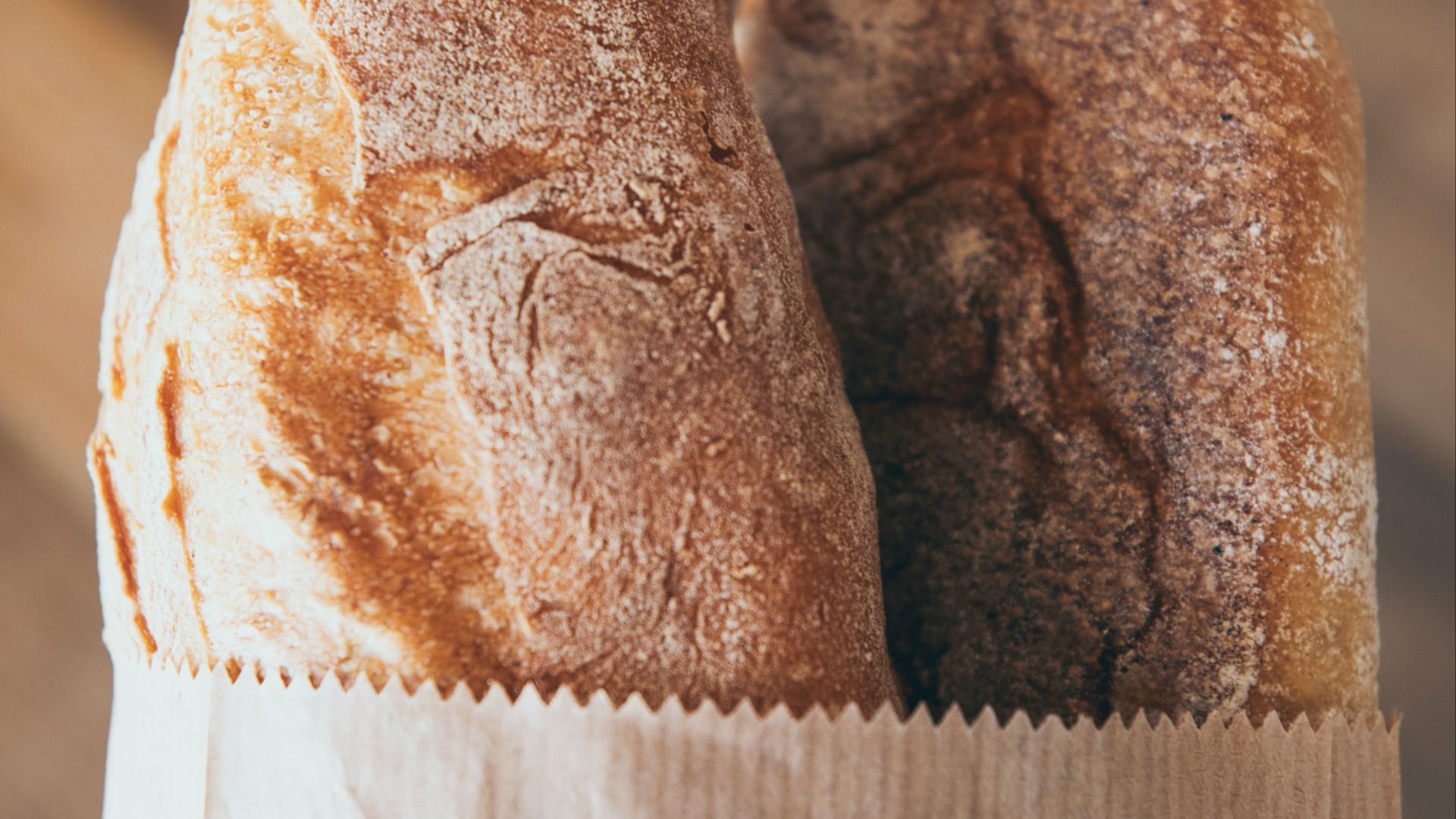
1. Bread & Pastries Are Everywhere
Europe may win points for fresh bread, but let’s not pretend carbs are taking a break over there. Things like croissants, rolls, pastries, and cakes are more embedded in the culture and daily life over there. Freshly made doesn’t automatically mean healthy, and a beautiful pastry is still a pastry.
2. Cheese Gets a Very Easy Pass
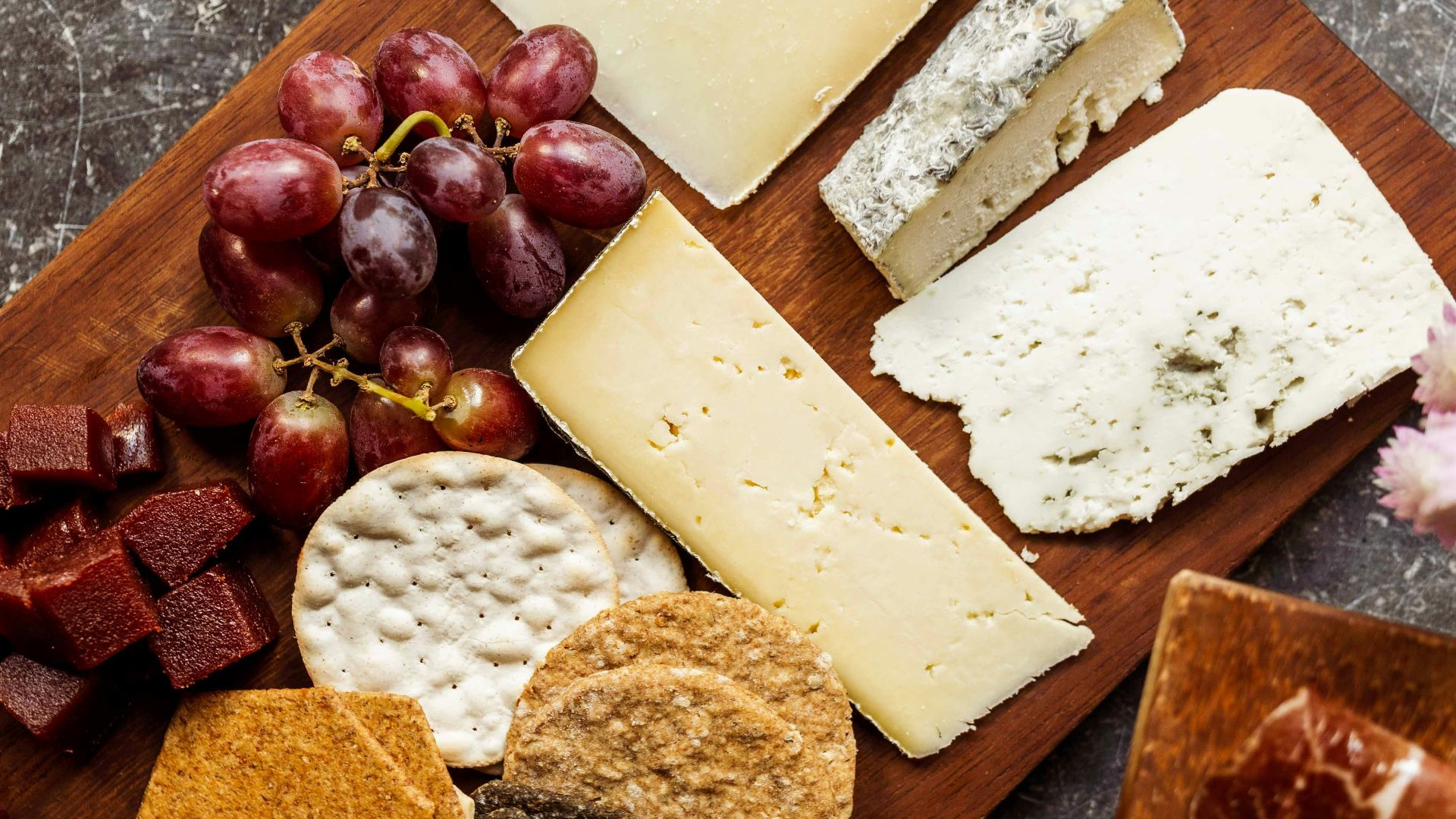
People in Europe take cheese more seriously than we do in the U.S. It has a way of sounding refined there, and can show up as a part of almost every meal, which makes it easy to forget that it's rich, salty, fatty, and calorie-dense. Whether it’s part of breakfast, lunch, snacks, or dinner, it can pile up faster than people admit.
3. Fried Foods Are Still Prominent
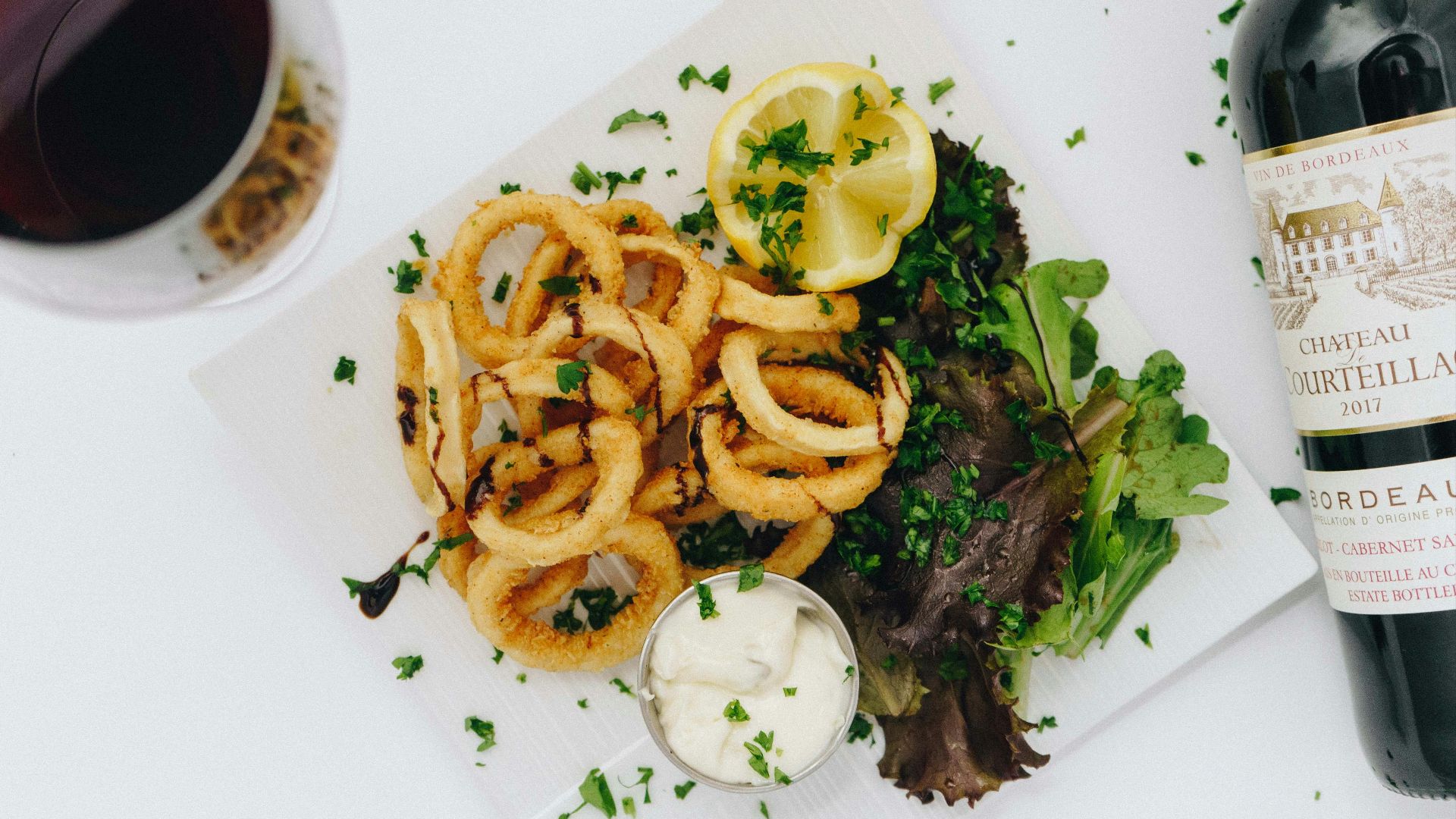
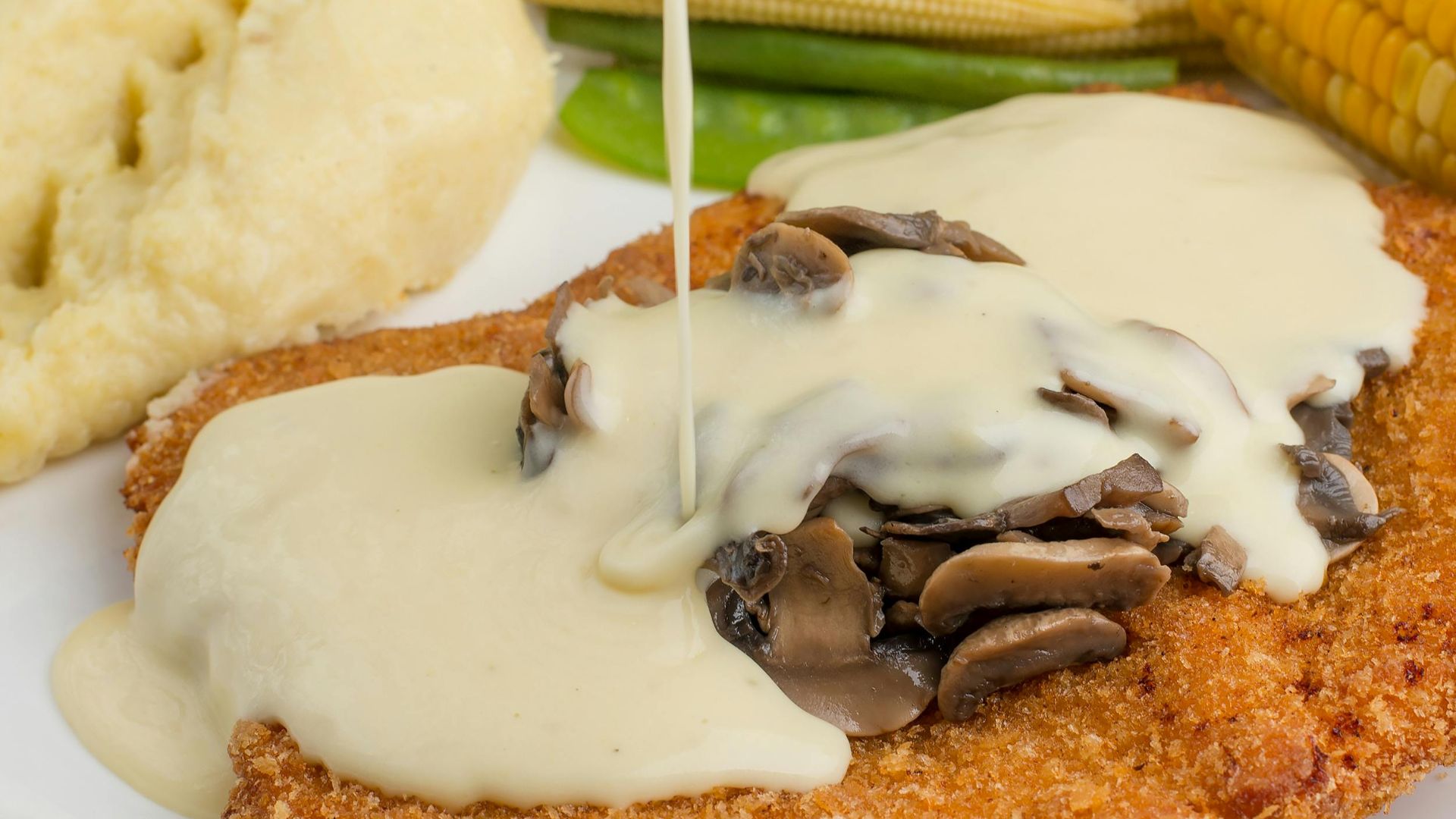
People sometimes imagine Europe as all grilled fish and market vegetables, but fried food is hardly missing from the picture. You’ll find fries, croquettes, schnitzels, fried seafood, and plenty of other crispy comfort foods across the continent. Just because it's European doesn't mean the saturated fat hits different.
4. Alcohol Is More Woven Into Everyday Meals
Compared with the U.S., alcohol can feel more normalized with lunch, dinner, or social eating in many European places. That may seem relaxed and civilized, but it can also mean people underestimate how often they’re drinking. A glass here and there adds up just like anywhere else.

5. Rich Desserts Still Have a Strong Presence
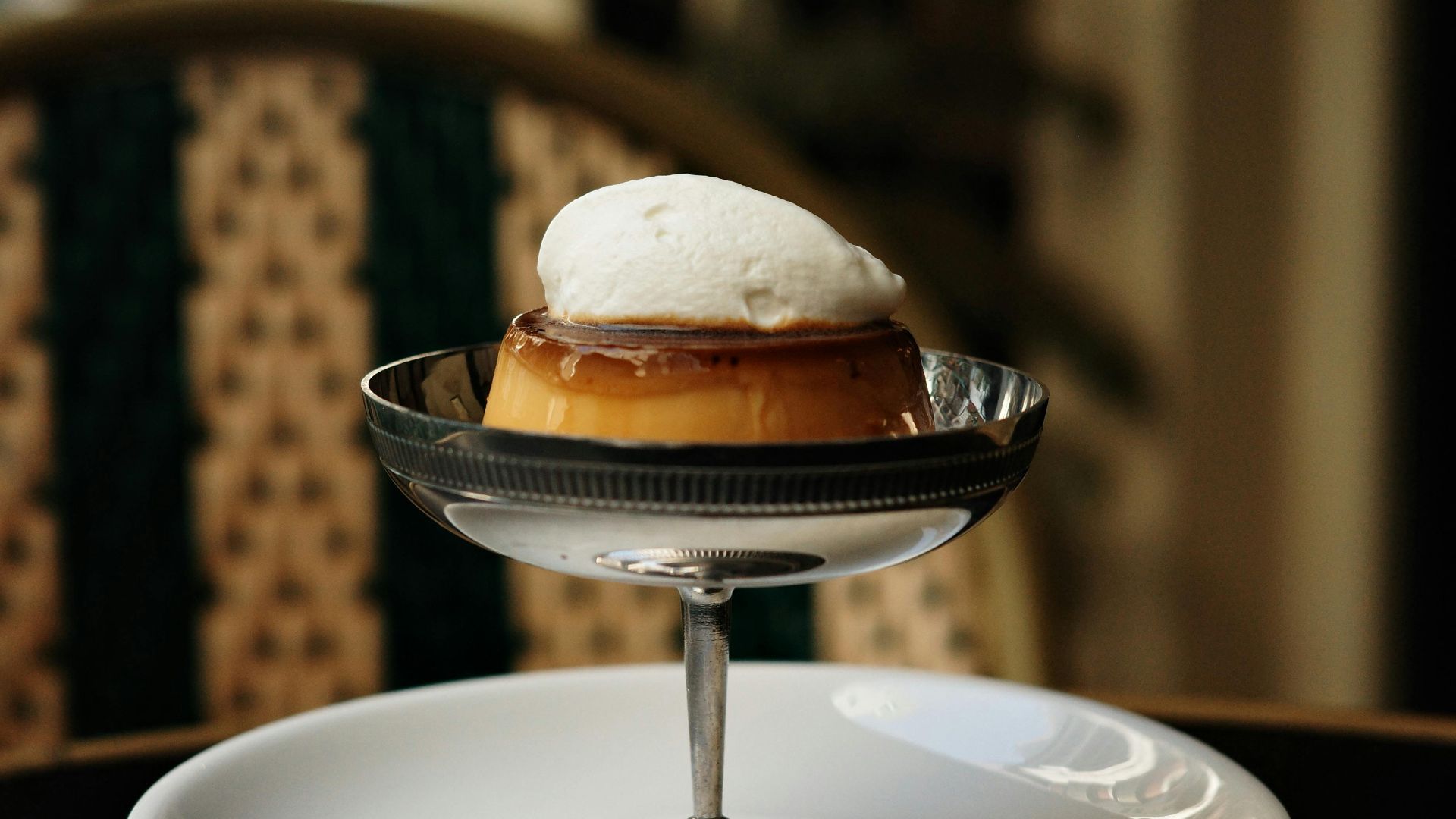
Europe has no shortage of excellent desserts, and many of them are not pretending to be healthy. Tarts, mousses, custards, cakes, gelato, waffles, and other sweets are deeply rooted in local food culture. You may eat them in smaller portions, but they’re still part of the routine in plenty of places.
6. Processed Meats Are Still Popular
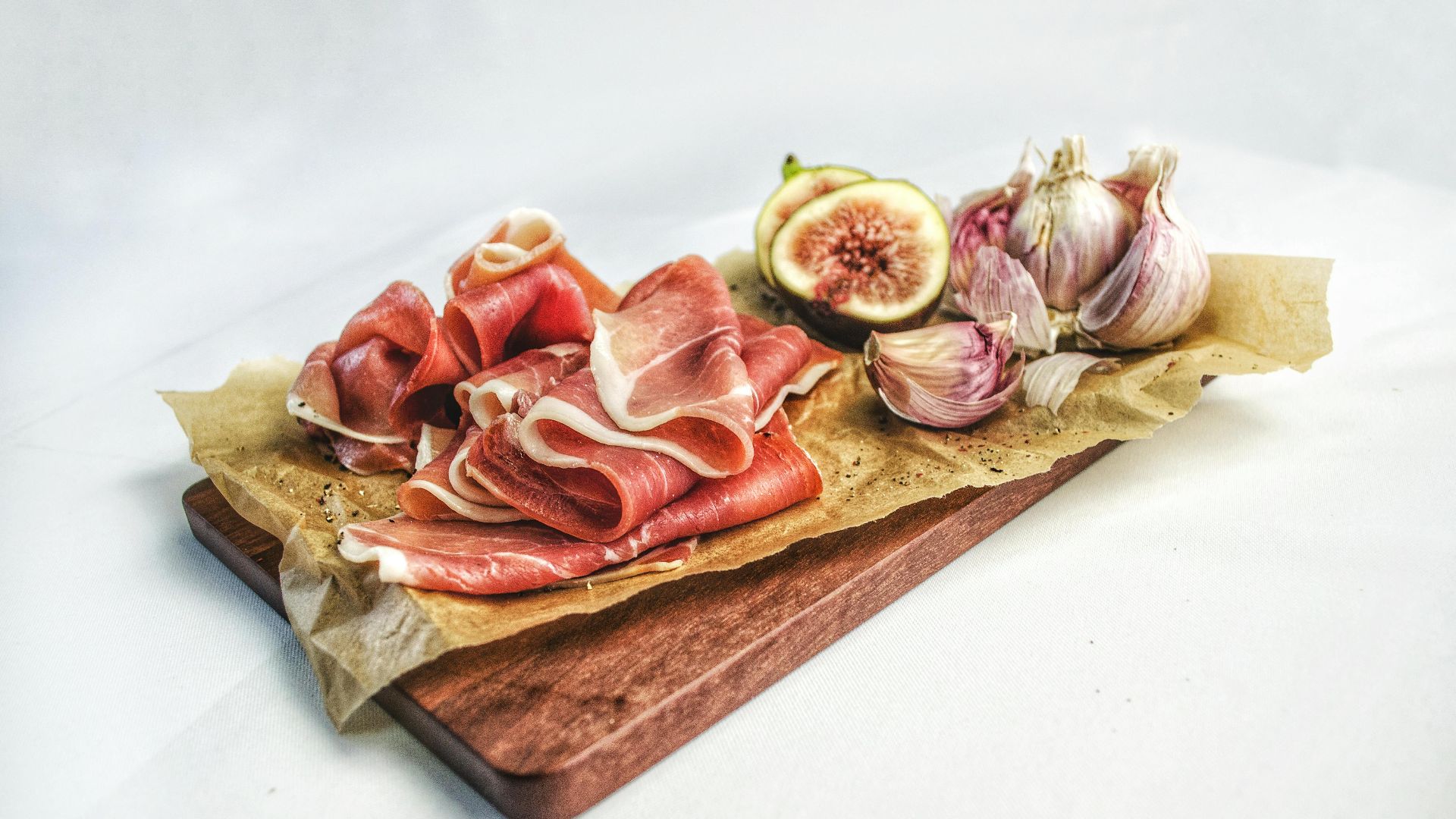
If you’re comparing the States with Europe, it’s worth remembering that Europe has a long romance with cured and processed meats. Sausages, salami, prosciutto, ham, pâté, and other preserved meats can be even more common parts of meals and snacks than in the U.S. They may be traditional and delicious, though that doesn’t automatically make them better for you.
7. Late Dinners Can Be Hard on Some People
In some European countries, dinner happens much later than what many Americans are used to. That may work well culturally, but not everyone feels great eating a full meal close to bedtime, and it can even take a toll on your sleep quality. If you’re hungry all evening and then eat heavily at night, it's a lot for your system.

8. Butter & Cream Haven’t Left the Building
Some of Europe’s most beloved dishes are built on butter, cream, and sauces that are absolutely not trying to be modest. That doesn’t make them bad, but it does mean the continent isn’t floating along on olive oil alone. Depending on the region, meals can get rich in a hurry.
9. Vacation Eating Gets Mistaken for Daily Eating
A lot of Americans compare the States with Europe based on trips where they saw people sipping coffee, walking around, and eating lovely small meals, slowly. What they don’t always see is that locals also grab fast bites, indulge, overeat sometimes, and make imperfect choices. Travel has a way of making everyday habits look prettier than they really are.
10. Smoking & Caffeine-Heavy Breakfasts
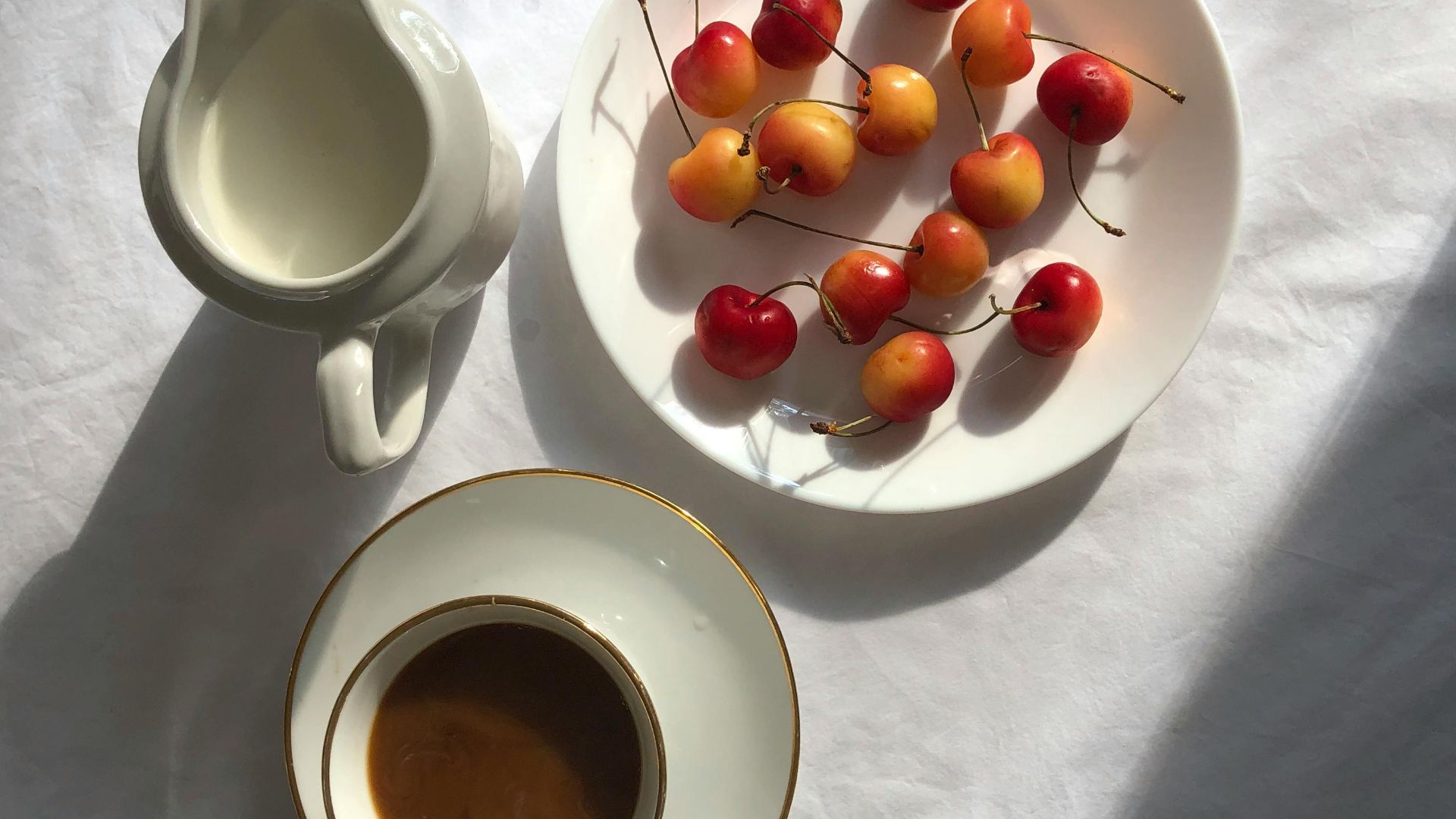
In much of Europe, smoking is more common than in the U.S., and starting your day with just a pastry, coffee, and a cigarette rather than a wholesome meal is common. That may feel normal culturally, but it’s not exactly a gold-standard health habit. Skipping protein, fiber, and anything substantial can leave people running on very little early in the day, so even if it looks stylish, it's not very healthy.

KEEP ON READING

The Most Popular Signature Dishes Around the World