10 Things People Ate Before The American Revolution & 10 Things They Ate After
The Diet Of A Newfound Nation
If you think you know everything there is to know about colonial cooking, you’re wrong. The American Revolution didn't flip a switch on the nation's diet overnight. Cornmeal, beans, salted fish, and pickled everything didn't suddenly vanish the moment independence was declared. These meals were too useful, too cheap, and too good at keeping people alive through a hard winter to disappear. But something did shift after 1776: food started to mean something. Certain dishes got wrapped up in the new idea of being American, showing up in the country's first cookbooks, its wealthiest dining rooms, and its earliest food traditions. Here's the story of that shift, told through 20 dishes: 10 that fed the colonies, and 10 that helped feed a new identity.
1. Salted Herring And Shad
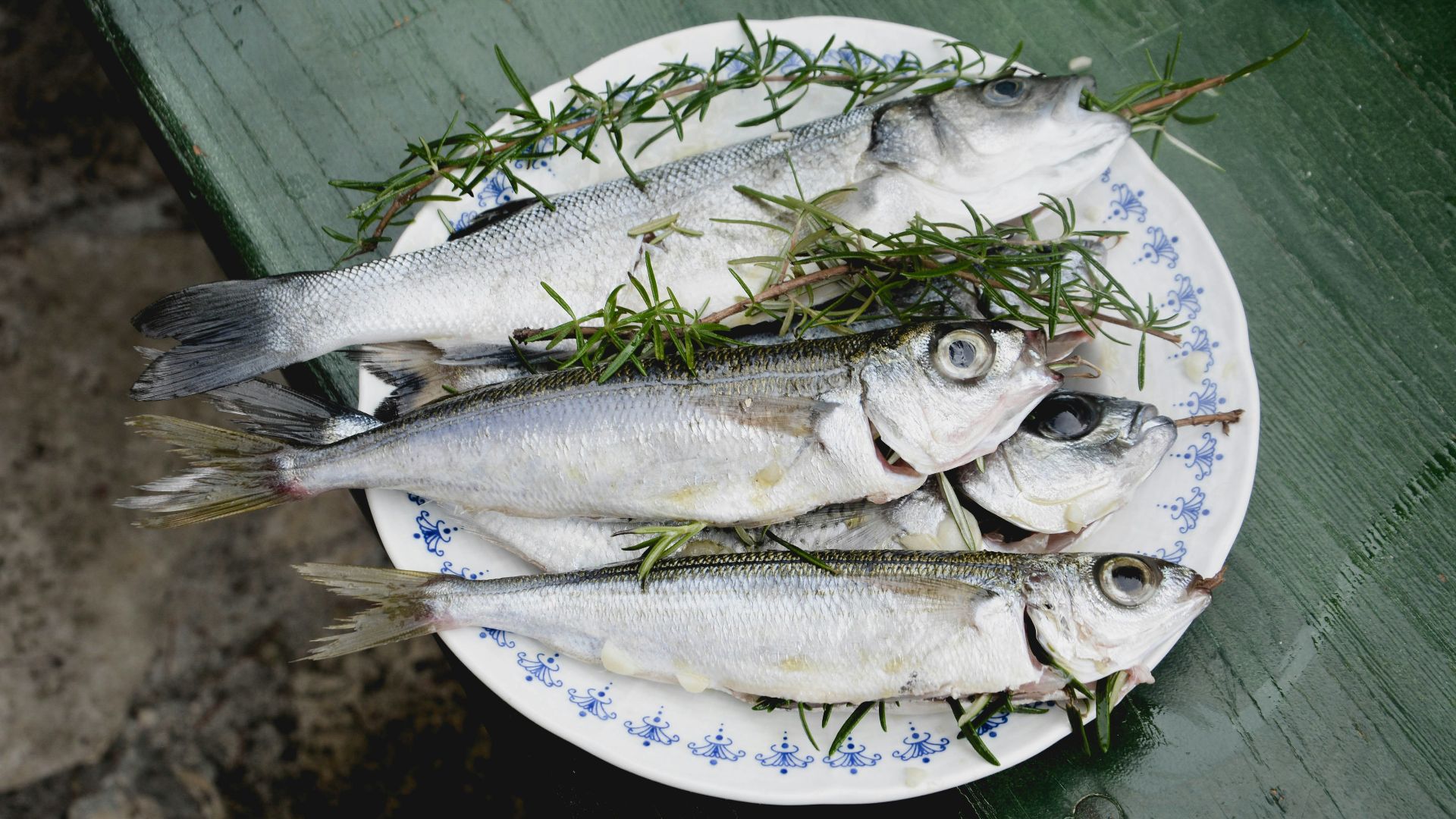
No refrigerators, no problem. Fresh fish only had a few hours where it was safe to consume, so colonists packed herring and shad into barrels of salt the moment they were caught, buying themselves months of protein long after the fish had stopped running.
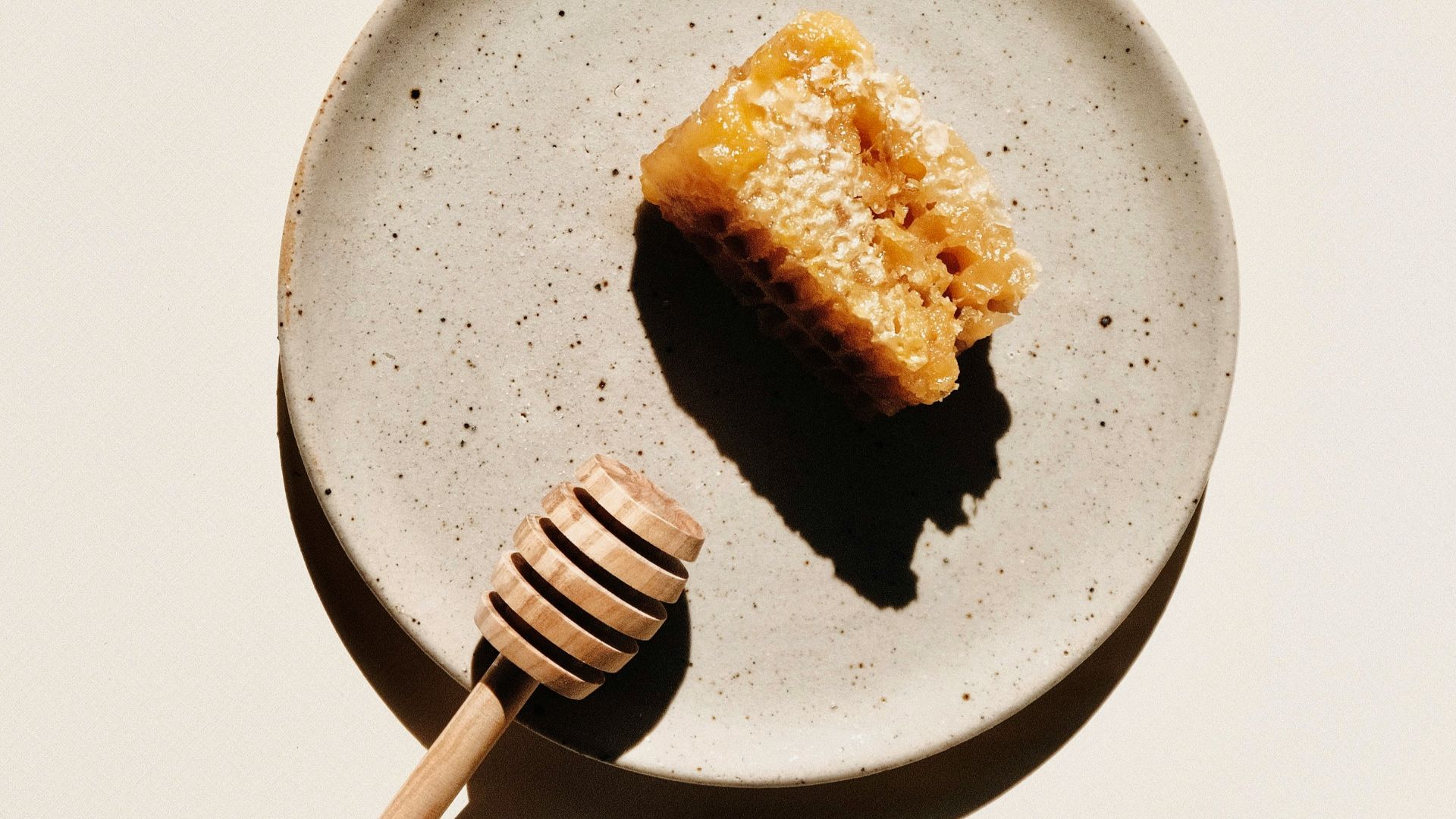
2. Hoecakes With Honey
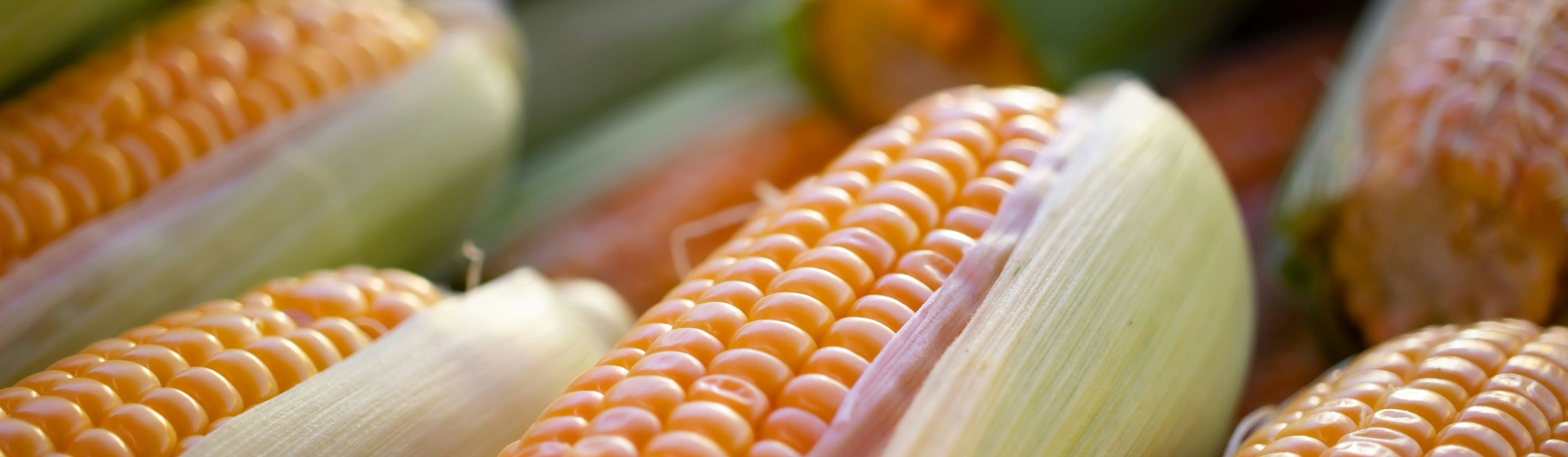
Take cornmeal, water, a hot surface, and five minutes, and you've got a hoecake. Drizzle on honey or butter if you have it, eat it plain if you don't. Either way, it filled you up.
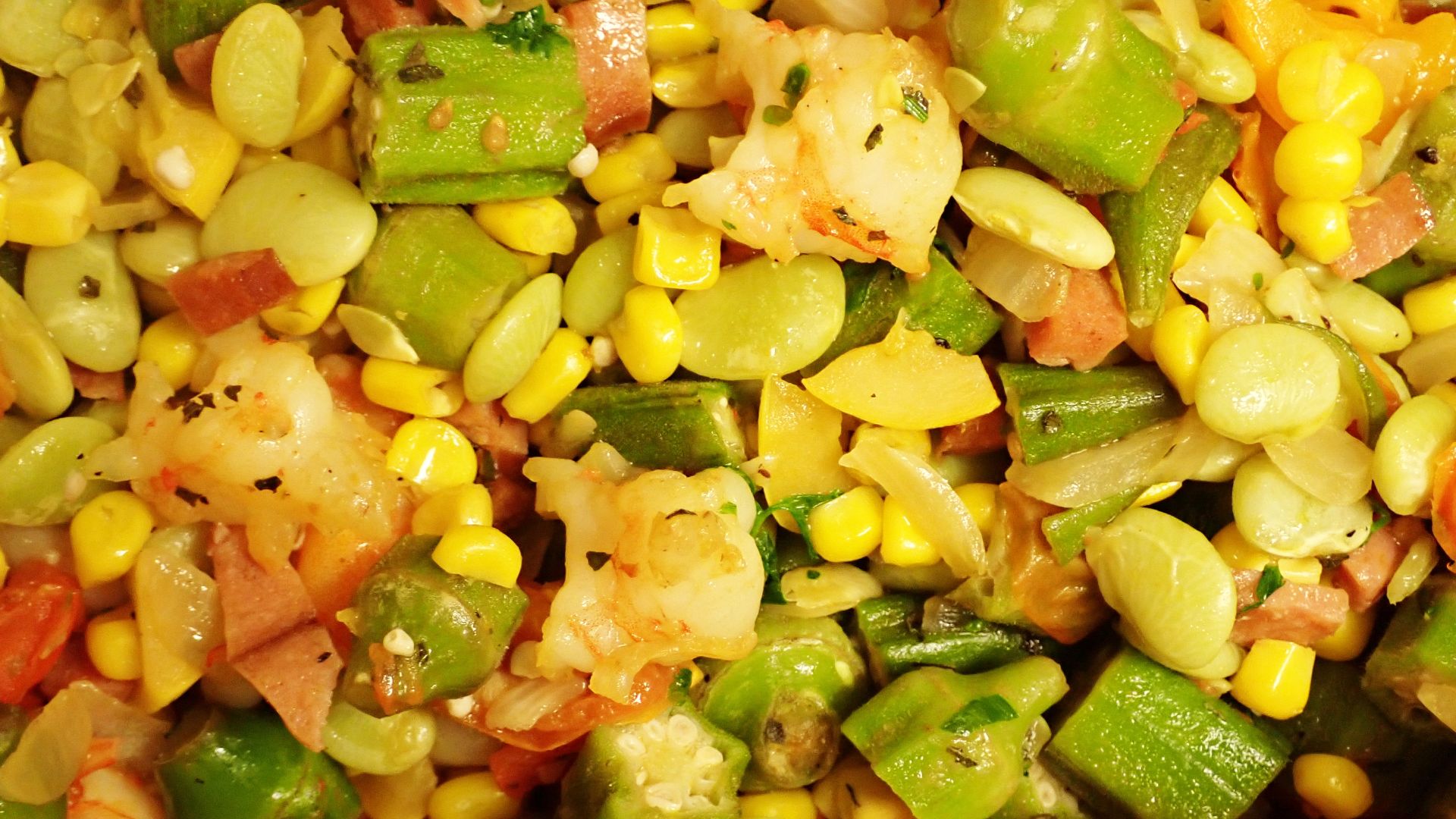
3. Succotash
Long before it was a side dish, succotash was survival wisdom passed down from Indigenous farmers: corn, beans, and squash grown and eaten together, a trio so nutritionally complete that colonists simply borrowed it wholesale. Toss in some meat or fish, and you had dinner all sorted out.
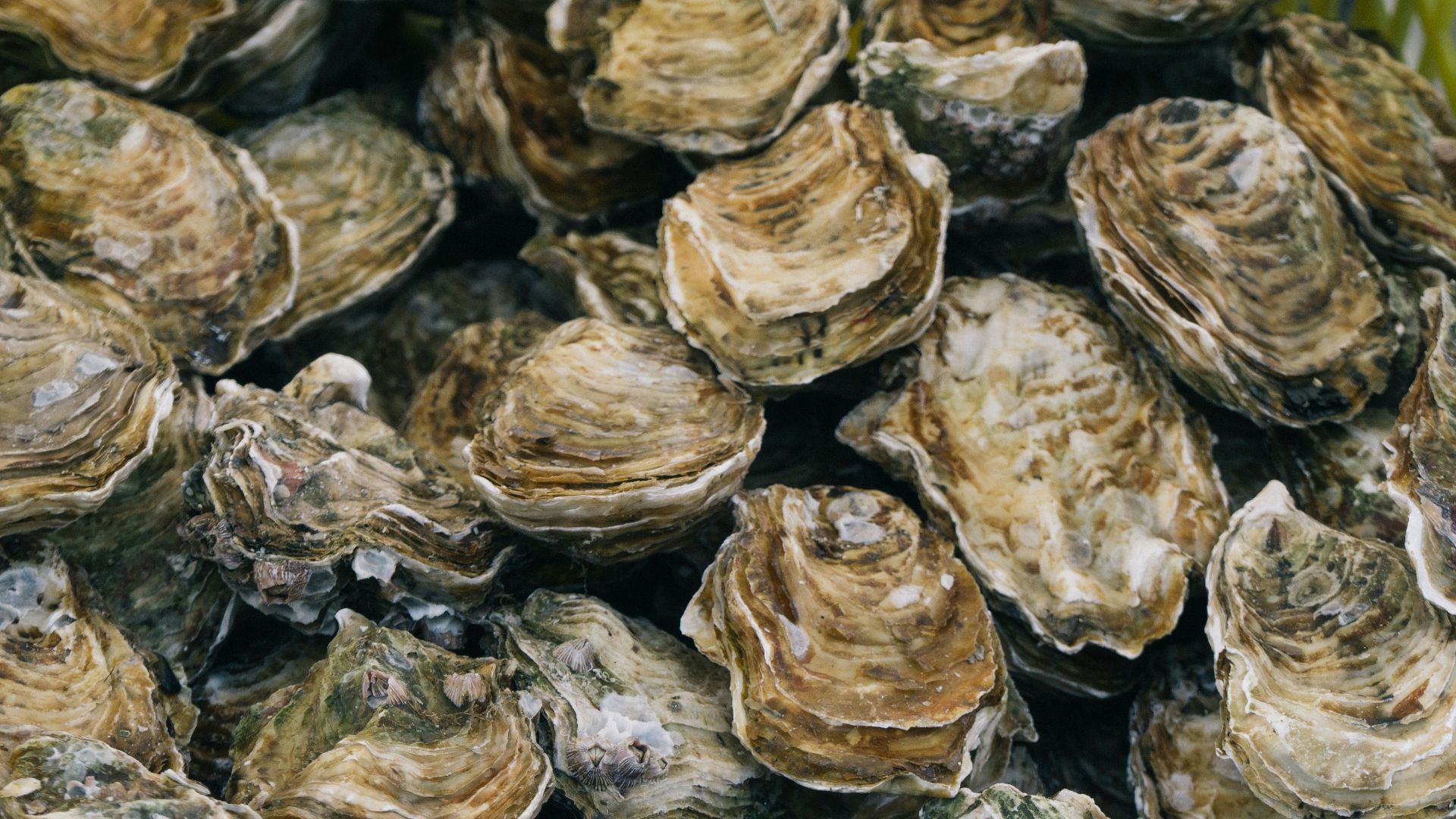
4. Oysters And Other Shellfish
Picture oysters today, and you probably picture a $3-a-shell appetizer. Flip that image entirely for the colonial era: along the coast, oysters were so abundant and cheap they were practically a starvation food, shoveled into stews, pies, roasts, and pickles by the barrelful.
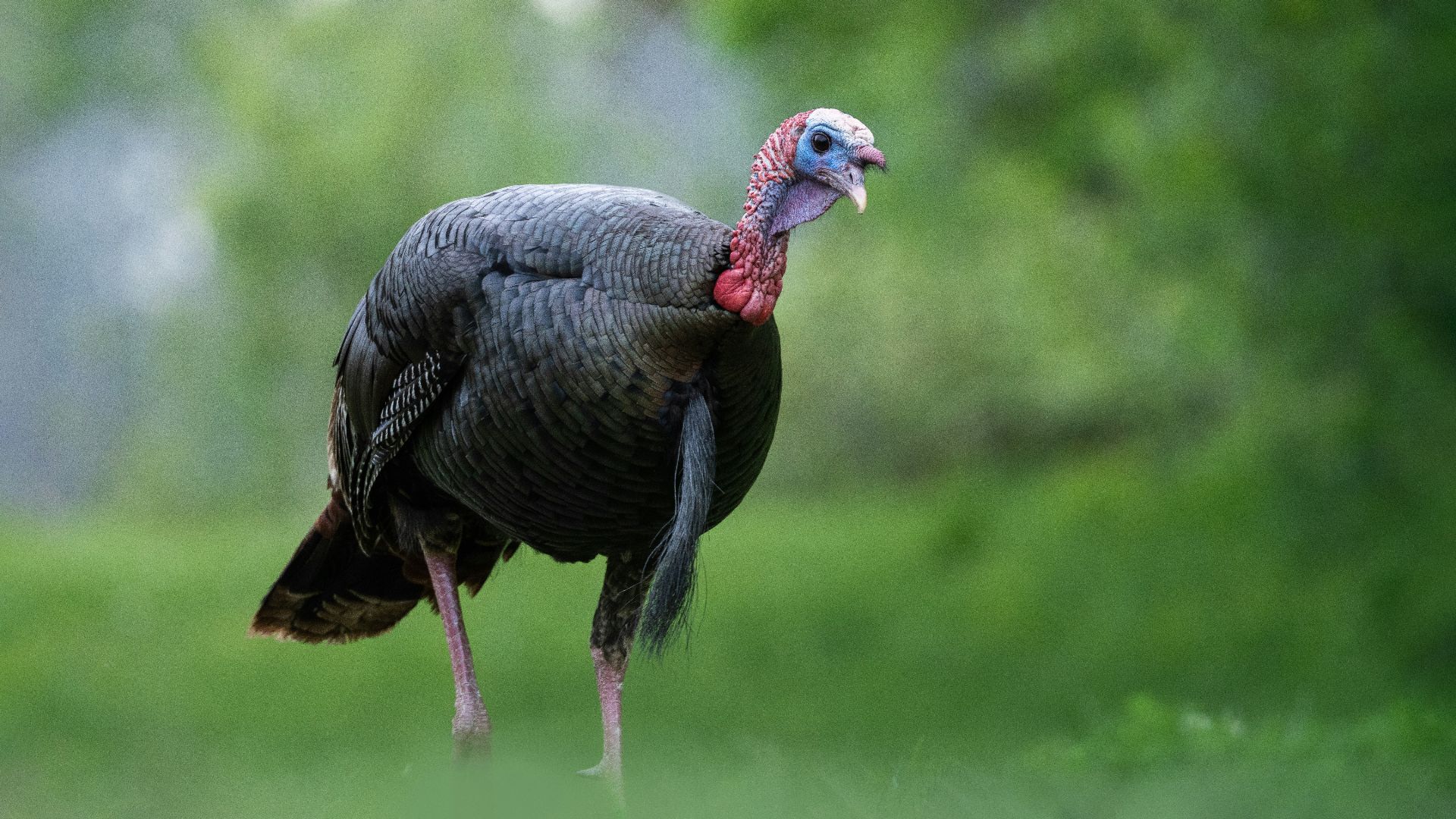
5. Venison, Wild Turkey, And Game Birds
When the forest is your grocery store, you learn to hunt well. Venison, wild turkey, duck, and quail rounded out diets that otherwise leaned hard on grain and salt pork. This was especially true out on the frontier, where the nearest market might be a day's ride away.
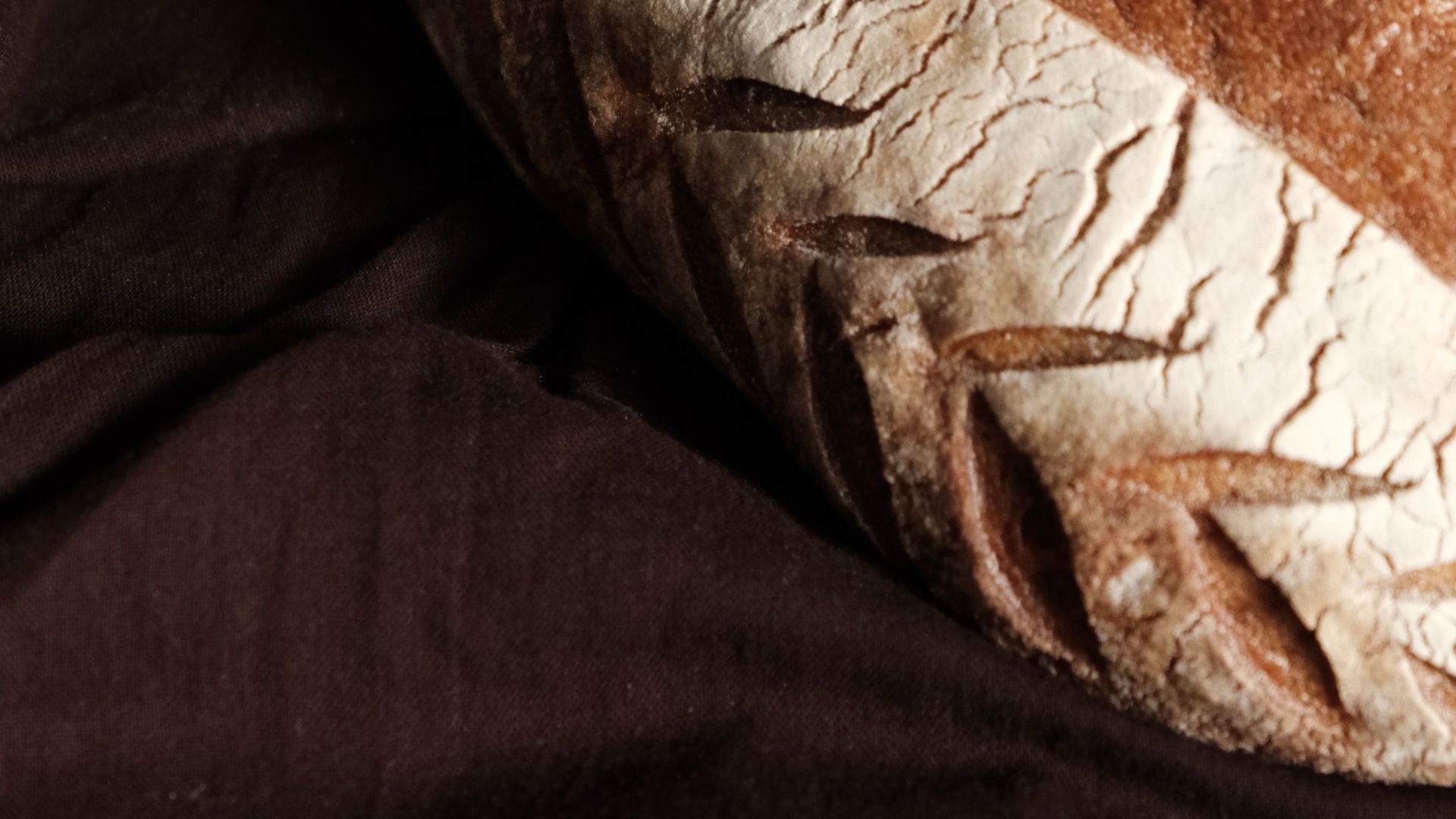
6. Rye-And-Indian Bread
Wheat was finicky and not widely available, so colonists got resourceful, blending rye flour with cornmeal (then known as "Indian meal") into a bread that was dense enough to stand up to a bowl of stew. Soft and fluffy it was not, but it did its job.
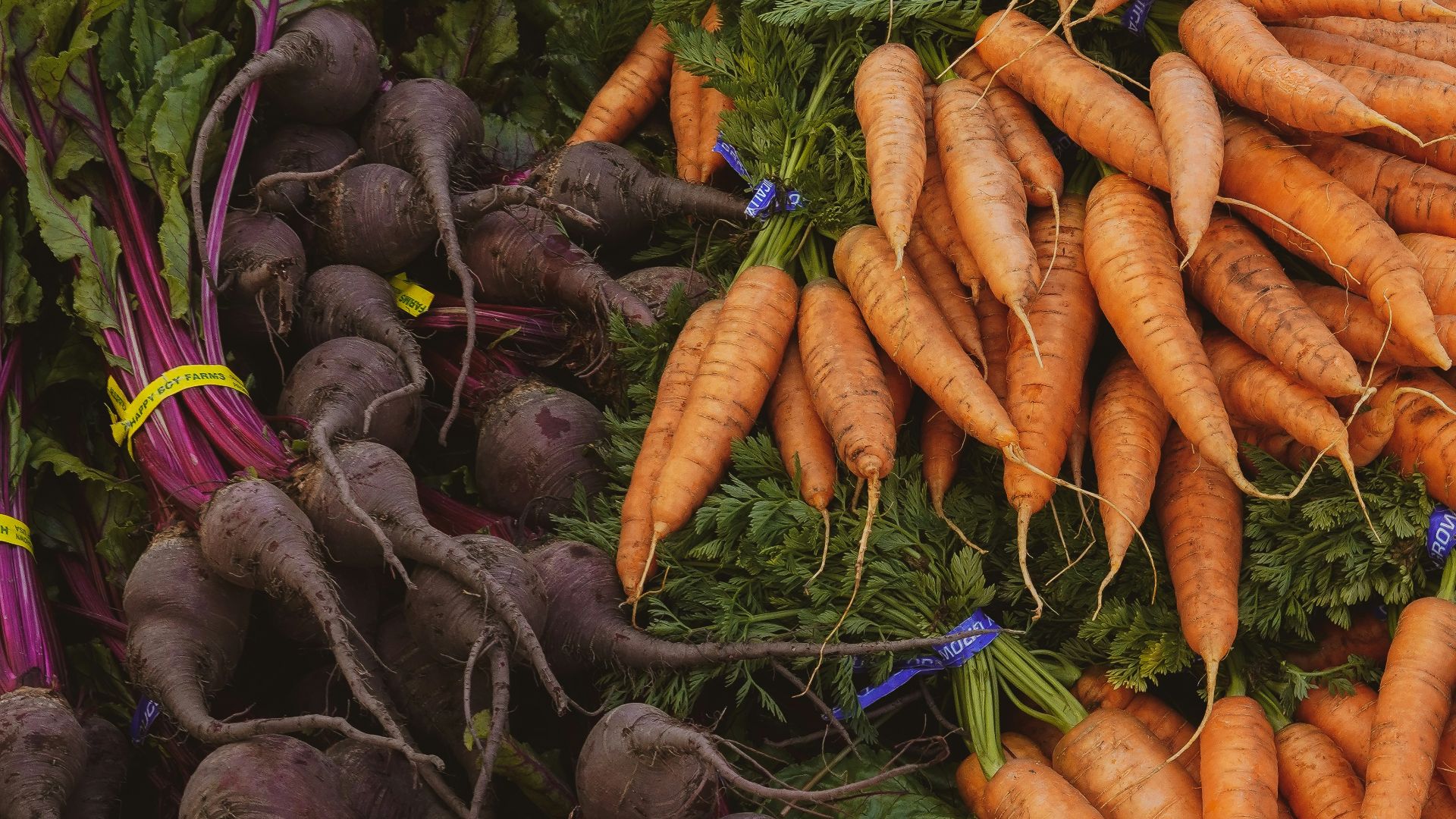
7. Beans, Cabbage, Squash, And Root Vegetables
Winter was the real test of a colonial pantry, and hardy crops like beans, cabbage, squash, and turnips were what got families through it. It wasn’t anything fancy, just a collection of foods that could be grown, stored, and stretched without needing a trip to a market.
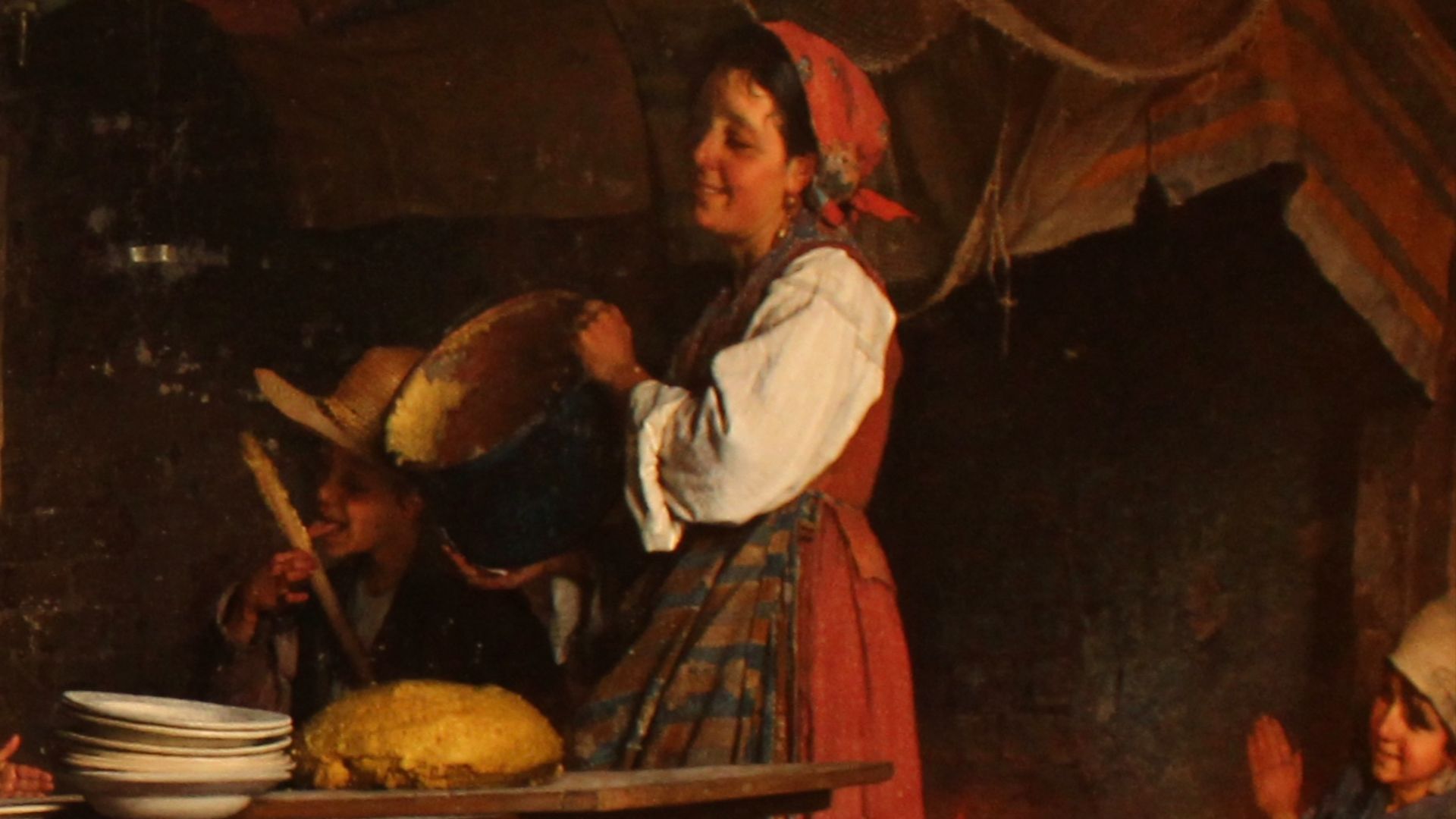
8. Hasty Pudding
Despite the name, there was nothing rushed about the comfort this dish provided: a warm porridge of cornmeal, oats, or rye, softened with a splash of milk or a drizzle of molasses. It asked almost nothing of the pantry and gave back a full, warm belly in return.
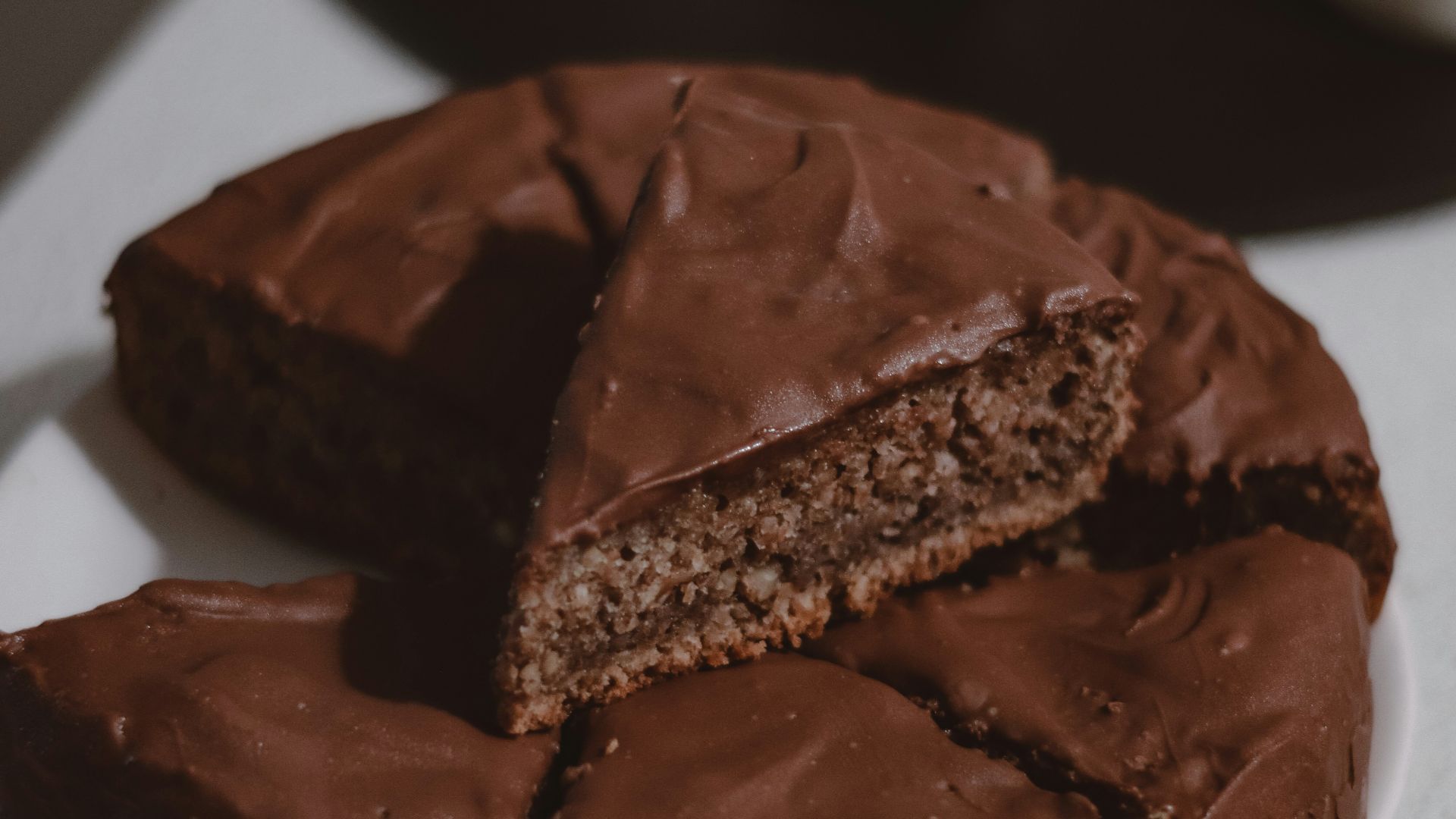
9. Gingerbread Cakes
Spiced, cake-like, and nothing like the crisp cookies we know and love today, colonial gingerbread turned molasses and warm spices into a rare luxury.
10. Pickled And Preserved Foods
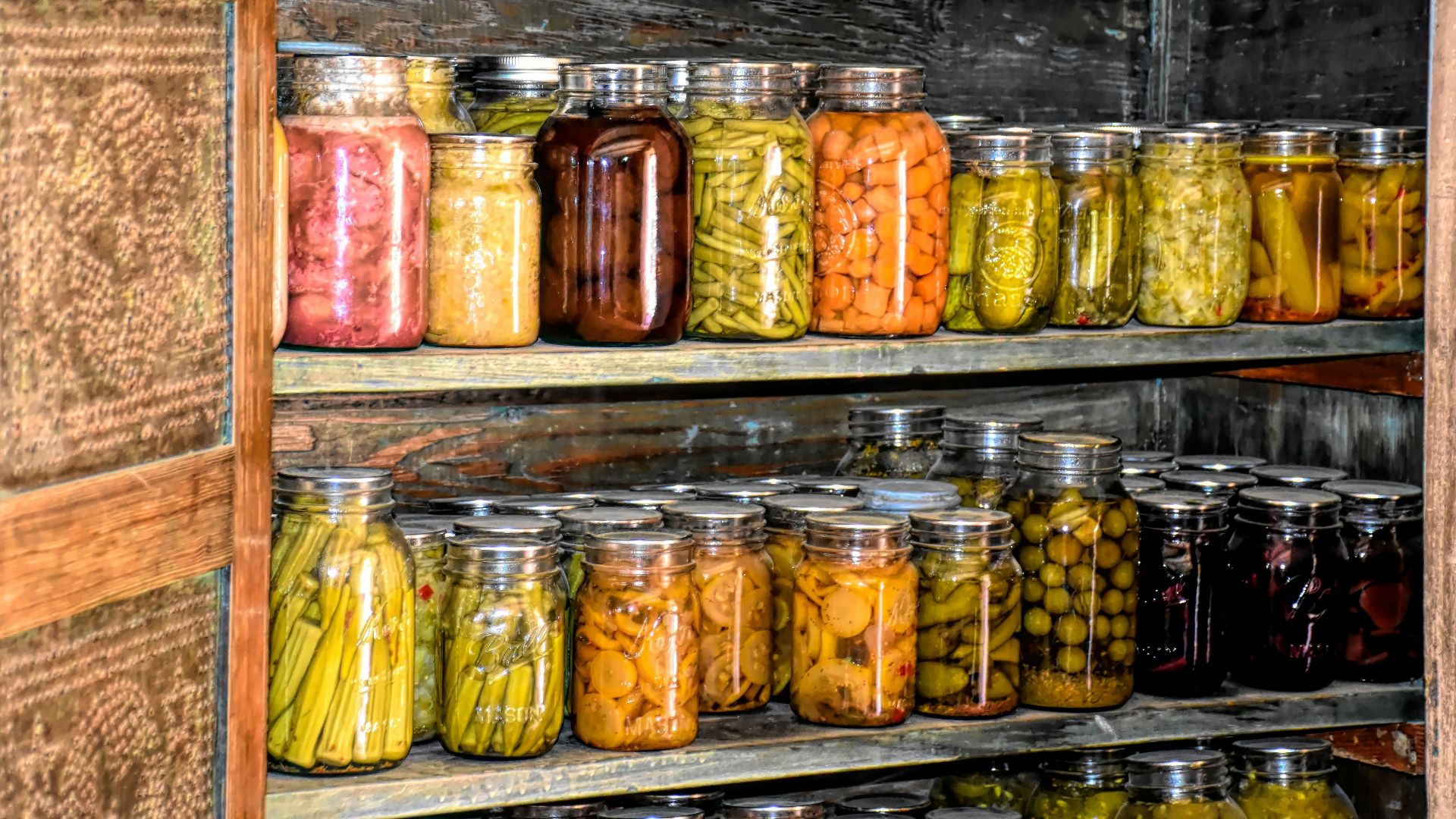
A great harvest meant nothing if you couldn't make it last, so pickling, salting, drying, and smoking were among the most basic of survival skills. A jar of something sharp and salty could turn the plainest meal into something worth looking forward to.
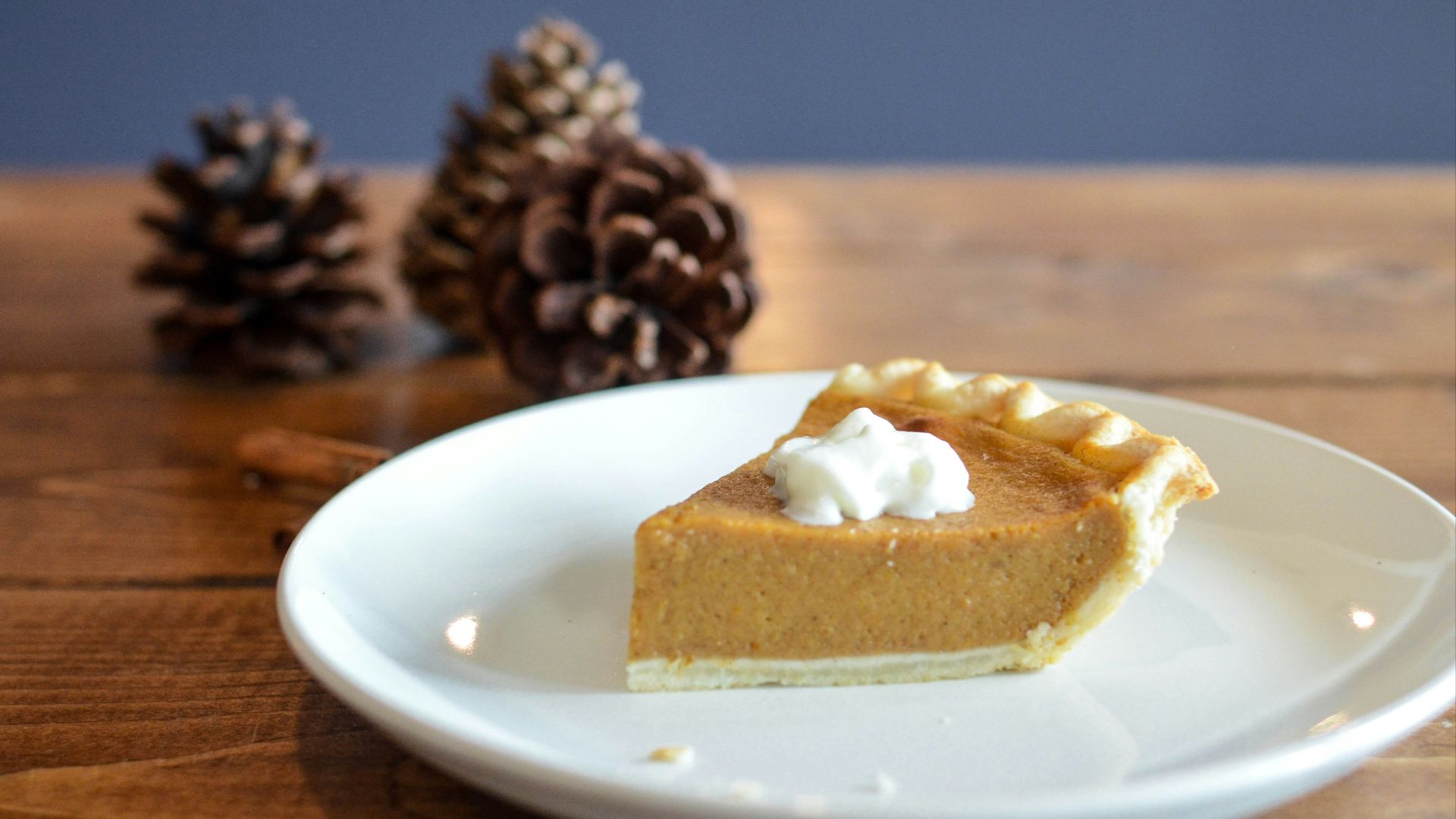
1. Pumpkin Pie
As the young nation started printing its own cookbooks, pumpkin got a promotion. From humble field crop to a dessert practically synonymous with American baking, pumpkin pie found a new meaning: proof that homegrown ingredients could become homegrown pride.
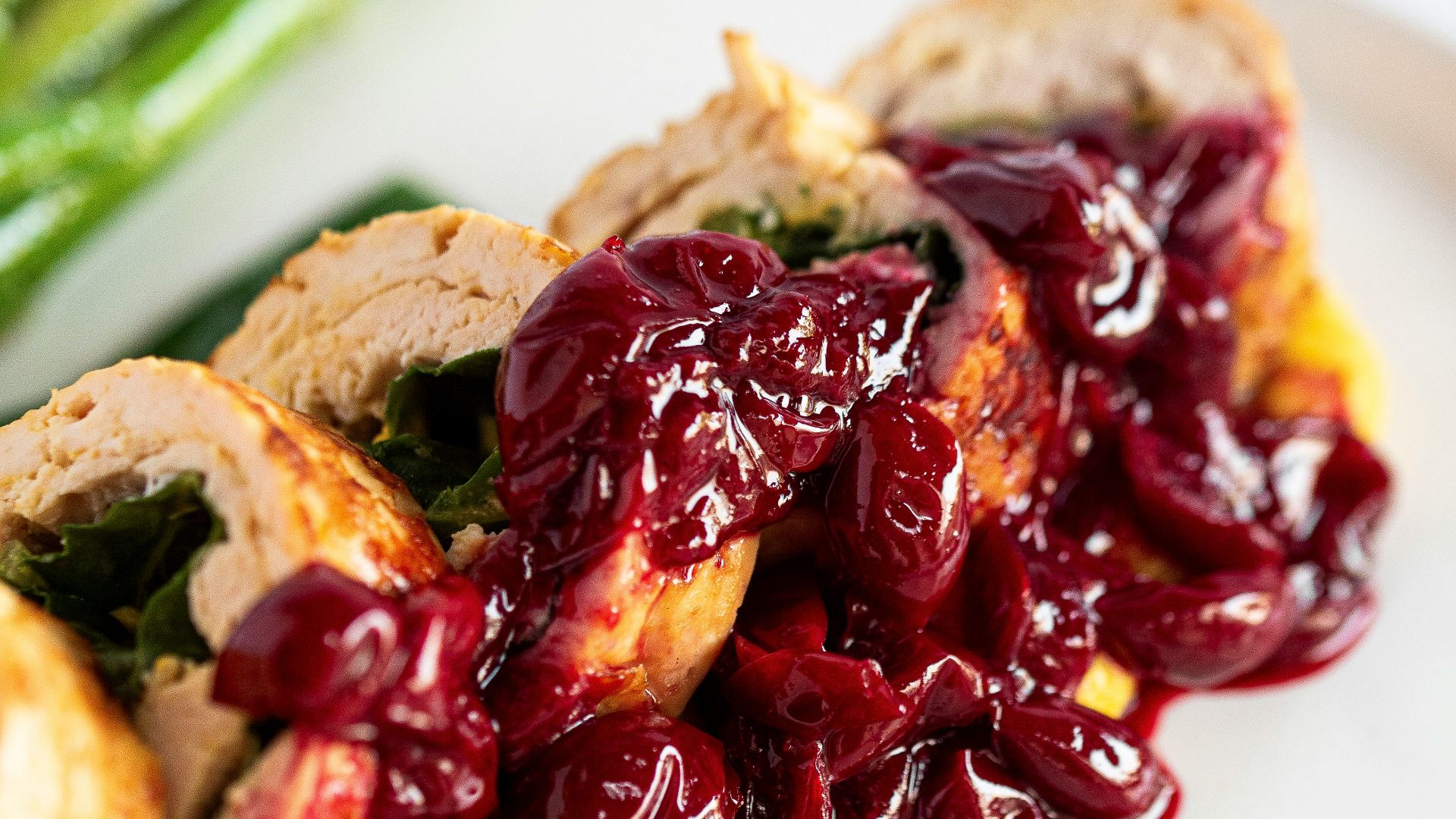
2. Turkey With Cranberry Sauce
Two distinctly North American ingredients, one perfect pairing: rich turkey and tart cranberries showed up together in early American recipes and never really left. It's a combination so iconic now it's easy to forget it for the generations that never got to taste this delightful combination.
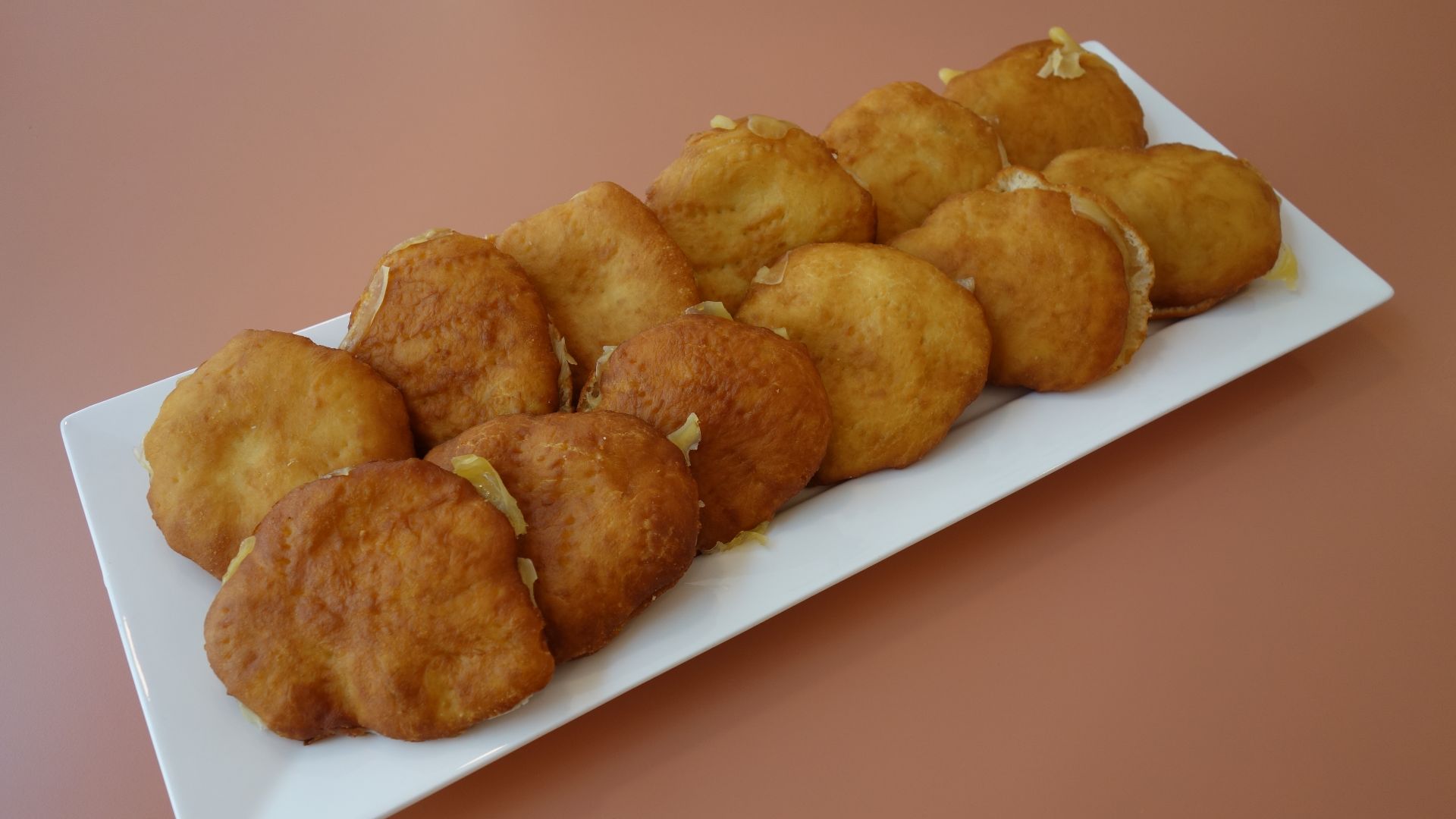
3. Johnnycakes
Cornmeal never lost its grip on the American table, and johnnycakes prove it time and time again. This delightful dish consisted of simple griddle cakes that needed no dressing up. Just good, honest food, the way it had always been.
4. Indian Pudding
Named for the cornmeal ("Indian meal") at its core, this slow-cooked, molasses-sweetened dessert showed European-style pudding recipes getting a distinctly American makeover. Heavy, warm, and old-fashioned in the best way.
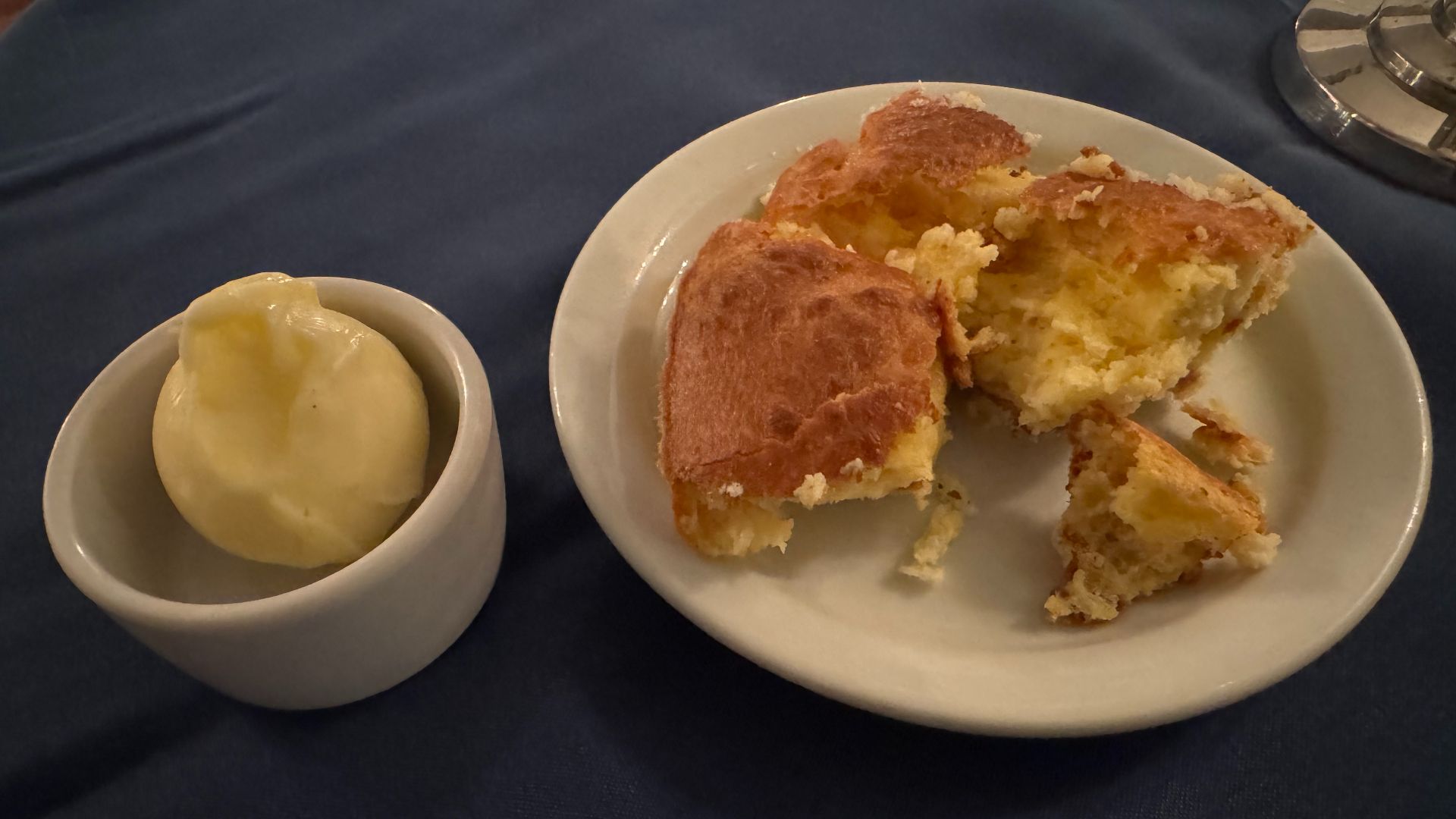
5. Pearlash Gingerbread
A small ingredient made a big difference: pearlash, one of the earliest chemical leaveners, let American bakers turn dense gingerbread into something a little bit lighter.
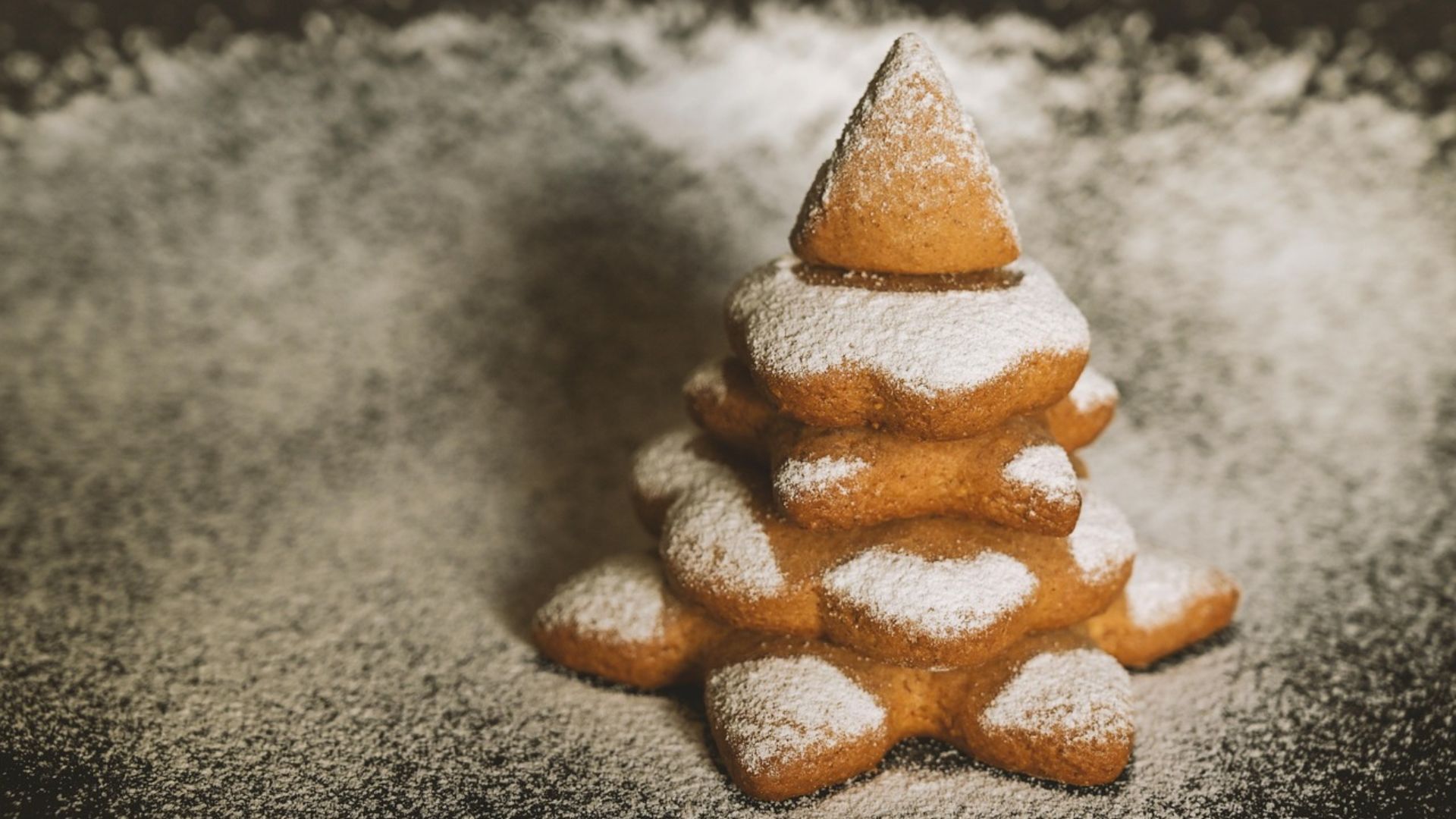
6. Macaroni Pie
Pasta arrived at elite American tables through French culinary influence, and for a country still finding its dining identity, a rich, baked macaroni pie was new and impressive. Starch and fat have always been an easy sell; this was just their fancier debut.
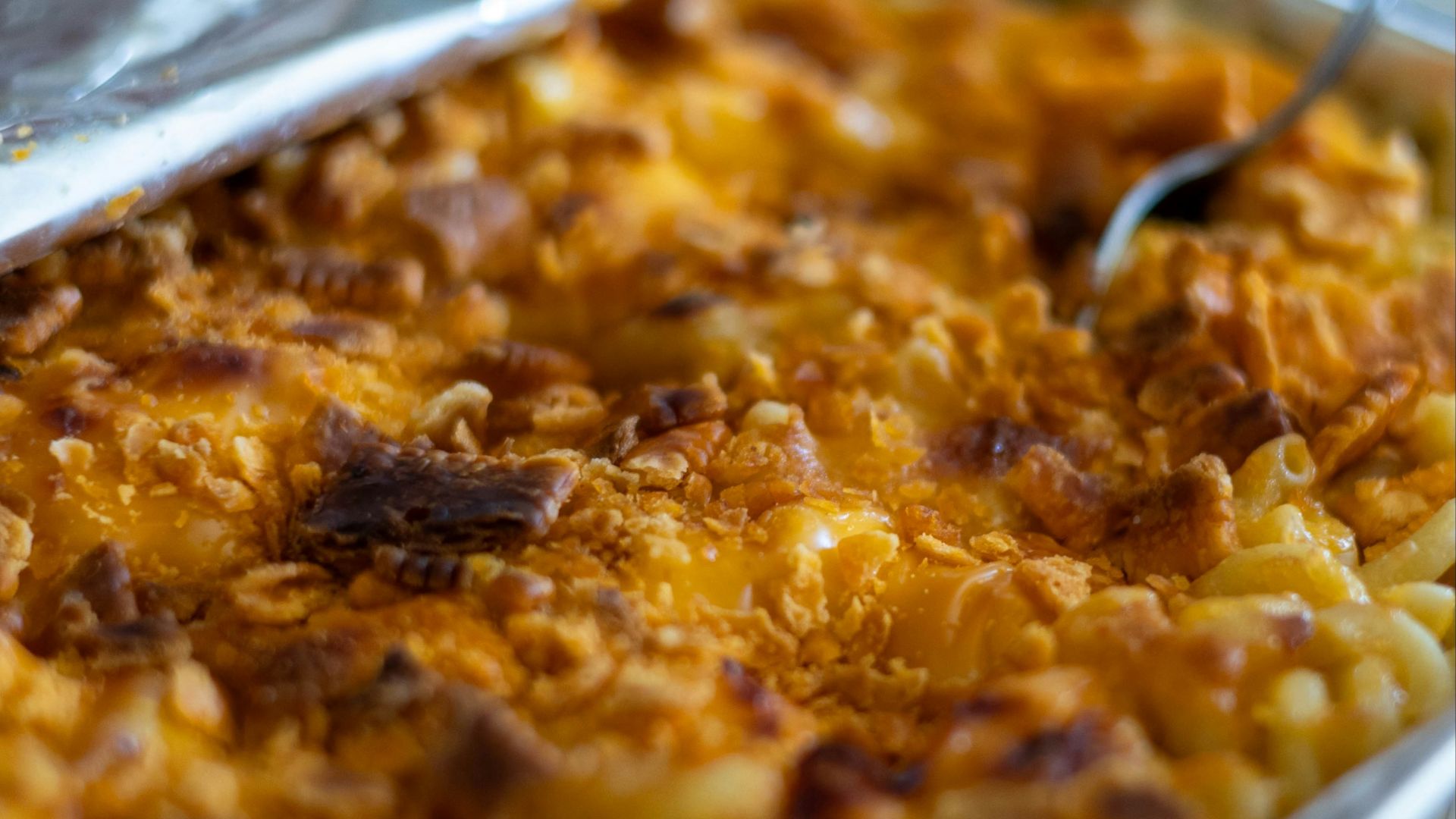
7. Macaroni With Cheese
Long before it lived in a blue box, mac and cheese was a showpiece, created by an enslaved Black chef by the name of James Hennings. Soon, the dish was served in the wealthiest early American households.
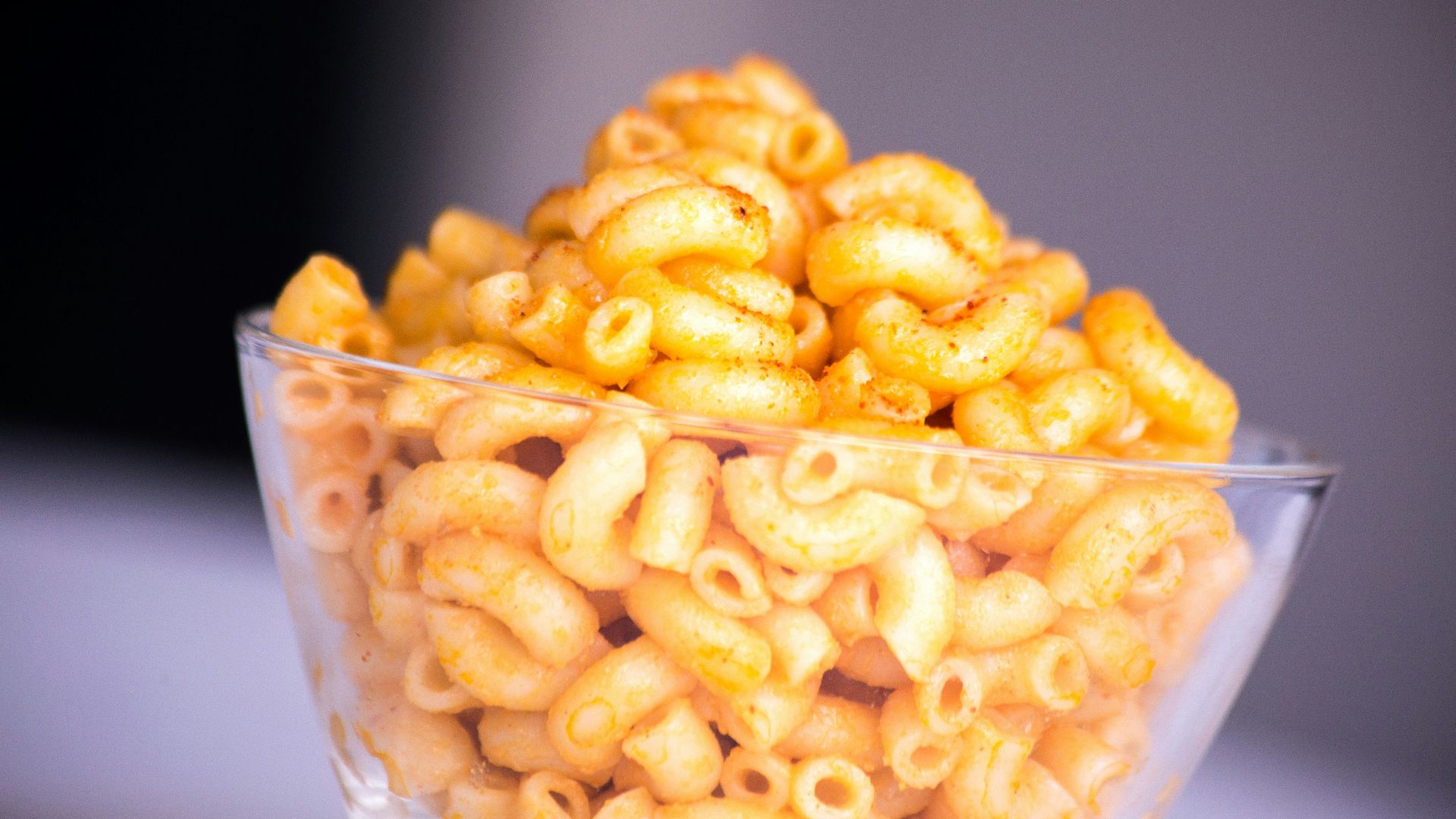
8. Ice Cream
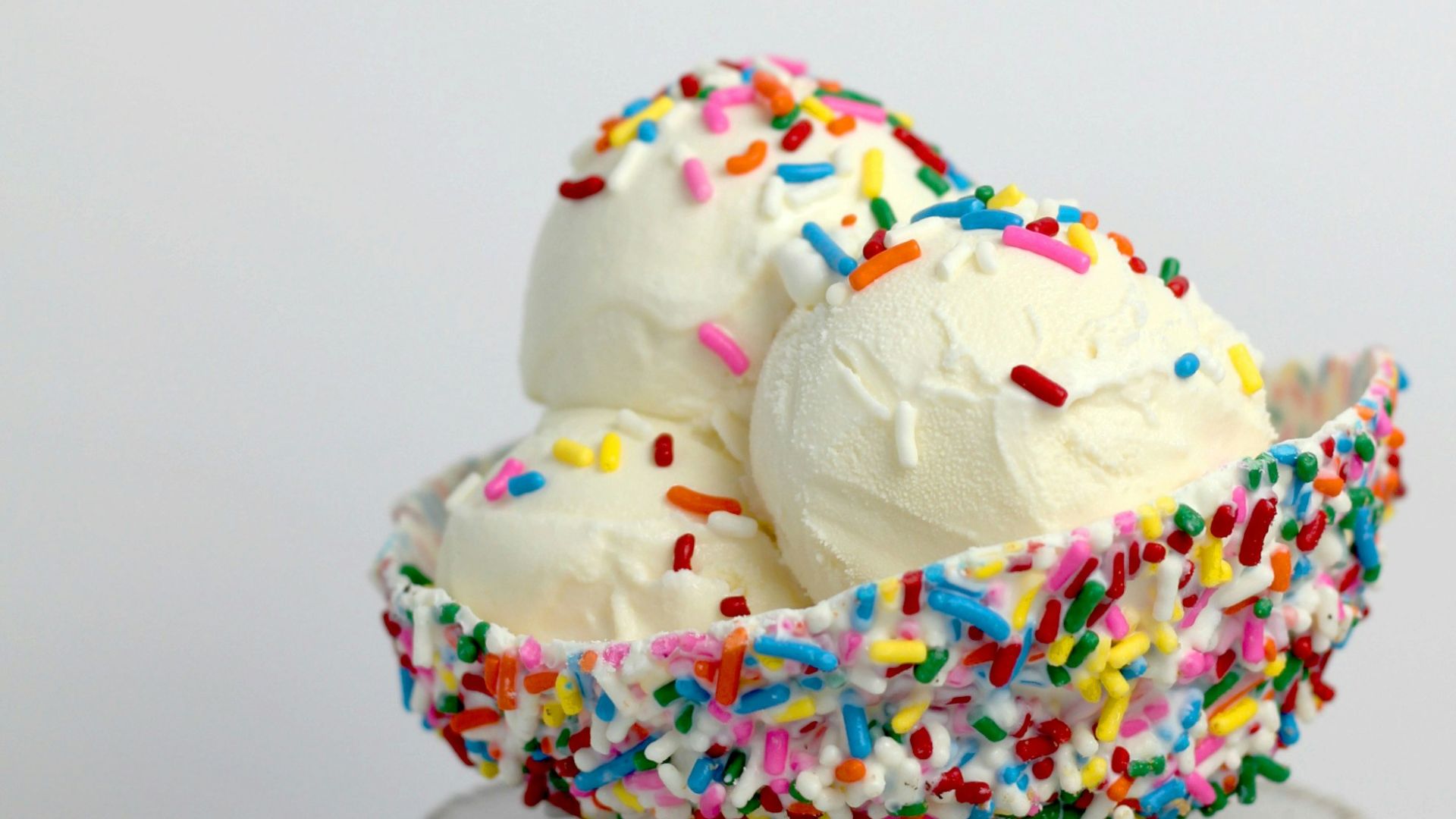
Nothing said "money" in early America quite like ice cream. Between the equipment necessary to keep it cold, the quality of the dairy, and the sheer labor involved, a bowl of it was a genuine luxury.
9. Fried Potatoes
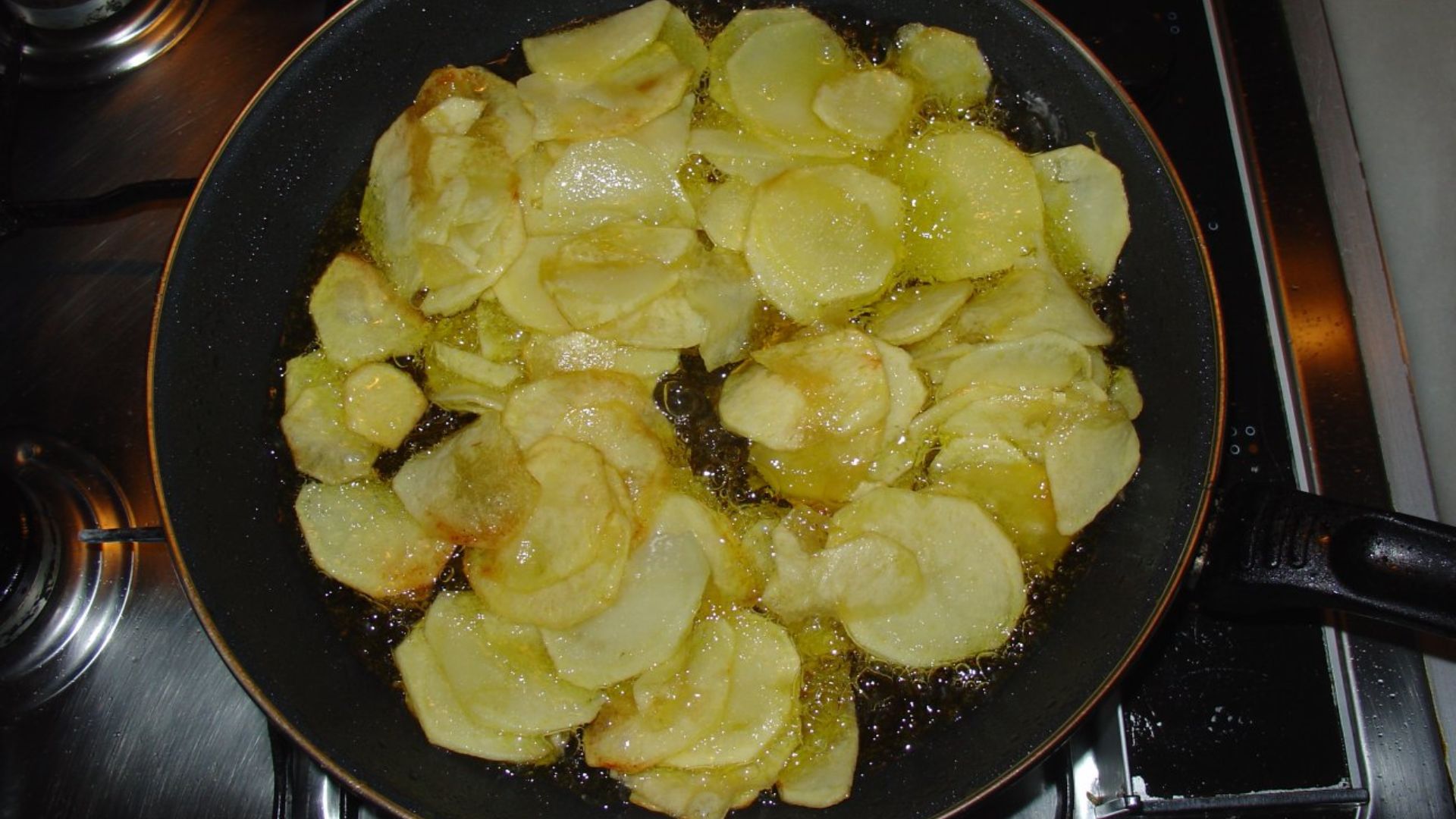
Sliced, dropped into hot fat, and served crisp — fried potatoes rode in on French culinary influence and never looked back, moving from refined dining rooms into everyday American food culture with surprising speed. Some ideas are just too good to stay exclusive.
10. Tomato Catsup
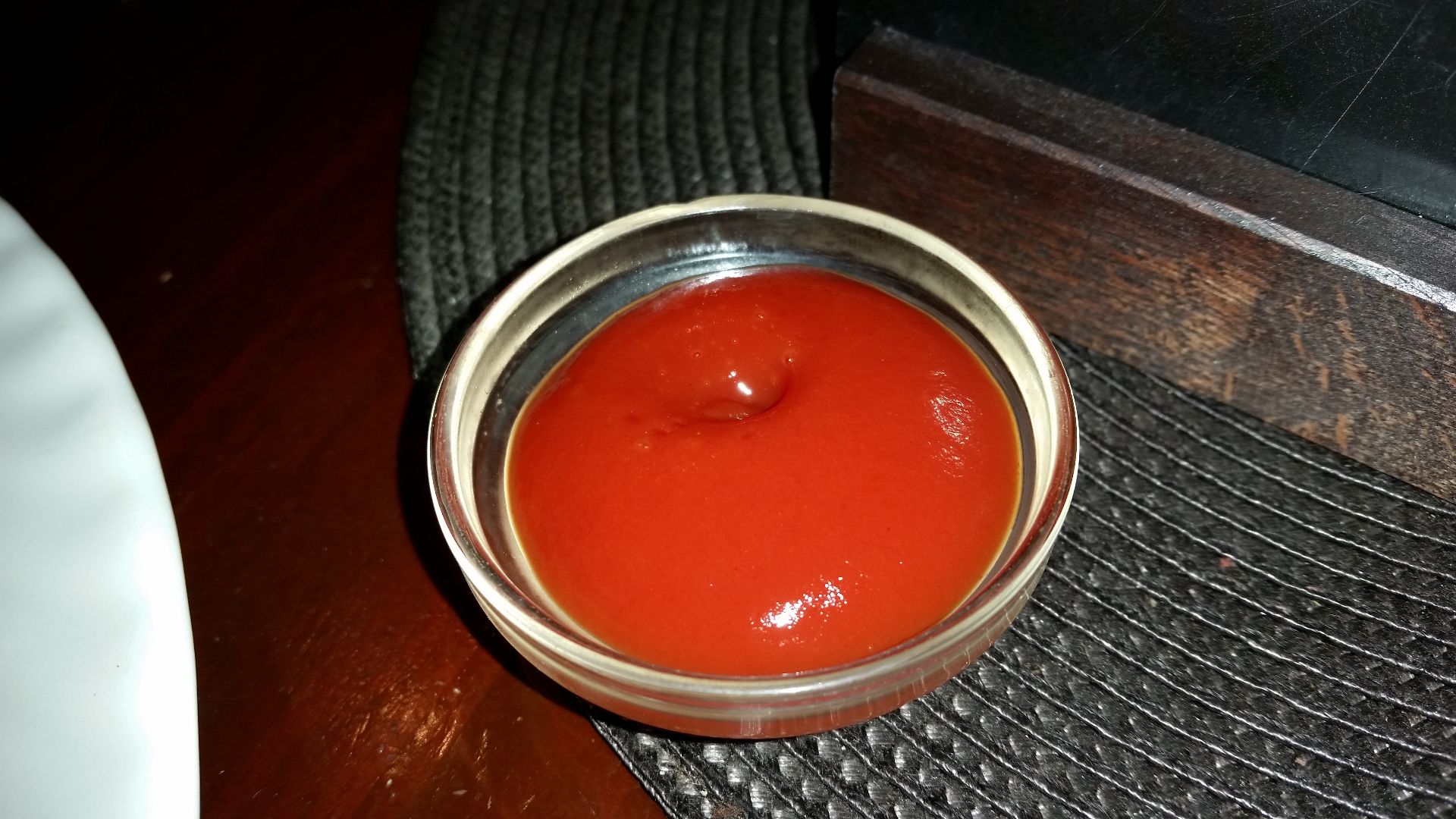
Don't picture the sweet red squeeze bottle in your fridge — early American "catsup" was a sharper, more savory seasoned tomato sauce, used to jolt some brightness into heavier dishes. It wasn't ketchup yet, but here, you can see the idea taking shape.
KEEP ON READING
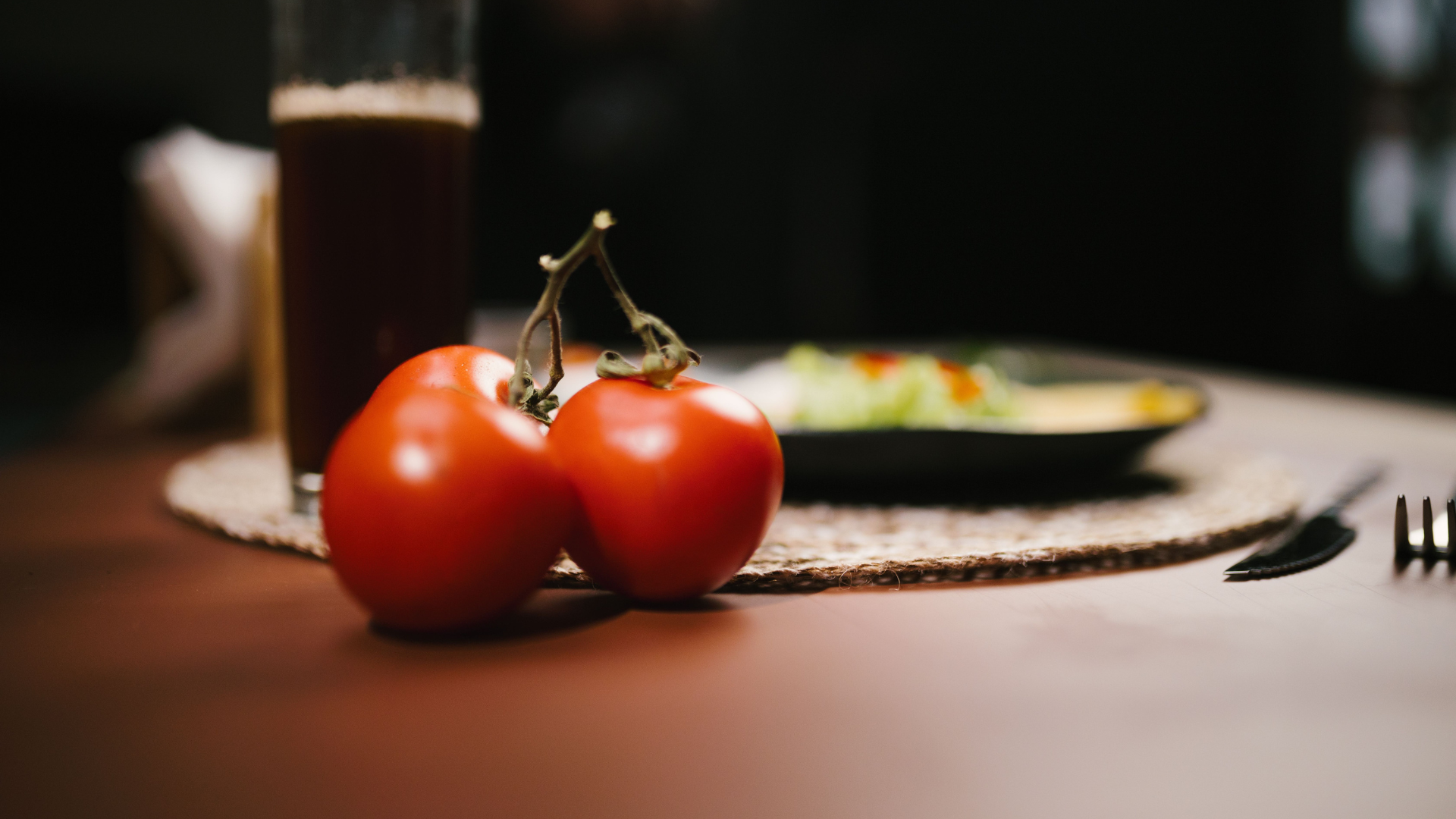
You’re Storing Tomatoes Wrong in This Heat
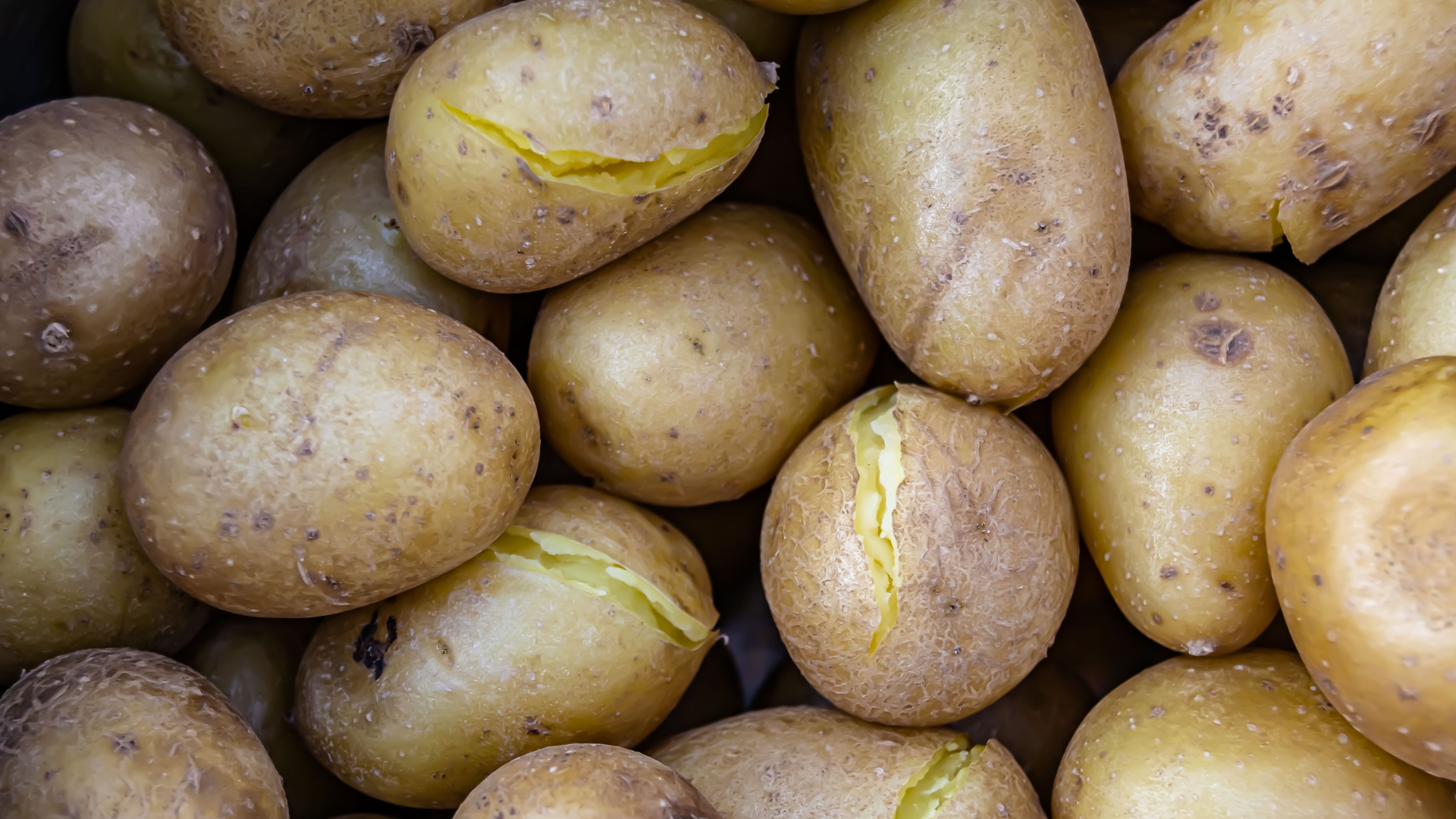
You’re Storing Potatoes Wrong in This Heat
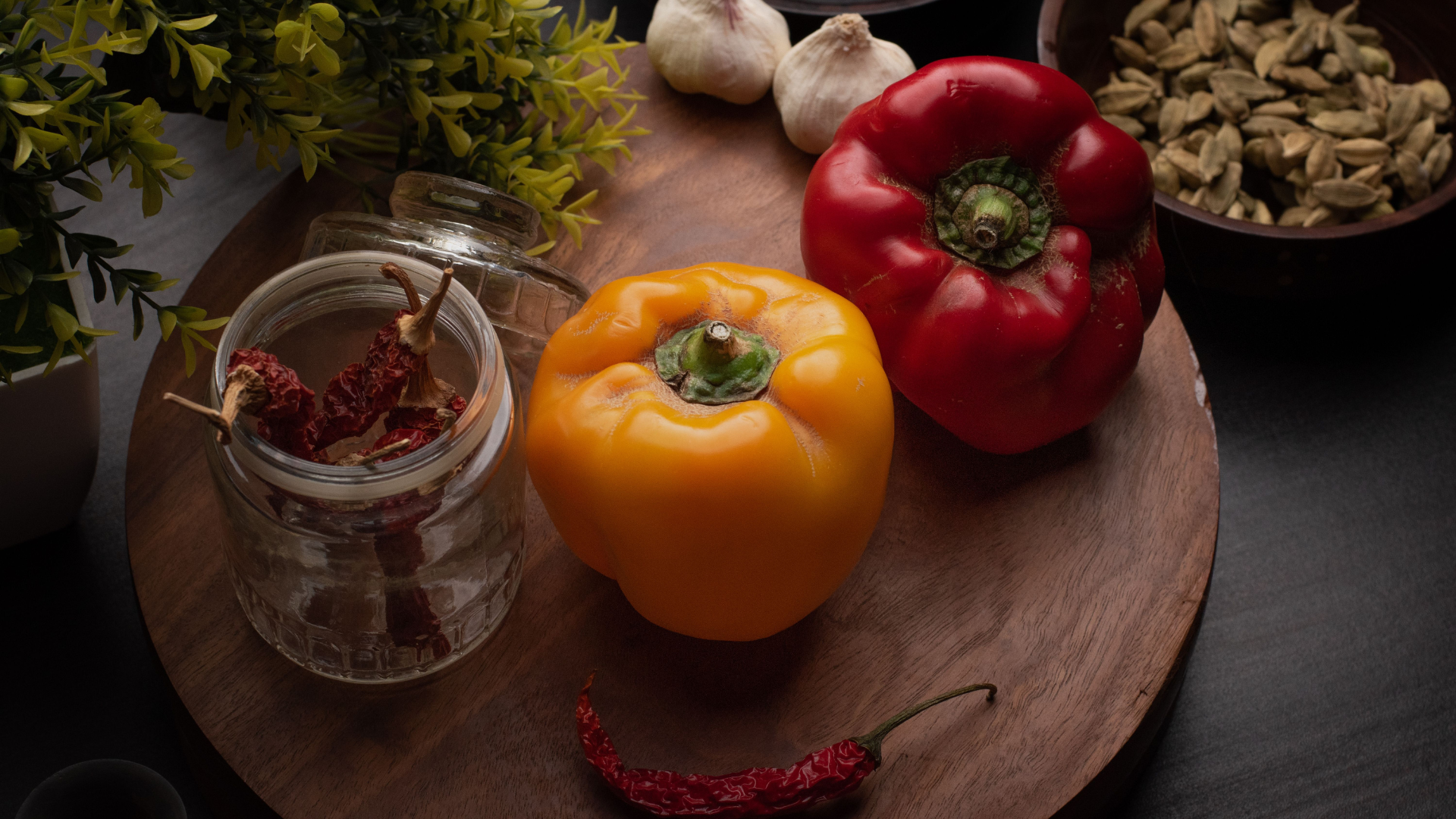
You’re Storing Peppers Wrong in This Heat
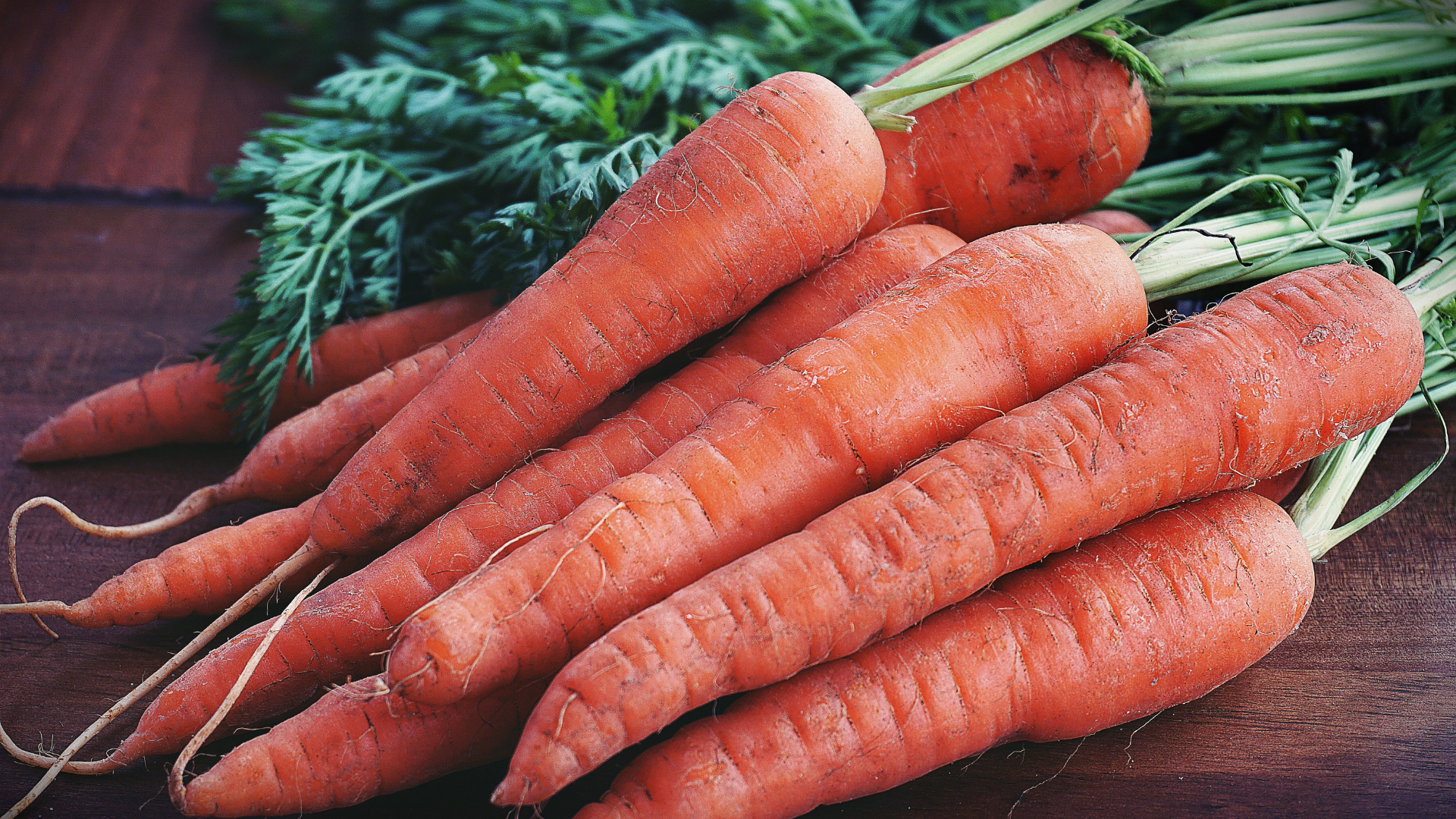
You’re Storing Carrots Wrong in This Heat