The Era of Cosmic Cuisine
When the Space Race took off in the 1960s, it did not just change science and politics; it completely transformed what Americans put on their dinner plates. Manufacturers rushed to capitalize on the public's obsession with the cosmos by introducing highly processed, brightly colored, and freeze-dried items that promised a taste of the future. Families eagerly traded traditional scratch cooking for the convenience of modern chemistry, believing they were dining just like the astronauts orbiting Earth.
1. Space Food Sticks
Want to snack like a spaceman? Then these were your best option. Designed by Pillsbury, they were chewy energy bars shaped like a cylinder with a flattened edge so you could easily slide them into a port in your space helmet.
2. Tang
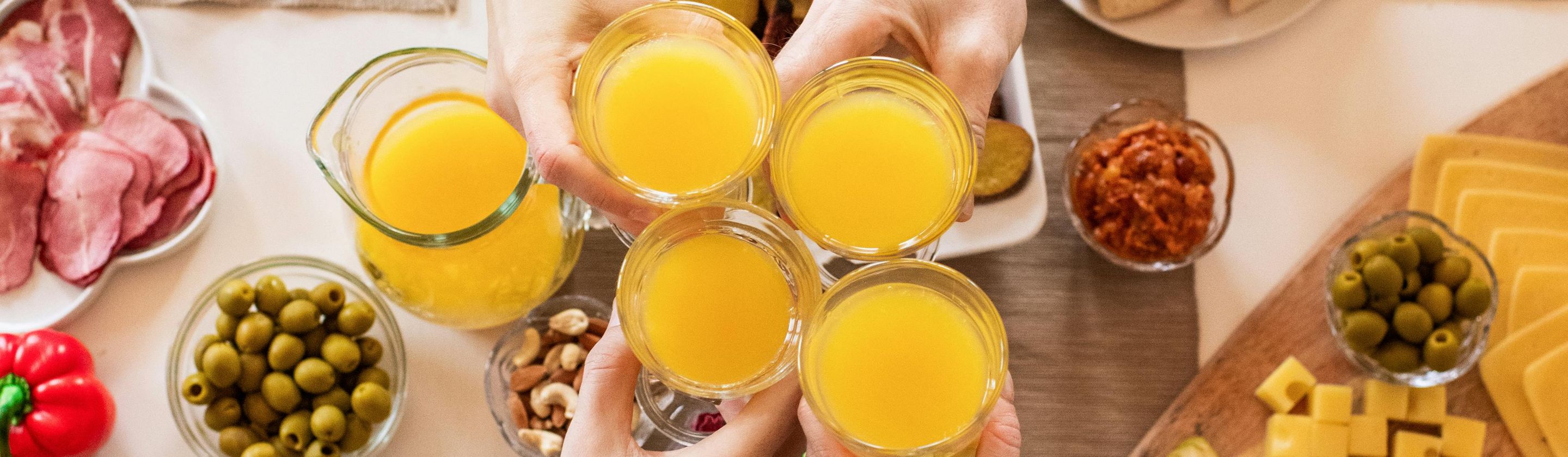
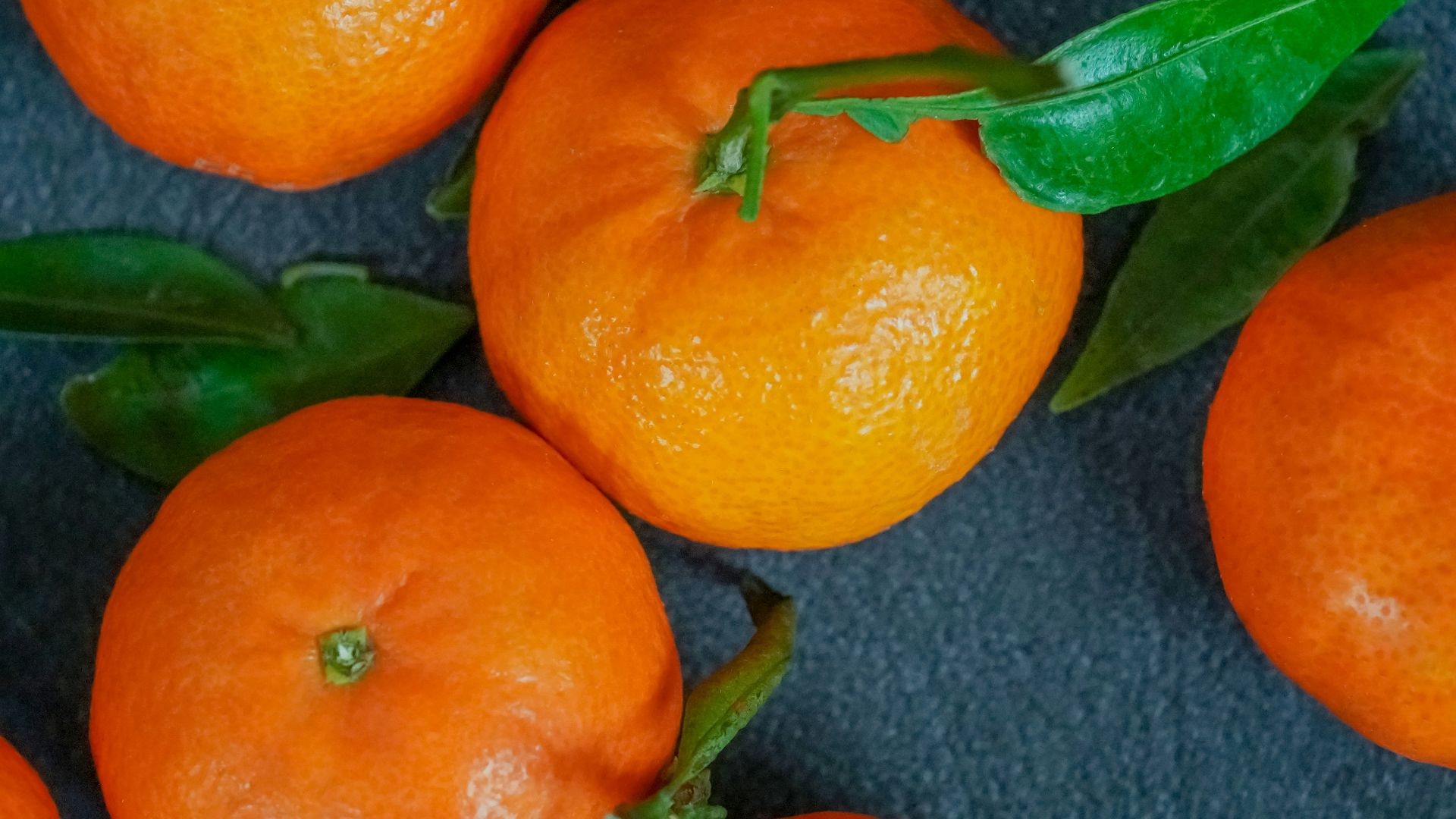
Powdered orange drink mix might have been invented in the late 1950s, but it wasn’t until NASA sent Tang into space with astronaut John Glenn in 1962 that everyone wanted some. Moms across America decided that the tangy, sugary drink provided a necessary vitamin C boost to start the morning off right. Simply add a couple of spoonfuls to cold water and voila!
 Karolina Kołodziejczak on Unsplash
3. Freeze-Dried Ice Cream
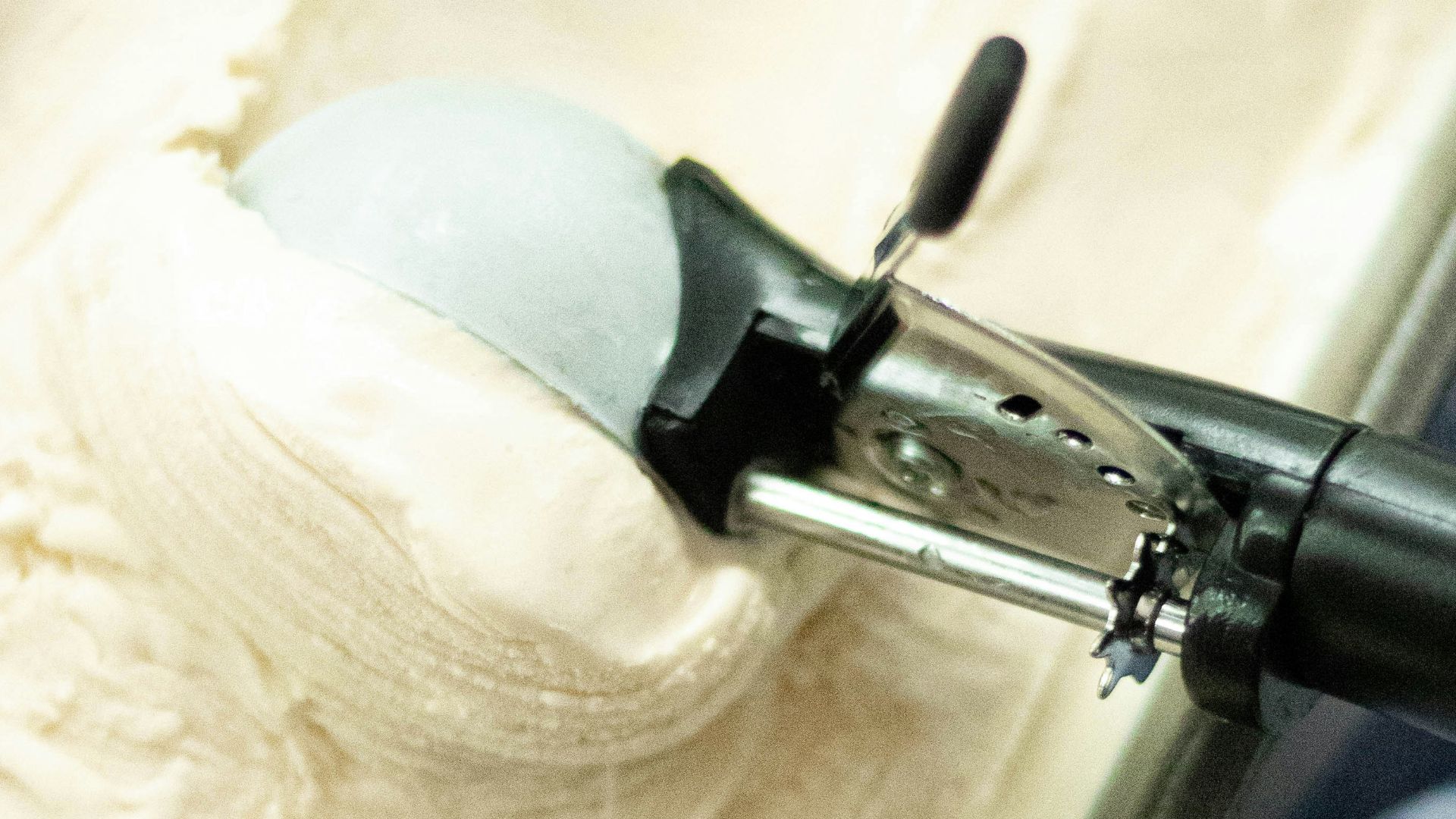
Remember when you went to the museum gift shop and got a tiny container of freeze-dried ice cream? Well, it was invented at the turn of the decade. Although Whirlpool created the crunchy ice cream for NASA during the Apollo era, astronauts weren’t too crazy about it.
 Leighann Blackwood on Unsplash
4. Shake 'N Bake
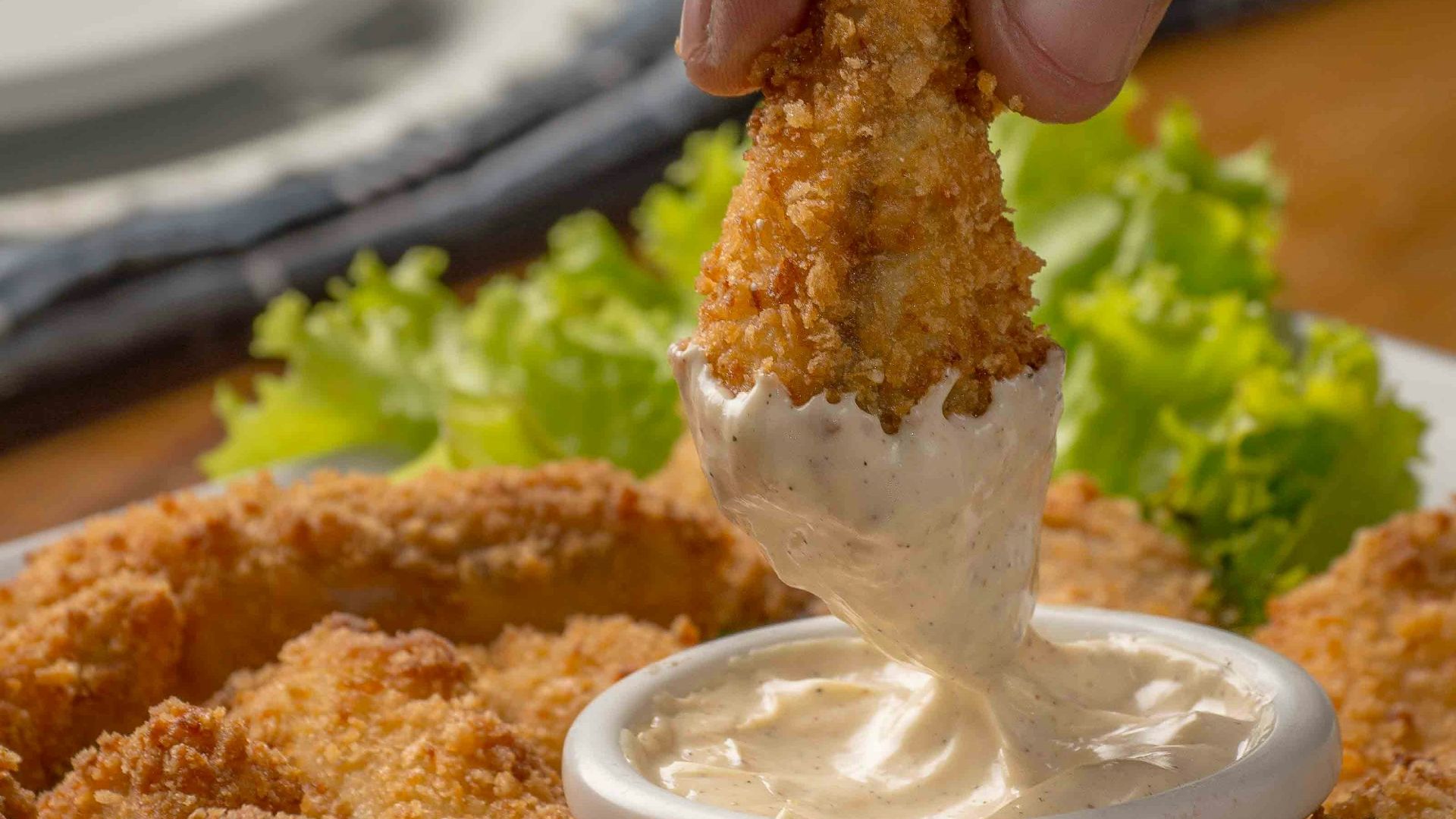
Imagine spending hours in the kitchen frying chicken on Friday night before football. Well, General Foods helped us forget about that in 1965 with Shake ’N Bake. Simply place your lightly oiled chicken in a plastic bag with breadcrumbs and shake.
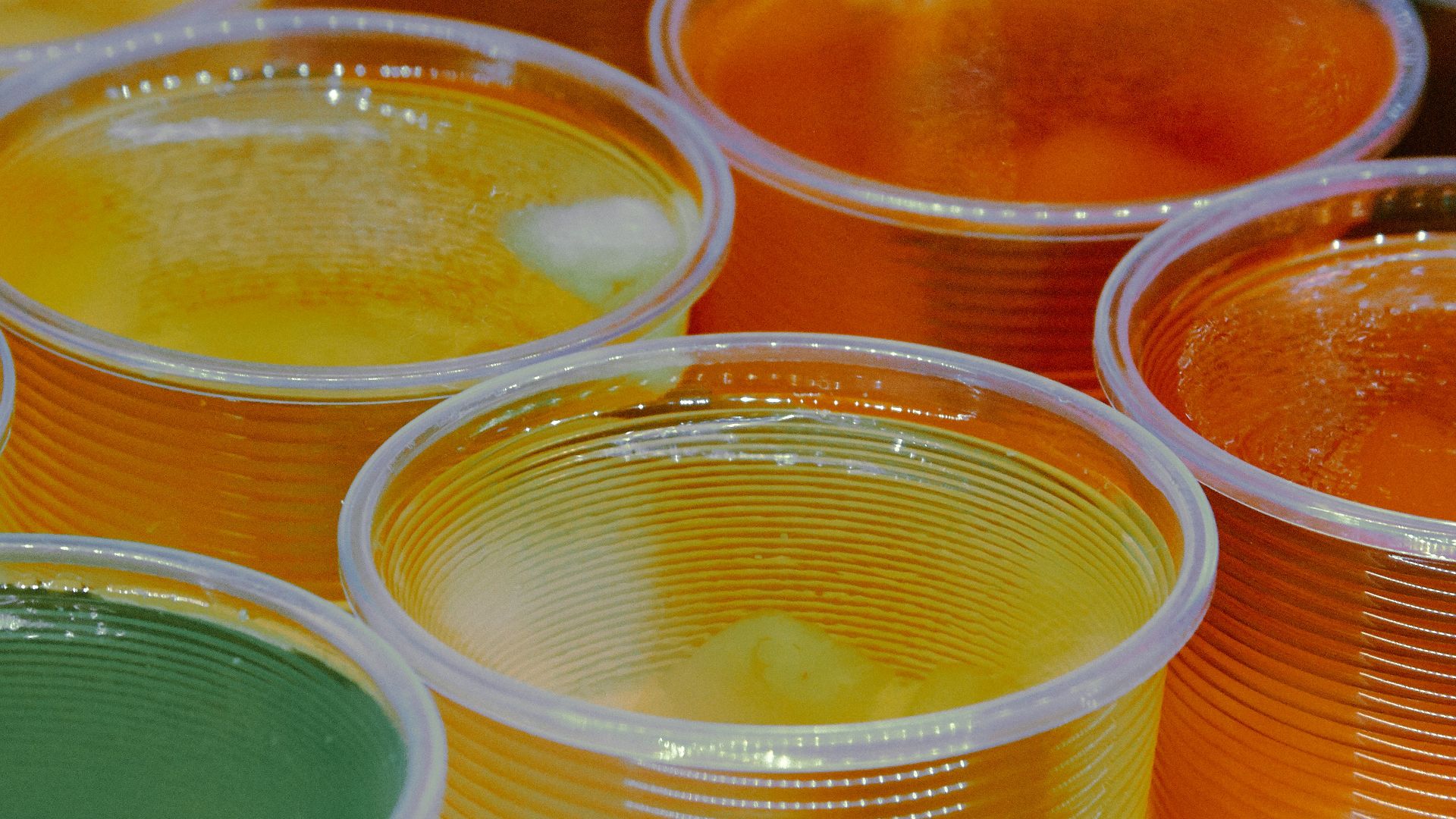
5. Jell-O Salads
Nobody’s grandmother served corn flake salads at her holidays or family gatherings. Nope, she made herself famous with Jell-O salads. Gelatin salads were huge from 1960 to 1970.
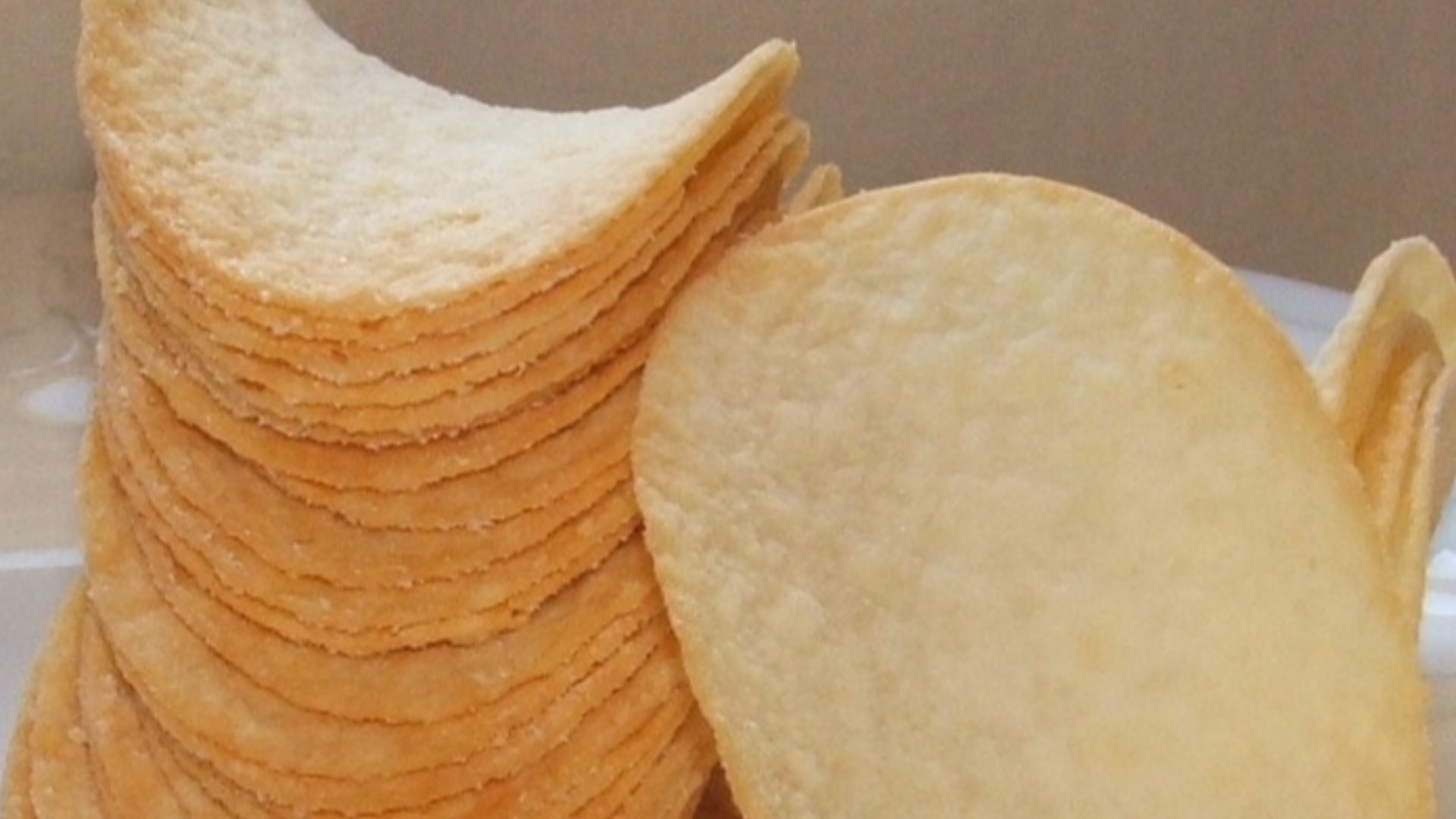
6. Pringle's Newfangled Potato Chips
Potato chips had always come in a bag before the Newfangled Potato Chip traveled to market in a tube. A chemist designed the perfectly identical flakes of potato so that they could stack together without breaking. The tubes they came in kept them from being smashed or broken when stacked on shelves.
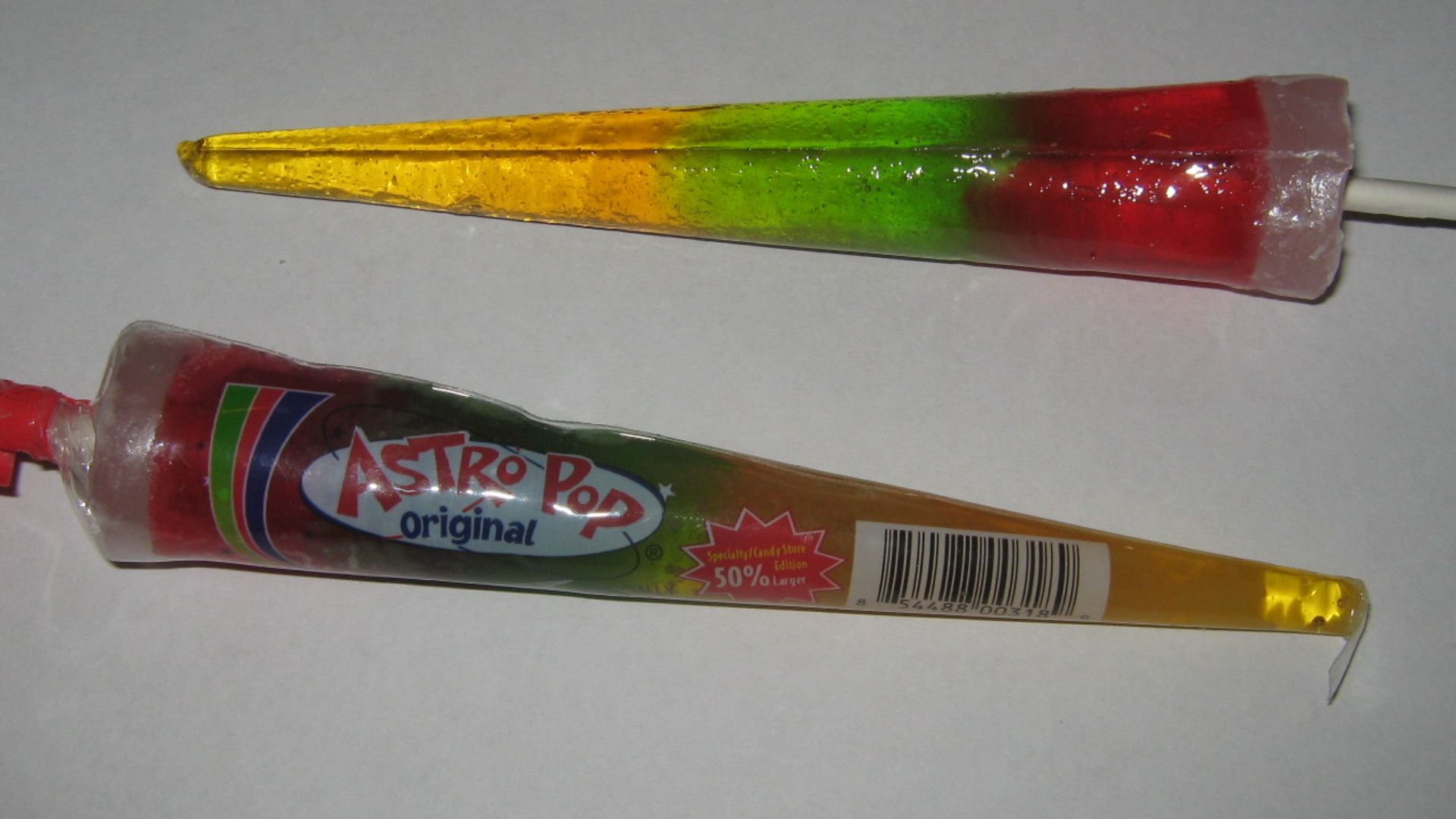
7. Astro Pops
If real rocket scientists invented this candy, it must be good, right? The HolderCones Candy Company was started by a pair of former astronauts in 1963. The cone portion of the lollipop is divided into three flavors: cherry, passionfruit, and pineapple.
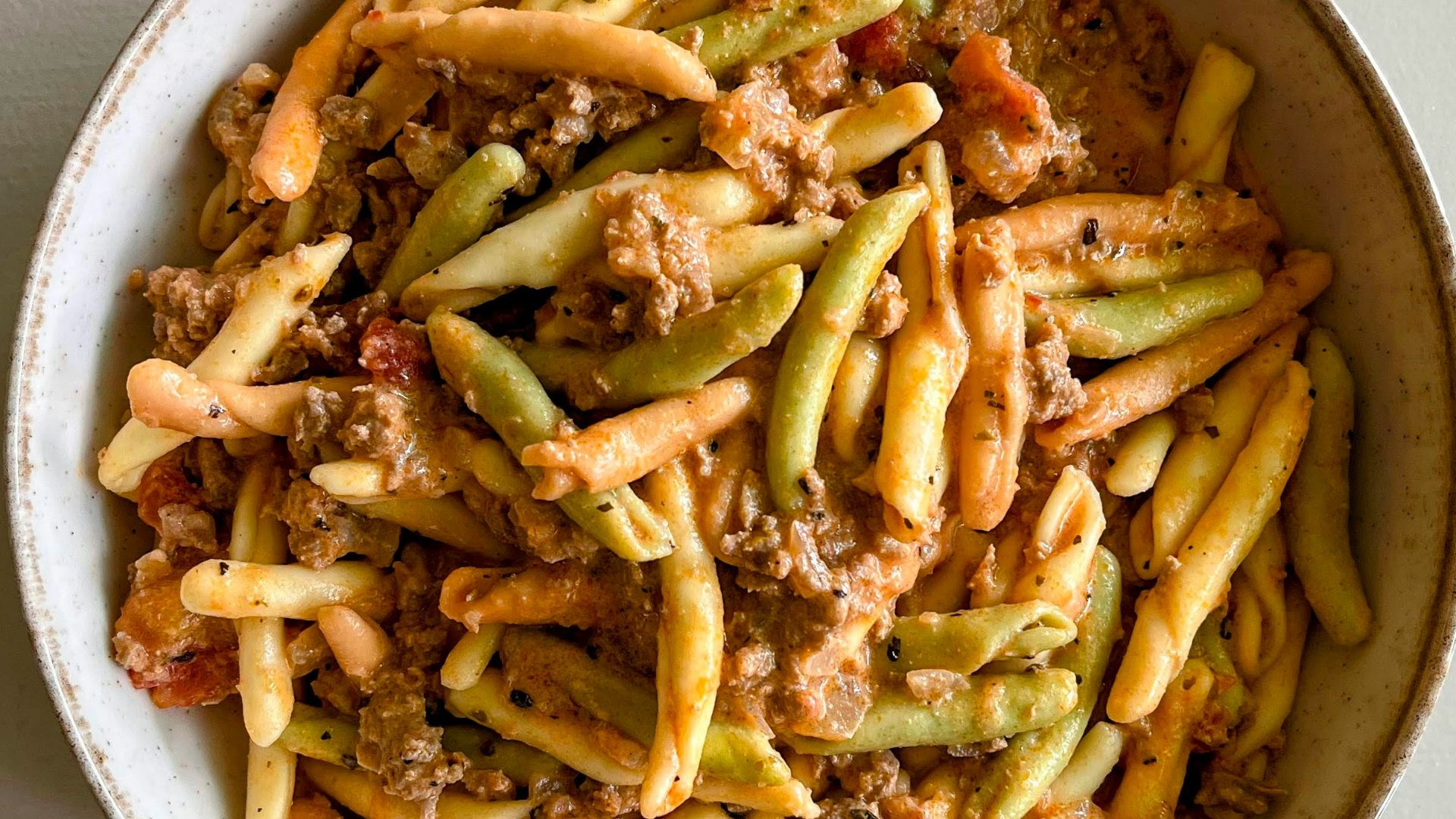
8. Hamburger Helper
Meat got expensive in 1971, so General Mills was there to save the day with their boxed miracle. Mix the powder and pasta inside your skillet, add ground beef, and voila! You just made dinner for 5.
9. Bac'Os
Want to feel like you’re eating bacon without pork? Try some soy bacon! That’s what General Mills thought we would like, so they created these crunchy, smoky bites made out of soy flour.
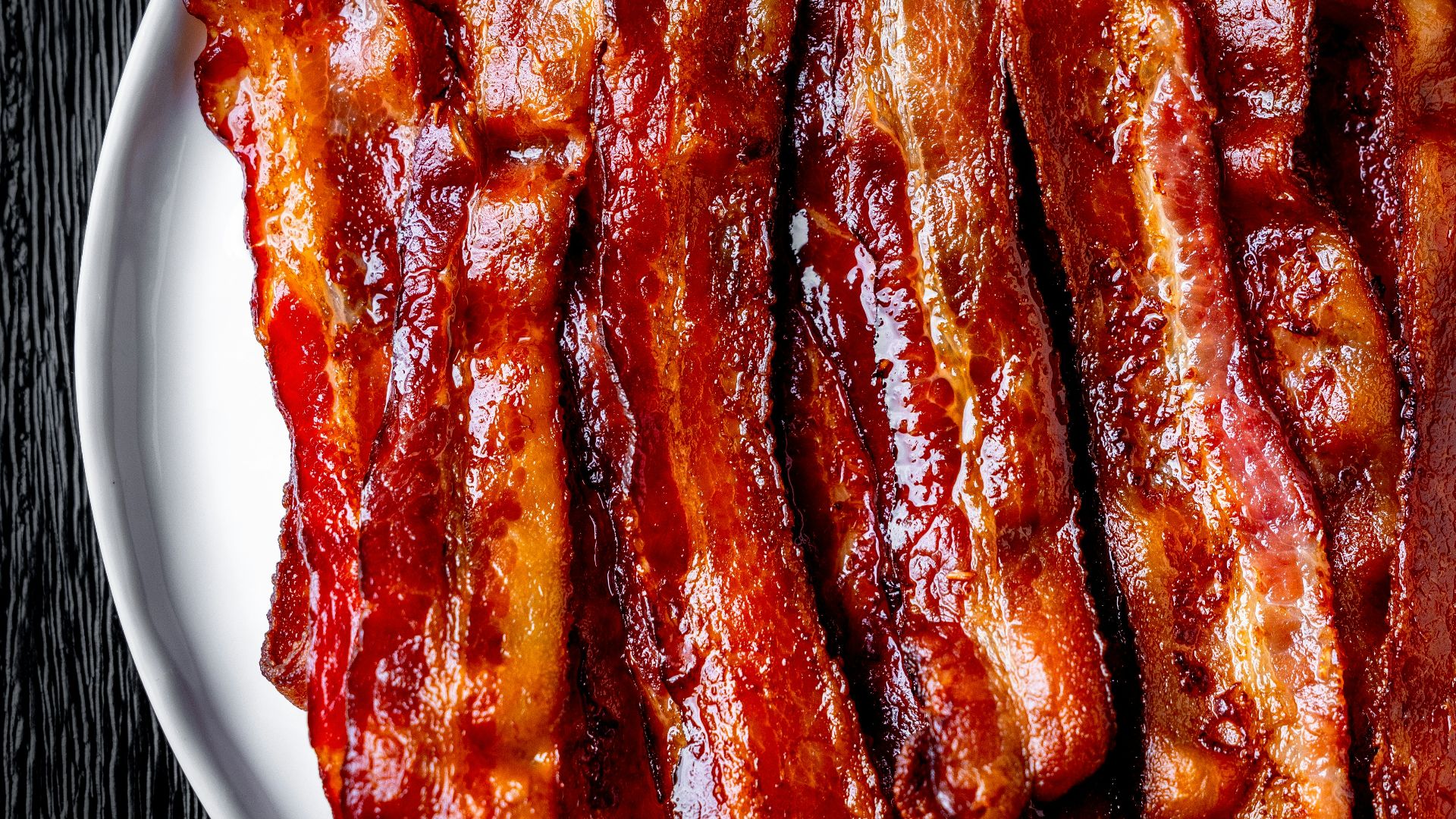
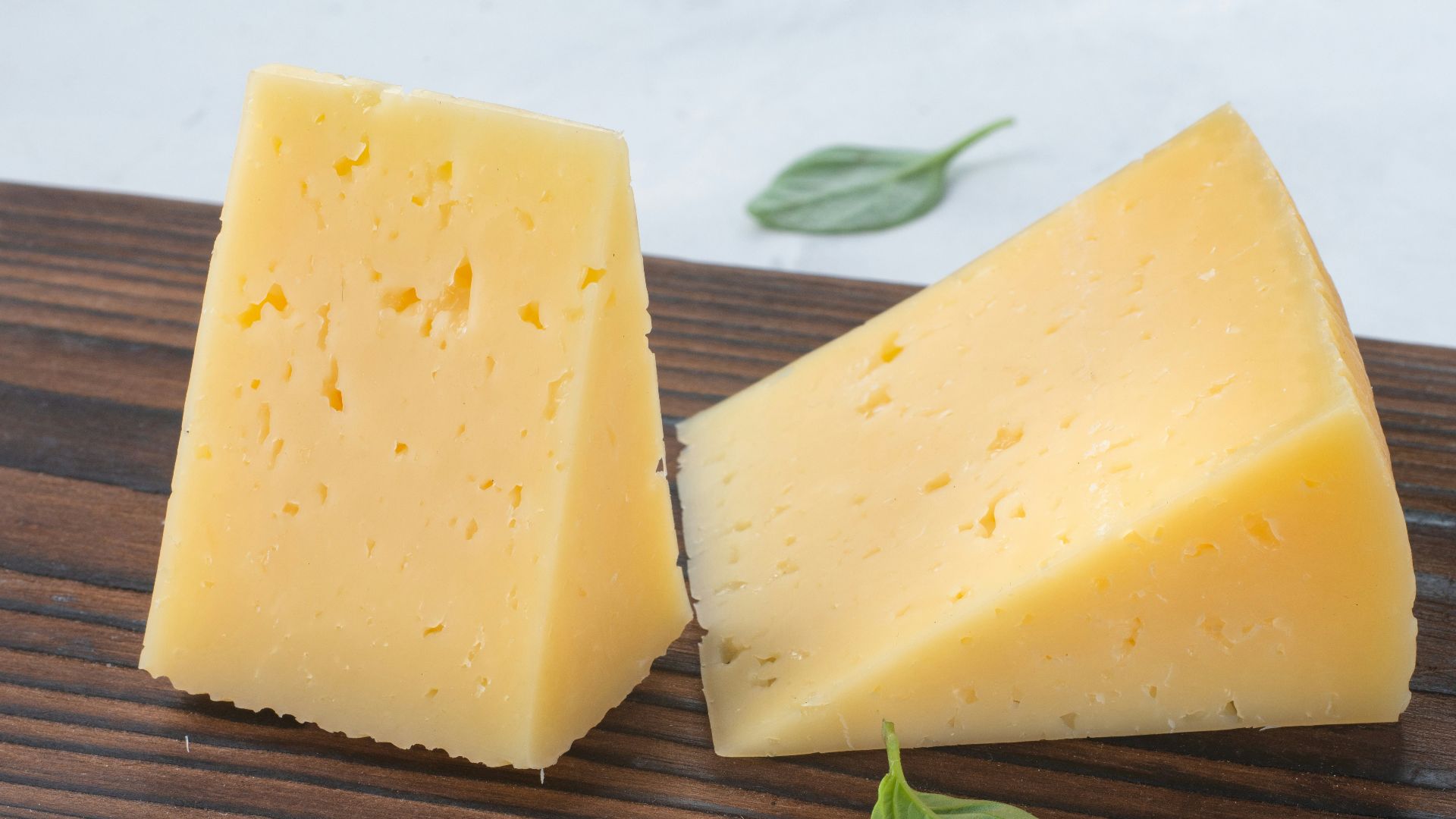
10. Easy Cheese
Processed cheese thought it could be improved upon, and it was! In 1965, Nabisco figured out how to put cheese food inside of an aerosol can. Now you could make your Ritz crackers just a little more cheesy by squeezing on a glob of cheese at snack time.
 David Foodphototasty on Unsplash
11. Mug-O-Lunch
Betty Crocker had an answer to microwave lunches in the late ’70s. Upgrade your school lunch experience by pouring the dehydrated noodles into a mug, adding boiling water, and waiting 5 minutes for your stew-like substance to finish cooking. Mug-O-Lunch had options such as mac and cheese or beef noodle to please every hungry student in the lunch line.
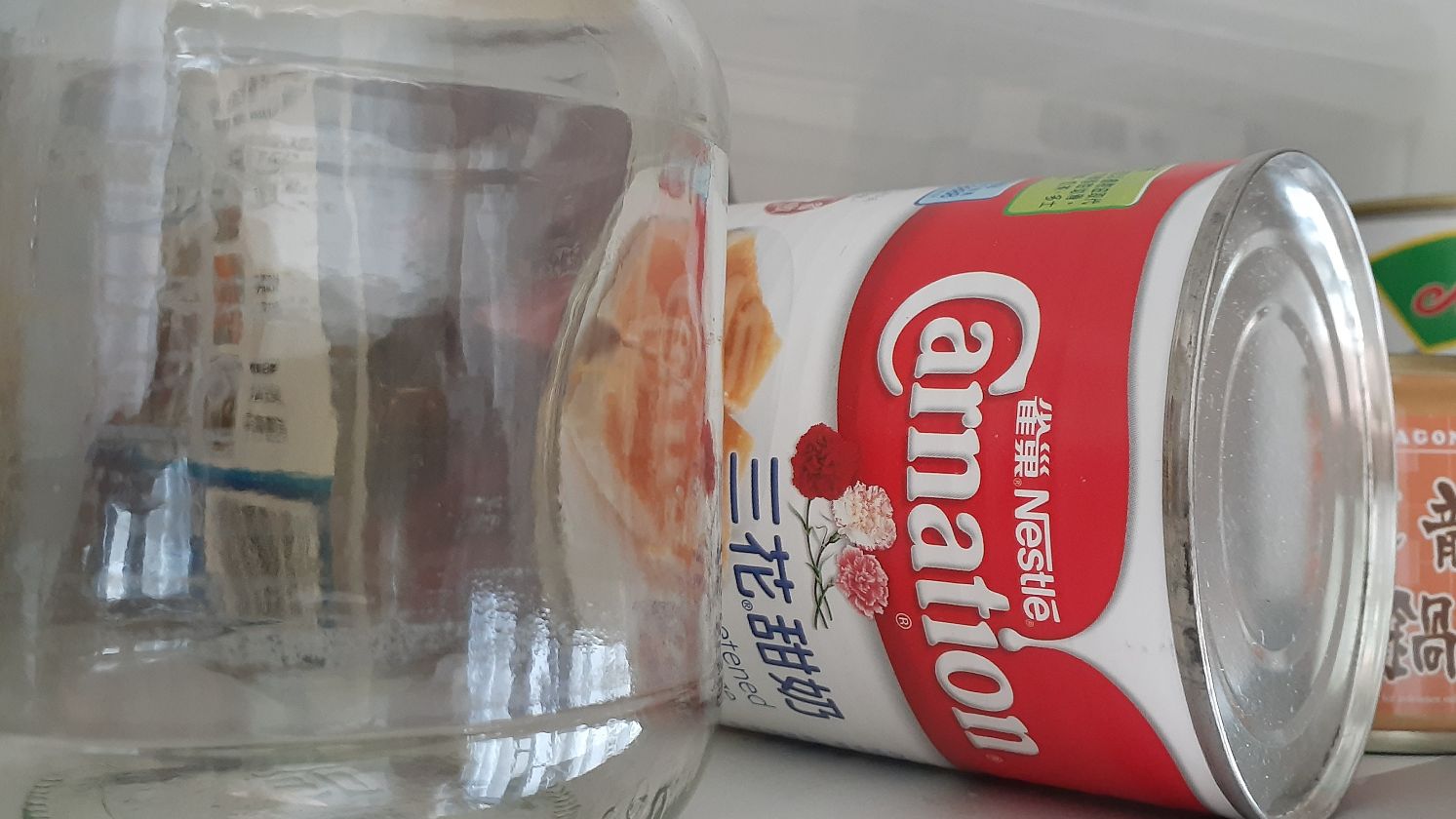
12. Carnation Instant Breakfast
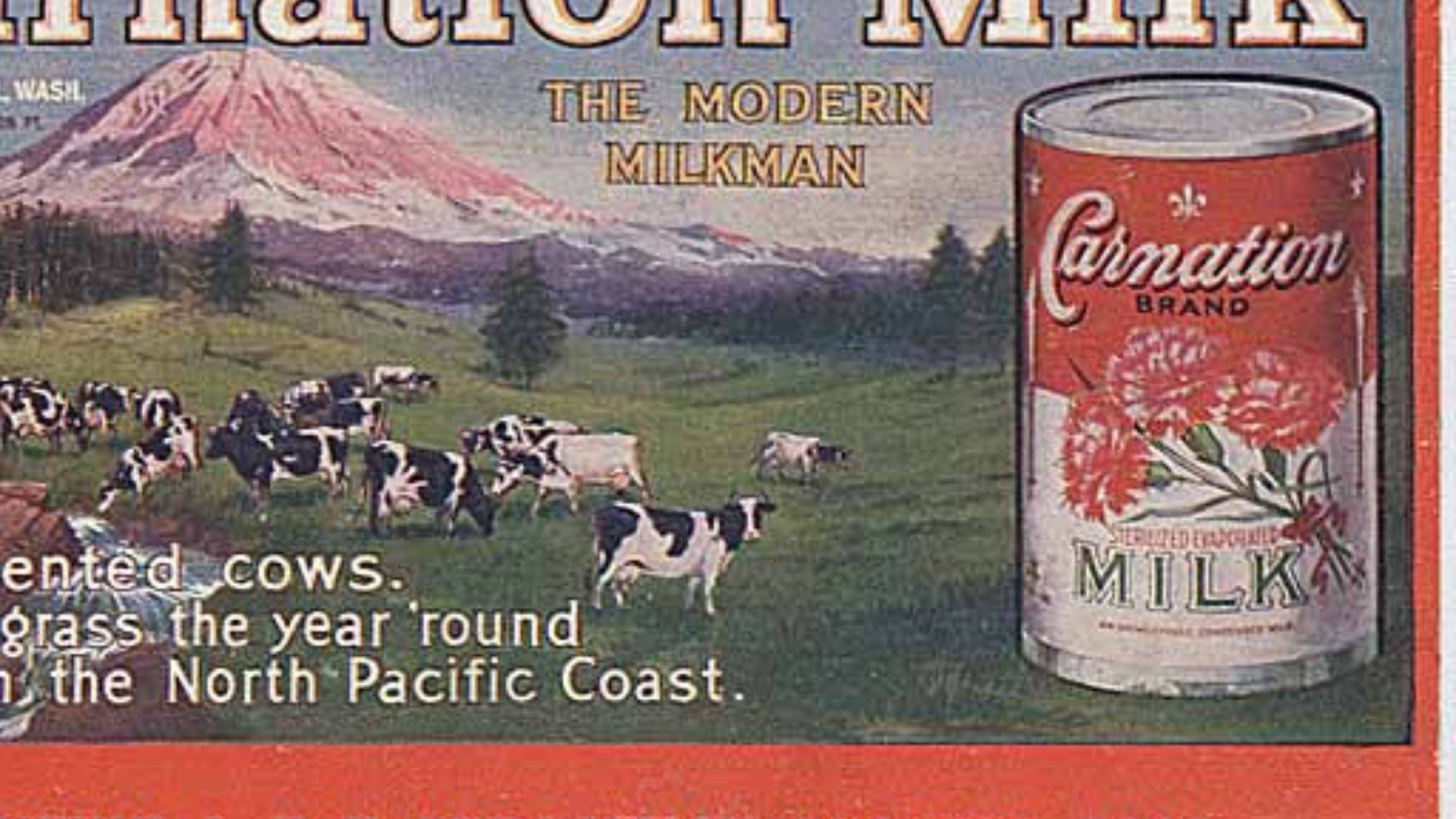
Did you forget to eat breakfast? Never fear. With Carnation Instant Breakfast and a glass of milk, you were now better than someone who ate breakfast. Since this chocolate-flavored powder contained vitamins and minerals, it was the equivalent of a nutritious breakfast.
 Unknown authorUnknown author on Wikimedia
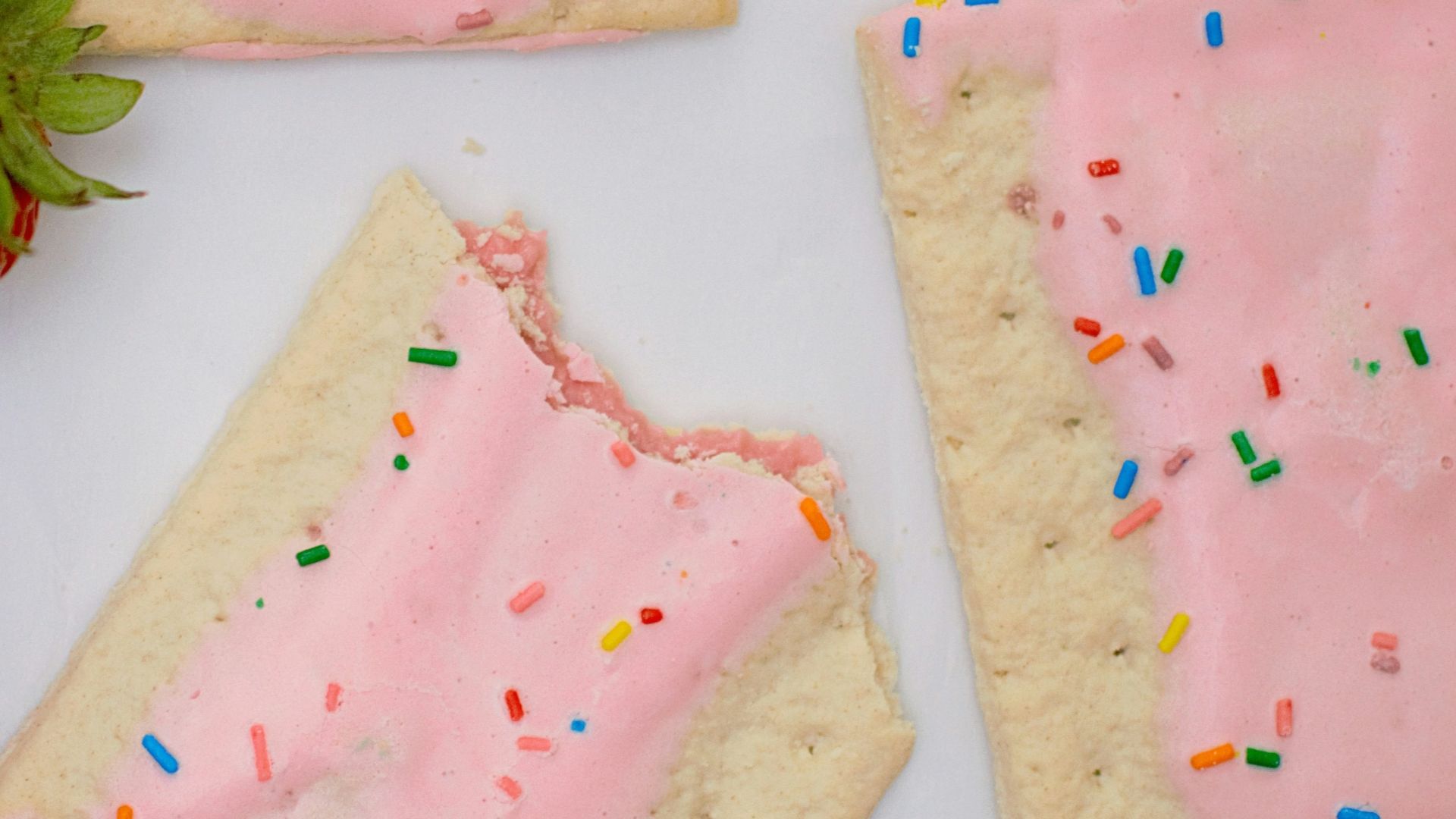
13. Pop-Tarts
Kellogg's changed mornings forever in 1964 by figuring out how to keep fruit preserves fresh inside a shelf-stable pastry without refrigeration. These flat, rectangular treats were designed to slide directly into the household toaster, heating up in a matter of seconds. The original versions lacked frosting because the sugar would melt.
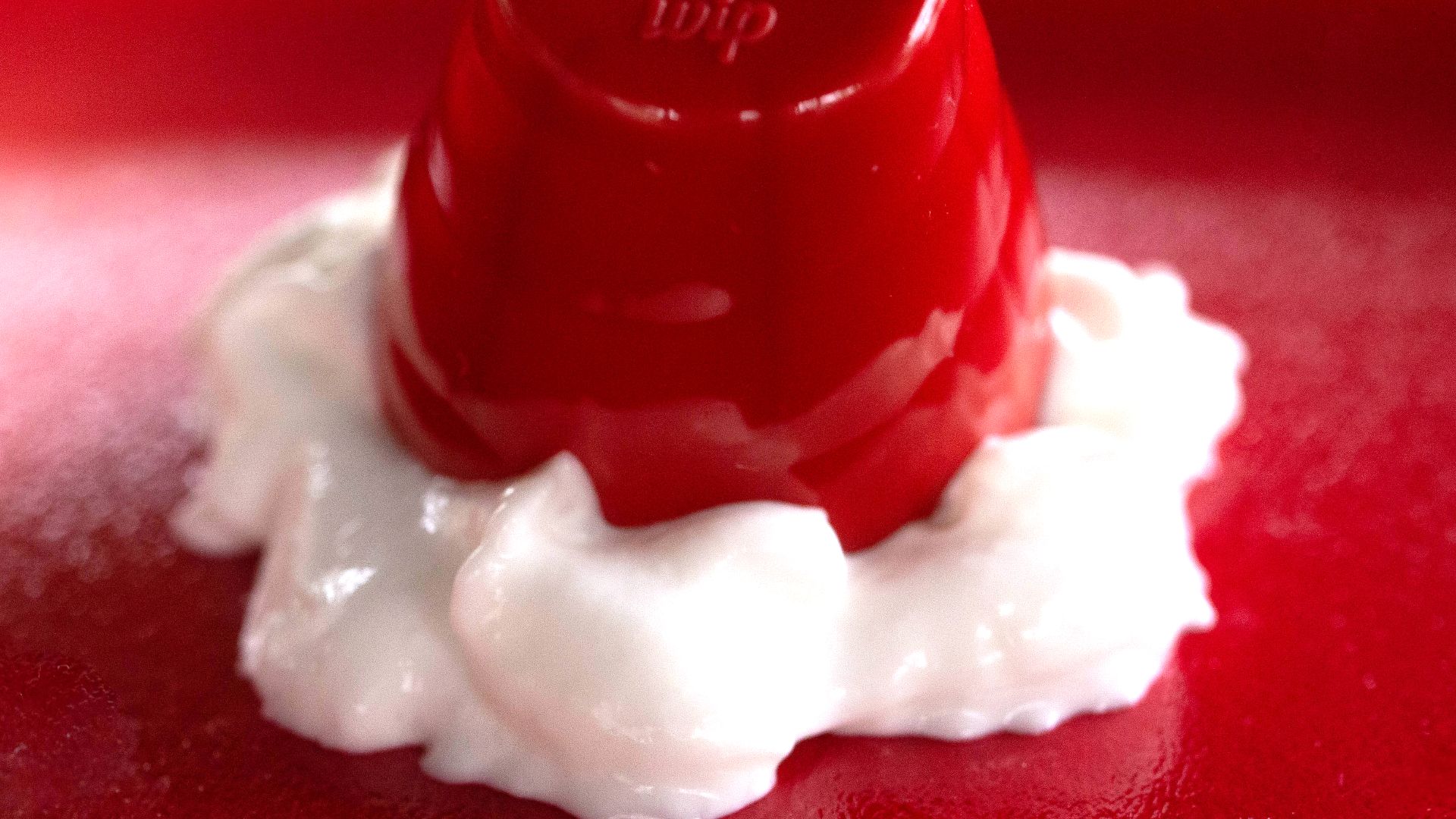
14. Dream Whip
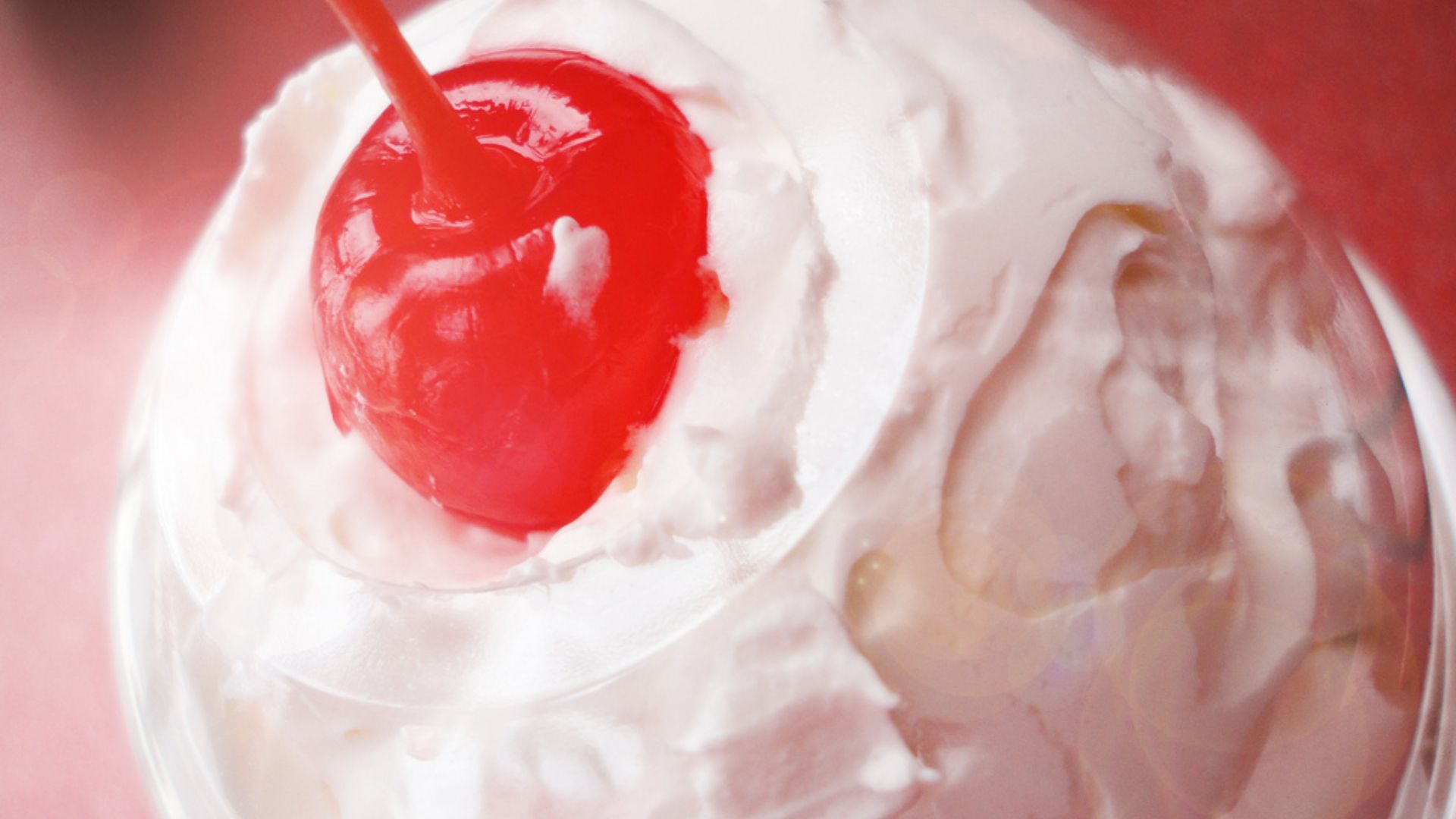
This powdered topping mix allowed you to whip up a fluffy, cream-like substance whenever you needed to dress up a dessert. You just combined the shelf-stable powder with cold milk and vanilla, then beat it until stiff peaks formed. It would not deflate or separate like real heavy cream.
 Carol VanHook from Tennessee, USA on Wikimedia
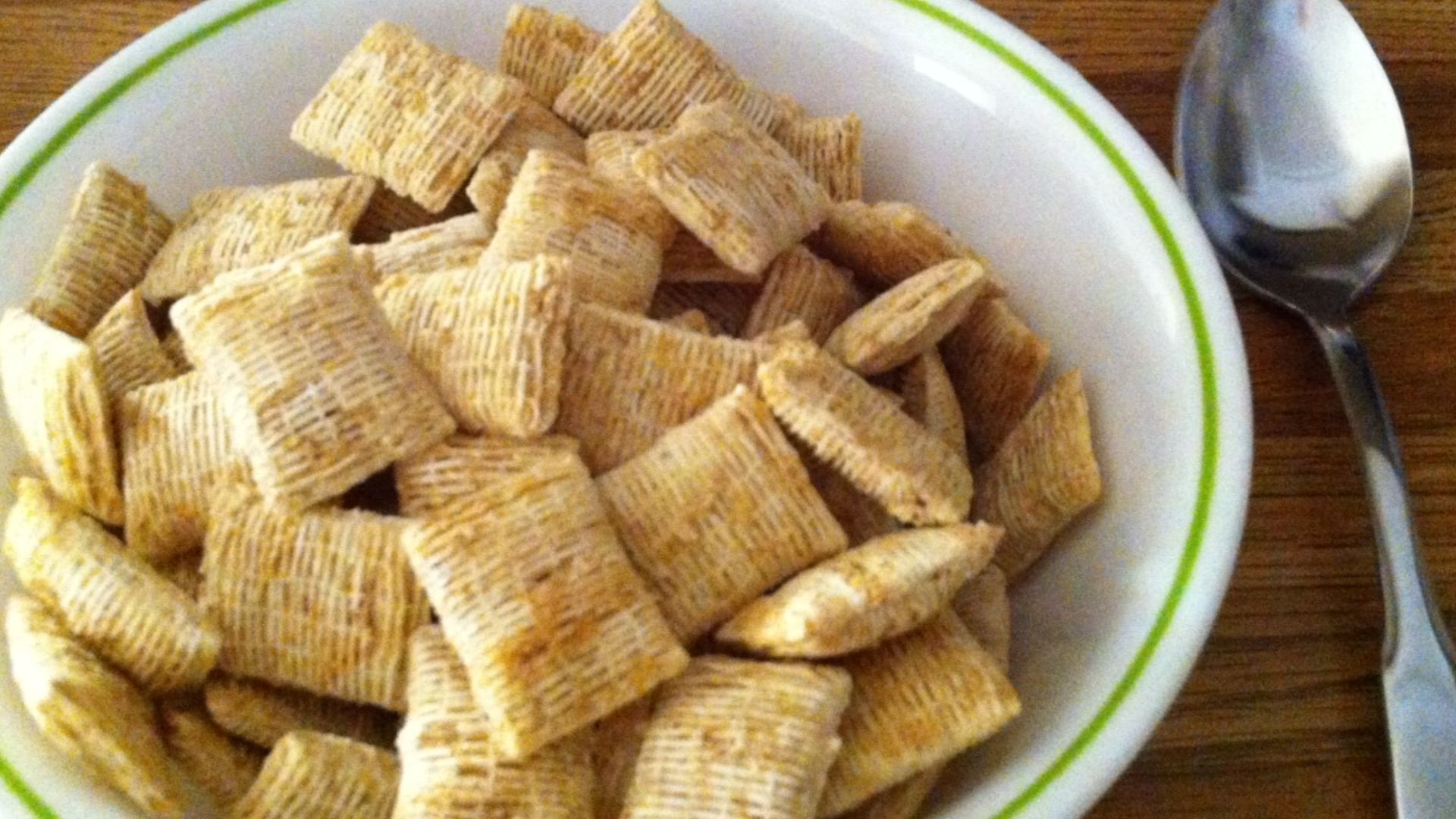
15. Spoon Size Shredded Wheat
Prior to the late 1960s, eating shredded wheat required you to manually break apart a massive, biscuit-sized rectangle of cereal inside your bowl. Nabisco solved this messy problem by using new machinery to manufacture bite-sized portions that fit comfortably onto a spoon. It represented a larger trend of reshaping classic foods.
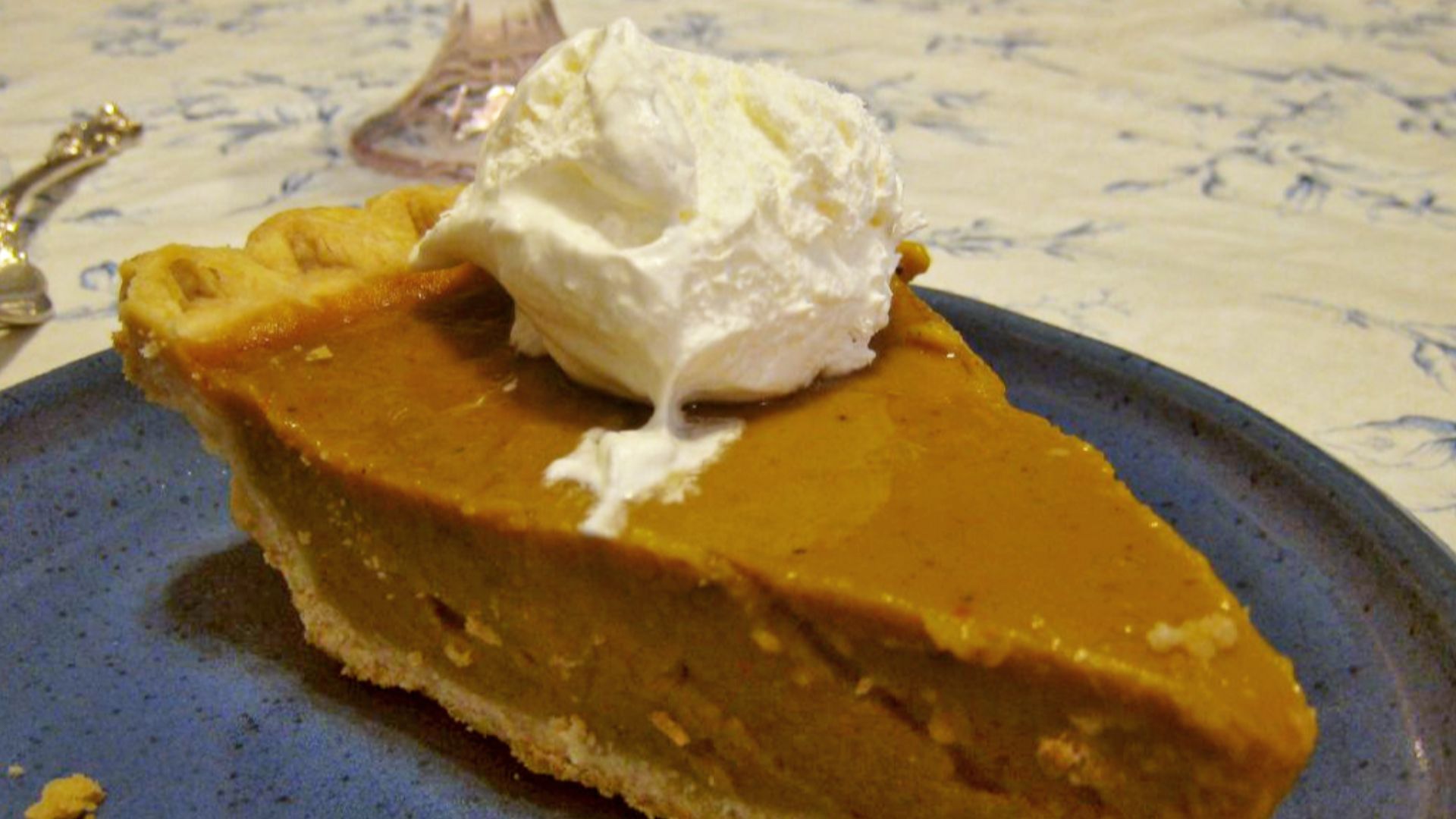
16. Cool Whip
General Foods struck gold in 1966 when they released this pre-whipped, frozen dessert topping that relied on oil instead of dairy fat. It thawed into a perfectly smooth texture and could sit on a warm buffet table without melting. Hostesses embraced it as a miracle ingredient.
17. Koogle
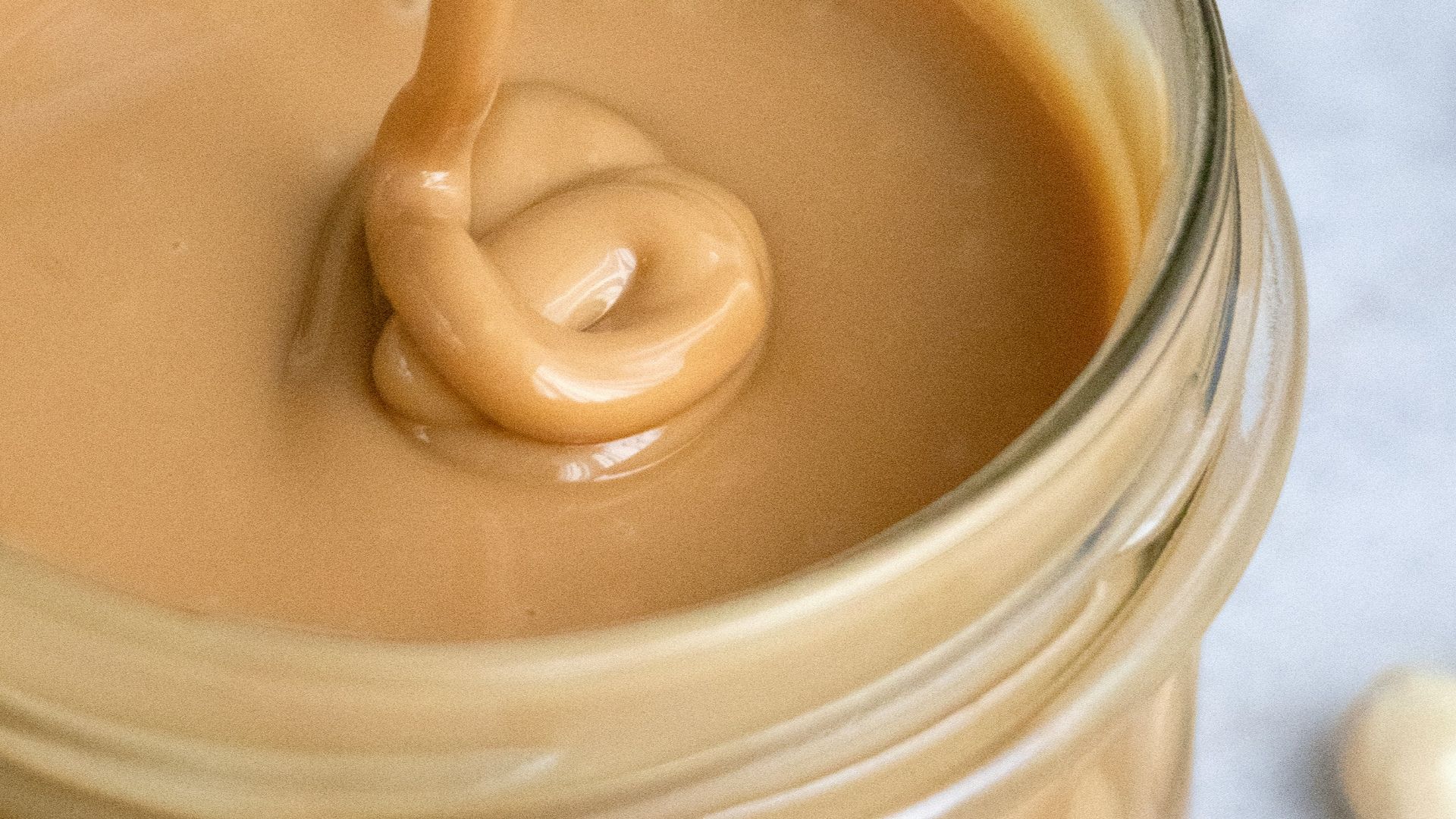
Peanut butter got a radical makeover in 1971 when Kraft introduced a line of flavored spreads that came in banana, chocolate, vanilla, and cinnamon. The company used a special process to give the spread a lighter, fluffier texture that was easier for children to slather onto soft white bread. The colorful jars did not last long on the market.
18. Fruit Foams
The dessert aisle witnessed a brief, bubbly trend when manufacturers started experimenting with pressurized cans of fruit-flavored foam. You shook the canister and sprayed a frothy, aerated cloud of strawberry or raspberry mousse. Ultimately, consumers found the consistency a bit too strange for regular consumption.
19. Hunt's Snack Pack
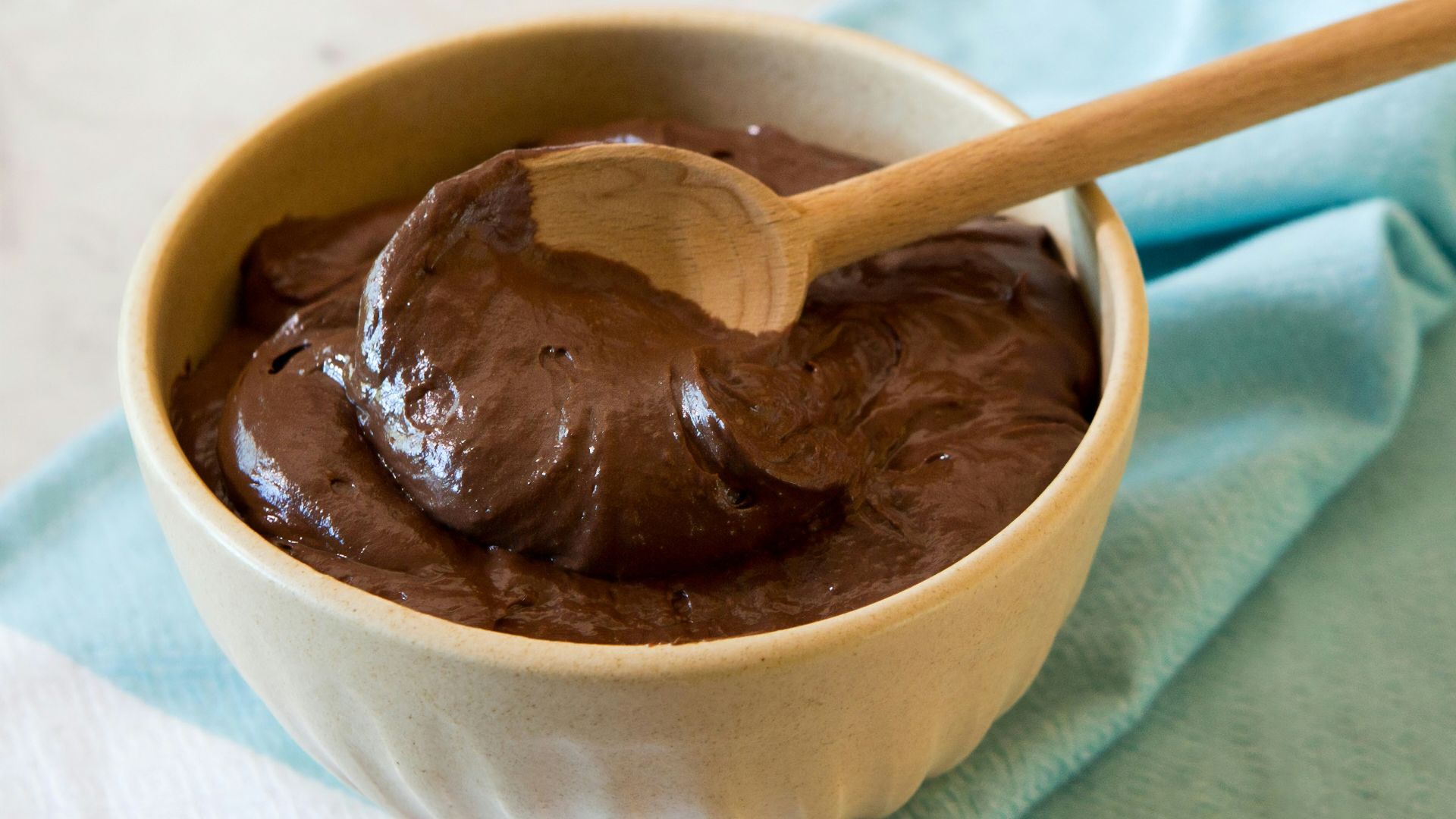
Pudding left the stovetop behind in 1975 when these single-serving, portable aluminum cups made their grand debut. Children no longer had to wait for their parents to cook and cool a batch of custard. It was a major step forward for individual portion packaging.
 American Heritage Chocolate on Unsplash
20. Maxim Freeze-Dried Coffee
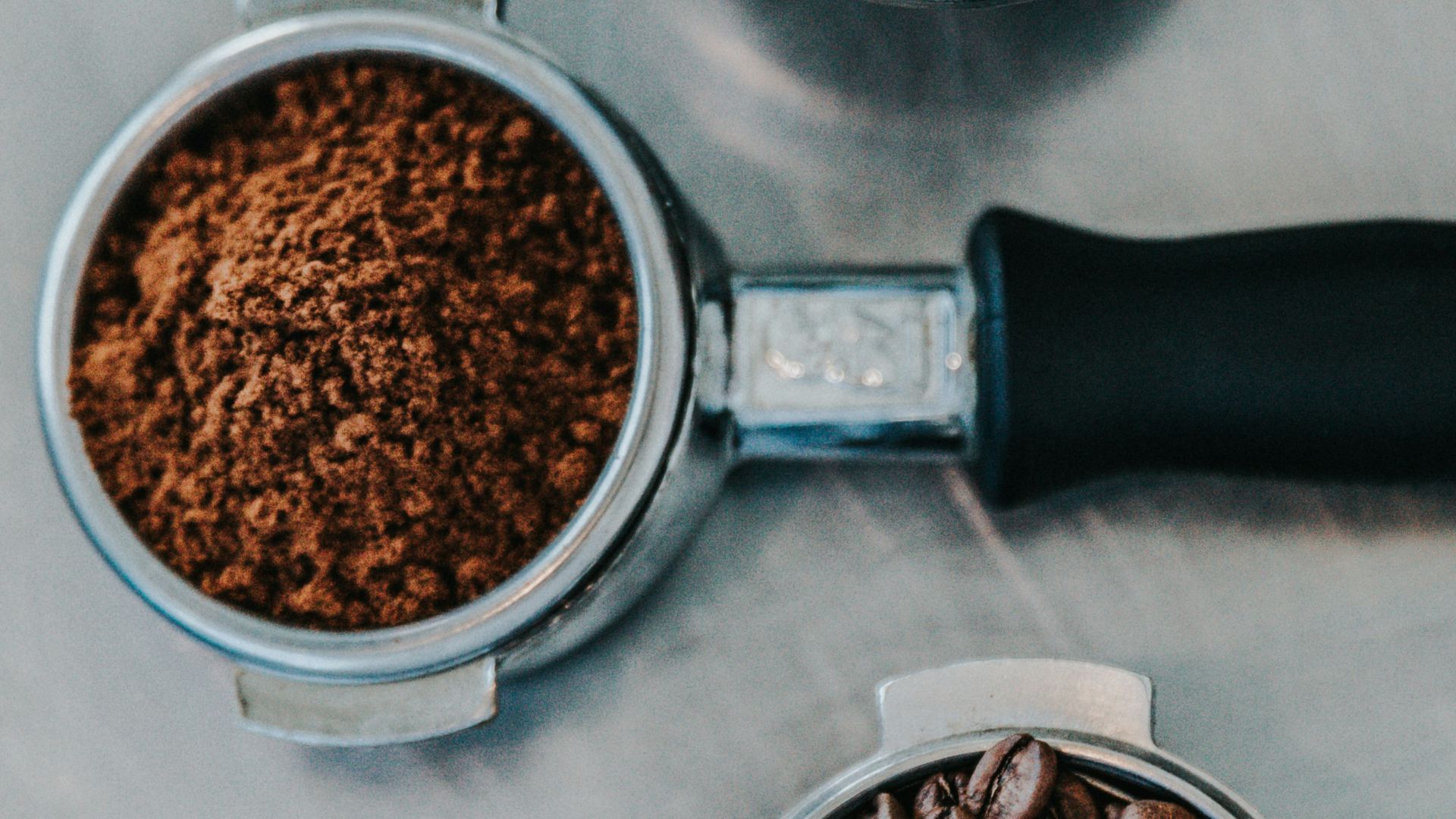
General Foods introduced the American public to the wonders of freeze-drying in 1964 with this premium instant coffee line. Unlike older instant coffees that tasted burnt, this process preserved the actual aroma and flavor of the beans by freezing the brew and removing the ice through a vacuum.
KEEP ON READING