Why Maple Syrup Producers Keep Getting Busted For Counterfeit
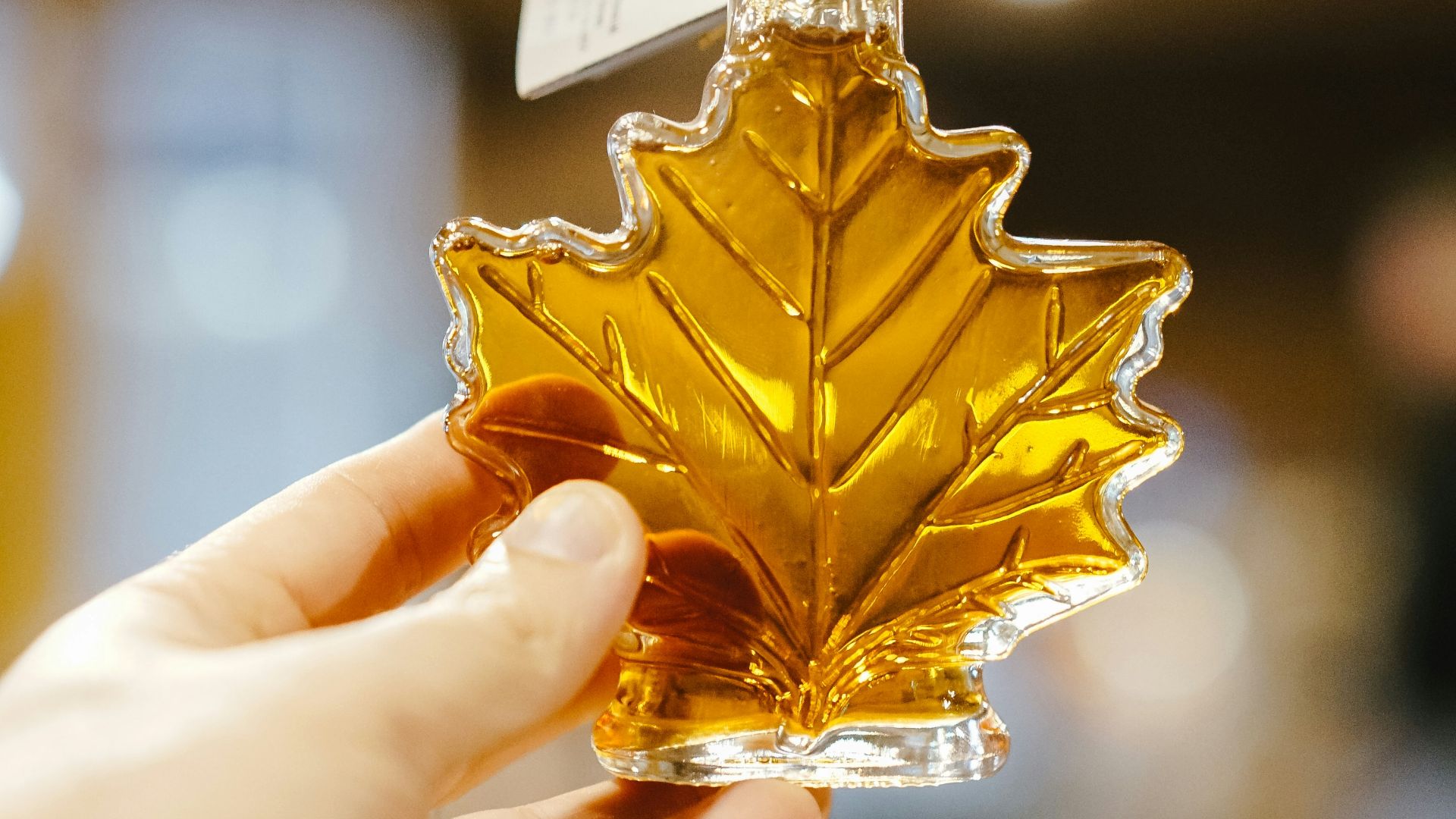
Maple syrup seems too wholesome for crime, which is probably part of why maple fraud always feels so dramatic. It comes from trees, sits nicely on pancakes, and looks like the sort of thing that should be immune to scandal. Yet the maple world has dealt with theft, adulteration, mislabeling, suspicious supply chains, and enough sticky intrigue to make breakfast feel suspicious.
The word “counterfeit” can mean a few different things in the syrup business. Sometimes it refers to pancake syrup pretending to be pure maple syrup, while other cases involve real maple syrup diluted with cheaper sugars and still sold as pure. The fraud is tempting because pure maple syrup takes time, weather, equipment, boiling, and a lot of sap. Fake or diluted syrup, unfortunately, can be much cheaper to produce.
Maple Syrup Is Valuable Because It’s Hard to Make
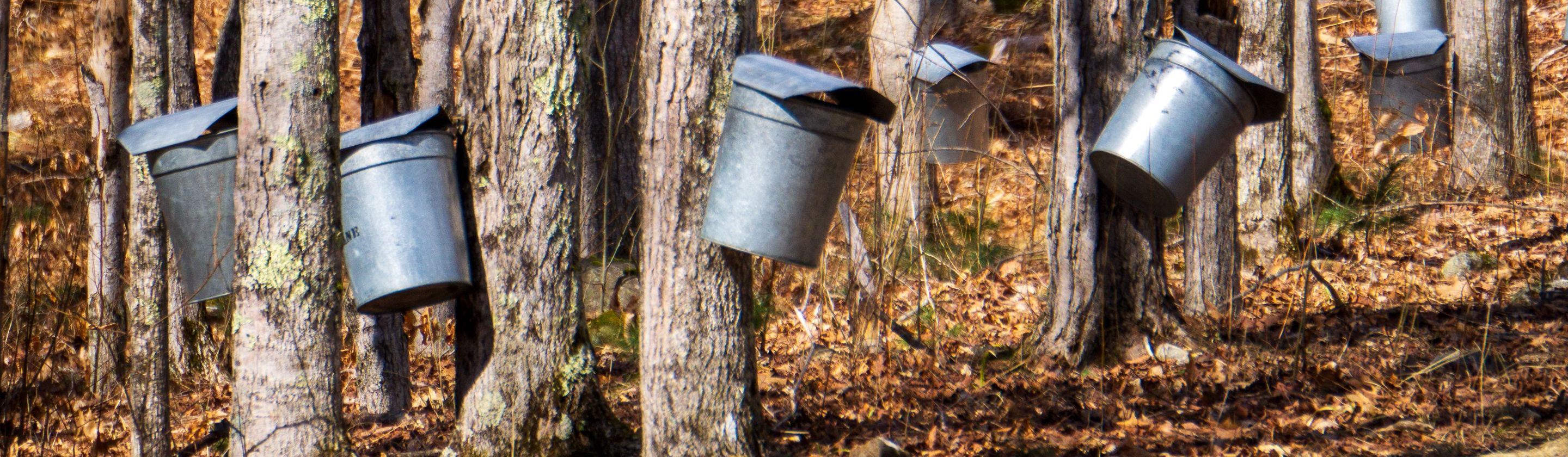
Pure maple syrup starts with maple sap, which is mostly water. Producers need a large amount of sap to make a much smaller amount of finished syrup, and the sugaring season depends on the right freeze-and-thaw conditions. When the weather cooperates, producers can have a strong year; when it doesn’t, supply can tighten quickly. That makes real maple syrup more vulnerable to price pressure than many shoppers realize.
The labor also matters. Collecting sap, running tubing systems, operating evaporators, filtering syrup, grading it, packing it, and meeting food rules all take work. Even with modern equipment, maple production is not as simple as putting a tap in a tree and waiting politely. The finished product reflects time, energy, land, fuel, storage, and skill, which explains why real maple syrup costs more than ordinary pancake syrup.
That price gap creates a fraud opportunity. Cane sugar syrup, corn syrup, and other sweeteners can be far cheaper than genuine maple syrup. If someone dilutes maple syrup and labels it as pure, they can sell a cheaper mixture at a premium price.
The Label Is Where the Trouble Often Starts
A lot of confusion comes from the difference between “maple syrup” and “maple-flavored syrup.” Pancake syrup is perfectly legal if it's labeled honestly, but it's usually made from cheaper sweeteners with maple flavoring or a small amount of real maple. The problem begins when a product suggests purity it doesn’t actually have.
Mislabeling can also involve origin claims. A syrup might be presented as coming from a famous maple-producing region when the supply chain is more complicated. Buying syrup from other suppliers can be legal, but false claims about where it came from can create serious problems. People pay extra for authenticity, and that makes location part of the product’s value.
The industry also has weak spots because syrup changes hands. Sap may become bulk syrup, bulk syrup may be stored, and stored syrup may later be packed into cans or bottles. Testing at one stage doesn't automatically guarantee that nothing questionable happens later. Every handoff creates a place where documentation, trust, and oversight need to be strong.
Testing Is Improving, but Fraud Keeps Getting Smarter
Detecting maple syrup fraud is harder than simply tasting it, although taste sometimes raises the first red flag. A syrup can look normal, pour normally, and still contain cheaper sugar. Scientists use more advanced methods to identify adulteration, including chemical and fluorescence-based testing. As detection improves, fraud becomes harder to hide, which is one reason more cases can surface.
Counterfeiters benefit from the fact that syrup is already a complex natural product. Flavor and color can vary by season, region, processing, and grade, so not every difference means fraud. That natural variation gives dishonest sellers more room to claim that something unusual is natural maple behavior. Regulators and labs have to separate honest variation from deliberate tampering.
Recent cases have also made retailers and consumers more alert. When investigators or regulators find syrup labeled as pure that contains added sugar, it creates pressure on grocery chains, producers, and suppliers to test more carefully. That attention can make fraud feel more common, even when some of the increase comes from better detection. In other words, people may not be cheating more; they may just be getting caught more efficiently.
The Stakes Are Bigger Than Breakfast
Maple syrup fraud hurts honest producers first. Real producers invest in land, equipment, labor, and quality control, while fraudulent sellers can undercut them with cheaper mixtures. That is not just unfair competition; it can damage trust in an entire regional industry. When shoppers start wondering whether a can is genuine, everyone legitimate has to work harder to prove they aren't part of the mess.
Maple syrup keeps attracting fraud because it sits at the perfect intersection of value, scarcity, reputation, and consumer trust. It's expensive enough to tempt cheating, natural enough to vary, and beloved enough that people will pay more for the real thing. The best protection is stronger testing, clearer supply chains, honest labels, and consumers who know the difference between pure maple syrup and maple-flavored syrup. It may be a sweet product, but the business around it can get surprisingly bitter.
KEEP ON READING
The Most Popular Chocolate Bars in the USA

The Most Popular Candies in the USA
20 Annoying Foods That Get Stuck In Your Teeth