The Scientific Reason MSG is Actually the Best Friend Your Kitchen Ever Had
For decades, a cloud of unnecessary suspicion has hung over one of the most brilliant flavor enhancers in culinary history. You have probably seen food packaging proudly boasting that it contains absolutely no added monosodium glutamate, widely known as MSG. This widespread avoidance stems from a wave of historical misconceptions and poorly designed studies rather than actual scientific evidence. Fortunately, modern food scientists and adventurous home cooks are finally setting the record straight about this marvelous little white crystal.
When you strip away the lingering myths and look at the actual chemistry, you discover that MSG is completely safe and naturally delicious. It is not an artificial laboratory creation meant to trick your taste buds into liking low-quality ingredients. Instead, it is a highly concentrated form of a perfectly natural compound that your body processes every single day. Embracing this misunderstood seasoning can instantly elevate your home cooking, transforming flat dishes into rich, memorable culinary experiences with just a single pinch.
The Chemistry of Pure Savoriness
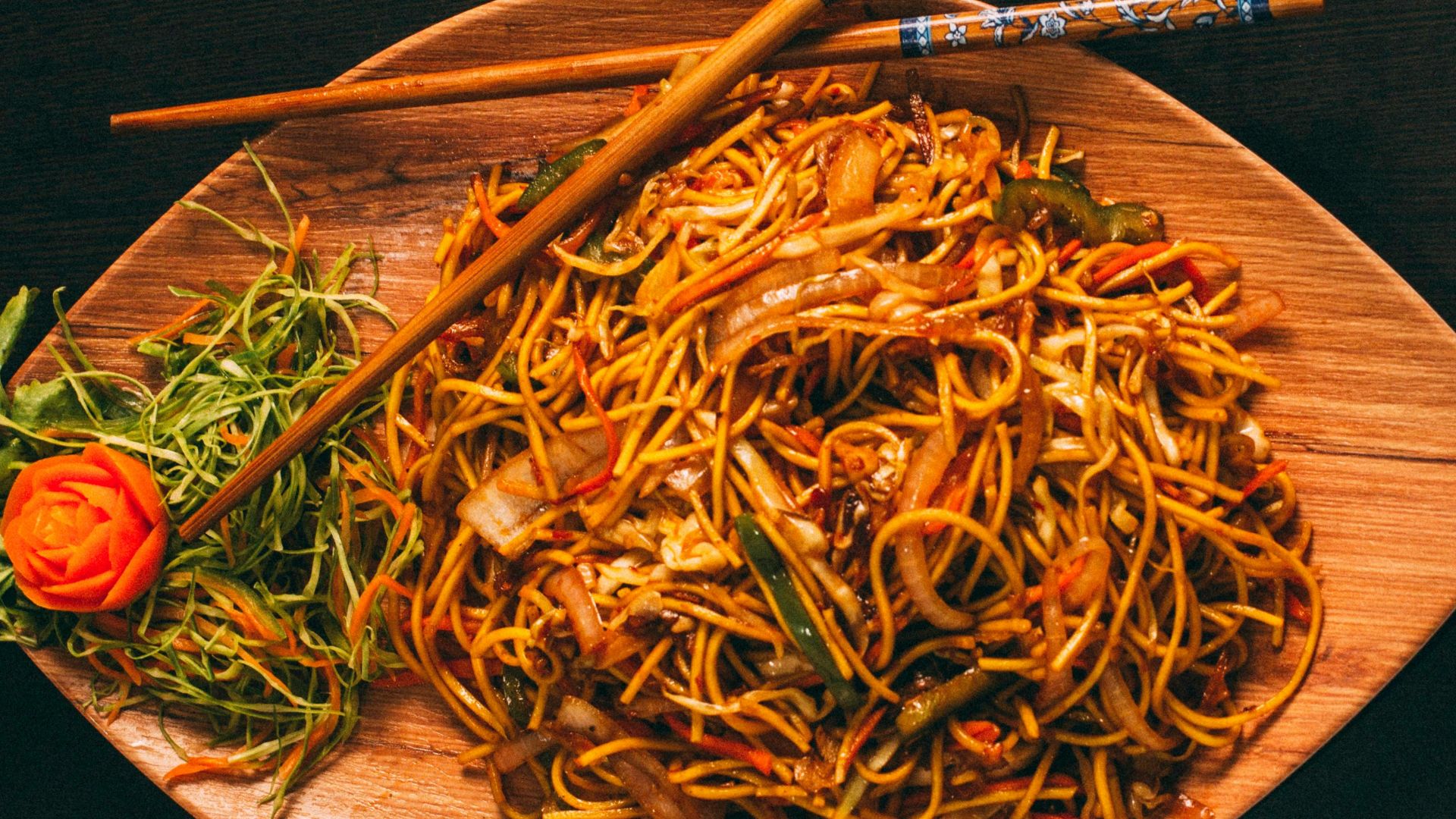
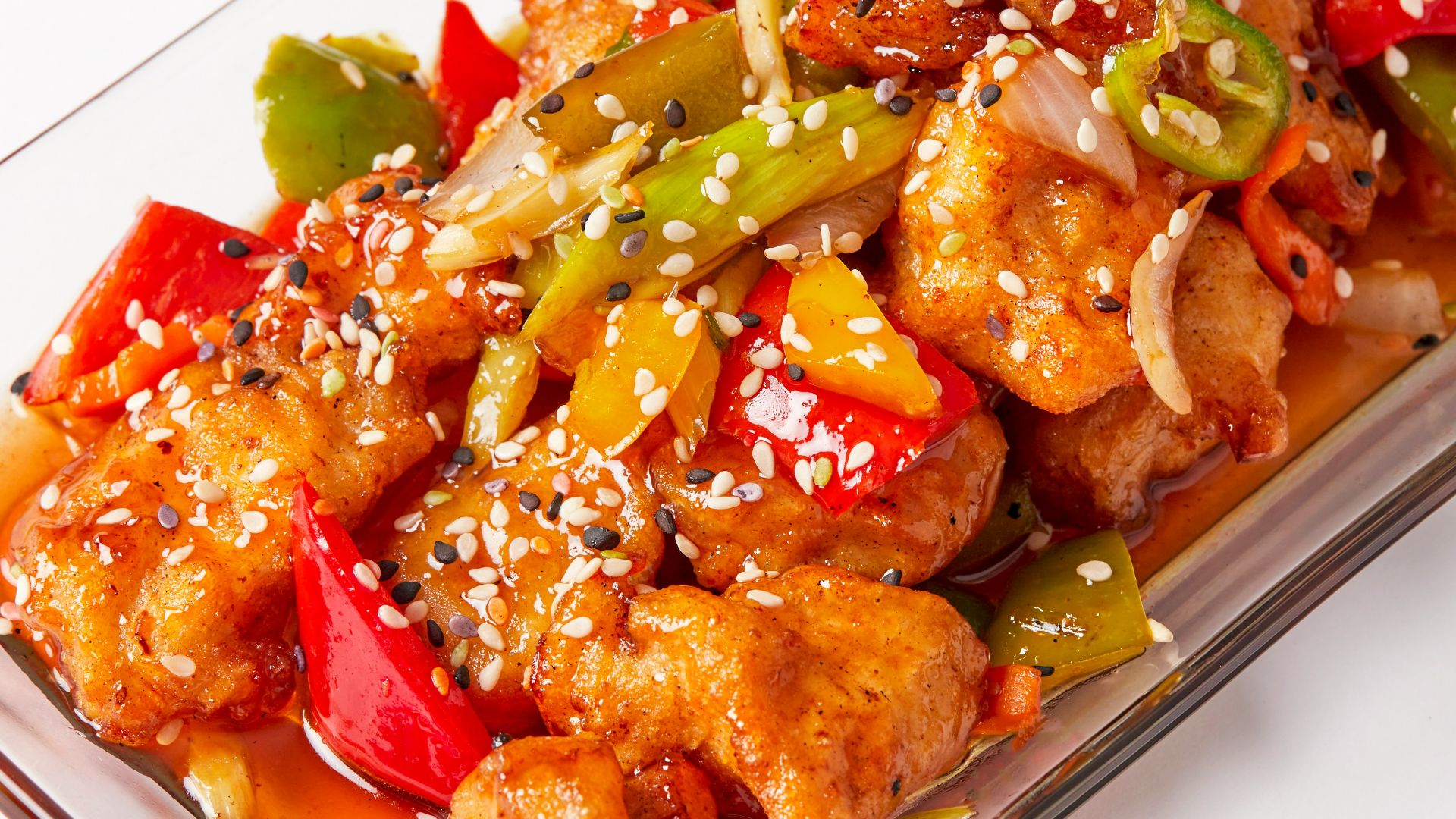
At its molecular core, MSG is nothing more than a single sodium atom attached to glutamate, which is an amino acid abundant throughout nature. When you sprinkle it into a bubbling soup or a savory stir-fry, the compound dissolves completely and releases that free glutamate into the dish. These molecules bind directly to specialized receptors on your tongue that are hardwired to detect the deep, savory taste known as umami. This sensory trigger signals to your brain that you are consuming something rich in protein, which instantly makes the entire meal taste much more satisfying.
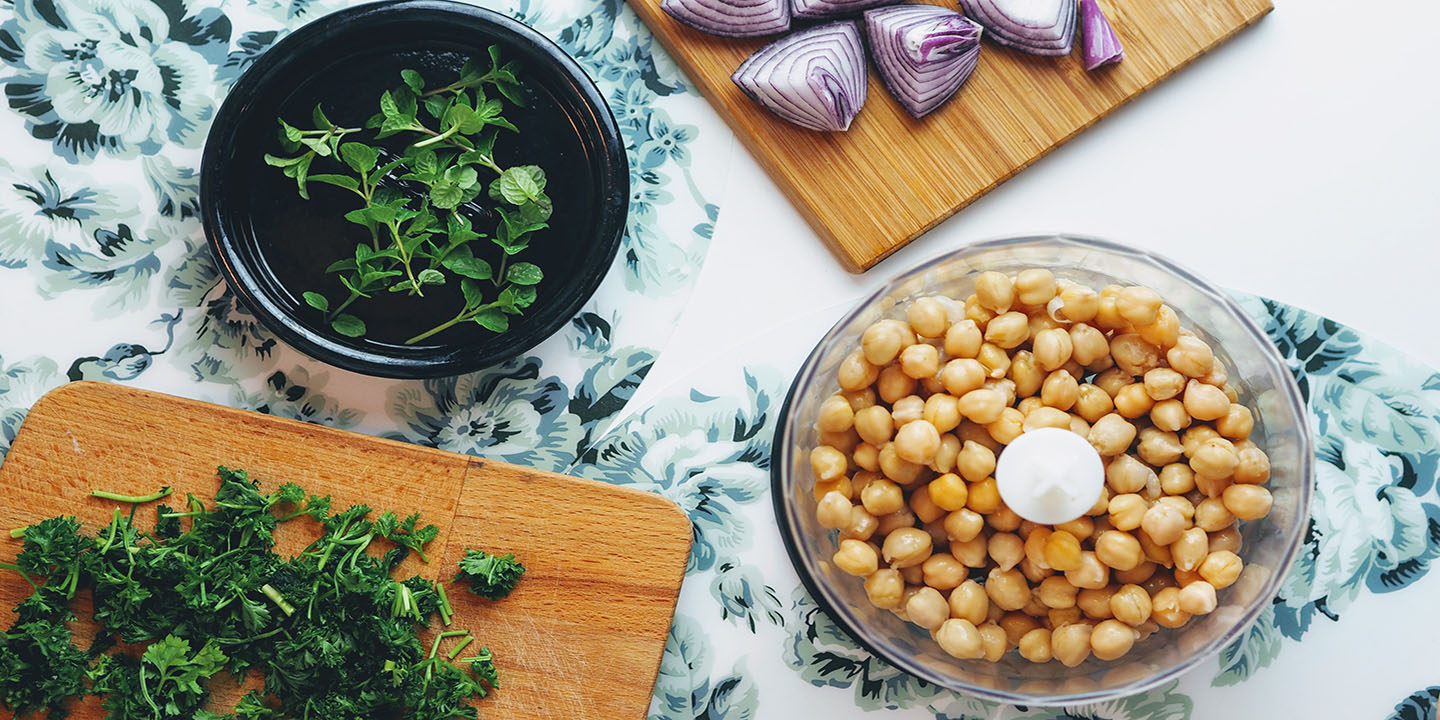
You might be surprised to learn that you already consume massive amounts of natural glutamate without even realizing it. Ingredients like aged Parmesan cheese, ripe tomatoes, dried mushrooms, and even soy sauce owe their incredible depth of flavor to this exact same molecule. Your body absolutely cannot distinguish between the glutamate found naturally in a fresh vine-ripened tomato and the crystals shaken out of an Ajinomoto bottle. They are chemically identical in every single way, meaning your digestive system handles both versions with the exact same ease.
Understanding this basic biology allows you to wield MSG as a precision tool rather than a scary additive. It acts as a megaphone for existing flavors, beautifully amplifying the earthy notes of vegetables and the richness of meats without shifting the overall balance. You do not need a culinary arts degree to harness this chemical reaction in your own neighborhood kitchen. Simply treating it like a standard pantry staple will help you unlock a whole new dimension of taste that salt alone can never quite achieve.
Debunking the Mythical Headache
The historical panic surrounding this seasoning began in the late 1960s with a single letter written to a medical journal, which sparked a wave of anecdotal complaints. People rushed to blame MSG for everything from temporary headaches to sudden heart palpitations after dining at local Asian establishments. These casual assumptions quickly morphed into a persistent cultural myth that food scientists struggled to dismantle for generations. Unfortunately, prejudice and sensationalized media headlines ran laps around actual clinical research, cementing a completely unfair stigma in the public imagination.
When rigorous scientific institutions finally stepped in to conduct double-blind, placebo-controlled studies, the alleged symptoms completely vanished. Researchers discovered that people who claimed to be highly sensitive to the additive experienced absolutely no adverse reactions when they did not know it was in their food. The Food and Drug Administration, along with the World Health Organization, officially placed MSG in the safest category of food ingredients alongside everyday staples like pepper and baking powder. Decades of comprehensive international research have consistently failed to find any repeatable link between moderate consumption and negative health effects.
Interestingly, many people who swear they suffer from an MSG allergy will happily munch on a bag of flavored potato chips or slice into a savory pizza. Both of these popular comfort foods are heavily packed with free glutamates, yet they rarely trigger the same psychological alarm bells. Realizing that the entire controversy was built on a foundation of shaky science allows you to cook with total confidence. You can finally stop worrying about outdated myths and start enjoying the scientific benefits of better-tasting meals.
One of the greatest hidden benefits of introducing these crystals to your spice rack is their ability to help you drastically reduce your overall sodium intake. Traditional table salt contains a massive amount of sodium, whereas MSG boasts roughly two-thirds less sodium per teaspoon while delivering a much bigger punch of satisfaction. By blending a small amount of both seasonings together, you can slash the total sodium in a recipe by up to forty percent without sacrificing an ounce of delicious flavor. This simple swap makes it an invaluable asset for anyone looking to manage their blood pressure while still enjoying robust, restaurant-quality dinners.
KEEP ON READING

The Most Popular Signature Dishes Around the World