Chinese Food Has Traveled a Long Way
Walk into a Chinese restaurant in the U.S., and you’ll probably recognize dishes like General Tso’s chicken, crab rangoon, and chop suey before you even open the menu. The funny thing is that many foods Americans think of as Chinese were actually created, or heavily adapted, outside China, often by Chinese immigrants working with local ingredients and catering to different preferences. That doesn’t make them any less delicious, but it does mean you could travel across China without ever encountering them. Here are 20 so-called “Chinese” foods you’re much more likely to spot abroad than on a typical menu in China.
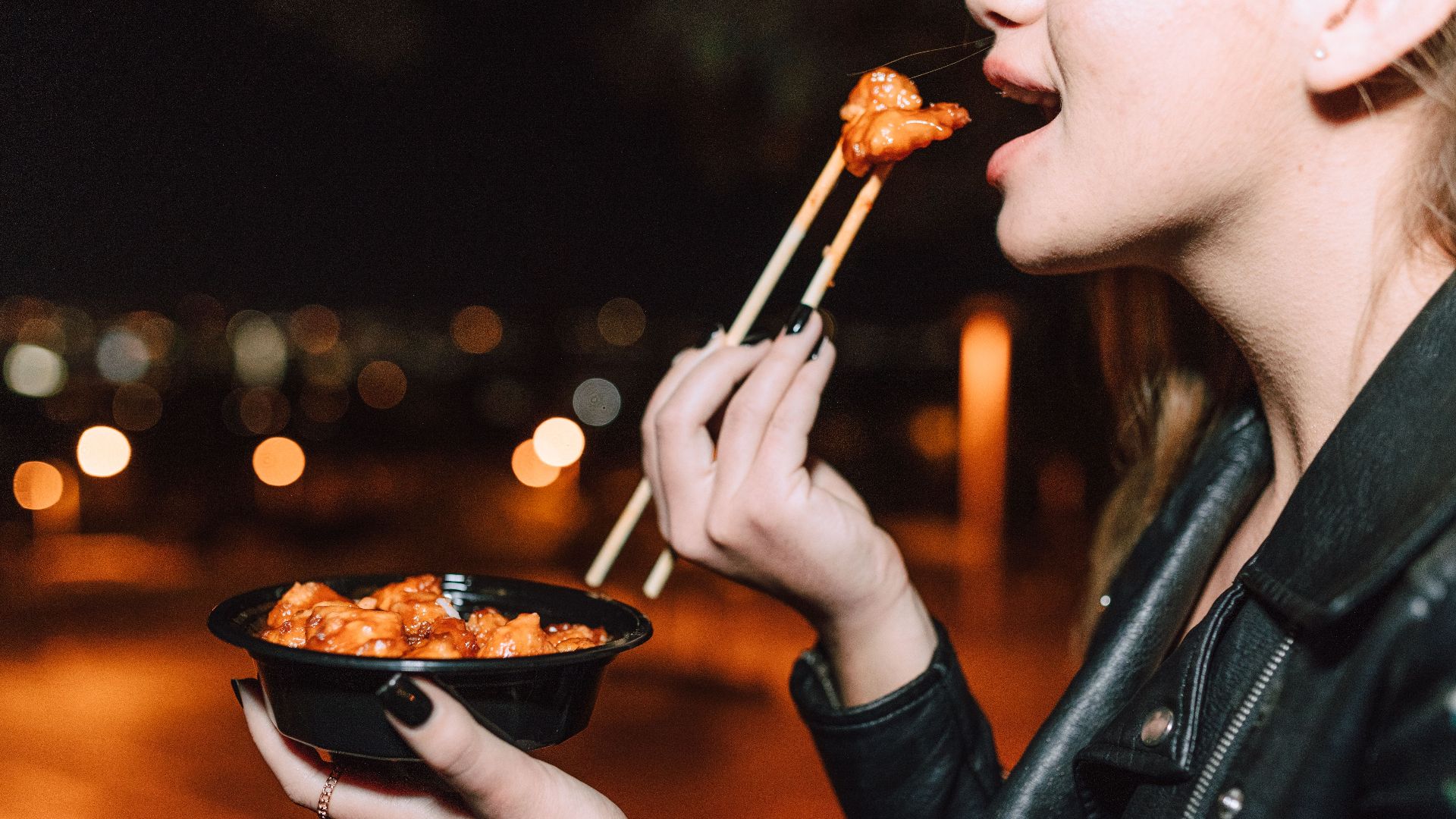
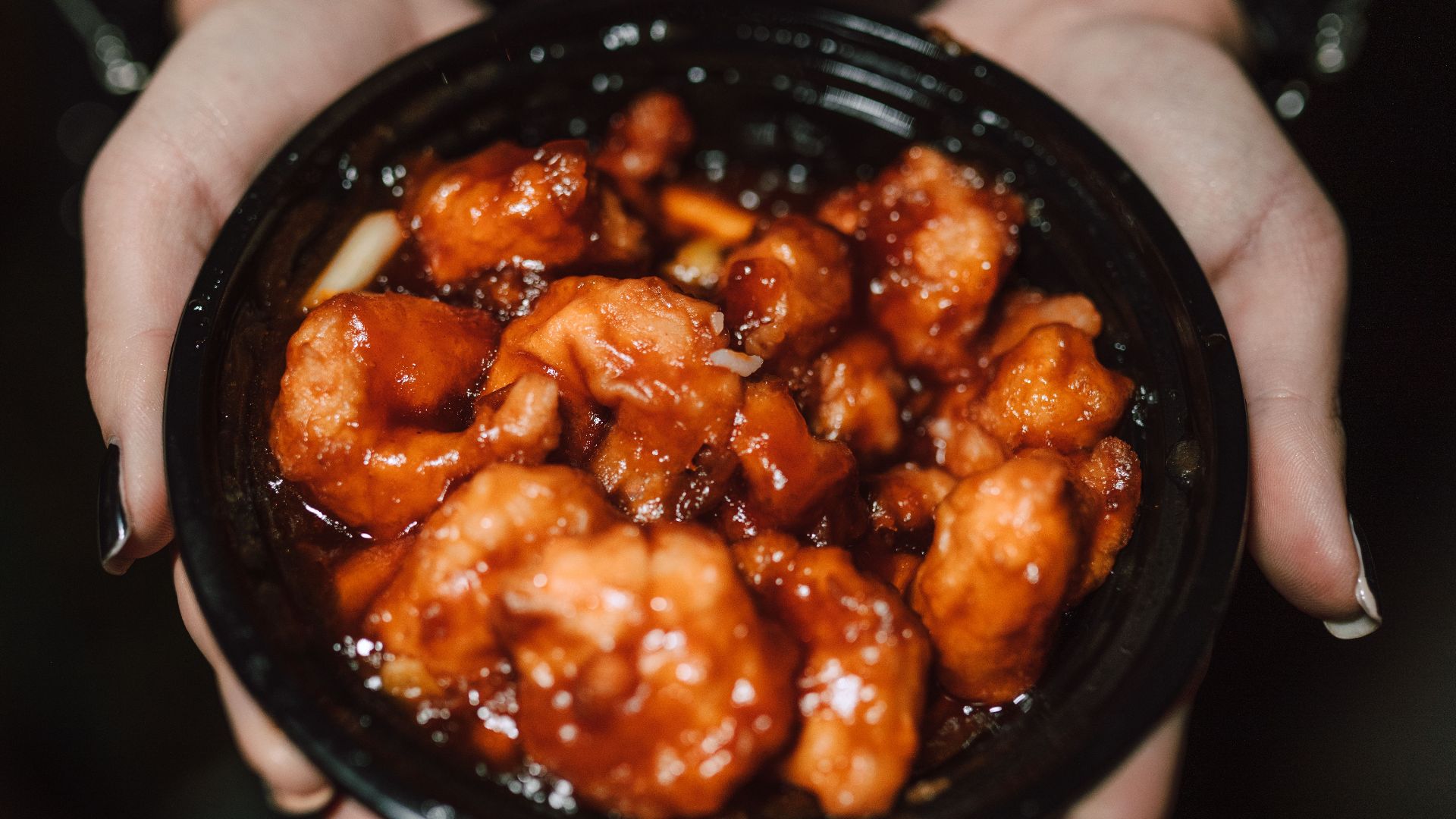
1. General Tso’s Chicken
General Tso’s chicken is one of the most recognizable Chinese-American dishes, but you’d have a tough time finding that sticky, deep-fried version in China. The dish is commonly linked to chef Peng Chang-kuei, who developed an earlier version in Taiwan before sweeter American adaptations became popular. Its combination of battered chicken, sugar-heavy sauce, and mild heat fits American Chinese restaurant tastes especially well.
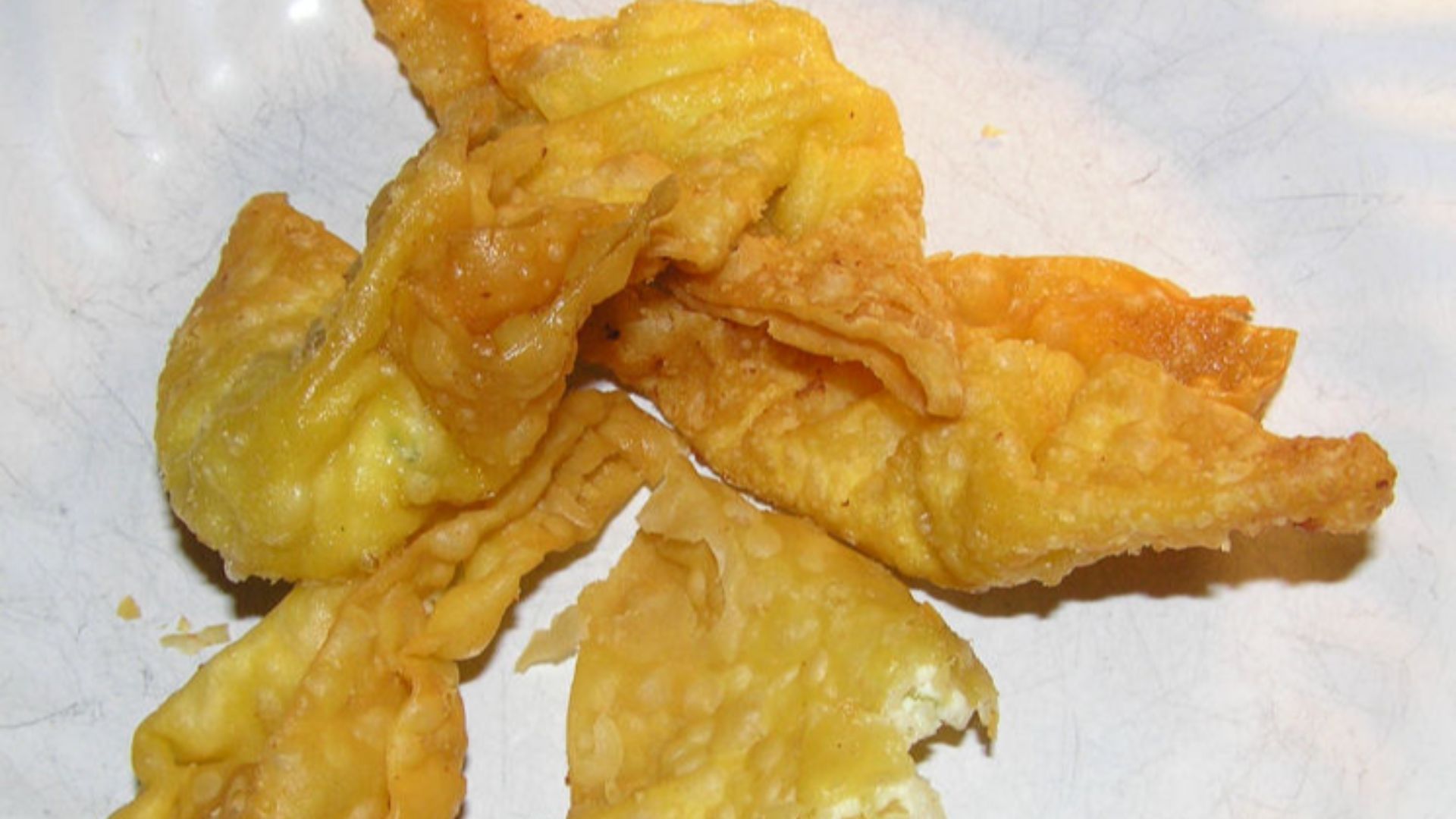
2. Crab Rangoon
Despite its wonton wrapper and frequent appearance on Chinese takeout menus, crab rangoon isn’t a traditional Chinese snack. The filling usually combines cream cheese with imitation or real crab, and cream cheese is much more tied to Philadelphia than China. These crispy little parcels became a restaurant favorite in the U.S., where rich dairy fillings were much more familiar to customers.
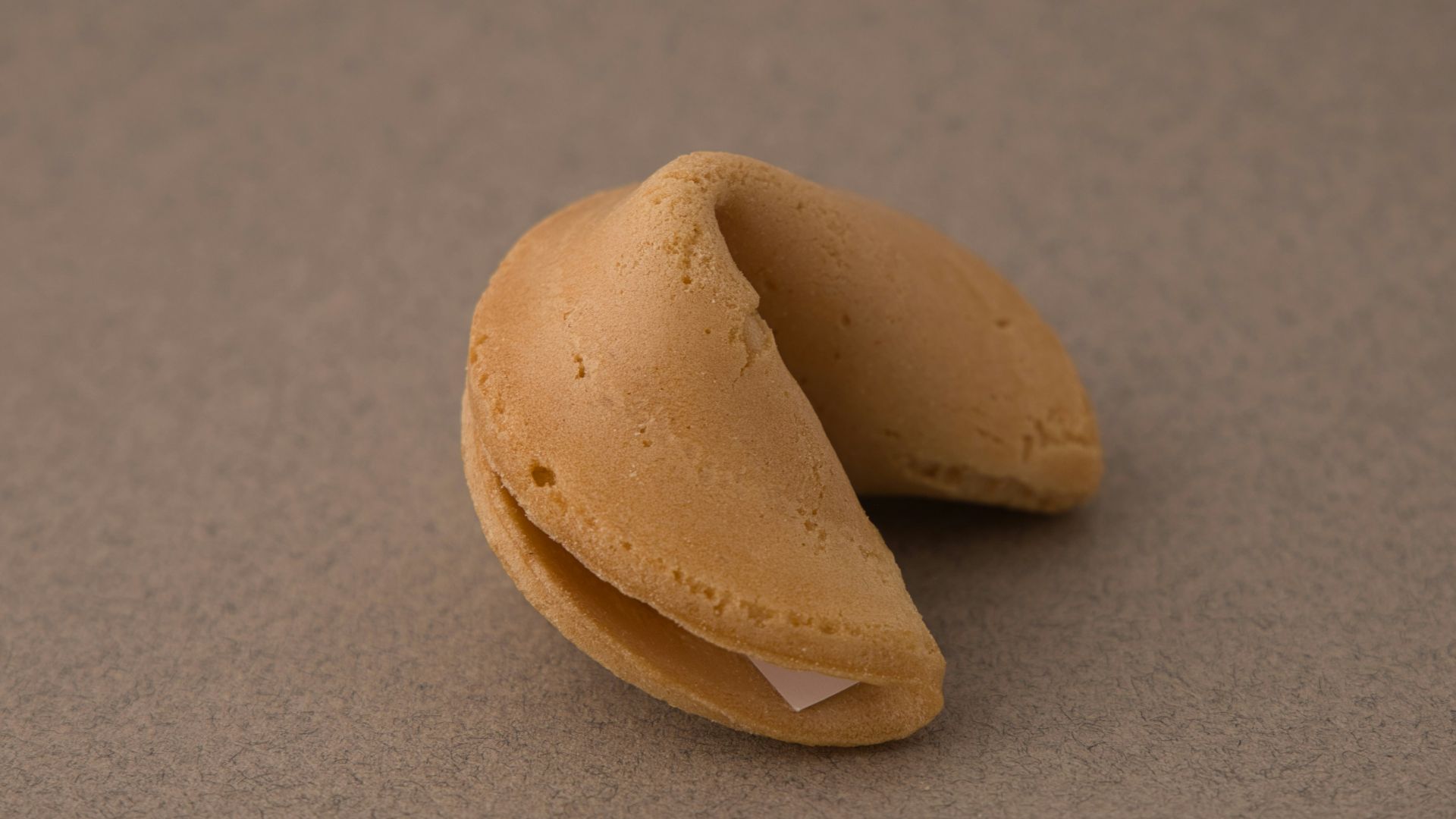
3. Fortune Cookies
Few things say “Chinese restaurant in America” quite like cracking open a fortune cookie after dinner. Ironically, the cookies aren’t Chinese in origin and are generally associated with Japanese-American food history in California. After many Japanese companies were forced to close their doors during World War II, Chinese-American restaurateurs took over production of the fortune cookie, turning it into a familiar after-dinner tradition.
4. Chop Suey
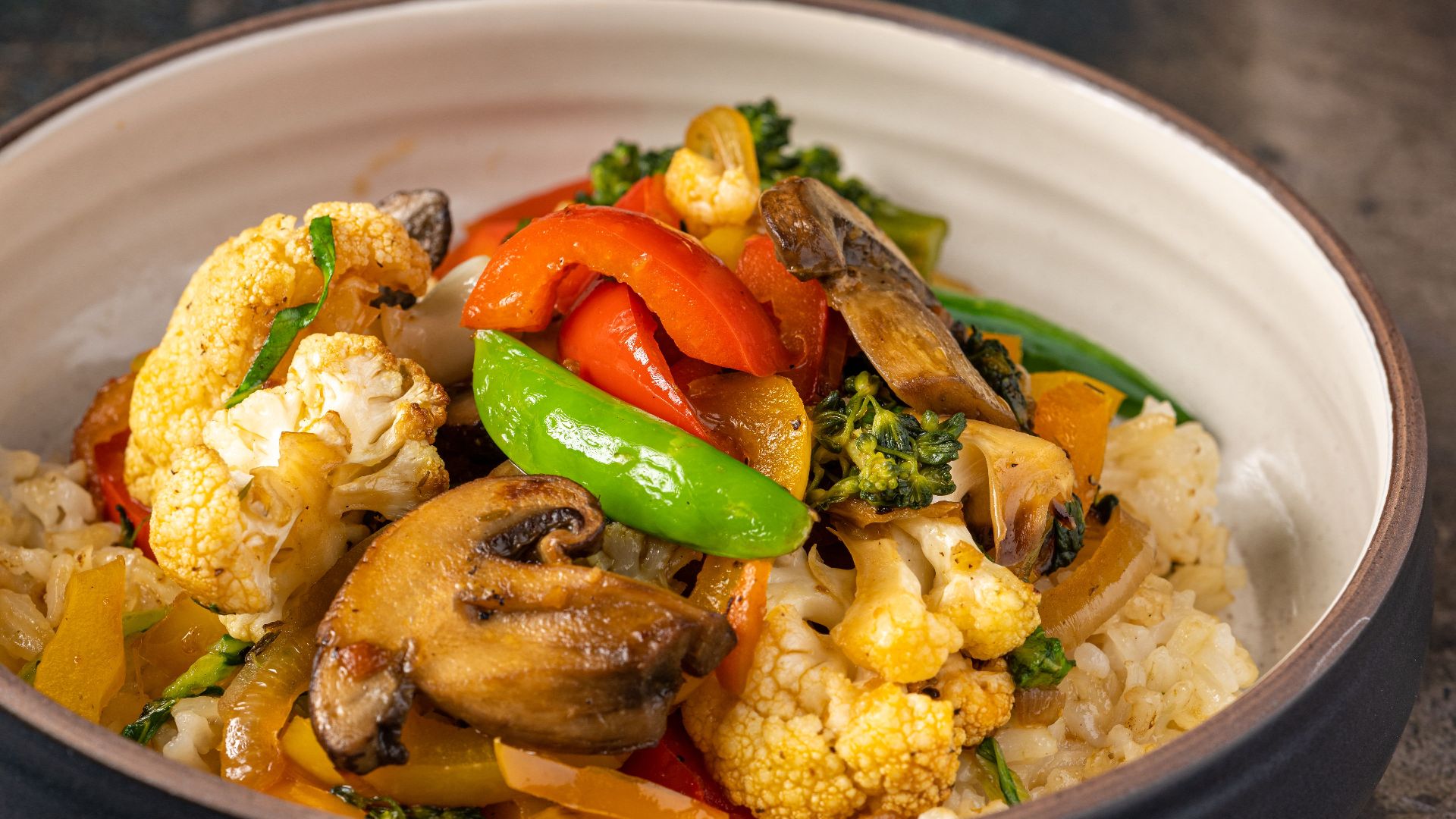
Chop suey has spent generations appearing on Western Chinese menus, even though its exact origin has been debated for years. The familiar American version usually combines meat, vegetables, and a thickened sauce. While stir-frying assorted ingredients is certainly common in China, you're unlikely to find a standard national dish matching the classic American takeout version.
5. Orange Chicken
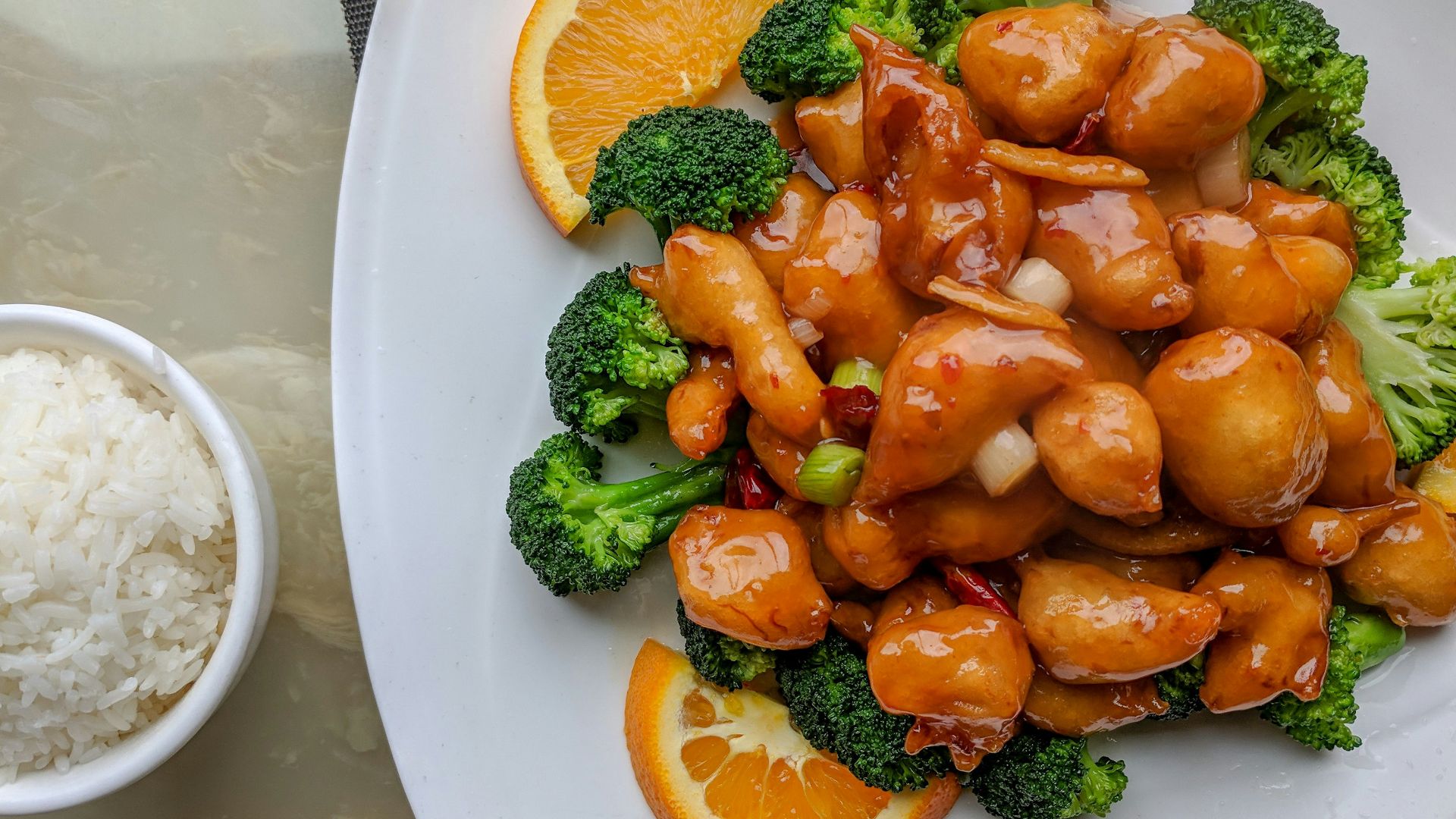
That glossy orange sauce coating crunchy pieces of chicken has become a food-court staple across the U.S. Orange-flavored meat dishes do exist in Chinese cooking, but the intensely sweet, battered version most Americans know developed as a Chinese-American creation. Its sugary citrus glaze and fried coating were shaped for diners who wanted something bold without too much spice. You might recognize some of the underlying flavors in China, but the familiar mall version probably won't make an appearance.
6. Beef and Broccoli
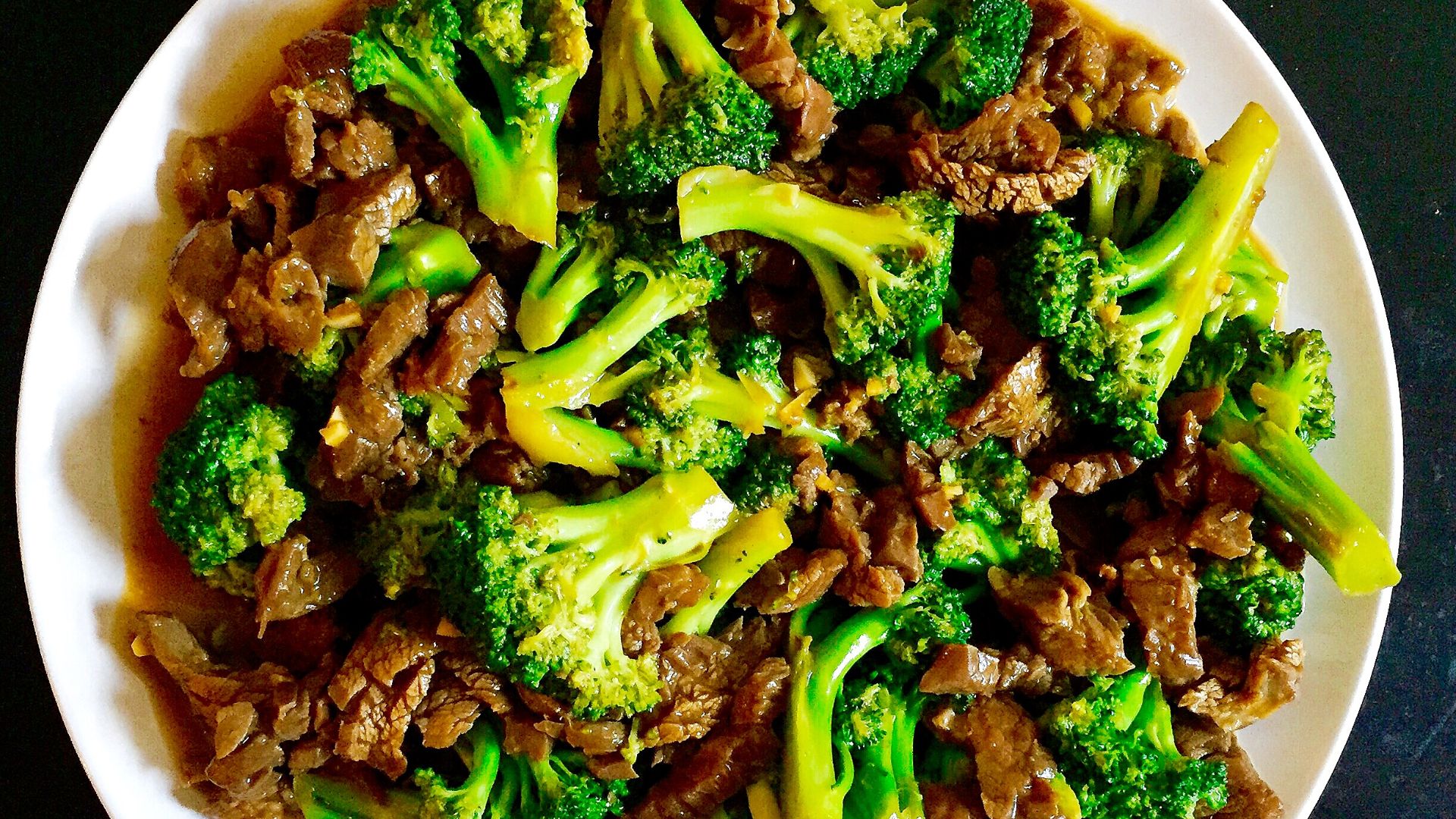
Beef and broccoli sounds straightforward enough that you might assume it's served everywhere in China. The catch is that the broccoli commonly used in American restaurants is Western broccoli, which is not a traditional ingredient in Chinese cooking. You can certainly eat beef with greens in China, but it will be different.
7. Egg Foo Young
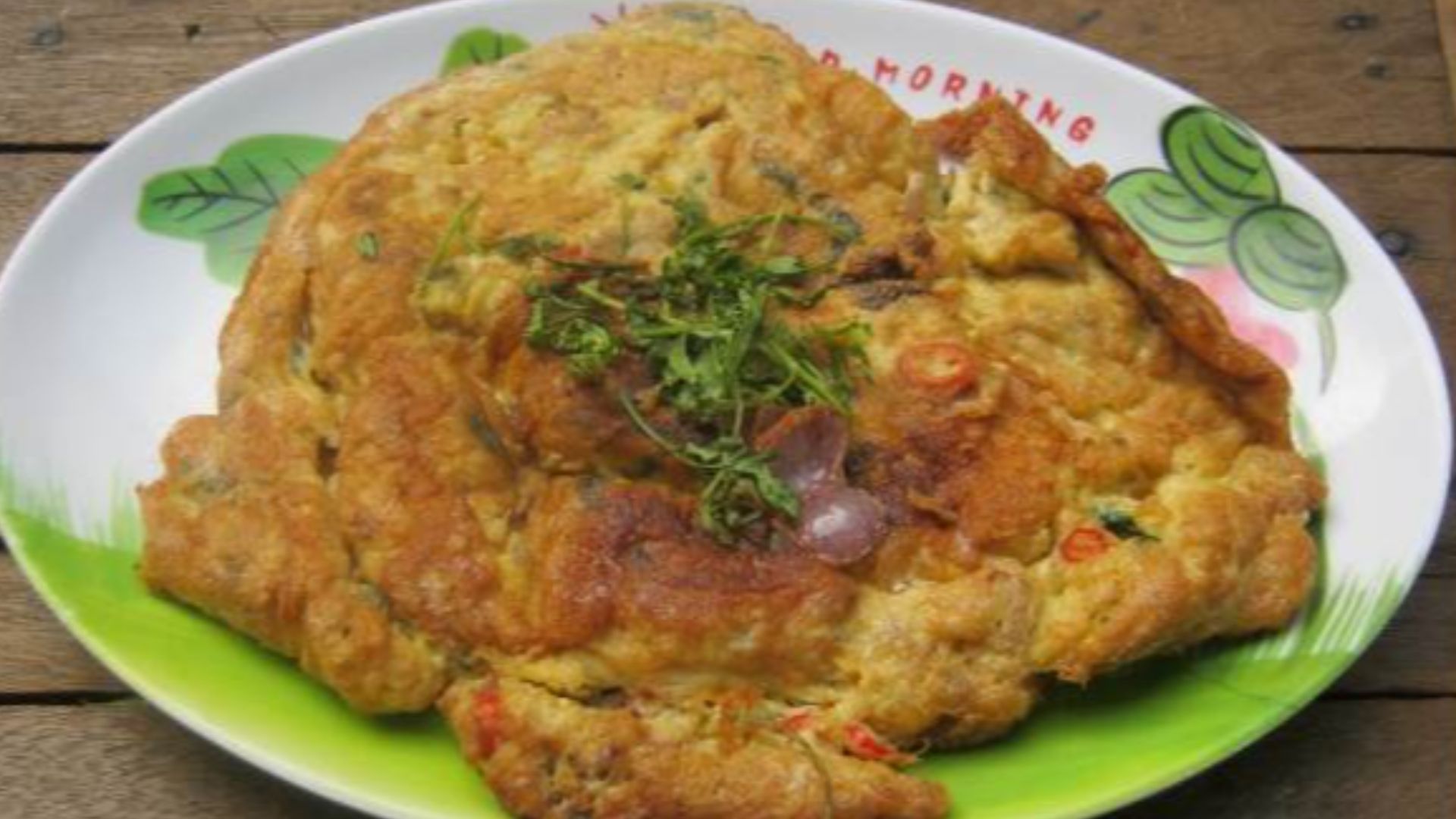
Egg foo young resembles a thick omelet packed with vegetables, meat, or seafood and is often covered in brown gravy in American restaurants. It's loosely connected to Chinese egg dishes, but the gravy-soaked restaurant version is a very American adaptation. Its popularity grew because it used recognizable ingredients while still feeling different from an everyday Western omelet.
8. Sweet and Sour Chicken
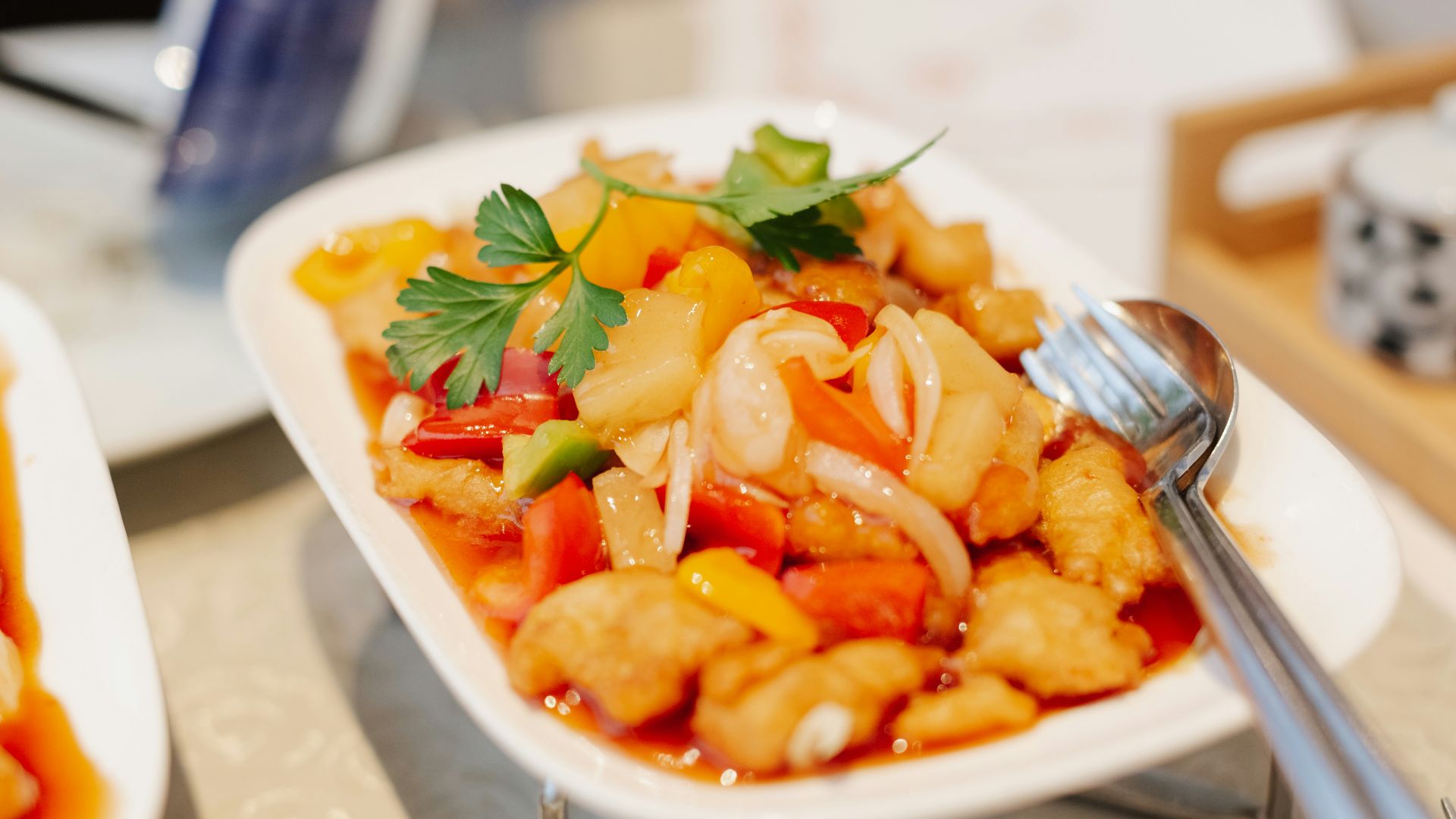
Sweet and sour flavors have genuine roots in several Chinese culinary traditions, so this one isn't completely disconnected from China. What you probably won't find is the bright, candy-colored sauce poured over heavily battered chicken pieces exactly as many American restaurants serve it. Western adaptations became sweeter, thicker, and more visually dramatic over time.
9. Sesame Chicken
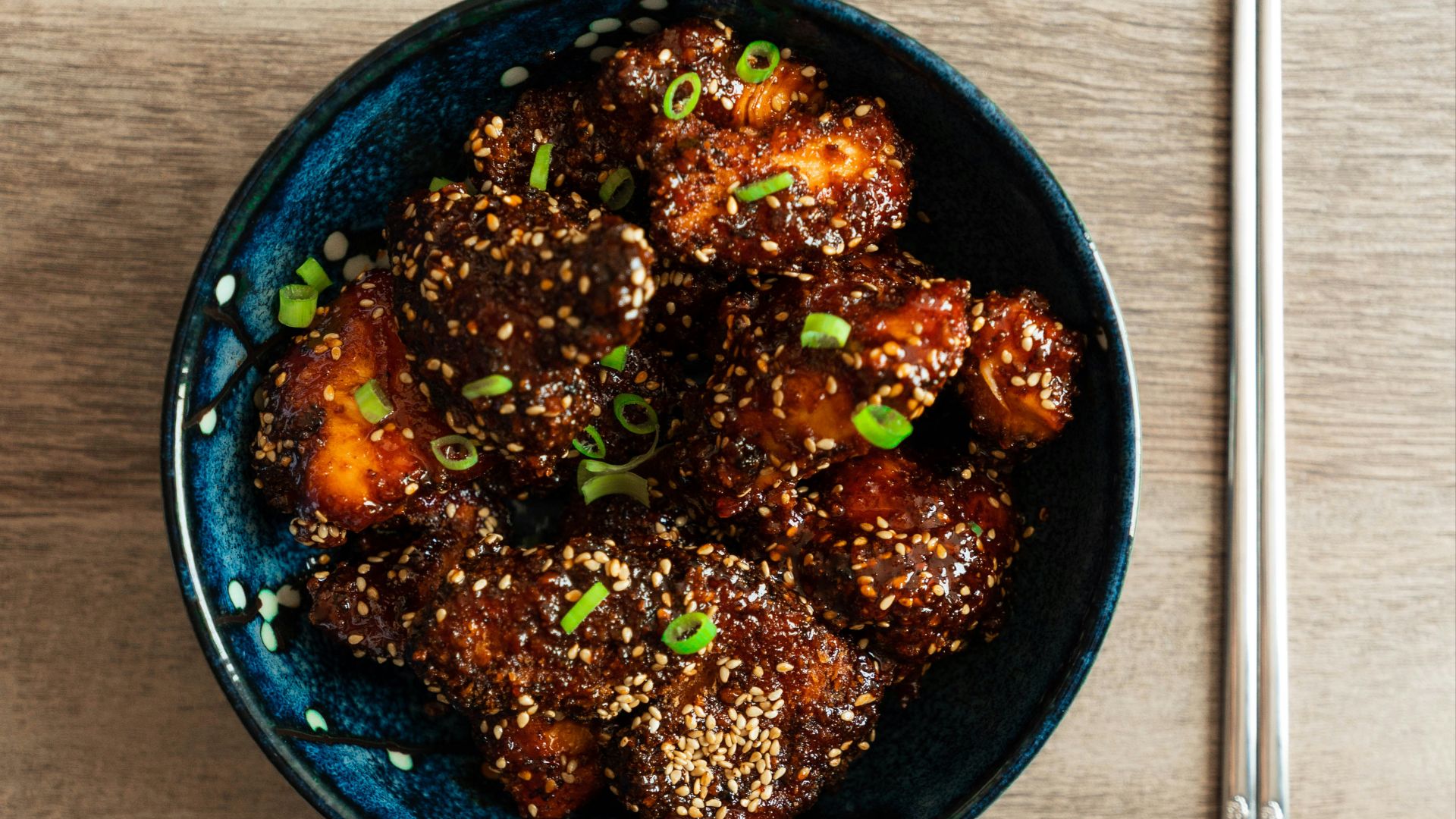
Sesame chicken often sits beside General Tso's chicken on an American takeout menu, and the two can look remarkably similar. The American favorite typically consists of fried chicken coated in a thick, sweet sauce and sprinkled with sesame seeds. Sesame is widely used throughout Chinese cooking, but that doesn't make this particular combination a traditional Chinese standard.
10. Cream Cheese Wontons
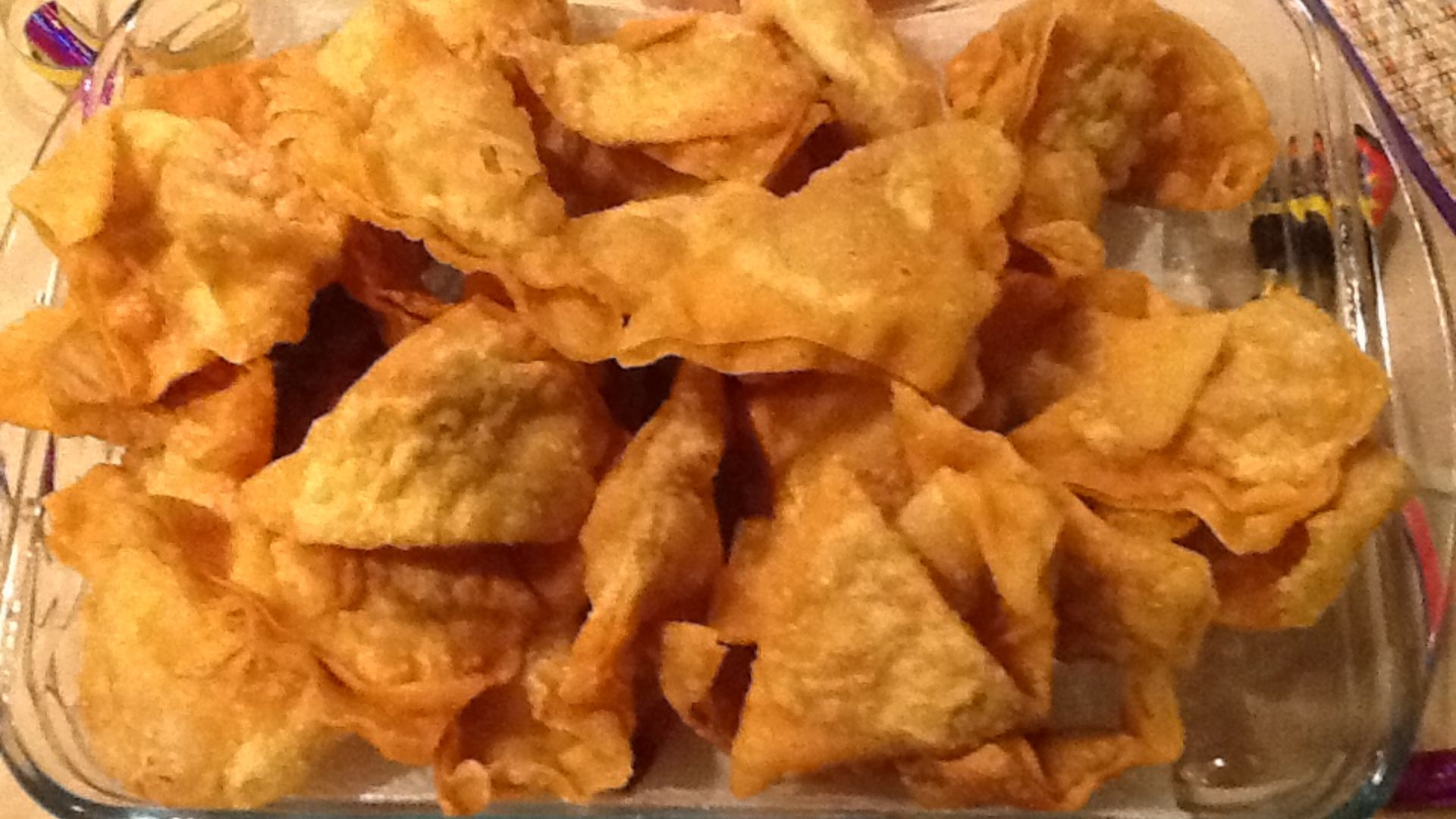
Cream cheese wontons take the basic idea of a Chinese wrapper and fill it with something decidedly more American. Dairy products such as cream cheese traditionally weren't major ingredients across most Chinese regional cuisines, which makes the filling an obvious clue to the dish's overseas development. They're especially popular at Chinese-American restaurants as a crispy, creamy appetizer.
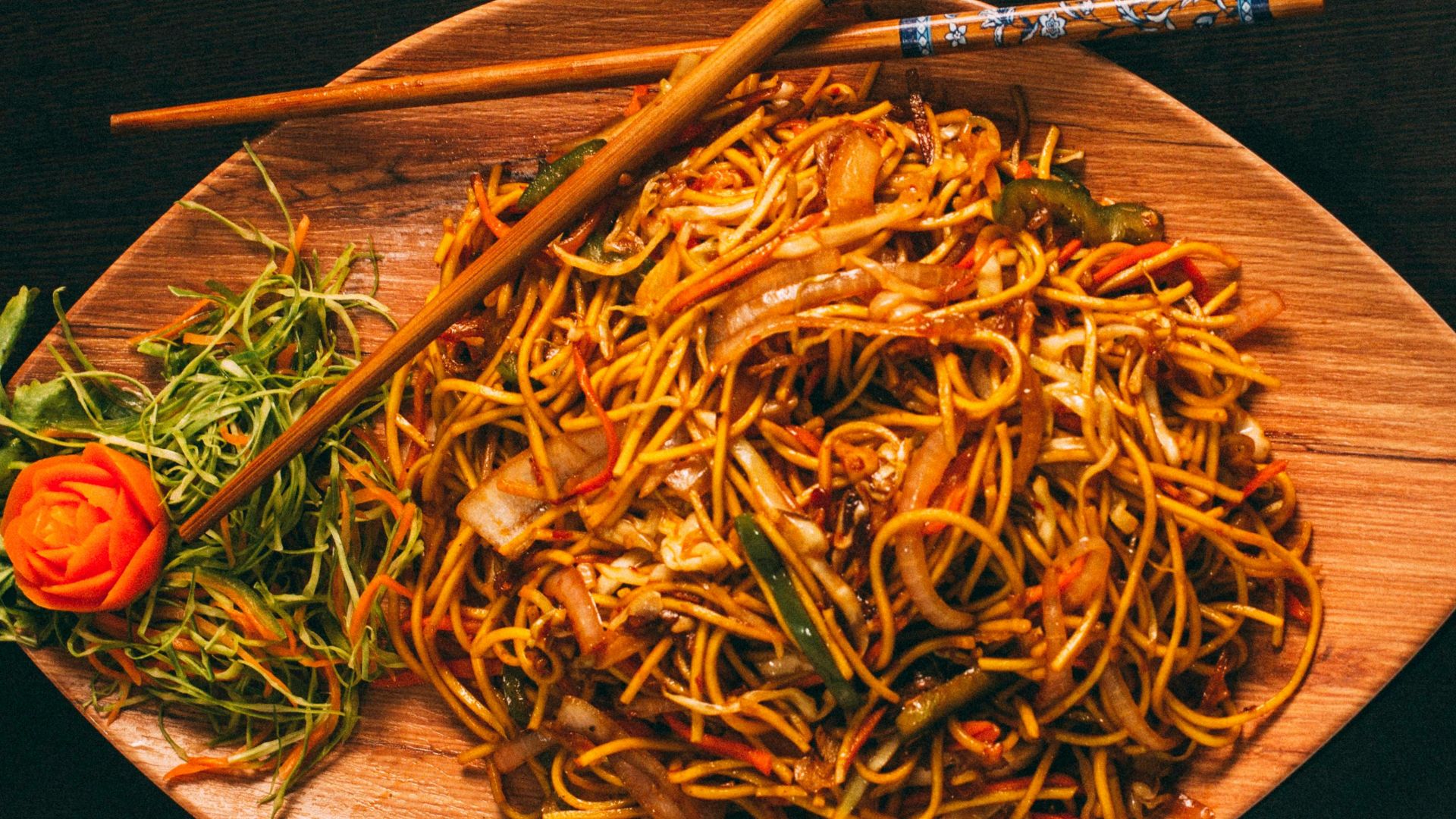
11. Chicken Chow Mein, American Takeout Style
Chow mein does have Chinese roots, and fried noodle dishes are absolutely common in China. However, the version served in many older American Chinese restaurants can be dramatically different, sometimes emphasizing meat, celery, cabbage, and thick sauce more than the noodles themselves. Ask for fried noodles in China, and you'll get the real deal, but don't assume they'll resemble the takeout order you grew up with.
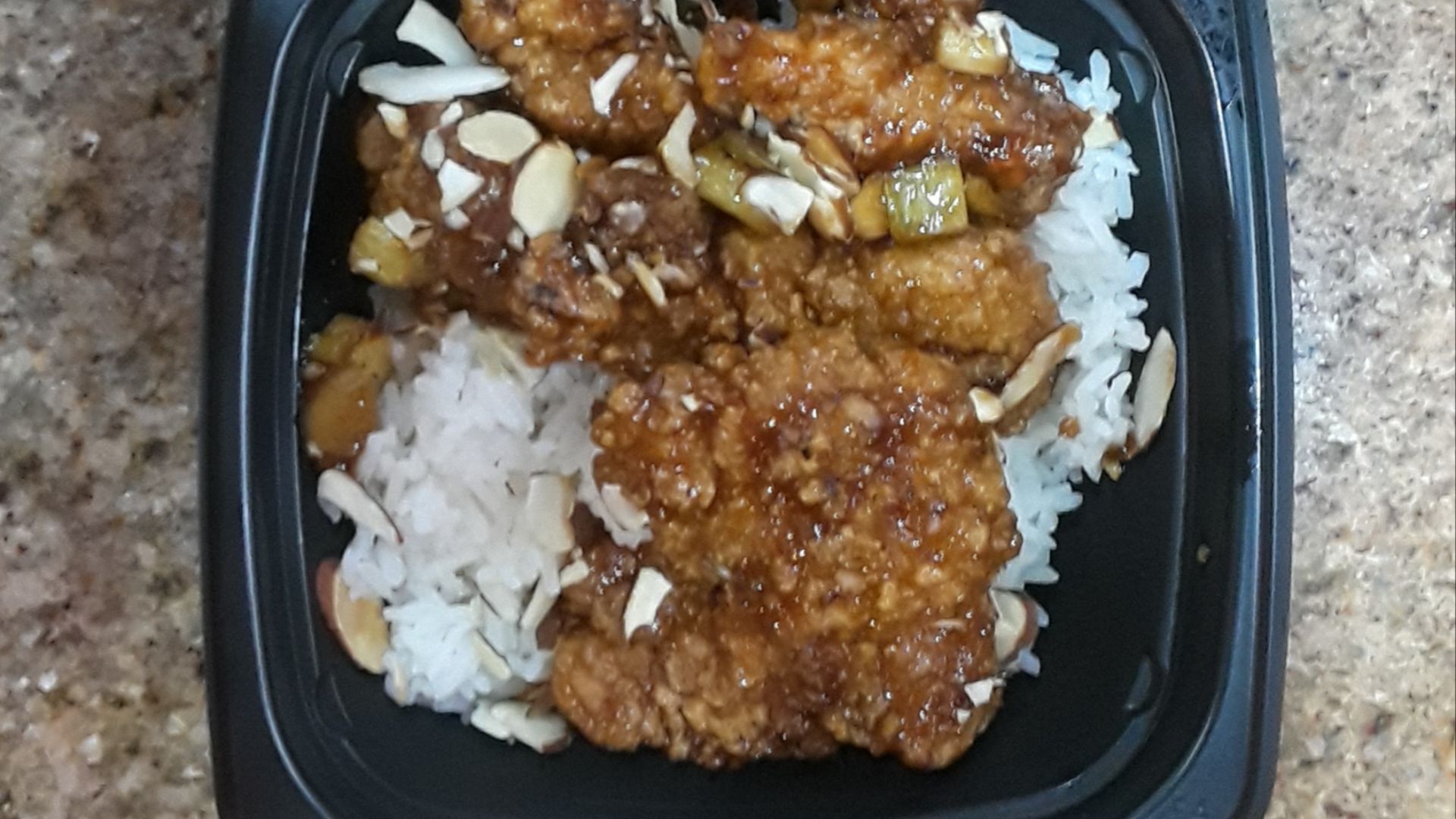
12. Almond Chicken With Brown Gravy
In some parts of the U.S., particularly the Midwest, almond chicken means breaded or fried chicken covered in thick brown gravy and topped with almonds. That version is a regional Chinese-American specialty rather than something you're likely to discover while traveling around China. Chinese cuisine certainly uses nuts and chicken together, but the breaded cutlet and gravy treatment reflects local restaurant adaptation.
 Ser Amantio di Nicolao on Wikimedia
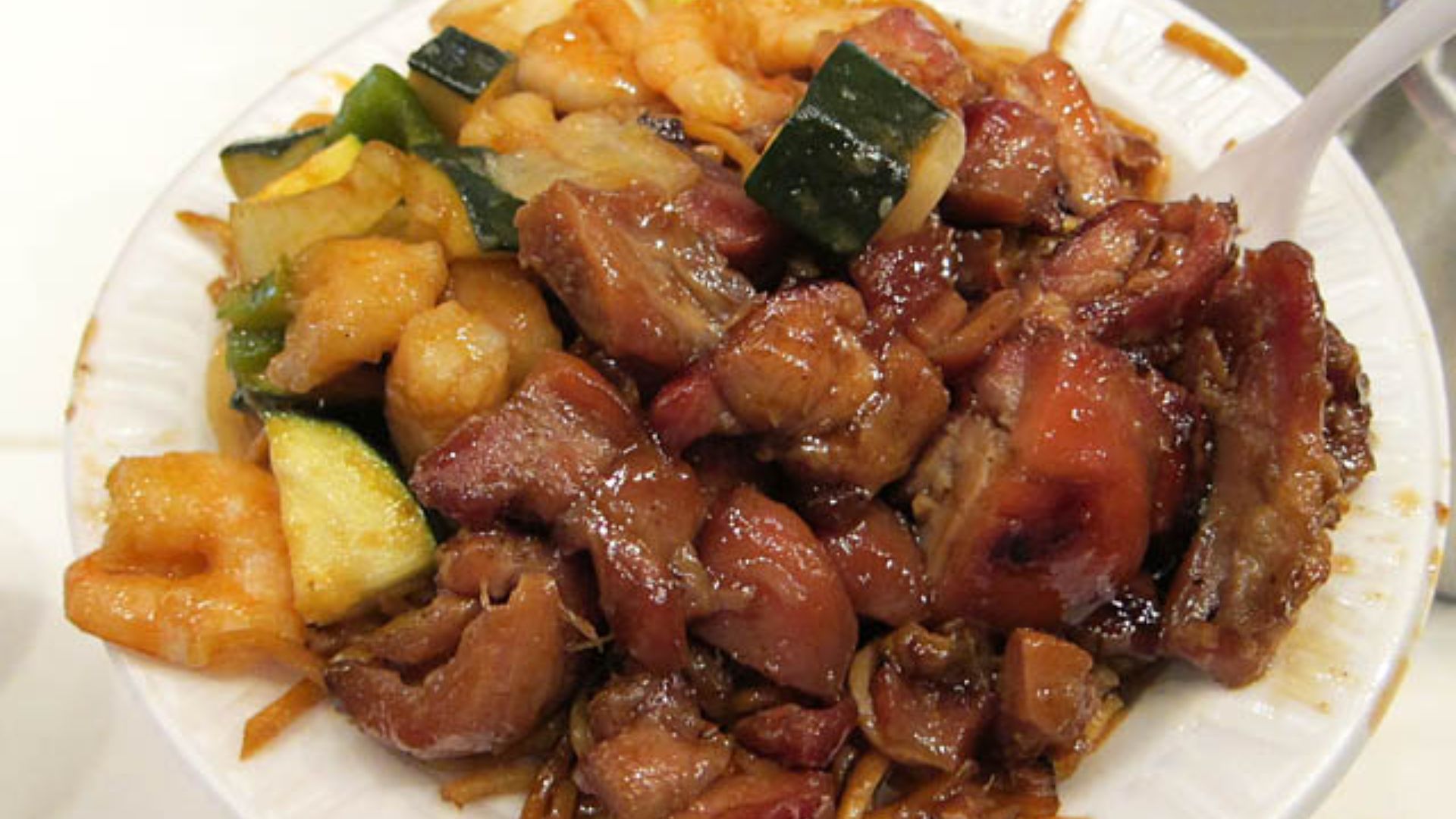
13. Bourbon Chicken
The name alone should raise a few questions about bourbon chicken's claim to traditional Chinese status. Usually found in food courts and casual takeout spots, it features chunks of chicken coated in a sweet, savory glaze that may or may not actually contain bourbon. Its background is tied much more closely to American restaurant culture than to a specific Chinese regional cuisine.
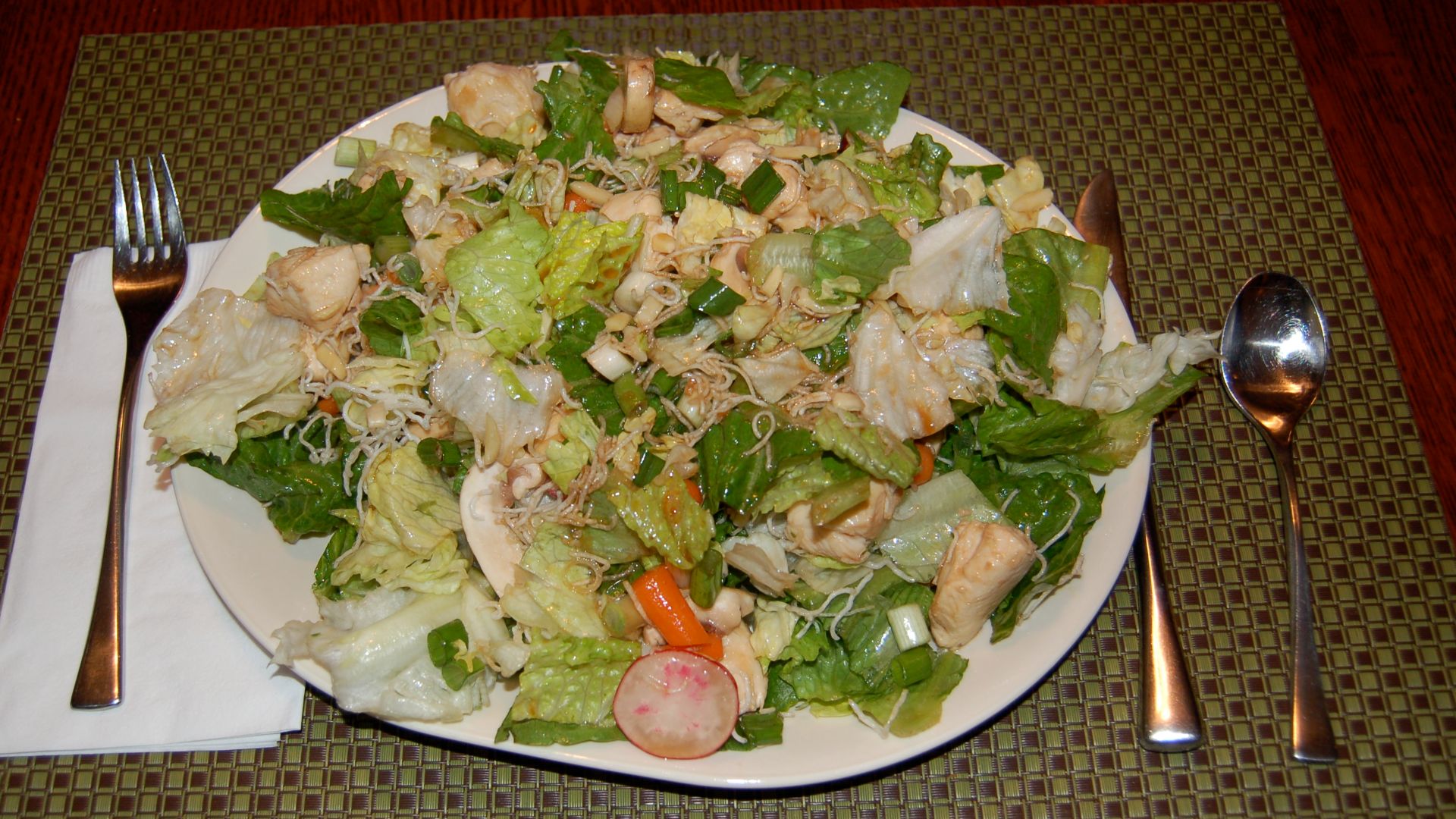
14. Chinese Chicken Salad
Chinese chicken salad is a familiar restaurant and café dish made with shredded chicken, crunchy vegetables, sesame dressing, and toppings such as crispy noodles or wonton strips. Although it takes inspiration from Chinese flavors and ingredients, the composed salad format is largely an American invention. Raw leafy salads haven't traditionally occupied the same role in Chinese meals that they do in the U.S.
15. Mongolian Beef
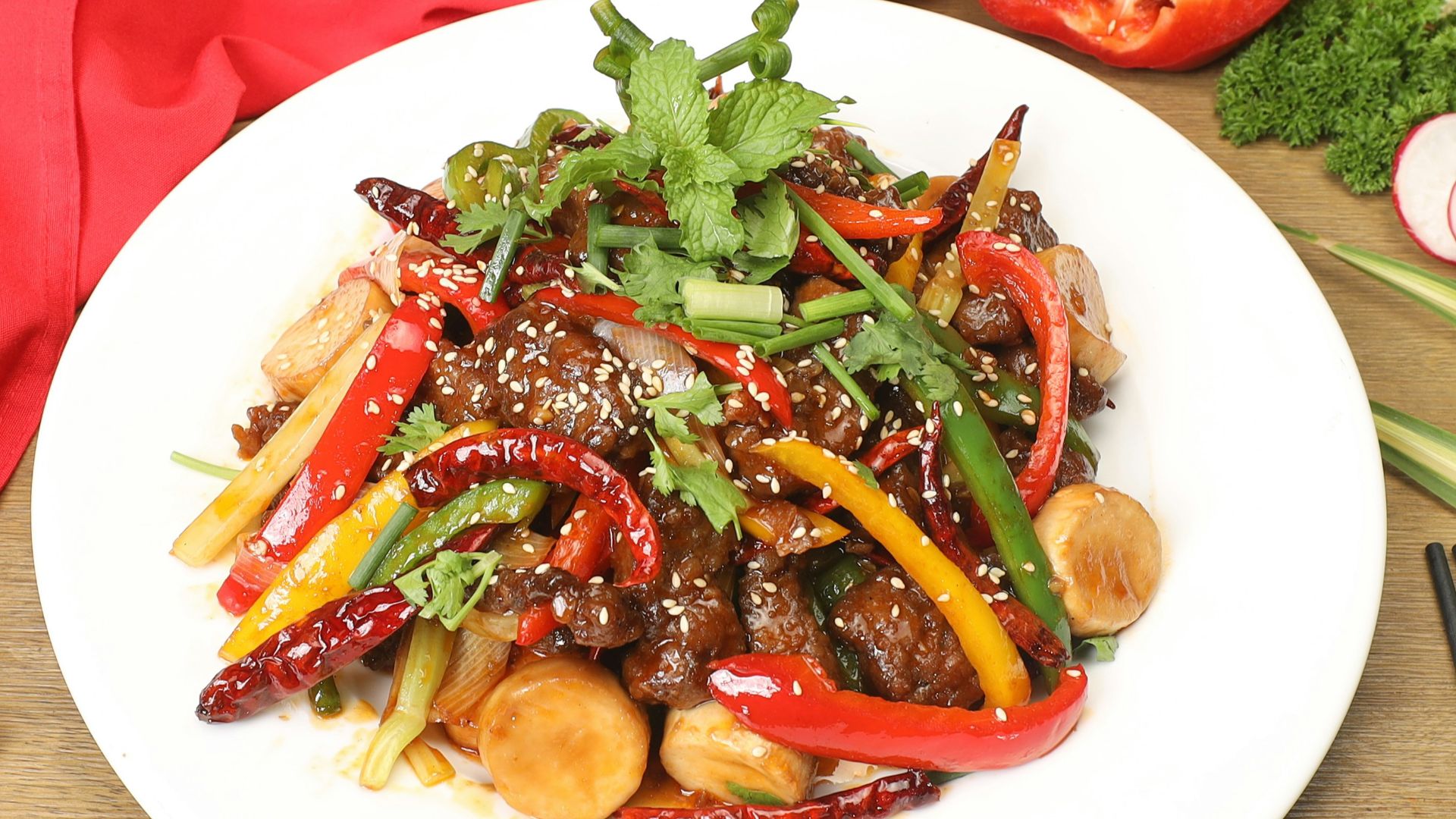
You might think Mongolian beef comes from Mongolia, or at least from somewhere close to the Chinese-Mongolian border. In reality, the American Chinese version of tender beef, onions, and sweet brown sauce isn't considered a traditional Mongolian dish and isn't a standard Chinese classic either. Its name was more about creating an appealing restaurant identity than accurately describing its origins.
16. Pu Pu Platters
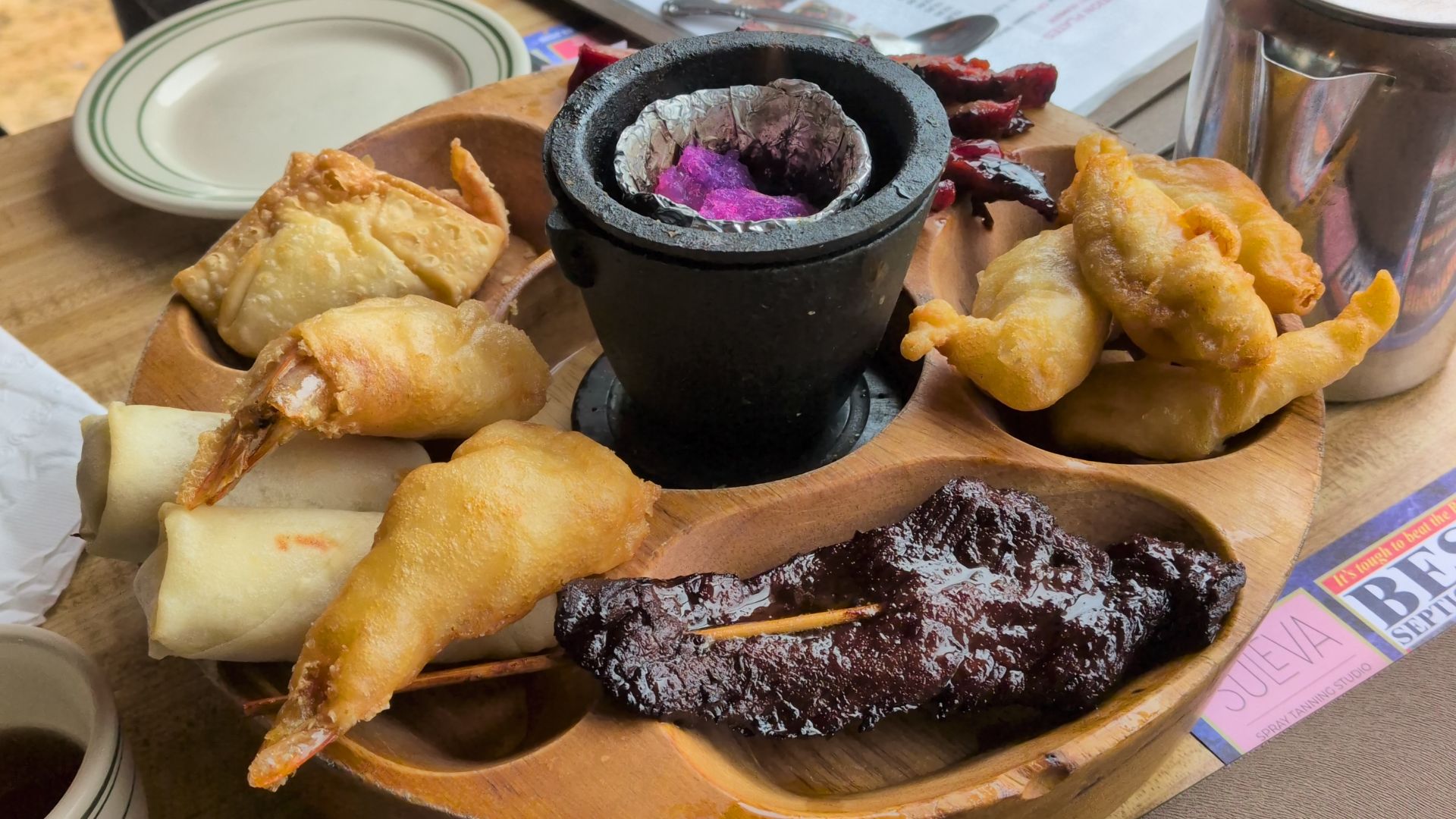
The pu pu platter was once a major attraction at American-Chinese restaurants, particularly those influenced by mid-century Polynesian and tiki dining trends. It usually brings together several appetizers, such as egg rolls, ribs, shrimp, wontons, and other fried or grilled items on one large plate. Although in China shared dishes are normal, there's no traditional custom centered on serving this exact assortment under that name.
17. Duck Sauce
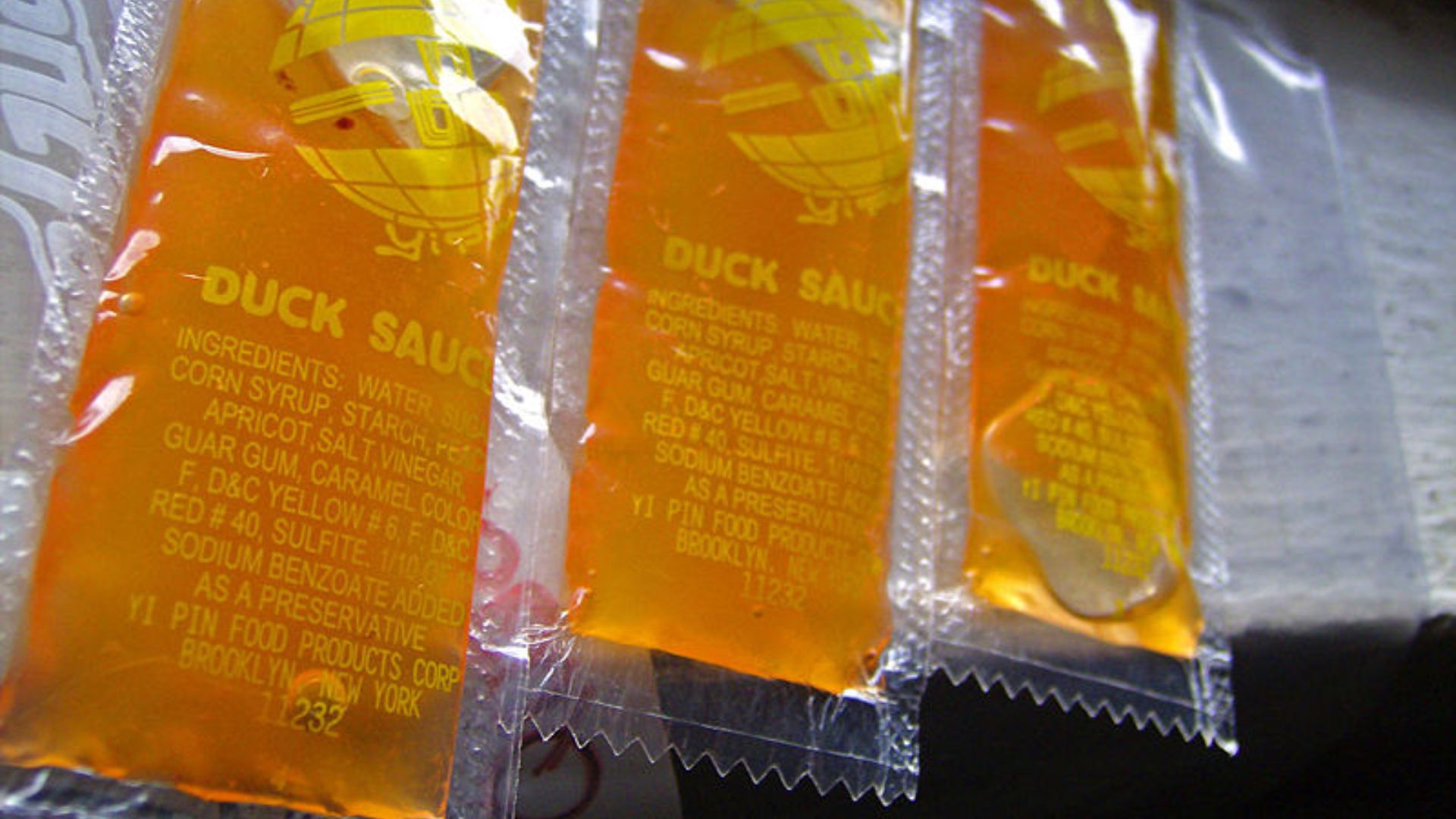
Open a Chinese takeout bag in the U.S., and you may find small packets of bright orange duck sauce tucked alongside the soy sauce. The sweet condiment is often made with ingredients such as apricot, peach, plum, sugar, or vinegar, depending on the producer and region. China has numerous fruit-based and plum sauces, but the standardized orange takeout packet is very much an American Chinese restaurant phenomenon.
18. Fried Wontons With Sweet-and-Sour Sauce
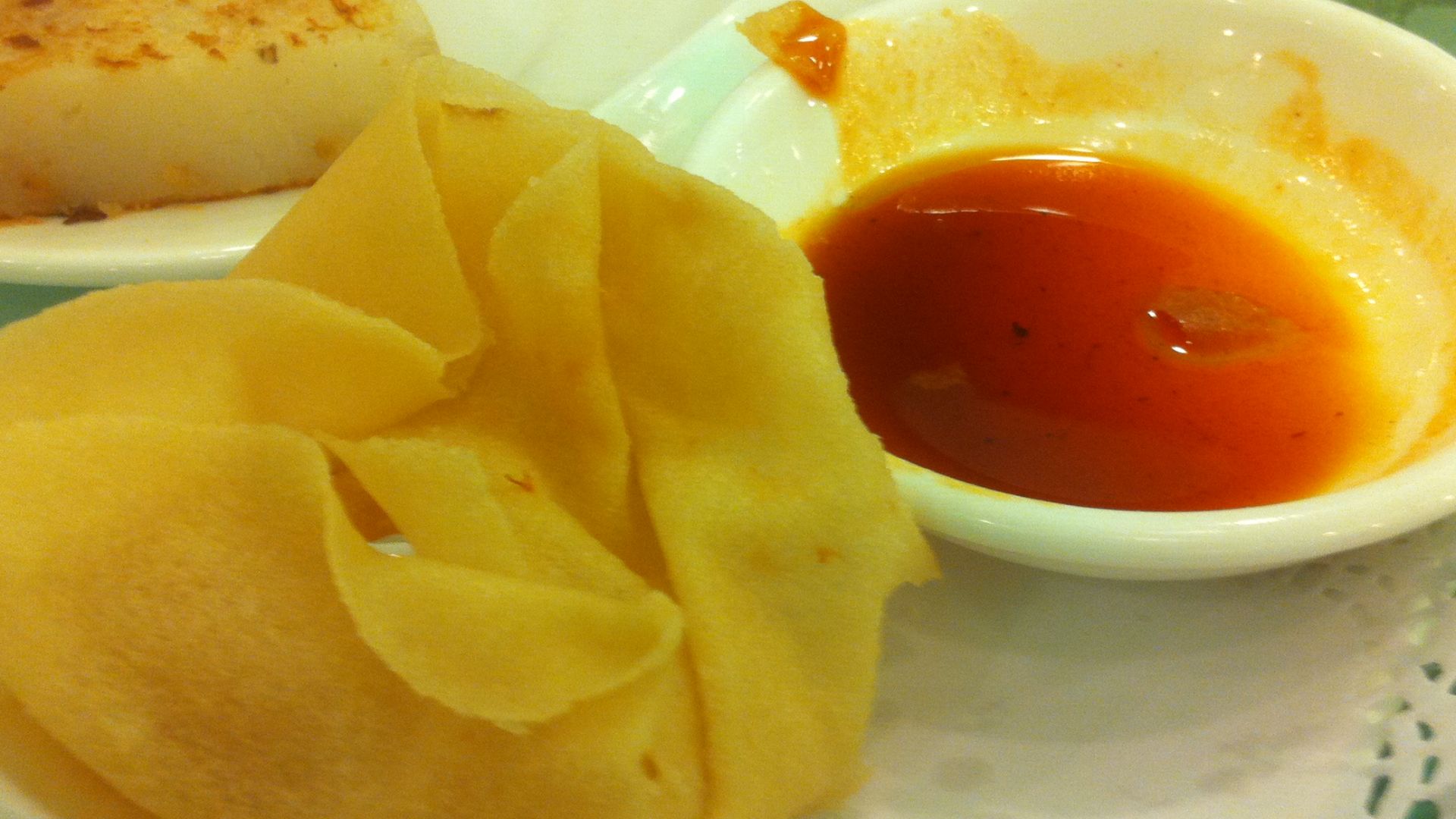
Wontons are unquestionably Chinese, but the crunchy, mostly empty fried versions served with a cup of bright sweet-and-sour sauce are another adaptation. Traditional wontons in China are more commonly filled and served in broth, although preparations differ widely across regions. American restaurants turned the wrapper into a snackable appetizer that could be dipped like a chip.
19. American-Style Egg Rolls
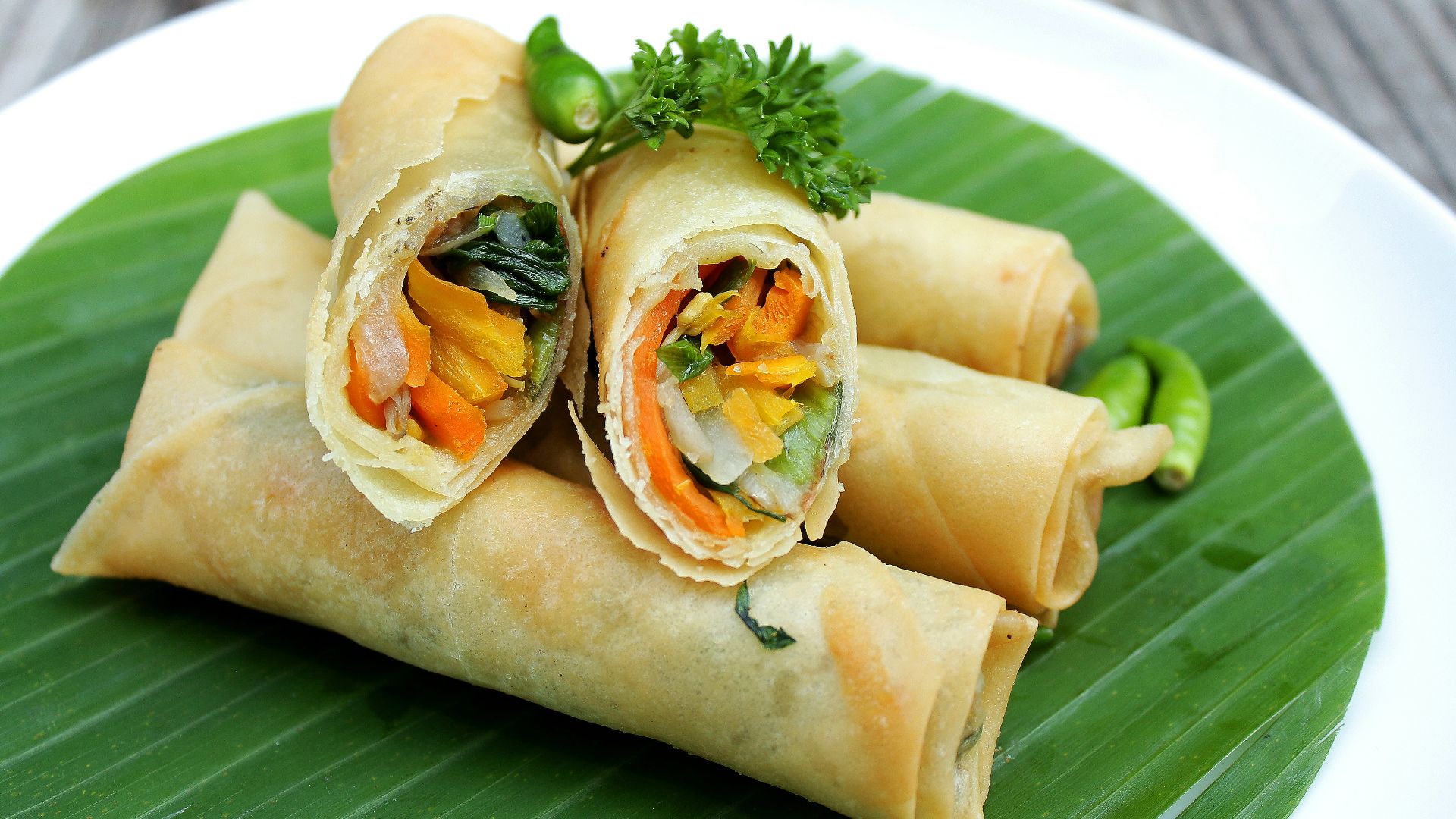
Egg rolls are closely associated with Chinese-American takeout, particularly the large, thick-skinned kind stuffed with cabbage, meat, and other vegetables. They appear to have evolved in the U.S. from earlier Chinese-inspired rolled foods rather than being imported directly as a traditional Chinese dish. China has an enormous variety of spring rolls and other wrapped snacks, but the hefty American egg roll isn't the default.
20. Chinese Donuts
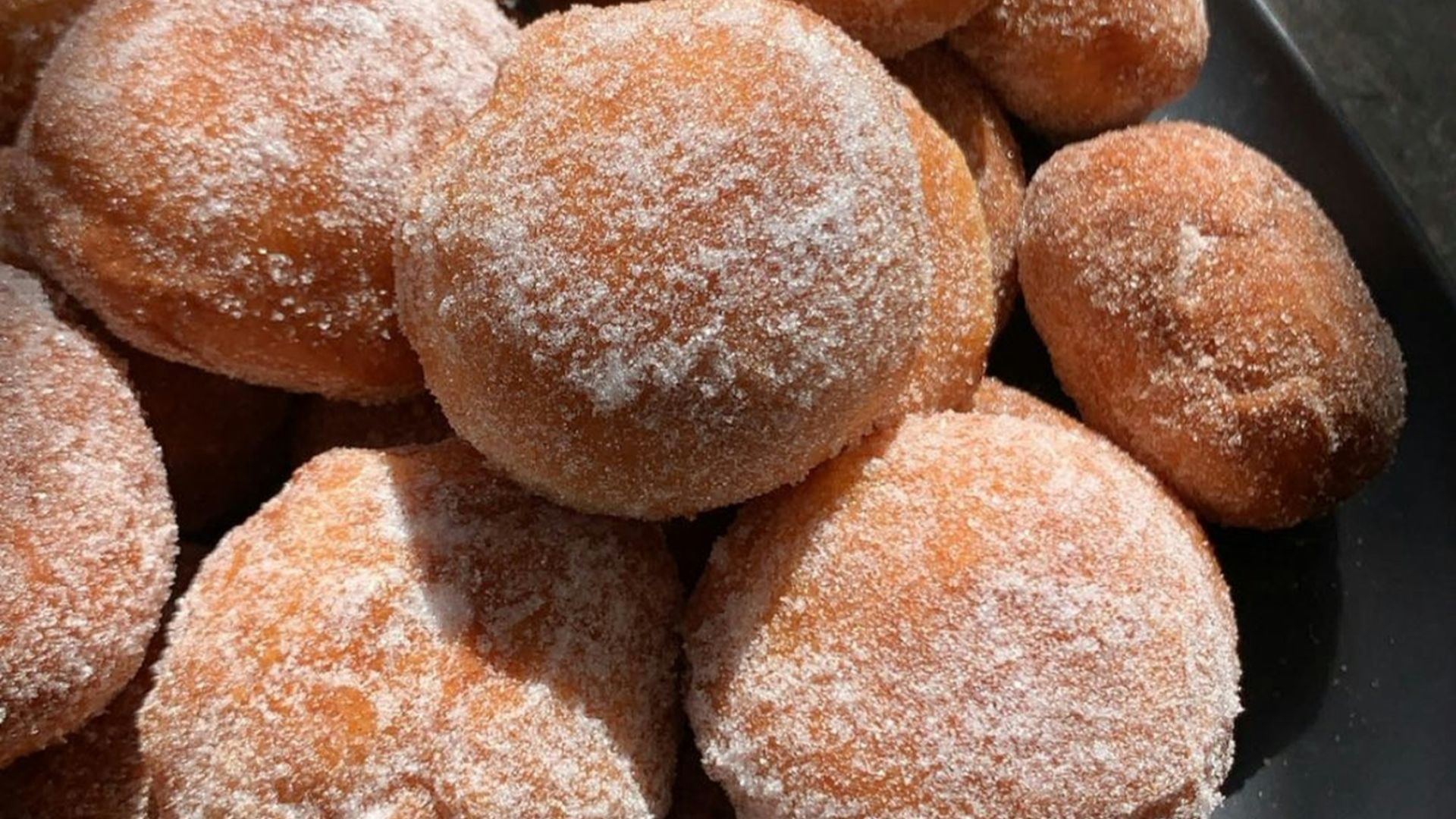
The sugar-coated “Chinese donuts” found at some American buffets aren’t a traditional Chinese dessert. They’re typically pieces of fried dough rolled in granulated sugar, created to suit American expectations for a sweet ending to a meal. China has plenty of fried dough foods, including youtiao, but those are usually savory or only mildly sweet rather than coated like a doughnut. If you see these fluffy sugar-covered bites at a buffet, you’re looking at a distinctly Chinese-American creation.
KEEP ON READING
The 5 Most Consumed Foods in the Entire World